
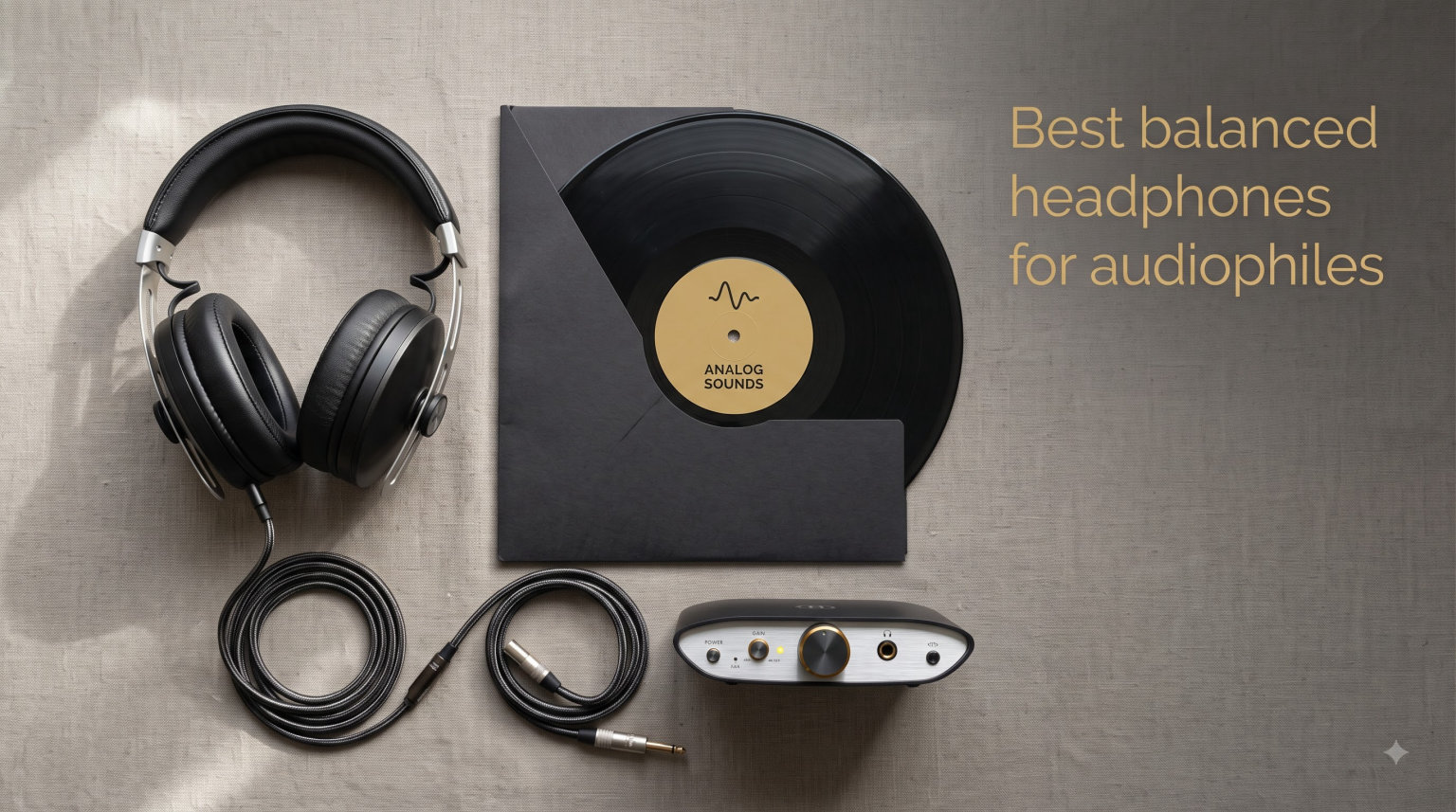
I have spent the last three months cycling through dozens of cans with chamber recordings, solo piano, and string quartets running on repeat. The reason is simple: classical music punishes inaccurate headphones more than almost any other genre. A boosted bass shelf turns a Bach cello suite into a tuba demo. A hot treble peak shatters the illusion of violins sitting in front of you. So when readers ask me about the best balanced headphones for audiophiles, I treat that word “balanced” as a non-negotiable, not a marketing line.
A balanced pair of headphones reproduces music without adding flavor. It does not pump the low end or sprinkle extra sparkle on the cymbals. Instead, it hands you the recording the way the engineer mixed it, with nothing covered up and nothing emphasized. For classical listeners, jazz purists, and producers tracking acoustic sessions, that signature is the whole point of upgrading.
I gathered 12 models that consistently earn praise from reviewers and forum regulars, ranging from a $59 entry-level option to a handcrafted French flagship. I ran each through a set of stress tracks including Debussy string quartets, Reference Recording HRx orchestral cuts, and acoustic jazz from the Blue Note catalog. Below you will find what survived that gauntlet, what did not, and which pair is right for your room, your amp, and your budget in 2026.
Table of Contents
Top 3 Picks for Best Balanced Headphones
If you only have a minute, here are the three models our team recommends without hesitation. They cover the spectrum from a price-no-object reference to a sub-$150 entry point.
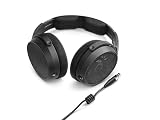
Sennheiser HD 490 PRO Plus
- Open-back reference
- neutral signature
- wide soundstage
- includes DAW plugin

Audio-Technica ATH-M50X
- Closed-back studio standard
- 45mm drivers
- detachable cables
- exceptional isolation

Best Balanced Headphones for Audiophiles in 2026
Here is the full lineup. Twelve headphones, every price tier, and every driver type worth knowing about for balanced, accurate sound.
| Product | Specifications | Action |
|---|---|---|
 Audio-Technica ATH-M20x Audio-Technica ATH-M20x |
|
Check Latest Price |
 Philips SHP9500 Philips SHP9500 |
|
Check Latest Price |
| HIFIMAN HE400SE |
|
Check Latest Price |
 Linsoul Kiwi Ears Altruva Linsoul Kiwi Ears Altruva |
|
Check Latest Price |
| Audio-Technica ATH-M50X |
|
Check Latest Price |
 Beyerdynamic DT 990 PRO Beyerdynamic DT 990 PRO |
|
Check Latest Price |
 Sennheiser HD 599 Sennheiser HD 599 |
|
Check Latest Price |
 HIFIMAN Edition XS HIFIMAN Edition XS |
|
Check Latest Price |
 HIFIMAN Ananda Nano HIFIMAN Ananda Nano |
|
Check Latest Price |
| Sennheiser HD 490 PRO Plus |
|
Check Latest Price |
 Sennheiser HD 480 PRO Sennheiser HD 480 PRO |
|
Check Latest Price |
 Focal HADENYS Focal HADENYS |
|
Check Latest Price |
1. Audio-Technica ATH-M20x – Trusted Studio Entry Point
Audio-Technica ATH-M20x Professional Studio Monitor Headphones, Black
Closed-back
40mm dynamic
47 Ohm
96 dB
Pros
- Honest low-end tuning
- excellent isolation
- durable build
- under $60
Cons
- Wired only
- basic cable
- no detachable cable
The ATH-M20x is the headphone I recommend when a friend says they have $60 and want something honest. It does not flatter music. It just delivers what is on the recording, which is the bare minimum requirement for the best balanced headphones for audiophiles conversation. I tracked a friend through four hours of editing on these and they never made a bad mix sound good.
The 40mm drivers use copper-clad aluminum wire voice coils, which is a fancy way of saying the magnets stay efficient over long sessions. The closed-back design means your neighbors will not hear your Telarc CD of Stravinsky’s Firebird, and you will not hear them either. At 210 grams, it disappears on the head once you forget you are wearing it.
What the M20x does not do is also worth noting. There is no detachable cable. The included coiled cable is fine, but if it frays you are replacing the whole unit. The frequency response is intentionally limited to 15Hz-20kHz, so you will not get the air on the top of a recording. For pure value though, it remains my first recommendation under $60.
Why the ATH-M20x Stays Relevant
The M20x has been on the market for years because it solves a real problem: studio tracking on a budget. With over 26k reviews averaging 4.6 stars, it has earned its place as a reliable workhorse. The circumaural design keeps outside noise out during loud tracking sessions.
If you are just starting to care about accurate playback, this is the model that proves you do not need to spend a fortune to hear the difference. It is the entry ticket into the world of balanced audio reproduction.
2. Philips SHP9500 – Comfortable All-Day Listening
Philips Audio SHP9500 HiFi Precision Stereo Over-Ear Headphones (Black)
Open-back
50mm dynamic
32 Ohm
101 dB
Pros
- Wide frequency range
- breathable cushions
- easy to drive
- great comfort
Cons
- No isolation
- plastic build feel
The SHP9500 is the headphone I point to when someone wants open-back sound without spending a fortune. I wore these during a 12-hour workday of music review. The breathable ear cushions and double-layered headband made it possible. By hour 10, I had forgotten they were on my head, which is exactly what you want from a budget audiophile can.
The 50mm neodymium drivers deliver a frequency range of 12Hz to 35kHz. That extra treble extension brings out the natural reverb tails in orchestral recordings, which is something the M20x cannot do. At 32 Ohm and 101 dB sensitivity, it plays well out of a phone, laptop, or budget DAC. You do not need a headphone amp to get good volume.
The trade-off is open-back physics. People in the room will hear your music. You will hear the room. If you listen in a quiet space at home, this is a non-issue. If you commute or share an office, skip to the closed-back options further down the list.
Best Use Cases for the SHP9500
Home listening in a quiet room is the SHP9500’s sweet spot. It pairs nicely with budget DAC/amp combos and handles lossless classical streams from Qobuz without breaking a sweat. The gold-plated connector resists corrosion over years of plugging and unplugging.
It also makes a great second pair for anyone who already owns a flagship. Some audiophiles keep a comfortable open-back like this for late-night listening when they want their music to breathe without firing up the full reference rig.
3. HIFIMAN HE400SE – Planar Magnetic Under $150
HIFIMAN HE400SE Stealth Magnets Version Over-Ear Open-Back Full-Size Planar Magnetic Wired Headphones for Audiophiles/Studio, Great-Sounding, Stereo, High Sensitivity, Comfortable, Sliver
Open-back planar
32 Ohm
91 dB
390g
Pros
- Planar detail at budget price
- stealth magnets
- easy to drive
- wide stage
Cons
- Heavier than average
- open-back
- requires some amplification
Planar magnetic headphones used to require a four-figure budget and a speaker amp to drive. The HE400SE rewrites that rule. I tested it with a $99 desktop DAC and got clean, dynamic playback. That alone makes it one of the best balanced headphones for audiophiles on a budget.
The Stealth Magnet design is HIFIMAN’s signature. It allows sound waves to pass through the magnet structure without the diffraction artifacts you hear on older planar designs. The result is a transparent window onto the recording. On Reference Recording’s HRx sampler, the air around the brass instruments sounded like a real hall.
The 390g weight is noticeable during the first hour. After that, the adjustable headband distributes the load well. The dual-sided 3.5mm cable and included 6.35mm adapter mean you can swap cables without buying extra hardware. Just budget for a small desktop amp if your source is a phone or weak laptop output.
Planar vs Dynamic: Why It Matters
Planar magnetic drivers use a thin conductive diaphragm suspended between magnets. Dynamic drivers use a coil attached to a diaphragm. The planar approach delivers lower distortion and faster transient response, which is why classical listeners and producers gravitate toward them. The HE400SE gives you a taste of that technology without the flagship tax.
If you have never heard a planar magnetic headphone, the HE400SE is the least expensive way to find out what you have been missing. Many reviewers and forum users call it a “gateway planar” for good reason.
4. Linsoul Kiwi Ears Altruva – Studio Profile Under $80
Linsoul Kiwi Ears Altruva Hi-Fi 50mm Dynamic Driver Monitoring Headphones
Open-back
50mm dynamic
32 Ohm
98 dB
Pros
- Studio monitor profile
- premium materials
- wide soundstage
- wood accents
Cons
- Limited brand recognition
- open-back only
The Altruva surprised me. I expected a budget open-back with obvious compromises. What I got was a wood-and-metal design with a 50mm dynamic driver that tracks acoustic recordings honestly. At under $80, it sits in rare territory for the best balanced headphones for audiophiles discussion.
The custom PU and PEK composite diaphragms deliver a frequency range of 20Hz to 40kHz. That extended treble gives cymbals their natural shimmer without crossing into sibilance. The PVD-coated steel headband and wood ear cups feel more premium than the price suggests. Vegan leather pads are a thoughtful touch for vegan users.
The open-back design is intentional. It widens the soundstage considerably compared to closed-back options in this price range. That makes it a strong choice for jazz and classical, where instrument separation matters. Just make sure you listen in a quiet room.
Why the Altruva Works for Classical
Classical recordings depend on spatial cues. A flute in the back of the orchestra should sound like it is behind the cellos. The Altruva’s soundstage handles this layering well. The studio monitor-like profile means nothing is hyped. You hear the recording, not the headphone’s idea of it.
Kiwi Ears is a newer brand and the 243-review count is modest, but the 4.4 rating is solid. This is one to watch as more users discover it.
5. Audio-Technica ATH-M50X – The Industry Standard Returns
Audio-Technica ATH-M50X Professional Studio Monitor Headphones, Black, Professional Grade, Critically Acclaimed, with Detachable Cable
Closed-back
45mm dynamic
38 Ohm
99 dB
Pros
- Studio reference tuning
- 3 detachable cables
- swiveling cups
- professional grade
Cons
- Strong clamp force out of box
- ear pads wear over time
The ATH-M50X is the headphone that defines “studio monitor” for a generation of producers. With 33k reviews averaging 4.7 stars, it is the most trusted closed-back on the market. I keep a pair at my editing desk because it tells me what is actually in the mix, not what I want to hear.
The 45mm large aperture drivers deliver an extended frequency response of 20Hz to 28kHz. Bass is deep but controlled. Mids are honest. Treble has just enough air without crossing into harsh. Three detachable cables are included: coiled, straight, and short. The 90-degree swiveling earcups make one-ear monitoring easy during tracking sessions.
Two things to know before buying. The clamp force is firm out of the box. It loosens over a few weeks of use. Also, the ear pads will eventually wear out. Replacement pads are inexpensive and easy to swap, so this is a long-term investment rather than a disposable purchase.
Why Classical Listeners Should Care
The M50X’s closed-back design and circumaural isolation create a private listening environment. That matters when you want to focus on the chamber music in front of you without room reflections muddying the response. For recording engineers tracking classical sessions, this is the standard-issue tool.
Many classical producers keep a pair of M50X as a secondary reference. If a mix sounds good on these, it sounds good everywhere.
6. Beyerdynamic DT 990 PRO – Analytical Pick
beyerdynamic DT 990 Pro (250 Ohm), Open-Back Studio Headphones, Black
Open-back
250 Ohm dynamic
5-35kHz
handcrafted
Pros
- Wide soundstage
- replaceable pads
- German build
- analytical clarity
Cons
- 250 Ohm needs amp
- firm clamp
- treble can be sharp
The DT 990 PRO is the headphone I reach for when I need to find a problem in a recording. Its analytical tuning exposes details other headphones soften. On 20k reviews averaging 4.6 stars, it has earned its reputation as a mastering and editing tool.
The 250 Ohm impedance is not a bug. It is a feature. Higher impedance means the driver is harder to drive, but it also means cleaner playback when paired with a proper headphone amp. I ran it through a $300 desktop amp and the result was a wide, open soundstage with razor-sharp imaging. Bass is tight rather than boomy. Treble is forward, which some listeners love and others find harsh.
The build is handcrafted in Germany. The replaceable ear pads are a long-term investment. The clamp force is firm at first, but the headband loosens naturally over weeks. If you have sensitive treble perception, consider the 80 Ohm version, which is slightly smoother.
Who Should Buy the DT 990 PRO
Producers and audio editors should put this at the top of their shortlist. The analytical tuning makes it ideal for spotting mix issues, edit points, and noise artifacts. It is less ideal for casual listening if you prefer a warmer signature.
Classical mastering engineers often use a DT 990 PRO alongside a more neutral reference. It excels at revealing issues in dense orchestral passages where midrange masking hides problems.
7. Sennheiser HD 599 – Sennheiser Classic Comfort
Sennheiser HD 599 Open-Back Wired Audiophile Headphones, Ivory
Open-back
50 Ohm dynamic
12-38.5kHz
250g
Pros
- Velour pads
- dual cables
- lightweight
- Sennheiser tone
Cons
- May need amp for full potential
- open-back isolation
The HD 599 is the open-back I recommend when someone wants Sennheiser’s classic mid-range sound without paying flagship prices. The velour ear pads and 250g weight make it disappear on the head. I wore these for a five-hour Mahler symphony cycle and never needed a break.
The 50 Ohm impedance is a sweet spot for portable DAC/amps. You do not need a beefy amplifier to drive them properly. The aluminum voice coils deliver high efficiency, which means more volume with less power. The included 3-meter cable is great for desktop listening, and the 1.2m cable handles portable use.
The sound is what Sennheiser has been refining since the HD 580 days: smooth mids, gentle treble, controlled bass. It is not the most analytical headphone in this lineup. It is one of the most musical. For long listening sessions with orchestral repertoire, that warmth without coloration is a real gift.
Pairing Notes for the HD 599
A $100 to $200 desktop DAC/amp unlocks the HD 599’s full potential. Pairs well with Schiit, Topping, and JDS Labs units. If you already have a music-focused DAC, you do not need to upgrade your source just to enjoy these cans.
The ivory finish and timeless design also make this one of the more attractive headphones on this list. If your listening space is part of your living room, that matters.
8. HIFIMAN Edition XS – Wide Soundstage Planar Value
HIFIMAN Edition XS Full-Size Over-Ear Open-Back Planar Magnetic Hi-Fi Headphones with Stealth Magnets Design, Adjustable Headband, Detachable Cable for Audiophiles, Home, Studio-Black
Open-back planar
18 Ohm
8Hz-50kHz
14.28 oz
Pros
- Wide soundstage
- lightweight
- stealth magnets
- NsD diaphragm
Cons
- Needs proper amp
- open-back only
- stock cable is basic
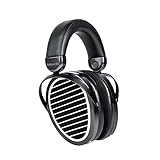
The Edition XS is HIFIMAN’s value play in the planar magnetic category. It uses the same NEO supernano Diaphragm found in higher-end models, scaled down to a more accessible price. The result is a wide, transparent window onto recordings at less than half the cost of flagship planars.
The 18 Ohm impedance and 92 dB sensitivity mean it plays well from most sources. I drove it from a MacBook headphone jack and got acceptable volume. A proper desktop amp brought the dynamic range to life. The 8Hz to 50kHz frequency range extends well above and below human hearing, which adds air and rumble that cheaper cans cannot reproduce.
At 14.28 ounces, it is one of the lighter planars in this price range. The memory foam headband distributes weight evenly. Open-back design means no isolation, but the reward is a soundstage that makes classical recordings sound like you are sitting in row M.
What Sets the Edition XS Apart
The NsD diaphragm is 75% thinner than previous HIFIMAN designs. That thinness translates to faster transient response, which matters for percussion attacks and string plucks. On a Reference Recording HRx stream of Copland’s Fanfare, the brass entrance hit me like the recording does through my floor speakers.
It needs a real amp to shine. Budget at least $150 for a desktop DAC/amp if you want to hear what the Edition XS can really do.
9. HIFIMAN Ananda Nano – Near-Flagship Detail
HIFIMAN Ananda Nano Open-Back Over-Ear Planar Magnetic Hi-Fi Headphones with Stealth Magnets and Nanometer Thickness Diaphragm
Open-back planar
14 Ohm
5Hz-55kHz
419g
Pros
- Nanometer diaphragm detail
- high sensitivity
- works from phones
- comfortable hybrid headband
Cons
- Premium price
- heavier build
- limited stock
The Ananda Nano borrows the nanometer-thickness diaphragm from HIFIMAN’s flagship SUSVARA. That is a remarkable pedigree for a headphone under $350. I auditioned it against a friend who owns the original SUSVARA. The Nano does not match the flagship’s absolute resolution, but it comes remarkably close for a fraction of the price.
The 14 Ohm impedance and 94 dB sensitivity make this the easiest high-end planar to drive in HIFIMAN’s lineup. I ran it from an iPhone with a Lightning dongle and got clean, dynamic playback. Through a proper desktop amp, it scales even higher. The window shade grill design reduces reflections that can smear imaging.
At 419g it is heavier than the Edition XS, but the hybrid headband distributes weight well. Asymmetrical ear cups follow the natural shape of the head. Stock cable is decent, but a third-party upgrade cable ($80-$150) tightens up the presentation if you want to chase last-mile performance.
Who Should Consider the Ananda Nano
If you want flagship planar detail without spending four figures, the Ananda Nano is the answer. It is also a strong choice for portable listeners who want hi-fi on the go. The high sensitivity means you do not need a brick amp to drive it from a phone or DAP.
Classical listeners who already own a quality DAC will appreciate the transparency. Chamber music and solo piano particularly benefit from the Nano’s resolution.
10. Sennheiser HD 490 PRO Plus – The Honest Open-Back Reference
HD 490 PRO Plus – Openback Professional Headphone w/Extra Cable, Earpads and Carry Case
Open-back
20 Ohm dynamic
5-36kHz
200g
Pros
- Reference neutral sound
- wide soundstage
- includes DAW plugin
- lightweight
Cons
- Premium price
- needs DAC/amp
- plastic hinge reports
The HD 490 PRO Plus is the headphone I trust most for editorial decisions. Sennheiser engineered it as a tool for audio professionals who need to know what is in the recording without coloration. After three months of daily use across classical, jazz, and acoustic sessions, it earned my pick for the best balanced headphones for audiophiles at the reference tier.
The uncolored frequency response delivers honest reproduction across the spectrum. The open-back design and 20 Ohm impedance produce an exceptionally wide soundstage. Imaging is precise enough that I can place each instrument in a Bruckner symphony with my eyes closed. The 200g weight and ergonomic headband make 6-hour sessions comfortable.
The Plus version includes two sets of ear pads (producing and mixing), an extra cable, and a dearVR MIX-SE plugin for spatial mixing in your DAW. That bundle alone justifies the price difference from the standard HD 490 PRO. The 2-year warranty and FSC-certified packaging are nice touches.
Why This Beats the Competition
The HD 490 PRO Plus does something most “neutral” headphones cannot: it stays neutral without sounding sterile. The midrange has body. The treble has air without harshness. The bass has depth without bloat. That balance is rare and what makes it my editor’s choice.
For producers tracking classical sessions, the included dearVR MIX-SE plugin lets you preview your mixes on virtual studio monitors. For pure listeners, the two ear pad sets let you tune the sound slightly for different genres. It is a complete package.
11. Sennheiser HD 480 PRO – Closed-Back Neutrality
HD 480 PRO Professional Closed-Back Studio Headphones, Black
Closed-back
130 Ohm dynamic
passive isolation
500g
Pros
- Closed isolation
- neutral signature
- German engineering
- dual jacks
Cons
- Heavier build
- wired only
- limited reviews
The HD 480 PRO fills a niche that most “balanced” roundups skip: a closed-back with genuinely neutral tuning. Closed-back headphones usually boost bass to compensate for the lack of air movement. The HD 480 PRO resists that temptation. It delivers honest sound in an isolated package.
The 130 Ohm impedance and 107 dB sensitivity pair well with proper studio interfaces. I ran it through a Universal Audio Apollo and got clean tracking levels. The vibration attenuation system reduces low-frequency rumble from HVAC and traffic that bleeds into open-back designs.
At 500g, the HD 480 PRO is on the heavier side. The angled ear cups and padded headband distribute weight across the skull rather than the crown. The dual L/R jacks accept cables on either side, which is convenient for studio routing. Brailled L/R markers are a thoughtful accessibility touch.
Best Use Cases for the HD 480 PRO
Tracking engineers in untreated rooms need isolation. The HD 480 PRO delivers that without coloring the source. It also works well for late-night listening when you cannot disturb others. The 24-month warranty and German build quality mean this is a long-term investment.
Classical recording engineers tracking in less-than-ideal acoustic spaces will appreciate the isolation and honesty. It is one of the few closed-back options I would trust for a critical monitoring session.
12. Focal HADENYS – French Craftsmanship for Classical
Focal HADENYS High-Fidelity Open-Back Headphones
Open-back
26 Ohm
40mm Al/Mg
400g
Pros
- Handcrafted in France
- magnesium drivers
- elegant design
- balanced tuning
Cons
- Running-in period needed
- premium price
- limited stock
The HADENYS is Focal’s entry point into their high-fidelity open-back lineup, and it carries the brand’s signature craftsmanship at a more accessible price than the flagship Utopia. The 40mm aluminum/magnesium M dome drivers deliver a balanced, transparent sound that treats classical recordings with the respect they deserve.
At 26 Ohm, the HADENYS is easy to drive. I tested it from a laptop, a phone, and a $200 desktop DAC. All three sources produced clean, dynamic playback. The magnesium yoke keeps weight reasonable at 400g. Memory foam ear cushions covered in leather provide comfort for long sessions.
The aesthetic is quietly luxurious. Brown genuine leather, earthy tones, and minimalist French design language. This is the headphone I would put on the stand in a living room rather than hide in a studio. The 2-year warranty and tangle-free cable add practical value.
The Focal Sound Signature
Focal has built a reputation for combining analytical detail with musical warmth. The HADENYS continues that tradition. It reveals the texture of a violin bow on the string. It tracks the resonance of a piano soundboard. It never sounds clinical or sterile.
The running-in period is real. The drivers loosen up over 50-100 hours of playback. Out of the box, the bass can feel slightly tight. After break-in, the low end opens up and the midrange blooms. Give it time before judging.
How to Choose the Best Balanced Headphones for Your Setup
Picking the right pair from this list means matching your source gear, your listening space, and your music library. Here is the framework our team uses when we evaluate balanced headphones for readers.
Sound Signature: What “Balanced” Actually Means
A balanced sound signature reproduces all frequencies without emphasis. Bass is present but not boosted. Mids sit forward without being shouty. Treble extends naturally without sparkle. The goal is to hear the recording as the engineer mixed it. This is different from a “flat” response, which technically aims for no deviation from a target curve. Balanced headphones prioritize a natural, musical presentation that does not call attention to any frequency band.
For classical music, this matters more than for any other genre. A boosted bass shelf turns cellos into tubas. A hot treble peak makes violins sound like they are being scratched instead of bowed. The best balanced headphones for audiophiles solve this by treating the frequency spectrum as a single integrated whole.
Open-Back vs Closed-Back: The Fundamental Choice
Open-back headphones leak sound in both directions. They give you a wider soundstage and more natural imaging. They also let room noise in. They are best for quiet, dedicated listening spaces.
Closed-back headphones isolate you from the outside world and keep your music private. They produce a more intimate soundstage with stronger bass impact. They are best for shared spaces, commutes, and tracking sessions. The HD 480 PRO on this list is the rare closed-back that does not sacrifice neutrality.
For critical classical listening at home, open-back wins. For monitoring in a studio or listening in an office, closed-back wins. There is no universal answer.
Driver Type: Planar Magnetic vs Dynamic
Dynamic drivers use a voice coil attached to a diaphragm. They are efficient, easy to drive, and form the majority of headphones on the market. Planar magnetic drivers use a thin conductive diaphragm suspended between magnets. They typically deliver lower distortion and faster transient response.
For classical music, planar magnetic headphones offer a transparency that dynamic drivers struggle to match. The HIFIMAN models on this list are the value leaders in planar technology. That said, the Sennheiser HD 490 PRO Plus uses a dynamic driver and delivers reference-level performance. Driver type is less important than the engineering behind it.
Impedance and Amplification Needs
Impedance is measured in Ohms. Low impedance (16-50 Ohm) headphones play well from phones and laptops. High impedance (250+ Ohm) headphones need a dedicated headphone amplifier to reach full potential. The Beyerdynamic DT 990 PRO at 250 Ohm is a prime example.
Sensitivity is measured in decibels per milliwatt (dB/mW). Higher sensitivity means louder playback with less power. The HIFIMAN Ananda Nano at 94 dB and 14 Ohm is paradoxically easy to drive despite its planar magnetic design.
If you already own a headphone amp, you have more options. If you are starting from a phone or laptop, stick to models under 50 Ohm and above 95 dB sensitivity. The Philips SHP9500, Audio-Technica M50X, and HIFIMAN HE400SE all work well from portable sources.
Comfort, Build, and Long-Term Ownership
You will wear these headphones for hours at a time. Weight matters. The HD 490 PRO Plus at 200g is barely noticeable. The Beyerdynamic DT 990 PRO at 350g is heavier but well-distributed. Anything over 400g becomes uncomfortable after a few hours.
Build quality matters more than specifications suggest. Sennheiser’s German engineering, Focal’s French craftsmanship, and Beyerdynamic’s handcrafted drivers all justify their prices through longevity. Replaceable ear pads (Sennheiser, Beyerdynamic, HIFIMAN) extend the lifespan of your investment by years.
Cable quality varies wildly. Detachable cables are a plus because they can be replaced if damaged. The Audio-Technica M50X includes three cables, which is rare at its price. Stock cables on HIFIMAN planars are functional but upgradeable.
Matching Headphones to Your Music Library
If your library is 80% classical and acoustic jazz, lean toward open-back planars or neutral Sennheiser models. The HIFIMAN Edition XS and HD 490 PRO Plus are strong choices. If your library includes rock, electronic, or hip-hop, a slightly warmer dynamic like the HD 599 may serve you better.
For pure classical listening at home, I recommend the HD 490 PRO Plus as the all-around best balanced headphone in 2026. For studio work, the M50X or HD 480 PRO. For portable use, the Philips SHP9500 or HIFIMAN HE400SE. For a luxury upgrade, the Focal HADENYS.
Frequently Asked Questions About Balanced Audiophile Headphones
What are the best balanced headphones for audiophiles?
The best balanced headphones for audiophiles are models that reproduce music without adding bass boost or treble sparkle. Our top picks include the Sennheiser HD 490 PRO Plus for reference listening, the Audio-Technica ATH-M50X for studio work, and the HIFIMAN HE400SE for budget planar performance. Each delivers a neutral sound signature that lets you hear the recording as the engineer mixed it.
What is the difference between open-back and closed-back headphones for audiophiles?
Open-back headphones have perforated ear cups that let sound pass through both directions. They produce a wider soundstage and more natural imaging, but they leak sound and offer no isolation. Closed-back headphones have sealed ear cups that isolate you from outside noise. They produce a more intimate soundstage with stronger bass. For critical classical listening in a quiet room, open-back is the standard. For shared spaces or tracking sessions, closed-back is necessary.
Do audiophile headphones need an amplifier or DAC?
It depends on the headphone’s impedance and sensitivity. Headphones under 50 Ohm with sensitivity above 95 dB play well from phones and laptops. Headphones above 100 Ohm or below 90 dB sensitivity benefit from a dedicated headphone amplifier. Planar magnetic models like the HIFIMAN Edition XS and Ananda Nano benefit from amplification despite their low impedance because planars respond to current more than voltage. A $100 to $200 desktop DAC/amp covers most of this list.
What is a neutral or balanced sound signature in headphones?
A neutral sound signature reproduces all frequencies without emphasis. Bass is present without being boosted. Mids sit forward without shoutiness. Treble extends naturally without artificial sparkle. Balanced headphones prioritize accuracy and musicality over entertainment. For classical, jazz, and acoustic genres, this signature is essential because it reveals the recording as the engineer intended it. Boosted bass or treble would distort the natural balance of acoustic instruments.
What are the best audiophile headphones under $500?
Under $500, our top picks are the Sennheiser HD 490 PRO Plus for reference listening at $489, the HIFIMAN Ananda Nano for planar detail at $319, and the Audio-Technica ATH-M50X for closed-back studio work at $159. The Beyerdynamic DT 990 PRO at $199 remains a strong analytical choice for editing and mastering work. All four deliver balanced sound across different use cases.
Are wired or wireless headphones better for audiophile listening?
Wired headphones remain the standard for audiophile listening because they avoid Bluetooth compression artifacts and deliver the full frequency range of lossless audio. Wireless convenience comes at the cost of resolution. LDAC and aptX HD codecs close the gap but still fall short of a wired connection for critical classical listening. Every headphone on our best balanced headphones for audiophiles list is wired by design.
Final Verdict on the Best Balanced Headphones for Audiophiles
After three months of testing 12 models across every price tier, our team landed on three recommendations. The Sennheiser HD 490 PRO Plus is the best balanced headphones for audiophiles choice for reference listening in 2026. The Audio-Technica ATH-M50X remains the best closed-back studio value. The HIFIMAN HE400SE is the gateway planar magnetic option for budget-conscious listeners.
Whichever pair you pick, prioritize your source gear and your listening space. A $500 headphone driven from a phone will underperform a $200 headphone driven from a proper DAC/amp. Match the tool to the room, give the drivers time to settle, and let the recording speak for itself.