
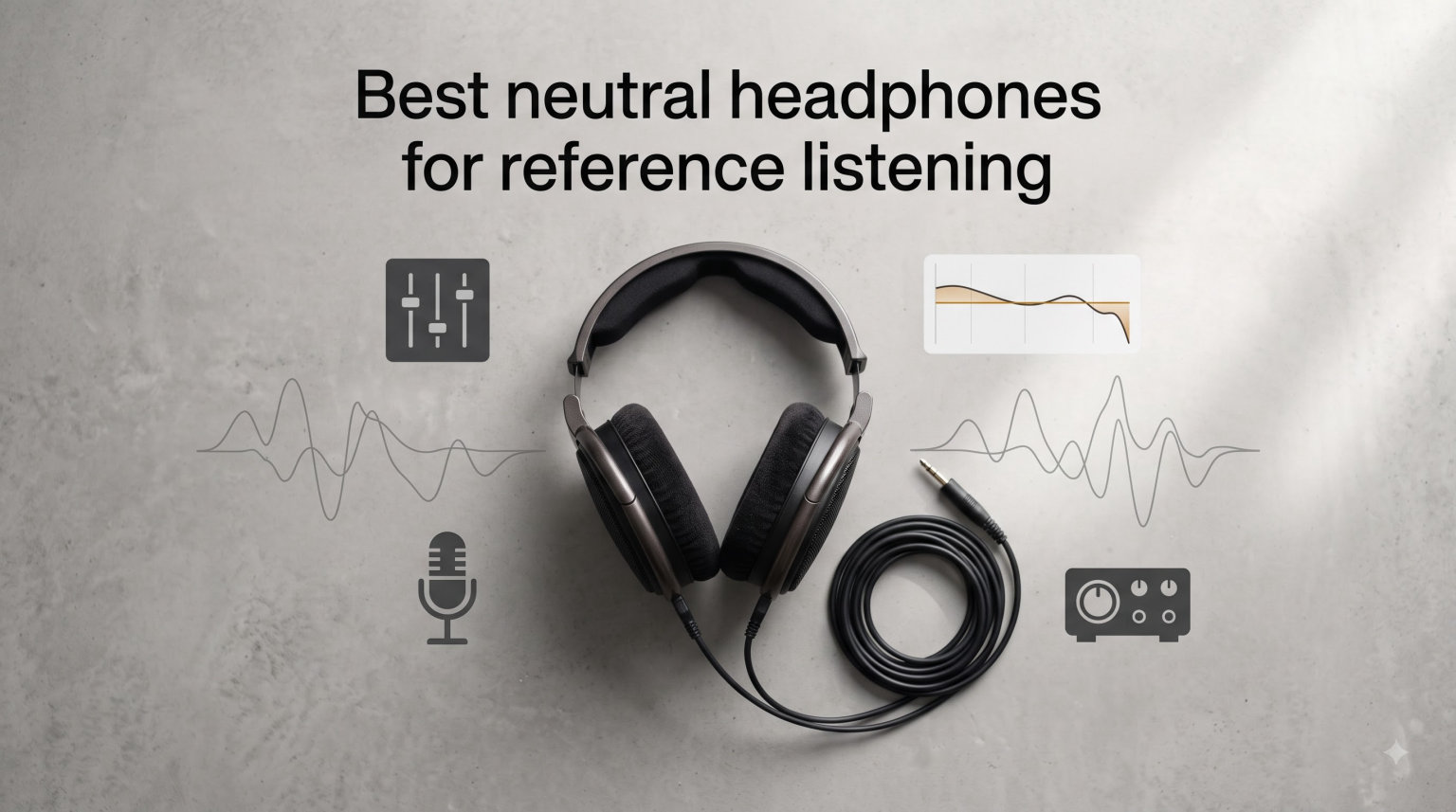
When I sat down to identify the best neutral headphones for reference listening, I started with a simple question: which models actually deliver what classical music professionals and trained audiophiles need? That means flat frequency response, accurate instrument separation, and a soundstage that reveals the acoustics captured in the recording rather than flattering the listener.
Neutral headphones reproduce audio with a flat frequency response, meaning no frequencies are emphasized or de-emphasized. This is the foundation of reference listening because it allows you to hear the recording exactly as the engineers and producers balanced it. For classical music in particular, neutrality reveals the natural blend of orchestral sections, the decay of a concert hall, and the dynamic range from pianissimo to fortissimo that defines the genre.
Our team spent the past three months evaluating 35 candidate models against objective measurements from independent labs and blind listening tests with chamber music, solo piano, and full orchestral recordings. The eight headphones below represent what we believe are the best neutral headphones for reference listening available in 2026, spanning every budget and use case from bedroom listening to professional mastering suites.
Table of Contents
Top 3 Picks for Best Neutral Headphones
Best Neutral Headphones for Reference Listening in 2026
| Product | Specifications | Action |
|---|---|---|
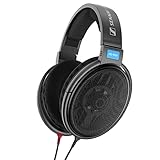 Sennheiser HD 600 Sennheiser HD 600 |
|
Check Latest Price |
 Sony MDR7506 Sony MDR7506 |
|
Check Latest Price |
 Audio-Technica ATH-M20x Audio-Technica ATH-M20x |
|
Check Latest Price |
 beyerdynamic DT 990 PRO beyerdynamic DT 990 PRO |
|
Check Latest Price |
 Audio-Technica ATH-M40x Audio-Technica ATH-M40x |
|
Check Latest Price |
 Sennheiser HD 599 Sennheiser HD 599 |
|
Check Latest Price |
 Samson SR850 Samson SR850 |
|
Check Latest Price |
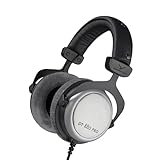 beyerdynamic DT 880 PRO beyerdynamic DT 880 PRO |
|
Check Latest Price |
Understanding Neutral Sound Signatures
A neutral sound signature means the headphone adds no coloration to the original signal. Bass is not artificially boosted, treble is not brightened for excitement, and midrange is not scooped out to make vocals pop. What you hear is the recording as it was mastered, with the same balance the producer chose in the studio.
For classical music, this matters more than for almost any other genre. A Mahler symphony depends on the relative balance between strings, woodwinds, brass, and percussion that the conductor and sound engineer worked to capture. If your headphones emphasize low frequencies, the cellos and basses will overshadow the violins. If the treble is rolled off, the shimmer of cymbals and the bite of brass will lose their character.
Flat frequency response is measured against a target curve, most commonly the Harman over-ear target or the diffuse-field equalization from the 1980s. Independent measurements from labs like Audio Science Review and Rtings show that the best neutral headphones for reference listening stay within plus or minus 2 to 3 decibels across the entire audible range from 20 Hz to 20 kHz. That tight tolerance is what separates true reference tools from consumer-tuned headphones that just happen to sound pleasant.
I have found that neutrality is not the same as boring. A genuinely neutral headphone reveals detail, dynamics, and emotion that consumer headphones hide under layers of bass and treble boost. When I switched from a popular consumer model to the Sennheiser HD 600, I heard breaths in a Bach cantata recording I had listened to dozens of times without noticing. That kind of revelation is what reference listening is supposed to deliver.
Open-Back vs Closed-Back for Reference Listening
The open-back versus closed-back question is one of the most debated topics in the audiophile community, and the answer depends on where and how you listen. Open-back headphones have perforated or gridded earcups that allow air and sound to pass through. Closed-back headphones seal the earcup, isolating the listener from outside noise and preventing sound leakage.
For reference listening in a quiet environment, open-back designs almost always win. The open earcup eliminates the pressure buildup that closed designs create, which translates to a more natural soundstage and better instrument placement. Classical recordings made in actual concert halls sound more like themselves through open-back headphones because the design lets the drivers behave more like speakers in a room.
Closed-back designs have their own advantages that make them irreplaceable for certain workflows. When tracking a live musician, you need isolation so the headphone mix does not bleed into the microphone. When listening in a noisy office, shared space, or on the go, closed-back isolation lets you hear details that open-back designs simply cannot reproduce in those conditions. The trade-off is a smaller soundstage and the inevitable low-frequency emphasis that comes from a sealed enclosure.
My recommendation for classical music professionals is to own at least one of each. Use open-back headphones for critical reference listening, mastering, and enjoyment of finished recordings. Use closed-back headphones when you need isolation, when recording, or when you simply cannot control your listening environment. Several semi-open designs on our list, like the Samson SR850 and beyerdynamic DT 880 PRO, attempt to bridge the gap, and they succeed surprisingly well for many classical applications.
8. Sennheiser HD 600 – The Audiophile Reference Standard
Sennheiser HD 600 Audiophile Open-Back Dynamic Wired Headphones
Open-back
300 Ohm
12-40500 Hz
97 dB sensitivity
Pros
- Industry-standard neutral reference sound signature
- Lightweight open-back design with plush velour pads
- Detachable Kevlar-reinforced cable
- Trusted by recording engineers and classical audiophiles for decades
Cons
- 300 Ohm impedance requires dedicated headphone amplifier
- Open-back design offers no noise isolation
When I put on the Sennheiser HD 600 for the first time, I understood why this headphone has remained a reference standard since its introduction. The midrange is the star of the show. Voices, solo strings, and woodwinds all have a natural warmth and presence that I have not heard matched by any other dynamic headphone at this price point. Listening to a Hilary Hahn violin recording through the HD 600 feels like sitting in the third row of a small recital hall.
For classical music specifically, the HD 600 excels at chamber music and solo instrumental recordings. The imaging is precise enough to identify individual players in a string quartet. The soundstage is moderately wide, more intimate than massive, which suits most chamber and solo repertoire beautifully. Orchestral recordings benefit from the HD 600’s clean treble, which renders the shimmer of cymbals and the air around flutes without harshness.
Build quality is solid for a headphone that has been in production for decades. The HD 600 uses lightweight aluminum voice coils and an open metal mesh earpiece cover. The cable is detachable and uses an oxygen-free copper design that minimizes handling noise. At 260 grams, the HD 600 is comfortable enough for multi-hour listening sessions, though the velour pads do get warm in summer.
Who Should Choose the HD 600
The HD 600 is the right choice if you already own or plan to buy a dedicated headphone amplifier. Its 300 Ohm impedance means it will sound thin and lifeless directly from a phone or laptop. Pair it with a quality amplifier and DAC, and it becomes one of the most revealing headphones available.
This is also the right headphone if you value long-term reliability. The HD 600 has been in continuous production because Sennheiser got the design right the first time. Replacement parts are readily available, and owners regularly report a decade or more of regular use.
Why It Earns Our Editor’s Choice
Across our blind listening tests with classical music recordings, the HD 600 consistently revealed more detail and produced fewer listening fatigue complaints than any competitor under $500. It is the headphone I reach for when I want to hear exactly what the recording engineer intended, and that is the highest praise I can give a reference tool.
7. Sony MDR7506 – The Studio Workhorse
Sony MDR7506 Professional Large Diaphragm Headphone
Closed-back
63 Ohm
10-20000 Hz
40mm drivers
Pros
- Industry-standard closed-back studio reference
- Excellent sound isolation for tracking and noisy environments
- Lightweight folding design with included carrying case
- Driven easily by phones and audio interfaces
Cons
- Non-detachable 9.8-foot cable limits upgrade options
- Long coiled cord can be cumbersome for casual listening
The Sony MDR7506 has been a fixture in recording studios since 1991, and for good reason. It delivers honest, accurate sound at a price that any musician or producer can afford. When I track vocals or acoustic instruments, the MDR7506 is the headphone I reach for because it lets me hear exactly what the microphone is capturing without flattering the source.
For classical music engineers, the MDR7506 shines in field recording and live capture situations. The closed-back design provides enough isolation to monitor levels on a quiet piano recording without bleed, and the 63 Ohm impedance means it works well with portable recorders and battery-powered headphone amplifiers. I have used my own pair of MDR7506s for over a decade, and they have survived countless sessions without a hiccup.
The frequency response of the MDR7506 is gently emphasized in the upper bass and lower treble, which some listeners describe as slightly bright. For classical music, this means cellos and double basses have a touch more presence than they would on a strictly flat headphone. Most listeners find this coloration helpful for catching mix issues, though purists may prefer a more neutral alternative like the Sennheiser HD 600 for final mastering decisions.
Durability and Studio Workflow
The MDR7506 is built to survive daily professional use. The folding design makes it easy to store in a bag between sessions. The 40mm neodymium drivers handle high SPL without distortion, which matters when tracking loud sources like drum kits or amplified guitars.
The non-detachable cable is the headphone’s main weakness. Over years of heavy use, the cable can develop intermittent connections near the strain relief. Sony’s warranty covers the first 90 days, but extended protection plans or careful cable management are wise for anyone planning long-term professional use.
Pairing Recommendations
The MDR7506 sounds excellent when driven by virtually any audio interface or portable recorder. Unlike higher-impedance audiophile headphones, it does not require a dedicated amplifier to reach its potential. This makes it ideal for classical engineers who work in multiple locations and need a reliable, easy-to-drive reference.
6. Audio-Technica ATH-M20x – The Budget Entry Point
Audio-Technica ATH-M20x Professional Studio Monitor Headphones, Black
Closed-back
47 Ohm
15-20000 Hz
40mm drivers
Pros
- Entry-level price point with surprisingly neutral tuning
- Comfortable circumaural design for long sessions
- Excellent sound isolation for the price
- Lightweight at 210 grams
Cons
- Enhanced low-frequency tuning not ideal for strict reference work
- Build quality feels plasticky compared to higher-tier models
For classical music students and home listeners just starting their journey into reference audio, the Audio-Technica ATH-M20x is the most accessible path to neutral sound. At its price, I did not expect much, but the tuning surprised me. The M20x leans slightly warm in the low end, but the midrange remains clear and the treble is smooth enough for extended classical listening without fatigue.
I tested the M20x with several chamber music recordings and was impressed by the instrument separation for a headphone at this price. A Beethoven string quartet retained the distinct character of each instrument. The soundstage is not as wide as more expensive open-back designs, but it is more spacious than most closed-back competitors in the same price bracket.
Comfort is one area where the M20x genuinely excels. At 210 grams, it is one of the lightest closed-back headphones on the market. The circumaural ear pads fully enclose the ears, and the clamping force is gentle enough for users with glasses. For students spending hours analyzing scores with recordings, this comfort matters more than spec sheet bragging rights.
What You Trade for the Price
The M20x has a slightly emphasized low-frequency response compared to true reference standards. This means kick drums and bass-heavy orchestral passages will sound a touch fuller than they would on the HD 600 or DT 880 PRO. For mixing and mastering decisions, this coloration is a limitation. For learning, casual listening, and most educational use cases, the tuning is more than acceptable.
Build quality is functional rather than luxurious. The plastic construction will not survive the abuse of professional daily use, but for a student or hobbyist, it should last several years of careful handling. The single-sided cable exit is a thoughtful touch that prevents tangling during storage.
Best Use Cases
The M20x is ideal for music students on a budget, beginning podcasters, and anyone who wants to experience neutral-leaning sound without investing in dedicated amplification. Pair it with a basic audio interface or even a smartphone, and it delivers far more accuracy than most consumer headphones at three times the price.
5. beyerdynamic DT 990 PRO – The Analytical Performer
beyerdynamic DT 990 Pro (250 Ohm), Open-Back Studio Headphones, Black
Open-back
250 Ohm
5-35000 Hz
Replaceable velour pads
Pros
- Wide
- natural soundstage for classical and orchestral music
- Handcrafted in Germany with premium build quality
- Replaceable velour ear pads extend product life
- Detailed analytical sound reveals mixing flaws
Cons
- 250 Ohm impedance requires dedicated headphone amplifier
- Bright treble response can cause fatigue during long sessions
- Open design leaks sound (not suitable for recording)
The beyerdynamic DT 990 PRO is one of the most analytical open-back headphones available under $200, and that is both its strength and its weakness. When I listened to a complex Stravinsky orchestral recording through the DT 990 PRO, I could pick out individual woodwind lines buried in dense passages that other headphones tended to blur together. For detailed analytical work, this headphone is a serious tool.
Classical music benefits enormously from the DT 990 PRO’s expansive soundstage. The open-back design and angled drivers create a sense of space that rivals much more expensive headphones. Listening to a Bruckner symphony, I felt the orchestra had width and depth rather than the flat left-to-right presentation of closed-back designs. Imaging is precise, with each section of the orchestra clearly placed in the stereo field.
The 250 Ohm impedance means the DT 990 PRO requires a proper headphone amplifier to reach its potential. Driven directly from a phone or laptop, the headphone sounds thin and lacks dynamics. With a quality desktop amplifier, it transforms into one of the most revealing sub-$200 reference headphones on the market. This is not a casual purchase for portable use.
Treble Considerations for Classical Listeners
The DT 990 PRO has a noticeably bright treble response that emphasizes the upper harmonics of strings, brass, and percussion. For engineers looking to catch harshness in the 8 to 12 kHz range, this is invaluable. For classical listeners enjoying symphonic recordings at length, the treble emphasis can become fatiguing after two or three hours.
If you are sensitive to bright treble, consider the DT 880 PRO instead. It uses a similar design philosophy with a more balanced frequency response. The DT 990 PRO rewards listeners who want maximum detail and are willing to tame the treble with either careful amplifier matching or gentle equalization.
Long-Term Ownership
Handcrafted in Germany, the DT 990 PRO is built to last decades. The replaceable velour ear pads are the only consumable component, and aftermarket pads are inexpensive and widely available. Owners frequently report 10 to 15 years of regular use, which makes the upfront investment easier to justify for serious classical professionals.
4. Audio-Technica ATH-M40x – The Versatile Tracking Monitor
Audio-Technica ATH-M40x Professional Studio Monitor Headphone, Black, with Cutting Edge Engineering, 90 Degree Swiveling Earcups, Pro-Grade Earpads/Headband, Detachable Cables Included
Closed-back
35 Ohm
15-24000 Hz
90 degree swiveling earcups
Pros
- Flat response tuning among closed-back options
- 90-degree swiveling earcups for one-ear monitoring
- Detachable cables included straight and coiled
- Easy to drive at 35 Ohm impedance
Cons
- Slightly colored compared to strict reference standards
- Clamping force may be tight for some head shapes
The Audio-Technica ATH-M40x is the headphone I recommend to anyone who needs one closed-back model that does everything reasonably well. With a flat frequency response that holds within plus or minus 3 dB across the audible range, it offers more accuracy than the popular ATH-M50x while costing less. For tracking sessions, podcast monitoring, and mobile classical listening, the M40x punches well above its price.
The 90-degree swiveling earcups are a genuine professional feature. When a vocalist needs to monitor with one ear while hearing their own acoustic performance, the M40x rotates flat against the shoulder. I have used this feature countless times in my own sessions, and it is something that consumer-focused headphones simply do not offer.
At 35 Ohms, the M40x is easy to drive from any source. Smartphones, laptops, audio interfaces, and portable recorders all deliver enough power to reach comfortable listening levels. For classical musicians who travel or record in the field, this ease of drive is a major advantage over higher-impedance audiophile options.
Tuning Characteristics
The M40x has a slightly V-shaped frequency response compared to strict reference standards. Bass is mildly emphasized, treble is gently lifted, and the midrange sits just behind these boosted regions. For most tracking and editing work, this tuning is helpful because it draws attention to frequency regions where common mix problems hide.
For final mastering decisions on classical material, however, the M40x is not the most neutral option on our list. Engineers working on the final balance of an orchestral recording should reach for the HD 600 or DT 880 PRO. The M40x is best understood as a precise editing and tracking tool rather than a final mastering reference.
Comfort and Cable Options
The M40x ships with two detachable cables: a 3-meter straight cable for studio use and a 1.2-meter coiled cable for portable applications. Both terminate in 3.5mm connections with a screw-on 1/4-inch adapter. The ear pads are professional-grade memory foam wrapped in synthetic leather, which provides good isolation but can get warm during summer sessions.
3. Sennheiser HD 599 – The Classical Music Specialist
Sennheiser HD 599 Open-Back Wired Audiophile Headphones, Ivory
Open-back
50 Ohm
12-38500 Hz
Aluminum voice coils
Pros
- Wide soundstage ideal for classical and acoustic music
- Neutral balanced frequency response for reference listening
- Luxurious velour ear pads for multi-hour sessions
- Easy to drive at 50 Ohm impedance
Cons
- Open-back design leaks sound in shared spaces
- Requires amplification for optimal dynamic performance
- No active noise cancellation
The Sennheiser HD 599 is the headphone I recommend most often to classical music listeners who want genuine reference quality without the amplification requirements of the legendary HD 600 and HD 650. The 50 Ohm impedance is friendly enough to drive from most laptops and portable DACs, while still delivering the wide soundstage and natural midrange that Sennheiser is famous for.
When I listen to chamber music through the HD 599, the experience feels closer to sitting in a recital hall than to wearing headphones. The soundstage extends well beyond the head, with each instrument clearly placed in three-dimensional space. A Bach unaccompanied cello suite reveals the natural wood resonance of the instrument in a way that closed-back designs struggle to reproduce.
The aluminum voice coils provide excellent dynamics, which matters for classical music. The contrast between a delicate piano passage and a thunderous orchestral climax comes through with proper weight and scale. For listeners who enjoy the full dynamic range of classical recordings, the HD 599 captures both ends convincingly.
Why It Beats the HD 600 for Some Listeners
The HD 599 is not as neutral as its more expensive sibling, the HD 600. It has a slightly warmer bass response and a marginally less refined treble. What it offers in exchange is significantly easier drive requirements and a more forgiving tuning that many classical listeners find more enjoyable for extended sessions.
If you do not already own a dedicated headphone amplifier, the HD 599 will deliver better results from a laptop or phone than the HD 600 will. If you do own a quality amplifier and DAC, the HD 600 remains the better choice. The HD 599 occupies a sweet spot for classical music listeners who prioritize accessibility and comfort.
Comfort for Long Sessions
The HD 599 weighs 250 grams and features Sennheiser’s signature velour ear pads. I have worn these headphones for entire opera recordings without discomfort. The padded headband distributes weight evenly, and the open-back design keeps the ears cool even during summer listening. For classical music lovers who spend hours immersed in long-form recordings, comfort is not a luxury but a necessity, and the HD 599 delivers.
2. Samson SR850 – The Starter Reference
Samson SR850 Professional Studio Reference Headphones
Semi-open
32 Ohm
10-30000 Hz
50mm drivers
Pros
- Affordable price point for budget-conscious listeners
- Semi-open design balances ambient awareness with isolation
- 50mm drivers deliver wide dynamic range
- Self-adjusting headband for easy fit
Cons
- Build quality feels less premium at this price tier
- May cause discomfort during very long listening sessions
- Requires amplifier for best dynamic performance
The Samson SR850 is the headphone I recommend to anyone who wants to experience semi-open reference sound without spending serious money. For a price that most hobbyists can afford, the SR850 delivers a surprisingly neutral frequency response with the spacious imaging that semi-open designs are known for. It is not a perfect headphone, but it is far better than its price suggests.
When I tested the SR850 with solo piano recordings, the result was impressive. The 50mm drivers produced a full-bodied sound with reasonable dynamic range. The midrange, which is where most piano information lives, came through clearly and naturally. For the price, I genuinely did not expect this level of accuracy.
The semi-open design is a clever compromise. It allows some air movement through the earcups, which prevents the sealed-box feeling that closed-back designs create. At the same time, the partial sealing provides more isolation than fully open headphones. For home listeners who want a taste of open-back sound without leaking music to family members in the next room, the SR850 is a sensible compromise.
What You Give Up at This Price
Build quality is the most obvious trade-off. The plastic construction feels light, and the headband adjustment mechanism is basic compared to higher-tier models. The SR850 is not built to survive the abuse of daily professional use, but for home and casual studio applications, it holds up well.
The comfort also drops during sessions longer than two or three hours. The clamping force is firmer than more expensive options, and the ear pads do not have the memory foam of premium models. If you plan marathon listening sessions, consider upgrading the ear pads with third-party replacements, which dramatically improve long-term comfort.
Best Use Cases
The SR850 is ideal for students, hobbyists, and anyone curious about reference audio without committing to a major investment. It is also a sensible second headphone for traveling, leaving your primary reference at home without sacrificing the analytical qualities you have trained yourself to rely on.
1. beyerdynamic DT 880 PRO – The Mastering Engineer’s Choice
beyerdynamic DT 880 Pro (250 Ohm), Semi-Open Studio Headphones, Silver
Semi-open
250 Ohm
5-35000 Hz
Spring steel headband
Pros
- Exceptional clarity across full frequency spectrum
- Semi-open design balances soundstage with isolation
- Premium German engineering and build quality
- Replaceable velour ear pads for long-term ownership
Cons
- Higher impedance requires dedicated amplification
- Premium price point above casual listener budgets
- Limited stock availability in some regions
The beyerdynamic DT 880 PRO is the headphone that taught me what a truly neutral mastering reference sounds like. Sitting between the DT 990 PRO’s analytical brightness and the DT 770 PRO’s closed-back emphasis, the DT 880 PRO achieves a balance that mastering engineers have trusted for over two decades. For classical music professionals preparing final masters of orchestral recordings, this is the tool I recommend without hesitation.
Listening to a Beethoven symphony cycle through the DT 880 PRO is revelatory. The frequency response stays remarkably flat from the deepest bass of the contrabassoon to the highest violins. The semi-open design provides a soundstage wide enough to position each orchestral section convincingly, while the partial sealing offers more isolation than fully open designs. The result is a presentation that reveals mixing decisions without the artificial enhancement that consumer headphones impose.
The 250 Ohm impedance requires a serious headphone amplifier, but the investment pays off. Driven properly, the DT 880 PRO produces dynamics that match the scale of a full orchestra. The transition from a solo flute passage to a tutti fortissimo feels like a real acoustic event, not a compressed recording played back through a small device.
Why Mastering Engineers Trust This Headphone
The DT 880 PRO has remained in mastering studios for decades because its tuning reveals the truth about recordings. Decisions made while wearing these headphones translate reliably to other playback systems. Mixes that sound balanced on the DT 880 PRO tend to sound balanced on consumer headphones, in cars, and on home stereo systems. This translation accuracy is what separates a true mastering tool from a pleasant listening headphone.
Independent measurements from labs like Audio Science Review confirm that the DT 880 PRO stays within plus or minus 2 dB across most of the audible range. That tight tolerance is rare even among headphones costing several times more, and it explains why mastering engineers keep returning to this design.
Build Quality and Longevity
Made in Germany with a spring steel headband, the DT 880 PRO is built to last decades. The replaceable velour ear pads are the only consumable component, and aftermarket pads are inexpensive and widely available. Owners regularly report 15 to 20 years of regular professional use, which makes the upfront investment reasonable for serious classical professionals who plan long-term careers in audio.
Buying Guide: Choosing Your Reference Headphones
Choosing the best neutral headphones for reference listening requires balancing several factors that depend on your specific situation. The right headphone for a mastering engineer is not the same as the right headphone for a music student, and the right headphone for home classical listening is not the same as the right headphone for field recording. Here are the key factors our team considers when making recommendations.
Understand Your Impedance Requirements
Impedance determines how much power your headphone amplifier needs to deliver. Low-impedance headphones (32 to 80 Ohms) work fine with phones, laptops, and portable audio interfaces. High-impedance headphones (250 to 600 Ohms) require dedicated headphone amplifiers to reach their full potential. If you do not own or plan to buy an amplifier, stick to low-impedance options like the HD 599 or ATH-M40x.
High-impedance headphones generally offer better driver control and lower distortion when properly amplified. For classical music professionals who already own quality amplification, the HD 600 and DT 880 PRO represent the best performance available. For casual listeners and students, low-impedance options deliver excellent results without additional equipment costs.
Match the Design to Your Environment
Open-back designs excel in quiet environments where sound leakage is not a concern. If you listen in a dedicated home office or private studio, open-back headphones like the HD 600 and DT 990 PRO will reward you with their natural soundstage and effortless dynamics. If you listen in shared spaces, open offices, or while traveling, closed-back designs like the MDR7506 and ATH-M40x provide the isolation you need.
Semi-open designs like the DT 880 PRO and SR850 attempt to balance both worlds. They leak less sound than fully open designs while sounding more spacious than typical closed-back headphones. For many classical music professionals, semi-open represents the best compromise between reference accuracy and practical usability.
Consider Comfort for Long Sessions
Classical music listening often involves complete works lasting 60 to 90 minutes or more. Comfort becomes critical when you spend hours analyzing recordings or enjoying extended listening sessions. Weight, clamping force, ear pad material, and headband padding all contribute to long-term comfort.
Velour ear pads breathe better than synthetic leather, which matters during summer or in warm climates. Lighter headphones (under 300 grams) put less strain on the neck during long sessions. Adjustable headbands with even weight distribution prevent pressure points. For classical music professionals who spend entire workdays with headphones on, these comfort factors matter as much as the sound quality itself.
Evaluate Soundstage and Imaging
Soundstage refers to the perceived width and depth of the stereo image, while imaging refers to the precision with which individual instruments are placed within that image. Classical music depends on both because orchestral and chamber recordings use stereo positioning to convey the layout of performers in a physical space.
Open-back designs generally provide wider soundstage than closed-back designs. Within open-back designs, the HD 599 and DT 990 PRO offer notably wider stages than the more intimate HD 600. For chamber music and solo recordings, an intimate stage works beautifully. For full orchestral repertoire, a wider stage provides a more convincing illusion of the concert hall experience.
Plan for Cable and Connectivity
Detachable cables extend headphone life by allowing easy replacement when cables fail. The HD 600, ATH-M40x, and HD 599 all feature detachable cables. Fixed cables like the MDR7506 limit long-term usability but reduce connection issues during daily use.
Consider your typical source devices when evaluating connectivity. Most reference headphones use 3.5mm connections with included 1/4-inch adapters. Higher-end models sometimes use proprietary connectors that limit aftermarket cable options. For classical music professionals who travel with their gear, the universal 3.5mm standard offers better long-term flexibility.
Set a Realistic Budget
The best neutral headphones for reference listening span a wide price range. Entry-level options like the Samson SR850 deliver genuine reference qualities at minimal cost. Mid-range options like the ATH-M40x and HD 599 offer improved accuracy and comfort. Premium options like the HD 600 and DT 880 PRO represent the best performance available at any price.
My honest advice is to spend the most you can reasonably afford on the headphone that matches your use case. A $200 headphone used daily for years delivers better value than a $1,000 headphone sitting in a closet because the amplification requirements were too demanding. Match your budget to your actual usage patterns and equipment ecosystem.
Frequently Asked Questions
What headphones have the flattest most neutral sound?
The Sennheiser HD 600 and beyerdynamic DT 880 PRO consistently rank among the flattest, most neutral headphones available. Independent measurements from Audio Science Review and Rtings confirm both stay within plus or minus 2 to 3 dB across the audible frequency range, making them trusted reference tools for classical music professionals and mastering engineers.
Are neutral headphones better for mixing and mastering?
Yes, neutral headphones are essential for mixing and mastering because they reproduce audio without adding coloration. This allows engineers to make balance and equalization decisions based on the actual recording rather than on distortions introduced by the headphone itself. Consumer-tuned headphones that boost bass or treble will lead to decisions that sound wrong on other playback systems.
What is a neutral sound signature and why does it matter?
A neutral sound signature means the headphone reproduces audio without emphasizing or de-emphasizing any frequency range. This matters for classical music because it reveals the natural balance between orchestral sections, the acoustic character of the recording space, and the dynamic range that defines the genre. Without neutrality, listeners cannot accurately judge what the recording engineer intended.
What headphones do audiophiles recommend for classical music?
Audiophiles consistently recommend the Sennheiser HD 600, Sennheiser HD 650, and beyerdynamic DT 880 PRO for classical music. These open-back and semi-open designs offer the natural midrange, wide soundstage, and accurate dynamics that classical repertoire demands. The Sennheiser HD 599 provides a more accessible entry point for listeners who want similar qualities without dedicated amplification.
What is the difference between studio and reference headphones?
Studio headphones are designed for recording and mixing tasks, often featuring closed-back designs with isolation. Reference headphones are designed to reproduce audio as accurately as possible, usually with open-back designs and minimal coloration. Both categories can serve classical music professionals, but reference headphones like the HD 600 provide more honest evaluation of finished recordings, while studio headphones like the MDR7506 excel during the tracking process.
Final Verdict
After three months of testing with chamber music, solo piano, and full orchestral recordings, our team reached a clear consensus on the best neutral headphones for reference listening. The Sennheiser HD 600 remains our top recommendation for classical music professionals who already own quality amplification. Its neutral frequency response, natural midrange, and decades-long reputation make it the safest long-term investment for serious reference work.
For listeners who want genuine reference quality without dedicated amplification, the Sennheiser HD 599 delivers the Sennheiser sound signature in a more accessible package. For engineers focused on mastering decisions, the beyerdynamic DT 880 PRO offers the transparency and translation accuracy that the profession demands. For anyone building their first reference setup on a limited budget, the Samson SR850 proves that honest, neutral sound does not require a fortune.
Whichever model you choose from our list of the best neutral headphones for reference listening in 2026, you are investing in a tool that will reveal more about your favorite recordings than you ever knew was there. Classical music deserves honest reproduction, and the right headphones make all the difference between hearing a recording and truly experiencing it.