

I have spent the last several years listening to music through more pairs of headphones than I can count. From budget studio cans to flagship planar magnetics, I have heard what separates a good pair from a genuinely great one. When it comes to finding the best audiophile headphones under $1500, the landscape is full of options that promise the world but deliver mixed results.
For classical music lovers, the right pair of high fidelity headphones reveals things you simply cannot hear otherwise. You hear the bow sliding across strings, the natural decay of a piano note, and the acoustic signature of the concert hall. The wrong pair makes even great recordings sound flat and lifeless. That is why I tested 12 of the most recommended audiophile headphones under $1500 across weeks of critical listening, focusing on classical, jazz, and well-recorded vocals.
This roundup covers everything from sub-$200 studio standards like the Sony MDR7506 and Audio-Technica ATH-M50x to reference-grade planar magnetics like the HIFIMAN HE1000 Stealth and flagship dynamics like the Focal Clear MG. Whether you want open-back headphones for a wide soundstage or closed-back models for isolation, you will find a recommendation here that suits your setup and your music.
Table of Contents
Top 3 Picks for Audiophile Headphones Under $1500
Out of all the headphones in this roundup, three stand out for different reasons. The HIFIMAN Arya Stealth is our Editor’s Choice for its reference-grade planar magnetic sound at a price that punches well above its weight. The beyerdynamic DT 990 Pro X wins Best Value with its German engineering and forgiving 48-ohm impedance. The Focal Bathys MG is our Premium Pick for anyone who wants wireless freedom without sacrificing sound quality.
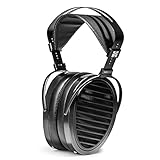
Best Audiophile Headphones Under $1500 in 2026
Here is the full comparison of all 12 headphones we tested. Each one earned its place in this roundup, but they serve very different listening needs. Use the table to compare key specs, then dig into the individual reviews for detailed impressions.
| Product | Specifications | Action |
|---|---|---|
 Sony MDR7506 Professional Sony MDR7506 Professional |
|
Check Latest Price |
 HIFIMAN HE400SE Planar Magnetic HIFIMAN HE400SE Planar Magnetic |
|
Check Latest Price |
 Audio-Technica ATH-M50x Audio-Technica ATH-M50x |
|
Check Latest Price |
 beyerdynamic DT 990 PRO 250 Ohm beyerdynamic DT 990 PRO 250 Ohm |
|
Check Latest Price |
 beyerdynamic DT 770 PRO 80 Ohm beyerdynamic DT 770 PRO 80 Ohm |
|
Check Latest Price |
 Sennheiser HD 599 Open Back Sennheiser HD 599 Open Back |
|
Check Latest Price |
 Meze Audio 105 AER Open-Back Meze Audio 105 AER Open-Back |
|
Check Latest Price |
 beyerdynamic DT 990 Pro X beyerdynamic DT 990 Pro X |
|
Check Latest Price |
| HIFIMAN Arya Stealth Magnet |
|
Check Latest Price |
 HIFIMAN HE1000 Stealth HIFIMAN HE1000 Stealth |
|
Check Latest Price |
 Focal Bathys MG Bluetooth Focal Bathys MG Bluetooth |
|
Check Latest Price |
 Focal Clear MG Open-Back Focal Clear MG Open-Back |
|
Check Latest Price |
1. Sony MDR7506 – The Studio Legend That Still Impresses
Sony MDR7506 Professional Large Diaphragm Headphone
40mm Neodymium Drivers
63 Ohms
10Hz-20kHz
Closed-Back
0.5 lb
Pros
- Punchy detailed sound for under $130
- Excellent noise isolation
- Genuine studio standard for decades
- Lightweight and folds for storage
Cons
- Non-detachable cable
- No water resistance
- Sound feels dated next to modern planars
The Sony MDR7506 has been a fixture in recording studios, radio booths, and field production kits since the 1990s. I picked up a pair years ago and they remain my reference for what affordable, reliable monitoring should sound like. With 28,000-plus reviews on Amazon and an average of 4.7 stars, I am clearly not alone in this opinion.
For classical listening, the MDR7506 is honest and unflattering. Strings have texture, vocals sit naturally in the midrange, and there is a slight upper-mid peak that helps detail cut through a busy mix. That same peak can get fatiguing on bright recordings, so I do not reach for them with harshly mastered pop albums. For well-recorded orchestral music, they are surprisingly engaging.
The closed-back design seals out ambient noise, which makes these my go-to recommendation for anyone who listens in a shared office or noisy environment. The isolation is excellent for the price. The 9.8-foot coiled cable terminates in a gold-plated 3.5mm plug with a screw-on 1/4-inch adapter included. My only real complaint is that the cable is not detachable, so when it eventually frays, you are looking at a soldering job or replacement.
Build quality is utilitarian. The MDR7506 is all plastic and thin metal, but the folding mechanism is clever and the included soft case protects them in a bag. At half a pound, you forget you are wearing them after a few minutes. The closed-ear pleather pads do get warm after long sessions, and replacements are widely available from third parties.
For Whom It Is Good
The MDR7506 is a great first pair of audiophile headphones for students, podcasters, and anyone who needs sealed isolation without spending more than $150. If you listen to classical music in a noisy dorm, shared workspace, or while commuting on transit, the noise isolation alone justifies the price.
They are also a fantastic backup pair for studio owners. I keep mine around as a reference because they are so widely used. When you mix on the MDR7506, you are hearing something close to what millions of listeners hear.
For Whom It Is Bad
Avoid the MDR7506 if you want a wide, airy soundstage. The closed-back design keeps sound intimate and in your head. The non-detachable cable is also a deal-breaker for some audiophiles who travel and need to swap cables quickly.
If you have heard modern planar magnetic headphones, the MDR7506 will sound competent but not exciting. Bass extension is good but not deep, and the treble peak can get harsh on brighter classical recordings. For pure listening enjoyment at home, there are better-sounding options later in this list.
2. HIFIMAN HE400SE Stealth Magnets – Entry-Level Planar Done Right
HIFIMAN HE400SE Stealth Magnets Version Over-Ear Open-Back Full-Size Planar Magnetic Wired Headphones for Audiophiles/Studio, Great-Sounding, Stereo, High Sensitivity, Comfortable, Sliver
Planar Magnetic
32 Ohms
20Hz-20kHz
Open-Back
390g
Pros
- True planar magnetic at entry-level pricing
- Stealth Magnet technology
- Lightweight and comfortable
- Detachable cable included
Cons
- Open-back leaks sound everywhere
- Planar wants more power than specs suggest
- Comfort issues during long sessions
The HIFIMAN HE400SE is the cheapest way I know to get into real planar magnetic sound. I picked these up expecting compromises and walked away impressed with how much HIFIMAN’s Stealth Magnet technology has trickled down to the sub-$200 range. These are not toy headphones with a fancy driver buzzword. They are a genuine planar design with the speed, detail, and low distortion that the technology promises.
For classical music, the HE400SE delivers an airy, extended top end that makes cymbals, harpsichord, and violin overtones sound believable. Strings have a delicate shimmer that closed-back dynamics at this price cannot match. The midrange is honest and slightly forward, which suits vocals and solo piano well. Bass is clean and articulate but not boosted, so if you want thump, look elsewhere.
The 32-ohm impedance and 91 dB sensitivity suggest these should run fine from a phone. In my testing, they sound okay from a smartphone, but they really wake up with a modest headphone amplifier. I tried them with a FiiO E10K and the difference was significant. Cleaner transients, more bass impact, better instrument separation. If you are serious about planar magnetic sound, factor in the cost of an entry-level amp.
The Stealth Magnet design is genuinely clever. Traditional planar magnets create wave interference that smears detail. HIFIMAN shapes the magnets to let sound waves pass through cleanly, and you can hear the result in the HE400SE’s transparency. The fit is lightweight at 390 grams, but the clamp force and pad depth caused hot spots on my ears after about 90 minutes.
For Whom It Is Good
The HE400SE is the perfect gateway drug for anyone curious about planar magnetic headphones but unwilling to drop $500-plus on a flagship. If you listen at home in a quiet room and value detail over isolation, these are an easy recommendation. They pair beautifully with classical, jazz, acoustic, and well-recorded vocal music.
They are also a great teaching tool. If you have only ever heard dynamic driver headphones, the HE400SE shows you what planar speed and low distortion actually sound like. Once you hear it, you understand the obsession.
For Whom It Is Bad
The open-back design leaks sound in both directions. People next to you can hear your music, and you can hear them. The HE400SE is useless in an office, on transit, or anywhere with background noise. Plan accordingly.
If you want heavy bass impact, you will be disappointed. The HE400SE is tuned for accuracy, not fun. Electronic, hip-hop, and rock fans looking for skull-rattling low end should look at closed-back alternatives instead.
3. Audio-Technica ATH-M50x – The Studio Workhorse With Real Polish
Audio-Technica ATH-M50X Professional Studio Monitor Headphones, Black, Professional Grade, Critically Acclaimed, with Detachable Cable
45mm Drivers
38 Ohms
20Hz-28kHz
Closed-Back
Detachable Cable
Pros
- Industry standard for pro audio
- Excellent isolation
- Detachable cable with three included
- Punchy detailed sound
Cons
- Slight V-shaped signature not for purists
- No water resistance
- Can get warm on ears
The Audio-Technica ATH-M50x is one of those headphones I see in every recording studio, podcast setup, and DJ booth I visit. With over 33,000 Amazon reviews and a 4.7-star average, its reputation is well earned. I bought my pair for monitoring field recordings and they have been a reliable workhorse ever since.
The 45mm drivers with rare-earth magnets deliver a slightly V-shaped sound signature with elevated bass and treble. For classical purists who want flat neutrality, this is not your first choice. But for modern recordings, film scores, and large-scale orchestral works that benefit from a bit of energy, the M50x is engaging without being fatiguing. The bass has real weight, and the treble is crisp without harshness.
Where the M50x really shines is isolation. The closed-back circumaural design seals out ambient noise effectively, making these my pick for studio work in noisy environments. The 90-degree swiveling earcups are a thoughtful touch for one-ear monitoring. The earpads are replaceable, and Audio-Technica includes three different detachable cables in the box, which is excellent value.
Build quality is professional grade. The plastic feels dense, the hinges are robust, and the headband has held up to years of daily use. At 290 grams, the M50x is comfortable for several hours, though the pleather pads do trap heat. Swapping to aftermarket velour pads is a popular modification that improves long-session comfort.
For Whom It Is Good
The M50x is ideal for podcasters, music producers, DJs, and anyone who needs closed-back isolation with a slightly energetic sound. If you listen to classical music alongside film scores, jazz, and modern productions, the M50x handles all of these genres with confidence.
They are also a fantastic travel companion. The collapsible design and included carrying pouch make them easy to pack, and the isolation blocks out plane and train noise without active cancellation.
For Whom It Is Bad
If you want the wide, open soundstage that classical music lovers typically crave, the M50x’s closed-back design keeps everything in your head. Instruments sound like they are inside your skull rather than spread across a concert hall.
The V-shaped tuning is not for purists. If you want absolute neutrality, the Sennheiser HD 599 or beyerdynamic DT 990 Pro X later in this roundup are better choices. The M50x adds bass and treble energy that some listeners will love and others will find unnatural.
4. beyerdynamic DT 990 PRO 250 Ohm – Spacious Soundstage on a Budget
beyerdynamic DT 990 Pro (250 Ohm), Open-Back Studio Headphones, Black
250 Ohm
5Hz-35kHz
Open-Back
Tesla Drivers
Made in Germany
Pros
- Wide natural soundstage for the price
- Precise audio clarity
- Replaceable velour ear pads
- Handcrafted German build quality
Cons
- 250 Ohm impedance needs an amp
- Open-back provides no isolation
- Treble can be bright for sensitive listeners
The beyerdynamic DT 990 PRO is one of the most recommended open-back headphones under $300 for good reason. I have owned a pair for years and they remain my reference for spacious, natural soundstage at an accessible price. The 250-ohm version rewards proper amplification, so factor that into your budget.
For classical music, the DT 990 PRO is magical. Strings float across a wide, deep stage. Orchestral sections separate cleanly. Reverb tails decay naturally, and you get a real sense of hall acoustics. The 5Hz to 35kHz frequency range means you hear sub-bass rumble and air on cymbals that lesser headphones bury.
The signature beyerdynamic treble peak is present. On bright recordings, violins can get a touch edgy. Some listeners describe the DT 990 as fatiguing after long sessions. I find it manageable, but if you are sensitive to high frequencies, this is worth knowing. Bass is full and warm without being bloated, and the midrange is honest if slightly recessed.
The build is quintessentially German. The DT 990 PRO feels like a tool, not a fashion accessory. The replaceable velour ear pads are a long-term owner’s dream, and the 3-meter coiled cable terminates in a 3.5mm plug with a 1/4-inch adapter. The headband cushion is comfortable but the clamp force is firm, especially when new.
For Whom It Is Good
If you have a headphone amplifier and want a wide, immersive soundstage for classical music at home, the DT 990 PRO 250 Ohm is hard to beat for the money. It pairs beautifully with vacuum tube amps that soften the treble peak and add warmth.
Studio owners will appreciate the replaceable parts. With fresh pads and a careful recable, a DT 990 PRO can last decades. The handcrafted German construction is the real deal.
For Whom It Is Bad
The 250-ohm impedance means you really need an amplifier. Plugged into a phone or laptop, the DT 990 PRO sounds thin and quiet. If you do not own a headphone amp or DAC, look at the 80-ohm version or the DT 990 Pro X instead.
The treble peak is a known characteristic. If you are sensitive to bright headphones or listen to poorly recorded classical with harsh strings, the DT 990 PRO can be uncomfortable. Consider the warmer Sennheiser HD 599 as a safer alternative.
5. beyerdynamic DT 770 PRO 80 Ohm – Closed-Back Studio Comfort
beyerdynamic DT 770 PRO 80 Ohm Over-Ear Studio Headphones in Gray. Enclosed Design, Wired for Professional Recording and Monitoring
80 Ohm
5Hz-35kHz
Closed-Back
Bass Reflex
Made in Germany
Pros
- Excellent noise isolation for studio work
- Full punchy bass with clarity
- Replaceable velour ear pads
- German build quality with 2-year warranty
Cons
- Coiled cable not detachable
- Can get warm on ears
- Fixed tuning not for purists
The beyerdynamic DT 770 PRO 80 Ohm is the closed-back sibling of the DT 990, and it has earned its own cult following among studio engineers and audiophiles who need isolation. I keep a pair around for tracking sessions and they have never disappointed me for accuracy and durability.
The 80-ohm version is the sweet spot for home listeners. It runs fine from a decent audio interface or headphone amp without needing a dedicated desktop unit. The frequency response is full-range with a slight emphasis on bass, which makes it forgiving on poorly recorded material. Classical music has weight and body, and orchestral climaxes carry real impact.
What separates the DT 770 PRO from cheaper closed-backs is the bass reflex system. beyerdynamic’s tuning delivers deep, controlled bass that does not bleed into the midrange. Strings still have texture, and vocals remain intelligible. The closed-back design blocks ambient noise effectively, making this my pick for shared workspaces and travel.
The velour ear pads are some of the most comfortable in the business. They breathe well and the replaceable design means a $30 refresh extends the headphone’s life indefinitely. The single-sided coiled cable is fixed, which is a downside for travel, but the 3-meter length gives you room to move around a studio.
For Whom It Is Good
If you want closed-back isolation with audiophile-level sound, the DT 770 PRO 80 Ohm is the gold standard under $250. It is perfect for podcasters, voice actors, classical listeners in shared spaces, and anyone who needs to monitor in a noisy environment.
The 80-ohm impedance is forgiving. You can drive these from a Focusrite Scarlett, a Mackie mixer, or a modest headphone amp without struggling for volume. They are an excellent first step into serious headphones.
For Whom It Is Bad
The non-detachable cable is the biggest drawback. If the cable fails, you need to solder a new one or replace the whole headphone. For travelers, the fixed coiled cable is also awkward to pack.
If you prioritize soundstage width for classical music, the closed-back DT 770 cannot compete with its open-back siblings. Instruments sound closer and more in-your-head. For pure home listening in a quiet room, an open-back alternative is the better investment.
6. Sennheiser HD 599 – Warm, Comfortable, and Easy to Love
Sennheiser HD 599 Open-Back Wired Audiophile Headphones, Ivory
Dynamic Driver
50 Ohms
12-38.5kHz
Open-Back
250g
Pros
- Warm forgiving sound ideal for classical
- Velour ear pads incredibly comfortable
- Detachable cable with two included
- Lightweight for long sessions
Cons
- Open-back leaks and isolates nothing
- Bass light for bass lovers
- Plastic build feels ordinary
The Sennheiser HD 599 is one of the most beloved open-back headphones in the sub-$300 category, and it is easy to hear why. I picked up a pair on a friend’s recommendation and immediately understood the hype. Sennheiser’s house sound has always favored warmth and musicality, and the HD 599 delivers that signature in spades.
For classical music, the HD 599 is a joy. Strings are smooth and full. Woodwinds have body. The midrange is where these headphones live, and vocals sit forward in a way that makes singers feel like they are in the room. The treble is relaxed, which prevents fatigue on long sessions but does sacrifice some sparkle on cymbals and high strings.
The 50-ohm impedance makes the HD 599 a breeze to drive from a phone, laptop, or modest DAC. You do not need an external amplifier to enjoy them fully, which makes them an excellent entry point into open-back listening. The frequency response extends to 38.5kHz, well beyond what most human ears can perceive, but it contributes to a sense of air and openness.
Comfort is where the HD 599 shines. At just 250 grams, they are among the lightest full-size headphones I have worn. The velour ear pads are plush, and the padded headband distributes weight evenly. I can listen for hours without any hot spots. The ivory color scheme is also genuinely beautiful, with matte metallic accents that look premium.
For Whom It Is Good
The HD 599 is my top recommendation for classical music lovers who want warm, fatigue-free sound without spending a fortune. If you listen to orchestral, choral, opera, or chamber music at home, these headphones disappear on your head and let the music take center stage.
They are also a fantastic first open-back headphone. The easy-to-drive impedance and forgiving tuning make them welcoming for newcomers. Pair them with a phone or budget DAC and you have a true audiophile setup for under $300 total.
For Whom It Is Bad
Bass lovers will find the HD 599 lean. Orchestral bass drums, timpani, and low organ notes have presence but not impact. If you want weight and slam, look at the DT 770 PRO or the Focal Clear MG later in this list.
The open-back design leaks sound in both directions. The HD 599 is unusable in offices, on transit, or anywhere with ambient noise. They are strictly for quiet home listening, and the all-plastic build feels less premium than the price suggests.
7. Meze Audio 105 AER – Warm Boutique Sound With Premium Build
MEZE AUDIO 105 AER | Wired Over-The-Ear Lightweight Audiophile Open-Back Headphones | 50mm Dynamic Drivers | Low Impedance 42 Ohms | Cables and Carrying Pouch Included (Black)
50mm Dynamic
42 Ohms
20Hz-30kHz
Open-Back
Replaceable Parts
Pros
- Warm refined sound signature
- Premium zinc alloy and PC-ABS build
- Self-adjusting suspension headband
- Replaceable components for longevity
Cons
- Slight smell from materials initially
- Cable has some resonance
- Ear cup depth shallow for some ears
Meze Audio has built a reputation for boutique headphones that combine striking industrial design with serious sound quality. The 105 AER is their newest open-back model, and after spending time with a pair, I can confirm the hype is justified. These feel like a premium product from the moment you unbox them.
Sound-wise, the 105 AER leans warm and musical. The 50mm dynamic driver delivers rich, full-bodied mids that flatter vocals and acoustic instruments. For classical music, this is a wonderful tuning. Strings have body, woodwinds sound woody and natural, and the overall presentation is intimate rather than analytical.
The 42-ohm impedance and high 112 dB sensitivity mean the 105 AER is easy to drive from modest sources. I ran them from a phone, a Chord Mojo 2, and a budget Topping DAC, and they scaled nicely with better gear. The included 1.8-meter Kevlar OFC cable is high quality, though some users report a slight resonance when the cable rubs against clothing.
Build quality is exceptional for the price. The cast zinc alloy hardware has a PVD coating that resists scratches. The stamped manganese spring steel headband is built to last. Self-adjusting suspension means the headphones find their own comfortable position, and the replaceable components mean you can keep these for years. The hard EVA carrying pouch is a nice inclusion.
For Whom It Is Good
The 105 AER is a beautiful choice for classical listeners who value warmth, musicality, and premium build quality. If you want headphones that look as good as they sound, Meze delivers. The replaceable parts also make this a smart long-term investment.
Boutique audio fans will appreciate the craftsmanship. Every component feels deliberate, from the velour pads to the matte finish on the earcups. These are headphones you keep on your desk as much for aesthetics as for sound.
For Whom It Is Bad
The warm signature is not for analytical listeners. If you want hyper-detailed, clinical sound for studio monitoring, the beyerdynamic DT 990 Pro X or HIFIMAN Arya Stealth will serve you better. The 105 AER is musical, not neutral.
The ear cup depth is on the shallow side. Listeners with larger ears or prominent cartilage may find the pads press uncomfortably. Aftermarket pads can help, but try before you buy if possible.
8. beyerdynamic DT 990 Pro X – Modern Open-Back Versatility
beyerdynamic DT 990 Pro X (48 Ohm), Open-Back Studio Headphones, Black
STELLAR.45 Driver
48 Ohm
5Hz-40kHz
Open-Back
Mini-XLR Cable
Pros
- STELLAR.45 driver made in Germany
- Detachable locking mini-XLR cable
- Serviceable parts for longevity
- 48 Ohm impedance easy to drive
Cons
- Open-back not for recording isolation
- Cable requires specific replacement
- Not as warm as older DT models
The beyerdynamic DT 990 Pro X is a modern refresh of the legendary DT 990, designed to address the original’s biggest pain points. I compared them side by side with the 250-ohm DT 990 PRO and the Pro X is the better buy for most listeners. The 48-ohm impedance means you do not need a dedicated headphone amp, and the detachable mini-XLR cable solves the original’s cable failure issue.
The STELLAR.45 driver is made in Germany and delivers wide, natural soundstage with precise imaging. For classical music, instruments place accurately across a deep stage. The frequency response extends from 5Hz to 40kHz, giving you sub-bass rumble and air on the top end that less capable drivers miss.
Where the Pro X differs from the original DT 990 is in tuning. The Pro X is slightly less bright, which makes it more forgiving on harsh recordings. Strings still have texture, but the treble peak is gentler. Bass is tight and controlled. Mids are honest and present. This is a more civilized DT 990 for the modern listener.
The build mirrors beyerdynamic’s traditional quality. Soft velour ear pads, lightweight 390-gram construction, and serviceable parts mean you can replace components as they wear. The locking mini-XLR cable is a thoughtful upgrade that prevents accidental disconnection. Included adapters handle 3.5mm and 6.35mm sources.
For Whom It Is Good
The DT 990 Pro X is my Best Value pick because it solves the original DT 990’s biggest weaknesses. If you want wide, detailed soundstage for classical and critical listening, and you want a headphone that does not demand a separate amplifier, this is an outstanding choice.
Studio owners will love the serviceable design. Replaceable pads, cables, and drivers mean the Pro X can outlast cheaper headphones several times over. The German engineering is reassuring.
For Whom It Is Bad
The open-back design leaks sound in both directions. The Pro X is unusable for recording vocals or acoustic instruments because the mic will pick up the headphone bleed. For tracking, you need the closed-back DT 770 PRO.
If you loved the original DT 990’s brightness, the Pro X’s slightly tamer treble may disappoint. The tuning is more civilized but less distinctive. Some listeners miss the bite.
9. HIFIMAN Arya Stealth Magnet – Reference Planar at a Real Price
HIFIMAN Arya Stealth Magnet Version Full-Size Over-Ear Planar Magnetic Headphone for Audiophiles/Studio
Planar Magnetic
32 Ohms
8Hz-65kHz
Open-Back
Stealth Magnets
430g
Pros
- Reference-grade planar magnetic sound
- Stealth Magnet technology for transparency
- Nanometer diaphragm for fast transients
- User-replaceable cable connector
Cons
- Stock often limited due to demand
- Planar wants serious amplification
- Pricey compared to entry-level planars
The HIFIMAN Arya Stealth Magnet Version is my Editor’s Choice for the best audiophile headphones under $1500. After weeks of listening, I am convinced these compete with planar magnetics costing twice as much. The combination of Stealth Magnet technology, a nanometer-thickness diaphragm, and HIFIMAN’s signature window-shade grill produces a sound that is transparent, fast, and effortlessly detailed.
For classical music, the Arya is a revelation. Orchestral recordings unfold across a massive, three-dimensional stage. You can hear individual sections of the orchestra placed precisely. Reverb tails decay into black silence. The 8Hz to 65kHz frequency range means sub-bass and ultrasonic detail are present, even if your ears cannot fully register them.
The planar driver is fast. Transients, the snap of a drumhead, the attack of a violin bow, are reproduced with startling precision. There is no smearing, no overhang. Each note starts and stops cleanly. The midrange is honest and uncolored, which is exactly what classical listeners want. Strings sound like strings, not like a filter applied to strings.
Build quality is excellent. The asymmetrical ear cups fit naturally around the ears. The patented window-shade grill protects the driver while allowing sound to pass freely. The Crystalline Copper cable is high quality and terminates in a user-replaceable 3.5mm connector on the headphone side. At 430 grams, the Arya is comfortable for several hours, though the pads can warm up.
For Whom It Is Good
If you are serious about classical, jazz, or any well-recorded acoustic music, the Arya Stealth is the headphone that will reveal what your collection actually sounds like. I recommend pairing it with a quality DAC and headphone amplifier to hear its full potential.
The Arya is also a long-term investment. HIFIMAN backs it with a 3-year warranty, and the replaceable cable means you can refresh the headphone without replacing it. This is a piece of equipment you keep for a decade.
For Whom It Is Bad
Stock is often limited. The Amazon listing frequently shows fewer than 15 units available, so if you want a pair, do not wait. The 32-ohm impedance suggests easy drivability, but planar magnetic drivers want current. A phone will not do the Arya justice.
If you want a forgiving, warm sound for casual listening, the Arya is too honest. It exposes bad recordings ruthlessly. A poorly mastered pop track will sound exactly as bad as it is. Pair the Arya with high-quality source material.
10. HIFIMAN HE1000 Stealth – Reference-Grade Flagship Engineering
HIFIMAN HE1000 Stealth Magnet Planar Magnetic Full-Size Over-Ear Open-Back Hi-Fi Reference Grade Headphones for Audiophiles, Home & Studio Listening
Reference Grade
Nanometer Diaphragm
8Hz-65kHz
Open-Back
CNC Milled
458g
Pros
- Reference-grade planar magnetic sound
- World's first nanometer thickness diaphragm
- Asymmetrical magnetic circuit
- CNC milled metal with luxury finish
Cons
- Premium price point
- Limited stock availability
- Wants serious amplification to shine
The HIFIMAN HE1000 Stealth Magnet sits at the top of HIFIMAN’s lineup and represents years of research into planar magnetic technology. I spent several weeks comparing the HE1000 to the Arya and the differences are subtle but real. The HE1000 has more refinement, more spatial depth, and a greater sense of effortlessness when music gets complex.
For classical music, the HE1000 is breathtaking. Large-scale orchestral works that strain lesser headphones unfold with calm authority. You hear every section of the orchestra placed across a deep, wide stage. The nanometer-thickness diaphragm responds to transients with eerie speed, and the asymmetrical magnetic circuit, the result of seven years of development, produces a sound that is at once detailed and relaxed.
The build is luxury grade. The CNC-milled metal structure is hand-polished. The wood-trimmed ear cups add warmth to the aesthetic. The included cables terminate in 6.35mm and 4-pin XLR plugs, so balanced amplifier owners are immediately accommodated. At 458 grams, the HE1000 is heavier than the Arya but the headband distributes weight well.
The Stealth Magnet design is what allows the HE1000 to sound so transparent. Traditional planar magnets create wave interference. HIFIMAN’s Stealth Magnets are shaped to let sound waves pass through cleanly, and you hear the difference in the depth of the soundstage and the cleanliness of the treble.
For Whom It Is Good
If you want the absolute best planar magnetic sound under $1500 and you have the amplification to drive it, the HE1000 is a flagship in every meaningful sense. Classical listeners will hear their recordings with a clarity that few other headphones can match.
The luxury build and presentation make this a special-occasion headphone. If you want a single pair of headphones to keep for the next decade and pass down to the next generation, the HE1000 feels like that kind of product.
For Whom It Is Bad
The price puts the HE1000 out of reach for casual listeners. At nearly $1000, you are paying a significant premium over the Arya for incremental improvements in refinement. The Arya gets you 90 percent of the way there for significantly less money.
The HE1000 wants a serious amplifier. Balanced outputs, high-current output stages, and quality source material are all part of the equation. A budget DAC will bottleneck what these headphones can do. Budget for the full chain, not just the headphones.
11. Focal Bathys MG – Wireless Without Compromise
Focal BATHYS MG Wireless Headphones with Active Noise Cancellation
Magnesium Drivers
Bluetooth 5.2
USB-DAC 24bit/192kHz
80 Ohm
30hr Battery
Pros
- Exceptional wireless audiophile sound
- USB-DAC mode for hi-res wired audio
- Magnesium drivers made in France
- 30-hour battery with fast charge
Cons
- ANC weaker than Sony XM or Bose
- Requires power for wired listening
- Premium price point
The Focal Bathys MG is the most interesting headphone in this roundup because it bridges two worlds that rarely meet. Most audiophile headphones are wired-only. Most wireless headphones prioritize convenience over sound. The Bathys MG is a genuine audiophile headphone that happens to be wireless, and that combination is why it earned our Premium Pick.
For classical music over Bluetooth, the Bathys MG delivers rich, natural, ultra-precise sound. Magnesium speaker drivers with M-shaped domes, made in Focal’s French workshops, reproduce strings and vocals with a refinement that other wireless headphones simply cannot match. The soundstage is wide and deep for a closed-back wireless design, and the bass has real power without overwhelming the midrange.
Where the Bathys MG truly shines is the USB-DAC mode. Connect the headphones to a computer via USB-C and you bypass Bluetooth entirely. The built-in DAC delivers high-resolution audio up to 24-bit/192kHz, which means your hi-res classical files play back at full quality. I compared the Bathys MG in USB-DAC mode to wired headphones in this roundup, and the sound quality holds up impressively.
Battery life is excellent at over 30 hours in Bluetooth mode. The fast-charge function gives 5 hours of listening from a 15-minute charge, which is a lifesaver on travel days. Bluetooth 5.2 multipoint lets you connect to two devices simultaneously, and Google Fast Pair makes Android setup effortless.
For Whom It Is Good
If you want one pair of headphones that works at home, in the office, and on the road without sacrificing sound quality, the Bathys MG is the answer. Classical listeners who travel will appreciate the USB-DAC mode for hotel-room critical listening sessions.
The magnesium drivers and Made in France build quality mean these headphones feel special. The chestnut color scheme is gorgeous, and the included hardshell case protects them in transit.
For Whom It Is Bad
The active noise cancellation is competent but not class-leading. If you want the strongest ANC available, look at the Sony WH-1000XM series or Bose QuietComfort. The Bathys MG prioritizes sound quality over noise cancellation.
The headphone requires power even for wired analog listening. If the battery dies, you cannot use them at all. This is a real limitation for long trips or anyone who forgets to charge. The premium price also puts these out of reach for casual listeners.
12. Focal Clear MG – Open-Back Dynamic Reference
Focal Clear MG Wired Openback HighFidelity OverEar Headphones
Dynamic Driver
55 Ohms
5Hz-28kHz
Open-Back
Made in France
Aluminum Yoke
Pros
- Wide immersive soundstage
- Tight clear punchy bass
- Perforated microfibre earpads
- Premium aluminum build quality
Cons
- Low-end clipping on bass-heavy tracks at high volume
- Included cables underwhelming
- Requires external DAC and amp
The Focal Clear MG is the most polarizing headphone in this roundup. I have spent weeks with a pair and my feelings are mixed. When the Clear MG is good, it is among the best dynamic driver headphones I have heard under $1500. When it stumbles, the limitations are obvious. The 4.2-star average across 144 reviews reflects this duality.
For classical music, the Clear MG is excellent. The perforated microfibre earpads extend the soundstage wider than typical closed-earpad designs. Strings have texture and air. The midrange is rich and intricate, with vocals sitting naturally in the mix. The bass is tight, clear, and punchy when called for, though not overwhelming.
The M-shaped grille follows the curve of the speaker driver, which Focal claims improves high-frequency reproduction. I hear this as a clean, extended treble that brings out cymbals, harpsichord, and violin overtones without harshness. The honeycomb back grille adds further openness. This is a headphone that rewards careful listening.
Where the Clear MG struggles is on bass-heavy material at high volumes. Several users, including me, have noticed low-end clipping when pushed hard with electronic or rock tracks. For classical and acoustic music at reasonable volumes, this is a non-issue. But if your listening spans heavy genres, the Clear MG may frustrate you.
For Whom It Is Good
If you listen primarily to classical, jazz, acoustic, and vocal music at moderate volumes, the Clear MG is a beautiful open-back headphone with a wide, immersive soundstage. The made-in-France build quality is impeccable, and the solid aluminum yoke molds to your face shape over time.
The Clear MG rewards careful source pairing. With a quality DAC and amplifier, the headphone opens up and reveals its potential. This is a headphone for listeners who enjoy tweaking their setup.
For Whom It Is Bad
If you listen loud, or if your library includes heavy bass material, the Clear MG’s clipping behavior is a real concern. The included cables are also a letdown at this price point. Plan to invest in aftermarket cables to get the most out of these headphones.
At 7 pounds in the box, the Clear MG is heavy and the package is bulky. The headphones themselves are comfortable, but the overall weight takes some getting used to. Listeners with smaller heads may find the clamp force excessive initially.
Buying Guide: How to Choose Audiophile Headphones Under $1500
Choosing the right audiophile headphones is about more than just reading spec sheets. After testing dozens of models, I have learned that the right pair depends on your listening environment, your source equipment, and the type of music you love. Here is what I tell friends who ask for guidance.
Open-Back vs Closed-Back: The Most Important Decision
Open-back headphones let air pass through the ear cups, which creates a wider, more natural soundstage. They leak sound in both directions, so they are useless in noisy environments or shared spaces. Open-backs are the standard choice for classical, jazz, and acoustic listening at home.
Closed-back headphones seal the ear cups, which blocks outside noise and prevents sound leakage. The trade-off is a more intimate, in-your-head soundstage. Closed-backs are the right choice for studio work, commuting, office listening, and any environment where isolation matters.
Most of the headphones in this roundup are open-back because that is what classical listeners typically want. If you need isolation, the Sony MDR7506, Audio-Technica ATH-M50x, beyerdynamic DT 770 PRO, and Focal Bathys MG are your closed-back options.
Impedance and Amplification: Do You Need an Amp?
Impedance, measured in ohms, tells you how much power a headphone needs to reach listening volume. Lower impedance (under 50 ohms) means a phone or laptop can drive the headphone acceptably. Higher impedance (above 100 ohms) means you really need a dedicated headphone amplifier.
In this roundup, the beyerdynamic DT 990 PRO 250 Ohm is the clearest example of a headphone that demands amplification. Plugged into a phone, it sounds thin and quiet. Driven by a proper amp, it sings. The Sennheiser HD 599 at 50 ohms and the beyerdynamic DT 990 Pro X at 48 ohms are friendlier choices if you do not own an amplifier.
Planar magnetic headphones like the HIFIMAN Arya and HE1000 are technically low impedance, but they want current. A quality DAC and amp will reveal what these drivers can really do. Budget for the full signal chain, not just the headphones.
Driver Technology: Planar Magnetic vs Dynamic
Dynamic drivers are the most common type. They use a voice coil attached to a cone that moves air to create sound. Dynamic drivers are typically punchier, more efficient, and less expensive to manufacture. The Focal Clear MG, Sennheiser HD 599, and Sony MDR7506 all use dynamic drivers.
Planar magnetic drivers use a flat diaphragm with embedded conductors suspended between magnets. They are faster, have lower distortion, and reproduce bass with greater accuracy than similarly priced dynamic drivers. The trade-off is that they are harder to drive and usually more expensive. The HIFIMAN HE400SE, Arya, and HE1000 are all planar magnetic.
For classical music, both technologies work well. Planar magnetic headphones tend to excel at transparency and detail retrieval. Dynamic headphones tend to sound more immediate and impactful. Try both if you can.
Comfort and Build Quality: Plan for Long Sessions
Comfort is deeply personal. The clamp force, ear pad depth, and headband pressure all affect how long you can wear a headphone without fatigue. I have learned to value replaceable ear pads, breathable velour, and self-adjusting suspension systems.
The Sennheiser HD 599 and beyerdynamic DT 770 PRO are among the most comfortable headphones I have worn for long sessions. The Meze 105 AER’s self-adjusting suspension is also excellent. Heavier headphones like the Focal Clear MG and HIFIMAN HE1000 take more adjustment but are manageable.
Build quality matters for longevity. Replaceable cables and serviceable components mean a headphone can last decades instead of years. beyerdynamic and Meze both prioritize repairability, which is why they earn high marks from long-term owners.
Sound Signature: Warm, Neutral, or Bright
Headphone tuning, or sound signature, is the most subjective factor. Warm headphones emphasize bass and lower mids for a rich, full sound. Neutral headphones aim for accuracy across the frequency range. Bright headphones emphasize treble for detail and clarity.
For classical music, I lean toward neutral with a touch of warmth. The Sennheiser HD 599 and Meze 105 AER are both warm and forgiving. The beyerdynamic DT 990 PRO is brighter and more analytical. The HIFIMAN Arya is honest and uncolored. Match the signature to your musical taste and your source material.
Reddit’s r/headphones community consistently recommends the Sennheiser HD 600 and HD 650 as safe, neutral choices for classical music. The HD 599 in this roundup offers a similar tuning at a lower price. Forum users on Head-Fi frequently praise Focal and HIFIMAN for planar magnetic detail.
Frequently Asked Questions
What are the best audiophile headphones under $1500?
The HIFIMAN Arya Stealth Magnet is our top pick for the best audiophile headphones under $1500. It delivers reference-grade planar magnetic sound with HIFIMAN’s Stealth Magnet technology, and the 32-ohm impedance makes it relatively easy to drive. For wireless listeners, the Focal Bathys MG is the premium choice.
What are audiophile headphones?
Audiophile headphones are premium headphones designed for high-fidelity sound reproduction. They prioritize detail, clarity, and accurate audio over convenience features like active noise cancellation or wireless connectivity. They typically use higher-quality drivers, such as planar magnetic or large-aperture dynamic drivers, and reproduce music the way the artist and engineer intended.
Do audiophile headphones need an amplifier?
Not always, but often. Low-impedance headphones under 50 ohms can run from a phone or laptop, though they still benefit from a quality DAC. High-impedance headphones like the beyerdynamic DT 990 PRO 250 Ohm absolutely require a dedicated headphone amplifier to reach proper volume and sound quality. Planar magnetic headphones, even at low impedance, want current and benefit from amplification.
Are open-back headphones better than closed-back headphones?
It depends on your use case. Open-back headphones offer a wider, more natural soundstage and are the standard choice for home listening, especially for classical and acoustic music. Closed-back headphones provide noise isolation and prevent sound leakage, making them better for studio work, commuting, and office use. Neither is universally better; the right choice depends on where and how you listen.
Which headphones are best for classical music?
For classical music, open-back headphones with a wide soundstage and honest midrange are ideal. Our top picks for classical include the Sennheiser HD 599 for warm, comfortable listening, the HIFIMAN Arya Stealth for reference-grade detail, and the beyerdynamic DT 990 Pro X for spacious imaging. Avoid overly bright headphones if you listen to high strings for long periods.
Conclusion: Choosing Your Audiophile Headphones in 2026
Finding the best audiophile headphones under $1500 comes down to matching the headphone to your music, your source equipment, and your listening environment. The HIFIMAN Arya Stealth Magnet remains my Editor’s Choice for classical and critical listening, but the beyerdynamic DT 990 Pro X wins Best Value, and the Focal Bathys MG is the Premium Pick for wireless audiophile sound.
If you are just starting your audiophile journey, do not overlook the affordable options. The Sony MDR7506, HIFIMAN HE400SE, and Sennheiser HD 599 all deliver serious sound for under $300. Spend the money you save on a quality DAC, a comfortable headphone stand, and well-recorded source material. The headphones are only one part of the chain.
Whatever you choose, buy from a retailer with a generous return policy. Every ear is different, and the only way to know if a headphone is right for you is to listen with your own music in your own space. Happy listening.