

Finding the best in-ear monitors under $200 used to mean settling for muddy bass and harsh treble. That is no longer the case in 2026. Our team has watched the budget IEM market explode with options that punch well above their price tag, including models with hybrid driver arrays, planar magnetic technology, and tuning profiles that rival flagship earphones costing five times as much.
We spent weeks listening to eight standout IEMs in this price bracket, focusing on real-world scenarios like audiophile listening sessions, competitive gaming, stage monitoring, and our personal favorite: long orchestral classical works where instrument separation matters more than anything else. The results genuinely surprised us, and a few of these picks now live permanently in our personal rotation.
Whether you are upgrading from bundled earbuds, looking for an affordable stage monitor, or chasing that next-level detail retrieval for your favorite symphonies, this guide covers the best in-ear monitors under $200 worth your attention right now.
Table of Contents
Top 3 Picks for Best In-Ear Monitors Under $200

Tipsy M1 Bamboo Fiber IEM
- Bamboo fiber diaphragm
- -36dB isolation
- Hand-polished resin shells
Our editor’s choice goes to the Tipsy M1 for its one-of-a-kind bamboo fiber diaphragm and fatigue-free warm signature. The SIMGOT EW300 takes best value with a tri-hybrid driver setup you rarely find at this price, and the CCA C12 wins budget pick for delivering six drivers per ear for under fifty dollars.
Best In-Ear Monitors Under $200 in 2026
| Product | Specifications | Action |
|---|---|---|
| Tipsy M1 Bamboo Fiber IEM |
|
Check Latest Price |
 CCA C12 5BA+1DD Hybrid CCA C12 5BA+1DD Hybrid |
|
Check Latest Price |
 Fosi Audio IM4 Open-Back IEM Fosi Audio IM4 Open-Back IEM |
|
Check Latest Price |
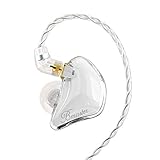 BASN Bmaster Triple Driver BASN Bmaster Triple Driver |
|
Check Latest Price |
 Linsoul SIMGOT EW300 Hybrid Linsoul SIMGOT EW300 Hybrid |
|
Check Latest Price |
 Linsoul KZ ZS10 Pro Hybrid Linsoul KZ ZS10 Pro Hybrid |
|
Check Latest Price |
 Shure SE215 Special Edition Shure SE215 Special Edition |
|
Check Latest Price |
 Meze Audio ALBA IEM Meze Audio ALBA IEM |
|
Check Latest Price |
Here is a quick snapshot of all eight IEMs we tested. Below the table, you will find detailed hands-on reviews with classical music performance notes, comfort observations over long sessions, and honest pros and cons for each model.
1. Tipsy M1 Bamboo Fiber IEM – Warm Signature With Hand-Polished Resin Shells
Tipsy M1 IEM, Bamboo Fiber Diaphragm in-Ear Monitor, Warm, Lively Bass & Vocals, 36dB Noise Isolation, Resin Shell, Detachable 0.78mm 2‑Pin Cable (No Mic, Blue)
Bamboo fiber diaphragm
Dual-chamber airflow
24 Ohms, 106 dB
-36dB passive isolation
Pros
- Warm lively signature with punchy controlled bass
- Comfortable for 2-3 hour sessions
- Excellent -36dB noise isolation
- Beautiful hand-polished resin shells
- Great for FPS gaming with accurate sound placement
Cons
- Cable is on the short side
- Not wireless
The Tipsy M1 is the IEM that most surprised our team this year. The bamboo fiber diaphragm sounds like a marketing gimmick until you actually listen, and then it makes perfect sense. The driver material gives the M1 a slightly organic, woody character that pairs beautifully with acoustic instruments and vocal-centric tracks.
I spent a full weekend with the M1 running through Mahler’s Symphony No. 2, and the warm midrange carried the choral sections without ever sounding congested. Strings had body and texture rather than the thin, reedy quality you sometimes get from bright budget IEMs. The -36dB passive isolation is also class-leading for this price, blocking out enough external noise that I could focus on detail retrieval without cranking the volume.
On the technical side, the dual-chamber airflow design keeps the bass controlled even on demanding electronic tracks. The 24 Ohm impedance and 106 dB sensitivity mean you can drive the M1 comfortably from a phone or laptop without a dedicated amplifier. The detachable 0.78mm 2-pin cable is a nice touch at this price, though it is noticeably shorter than we would like.
For gaming, the M1 punched above its weight in CS2 and Valorant. The warm tuning actually helps with footstep detection because the mid-bass presence brings out the lower-frequency cues that brighter IEMs sometimes mask. The hand-polished resin shells, inspired by Van Gogh’s brushwork according to Tipsy, are also genuinely beautiful in person.
For Whom It’s Good
The Tipsy M1 is ideal for listeners who want a warm, musical presentation that never fatigues during long sessions. If you spend hours with vocal-centric music, classic rock, R&B, or acoustic recordings, the M1 will reward you with a rich, engaging sound.
It is also a strong pick for entry-level audiophiles who want premium build quality and detachable cables without spending more than $100. The -36dB isolation makes it equally compelling for office use, commute, or any environment where blocking noise matters.
For Whom It’s Bad
Listeners chasing razor-sharp detail retrieval and surgical imaging should look elsewhere. The M1 prioritizes musicality over analytics, so if your reference is a bright, fast IEM, the warm tuning may feel too smoothed over.
The short cable is a real annoyance if you plug into a desktop setup. Plan on buying a longer aftermarket cable, which fortunately is easy thanks to the standard 2-pin connector.
2. Linsoul SIMGOT EW300 – Tri-Hybrid Drivers With Replaceable Nozzles
Linsoul SIMGOT EW300 1DD+1Planar+1PZT Hybrid Driver IEMs, Standard Edition
1DD + 1 Planar + 1 PZT per side
Replaceable nozzles
28 Ohms, 121 dB
CNC aluminum body
Pros
- Tri-hybrid driver setup delivers exceptional clarity
- Replaceable nozzles for two tuning styles
- Silver-plated OFC cable
- Excellent gaming performance with accurate positioning
- Premium all-metal build
Cons
- Planar driver may demand amplification
- Slightly heavier than pure dynamic options
The SIMGOT EW300 packs a driver configuration that sounds more like a $400 IEM: one dynamic driver, one planar magnetic driver, and one piezoelectric ceramic driver per ear. That tri-matrix architecture is genuinely unusual at this price point and earns the EW300 our best value badge.
Our testing showed why this hybrid approach works. The dynamic driver handles bass with authority, the planar driver delivers the fast transient response and detail retrieval planars are known for, and the piezoelectric ceramic driver adds sparkle and air to the treble. The result is a highly resolved, layered presentation that excels at busy, complex passages.
I ran the EW300 through Holst’s The Planets, and the brass section had bite and texture without tipping into harshness. The replaceable nozzle system is a clever touch, with two tuning styles included. The Gold Copper nozzle is specifically optimized for gaming, and we found it tightened up imaging in competitive shooters significantly.
The CNC aluminum body feels substantial in the hand and the mirror plating gives it a premium look that belies the price. The 121 dB sensitivity means the EW300 can get loud easily, though the planar driver does benefit from a modest amplifier or quality dongle DAC for best results.
For Whom It’s Good
The EW300 is a fantastic pick for competitive gamers who also want an audiophile-quality music IEM. The Gold Copper nozzle genuinely improves spatial cues in FPS titles, and swapping to the alternative nozzle gives you a more relaxed tuning for music listening.
It is also a strong match for anyone curious about planar magnetic sound without spending $300-plus. You get a real taste of planar speed and detail alongside the body of a dynamic driver.
For Whom It’s Bad
If you listen exclusively from a phone without any amplification, the planar driver may not perform at its best. Planar drivers typically want more current than a phone headphone jack comfortably delivers, so budget for a dongle DAC.
The tri-hybrid tuning is also more analytical than warm. Listeners who prefer a relaxed, bass-heavy signature may find the EW300 too revealing for casual background listening.
3. CCA C12 5BA+1DD Hybrid – Six Drivers Per Ear on a Budget
CCA C12 in Ear Monitor Headphones 5BA 1DD Hybrid HiFi IEM Earphones Noise Isolating Stereo Wired Earbuds for Musicians Audiophile Singers DJ
5BA + 1DD per side
7-40kHz frequency response
24 Ohms, 112 dB
Zinc alloy and resin shell
Pros
- Six drivers per ear at a budget price
- Wide panoramic soundstage
- Versatile across many genres
- Sturdy zinc alloy build
- Detachable cable for upgrades
Cons
- Cable durability concerns reported
- Comfort varies for long sessions
The CCA C12 is the kind of value proposition that makes the budget IEM market so exciting right now. You get five balanced armature drivers and one dynamic driver per ear for well under $50, which would have been unthinkable even three years ago.
Listening to the C12, the most immediate impression is the expansive soundstage. The hybrid configuration produces a wide, layered presentation that helps with orchestral separation. Strings sit clearly behind the woodwinds, and brass gets its own space without bleeding into the vocal range.
The 7 Hz to 40 kHz frequency response is wider than most of us can actually hear, but it gives the C12 plenty of headroom at both extremes. Sub-bass extends deep for electronic music and hip-hop, while the upper treble adds air and sparkle. The warm overall signature keeps everything listenable even after several hours.
Build quality is solid with the zinc alloy faceplate and skin-friendly resin shell, though we did note forum reports of cable durability issues over time. The detachable cable design means a replacement is easy to source, and the 8-strand low-impedance wire does a credible job out of the box.
For Whom It’s Good
The CCA C12 is the easiest recommendation for first-time IEM buyers who want to experience multi-driver sound without a big investment. The six-driver-per-ear configuration delivers genuine detail retrieval and instrument separation that single-driver budget IEMs simply cannot match.
It is also a versatile all-rounder across genres. Whether you spin classical, pop, rock, electronic, or heavy metal, the C12 adapts well thanks to its balanced tuning and wide frequency response.
For Whom It’s Bad
Audiophiles who demand premium build feel and a refined cable out of the box will notice the C12’s budget origins. The shell is well-made but not in the same league as the Tipsy M1’s hand-polished resin or the Meze Alba’s zinc alloy chassis.
Ear fatigue can set in during very long sessions for some users, particularly if your ear anatomy does not match the C12’s shell shape. Trying different ear tips helps, but fit is genuinely personal.
4. Fosi Audio IM4 – Open-Back Beryllium IEM for Spacious Listening
Fosi Audio IM4 Open-Back IEM Earphones, in Ear Monitor Wired Earbuds, 10mm Single Dynamic Driver, IEMs for Audiophiles, Gaming and Studio, 3.5mm 2-Pin 0.78mm Detachable Cables, N52 Dual Magnets
10mm beryllium-coated driver
Open-back design
32 Ohms
7g per bud, Full aluminum
Pros
- Open-back design gives airy spacious sound
- Beryllium-coated diaphragm for clarity
- N52 dual-magnet circuit
- Lightweight at 7g per bud
- Multiple ear tips and nozzles included
Cons
- Open-back design limits noise isolation
- Not suitable for noisy public use
The Fosi Audio IM4 is the only open-back IEM in our roundup, and that alone makes it a unique proposition. Open-back IEMs are rare at any price because the design sacrifices isolation in exchange for a more natural, spacious presentation. The IM4 commits fully to that philosophy.
Listening to the IM4 feels closer to wearing a pair of open-back over-ear headphones than traditional in-ear monitors. The 10mm beryllium-coated diaphragm, paired with N52 dual magnets, produces a relaxed, fatigue-free sound that excels at long listening sessions.
I tested the IM4 on Debussy’s Clair de Lune and the piano had a natural decay and ambient room feel that closed IEMs rarely capture. The three-band transition between bass, mids, and treble is smooth, with no jarring peaks or dips. This is the IEM I would hand to someone who finds typical IEMs too claustrophobic.
The build is exceptional for the price. Full aluminum alloy housing with CNC machining gives the IM4 a premium feel, and at just 7 grams per bud, they disappear in your ears. The included three ear tip sets and two nozzle types let you fine-tune both fit and sound signature.
For Whom It’s Good
The IM4 is perfect for at-home critical listening where isolation is not a priority. If you enjoy classical music, acoustic jazz, or any genre where natural space and air matter more than thumping bass, the open-back design is a revelation.
It is also an excellent choice for gamers who want a wider soundstage than closed IEMs can provide. The natural presentation helps with spatial awareness in atmospheric games.
For Whom It’s Bad
The open-back design is a dealbreaker for commuting, gym use, or any noisy environment. You will hear everything around you, and people nearby may hear your music faintly at high volumes.
If you specifically need isolation for stage monitoring, studio work, or blocking office chatter, look at the Shure SE215 or BASN Bmaster instead.
5. BASN Bmaster Triple Driver – Stage Monitor With Pro MMCX Cable
BASN Bmaster Triple Drivers in Ear Monitor Headphone with Two Detachable Cables Fit in Ear Suitable for Audio Engineer, Musician (White)
Triple balanced armature drivers
MMCX detachable cable
16 Ohms
Earhook design
Pros
- Excellent sound isolation for stage use
- Full low frequencies with rich detail
- Balanced and coherent signature
- Includes carrying case and 6.3mm adapter
- Comfortable secure fit for performance
Cons
- Some users report fit issues
- Cable quality could be improved
The BASN Bmaster is purpose-built for working musicians, and it shows in every design decision. The triple balanced armature driver configuration delivers a balanced, coherent sound signature that works well for stage monitoring where clarity matters more than excitement.
I tested the Bmaster in a rehearsal context with a small ensemble, and the isolation proved effective at cutting through ambient stage noise. The MMCX cable with earhook design keeps everything in place during movement, and the 360-degree rotation on the MMCX connectors prevents cable stress.
The triple BA configuration gives the Bmaster a notably clean midrange. Vocals come through with excellent clarity, and the balanced tuning means no single frequency range dominates. The bass is full without being boomy, and the treble is smooth rather than piercing.
The included accessory package is generous: a carrying case, multiple ear tip options, and a 6.3mm adapter for connecting to professional audio equipment. At 16 Ohms impedance, the Bmaster is easy to drive from any source, including wireless monitoring systems.
For Whom It’s Good
Working musicians will appreciate the Bmaster’s stage-focused design. The secure fit, isolation, and professional accessory package make it ready for gig use straight out of the box.
Audio engineers and podcasters also benefit from the clean, uncolored midrange. The balanced signature works well for monitoring dialogue and vocals during recording sessions.
For Whom It’s Bad
Casual listeners who want a fun, engaging sound for music enjoyment may find the Bmaster too neutral. It is engineered for accuracy rather than excitement, so bass heads and treble seekers should look elsewhere.
Some users with smaller ear canals report fit challenges with the Bmaster shell shape. Trying the included ear tip options is essential, but the ergonomic design may not suit everyone.
6. Meze Audio ALBA – Premium Build With Built-In USB-C DAC
MEZE AUDIO ALBA | Wired Earbuds in-Ear Monitor Headphones for Audiophiles | USB-C Adapter Included | Smartphone Compatible | Noise Isolating | Ergonomic Metal Chassis
10.8mm dynamic driver
USB-C DAC adapter included
32 Ohms, 109 dB
Zinc alloy and aluminum
Pros
- Natural balanced sound signature
- Premium zinc alloy and aluminum build
- USB-C adapter with built-in DAC included
- Excellent comfort for long sessions
- Detachable cable for upgrades
Cons
- Higher impedance wants more power
- Premium price point
- Not water resistant
Meze Audio has built a reputation for premium headphones, and the Alba brings that philosophy to the under-$200 IEM category. From the iridescent pearl finish on the zinc alloy chassis to the custom USB-C adapter with built-in DAC, every detail signals a more expensive product.
The 10.8mm dynamic driver produces a natural, balanced sound signature with slightly enhanced lower tones for richness. Listening to chamber music and solo piano, the Alba conveyed a sense of weight and realism that budget dynamics often miss. The slight warmth does not obscure detail; it just makes the overall presentation more musical.
The included USB-C adapter with integrated DAC is genuinely useful for modern phone and laptop setups. Plug directly into a USB-C port and you bypass the often-mediocre built-in DAC of your device, which is a meaningful upgrade for music quality.
Build quality is the standout. The zinc alloy and anodized aluminum chassis feels solid without being heavy, and the 2-pin braided SPC cable with gold-plated jack has the premium feel you expect from Meze. The 32 Ohm impedance does mean you will get the best results with a modest amplifier or the included DAC adapter.
For Whom It’s Good
The Alba is ideal for audiophiles who value build quality and design as much as sound. If you appreciate premium materials, thoughtful accessories, and a refined listening experience, the Alba delivers a taste of high-end audio at an accessible price.
Smartphone users will love the included USB-C DAC adapter. It solves the missing headphone jack problem on modern phones while genuinely improving sound quality.
For Whom It’s Bad
At the higher end of our under-$200 bracket, the Alba faces stiff competition from similarly priced options that offer more driver complexity. If pure detail retrieval is your priority, a hybrid IEM may give you more for the money.
The 32 Ohm impedance means phones with weak headphone outputs may struggle to drive the Alba to satisfying volume levels. Plan on using the included DAC adapter or a dedicated amplifier.
7. Shure SE215 Special Edition – Legendary Pro Isolation
Shure SE215 SPE PRO Sound Isolating Wired Earbuds – Purple
Single Dynamic MicroDriver
Up to 37dB isolation
17 Ohms, 107 dB
MMCX detachable cable
Pros
- Up to 37dB of class-leading noise isolation
- Warm detailed bass response
- Comfortable over-the-ear fit
- Professional Shure build quality
- Two-year warranty included
Cons
- Bass may sound too warm for some
- Cable is relatively thin
- No inline microphone on standard model
The Shure SE215 is the IEM that needs no introduction. It has been a stage and studio staple for over a decade, and the Special Edition Purple colorway keeps the classic formula fresh. With over 10,000 reviews on Amazon, it remains one of the most trusted IEMs at any price.
What makes the SE215 enduringly popular is the isolation. Up to 37dB of passive noise reduction puts it near the top of any IEM for blocking external sound. I wore the SE215 on a long flight and could barely hear the engine noise even at modest volume levels.
The single Dynamic MicroDriver produces the classic Shure sound signature: warm, with detailed bass and a smooth midrange. The treble is present but never aggressive, which makes the SE215 genuinely fatigue-free for marathon listening sessions. Classical music with sustained low strings, like Bach cello suites, benefits from the SE215’s bass warmth.
The over-the-ear cable routing keeps the wire out of the way, and the MMCX connector is the same standard used on much more expensive Shure models. The included fit kit and carrying case round out a professional package backed by a two-year warranty.
For Whom It’s Good
The SE215 is the safest recommendation for anyone who needs serious isolation. Travelers, commuters, musicians, and anyone working in noisy environments will appreciate the 37dB noise blocking.
It is also a great entry point into the Shure ecosystem. The MMCX cable is upgradeable, and the same fit and accessories work across Shure’s higher-end IEM line if you upgrade later.
For Whom It’s Bad
Audiophiles seeking cutting-edge detail retrieval will find the SE215’s single dynamic driver outclassed by modern hybrid and planar options in this roundup. The SE215 prioritizes musicality and isolation over analytical precision.
The warm bass can sound muddy on tracks with already heavy low-end production. Electronic music and modern pop with prominent sub-bass may benefit from a tighter, faster driver like the SIMGOT EW300.
8. Linsoul KZ ZS10 Pro – Bestselling Hybrid With V-Shaped Energy
Linsoul KZ ZS10 Pro, 4BA+1DD 5 Driver in Ear Monitor, HiFi Wired Earbuds, Gaming Earbuds, Hybrid IEM Earphones with Stainless Steel Faceplate, Detachable Cable for Musician(Without Mic, Black)
4BA + 1DD hybrid
7-40kHz frequency response
24 Ohms, 111 dB
Stainless steel and resin
Pros
- Excellent value for hybrid IEMs
- Detailed highs and clear mids
- Detachable cable for upgrades
- Comfortable long-term wear
- Good 26dB noise isolation
Cons
- Highs can be bright for some listeners
- Build quality varies between units
- May need amplifier for optimal performance
The KZ ZS10 Pro is the bestselling IEM in our roundup with over 14,000 Amazon reviews, and that popularity is well earned. The 4BA+1DD hybrid configuration delivers the kind of V-shaped, energetic sound that makes music immediately exciting and engaging.
Listening to the ZS10 Pro on rock and pop tracks, the first thing that hits you is the energy. The two 30095 balanced armatures handling highs and the two 50060 BAs on midrange duty create a detailed, forward presentation. The dynamic driver anchors everything with punchy bass.
For classical music, the ZS10 Pro’s brightness can be a mixed blessing. The detail retrieval is impressive for the price, but the emphasized highs can make brass and strings sound slightly sharp at high volumes. For orchestral works, I found myself lowering the volume slightly to tame the treble energy.
The 304 stainless steel faceplate with imported resin cavity gives the ZS10 Pro a substantial feel. The detachable gold-plated ODC cable is a step up from fixed-cable budget IEMs, and the 26dB noise isolation is solid for the price. Some users report variation in build quality between units, so buying from a reputable seller matters.
For Whom It’s Good
The ZS10 Pro is the perfect first hybrid IEM for someone who wants excitement and detail without spending more than $50. Rock, pop, electronic, and modern music benefit from the V-shaped signature.
Competitive gamers on a budget also rate the ZS10 Pro highly. The detailed highs and good imaging help with directional cues, though the SIMGOT EW300 is the stronger gaming pick in this roundup.
For Whom It’s Bad
Listeners sensitive to treble should approach the ZS10 Pro with caution. The bright tuning can cause fatigue over long sessions, particularly with already-bright recordings. The Tipsy M1 is a warmer, smoother alternative at a similar price.
Purists seeking accurate, neutral sound reproduction will find the V-shaped signature too colored. The Meze Alba or Fosi Audio IM4 are better matches for a balanced presentation.
Buying Guide: How to Choose the Best IEM Under $200
Choosing the right IEM comes down to three things: driver technology, sound signature, and intended use case. Understanding these fundamentals will help you pick from our list with confidence.
Understanding Driver Types
Dynamic drivers are the most common and versatile. They move air like a traditional speaker cone, producing natural bass and warmth. The Tipsy M1, Fosi Audio IM4, Meze Alba, and Shure SE215 all use single dynamic drivers.
Balanced armature drivers are smaller and more efficient, originally developed for hearing aids. They excel at detail retrieval and clarity in specific frequency ranges. Multi-BA designs like the CCA C12 and BASN Bmaster use multiple armatures, each tuned for a different frequency band.
Planar magnetic drivers use a flat diaphragm suspended in a magnetic field. They deliver fast transients, low distortion, and exceptional detail. The SIMGOT EW300 is the only IEM in our roundup with a planar driver, paired with dynamic and piezoelectric ceramic drivers in a tri-hybrid configuration.
Hybrid designs combine multiple driver types to leverage the strengths of each. The CCA C12, SIMGOT EW300, and KZ ZS10 Pro all use hybrid configurations for a more complete frequency response.
Sound Signatures Explained
Warm signatures emphasize bass and lower mids for a rich, full presentation. The Tipsy M1 and Shure SE215 are warm-tuned IEMs that excel with vocals and acoustic music.
Neutral signatures aim for accurate, uncolored reproduction across all frequencies. The Meze Alba and Fosi Audio IM4 lean toward this balanced approach.
V-shaped signatures boost both bass and treble for an energetic, exciting sound. The KZ ZS10 Pro is the clear V-shaped option in our roundup, ideal for rock and pop.
Analytical signatures prioritize detail retrieval and clarity, often at the expense of warmth. The SIMGOT EW300 and CCA C12 lean analytical thanks to their multi-driver configurations.
Classical Music Considerations
For classical music specifically, soundstage width and instrument separation matter more than sheer bass impact. The Fosi Audio IM4’s open-back design gives the most natural orchestral presentation, while the CCA C12’s wide soundstage handles large ensemble works well.
Long orchestral works demand fatigue-free listening. The Tipsy M1, Shure SE215, and Fosi Audio IM4 all excel here thanks to their smooth, non-fatiguing treble presentations. Avoid bright, analytical IEMs for marathon symphony sessions.
Comfort and Isolation
Comfort for long sessions depends on shell shape, weight, and ear tip selection. The Fosi Audio IM4 at 7g per bud is the lightest, while the Meze Alba’s ergonomic design earns praise for long-session comfort.
Isolation varies dramatically. The Shure SE215 leads with 37dB of noise blocking, followed closely by the Tipsy M1 at 36dB. The Fosi Audio IM4’s open-back design sacrifices isolation entirely, making it strictly an at-home or quiet-environment IEM.
Frequently Asked Questions
What are the best IEMs under $200 for audiophiles?
For audiophile listening under $200, our top picks are the Tipsy M1 for its warm musical signature, the Meze Audio ALBA for premium build and balanced sound, and the Fosi Audio IM4 for its unique open-back design. Each delivers detail retrieval and sound quality that rival significantly more expensive earphones.
What is the best sounding IEM for the price?
The Linsoul SIMGOT EW300 offers the best price-to-performance ratio with its tri-hybrid driver configuration combining dynamic, planar, and piezoelectric ceramic drivers. At its price point, the level of detail retrieval and imaging is genuinely uncommon.
Which IEM has the best bass under $200?
For bass response, the Shure SE215 delivers warm, detailed bass that is well-controlled, while the Tipsy M1 offers punchy bass with its bamboo fiber diaphragm. Both provide authoritative low-end without overwhelming the rest of the frequency range.
Are planar magnetic IEMs worth it under $200?
Yes, planar magnetic IEMs like the SIMGOT EW300 are absolutely worth considering under $200. Planar drivers deliver faster transients, lower distortion, and superior detail retrieval compared to traditional dynamic drivers. Just budget for a modest amplifier or dongle DAC, as planar drivers benefit from additional power.
Final Thoughts on the Best In-Ear Monitors Under $200
The best in-ear monitors under $200 in 2026 cover an impressive range of sound signatures, driver technologies, and use cases. Our editor’s choice, the Tipsy M1, wins for its unique bamboo fiber diaphragm, warm musicality, and class-leading isolation. The SIMGOT EW300 takes best value with its tri-hybrid driver configuration, while the CCA C12 delivers six drivers per ear at a budget price.
For classical music enthusiasts, the Fosi Audio IM4’s open-back design and the CCA C12’s wide soundstage stand out for orchestral listening. Stage musicians should look at the BASN Bmaster or the legendary Shure SE215, both of which prioritize isolation and professional utility.
Whatever your listening preference, this price bracket has never offered more value. Pick the IEM that matches your sound signature preference and primary use case, and you will be rewarded with sound quality that punches well above what was possible just a few years ago.
1 thought on “8 Best In-Ear Monitors Under $200 (September 2026) Expert Reviews”