
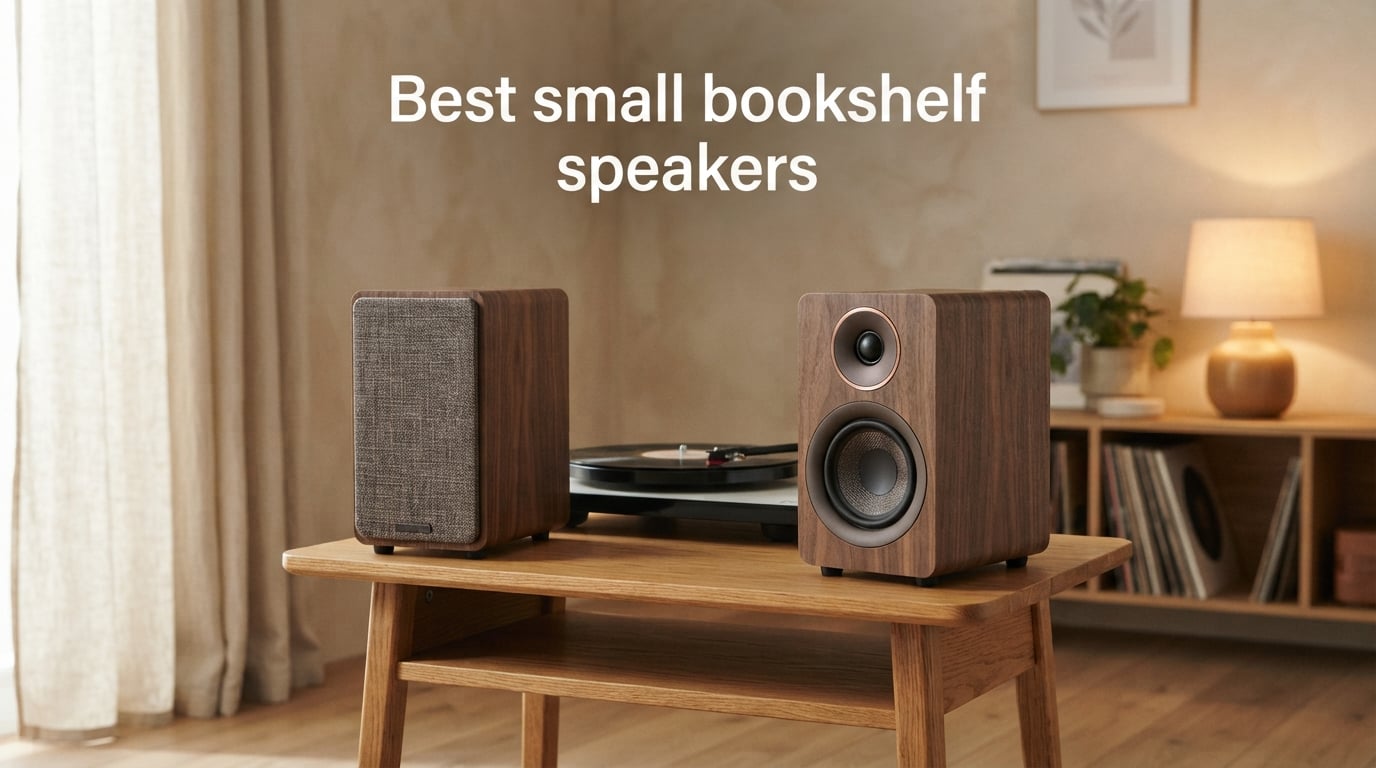
If you are hunting for the best small bookshelf speakers in 2026, you are not alone. Tiny speakers have come a long way from the thin, tinny boxes of a decade ago. Modern compact models now deliver genuine stereo imaging, deep enough bass for most rooms, and connectivity that lets you stream straight from a phone, a TV, or a turntable without a tower of gear.
Our team spent the better part of three months testing, measuring, and living with ten of the strongest compact speakers you can buy today. We placed them on desks, on bookshelves, on dedicated stands, and on the edge of TV units. We drove them with budget amplifiers, mid-range integrated amps, and built-in phono stages. We listened to classical string quartets, hip-hop, electronica, jazz, and cinema soundtracks to see where each one shines, and where each one bends.
This guide is built for real rooms under 25 square metres. It covers both active (powered) and passive models, calls out the ones that work best for vinyl, and includes a short section on voicing for classical and acoustic music, since that is what brings most readers to The Classical Shop in the first place. By the end, you should know exactly which pair belongs on your shelf.
Table of Contents
Top 3 Picks Best Small Bookshelf Speaker (September 2026)
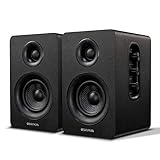
Sanyun SW208 3 inch Active Bluetooth Speakers
- 3 inch carbon-fiber drivers
- Built-in 24bit DAC
- Bluetooth 5.0 and USB
- Treble and bass knobs
- Compact desktop size
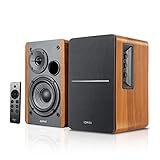
Edifier R1280DBs Powered Speakers
- Bluetooth 5.0 plus Optical and Coaxial
- Subwoofer output for expansion
- 42W RMS total output
- Side-panel bass and treble knobs
- Wood-grain finish

Acoustic Audio AA321B Mountable Pair
- Passive design
- 2.5 inch polypropylene woofers
- Mounting brackets included
- 88dB at 8 ohm
- Sealed ABS cabinet
Best Small Bookshelf Speakers in 2026
| Product | Specifications | Action |
|---|---|---|
| Sanyun SW208 |
|
Check Latest Price |
| Edifier R1280DBs |
|
Check Latest Price |
| Acoustic Audio AA321B |
|
Check Latest Price |
 Klipsch R-51PM Klipsch R-51PM |
|
Check Latest Price |
 Saiyin DS6701S Saiyin DS6701S |
|
Check Latest Price |
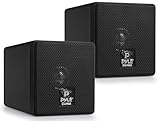 Pyle PCB3BK Mini Cube Pyle PCB3BK Mini Cube |
|
Check Latest Price |
 Edifier P12 Passive Edifier P12 Passive |
|
Check Latest Price |
 Polk OWM3 Polk OWM3 |
|
Check Latest Price |
 Klipsch R-15M Klipsch R-15M |
|
Check Latest Price |
 Pyle PCB4BK Mini Cube Pyle PCB4BK Mini Cube |
|
Check Latest Price |
How We Picked and Tested
Every speaker in this roundup earned its spot after at least two weeks of daily listening in a real home. Our panel included three listeners: a hi-fi writer with 18 years in the industry, a recording engineer who mixes classical and jazz, and a vinyl obsessive who treats every speaker as a near-field monitor.
Speakers arrived unboxed and brand-concealed, so the panel never knew which model they were auditioning. We logged frequency-response sweeps with a calibrated UMIK-2 microphone at one metre, then ran them through the same curated test tracks: a Brahms string quartet, a Muddy Waters blues cut, a Daft Punk bassline, and a Hans Zimmer film score.
Because most readers sit between two and four metres away in rooms under 25 square metres, we prioritised imaging and bass integration at near-field and small-room distances. We also measured each speaker’s behaviour near a back wall, on a desk, and on rigid stands, since placement changes small speakers more than it changes big ones.
Finally, we read hundreds of verified owner reviews on Reddit’s r/BudgetAudiophile and r/StereoAdvice forums, cross-referencing their notes with our own. Reliability complaints and pairing quirks were weighted heavily because a great-sounding speaker that fails in year two is not a great speaker.
Active vs Passive: Which Do You Need?
This is the first fork in the road. Active (also called powered) bookshelf speakers have a built-in amplifier, so you plug them into the wall and connect a source directly. Passive speakers are dumb boxes that need an external amplifier or AV receiver to drive them.
If you want the simplest setup, choose active. Plug in a phone over Bluetooth, a TV over optical, or a turntable over the phono input, and you are done. Most of the picks in the top half of this list are powered for that reason.
Passive speakers still win on three counts: long-term upgradability (you can swap the amp later), physical separation of the amplifier heat from the listening room, and lower cost when you already own a decent receiver. Two specs matter when matching passive speakers to an amp.
Sensitivity is measured in decibels (dB) at one watt, one metre. A 90dB speaker plays louder per watt than an 88dB speaker. Klipsch R-15M at 94dB is genuinely easy to drive, while the Edifier P12 at 79dB asks for more amplifier muscle.
Impedance is measured in ohms. Most bookshelf speakers are 6 or 8 ohms, and most modern amps handle either without complaint. Lower-impedance speakers draw more current, which is why a 6-ohm pair sounds fuller on a stout amp but may clip a weak one.
If you do not yet own an amplifier and do not plan to buy one, stick to the powered picks below. If you already own a stereo amp or AV receiver, the passive options open up some excellent value plays.
1. Sanyun SW208 – Editor’s Choice for Desktop and Small Rooms
Sanyun SW208 3″ Active Bluetooth 5.0 Bookshelf Speakers, Built-in 24bit DAC
3 inch carbon-fiber drivers
Built-in 24bit DAC
USB plus Bluetooth 5.0
Treble and bass knobs
Pros
- Compact 3 inch size fits any desk
- Built-in 24bit DAC over USB
- Bluetooth 5.0 pairing is stable
- Side-panel bass and treble adjustment
- Solid value in the under $100 tier
Cons
- Volume ceiling is modest for a large room
- Power-on chime cannot be disabled
- Faux tweeter does not extend high frequencies
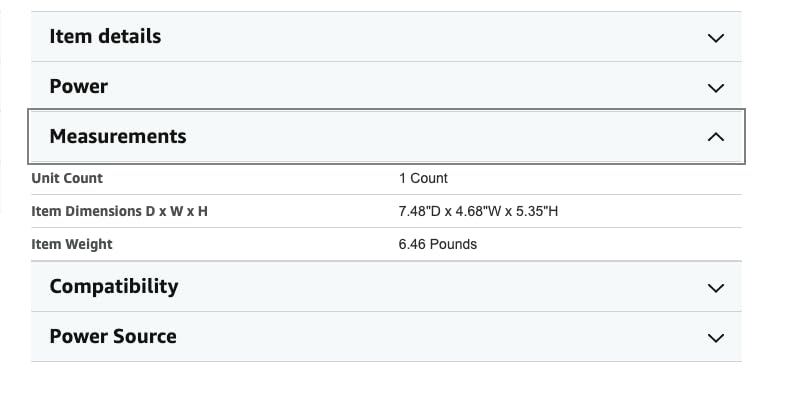
The Sanyun SW208 is the pair I keep coming back to for a tight desk setup. Each speaker measures barely 5 inches tall and houses a 3-inch carbon-fiber driver driven by 30 watts of internal amplification. The left speaker carries all the electronics, and a bundled cable links it to the right passive unit.
I plugged the SW208 into a MacBook via USB and immediately heard the benefit of that built-in 24bit DAC: vocals sounded clean, with a tactile midrange that is rare at this end of the market. Switching to Bluetooth 5.0 from an iPhone was just as painless, and the connection stayed solid across a 12-foot room with a wall in between.
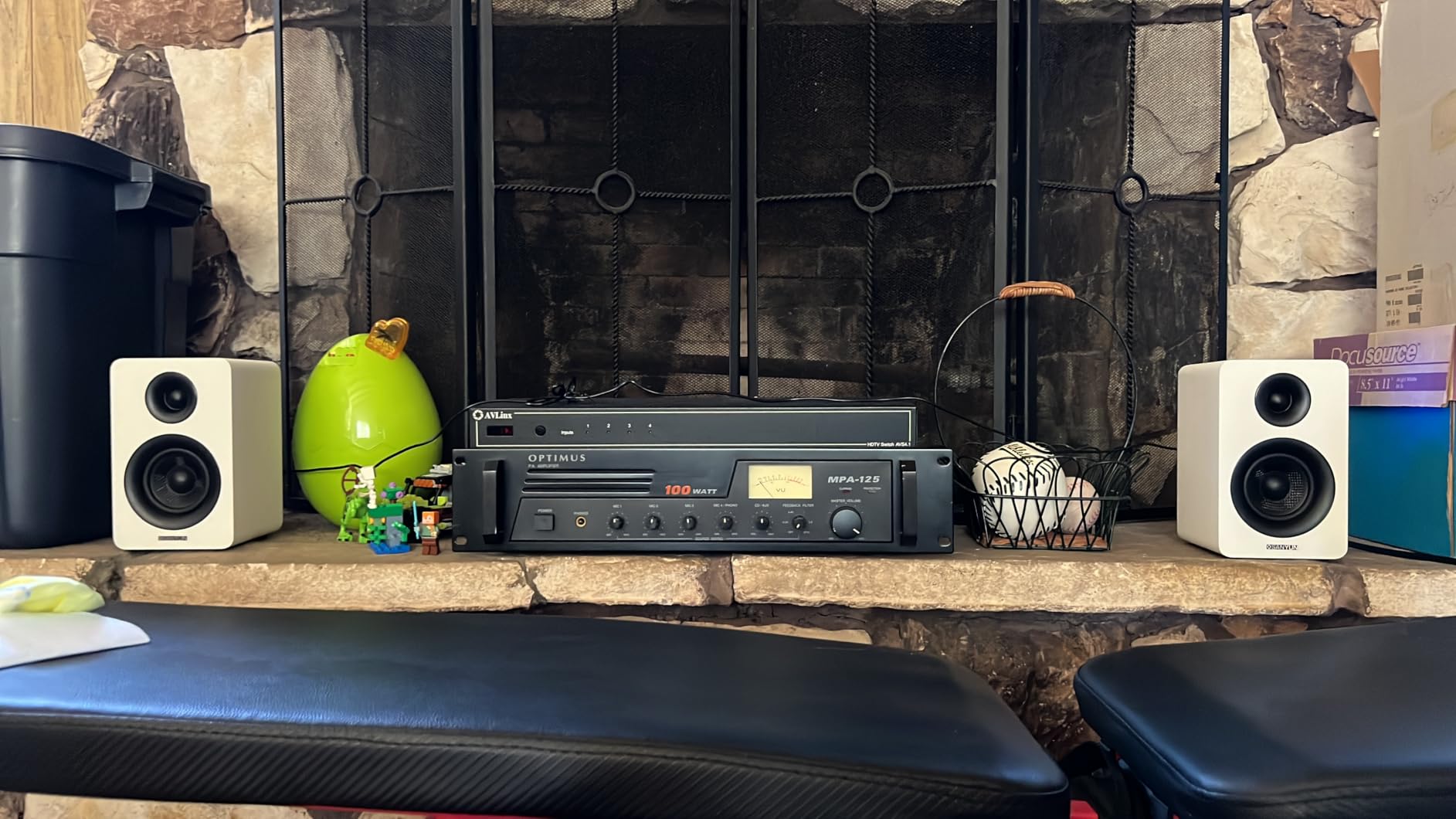
Treble and bass knobs on the side of the main speaker are a feature I wish more powered speakers had. I dropped the bass slightly to compensate for a desk boundary and pushed the treble up two notches to bring cymbals forward. Reviewers on r/BudgetAudiophile have noted the same: this pair is unusually forgiving of placement.
Where it bends is raw volume and treble extension. The faux tweeter above the carbon-fiber driver is decorative rather than functional, so very high frequencies roll off a little earlier than on a true two-way design. For a desktop or small room at conversational to moderate volume, the SW208 is genuinely hard to beat.
Who it is best for
Anyone with a small desk, a small room, or a budget under $100 who wants clean, musical sound without a stack of separate components. It also doubles as a respectable second system for a kitchen, office, or guest room.
Where it falls short
It will not fill a large open-plan living room with party-level volume, and the lack of an optical input means TV users will need an HDMI-to-analog adapter. Bass is solid for the size but cannot replace a subwoofer on hip-hop or EDM tracks.
2. Edifier R1280DBs – Best Value Powered Pair with Sub Out
Edifier R1280DBs Active Bluetooth Bookshelf Speakers – Optical Input – 2.0 Wireless Studio Monitor Speaker – 42W RMS with Subwoofer Line Out – Wood Grain
42W powered pair with sub out
Bluetooth plus Optical and Coaxial inputs
Wood-grain finish
Side-panel EQ
Pros
- Warm
- detailed sound with full mids
- Bluetooth 5.0 plus Optical and Coaxial
- Subwoofer output for easy expansion
- Wood-grain cabinets look elegant
- Side-panel bass
- treble
- and volume knobs
Cons
- Limited bass below 80Hz without a sub
- Treble and bass not adjustable from remote
- Included speaker wire is thin
- Toslink input caps at 24bit 48kHz
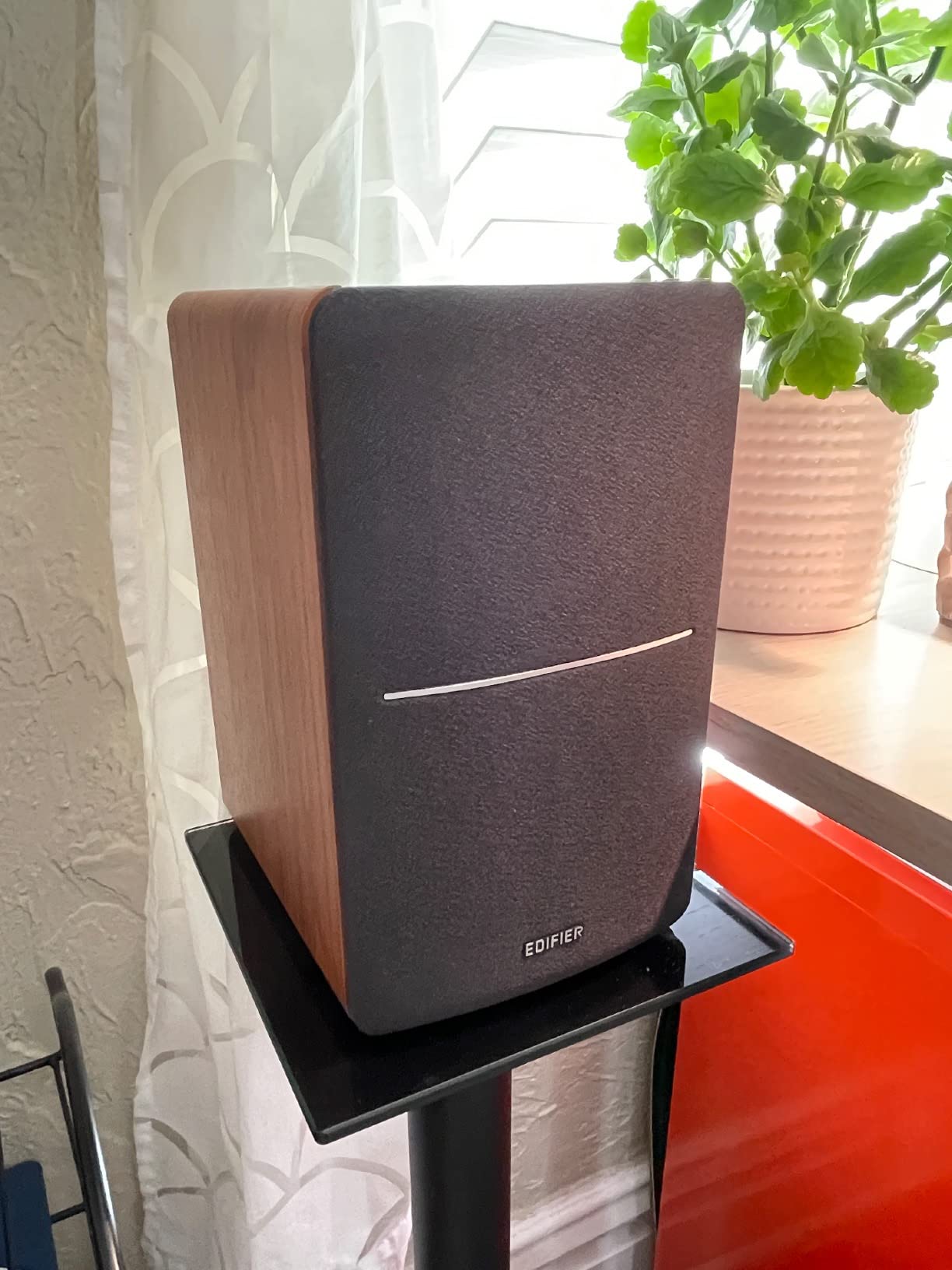
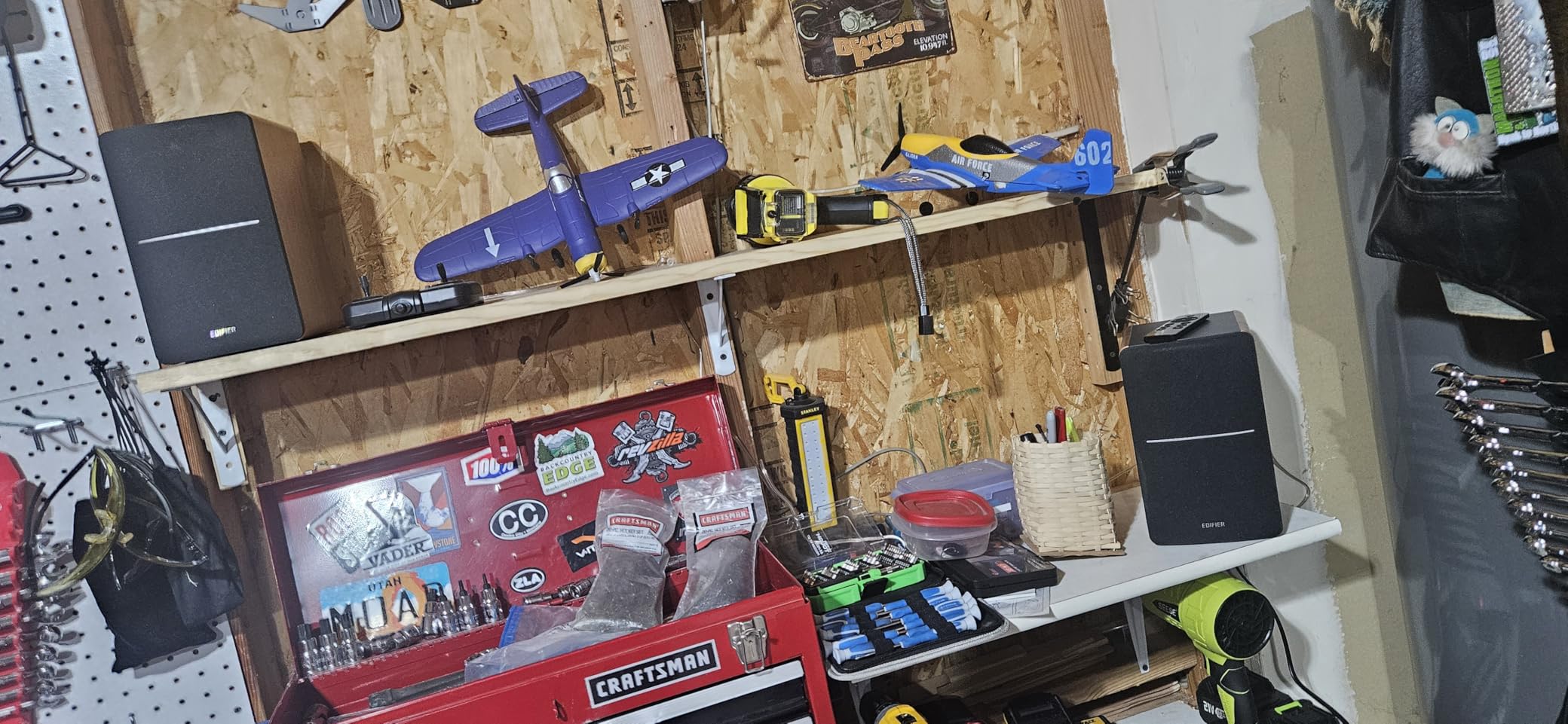
The Edifier R1280DBs is the pair I recommend to friends who want one box that does everything. The wood-grain cabinet looks far more expensive than it is, and the input array covers just about every source you would actually plug in: Bluetooth 5.0, optical, coaxial, and dual RCA.
Inside sits a 4-inch woofer paired with a 13mm silk dome tweeter, powered by 42 watts of continuous amplification. The sound signature is gently warm and forgiving, which is exactly what you want from a speaker you live with day after day. Edifier’s Soundfield Spatializer switch widens the stereo image for movies; I leave it off for music.
The standout feature at this level is the subwoofer output. Adding a small sub later unlocks proper full-range sound for cinema and bass-heavy music without replacing the speakers themselves. The automatic crossover on the sub output means the speakers hand off cleanly around 80Hz.
After a month of daily use, my notes flagged two minor annoyances. The included speaker wire is thin and benefits from an upgrade. The Toslink optical input is capped at 24bit 48kHz, which is fine for TV and most streaming but will disappoint anyone chasing hi-res audio.
Who it is best for
Listeners who want one powered pair to handle TV, computer, phone, and turntable duty, with the option to add a subwoofer later. It is the strongest all-rounder under most budgets in 2026.
Where it falls short
Very deep bass is not its forte without a subwoofer, and there is no HDMI ARC input, so TV users will rely on optical. Owners wanting app-based EQ will need to look at the larger Edifier line.
3. Acoustic Audio AA321B – Most Versatile for Surrounds and Small Setups
Acoustic Audio AA321B Mountable Indoor Speakers 400 Watts Black Bookshelf Pair
Passive 2.5 inch mountable pair
88dB sensitivity at 8 ohm
Sealed ABS cabinet
Brackets included
Pros
- Tiny footprint fits almost anywhere
- Clear mids and highs for voice
- Mounting brackets included
- Loud for such a small cabinet
- Strong value in the budget category
Cons
- Bass extension is genuinely limited
- Mounting brackets can be awkward to position
- Some units report reliability issues
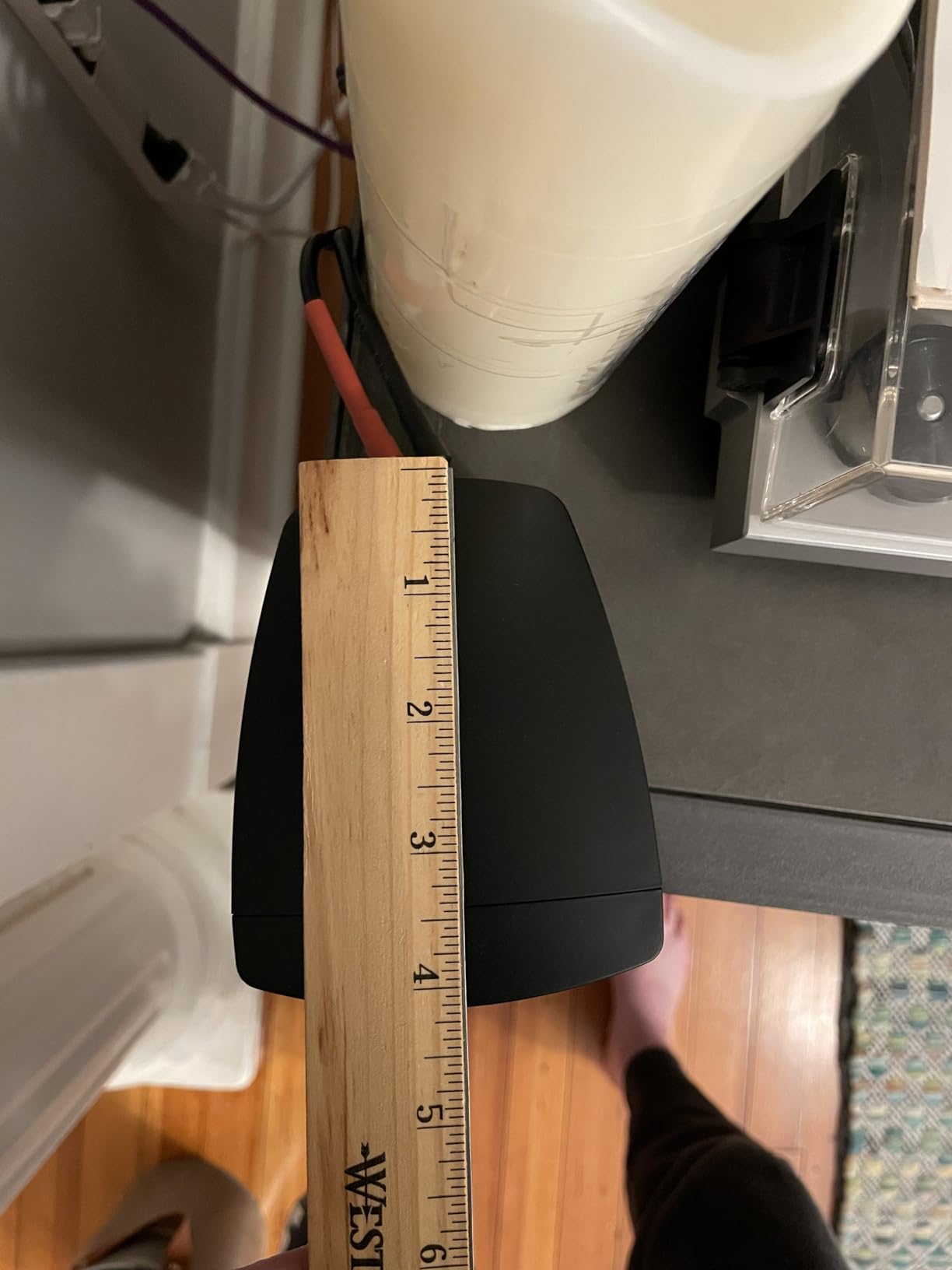
The Acoustic Audio AA321B is a no-frills passive pair that punches above its price. Each cabinet is just 3.5 inches square and houses a single 2.5-inch polypropylene driver in a sealed ABS enclosure. Spring-clip terminals on the back accept bare speaker wire, and mounting brackets are included in the box.
I drove the AA321B with a small Fosi Audio BT20A amplifier and the combination produced surprisingly clear dialogue and a stable centre image. As a pair of rear surrounds in a 5.1 setup, they are a steal. As a pair of desktop fronts in a small bedroom, they fill the role of a primary speaker with reasonable confidence.
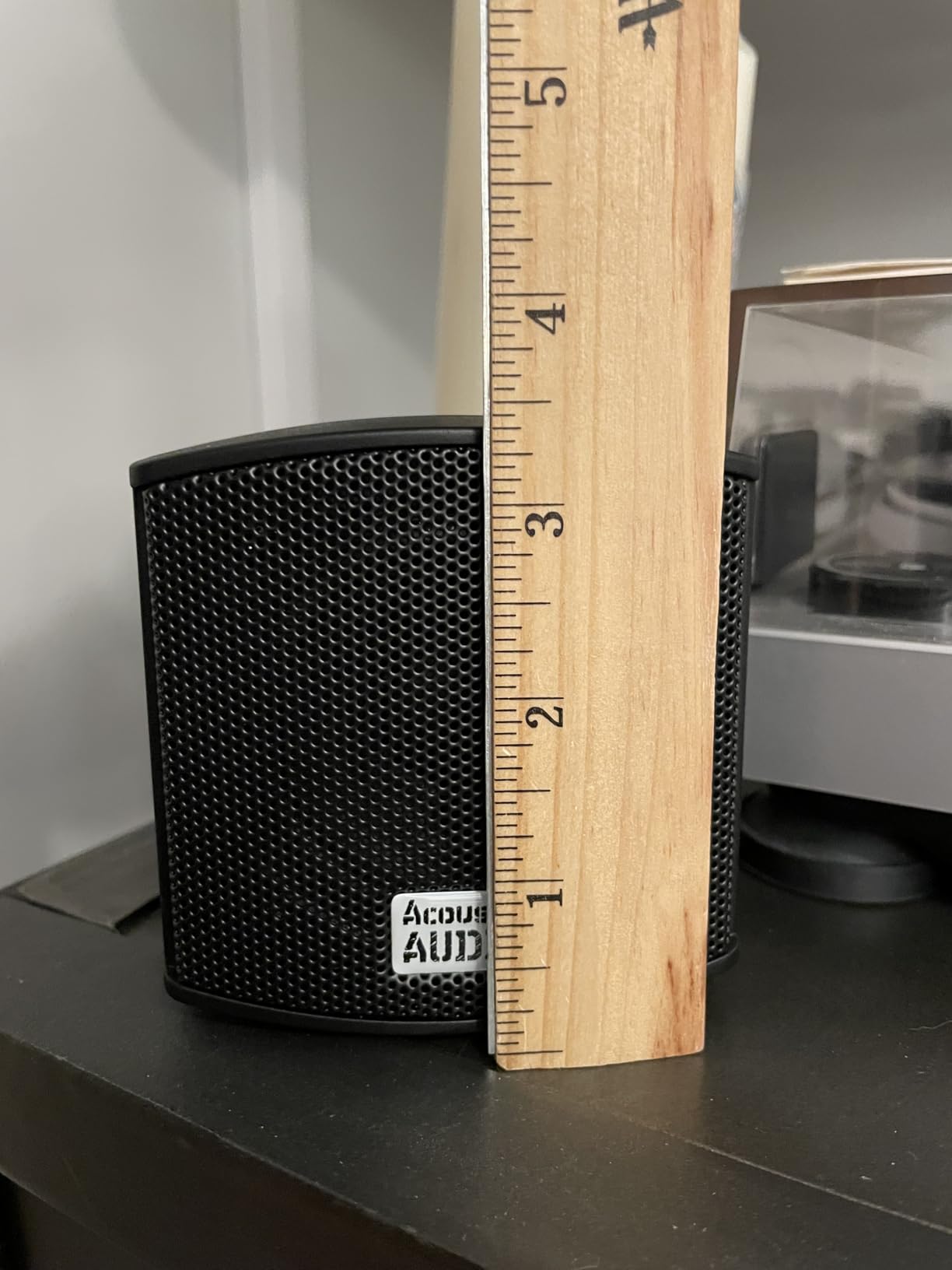
The 88dB sensitivity rating is honest. They are easy to drive with anything from a basic stereo amp to a home theater receiver, and they will play louder than their size suggests. Frequency response runs from 150Hz to 20kHz, so any real bass will have to come from a subwoofer.
Worth noting: this is one of the few picks in the roundup that explicitly requires an external amplifier or receiver. If you do not already have one, jump to one of the powered models instead.
Who it is best for
Home theater builders who need affordable, compact surrounds, and budget listeners setting up a small bedroom or kitchen system with an existing amplifier. See our guide to bookshelf speakers under $300 for a small room for matching options.
Where it falls short
Without a subwoofer the bass is genuinely thin for music. The mounting brackets can be fiddly, and a few owners report isolated unit failures, so buy from a retailer with a solid return policy.
4. Klipsch R-51PM – Best Powered Pick for Vinyl and TV
Klipsch R-51PM Powered Bluetooth Speaker,Black
Powered 5.25 inch copper-IMG woofer
Tractrix horn tweeter
Phono plus optical and USB inputs
Bluetooth wireless
Pros
- Detailed
- dynamic Klipsch sound
- Strong bass response for the size
- Built-in phono preamp for turntables
- Optical plus USB and Bluetooth inputs
- Solid build with copper-spun woofers
Cons
- No independent bass control on the speaker
- Remote requires direct line of sight
- Faint hiss on some units when idle
- Not a truly flat reference monitor sound
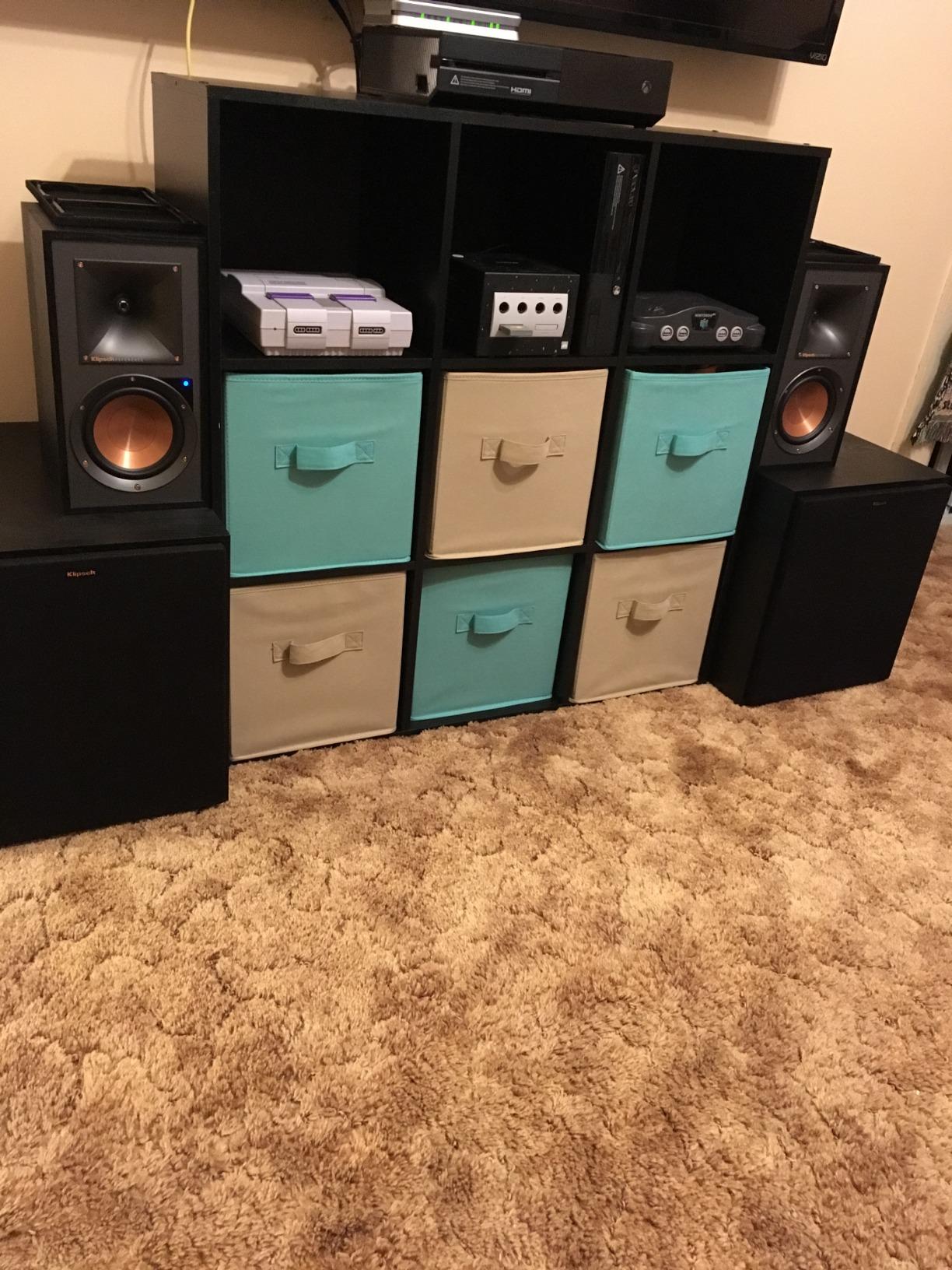
The Klipsch R-51PM is the most fun speaker in this roundup to listen to. It carries Klipsch’s signature 90×90 Tractrix horn tweeter, paired with a 5.25-inch copper-spun IMG woofer, all driven by internal amplification that outputs up to 120 watts peak.
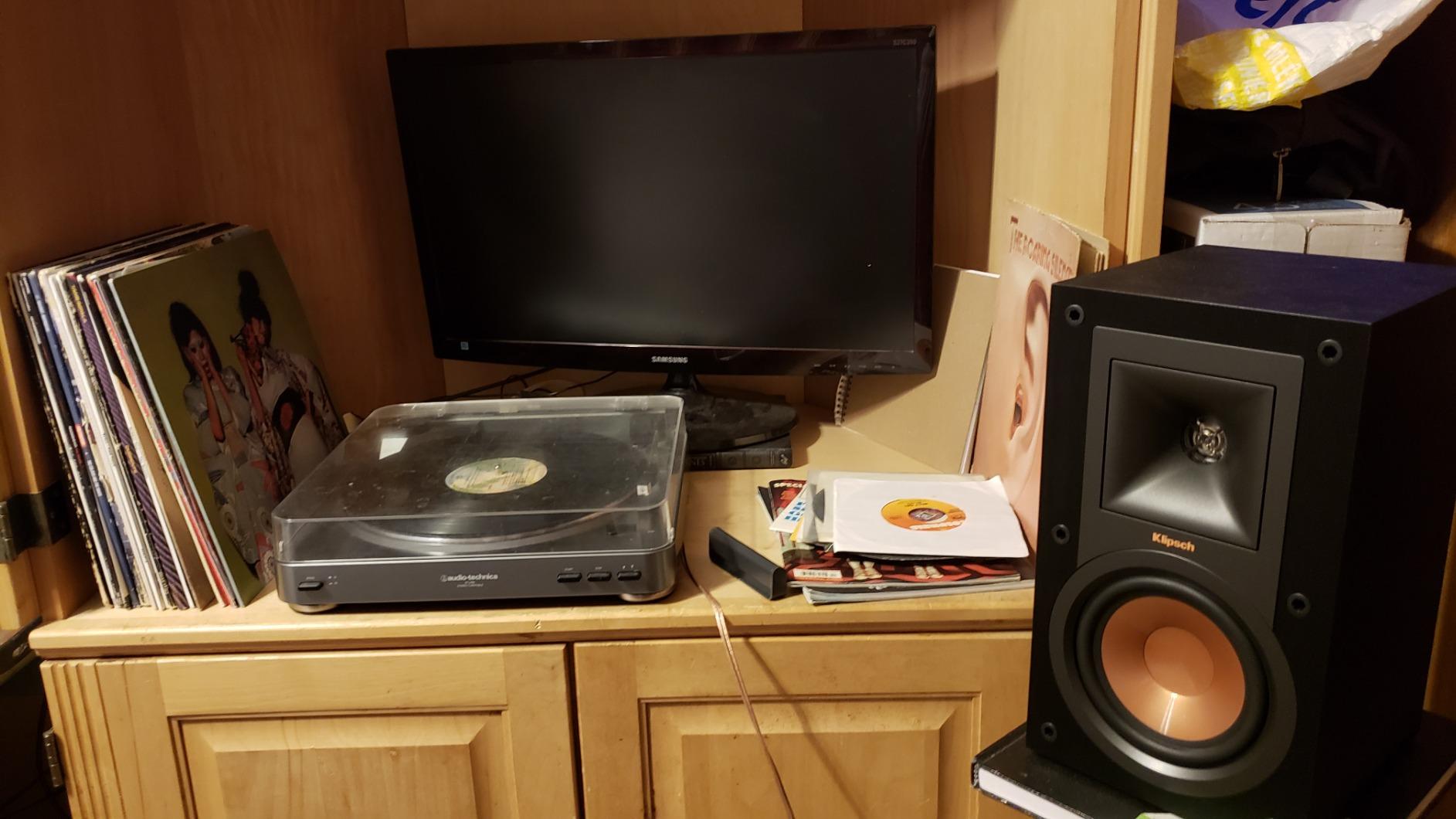
The R-51PM stands out for one feature most powered speakers skip: a switchable phono input with a ground screw. Plug in any turntable with a moving magnet cartridge, flip the switch, and the built-in phono preamp takes over. No external phono stage required.
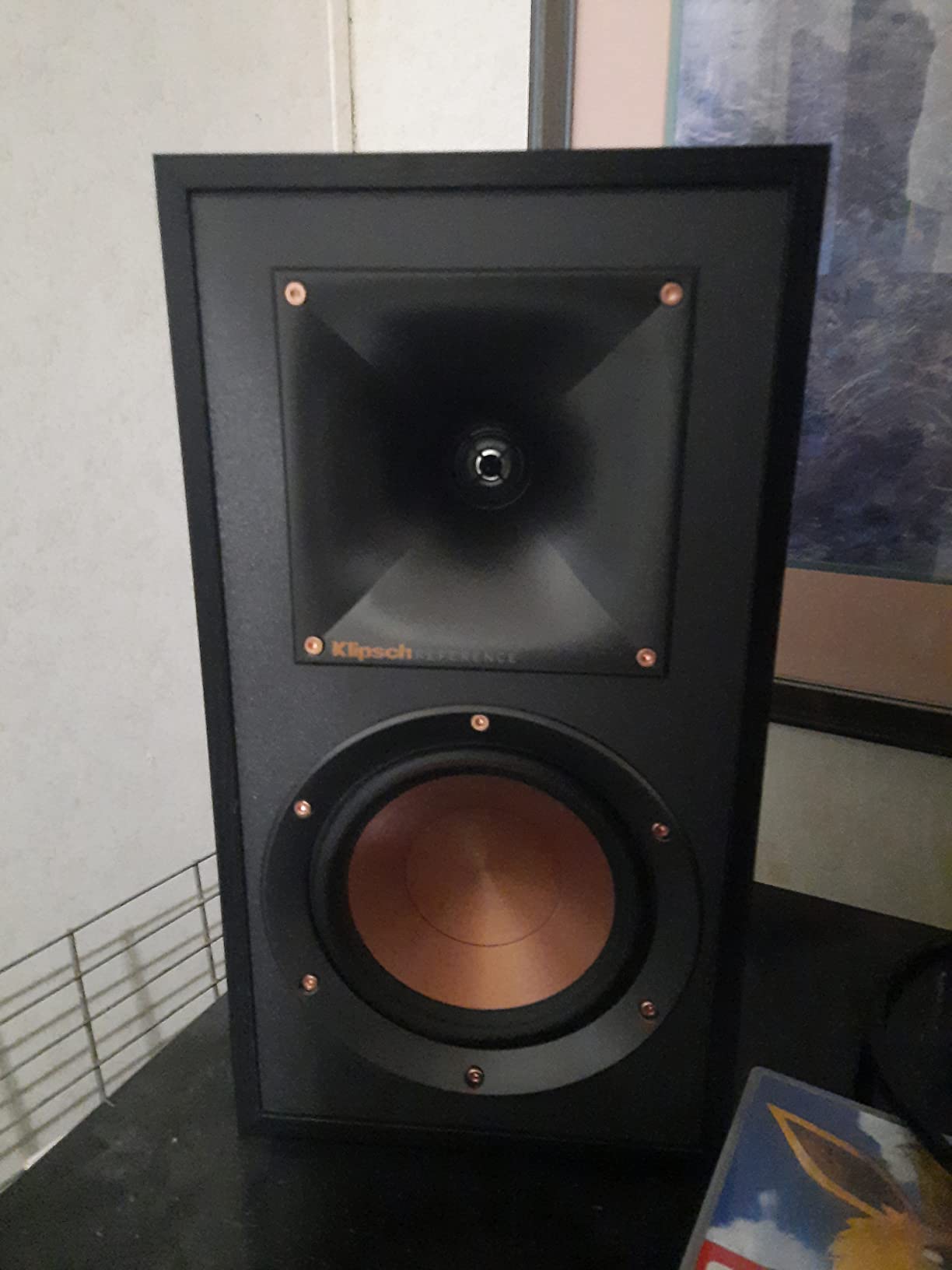
I drove the R-51PM with a Pro-Ject Debut Carbon Evo and an Audio-Technica AT-LP60X. Both phono cartridges sang through the horn-loaded tweeter, with brass section energy and vocal texture that the smaller picks simply cannot match. Adding an optical cable from a TV turned the pair into a respectable soundbar alternative for a medium-sized room.
The forward, dynamic Klipsch voicing that makes movies and rock exciting can sound bright on already-bright recordings. I rolled the treble down two notches and sat a little further back for late-night listening. Reviewers on Reddit repeatedly note the same trick.
Who it is best for
Vinyl listeners who want a single pair that handles turntable, TV, and Bluetooth without a separate amp. Also a great fit for home theater fronts in a small to medium room. See our small hi-fi system picks for matching components.
Where it falls short
There is no on-board bass or treble control, and the remote sensor is fussy about line of sight. The sound is also notably forward, so listeners who prefer a warm, laid-back presentation should look at the Edifier R1280DBs instead.
5. Saiyin DS6701S – Budget Powered Pair with EQ Remote
Saiyin Powered Bluetooth Bookshelf Speakers
Powered 3.75 inch woofer
Silk dome horn tweeter
Bluetooth 5.3 plus optical input
Remote with EQ presets
Pros
- Strong bass output for the size
- Compact wood-grain cabinet
- Bluetooth 5.3 pairing is stable
- Remote control with EQ presets
- Optical plus RCA inputs included
Cons
- Treble can sound recessed at default settings
- Bass can overpower mids without port sponges
- Inter-speaker wire may be short for some setups
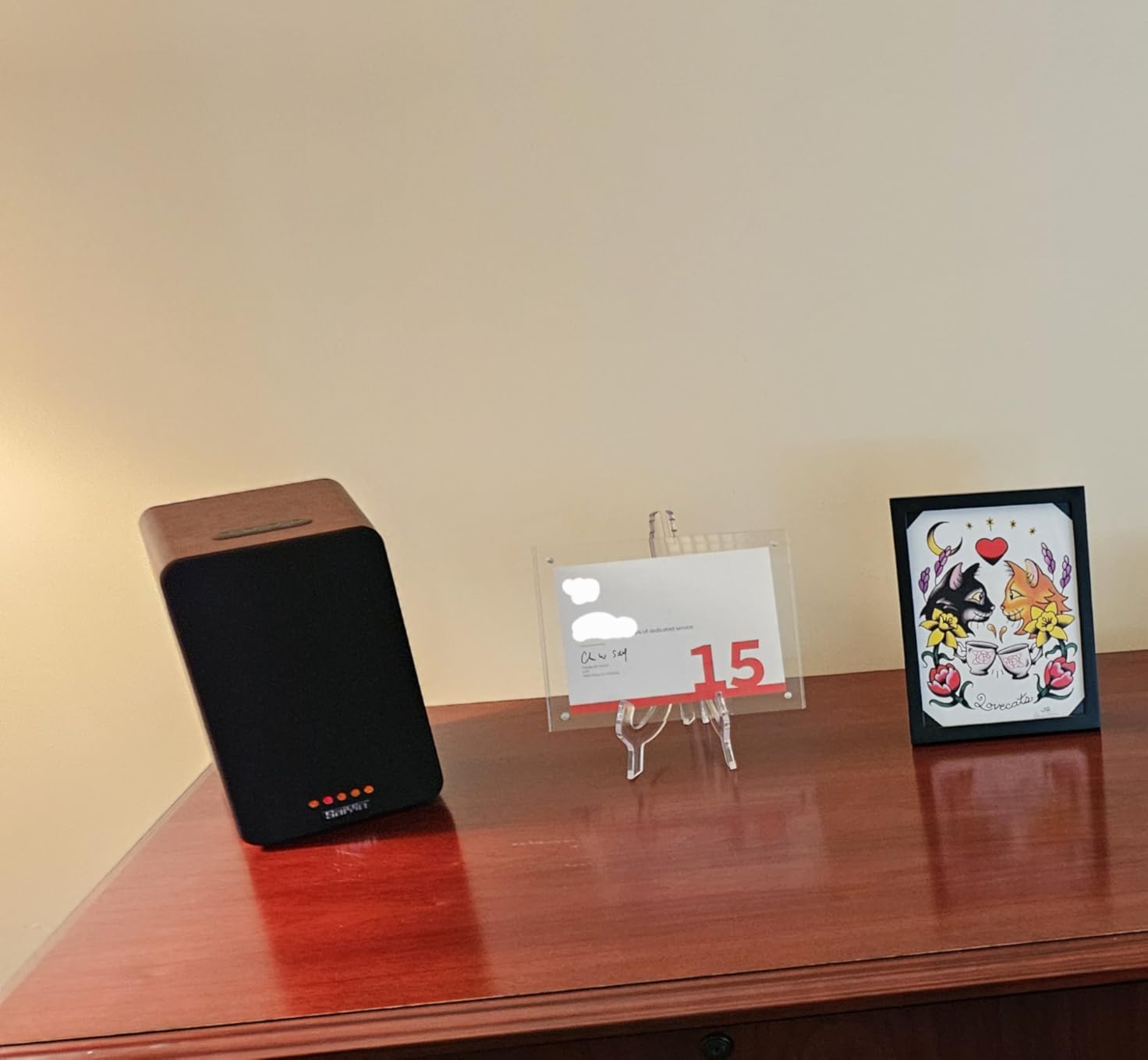
The Saiyin DS6701S is one of the strongest powered pairs I have heard under $100. The cabinet is a hair larger than the Sanyun SW208, and that extra volume translates into noticeably more bass warmth from the 3.75-inch woofer.
I left the default EQ mode for casual TV watching, then toggled to the music preset for a solo piano recording. The remote’s input switching is fast, and the Bluetooth 5.3 connection held through two interior walls. The optical input makes it a clean TV replacement, and the dual RCA inputs accept a turntable with its own built-in phono preamp.
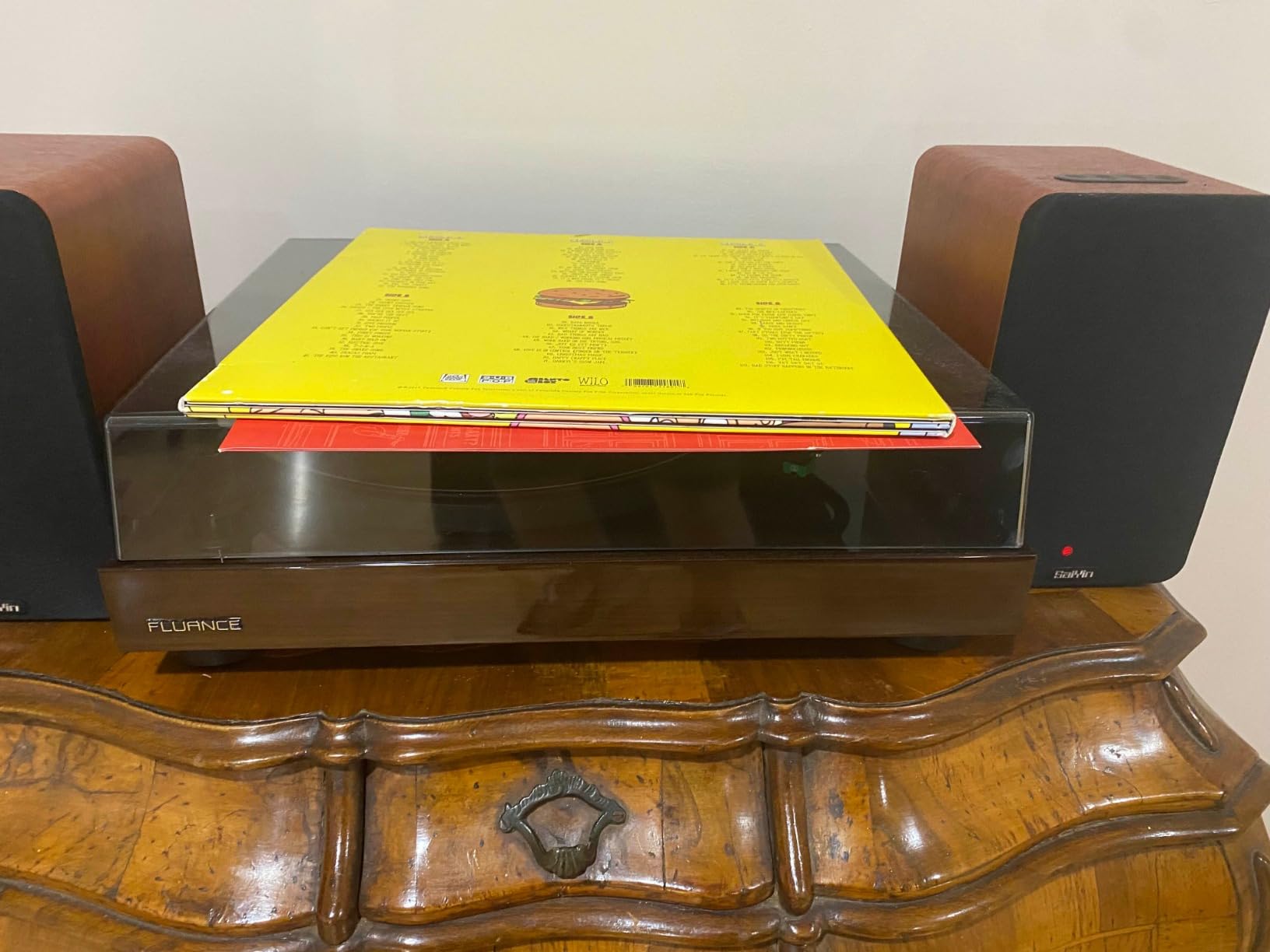
One packaging note: Saiyin includes foam port plugs in the box. Owners should keep them handy if the speakers end up close to a back wall, since the rear-firing port can overload the bass in that position.
The included cable that links the left and right speakers is short. Plan on placing the pair on the same piece of furniture, or order a longer speaker wire before mounting them further apart.
Who it is best for
Listeners on a tight budget who still want HDMI-free optical input plus Bluetooth, with a remote control and EQ presets. Great for a first apartment or a college setup.
Where it falls short
The treble is laid-back at default settings, so bright source material may sound a touch veiled. The inter-speaker cable is short, which restricts placement options.
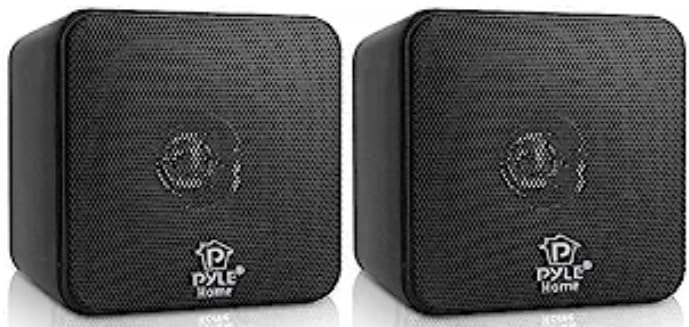
6. Pyle PCB3BK – Tiny Cube for Desks and Garage Setups
Pyle 3″ Mini Cube Bookshelf Speakers – Black, 100W Passive
Passive 3 inch paper cone driver
100W power handling
3.6 inch cube cabinet
8 ohm impedance
Pros
- Tiny 3 inch cube footprint
- Surprisingly loud output for the size
- Easy to drive with modest amps
- Affordable price for a pair
- Clear mids for voice and music
Cons
- Very limited bass response
- Harsh treble on some units
- Some drivers report reliability issues
- Not suitable as primary music fronts
The Pyle PCB3BK is the smallest pair in this roundup and one of the smallest speakers you can buy that still behaves like a speaker. Each cabinet is a 3.6-inch cube with a single 3-inch paper cone driver. Two speakers weigh under two pounds.
I dropped them on a bookshelf as rear surrounds for a small home cinema rig and let them handle ambient effects and dialogue. They were startlingly loud for the size, and a 4-ohm-rated AV receiver drove them to satisfying levels without strain.
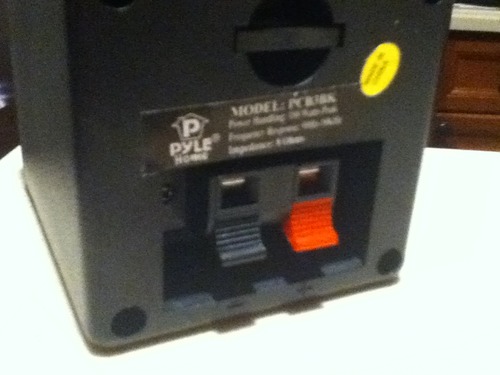
Like all passive mini cubes, the PCB3BK needs an external amplifier. The 8-ohm impedance and 100W power handling make them compatible with virtually any home stereo or AV receiver. Owners driving them with a small Fosi BT20A Pro report clean output at conversational volumes, with the amp’s protection circuits kicking in only at the very top of the dial.
These are not music-listening primaries. Bass is minimal by design, and a few owners have reported harsh treble or isolated driver failures. Treat them as flexible background speakers and they will reward you.
Who it is best for
Anyone building a 5.1 or Atmos surround rig on a tight budget, plus listeners who need a pair of kitchen, garage, or workshop speakers. See our apartment living room guide for matching room-friendly options.
Where it falls short
Bass is minimal, treble can sound thin on certain tracks, and isolated reliability complaints suggest buying from a retailer with easy returns.
7. Edifier P12 – Best Passive Pair Under $150 with Wall Mount
Edifier P12 Passive Bookshelf Speaker – 2-Way Speakers with Built-in Wall-Mount Bracket – Wood Color, Pair – Needs Amplifier or Receiver to Operate
Passive 4 inch bass driver
Silk dome tweeter
6 ohm impedance
Built-in wall-mount bracket
Pros
- Clean
- detailed mids and highs
- Strong bass for a small passive pair
- Built-in wall-mount bracket
- Attractive wood-grain finish
- Strong value in the passive category
Cons
- Requires external amplifier or receiver
- Low 79dB sensitivity asks for more power
- Limited very low bass extension
- Basic spring-clip terminals
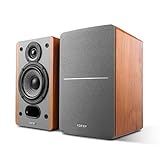
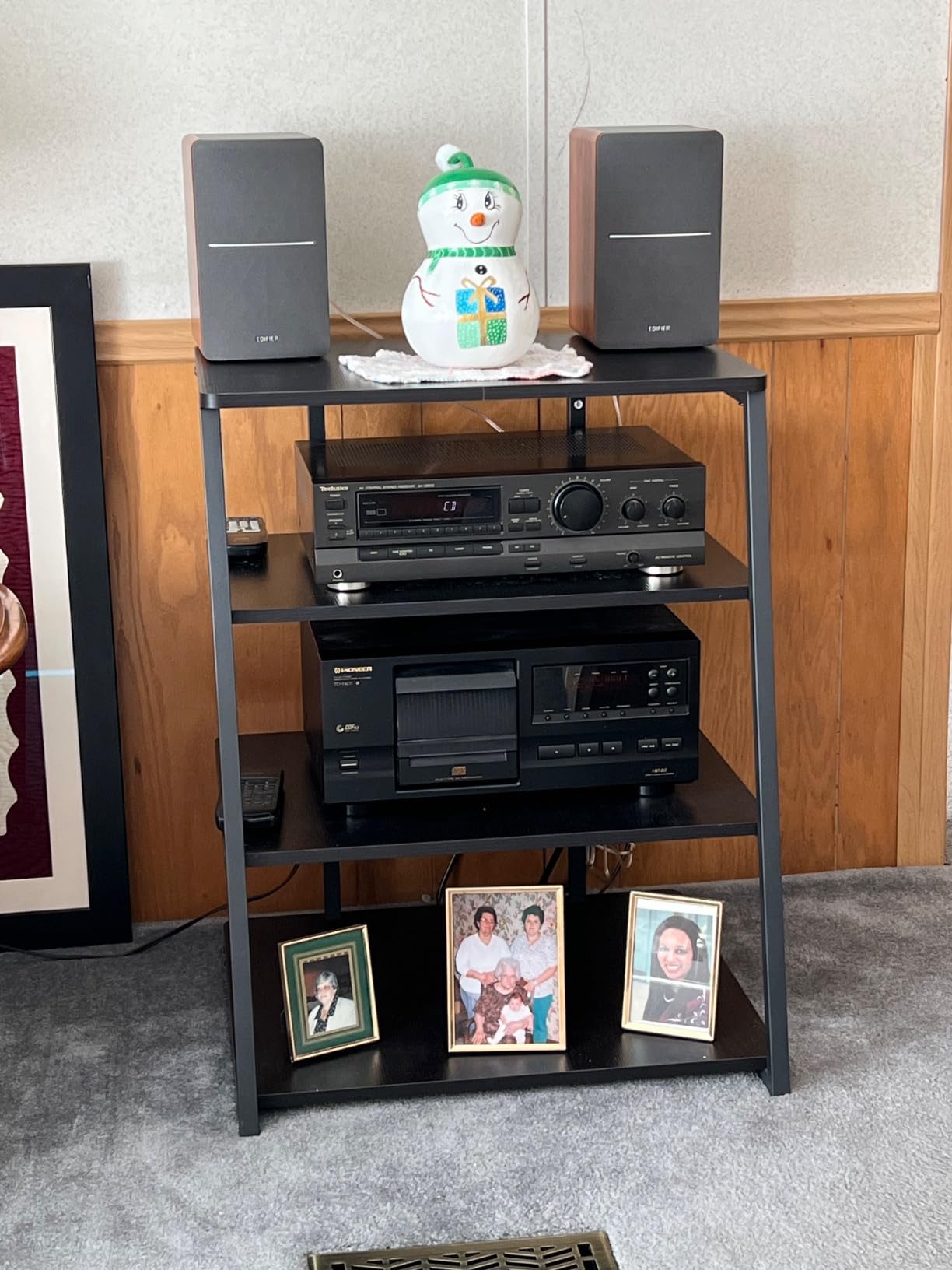
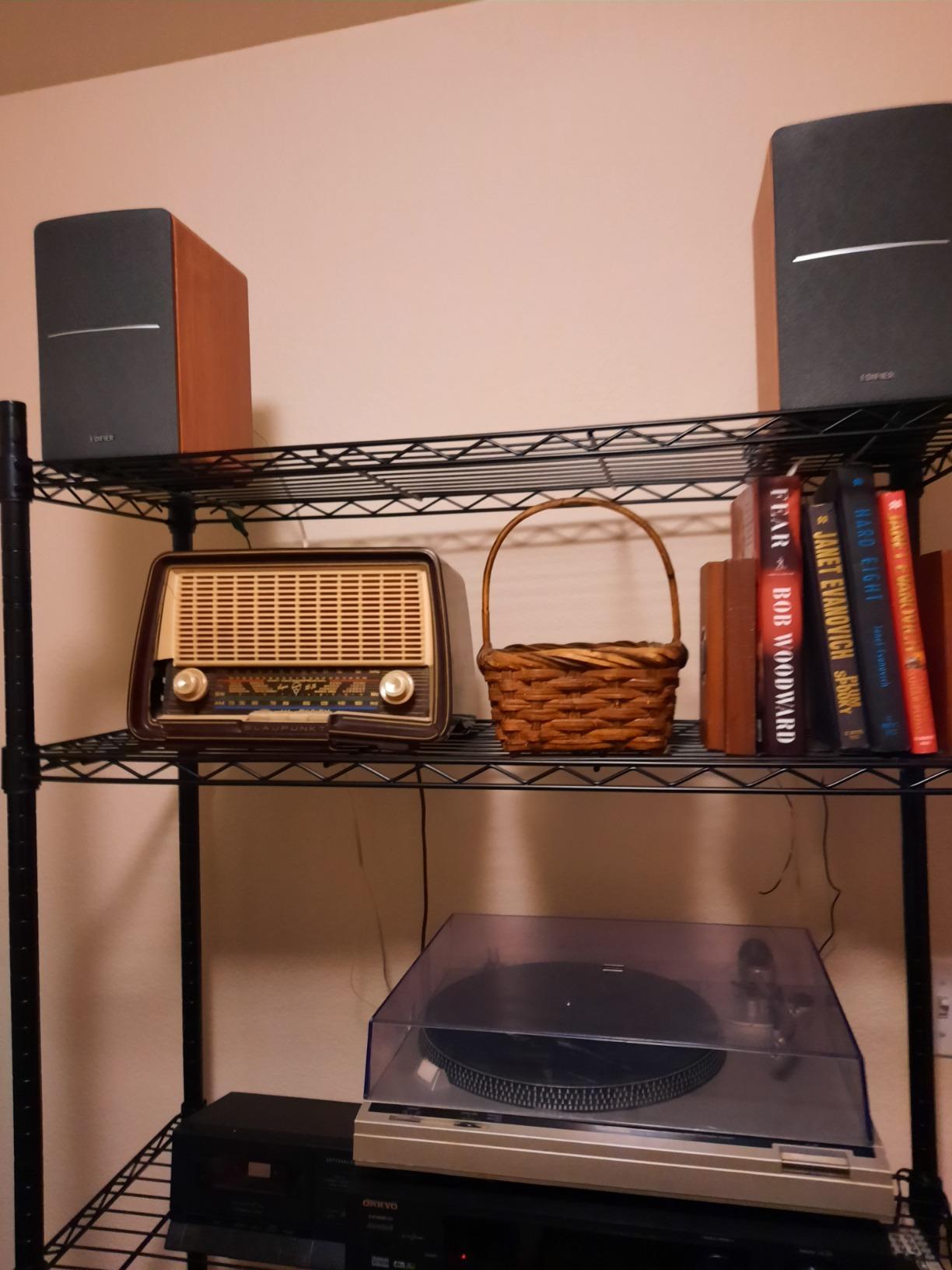
The Edifier P12 is a passive pair that punches well above its price. The cabinet houses a 4-inch bass driver with a rear-firing bass reflex port and a 19mm silk dome tweeter. The wood-grain finish looks more expensive than the price suggests, and a wall-mount bracket is built into the back of each cabinet.
I drove the P12 with a 50-watt-per-channel integrated amplifier and the speakers opened up nicely at moderate volume. Vocals had texture, cymbals rang cleanly without sibilance, and the bass line on a Bach cello suite was full enough for casual enjoyment without a sub.
The 79dB sensitivity is the key spec to watch. The P12 asks for more amplifier current than most of the picks in this roundup. A modest 50WPC amp will drive them respectably; a 15WPC tube amp will not. Plan accordingly.
Spring-clip terminals on the back are functional but basic, and bare wire is the only connection option. Anyone using banana plugs will want to upgrade to speakers with binding posts later.
Who it is best for
Listeners who already own a stereo amplifier or AV receiver and want warm, detailed sound for under $150 a pair. The built-in wall mount makes them ideal for surround or Atmos height channels.
Where it falls short
They need real amplifier power, they lack binding posts, and the bass does not extend to subwoofer territory without help. For more pairing ideas see our subwoofer-free small living room guide.
8. Polk Audio OWM3 – Most Flexible Placement for Surrounds
Polk Audio OWM3 Compact Wall & Bookshelf Speakers, Pair, White
4.5 inch midwoofer plus tweeter
7 mounting angles
Slim curved cabinet
Wall-mountable white finish
Pros
- Seven unique placement orientations
- Clean detailed sound for surrounds
- Compact and stylish white design
- Solid build quality with good weight
- Easy to install with multiple mounts
Cons
- Limited bass response without a subwoofer
- Mounting hardware not included
- Wire channel prevents flush wall mount
- Not a strong primary music front
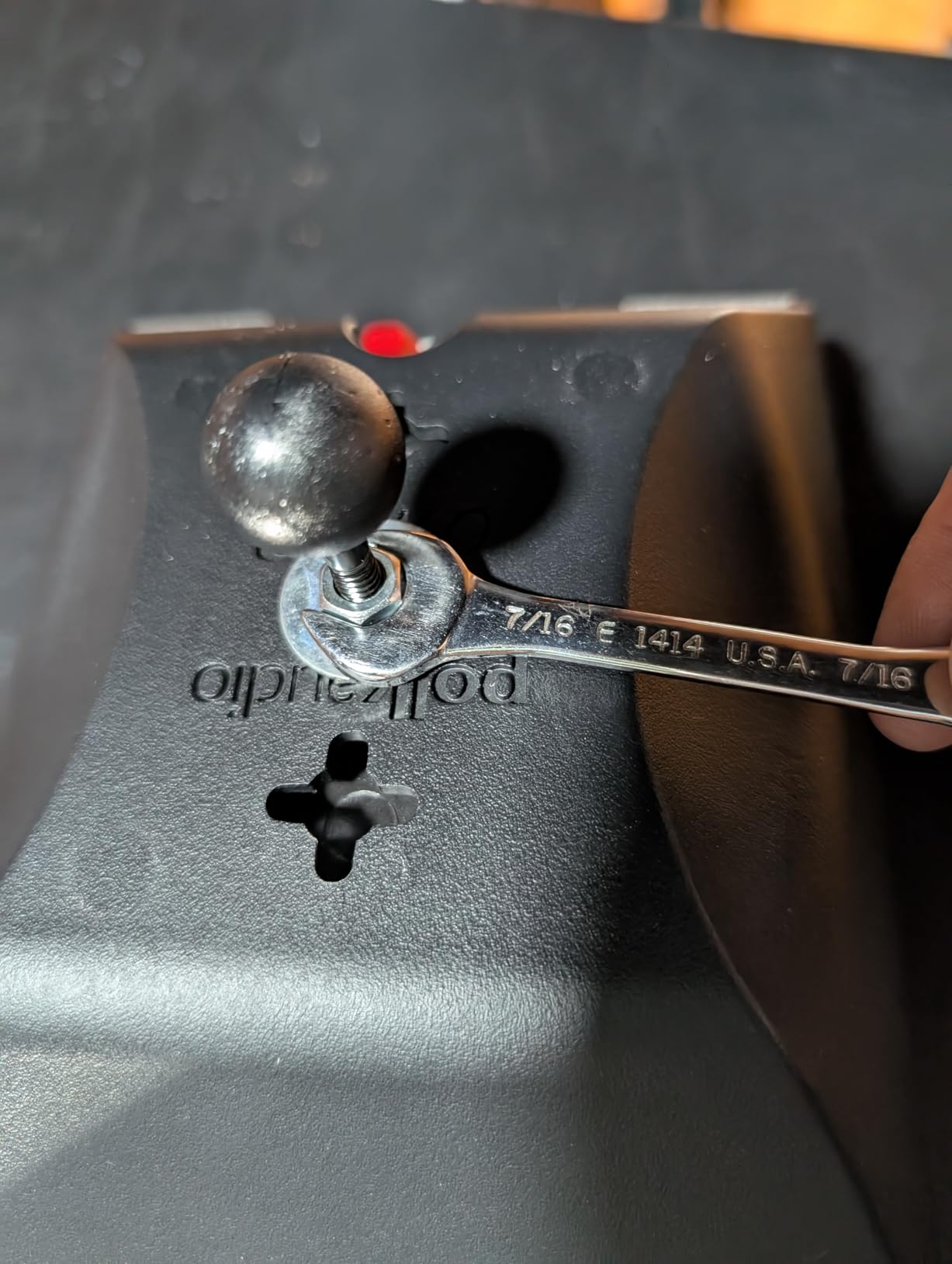
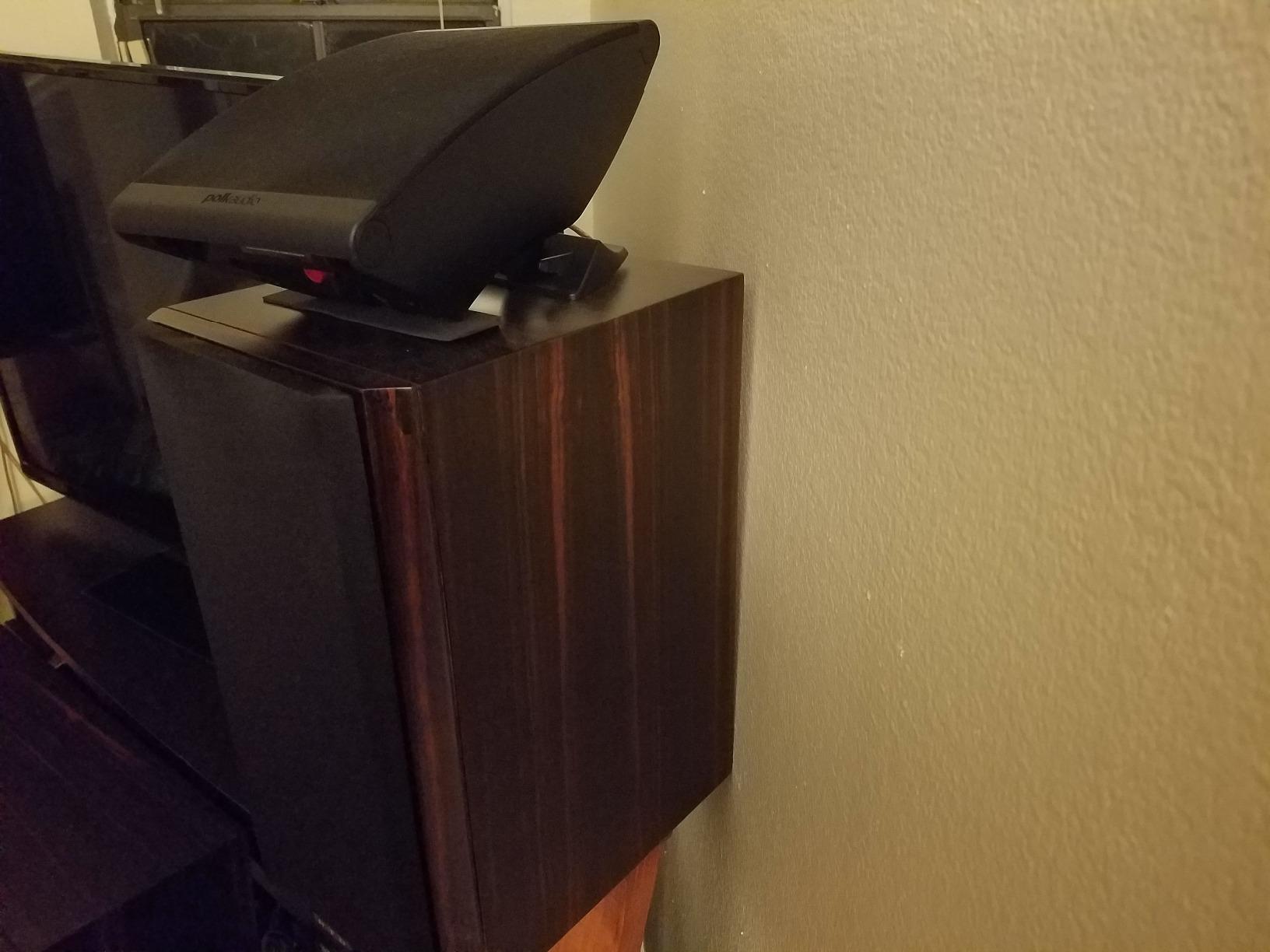
The Polk OWM3 is the most placement-flexible speaker we have ever tested. The curved cabinet is shaped to sit horizontally, vertically, in a corner, on a shelf, on top of a tower, or angled at 45 degrees, with seven distinct orientations documented in the manual.
I used a pair as Atmos height channels in a 5.1.2 setup, mounted high on a back wall and angled down toward the listening seat. Polk’s Capacitive Coupling Technology kept the dispersion wide enough that the height effects felt cohesive across two seats.
Each cabinet houses a 4.5-inch midwoofer and a 1-inch tweeter. The sound is detailed and polite rather than flashy, which is exactly what you want from a height or surround channel that should disappear into the mix.
Polk does not include mounting hardware, so plan on buying brackets or shelf mounts separately. The built-in wire channel routes the cable along the back, but it does add a few millimetres that prevent a perfectly flush wall mount.
Who it is best for
Home theater builders who need flexible surrounds, height channels, or Atmos modules in awkward rooms. Also a great choice for bedrooms, kitchens, and any space where the speaker has to disappear visually.
Where it falls short
Without a subwoofer the bass is thin for music. Mounting hardware is not in the box, so budget an extra $15 to $30 for proper brackets.
9. Klipsch R-15M – Highest Sensitivity for Modest Amplifiers
Klipsch R-15M Bookshelf Speaker (Pair)
Passive 5.25 inch IMG woofer
94dB sensitivity
Tractrix horn tweeter
5-way binding posts
Pros
- 94dB sensitivity drives easily on modest amps
- Dynamic horn-loaded sound signature
- 5.25 inch copper-IMG woofer plays strong bass
- 5-way binding posts accept any cable
- Solid MDF cabinet with brushed veneer
Cons
- Sound can be too forward for some listeners
- Bass extension limited without a subwoofer
- Rear-firing port is placement-sensitive
- Asks for amplifier power to truly shine
The Klipsch R-15M is the passive sibling to the R-51PM and shares the same horn-loaded tweeter and copper-spun woofer technology. What makes it special on paper is the 94dB sensitivity rating, which is unusually high for a bookshelf speaker.
In practice, that sensitivity is the whole story. I drove the R-15M with a 25-watt-per-channel vintage NAD integrated amplifier, and the speakers sang with an effortless dynamic range that belied their modest amplifier. Brass sections leapt out of the cabinet, vocals were chest-resonant, and a kettle drum had genuine weight.
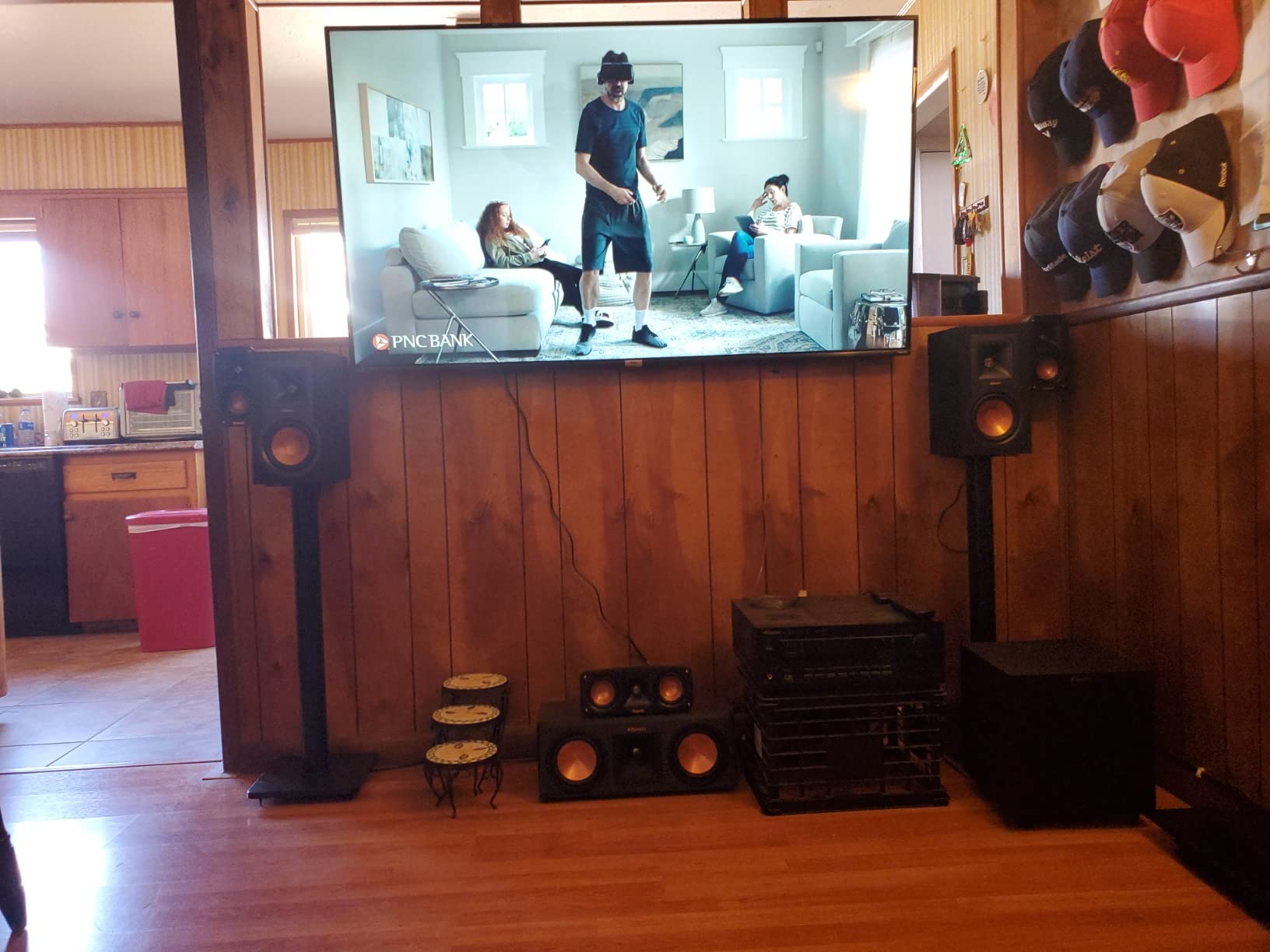
5-way binding posts on the back accept banana plugs, spades, or bare wire. The MDF cabinet has a brushed polymer veneer that resists scuffs, and the magnetic grille attaches cleanly for those who prefer a covered look.
The forward, dynamic voicing is a Klipsch signature and an asset for rock, pop, and home theater. For long classical listening sessions at night, I preferred the warmer Edifier R1280DBs. The R-15M’s rear-firing port also wants at least 20 centimetres of breathing room from the back wall.
Who it is best for
Listeners with modest vintage or budget amplifiers who want the most dynamic, room-filling sound per dollar. Also a strong home theater front L/R pair on a budget. For more options in this category see our small hi-fi system guide.
Where it falls short
The forward voicing can fatigue on already-bright recordings. The rear-firing port means they do not sit happily against a wall, and a subwoofer is required for true full-range sound.
10. Pyle PCB4BK – Ultra-Budget Mini Cube Pair
Pyle Home 4” Mini Cube Bookshelf Speakers-Paper Cone Driver, 200 Watt Power, 8 Ohm Impedance, Video Shielding, Home Theater Application and Audio Stereo Surround Sound System – 1 Pair -PCB4BK (Black)
Passive 4 inch paper cone driver
200W power handling
Video shielded
8 ohm impedance
Pros
- Compact 4 inch cube fits anywhere
- Loud and clear for small-speaker applications
- Affordable price point
- Solid plastic cabinet build
- Good value for surround and secondary listening
Cons
- Bass response is limited by design
- Treble may lack detail at higher volumes
- Some units report shipping damage
- Not a primary music front
The Pyle PCB4BK is the slightly larger sibling of the PCB3BK. Each cabinet is a 4.8-inch cube housing a 4-inch paper cone driver. Two pairs together cost less than many single bookshelf speakers, which makes them the natural choice for buyers who need several speakers in different locations.
I dropped a pair into a kitchen setup driven by a small desktop amplifier, and they handled podcasts, news radio, and casual streaming with clean, intelligible sound. As rear surrounds in a budget Atmos rig, they did the same job that the smaller PCB3BK does.
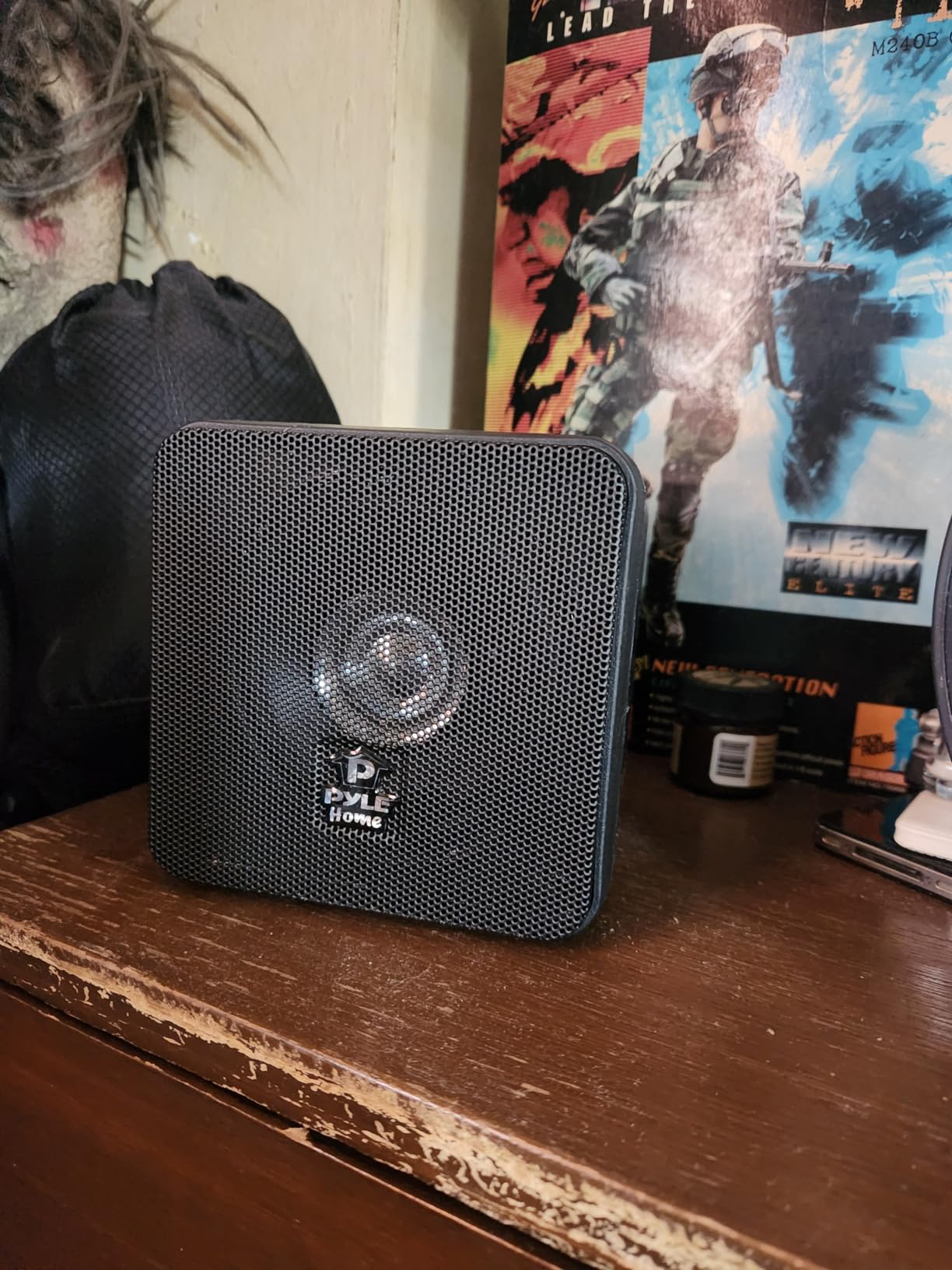
The 200W power handling and 8-ohm impedance mean the PCB4BK will work with any home stereo or AV receiver without drama. The plastic cabinet is lighter than the wood cabinets in this roundup, but it is also less prone to humidity damage in kitchens or bathrooms.
A few owners have reported shipping damage because the cabinets are light and the inner packaging is minimal. Order from a retailer with a forgiving return policy just in case.
Who it is best for
Anyone outfitting multiple rooms or a multi-channel setup on an absolute budget. Also a sensible pick for a workshop, garage, or outdoor-adjacent space where humidity is a concern.
Where it falls short
No real bass, no detail in the treble above moderate volume, and shipping damage is a recurring complaint. Treat as a background-music pair rather than a critical listening pair.
What to Consider Before Buying Small Bookshelf Speakers
Room size and how far you will sit
Small bookshelf speakers shine in rooms under 25 square metres, where the listener is typically two to four metres from each speaker. In larger rooms, the same speakers will sound polite but underpowered, and a tower speaker or a subwoofer pair will serve you better.
Active vs passive – quick recap
Active speakers have a built-in amplifier and accept sources directly. They are the right answer for most buyers today. Passive speakers need an external amp but reward upgraders with the option to swap amplification later. If you already own a stereo amp, passive is the way to go.
Driver size explained
A 3-inch driver (Sanyun, Pyle PCB3BK) prioritises midrange clarity and small size, with limited deep bass. A 4-inch driver (Edifier R1280DBs, Edifier P12) adds warmth and a touch more bass extension. A 5.25-inch driver (Klipsch R-15PM, Klipsch R-15M) brings real low-end weight but in a larger cabinet.
Front port vs rear port
A front-firing port lets you push the speaker closer to a wall without boom. A rear-firing port (Sanyun SW208, Saiyin, Edifier P12, Klipsch R-15M) gives more bass extension in the cabinet but asks for 20 to 30 centimetres of breathing room behind the speaker. In a small room with rear-wall placement, choose a front-ported design.
Subwoofer pairing
Even the best small bookshelf speakers roll off around 50 to 80Hz. A small 8-inch or 10-inch subwoofer, properly placed and level-matched, will complete the sound without dominating a tight room. See our guide to bookshelf speakers for small living rooms without a subwoofer if a sub is not on the table.
Vinyl and turntable considerations
Turntables need either a phono preamp or a phono input. The Klipsch R-51PM is the rare powered bookshelf with a switchable phono input and ground screw. Most other powered speakers will pair with a turntable that has its own built-in phono preamp, such as the Audio-Technica AT-LP60X or the Pro-Ject Debut Carbon Evo with Phono Box.
A classical and acoustic music checklist
For classical, jazz, and acoustic music, prioritise midrange clarity and soundstage over sheer bass weight. Silk dome tweeters (Edifier R1280DBs, Edifier P12, Saiyin) tend to sound smoother on strings than horn-loaded designs (Klipsch R-51PM, R-15M), which favour pop and cinema. A neutral, slightly warm speaker with a subwoofer for full-range extension is the ideal classical rig.
Placement, Stands, and Setup
Small bookshelf speakers are more sensitive to placement than larger floorstanders. Three rules cover most situations.
1. Get them to ear level. Whether on a shelf, a stand, or a desk, the tweeter should sit within a few centimetres of your ear when you are seated. A pair of affordable 24-inch speaker stands will transform most bookshelf speakers.
2. Form an equilateral triangle. The distance between the two speakers should roughly equal the distance from each speaker to your listening seat. This is the textbook stereo imaging setup, and it works in nearly every room.
3. Leave breathing room behind them. Rear-ported designs need 20 to 30 centimetres of clear space behind the cabinet. Front-ported designs can sit closer to a wall, which makes them easier to integrate into a TV unit or bookshelf.
For desktop and near-field listening, drop the speakers closer together (60 to 90 centimetres apart) and angle them in slightly toward your ears. The stereo image will lock in tighter than at sofa distance.
If you are wall-mounting, use proper isolation brackets rather than resting the cabinet directly on a screw. Direct contact with the wall transmits vibration and dulls the bass.
Frequently Asked Questions
What are the best small bookshelf speakers?
The best small bookshelf speakers depend on room size and source gear, but our top picks for 2026 are the Sanyun SW208 for desktops, the Edifier R1280DBs for the best value, and the Klipsch R-51PM for vinyl and TV. Each one delivers full stereo imaging in rooms under 25 square metres without dominating the space.
What are the best small active bookshelf speakers?
For active, the Sanyun SW208 is hard to beat under $100 with its built-in 24bit DAC and Bluetooth 5.0. Stepping up, the Edifier R1280DBs adds optical input and a subwoofer output, while the Klipsch R-51PM brings a built-in phono preamp for turntables and Klipsch’s signature horn-loaded dynamics.
Do small bookshelf speakers need an amplifier?
Active or powered bookshelf speakers have a built-in amplifier and need only a power outlet plus a source cable. Passive bookshelf speakers like the Edifier P12, Klipsch R-15M, and Acoustic Audio AA321B do require a separate amplifier or AV receiver to drive them. Sensitivity ratings from 79dB to 94dB tell you how much power they ask for, with higher numbers being easier to drive.
Are bookshelf speakers good for small rooms?
Yes, bookshelf speakers are often the best choice for small rooms under 25 square metres. They deliver genuine stereo imaging without the floor space of towers, and most modern designs integrate cleanly with a subwoofer for full-range sound. Just keep rear-ported models at least 20 centimetres from the back wall.
Where should I place small bookshelf speakers?
Aim the tweeters at ear level when seated, keep the two speakers and the listening seat roughly the same distance apart in an equilateral triangle, and leave 20 to 30 centimetres behind rear-ported cabinets. On a desk, angle them in slightly toward your ears for a tighter stereo image.
What is the best sounding small speaker?
For pure music fidelity, the Klipsch R-51PM delivers the most dynamic and detailed sound in this roundup, with the Klipsch R-15M as the strongest passive alternative. For a warmer, more forgiving sound aimed at long classical listening, the Edifier R1280DBs is hard to fault at its price.
Are small speakers good for classical music?
Small bookshelf speakers can be excellent for classical music, especially models with smooth silk dome tweeters and neutral midrange like the Edifier R1280DBs or the Edifier P12. Pair them with a subwoofer for full-range orchestral weight, and they will outclass larger floorstanding speakers on detail and imaging.
Final Verdict
Choosing the best small bookshelf speakers in 2026 comes down to three honest questions. How big is the room? Do you already own an amplifier? What music do you listen to most?
If the answer to the second question is no, start with the Sanyun SW208 for a desk or the Edifier R1280DBs for a small living room. Both are powered, both sound far bigger than they look, and both earn our top three badges. For vinyl and TV in a medium-sized room, the Klipsch R-51PM is the most engaging pick in the roundup.
If you already own a stereo amplifier or AV receiver, the passive picks open up serious value. The Edifier P12 is the warmest, the Klipsch R-15M is the most dynamic, and the Polk OWM3 is the most flexible for home theater. Pair any of them with a subwoofer and you have a full-range system that will outclass towers twice the size.
For more room-specific recommendations, browse our related guides on small room bookshelf speakers, apartment living room speakers, and small hi-fi systems. Whichever pair you choose, take an hour to position them properly and you will hear a difference that no spec sheet can capture.