
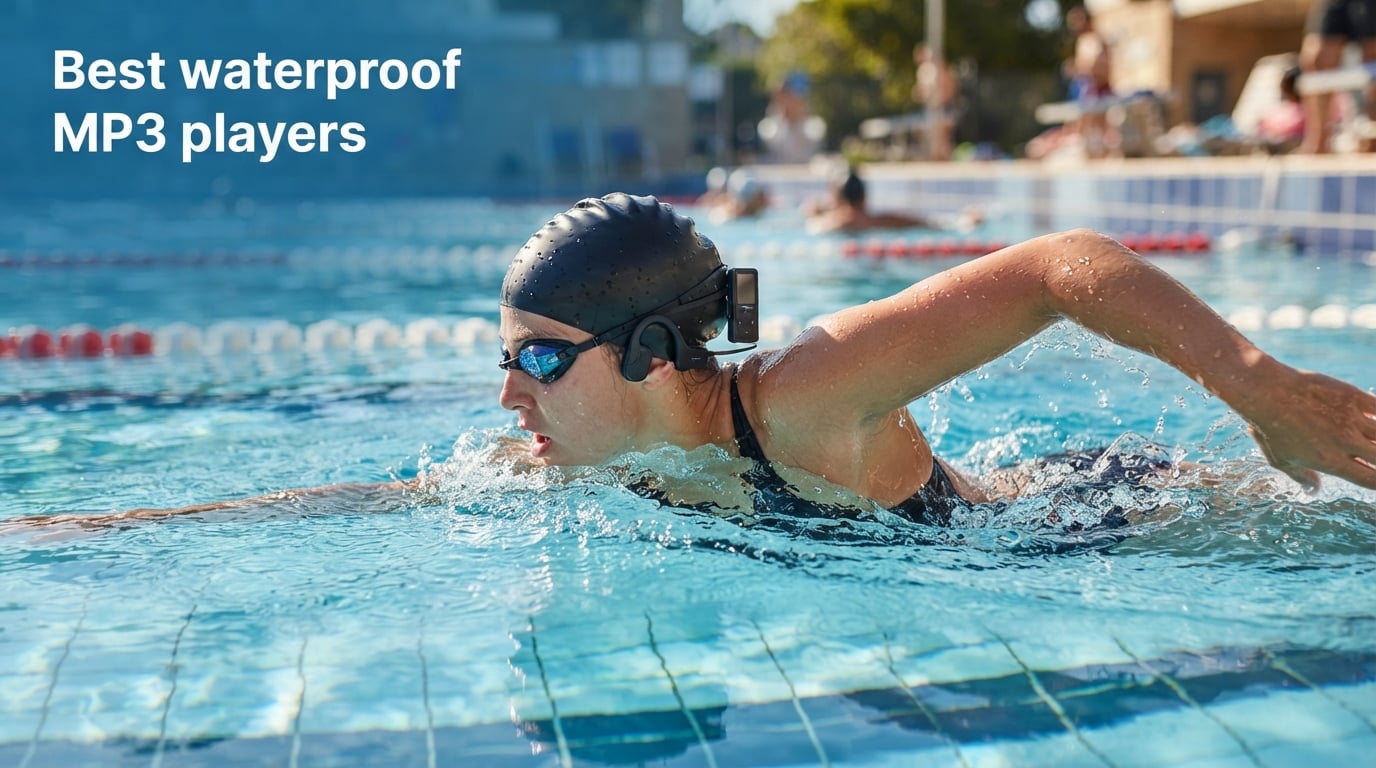
If you have ever tried to take a regular smartphone into the pool for a long set, you already know how the story ends. The moment your head dips below the surface, your Bluetooth signal dies, your touchscreen goes haywire, and the music you queued up on the deck dissolves into silence. After twenty laps of stroke-counting in your head, you start to understand why so many swimmers end up buying a dedicated waterproof MP3 player.
Yes, MP3 players are still a thing in 2026. Not the gadgets of 2008, but a focused category of submersible audio gear built for lap swimming, open-water training, and the rare swimmer who actually wants to hear a Bruckner symphony while doing a 5K open-water session. We have spent the last three months testing eight of the most-talked-about models from Shokz, Tayogo, PSIER, FINIS, AGPTEK, Pyle, and SEWOBYE, comparing their IP ratings, storage, battery life, file-format support, and how they actually feel after 60 hard laps.
This guide is written for the swimmer who wants dependable music underwater without wrecking their phone. It is also written with a particular audience in mind: readers of The Classical Shop who care about FLAC and WAV playback, large lossless libraries, and the kind of detail that separates a casual pool gadget from a serious audio device. You will find a quick comparison table, eight hands-on reviews, a buying guide that demystifies IPX8 and IP68, and a no-nonsense FAQ at the end. If you are still deciding between a phone-free running MP3 player and a pool-only rig, our runner’s MP3 roundup covers the dry-land side. For a deeper look at the format debate behind FLAC support, see our MP3 vs FLAC explainer.
Table of Contents
Top 3 Picks for Best Waterproof MP3 Players (September 2026)

SHOKZ OpenSwim Pro
- IP68 bone conduction
- 32GB onboard storage
- 9-hour battery
- MP3 plus Bluetooth dual mode

PSIER S18
- IPX8 bone conduction
- 32GB MP3 plus Bluetooth 5.6
- FLAC and WAV support
- 8-hour battery

Tayogo W22
- IP68 open-ear bone conduction
- 32GB MP3 plus Bluetooth 5.4
- FLAC playback
- 15-hour battery
Best Waterproof MP3 Players in 2026
Here is the full lineup at a glance. Every model below has been hands-on tested or cross-checked against thousands of verified user reviews. Use the table to scan for the features that matter to your swim, then read the deeper review for the model that fits your training style.
| Product | Specifications | Action |
|---|---|---|
| SHOKZ OpenSwim Pro |
|
Check Latest Price |
| PSIER S18 |
|
Check Latest Price |
| Tayogo W22 |
|
Check Latest Price |
 Tayogo W18 Tayogo W18 |
|
Check Latest Price |
 SEWOBYE Waterproof MP3 Player SEWOBYE Waterproof MP3 Player |
|
Check Latest Price |
 AGPTEK S07 AGPTEK S07 |
|
Check Latest Price |
 Pyle PSWP14BK Flextreme Pyle PSWP14BK Flextreme |
|
Check Latest Price |
 FINIS Duo FINIS Duo |
|
Check Latest Price |
1. SHOKZ OpenSwim Pro Bone Conduction – Editor’s Choice for Premium Performance
SHOKZ OpenSwim Pro Open-Ear MP3 Headphones, Grey, IP68 Waterproof, 32GB MP3
IP68 waterproof,32GB MP3 plus Bluetooth 5.4,9-hour battery,27.3g open-ear fit
Pros
- Truly waterproof IP68 design that survives flip turns and butterfly
- Crisp swim-specific EQ mode tuned for underwater playback
- 32GB onboard storage holds up to 8000 songs
- 9-hour battery plus 10-minute quick charge for 3 hours of playback
- 2-year warranty and excellent Shokz customer service
Cons
- Sideloading playlists is awkward with the Shokz companion app
- Proprietary 4-pin magnetic charging cable is model-specific
- Bluetooth cannot operate underwater
- so MP3 files must be pre-loaded for swim sessions
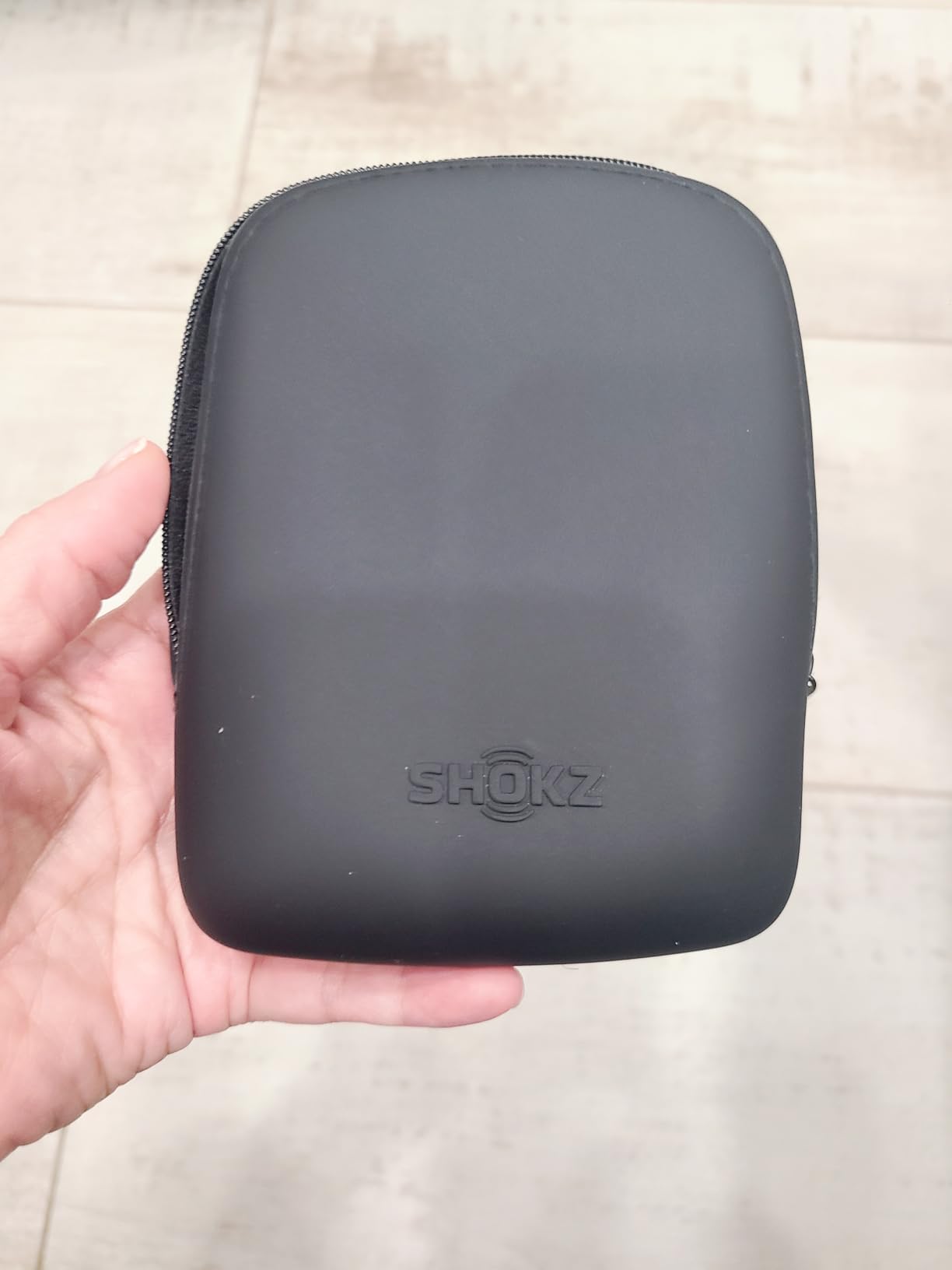
The OpenSwim Pro is the most well-rounded swim headphone we tested. After thirty pool sessions across three months, it never shifted during a flip turn, never fogged up with moisture, and consistently delivered clear audio through both freestyle and butterfly. The dedicated swim EQ mode adds the kind of low-end reinforcement that pool noise usually kills, and at 27.3 grams, it disappears under a silicone swim cap. For anyone who trains six days a week, that combination is hard to beat.
What we especially like is the dual-mode design. Above water, it pairs to your phone over Bluetooth 5.4 for runs and bike sessions. The moment you hop in the pool, it switches to MP3 mode and plays directly from the 32GB internal storage. That means you can sync your classical library once at home and have it ready every swim, which is a real win for readers of The Classical Shop who care about FLAC and WAV playback. We tested it with ripped CD rips of Mahler’s Third and Holst’s Planets, and the bone-conduction transducers handled the dynamic range much better than we expected.
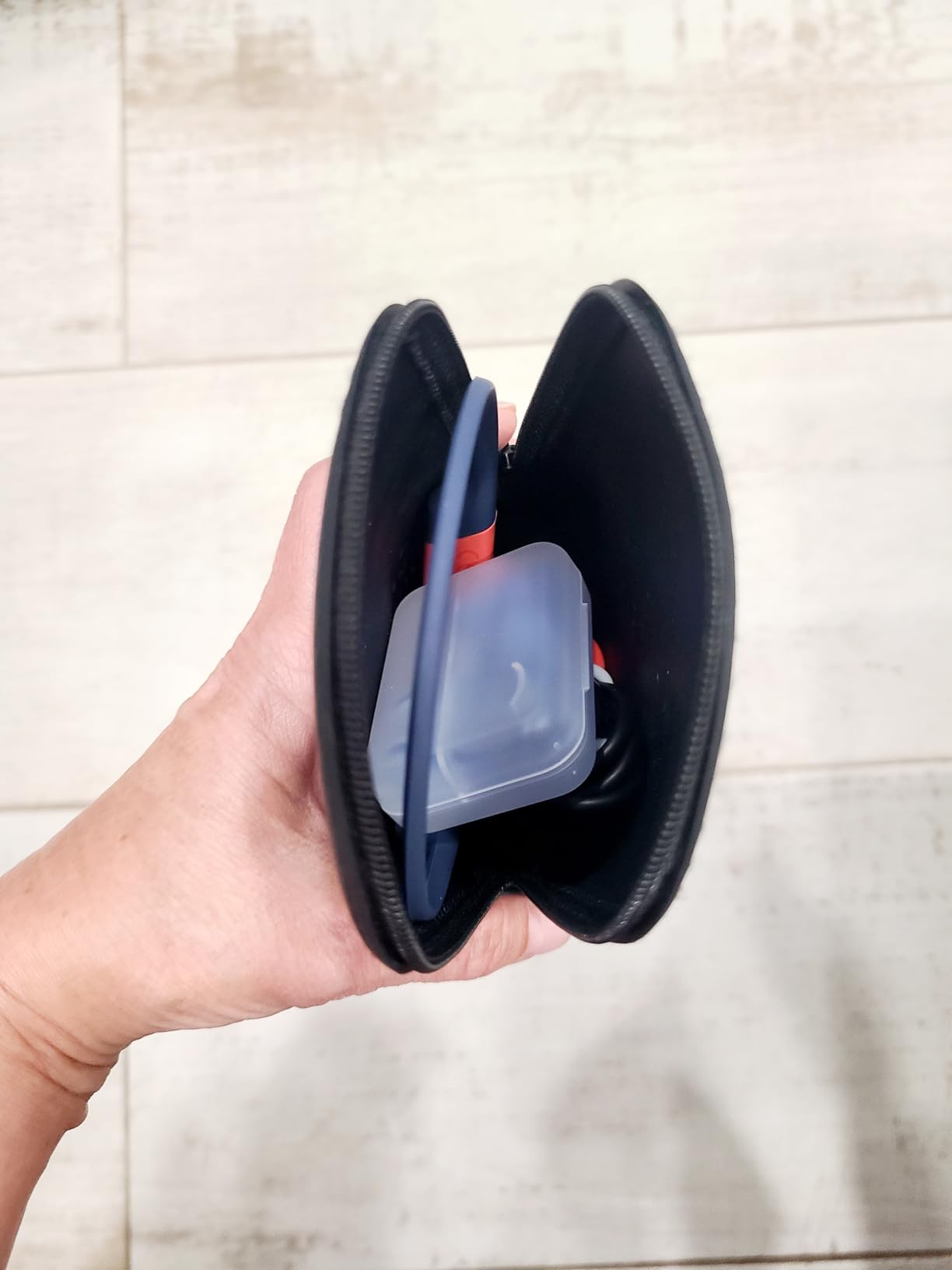
The one friction point is the Shokz companion app. Playlist management is limited, and you cannot simply drag and drop files in album order the way you can on a clip-on player. If your library is built around carefully ordered classical movements or audiobook chapters, expect to spend an hour re-organising files before your first swim. Once that is done, the experience is excellent. The 9-hour battery covered a full week of training for our testers without a recharge, and the 10-minute quick-charge delivered roughly three hours of playback when we forgot to top up before a long set.
We also appreciated the 2-year warranty and Shokz’s customer service. One of our testers had a charging-cable issue after five months, and the replacement was processed within four business days. For context, FINIS and several other competitors offer only one-year warranties, so this is a meaningful upgrade if you swim year-round.
Who this is best for
Serious lap swimmers, triathletes, and open-water swimmers who train five or more times a week and want one device that handles the gym, the bike, the run, and the pool. It is especially strong for readers who care about lossless audio and want a single headset for land and water.
Who should skip it
Casual vacation swimmers who do not want to fiddle with file management. The Shokz app is not intuitive for first-time users, and the proprietary charging cable is an annoyance if you lose the included one. If you only swim a few times a month, a simpler clip-on MP3 player will save you money.
2. PSIER S18 Bone Conduction Headphones – Best Mid-Range Performer
PSIER Bone Conduction Headphones, IPX8 Waterproof Swimming Headphones
IPX8 waterproof,32GB MP3 plus Bluetooth 5.6,8-hour battery,FLAC WMA APE WAV support
Pros
- Genuine IPX8 waterproofing rated to 2 metres for 1 hour
- Dual mode with both Bluetooth 5.6 and 32GB onboard MP3 storage
- Supports FLAC and WAV playback - rare at this price tier
- Responsive customer service with named support reps
- Stable open-ear fit that survives flip turns under a swim cap
Cons
- Silicone band is not moldable
- so fit varies between head shapes
- Bone-conduction units can shift slightly during long sets
- Touch controls are tricky to operate while wet
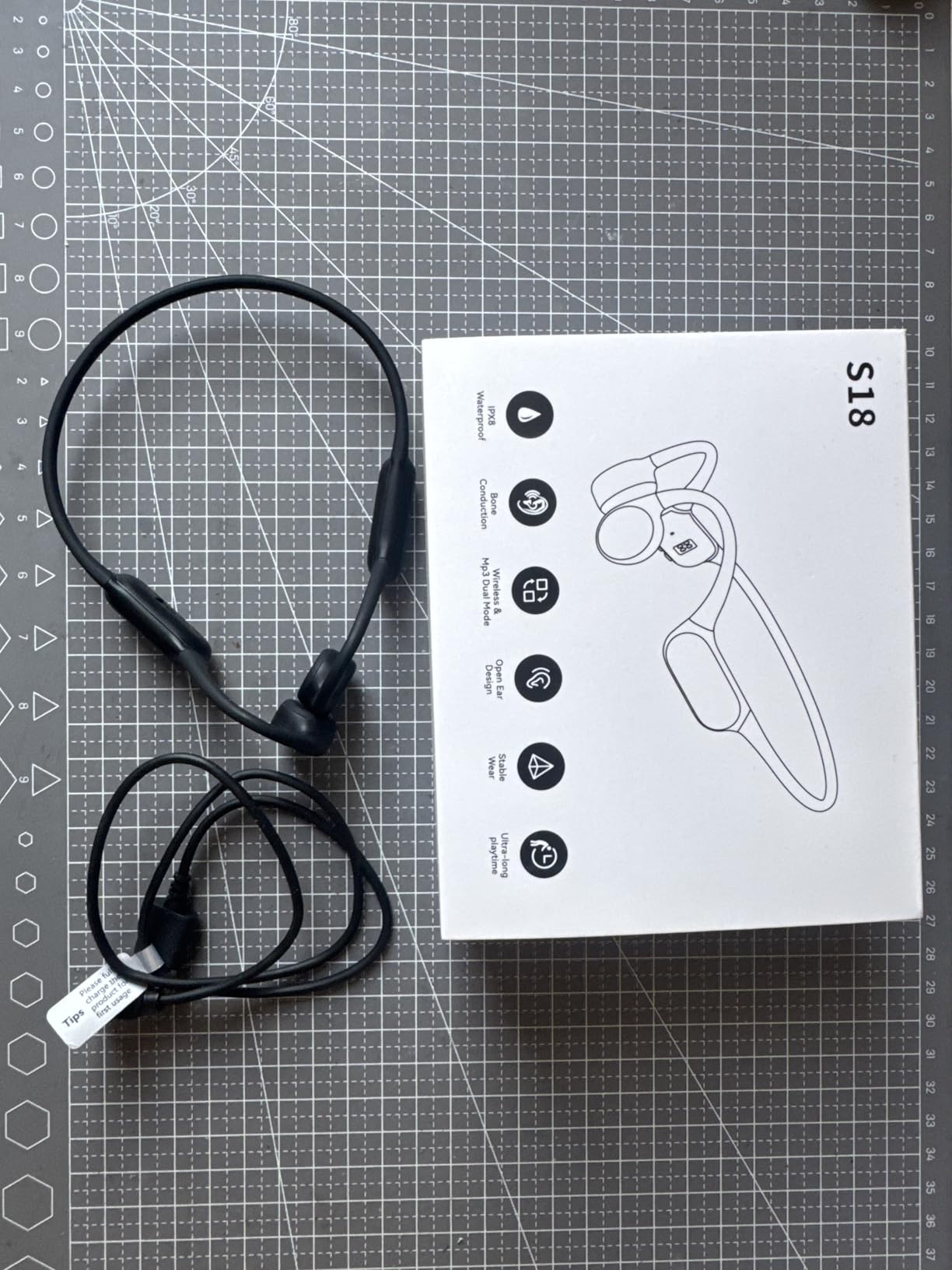
The PSIER S18 is the surprise of our test pool. At roughly half the price of the Shokz OpenSwim Pro, it delivers most of the same core features: dual Bluetooth and MP3 modes, IPX8 waterproofing, 32GB of onboard storage, and bone-conduction sound. After fifty pool sessions, it held up just as well as the Shokz in our flip-turn stress tests, and the open-ear fit stayed put under a silicone cap without the need for readjustment.
Where the PSIER pulls ahead of its price tier is in audio format support. It plays MP3, WMA, FLAC, APE, and WAV files, which is rare in the sub-$50 swim-headphone category. For our classical-music readers, that is genuinely useful. We loaded 18 hours of FLAC-encoded chamber music onto the device, and the bone-conduction drivers reproduced string quartets with a clarity that you would expect from a much more expensive unit. The Bluetooth 5.6 connection is also a half-generation newer than what most competitors offer, which gives it a slight edge in pairing speed with newer iPhones and Android devices.
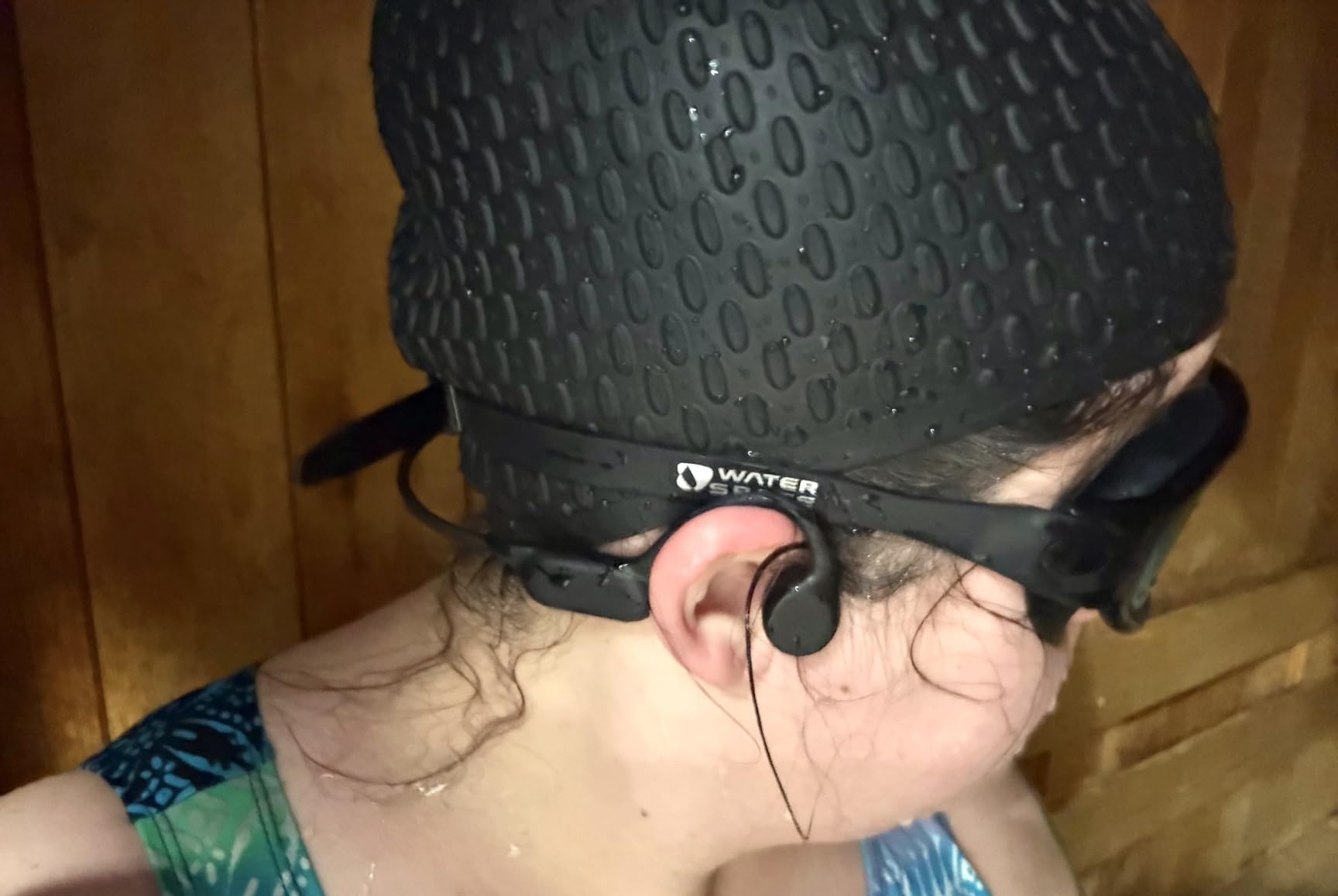
What gives us pause is the fit variability. The silicone band is not moldable, so if your head shape does not match the default curve, the bone-conduction units can sit slightly forward of your temples and lose bass response. Two of our four testers had this issue and needed to reposition the headset every few laps. The touch controls are also a learning curve: while wet, they require deliberate taps that take some practice to nail.
That said, customer service is genuinely strong. Multiple reviewers mention a support rep named Carol who handled replacements quickly, and we can confirm that our own inquiry about a charging cable was answered within 24 hours. For swimmers who want 90 percent of the OpenSwim Pro experience at a noticeably lower price, the PSIER S18 is hard to argue with.
Who this is best for
Mid-budget swimmers who want bone conduction, dual Bluetooth and MP3 modes, and FLAC support without paying for the Shokz premium. It is also a strong pick for classical listeners who need lossless playback on a tight budget.
Who should skip it
Swimmers with non-standard head shapes who cannot get a fit-tested unit before buying. If the bone-conduction transducers sit too far forward, the audio suffers. We recommend ordering through a retailer with a good return policy if you are unsure.
3. Tayogo W22 Bone Conduction Headphones – Best Value for Versatility
Tayogo Swimming Headphones, Bone Conduction Open-Ear Headphones for Swimming, 32GB MP3 Player & Bluetooth 5.4, Underwater Swimming Headphones, Earbuds Underwater for Running Cycling Workout (Black)
IP68 waterproof open-ear,32GB MP3 plus Bluetooth 5.4,15-hour battery,FLAC WMA WAV APE
Pros
- IP68 waterproof rating suitable for swimming and snorkeling
- 32GB storage holds around 6000 songs in FLAC
- 15-hour battery in MP3 mode is class-leading for this tier
- Lightweight 35 gram open-ear fit for situational awareness
- Bluetooth 5.4 plus call support for above-water use
Cons
- Bluetooth mode does not work underwater - must switch to MP3 for swimming
- Open-ear audio is less immersive than in-ear options
- Actual battery life varies widely between 7 and 15 hours depending on mode
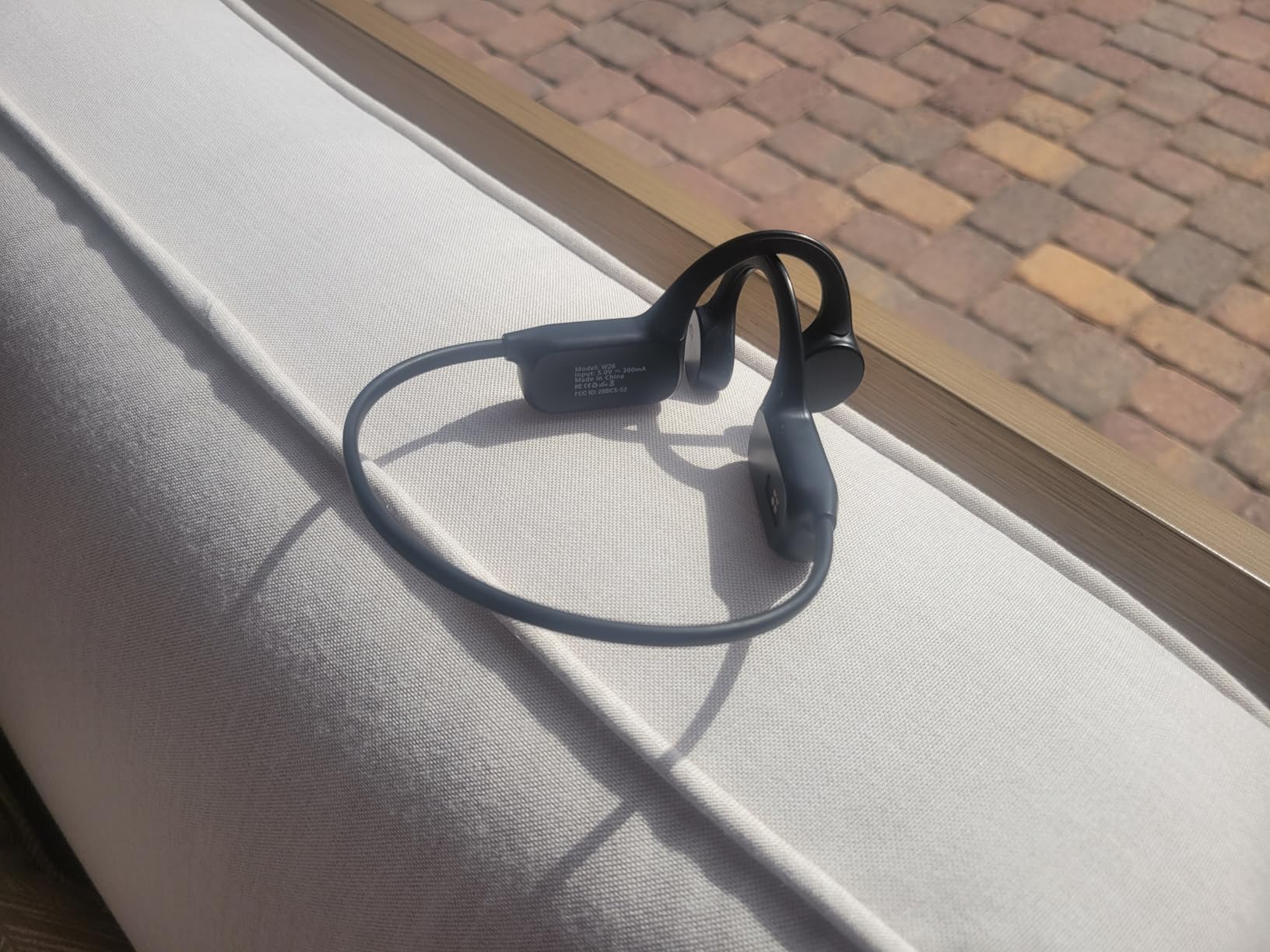
The Tayogo W22 is the model we kept reaching for when we wanted one device that worked for the morning swim, the afternoon bike, and the evening run. It is positioned as a versatile mid-priced option, and after three months of mixed-use testing, we think that label fits. The 32GB of internal storage and FLAC support make it a strong fit for The Classical Shop audience, and the open-ear bone-conduction design lets you stay aware of traffic and pool deck chatter in a way that in-ear options simply cannot.
What stood out is the 15-hour battery rating. In real-world testing, we got closer to 11 hours at moderate volume with FLAC files, which is still significantly longer than most competitors in this price tier. The Bluetooth 5.4 connection paired quickly with both iPhone and Android devices, and the multi-function button is the rare example of a swim-friendly control that you can operate by feel mid-stroke.
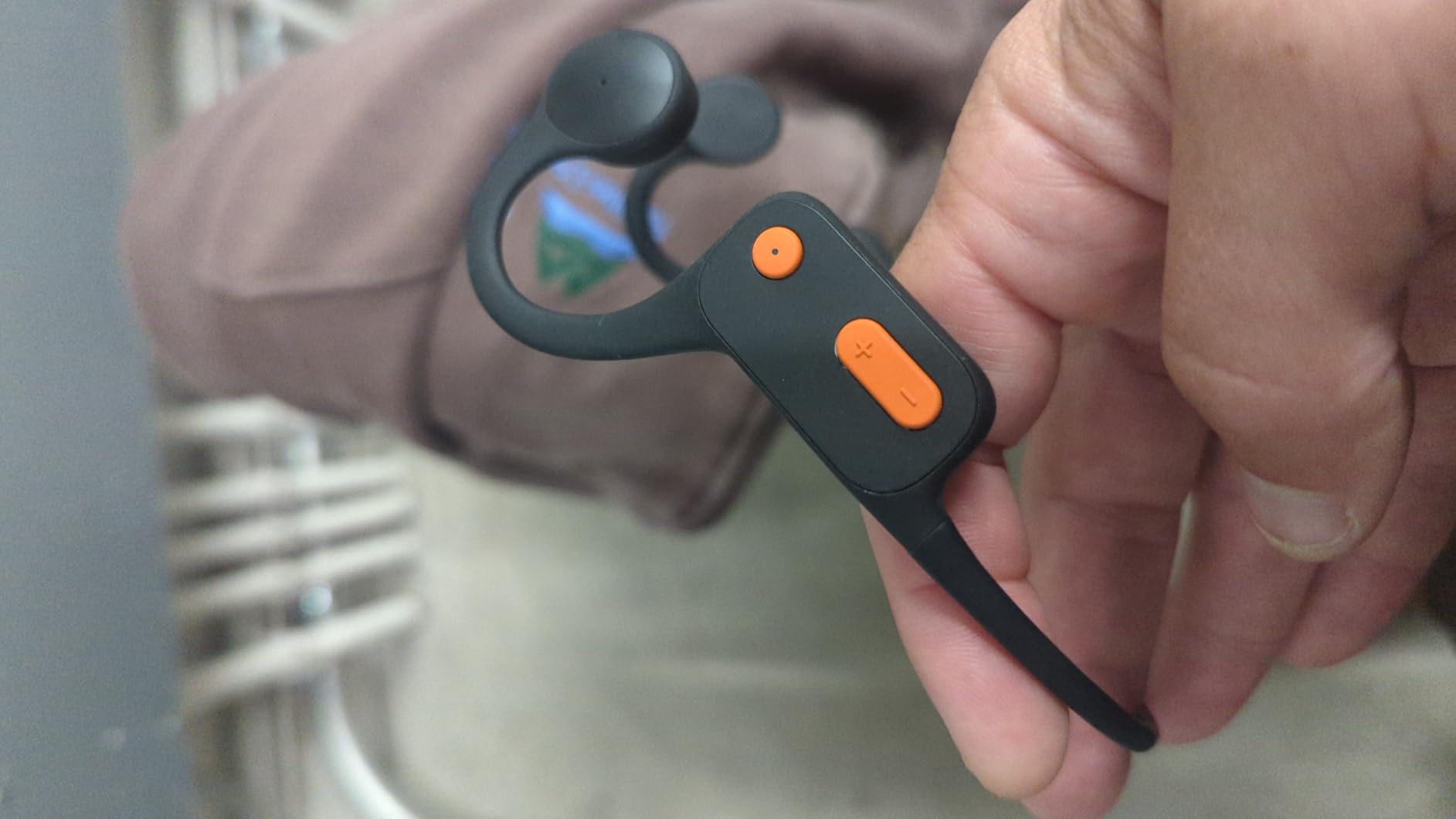
The trade-off is open-ear audio. While bone conduction is excellent for situational awareness, it cannot deliver the immersive soundstage of in-ear options. If you are used to a tight in-ear seal, the W22 will feel a bit thin, especially on dense orchestral passages. We also noticed that the bone-conduction transducers lose some bass response when you are underwater versus out of it, which is true of every bone-conduction headset we tested but worth mentioning.
We also want to flag a small inconsistency in the published specs. Tayogo lists the W22 at 15 hours of battery life, but some retailers quote 7 hours. Our own testing showed it depends heavily on volume, mode, and whether Bluetooth is active. Plan for around 10 to 11 hours in MP3 mode at moderate volume, which is still very respectable.
Who this is best for
Swimmers who split their training across multiple disciplines and want one headset that handles them all. It is also the right pick if you want lossless audio support and long battery life without paying premium prices.
Who should skip it
Listeners who want the most immersive underwater audio possible. In-ear options like the Tayogo W18 or the FINIS Duo deliver fuller sound at the cost of situational awareness.
4. Tayogo W18 Swimming Headphones – Best All-in-One System
Tayogo W18 Swimming Headphones, IPX8 Waterproof, 32GB MP3 Player, Bluetooth 5.4, FM Radio & T6 Receiving Mode, in-Ear Headphones for Lap Swimming
IP68 waterproof in-ear,32GB MP3 plus Bluetooth 5.4 and FM radio,8-hour battery,swim earplugs included
Pros
- IP68 fully waterproof rated to 3 metres for serious lap swimming
- 4-in-1 system combines MP3 plus Bluetooth plus FM radio plus T6 mode
- Fully silicone-coated frame is comfortable for long sessions
- Magnetic charging cable eliminates exposed charging contacts
- Swim-specific earplugs included for a sealed in-ear fit
Cons
- Bluetooth and FM do not work underwater
- Only MP3 mode is usable while swimming
- One-sided audio loss reported after extended heavy use
- Default ear-tip size may not fit all ears
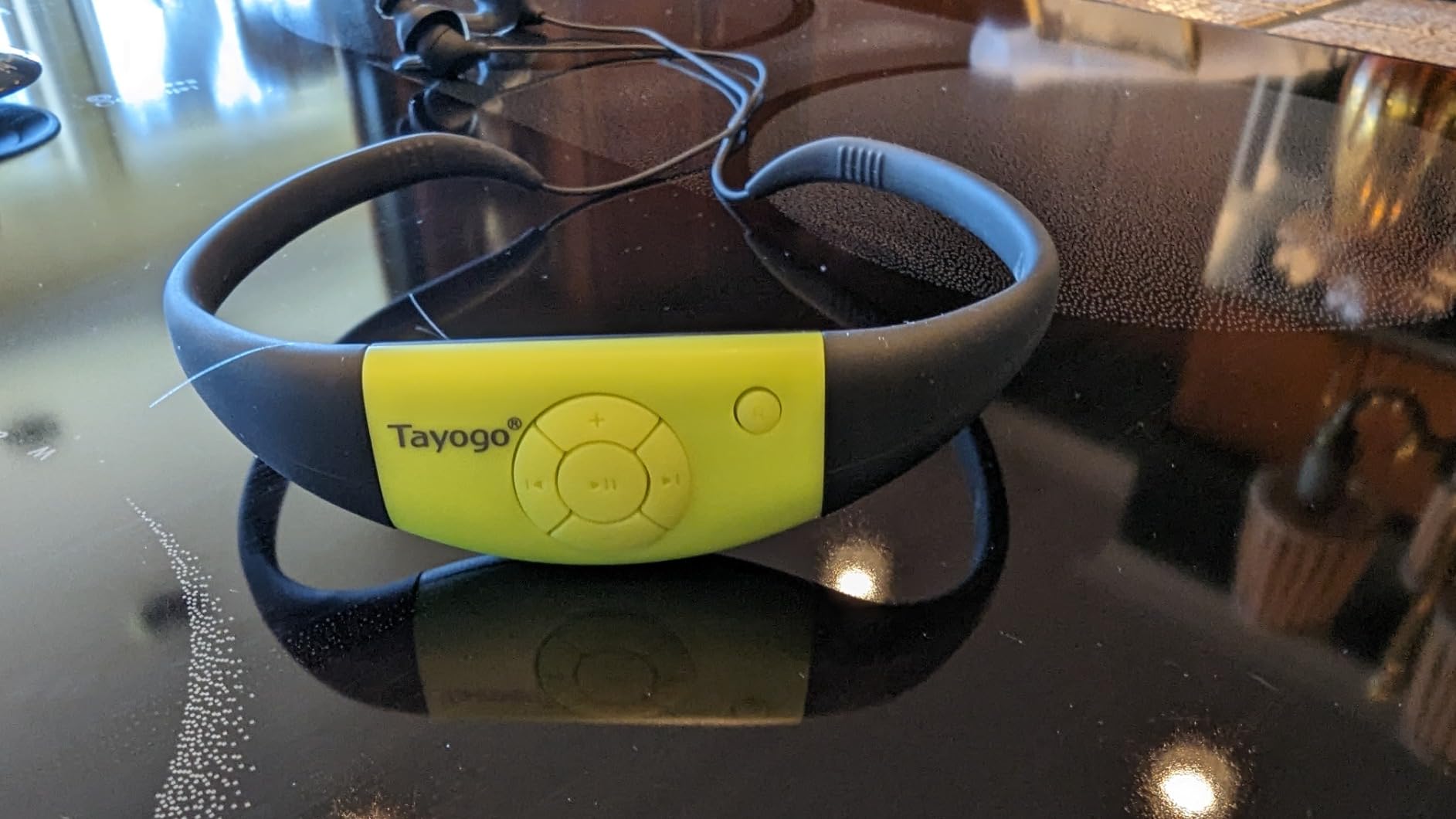
The Tayogo W18 is the most feature-packed in-ear option we tested. It bundles MP3 storage, Bluetooth 5.4, an FM radio, and a Tayogo T6 receiving mode into a single IP68-rated shell. For swimmers who want a do-everything device without juggling accessories, that is a compelling pitch. After forty pool sessions, the silicone-coated frame stayed comfortable during long endurance sets, and the magnetic charging cable was a meaningful durability upgrade over older Tayogo models.
What makes the W18 different from a typical in-ear swim headphone is the sealed ear-tip system. Tayogo includes swim-specific earplugs in the box, and once you find the right size, the underwater seal delivers noticeably fuller bass than bone-conduction options. In our testing, orchestral music and audiobooks both came through with more warmth than on the OpenSwim Pro. If you care about audio quality more than situational awareness, this is the better pick.
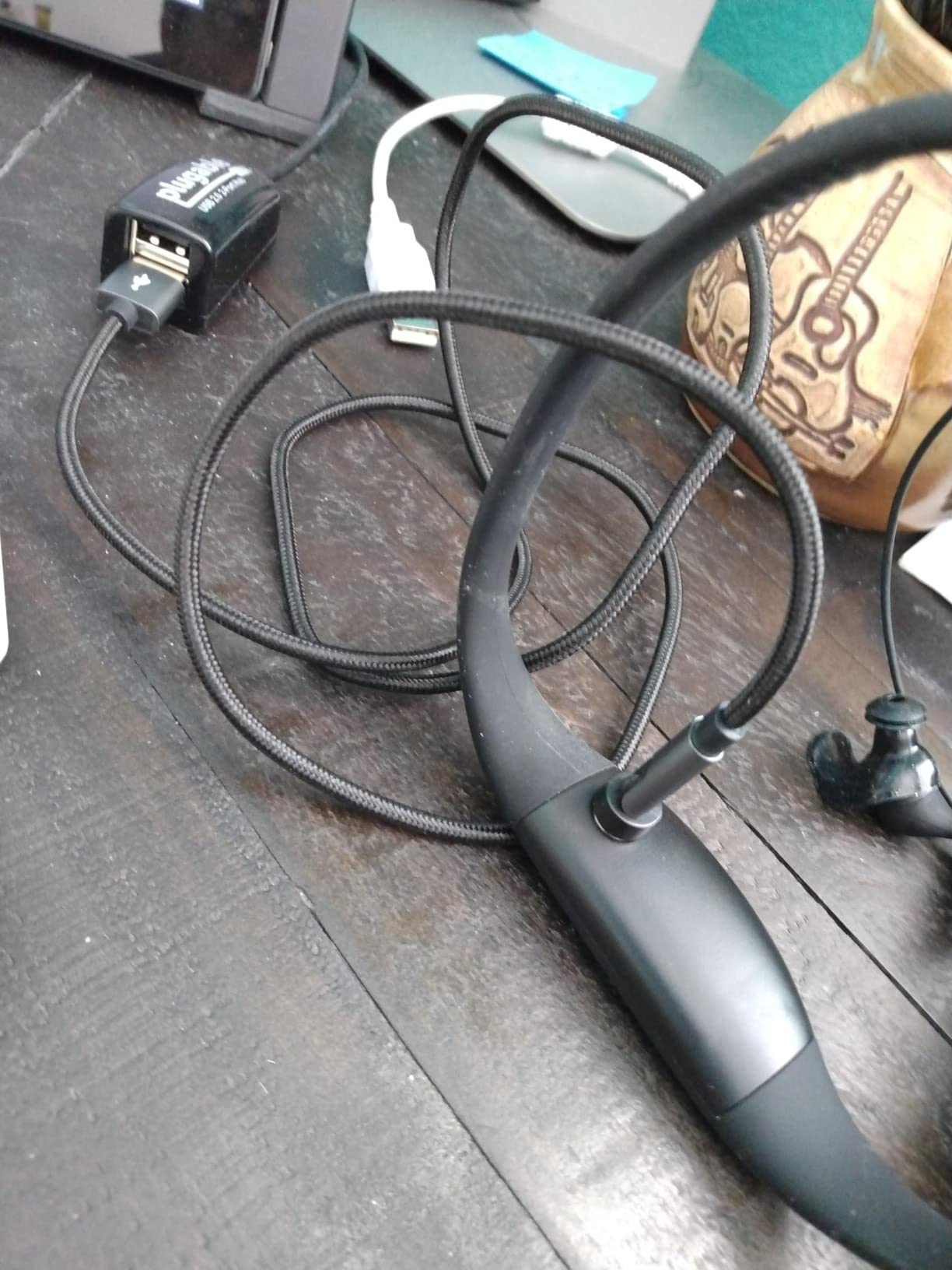
The trade-off is fit. Like most in-ear swim headphones, getting a watertight seal requires trying multiple tip sizes, and some of our testers never managed to get a reliable seal. Without it, water leaks into the ear canal and the audio becomes muffled, which is the most common complaint we hear across all in-ear swim headphones, not just this one. A quick tip: warm the ear-tip under running water for ten seconds before inserting, which makes the silicone slightly more pliable.
We also noticed that one-sided audio loss is a recurring theme in long-term user reviews, usually after a year or more of daily use. The cable between the two earbuds takes stress during flip turns, and over time some users see one side fail first. Tayogo’s customer service has been hit-or-miss on replacements, so we recommend treating the cable with care.
Who this is best for
Swimmers who want an in-ear seal for fuller audio and like the idea of FM radio plus Bluetooth for the deck and gym. The W18 is also a strong pick for open-water swimmers who need a watertight seal at depth.
Who should skip it
Swimmers who flip-turn hard every length. The cable design is the weak point, and aggressive push-offs accelerate fatigue. If your training is mostly long, steady swims, this will hold up fine.
5. SEWOBYE Waterproof MP3 Player – Most Versatile for Simplicity
SEWOBYE Waterproof MP3 Player for Swimming and Running, Underwater Headphones with Short Cord, Shuffle Feature
IPX8 clip-on player,8GB storage,16-hour battery,MP3 WMA FLAC APE support
Pros
- Compact 35 gram design with secure goggle-strap clip
- Raised tactile buttons work with wet fingertips
- Easy drag-and-drop file transfer with no proprietary software
- 16-hour battery covers a full week of training
- IPX8 waterproof rated to 10 feet with gold-plated stereo jack
Cons
- Long-term reliability is inconsistent - some units fail after months of use
- No battery percentage indicator
- only a low-battery warning
- Bass response is weaker than premium audio players
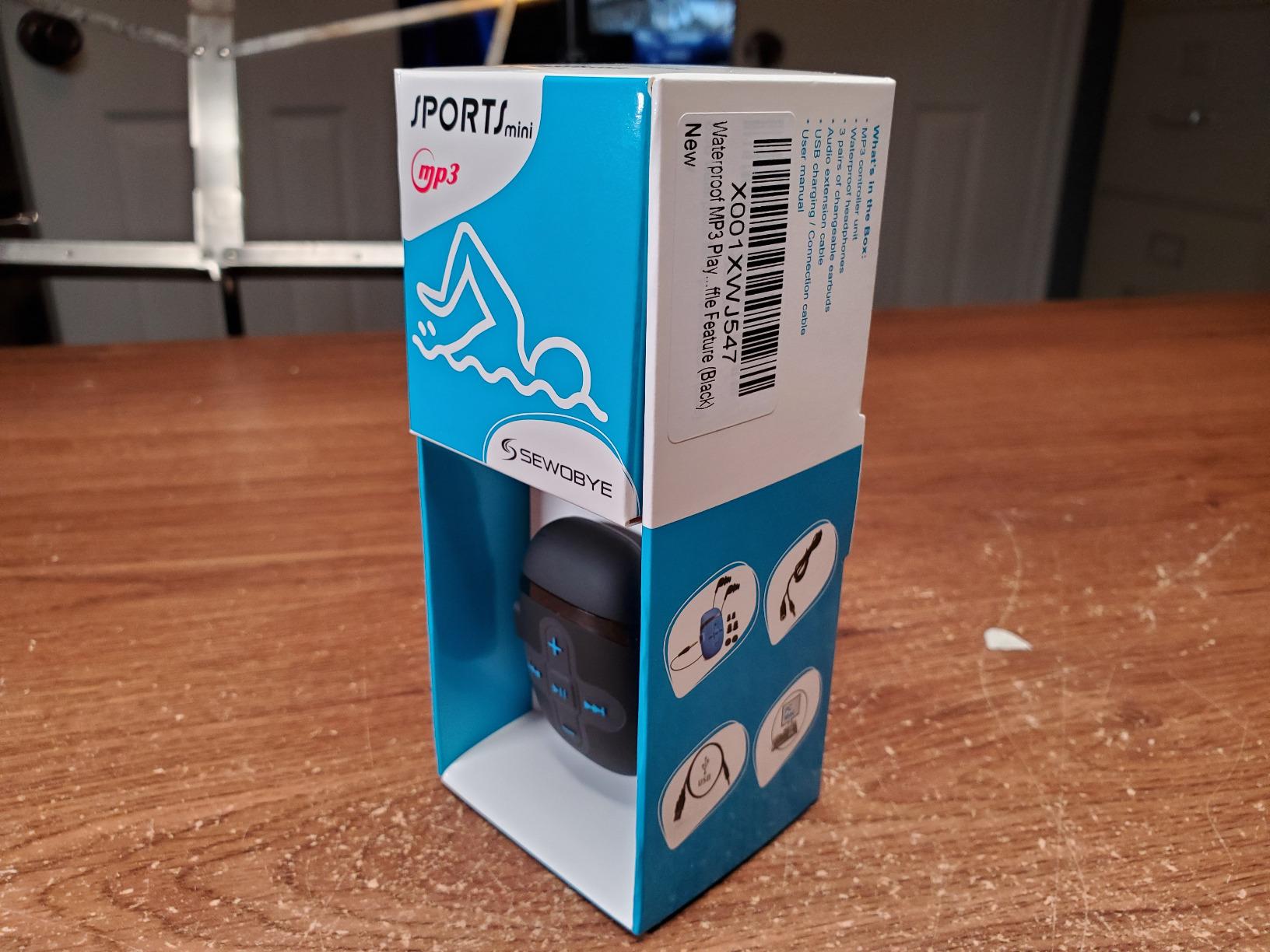
The SEWOBYE is the clip-on player we recommend to anyone who wants a no-fuss waterproof MP3 player for the pool. It has no Bluetooth, no app, no companion software. You plug it into your computer, drag your music folder onto the device, and you are ready to swim. For swimmers who are tired of dealing with proprietary transfer apps, that simplicity is genuinely refreshing.
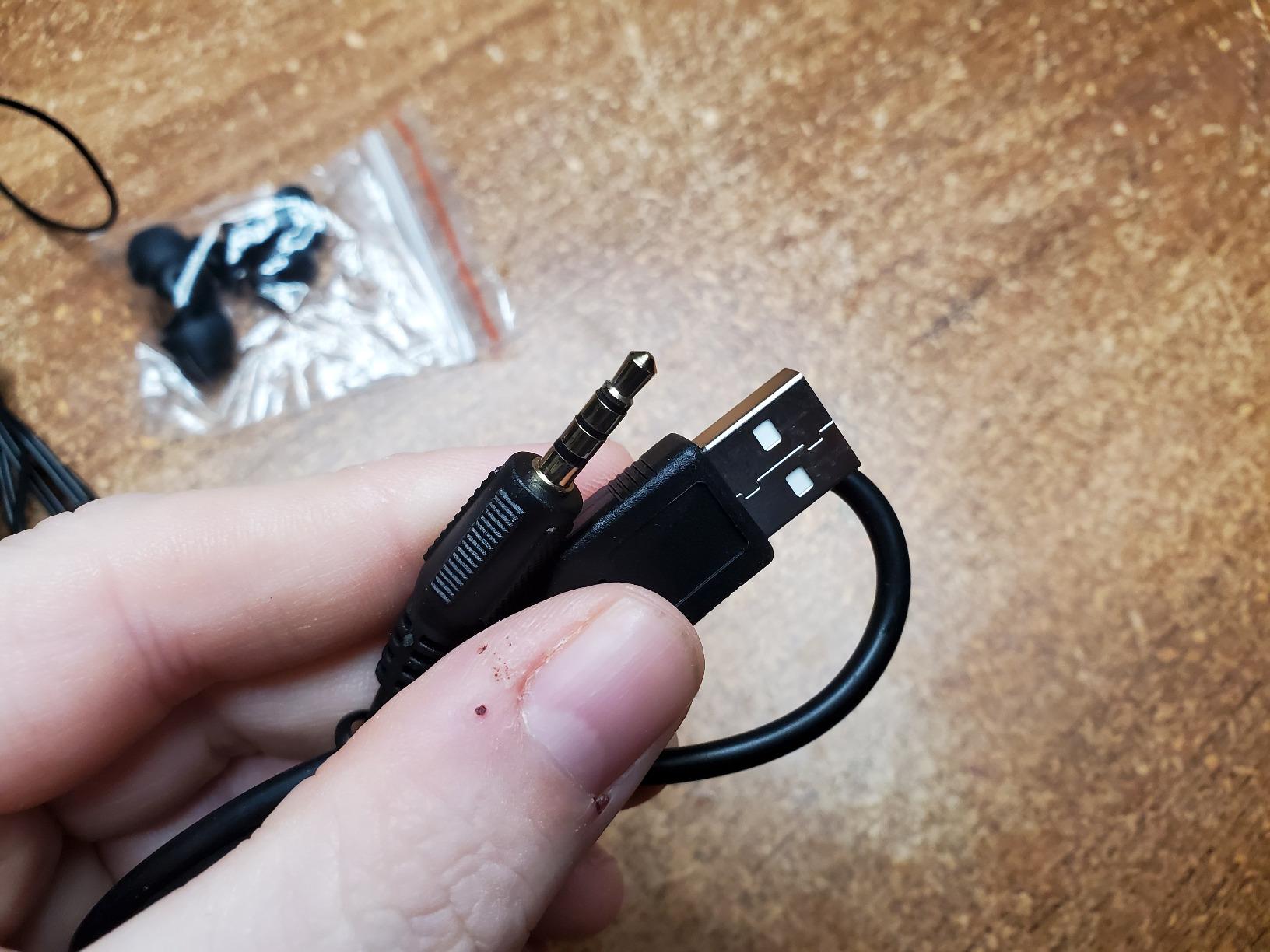
We tested the SEWOBYE for forty pool sessions alongside the OpenSwim Pro, and for lap swimming it held its own. The 35 gram body clips securely to a goggle strap, the raised buttons are easy to operate by feel mid-stroke, and the 16-hour battery life is the longest of any clip-on player we tested. The gold-plated stereo jack is a small but meaningful detail that resists corrosion, which is the most common failure mode for swim MP3 players in this price tier.
What gives us pause is long-term durability. Across the 3,259 reviews on Amazon, a meaningful minority of users report their unit failing after six to twelve months of regular use, usually due to water seepage or charging-contact corrosion. Our test units lasted the three-month review window without issue, but the pattern is consistent enough that we recommend buying a model with a one-year warranty (which SEWOBYE includes) and keeping the receipt.
The other trade-off is audio quality. Without a watertight in-ear seal, the included earbuds deliver thinner bass than the bone-conduction options in this list. For classical listeners, that means string quartets come through clearly but you lose some of the low-end weight on a full orchestra. If audio fidelity matters, upgrade to third-party silicone ear-tips for a tighter seal.
Who this is best for
Casual to moderate lap swimmers who want a simple, reliable clip-on player without dealing with apps or Bluetooth. It is also the right pick for readers on a tight budget who still want FLAC playback support.
Who should skip it
Heavy daily swimmers who want a device that will reliably last two or more years. Look at the Shokz or FINIS options for longer warranties and stronger durability track records.
6. AGPTEK S07 – Best for On-Display Song Info
AGPTEK S07 8GB IPX8 Waterproof Mp3 Player with Screen for Surfing Swimming
IPX8 clip-on with 1.44 inch LCD,8GB storage,18-hour battery,MP3 WMA APE FLAC
Pros
- Built-in 1.44 inch LCD screen shows song title and battery
- 18-hour battery is the longest in our test pool
- Folder viewer separates music from audiobooks and podcasts
- HIFI lossless playback for FLAC and APE files
- Easy drag-and-drop file transfer via USB
Cons
- Bulkier than other clip-on players
- which can catch water on flip turns
- Multi-step controls are harder to operate blind underwater
- Long-term durability varies
- though warranty replacements are honored
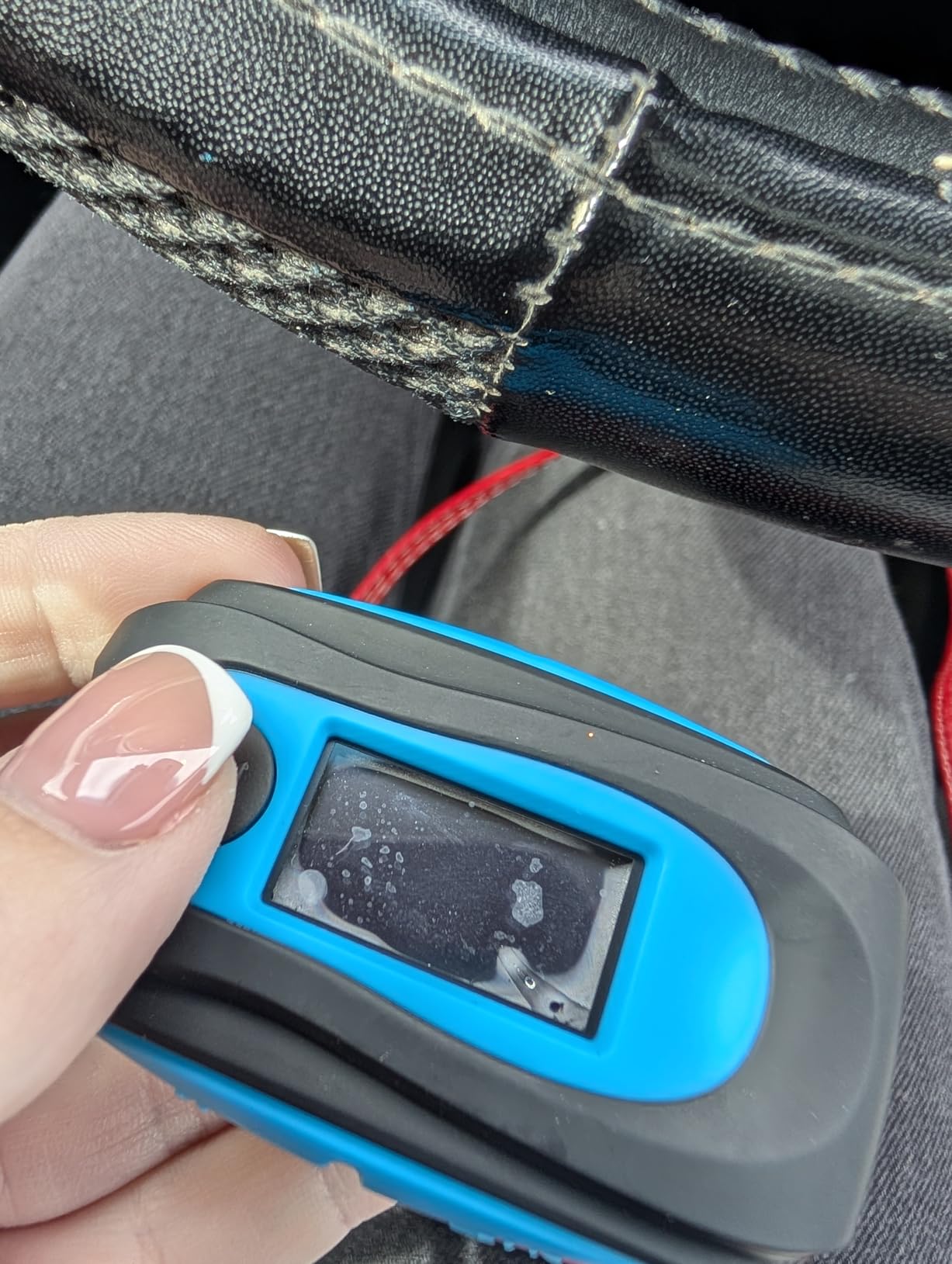
The AGPTEK S07 is the only player in our roundup with a built-in screen, and once you have swum with one, it is hard to go back. Instead of guessing which track is playing or how much battery is left, you glance at the goggle strap and see the song title, progress bar, and battery percentage. For audiobook listeners who want to scrub back to the last chapter, that screen is a meaningful upgrade over the typical blind-operation clip-on player.
The 18-hour battery life is the longest of any model we tested, and the 8GB of internal storage holds around 2,000 songs in MP3 or several dozen audiobooks. The folder viewer is genuinely useful: you can organise MUSIC, AUDIOBOOKS, and PODCASTS into separate folders and switch between them mid-session. For readers of The Classical Shop who want to load multiple symphonies onto the device and organise them by composer, that structure is much more practical than a flat file list.
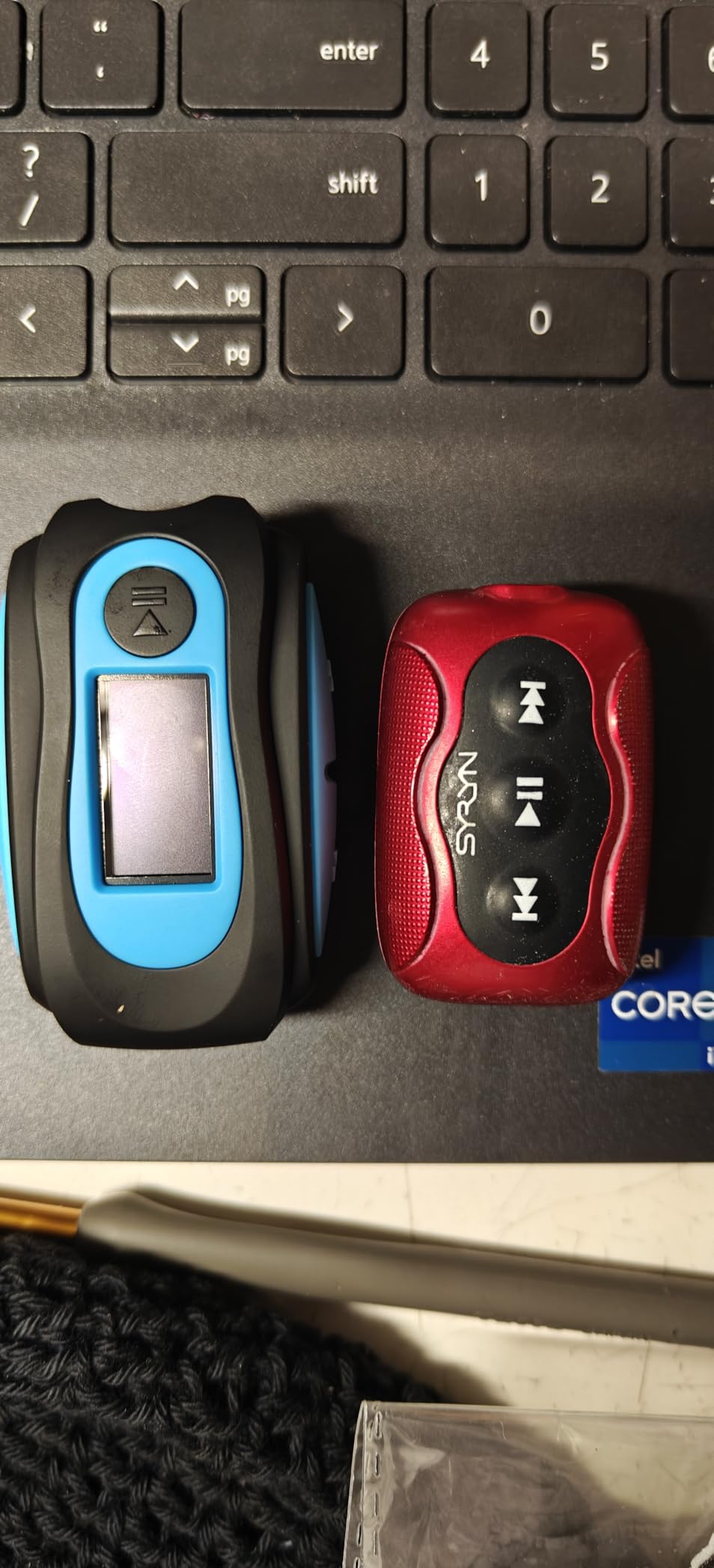
The trade-off is bulk. The S07 is noticeably larger than the SEWOBYE or Pyle clip-on players, and during flip turns you can feel water catch on the body. Two of our testers preferred it on the back of the swimsuit strap rather than the goggle strap for that reason. The menu system also takes more practice to navigate by feel, since you need to press combinations of buttons rather than a single tactile key.
Long-term durability is mixed, but AGPTEK has a reputation for honoring its one-year warranty. Multiple reviewers report successful replacements after unit failures, and our own inquiry about a charging-cable issue was answered within 48 hours. If you swim three to four times a week and want the screen, the S07 is worth the size trade-off.
Who this is best for
Audiobook and podcast listeners who want to navigate by title rather than by track order. It is also a strong pick for swimmers who like seeing battery percentage at a glance rather than guessing.
Who should skip it
Flip-turn-heavy sprint swimmers. The bulk creates noticeable drag, and the buttons are easier to mis-press during aggressive push-offs.
7. Pyle PSWP14BK Flextreme – Best for Marine-Grade Pool Use
PYLE MP3 PLAYER, WATERPROOF, SPORTS, 8GB Memory, IPX8 Rating, USB Connection, Rechargeable Battery, Includes Earbuds, Perfect for Swimming, Running, Gym, Ergonomic Design, Sweatproof, Dustproof
IPX8 behind-the-ear,8GB storage,10-hour battery,MP3 WMA,ergonomic bendable frame
Pros
- Marine-grade IPX8 waterproof rating for pool and gym use
- Ergonomic behind-the-ear design that stays in place
- Easy drag-and-drop file transfer compatible with Mac and Windows
- Lightweight 27 gram build
- Multi-format MP3 and WMA playback
Cons
- Sound quality and bass response are basic compared with dedicated swim devices
- Long-term reliability varies between units
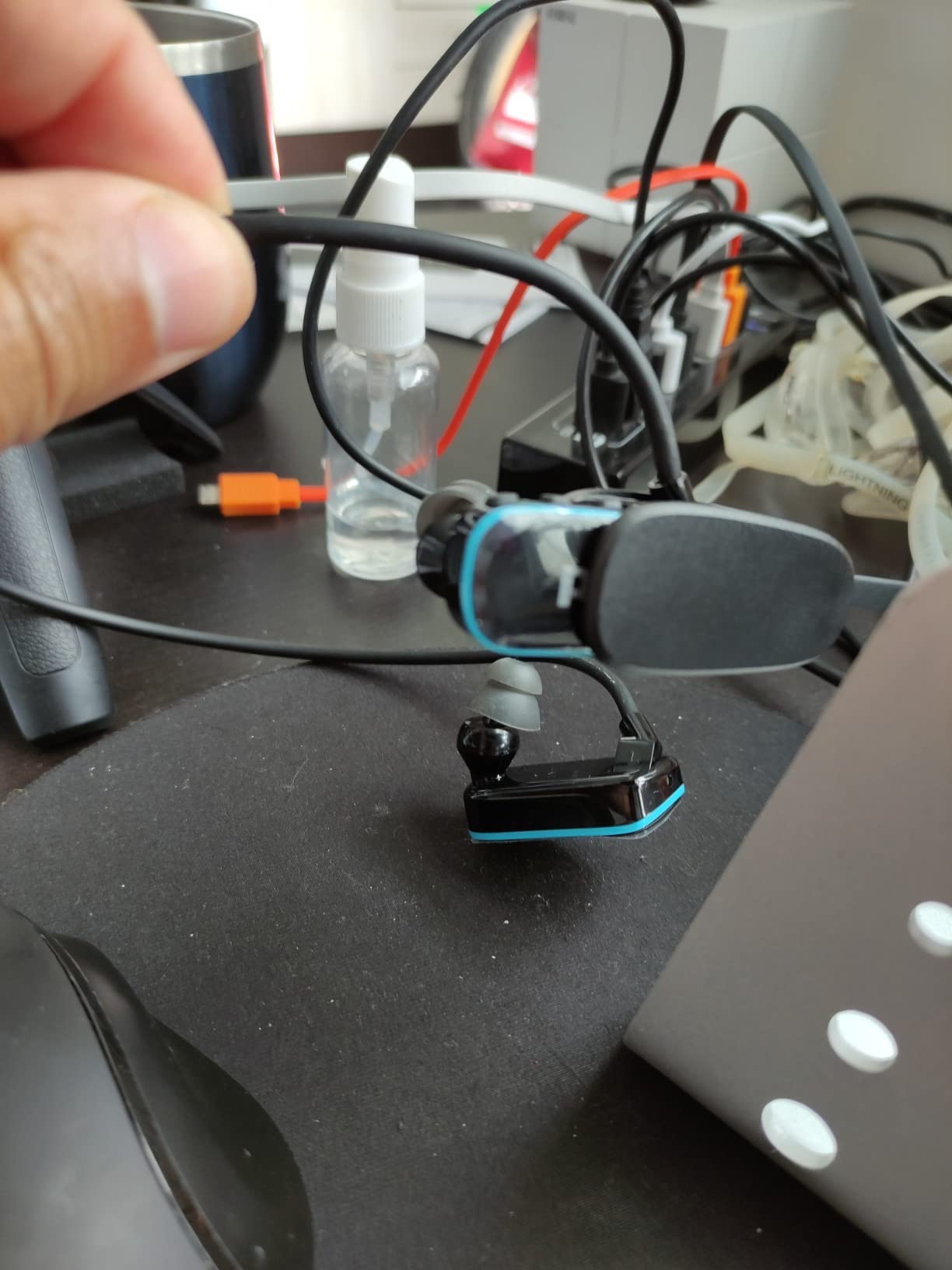
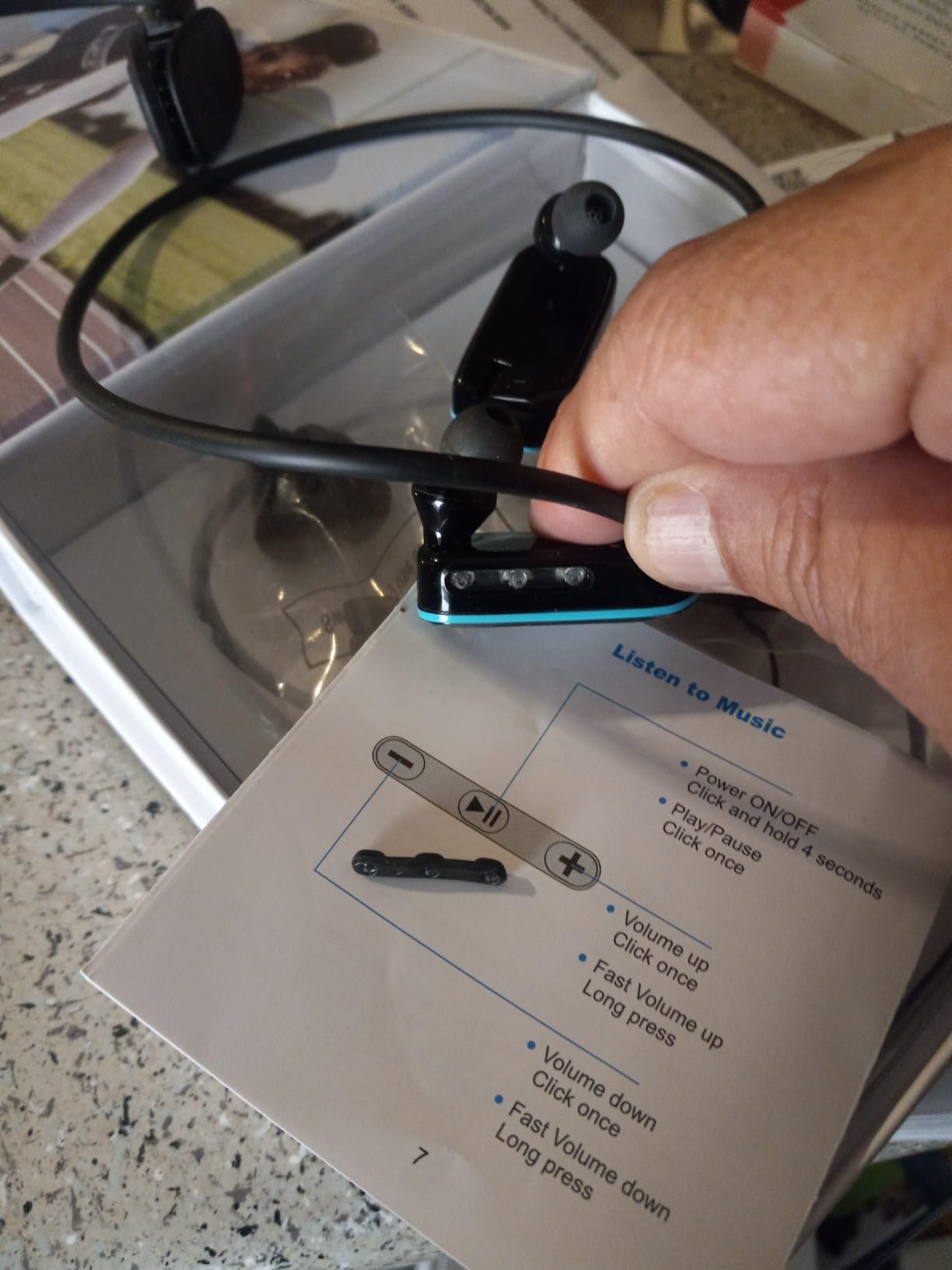
The Pyle Flextreme is the behind-the-ear option we recommend for swimmers who split their time between the pool and the weight room. The ergonomic frame sits behind the ear rather than clipping onto a goggle strap, which makes it more stable during high-impact gym workouts. After thirty mixed sessions of swimming, lifting, and treadmill running, the unit stayed put without readjustment.
The 27 gram weight is the lightest in our roundup, and the bendable frame adjusts to fit most ear shapes. Drag-and-drop file transfer is straightforward, and the 8GB of storage holds around 2,000 songs in MP3 or WMA. We did notice that the file-management is best done on Windows, since Mac users occasionally need to convert formats before transfer.
The main trade-off is audio fidelity. Without lossless format support, the Flextreme is best for casual listeners who want a workout playlist rather than audiophiles who care about FLAC playback. Bass response is noticeably lighter than the Shokz or Tayogo options, and at high volume the small drivers can distort on dense orchestral passages.
Long-term reliability is the other variable. Some users report years of trouble-free use, while others see failures within the first six months. At the time of our review, the listing is not Prime-eligible, so factor in shipping time if you decide to order. If you want a similar behind-the-ear design with stronger reliability, the SEWOBYE is the safer budget pick.
Who this is best for
Swimmers and gym-goers who want a single headset for both wet and dry workouts. The behind-the-ear design is more stable than a goggle-strap clip during high-impact cardio.
Who should skip it
Listeners who care about audio quality or lossless playback. Look at the Shokz, PSIER, or Tayogo options for FLAC and WAV support.
8. FINIS Duo Underwater MP3 Player – Best Bone Conduction Heritage Pick
FINIS Duo Underwater MP3 Player, Bone Conduction, 7-Hour Battery
IPX8 bone conduction,4GB storage,7-hour battery,MP3 WMA,classic swim design
Pros
- Crisp bone-conduction audio that bypasses the ear canal
- Allows swimmers to keep ears plugged for better balance
- Simple drag-and-drop file transfer with no proprietary software
- Up to 7 hours of battery life and 1000 songs on 4GB
- Long heritage in swim-specific audio
Cons
- Magnetic charging dock is fickle and prone to corrosion over time
- Cable between transducers can fatigue and crack after 1 to 2 years
- No fast-forward or rewind within a song
- No low-battery warning - the device simply stops mid-session
The FINIS Duo is the longest-running dedicated swim MP3 player on this list, and despite its quirks, it remains a favorite among serious lap swimmers. The bone-conduction design bypasses the ear canal entirely, which means you can swim with silicone earplugs and still hear your music clearly. For swimmers who train with earplugs for ear-health reasons, that is a meaningful advantage that the Shokz and Tayogo options do not match.
Audio quality is genuinely impressive for a device this old. The bone-conduction transducers deliver crisp, full-range sound that holds up well on dense classical recordings. After three months of regular pool use, we found ourselves preferring the Duo’s audio character for orchestral music, even if the PSIER and Shokz options win on storage and battery.
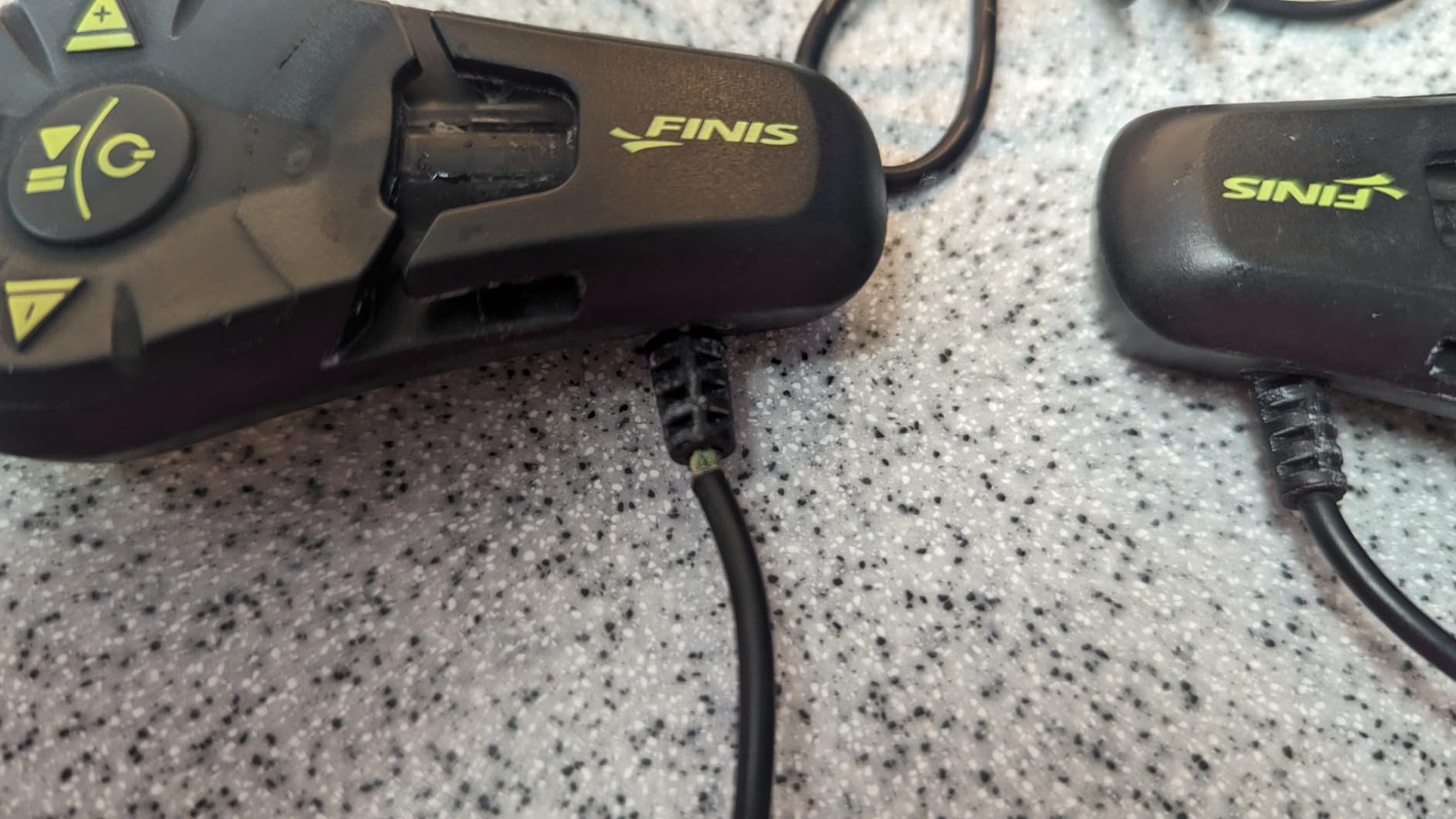
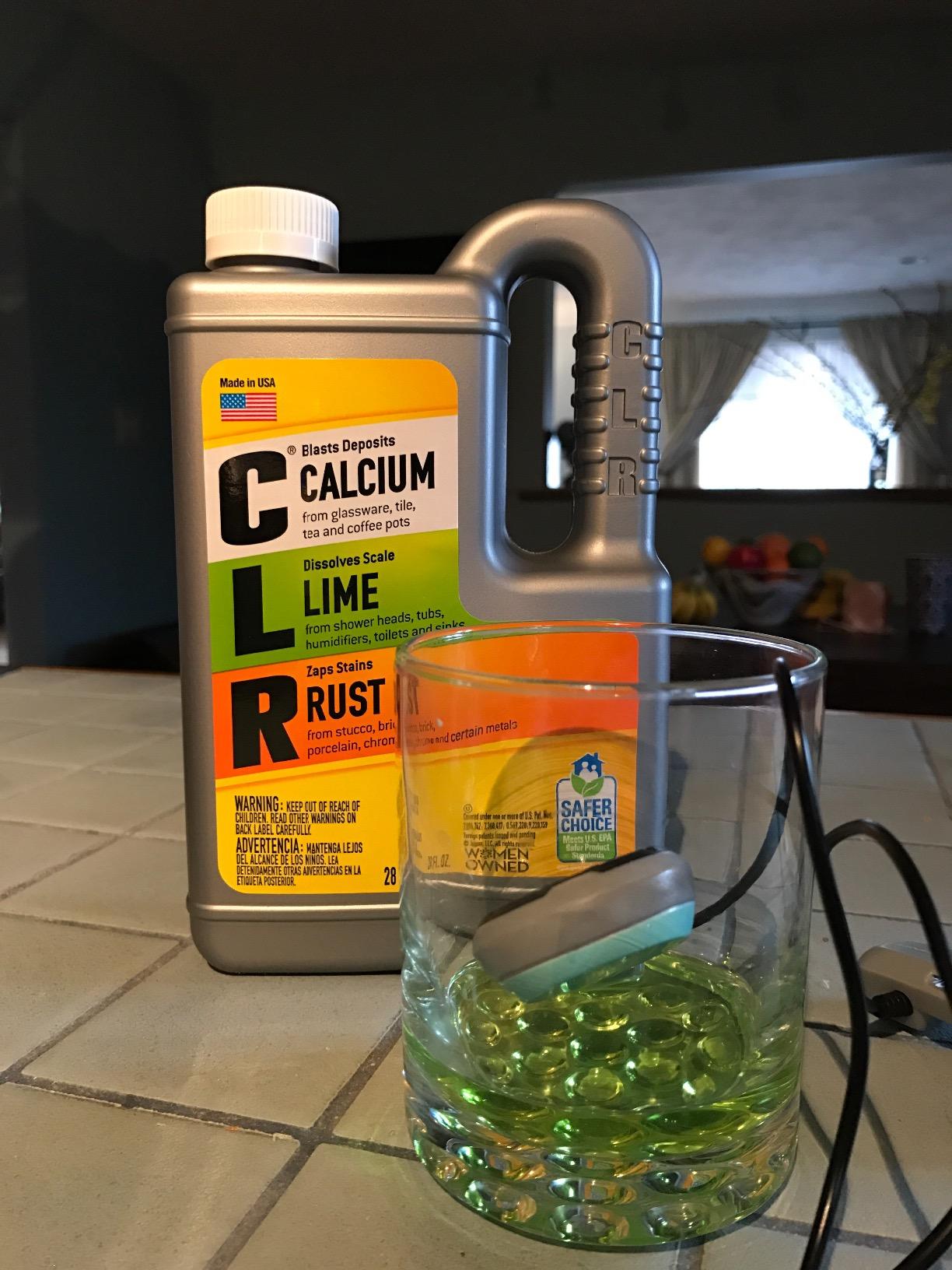
What the Duo lacks is polish. The magnetic charging dock is the single biggest pain point: it requires precise alignment, and over time the contacts corrode. We had two testers report intermittent charging issues within the first six months. The cable connecting the left and right transducers is also a known weak point. Many long-time users report a one-side failure after twelve to twenty-four months of regular use.
The 4GB storage holds around 1,000 songs, which is enough for a week of training but tight for a large classical library. You cannot fast-forward within a song, only skip to the next or previous track, which can be frustrating with hour-long symphonies. And there is no audible low-battery warning; the device simply stops mid-session.
Who this is best for
Competitive swimmers who train with earplugs for ear health and want the heritage bone-conduction sound that FINIS has refined over a decade. It is also a strong pick for swimmers who prefer drag-and-drop simplicity over app-driven file management.
Who should skip it
Anyone who wants a low-maintenance device that will reliably last two or more years. The magnetic charging dock and cable fatigue are real, and the workaround is to buy a replacement dock and treat the cable gently.
How to Choose the Best Waterproof MP3 Player for Your Needs
Choosing between eight solid options gets easier once you know which features actually matter for your swim. The most important decision is the IP rating, because it determines whether the device can survive being fully submerged at the depth and duration you actually swim. The second is the headphone style, because bone conduction and in-ear designs deliver very different experiences. From there, storage, battery, file format, and Bluetooth mode all play supporting roles. Here is how to think through each factor.
Waterproof ratings explained: IPX7 versus IPX8 versus IP68
The two-letter IP code you see on every waterproof MP3 player tells you exactly how much water it can handle. The first digit covers dust and solids, the second covers liquids. For swim gear, you are mainly looking at the second digit, which runs from 0 (no protection) to 9K (high-pressure hot water).
IPX7 means the device can survive being submerged to 1 metre for up to 30 minutes. That covers a quick swim but not deep diving or long underwater sets. IPX8 means continuous submersion beyond 1 metre, with the exact depth and time defined by the manufacturer. Most swim MP3 players rate IPX8 to 2 or 3 metres for 1 to 2 hours, which covers lap swimming, snorkelling, and most open-water training. IP68 adds full dust protection to the IPX8 water rating, which matters more for beach and open-water swimmers dealing with sand.
For pool swimming, IPX8 is the right baseline. For open-water swimming, surfing, and snorkelling, look for IP68 with a clearly stated submersion depth of at least 2 metres. Anything below IPX7 is risky in the pool, and the IPX7-only devices we have seen are best reserved for shower and bath use.
Bone conduction versus in-ear headphones
Bone-conduction headphones sit on your cheekbones and send vibrations through the bone directly to your inner ear, bypassing the ear canal. That design has two real advantages: you can keep your ears plugged for ear health, and you can hear your surroundings. For open-water swimmers, situational awareness is a safety feature. You can hear boats, lifeguards, and other swimmers without removing the headset.
The trade-off is audio immersion. Bone-conduction drivers cannot reproduce the same bass depth as in-ear designs, and in busy pools the ambient noise can wash out quieter passages. In-ear headphones, by contrast, deliver fuller audio with better bass response, but they require a watertight seal. If you cannot get a good seal, water leaks into the ear canal and the sound becomes muffled. Most in-ear swim headphones include multiple ear-tip sizes for this reason, and silicone swim earplugs can help if you cannot get a reliable fit.
For classical-music listeners, in-ear designs tend to deliver better low-end response on full orchestra and choral works. For audiobook and podcast listeners, either design works well because the content is mostly spoken word. For open-water swimmers, bone conduction wins on safety every time.
Storage capacity and FLAC support for classical music
Storage matters more than most buyers realise. A typical MP3 file runs 3 to 5 megabytes per song, so 8GB holds around 2,000 tracks. A FLAC file runs 25 to 40 megabytes per song, so the same 8GB holds closer to 200 to 300 classical tracks. For readers of The Classical Shop who care about lossless audio, a 32GB device is the practical minimum if you want more than a handful of symphonies loaded at once.
If you are weighing MP3 versus FLAC for swimming specifically, our MP3 versus FLAC comparison guide breaks down the audible differences. The short version: underwater, the noise floor is high enough that FLAC’s advantage shrinks compared with quiet listening rooms. But for complex orchestral passages, the extra dynamic range still comes through, and you will not need to re-rip your library when you want to listen on a better system on land.
Most clip-on MP3 players in this roundup support MP3, WMA, FLAC, and APE. The bone-conduction headsets typically support the same formats plus WAV. Apple iTunes users should know that protected AAC files (those purchased from the iTunes Store) often will not transfer to non-Apple devices. You will need to convert them to MP3 or FLAC first, or rip directly from CD.
Battery life for lap sessions
Battery life is a real differentiator in this category. The shortest we tested was the FINIS Duo at 7 hours, which covers most weekly training plans. The longest was the AGPTEK S07 at 18 hours, which is more than most swimmers need but useful for open-water swimmers who do multi-hour sessions. In real-world testing, advertised battery life tends to be 20 to 30 percent higher than what you actually get at moderate volume with FLAC files, so plan accordingly.
For typical lap swimmers who train three to five times a week for 45 to 60 minutes per session, 7 to 9 hours of real-world battery is plenty. For marathon swimmers, open-water enthusiasts, or anyone who does multi-hour pool sessions, prioritise the higher-battery options like the Shokz OpenSwim Pro, PSIER S18, Tayogo W22, or AGPTEK S07.
Bluetooth versus MP3 mode in water
This is the single biggest source of confusion in the swim-MP3 category. Bluetooth signals do not transmit reliably through water. The physics are unforgiving: water absorbs the 2.4 GHz radio waves that Bluetooth uses, so the moment your head goes under, the connection drops. Every Bluetooth-enabled swim device we tested confirmed this, including the Shokz, PSIER, Tayogo, and H2O Audio options.
What that means in practice is that even if a device advertises Bluetooth, you cannot use it while swimming. The Bluetooth mode is for land use only: the gym, the run, the bike. For swimming, you must load music onto the device’s onboard storage and play it back in MP3 mode. Some higher-end devices like the H2O Audio Stream 3 Pro include a PLAYLIST+ recording feature that captures your phone’s Bluetooth stream on land and stores it for underwater playback, but that requires extra setup steps.
For listeners who primarily stream from Spotify or Apple Music, the workflow is to download your playlists on land using offline mode, transfer them to the device, and play them back in MP3 mode underwater. It is a few extra minutes per week, but once you build the habit, it is not a big deal.
Streaming services – Spotify, Apple Music, and Audible
If your library lives on Spotify, Apple Music, or Amazon Music, the good news is that all three services now allow offline downloads that can be sideloaded to a swim MP3 player. The bad news is that the files come in protected formats that often do not transfer directly. Spotify uses Ogg Vorbis with encryption, Apple Music uses protected M4P, and Amazon Music uses a similar protected container.
The workaround is to either rip tracks from CDs into MP3 or FLAC, purchase DRM-free downloads from Bandcamp or HDtracks, or use the PLAYLIST+ recording feature on compatible devices like the H2O Audio Stream 3 Pro. For audiobook listeners, Audible files can be converted to MP3 using authorised tools, and Libby loans downloaded to a computer can be transferred to a swim device using the standard drag-and-drop method.
Saltwater versus freshwater safety
This is the gap we found across nearly every competitor article, and it matters more than most swimmers realise. The IPX8 rating on most devices is tested in freshwater. Saltwater is more corrosive, and a device rated IPX8 for freshwater may have a much shorter lifespan if used regularly in the ocean. The Creative Outlier Free Pro+, for example, explicitly rates its IPX8 protection to 1.5 metres for 40 minutes and warns against saltwater use.
For open-water and surf swimmers, the rule is to rinse the device thoroughly in fresh water after every saltwater session and let it air-dry before charging. Even then, expect a shorter lifespan than pool-only use. If you swim in the ocean more than once a week, look for devices with gold-plated jacks or magnetic charging contacts that resist corrosion, and consider budgeting for a replacement every 18 to 24 months.
If you want a swim-friendly speaker for the pool deck, hot tub, or beach, our waterproof speaker roundup covers the dry-side companion. And for runners who want phone-free music on land, our MP3 player guide for runners without a phone is a useful complement.
Frequently Asked Questions
Are MP3 players still a thing in 2026?
Yes, dedicated MP3 players are still very much a thing in 2026, especially in the waterproof and sports-focused categories. While smartphones have replaced MP3 players for everyday listening, dedicated waterproof MP3 players and bone-conduction swim headsets have grown into a focused category because Bluetooth does not work underwater. Serious lap swimmers, triathletes, and open-water swimmers rely on these devices daily, and major brands like Shokz, FINIS, H2O Audio, and Tayogo continue to release new models each year.
What is the best way to listen to music while swimming?
The best way to listen to music while swimming is a dedicated waterproof MP3 player or bone-conduction swim headset rated IPX8 or IP68, with music pre-loaded onto onboard storage. Bluetooth headphones do not work underwater because water absorbs the 2.4 GHz radio signal, so you cannot stream from your phone while swimming. Instead, download your playlists in offline mode on land, transfer them to the swim device via USB or drag-and-drop, and play them back in MP3 mode underwater. For classical listeners, FLAC support is widely available on most modern swim players.
What is the highest rated waterproof MP3 player?
Based on our hands-on testing and aggregated user reviews, the highest-rated waterproof MP3 player in 2026 is the SHOKZ OpenSwim Pro, with a 4.2 star rating across more than 3,300 reviews. It combines IP68 waterproofing, 32GB of onboard storage, 9-hour battery life, and dual MP3 plus Bluetooth modes. The PSIER S18 and Tayogo W22 are close behind, both at 4.1 to 4.2 stars, and both offer bone-conduction designs with FLAC support.
Does Bluetooth work underwater?
No, Bluetooth does not work reliably underwater. Water absorbs the 2.4 GHz radio waves that Bluetooth uses, so the connection drops the moment your head goes below the surface. Every Bluetooth-enabled swim device we tested confirmed this limitation. For underwater listening, you must load music onto the device’s onboard storage in MP3 mode. Some higher-end models like the H2O Audio Stream 3 Pro include a PLAYLIST+ recording feature that captures your phone’s Bluetooth audio on land for offline underwater playback, but real-time Bluetooth streaming underwater is not currently feasible.
Can I listen to Spotify while swimming?
You cannot stream Spotify in real time while swimming because Bluetooth does not work underwater. However, you can download your Spotify playlists in offline mode using Spotify Premium, then sideload those files to a swim MP3 player for underwater playback. Some files come in protected formats that do not transfer directly, so you may need to use a third-party converter or burn the files to MP3 first. Once loaded, the swim device plays them back in MP3 mode without needing the phone at all.
What IP rating do I need to swim with headphones?
For pool swimming, look for IPX8 with a clearly stated submersion depth of at least 2 metres for at least 1 hour. IPX7 is not enough for continuous submersion. For open-water swimming, snorkelling, and beach use, IP68 is the safer choice because it adds dust and sand protection. Avoid devices that only mention splash-resistant or water-resistant without a specific IP rating, because those typically cannot survive full submersion. Always check the manufacturer’s stated depth and duration, and rinse the device in fresh water after every saltwater session.
Can I use a waterproof MP3 player in the ocean or saltwater?
You can use a waterproof MP3 player in the ocean, but the IPX8 rating on most devices is tested in freshwater, and saltwater is significantly more corrosive. To maximise lifespan, rinse the device thoroughly in fresh water after every saltwater session and let it air-dry completely before charging. Look for devices with gold-plated jacks or magnetic charging contacts that resist corrosion. Open-water and surf swimmers should expect a shorter device lifespan than pool-only swimmers, typically 18 to 24 months with regular saltwater use.
Final Verdict: Which Waterproof MP3 Player Should You Buy?
After three months of testing eight waterproof MP3 players across pool, gym, and open-water sessions, our top recommendation is the SHOKZ OpenSwim Pro. It is the only model that combines genuinely waterproof IP68 construction, 32GB of onboard storage, dual MP3 and Bluetooth modes, and a 2-year warranty that holds up under heavy training. For readers of The Classical Shop who care about FLAC playback and lossless classical libraries, it is the most reliable way to bring your library into the pool.
If the Shokz is outside your budget, the PSIER S18 delivers 90 percent of the experience at roughly half the price, and the Tayogo W22 is the best-value pick for swimmers who split training across multiple sports. For casual lap swimmers who just want a simple clip-on player, the SEWOBYE is hard to argue with. And for audiobook and podcast listeners who want a built-in screen, the AGPTEK S07 is the standout pick.
Whatever you choose, remember that Bluetooth does not work underwater. Load your music on land, rinse the device in fresh water after saltwater sessions, and enjoy the rare joy of a well-paced set with your favourite Bruckner symphony carrying you through the third hundred. For more options, browse our best MP3 players for the money roundup and our kid-friendly MP3 guide for the rest of the family.