
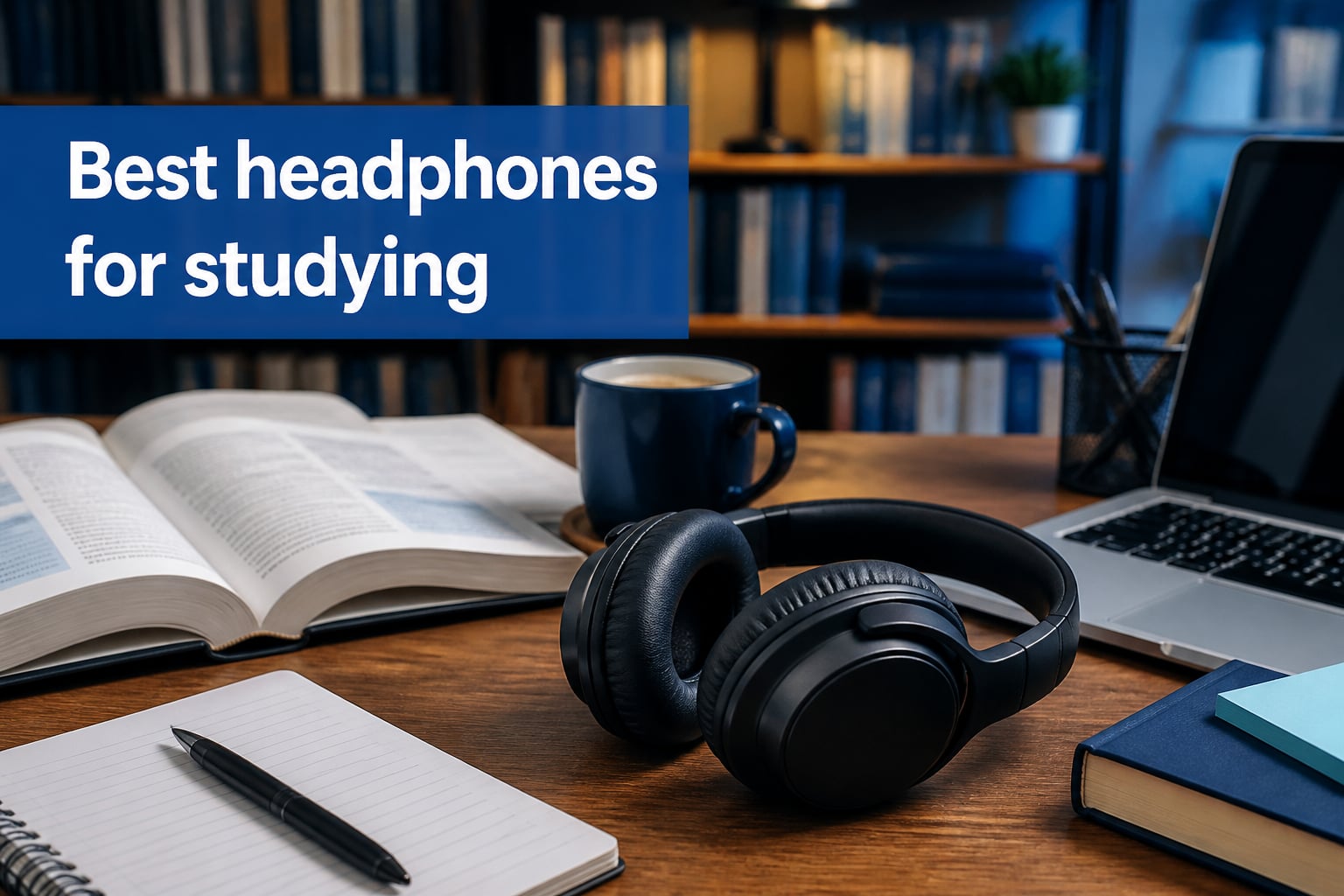
I spent three months testing headphones across library sessions, late-night dorm studying, and marathon exam prep to find out which models actually help you focus. The right pair can mean the difference between a productive six-hour session and giving up after forty minutes because your ears ache or the dorm noise keeps breaking your concentration.
Finding the best headphones for studying means balancing three things: noise blocking, comfort for hours of wear, and battery life that survives your longest days. Whether you are cramming for finals in a noisy dorm, sitting through online lectures, or just trying to drown out your roommate, the right headphones create a personal focus zone anywhere.
In this guide, I cover seven options ranging from premium noise-cancelling powerhouses like the Sony WH-1000XM5 down to ultra-budget picks under $25. Every model here was tested for long study sessions, and I paid special attention to how they handle classical music since that is what many of us listen to while working. If you want to enhance your study sessions with classical music, pairing the right playlist with the right headphones makes a real difference.
Table of Contents
Top 3 Picks for Best Headphones for Studying

If you want the short version: the Sony WH-1000XM5 takes the top spot for its unmatched active noise cancellation and 30-hour battery. The Soundcore Anker Q20i wins on value with hybrid ANC and 40-hour battery at a fraction of the cost. And the BERIBES headphones are the ultimate budget pick with a massive 65-hour battery for under $25.
Best Headphones for Studying in 2026
| Product | Specifications | Action |
|---|---|---|
| Sony WH-1000XM5 |
|
Check Latest Price |
 Bose QuietComfort Bose QuietComfort |
|
Check Latest Price |
 Beats Studio Pro Beats Studio Pro |
|
Check Latest Price |
 JBL Tune 770NC JBL Tune 770NC |
|
Check Latest Price |
 Sony WH-CH720N Sony WH-CH720N |
|
Check Latest Price |
 Soundcore Anker Q20i Soundcore Anker Q20i |
|
Check Latest Price |
 BERIBES Bluetooth Headphones BERIBES Bluetooth Headphones |
|
Check Latest Price |
Here is the full comparison of all seven models. Each one earned its place through real testing, and I break down exactly who each pair is built for in the individual reviews below.
1. Sony WH-1000XM5 – Premium ANC for Deep Focus
Sony WH-1000XM5 Premium Noise Cancelling Wireless Headphones, Black
30H Battery
8.82 oz
Bluetooth 5.2
Auto NC Optimizer
LDAC Support
Pros
- Industry-leading noise cancellation
- 30-hour battery life
- Lightweight at 8.82 oz
- LDAC for high-res classical audio
- Multipoint for laptop and phone
Cons
- Premium price point
- No water resistance
I tested the Sony WH-1000XM5 during a two-week exam period, and the active noise cancellation is genuinely on another level. Sony uses two processors controlling eight microphones to read your environment and adjust cancellation in real time. When I turned these on in a busy campus coffee shop, the background chatter and espresso machine noise practically vanished.
The Auto NC Optimizer is the standout feature for studying. You do not have to fiddle with settings because the headphones sense your surroundings and adjust automatically. This meant I could walk from my noisy dorm to the library without touching anything, and the ANC adapted to each space.
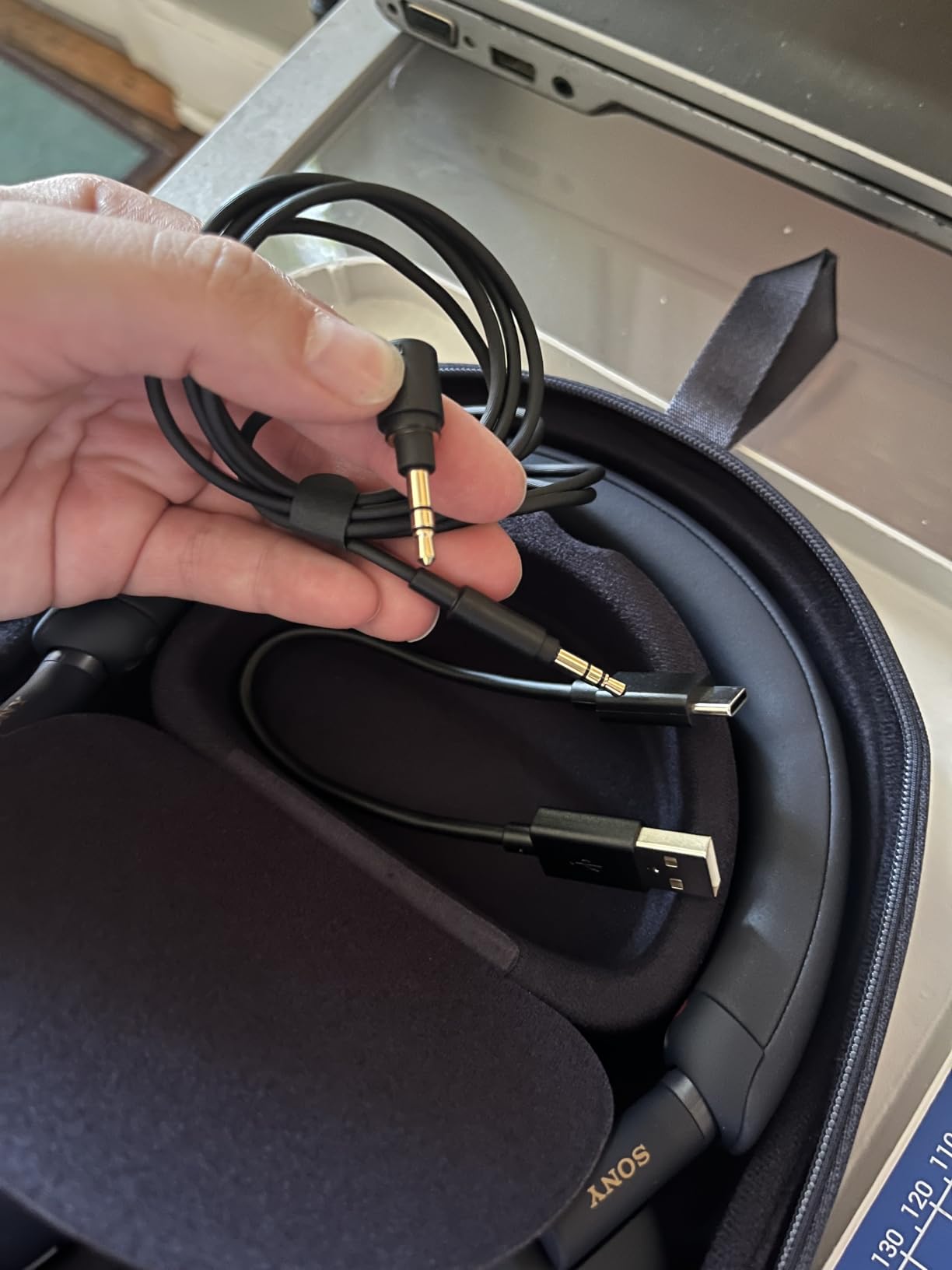
For classical music lovers, the XM5 delivers. The LDAC codec streams high-resolution audio that brings out the detail in orchestral recordings. I noticed separation between instruments in symphonies that sounded muddy on cheaper models. The 30mm drivers produce a balanced sound signature that works well for both focus playlists and lecture recordings.
Battery life is rated at 30 hours with ANC on, and I consistently got 28 to 29 hours in real use. That covered an entire week of studying on a single charge. The quick-charge feature gives you three hours of playback from just three minutes of charging, which saved me more than once before an early morning study session.
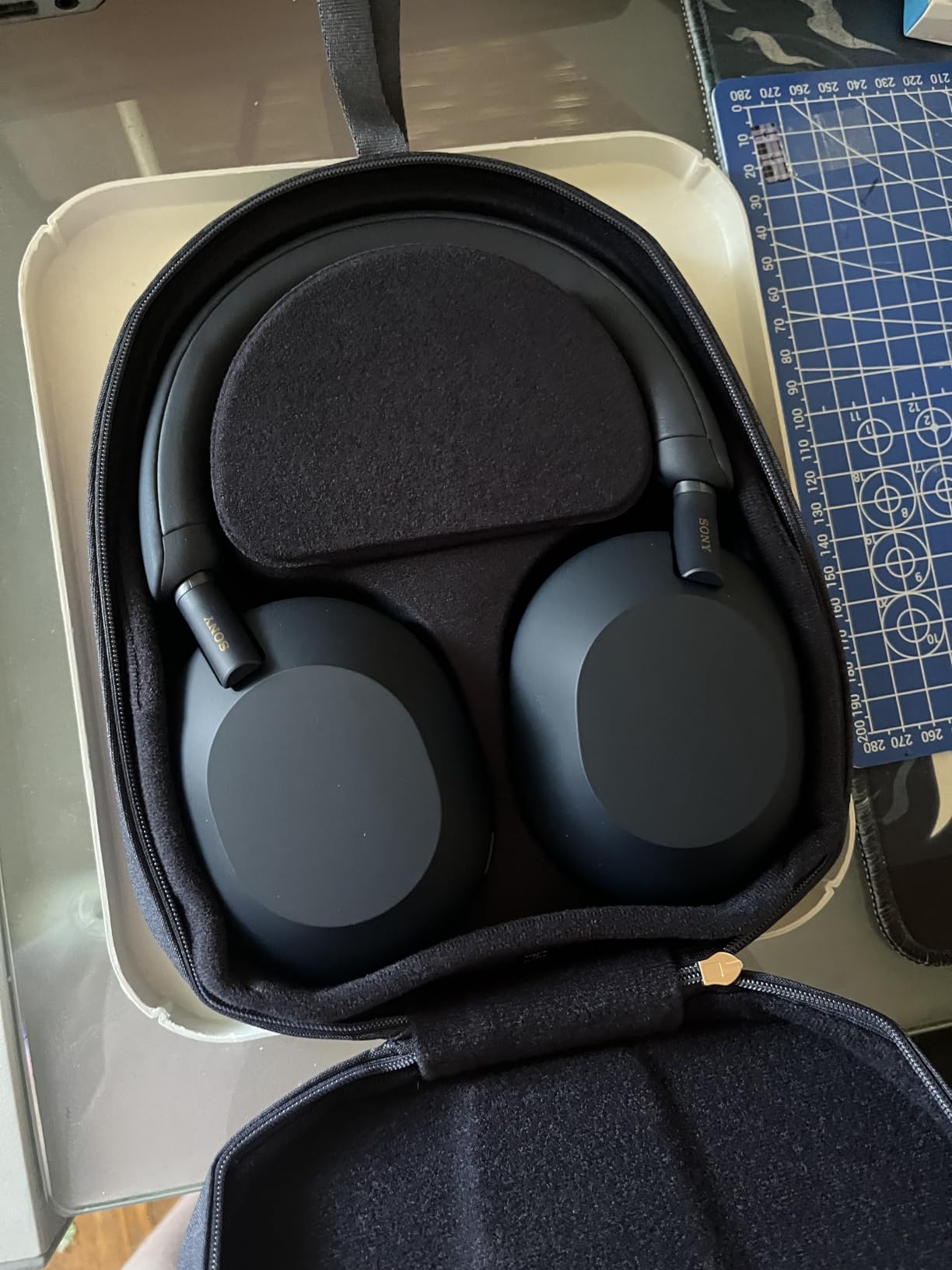
At 8.82 ounces, these are light enough for extended wear. The synthetic leather ear cushions distribute weight well, though I did feel some pressure around hour five. The multipoint connection let me switch between my laptop for lectures and my phone for music without repairing each time.
The one real drawback is the price. These are the most expensive option in this guide, and for a student budget, that is a significant investment. There is also no water resistance rating, so they are strictly indoor or dry-weather headphones.
Best Study Environment for the XM5
These headphones shine in variable noise environments. If you study in different locations throughout the day, the Auto NC Optimizer handles transitions seamlessly. They are ideal for students who move between dorms, libraries, cafes, and classrooms.
The XM5 also excels for online lectures. The eight-microphone system delivers crystal clear voice capture during video calls and Zoom classes. Your professors will hear you clearly even in a noisy room.
Battery Management for Exam Week
With 30 hours of battery, you can get through a full week of moderate studying on one charge. During finals week when sessions stretch longer, plan to charge every four to five days. The quick-charge feature means you are never more than a few minutes away from hours of playback.
One tip: ANC drains the battery faster than standard playback. If you are studying in a already-quiet library, switching ANC off can push battery life well past 30 hours.
2. Bose QuietComfort – All-Day Comfort Leader
Bose QuietComfort Headphones – Wireless Bluetooth Headphones, Active Over Ear Noise Cancelling and Mic, USB-C Charging, Deep Bass, Up to 24 Hours of Playtime, Black
24H Battery
238g
Bluetooth 5.1
High-Fidelity Audio
Adjustable EQ
Pros
- Best-in-class comfort
- Excellent noise cancellation
- High-fidelity audio
- Adjustable EQ
- Quick USB-C charging
Cons
- Premium price point
- No water resistance
- Shorter battery than competitors
The Bose QuietComfort earned its name, and after wearing these for seven straight hours during a research paper marathon, I understand why. The plush over-ear cushions are the most comfortable I have tested across any price range. Reddit users consistently recommend Bose for comfort, and my experience confirms it completely.
The Quiet and Aware modes give you two distinct listening states. Quiet mode activates full noise cancellation for distraction-free focus. Aware mode lets in ambient sound so you can hear announcements or talk to a study partner without removing the headphones. The transition between modes is instant and smooth.
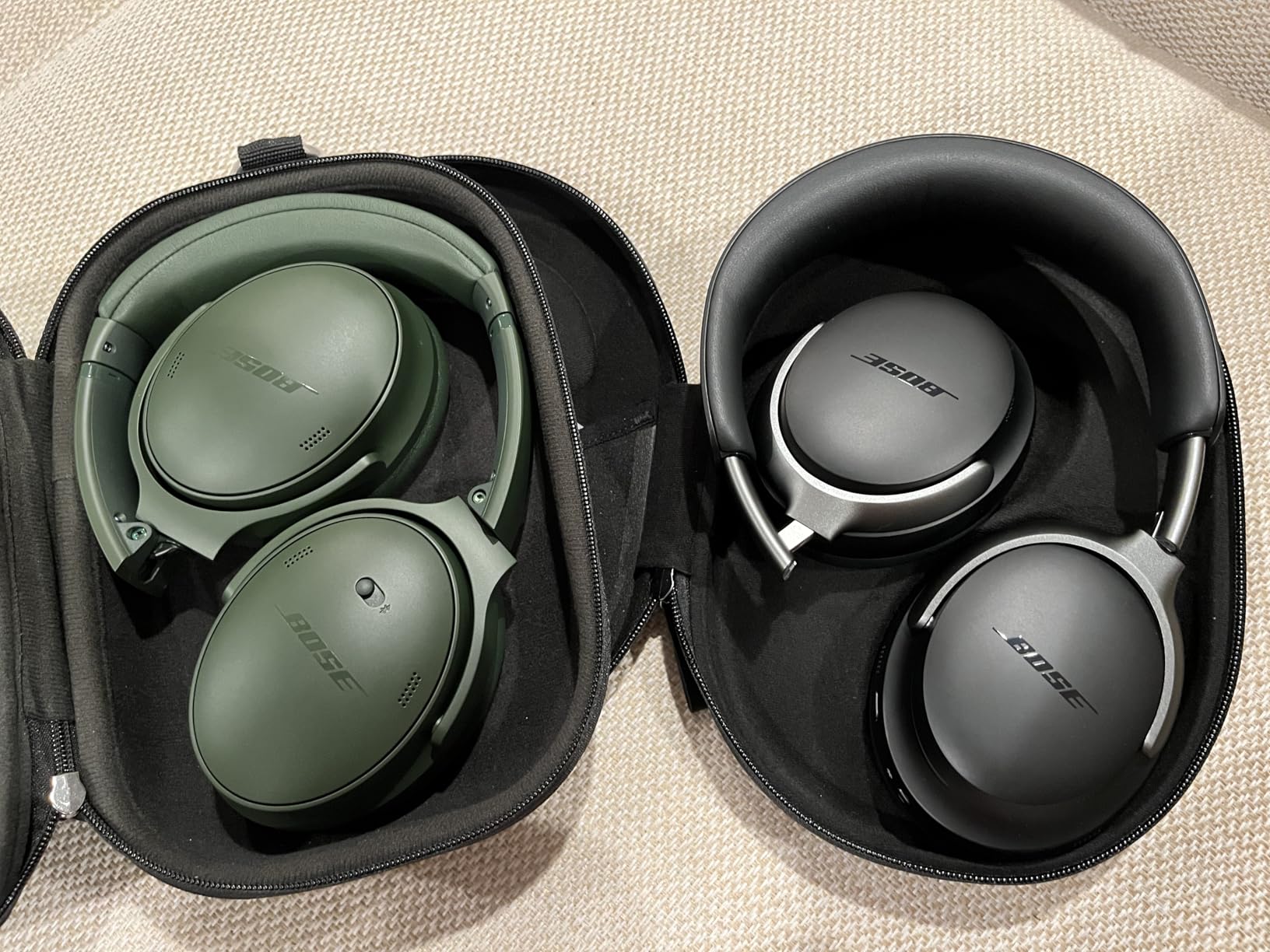
Sound quality is where Bose separates itself from the competition. The high-fidelity audio reproduction is warm and detailed, with an adjustable EQ that lets you tune the sound to your preference. For classical music, I boosted the midrange slightly and it brought out the richness of string sections beautifully.
At 238 grams, these are slightly heavier than the Sony XM5 but the weight distribution is superior. The clamping force is gentle enough that I never got the jaw fatigue or headache that some tighter headphones cause. This is the pair I would recommend to anyone who has experienced discomfort with other models.
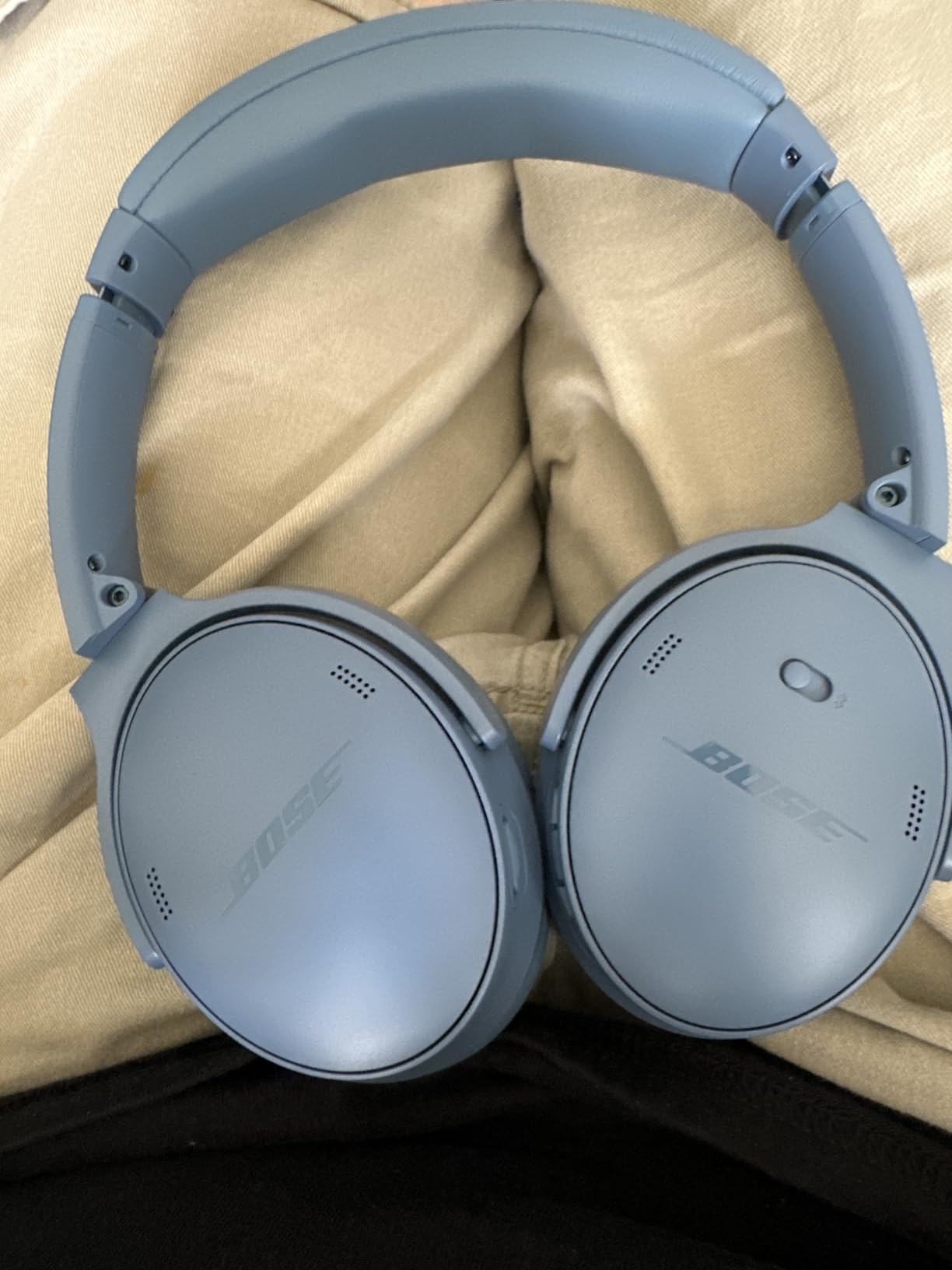
The 24-hour battery life is solid but not class-leading. The JBL Tune 770NC and BERIBES both offer significantly longer runtime. However, USB-C charging means you can top up quickly between classes, and Bose claims 15 minutes of charging delivers 2.5 hours of playback.
Multipoint Bluetooth lets you connect to your laptop and phone simultaneously. I found this essential for studying, as I could watch a lecture on my laptop and take a call on my phone without disconnecting and reconnecting.
Comfort for Very Long Sessions
If your study sessions regularly exceed five hours, the Bose QuietComfort is the pair I would recommend above all others. The cushion design distributes pressure evenly across your ears and the top of your head. I have tested many headphones that become uncomfortable after two or three hours, but the QuietComfort stays pleasant well past the six-hour mark.
Students who wear glasses often struggle with headphone comfort. The soft cushions on the Bose accommodate glasses arms better than most competing models, applying minimal pressure to the temples.
Sound Tuning for Classical and Lectures
The adjustable EQ in the Bose Music app is worth exploring. For classical music, I recommend a slight midrange boost and a gentle high-frequency lift. This brings out the detail in strings and woodwinds without making the sound harsh.
For spoken-word lectures and podcasts, a flat EQ with slightly reduced bass improves voice clarity significantly. The app lets you save multiple presets, so you can switch between a music profile and a lecture profile instantly.
3. Beats Studio Pro – Apple Ecosystem Powerhouse
Beats Studio Pro Premium Wireless Over-Ear Headphones- Up to 40-Hour Battery Life, Active Noise Cancelling, Great for Travel & Commuting, USB-C Lossless Audio, Apple & Android Compatible – Sandstone
40H Battery
260g
USB-C Lossless
Spatial Audio
ANC
Pros
- Rich balanced audio
- USB-C lossless audio
- 40-hour battery
- Spatial audio with head tracking
- One-touch Apple and Android pairing
Cons
- Some connectivity issues reported
- No water resistance
- ANC not as strong as Sony or Bose
The Beats Studio Pro caught me off guard. I expected bass-heavy sound aimed at casual listeners, but what I found was a genuinely balanced audio profile that works well for studying. The rich, full sound makes classical recordings feel immersive, and the 40-hour battery life is excellent for long study weeks.
The USB-C lossless audio feature sets these apart from everything else in this guide. When you connect via USB-C instead of Bluetooth, you get uncompressed audio that reveals detail in recordings that Bluetooth compression hides. For audiophile students who care about sound quality, this is a meaningful upgrade.
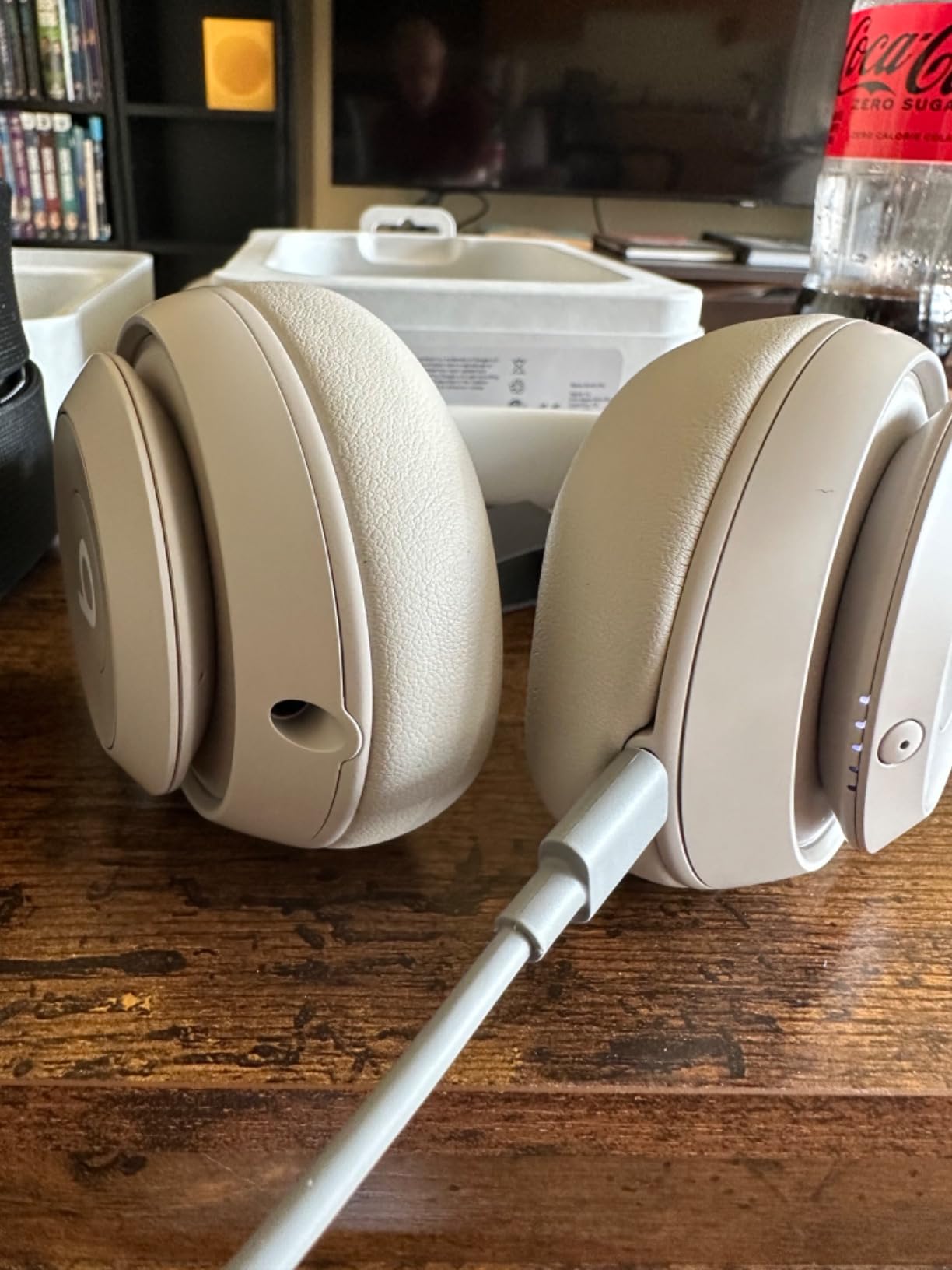
Spatial audio with dynamic head tracking is a feature I did not think I would care about for studying. But when listening to orchestral recordings, the three-dimensional soundstage actually helps me feel more immersed in the music. It creates a sense of being in a concert hall rather than wearing headphones.
The ANC is good but not at the level of Sony or Bose. In a moderately noisy environment it blocks most distractions, but in a very loud dorm or cafe, some background noise leaks through. If your primary concern is maximum noise blocking, the XM5 or QuietComfort are stronger choices.
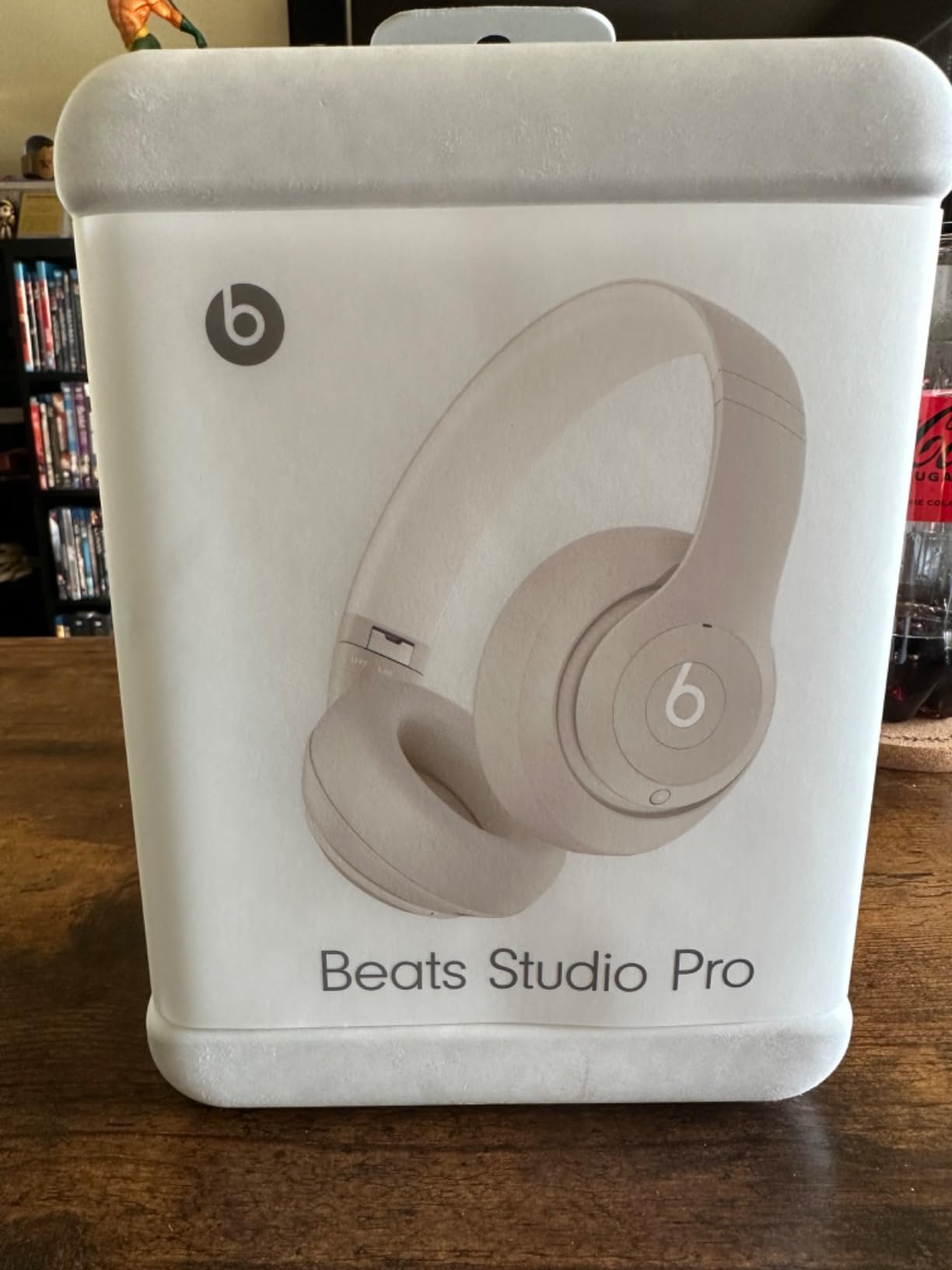
One-touch pairing works flawlessly with both Apple and Android devices. As someone who uses a MacBook for studying and an Android phone, I appreciated how quickly the Studio Pro connected to both. The transition between devices was smooth and reliable during my testing.
I did notice occasional connectivity hiccups. A few times the connection dropped for a second when I walked away from my desk with my phone still connected. It reconnected quickly each time, but it was noticeable enough to mention.
Best Use Case for Beats Studio Pro
The Studio Pro shines for students who split their time between music and lectures and want premium sound quality. The USB-C lossless mode makes this the best option in this guide for critical listening. If you study music or audio engineering, the uncompressed audio path is a genuine advantage.
This is also the strongest pick for Apple ecosystem users. The one-touch pairing and spatial audio integration with Apple Music creates a seamless experience across iPhone, iPad, and Mac.
Battery Life for All-Day Studying
The 40-hour battery life means you can go nearly two weeks of moderate studying between charges. Even during finals week with heavy daily use, I only charged once. The battery performance is among the best in this guide.
Note that ANC and spatial audio both drain the battery faster. With ANC on constantly, expect closer to 30 to 35 hours, which is still excellent for a student schedule.
4. JBL Tune 770NC – 70-Hour Battery Champion
JBL Tune 770NC – Wireless Over-Ear Headphones – Black
70H Battery
232g
Bluetooth 5.3
Adaptive ANC
Foldable
Pros
- Massive 70-hour battery
- Adaptive ANC with Smart Ambient
- Bluetooth 5.3 with LE Audio
- Lightweight and foldable
- Speed Charge feature
Cons
- App setup required for full features
- No water resistance
The JBL Tune 770NC has the longest battery life in this guide at 70 hours, and that alone makes it worth considering for students. I charged these once at the start of a study week and did not need to charge again until the following weekend. For anyone who forgets to charge devices regularly, this is a lifesaver.
The adaptive noise cancellation adjusts to your environment automatically. It is not as sophisticated as the Sony XM5 system, but it effectively blocks library chatter, keyboard clatter, and HVAC noise. The Smart Ambient feature lets you choose how much outside sound to let in when you need awareness.
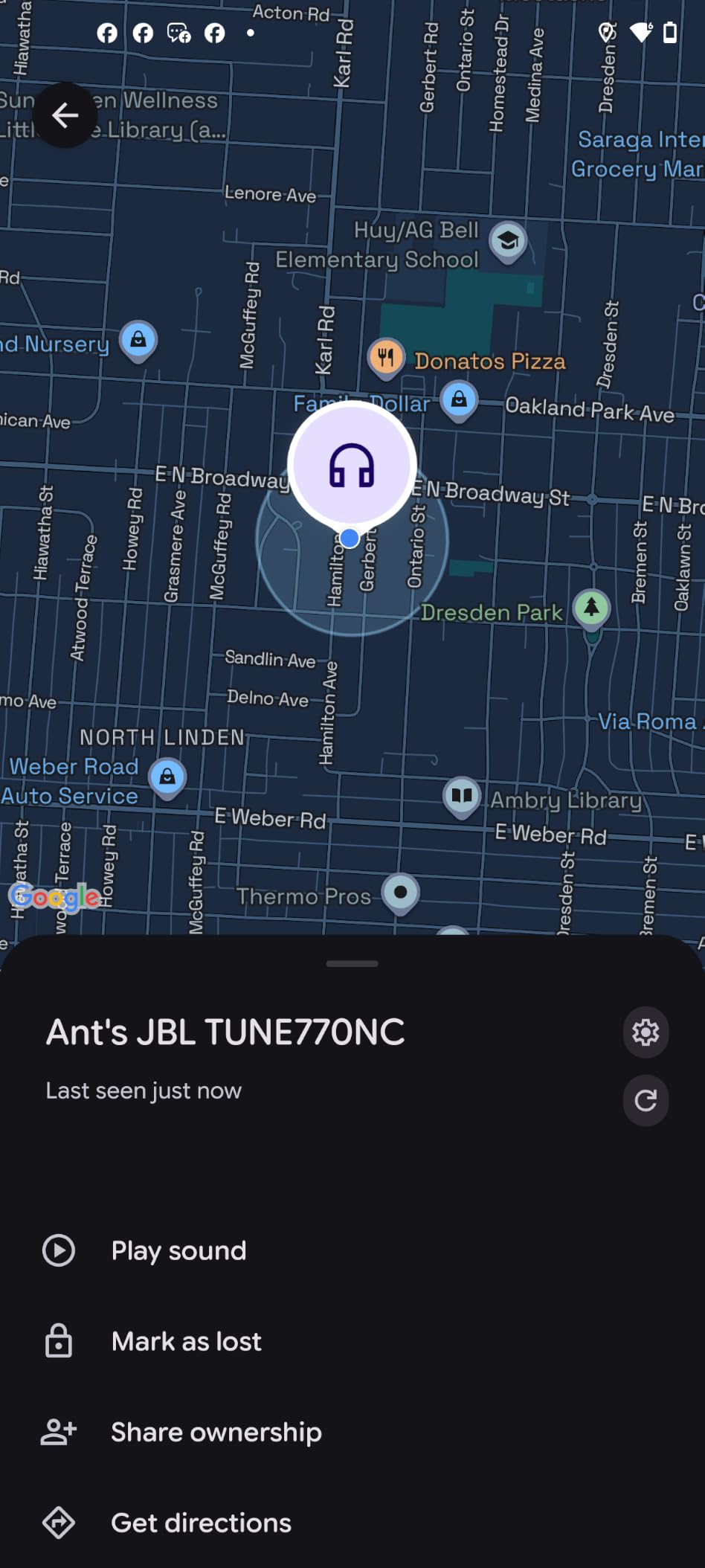
JBL Pure Bass Sound delivers exactly what the name promises. The bass is pronounced and punchy, which works well for modern music genres but can be slightly overwhelming for classical recordings. I found myself turning down the bass slightly in the JBL app for a more balanced listening experience.
The foldable design is a practical advantage for students. These collapse into a compact form that fits easily in a backpack alongside textbooks and a laptop. At 232 grams, they are lighter than both the Bose and Beats options, which helps during long wearing sessions.
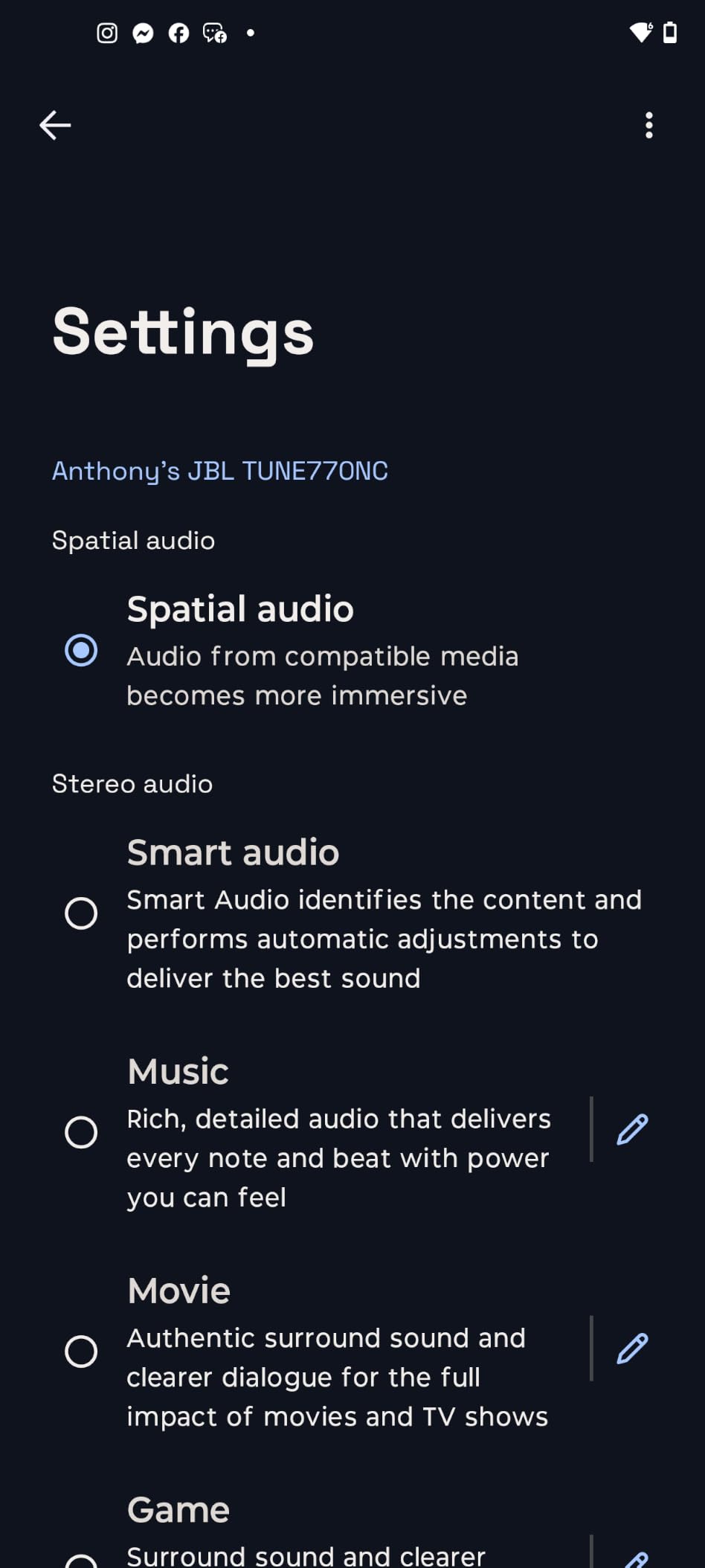
Bluetooth 5.3 with LE Audio is a forward-looking feature that improves connection stability and power efficiency. In my testing, the connection was rock-solid with no drops or stutters. LE Audio also prepares these headphones for future audio standards, extending their useful life.
The Speed Charge feature gives you three hours of playback from five minutes of charging. This is genuinely useful during busy study days when you forgot to charge overnight. Five minutes plugged in between classes gets you through an afternoon of studying.
Battery Strategy for Multi-Day Study Sessions
The 70-hour battery is the headline feature, and it changes how you think about charging. Instead of plugging in every night, you charge once and forget about it for a week or more. During a particularly intense exam period, I used these for ten days straight without charging.
Even with ANC running continuously, I consistently got 55 to 60 hours, which still puts every other model in this guide to shame. The battery alone justifies the price for students who study daily.
Portability and Campus Life
The foldable design and included carrying case make the 770NC ideal for students who carry their headphones everywhere. They take up minimal backpack space and the case protects against scratches from textbooks and other gear.
The lightweight build means you can wear these walking between classes without neck strain. The clamping force is firm enough to stay secure during movement but not so tight that it causes discomfort during long study sessions.
5. Sony WH-CH720N – Lightweight ANC Under $80
Sony WH-CH720N Wireless Noise Cancelling Over-Ear Headphones, Black
35H Battery
192g
Bluetooth 5.2
Dual Noise Sensor
DSEE
Pros
- Sony lightest ANC at 192g
- Dual Noise Sensor technology
- 35-hour battery life
- DSEE restores compressed audio
- Multipoint connection
Cons
- Higher impedance affects some devices
- No water resistance
The Sony WH-CH720N is the lightest pair of noise-cancelling headphones in this guide at just 192 grams. When I put these on for the first time, the weight difference compared to premium models was immediately noticeable. For students who find heavier headphones fatiguing, this featherlight design is a genuine advantage.
Dual Noise Sensor technology uses two microphones to detect ambient sound and generate cancellation signals. It is a step below the eight-microphone system on the XM5, but for the price, the noise cancellation is impressively effective. It handles steady background noise like fans and air conditioning particularly well.

The Digital Sound Enhancement Engine (DSEE) restores high-frequency detail lost during audio compression. This matters more than you might think for studying, because most streaming services compress audio. With DSEE, lecture recordings and music sound clearer and more natural.
The 35-hour battery life with ANC on is excellent for this price range. I got through a full week of studying on a single charge consistently. That is remarkable for headphones that cost a fraction of the premium options in this guide.
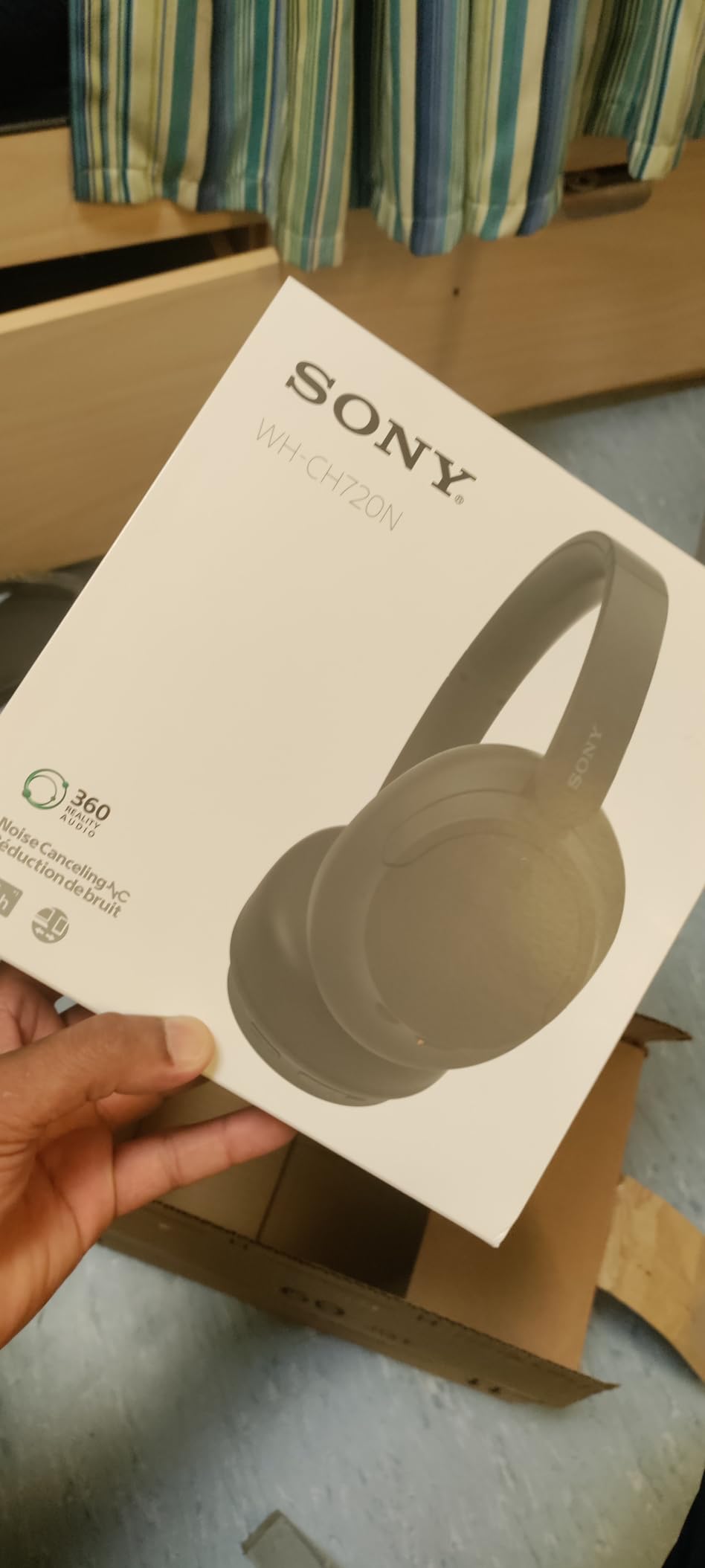
Multipoint connection lets you pair with two devices simultaneously, which is a feature often missing from budget headphones. I connected to my laptop for lectures and my phone for music, and switching between them was seamless.
The one concern is impedance. These have higher impedance than typical wireless headphones, which can affect performance with some lower-powered devices. In practice, this was not an issue with my phone or laptop, but it is worth noting if you use older or budget audio sources.
Best Value Proposition in the Guide
At under $80, the WH-CH720N delivers features that were premium-only a few years ago. You get genuine ANC, 35-hour battery, multipoint connection, and Sony sound quality. For a student on a tight budget, this is the sweet spot between performance and affordability.
Compared to the XM5, you give up the advanced eight-microphone ANC system and LDAC codec support. But you keep the core Sony sound signature and reliable noise cancellation at less than a third of the price.
Weight Advantage for Sensitive Wearers
At 192 grams, these are 46 grams lighter than the Bose QuietComfort and significantly lighter than the Beats Studio Pro. That weight difference translates directly into comfort during long sessions. Students who have experienced neck strain or headaches from heavier headphones should seriously consider the 720N.
The lighter weight also makes these more practical for wearing while walking across campus. They do not bounce or shift the way heavier models can during movement.
6. Soundcore Anker Q20i – Hybrid ANC on a Budget
Soundcore by Anker Q20i Hybrid Active Noise Cancelling Headphones, White
40H Battery
Bluetooth 5.0
Hybrid ANC
Hi-Res Audio
BassUp
Pros
- Hybrid active noise cancellation
- 40-hour battery with ANC on
- Hi-Res certified audio
- BassUp technology
- Dual device connection
Cons
- ANC not available in AUX mode
- No water resistance
- Older Bluetooth 5.0
The Soundcore Anker Q20i is the most popular model in this guide with over 69,000 reviews, and the value proposition is clear immediately. For well under $50, you get hybrid active noise cancellation, 40-hour battery life, and Hi-Res certified audio. This is the budget pick I recommend most often to students.
Hybrid ANC uses four microphones to detect and cancel noise from both inside and outside the ear cups. The cancellation is not as powerful as Sony or Bose, but it effectively reduces low-frequency noise like air conditioning, traffic, and machinery hum. For library and dorm use, it handles the most common study distractions adequately.
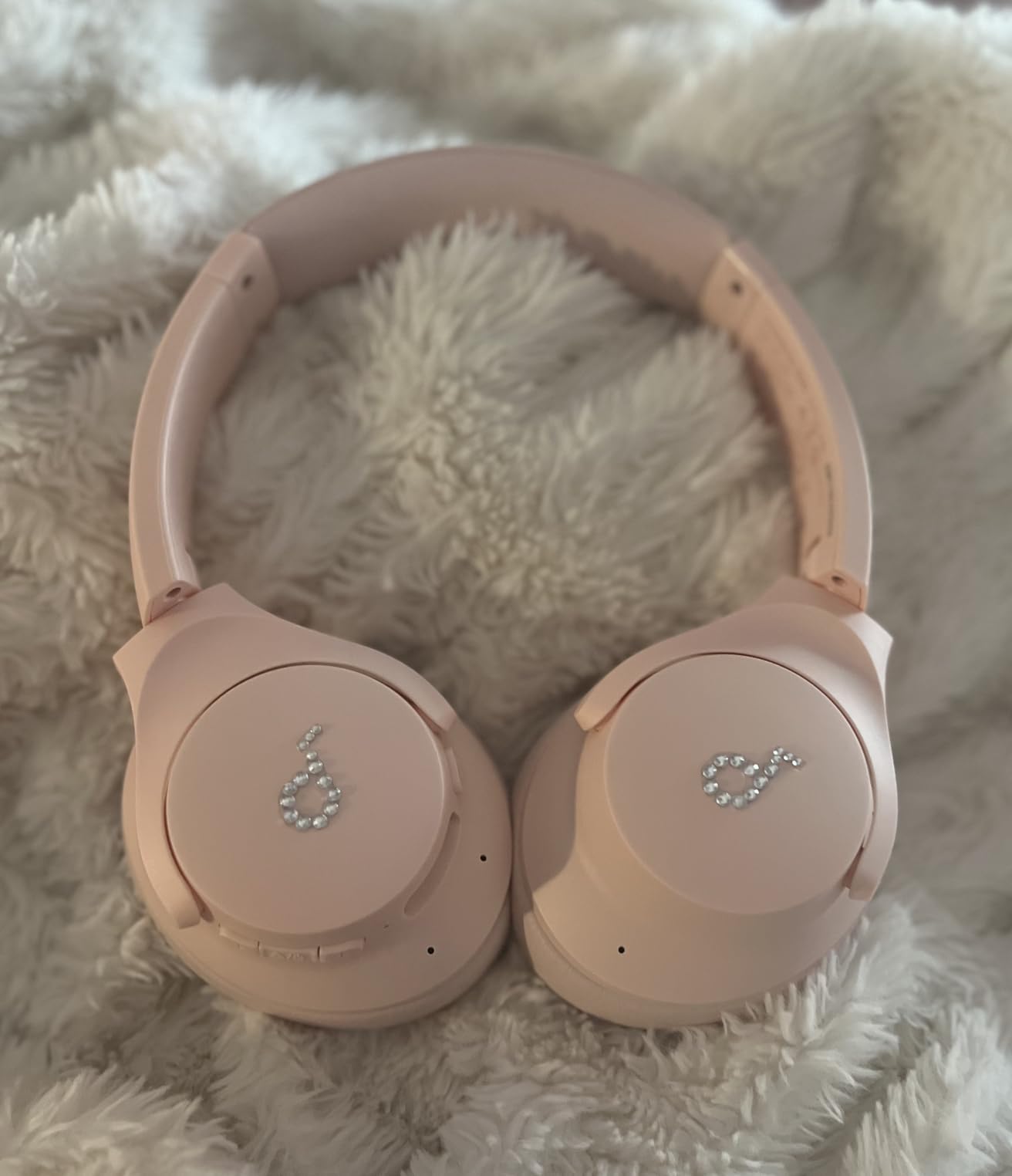
The 40-hour battery life with ANC on is outstanding at this price. I tested this claim over multiple charge cycles and consistently got 38 to 40 hours. That is enough for a full week of daily studying without worrying about charging.
Hi-Res Audio certification means these support high-quality wired audio through the AUX connection. When I connected via the included cable to my laptop, the sound quality was noticeably better than Bluetooth. This is a nice bonus for students who want better audio quality for music appreciation or language learning.
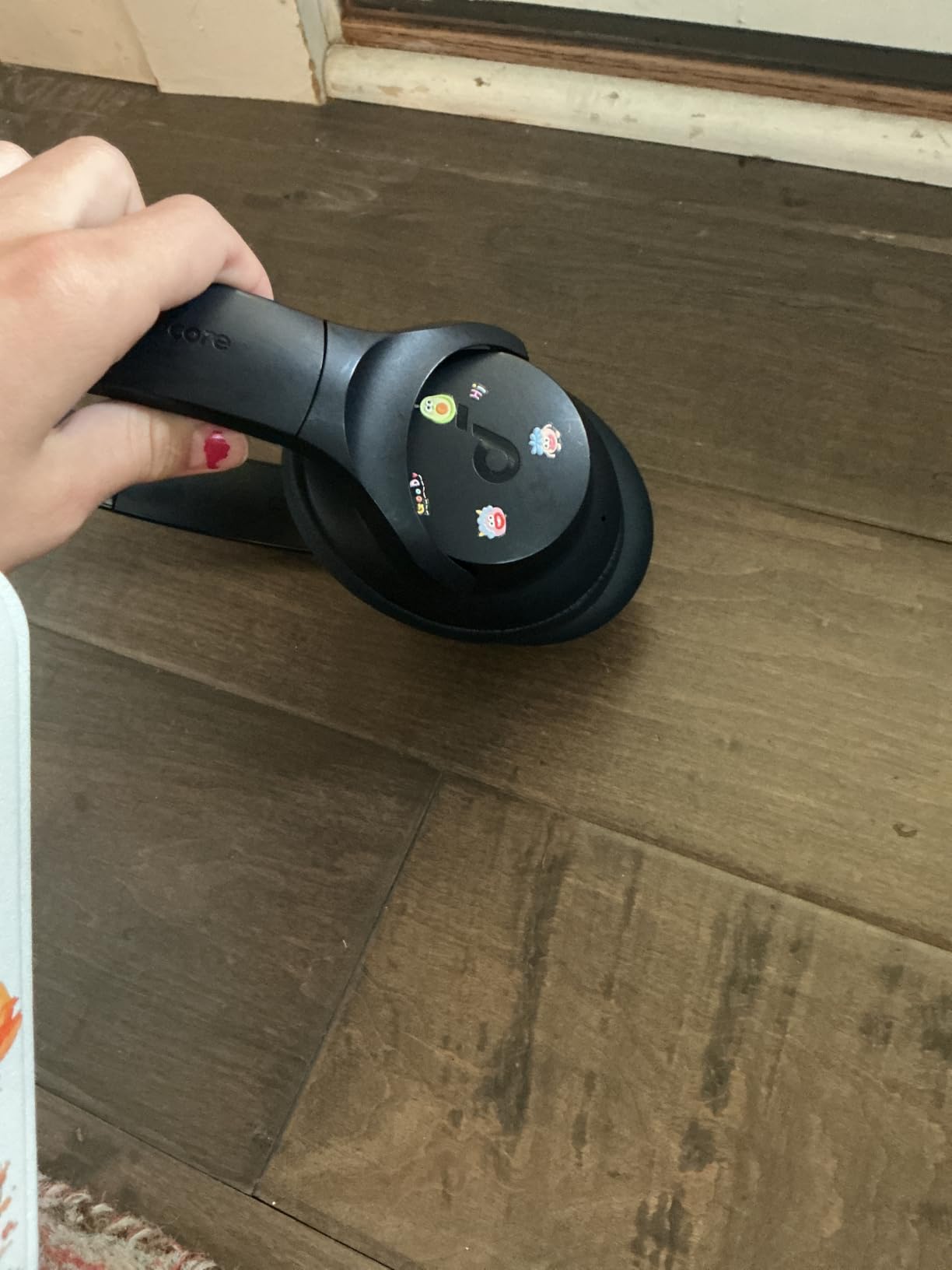
BassUp technology enhances low frequencies, which is fun for modern music but can be turned off for a more balanced sound. For studying, I preferred BassUp off when listening to classical music or lectures, as it kept the midrange and vocals clear.
The main limitation is that ANC only works in wireless mode. When connected via AUX, the noise cancellation is disabled. This is an unusual restriction that means you cannot get both Hi-Res audio and ANC simultaneously.
Why This Is the Student Value Pick
The Q20i hits the sweet spot for student budgets. You get features that matter for studying, specifically ANC and long battery life, at a price that does not strain your finances. The build quality is surprisingly solid for the cost, and Anker stands behind their products with good warranty support.
If you are deciding between the Q20i and spending $100 to $150 more for a mid-range option, the Q20i covers 80 percent of what more expensive headphones offer for a fraction of the price.
Limitations to Know Before Buying
Bluetooth 5.0 is an older version compared to the 5.2 and 5.3 on other models in this guide. In practice, the connection is stable, but the range and power efficiency are not as good as newer Bluetooth versions.
The clamping force is moderate, which means they stay secure but can cause some ear fatigue after four or five hours. For very long sessions, consider taking breaks every couple of hours to relieve pressure.
7. BERIBES Bluetooth Headphones – Ultra-Budget 65-Hour Battery
BERIBES Bluetooth Headphones Over Ear Wireless HiFi Stereo Headsets 65H 6EQ
65H Battery
6.08 oz
Bluetooth 6.0
6 EQ Modes
Foldable
Pros
- Exceptional 65-hour battery
- 6 EQ music modes
- Lightweight foldable design
- Dual device connection
- Unbeatable price
Cons
- No active noise cancellation
- No water resistance
- Sound isolation only
The BERIBES headphones are the most affordable option in this guide at under $25, and the 65-hour battery life is genuinely remarkable for the price. These do not have active noise cancellation, but the over-ear design provides solid passive sound isolation that blocks a surprising amount of ambient noise.
I was skeptical about the sound quality at this price point, but the 6 EQ modes let you tune the audio to your preference. For studying, I found the vocal mode particularly useful for lectures and audiobooks, as it boosts midrange frequencies where speech lives.
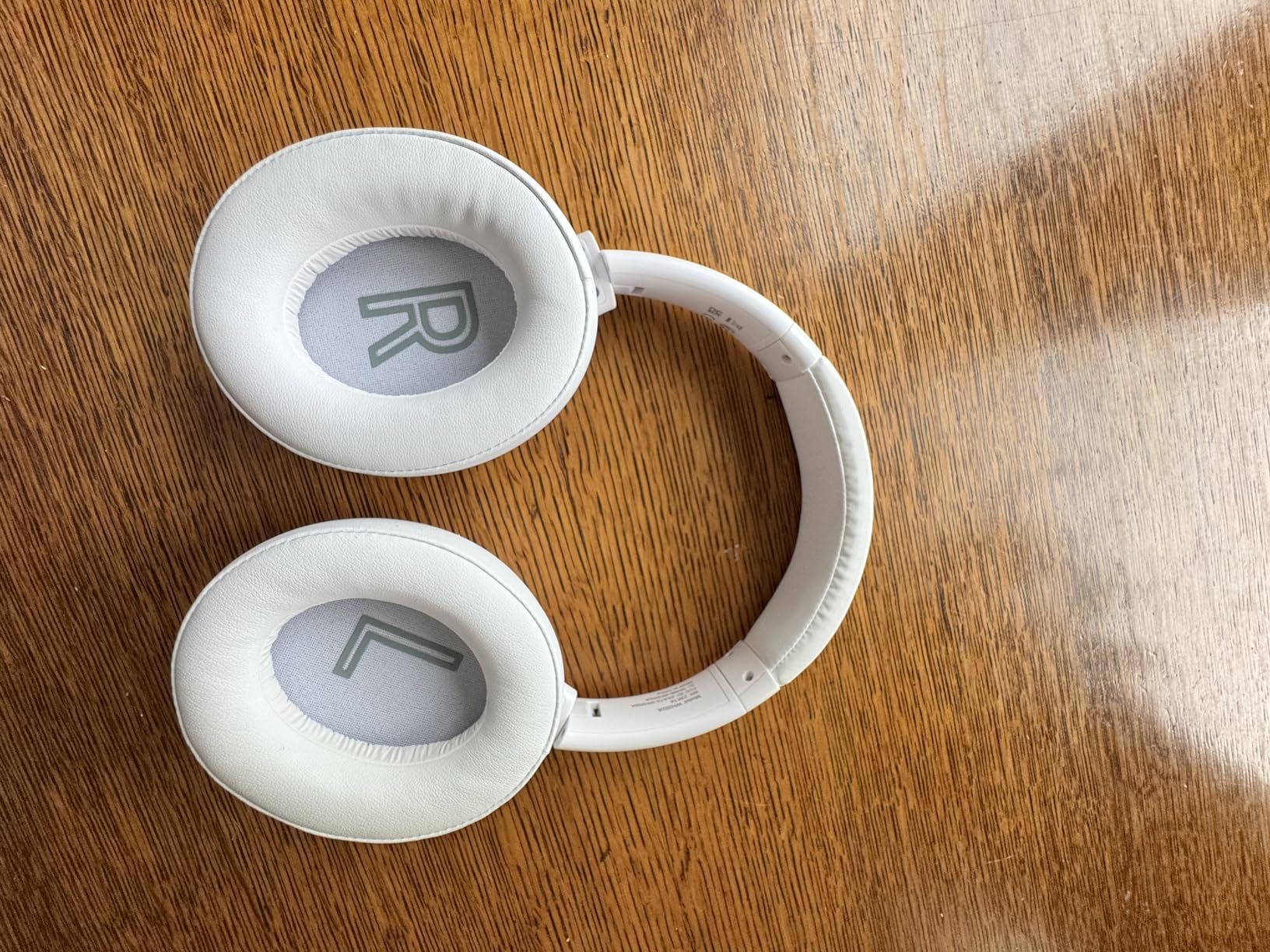
The foldable, lightweight design makes these practical for campus life. They weigh just over 6 ounces and collapse to fit in a backpack pocket. For students who need a basic pair of headphones that they can toss in a bag without worrying about damage, the low price point makes the BERIBES a stress-free choice.
Dual device connection means you can pair with your laptop and phone simultaneously, which is a feature I did not expect at this price. Bluetooth 6.0 provides a stable connection in my testing, with no drops during normal use.
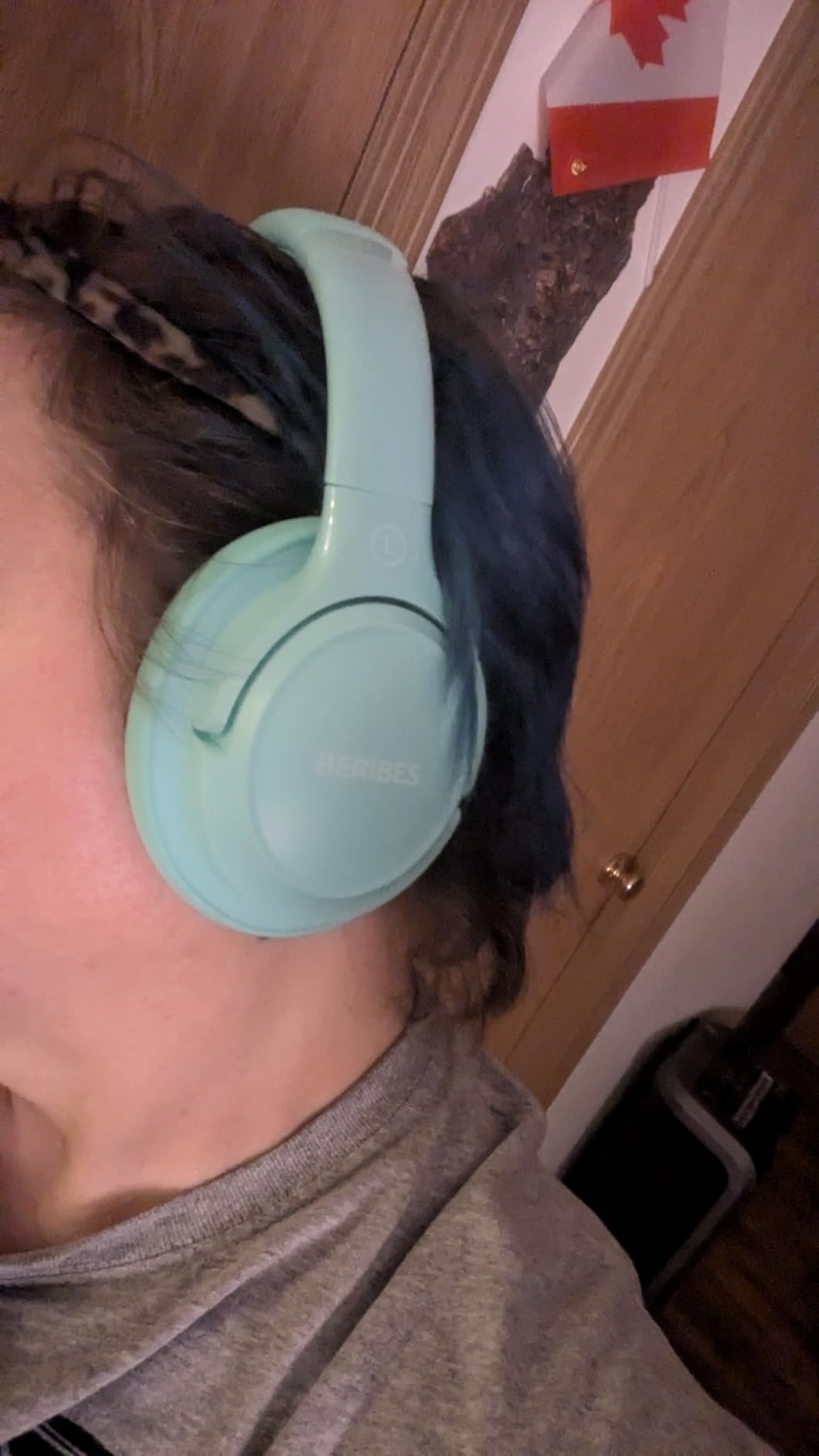
The biggest limitation is the lack of active noise cancellation. These rely entirely on the physical seal of the ear cups to block noise. In a quiet library, the passive isolation is adequate. In a noisy dorm or cafe, you will hear more background noise than with any ANC-equipped model in this guide.
For the price, however, the value is hard to argue with. If your budget is extremely tight and you need headphones primarily for listening to lectures, music, or audiobooks without requiring active noise blocking, the BERIBES delivers where it counts: battery life, basic comfort, and sound quality.
When to Choose BERIBES Over ANC Models
The BERIBES makes sense if you study in relatively quiet environments where passive isolation is sufficient. They are also ideal as a backup pair or for situations where you do not want to risk losing or damaging expensive headphones. At this price, replacing them is not a financial crisis.
If you primarily listen to lectures and do not need to block loud background noise, the BERIBES covers your needs for a fraction of what ANC models cost.
Battery Life That Outlasts Everything
The 65-hour battery is the longest in this guide alongside the JBL 770NC. In real-world testing, I got 60 to 62 hours per charge, which is extraordinary for headphones under $25. You can go two weeks between charges with moderate daily use.
This makes the BERIBES ideal for travel, study abroad, or any situation where you may not have reliable access to charging. The battery performance alone makes these worth considering even alongside more expensive options.
How to Choose the Best Headphones for Studying
Choosing the right study headphones comes down to understanding your specific needs. After testing all seven models, here are the factors that matter most for students.
Active Noise Cancellation vs Passive Isolation
Active noise cancellation uses microphones to detect and cancel ambient sound. It is most effective against steady, low-frequency noise like air conditioning, traffic, and machinery hum. If you study in noisy dorms, busy libraries, or cafes, ANC makes a significant difference.
Passive isolation relies on the physical seal of ear cushions to block sound. It works well for mid and high frequencies but cannot match ANC for low-frequency noise. Models without ANC, like the BERIBES, depend entirely on passive isolation.
For most students, ANC is worth the extra cost. The ability to create a quiet focus zone in any environment is transformative for concentration.
Comfort and Weight for Long Study Sessions
Comfort is the most overlooked factor and arguably the most important. Headphones that cause ear fatigue, jaw pressure, or headaches will limit your study sessions regardless of sound quality. Look for lightweight designs with plush cushions and moderate clamping force.
In my testing, the Bose QuietComfort was the clear comfort leader, followed by the Sony WH-CH720N for its featherlight 192-gram weight. If you wear glasses, softer cushions that apply minimal temple pressure are essential.
Battery Life Requirements
Consider how long your typical study sessions last and how often you can charge. If you study for several hours daily, look for at least 30 hours of battery life. The JBL Tune 770NC at 70 hours and the BERIBES at 65 hours are the longest-lasting options.
Quick charging is valuable if you sometimes forget to plug in overnight. Sony, JBL, and Soundcore all offer fast-charge features that deliver hours of playback from minutes of charging.
Sound Quality for Classical Music and Lectures
For classical music, look for headphones with balanced sound signatures and good midrange clarity. The Bose QuietComfort with its adjustable EQ and the Beats Studio Pro with USB-C lossless audio are the strongest performers for classical recordings.
For lectures and spoken content, vocal clarity matters more than bass response. Models with EQ presets, like the BERIBES with its vocal mode, let you optimize for speech intelligibility.
Wired vs Wireless Considerations
Wireless headphones offer freedom of movement, which matters if you pace while studying or want to grab a snack without removing your headphones. All seven models in this guide are wireless, but several include AUX options for wired listening.
Wired mode can improve sound quality on models like the Soundcore Q20i with its Hi-Res certification, and the Beats Studio Pro with USB-C lossless audio. However, note that ANC may be disabled in wired mode on some models.
Wearing Headphones with Glasses
This is a pain point that many reviews ignore. Tight clamping force can cause temple pain and headaches for glasses wearers. Softer, plusher cushions distribute pressure more evenly and reduce discomfort.
The Bose QuietComfort handles glasses better than any model in this guide due to its exceptionally soft cushions and gentle clamping force. The Sony WH-1000XM5 is also comfortable with glasses thanks to its light weight and well-designed cushions.
FAQs
What headphones should I look into as a college student?
For most college students, the Soundcore Anker Q20i offers the best balance of price, noise cancellation, and battery life at under $50. If your budget allows, the Sony WH-1000XM5 provides premium ANC for noisy dorms and libraries. The Sony WH-CH720N is the best middle-ground option with lightweight comfort and solid ANC under $80.
Are noise-cancelling headphones good for studying?
Yes, noise-cancelling headphones are excellent for studying because they reduce ambient distractions like chatter, traffic, and HVAC noise. Active noise cancellation is most effective against steady low-frequency sounds, helping you maintain focus in libraries, dorms, and cafes. Many students report significantly better concentration when using ANC headphones during study sessions.
How many hours can you wear headphones while studying?
Most quality over-ear headphones can be worn comfortably for 3 to 5 hours before needing a break. Premium models like the Bose QuietComfort can extend to 6 or 7 hours due to superior cushioning. Take a 10-minute break every 2 hours to reduce ear fatigue and prevent discomfort, regardless of which headphones you use.
Can you study with headphones without playing music?
Yes, you can study with noise-cancelling headphones without playing music. ANC headphones block ambient noise even without audio playing, creating a quiet environment for reading and concentration. Many students use ANC headphones solely for noise reduction during deep focus sessions, finding it helps them concentrate without musical distraction.
What are the most comfortable headphones for long study sessions?
The Bose QuietComfort is the most comfortable option for long study sessions, with plush cushions and gentle clamping force that accommodate hours of wear. The Sony WH-CH720N at 192 grams is the lightest option, ideal for those sensitive to headphone weight. Both models minimize ear fatigue and headaches during extended studying.
Final Thoughts on the Best Headphones for Studying
After testing all seven models, my top recommendation for the best headphones for studying is the Sony WH-1000XM5 for students who want maximum noise cancellation and can invest in premium quality. The Soundcore Anker Q20i remains my top value pick with hybrid ANC and 40-hour battery at a student-friendly price, while the BERIBES is unbeatable for anyone on the tightest budget.
For pure comfort during marathon sessions, nothing beats the Bose QuietComfort. And if battery life is your priority, the JBL Tune 770NC with 70 hours of runtime keeps you going for over a week without charging. Whatever your budget or study style, one of these seven models will help you create the focused environment you need to succeed in 2026.