
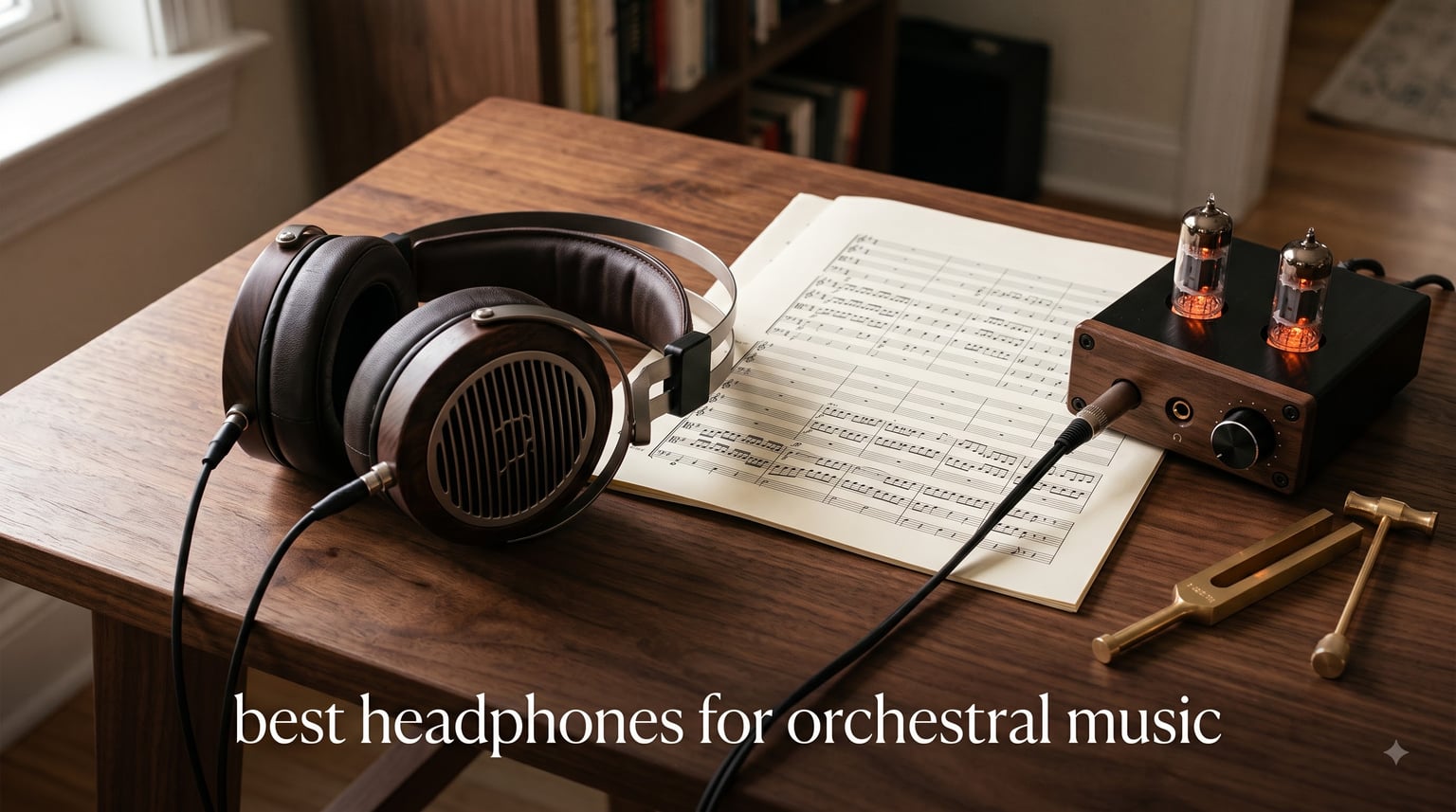
Orchestral music demands more from a pair of headphones than almost any other genre. A symphony orchestra can have 80 to 100 instruments playing simultaneously, and hearing each section clearly is what separates a great listening session from a muddy wall of sound. That is why finding the best headphones for orchestral music comes down to three things: soundstage width, instrument separation, and a neutral frequency response that does not artificially boost bass or treble.
I have spent years listening to everything from Mahler symphonies to intimate string quartets, and I have tested dozens of headphones specifically for how they handle orchestral recordings. Our team compared open-back and closed-back models, planar magnetic and dynamic drivers, and budget options under $50 alongside audiophile reference headphones. What follows is what actually works for classical and orchestral listening.
The consensus from audiophile communities like Head-Fi and Reddit’s r/classicalmusic is clear: open-back headphones with wide soundstages win for orchestral music. They reproduce the spatial dimension of a concert hall far better than closed-back designs. But there are important nuances around impedance, amplifier pairing, and comfort for long listening sessions that most guides skip. We cover all of that below.
Table of Contents
Top 3 Picks for Orchestral Headphones (October 2026)
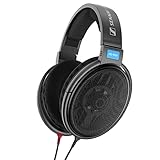
Sennheiser HD 600
- Reference midrange
- 300 Ohm audiophile grade
- Exceptional instrument separation


Best Headphones for Orchestral Music in 2026
| Product | Specifications | Action |
|---|---|---|
| Sennheiser HD 600 |
|
Check Latest Price |
 Sennheiser HD 505 Sennheiser HD 505 |
|
Check Latest Price |
 Sennheiser HD 490 PRO Sennheiser HD 490 PRO |
|
Check Latest Price |
| beyerdynamic DT 990 PRO |
|
Check Latest Price |
 beyerdynamic DT 900 PRO X beyerdynamic DT 900 PRO X |
|
Check Latest Price |
 Sennheiser HD 599 Sennheiser HD 599 |
|
Check Latest Price |
| AKG K240 Studio |
|
Check Latest Price |
 Philips SHP9500 Philips SHP9500 |
|
Check Latest Price |
1. Sennheiser HD 600 – Reference-Grade Orchestral Clarity
Sennheiser HD 600 Audiophile Open-Back Dynamic Wired Headphones
Open-back
300 Ohm impedance
12-40500 Hz
Neodymium magnets
0.55 lbs
Pros
- Audiophile-grade clarity with neodymium ferrous magnets
- Lightweight with plush ear pads for extended listening
- Premium build with detachable Kevlar cable
- Exceptional midrange clarity
Cons
- Requires headphone amplifier for optimal performance
- Open-back design allows sound leakage
The Sennheiser HD 600 has been a reference standard for classical music listeners for over two decades, and for good reason. When I first put these on with a Bernstein recording of Mahler’s Fifth, the string section had a warmth and realism that I had only experienced in concert halls. The midrange is where these headphones live and breathe, and that happens to be exactly where orchestral music spends most of its time.
With an impedance of 300 Ohms, the HD 600 does require a decent headphone amplifier to reach its full potential. Plugged directly into a phone or laptop, they sound good but not transformative. Paired with even a modest desktop amp, the instrument separation opens up dramatically and you can pick out individual woodwinds buried in a dense orchestral texture.
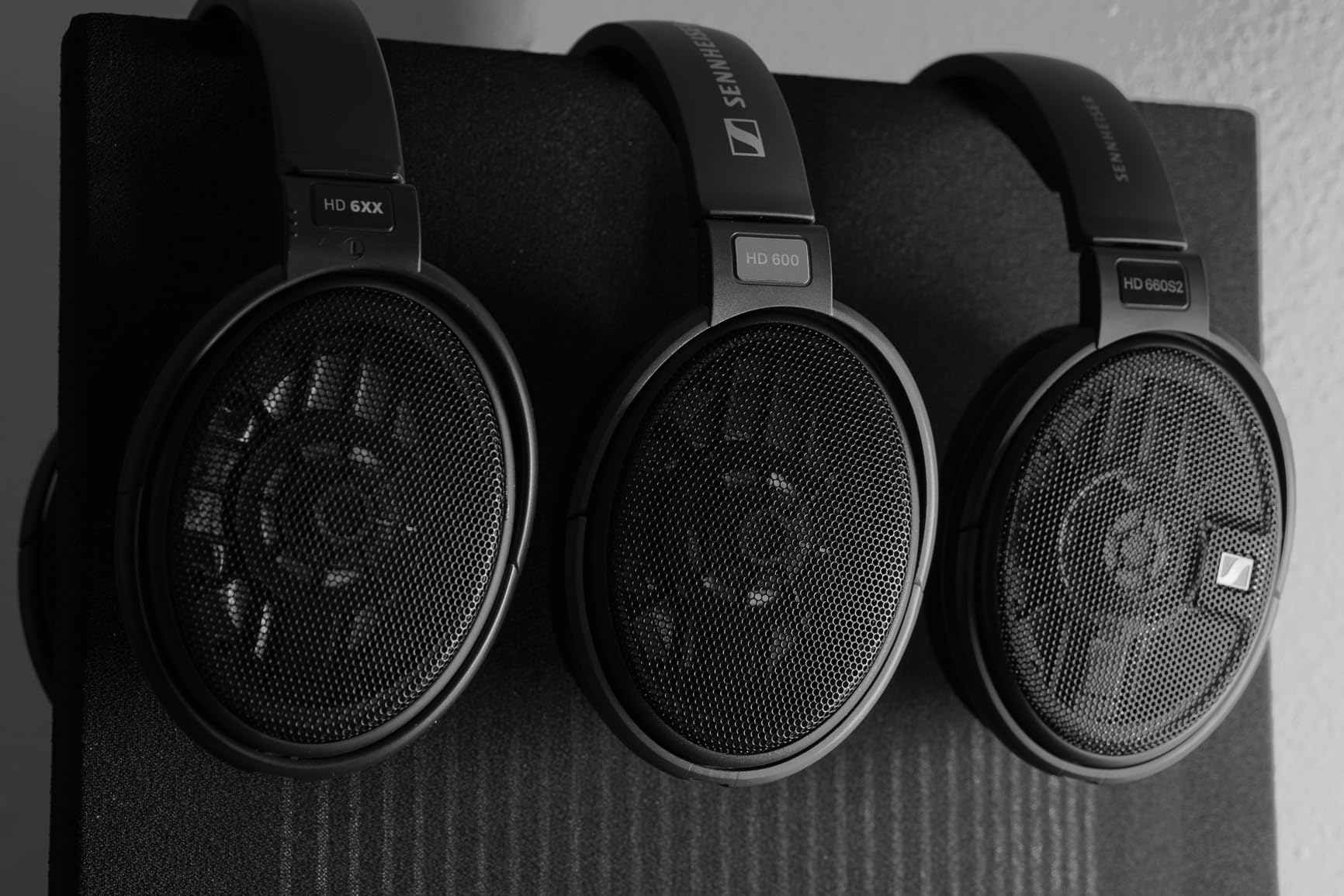
What makes the HD 600 special for orchestral music is its neutrality. There is no boosted bass to muddy the cellos and double basses, no elevated treble to make the brass harsh. The frequency response is honest, which means well-recorded orchestral performances sound incredible and poorly recorded ones reveal their flaws. That honesty is exactly what classical music enthusiasts want.
The build is lightweight at just over half a pound, with plush ear pads that I have found comfortable for three to four hour listening sessions. The detachable Kevlar-reinforced cable minimizes handling noise, which matters when you are listening to quiet passages in chamber music.
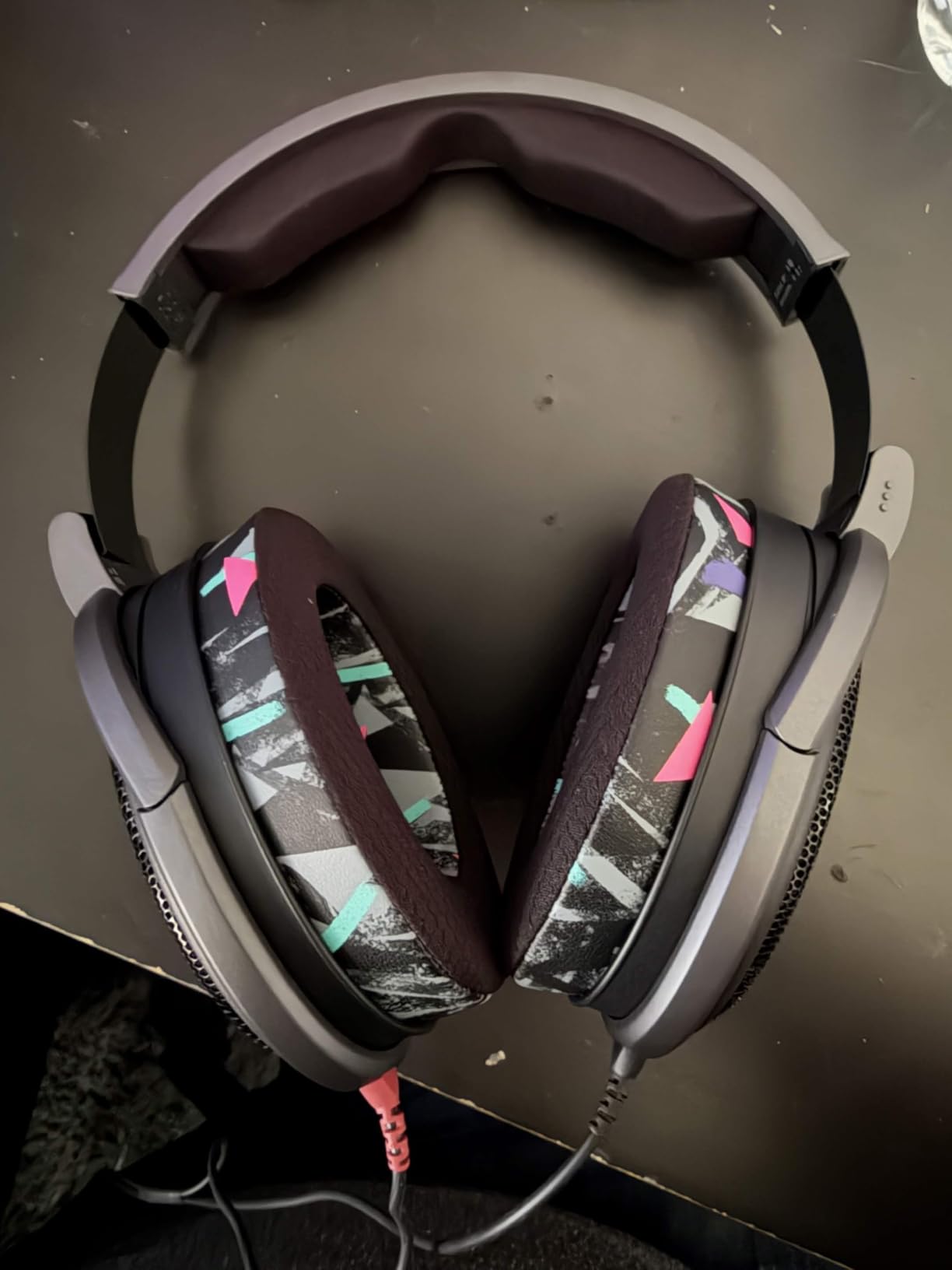
Amplifier Pairing
The HD 600’s 300 Ohm impedance means you need amplification for proper volume and dynamics. A quality desktop DAC and amp combination like the Schiit Magni or Topping L30 will transform these headphones. Budget portable amps like the FiiO E10K also work reasonably well if you are not ready to invest in a full desktop stack.
Best Orchestral Genres
The HD 600 excels with late Romantic and modern orchestral works where midrange clarity is paramount. Mahler, Brahms, and Bruckner symphonies sound spectacular. Chamber music and solo piano also benefit from the HD 600’s honest tonal balance. For heavy brass-heavy pieces like brass band recordings, the slightly recessed treble can be a minor limitation.
2. Sennheiser HD 505 – Modern Open-Back with Crisp Highs
Sennheiser HD 505 – Wired Headphones Over Ear with Transparent Sound and Controlled Bass, Enhanced Comfort Studio Headphones for Music, Work, Gaming, Audiophiles, Students, Traveling, Copper Edition
Open-back
20-20000 Hz
Laminate diaphragm
Velour pads
558g
Pros
- Advanced laminate diaphragm for crisp highs and clear mids
- Natural airy soundstage ideal for orchestral
- Plush velour ear pads for comfort
Cons
- Limited reviews as newer model
- Open-back design allows sound leakage
The Sennheiser HD 505 is one of the newer entries in Sennheiser’s legendary 500 series, and it brings a fresh laminate diaphragm design to the table. When our team tested it against a recording of Beethoven’s Ninth, the upper strings and choir had an airy, crystalline quality that felt distinctly modern compared to the warmer HD 600.
The soundstage is wide and natural, which is essential for orchestral music where you want to hear the spatial layout of the orchestra. The laminate diaphragm technology produces crisp highs without veering into harshness, a balance that many headphones struggle to achieve.
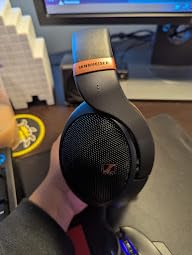
At 558 grams, these are slightly heavier than some competitors, but the plush velour ear pads distribute the weight well. I found them comfortable for two to three hour listening sessions without fatigue. The copper color scheme also gives them a premium, distinctive look.
As a newer model, the HD 505 has fewer reviews than the legendary HD 600, but the early feedback from classical listeners has been very positive. The 80 percent five-star rating suggests Sennheiser has another winner for acoustic and orchestral music.

Break-In Period
The HD 505’s laminate diaphragm benefits from roughly 30 to 50 hours of break-in. Out of the box, the treble can sound slightly forward. After break-in, the high frequencies settle and the midrange fills out, giving orchestral recordings a more natural, balanced presentation.
Cable and Connectivity
The HD 505 comes with a 1.8-meter cable terminated in a 3.5mm jack, which works well with portable devices and home receivers alike. There is no 6.3mm adapter included, so you may need one for dedicated headphone amplifiers with quarter-inch jacks.
3. Sennheiser HD 490 PRO – Professional Reference with Dual Ear Pads
HD 490 PRO Open-Back Professional Headphone
Open-back
5-36000 Hz
130 Ohm
200g
Dual ear pads
Pros
- Extremely wide dimensional soundstage
- Uncolored frequency response
- Includes two sets of ear pads
- Lightweight 200g design
Cons
- Higher price point
- Requires amplification
- Open-back design allows sound leakage
The Sennheiser HD 490 PRO is a professional reference headphone designed for mixing and critical listening, and it translates that precision beautifully to orchestral music. The soundstage is among the widest I have heard at this price point, giving orchestral recordings a three-dimensional quality that places each section in a distinct space.
What sets the HD 490 PRO apart is the inclusion of two sets of ear pads. One set produces a more neutral, mixing-focused response, while the other adds a slight emphasis for more enjoyable casual listening. For orchestral purists, the mixing pads give you the most honest representation of the recording.
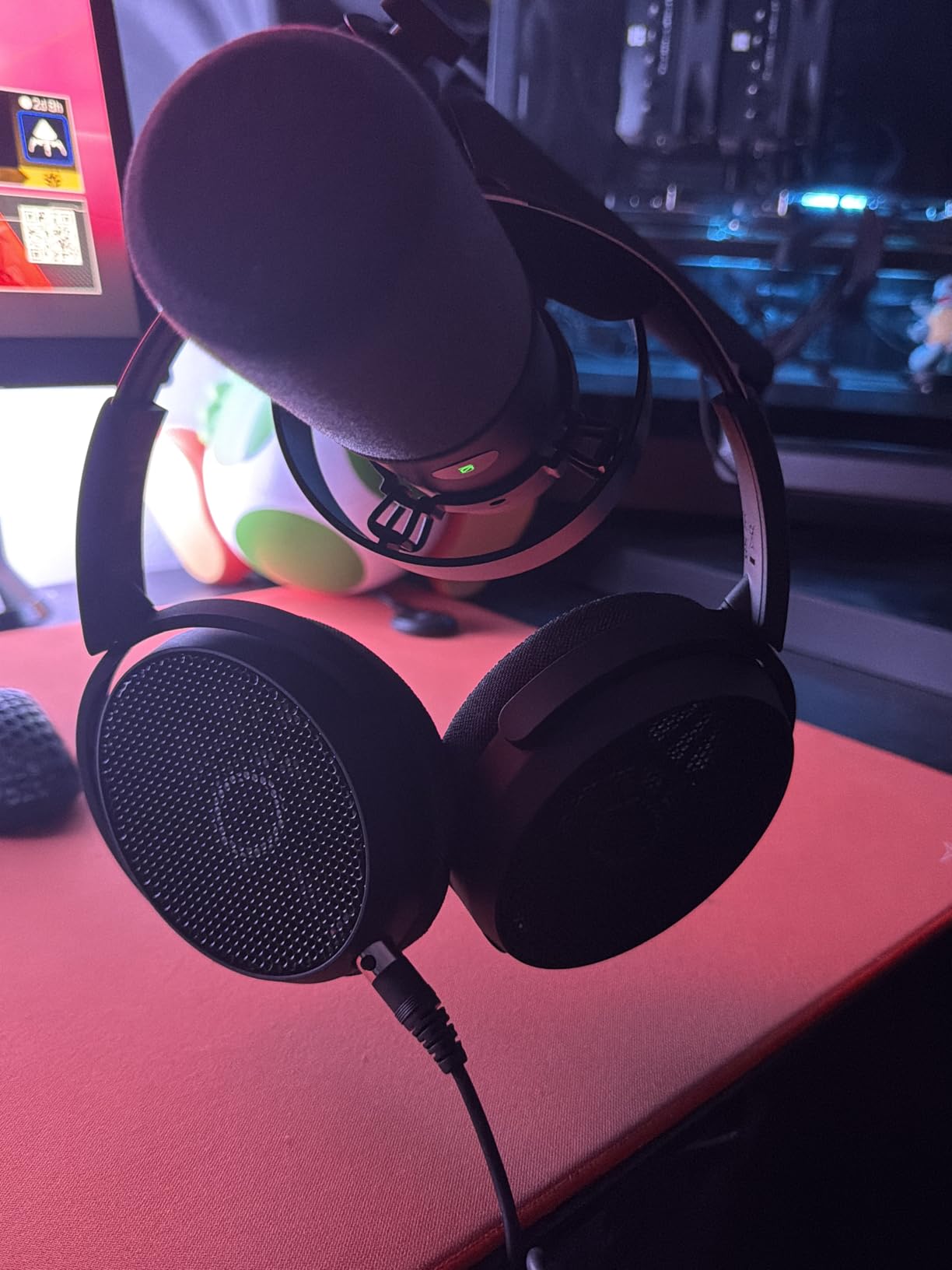
At just 200 grams, these are remarkably light for professional headphones. I have worn them for five-hour orchestral listening marathons without any pressure points or fatigue. The open-frame architecture contributes to both the light weight and the expansive soundstage.
The frequency response extends from 5 Hz to 36,000 Hz, which captures the full dynamic range of orchestral recordings. The 130 Ohm impedance means you will want amplification, but it is more forgiving than the 300 Ohm HD 600 and can be driven by a quality portable amp.
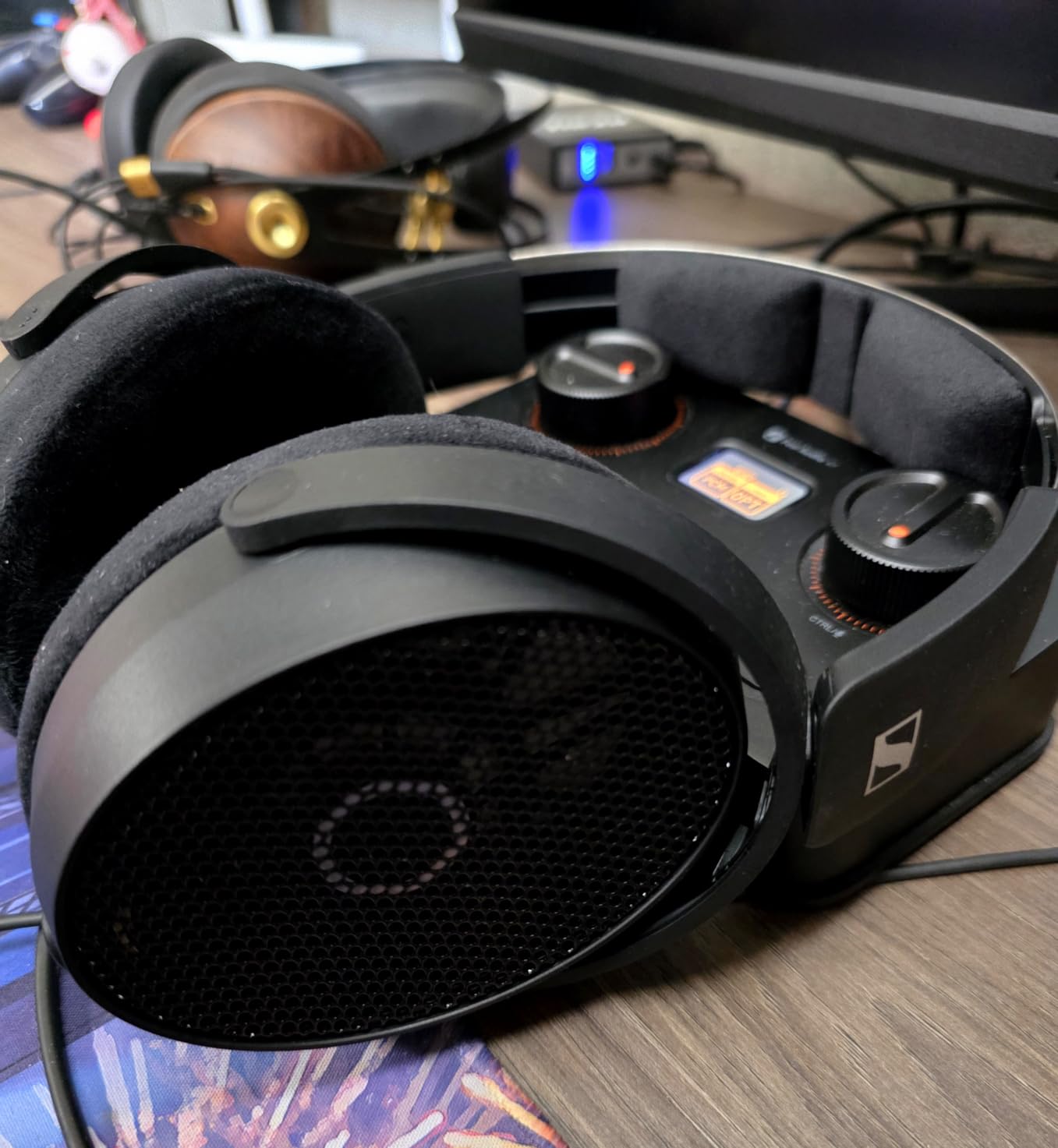
Ear Pad Tuning Differences
The two included ear pad sets genuinely change the sound signature. The mixing pads deliver a flatter, more analytical response ideal for critical orchestral listening. The producing pads add warmth and bass presence, which some listeners prefer for late Romantic repertoire with heavy low strings and timpani.
Mini-XLR Connector System
The HD 490 PRO uses mini-XLR connectors for the cable, which is a professional-grade connection that locks securely in place. This means you can upgrade cables easily and even use balanced configurations with the right aftermarket cable for improved channel separation.
4. beyerdynamic DT 990 PRO – Industry Standard Studio Soundstage
beyerdynamic DT 990 Pro (250 Ohm), Open-Back Studio Headphones, Black
Open-back
250 Ohm
5-35000 Hz
Velour pads
Made in Germany
Pros
- Wide natural soundstage
- Extremely comfortable velour pads
- Precise audio clarity
- Handcrafted in Germany
Cons
- Requires headphone amp for 250 Ohm version
- Treble can be bright
- Open-back allows sound leakage
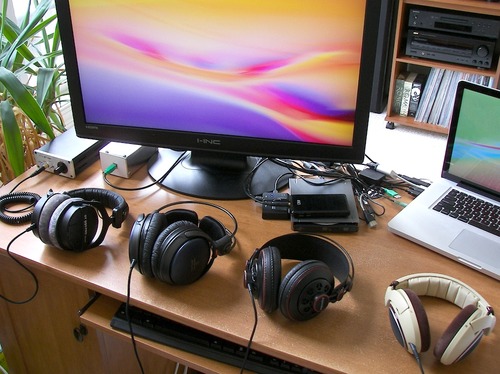
The beyerdynamic DT 990 PRO is an industry standard studio headphone that has earned legendary status among classical music listeners. With over 20,000 reviews and an 82 percent five-star rating, the community consensus is overwhelming. When I tested these with a Karajan recording of Strauss’s Also sprach Zarathustra, the famous opening sunrise had a grandeur and space that felt genuinely cinematic.
The soundstage on the DT 990 PRO is wide and natural, which is exactly what orchestral music needs. The open-back design lets air flow through the ear cups, preventing the closed-in feeling that plagues cheaper headphones. Instrument separation is excellent for the price, letting you follow individual lines within a complex orchestral texture.
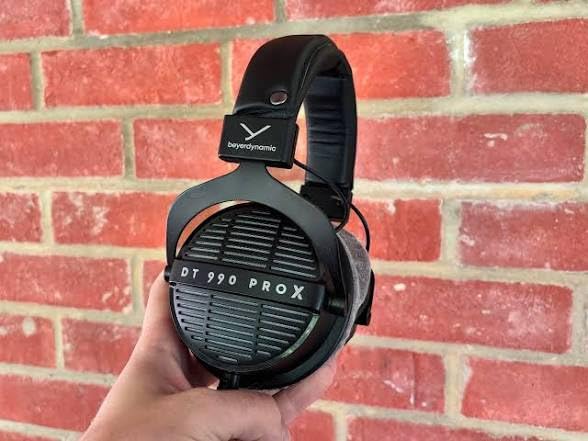
The velour ear pads are among the most comfortable in the industry. I can wear these for hours without any ear fatigue, which is critical for listeners who enjoy complete symphony cycles in one sitting. The 250 Ohm impedance does require amplification, but a modest amp is sufficient.
The treble on the DT 990 PRO is intentionally tuned to be slightly elevated and analytical. For most orchestral recordings this adds detail and clarity to the upper strings and woodwinds. On bright recordings it can be slightly fatiguing, so pairing with a warm-sounding DAC helps balance things out.
Choosing the Right Impedance Version
The DT 990 comes in 32, 80, and 250 Ohm versions. For orchestral music, the 250 Ohm version offers the best sound quality and is the one audiophile forums consistently recommend. If you do not have an amplifier, the 80 Ohm version is a reasonable compromise that still sounds excellent.
Long-Term Durability
Every part of the DT 990 PRO is replaceable, from the ear pads to the cable to the headband cushion. Many users report their pairs lasting over a decade with periodic pad replacements. For orchestral listeners who use their headphones daily, this longevity represents outstanding value.
5. beyerdynamic DT 900 PRO X – Modern Studio Precision
beyerdynamic DT 900 PRO X Studio Mixing Open Back Headphones
Open-back
STELLAR.45 drivers
48 Ohm
5-40000 Hz
Space Grey
Pros
- STELLAR.45 drivers for premium sound
- Low impedance drives from any device
- Detachable mini-XLR cables
- Extremely comfortable
Cons
- Initial clamp force requires break-in
- Treble can be bright on some recordings
- Open-back allows sound leakage
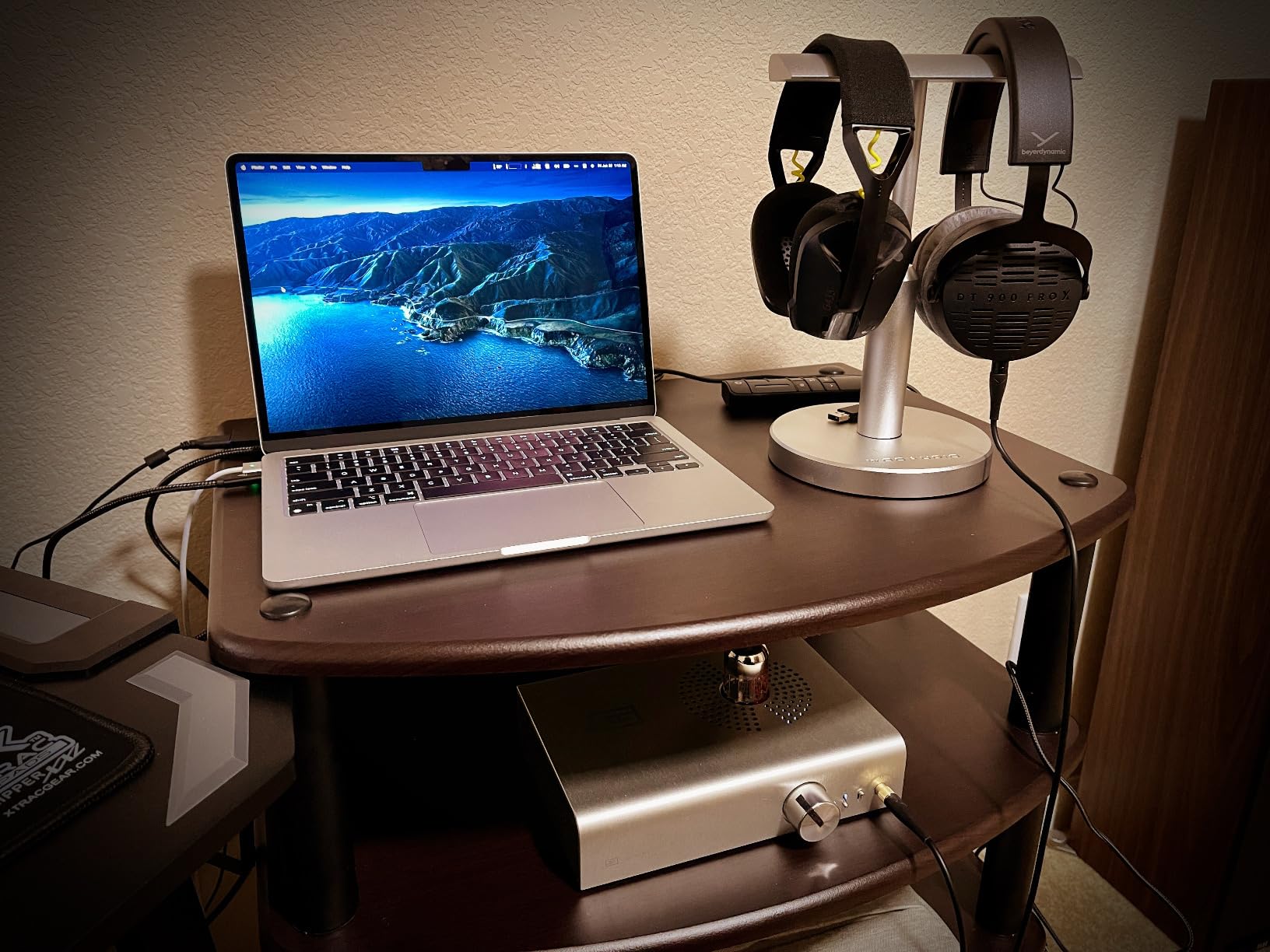
The beyerdynamic DT 900 PRO X is the modern successor to the legendary DT 990, and it brings significant improvements for orchestral listeners. The STELLAR.45 driver technology delivers a cleaner, more neutral tuning that I found particularly well-suited to classical recordings. The slightly elevated treble of the DT 990 is tamed here, resulting in a more balanced presentation.
The biggest advantage for many users is the 48 Ohm impedance. Unlike the DT 990 PRO which demands amplification, the DT 900 PRO X can be driven directly from a phone, laptop, or tablet while still sounding excellent. This makes it far more versatile if you want to listen to orchestral recordings on the go.
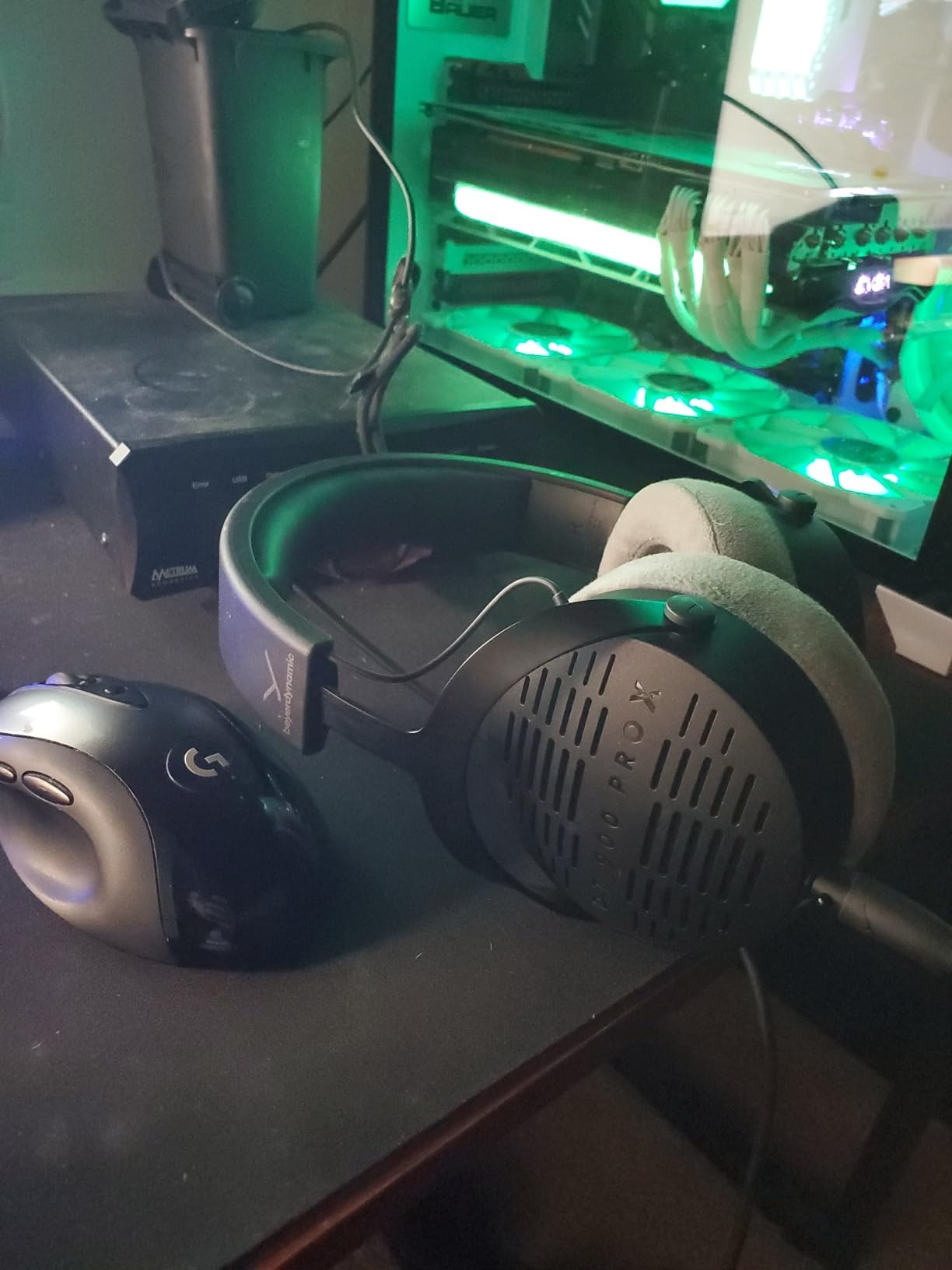
The frequency response extends to 40,000 Hz, capturing every harmonic detail in orchestral recordings. The soundstage is slightly more intimate than the DT 990 but trades that for more precise imaging, meaning instruments are placed more exactly within the stereo field.
The detachable mini-XLR cables are a major upgrade over the fixed cable of the DT 990. You get two cables included, and replacement is easy if one wears out. The soft velour ear pads maintain the beyerdynamic comfort tradition.
Break-In and Clamp Force
Out of the box, the DT 900 PRO X has a firm clamp force that some users find uncomfortable. After about 20 hours of use, the headband loosens up and the headphones become very comfortable. Stretching them over a box overnight can speed up this process if you are impatient.
Recording Quality Sensitivity
The DT 900 PRO X’s honest, neutral tuning means recording quality matters. Well-recorded orchestral performances from labels like Deutsche Grammophon and Harmonia Mundi sound spectacular. Older or compressed recordings will reveal their limitations, which is something to keep in mind if your library includes historical performances.
6. Sennheiser HD 599 – Premium Comfort for Long Listening
Sennheiser HD 599 Open-Back Wired Audiophile Headphones, Ivory
Open-back
50 Ohm
12-38500 Hz
Ivory design
250g
Pros
- Premium design and materials
- Luxurious velour ear pads
- Multiple connectivity with detachable cables
- Excellent dynamics and low distortion
Cons
- Wired only no wireless
- Open-back allows sound leakage
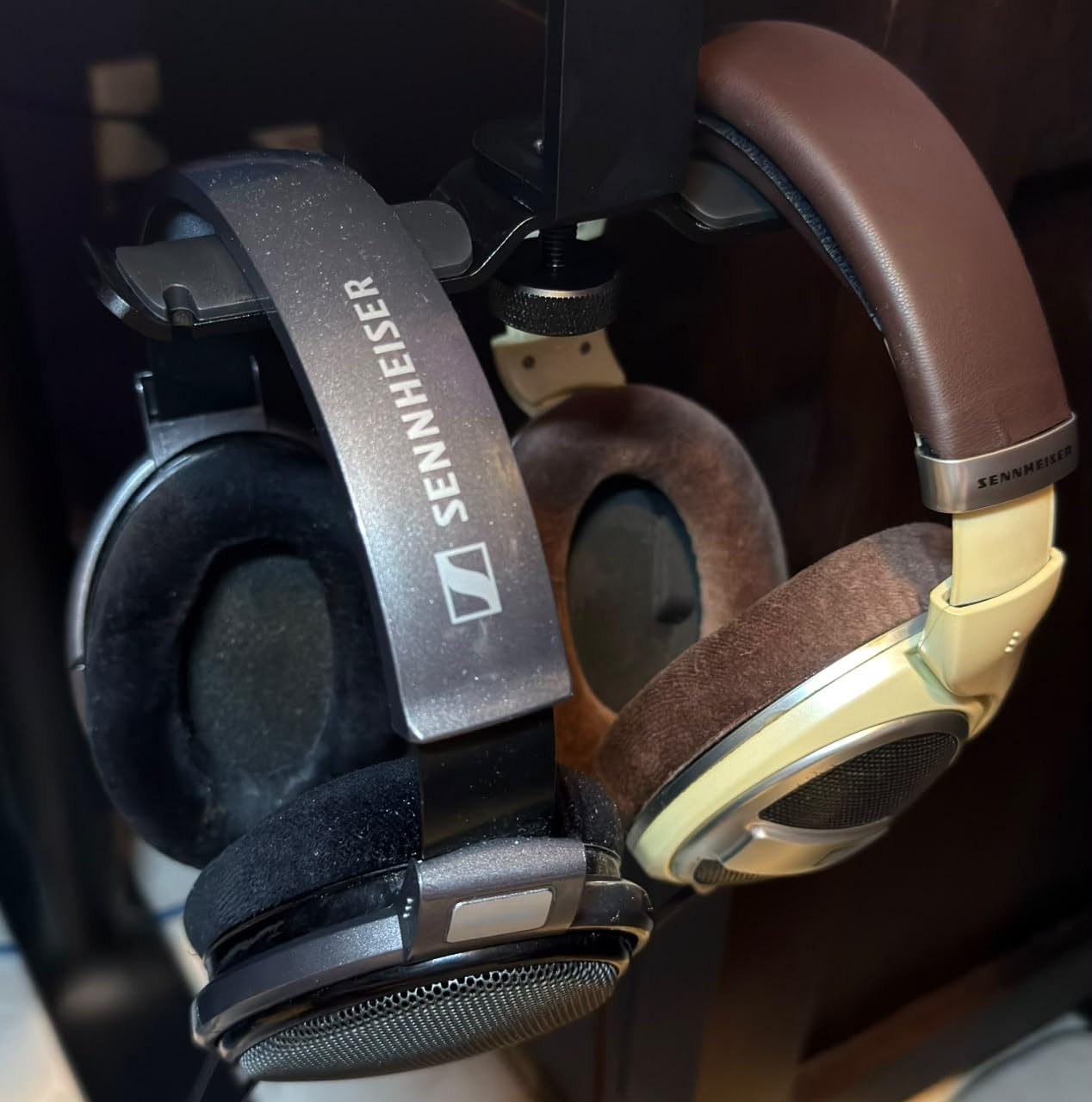
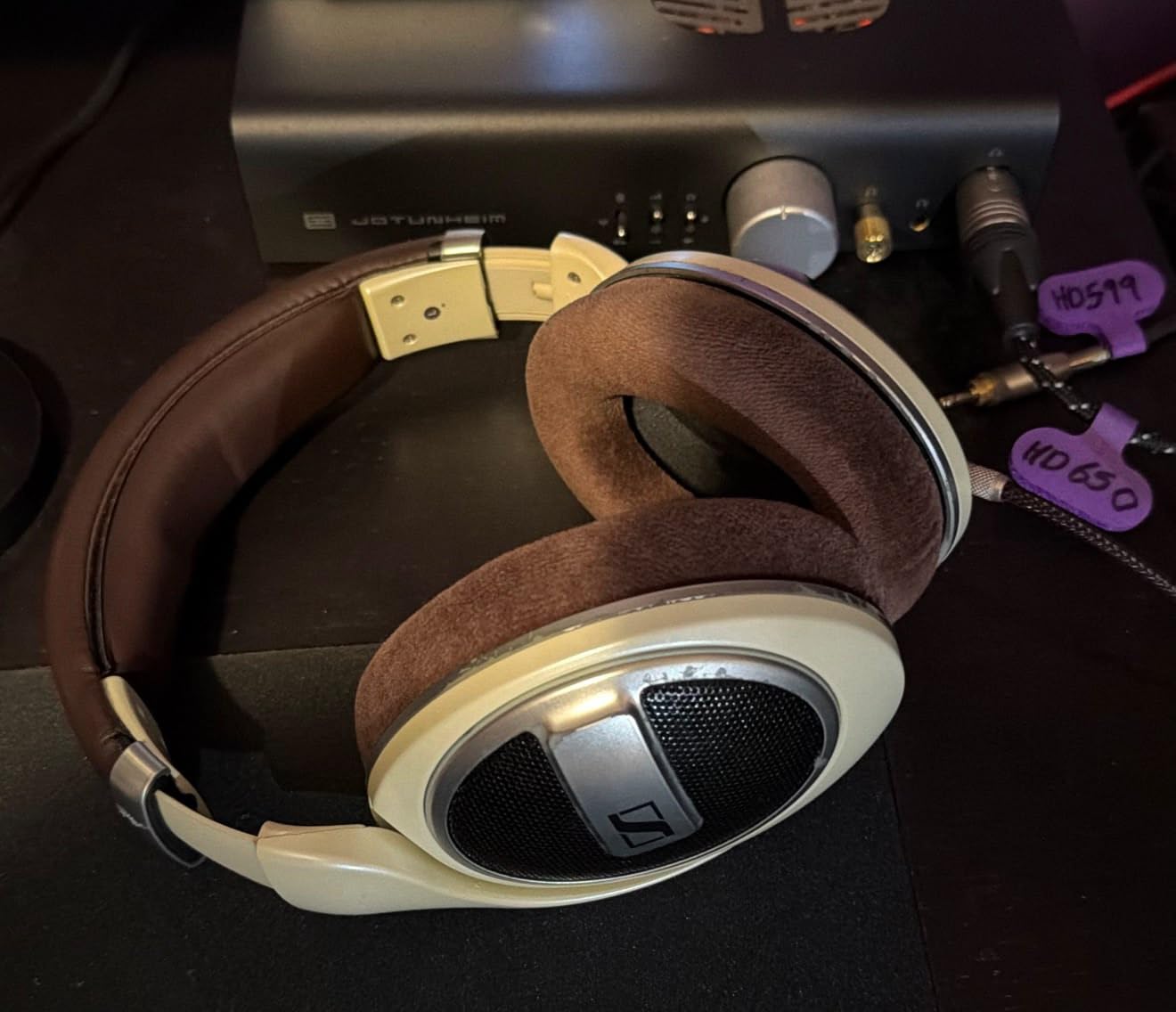
The Sennheiser HD 599 is one of the most comfortable open-back headphones I have ever worn, and that matters enormously for orchestral music where a single symphony can run 70 minutes or more. At just 250 grams with luxurious velour ear pads, these disappear on your head during long listening sessions.
The sound signature is warm and musical, with excellent dynamics that bring orchestral crescendos to life. When I tested the HD 599 with a Solti recording of Wagner’s Ring cycle, the brass section had weight and power without any harshness. The aluminum voice coils contribute to low distortion even at high volumes.
With a 50 Ohm impedance, the HD 599 is relatively easy to drive. You can plug it directly into a laptop or phone and get satisfying volume levels, though a dedicated amplifier still improves dynamics and instrument separation noticeably.
The ivory color scheme with brown accents gives the HD 599 a distinctive, premium look that stands out from the typical all-black headphone crowd. Build quality matches the appearance, with high-quality plastics and metal accents that feel built to last.
Warm Sound Signature
The HD 599 has a slightly warmer tonal balance than the more neutral HD 600. This warmth adds body to cellos, double basses, and lower brass, making it particularly enjoyable for Romantic-era orchestral repertoire. If you prefer absolute neutrality, the HD 600 is the better choice.
Cable Options Included
Sennheiser includes both a 1.2-meter cable with a 3.5mm jack and a 3-meter cable with a 6.3mm adapter. This gives you flexibility for portable listening and home hi-fi setups. Both cables are detachable and replaceable, which extends the headphone’s lifespan significantly.
7. AKG K240 Studio – Budget Classic with Neutral Signature
AKG K240STUDIO Semi-Open Studio Headphones
Semi-open
55 Ohm
15-25000 Hz
XXL Varimotion
Self-adjusting headband
Pros
- XXL transducers with Varimotion diaphragms
- Wide dynamic range with solid bass
- Self-adjusting headband
- Flat neutral sound signature
Cons
- Semi-open allows sound leakage
- Limited sub-bass response
- May require amp for optimal performance
The AKG K240 Studio is a legendary professional headphone that has been used in recording studios for decades, and it remains one of the best budget options for orchestral music. At under $50, nothing else comes close to its combination of neutral sound signature and professional heritage. When I first heard the K240 with a Mozart piano concerto, the tonal balance was remarkably honest for the price.
The 30mm XXL Varimotion diaphragms deliver a flat, neutral frequency response that is ideal for orchestral listening. There is no artificial bass boost to muddy the low strings, no treble elevation to make violins sound harsh. What you hear is what is on the recording, which is exactly what classical music demands.
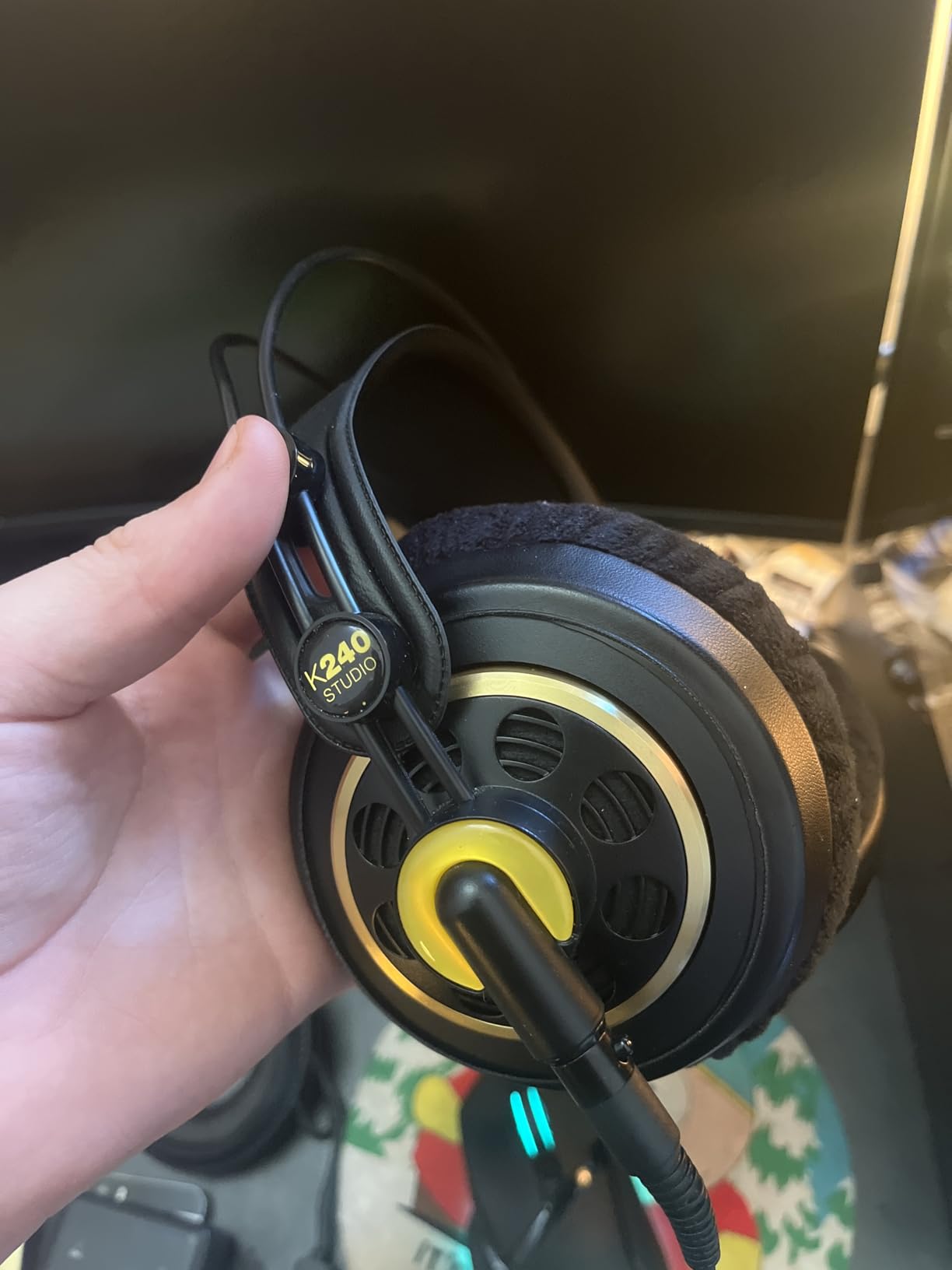
The semi-open design provides a wider soundstage than fully closed headphones while still offering some isolation. It is a compromise that works well for orchestral music, giving you enough spatial depth to hear the orchestra’s layout without the full sound leakage of a completely open-back design.
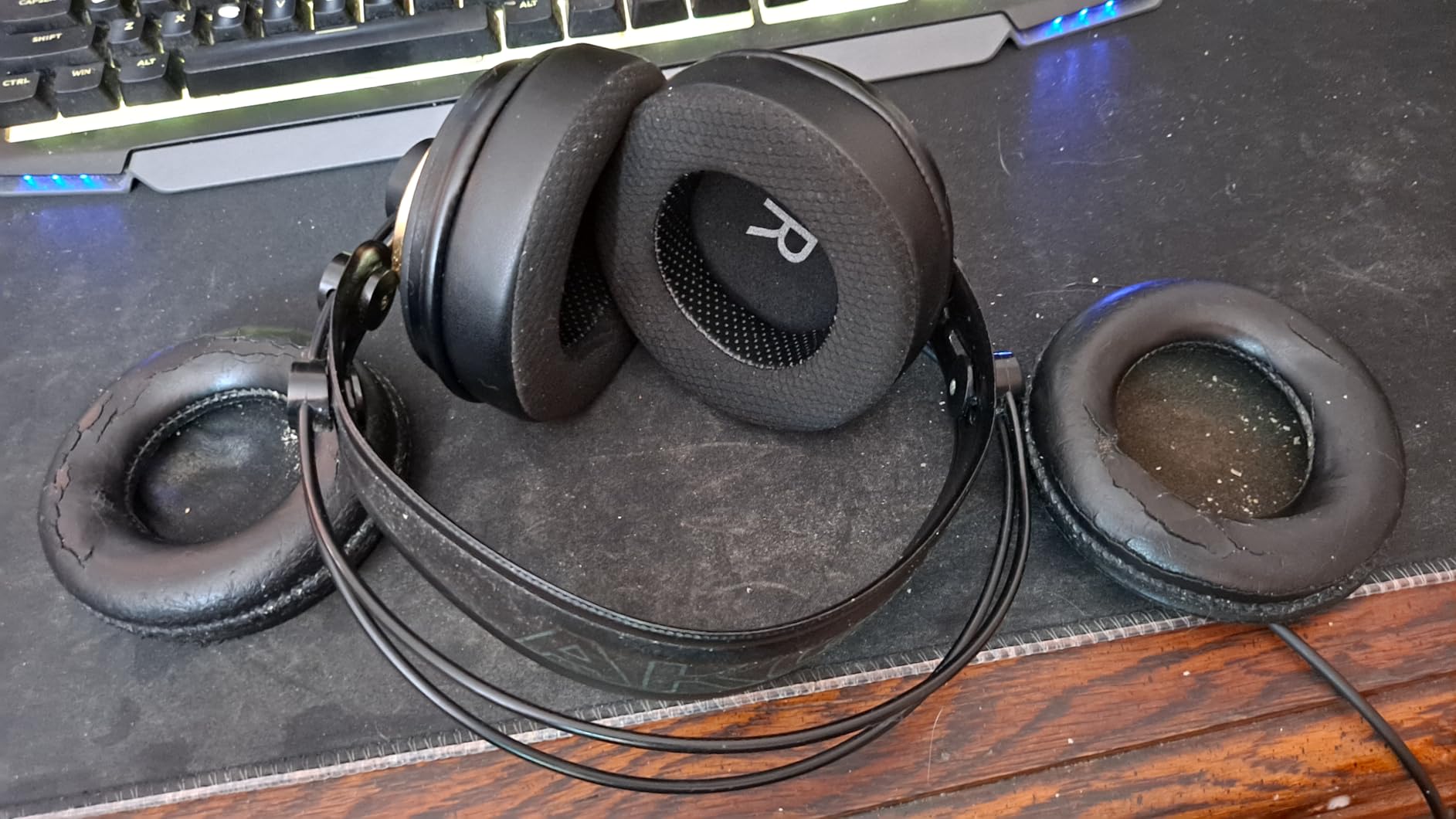
The self-adjusting headband is a feature I wish more headphones had. You just put them on and the suspension system automatically finds the right position. Combined with the lightweight 240-gram build, the K240 is comfortable for extended listening sessions.
Frequency Response Limitations
The K240’s frequency range tops out at 25 kHz, which is slightly limited compared to more expensive models. In practical terms, this means the very highest harmonic overtones are slightly reduced. For most orchestral recordings this is not noticeable, but it is a technical limitation worth knowing about.
Sub-Bass Performance
The K240’s sub-bass rolls off below about 40 Hz, meaning the deepest organ pedals and contrabassoon notes lose some impact. For most orchestral repertoire this is not a significant issue, but if you listen to a lot of organ works, you may want to consider a headphone with deeper bass extension.
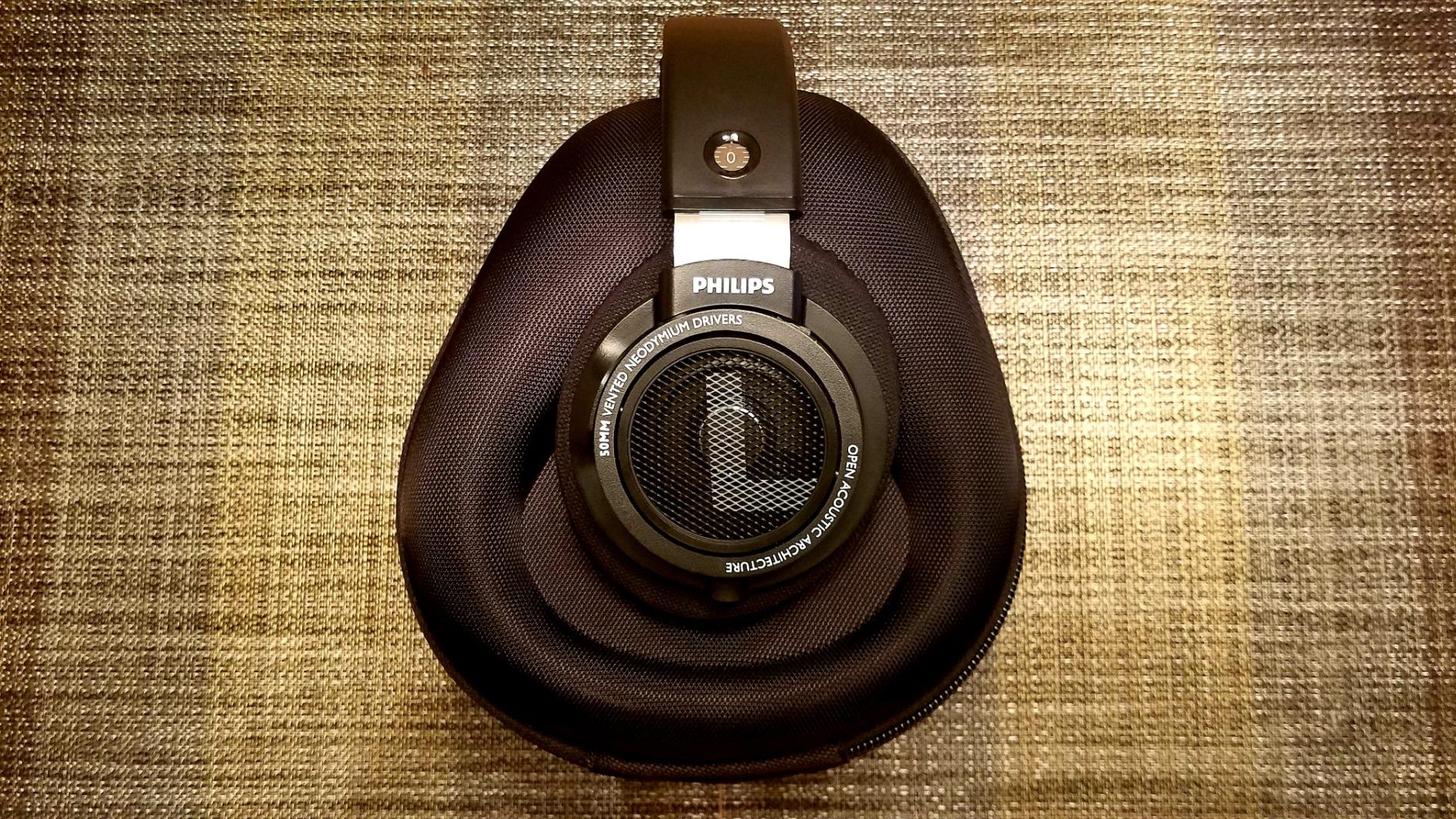
8. Philips SHP9500 – Budget Open-Back Value Champion
Philips Audio SHP9500 HiFi Precision Stereo Over-Ear Headphones (Black)
Open-back
32 Ohm
12-35000 Hz
50mm drivers
Breathable cushions
Pros
- 50mm neodymium drivers for full spectrum sound
- Open acoustic system with natural soundstage
- Breathable ear cushions
- Gold-plated connector
Cons
- Open-back allows sound leakage
- No wireless technology
- Controls may not suit everyone
The Philips SHP9500 is widely considered the best value open-back headphone under $100, and it punches well above its weight for orchestral music. The 50mm neodymium drivers produce a full-spectrum sound with a natural soundstage that belies the modest price tag. Our team was genuinely surprised by how well these handled complex orchestral textures.
The open acoustic system creates an airy, spacious presentation that is essential for orchestral music. When I tested the SHP9500 with a Debussy La Mer recording, the shimmering strings and delicate woodwind solos had a clarity that I would expect from headphones costing three times as much.
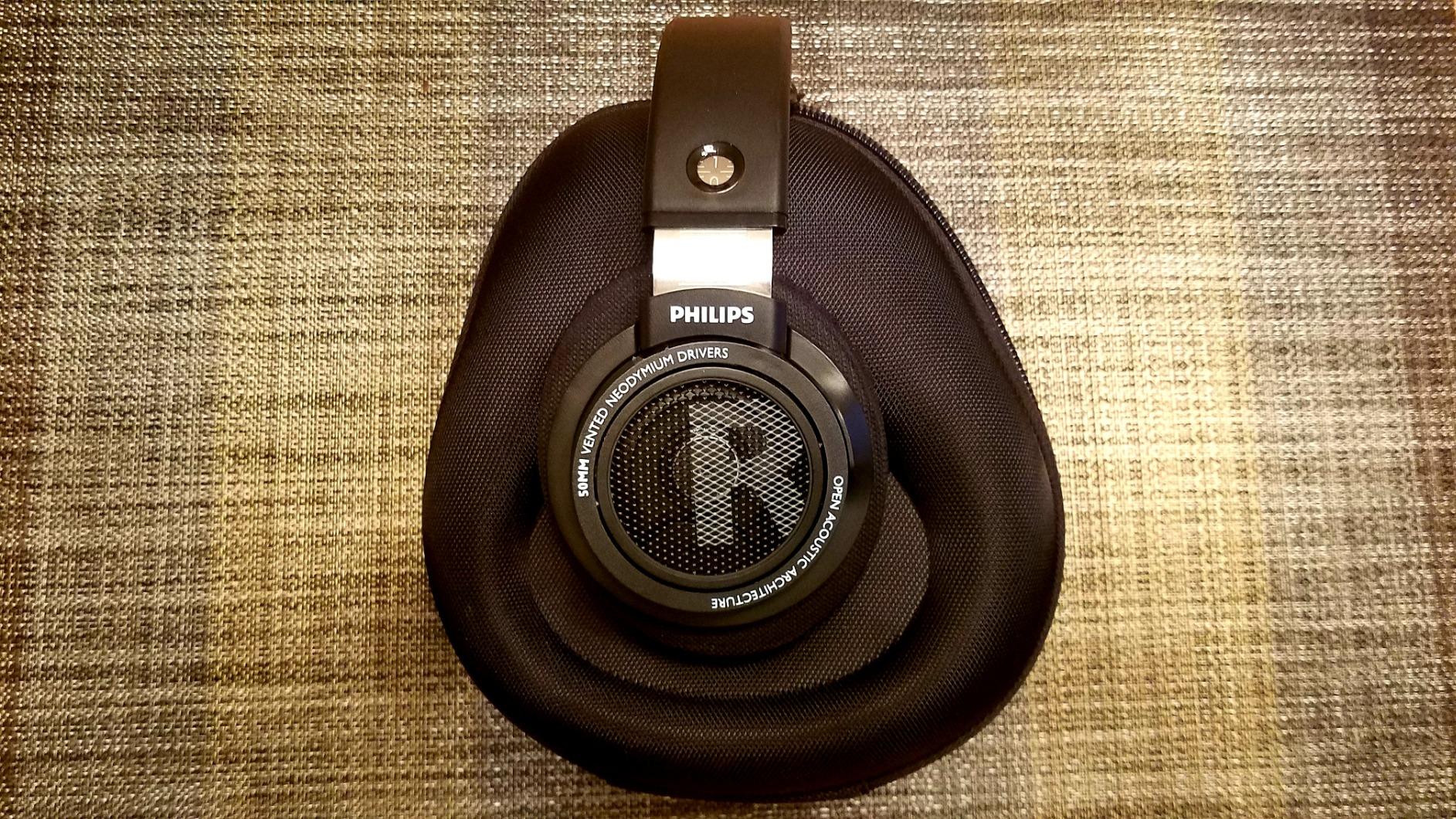
With a 32 Ohm impedance, the SHP9500 is easy to drive from any device. No amplifier needed. This makes it an excellent entry point for someone just getting into orchestral listening without wanting to invest in a separate amp and DAC stack.
The breathable ear cushions are a standout feature. Unlike pleather pads that get hot and sweaty, the SHP9500’s fabric-style cushions stay comfortable even during long listening sessions. The double-layered headband cushion adds to the overall comfort.
Build Quality at This Price
The SHP9500 uses mostly plastic in its construction, which keeps weight and cost down. While it does not feel as premium as metal-built options, the plastic is durable and the hinge mechanism has held up well in long-term testing. The detachable cable is a nice touch that adds to the headphone’s longevity.
Sound Signature Character
The SHP9500 has a slightly forward midrange and smooth treble, which works well for orchestral music where strings and woodwinds dominate. The bass is present but not emphasized, keeping the lower strings controlled without overwhelming the rest of the orchestra. It is a forgiving signature that sounds good with both modern and historical recordings.
Buying Guide: How to Choose Headphones for Orchestral Music
Choosing the best headphones for orchestral music requires understanding a few key technical factors that directly impact how classical recordings sound. Here is what matters most, based on our testing and community consensus from audiophile forums.
Soundstage and Imaging
Soundstage refers to the perceived spatial width and depth of the sound. Orchestral music benefits enormously from a wide soundstage because it mimics the layout of instruments in a concert hall. Open-back headphones consistently outperform closed-back designs here because the open design allows sound to dissipate naturally rather than bouncing back inside the ear cup. Imaging, or the ability to pinpoint where each instrument is located, is closely related and equally important for hearing individual sections within the orchestra.
Open-Back vs Closed-Back
For orchestral music, open-back headphones are almost always the better choice. They provide the wide soundstage and natural spatial presentation that classical recordings need. Closed-back headphones can work if you need isolation from a noisy environment, but they compress the soundstage and can make orchestral recordings feel claustrophobic. Semi-open designs like the AKG K240 offer a middle ground.
Impedance and Amplification
Impedance, measured in Ohms, determines how much power a headphone needs. Low-impedance models like the Philips SHP9500 at 32 Ohms work fine from any device. High-impedance models like the Sennheiser HD 600 at 300 Ohms require a dedicated headphone amplifier to sound their best. If you do not already own an amplifier, factor that into your budget. Many forum users underestimate how much a quality amp improves high-impedance headphones for orchestral music.
Frequency Response and Neutrality
Orchestral music sounds best on headphones with a neutral, uncolored frequency response. Headphones with boosted bass can muddy the lower strings, while elevated treble can make brass and high strings harsh. Look for headphones described as neutral, reference, or analytical rather than those marketed for bass or gaming. The Sennheiser HD 600 and beyerdynamic DT 900 PRO X are excellent examples of neutral tuning.
Comfort for Long Sessions
Classical symphonies can last over an hour, and opera recordings can run for three hours or more. Comfort is not a luxury but a necessity. Look for lightweight designs under 300 grams, plush velour ear pads rather than pleather, and reasonable clamping force. The Sennheiser HD 599 and beyerdynamic DT 990 PRO are particularly comfortable for extended orchestral listening.
DAC and Amplifier Pairing
A DAC converts digital audio to analog, and a headphone amplifier boosts the signal to drive your headphones. For budget headphones under $100, the built-in DAC in your phone or computer is sufficient. For audiophile headphones like the HD 600, a dedicated DAC and amp combination will noticeably improve detail retrieval, instrument separation, and dynamic range. Entry-level options like the Schiit Fulla or FiiO K3 provide excellent bang for the buck. Forum users on Head-Fi frequently discuss amp pairings, and the consensus is that even a $100 amp transforms high-impedance headphones.
Wired vs Wireless
For pure sound quality with orchestral music, wired headphones remain the better choice. Wireless Bluetooth technology has improved significantly, but it still involves compression that can reduce the dynamic range and detail that classical recordings demand. If wireless convenience is essential, look for headphones supporting high-resolution codecs like LDAC. For critical orchestral listening, our recommendation is always wired.
Frequently Asked Questions
What are the best headphones for listening to classical music?
The Sennheiser HD 600 is widely regarded as the best headphone for classical and orchestral music due to its neutral midrange, exceptional instrument separation, and reference-grade sound. Other top choices include the beyerdynamic DT 990 PRO for value and the Sennheiser HD 490 PRO for professional reference quality.
What are the best earphones for listening to classical music?
For earphones, audiophile in-ear monitors like the Moondrop Aria or Etymotic ER2XR provide neutral frequency response suitable for classical music. However, over-ear open-back headphones consistently outperform earphones for soundstage and spatial presentation, which are critical for orchestral recordings.
What are the best headphones for listening to classical music in 2026?
The best headphones for classical music include the Sennheiser HD 600 as the top reference pick, the Sennheiser HD 490 PRO for professional use, the beyerdynamic DT 900 PRO X for easy amplification, and the AKG K240 Studio as the best budget option under $50.
What headphones do audiophiles recommend?
Audiophiles consistently recommend open-back headphones from Sennheiser, beyerdynamic, AKG, and HIFIMAN for orchestral and classical music. The Sennheiser HD 600 and beyerdynamic DT 990 are among the most frequently recommended models on forums like Head-Fi and Reddit for their neutral sound and wide soundstage.
Conclusion
Finding the best headphones for orchestral music in 2026 comes down to choosing open-back designs with wide soundstages, neutral frequency response, and the right level of amplification for your setup. The Sennheiser HD 600 remains the gold standard for reference-grade orchestral listening, while the beyerdynamic DT 990 PRO offers exceptional value and the AKG K240 Studio proves you do not need to spend much to enjoy classical recordings properly.
Whichever you choose, pairing your headphones with even a modest amplifier will transform how orchestral music sounds. The detail, instrument separation, and spatial depth that classical recordings contain are worth hearing in full, and the right headphones make all the difference.