
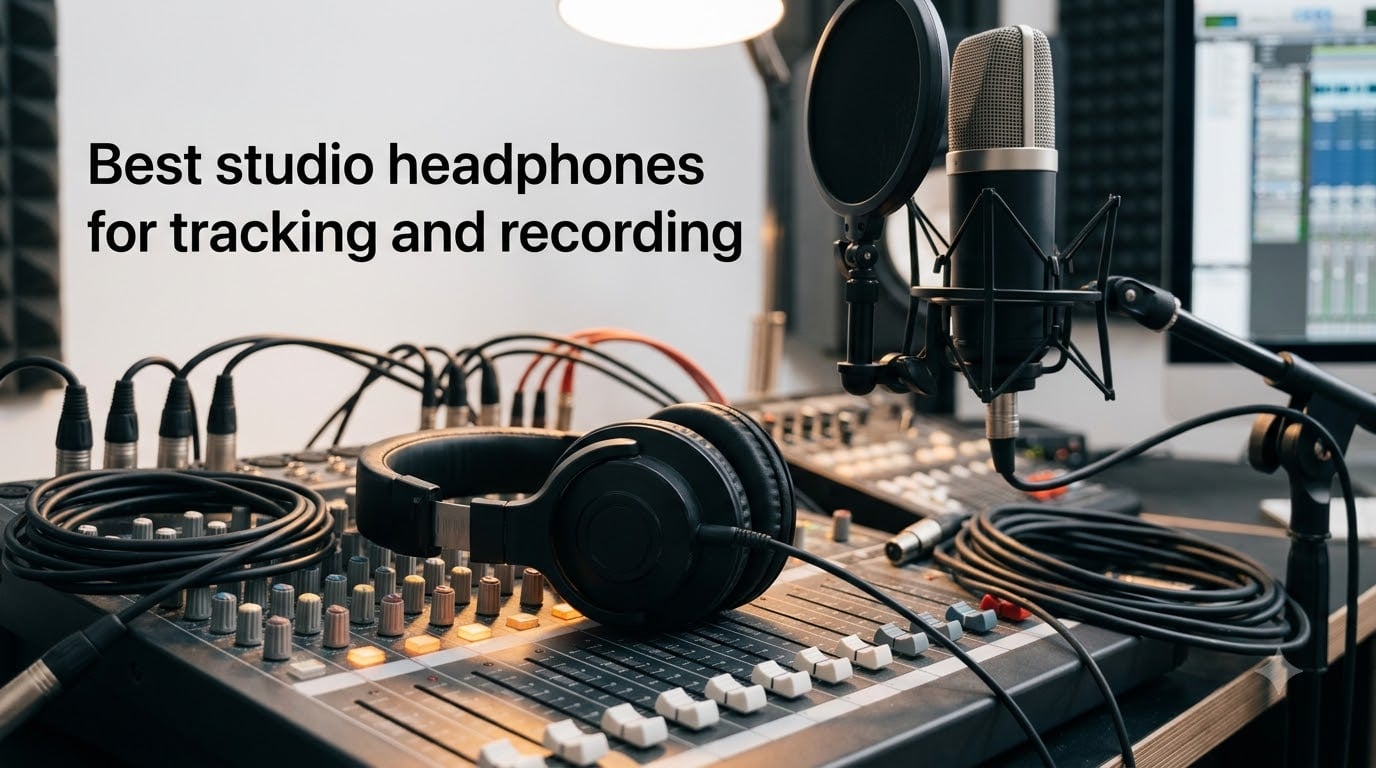
I have spent more hours than I can count wearing studio headphones while tracking vocals, guitars, and drums in my home studio. After years of swapping pairs and testing what actually survives daily recording sessions, I can tell you that the best studio headphones for tracking and recording are closed-back models that stop sound from leaking into your microphone while staying comfortable for hours.
Tracking headphones have one job that matters above everything else: isolation. When a vocalist records over a backing track, any sound that escapes the earcups gets captured by the mic. That leaked signal, called headphone bleed, makes editing takes a nightmare and can ruin a mix with phasing artifacts. If you have ever wondered why your vocal recordings sound washy or hollow, bleed is usually the culprit.
The catch is that most headphone guides blur the line between tracking and mixing. Mixing headphones prioritize an open, neutral soundstage, even if that means leaking sound everywhere. Tracking headphones are the opposite: sealed cups, firm clamp, and enough isolation to let a singer crank the cue mix without the mic hearing a trace of it. Comfort matters too, because a singer who is distracted by pinched ears after twenty minutes is not giving you their best take.
In this guide, my team and I break down eight models that earned their place in real recording sessions, from industry standards like the Sony MDR-7506 to velour-padded workhorses from Beyerdynamic. If you also practice keys or want a pair for silent rehearsal, check out our companion guide on the best headphones for digital piano practice. Below you will find quick picks, a full comparison table, detailed first-person reviews, a buying guide covering closed-back design and impedance, and answers to the questions producers ask most.
Table of Contents
Top 3 Picks for Tracking and Recording (October 2026)
These three win for most people. The ATH-M50x is the pair I reach for first, the MDR-7506 is the decades-long industry standard at a lower price, and the DT 770 Pro is the comfort king for long tracking dates.

Audio-Technica ATH-M50x
- 45mm drivers
- Detachable cables
- Excellent isolation
- Swiveling earcups

Sony MDR-7506
- Industry standard since 1991
- 40mm neodymium drivers
- 10Hz-20kHz
- 9.8ft coiled cord
Best Studio Headphones for Tracking and Recording in 2026
Here is the full lineup side by side before we get into the details. Every model here is closed-back except the AKG K240STUDIO, which is semi-open and included with a clear warning about when to use it.
| Product | Specifications | Action |
|---|---|---|
| Audio-Technica ATH-M50x |
|
Check Latest Price |
| Sony MDR-7506 |
|
Check Latest Price |
 Beyerdynamic DT 770 Pro (80 Ohm) Beyerdynamic DT 770 Pro (80 Ohm) |
|
Check Latest Price |
 Audio-Technica ATH-M40x Audio-Technica ATH-M40x |
|
Check Latest Price |
 Shure SRH840A Shure SRH840A |
|
Check Latest Price |
 Audio-Technica ATH-M30x Audio-Technica ATH-M30x |
|
Check Latest Price |
 Beyerdynamic DT 700 PRO X Beyerdynamic DT 700 PRO X |
|
Check Latest Price |
 AKG K240STUDIO AKG K240STUDIO |
|
Check Latest Price |
1. Audio-Technica ATH-M50x – Best Overall for Tracking and Recording
Audio-Technica ATH-M50X Professional Studio Monitor Headphones, Black, Professional Grade, Critically Acclaimed, with Detachable Cable
45mm drivers
38 ohm impedance
20Hz-28kHz
Detachable cable
2 year warranty
Pros
- Critically acclaimed clarity with deep accurate bass
- Three detachable cables included
- Excellent sound isolation
- Collapsible with swiveling earcups
- Professional grade build
Cons
- Tight clamping force out of the box
- Ear cups can get warm during long sessions
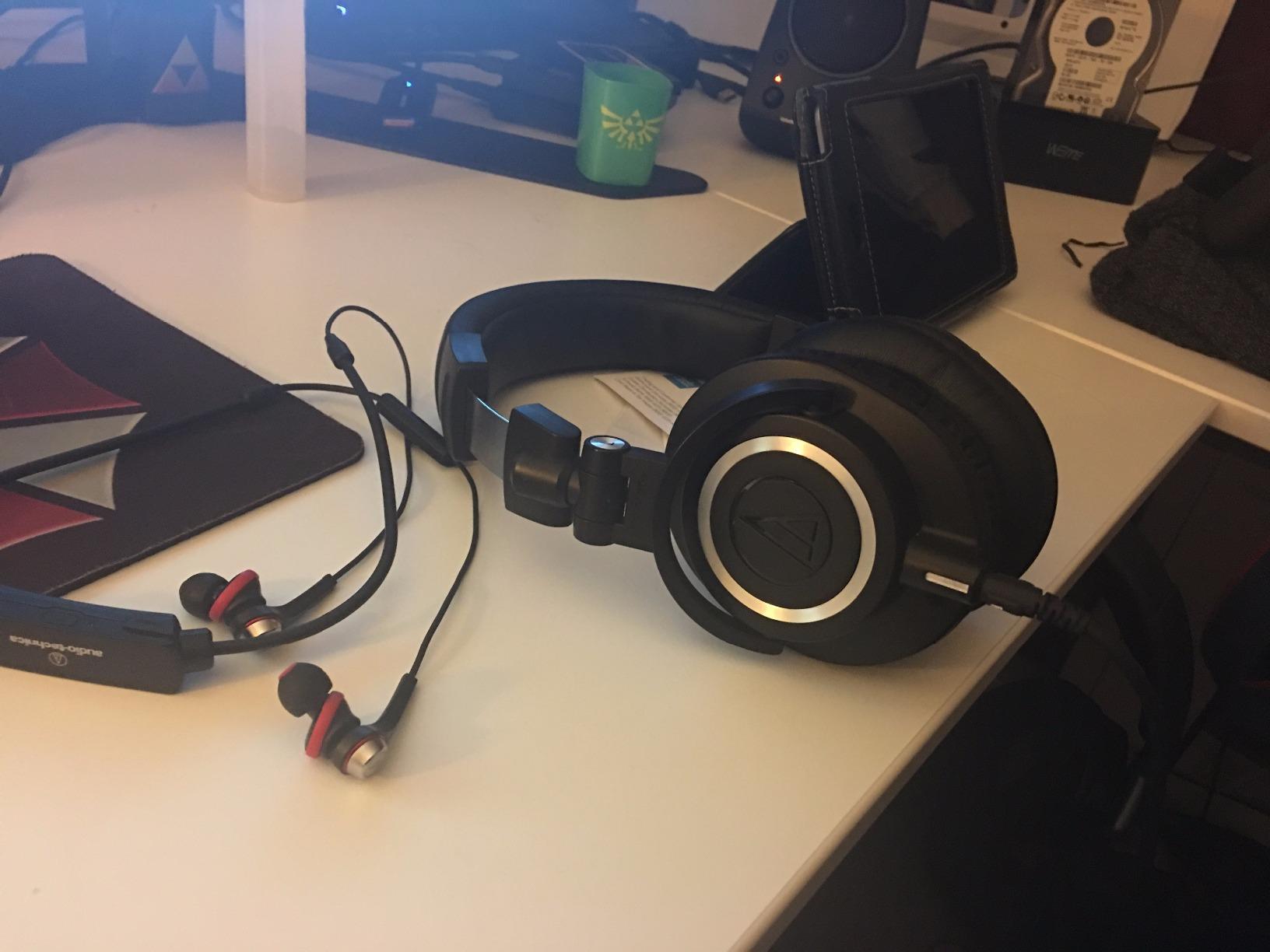
The ATH-M50x is the pair that lives on my desk permanently, and it earned that spot through hundreds of tracking sessions. The 45mm drivers with rare earth magnets deliver a level of clarity that lets singers hear their pitch precisely, which means fewer retakes and faster sessions. The circumaural design contours around the ears and provides genuinely excellent isolation in loud environments.
What makes the M50x the best studio headphones for tracking and recording in my view is the balance it strikes. It isolates well enough for vocal tracking, sounds good enough that musicians actually enjoy their cue mix, and survives being tossed in a gig bag night after night. The 90-degree swiveling earcups are a small feature that becomes indispensable the first time a drummer flips one cup back to hear the room while keeping the click in the other ear.
The detachable cable system is the reason my first pair is still in service. Cables are the first thing to fail on any headphone, and Audio-Technica includes three of them: a long straight cable for the control room, a coiled cable for the live room, and a short one for portable use. When one wears out, you swap it instead of replacing the headphones.
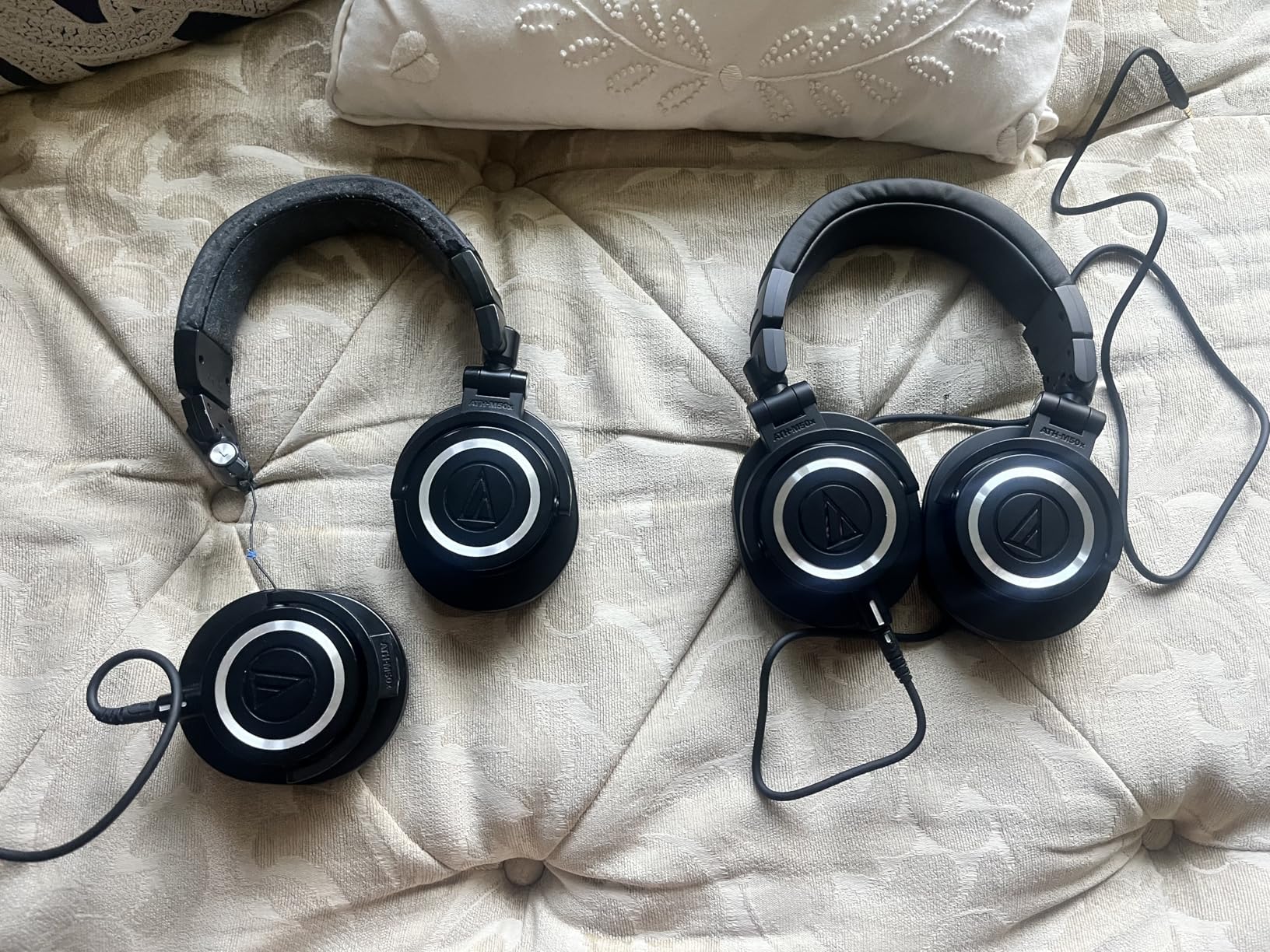
Technically, the 38-ohm impedance means the M50x drives happily from any audio interface headphone output, phone, or laptop with no external amp required. Frequency response stretches from 20Hz to 28kHz, so there is usable headroom at both extremes, and the bass stays accurate rather than boomy, which keeps vocal cues honest.
The downsides are real but manageable. The clamping force is tight when new, and some users with larger heads find it fatiguing after an hour. The cups also run warm because the sealed design trades breathability for isolation. Both issues fade as the pads break in, and neither has ever driven me to switch pairs mid-session.
Who should buy the ATH-M50x
This is the pick if you want one pair that handles tracking, some casual mixing, and everyday listening without compromise. It is ideal for home studio owners, podcasters, and producers who record themselves and need reliable isolation plus a flattering but honest cue sound.
It is also the right call if you plan to travel with your headphones. The folding design, included pouch, and replaceable cables make it far more portable than most studio-only competitors.
Who should skip it
If your sessions run four hours or longer and you have a sensitive scalp, the clamp may wear on you before the session ends. Comfort-first trackers should look at the velour-padded DT 770 Pro below instead.
Purists who want a strictly flat response for critical mixing should also consider the M40x or SRH840A, since the M50x has a slightly elevated low end compared to a reference-neutral tuning.
2. Sony MDR-7506 – The Industry Standard
Sony MDR7506 Professional Large Diaphragm Headphone
40mm neodymium drivers
63 ohm
10Hz-20kHz
9.8ft coiled cord
Foldable
Pros
- Industry standard since 1991
- Revealing detailed sound
- Great passive isolation
- Comfortable for long sessions
- Includes case and 1/4 inch adapter
Cons
- Non-detachable cable
- Ear pads flake after a few years
- Only 90 day warranty
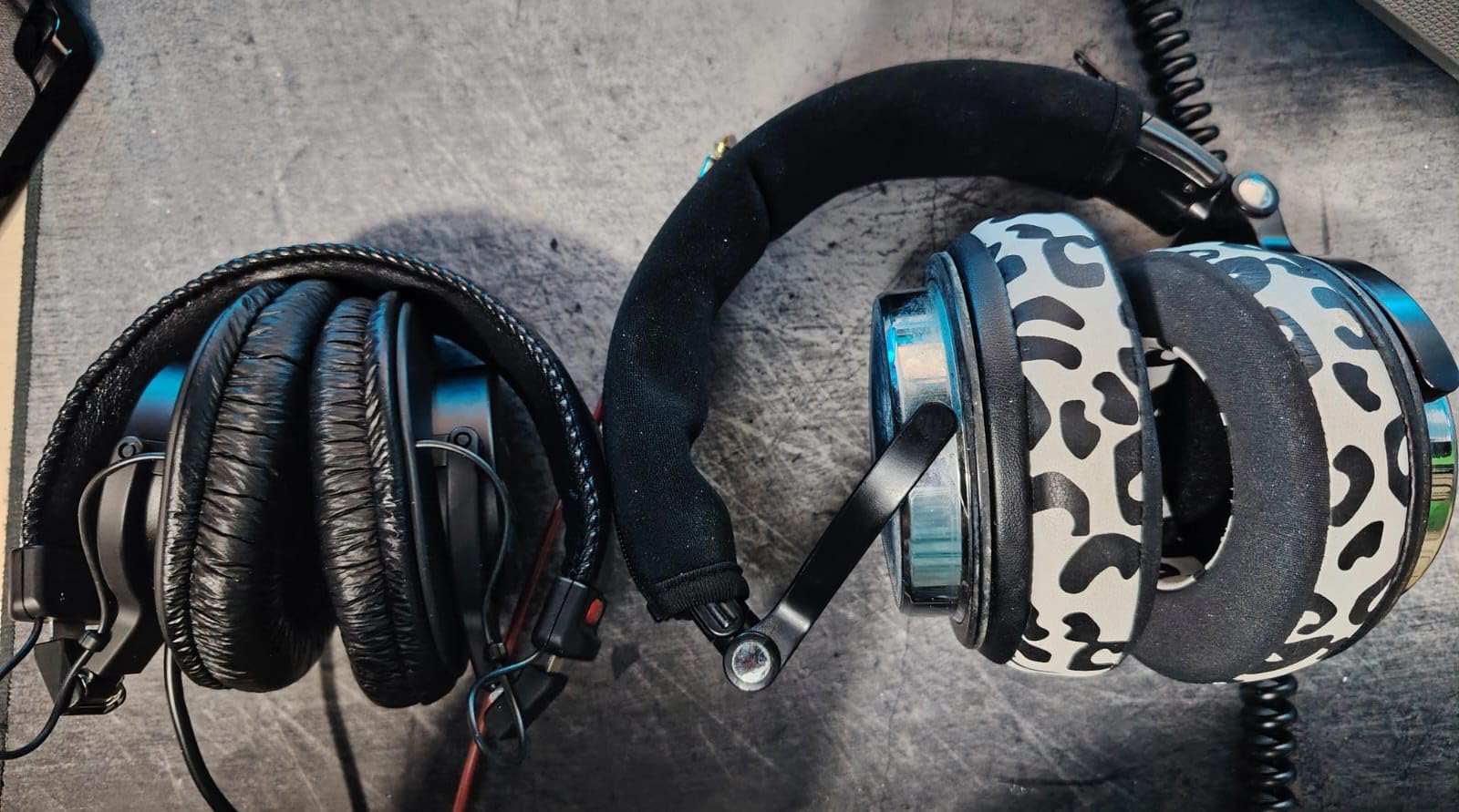
Walk into any commercial recording studio in the world and count the yellow-lined MDR-7506 cups hanging off the console. I own a pair that has been in service for over a decade, and forum threads are full of engineers whose units have lasted just as long, which tells you everything about longevity.
The reason this model has survived since 1991 is a sound signature that engineers describe as incredibly revealing. The 40mm neodymium drivers do not flatter a performance, they expose it, which is exactly what you want when a vocalist needs to hear pitch and timing issues in the cue mix. The closed-ear design also provides outstanding reduction of external noise for tracking.
For the price, nothing else comes close in terms of proven reliability. The rugged construction, folding frame, and included soft case make it a studio workhorse that gets thrown in drawers and still powers on the next day. The 9.8-foot coiled cord stretches across a live room without dragging on the floor.
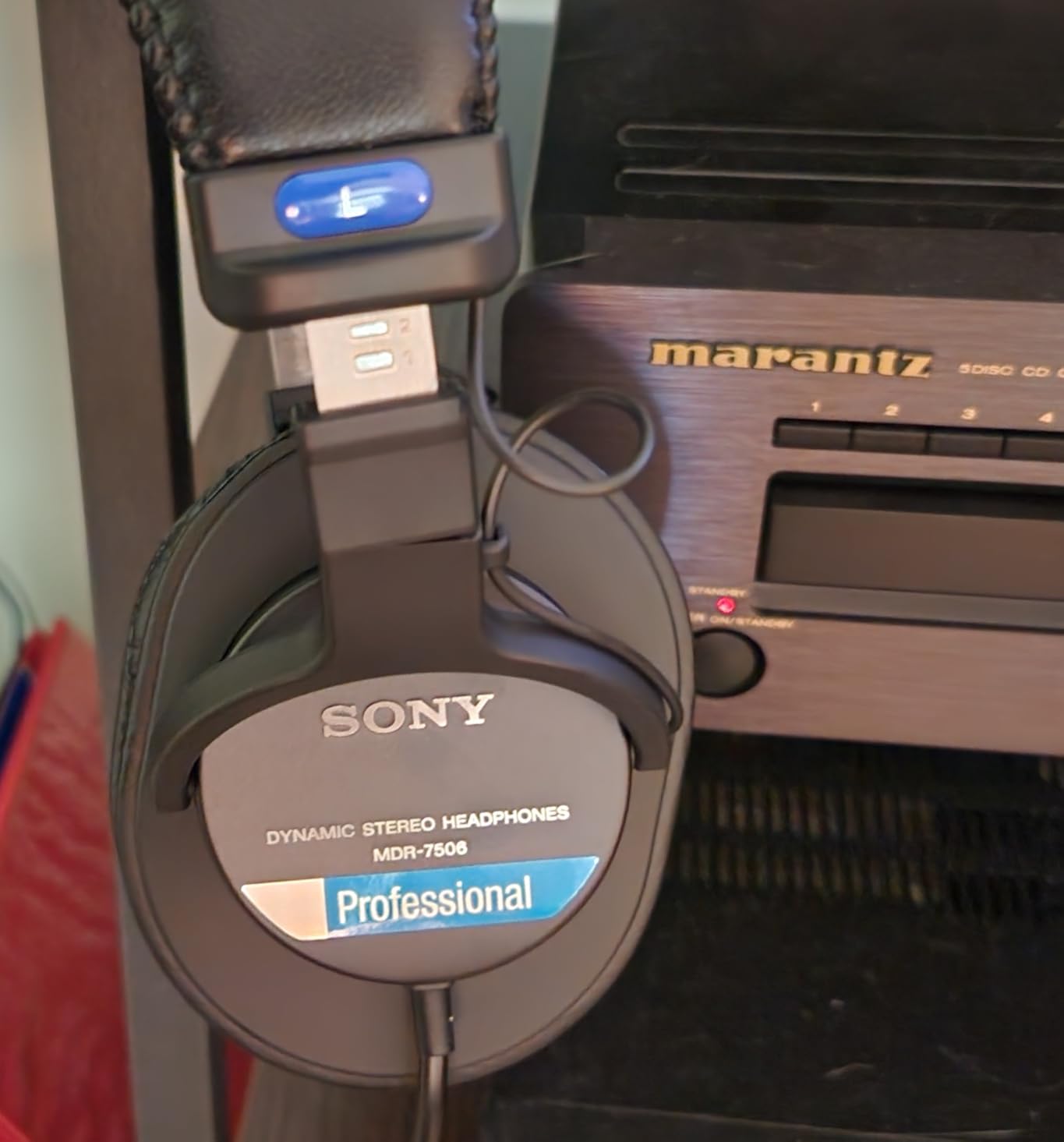
Technically, the 63-ohm impedance is still easy to drive from any interface, and the 10Hz to 20kHz response covers the full audible band with headroom in the sub-bass. Sensitivity is high at 106 dB/W/m, so it gets loud from weak headphone outputs without distortion, a genuine advantage when tracking quiet singers who want a hot cue mix.
The weaknesses are the tradeoffs of an old design. The cable is permanently attached, so when it fails, the headphones need a solder repair or replacement. The stock ear pads also have a known tendency to flake after a few years, though replacement pads are cheap and take five minutes to install.
Who should buy the MDR-7506
This is the pick for anyone who wants proven studio DNA at the lowest possible entry price. It suits engineers who track in treated rooms, journalists recording in the field, and anyone building a multi-headphone cue system for a band on a budget.
It is also the model I recommend most often as a first serious headphone, because everything you learn on it translates directly to commercial studio workflows.
Who should skip it
If a detachable cable is non-negotiable for you, look at the M50x or DT 770 Pro instead. The fixed cable is the single biggest complaint in long-term reviews.
Bass-forward listeners may also find the 7506 too lean in the low end. It is tuned for accuracy, not excitement, so hip-hop and EDM tracking sessions may feel underpowered in the cue mix.
3. Beyerdynamic DT 770 Pro (80 Ohm) – Best Comfort for Long Sessions
beyerdynamic DT 770 Pro Studio Headphones (80 Ohm, Black)
80 ohm impedance
5Hz-35kHz
Velour ear pads
3m straight cable
German made
Pros
- Exceptional velour pad comfort
- Minimal sound leakage in both directions
- Balanced response
- Fully serviceable replaceable parts
- Handcrafted in Germany
Cons
- 80 ohm version may need an amp for full volume
- Ears can get warm
- Slightly bright at high volumes
The DT 770 Pro is the headphone I hand to vocalists during long album sessions, because the soft velour ear pads keep them comfortable for entire days. Where pleather pads start sticking and sweating after an hour, the velour breathes, and that difference decides whether a singer stays in the zone.
For tracking specifically, the closed-back construction is engineered for minimal sound leakage in both directions. The backing track stays in the cups and the room stays out, which is the entire point of a tracking headphone. In my bleed tests against other closed models, the DT 770 consistently ranks among the quietest on the outside.
The build philosophy is what justifies the higher price. Every part is serviceable: the pads, the headband, the drivers, and even the cable can be replaced, which is why studios run these for a decade or more. Handcrafted in Germany with over a century of driver expertise behind it, this is a buy-once purchase.
Technically, the 5Hz to 35kHz frequency response is the widest in this lineup, and the balanced tuning works well enough that many engineers mix on these after tracking. The 3m straight cable ends in a 3.5mm plug with a gold-plated 1/4-inch adapter included, so it connects anywhere.
The main caveat is impedance. The 80-ohm version wants a bit of current to reach full volume, and while most modern audio interfaces drive it fine, weaker phone and laptop outputs leave it sounding polite. If you track exclusively from a phone, the 32-ohm version or the DT 700 PRO X is the safer bet.

Who should buy the DT 770 Pro
This is the pick for vocalists and session musicians who wear headphones for hours at a time. It is also the smart choice for anyone who wants one pair for both tracking and late-night mixing reference checks, thanks to the balanced response.
Long-term owners who hate replacing gear will love the fully serviceable design. You are buying a system, not a disposable product.
Who should skip it
If you track from a phone, tablet, or a budget interface with a weak headphone amp, the 80-ohm impedance may leave you wanting more volume. Consider the DT 700 PRO X instead.
Listeners sensitive to treble should also note that the DT 770 runs slightly bright at higher volumes, which some vocalists find harsh on sibilant material.
4. Audio-Technica ATH-M40x – Best Value for Accuracy
Audio-Technica ATH-M40x Professional Studio Monitor Headphone, Black, with Cutting Edge Engineering, 90 Degree Swiveling Earcups, Pro-Grade Earpads/Headband, Detachable Cables Included
40mm drivers
35 ohm
15Hz-24kHz
Detachable cables
2 year warranty
Pros
- Nearly flat neutral response
- Detachable straight and coiled cables
- Great sound isolation
- Swiveling earcups
- Undercut the M50x on price
Cons
- Stock ear pads run small
- Plastic hinges are a durability concern
- Slightly forward midrange
The M40x is the headphone I recommend when someone asks for honest sound without paying for the M50x badge. Its 40mm drivers with rare earth magnets and copper-clad aluminum wire voice coils deliver a response that is flatter than its bigger sibling, which many engineers actually prefer for tracking because the cue mix tells the truth.
Structurally it shares the family DNA: the circumaural design that contours around the ears for excellent isolation, the 90-degree swiveling earcups for one-ear monitoring, and the same detachable cable system with both straight and coiled cables in the box. At 35 ohms, it drives from anything with a headphone jack.
In sessions, I have found it slightly lighter and more comfortable than the M50x for some head shapes, a sentiment echoed across long-term user reviews. The isolation is on par, keeping bleed controlled during vocal takes even at moderate cue volumes.
The frequency response of 15Hz to 24kHz covers everything audible that matters in a tracking cue. Sensitivity is rated at 98 dB, which is adequate though a touch quieter than the Sony at the same volume setting, worth knowing if your interface has a modest headphone stage.
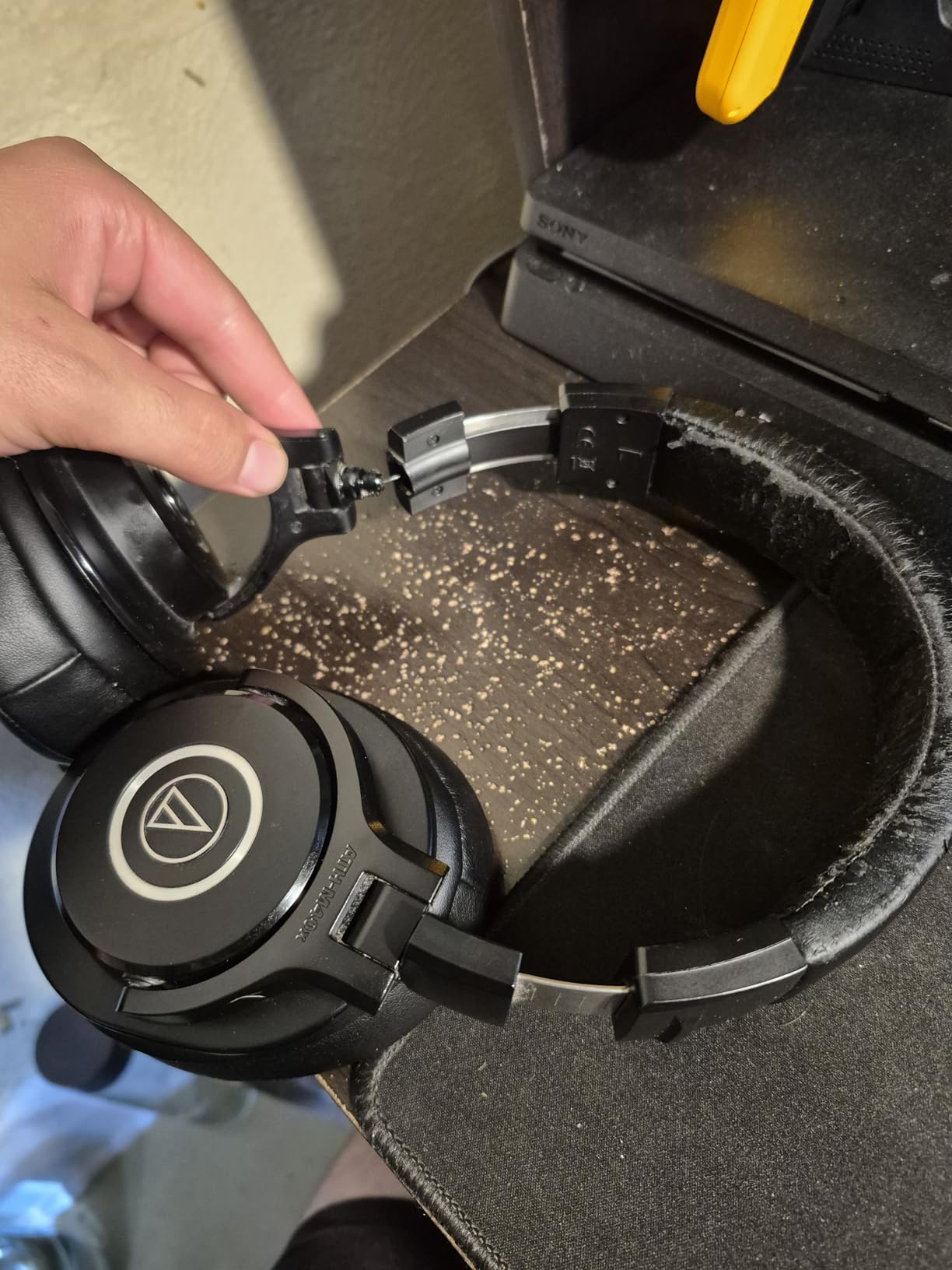
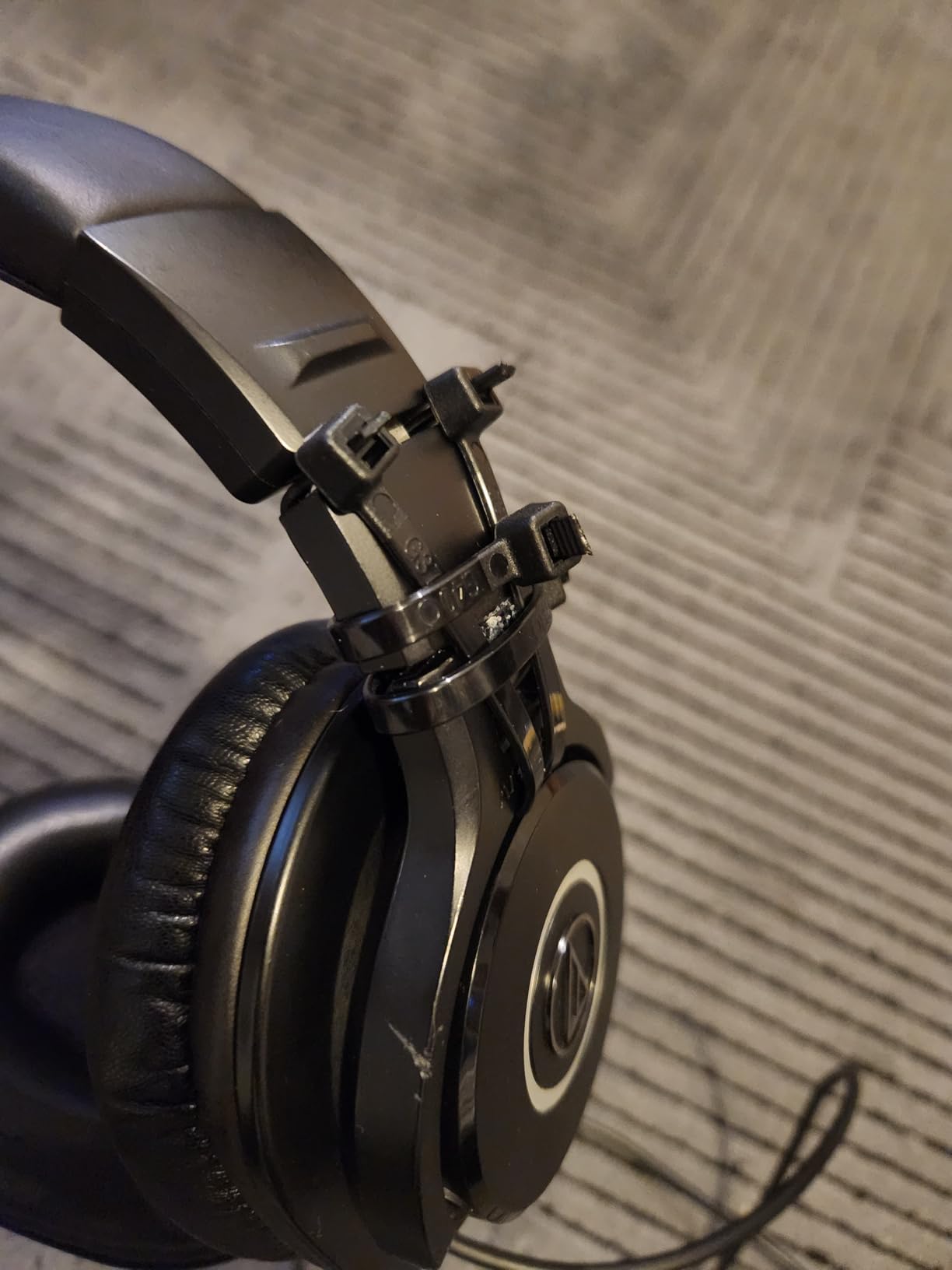
The honest weaknesses: the stock ear pads sit small against larger ears, and the plastic hinge points are the known weak spot in long-term durability reports. Neither is a dealbreaker, but heavy users should handle the folding mechanism with care.
Who should buy the ATH-M40x
This is the pick for producers who want the flattest usable response at the lowest price from a pro brand. It suits self-recording artists who both track vocals and check mixes on the same pair.
It is also the value play for building a small cue station setup, since the detachable cables and replaceable pads keep maintenance costs near zero.
Who should skip it
If you want a more exciting, bass-lifted cue sound that singers enjoy, the M50x is the better default. The M40x is about accuracy, not flattery.
Rough handlers should also weigh the hinge concern. Studios where headphones get dropped or crammed into drawers may prefer the all-metal toughness of the Sony or Beyerdynamic options.
5. Shure SRH840A – Best for Detailed Monitoring
Shure SRH840A Over-Ear Wired Studio Monitoring Headphones
40 ohm
5Hz-25kHz
Locking detachable cable
Plush cushions
2 year warranty
Pros
- Natural well-balanced signature
- Excellent long-session comfort
- Locking detachable cable
- Sturdy build
- Includes case and 1/4 inch adapter
Cons
- Controlled bass may feel weak
- 3m cable is stiff
- Not for bass-heavy genres
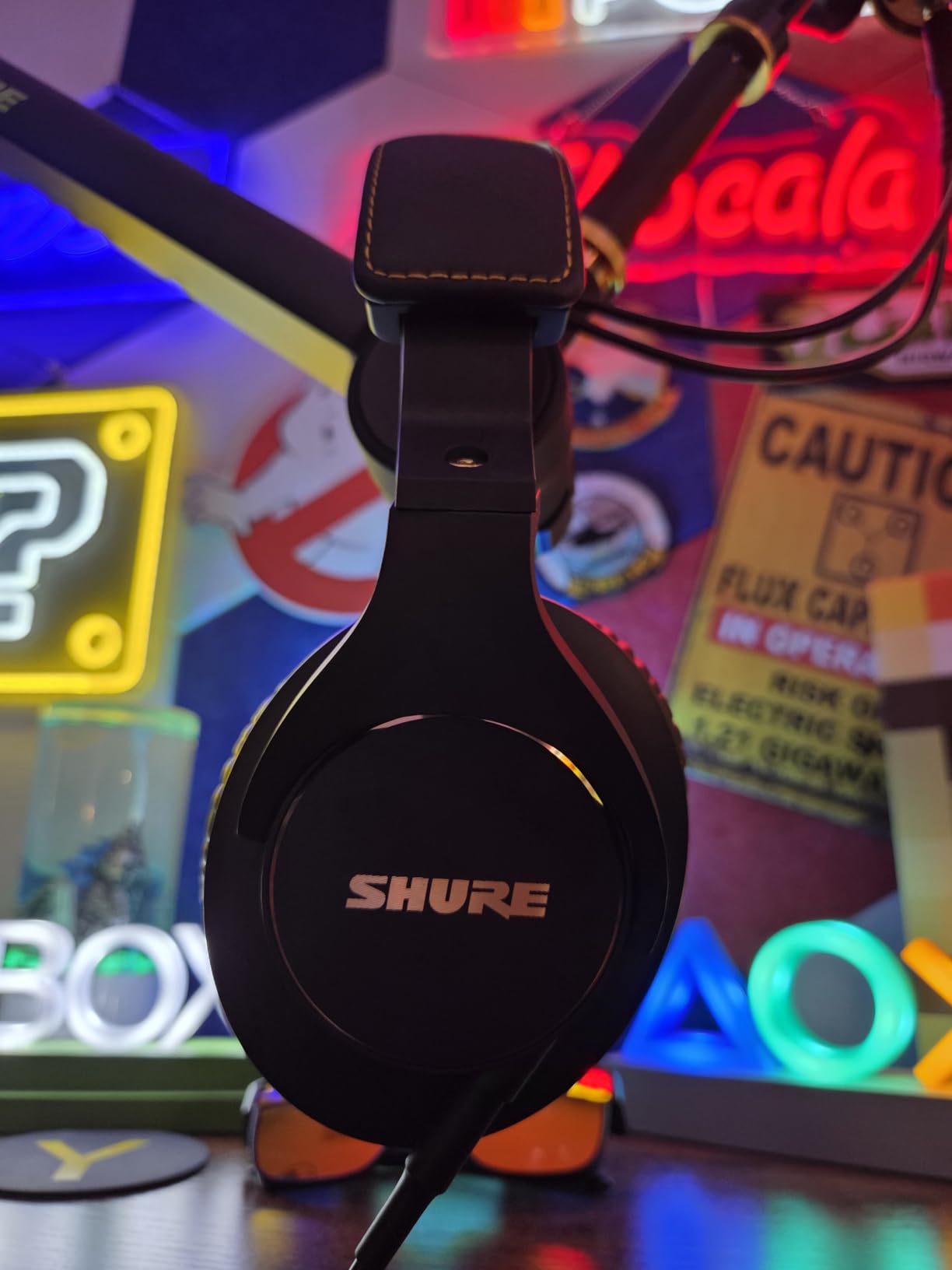
The SRH840A is the dark horse of this list, and the pair I reach for when tracking material that demands critical listening. Its tailored frequency response delivers controlled bass, detailed mids, and extended highs, so every flaw in a performance is audible in the cue before it gets committed to disk.
Shure designed this as a monitoring instrument first, and it shows. The wide padded headband and plush ear cushions keep comfort high through long sessions, and the closed-back noise isolating design keeps the backing track out of the mic. The lightweight collapsible frame makes it easy to move between rooms.
My favorite detail is the detachable locking cable system. Where standard detachable cables can work loose mid-take, the locking connector stays seated no matter how much a vocalist moves around, which is exactly the reliability a tracking environment demands.
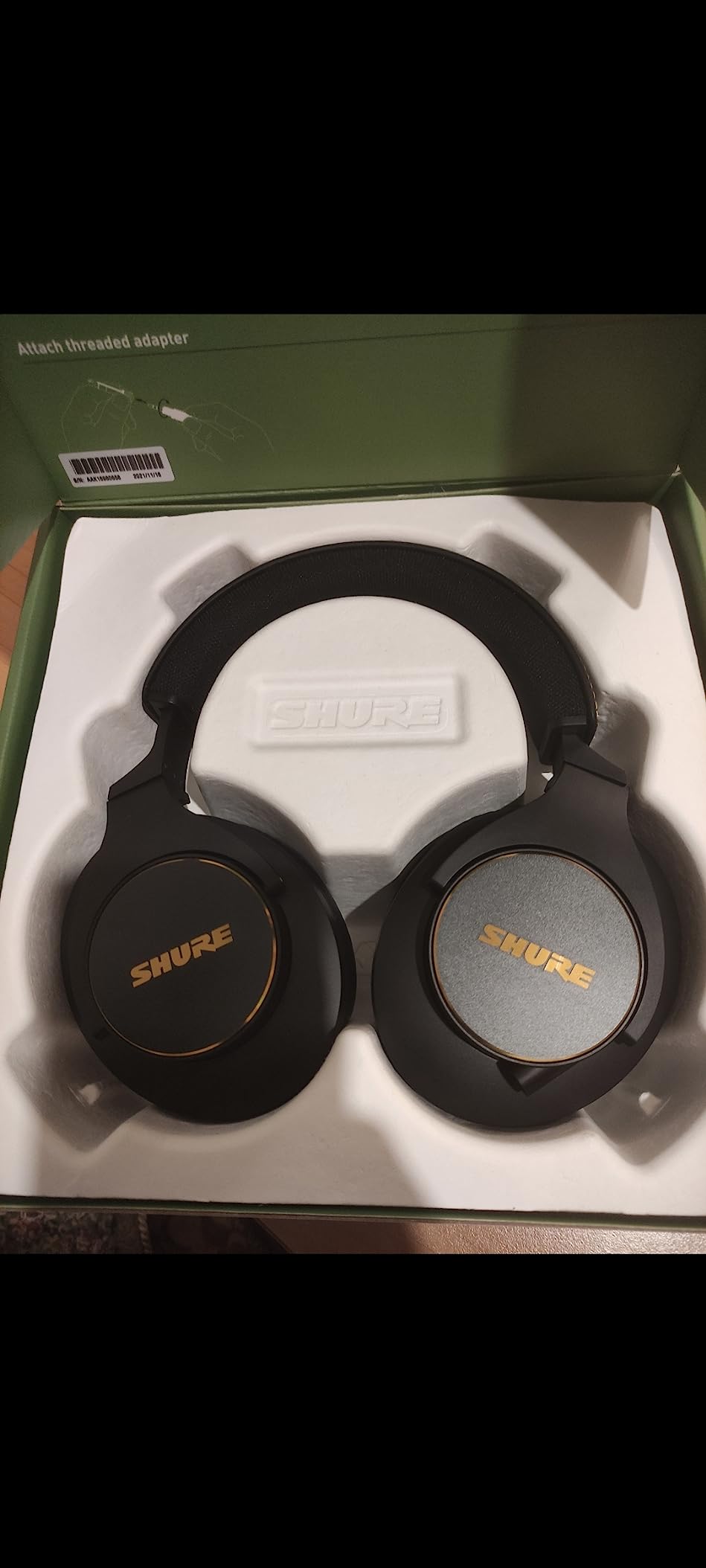
Technically, the 40-ohm impedance is friendly to every interface, and the 5Hz to 25kHz response is generous. The included carrying case and threaded 1/4-inch adapter round out a professional accessory package that respects the price.
The tradeoff is the bass. It is controlled and accurate rather than big, and some reviewers describe it as weak next to consumer-tuned rivals. For bass-heavy genres, that means the cue mix can feel thin unless you EQ the low end up.
Who should buy the SRH840A
This is the pick for engineers and vocalists who prize detail and balance over excitement. It suits podcast production, voiceover work, and tracking acoustic material where hearing everything clearly beats feeling the low end.
The locking cable also makes it the safest choice for tracking vocalists who move, dance, or gesture while singing.
Who should skip it
If you track hip-hop, EDM, or anything where the artist needs to feel the 808, the lean bass will fight you. The M50x or DT 770 Pro will keep artists happier.
Those who dislike stiff cables should also note the 3m cable is long and holds its coil shape, which some users find annoying in small rooms.
6. Audio-Technica ATH-M30x – Best Budget Pick
Audio-Technica ATH-M30x Professional Studio Monitor Headphones, Black
40mm drivers
38 ohm
Single-side cable
Collapsible
2 year warranty
Pros
- Clean detailed sound for the price
- Comfortable for long sessions
- About 50 percent ambient noise dampened
- Collapsible design
- Excellent value
Cons
- Cable is not detachable
- Cups sit close to the ears
- Bass can loosen over years
- L/R marks hard to see in dim light
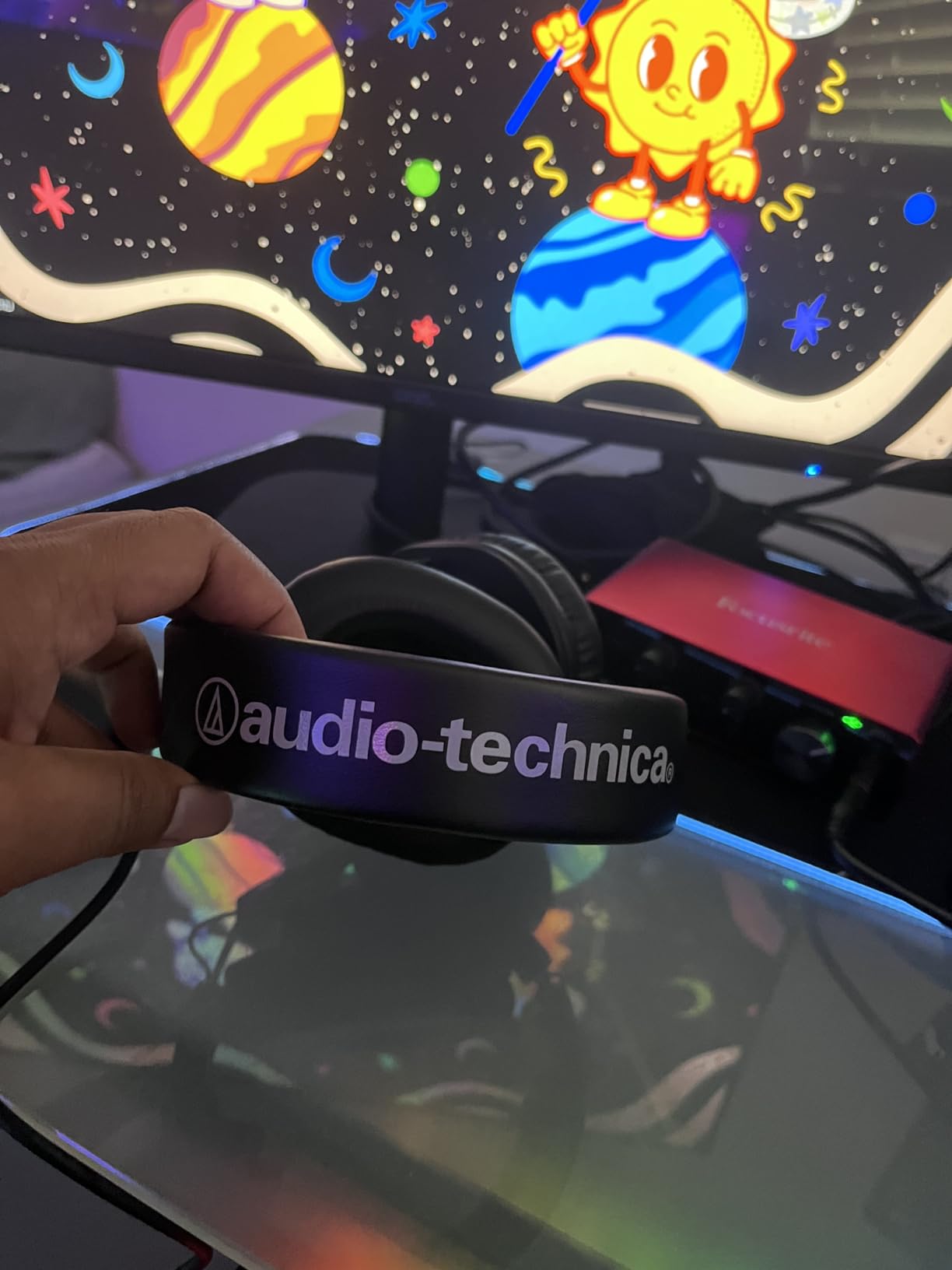
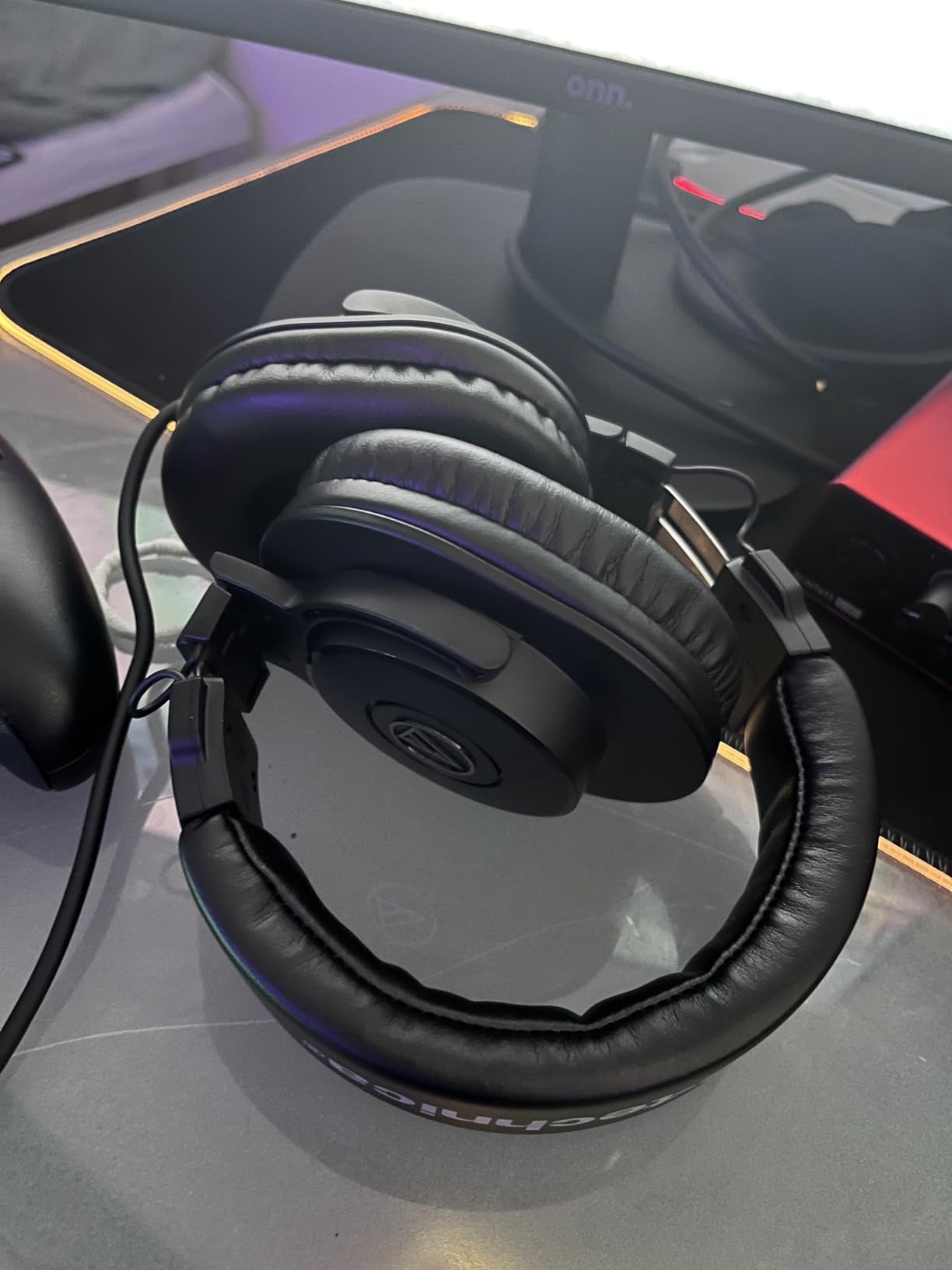
The M30x is the headphone I suggest to every beginner who asks what to buy first, because it delivers the core studio experience for well under a hundred dollars. The 40mm drivers with rare earth magnets and copper-clad aluminum wire voice coils are tuned for enhanced detail with genuinely excellent mid-range definition, which is where vocals live.
For tracking, the circumaural design provides good isolation, with users reporting roughly half of ambient noise dampened. That is enough to control bleed at sensible cue volumes in a home studio, though it will not match the sealed confidence of the DT 770 in a loud room.
It is also the lightest of the M-series here at 0.22 kg, which makes it a comfort winner for long podcast sessions and beginner vocalists still getting used to wearing headphones while performing.
The single-side cable exit is a thoughtful touch for tracking, since one clean cable run is less likely to tangle around a mic stand than a Y-cable arrangement. The collapsible frame aids storage in cramped project studios.
The compromises are the expected ones at this price. The cable is permanently attached, so cable failure ends the product, and the cups sit close to the ears, which bothers some users with larger ears. The printed L/R indicators are also hard to read in a dim vocal booth.
Who should buy the ATH-M30x
This is the pick for first-time home studio owners, podcasters, and anyone assembling cue headphones for a band on a tight budget. It delivers isolation and honest mids where it counts for recording.
Students who need one dependable pair for coursework, tracking, and general listening will also get years of use from it.
Who should skip it
If you want a headphone that grows with you via cable swaps and pad upgrades, the fixed cable here is a ceiling. Spend up for the M40x or M50x instead.
Drummers tracking in the same room as a kit will also want more isolation than this provides. The DT 770 Pro is the better loud-room tool.
7. Beyerdynamic DT 700 PRO X – Best Premium Closed-Back
beyerdynamic DT 700 PRO X Closed-Back Studio Headphones with Stellar.45 Driver for Recording and Monitoring on All Playback Devices
STELLAR.45 driver
48 ohm
40kHz response
Memory foam headband
Two cables included
Pros
- Detailed punchy sound with clear highs
- Velour pads plus memory foam headband
- Easy to drive at 48 ohms
- Exceptional build quality
- Two detachable cables included
Cons
- Does not fold
- tight out of the box
- upper-mid peak can sibilate
- slightly subdued bass
The DT 700 PRO X is the modern flagship of this lineup and the pair I use when a session deserves the best tool available. The STELLAR.45 driver, handcrafted in Germany, delivers detailed, punchy bass and clear highs with the kind of resolution that makes subtle performance details obvious in the cue mix.
Beyerdynamic solved the biggest complaint about the classic DT 770 with the 48-ohm STELLAR.45 driver, which is designed for versatile compatibility with all playback devices. Phones, laptops, and budget interfaces all drive it to healthy tracking volumes with no external amp, which removes the impedance gamble entirely.
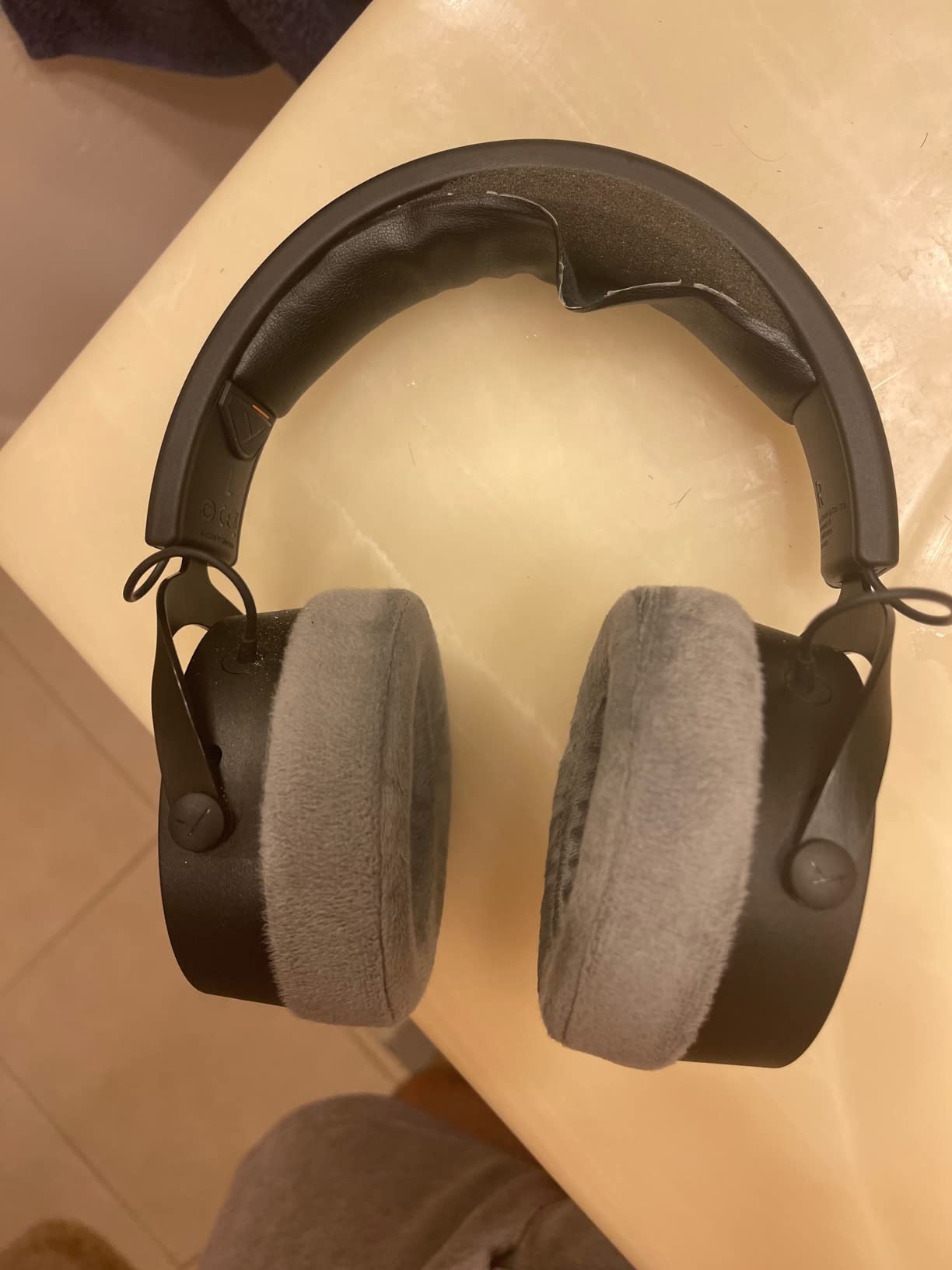
Comfort is best-in-class. The memory-foam headband and soft velour ear pads are built for the longest sessions, and the passive noise cancellation from the sealed closed-back cups keeps bleed tightly controlled even with loud cue mixes.
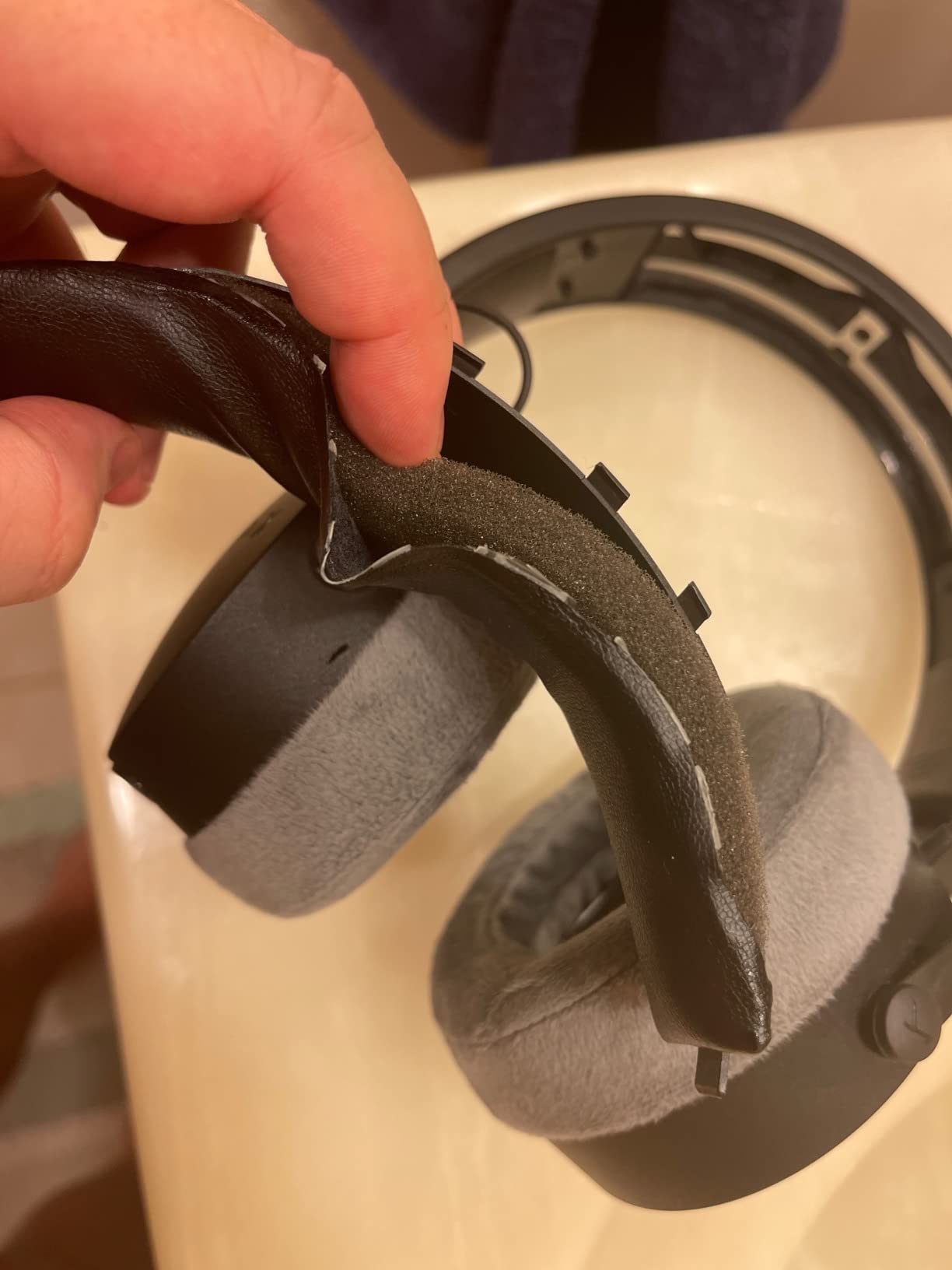
The package includes two detachable cables, a 1.8m straight and a 3m straight, covering both desk work and live-room tracking. Build quality is exceptional and clearly meant to be serviced rather than replaced, in line with Beyerdynamic’s repair-first philosophy.
Honest downsides: it does not fold, so it is bulkier to transport than the M50x or Sony. The clamping force is tight out of the box and needs a break-in period, and the upper-mid and lower-treble peak can introduce sibilance on some tracks, a trait shared with the DT 770 but slightly better controlled here.
Who should buy the DT 700 PRO X
This is the pick for the producer who wants a lifetime closed-back that tracks beautifully today and serves mixing duties tomorrow. It suits anyone tracking from varied sources, since the 48-ohm driver works everywhere without an amp.
Professionals who bill by the hour will appreciate that comfort and serviceability directly reduce session interruptions and replacement costs.
Who should skip it
If your budget is tight, the DT 770 Pro at 80 ohms delivers most of the same character for far less, provided you have a decent interface to drive it.
Frequent travelers should also weigh the non-folding frame. In a packed bag, the fixed cups make it noticeably bulkier than folding rivals.
8. AKG K240STUDIO – Best Semi-Open for Control Room Use
AKG K240STUDIO Semi-Open Studio Headphones
Semi-open design
55 ohm
30mm XXL transducers
Varimotion diaphragm
Detachable mini-XLR cable
Pros
- Neutral flat signature
- Self-adjusting headband comfort
- Spacious soundstage
- Detachable cable
- Professional standard for decades
Cons
- Semi-open leaks sound into the mic
- Needs care with loud cue mixes
- Neutral bass
- benefits from an amp
I include the K240STUDIO with a clear warning label, because it breaks the closed-back rule and I want to be upfront about when that matters. Its semi-open design leaks sound, so it is a poor choice for tracking vocals with a live microphone in the same room.
Where it earns its place is in the control room and in specific tracking situations. The 30mm XXL transducers with patented Varimotion diaphragms produce a wide dynamic range with solid bass and clear highs, and the semi-open construction gives a spacious soundstage that closed headphones cannot match. Vocalists tracking with a close, directional mic at modest cue levels frequently love these.
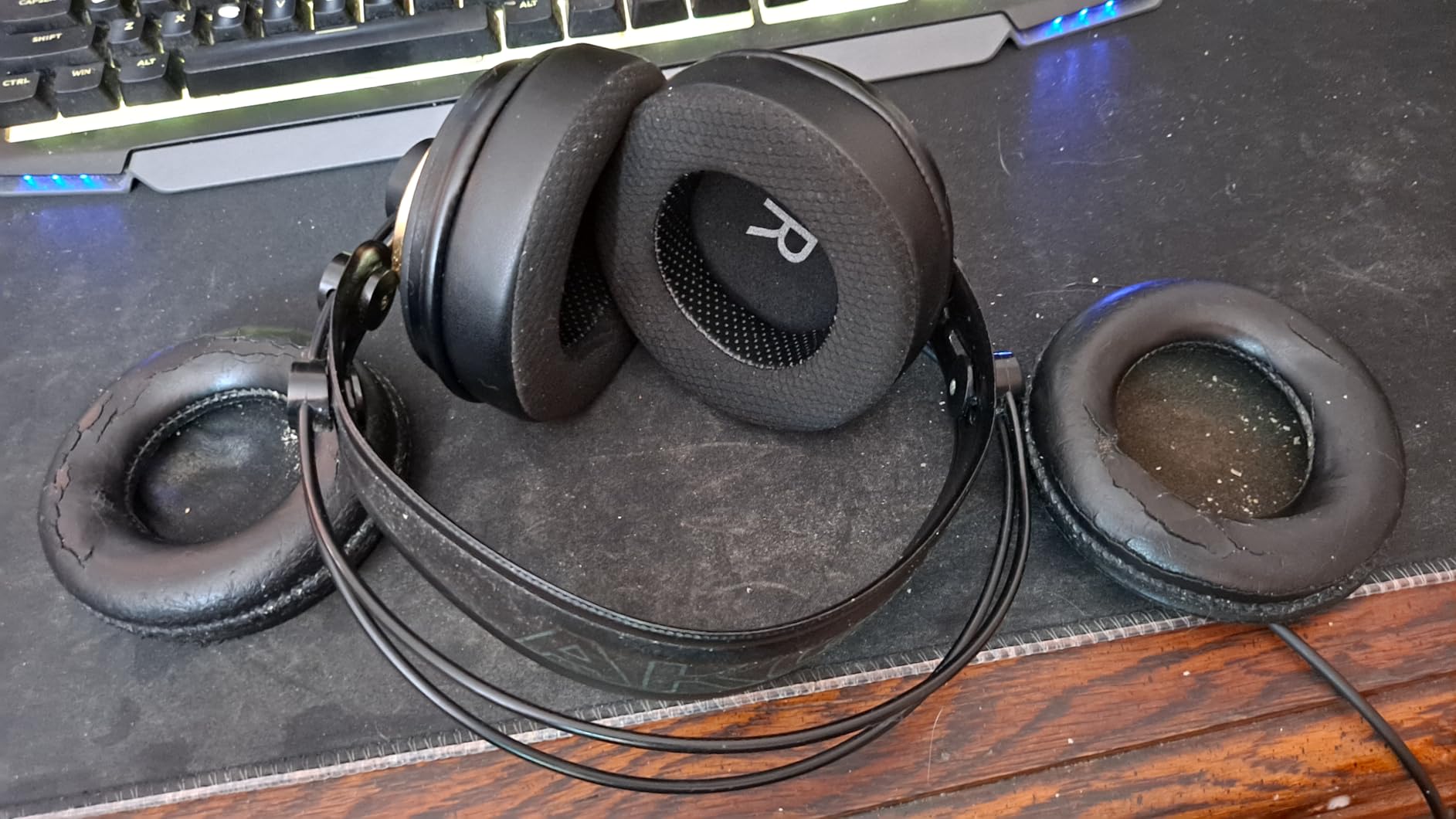
The self-adjusting headband is one of the most comfortable fitting systems ever made, and at 240g the K240 nearly disappears on your head. That combination has kept it a professional studio standard for decades at a price anyone can afford.
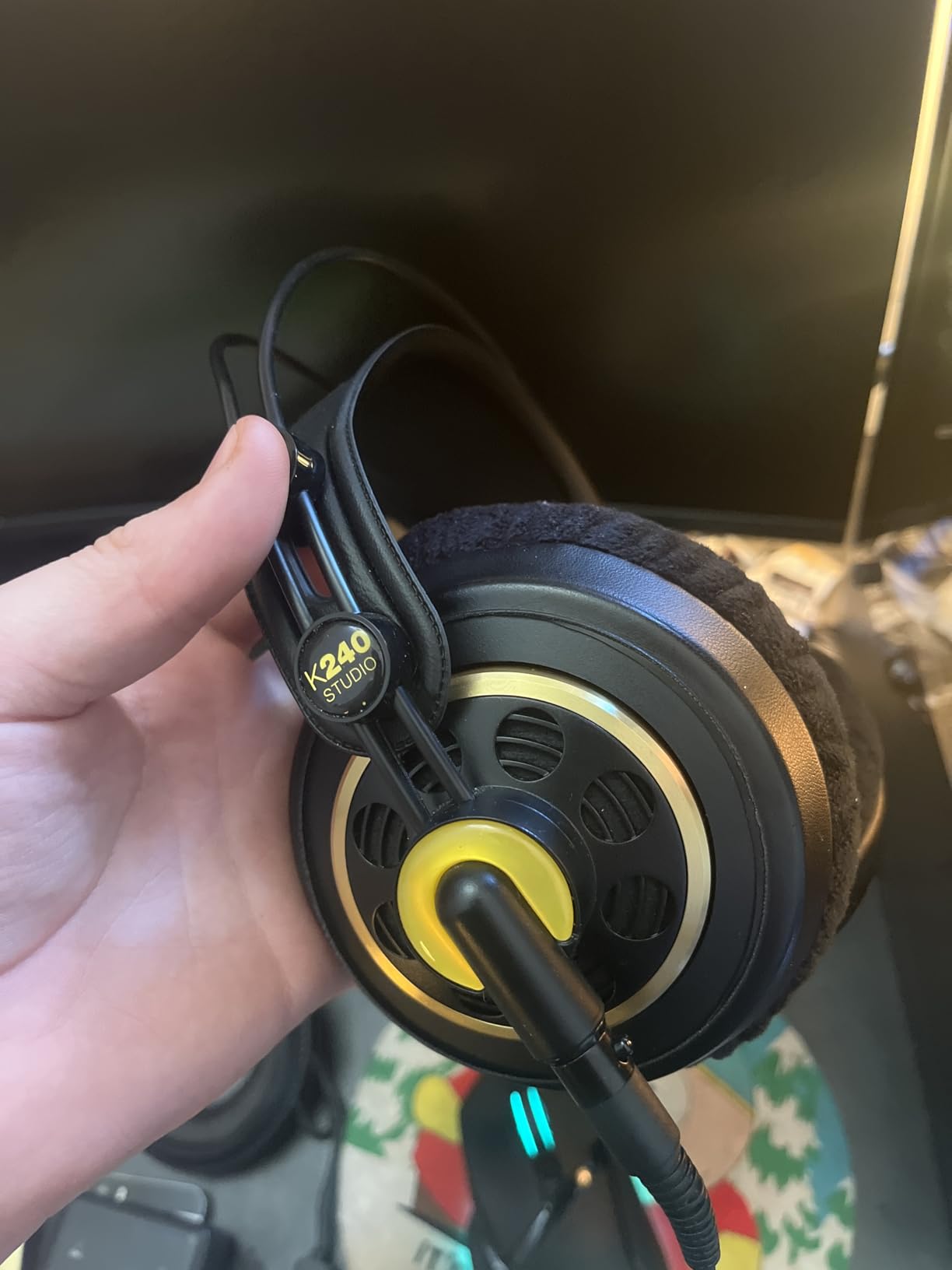
Technically, the 55-ohm impedance and 104 dB sensitivity make it reasonably easy to drive, though it performs best with a bit of amp backing, which users consistently note. The detachable cable with mini-XLR connector means cable failures are cheap to fix, and the package includes a 3m cable plus a screw-on 1/4-inch adapter.
The risk is simple: bleed. If a singer wants a loud cue mix while using a sensitive condenser mic, the semi-open cups will let the backing track through. Use it with one-ear monitoring, low cue levels, or dynamic mics, and it rewards you with a natural, honest sound closed backs cannot offer.
Who should buy the K240STUDIO
This is the pick for control-room duties, mixing reference, and tracking situations where bleed is controlled by mic technique rather than cup sealing. It also makes a superb practice headphone for keys and silent rehearsal.
Anyone who wants a famous studio sound for the lowest price in this lineup will find nothing else this proven at this cost.
Who should skip it
If your only use case is loud vocal tracking with a condenser mic in an untreated room, do not buy these. Any of the closed-back picks above will serve you better.
Anyone tracking in a noisy space should also pass, since the semi-open design lets the room in as readily as it lets sound out.
Buying Guide: How to Choose Tracking and Recording Headphones
Choosing tracking headphones comes down to five factors, and understanding them will make the reviews above much easier to act on. Here is what actually matters when you are recording, not just listening.
Closed-back vs open-back: why sealing matters
Closed-back headphones seal the back of the driver, which does two things at once: it keeps your backing track inside the cups and keeps room noise out. That seal is what prevents headphone bleed, the phenomenon where the mic captures your cue mix and smears it into the recording, causing phase problems and editing headaches.
Open-back headphones are tuned for mixing and critical listening, where a natural soundstage matters more than containment. Semi-open models like the K240 sit in between and require careful mic technique. For tracking vocals or instruments with a live mic, closed-back is the safe answer, which is why seven of my eight picks are sealed.
Impedance and amplifier pairing
Impedance, measured in ohms, tells you how much current a headphone needs. Lower-impedance models in the 32 to 63-ohm range, which covers every pick here except the 80-ohm DT 770 Pro, drive easily from phone and laptop jacks as well as any audio interface.
Higher-impedance headphones want a stronger amplifier. The 80-ohm DT 770 Pro works well from most interfaces but sounds polite from weak sources, so pair it with a decent interface headphone output or a dedicated amp. If you track from a phone or a budget interface, stay at 48 ohms or below, which is exactly the problem the 48-ohm DT 700 PRO X was designed to solve.
Isolation and bleed prevention
Isolation quality is determined by clamp force, pad seal, and cup design. Firmer clamp and full-size circumaural pads that contour around the ear block more sound in both directions, which is why the DT 770 Pro and M50x are such effective tracking tools.
Beyond the headphone itself, you can reduce bleed by lowering cue volumes, using one-ear monitoring, choosing a directional mic, and positioning the mic slightly off-axis from the cups. For the same reason, many home recorders also keep a dedicated practice pair, like the ones in our guide to the best headphones for digital piano practice.
Comfort and clamping force
A tracking headphone that hurts after twenty minutes ruins takes. Look for plush or velour pads, a wide headband that spreads pressure, and a weight under about 300g for long sessions. Velour pads like those on the Beyerdynamic models breathe better than pleather in warm rooms.
Clamping force is a double-edged sword. A firm clamp improves isolation but can fatigue your head, and several models here, including the M50x and DT 700 PRO X, start tight and need a break-in period before they feel right.
Cables, durability, and serviceability
The cable is the first component to fail on any wired headphone. Detachable cable designs, like the M50x, M40x, SRH840A, DT 700 PRO X, and K240, turn a fatal fault into a cheap replacement part, while fixed-cable models like the MDR-7506 and M30x eventually need solder work.
Long-term reliability is an under-covered topic in most guides, and it matters in a studio where headphones are handled constantly. Beyerdynamic’s fully serviceable design, where pads, headbands, and even drivers are user-replaceable, is the gold standard, and stories of decade-old MDR-7506 and DT 770 units are common across engineer forums.
Frequently Asked Questions
What are the best headphones for monitoring in a studio?
For most studios, the Audio-Technica ATH-M50x is the best all-round monitoring choice thanks to its clarity, isolation, and detachable cables. The Sony MDR-7506 is the classic alternative at a lower price, while the Beyerdynamic DT 770 Pro leads for long-session comfort.
What are the best headphones for recording studio use?
Closed-back models work best for recording studio use because they stop sound leaking into the microphone. Top picks include the ATH-M50x, Sony MDR-7506, Beyerdynamic DT 770 Pro, and the budget-friendly Audio-Technica ATH-M30x.
Which headphones can be tracked?
Any closed-back headphone with good isolation can be used for tracking vocals and instruments. Semi-open models like the AKG K240STUDIO can also be tracked with care, using low cue volumes, one-ear monitoring, or a directional mic to control bleed.
What are the best headphones for vocal tracking?
The Beyerdynamic DT 770 Pro (80 Ohm) is the top choice for vocal tracking because its velour pads stay comfortable through long sessions and its closed cups keep leakage minimal. The ATH-M50x and Sony MDR-7506 are proven alternatives at lower prices.
Conclusion: My Final Recommendations
If you want the single best studio headphones for tracking and recording in 2026, get the Audio-Technica ATH-M50x. It balances isolation, clarity, comfort, and replaceable-cable durability better than anything else at its price, and it works for mixing and everyday listening too.
Tight budgets are served brilliantly by the Sony MDR-7506 or ATH-M30x, long vocal sessions belong in the velour pads of the DT 770 Pro, and anyone wanting a buy-once flagship should look at the DT 700 PRO X. Whatever you choose, pick the pair that matches your room, your interface, and the length of your sessions, and your recordings will immediately get cleaner.