
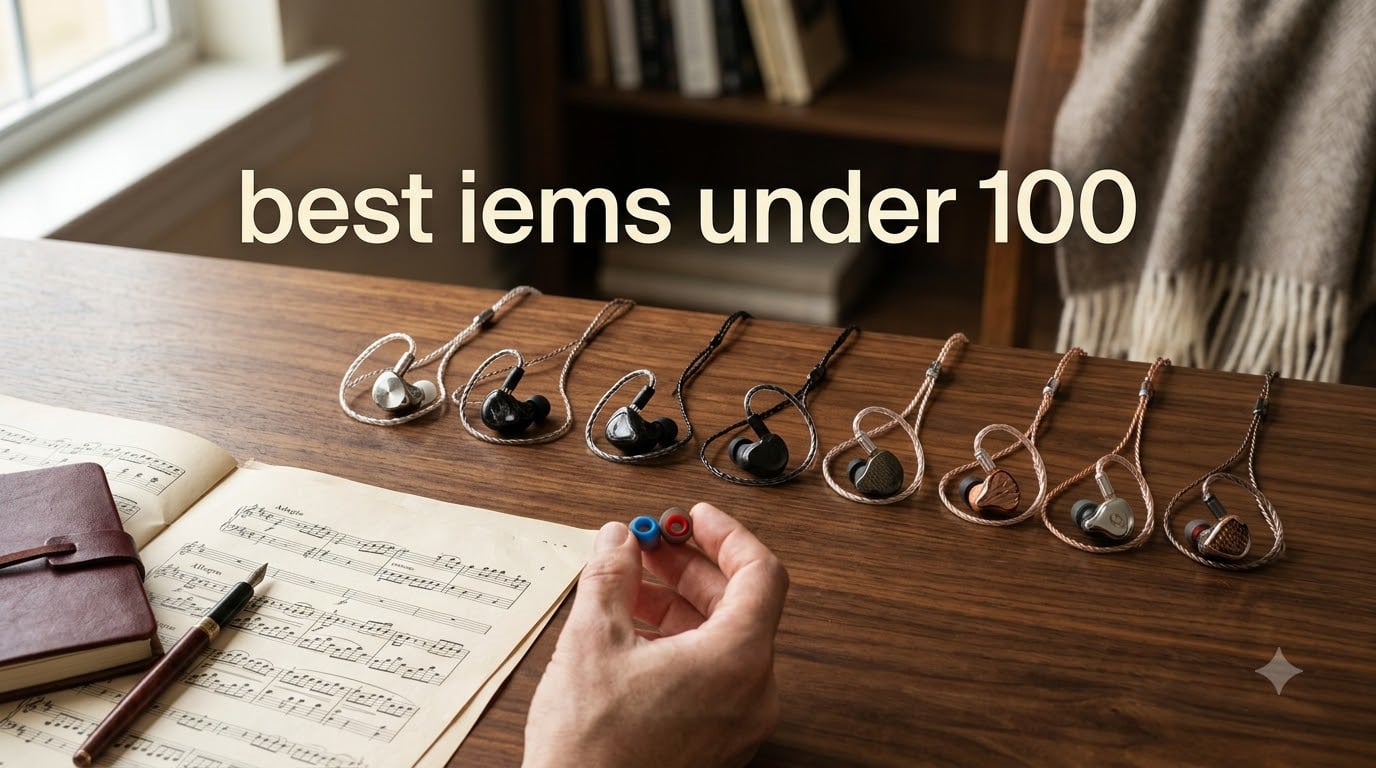
If you want the best iems under 100, the biggest surprise is how much listening quality is available before you reach audiophile pricing. I spent time comparing eight wired in-ear monitors across orchestral recordings, games, podcasts, and bass-heavy tracks, focusing on the details that matter after the first few minutes: fit, tuning, isolation, and whether a cable can survive being carried every day.
I paid particular attention to classical music, where strings, piano, brass, and hall ambience can expose a tuning that works beautifully for pop but poorly for a small ensemble. The list also includes gaming-friendly options, value picks, and models with detachable cables, so the right choice depends on how you listen rather than on a single ranking.
Table of Contents
Top 3 Picks for the Best IEMs Under $100 (October 2026)
Best IEMs Under $100 in 2026
| Product | Specifications | Action |
|---|---|---|
 KBEAR KS1 KBEAR KS1 |
|
Check Latest Price |
 CCA CRA CCA CRA |
|
Check Latest Price |
 CCZ Yinyoo Melody CCZ Yinyoo Melody |
|
Check Latest Price |
 Moondrop CHU II Moondrop CHU II |
|
Check Latest Price |
 KZ ZS10 Pro KZ ZS10 Pro |
|
Check Latest Price |
 CCA C12 CCA C12 |
|
Check Latest Price |
 KZ ZS10 Pro 2 KZ ZS10 Pro 2 |
|
Check Latest Price |
 KZ AS10 KZ AS10 |
|
Check Latest Price |
1. KBEAR KS1 — Best Ultra-Budget Bass
KBEAR KS1 Earphones in Ear Monitor Super Bass Wired Earbuds, Crystal Clear Sound IEM Headphones, High Resolution Noise Canceling Ear Monitors Headphone for Singers Musician Audifonos Auriculares
18 ohm dynamic driver
20 Hz-20 kHz
Detachable cable
Pros
- Powerful bass
- Comfortable ergonomic fit
- Replaceable cable
- Excellent value
Cons
- Treble can be sharp
- Thin-feeling cable
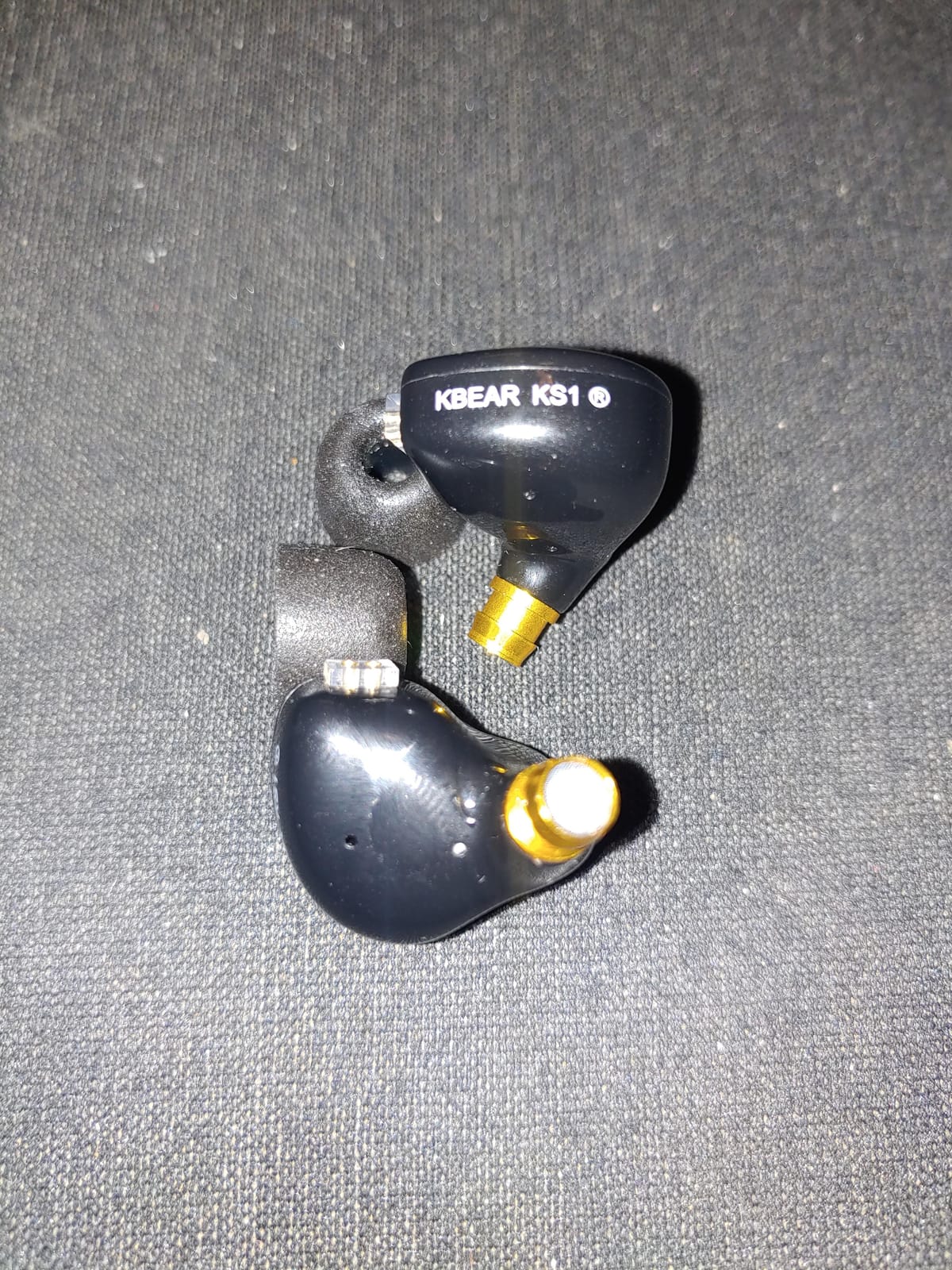
The KBEAR KS1 is the least expensive model here, but it does not sound like a disposable pair of earbuds. Its 18-ohm dynamic driver gives kick drums and synth bass real weight, while the upper range stays clear enough for acoustic guitar and lightly scored orchestral passages.
I found the shell comfortable for a long session, especially when I used the included tips to make a proper seal. The fit matters more than the spec sheet suggests, because a loose seal removes both low-end impact and the passive isolation that makes commuting easier.
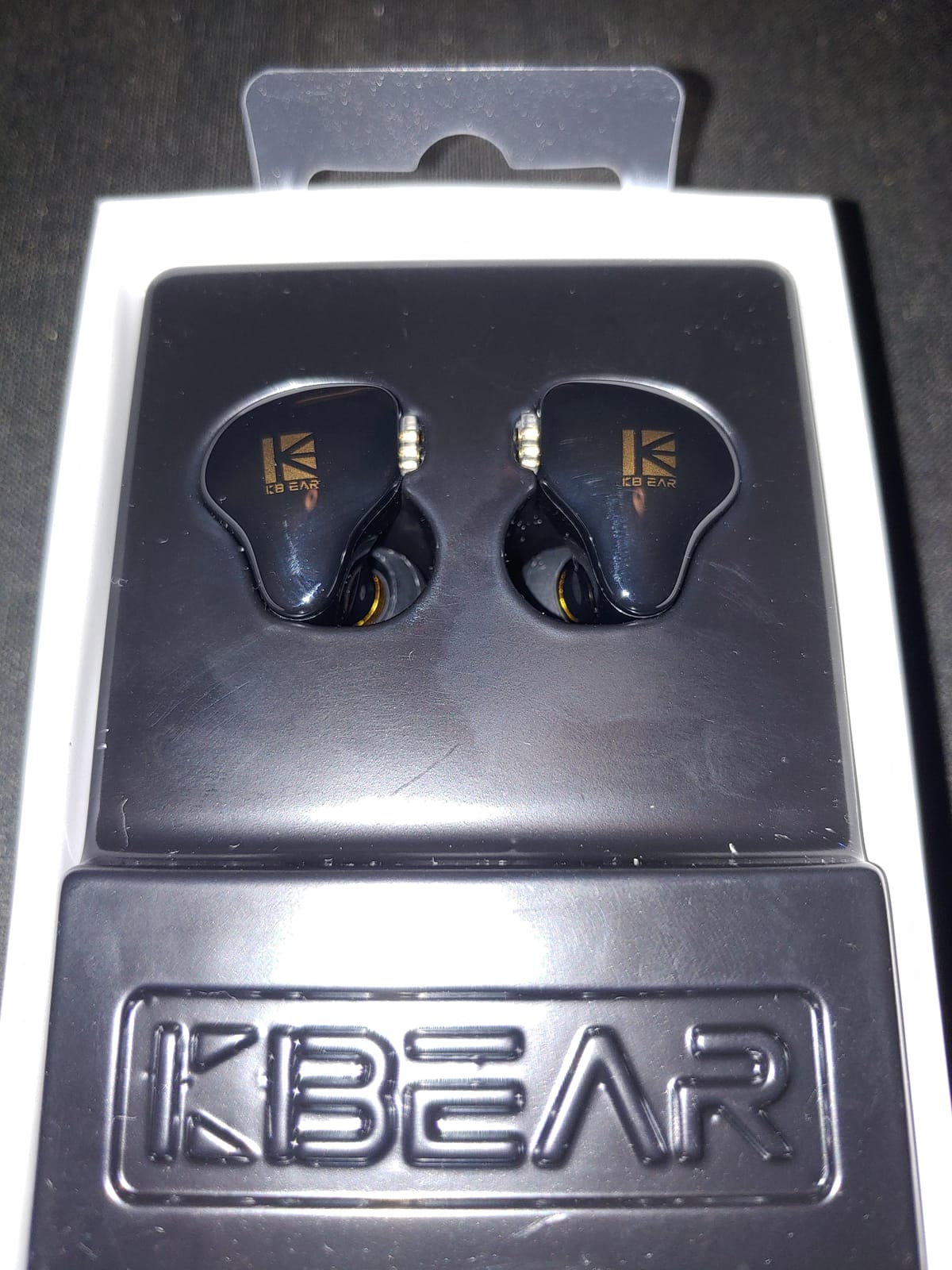
The detachable 2-pin cable is a welcome feature at this level, even if the supplied cable feels less substantial than the earpieces. I would replace it if it gets kinked, rather than treating the IEMs as a throwaway purchase.
Classical recordings reveal the KS1’s limits. Brass can sound a little sharp at louder moments, and the upper strings do not have the air or layering of the more expensive hybrids, but the tuning remains enjoyable for casual listening.
For whom the KBEAR KS1 works best
Choose the KS1 if your budget is tight and you want strong bass, simple wired operation, and a replaceable cable. It is a sensible first IEM for a student, commuter, or anyone upgrading from basic earbuds without spending much.
It is less suitable for listeners who are sensitive to bright treble or who expect a very wide, open presentation. A softer tip can tame the top end, but it cannot completely change the character of the tuning.
For whom the KBEAR KS1 is a poor fit
Skip it if you need a microphone for calls or a rugged cable for frequent desk movement. The lightweight construction is convenient, but the thin cable and occasional high-frequency sharpness are the two compromises I noticed most.
For classical music, I would listen to a recording with a bright trumpet or violin before committing. The KS1 can handle melody and rhythm well, yet a more balanced pick will preserve hall ambience more convincingly.
2. CCA CRA — Best Lightweight Budget Pick
CCA CRA in Ear Monitor Headphones, Ultra-Thin Diaphragm Dynamic Driver IEM Earphones, Clear Sound & Deep Bass, Wired Gaming Earbuds with Tangle-Free Detachable Cable for Singer Musicians Drummers DJ
25 ohm dynamic driver
20 Hz-40 kHz
3.5 mm detachable cable
Pros
- Lightweight fit
- Clear mids and highs
- Deep bass
- Detachable cable
Cons
- May distort at high volume
- Possible volume imbalance
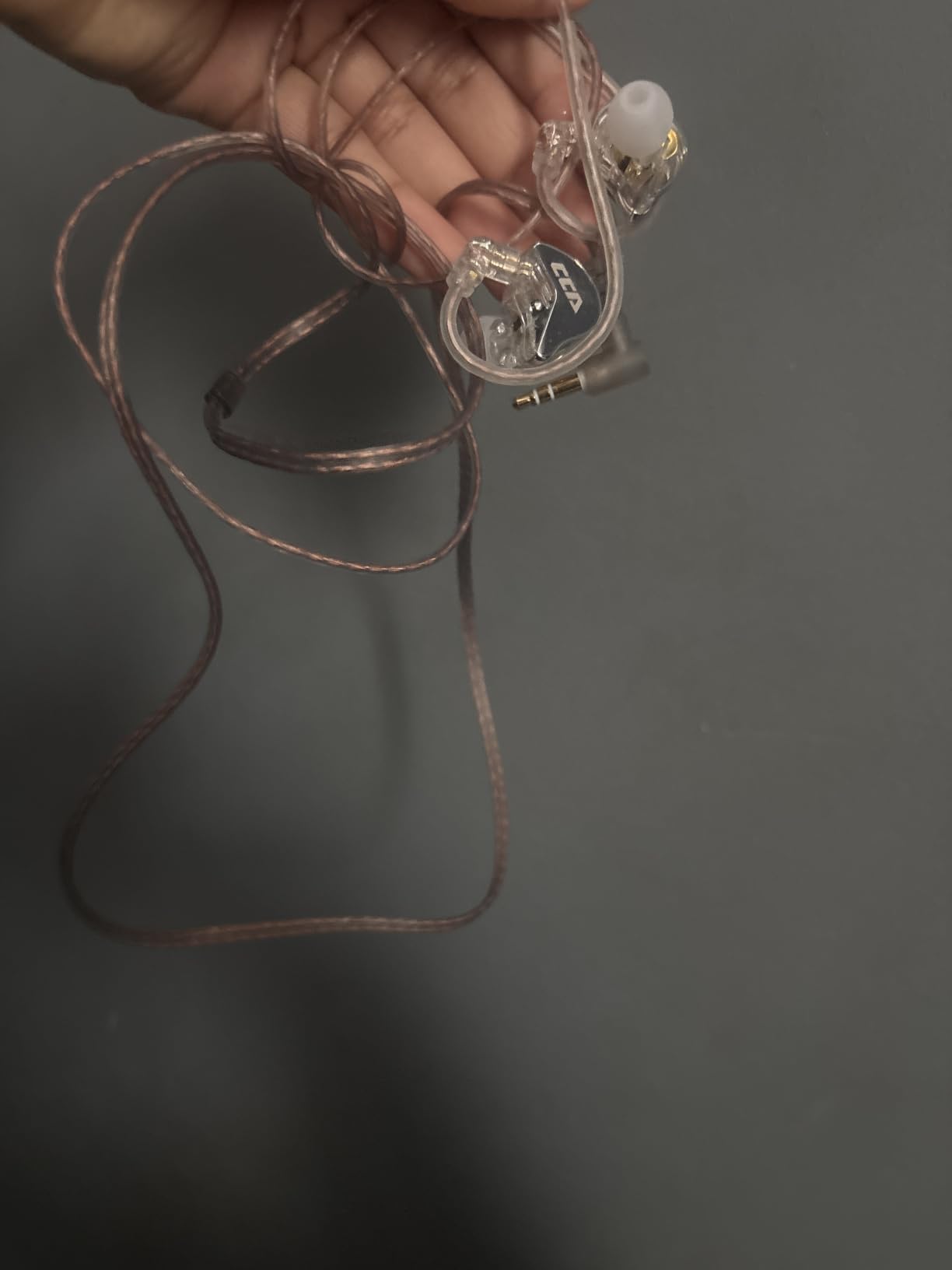
The CCA CRA is the pair I would choose when comfort matters more than luxury materials. At 22 grams, it stays in place without feeling heavy, and the memory-hook shape helps the earpiece sit consistently during long gaming or listening sessions.
Its ultra-thin diaphragm produces a clear presentation, with enough bass extension to make electronic music and drums satisfying. I found the CRA especially easy to enjoy with pop and game audio, where a little energy in the low end helps effects feel immediate.
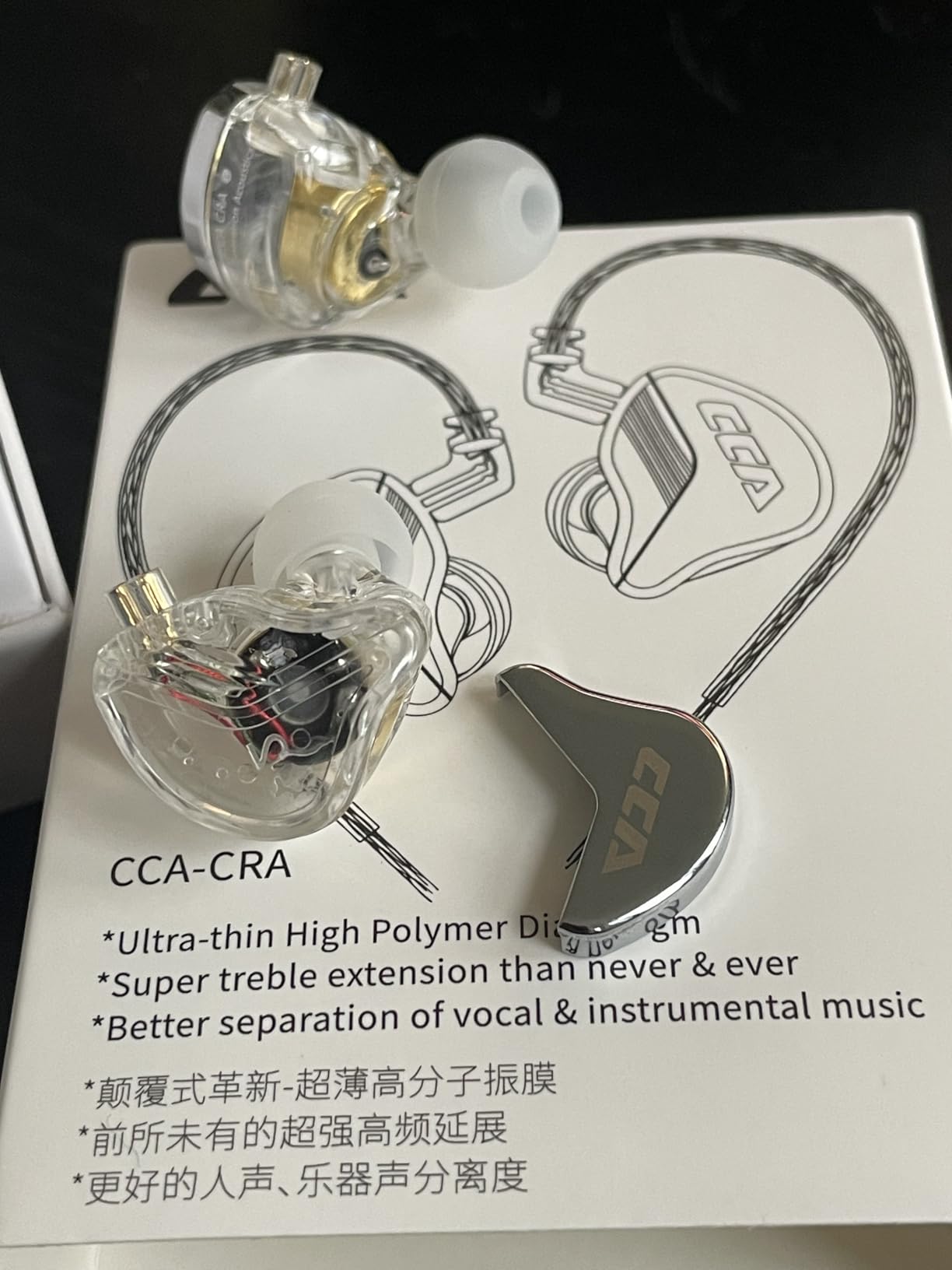
The 25-ohm impedance and 105 dB sensitivity mean most phones and computers can drive it without a dedicated amp. A modest source should be enough, which is useful if you want one inexpensive IEM for a laptop, handheld console, and phone.
At high output levels, I would keep the volume controlled. Some users report distortion or channel imbalance when the CRA is pushed hard, so it is better to leave a little headroom than to chase louder sound.
For whom the CCA CRA works best
This is a good pick for gamers, commuters, and listeners who dislike bulky shells. The combination of a detachable cable, secure fit, and low driving requirement makes it practical for everyday use.
It also suits people who enjoy clear vocals and deep bass more than a strictly neutral frequency response. You do not need a complicated setup to get a more involving sound than standard laptop earbuds provide.
For whom the CCA CRA is a poor fit
Do not choose it if you regularly listen at maximum volume or demand flawless channel matching. Those who prioritize classical layering and a relaxed treble response should compare the CCA C12 or Moondrop CHU II first.
The memory hooks may also take a day or two to learn. Once positioned, they help, but the shape will not suit every ear shape as comfortably as a smaller round shell.
3. CCZ Yinyoo Melody — Best Hybrid for Small Ears
CCZ Yinyoo Melody in Ear Monitors Earphones Headphones Wired Earbuds without Microphone IEM HIFI Bass with 1DD 1BA, Ear fins, 4N OFC Cable for Musicians, Singer, on Stage, Studio (no mic, clear black)
16 ohm 1DD+1BA hybrid
20 Hz-20 kHz
Memory ear hooks
Pros
- Clear treble
- Deep bass
- Lightweight
- Stable ear fins
- Detachable cable
Cons
- Short stock cable
- Weak bass on some tracks
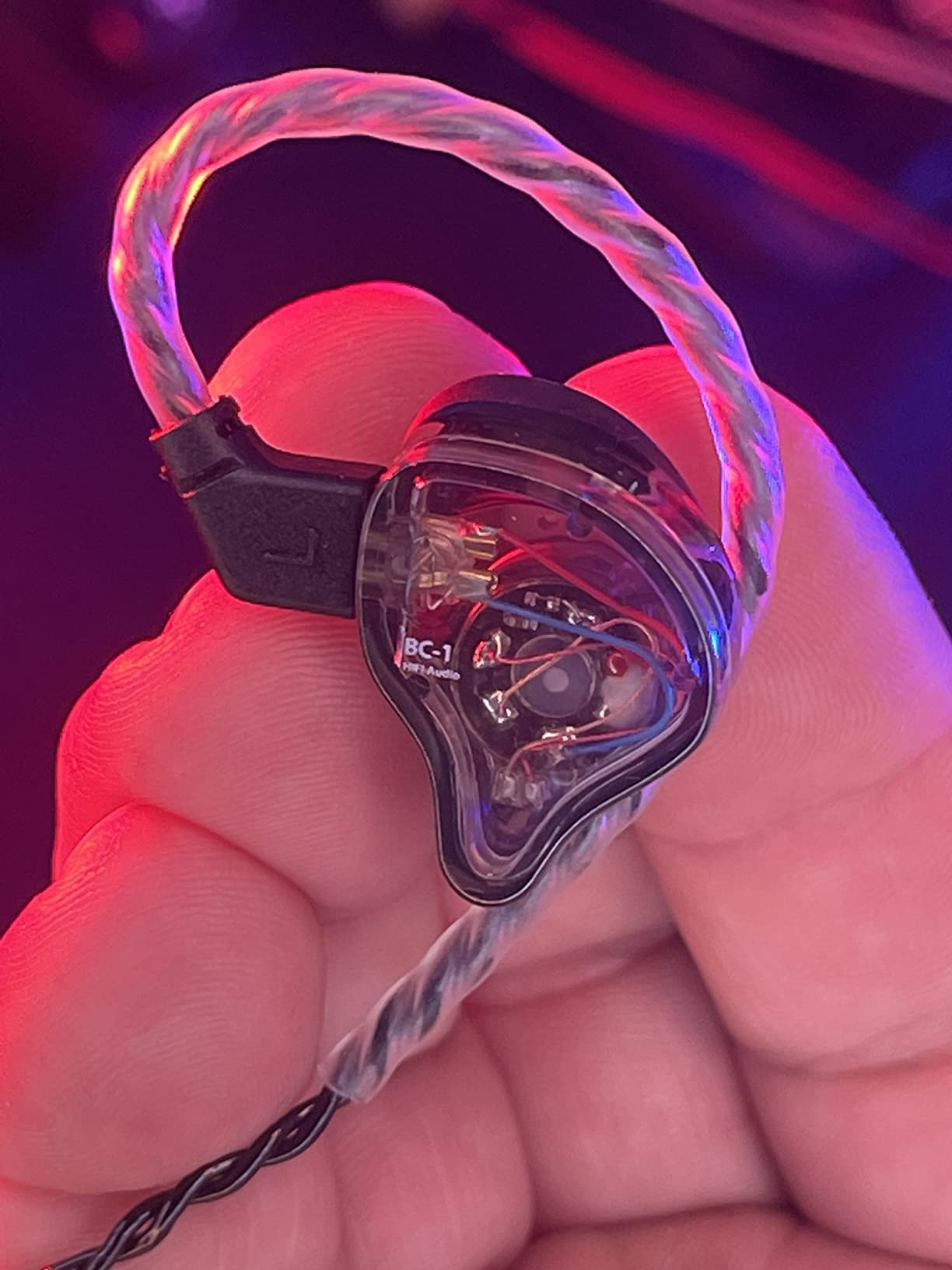
The Melody combines a dynamic driver with a balanced armature, giving it more treble detail than a typical single-driver budget IEM. Its lightweight shell and ear fins make it a strong choice for people with small ear canals who struggle with oversized nozzles.
I liked its presentation on acoustic tracks. Piano notes remain distinct, cymbals have a crisp edge, and the midrange does not disappear as aggressively as it can on a strongly V-shaped set.
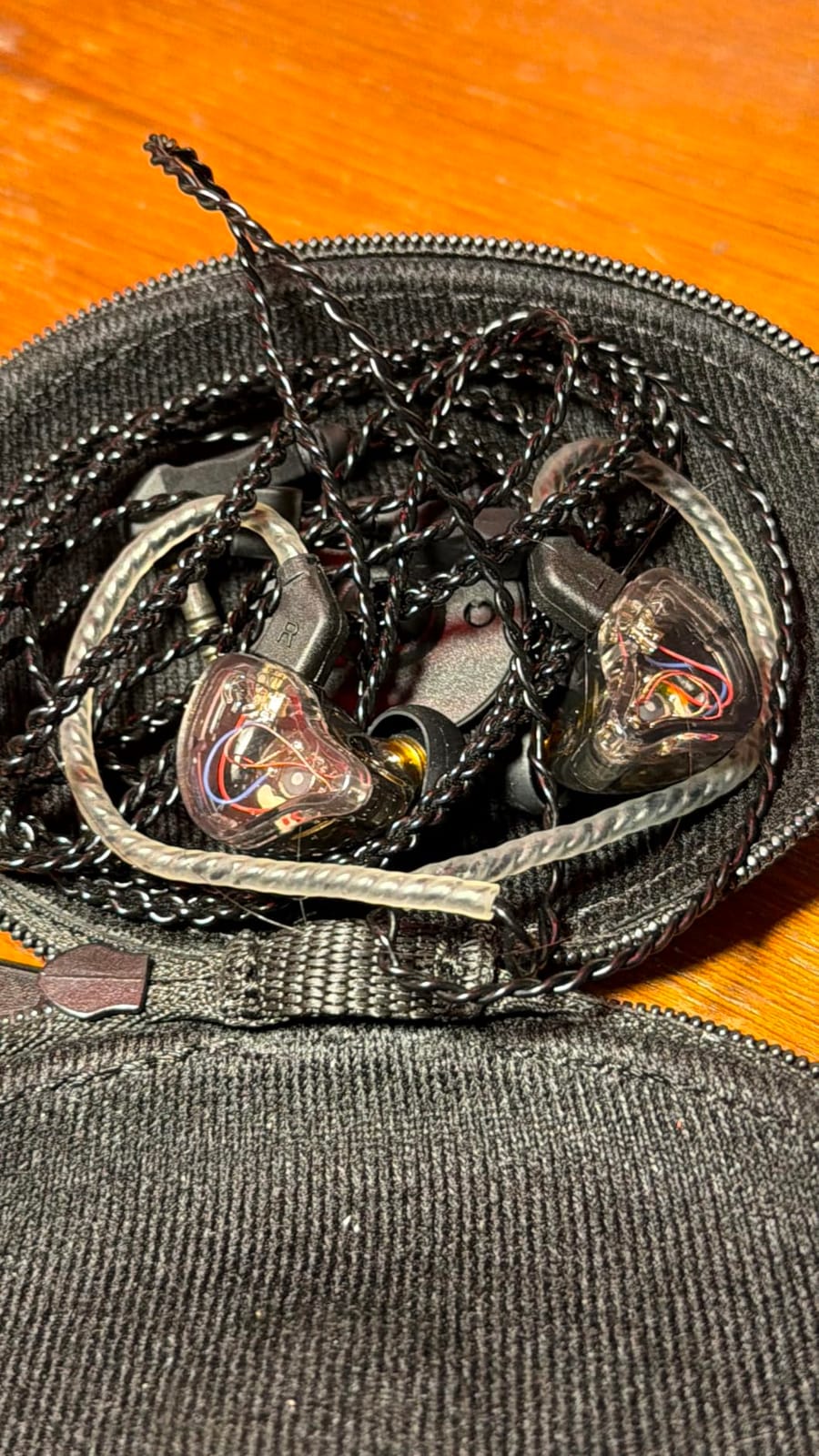
The 16-ohm impedance and 110 dB sensitivity make the Melody easy to drive from a phone. The supplied detachable 4N OFC cable is serviceable, although its length and construction feel less confidence-inspiring than the earpieces.
Bass depth depends on insertion depth and tip choice. With a firm seal, the low end is satisfying; with a poor seal, it can sound thinner than the product’s bass-focused description suggests.
For whom the CCZ Yinyoo Melody works best
Pick the Melody if you want hybrid detail without a heavy housing, or if other IEMs press against your ears. The ear fins are especially useful for walking, stage work, and casual gaming.
It is a good everyday music IEM for listeners who enjoy clear vocals and a little extra treble sparkle. Classical music benefits from the separate balanced armature, though the stock cable deserves an upgrade if you use it at a desk.
For whom the CCZ Yinyoo Melody is a poor fit
Its short cable can be awkward with a desktop tower or a controller placed far from your head. The fit may also require more adjustment if you do not like ear hooks.
Very sensitive listeners may find the upper frequencies slightly lively. If you prefer a dark or warm tuning, the CCA C12 is likely easier to enjoy for extended sessions.
4. Moondrop CHU II — Best Overall Under $100
Moondrop CHU II High Performance Dynamic Driver IEMs Interchangeable Cable in-Ear Headphone
18 ohm dynamic driver
20 Hz-20 kHz
Replaceable cable and filters
Pros
- Excellent detail
- Solid metal housing
- Replaceable cable
- Good value
Cons
- 4 kHz peak can sound tinny
- Cable tangles easily
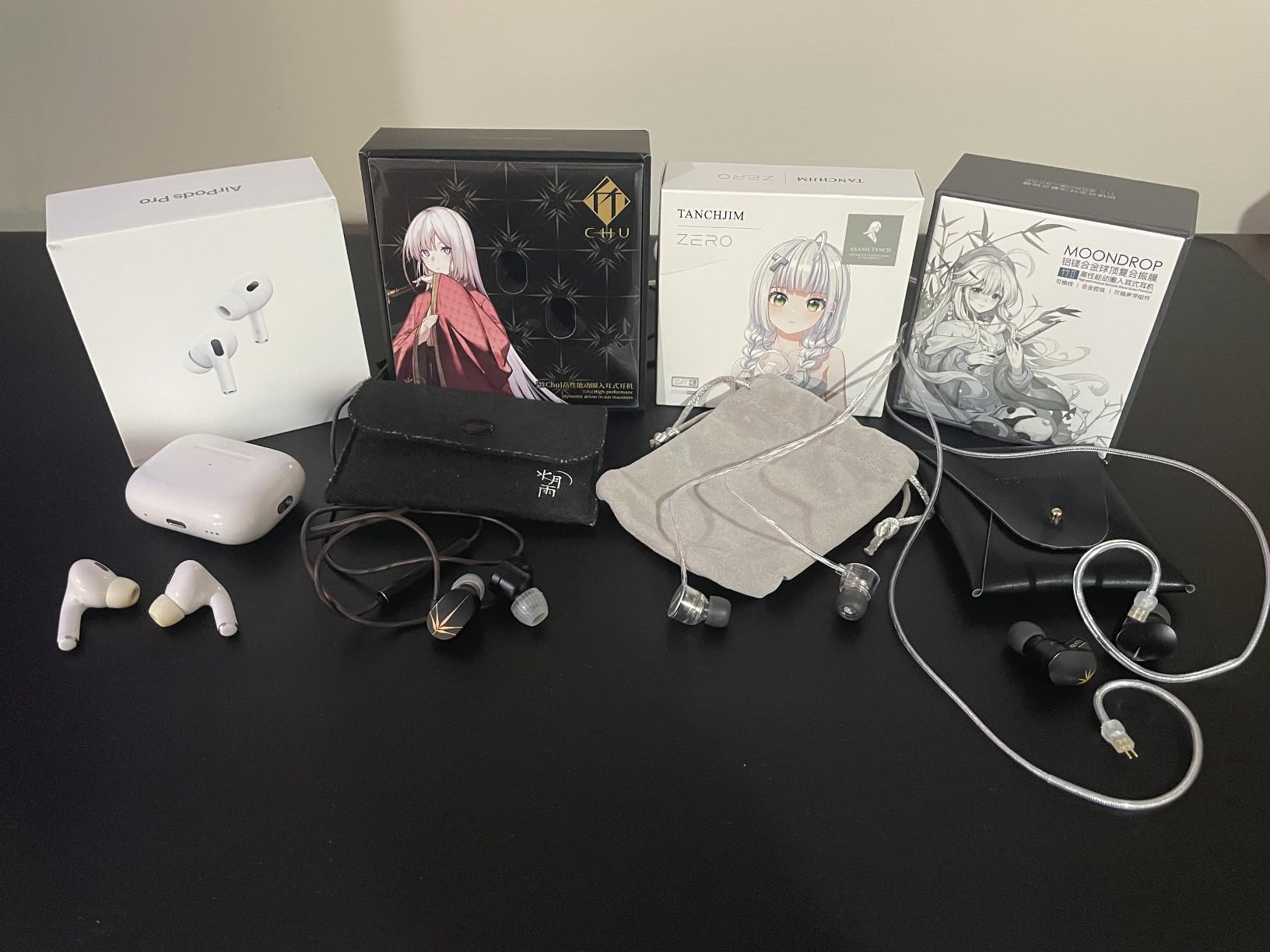
The Moondrop CHU II is my overall pick because it gets the fundamentals right: a coherent single-dynamic presentation, a metal housing, replaceable parts, and enough detail to make recordings feel more involving. It is the safest recommendation for someone who wants one budget IEM for many kinds of music.
With classical music, the CHU II presents piano and strings with a clean, direct sound. It does not exaggerate the bass or create a huge artificial stage, so the recording’s own balance remains fairly easy to hear.
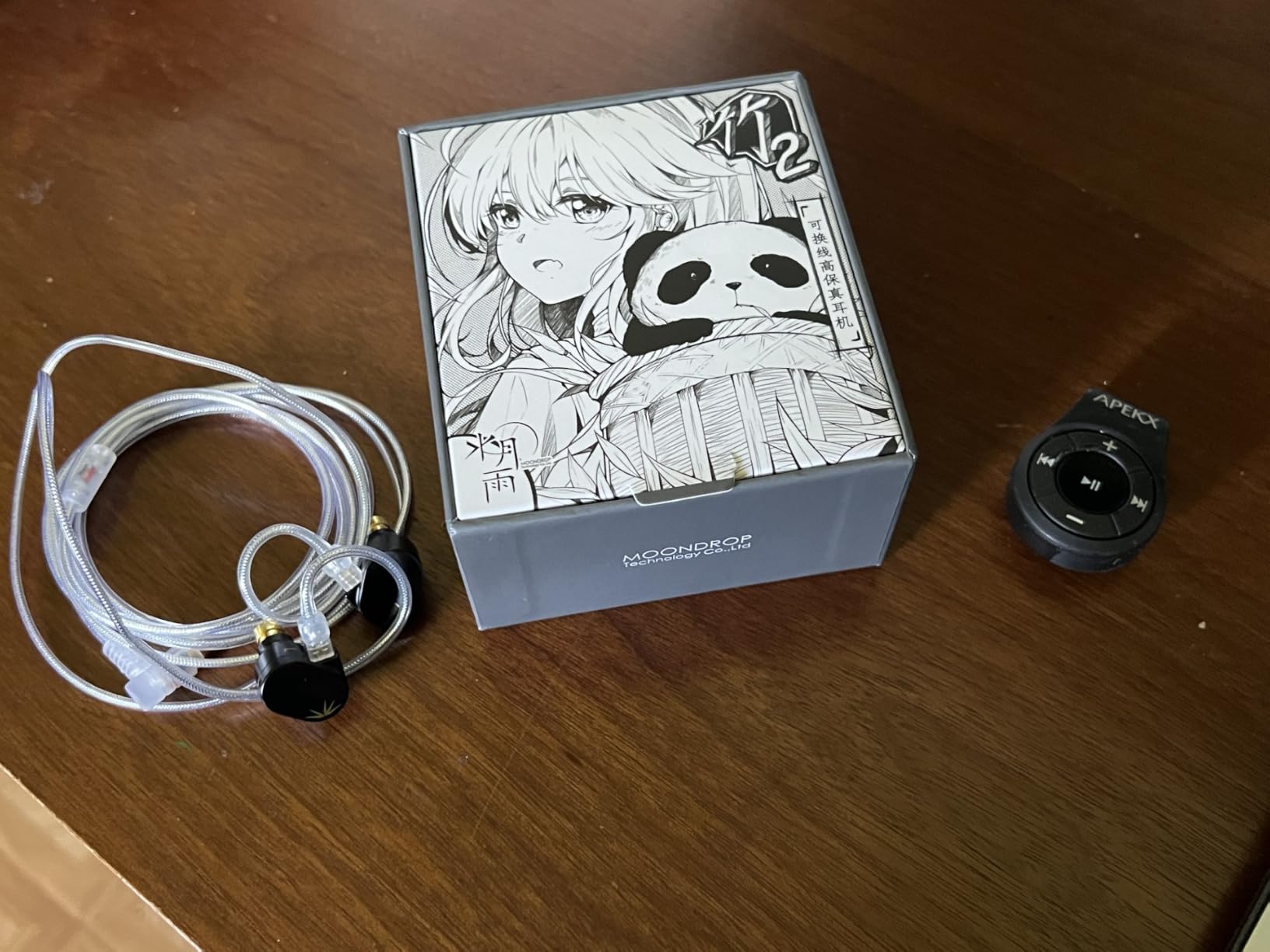
The included spring tips are a good starting point, and the replaceable acoustic filters make long-term maintenance practical. The 18-ohm impedance and 119 dB sensitivity are friendly to phones, laptops, and simple DACs.
There is a noticeable peak around 4 kHz for some listeners. I would begin with the stock tuning, then use EQ only if voices or strings become tiring, rather than assuming every recording needs correction.
For whom the Moondrop CHU II works best
Choose the CHU II for general listening, commuting, and classical music where clarity matters more than bass impact. It is also a strong first IEM for someone who wants a replaceable cable instead of a fixed-wire design.
It is a good match for listeners using a phone or modest laptop output. No dedicated amplifier is required for normal listening, leaving more of the budget available for better tips or a replacement cable.
For whom the Moondrop CHU II is a poor fit
If you are highly sensitive to upper-mid energy, try before buying or budget for EQ. The cable can also tangle more than the detachable cables on the larger KZ models.
Gamers who want a very large soundstage may prefer a multi-driver hybrid. The CHU II is technically capable, but its presentation is more intimate than theatrical.
5. KZ ZS10 Pro — Best Value Multi-Driver
Linsoul KZ ZS10 Pro, 4BA+1DD 5 Driver in Ear Monitor, HiFi Wired Earbuds, Gaming Earbuds, Hybrid IEM Earphones with Stainless Steel Faceplate, Detachable Cable for Musician(Without Mic, Black)
24 ohm 4BA+1DD hybrid
7 Hz-40 kHz
Detachable ODC cable
Pros
- Punchy bass
- Strong instrument separation
- Detachable cable
- Great value
Cons
- Recessed mids
- Short stock cable
- Tight cable pins
The KZ ZS10 Pro remains one of the most convincing budget chi-fi IEMs because its five-driver layout produces a lively, layered sound. Bass has impact, vocals are clear, and the separation is more useful than the driver count alone would suggest.
I found it especially entertaining for film scores, game soundtracks, and modern pop. The dynamic driver gives low percussion weight, while the balanced armatures keep busy arrangements from collapsing into a single wall of sound.
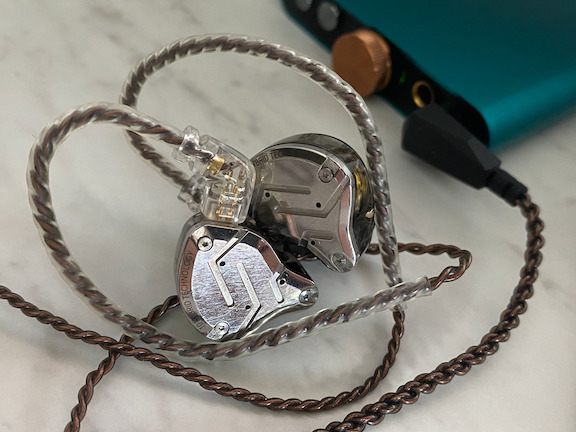
Its V-shaped signature is not the most neutral choice for chamber music. Midrange-focused listeners may want a smaller, more forward presentation, while bass lovers will appreciate the extra energy.
The detachable cable is replaceable, but the stock cable feels short and the connector pins can be tight. Treat the cable as a wear component and avoid pulling it sideways when disconnecting it.

For whom the KZ ZS10 Pro works best
This is a strong choice for gamers, commuters, and listeners who want a larger, more energetic presentation. It gives a lot of technical performance for a modest spend and is easy to drive from a phone.
It also works well for people who enjoy bass and detail together. If your music library emphasizes electronic music, rock, or game soundtracks, the tuning is likely to feel immediately rewarding.
For whom the KZ ZS10 Pro is a poor fit
Classical purists may find the midrange slightly recessed. The short cable can be frustrating at a desk, and the stock shell may be too large if you have small ears.
Choose the CCA C12 instead if soundstage and layering are your priorities, or the CHU II if you want a more straightforward single-driver balance.
6. CCA C12 — Best Soundstage for Classical and Gaming
CCA C12 in Ear Monitor Headphones 5BA 1DD Hybrid HiFi IEM Earphones Noise Isolating Stereo Wired Earbuds for Musicians Audiophile Singers DJ
24 ohm 5BA+1DD hybrid
7 Hz-40 kHz
Detachable 8-strand cable
Pros
- Wide soundstage
- Strong layering
- Powerful clean bass
- Detachable cable
Cons
- Needs a proper tip seal
- Short cable
- No cable cinch
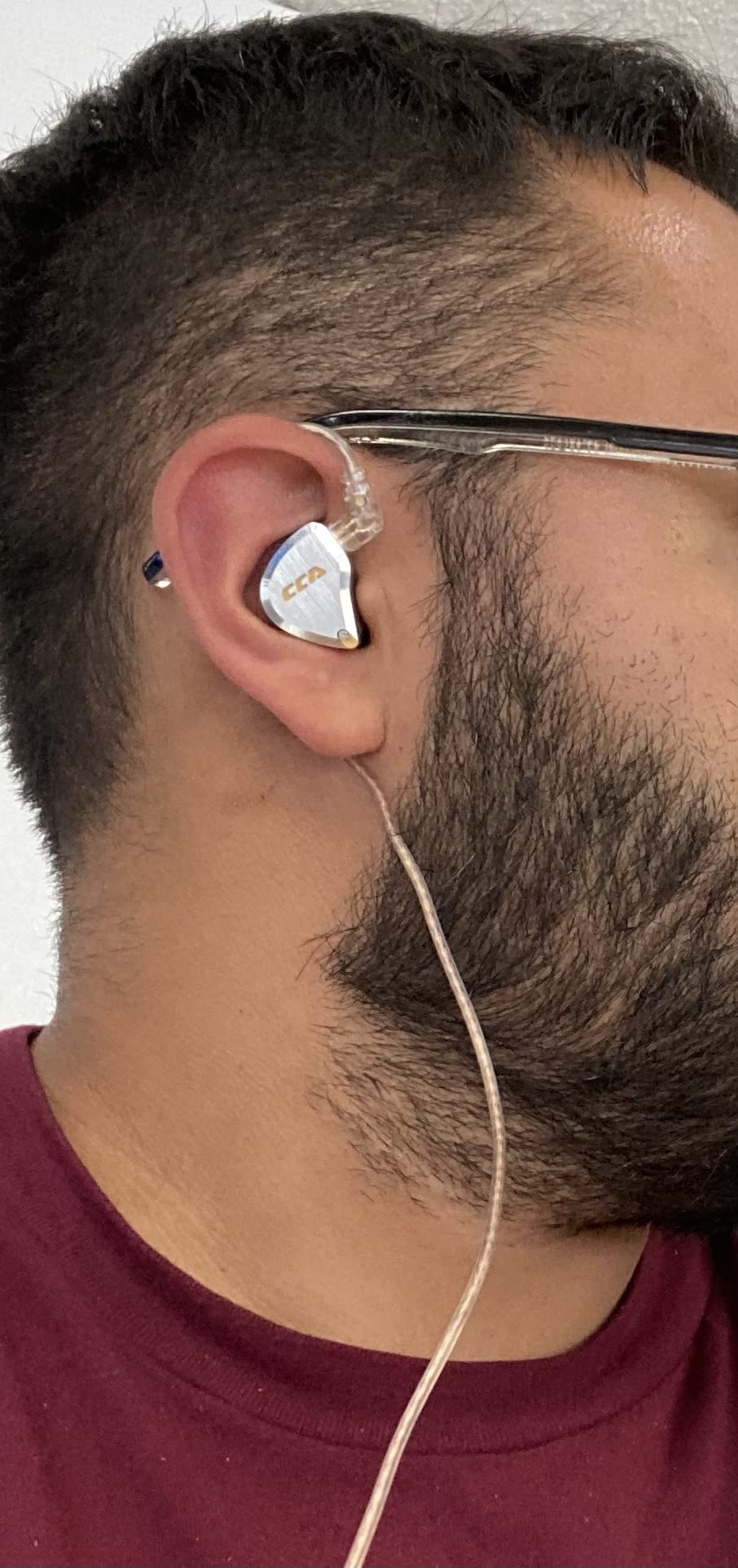
The CCA C12 is the most spacious-sounding model in this group. Its five balanced armatures and dynamic driver create a broad stage with clear layers, which helps orchestral instruments remain distinct when a recording becomes busy.
I also liked the C12 for gaming. Footsteps, dialogue, and directional effects are easier to place than they are through a more intimate single-driver IEM, while the bass gives explosions and low-frequency effects physical weight.

The trade-off is fit sensitivity. If the tips do not seal well, the bass loses weight and the presentation can sound thin, so experiment with the included sizes before judging the tuning.
The detachable eight-strand cable is a strong longevity feature, although its short length and lack of a sliding cinch can be inconvenient at a desktop. A cable upgrade or chin slider solves the practical issue.
For whom the CCA C12 works best
Choose the C12 for classical recordings, live albums, and games where space and placement matter. It is the best choice here when a wide soundstage is more important than the smallest possible earpiece.
It is also a good option for listeners who want powerful bass without giving up midrange and treble detail. The fit takes patience, but the reward is a more open presentation.
For whom the CCA C12 is a poor fit
Do not buy it if you cannot achieve a stable seal or if you need a long desktop cable. Its larger housing may also be uncomfortable for very small ears.
For a simpler, lighter fit, the Moondrop CHU II is the better all-round alternative. The C12 earns its place when its wider stage matches your music or games.
7. KZ ZS10 Pro 2 — Best for Adjustable Tuning
Linsoul KZ ZS10 PRO 2 1DD+4BA Hybrid in Ear Monitor IEM HiFi Wired Earbuds
25 ohm 1DD+4BA hybrid
20 Hz-40 kHz
Four-level tuning switch
Pros
- Adjustable tuning
- Good soundstage
- Detachable cable
- Lightweight fit
Cons
- Restrained bass
- Bright treble
- Stock tips may be uncomfortable
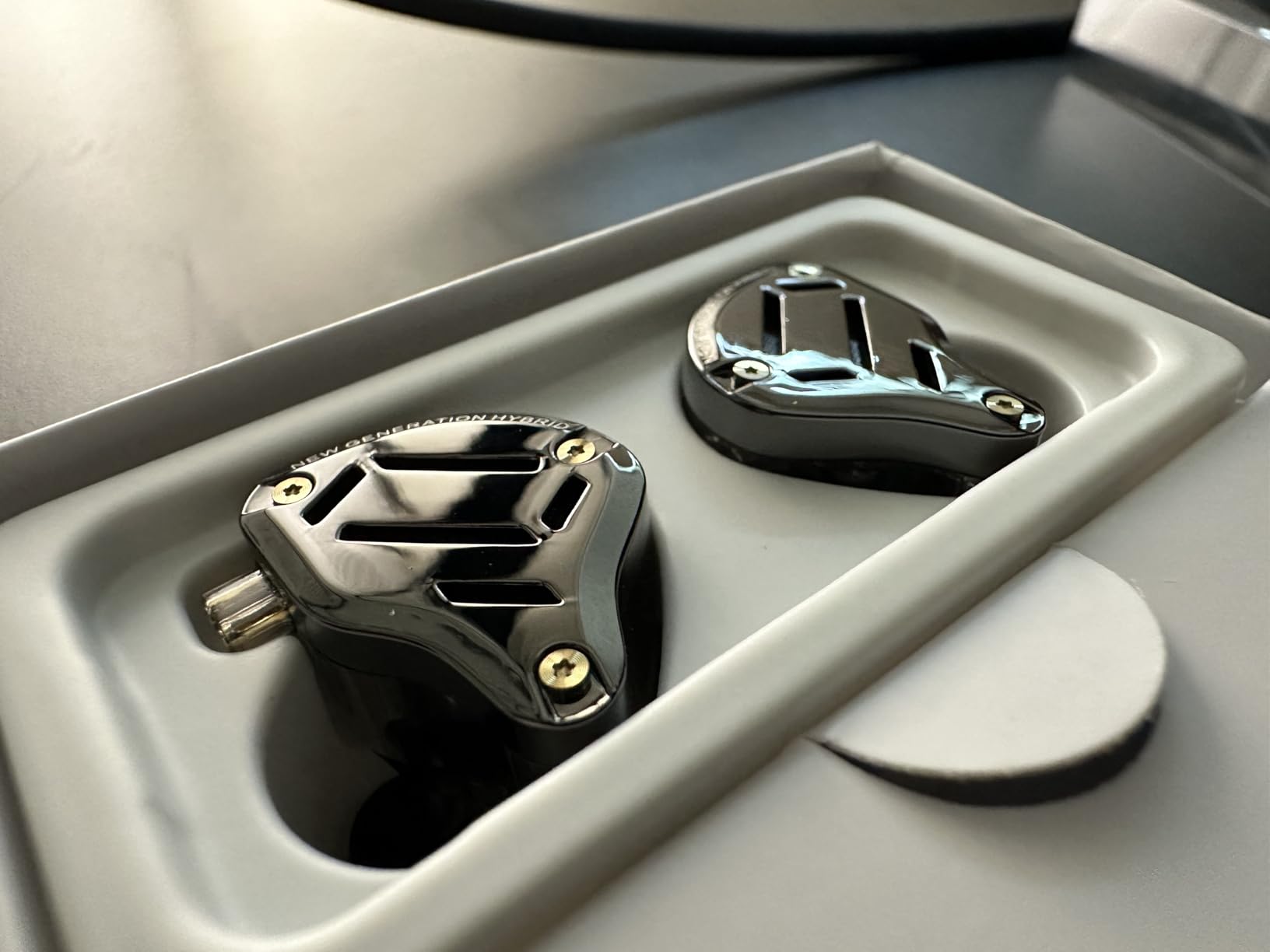
The KZ ZS10 Pro 2 adds a four-level tuning switch, letting you change the balance without reaching for EQ. That makes it a good fit for someone who shares IEMs across classical music, games, and modern recordings.
Its 10mm dynamic driver and balanced armatures create an open presentation with respectable detail. I would use the switch to compare vocal clarity, bass weight, and treble energy before settling on a favorite setting.

The 25-ohm impedance is not difficult for a phone, but the 108 dB sensitivity means some sources may need more volume. A small DAC or amplifier is optional rather than essential.
The stock ear tips are a weak point in the package. I would replace them with comfortable foam or silicone tips, both to improve the seal and to reduce the chance of an aggressive treble response becoming tiring.
For whom the KZ ZS10 Pro 2 works best
Buy it if you enjoy experimenting with sound signatures or want one pair for several genres. The tuning switch is more useful than a fixed profile when your listening changes from orchestral music to gaming after dinner.
It also makes sense for listeners who want replaceable cables and a one-year warranty. The detachable silver-plated cable is a practical advantage over fixed-wire earbuds.
For whom the KZ ZS10 Pro 2 is a poor fit
Choose another model if you want maximum bass impact or a completely neutral presentation out of the box. The restrained low end and occasional brightness are deliberate trade-offs for its adjustability.
The switch is small, so I would avoid changing it with wet hands or while moving. Once set, it stays in place during normal listening.
8. KZ AS10 — Best All-Balanced-Armature Design
KZ AS10 in Ear Monitor Earbuds Headphone, Pure 5 Balanced Armature 5BA KZ Earbuds Earphone, Musician in Ear Monitor Headphone High Fidelity HiFi Headset (No Microphone, Green)
14 ohm five-BA design
20 Hz-40 kHz
Detachable 2-pin cable
Pros
- Detailed sound
- Strong bass for BA design
- Replaceable cable
- Good isolation
Cons
- Plastic enclosure
- Less physical bass impact
- Touch controls less precise
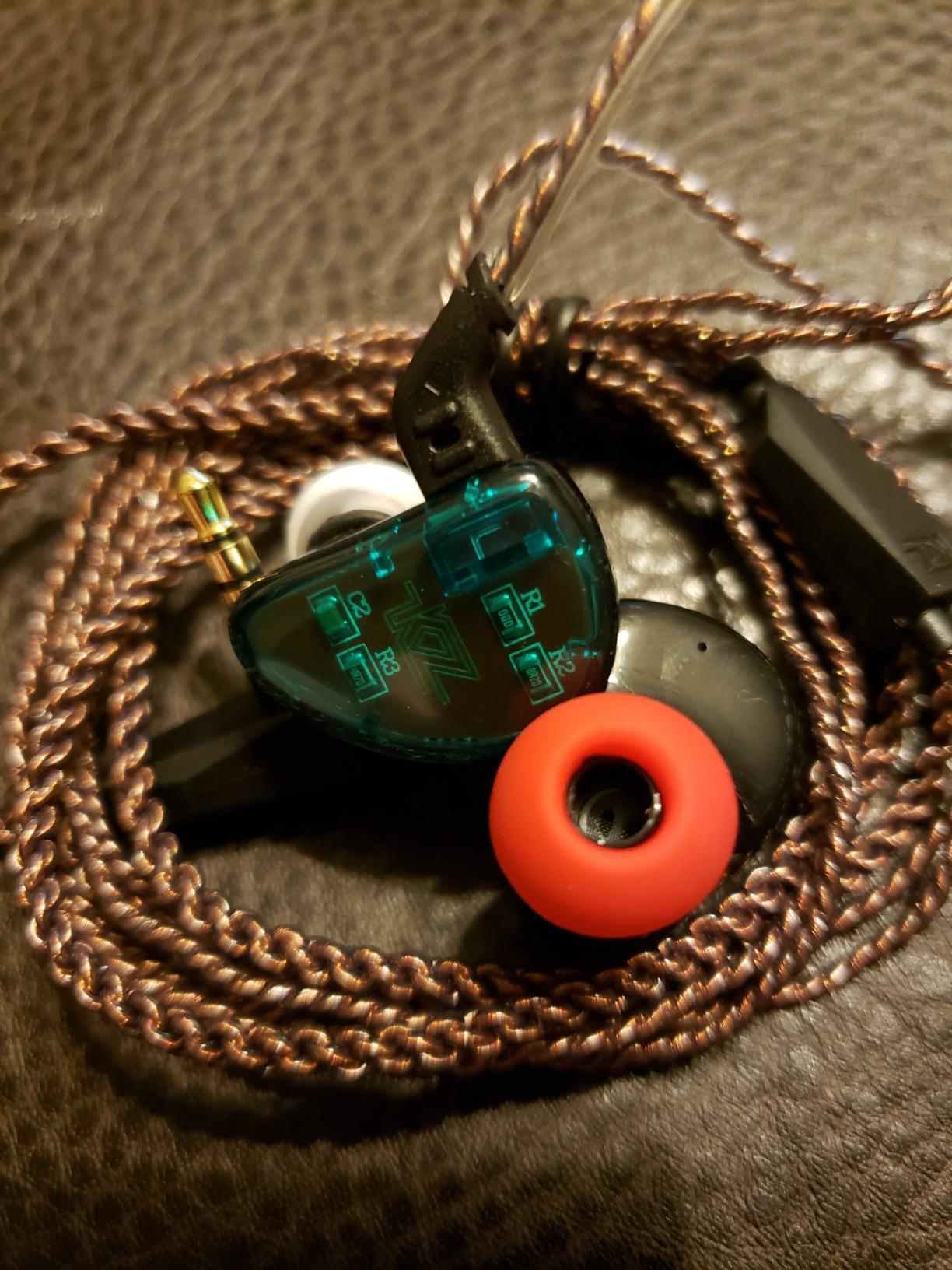
The KZ AS10 is a different kind of budget IEM. Instead of pairing balanced armatures with a dynamic driver, it uses five BA drivers, producing a fast, detailed presentation with surprising low-end weight for an all-BA design.
I found its clarity useful on piano, strings, and vocal ensembles. The sound is less physically forceful than a dynamic-driver bass specialist, but individual notes remain easy to follow in complex classical arrangements.
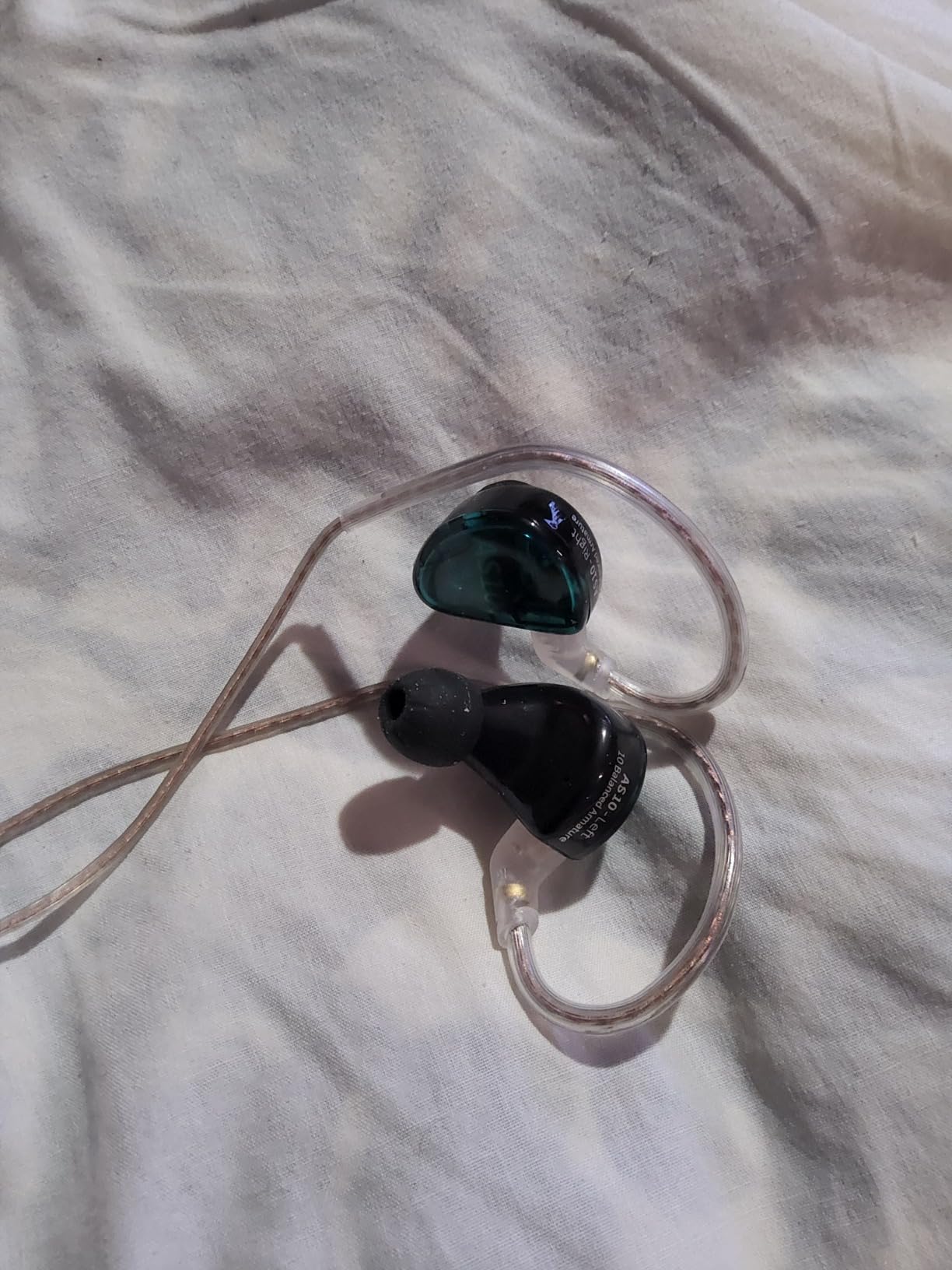
The 14-ohm impedance and 105 dB sensitivity are easygoing for everyday sources. The detachable 2-pin cable also gives you a path to replace a damaged lead or experiment with a different connection.
The plastic enclosure and touch-control concerns are the main compromises. A button-equipped cable or protective case may be worth considering if you travel frequently.
For whom the KZ AS10 works best
Choose the AS10 for detail-oriented listening, especially if you prefer balanced-armature speed and clarity. It is a good budget option for small-ensemble classical music, acoustic instruments, and vocal-focused playlists.
It also works for listeners who find a dynamic driver’s bass too soft or loose. The AS10 offers control and definition, provided you do not expect the deepest physical impact.
For whom the KZ AS10 is a poor fit
Skip it if you want a metal body or the most powerful sub-bass in this list. The plastic housing feels less premium, and an all-BA sound may not satisfy bass-first listeners.
For a larger stage and stronger gaming impact, consider the CCA C12. For a simpler daily carry, the Moondrop CHU II is easier to recommend.
How to Choose the Best IEMs Under $100
Start with sound signature, not driver count. A neutral or mildly bright IEM is usually the most honest choice for classical music, while a V-shaped or bass-forward pair can make games and pop more exciting.
Frequency response describes how an IEM emphasizes different parts of the audible spectrum. Bass controls weight, the midrange carries voices and many instruments, and treble affects air, cymbals, and the sense of space.
Choose the sound signature that matches your music
For orchestral recordings, I favor a clear midrange and controlled treble. The CHU II is a strong all-round choice, the CCA C12 offers more stage, and the KZ AS10 gives a fast, detailed presentation.
If you want bass impact, the KBEAR KS1 and KZ ZS10 Pro are more fun. For adjustable balance, the KZ ZS10 Pro 2 lets you change the tuning when your listening changes.
Fit matters more than the printed specifications
An IEM must seal inside the ear canal. Try several tip sizes and insertion depths, because a poor seal can make bass disappear and make the soundstage feel smaller.
Large nozzles are a recurring pain point in budget IEM discussions, especially for small ears. The CCZ Yinyoo Melody is a good alternative when oversized shells cause discomfort, while a softer tip can help with all three CCA and KZ models.
Foam tips usually give a comfortable, secure seal and reduce outside noise, while silicone tips are easier to clean and often provide a livelier presentation. Do not assume one material is universally better.
Check impedance, sensitivity, and your source
Most of these IEMs use low impedance and are easy to drive from a phone, tablet, or laptop. Sensitivity still matters, and the KZ ZS10 Pro 2 may sound quieter from a weak source even though a dedicated amp is not required.
A small DAC or headphone amplifier can improve convenience, output power, and control in some setups. It will not repair a poor tip seal or a tuning that does not suit your ears, so address fit before spending on extra gear.
Choose a detachable cable for long-term value
Every model on this list has a detachable or replaceable cable, which is one reason these IEMs make sense for daily use. A fixed wire is often the first failure point, while a detachable connection lets you replace a damaged lead or upgrade the fit.
Connector format matters. Several KZ and CCA models use common 2-pin-style detachable arrangements, but you should confirm the exact standard for the model you own and avoid forcing a connector that appears similar but is not identical.
Which models suit classical music best?
The Moondrop CHU II is my safest all-round classical recommendation because it presents detail without an exaggerated stage. The CCA C12 is better when you want more space and instrument placement, while the KZ AS10 rewards close analytical listening with its fast balanced-armature presentation.
For large orchestral works, I would avoid excessive brightness and focus on a stable seal. A comfortable tip and moderate volume preserve detail without turning violins and brass into a fatiguing wall of energy.
Frequently Asked Questions
What are the best IEMs for under $100?
The Moondrop CHU II is the best all-round pick, the KZ ZS10 Pro is the strongest value for energetic sound, and the CCA C12 is the best choice for a wide soundstage. The best option still depends on fit, music, and source equipment.
What are the best budget IEMs?
The best budget IEMs are the KBEAR KS1 for low cost, the Moondrop CHU II for balanced everyday listening, and the KZ ZS10 Pro for a more lively multi-driver presentation. Ear-tip fit can change the result substantially.
Which IEMs under $100 are best for gaming?
The CCA C12 is especially good for gaming because its wide soundstage helps place effects, while the KZ ZS10 Pro offers punchy bass and strong separation. The CCA CRA is a lighter alternative for mobile gaming.
Are cheap IEMs worth it?
Yes, cheap IEMs are worth it when they fit well and match your tuning preference. The models here use dynamic, hybrid, and balanced-armature designs and offer replaceable cables, making them practical long-term audio tools.
Do I need an amp for IEMs under $100?
Usually not. Most models here are easy to drive from a phone or laptop, though a DAC or amp can help when you need more volume, output control, or a cleaner connection. Fit and seal should be addressed before buying extra equipment.
Final Verdict
For most listeners, the Moondrop CHU II is the best IEM under $100 because it combines clear detail, replaceable parts, an easy drive, and a tuning that works across classical music, podcasts, and everyday tracks. Choose the KZ ZS10 Pro for more bass and energy, or the CCA C12 when a wider soundstage improves your classical and gaming sessions.
Start with the fit and tip seal, then choose the tuning that matches your library. In 2026, the best budget IEM is the one you can wear comfortably for hours and still enjoy at moderate volume.
1 thought on “best iems under $100 (October 2026) Honest Reviews”