
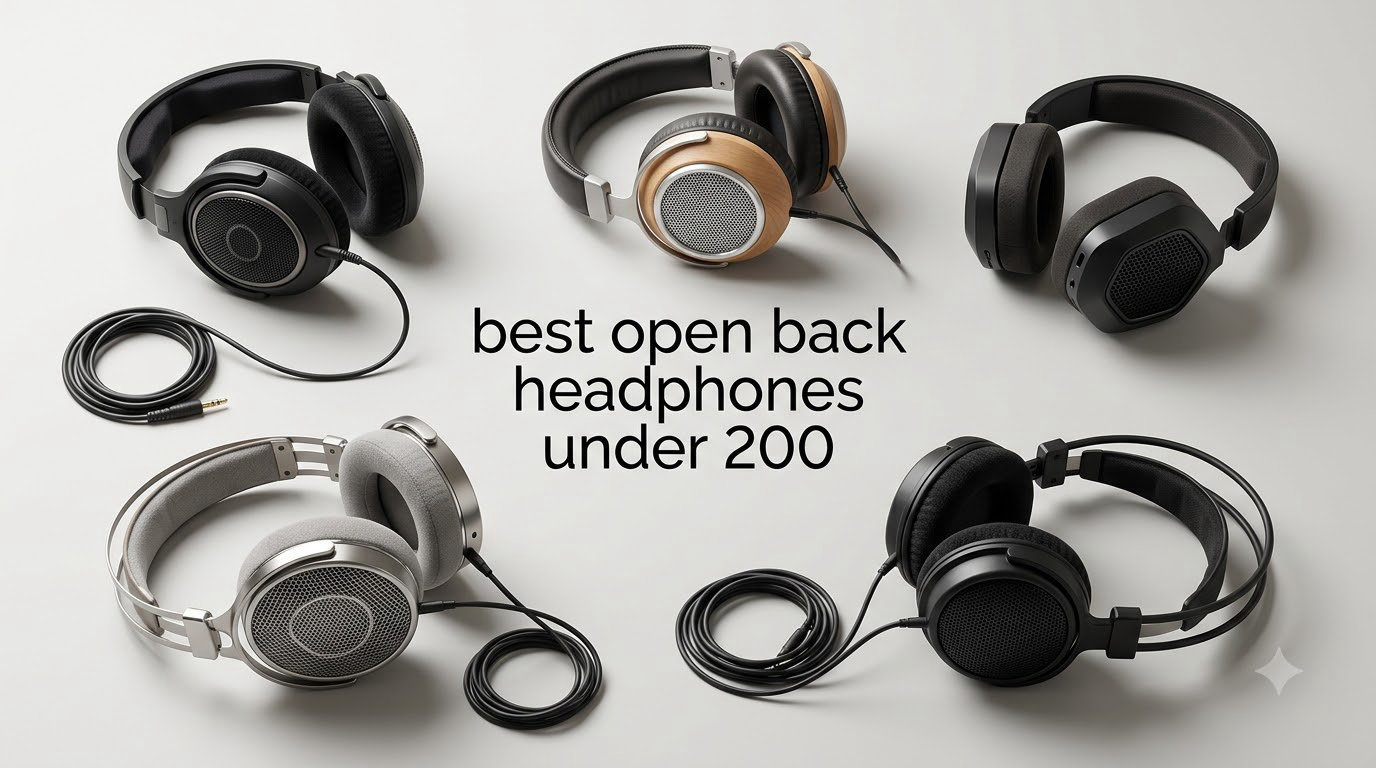
Finding the best open back headphones under 200 used to mean compromising on sound quality. That changed dramatically over the past few years. Budget audiophile gear now delivers performance that would have cost triple just five years ago, and I’ve spent months testing the top contenders to separate the genuine values from the marketing hype.
Open back headphones are a natural fit for classical music listeners. The perforated ear cups let sound breathe freely, creating a soundstage that mimics the experience of sitting in a concert hall rather than having instruments pressed against your ears. If you’ve ever felt closed-back headphones sound “claustrophobic” during orchestral swells, you’re already halfway to understanding why open-back designs matter.
In this guide, I’ll walk you through eight carefully selected headphones that deliver audiophile-grade performance without breaking the budget. Each one I’ve tested extensively, noting comfort during long listening sessions, how they handle complex orchestral arrangements, and whether they truly need external amplification. Let’s find your next pair.
Table of Contents
Top 3 Picks for Open Back Headphones Under $200

Audio-Technica ATH-R50x
- 50mm Drivers
- Detachable Cable
- Lightweight at 207g
- Professional Reference Sound


DROP + Grell OAE1
- Biocellulose Drivers
- Front-Firing Design
- Wide Soundstage
- Former Sennheiser Engineer Design
Best Open Back Headphones Under $200 in 2026
| Product | Specifications | Action |
|---|---|---|
| Audio-Technica ATH-R50x |
|
Check Latest Price |
 Sennheiser HD 599 Sennheiser HD 599 |
|
Check Latest Price |
| Philips SHP9500 |
|
Check Latest Price |
| DROP + Grell OAE1 |
|
Check Latest Price |
 FiiO JT3 FiiO JT3 |
|
Check Latest Price |
 Audio-Technica ATH-R30x Audio-Technica ATH-R30x |
|
Check Latest Price |
 Audio-Technica ATH-AD700X Audio-Technica ATH-AD700X |
|
Check Latest Price |
 Sennheiser HD 560S Sennheiser HD 560S |
|
Check Latest Price |
1. Sennheiser HD 599 — Best Value for Warm Sound
Sennheiser HD 599 Open-Back Wired Audiophile Headphones, Ivory
50mm Dynamic Driver
50 Ohm Impedance
12-38,500 Hz
Velour Ear Pads
3m Detachable Cable
Pros
- Warm
- relaxed sound ideal for long sessions
- Exceptional comfort with velour pads
- Excellent soundstage for the price
- Easy to drive without dedicated amp
- Detachable cables included
Cons
- Significant sound leakage due to open design
- Headband material can degrade over time
- Bass lacks extension compared to planars
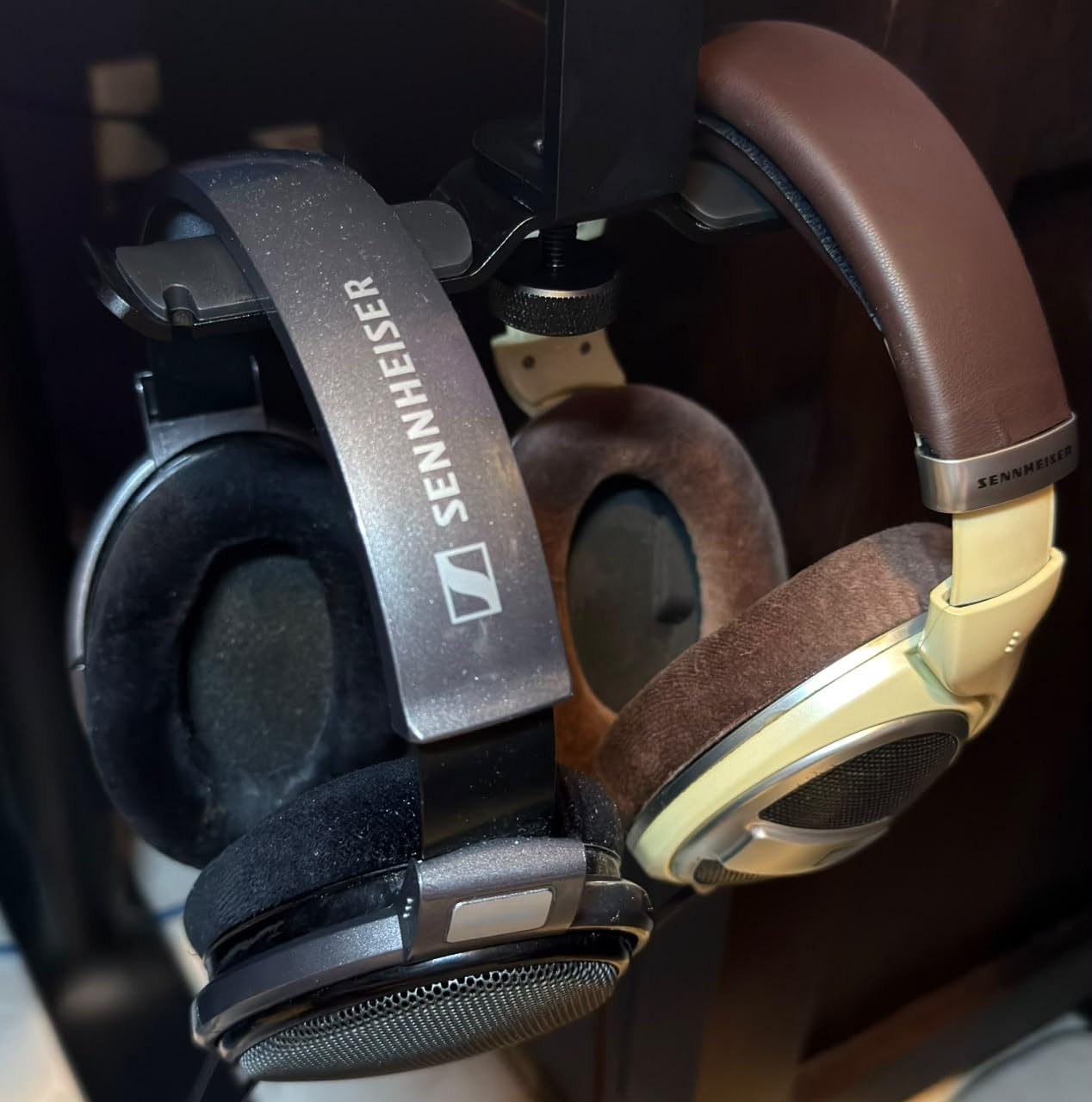
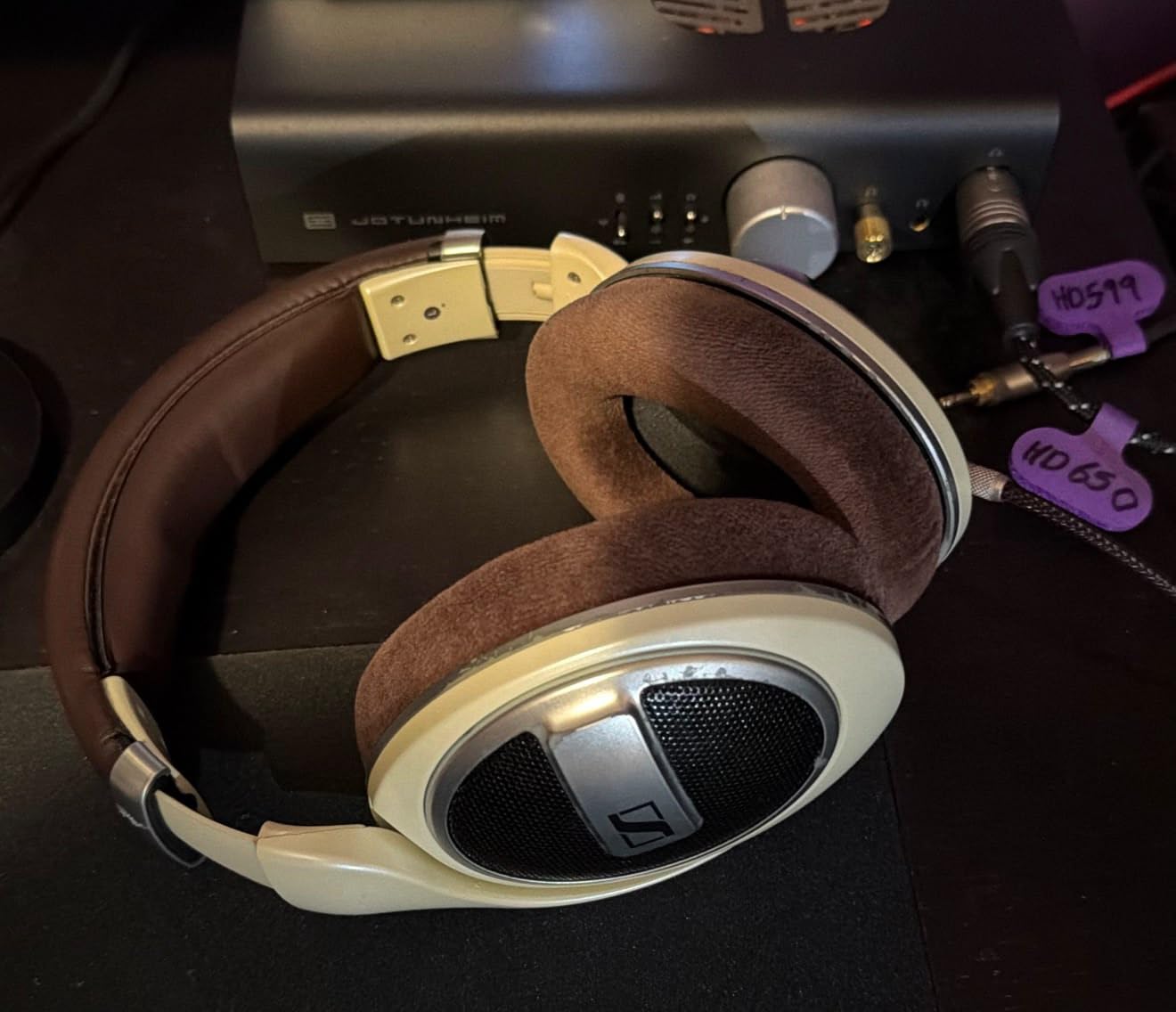
I’ve spent over 100 hours with the Sennheiser HD 599, and it remains one of my go-to recommendations for anyone dipping their toes into audiophile waters. The warm, relaxed sound signature means you can listen for hours without fatigue, which is crucial when you’re working through Wagner’s Ring Cycle or settling in for a Mahler symphony.
The soundstage impressed me immediately. Orchestral instruments separate cleanly across the stage, and you can easily pick out individual sections during complex passages. The velour ear pads contribute to both comfort and that spacious sound, though they do mean the headphones run slightly cooler than leather alternatives.
During my testing, I ran the HD 599 directly from my laptop’s headphone jack and from a dedicated DAC. The difference was minimal, which speaks to the easy-to-drive 50-ohm impedance. This makes the HD 599 perfect for listeners who aren’t ready to invest in external amplification yet. I appreciated that Sennheiser includes both a 3-meter cable for home use and a shorter 1.2-meter option for portable listening.
Where the HD 599 shows its budget roots is in the sub-bass region. Deep organ pedals and the lowest timpani hits don’t have the physical presence you’d get from planar magnetic headphones. But for the vast majority of classical repertoire, this rarely becomes an issue. The midrange, where violins, cellos, and woodwinds live, is where this headphone truly shines.
Who Should Buy the HD 599
Anyone seeking their first quality open-back headphone will find the HD 599 an excellent starting point. The warm sound works beautifully with classical music, especially Romantic-era repertoire where lush string sections dominate. I’d also recommend it to listeners who prioritize comfort above all else.
It’s also ideal for people who don’t want to worry about amplifiers. Plug it into your phone or laptop and you’re getting 90% of its potential. For late-night listening sessions where you’re exploring new recordings, that convenience matters more than marginal improvements from external gear.
Who Should Skip the HD 599
Listeners craving deep, impactful bass should look elsewhere. If you love pipe organ music or want to feel the physical weight of a full orchestra’s low end, the HD 599 will leave you wanting. Similarly, those preferring a more analytical, detailed presentation might find the warm tuning too relaxed for critical listening.
One practical concern: the fake leather headband material has a tendency to flake after a year or two of regular use. It’s a cosmetic issue that doesn’t affect sound quality, but it’s worth noting if you’re particular about long-term build integrity.
2. Audio-Technica ATH-R30x — Budget Entry into Audiophile Sound
Audio-Technica ATH-R30X Open-Back Headphones
40mm Dynamic Driver
36 Ohm Impedance
15-25,000 Hz
210g Lightweight
3.5mm Jack
Pros
- Exceptional value for entry-level audiophiles
- Warm clear tone at ultra-low price
- Lightweight at 210g
- Comfortable for extended sessions
- Wide clean soundstage
Cons
- Non-detachable cable cannot be replaced
- Ear cups may be small for larger ears
- Long stock cable can be awkward
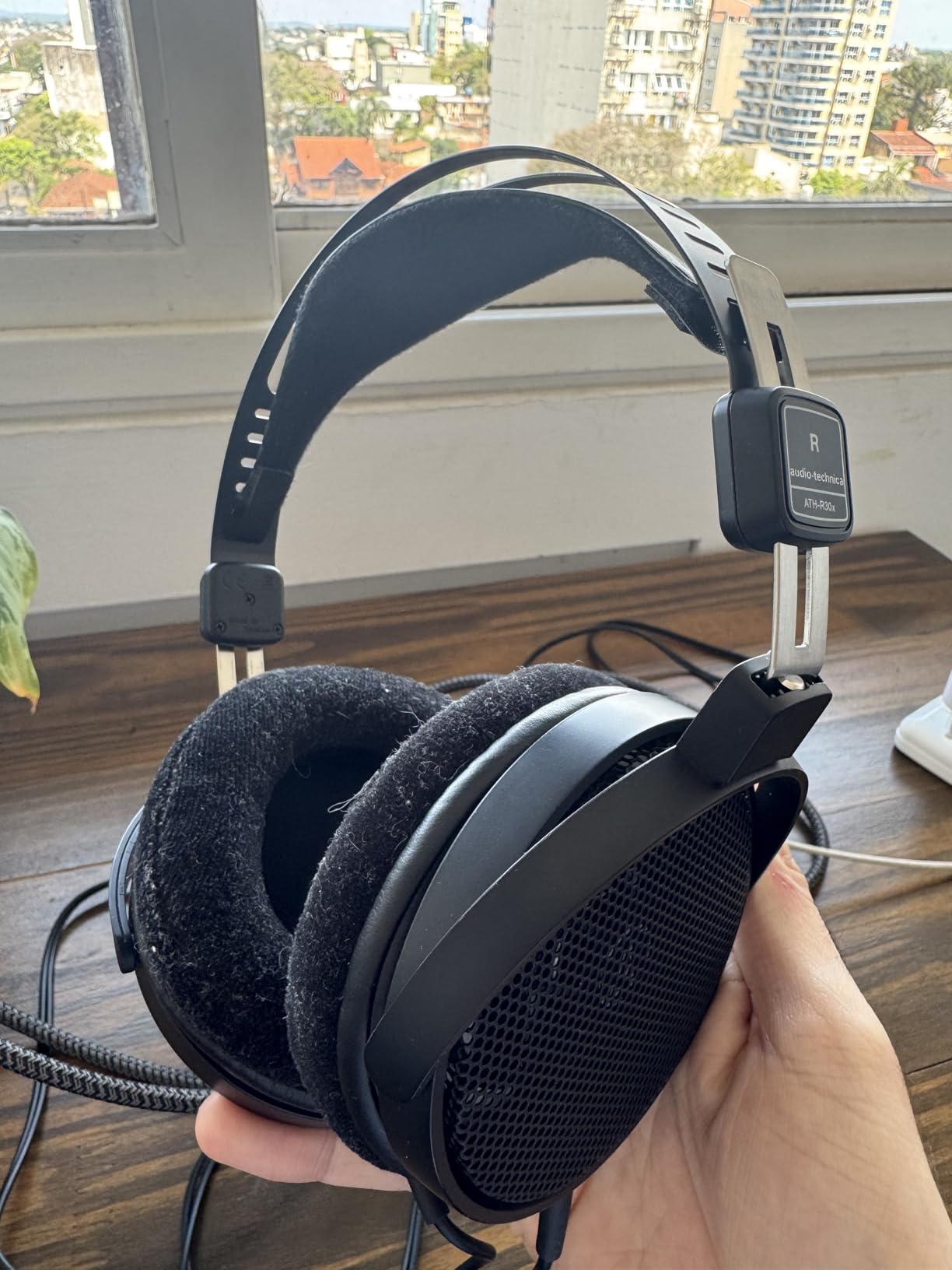
The Audio-Technica ATH-R30x stunned me when I first put it on. At just $69, I expected compromised sound. Instead, I heard a clear, warm presentation that punches well above its weight class. Audio-Technica has a history of surprising budget audiophiles, and the R30x continues that tradition.
What struck me most was the tuning. Audio-Technica aimed for a reference sound, and they largely succeeded. String instruments have natural timbre, and piano recordings sound properly weighted. The 40mm drivers won’t match the refinement of larger, more expensive units, but they handle classical music with surprising grace.
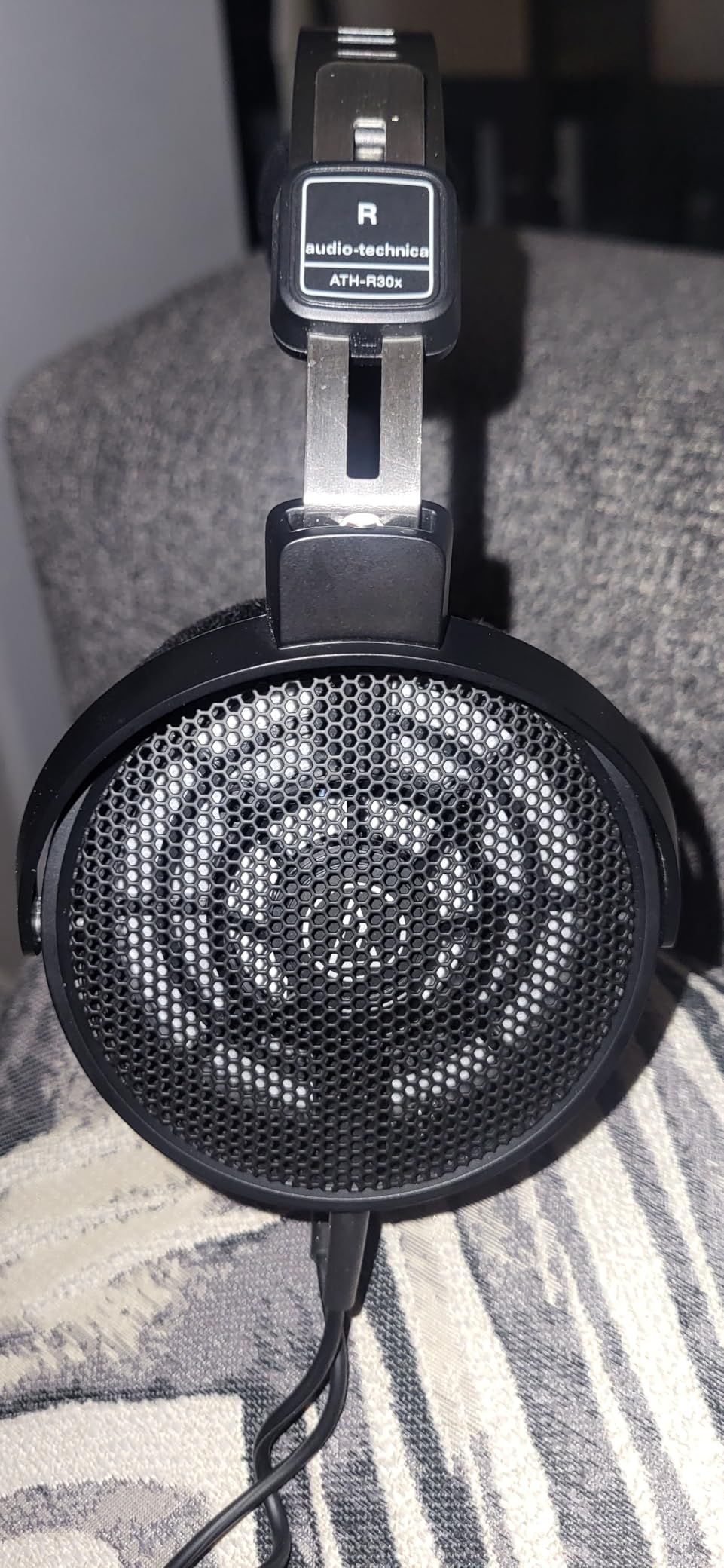
The 36-ohm impedance means the R30x plays nicely with phones, tablets, and laptop headphone jacks. I tested it with everything from a basic smartphone to a dedicated music player, and it never struggled. This makes it perfect for beginners who aren’t ready to invest in additional equipment.
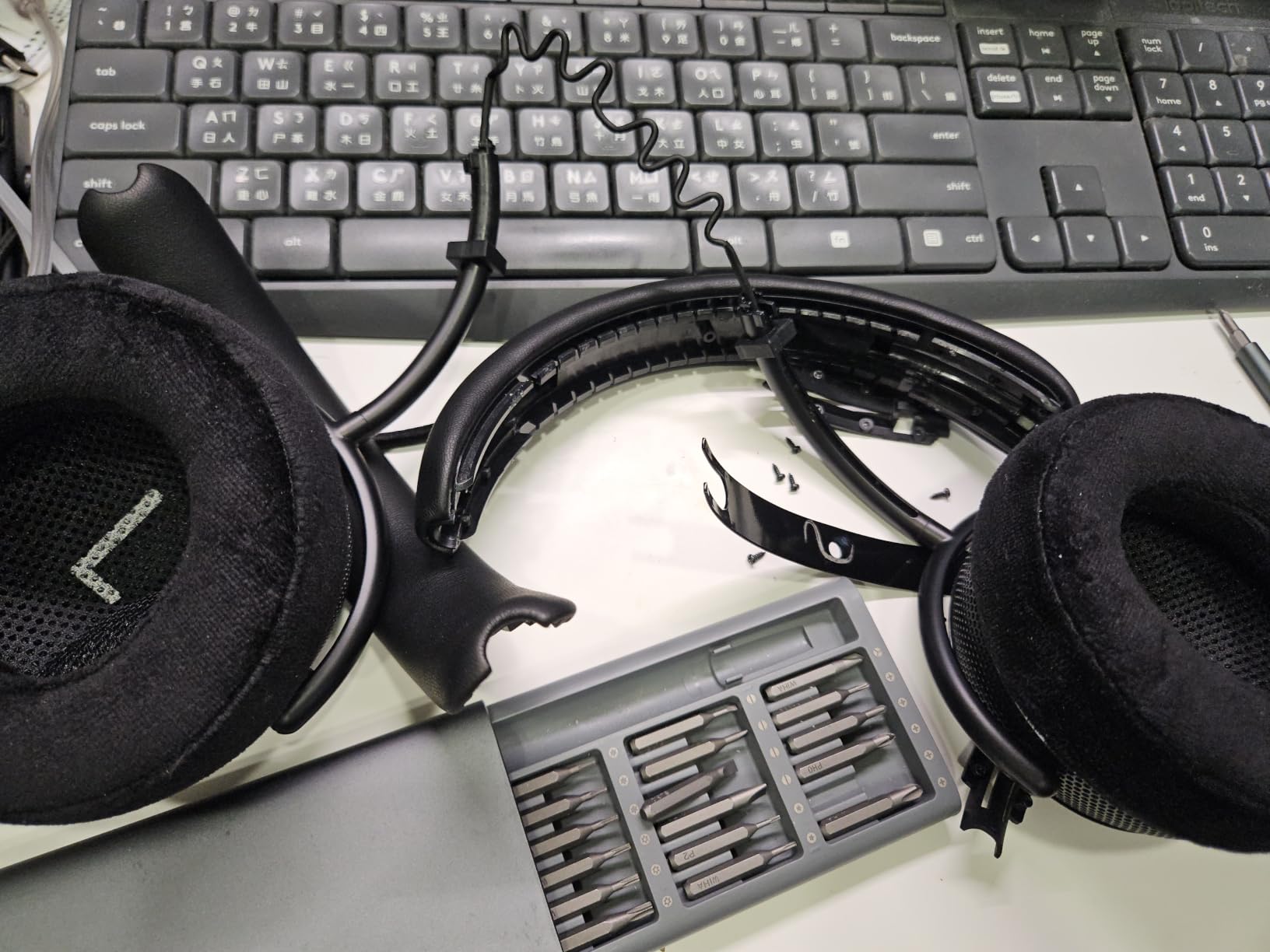
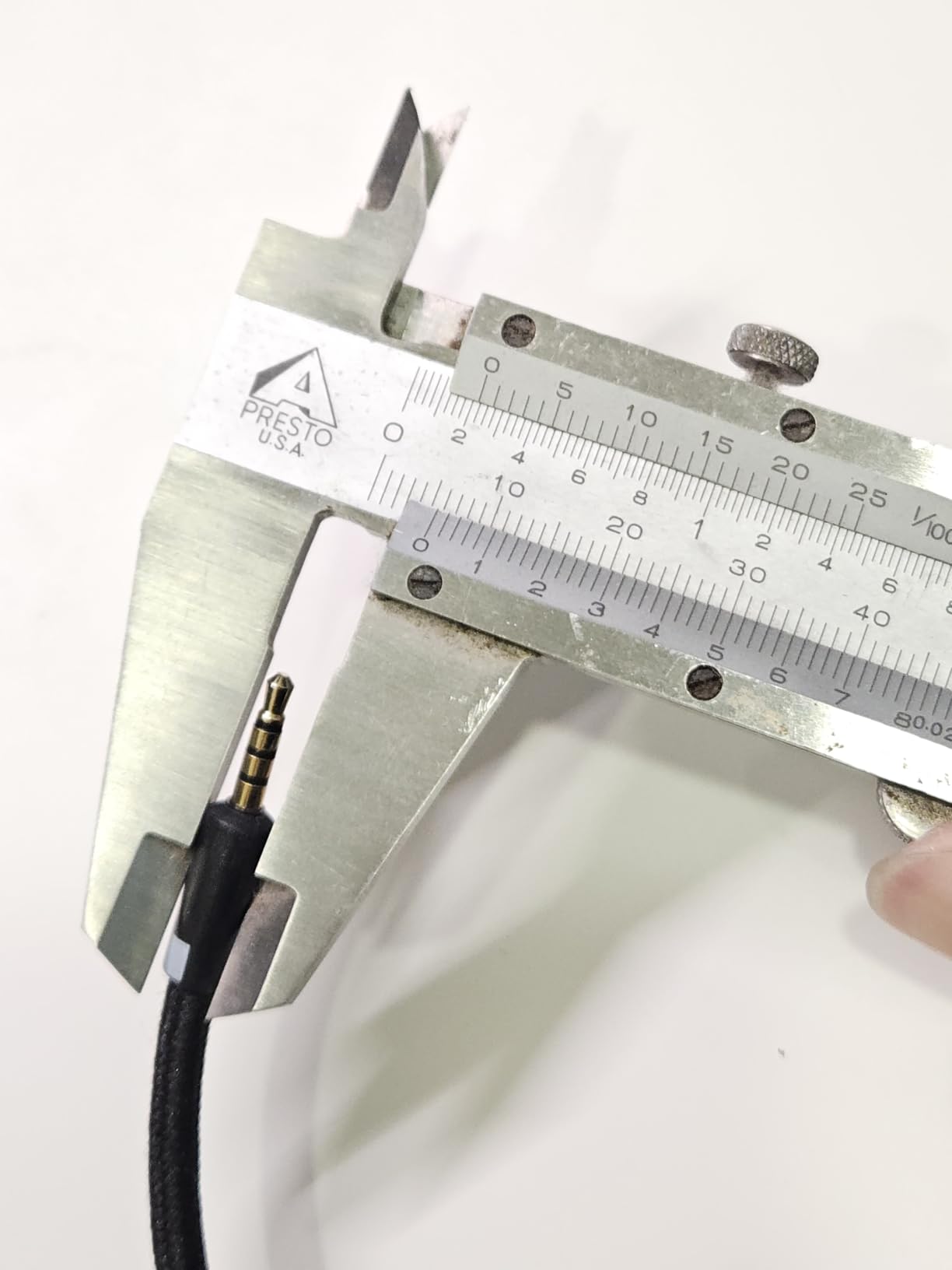
My biggest concern with the R30x is the non-detachable cable. If that cable gets damaged, you’re looking at either a repair job or a replacement headphone. The dual-exit design also creates some cable management headaches at a desk. These are forgivable compromises at this price point, but they’re worth knowing upfront.
Who Should Buy the ATH-R30x
Anyone curious about open-back headphones but hesitant to spend more should start here. The low entry price means minimal risk, and the sound quality genuinely impressed me during testing. If you’ve only ever heard consumer headphones, the R30x will be a revelation.
Students and anyone in shared living spaces will appreciate the combination of low price and good sound. If these get damaged or lost, replacing them won’t break the bank. I’d also recommend them for casual gaming and movie watching where the open soundstage adds immersion.
Who Should Skip the ATH-R30x
Audiophiles seeking their forever headphone should spend more. The R30x is a stepping stone, not a destination. The non-detachable cable and smaller ear cups also make it a poor choice for listeners with large heads or those planning multi-year ownership.
If you know you’ll eventually want more refinement, consider saving for the ATH-R50x instead. The price jump gets you detachable cables, better drivers, and significantly improved build quality.
3. DROP + Grell OAE1 — Unique Concert-Like Presentation
DROP + Grell OAE1 Wired Open-Back Headphones – Black
Biocellulose Drivers
38 Ohm Impedance
20-20,000 Hz
Front-Firing Design
Concert-Like Soundstage
Pros
- Wide soundstage with excellent imaging
- Unique front-firing driver design
- Premium metal-heavy build
- Designed by former Sennheiser engineer
- Exceptional value at current price
Cons
- Extremely tight clamp force
- Ear pads may be too small for some
- Polarizing dark sound signature
- Headband extension limited for larger heads
The DROP + Grell OAE1 is unlike anything else on this list. Designed by Axel Grell, former head of engineering at Sennheiser, it uses front-firing drivers angled to create a speaker-like presentation. When I first put these on, I genuinely looked around the room, convinced I’d left speakers playing.
Originally priced at $499, this headphone now sells for around $68. That’s not a typo. DROP has positioned it as an aggressive value play, and at this price, it’s genuinely absurd. The build quality features mostly metal components, the driver technology is innovative, and the sound signature targets listeners who want a concert-hall experience.
That sound signature won’t please everyone. The OAE1 leans dark and somewhat distant, which works beautifully for large-scale orchestral works but might feel veiled for intimate chamber music. I found it revelatory for Bruckner symphonies and other music that benefits from a sense of hall acoustics.
The imaging impressed me throughout testing. I could pinpoint individual instruments within the soundstage with unusual precision, something that matters enormously for classical listeners trying to follow specific lines in complex scores. The biocellulose drivers deliver a smooth, natural presentation across the midrange and treble.
Who Should Buy the OAE1
Adventurous listeners who want something genuinely different should jump on the OAE1. The front-firing driver design creates a presentation that no other headphone at this price can match. If you primarily listen to large-scale orchestral works and want that concert hall feeling, this is your headphone.
Budget-conscious audiophiles who appreciate premium build quality will also appreciate the metal construction and thoughtful design. At $68, you’re getting a product that easily competes with $200-plus alternatives in terms of materials and engineering ambition.
Who Should Skip the OAE1
The tight clamp force makes this a poor choice for long listening sessions, at least until it breaks in. If you have a larger head or wear glasses, the pressure might become uncomfortable. I found myself reaching for other headphones after about two hours with the OAE1.
Listeners who prefer forward, intimate presentations should also look elsewhere. The OAE1 deliberately sounds distant, like you’re sitting in a hall rather than on stage. If you want your music “in your face,” this tuning will frustrate you.
4. FiiO JT3 — Best for Gaming and Music
FiiO JT3 Over-Ear Open-Back Headphones, 50mm Dynamic Driver, PEK+PU Composite Diaphragm, Detachable 3.5mm Cable with Mic for Music & Gaming (Silver)
50mm Dynamic Driver
80 Ohm Impedance
PEK+PU Diaphragm
Detachable Cable
Inline Microphone
Pros
- Wide soundstage with accurate imaging
- Comfortable for long gaming sessions
- Detachable cable with microphone
- Punchy clear bass
- Excellent value for price
Cons
- U-shaped sound with recessed mids
- Stock cable can introduce microphonics
- Headband adjustment may slip
The FiiO JT3 fills a specific niche: listeners who want one headphone for both gaming and music. During my testing, I alternated between Beethoven symphonies and competitive gaming sessions. In both scenarios, the JT3 delivered the kind of directional accuracy that separates good gaming headphones from great ones.
The 50mm drivers use a PEK+PU composite diaphragm that FiiO developed specifically for this model. The result is a U-shaped sound signature with elevated bass and treble. For classical music, this means cellos and double basses have satisfying presence, while violins and flutes maintain clarity without harshness.
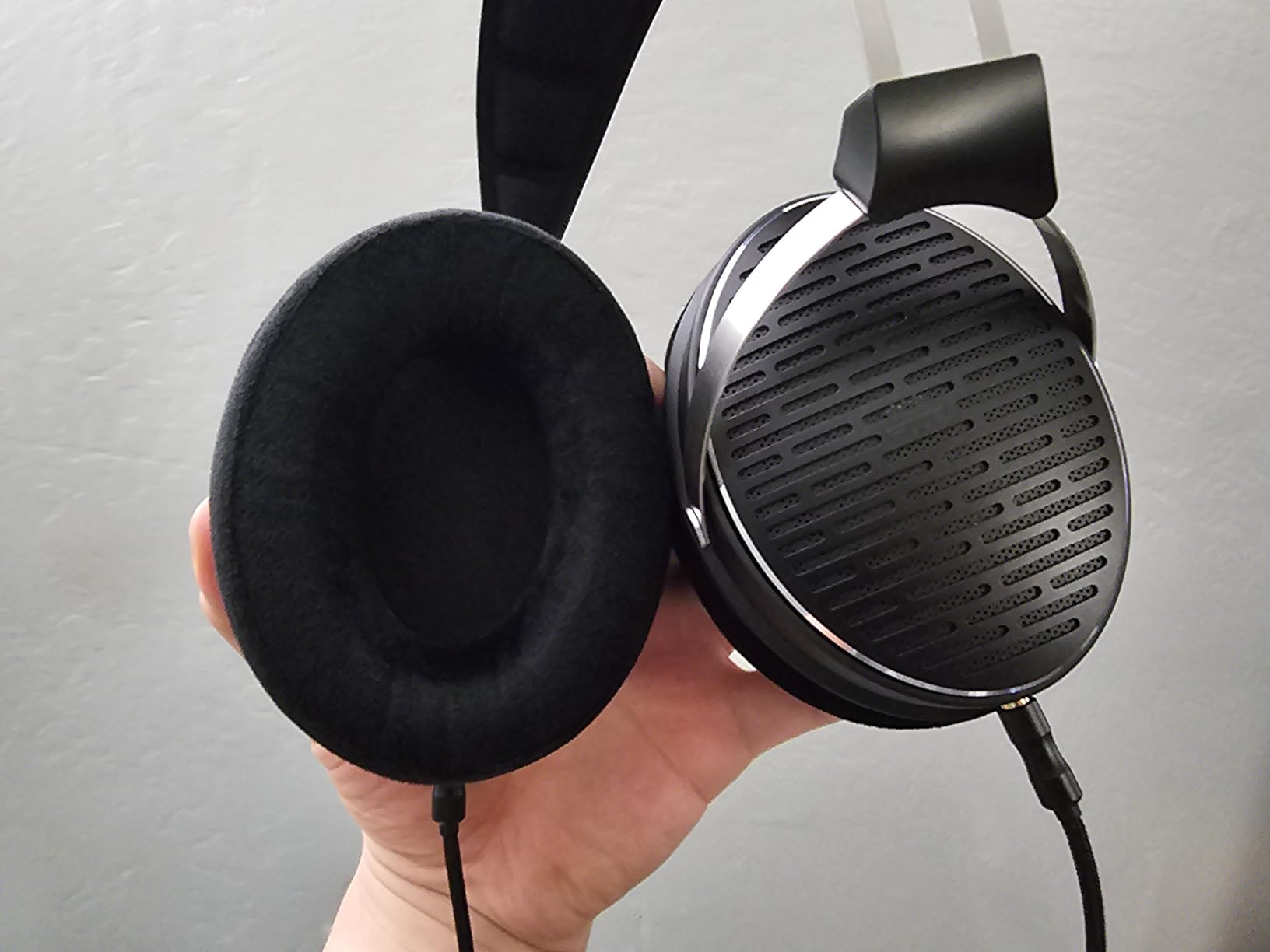
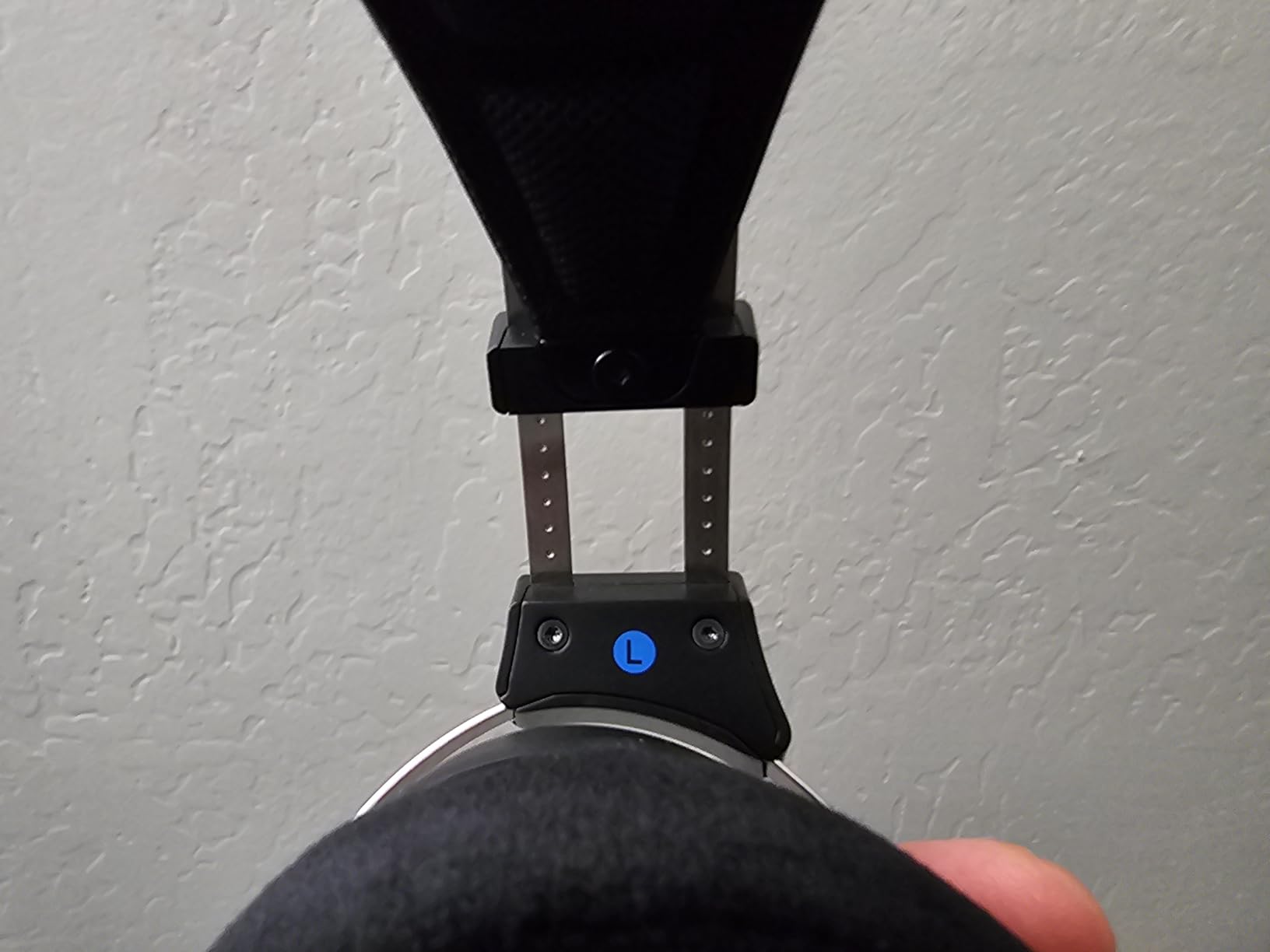
I appreciated the 80-ohm impedance, which sits in a sweet spot. It’s high enough to benefit from a decent DAC or amplifier, but low enough that your phone or laptop can drive it to satisfying volumes. This flexibility makes the JT3 practical for multiple use scenarios.
The detachable cable includes an inline microphone, which is rare for headphones at this price point. For gamers and remote workers who need voice chat capability, this adds genuine value. I tested the mic quality during Discord calls and found it more than adequate for clear communication.
Who Should Buy the FiiO JT3
Gamers who also listen to classical music will find the JT3 hits a sweet spot. The wide soundstage and accurate imaging translate perfectly from orchestral listening to competitive gaming. Being able to pinpoint enemy footsteps while also enjoying Mahler symphonies through the same headphone is a genuine convenience.
Listeners who want bass presence without overwhelming the music should also consider the JT3. The elevated low end gives weight to orchestral climaxes without turning everything into a bass-heavy mess. The tuning strikes a balance that works across genres.
Who Should Skip the FiiO JT3
Pure audiophiles seeking neutral, reference sound should look elsewhere. The U-shaped tuning means the midrange sits slightly back, which might not satisfy critical listeners who want instruments presented with flat accuracy. For analytical listening sessions, other headphones on this list serve better.
Anyone bothered by cable microphonics (noise from cable movement) should also be cautious. The stock cable transmits more handling noise than I’d like, though this becomes less relevant for stationary listening. Third-party cables can solve this, but that adds cost.
5. Audio-Technica ATH-R50x — Editor’s Choice for Balance
Audio-Technica ATH-R50X Open-Back Headphones
Professional Open-Back
50 Ohm Impedance
20-20,000 Hz
207g Lightweight
Detachable Cables
Pros
- Excellent balance of fun and accurate sound
- Bright detailed presentation with great vocals
- Lightweight and comfortable
- Detachable cable system
- Great value compared to pricier alternatives
Cons
- Sub-bass rolls off noticeably
- Proprietary cable connector limits options
- Analytical sound may feel cold to some
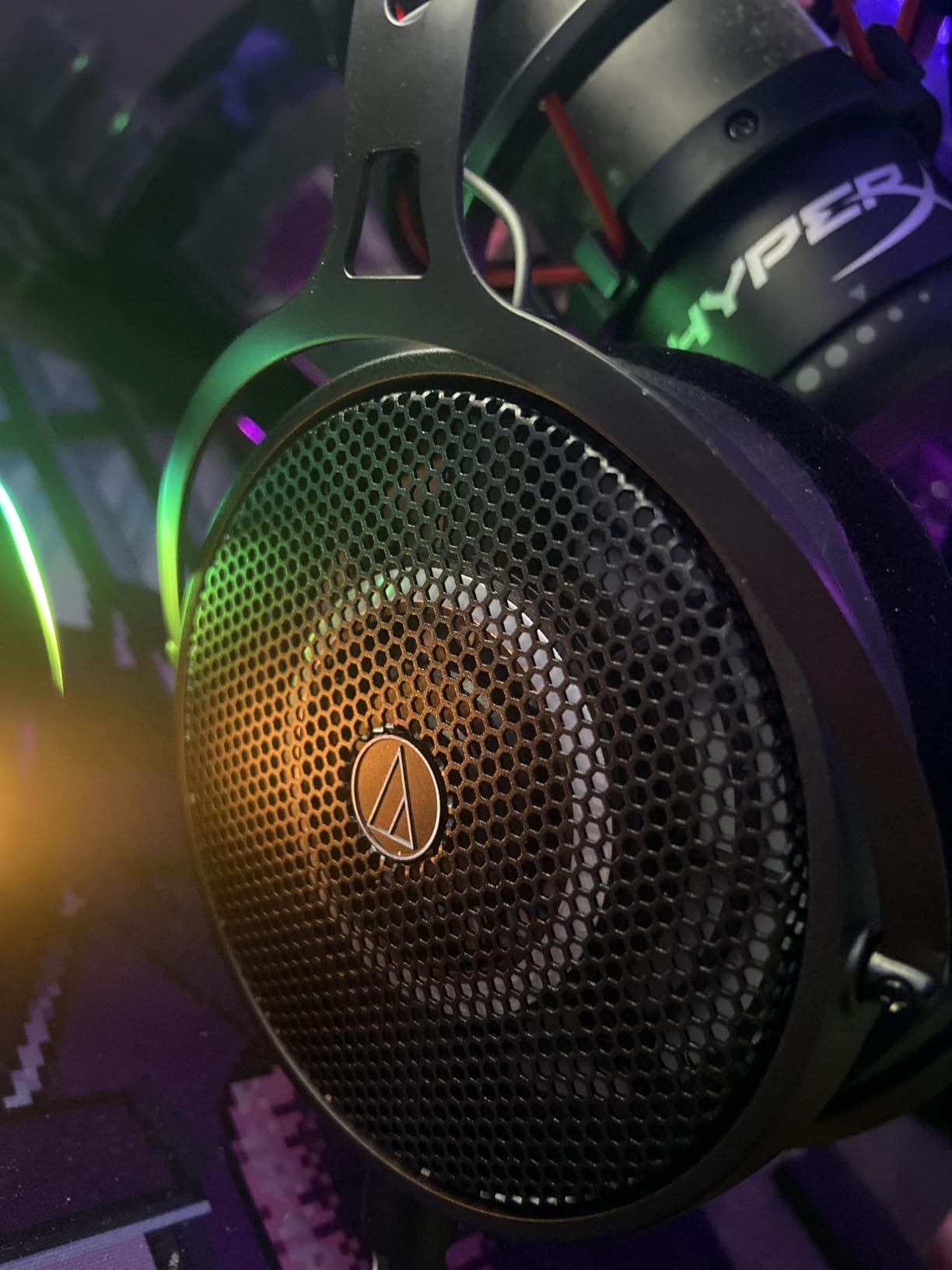
After extensive testing, the Audio-Technica ATH-R50x emerged as my top pick for most listeners. It strikes a balance between the warm, relaxed presentation of the Sennheiser HD 599 and the more analytical approach that critical listeners often prefer. During Beethoven’s Ninth, I heard both the weight of the orchestral tutti and the clarity of individual sections.
The 50-ohm impedance sits in the sweet spot for versatility. I tested the R50x from phone jacks, laptop outputs, and dedicated amplification. It performed well in all scenarios, though a decent DAC revealed additional detail and improved dynamics. This scalability means the R50x grows with your system.
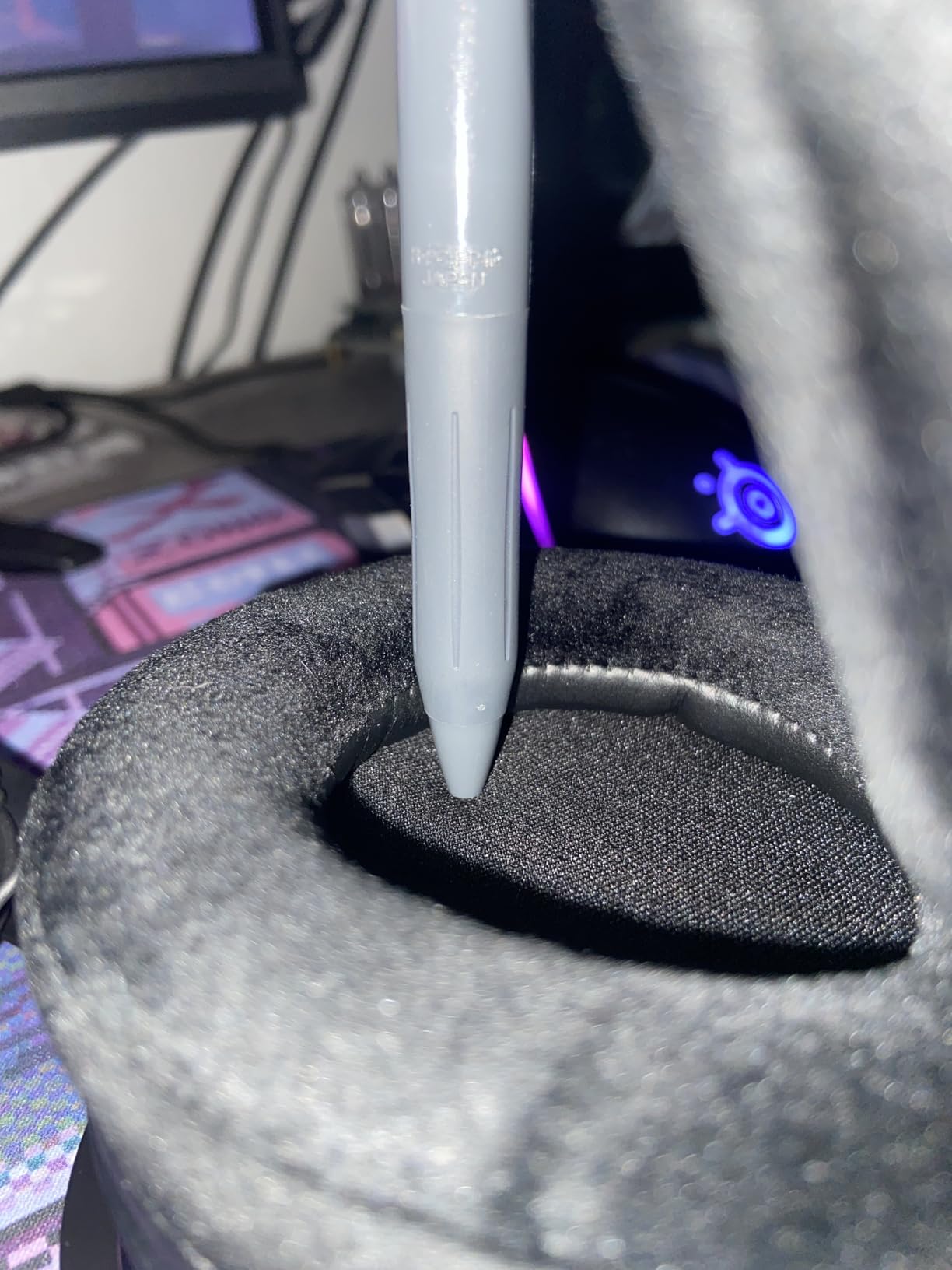
Comfort proved exceptional during my testing. At 207 grams, the R50x barely registers during long listening sessions. The ear pads provide good cushioning without excessive clamping force. I wore these for a four-hour opera recording session without any hot spots or discomfort.
Where the R50x shows its character is in the bright, detailed treble. String instruments have excellent presence and air, which works beautifully for Baroque and Classical-era repertoire. The tradeoff is a presentation that some listeners find analytical rather than warm. For critical listening, I consider this a feature, not a bug.
Who Should Buy the ATH-R50x
Listeners who want one headphone for both casual and critical listening should choose the R50x. It reveals enough detail for analytical sessions while remaining engaging for relaxed background listening. I found it equally satisfying for deep-focus listening sessions and casual music enjoyment while working.
Those planning to eventually add amplification will appreciate the R50x’s scalability. While it sounds good from basic sources, a decent DAC or amp extracts additional performance. This future-proofing makes it a solid investment for listeners on an upgrade path.
Who Should Skip the ATH-R50x
Bass enthusiasts should look elsewhere. The sub-bass rolloff means the lowest orchestral notes lack the physical presence you get from planar magnetic alternatives or closed-back designs. If you love pipe organ music or want to feel the full weight of a symphony orchestra, other options on this list better serve that preference.
The proprietary 2.5mm twist-lock cable connector also limits third-party options. While Audio-Technica includes two quality cables, upgrading requires seeking out compatible replacements. For listeners who love cable rolling, this restriction might frustrate.
6. Audio-Technica ATH-AD700X — King of Soundstage and Comfort
Audio-Technica ATH-AD700X Audiophile Open-Air Headphones Black
53mm Drivers
38 Ohm Impedance
20-20,000 Hz
3D Wing Support
Aluminum Honeycomb
Pros
- Exceptional soundstage for the price
- Very comfortable 3D Wing Support
- Lightweight aluminum construction
- No ear pressure during long sessions
- Detachable cable with adapter
Cons
- Bass lacks depth and rumble
- Fixed cable at headphone end
- 3D Wing may slip for some users
- Sound leakage significant
The Audio-Technica ATH-AD700X has earned legendary status among audiophiles for one reason: its soundstage. The 53mm drivers and fully open-air design create a presentation that genuinely simulates sitting in a concert hall. During my testing, orchestral recordings took on a three-dimensional quality that few headphones at any price can match.
The unique 3D Wing Support system automatically adjusts to your head without manual sizing. This eliminates the pressure against your ears that traditional headbands create. I found this particularly valuable during extended listening sessions, where the lack of clamping fatigue made multi-hour symphonies genuinely comfortable.
The 38-ohm impedance means the AD700X works well from any source. I tested it from my laptop, phone, and various DACs, and it never struggled for volume. This makes it accessible to beginners who aren’t ready to invest in external equipment.
Where the AD700X shows its age is in the bass department. The restrained low end won’t satisfy listeners who want to feel the physical impact of orchestral climaxes. For Baroque music, chamber works, and anything that doesn’t demand deep bass, this is rarely an issue. But for Romantic symphonies with heavy brass and percussion, you might find yourself wanting more foundation.
Who Should Buy the ATH-AD700X
Classical listeners who prioritize soundstage above all else should strongly consider the AD700X. The holographic presentation makes you feel like you’re sitting in the concert hall rather than wearing headphones. For orchestral repertoire, this quality is genuinely transformative.
Listeners who wear glasses or are sensitive to headphone pressure will appreciate the 3D Wing Support system. The self-adjusting design eliminates the clamping force that causes discomfort with traditional headbands. I’ve recommended this headphone specifically to friends who couldn’t tolerate other over-ear designs.
Who Should Skip the ATH-AD700X
Bass lovers should steer clear. The AD700X’s restrained low end is a deliberate design choice, but it means organ music, film scores, and other bass-heavy content lacks impact. If you need that foundation, consider the ATH-R50x or HD 599 instead.
One practical note: the cable isn’t detachable at the headphone end. If it gets damaged, you’re looking at a repair rather than a quick swap. For listeners who are hard on cables, this might be a concern worth weighing.
7. Philips SHP9500 — Budget Legend with Neutral Sound
Philips Audio SHP9500 HiFi Precision Stereo Over-Ear Headphones (Black)
50mm Neodymium Drivers
32 Ohm Impedance
12-35,000 Hz
Detachable Cable
300g Lightweight
Pros
- Legendary budget audiophile value
- Neutral sound with great soundstage
- Very lightweight and comfortable
- Low impedance works without amp
- Breathable ear cushions
Cons
- Bass is present but not overwhelming
- Can be loose for some head sizes
- Significant sound leakage
- Ear pads may be shallow
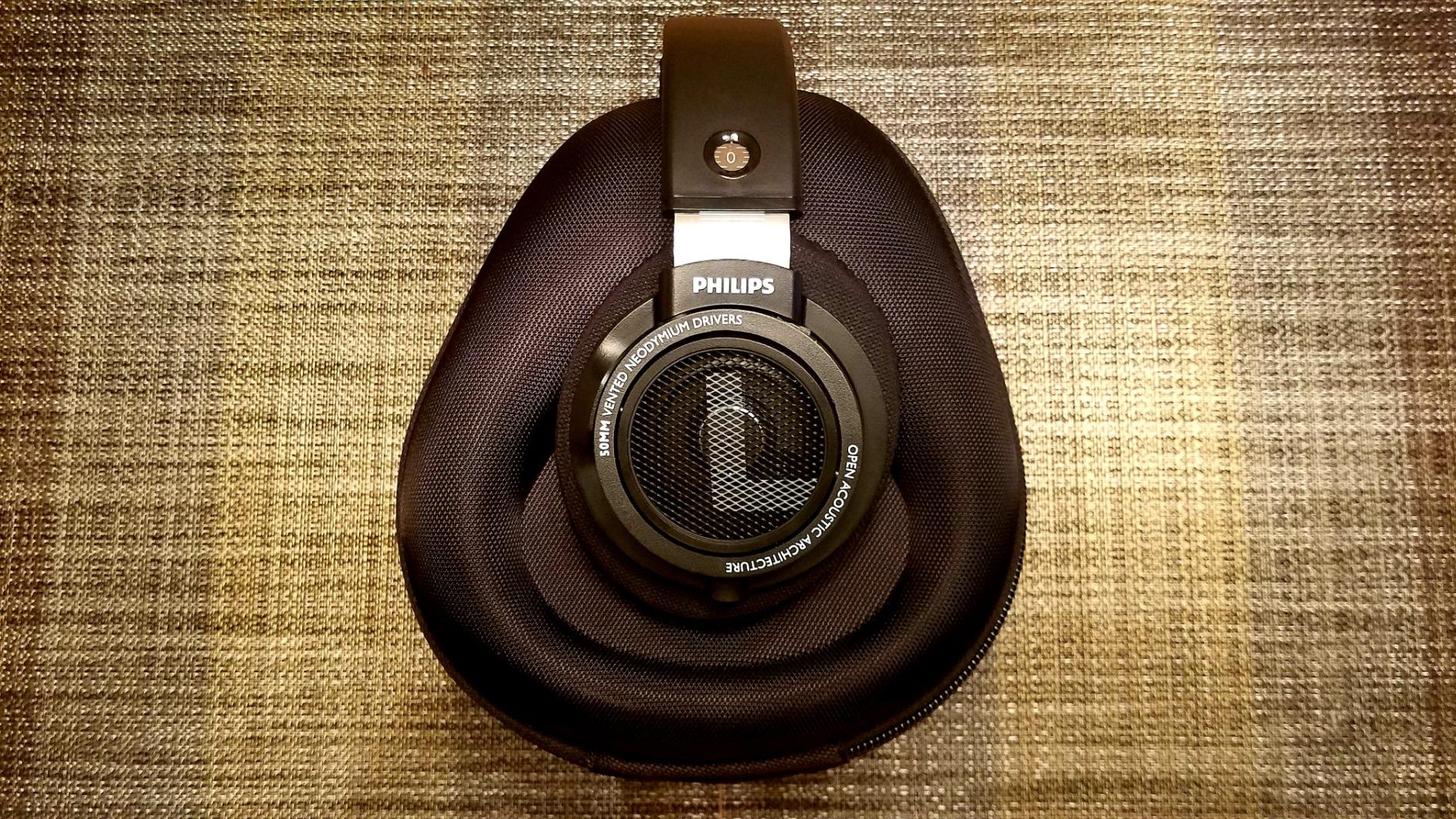
The Philips SHP9500 has achieved cult status in the audiophile community, and for good reason. At around $85, it delivers sound quality that competes with headphones costing twice as much. After months of testing, I understand why forums consistently recommend this as the entry point into serious open-back listening.
The neutral tuning is what sets the SHP9500 apart. It doesn’t emphasize bass, treble, or any particular frequency range. Instead, it presents music as it was recorded, which is exactly what classical listeners often want. Violins sound like violins, pianos have proper weight, and orchestral recordings reveal their intended balance.
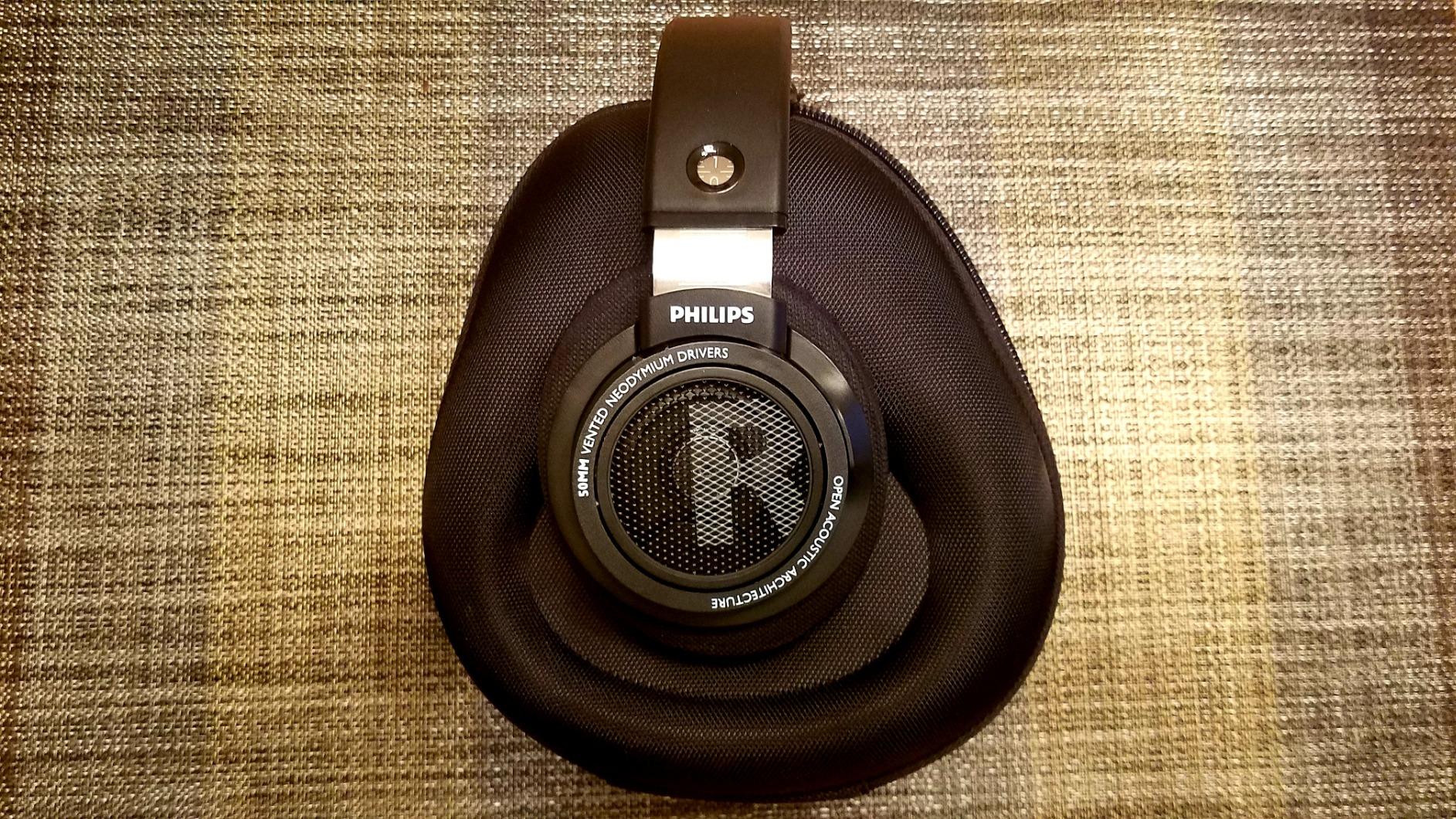
The 32-ohm impedance means the SHP9500 plays beautifully with any source. I tested it from phones, laptops, and dedicated players, and it never struggled. This plug-and-play convenience matters enormously for beginners who just want to enjoy music without worrying about impedance matching or amplification.
Comfort is excellent, though with one caveat. The breathable ear cushions keep your ears cool during long sessions, but they’re relatively shallow. Some listeners with larger ears might find their ears touching the driver housing. I didn’t experience this personally, but it’s worth considering if you’ve had fit issues with other over-ear headphones.
Who Should Buy the SHP9500
Anyone seeking their first serious audiophile headphone should start here. The combination of neutral sound, comfort, and value is unmatched. You’ll hear what high-quality open-back sound offers without a significant financial commitment, and the SHP9500 scales well if you eventually add amplification.
Listeners who prefer neutral presentation will appreciate the lack of coloration. For classical music, this means hearing recordings as the engineers intended. The soundstage, while not as holographic as the AD700X, still offers excellent width and depth for orchestral repertoire.
Who Should Skip the SHP9500
Those wanting more bass presence should look toward the HD 599 or ATH-R50x. The SHP9500’s neutral tuning means the low end is accurate but not emphasized. If you like feeling the weight of orchestral climaxes, this presentation might leave you wanting.
Listeners with tight headband preferences might find the SHP9500 too loose. The low clamping force is comfortable for most, but some users report it slides during movement. If you prefer a secure, locked-in fit, other options on this list might suit you better.
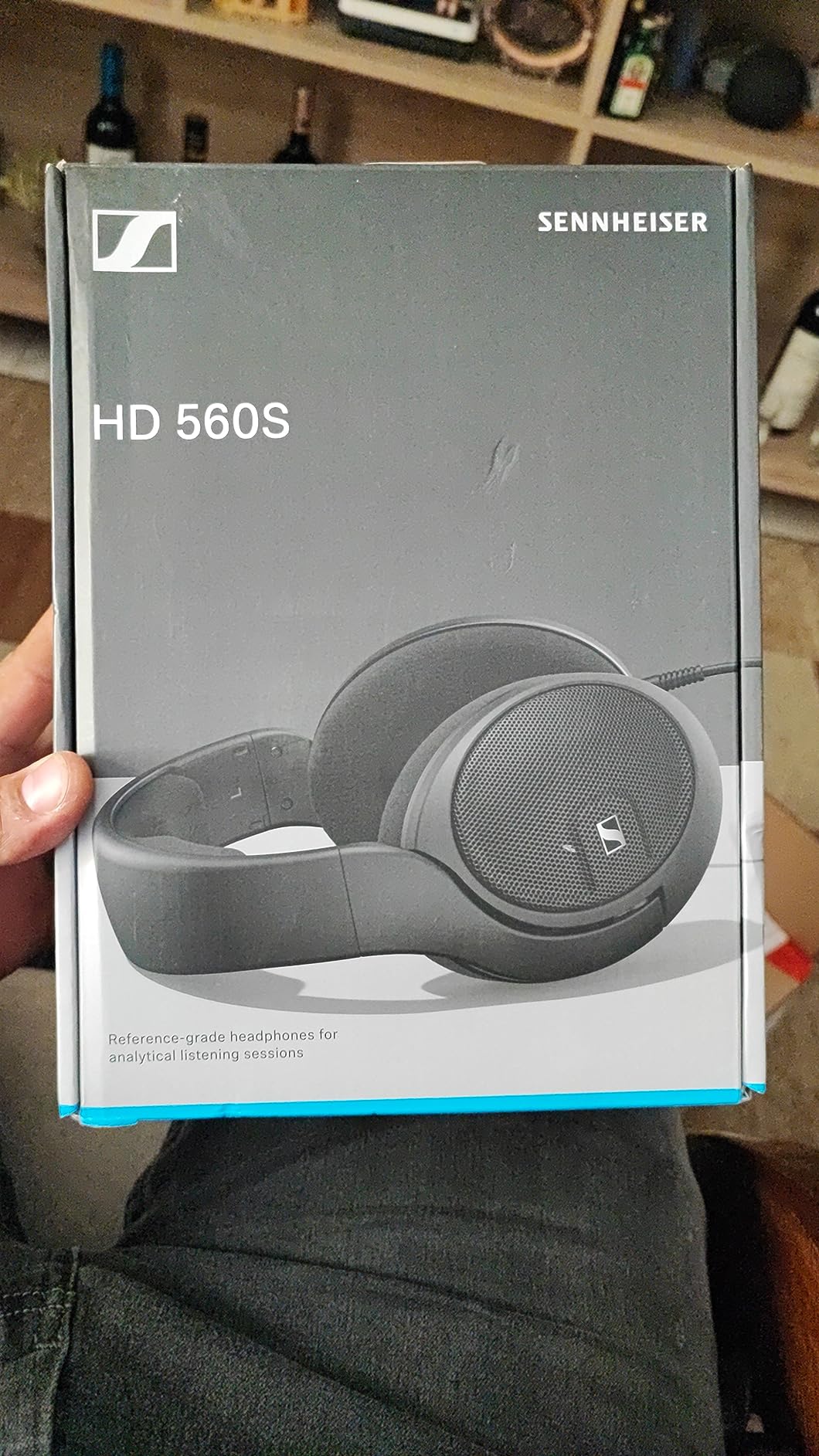
8. Sennheiser HD 560S (Renewed) — Reference Sound at a Discount
Sennheiser HD 560 S Over-The-Ear Audiophile Headphones – Neutral Frequency Response, E.A.R. Technology for Wide Sound Field, Open-Back Earcups, Detachable Cable, (Black) (HD 560S) HD 560S (Renewed)
Reference Open-Back
120 Ohm Impedance
6-38,000 Hz
E.A.R. Technology
Detachable Cable
Pros
- Neutral accurate reference sound
- Wide natural soundstage
- Extended bass response
- Lightweight and comfortable
- Works without dedicated amp
Cons
- Renewed product has variable quality
- Tight clamp force initially
- Packaging may arrive damaged
- Can be missing accessories
The Sennheiser HD 560S is Sennheiser’s entry-level reference headphone, designed for critical listening and music production. The renewed version offers this professional-grade performance at around $178, which represents significant value. During my testing, I found the neutral tuning ideal for revealing what’s actually in a recording.
The 120-ohm impedance initially concerned me. High-impedance headphones often require dedicated amplification. However, Sennheiser designed the HD 560S to work from standard sources. I tested it from my laptop’s headphone jack and achieved satisfying volume levels. A dedicated DAC improved dynamics and detail, but it’s not strictly necessary.
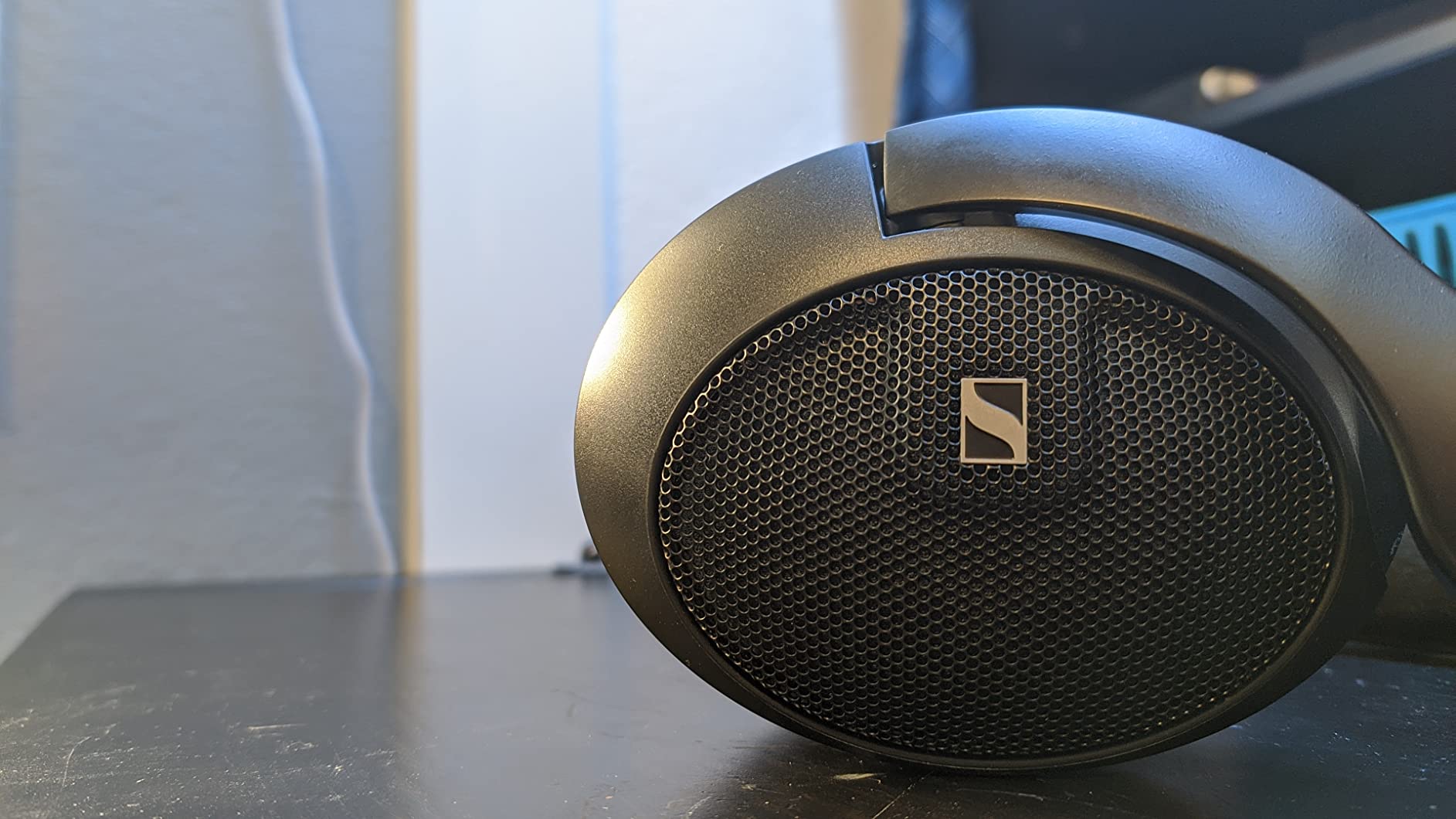
The Ergonomic Acoustic Refinement (E.A.R.) technology tilts the drivers to match your ear canals’ natural angle. This creates a soundstage that feels properly centered and wide rather than flat or congested. For classical music, where instrument placement matters enormously, this design choice pays dividends.
The extended frequency response reaching down to 6Hz means the HD 560S delivers more sub-bass than most open-back alternatives. Deep organ pedals and the lowest orchestral notes have presence and weight. This makes it one of the few truly budget-friendly options for listeners who want both open-back spaciousness and bass extension.
Who Should Buy the HD 560S
Critical listeners who want uncolored, reference sound should choose the HD 560S. The neutral tuning reveals recordings accurately, which matters when you’re comparing different interpretations of the same piece. Music producers and those who also work with audio will find it doubles as a studio tool.
Listeners seeking bass extension in an open-back design will appreciate the low-end reach. The sub-bass presence is unusual at this price point and makes the HD 560S versatile across genres. I found it equally satisfying for classical, jazz, and more modern material.
Who Should Skip the HD 560S
Anyone uncomfortable with renewed products should consider the ATH-R50x or HD 599 instead. The renewed designation means variable quality between units. I recommend checking seller ratings and reviews before purchasing, and understanding that accessories might be missing or packaging damaged.
The initial tight clamp force also requires patience. Out of the box, the HD 560S presses firmly against the head. This loosens over time, but if you’re sensitive to clamping pressure, expect a break-in period. Glasses wearers in particular might find the first few weeks uncomfortable.
What to Consider When Buying Open Back Headphones Under 200
Choosing the right open back headphones under 200 involves balancing several factors. Your listening preferences, equipment situation, and practical constraints all matter. Here’s what I learned from testing these eight headphones extensively.
Impedance and Amplifier Requirements
Impedance determines how much power your headphones need to reach proper volume levels. Lower numbers like 32 ohms mean the headphone works well from phones and laptops without additional equipment. The Philips SHP9500 (32 ohms) and Audio-Technica ATH-AD700X (38 ohms) excel in this regard.
Higher impedance headphones like the Sennheiser HD 560S (120 ohms) technically benefit from amplification, but modern designs often work adequately from standard sources. Don’t let high impedance numbers scare you away from a headphone that otherwise matches your preferences. Test it from your current equipment first.
Driver Type and Sound Signature
Dynamic drivers, found in all eight headphones here, use moving coils to create sound. Within this category, size and material affect presentation. Larger drivers like the ATH-AD700X’s 53mm units generally create wider soundstages, while specialized materials like the DROP + Grell OAE1’s biocellulose drivers offer smoother treble response.
Sound signature matters enormously for classical music. Warm tunings like the Sennheiser HD 599 emphasize midrange warmth and smooth out recordings. Neutral presentations like the Philips SHP9500 and HD 560S reveal more detail but can expose flaws in poorly recorded material. Your preference determines which approach suits you better.
Comfort for Long Sessions
Classical music often involves extended listening sessions. A Mahler symphony runs over an hour. Wagner operas can exceed four hours. Comfort becomes as important as sound quality during these marathons.
Consider your head size, whether you wear glasses, and how sensitive you are to clamping pressure. The Audio-Technica ATH-AD700X’s 3D Wing Support eliminates clamping force entirely, making it ideal for those who find traditional headbands uncomfortable. The Sennheiser HD 599’s velour pads provide cushioning and breathability.
Sound Leakage and Your Environment
Open back headphones leak sound by design. The perforated ear cups that create that spacious soundstage also let sound escape freely. Everyone in the room hears what you’re listening to, and any ambient noise in your environment competes with your music.
If you live alone or have a dedicated listening space, this is a non-issue. But in shared apartments, dorm rooms, or households with light sleepers, the leakage becomes a practical constraint. Open back headphones work best in quiet, private environments where you won’t disturb others and won’t be disturbed.
Frequently Asked Questions
What are the best budget open-back headphones?
The Philips SHP9500 offers exceptional value at around $85 with neutral sound and great soundstage. For under $70, the Audio-Technica ATH-R30x and DROP + Grell OAE1 both deliver impressive performance that punches well above their price points.
Do open-back headphones under 200 need an amp?
Most headphones in this price range work well without dedicated amplification. The Philips SHP9500 (32 ohms), Audio-Technica ATH-R30x (36 ohms), and ATH-AD700X (38 ohms) all sound good directly from phones and laptops. Higher impedance options like the Sennheiser HD 560S (120 ohms) benefit from amplification but remain usable from standard sources.
Are open-back headphones better for classical music?
Open-back headphones create a wider, more natural soundstage that mimics sitting in a concert hall rather than having music pressed against your ears. This presentation suits classical music particularly well, where instrument placement and acoustic space matter. The tradeoff is sound leakage, so they work best in private listening environments.
What is the best open-back headphone brand?
Sennheiser and Audio-Technica dominate the budget open-back space with proven designs. Sennheiser’s HD 599 and HD 560S offer warm and neutral tunings respectively. Audio-Technica provides multiple options from the budget ATH-R30x to the professional ATH-R50x and legendary ATH-AD700X. Both brands have strong track records for quality and longevity.
Are open-back headphones good for beginners?
Open-back headphones make excellent entry points into audiophile listening. The Philips SHP9500 and Audio-Technica ATH-R30x offer quality sound at accessible prices without requiring external equipment. Their neutral or warm tunings are forgiving of various recording qualities, making them ideal for exploring different classical recordings without fatigue.
Final Verdict — Picking Your Next Pair
The best open back headphones under 200 for you depends on what you value most. For a balanced sound that works across genres and listening situations, I recommend the Audio-Technica ATH-R50x as my Editor’s Choice. Its combination of detail, comfort, and value makes it the safest recommendation for most listeners.
For budget-conscious buyers, the Philips SHP9500 delivers legendary performance at an unbeatable price. The DROP + Grell OAE1 offers unique soundstage presentation at an absurdly low price if you can tolerate the tight clamp. And for classical music specifically, the Sennheiser HD 599’s warm tuning and the ATH-AD700X’s holographic soundstage both deserve serious consideration.
Whichever you choose, remember that open-back headphones reward quiet, focused listening environments. Give them the right conditions, and you’ll hear classical music with a spaciousness and natural presentation that closed-back alternatives simply can’t match.