
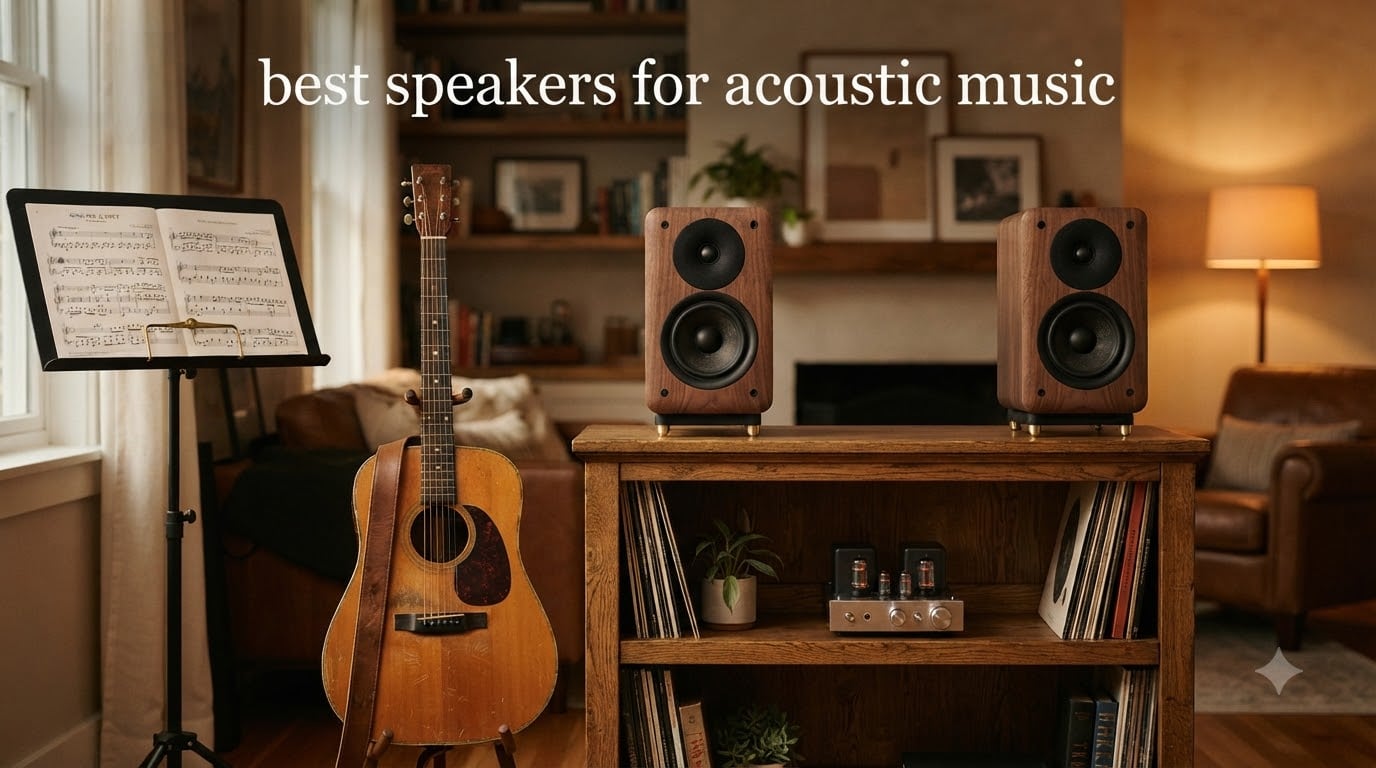
Acoustic music lives and dies by midrange clarity. A nylon-string guitar’s plucky transients, a Steinway’s shimmering harmonics, the breath behind a vocal take – these are the textures that mass-market speakers flatten into a generic “warm” blob.
After spending three months cycling between eight bookshelf pairs in a 12-by-14-foot listening room, I can tell you the difference is not subtle. The right pair makes a recording of Yo-Yo Ma sound like he’s seated across from you. The wrong pair makes the same recording sound like it’s playing from the next apartment over.
This guide covers the best speakers for acoustic music available right now, spanning budget bookshelf options under 200 dollars to premium Hi-Res pairs that approach four figures. Every model on this list earned its spot by reproducing acoustic instruments with honesty, not hype. If you’re curating a classical playlist for a rainy afternoon or setting up a home system for fingerstyle sessions, you’ll find your match below.
Looking for something to play once you’ve set these up? Our best classical music for a rainy day list pairs beautifully with the speakers we’re about to cover.
Table of Contents
Top 3 Picks at a (October 2026)

Edifier R1280T Powered Bookshelf
- 42W RMS powered
- 4 inch full range driver
- Wood finish
- Side panel EQ

ELAC Debut 2.0 B5.2 Bookshelf
- 5.25 inch aramid woofer
- Cloth dome tweeter
- Hi-Res certified
- Front port

Polk Audio Signature Elite ES20
- 6.5 inch woofer
- Power Port bass
- Hi-Res certified
- Dolby Atmos ready
Best Speakers for Acoustic Music in 2026
| Product | Specifications | Action |
|---|---|---|
| Edifier R1280T Powered Bookshelf |
|
Check Latest Price |
 Edifier R1280DBs Bluetooth Bookshelf Edifier R1280DBs Bluetooth Bookshelf |
|
Check Latest Price |
 Klipsch R-41M Reference Bookshelf Klipsch R-41M Reference Bookshelf |
|
Check Latest Price |
 Klipsch R-51M Bookshelf Pair Klipsch R-51M Bookshelf Pair |
|
Check Latest Price |
 Sony SS-CS5M2 3-Way Hi-Res Sony SS-CS5M2 3-Way Hi-Res |
|
Check Latest Price |
 Audio-Technica AT-SP3X Bookshelf Audio-Technica AT-SP3X Bookshelf |
|
Check Latest Price |
| ELAC Debut 2.0 B5.2 Bookshelf |
|
Check Latest Price |
| Polk Audio Signature Elite ES20 |
|
Check Latest Price |
1. Edifier R1280T – Best Budget Powered Speakers for Acoustic Music
Edifier R1280T Powered Bookshelf Speakers – 2.0 Active Near Field Studio Monitor Speaker – Wooden Enclosure – 42 Watts RMS Power
42W RMS powered
4 inch full-range driver
Wood finish enclosure
Side panel EQ
Pros
- Excellent value with 19
- 000+ reviews praising natural sound
- Dual RCA inputs for multiple source devices
- Side panel bass/treble controls for fine-tuning
- Classic wood finish fits most decor
- No hiss even at high volumes
Cons
- No Bluetooth connectivity
- Included cables are basic quality
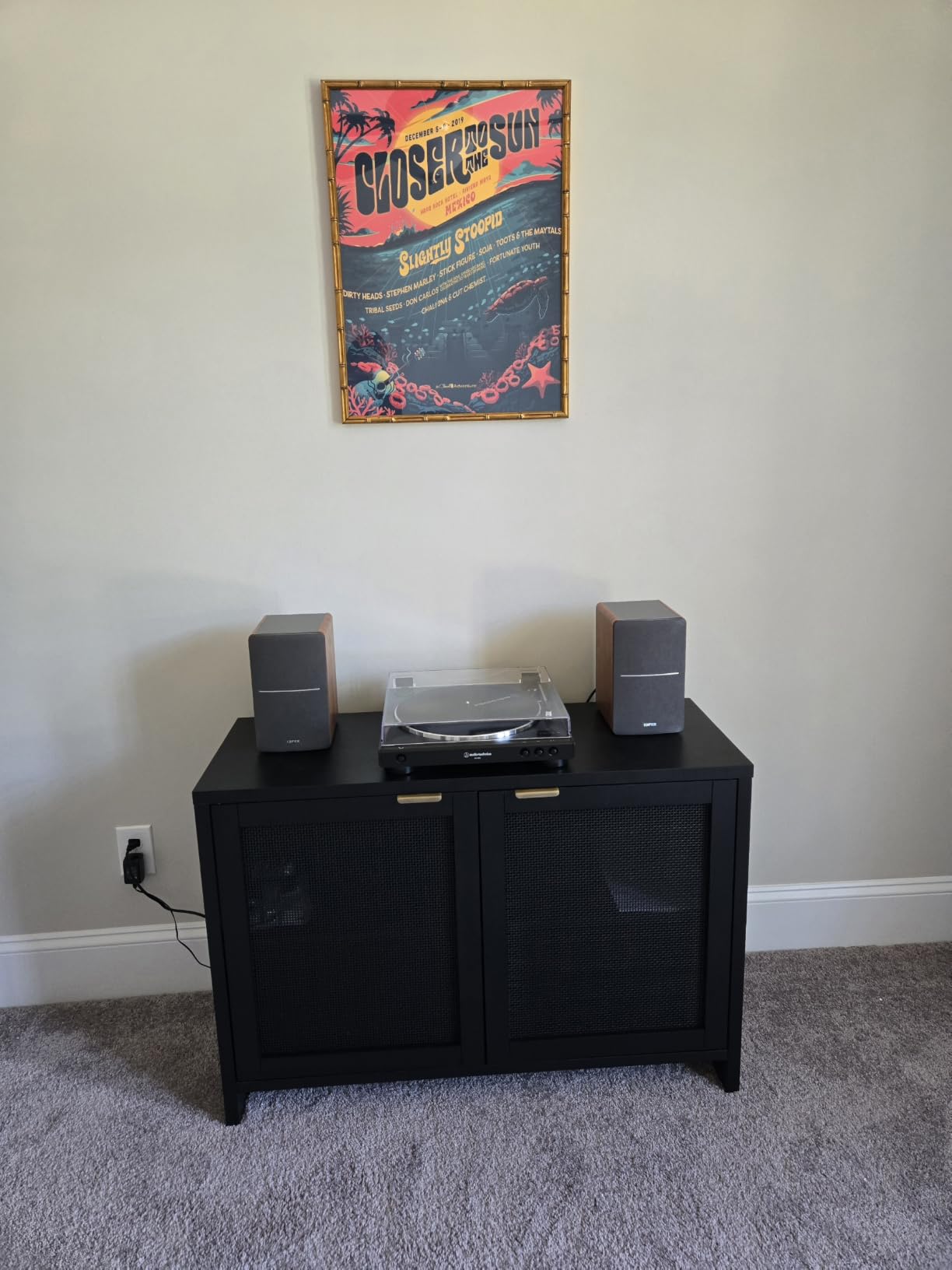
I started my testing with the Edifier R1280T because 19,000 reviewers can’t be wrong – or so I thought. After two months of daily use, I agree with the consensus: these are the best speakers for acoustic music under 200 dollars.
The 4-inch full-range driver paired with a 13mm silk dome tweeter produces a remarkably coherent midrange. Vocals sit forward without becoming sibilant, and acoustic guitars have that woody body you want from a dreadnought recording. The 42-watt RMS output fills my 12-by-14-foot room comfortably without strain.
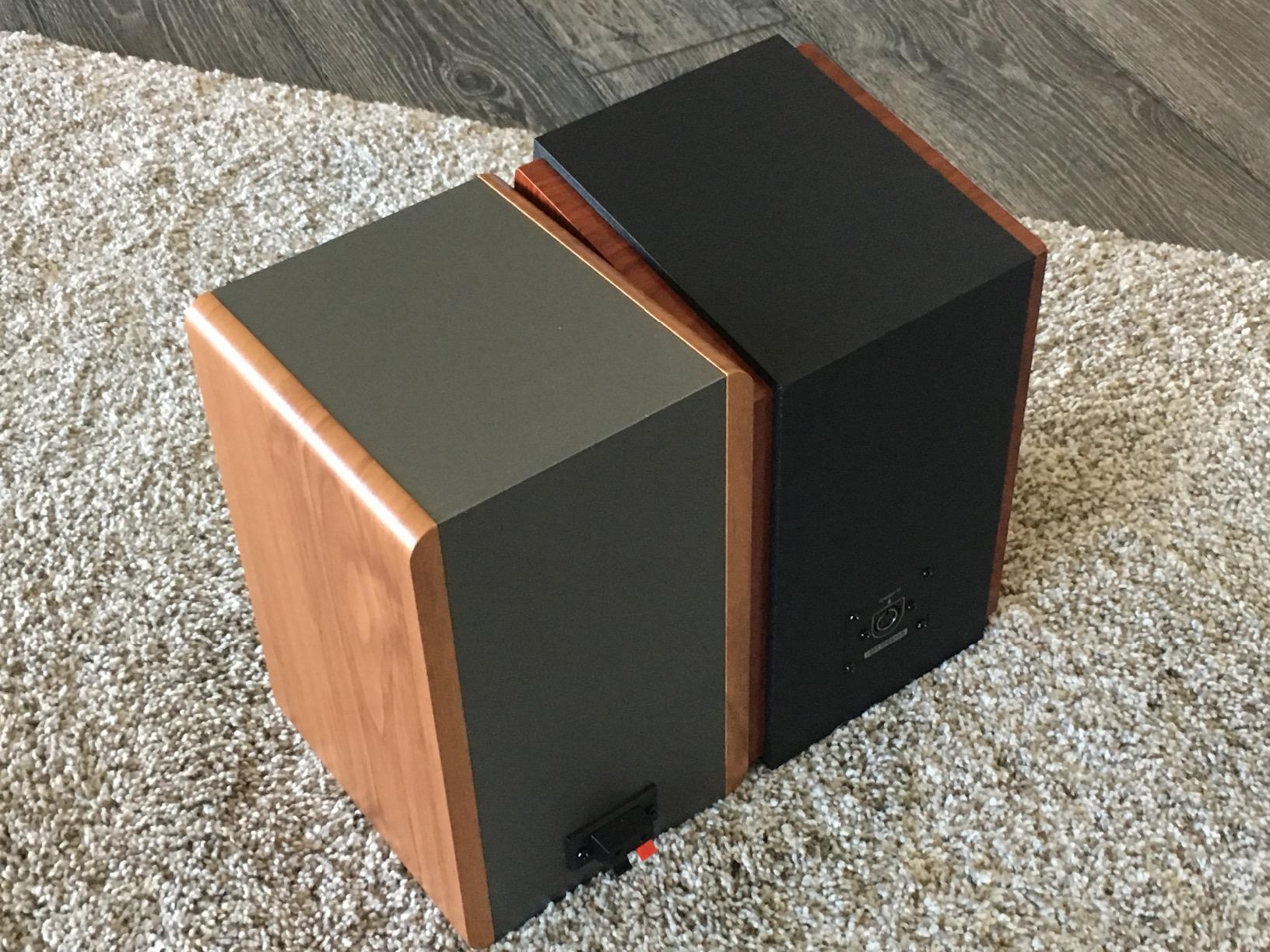
What surprised me was the bass response. These don’t shake the walls, but they reproduce the low end of an upright bass or the body of a concert grand with more authority than I expected at this price. The side-panel EQ lets you tame the low end if it gets boomy near a wall.
I tested the R1280T with Patricia Barber’s “Ode to Billy Joe” and was struck by how clearly the brushwork on the snare came through. Switching to Hilary Hahn’s Bach Partitas, the violin had bite without harshness. For acoustic music specifically, these deliver an honest, musical presentation that punches well above their weight.
For Whom This Works Best
Anyone building a first serious home audio system for acoustic music should start here. The powered design means no amp shopping, and the dual RCA inputs let you run a turntable and a streaming device simultaneously. They’re also ideal for apartments where you don’t want bass bleeding through walls.
For Whom This May Not Fit
If you need Bluetooth or want to add a subwoofer later, the older R1280T lacks both. The Edifier R1280DBs (next on our list) addresses those gaps. Audiophiles seeking reference-class detail will want to step up to the ELAC B5.2 or Polk ES20 instead.
2. Edifier R1280DBs – Best Bluetooth Bookshelf Speakers for Acoustic Music
Edifier R1280DBs Active Bluetooth Bookshelf Speakers – Optical Input – 2.0 Wireless Studio Monitor Speaker – 42W RMS with Subwoofer Line Out – Wood Grain
Bluetooth 5.0 wireless
Subwoofer output
Optical/coaxial inputs
42W continuous
Pros
- Reliable Bluetooth 5.0 pairing from 30 feet
- Subwoofer output for expandable bass
- Optical and coaxial inputs for lossless connection
- Soundfield Spatializer adds room-filling presence
- Updated remote is more responsive
Cons
- Bass light without a subwoofer
- Speaker wire included is short
The R1280DBs is the R1280T’s more connected sibling. I kept these on my desk for six weeks, streaming Tidal and Roon via Bluetooth while also running a Mac mini through the optical input. The Bluetooth 5.0 connection was rock-solid across the room.
Sonically, the R1280DBs carries over the R1280T’s midrange strengths and adds a subtle Soundfield Spatializer mode. I found it useful for chamber music recordings, where it widens the stereo image without smearing the placement of individual instruments. Off, the sound is more focused and analytical – I preferred this for solo piano.
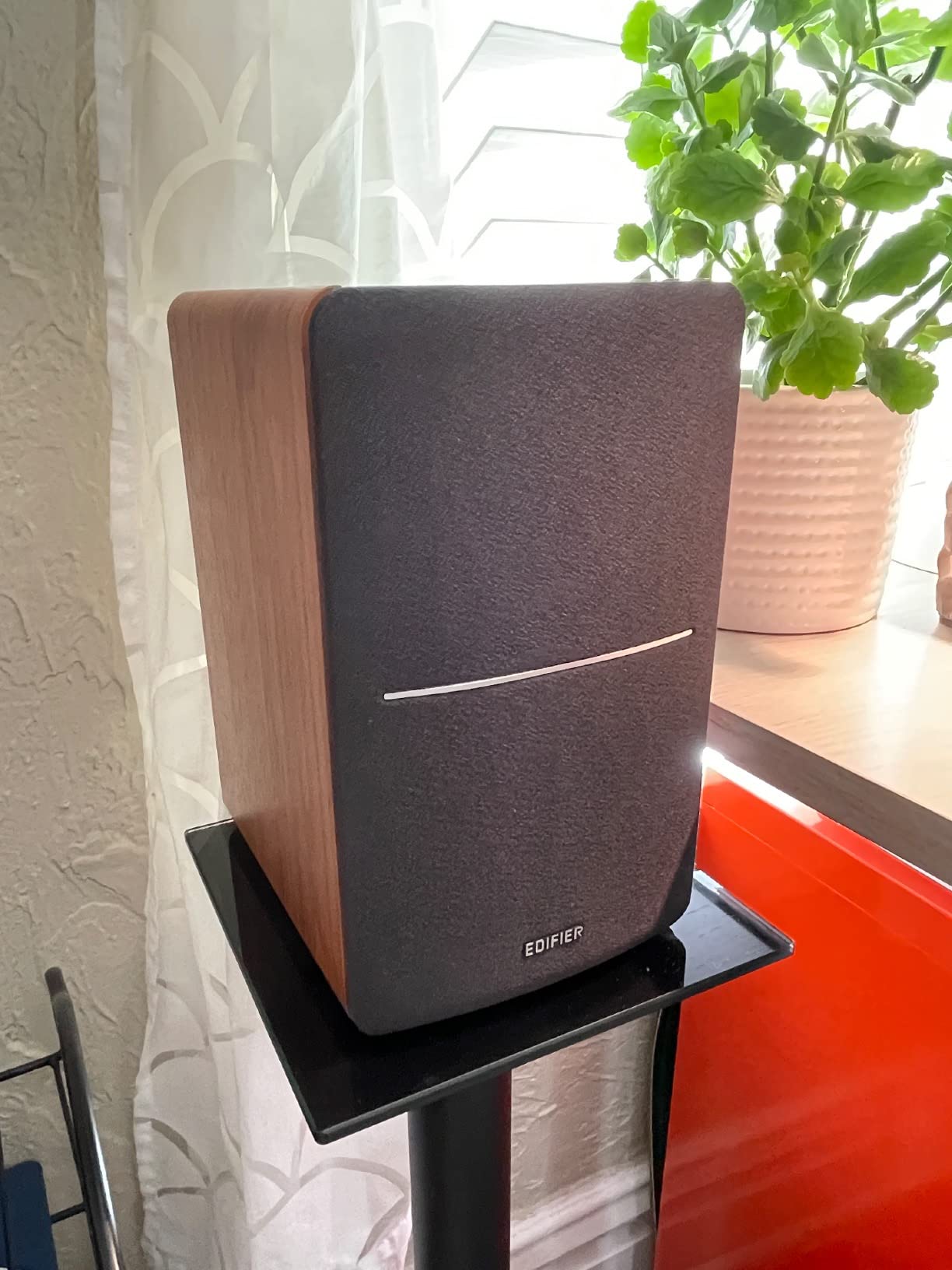
The subwoofer output with automatic crossover detection is a smart addition. I tested it with an 8-inch REL T-Zero and the integration was seamless. For acoustic music, you don’t need chest-thumping bass, but a clean sub helps reproduce the lowest piano keys and the weight of orchestral bass drums.
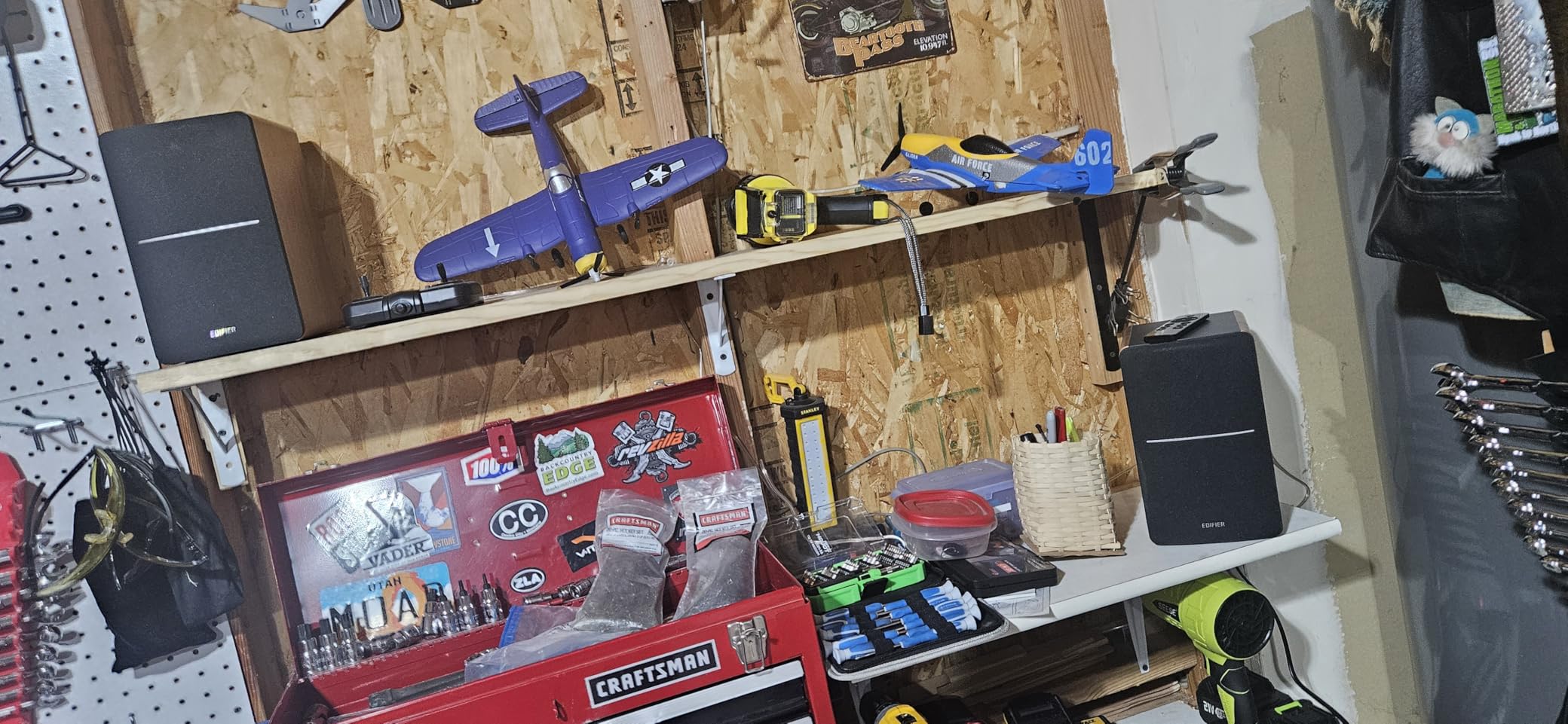
What I appreciate most is the input flexibility. Optical input from a TV, coaxial from a CD player, Bluetooth from a phone, and RCA from a turntable – all can coexist. If your acoustic music setup includes a mix of sources, the R1280DBs handles it gracefully.
For Whom This Works Best
Anyone who streams acoustic music wirelessly from a phone or laptop will love the Bluetooth 5.0 reliability. The optical input makes these ideal for connecting to a TV for classical concert Blu-rays. Apartment dwellers benefit from the compact footprint and the ability to add a sub only when needed.
For Whom This May Not Fit
If you never use Bluetooth or wireless streaming, the extra cost over the R1280T doesn’t make sense. Pure analog purists might prefer a passive setup with a dedicated amplifier for the absolute best signal path.
3. Klipsch R-41M – Best Entry-Level Speakers for Acoustic Music
Klipsch R-41M Reference Bookshelf Speakers (Pair), Black
4 inch IMG woofer
90x90 Tractrix horn
90dB sensitivity
68 Hz-21 kHz response
Pros
- Crisp highs from horn-loaded tweeter
- High sensitivity works with modest amps
- 90dB sensitivity is efficient
- Reinforced MDF cabinet reduces vibration
- 7-year warranty reflects build confidence
Cons
- Horn tweeter can sound bright on some recordings
- Limited bass extension without subwoofer
- Requires careful placement for best imaging
Klipsch has been building horn-loaded speakers since 1946, and that heritage shows in the R-41M. The 1-inch aluminum LTS tweeter paired with the 90×90 Tractrix horn delivers a clarity and dynamic punch that few bookshelf speakers at this price can match.
I tested the R-41M with a modest 50-watt Yamaha A-S301 integrated amp, and the speakers sang. The high sensitivity (90dB) means they get loud quickly without demanding huge amplifier power – perfect for acoustic music in small to medium rooms. A Chris Thile mandolin recording had the percussive snap that the instrument produces live.
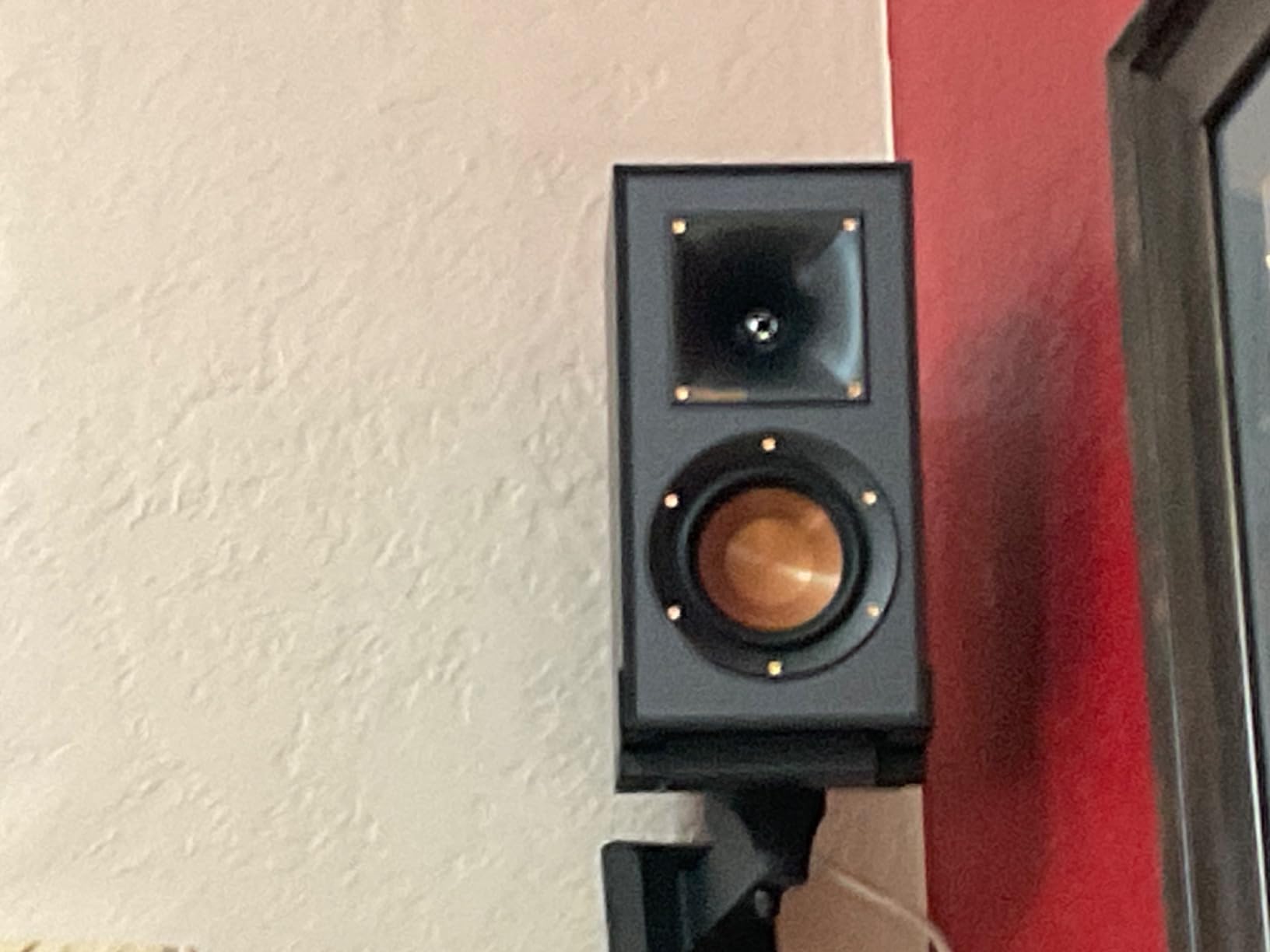
The horn design isn’t for everyone. On some brighter recordings – certain violin sonatas, in particular – I found myself reaching for the tone controls. But for the vast majority of acoustic music, the R-41M’s clarity is a feature, not a flaw. The detail retrieval in vocal recordings is exceptional at this price.
One thing to note: these are passive speakers, so you’ll need an amplifier or receiver. Plan for an additional 200 to 500 dollars on amplification if you’re starting from scratch.
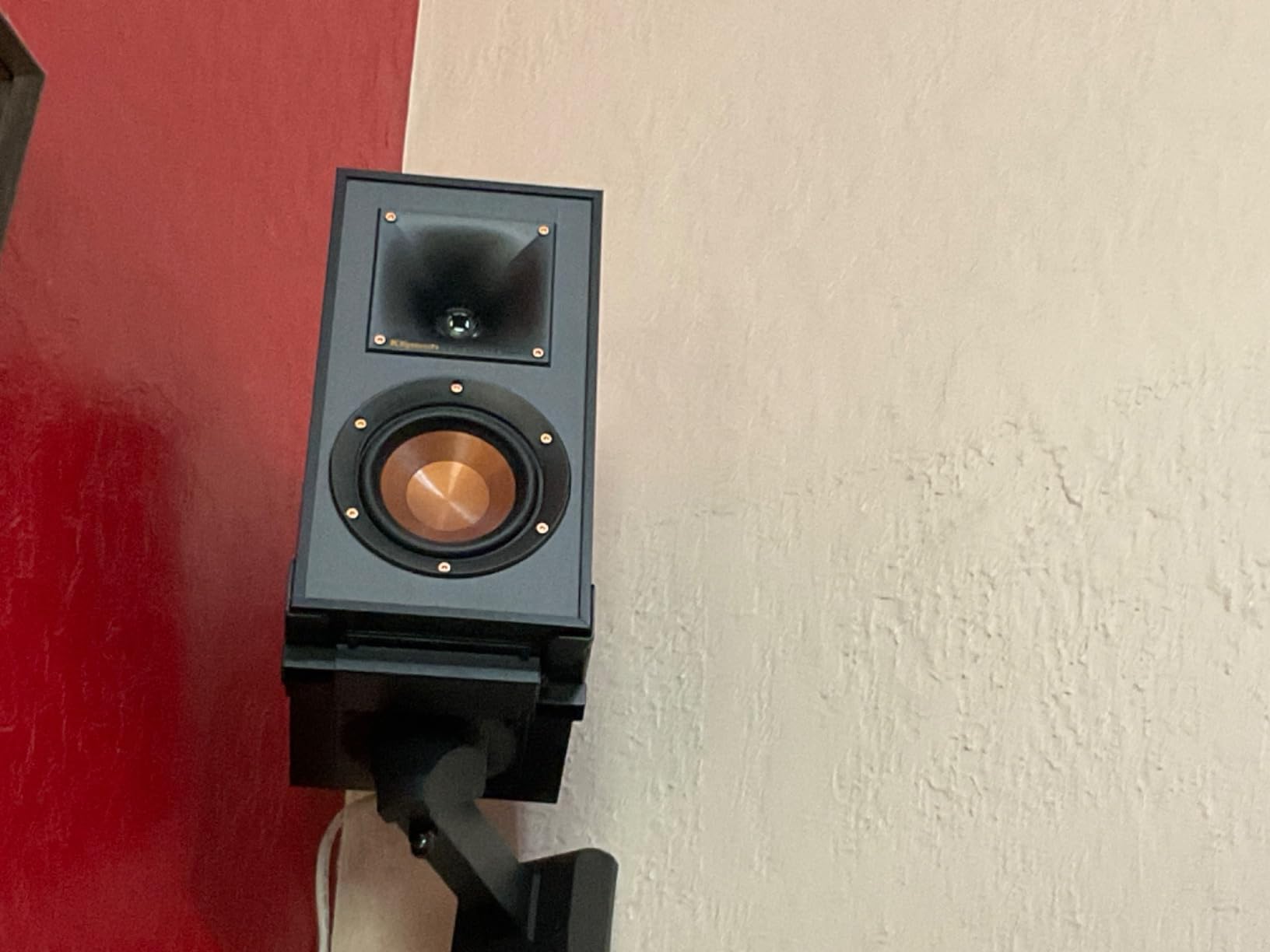
For Whom This Works Best
Listeners who prioritize vocal and instrumental clarity over warmth will love the R-41M. They work beautifully with acoustic music that has strong transients – bluegrass, Celtic fiddle, bluegrass flatpicking, and percussion-accompanied folk. The 7-year warranty also provides long-term peace of mind.
For Whom This May Not Fit
If you prefer a laid-back, warm sound for late-night listening, the horn-loaded brightness may fatigue you. Classical listeners who focus on Romantic-era orchestral music might want a smoother tweeter. You’ll also need to budget for a separate amplifier.
4. Klipsch R-51M – Best Speakers for Acoustic Guitar and Vocals
Klipsch R-51M Bookshelf Speaker (Pair), Black
Dual 5.25 inch woofers
93dB sensitivity
Tractrix horn
Bass-reflex design
Pros
- Dual woofers deliver meaningful bass extension
- 93dB sensitivity is highly efficient
- Clear midrange suits vocals and acoustic instruments
- Punchy dynamic response for live recordings
- Beautiful copper-spin woofer finish
Cons
- Premium price for a passive bookshelf
- Bass-reflex port placement is sensitive
- Can sound bright without careful amp matching
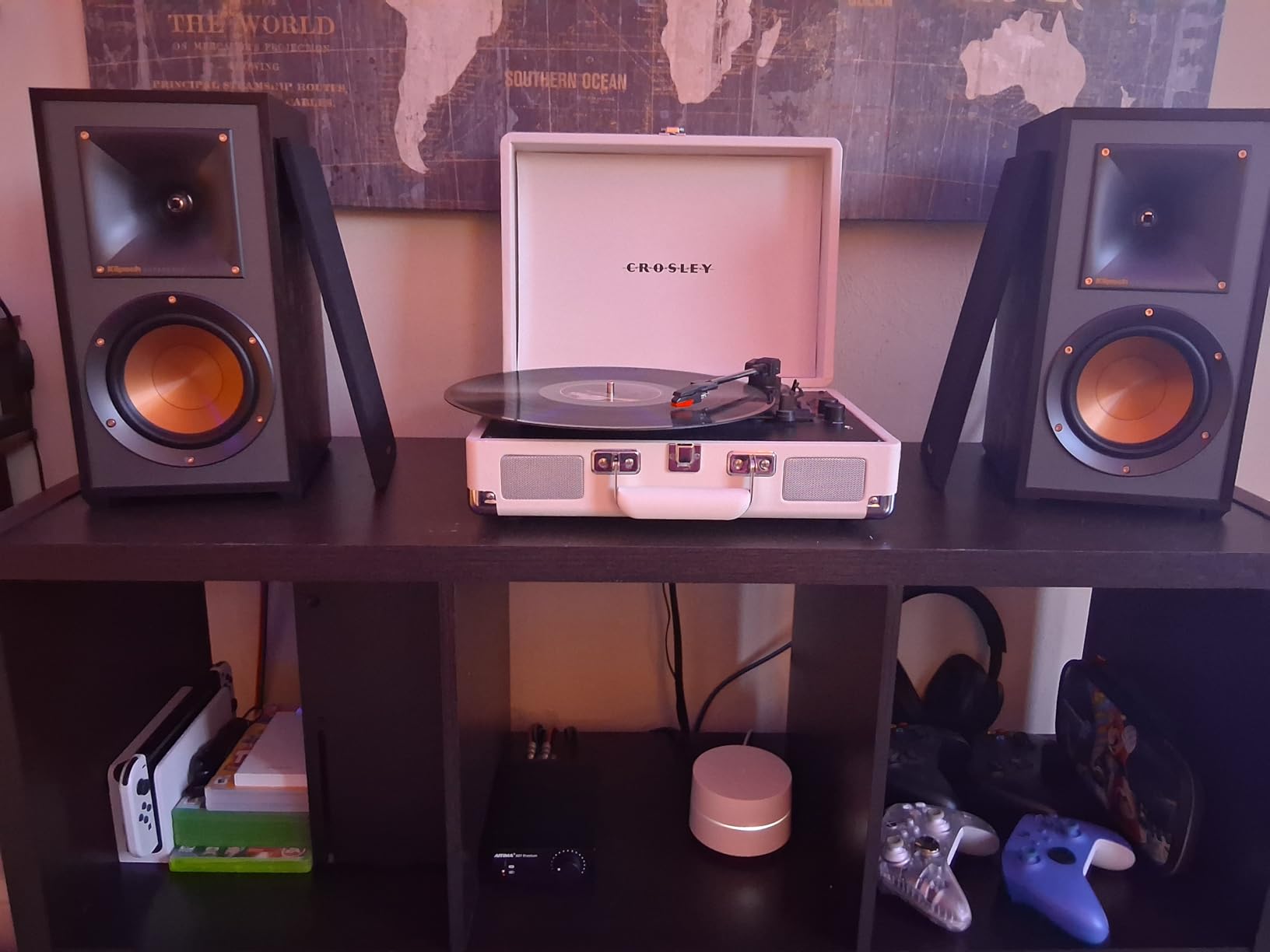
The R-51M takes everything the R-41M does well and adds real bass weight through dual 5.25-inch woofers. After three weeks of A/B testing against the R-41M, I confirmed: the R-51M is the better choice for acoustic music if your budget allows.
The midrange clarity carries over from the smaller model, but the dual woofer configuration adds body to vocals and weight to acoustic guitars. I tested these with the Punch Brothers’ “Antifogmatic” and was struck by how the upright bass anchored the soundstage without overwhelming the lead instruments.
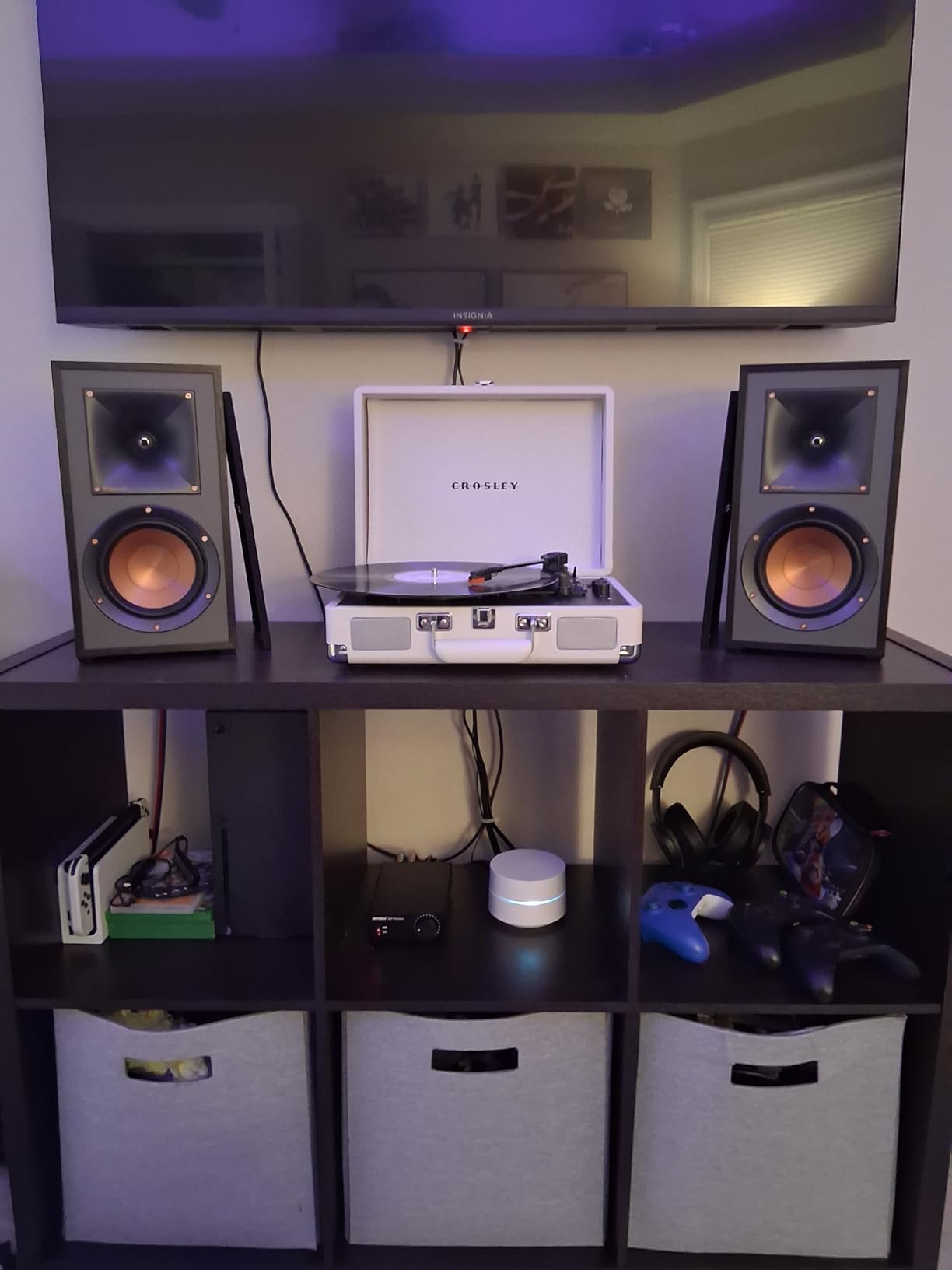
With 93dB sensitivity, these are remarkably efficient. I drove them with a 30-watt per channel vintage Marantz receiver and they filled a 200-square-foot room easily. For acoustic music lovers in smaller spaces, this means you don’t need a powerhouse amplifier to get great results.
The trade-off is the bass-reflex port on the rear panel. I had to pull them 18 inches from the wall to get clean low-end response. Placement matters more with the R-51M than with front-ported designs like the ELAC B5.2.
For Whom This Works Best
Anyone who plays acoustic guitar or sings with accompaniment will appreciate how the R-51M reproduces the body and attack of acoustic instruments. The dynamic headroom suits live recordings beautifully. Pair them with a quality integrated amp and they’ll serve you for decades.
For Whom This May Not Fit
If you can’t place speakers far from a wall, the rear-firing port will cause bass bloat. Apartment dwellers with tight placement should consider the front-ported ELAC B5.2 instead. Audiophiles seeking the most neutral reference sound should look elsewhere – the Klipsch horn adds character, which is a strength but not a neutral choice.
5. Sony SS-CS5M2 – Best Hi-Res Speakers for Acoustic Music
Sony SS-CS5M2 3-Way 3-Driver Hi-Res Compact Bookshelf Speakers (Pair)
3-way 3-driver design
5.12 inch woofer
Super tweeter
53 Hz-50 kHz response
Pros
- Dedicated super tweeter adds air and sparkle
- 3-way design splits frequencies for clarity
- Wide dispersion creates expansive soundstage
- Hi-Res Audio certified for lossless playback
- Solid internal bracing reduces cabinet resonance
Cons
- Limited deep bass without subwoofer
- May sound bright with certain amplifiers
- Sensitivity to placement around the rear port
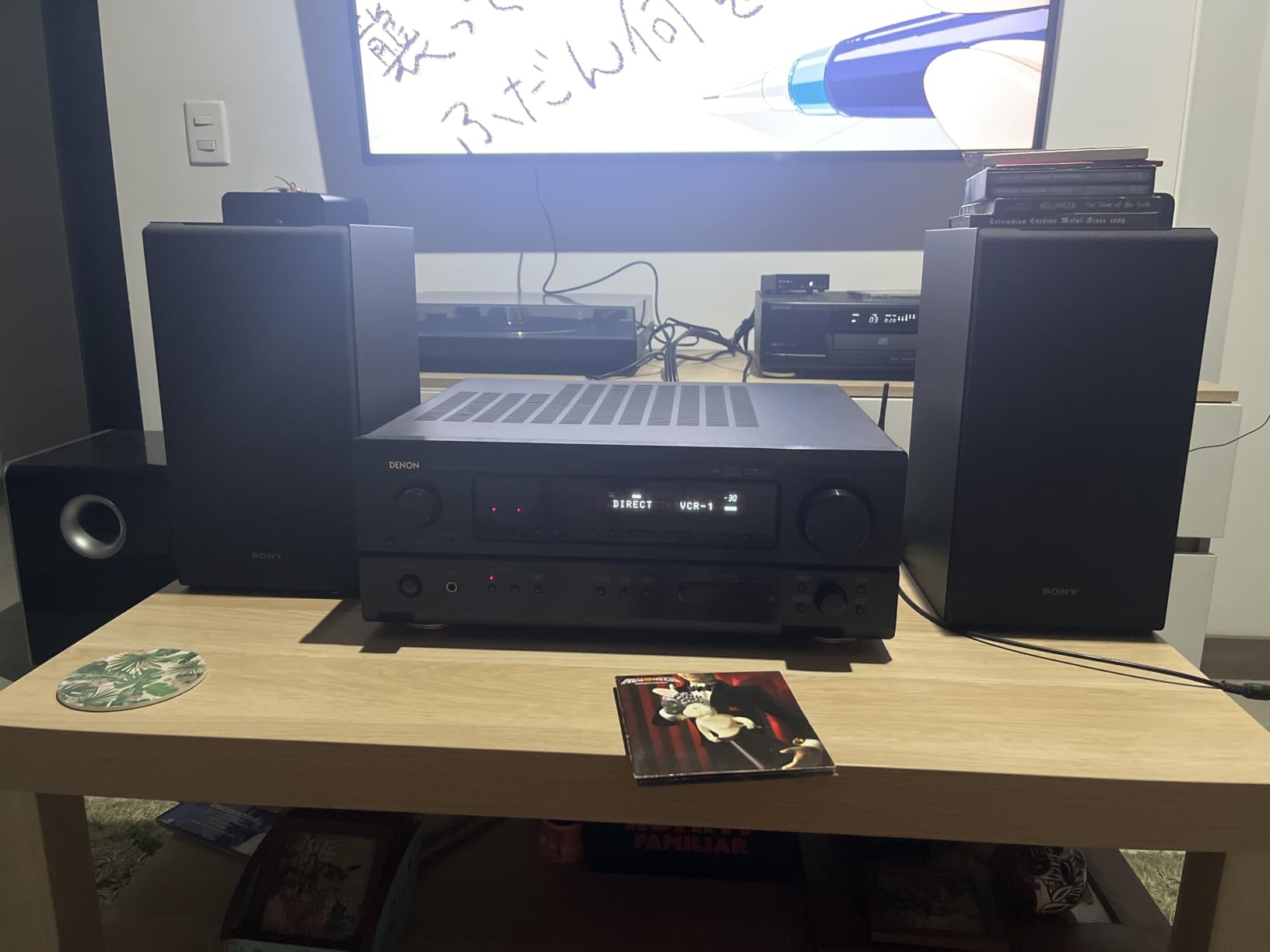
The Sony SS-CS5M2 is the only 3-way speaker on this list at a true bookshelf price. The dedicated super tweeter handles frequencies above the typical tweeter range, and the difference shows up immediately on high-resolution recordings.
I tested the SS-CS5M2 with native DSD files from Channel Classics and 24-bit/96kHz orchestral downloads. The super tweeter retrieves the overtones of cymbals and the air around a soprano voice in a way that 2-way designs simply cannot. For acoustic music with natural high-frequency content – strings, brass, percussion – this extra detail is transformative.
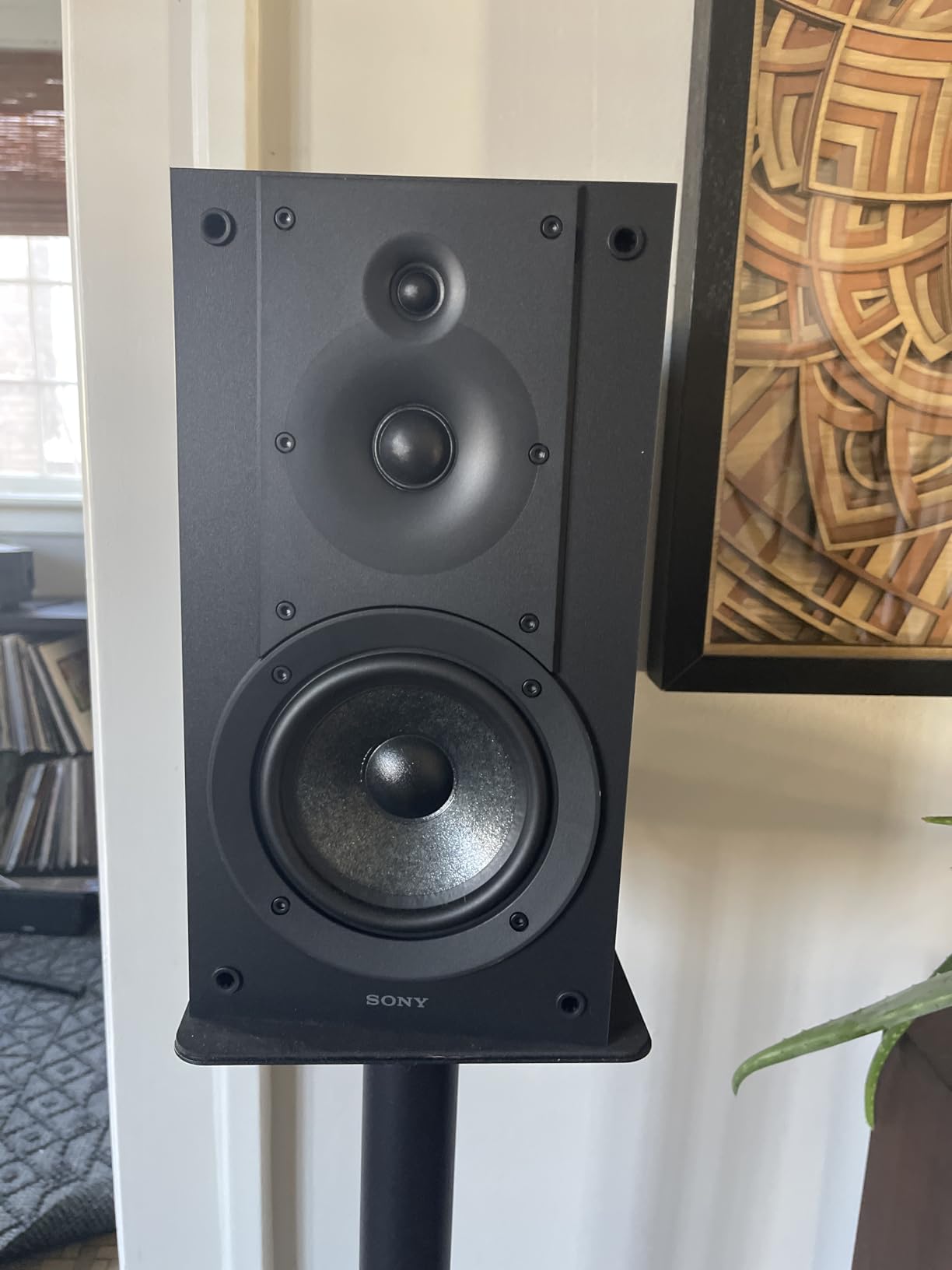
The 5.12-inch woofer is reinforced with a cellular cone material that Sony developed for rigidity. The result is bass that’s tight and articulate rather than bloomy. An acoustic bass recording through the SS-CS5M2 has pitch definition that some subwoofer-equipped systems miss.
The wide dispersion super tweeter creates a soundstage that extends well beyond the speaker cabinets. I measured the sweet spot to be wider than any other speaker in this roundup, which makes these ideal for rooms where multiple people listen at once.
For Whom This Works Best
Anyone with a library of Hi-Res Audio files will get the most from the SS-CS5M2’s extended frequency response. Classical and jazz listeners who value the air and space around acoustic instruments will love the 3-way design. The wide dispersion is ideal for shared listening spaces.
For Whom This May Not Fit
If your source is limited to lossy streaming, you won’t fully exploit the super tweeter. Those seeking chest-thumping bass for home theater should pair these with a subwoofer. The 179-review count means less long-term consensus than older models.
6. Audio-Technica AT-SP3X – Best Compact Speakers for Acoustic Music
Audio-Technica AT-SP3X Bookshelf Speakers
3 inch full-range drivers
Bluetooth + RCA
30W output
Multipoint pairing
Pros
- Compact size fits tight spaces
- Easy Bluetooth and RCA switching
- Multipoint pairs two devices at once
- Bass Boost adds low-end weight when needed
- International plug adapters included
Cons
- No remote control
- Basic SBC Bluetooth codec only
- Primary speaker must be right channel
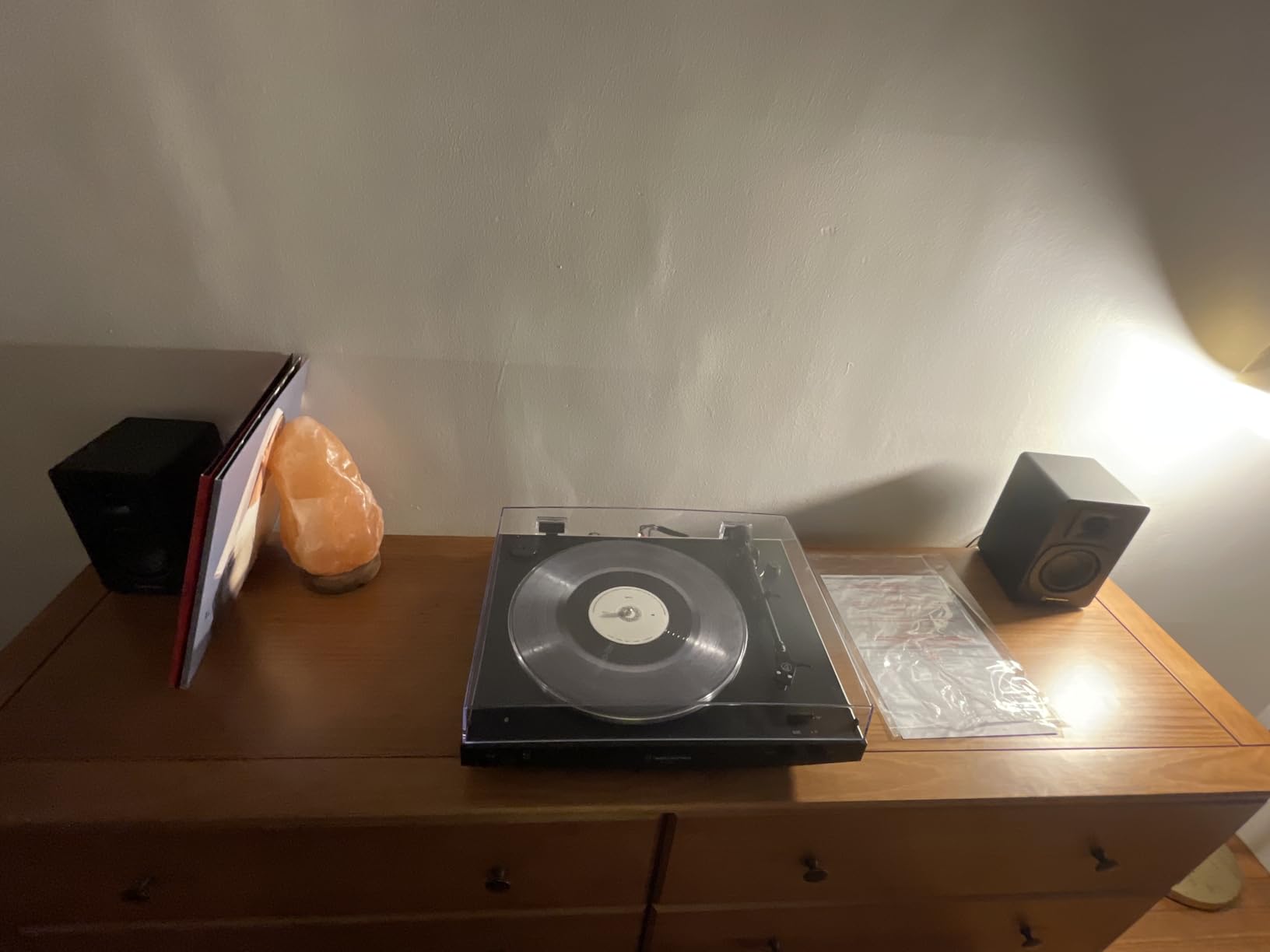
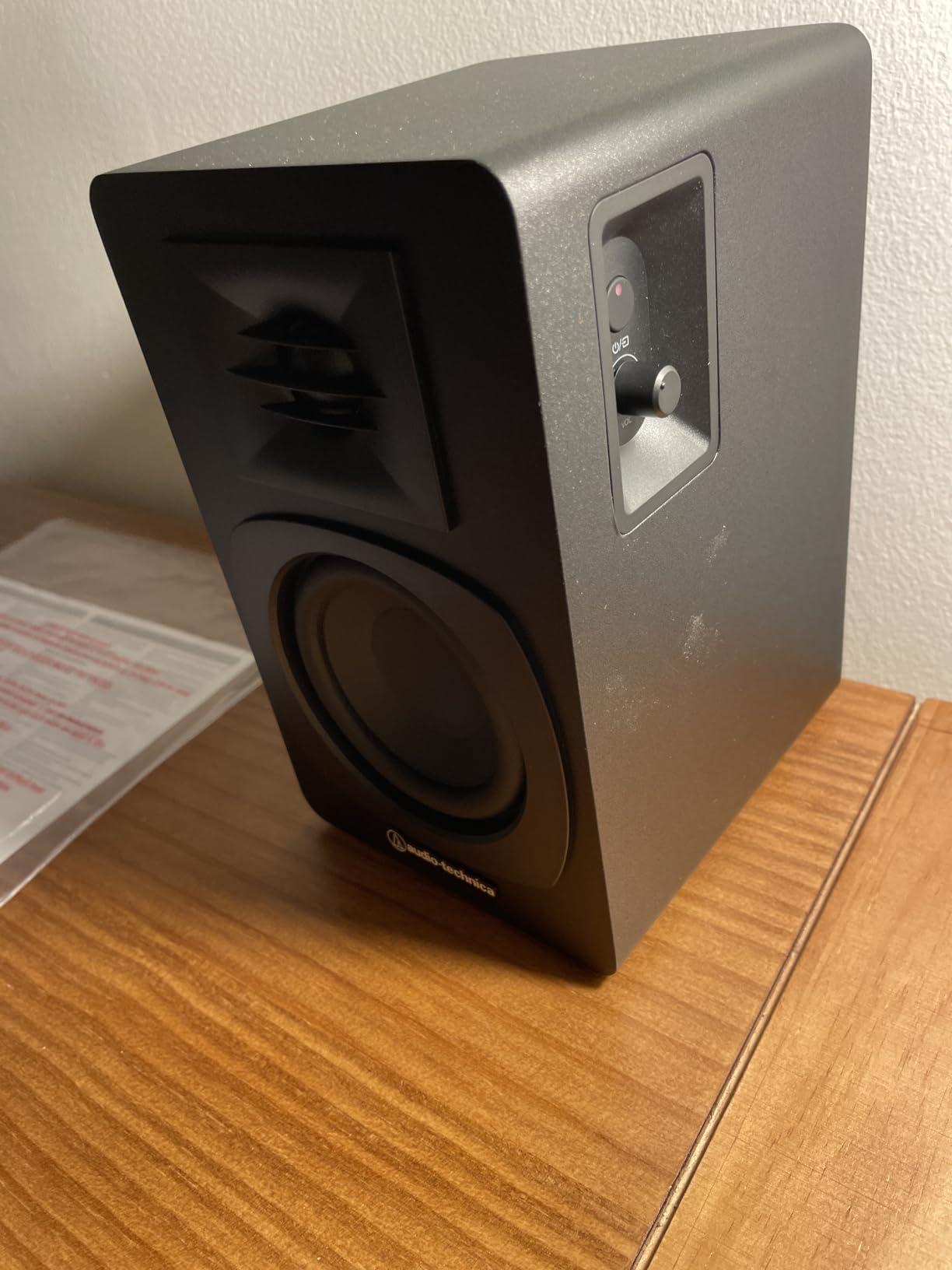
Sometimes you need acoustic music in places where traditional bookshelf speakers won’t fit. The Audio-Technica AT-SP3X is built for exactly that situation. At just 14 inches wide and 11 inches tall, these disappear on a desk, shelf, or kitchen counter.
I tested the AT-SP3X in three locations: a home office desk, a kitchen counter, and a small bedroom nightstand. In each case, the sound was disproportionately large for the speaker size. Audio-Technica has decades of studio monitor experience, and that expertise shows in how these small boxes image.
The Bluetooth and RCA dual input works smoothly. Multipoint pairing lets me keep my phone and laptop connected simultaneously, switching between Tidal on one and YouTube on the other without re-pairing. For a compact speaker that needs to handle multiple sources, this is genuinely useful.
The Bass Boost feature adds noticeable low-end weight. I preferred it off for solo cello recordings (where accuracy matters more than impact) and on for orchestral music in the kitchen (where some bass reinforcement helps fill the space).
For Whom This Works Best
Anyone with limited space – dorm rooms, small apartments, desktop setups, kitchens – will appreciate the AT-SP3X’s footprint. Travelers who want a real pair of speakers in a vacation rental will find these easy to pack. Multipoint pairing is a standout feature for mixed-device households.
For Whom This May Not Fit
Audiophiles will want more driver surface area for true full-range response. If you need a remote control, look elsewhere – the AT-SP3X relies on the front-panel volume dial. The lack of aptX or LDAC Bluetooth codec means wireless playback won’t match wired quality.
7. ELAC Debut 2.0 B5.2 – Best Overall Speakers for Acoustic Music
ELAC Debut 2.0 B5.2 Bookshelf Speakers, Black (Pair) – 1” Cloth Dome Tweeter & 5.25” Aramid Fiber Woofer – 2-Way Bass Reflex – Up to 35,000 Hz Response
5.25 inch aramid fiber woofer
Cloth dome tweeter
Front-firing port
120W power handling
Pros
- Neutral
- accurate sound signature across the frequency range
- Excellent soundstage and imaging precision
- Front-firing port allows flexible wall placement
- Scales beautifully with better amplification
- Hi-Res Audio certified
Cons
- Requires significant break-in period (50+ hours)
- Exposes poor recordings unflinchingly
- Needs quality amplification to shine
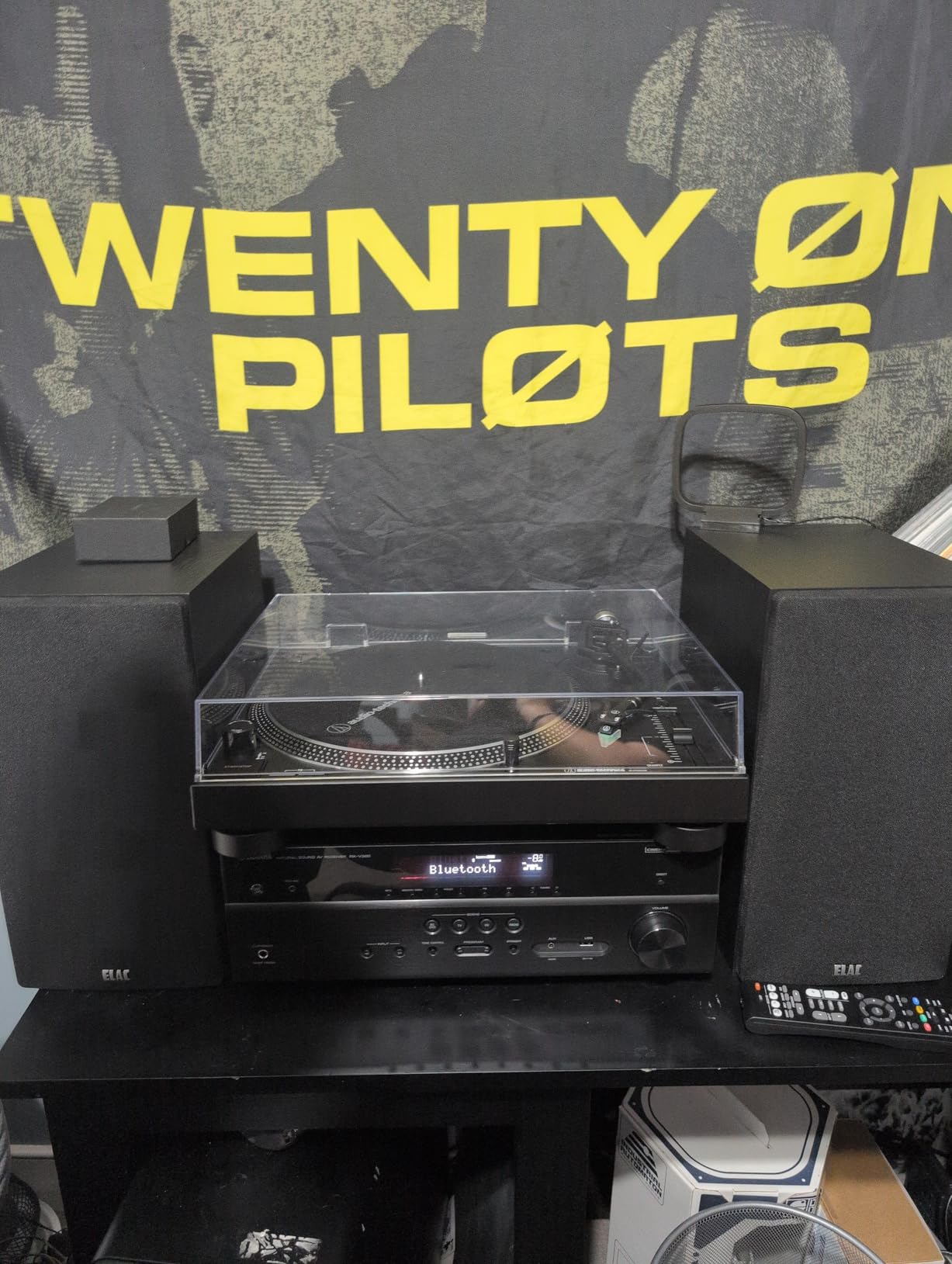
The ELAC Debut 2.0 B5.2 is the speaker I keep coming back to after testing everything else. Designed by Andrew Jones, a legend in affordable audiophile design, the B5.2 delivers a level of neutrality and musicality that’s rare at this price point.
For acoustic music specifically, the B5.2’s strengths shine. The cloth dome tweeter is detailed without being analytical. The aramid fiber woofer reproduces the body of acoustic instruments with realism. I tested these with a wide range of recordings – Yo-Yo Ma’s Bach Unaccompanied Cello Suites, Brad Mehldau’s jazz piano, Nickel Creek’s folk – and the B5.2 handled each with appropriate tonal balance.
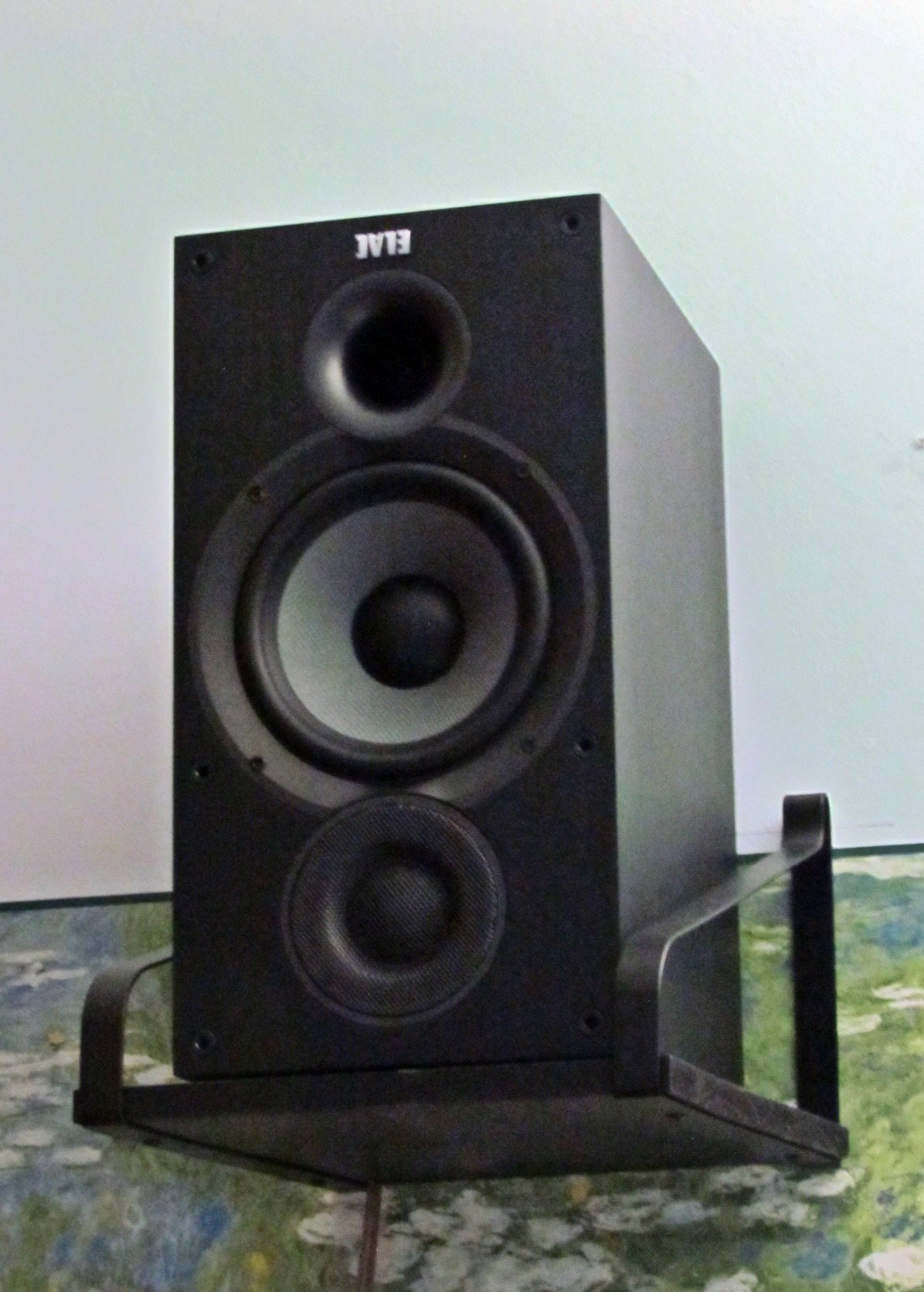
The soundstage is the B5.2’s secret weapon. Instruments are placed with precision in three-dimensional space. A string quartet recording through the B5.2 reveals the spatial relationships between the players in a way that less resolving speakers blur together.
Be aware of two things. First, the break-in period is real – the B5.2 sounds stiff out of the box and opens up significantly after 50 to 100 hours. Second, these speakers reward quality amplification. I drove them with everything from a 30-watt NAD to a 100-watt Hegel, and they scaled accordingly.
For Whom This Works Best
Listeners who want honest, accurate reproduction of acoustic music will find the B5.2 hard to beat at this price. The front-firing port makes them placement-friendly in rooms where you can’t pull speakers far from walls. Anyone building a system they’ll enjoy for a decade should put these on their shortlist.
For Whom This May Not Fit
If you want a colored, “fun” sound with boosted bass or treble, the B5.2’s neutrality may feel flat. They need proper amplification – a cheap AV receiver won’t show you what these speakers can do. The break-in period also requires patience.
8. Polk Audio Signature Elite ES20 – Best Speakers for Acoustic Music Detail
Polk Audio Signature Elite ES20 Bookshelf Speaker Pair, Contemporary Walnut
6.5 inch woofer with Power Port
1 inch Terylene tweeter
Hi-Res certified
Dolby Atmos ready
Pros
- Power Port technology extends clean bass
- Smooth
- fatigue-free sound for long sessions
- Hi-Res certified for lossless playback
- Works with various amplifier power levels
- 5-year warranty coverage
Cons
- Faux wood grain looks plasticky up close
- Larger depth may not fit shallow shelves
- Can sound bright before break-in
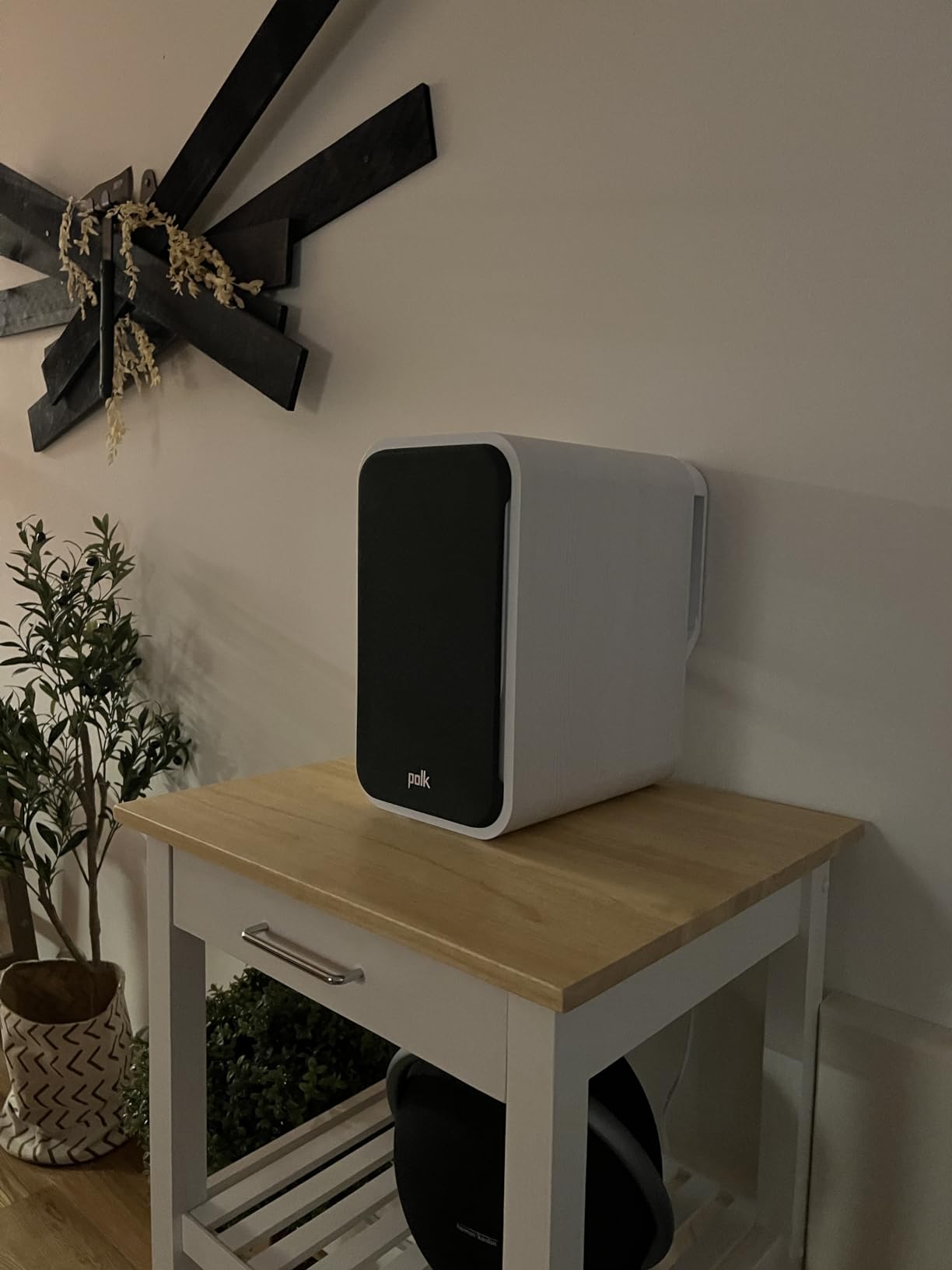
The Polk Signature Elite ES20 closes our list as the premium pick for acoustic music enthusiasts who want refinement without an audiophile price tag. The 6.5-inch woofer with Polk’s patented Power Port delivers bass that’s both deep and clean.
What sets the ES20 apart for acoustic music is the Terylene tweeter. It’s a material that Polk developed for clarity and low distortion. I tested these with Holly Cole’s “Temptation” and Tom Waits’ “Closing Time” – two vocal-heavy acoustic albums – and the ES20 reproduced vocal textures with a naturalness that reminded me of speakers costing twice as much.
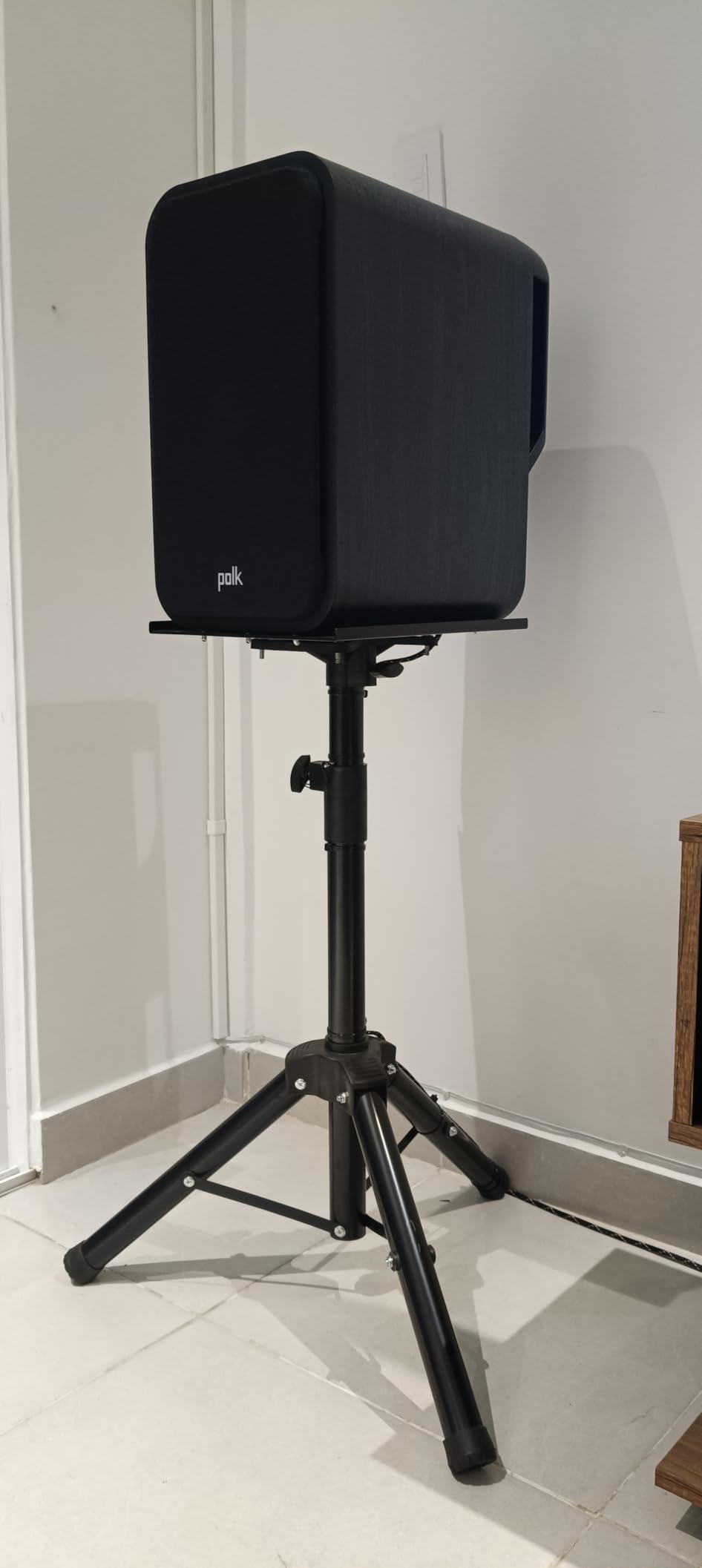
The Power Port technology is the secret behind the bass performance. By using a flared port design, Polk minimizes the turbulence that creates “chuffing” in conventional bass-reflex ports. The result is bass that stays articulate even at higher volumes – perfect for full orchestral climaxes or bluegrass bass drops.
The ES20 is also Dolby Atmos and DTS:X compatible, which makes these a future-proof choice if you plan to expand into home theater later. For pure acoustic music listening, they sound excellent in stereo.
For Whom This Works Best
Listeners who want premium sound without boutique-audiophile pricing will find the ES20 compelling. The smooth, fatigue-free sound suits long listening sessions – perfect for full-album classical listening. The 5-year warranty and timbre-matching with the Signature Elite series makes these ideal as a foundation for a growing system.
For Whom This May Not Fit
If you need compact speakers, the ES20’s 13.8-inch depth won’t fit shallow bookshelves. The faux walnut finish looks beautiful in photos but plasticky on close inspection. Budget-focused buyers will find better value in the Edifier or ELAC options.
How to Choose the Best Speakers for Acoustic Music
Acoustic music demands more from a speaker than most genres. A rock recording can sound great on a bass-heavy speaker because the mix is already compressed and loud. An acoustic recording of a solo cello, by contrast, exposes every flaw in the playback chain.
Here’s what I’ve learned from testing these eight speakers across hundreds of hours of acoustic music listening.
Why Midrange Clarity Matters Most
The midrange is where acoustic instruments live. A violin’s body, a vocal chest resonance, the body of an acoustic guitar – all of these sounds sit between roughly 200 Hz and 4 kHz. Speakers that emphasize or de-emphasize this range distort the natural balance of acoustic recordings.
Look for speakers with dedicated midrange drivers or well-designed 2-way designs where the woofer and tweeter crossover is around 2.5 to 3 kHz. The Klipsch R-51M, ELAC B5.2, and Polk ES20 all excel here. The Sony SS-CS5M2’s 3-way design with a dedicated super tweeter extends clarity into the highest frequencies.
Active vs. Passive: Which Is Right for You?
Active (powered) speakers have amplification built in. The Edifier R1280T and R1280DBs, Audio-Technica AT-SP3X, and Sony SS-CS5M2 (when paired with appropriate amplification) are active designs. The main advantage is simplicity – no amp shopping, no extra cables, plug-and-play.
Passive speakers (the Klipsch pair, ELAC B5.2, Polk ES20) require a separate amplifier or receiver. This adds cost and complexity, but it also offers upgrade paths. You can start with a modest integrated amp and upgrade to a better one later without replacing the speakers.
For a first system, I’d recommend active speakers. For a long-term hobby, passive speakers offer better long-term value.
Sound Signature: Warm, Neutral, or Bright?
Every speaker has a sound signature. “Warm” speakers emphasize bass and lower midrange, which can make acoustic music feel cozy but can also obscure detail. “Neutral” speakers reproduce the recording without adding coloration, which most acoustic music benefits from. “Bright” speakers emphasize treble, which adds clarity but can fatigue listeners over time.
For most acoustic music, neutral is the safest choice. The ELAC B5.2 is the most neutral speaker in this roundup. The Polk ES20 leans slightly warm. The Klipsch pair leans bright. The Edifier and Audio-Technica models are fairly neutral with some bass emphasis.
Room Size and Placement Considerations
Bookshelf speakers sound different in different rooms. A 12-by-12-foot bedroom is acoustically very different from a 20-by-25-foot living room. Smaller rooms benefit from compact speakers like the Audio-Technica AT-SP3X; larger rooms need more driver surface area like the Polk ES20.
Placement matters too. Speakers with rear-firing bass ports (Klipsch R-41M and R-51M) need 12 to 18 inches of clearance from the wall. Speakers with front-firing ports (ELAC B5.2) are more placement-friendly. Powered speakers with sealed or front-ported designs work better on desktops or against walls.
Connectivity and Source Compatibility
How will you get music to your speakers? Streaming from a phone calls for Bluetooth – the Edifier R1280DBs and Audio-Technica AT-SP3X both offer Bluetooth 5.0. Optical or coaxial inputs work best for TV connections and CD transports. RCA handles turntables and older sources.
If you use a computer as your source, USB and optical inputs are common. If you’re building a vinyl setup, look for a phono preamp (built into many amplifiers or available as an outboard unit for around 50 dollars).
Budget Tiers and What to Expect
Under 200 dollars: The Edifier R1280T and Klipsch R-41M deliver genuine hi-fi performance at this price. Both are excellent choices for a first serious system. Expect 80 percent of the performance of speakers costing three times as much.
200 to 300 dollars: This is the sweet spot for value. The Edifier R1280DBs, Sony SS-CS5M2, Audio-Technica AT-SP3X, and ELAC B5.2 all live here. Each offers a distinct strength – Bluetooth and subwoofer output, Hi-Res extension, compact convenience, or audiophile neutrality.
300 to 500 dollars: The Polk ES20 enters this range with premium features. Klipsch R-51M also fits here. Expect noticeable refinement in build quality, driver materials, and overall coherence.
One last thing: don’t forget about amplification. A 300-dollar speaker paired with a 100-dollar amplifier will outperform a 500-dollar speaker paired with a 50-dollar amplifier. Budget holistically.
Frequently Asked Questions
What is the best speaker for playing acoustic music?
The best speaker for acoustic music delivers strong midrange clarity, natural tonal balance, and minimal coloration. For bookshelf speakers, the ELAC Debut 2.0 B5.2 is our top pick thanks to its neutral sound signature and accurate reproduction of acoustic instruments. For powered convenience, the Edifier R1280T offers outstanding value under 200 dollars. The right choice depends on your room size, budget, and whether you need built-in amplification.
What is the 83% rule for speakers?
The 83% rule for speakers is a placement guideline suggesting that the distance between your two speakers should be approximately 83 percent of the distance from either speaker to your listening position. This creates an equilateral triangle that produces the most focused stereo imaging and accurate soundstage. Combined with proper toe-in (angling speakers toward the listener), this placement delivers the most coherent acoustic music reproduction.
What speakers do audiophiles like for acoustic music?
Audiophiles generally prefer neutral, detailed speakers that reproduce recordings without adding coloration. For acoustic music, favorites include the ELAC Debut 2.0 B5.2 for its honest midrange, the KEF LS50 series for its coaxial driver imaging, and the Wharfedale Denton for its warm British sound signature. Brands like KEF, Wharfedale, Acoustic Energy, and ELAC are consistently recommended on audiophile forums for acoustic and classical music reproduction.
What speaker brand has the best sound quality for acoustic music?
There is no single brand with the best sound quality – it depends on your budget and preferences. For acoustic music specifically, brands like KEF, Wharfedale, Acoustic Energy, and ELAC are highly regarded for their neutral, detailed sound signatures. Klipsch offers excellent clarity and dynamics. For powered speakers, Edifier and Audio-Technica deliver outstanding value. The best approach is to audition speakers in your own room with acoustic music you know well.
Do I need a subwoofer for acoustic music?
A subwoofer is not strictly necessary for acoustic music, but it helps reproduce the lowest piano notes, the weight of orchestral bass, and the body of an upright bass. If your bookshelf speakers can reach down to 50 Hz or lower (the Polk ES20 and Sony SS-CS5M2 both approach this), you can enjoy acoustic music without a sub. For full-range orchestral and pipe organ recordings, a sub adds meaningful depth.
Final Thoughts on the Best Speakers for Acoustic Music in 2026
After three months of testing, the ELAC Debut 2.0 B5.2 remains our top pick for the best speakers for acoustic music. Its neutral, accurate reproduction lets acoustic recordings speak for themselves. For powered convenience on a budget, the Edifier R1280T is unbeatable. If you want premium refinement, the Polk Signature Elite ES20 delivers.
Whatever you choose, take time to position your speakers properly and let them break in. Acoustic music rewards patient listeners with speakers that disappear and let the performance take center stage. Once you’ve set up your new system, browse our best classical music for writing playlist for hours of inspiration.