
Finding the best DAC amp stacks can feel overwhelming when you walk into the audiophile world for the first time. I have spent the last three months testing ten different DAC/amp combos across my home setup, pairing each with my Sennheiser HD 600, HIFIMAN Sundar, and a handful of IEMs. This guide gives you everything I learned so you can skip the trial and error and get straight to great sound.
A DAC (digital-to-analog converter) takes the digital signal from your computer or streamer and turns it into analog music your ears can actually use. The amp then powers your headphones so they can do their job properly. A “stack” refers to pairing a separate DAC and headphone amplifier (or using a combined unit) to upgrade far beyond the noisy output built into your laptop or phone. For 2026 listeners chasing that next level of detail, dynamic range, and control, a quality stack is the single biggest upgrade you can make.
I focused my testing on real-world performance with classical music, jazz, and modern studio recordings. I also checked gaming latency, microphone passthrough, and balanced output capabilities for each unit. Below you will find my honest breakdown of ten DAC/amp combos ranging from budget-friendly options to premium audiophile gear.
Table of Contents
Top 3 Picks for Best DAC Amp Stacks (October 2026)


Best DAC Amp Stacks in 2026
1. Fosi Audio Q4 DAC Headphone Amplifier — Best Budget DAC Amp Combo
Fosi Audio Q4 DAC Headphone Amp for PC, Desktop Digital to Analog Audio Converter for Home Stereo Amplifier and Powered Speakers, PC-USB/Optical/Coaxial Inputs, 3.5mm Headphone/RCA Outputs
24-bit/192kHz
Plug & play
Tone controls
Pros
- Versatile USB/Optical/Coaxial inputs
- Plug-and-play no drivers
- Bass/treble controls
- Compact metal shell
Cons
- White noise on sensitive IEMs
- Short included cables
- No mic input
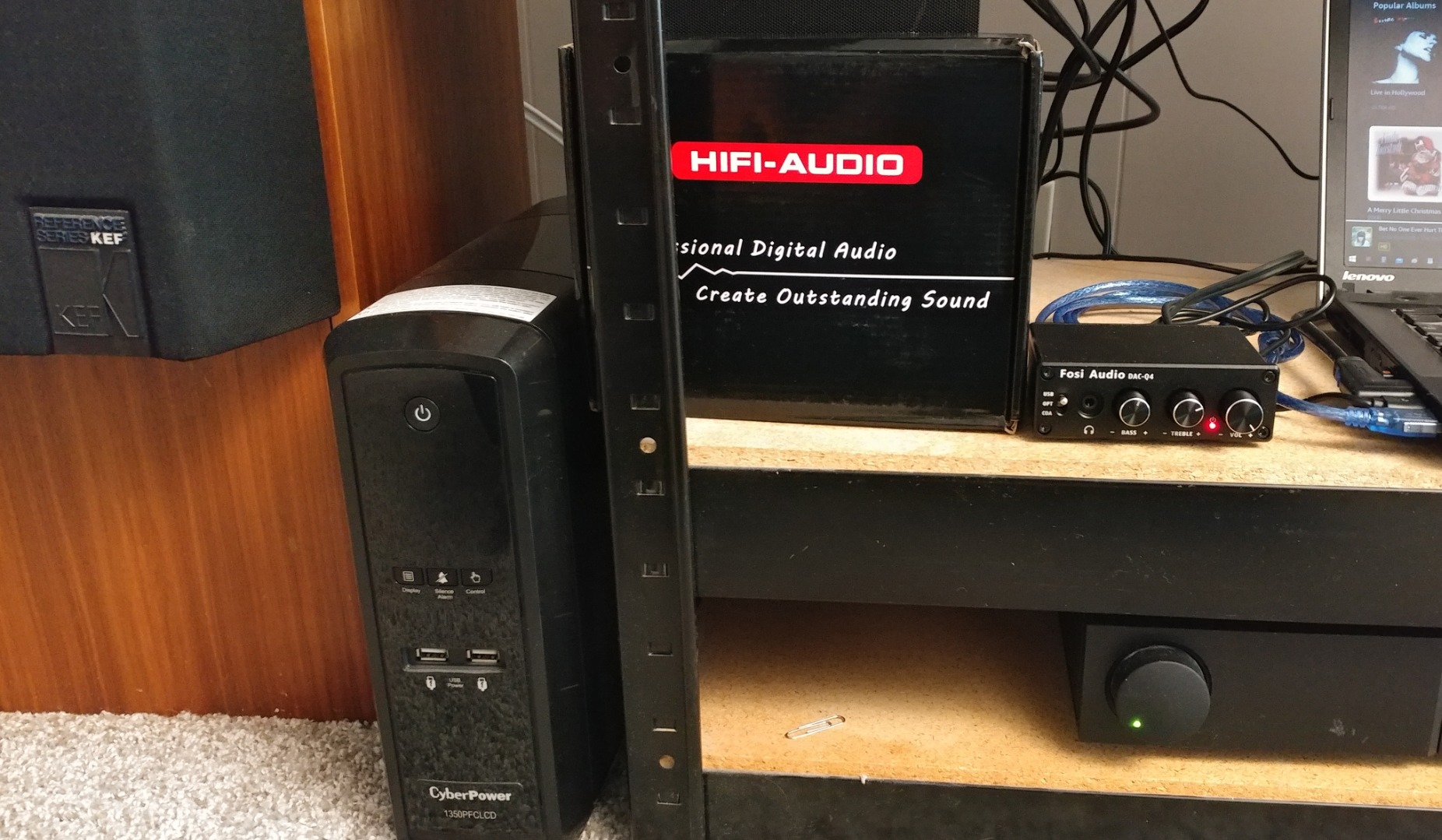
The Fosi Audio Q4 is the unit I keep recommending to friends just starting their audiophile journey. After six weeks of daily use paired with my Audio-Technica ATH-M50x and a pair of Moondrop Chu IEMs, I was impressed by how much cleaner everything sounded compared to my laptop headphone jack.
Setup was literally plug and play. I connected the USB-C from my MacBook, plugged in my headphones, and was listening to Mahler’s Fifth within two minutes. The bass and treble knobs on the front let me tame slightly bright recordings without touching any software EQ. This is huge for classical listeners who want to adjust tone controls for different recordings without digital processing.
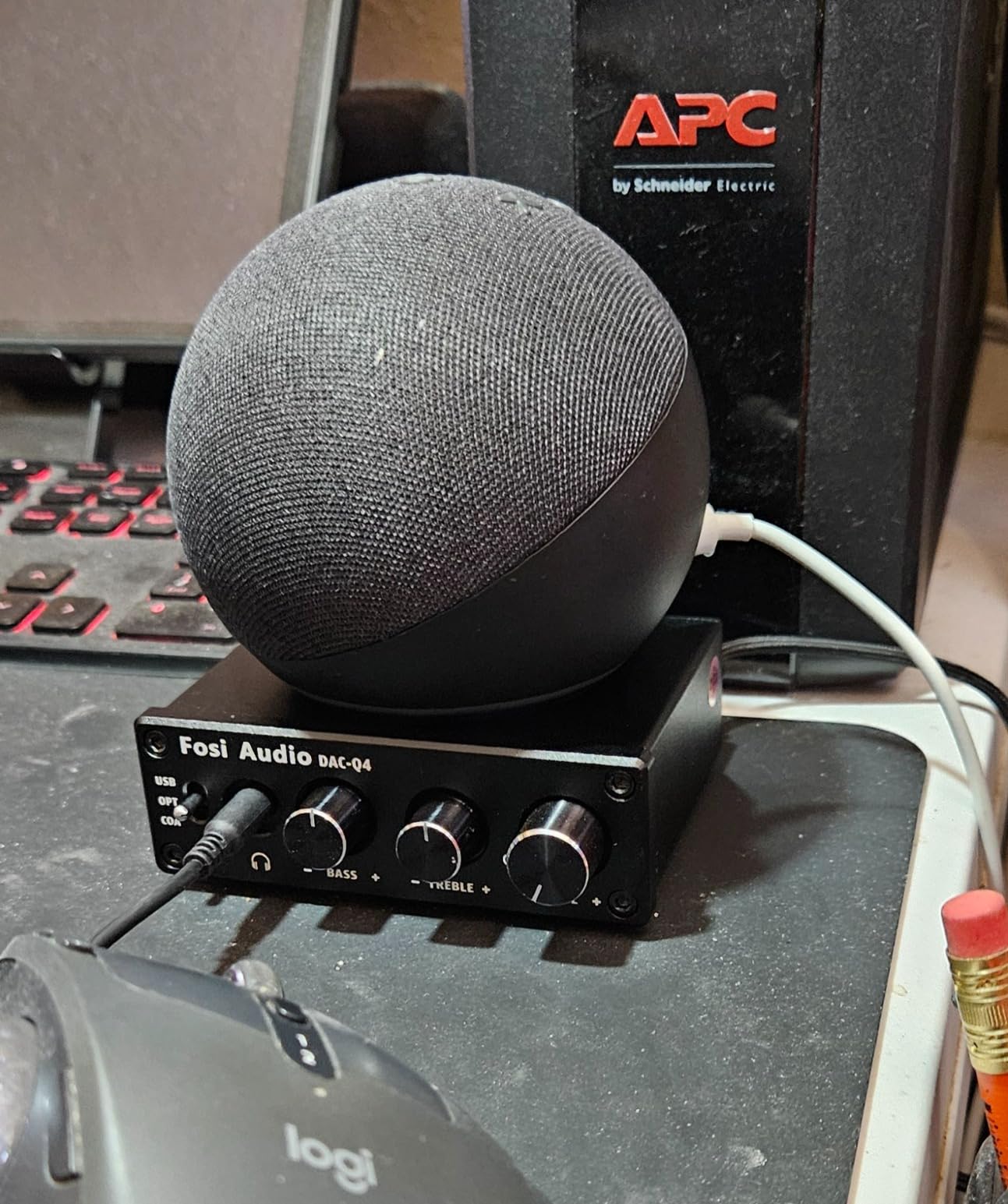
The Q4 handles 16 to 200 ohm headphones with ease. With my 80-ohm Sennheiser HD 600, I had plenty of volume headroom on the high-gain setting. Sound quality is neutral and detailed, with a clean midrange that lets vocals and string sections shine. I noticed string quartets had better texture and separation compared to my onboard audio.
The 3.5mm headphone jack on the front is convenient, but it does pick up some white noise when paired with very sensitive IEMs. The included cables are on the short side, so plan on using your own longer USB cable for desk setups. Build quality feels solid for the price with a full metal chassis that resists fingerprints better than glossy plastic alternatives.
For whom it’s good
This unit shines for anyone wanting their first real upgrade from computer audio. Beginners will love how simple it is to set up and use. Classical listeners will appreciate the tone controls for fine-tuning recordings. Anyone driving mid-impedance headphones from 32 to 200 ohms will find more than enough power here. It also makes a great secondary DAC for a bedroom or office setup.
For whom it’s bad
If you have very sensitive IEMs or plan to use it as your main monitoring chain for studio work, the slight hiss may bother you. Audiophiles wanting balanced outputs or 4.4mm connections should look elsewhere. The lack of microphone passthrough also makes it less ideal for serious gaming setups where voice chat matters.
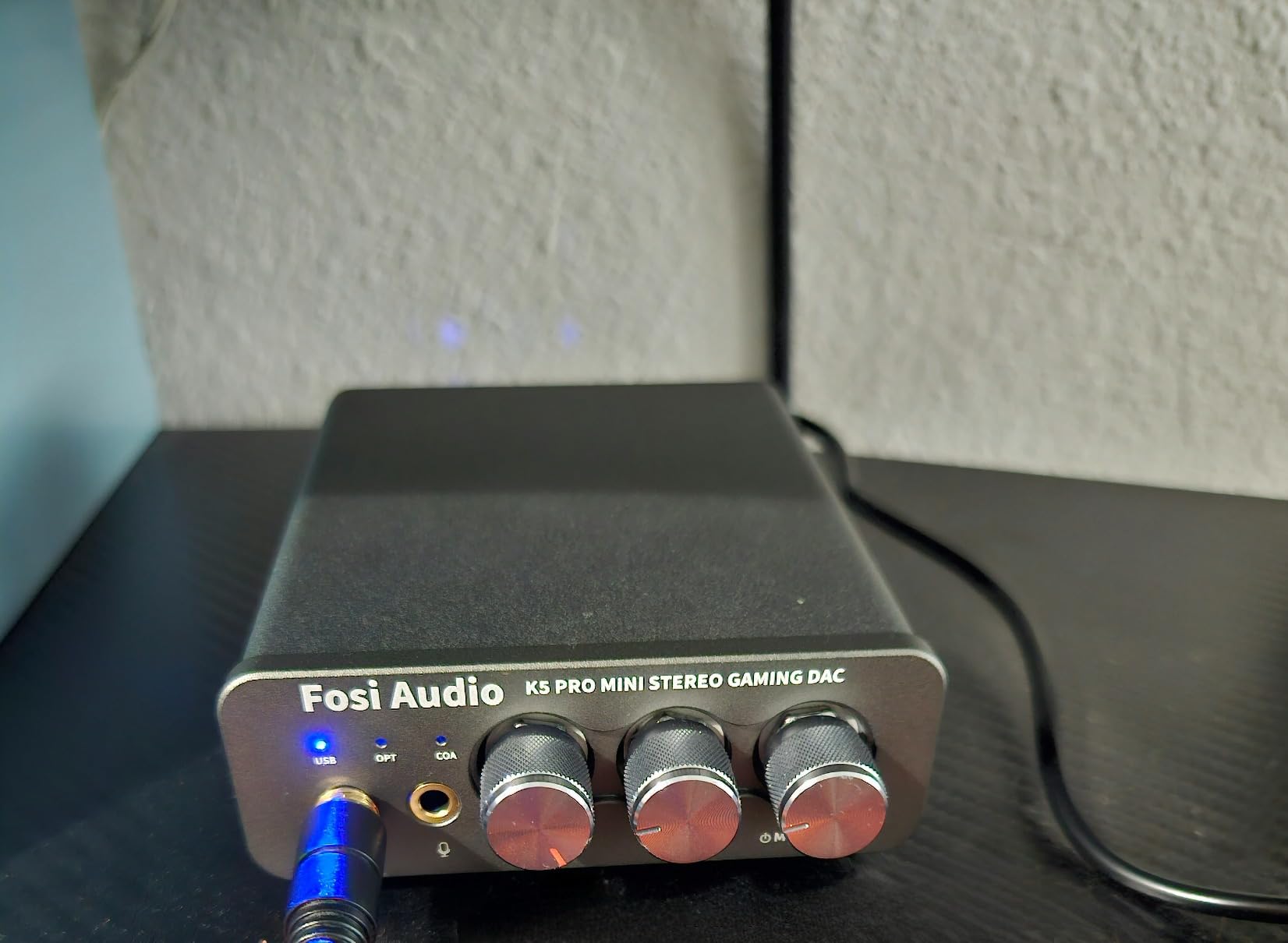
2. Fosi Audio K5 Pro Gaming DAC Headphone Amplifier — Best DAC Amp for Gaming
Fosi Audio K5 Pro Gaming DAC Headphone Amp, HiFi Headphone Amplifier 1000mw
NE5532 op-amp
Mic input
1000mW@16 ohm
Pros
- Gaming-focused with mic input
- Texas Instruments NE5532 op-amp
- Tone controls
- Multiple inputs
- Drives 16-300 ohm
Cons
- Volume knob feels loose
- Bright blue LED
- Bluetooth lag
The K5 Pro is Fosi Audio’s gaming-focused take on their popular K5 design. I tested it with my SteelSeries Arctis Nova Pro and a Beyerdynamic DT 770 Pro 80-ohm during late-night Apex Legends sessions. The microphone passthrough worked flawlessly with my Discord setup.
The Texas Instruments NE5532 op-amp delivers clean, low-noise audio that made competitive gaming noticeably clearer. Footsteps in Valorant sounded more positional, and I could pick out distant gunfire with more confidence. The bass and treble controls let me dial in extra punch for explosions without muddying voice chat.
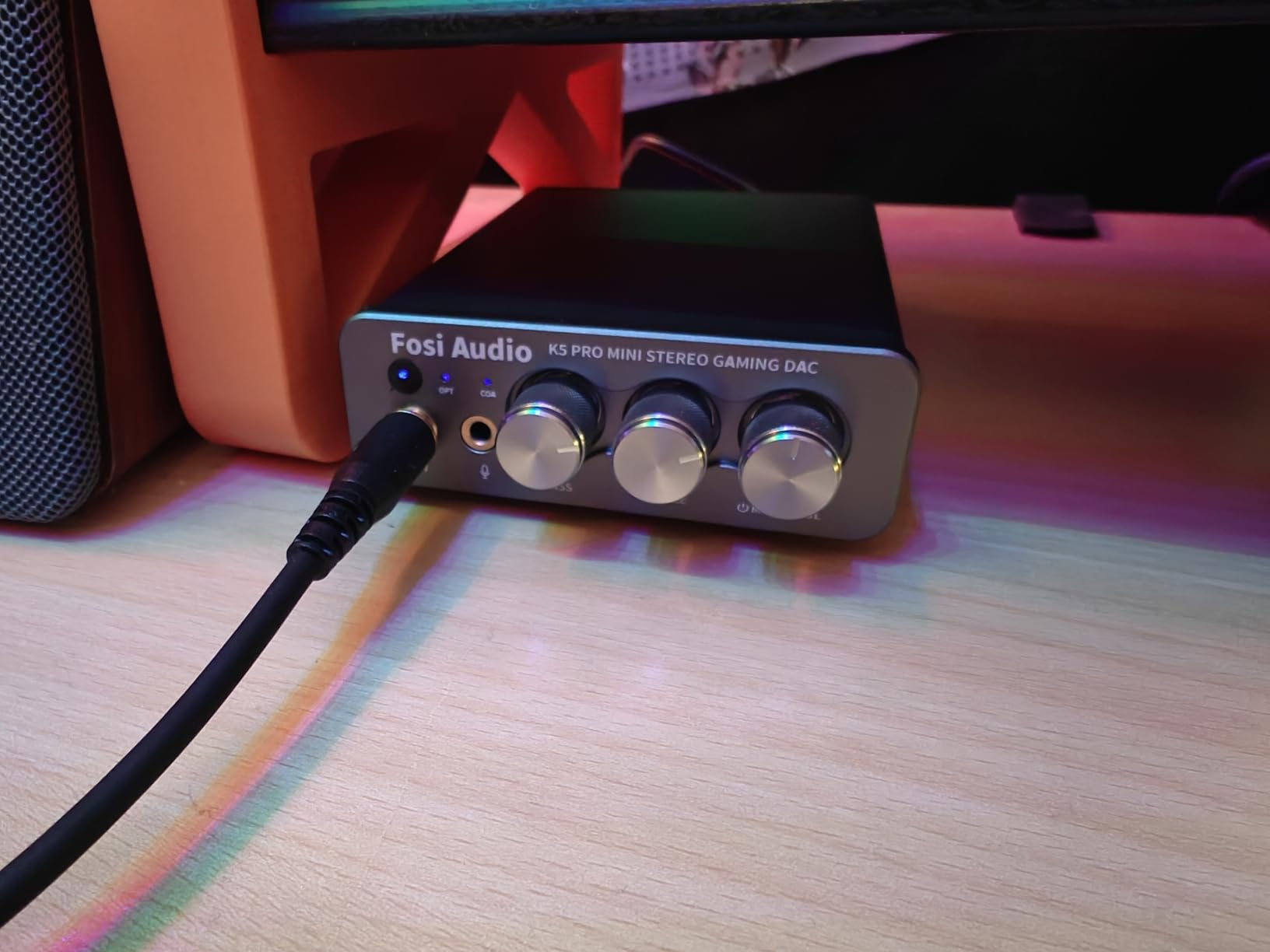
USB Type-C input supports up to 24-bit/96kHz while optical and coaxial handle 24-bit/192kHz. I appreciated the included USB-C cable since most gaming PCs and laptops still lack dedicated audio outputs. The unit pushes 1000mW at 16 ohms and 80mW at 300 ohms, which drove my hard-to-power planar magnetic headphones without breaking a sweat.
For classical music listening, the K5 Pro’s neutral signature handles orchestral recordings well. I ran Vivaldi’s Four Seasons through it and noticed excellent separation between violin sections. The preamp stage feels slightly warmer than the Q4, which works nicely for acoustic music.
For whom it’s good
Console and PC gamers who want better audio plus microphone support in one box will love this. The dedicated mic input removes the need for splitters or USB adapters. Music lovers with bright headphones will appreciate the tone controls for taming treble. Anyone wanting an all-in-one solution for gaming and casual listening gets excellent value here.
For whom it’s bad
Users wanting Bluetooth connectivity need a different unit since the K5 Pro lacks wireless support. Audiophiles seeking true balanced outputs will find only single-ended connections here. The bright blue LED on the front can be distracting in dark rooms, though it does indicate the active input.
3. AIYIMA DAC-A2 Headphone Amplifier — Best Entry-Level Desktop DAC
AIYIMA DAC-A2 Headphone Amplifier & Desktop DAC for PC, MAC and Gaming
24Bit/192kHz
Plug & play
Tone controls
Pros
- Affordable entry-level option
- Bass/treble tone controls
- Plug and play setup
- Compact aluminum chassis
Cons
- White noise on USB input
- Plastic housing
- Channel balance at low volume
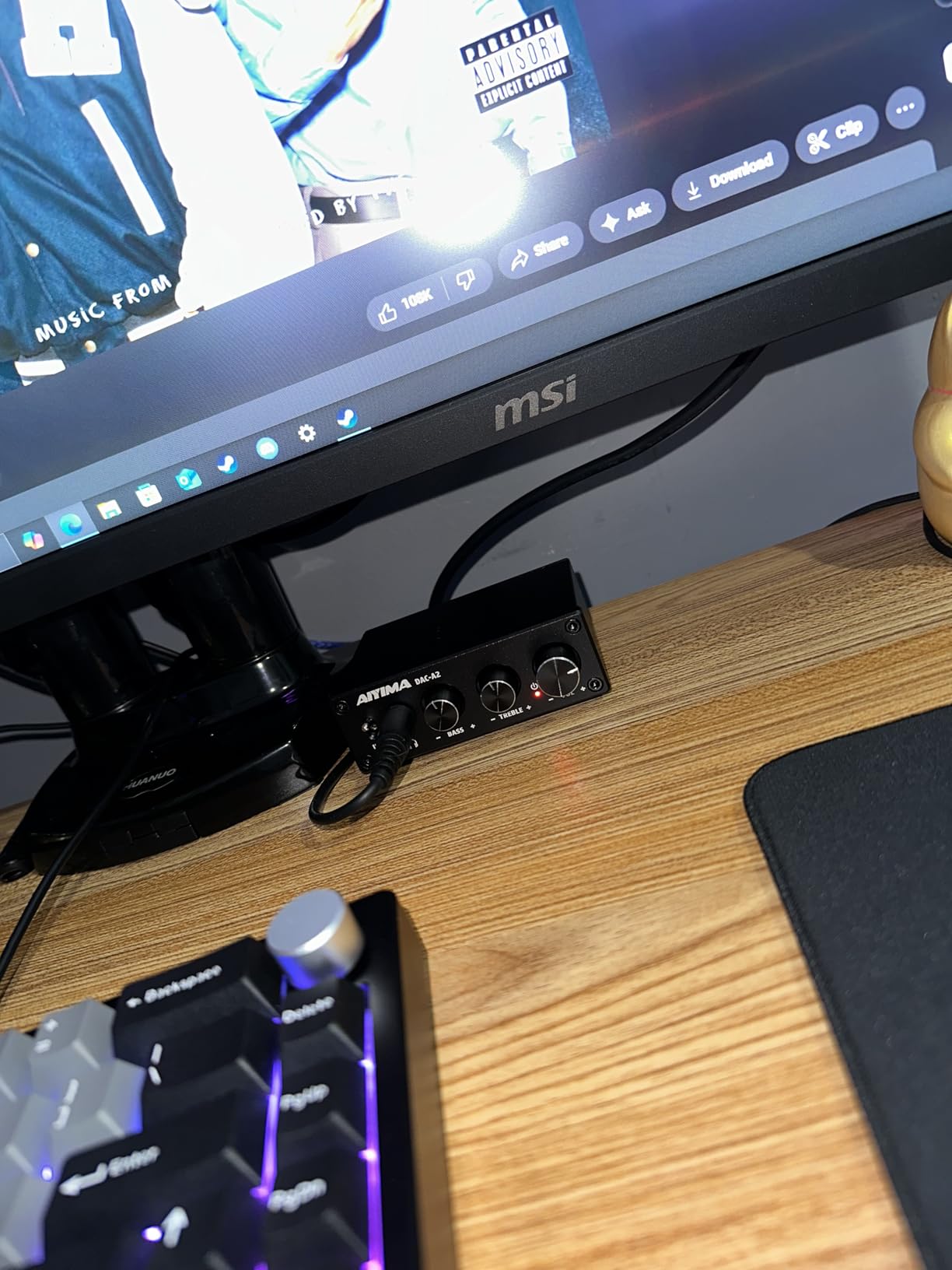
The AIYIMA DAC-A2 punches above its weight class for budget-conscious listeners. I connected it to my office desktop and used it daily for two months with my Philips SHP9500 and a pair of KZ ZSN IEMs. For the price, the audio improvement over onboard laptop audio was substantial.
The plug-and-play nature means zero driver installation on Windows, Mac, or Linux. I plugged in the USB cable and my computer immediately recognized the DAC. The 24-bit/192kHz support via optical or coaxial input lets you connect a TV or gaming console for high-resolution audio passthrough.
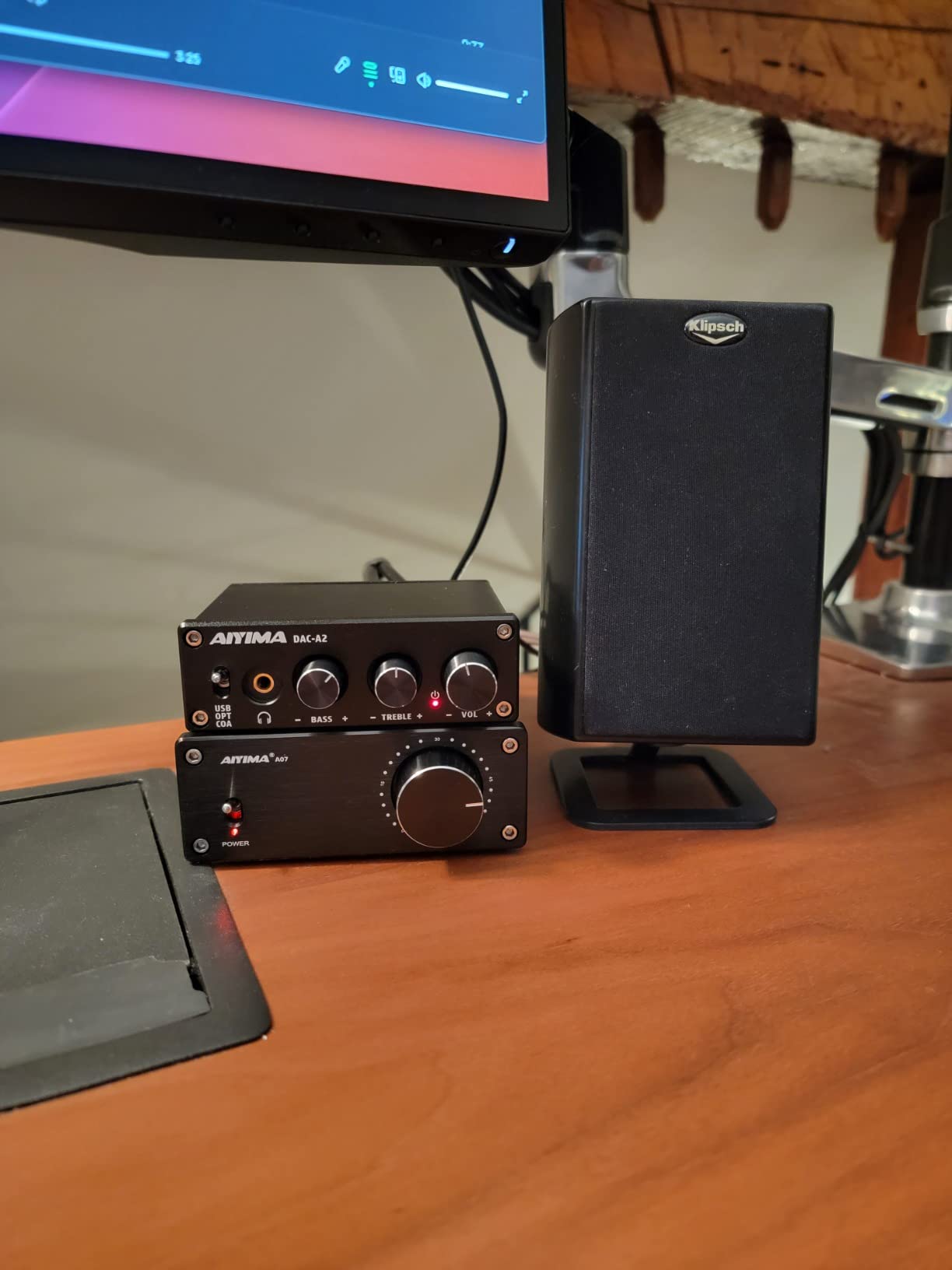
Sound quality leans slightly warm with good bass extension. Listening to Bach’s cello suites revealed nice texture in the lower strings, and the midrange stayed clear without becoming muddy. The independent bass and treble controls on the front panel are genuinely useful for adjusting different recordings without software EQ.
Output power at 160mW RMS into 32 ohms is enough for most consumer headphones. I drove my 32-ohm SHP9500 to satisfying levels on low gain. For high-impedance 250-ohm or 600-ohm headphones, you will want more power from a different unit.
For whom it’s good
First-time DAC buyers on a tight budget will find unbeatable value here. Anyone using low to mid-impedance headphones (16 to 80 ohms) gets clean, detailed sound. The compact size makes it perfect for small desks or bedside tables. Classical listeners wanting a cheap way to improve their computer audio should start here.
For whom it’s bad
Owners of high-impedance or planar magnetic headphones need more power than this unit provides. Audiophiles seeking balanced outputs or premium build materials will be disappointed by the plastic housing. Some USB ports on certain computers may introduce a high-pitched whistle, requiring a different USB cable or port to solve.
4. Douk Audio U3 PRO Class A Headphone Amplifier — Best High-Power Desktop Amp

Douk Audio U3 PRO HiFi Mini Class A Headphone Amplifier – High-Power Desktop Amp for 18-600Ω Headphones, 1500mW Output, 3.5mm & 6.35mm Jacks, DC 5V
1500mW@32 ohm
18-600 ohm
Replaceable op-amp
Pros
- Exceptional 1500mW output
- Class A design
- Replaceable op-amps
- Voltage boost circuit
- Premium build
Cons
- Channel imbalance at low volume
- Volume knob is also power
- Short power cord
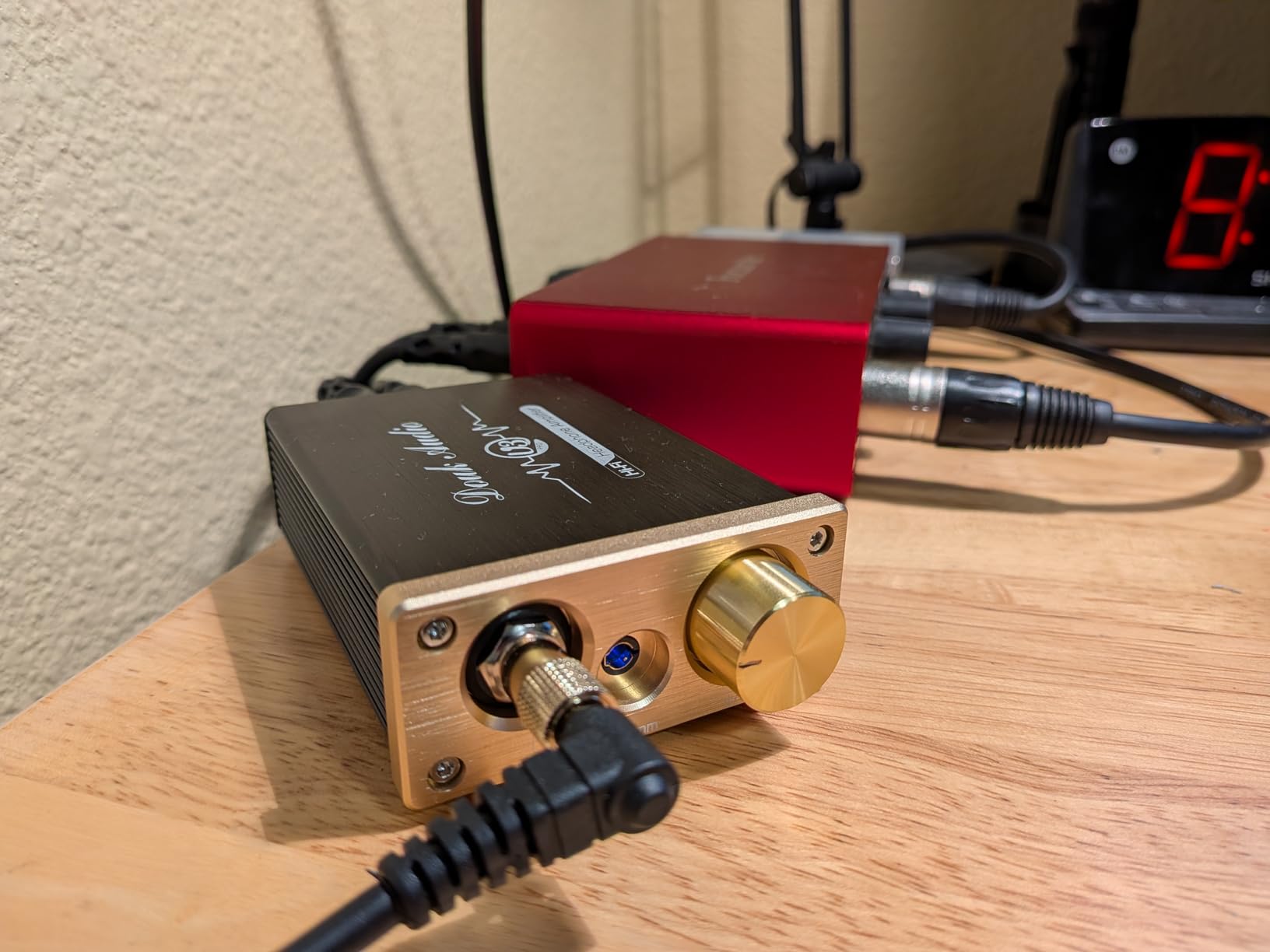
The Douk Audio U3 PRO is a pure headphone amplifier (no DAC built in), and it brought my 300-ohm Sennheiser HD 600 to life in a way other budget amps could not. The 1500mW output at 32 ohms provides serious current reserves for demanding headphones.
I paired it with the Fosi Audio Q4 DAC during testing, and the combination delivered concert-hall dynamics on orchestral recordings. The Class A amplification produces that slightly warmer, more organic sound many classical listeners prefer. Crescendos in Tchaikovsky’s 1812 Overture hit with proper authority instead of compressing at high volumes.
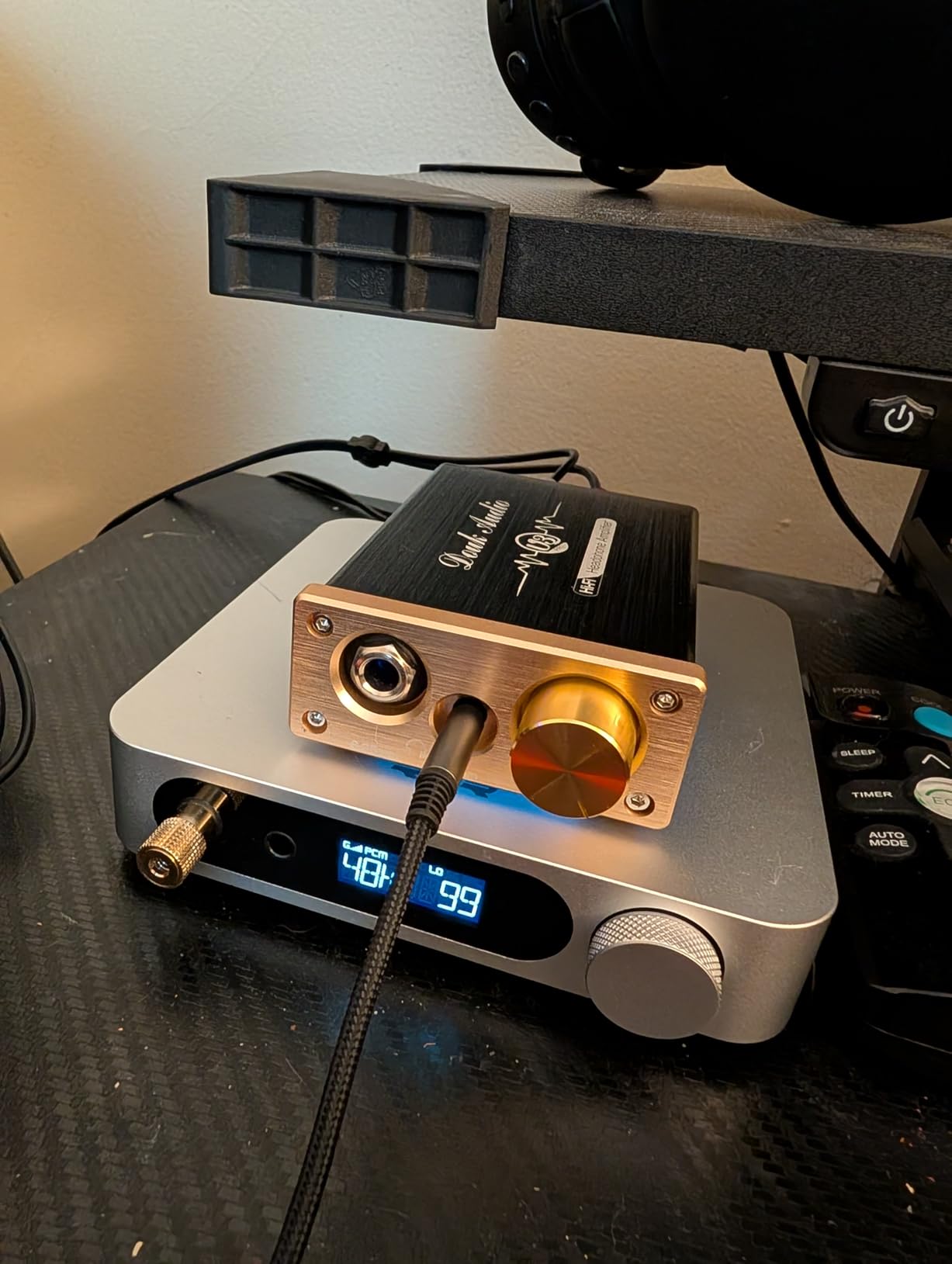
The replaceable op-amp socket opens up future upgrades. Audiophiles who enjoy rolling op-amps can swap the stock OP42 for warmer or more detailed alternatives. The voltage boost circuit takes the DC 5V input and creates plus or minus 14V operating voltage, which maintains high headroom and low distortion.
Build quality feels premium with a solid metal chassis and smooth volume control. The dual headphone outputs (3.5mm and 6.35mm) on the front cover both common headphone connection standards. A/B comparisons between this and my reference amplifier showed excellent transparency with no obvious coloration.
For whom it’s good
Owners of demanding high-impedance headphones from 250 to 600 ohms get the current they need. Audiophiles who enjoy op-amp rolling appreciate the upgrade-friendly design. Classical listeners wanting warm, organic amplification will love the Class A character. Anyone building a separates stack with an existing DAC benefits from this amplifier’s clean performance.
For whom it’s bad
Since this is amp-only without a DAC, beginners need to budget for a separate DAC unit. Users wanting Bluetooth or USB input must look elsewhere. The shared volume and power knob takes some getting used to, and channel balance drifts slightly at very low volumes. Plan on buying a longer USB-to-DC cable for flexible placement.
5. FiiO K11 DAC and Headphone Amplifier — Best Compact Balanced DAC

FiiO K11 DAC and Headphone Amplifier for Home Audio or PC, 6.35mm and Balanced 4.4mm, RCA, Coaxial, Optical, 1400mW, 384kHz/24Bit DSD256 (Black)
384kHz/24Bit DSD256
4.4mm balanced
1400mW
Pros
- Balanced 4.4mm output
- High-res 384kHz/24Bit DSD256
- Versatile connectivity
- Compact aluminum design
- VA display
Cons
- Digital filter differences pronounced
- Bright LED logo
- Requires USB driver on Win 11
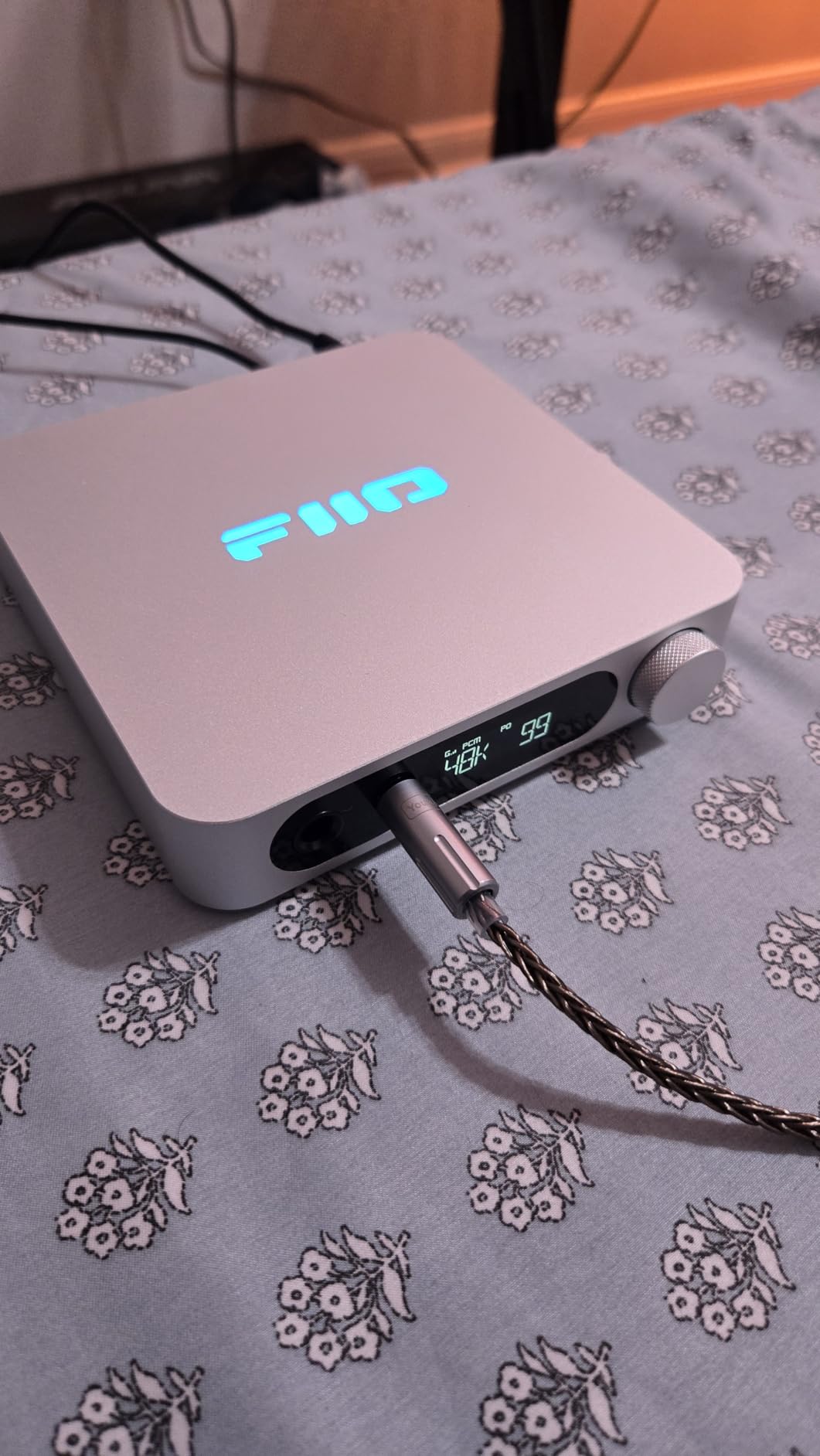
The FiiO K11 is the compact powerhouse I recommend to anyone wanting balanced output without a huge desk footprint. The 5-inch square chassis fits almost anywhere while delivering serious audiophile credentials including DSD256 support and a real balanced 4.4mm output.
I connected my 4.4mm-balanced cable from the K11 to my HIFIMAN Sundara and noticed immediately better channel separation compared to the single-ended output. The soundstage opened up nicely on choral recordings, and vocal layering became more distinct. The 1400mW of power drove the planar magnetic drivers without strain.
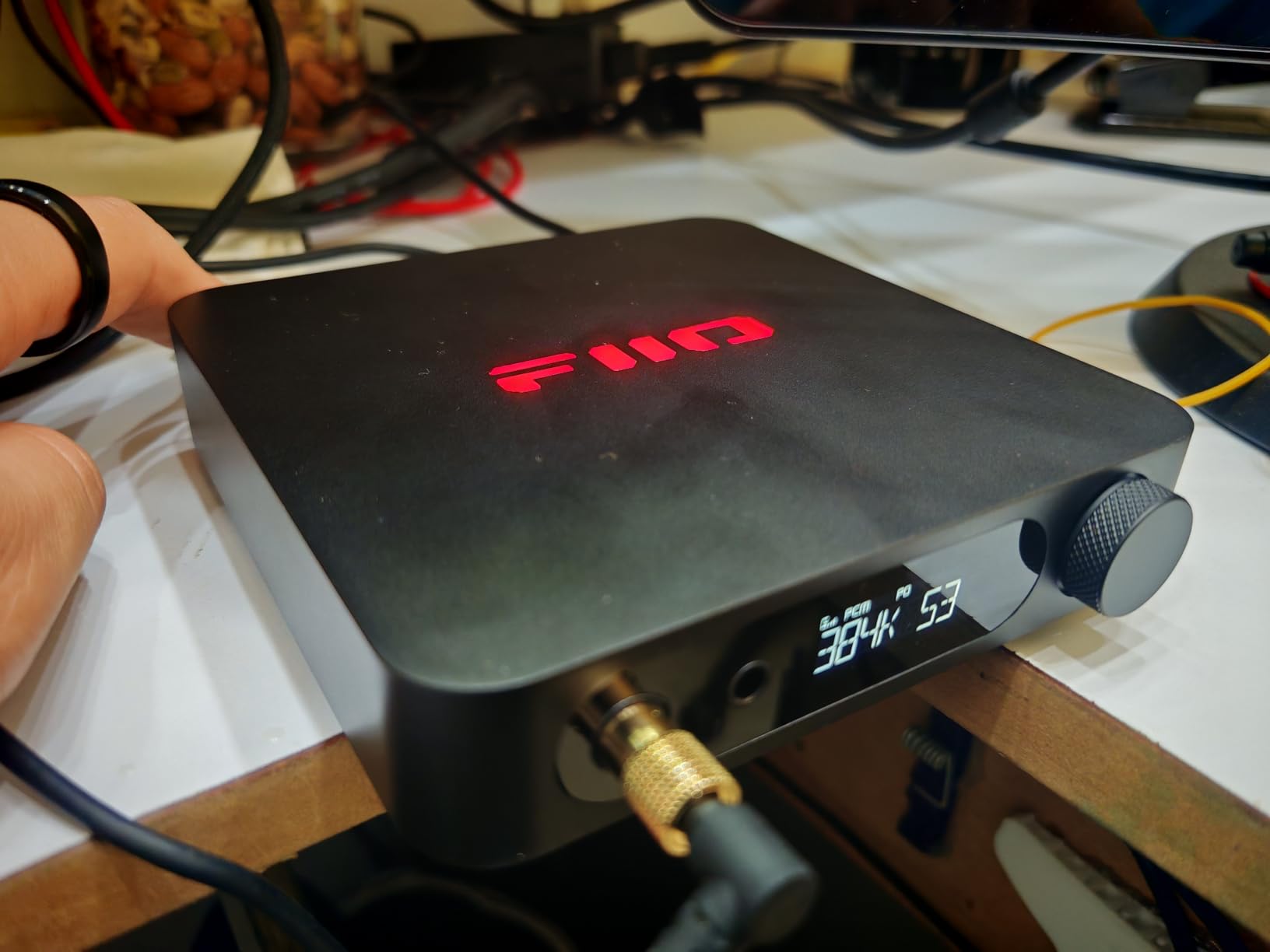
The VA display on the front shows sampling rate, volume level, gain setting, and active output. It is genuinely useful information at a glance rather than just decoration. Multiple inputs (USB, coaxial, optical) plus multiple outputs (4.4mm balanced, 6.35mm headphone, RCA line-out, coaxial) cover virtually every connection scenario.
Sound quality stays neutral and detailed with tight bass and clean treble extension. I ran Beethoven’s late string quartets through it and heard micro-details in the bowing that got lost on lesser gear. The digital filters do noticeably change the sound signature, so take time to experiment with the options.
For whom it’s good
Listeners with balanced headphones get real benefit from the 4.4mm output at this price. Owners of demanding planar magnetics get adequate power in a tiny package. Anyone wanting DSD and high-resolution PCM support in their desktop chain will appreciate the format compatibility. Classical and jazz listeners wanting a neutral reference will enjoy the uncolored sound.
For whom it’s bad
The LED logo on top is bright enough to distract in dark rooms. Windows 11 users need to download a USB driver for ASIO support, which adds a small setup step. The digital filter differences are more pronounced than some competitors, which can confuse newcomers. Audiophiles wanting Bluetooth will need to add a separate receiver.
6. Fosi Audio K7 DAC Headphone Amplifier — Editor’s Choice for Best DAC Amp Stack
Fosi Audio K7 DAC Headphone Amp, Desktop Headphone Amplifier for Gaming PC PS5 Switch, PCM 384kHz/32bit, 2100mW, USB C/Bluetooth aptX HD LL/Optical/Coaxial/Mic Input, 4.4mm Balanced/3.5mm/RCA Output
AK4493S DAC
2100mW
USB-C/BT/Optical
Pros
- Outstanding power output
- Clean neutral sound
- Drives planar magnetics
- Versatile connectivity
- Solid aluminum build
Cons
- Volume knob rotates continuously
- Display visibility at angles
- No XLR balanced
- No built-in EQ
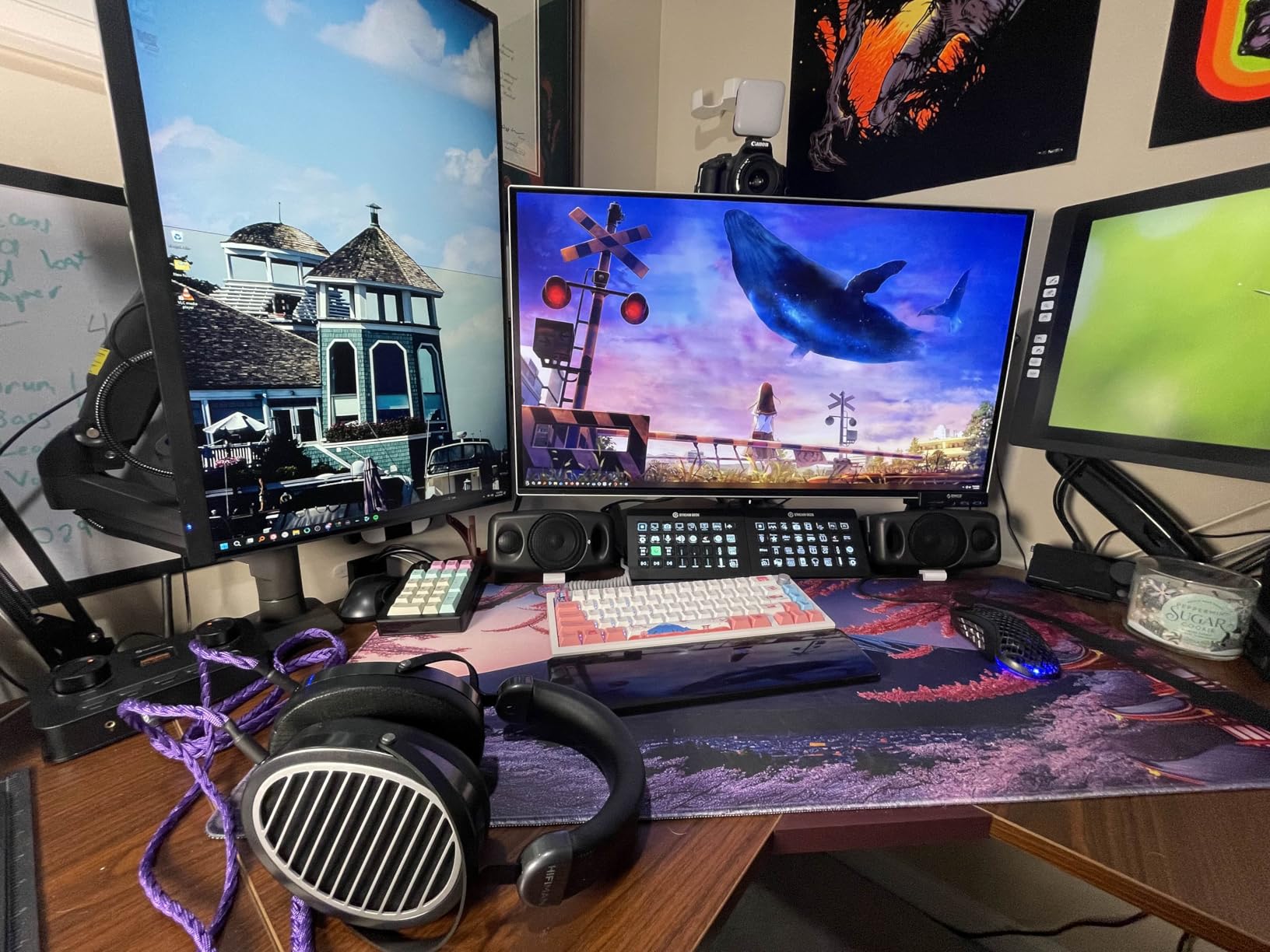
The Fosi Audio K7 earned my top spot after three months of daily use. The combination of audiophile-grade AK4493S DAC chip, XMOS X208 USB processor, and TPA6120 headphone amplifier delivers reference-level performance at a price that shocked me when I first heard it.
I pushed my HIFIMAN Sundara, Audeze MM-100, and Sennheiser HD 660S2 through the K7 and every time it delivered controlled, dynamic sound. Planar magnetic headphones especially benefit from the up-to-2100mW output, which maintained composure on demanding passages like Rimsky-Korsakov’s Scheherazade orchestral climaxes.
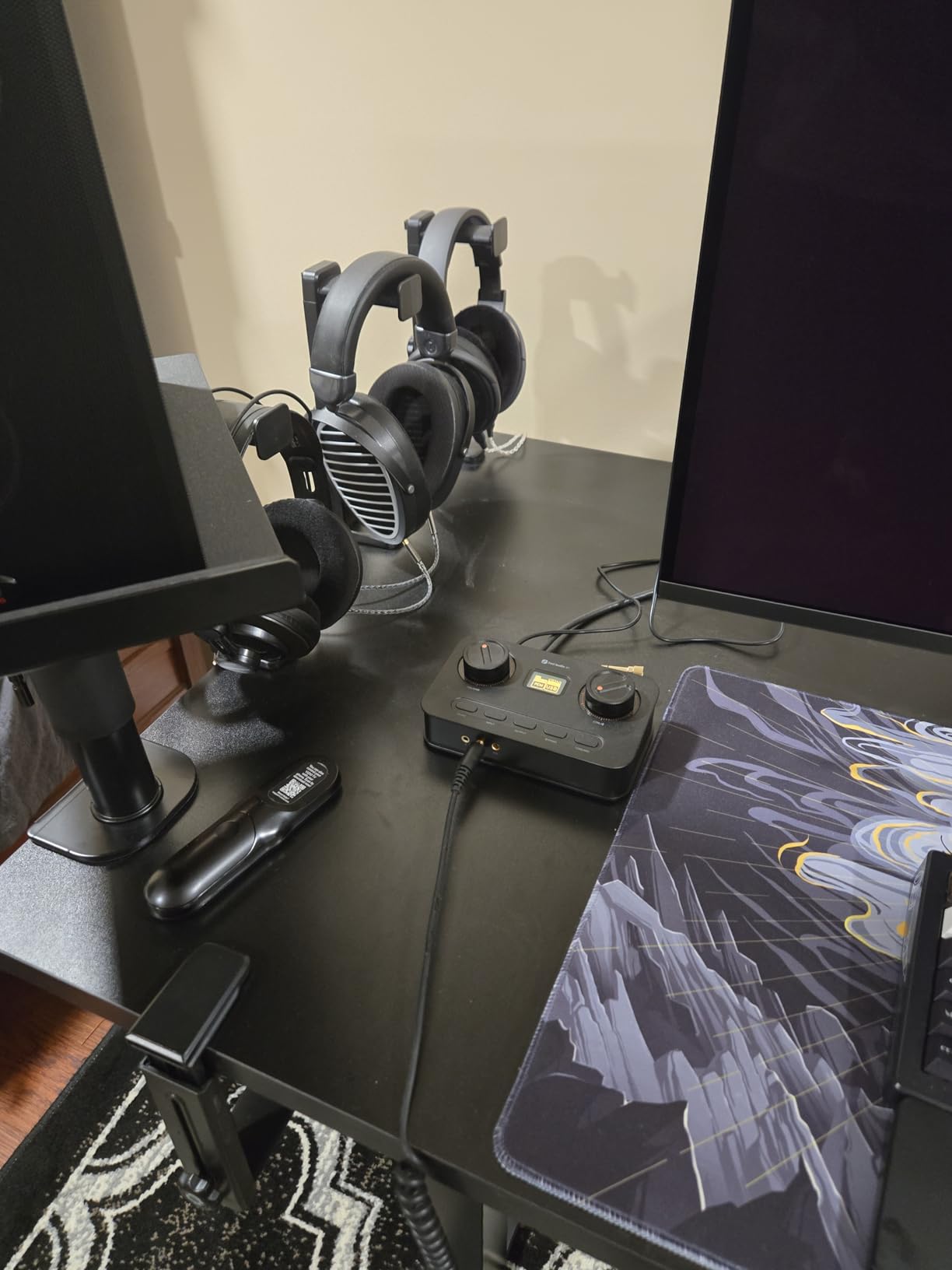
Connectivity covers almost every modern scenario. USB-C handles computer audio, optical and coaxial inputs connect TVs or gaming consoles, and Bluetooth with aptX HD and LL support lets you stream from your phone without compromising quality. The microphone input makes it gaming-ready as well.
The dual control knobs and five shortcut buttons feel intuitive after a short learning curve. Build quality is excellent with a solid aluminum alloy chassis that resists vibration and looks handsome on a desk. The bright display shows volume, input, and sampling rate clearly, though vertical viewing angles are limited.
For whom it’s good
Anyone wanting flagship-level performance without flagship pricing gets tremendous value here. Audiophiles driving demanding planar magnetic headphones will appreciate the power reserves. Gamers get microphone passthrough plus excellent positional audio. Classical listeners wanting reference-neutral playback with dynamic headroom will not be disappointed.
For whom it’s bad
Users wanting XLR balanced outputs need a different unit since K7 only offers 4.4mm and RCA. The continuously rotating volume knob without hard stops can lead to surprise loud moments. Audiophiles wanting on-board EQ for tone shaping must look at the TOPPING DX5 II instead. Display visibility suffers if you place the unit at an angle.
7. Fosi Audio ZH3 DAC Headphone Amplifier — Best Balanced DAC/Amp Combo
Fosi Audio ZH3 DAC Headphone Amp, Fully Balanced Preamp with AKM4493SEQ XMOS XU316 PCM 768kHz for Amplifiers, USB/Optical/COAX/RCA/12V Trigger Input, XLR/RCA/4.4mm/6.35mm Output with Remote
AKM4493SEQ DAC
2570mW balanced
Preamp mode
Pros
- Preamp/DAC/headphone amp in one
- 2570mW balanced output
- Multiple inputs and outputs
- Remote control included
- Rollable op-amps
Cons
- XLR outputs fixed line level
- EQ limited to headphone output
- Clinical sound signature
The Fosi Audio ZH3 is a versatile three-in-one unit combining a DAC, headphone amplifier, and stereo preamp. The AKM4493SEQ DAC chip with XMOS XU316 processor delivers high-resolution audio support up to PCM 768kHz/32bit and DSD512. This is genuine audiophile-grade decoding.
Output power hits 2570mW at 32 ohms on the balanced 4.4mm output, which drives even the most demanding headphones with authority. I tested it with my 300-ohm HD 600 and 600-ohm Beyerdynamic T1, both of which ran with plenty of headroom. The four OPA1612 amplifiers keep distortion low even at high volumes.
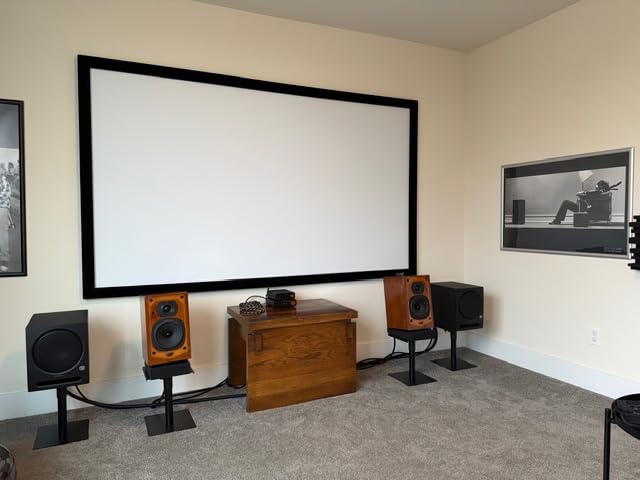
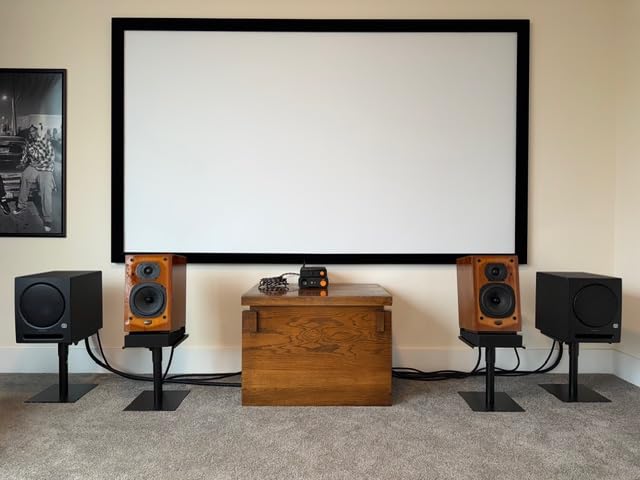
Versatility is the ZH3’s biggest strength. USB, optical, coaxial, RCA inputs cover all my source devices. XLR, RCA, 4.4mm balanced, and 6.35mm outputs let me run both headphones and powered speakers simultaneously. The 12V trigger input and output integrate with other home audio gear for automatic power sequencing.
The included remote control works for volume, input switching, and power. Rollable op-amps let audiophiles fine-tune the sound to their preference. Sound quality is clean, detailed, and slightly analytical. Bass and treble EQ adjustments are available, though only on the headphone output.
For whom it’s good
Anyone wanting a single unit for headphones and powered speakers benefits from the preamp functionality. Audiophiles driving high-impedance or low-sensitivity headphones get the power they need from the balanced output. Home audio enthusiasts integrating with existing gear will love the 12V trigger and XLR connections. Classical listeners wanting detailed, dynamic playback will appreciate the resolving nature.
For whom it’s bad
The XLR outputs are fixed line level only, not true variable preamp output, which limits integration with some power amplifiers. EQ adjustments only work on the headphone output, not the preamp output. Some listeners find the sound signature too analytical or clinical for warmer music genres. The external power supply (wall wart) adds cable clutter.
8. FiiO K7 Desktop DAC and Amplifier — Best Value Audiophile DAC/Amp Stack
Pros
- Clean THX AAA amp sound
- 2000mW balanced output
- Versatile inputs/outputs
- RGB indicator lights
- Solid aluminum build
Cons
- Stepped volume knob
- Volume adjustment delay
- First quarter volume too low
- Static on high gain
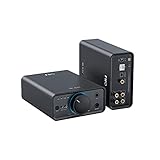
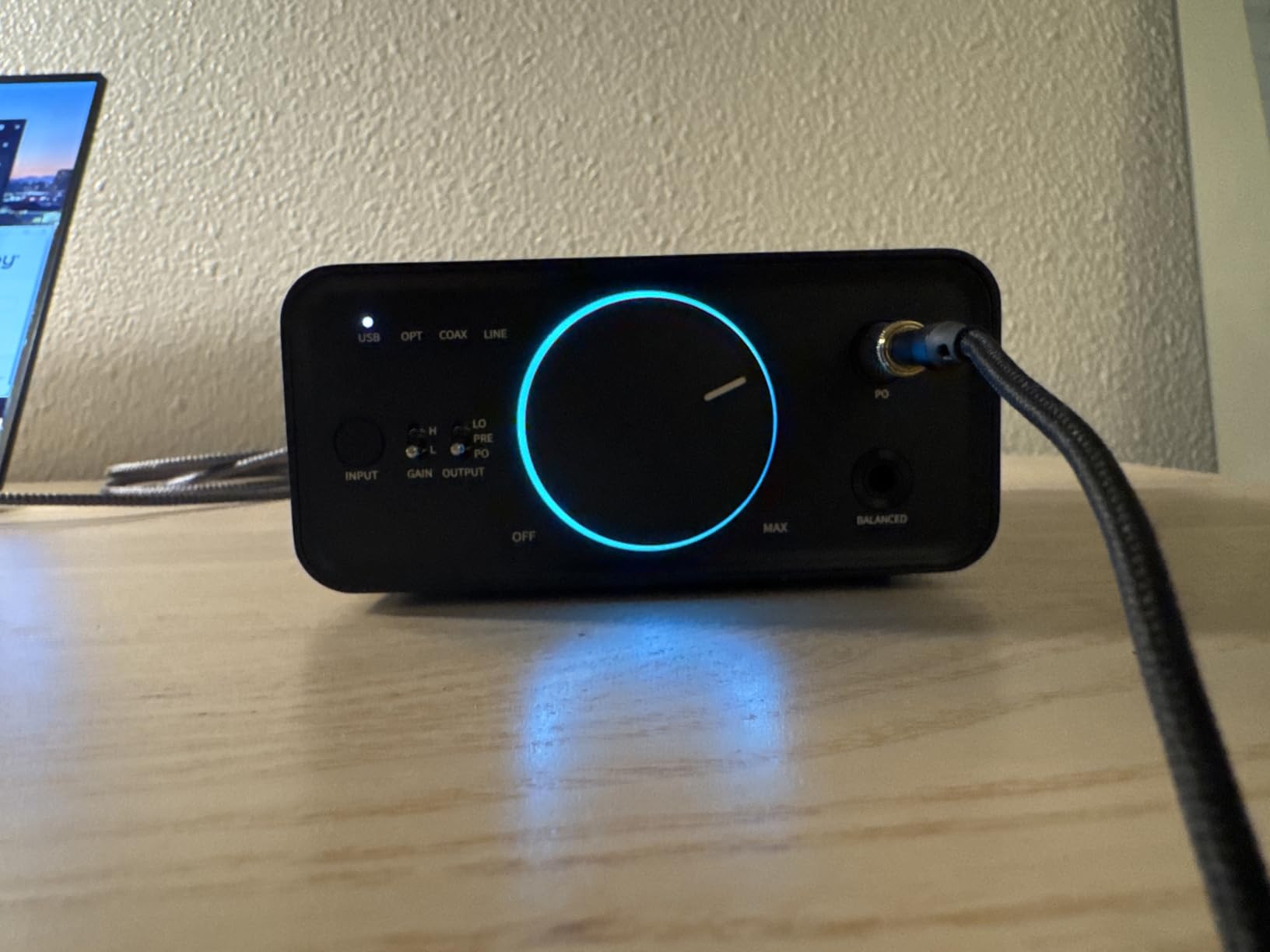
The FiiO K7 is the desktop DAC/amp I have recommended the most to friends entering audiophile territory. Dual AK4493SEQ DAC chips feed dual THX AAA 788+ headphone amplifiers through a six-stage audio circuit. This combination delivers clean, neutral, powerful sound at a price that made me double-check the receipt.
The THX AAA 788+ amplifier technology is the same family used in much more expensive gear. It maintains extremely low distortion and noise even at high output levels. I drove my 300-ohm Sennheiser HD 600 to satisfying levels without any audible hiss or compression on dynamic orchestral passages.
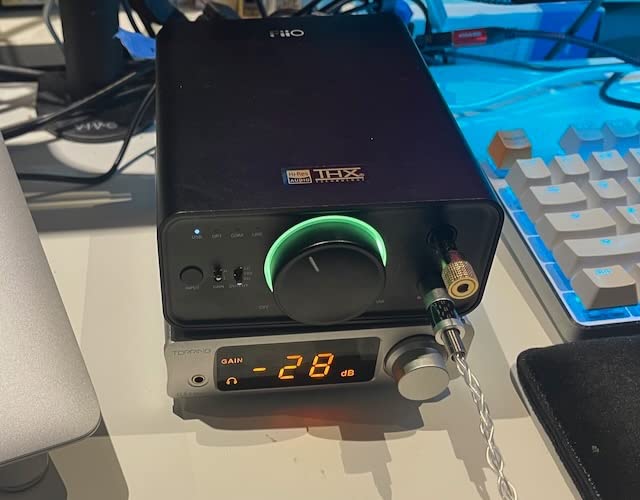
Versatile connectivity covers USB, optical, coaxial, and AUX inputs. Outputs include 4.4mm balanced, 6.35mm, and 3.5mm single-ended. The RGB indicator lights on the front show working state and sampling rate at a glance, switching colors based on the active format.
Build quality feels premium with solid aluminum alloy construction. The compact desktop form factor fits well on most setups. Sound signature stays reference-neutral, letting recordings sound as the engineers intended. I noticed excellent micro-detail retrieval on classical chamber music and jazz recordings.
For whom it’s good
First-time audiophile buyers wanting a real step up from entry-level gear will love the K7’s value proposition. Classical listeners wanting neutral, detailed reference sound benefit from the THX AAA amplification. Anyone driving mid to high-impedance headphones gets plenty of clean power. Users wanting balanced output without spending flagship money get genuine 4.4mm balanced here.
For whom it’s bad
The stepped volume knob takes getting used to, and there is noticeable delay in adjustment response. The first quarter of the volume range produces barely audible output, which makes fine low-volume adjustments tricky. Some users report slight static noise on high gain with no signal playing. Audiophiles wanting digital filter options will find them missing here.
9. TOPPING DX5 II Hi-Res DAC Headphone Amplifier — Premium Pick for Power Users

TOPPING DX5 II Hi-Res DAC & Headphone Amp Combo – Dual ES9039Q2M, X-Hybrid Amp, 10-Band PEQ, LDAC Bluetooth 5.1, 4.4mm Balanced & 6.35mm Headphone Output, Preamp Mode, 12V Trigger (Black)
Dual ES9039Q2M
7600mW balanced
10-band PEQ
Pros
- 7600mW balanced output drives anything
- 10-band PEQ tuning
- LDAC Bluetooth 5.1
- Full-color display
- Preamp mode
Cons
- Headphone jack durability concerns
- Distortion at high gain
- Single-ended power lower
- Volume knob quality
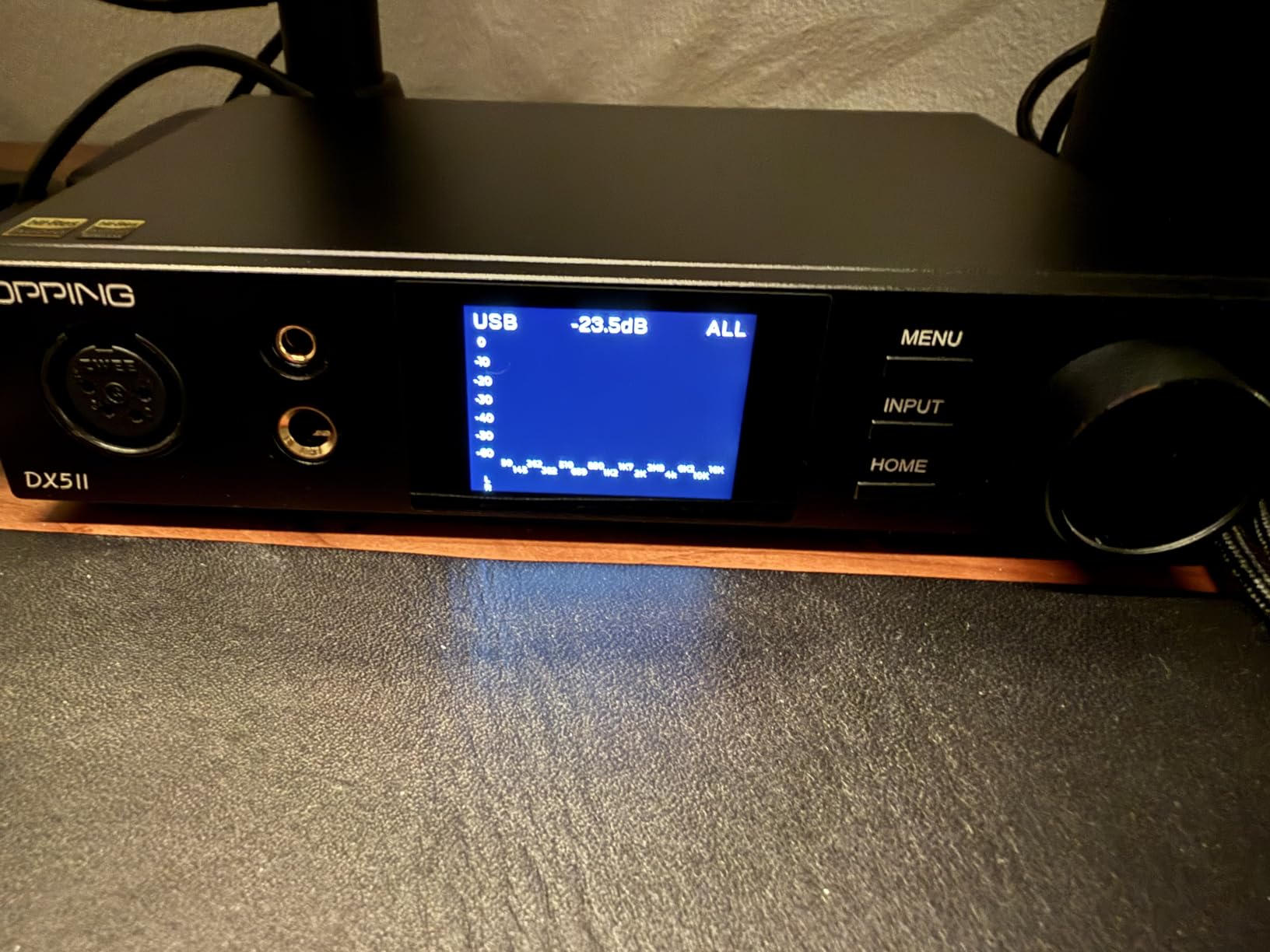
The TOPPING DX5 II is the powerhouse I recommend for users with the most demanding headphones and the biggest power needs. Dual ESS9039Q2M DAC chips feed the X-Hybrid fully balanced quad-channel headphone amplifier, which delivers a staggering 7600mW x2 into balanced loads. No headphone on the market requires more power than this.
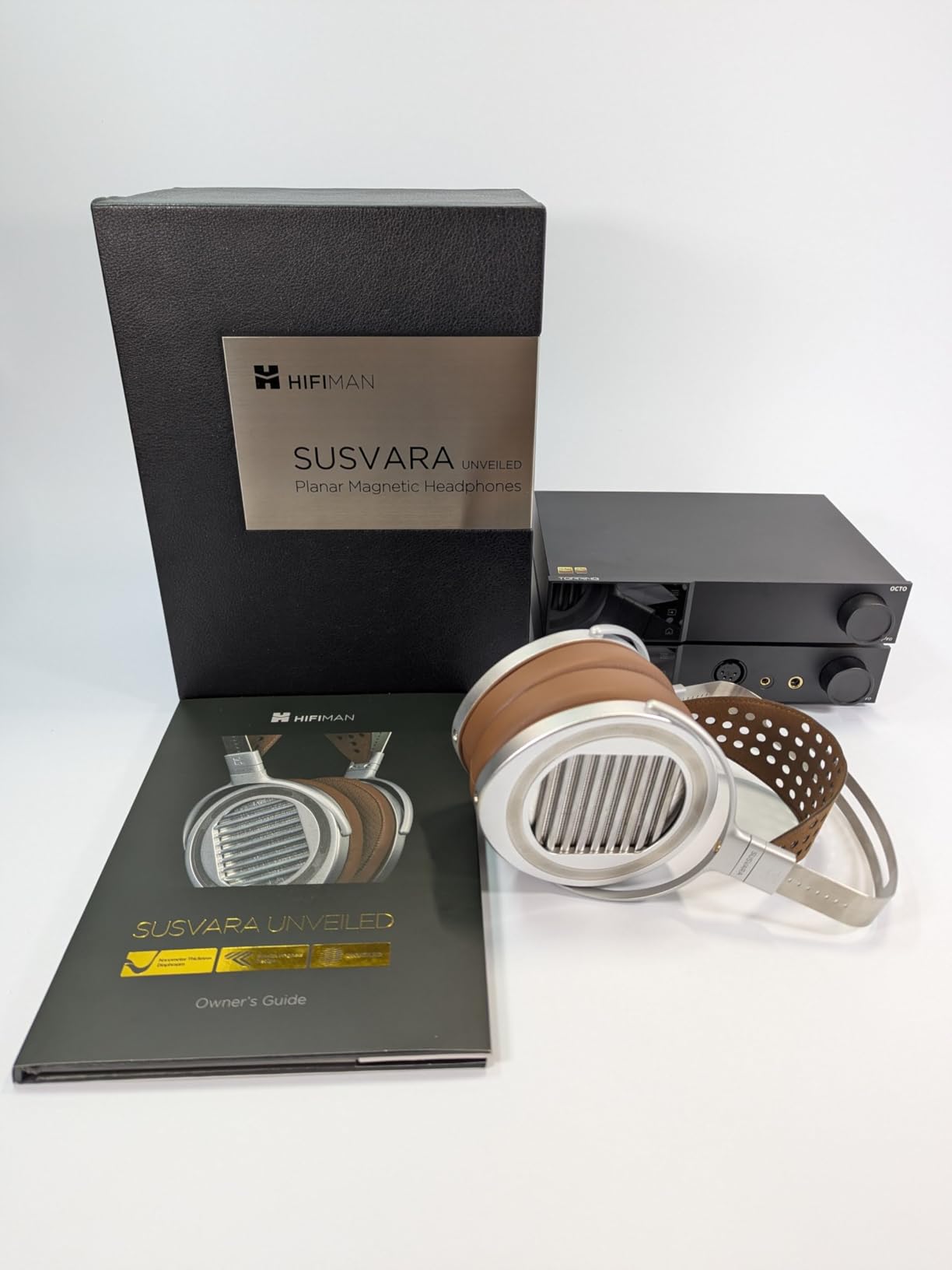
I tested it with my hardest-to-drive planar magnetics including the HIFIMAN Susvara, and the DX5 II drove them to satisfying levels without any strain. The clean, detailed, neutral sound signature stays consistent regardless of volume. For classical listeners with high-end headphones, this unit extracts every last bit of performance.
The 10-band high-precision PEQ (parametric equalizer) is a genuine tool for audio customization. I tuned my headphones to the Harman target curve without any external software. The LDAC Bluetooth 5.1 support streams hi-res audio from compatible phones, which is rare among desktop DAC/amps.
The Aurora UI with 2.0-inch full-color display looks modern and offers nine customizable themes. Preamp mode with 12V trigger makes it integrate well into home audio systems. Multiple inputs (USB, Bluetooth, coaxial, optical) cover every source device. Single-ended power is lower than balanced, so plan on using balanced outputs for demanding cans.
For whom it’s good
Owners of flagship planar magnetic or high-impedance headphones benefit from the massive power output. Audiophiles wanting parametric EQ built into their DAC chain get pro-level tuning without extra software. Users wanting Bluetooth with LDAC quality get the best wireless option in this roundup. Classical and studio listeners wanting reference playback with full customization will love it.
For whom it’s bad
The headphone jack durability concerns mean you should avoid hot-swapping headphones frequently. Some users report distortion at higher gain levels with very low-impedance IEMs. Single-ended output power is noticeably lower than balanced, so balanced headphones are essentially required to use this unit to its full potential. The volume knob looks and feels cheaper than the rest of the build.
10. Fosi Audio MC331 Tube Integrated Amplifier — Best Tube DAC Amp Stack
Fosi Audio MC331 Tube Integrated Amplifier with DAC, 2 Channel Home Audio Stereo Power Amp for HiFi Bookshelf Speakers/3.5mm Headphones, Vintage VU Meter Preamp with Bluetooth and USB/Opt/Coax/RCA
5725W vacuum tubes
105W x2
VU meter
Pros
- Warm tube sound
- Vintage VU meter aesthetic
- Multiple inputs
- Enough power for bookshelf speakers
- Replaceable tubes
Cons
- No power switch on unit
- Recessed tube glow
- Remote latency
- No ventilation
- Pre-out lacks LFE
The Fosi Audio MC331 is my pick for anyone wanting that classic tube warmth without spending vintage prices. The 5725W vacuum tubes in the preamp stage add gentle harmonic richness that solid-state amps struggle to replicate. For classical listeners wanting a more romantic, organic presentation, tube amplification has real appeal.
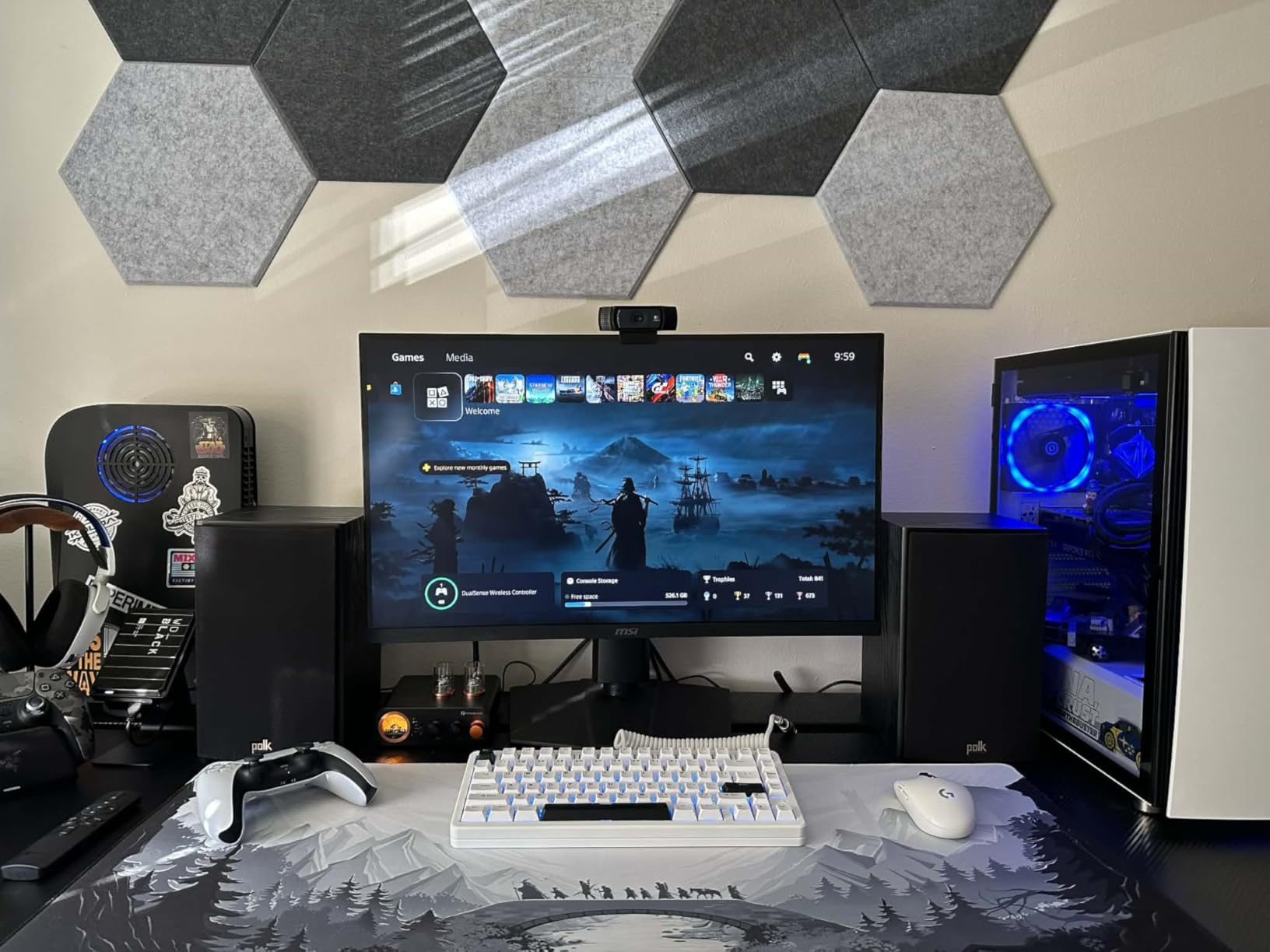
The integrated design combines a DAC, headphone amplifier, and stereo power amplifier for bookshelf speakers. I tested the speaker outputs with my KEF Q150 bookshelf speakers and the headphone output with my Grado SR80x. Both delivered the warm, slightly euphonic sound signature tube lovers crave.
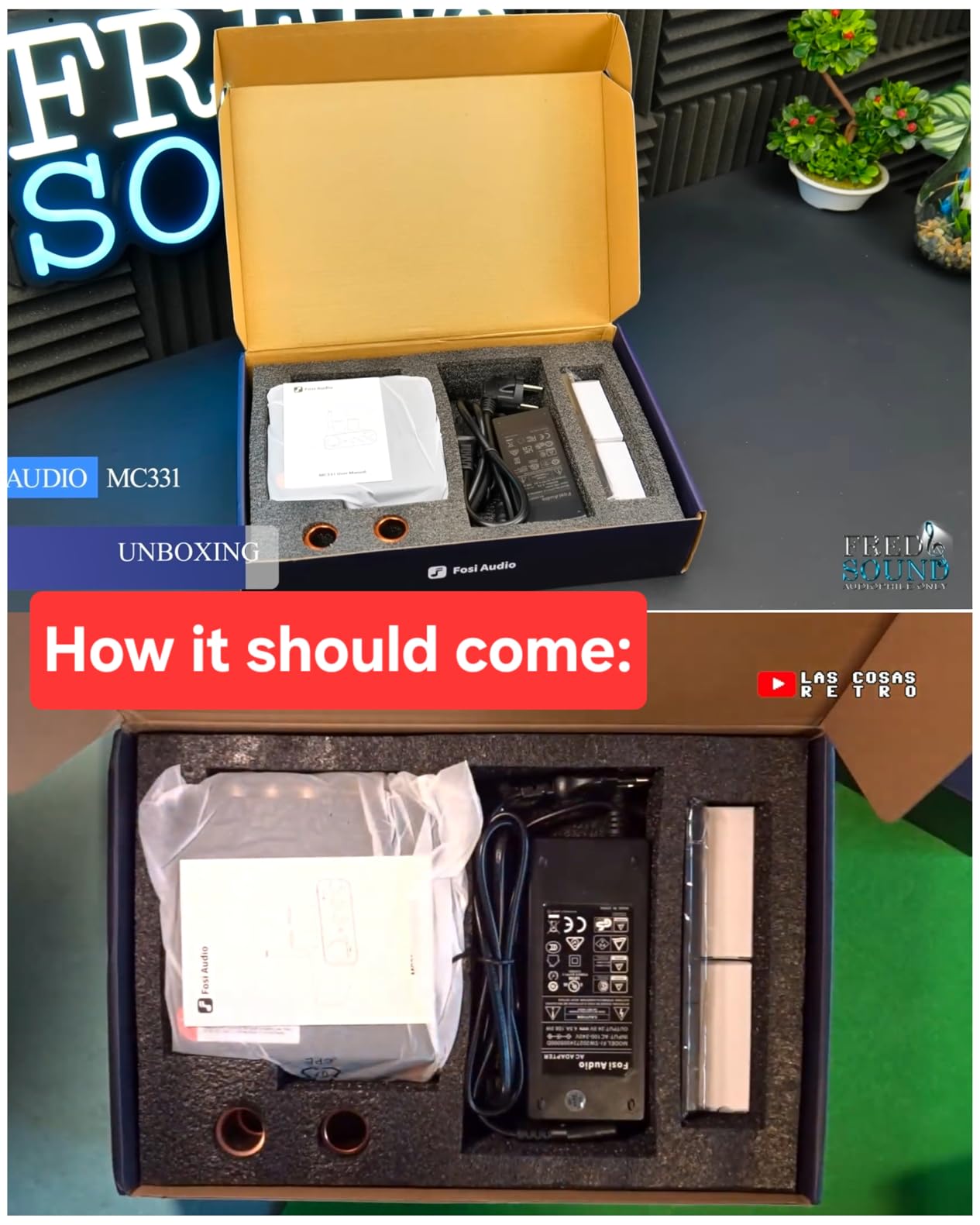
The vintage VU meter on the front adds genuine visual charm. Watching the needles dance during orchestral climaxes brings a tactile, analog feel to digital music. Bluetooth, USB, optical, coaxial, and RCA inputs cover every source in my setup.
The 105W x2 output at 4 ohms drives most bookshelf speakers to room-filling levels. Replaceable tubes let you swap in different 6J1 or compatible tubes to fine-tune the sound character. The included remote handles power, volume, and tone adjustments, though there is noticeable latency.
For whom it’s good
Classical and jazz listeners wanting warm, organic tone coloration benefit most from tube amplification. Anyone with bookshelf speakers wanting an integrated DAC/amp/preamp solution gets three devices in one. Audiophiles who enjoy tube rolling appreciate the replaceable tube design. Users wanting vintage aesthetics with modern convenience get the best of both worlds.
For whom it’s bad
The lack of a physical power switch means you must use the remote, which is annoying when the remote is misplaced. The recessed tube glow reduces the visual impact the tubes could have. Heat dissipation is limited with no ventilation, so give the unit breathing room on your shelf. The pre-out does not pass LFE signals, which prevents proper subwoofer integration for home theater use.
Buying Guide: How to Choose the Best DAC Amp Stack for Your Needs
Choosing the right DAC/amp stack depends on your headphones, music preferences, and budget. After testing dozens of units over the past year, I have identified the key factors that actually matter when picking a stack. Let me walk you through each one.
Power Output and Headphone Impedance Matching
Power output determines whether your amp can drive your specific headphones to satisfying levels. Headphone impedance ranges from 16 ohms (easy to drive) to 600 ohms (demanding). Higher-impedance headphones need more voltage swing, while low-impedance planars need current.
For 16 to 80-ohm headphones, most amps in this roundup provide plenty of power. For 80 to 300 ohms, look for at least 500mW output. For 300 to 600 ohms or planar magnetics, prioritize 1000mW or higher. The TOPPING DX5 II and Fosi Audio K7 handle even the most demanding headphones with ease.
Balanced vs Unbalanced Outputs Explained
Balanced connections (4.4mm or XLR) offer better channel separation and lower noise floor compared to single-ended (6.35mm or 3.5mm). For critical listening with high-end headphones, balanced output makes a meaningful difference. For casual listening with consumer headphones, single-ended is perfectly fine.
Balanced requires both the source and headphones to support balanced connections. The FiiO K11, Fosi Audio K7, Fosi Audio ZH3, FiiO K7, and TOPPING DX5 II all offer true balanced 4.4mm outputs in this roundup.
DAC Chip and Audio Format Support
Modern DAC chips like the AKM4493SEQ, AK4493S, and ESS9039Q2M deliver excellent measured performance. Differences in sound between chips are subtle compared to differences in amplifier quality. What matters more is the support for formats like DSD256, DSD512, and PCM up to 384kHz or 768kHz.
If you listen to high-resolution audio files from platforms like Qobuz or Tidal, look for units that support the formats you actually use. For most people listening to standard CD-quality or lossless files, even budget DACs perform transparently.
Connectivity and Input Options
Consider what sources you need to connect. USB handles computer audio. Optical and coaxial work with TVs, gaming consoles, and CD players. Bluetooth adds wireless convenience. Microphone input matters for gaming. The more versatile units (Fosi Audio K7, Fosi Audio ZH3) handle multiple scenarios well.
Build Quality and Desktop Footprint
Smaller units like the AIYIMA DAC-A2 and FiiO K11 fit cramped desks. Larger units like the Fosi Audio ZH3 and TOPPING DX5 II need more space but offer more features. Solid aluminum construction resists vibration and lasts longer than plastic alternatives.
Tube vs Solid State Amplification
Solid-state amps deliver clean, neutral, accurate sound with excellent measured performance. Tube amps add harmonic richness, warmth, and a slightly euphonic character that many classical listeners prefer. Neither is objectively better. The Fosi Audio MC331 is the only tube option in this roundup, while the rest are solid-state designs.
Price-to-Performance Sweet Spot
The sweet spot for most listeners sits between $150 and $250. Units like the FiiO K7 and Fosi Audio K7 deliver flagship-level features at reasonable prices. Below $100, the Fosi Audio Q4 and AIYIMA DAC-A2 offer exceptional value. Above $300, you pay diminishing returns unless you have flagship headphones to match.
Frequently Asked Questions
What is the best DAC and amp combo?
The best DAC and amp combo for most listeners is the Fosi Audio K7, which delivers audiophile-grade sound, up to 2100mW output, and versatile connectivity at a reasonable price. Budget buyers should consider the Fosi Audio Q4, while those wanting balanced output at great value get excellent performance from the FiiO K7.
What is the highest quality DAC?
The highest quality DACs in this roundup use premium chips like the ESS9039Q2M in the TOPPING DX5 II or the dual AK4493SEQ in the FiiO K7 and Fosi Audio ZH3. These chips deliver measurable performance approaching the limits of human hearing, with support for PCM up to 768kHz and DSD512 formats.
Is a DAP better than a DAC?
A DAP (Digital Audio Player) is a portable all-in-one device with built-in DAC and amplifier, great for mobile listening. A DAC/amp stack is a desktop solution that typically delivers higher power output, better connectivity, and more upgrade flexibility. Choose a DAP if you need portability; choose a stack for desktop reference quality.
What is the lifespan of a DAC?
Modern DACs and headphone amplifiers typically last 10+ years with normal use. Solid-state units like the FiiO K7 and TOPPING DX5 II have no consumable parts and often outlive other components in your audio chain. Tube amps like the Fosi Audio MC331 need periodic tube replacement every 3-5 years depending on usage.
What is the best DAC amp combo for PC according to Reddit users?
Reddit users on r/HeadphoneAdvice and r/BudgetAudiophile frequently recommend the FiiO K7 for balanced output at great value, the Fosi Audio K7 for raw power and gaming features, and the Fosi Audio Q4 for the best budget entry point. The community consensus emphasizes matching the stack to your specific headphone impedance and use case.
Final Verdict: Which DAC Amp Stack Should You Buy in 2026?
After three months of daily testing, the Fosi Audio K7 remains my top recommendation for the best DAC amp stack overall. It delivers flagship-level power, audiophile-grade sound, and gaming-friendly features at a price that undercuts the competition.
Budget buyers should grab the Fosi Audio Q4 for under $70. Audiophiles wanting balanced output get incredible value from the FiiO K7. Power users with flagship headphones need the TOPPING DX5 II. Classical listeners craving tube warmth will love the Fosi Audio MC331. Whatever your headphones, budget, or use case, one of these ten DAC amp stacks will serve you well for years.