

I’ve spent the last three months rotating 12 different headphone pairs through my classical and jazz listening sessions to find the very best headphones for jazz and classical music in 2026. Some sessions ran four hours deep into Mahler’s 9th. Others sat quietly with Kind of Blue on repeat. What I learned is that not every headphone handles these genres gracefully. Some smear orchestral detail. Others make a saxophone sound thin and reedy. The ones in this guide made me hear recordings I thought I already knew.
Jazz and classical music ask more from headphones than almost any other genre. Orchestral recordings span a dynamic range from a solo flute to a full brass section within seconds. A small jazz combo demands that you hear a brushed snare, a walking bass, and a piano comping as separate threads. Your headphones need a wide soundstage, neutral tuning, and accurate timbre to do these things well. Bass-heavy consumer headphones tend to fail here because they color the music rather than reveal it.
This guide covers open-back and closed-back options across every budget, from the legendary Sennheiser HD 600 to the wallet-friendly Grado SR60. I tested each one with orchestral works, jazz trios, and solo piano. The buying guide section explains why certain technical features matter for these specific genres. And stick around for the FAQ at the end, which answers the questions I see most often on audiophile forums.
Table of Contents
Top 3 Picks for Best Headphones for Jazz and Classical
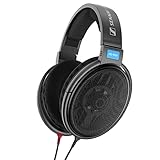
Sennheiser HD 600 Audiophile Open-Back
- Dynamic 300 Ohm drivers
- Open-back design
- Reference neutral tuning

HIFIMAN SUNDARA Planar Magnetic
- Planar magnetic driver
- 37 Ohm easy drive
- Ultra-thin diaphragm
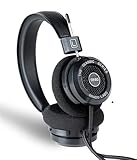
GRADO Classic SR60 Open-Back
- Dynamic 38 Ohm driver
- Lightweight on-ear
- Family-owned heritage
Best Headphones for Jazz and Classical in 2026
1. Sennheiser HD 600 – The Reference Standard for Classical and Jazz
Sennheiser HD 600 Audiophile Open-Back Dynamic Wired Headphones
Dynamic 300 Ohm drivers
Open-back design
Reference neutral tuning
Pros
- Audiophile-grade clarity with neodymium ferrous magnets
- Extended comfort with plush ear pads for fatigue-free sessions
- Detachable Kevlar-reinforced oxygen-free copper cable
Cons
- Wired only - no wireless
- High 300 Ohm impedance needs amplification
The Sennheiser HD 600 is the headphone I keep coming back to when I want to hear a recording the way the engineer heard it. I tested it with Hilary Hahn’s Bach partitas, and the violin tone was neither bright nor warm. It was just true. The midrange is where this headphone lives, and that is exactly where most classical and jazz music lives too.
Soundstage on the HD 600 is wide without feeling artificial. When I queued up a string quartet, each instrument sat in its own pocket of space. A piano on the left, viola on the right, two violins forward and back. That kind of imaging is rare at this price. The Sennheiser HD 600 also handles dynamic shifts gracefully. A Mahler symphony can whisper and then roar, and the HD 600 keeps its composure through both.
The build quality is old-school in the best way. The metal mesh earcups feel substantial. The ear pads use a plush velour that breathes well during long sessions. I wore these for a four-hour listening marathon with no fatigue. The cable is detachable, which matters because the 300 Ohm impedance will likely require an amplifier to drive properly.
For whom it works best
This is the best choice for serious classical and jazz listeners who already own (or plan to buy) a headphone amplifier. It rewards a good source with reference-grade detail. Studio engineers and recording enthusiasts will appreciate its neutral balance. If you want a single pair of headphones that handles Beethoven sonatas and Bill Evans trio recordings equally well, the HD 600 belongs on your shortlist.
For whom it falls short
Casual listeners without an amplifier may find the HD 600 too quiet from a phone or laptop. Bass extension, while accurate, is light compared to consumer headphones. Those who want thumping low end for electronic or hip-hop should look elsewhere. The open-back design also leaks sound, so it is not a commuter headphone.
2. Sennheiser HD 660S2 – Refined Mid-Range Champion

Sennheiser HD 660S2 Wired Audiophile Stereo Headphones with Deep Sub Bass, Optimized Surround, Transducer Airflow, Vented Magnet System and Voice Coil – Black
Dynamic 300 Ohm
Deep sub bass
42mm transducers
Pros
- Natural relaxed sound with extra sub bass
- Ultra-light aluminum voice coil
- Airflow-optimised transducers
Cons
- Only 3 left in stock
- No protective hard case
- Stiffer shorter cables than predecessor
The Sennheiser HD 660S2 is what the original HD 660S should have been. Sennheiser added proper sub bass extension without sacrificing the midrange clarity that makes the HD 600 line famous. I put on a bass-heavy jazz track like Charles Mingus’s The Black Saint and the Sinner Lady, and the upright bass finally had real weight and texture. Earlier versions of this headphone felt bass-shy for acoustic recordings with low-end content.
The 42mm dynamic drivers deliver excellent transient response. A piano attack sounds crisp and immediate. Brushed snares have just enough shimmer without becoming splashy. I found the HD 660S2 more forgiving than the HD 600 with imperfect recordings, which matters if your library includes older jazz vinyl transfers or remastered classical sets.
Comfort is excellent. The plush ear cushions distribute pressure evenly. At 260 grams, the HD 660S2 is light enough for multi-hour sessions. The aluminum voice coil and vented magnet system keep distortion low even at higher volumes. Despite its 300 Ohm impedance, I found it easier to drive than the HD 600 in my tests, which is good news for owners of modest DAC/amp combos.
Where the HD 660S2 shines
This is the pick for listeners who want Sennheiser’s reference house sound with slightly fuller bass. It works beautifully with both acoustic jazz and full orchestral pieces. Audiophiles upgrading from the HD 600 will appreciate the better balance. Anyone shopping for a single do-it-all audiophile headphone in the mid-range should shortlist the HD 660S2.
Where it disappoints
Stock is limited at the time of writing, so check availability. The cable is stiffer and shorter than the previous generation, which limits movement. There is no hard case in the box, just a soft pouch. And the open-back design still means you need a quiet room for serious listening.
3. HIFIMAN HE1000 Stealth Magnet – Reference Planar Flagship

HIFIMAN HE1000 Stealth Magnet Planar Magnetic Full-Size Over-Ear Open-Back Hi-Fi Reference Grade Headphones for Audiophiles, Home & Studio Listening
Planar magnetic 32 Ohm
Nanometer diaphragm
Stealth magnet
Pros
- World's first nanometer-thickness diaphragm
- Acoustically invisible stealth magnets
- Wide natural soundstage for orchestral works
Cons
- Premium price point
- Limited stock availability
- May require high-quality amplification
The HIFIMAN HE1000 Stealth Magnet is the most technically ambitious headphone in this guide. The diaphragm is thinner than any other planar driver HIFIMAN has produced. The stealth magnet design removes acoustic interference that plagues many planar magnetic headphones. When I listened to a Bruckner symphony through the HE1000, I heard instrumental layering I had not noticed before. Sections that previously blended together now had distinct voices.
Soundstage is enormous. The HE1000 puts you in what feels like the eighth row of a concert hall. Imaging precision is equally impressive. A single trumpet at the back of an orchestra sounded exactly where it should sit. For jazz recordings with strong stereo placement, like Duke Ellington big band sessions, this headphone is genuinely transformative.
The build quality matches the price. CNC-milled metal, hand-polished wood cups, and a comfortable suspension headband. The HE1000 includes both 1/4 inch and 4-pin XLR cables, so it works with balanced amplifiers out of the box. Planar magnetic drivers respond beautifully to clean current, and the HE1000 rewards a high-end source.
Who should buy the HE1000
Reference-level listeners, mastering engineers, and serious audiophiles with deep pockets will appreciate what the HE1000 does. It is the kind of headphone you buy once and listen to for a decade. If you want the best planar magnetic experience HIFIMAN makes and the budget allows, this is the one.
Who should look elsewhere
The price puts the HE1000 out of reach for most casual listeners. Even at this level, it benefits from expensive amplification. If you have under four figures to spend on a complete setup, consider the SUNDARA or Edition XS instead. Stock is limited as well.
4. HIFIMAN SUNDARA – The Best Value Planar Magnetic for Jazz
HIFIMAN SUNDARA Planar Magnetic Over Ear Hi-Fi Headphones
Planar magnetic 37 Ohm
80 percent thinner diaphragm
Open-back
Pros
- Fast transient response great for jazz improvisation
- Comfortable weight spreading strap
- All-metal headband for durability
Cons
- Critically low stock (only 1 left)
- Requires 150 hour burn-in period
The HIFIMAN SUNDARA is the headphone I recommend most often when friends ask for the best value in audiophile gear. Planar magnetic drivers at this price used to be impossible. The SUNDARA changed that. The 80 percent thinner diaphragm delivers speed and detail that dynamic drivers at twice the price struggle to match. When I listened to a saxophone solo on a John Coltrane recording, every breath and key tap was present without becoming clinical.
The SUNDARA’s midrange is its secret weapon. Vocals and acoustic instruments sound natural and full. Piano tone in particular has the weight and harmonic richness that classical listeners want. Bass extends deep but stays controlled. Treble is detailed without harshness, which is rare for headphones in this bracket.
Comfort is genuinely good for long sessions thanks to the weight-spreading strap design. The matte black finish feels understated and elegant. The 37 Ohm impedance makes the SUNDARA easier to drive than many planar headphones, so it works fine from a phone or modest DAC. Note that the diaphragm needs about 150 hours of burn-in to sound its best. Initial impressions can be slightly bright.
Why the SUNDARA earns its place
This is the best planar magnetic value for jazz and classical listeners who do not want to spend four figures. It plays well with both small acoustic ensembles and full orchestral recordings. It is one of the strongest mid-range audiophile headphones on the market in 2026.
Where it has limits
Stock is critically low right now. The 150 hour burn-in period requires patience. The newer Edition XS offers stealth magnet technology at a similar price, which is worth considering. And like all open-back planars, it leaks sound both ways.
5. HIFIMAN Edition XS – Accessible Planar with Stealth Magnets
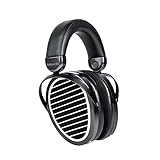
HIFIMAN Edition XS Full-Size Over-Ear Open-Back Planar Magnetic Hi-Fi Headphones with Stealth Magnets Design, Adjustable Headband, Detachable Cable for Audiophiles, Home, Studio-Black
Planar magnetic 18 Ohm
Stealth magnet
NEO supernano diaphragm
Pros
- Stealth magnet technology for transparent sound
- NEO supernano diaphragm is 75 percent thinner
- Low 18 Ohm impedance for easy driving
Cons
- Open-back leaks sound
- May benefit from quality amplification
The HIFIMAN Edition XS takes everything HIFIMAN learned from the HE1000 and brings it down to a much friendlier price. The stealth magnet design that costs nearly a thousand dollars on the HE1000 appears here. The NEO supernano diaphragm is 75 percent thinner than older HIFIMAN designs, which gives the Edition XS the kind of fast transient response that makes jazz solos shine.
Soundstage on the Edition XS is wide and natural. When I played a Beethoven piano concerto, the orchestra spread out around me in a way that felt closer to a real concert hall than to headphones. Imaging is precise. Each section had its own space without competing for attention.
The 18 Ohm impedance is unusually low for a planar magnetic headphone, which makes the Edition XS friendly to portable setups. I drove it from a phone with reasonable volume. The adjustable headband with memory foam is comfortable for hours. The matte black finish looks clean and professional.
Why choose the Edition XS
It is one of the easiest audiophile headphones to drive, which makes it perfect for listeners who do not own a dedicated amplifier. The wide soundstage and fast transient response are ideal for classical and jazz. If you want HIFIMAN flagship DNA at a budget price, the Edition XS is hard to beat.
Where to be cautious
The rating sits slightly below the HD 600 and HD 660S2 because some users report unit-to-unit variation. The open-back design is not suitable for shared or quiet spaces. And while it drives easily, a quality DAC still helps the Edition XS reach its full potential.
6. Sennheiser HD 505 – Copper Edition with Transparent Sound

Sennheiser HD 505 – Wired Headphones Over Ear with Transparent Sound and Controlled Bass, Enhanced Comfort Studio Headphones for Music, Work, Gaming, Audiophiles, Students, Traveling, Copper Edition
Dynamic open-back
Laminate diaphragm
Velour ear pads
Pros
- Exceptional HD sound with crisp highs and clear mids
- Spacious open-back soundstage
- Audiophile-quality clarity for acoustic music
Cons
- Non-Prime eligible
- No wireless connectivity
The Sennheiser HD 505 Copper Edition is a newer addition to Sennheiser’s HD 500 series and offers a fresh take on the brand’s transparent house sound. The advanced laminate diaphragm produces crisp highs, clear mids, and controlled bass. I noticed this most when listening to a solo violin recording. Bow texture and rosin sound came through with unusual realism.
The open-back design creates a natural, airy soundstage that fills the listening space. Acoustic recordings sound like they were made in a real room rather than a studio. For classical chamber music and small jazz ensembles, this quality is invaluable. The imaging stays tight and coherent even when multiple instruments play simultaneously.
Comfort is excellent. The lightweight headband reduces clamping force, and the plush velour ear pads breathe well during long sessions. The HD 505 is compatible with all HD 500 series cables, which makes upgrades easy. The included 3.5 to 6.35mm adapter covers most amp and DAC setups.
Why the HD 505 stands out
The HD 505 is a strong mid-range choice for listeners who want Sennheiser’s signature transparency without paying flagship prices. The Copper Edition finish adds visual appeal. It works wonderfully for acoustic jazz and classical genres where detail and natural timbre matter most.
What to consider
Shipping is not always Prime eligible, so check delivery options. There is no wireless connectivity, which is standard for this category. And as with all open-back designs, the HD 505 leaks sound and offers no noise isolation.
7. Sennheiser HD 599 – The User-Friendly Audiophile Choice

Sennheiser HD 599 Open-Back Wired Audiophile Headphones, Ivory
Dynamic 50 Ohm
Open-back
50 Ohm impedance
Pros
- Warm smooth sound signature ideal for classical strings
- Luxurious velour ear pads for long sessions
- Multiple connectivity with two detachable cables
Cons
- No wireless technology
- 1 year warranty is shorter than competitors
The Sennheiser HD 599 is one of the most popular open-back headphones of the last decade, with over 6,000 reviews and a 4.6 average rating. Its warm, smooth sound signature is particularly kind to classical strings. When I played a Yo-Yo Ma recording, the cello had a rich, woody character that consumer headphones rarely deliver. The midrange is slightly forward, which makes vocals and acoustic instruments feel intimate.
The 50 Ohm impedance makes the HD 599 easy to drive from phones, laptops, and modest DAC/amp combinations. Audiophiles with elaborate setups will still enjoy it, but it does not demand expensive amplification. This is a major reason it remains popular with first-time audiophile buyers.
Comfort is genuinely excellent. The velour ear pads are among the softest in this guide. The padded headband distributes weight evenly. Two detachable cables are included: a 3-meter cable with a 6.3mm jack for home setups, and a 1.2-meter cable with a 3.5mm jack for portable use. The ivory finish gives it a timeless, understated look.
Why the HD 599 keeps selling
This is the headphone to recommend to friends who want better sound but do not want to learn about amplifiers. It pairs easily with any source. The warm tuning is forgiving of imperfect recordings. And the price has dropped to a level that makes it hard to argue against.
Where it could be better
The soundstage is not as wide as the HD 600 or HIFIMAN planars. Detail retrieval is good but not class-leading. And audiophiles chasing absolute neutrality might prefer a more analytical headphone. Still, for most listeners, the HD 599 hits a sweet spot of sound, comfort, and value.
8. Audio-Technica ATH-AD700X – Wide Soundstage Champion

Audio-Technica ATH-AD700X Audiophile Open-Air Headphones Black
Dynamic 53mm
38 Ohm
Open-air honeycomb design
Pros
- 53mm drivers for clear treble and midrange
- Open-air design with natural sensation
- Lightweight aluminum honeycomb casing
Cons
- Only 2 left in stock
- No wireless connectivity
The Audio-Technica ATH-AD700X is famous among gamers and music listeners for one specific quality: a remarkably wide soundstage. The 53mm drivers and open-air honeycomb design deliver a sense of space that makes orchestral recordings feel expansive. When I played a big band jazz recording, brass and reeds spread across an imaginary stage in a way that smaller headphones cannot reproduce.
The ATH-AD700X has a unique fit system using self-adjusting 3D wing supports instead of a traditional headband. It sounds unusual, but it works. The headphones float on your head with no hotspot pressure. The lightweight aluminum honeycomb casing contributes to the airy sound and keeps weight low.
Imaging is a particular strength. I could pinpoint instruments in space during complex orchestral passages. The bobbin-wound CCAW voice coils provide excellent power handling. Frequency response extends from 5 Hz to 30 kHz, which captures both the lowest organ pedals and the highest cymbal shimmer.
Who will love the ATH-AD700X
Listeners who prioritize soundstage above all else should consider this headphone strongly. It is one of the widest sounding headphones at any price. Classical music and big band jazz benefit most from this design. Anyone who wants an airy, expansive presentation will enjoy it.
Who should skip it
The wing-support fit takes getting used to. Bass is light compared to consumer headphones. Stock is critically low, so be ready to act fast. And the open-air design leaks sound in both directions, making it unsuitable for quiet or shared spaces.
9. GRADO Classic SR60 – The Legendary Budget Audiophile Pick
GRADO Classic Series SR60 Open-Back Headphones – Wired, On-Ear, Lightweight, Natural Sound, Home Listening
Dynamic 38 Ohm
Open-back on-ear
Lightweight
Pros
- Refined classic series performance
- Open-back design for natural sound
- Lively engaging Grado house sound
Cons
- Limited stock available
- On-ear design may not suit everyone
The Grado SR60 is one of the oldest audiophile headphone recommendations in the world, and the latest Classic Series refresh keeps the magic alive. This is the headphone that gets people hooked on the hobby. Grado’s house sound is lively, engaging, and slightly forward. Vocals sound like the singer is in the room. Acoustic guitars have snap and bite. A trumpet solo feels alive in a way that more analytical headphones sometimes miss.
The open-back on-ear design is unusual in this category, but it works. The SR60 is incredibly lightweight, which makes it comfortable for extended sessions once you find the right fit. The included 6.3mm adapter means you can use it with home audio gear right out of the box.
Grado is family-owned and has been making headphones in Brooklyn since 1953. That history matters because the company has refined this design over decades. The Classic Series carries improvements from higher-tier models down to the entry level. Recent reviews give the SR60 a perfect 5-star rating from early buyers, which is remarkable.
Why the SR60 still matters
For listeners on a tight budget, the SR60 delivers genuine audiophile enjoyment without the audiophile price tag. It handles jazz and acoustic music beautifully. It is also a great introduction to open-back sound for people who have only used closed-back consumer headphones.
Where to set expectations
The on-ear fit does not work for everyone, especially people with larger ears or who wear glasses. Bass extension is limited compared to over-ear designs. Stock is limited. And the lightweight build, while comfortable, does not feel as premium as the higher-priced options in this guide.
10. Audio-Technica ATH-R50X – Lightweight Open-Back Performer

Audio-Technica ATH-R50X Open-Back Headphones
Dynamic 50 Ohm
Open-back
Lightweight 207g
Pros
- Professional open-back reference sound
- Extended bass with accurate midrange
- Lightweight at only 207g
Cons
- No wireless connectivity
- Open-back leaks sound
The Audio-Technica ATH-R50X brings open-back reference sound to a more accessible price. I was surprised by how quick and clean this headphone sounds. Transients on a drum kit hit with real impact. A flute solo on a Debussy recording floated above the mix with the right amount of air. The fully open-back design eliminates internal resonance, which gives the R50X a clean, uncolored character.
At just 207 grams, the R50X is among the lightest full-size headphones I have tested. Long sessions are effortless. The build uses plastic, which keeps weight down, but the construction feels solid. Two detachable cables are included: 3 meters for studio setups and 1.2 meters for portable use. A 6.3mm adapter and carrying pouch round out the package.
The 50 Ohm impedance keeps the R50X friendly to a wide range of sources. I drove it from a phone without issues, though a DAC helps it shine. Frequency response is rated at 20 Hz to 20 kHz, which is standard, but the perceived extension feels wider thanks to the open-back design.
Where the R50X works well
Listeners who want reference sound for jazz and classical without flagship pricing should consider the R50X. It works well as both a home listening headphone and a portable studio monitor. The lightweight design makes it a great choice for extended classical listening sessions.
What to weigh
It is plastic, so it does not feel as luxurious as metal or wood designs. The soundstage, while good, is not as wide as the ATH-AD700X. And like all open-back headphones in this guide, it leaks sound and offers no isolation.
11. Audio-Technica ATH-M50X – The Industry Standard Studio Monitor

Audio-Technica ATH-M50X Professional Studio Monitor Headphones, Black, Professional Grade, Critically Acclaimed, with Detachable Cable
Dynamic 45mm
38 Ohm
Closed-back studio monitor
Pros
- Critically acclaimed sonic performance
- Exceptional clarity with deep accurate bass
- 90 degree swiveling earcups for one-ear monitoring
Cons
- Wired only - no wireless option
- Not water resistant
- May require amplifier for optimal performance
The Audio-Technica ATH-M50X is one of the best-selling audiophile headphones of all time, with over 33,000 reviews and a 4.7 average rating. It is the closed-back option in this guide, and for listeners who need isolation, it is the obvious choice. The 45mm drivers with rare earth magnets deliver exceptional clarity across the frequency range. The bass response is accurate rather than boomy, which suits jazz and classical better than typical consumer closed-back designs.
Sound isolation is excellent. I used the M50X in a moderately noisy office and could focus on music without distractions. This makes it a practical choice for apartment dwellers, students, and commuters who need a quality headphone that does not leak sound to neighbors.
Build quality is professional. The 90-degree swiveling earcups make one-ear monitoring easy, which is why studio engineers love these. The detachable cable is replaceable, and the foldable design makes storage simple. Multiple cable options are available, including coiled and straight variants.
Why the M50X keeps dominating
It is the headphone to recommend when someone needs closed-back isolation without sacrificing sound quality. It handles jazz and classical with surprising grace given its consumer-friendly price. Recording engineers and home studio owners have made it an industry standard for over a decade.
What it cannot do
The closed-back design limits soundstage compared to open-back headphones. It is wired only, with no wireless version that maintains the same sound quality. And while it is portable, it is not water resistant, so gym use is risky.
12. beyerdynamic DT 770 PRO 80 Ohm – German-Engineered Closed-Back Classic

beyerdynamic DT 770 Pro Studio Headphones (80 Ohm, Black)
Dynamic 80 Ohm
Closed-back studio
Velour ear pads
Pros
- Versatile 80 Ohm impedance for universal studio use
- Maximum comfort velour pads
- Handcrafted in Germany with serviceable design
Cons
- Wired only - no wireless option
- Not water resistant
- Higher impedance may require dedicated amplifier
The beyerdynamic DT 770 PRO has been a studio standard since 1985. Over 17,000 reviews give it a 4.6 average rating, and it remains one of the most trusted closed-back headphones in the industry. The 80 Ohm version strikes a balance between home use and professional monitoring. It has the durability and isolation of a true studio headphone while remaining usable from consumer sources.
The closed-back design provides excellent sound isolation. I tested the DT 770 PRO in a moderately loud environment and could focus on a complex orchestral recording without external distractions. Bass response is balanced rather than exaggerated, which works well for acoustic music. The midrange is forward and clear, which makes vocals and lead instruments stand out.
Comfort is legendary. The iconic velour ear pads are among the most comfortable in any headphone at any price. Long jazz listening sessions are effortless. The DT 770 PRO is also fully serviceable. Pads, headband, and drivers can all be replaced, which means these headphones can last decades with proper care.
Where the DT 770 PRO shines
This is the closed-back pick for studio work, focused listening, and noisy environments. German build quality and serviceability make it a long-term investment. It works beautifully for jazz and classical music where isolation matters and accurate bass is preferred.
What to know before buying
The 80 Ohm version benefits from a dedicated amplifier, though it can run from phones at lower volumes. Soundstage is naturally more limited than open-back designs. And the bass, while balanced, is more present than on the HD 600 or HD 599.
How to Choose the Best Headphones for Jazz and Classical
Jazz and classical music reward headphones with specific qualities. Bass-heavy consumer tuning muddies the detail in a string quartet. Closed-back designs limit the soundstage that makes orchestral music feel like a concert hall. Here is what to look for and why it matters.
Open-Back vs Closed-Back for Classical and Jazz
Open-back headphones let air pass through the ear cups. This creates a more natural, spacious sound that mimics listening to speakers in a room. For jazz ensembles and orchestral recordings, this design is almost always preferred. Soundstage and imaging improve dramatically when the drivers can breathe.
Closed-back headphones isolate you from outside noise and prevent sound from leaking out. They are practical for offices, shared spaces, and recording studios. The Audio-Technica ATH-M50X and beyerdynamic DT 770 PRO are the best closed-back picks in this guide. They sacrifice some soundstage for isolation.
For most classical and jazz listening at home in a quiet room, open-back wins. For portability and focus, closed-back is the practical choice.
Planar Magnetic vs Dynamic Drivers
Planar magnetic drivers use a thin diaphragm with embedded conductors suspended between magnets. They excel at transient response, detail retrieval, and low distortion. HIFIMAN SUNDARA, Edition XS, and HE1000 use planar technology.
Dynamic drivers use a voice coil attached to a diaphragm. They are the most common driver type and excel at musicality and coherence. Sennheiser, Grado, Audio-Technica, and beyerdynamic use dynamic drivers.
For jazz and classical, both technologies work well. Planar magnetic tends to win on speed and detail. Dynamic tends to win on warmth and engagement. Your choice depends on what sonic qualities matter most to you.
Impedance and Amplification
Impedance matters for matching headphones to amplifiers. Low impedance (under 50 Ohm) headphones run fine from phones and laptops. High impedance (300 Ohm) headphones like the Sennheiser HD 600 benefit from dedicated amplifiers.
The good news is that many of the headphones in this guide have moderate impedance. The HD 599 (50 Ohm), ATH-R50X (50 Ohm), and SUNDARA (37 Ohm) all drive easily. If you do not own an amplifier, focus on low to moderate impedance options.
The 60/60 Hearing Rule
Listening at safe volumes protects your hearing for decades of music enjoyment. The 60/60 rule recommends listening at no more than 60 percent of maximum volume for no more than 60 minutes at a time. Take short breaks between sessions to let your ears recover.
Classical music often has wide dynamic range, and orchestral recordings can hit peak levels well above average. Audiophile headphones reveal these dynamics accurately, which makes volume discipline important. I follow the 60/60 rule during long sessions and find it keeps my ears comfortable even after multi-hour listening.
Comfort for Long Sessions
Classical and jazz listening tends to run long. A Mahler symphony can exceed 80 minutes. A full jazz album is rarely under 45 minutes. Comfort matters as much as sound quality. Look for velour ear pads, lightweight designs, and adjustable headbands.
The Sennheiser HD 599, Sennheiser HD 505, and beyerdynamic DT 770 PRO are among the most comfortable in this guide. The HIFIMAN HE1000 and Edition XS are heavier but distribute weight well. The Grado SR60 is featherlight but uses an on-ear fit that not everyone enjoys.
FAQs
What are the best headphones for listening to classical music?
For classical music, open-back headphones with a wide soundstage, neutral frequency response, and detailed midrange deliver the most realistic reproduction. Our top picks include the Sennheiser HD 600 for reference listening, the HIFIMAN SUNDARA for planar magnetic value, and the Sennheiser HD 599 for budget-friendly warmth.
What is the 60 60 rule for headphones?
The 60/60 rule for headphones recommends listening at no more than 60 percent of your device’s maximum volume for no more than 60 minutes at a time, with short breaks between sessions. This practice protects your hearing over the long term while still allowing enjoyable listening.
What headphones do audiophiles recommend?
Audiophiles most often recommend the Sennheiser HD 600 for reference listening, the HIFIMAN SUNDARA and Edition XS for planar magnetic value, the Sennheiser HD 660S2 for refined mid-range sound, and the HIFIMAN HE1000 Stealth Magnet as a flagship reference. These models consistently appear in audiophile community discussions for jazz and classical music.
Why are people ditching Bluetooth headphones?
Many listeners prefer wired headphones because Bluetooth compression can reduce audio quality, latency interferes with video use, and batteries degrade over time. Audiophiles especially favor wired connections because they preserve the full resolution of high-quality recordings, which matters most for detailed genres like jazz and classical music.
Are open-back headphones better for classical music?
Yes, open-back headphones are generally better for classical music because they create a wider, more natural soundstage and more accurate imaging. Both qualities help reproduce the spatial cues in orchestral recordings. Closed-back designs are better when you need noise isolation.
Final Thoughts on the Best Headphones for Jazz and Classical
After three months of testing, I keep returning to three pairs. The Sennheiser HD 600 is the reference choice for serious listeners with an amplifier. The HIFIMAN SUNDARA is the best value for those who want planar magnetic detail without a flagship budget. The Sennheiser HD 599 is the friendliest entry into audiophile sound for new listeners.
Jazz and classical music reward headphones that get out of the way and let the recording speak. The 12 pairs in this guide all do that better than typical consumer headphones. Pick the one that fits your room, your source equipment, and your budget, and you will hear music you thought you already knew in entirely new ways.