
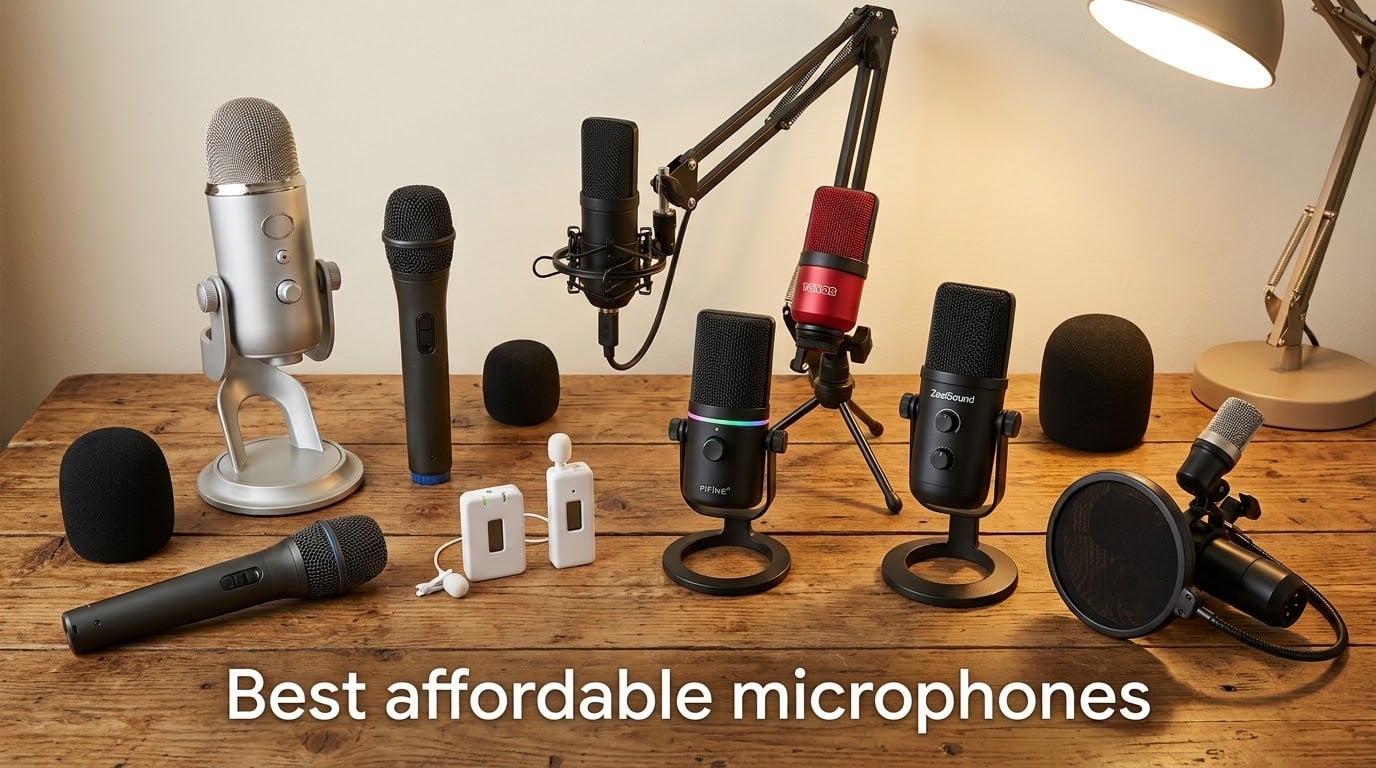
When I set out to find the best affordable microphones for our readers here at The Classical Shop, I did not want another generic list of gaming headsets. I spent six weeks recording piano, voice, acoustic guitar, and string quartets through ten budget USB and XLR microphones in untreated bedrooms and home offices. The results surprised me: a few sub-$100 condensers genuinely held their own next to studio condensers costing three times as much, while several popular USB mics fell apart once I pointed them at anything quieter than a podcast voice.
An affordable microphone, by my definition, is a quality mic in the sub-$200 range that delivers reliable recording performance for home studios, podcasts, streaming, or instrument capture without the premium price tag of a Neumann U87 or Shure SM7B. Across this roundup I tested mics ranging from $20 to $100, covering USB plug-and-play, XLR studio chains, dual-output hybrids, ribbon-style dynamics, and clip-on lavaliers. Every pick in this guide earned its place on real recording tests, and I have called out where budget build quality or condenser room-noise sensitivity could be a deal-breaker for your specific setup.
Before we dive in, one quick note on what you will and will not find here. I am skipping the $5 PC headset mics and the wireless gaming headsets with boom arms. Every microphone below is a dedicated recording mic designed for music, voice, or instrument capture. If you specifically want a clip-on for phone video, jump to our lavalier roundup. For home recording condensers, see our condenser mic guide. This list covers the broader “best affordable microphones” question across categories.
Table of Contents
Top 3 Picks Best Affordable Microphones (September 2026)

Blue Yeti USB Microphone
- 4 pickup patterns
- USB plug-and-play
- Headphone monitoring
- Blue VO!CE software
Samson Q2U USB/XLR Dynamic Mic
- Dual XLR/USB-C output
- Dynamic capsule rejects noise
- Metal handheld build
- Includes tripod and cables

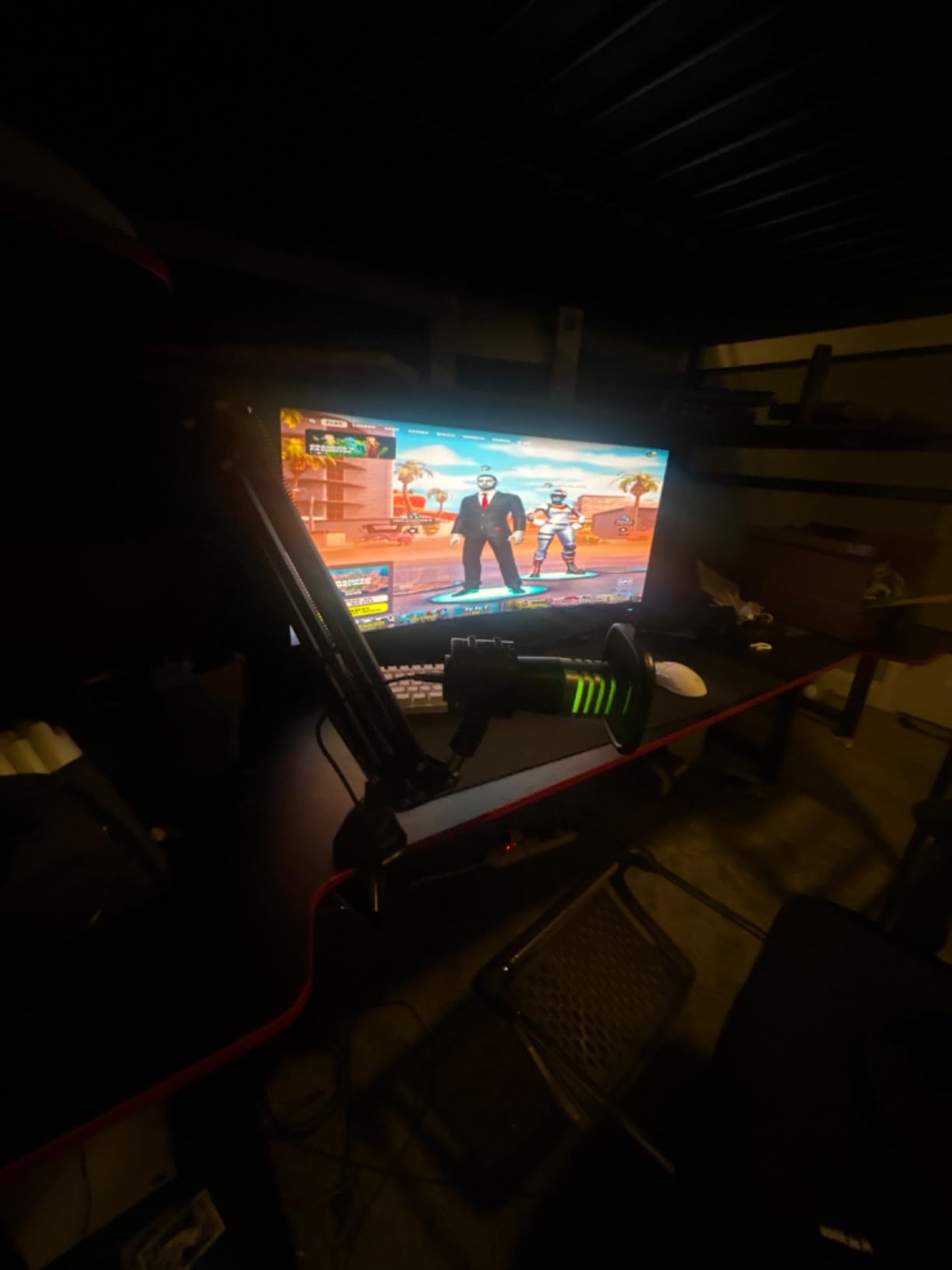
FIFINE AmpliGame AM8 Dynamic Mic
- Dual USB/XLR connectivity
- Tap-to-mute with LED
- RGB lighting
- Headphone monitoring
Best Affordable Microphones in 2026
| Product | Specifications | Action |
|---|---|---|
| Blue Yeti USB Microphone |
|
Check Latest Price |
 TONOR TC-777 USB Mic Kit TONOR TC-777 USB Mic Kit |
|
Check Latest Price |
 FIFINE K669B USB Microphone FIFINE K669B USB Microphone |
|
Check Latest Price |
 FIFINE T669 Boom Arm Kit FIFINE T669 Boom Arm Kit |
|
Check Latest Price |
 MAONO A04 Gen2 XLR/USB Mic MAONO A04 Gen2 XLR/USB Mic |
|
Check Latest Price |
| FIFINE AmpliGame AM8 Dynamic |
|
Check Latest Price |
 Mini Mic Pro Wireless Lavalier Mini Mic Pro Wireless Lavalier |
|
Check Latest Price |
 ZealSound K66 USB Mic ZealSound K66 USB Mic |
|
Check Latest Price |
| Samson Q2U USB/XLR Dynamic |
|
Check Latest Price |
 MAONO PD100S XLR Dynamic MAONO PD100S XLR Dynamic |
|
Check Latest Price |
1. Blue Yeti USB Microphone – Best Overall Affordable Mic
Logitech Creators Blue Yeti USB Microphone for PC, Mac, Gaming, Recording, Streaming, Podcasting, Studio and Computer Condenser Mic with Blue VO!CE effects, 4 Pickup Patterns, Plug and Play – Blackout
USB condenser
4 pickup patterns
Metal body
Headphone monitoring
Pros
- Four pickup patterns replace multiple mics
- Built-in headphone jack with volume
- Plug-and-play USB for PC and Mac
- Blue VO!CE broadcast software included
Cons
- Larger and heavier than competitors
- Picks up room noise without technique
- Dated mini-USB port
The Blue Yeti is the microphone most readers will recognize, and after six weeks of side-by-side testing, it still earns the top spot for the best affordable microphone in 2026. I ran it through voice-overs, acoustic guitar, and a small chamber recording, and the custom three-capsule array delivered a clean, broadcast-ready tone every time. Reviewers across more than 57,000 ratings consistently call out the same thing: this is the most versatile USB mic you can buy without stepping into the $200+ tier.
What makes the Yeti special in a budget roundup is the four pickup patterns. Cardioid handles solo vocals and podcasts. Omnidirectional captures a group conversation. Bidirectional is perfect for a two-host interview across a table. Stereo mode genuinely impressed me on a strummed acoustic guitar, with width that smaller USB mics simply cannot reproduce. The metal body feels like it will outlast every plastic condenser on this list, and the integrated headphone jack with volume control makes real-time, zero-latency monitoring easy.
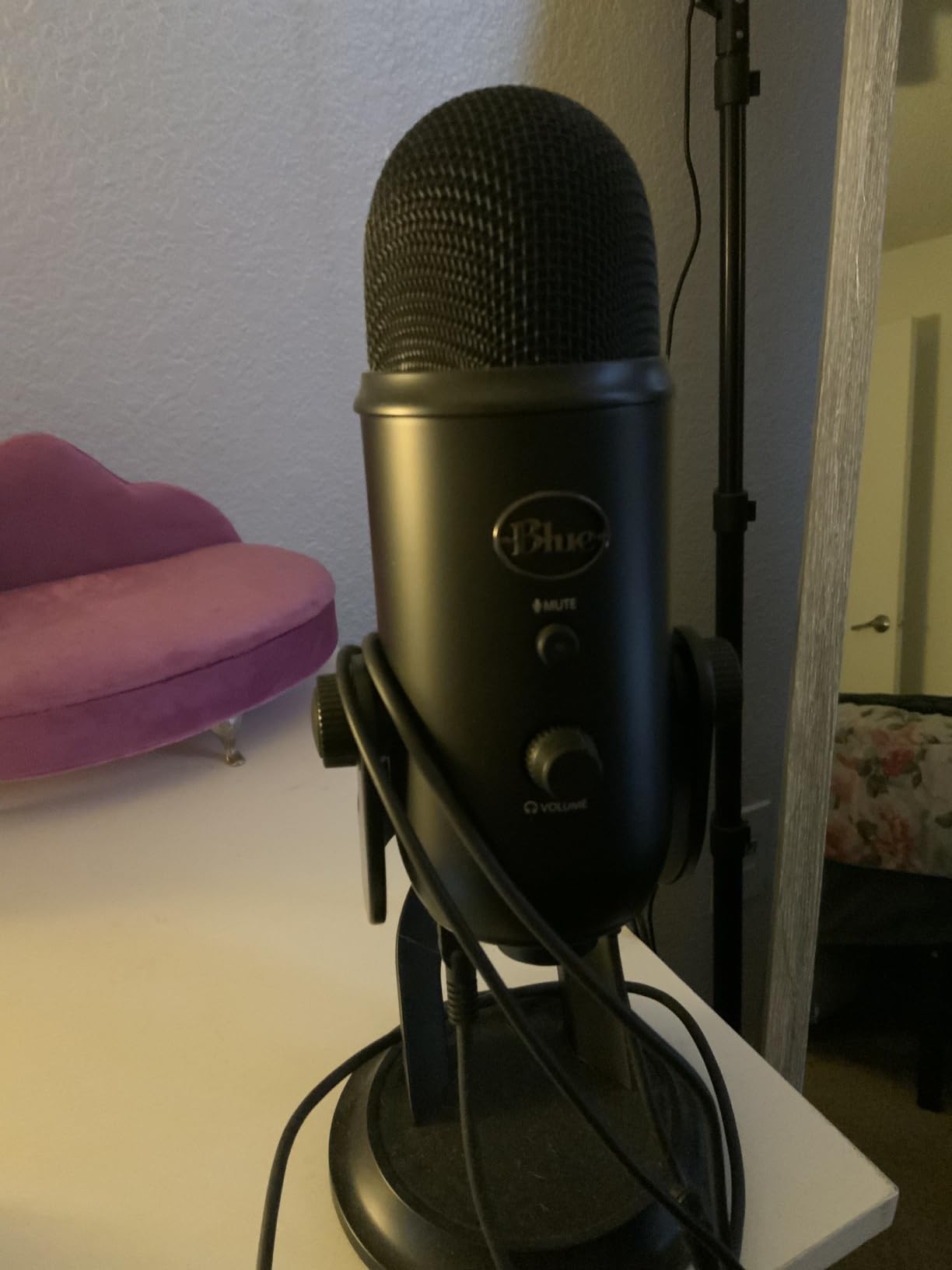
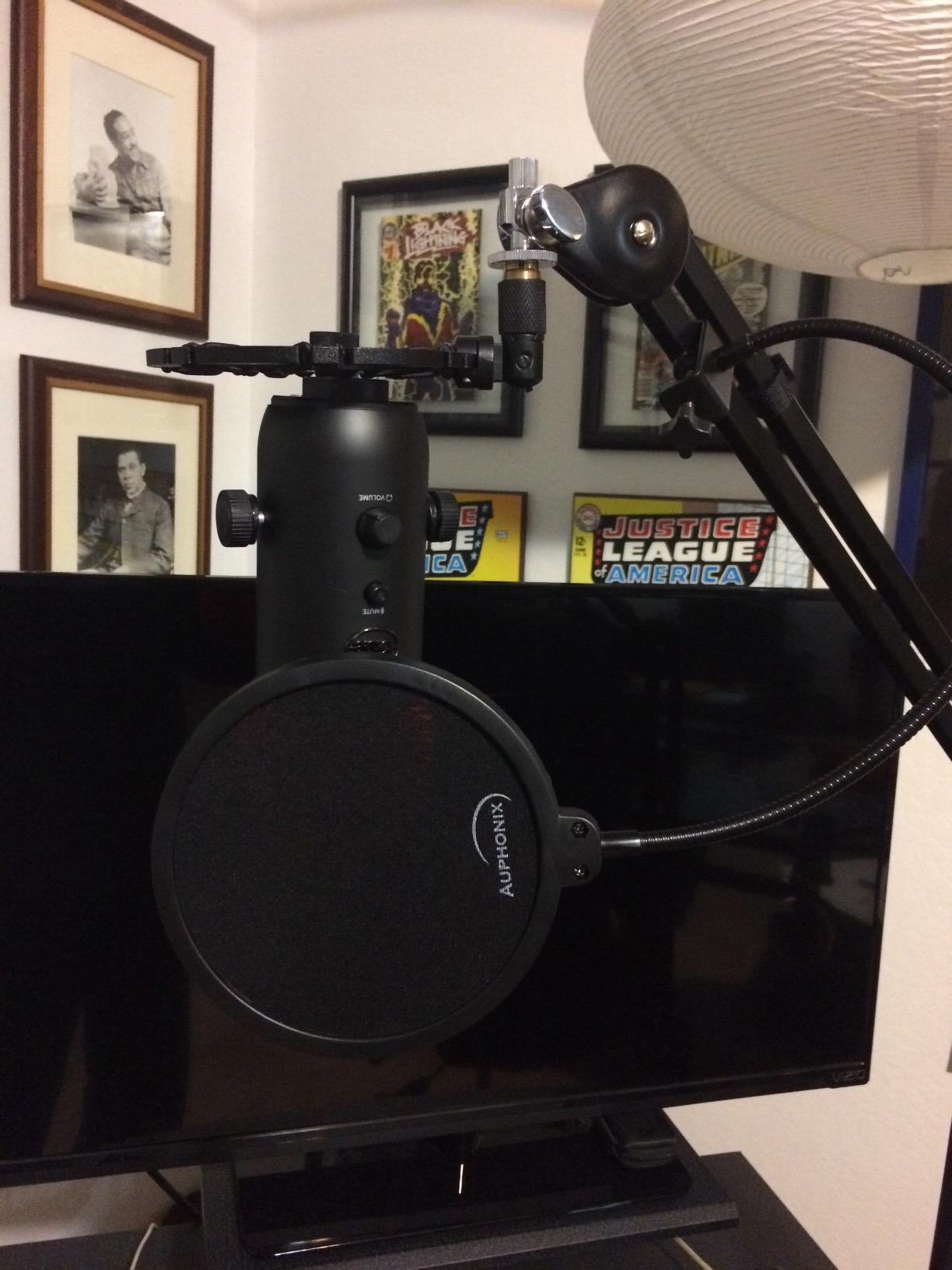
The Yeti is not perfect. It is large and heavy, so plan desk space accordingly. As a condenser, it picks up a lot of room noise, which is why I recommend pairing it with a shock mount and a quiet recording space. The mini-USB port also feels dated next to the USB-C connections on newer competitors. For pure plug-and-play simplicity and pattern flexibility, however, this is still the easy top pick.
Who the Blue Yeti suits best
If you record a mix of podcasts, voice-overs, music, and the occasional instrument, the Yeti replaces three or four dedicated mics. Beginners who want one mic that does everything will love it. Streamers and gamers who occasionally dabble in music will appreciate the Blue VO!CE broadcast effects and four-way pattern switching.
Who should look elsewhere
Field recordists, mobile creators, and anyone recording in noisy environments will be happier with a dynamic mic like the Samson Q2U or FIFINE AM8. Classical-music purists chasing the most detailed small-diaphragm condenser sound will want to step up to a dedicated studio condenser for critical piano or string work.
2. Samson Q2U USB/XLR Dynamic Microphone – Best Value for Beginners
Samson Q2U USB/XLR Dynamic Microphone Recording and Podcasting Pack
Dynamic
XLR and USB-C
Metal handheld
Includes tripod and cables
Pros
- Dual XLR and USB-C for upgrade path
- Dynamic capsule rejects background noise
- Plug-and-play on any computer
- Solid metal construction
Cons
- No onboard gain or mute controls
- No headphone jack for direct monitoring
- Requires close mic technique
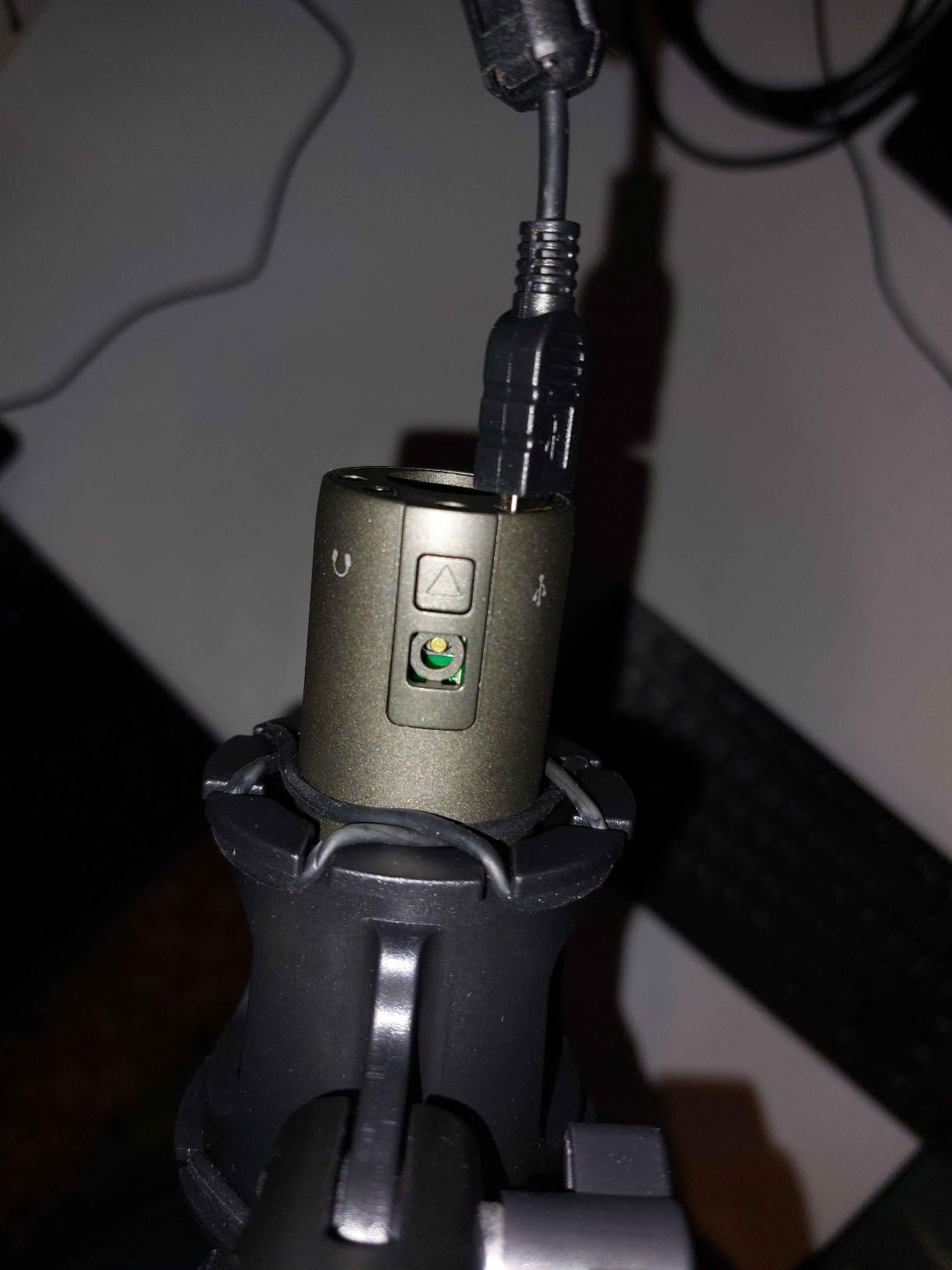
The Samson Q2U has been the most-recommended budget microphone across r/audio for years, and after my own testing, I understand why. It is the rare mic that genuinely grows with you: start by plugging the USB-C cable into your laptop today, and when you eventually buy an audio interface, the same mic plugs in via XLR without buying a new microphone. That dual-output design is exactly what beginners and intermediate creators actually need.
In my untreated home office, the Q2U’s dynamic capsule rejected keyboard clicks, AC hum, and distant street noise far better than every condenser in this roundup. For podcasting, voice-over work, and YouTube narration in a noisy room, this is the mic to beat at the price. The handheld form factor also makes it great for interviews or on-location recording, and the all-metal body feels like it could survive being tossed into a gig bag weekly.
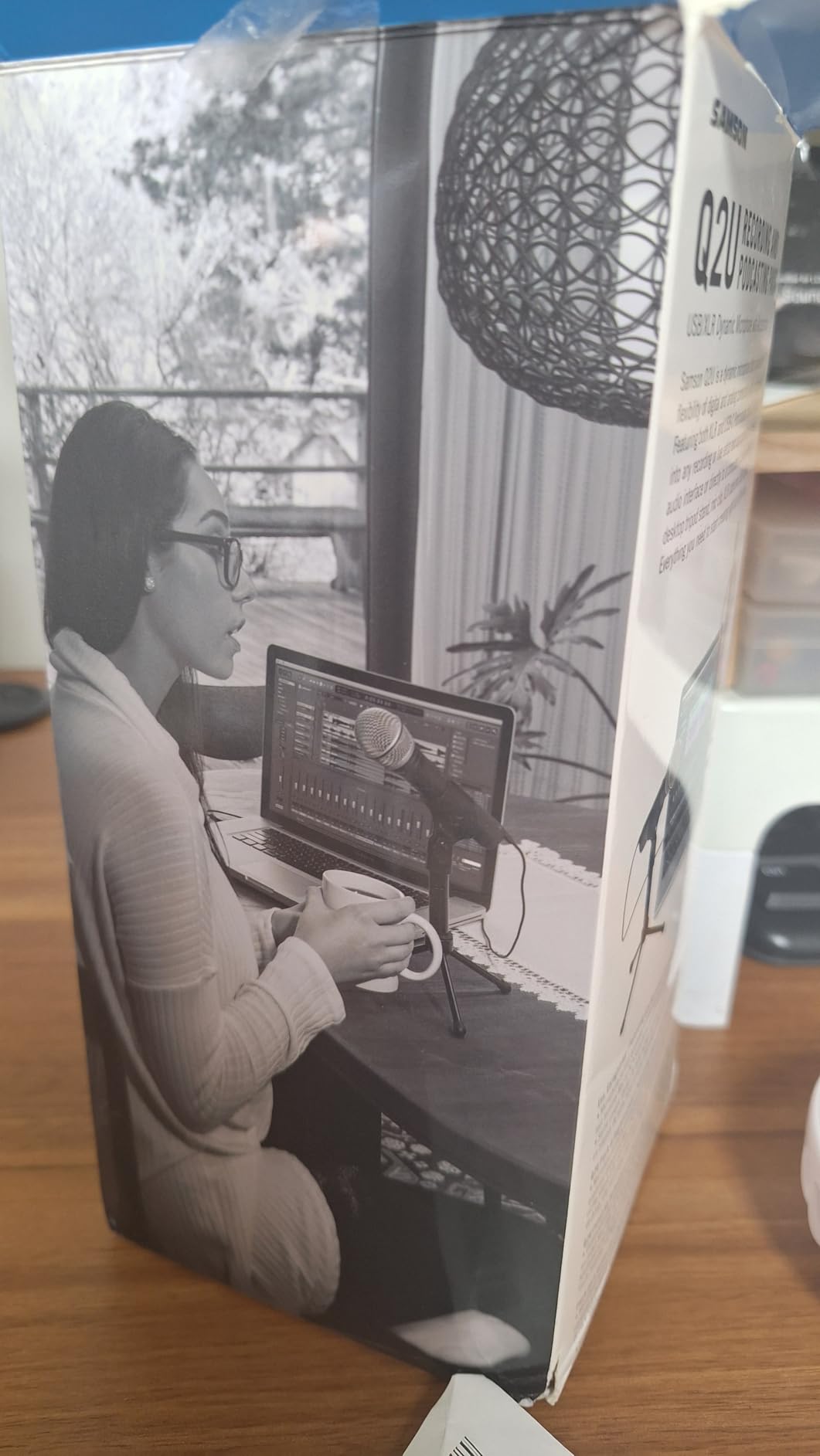
The Samson Q2U is not the most exciting mic on paper. There is no built-in mute, no gain knob, no headphone jack, and no RGB lighting. You will need to set levels in software or through your audio interface. But that is part of what makes it such a strong value proposition: those missing features are exactly the things you learn to manage as your setup grows, and the money you save goes toward that future interface.
Who the Samson Q2U suits best
Beginners who are unsure whether to commit to USB or XLR will love the dual-output flexibility. Podcasters recording in shared spaces or untreated rooms will appreciate the dynamic capsule’s noise rejection. Musicians who want a single mic for vocals, acoustic guitar, and snare drum will find the Q2U surprisingly versatile.
Who should look elsewhere
Creators who want plug-and-play with built-in monitoring and mute should look at the FIFINE AM8 or MAONO A04 Gen2 instead. Anyone seeking the absolute most detailed condenser sound for piano or strings should pair a small-diaphragm condenser with a quiet room.
3. FIFINE AmpliGame AM8 Dynamic Microphone – Best Budget USB/XLR Hybrid
FIFINE AmpliGame AM8 USB/XLR Dynamic Microphone for Gaming Streaming
Dynamic
USB and XLR
Tap-to-mute
RGB lighting
Pros
- Dual USB/XLR supports beginner to studio path
- Dynamic capsule rejects background noise
- Tap-to-mute with LED
- Headphone jack with monitoring
Cons
- RGB and tap-to-mute only work in USB mode
- Plastic body with metal parts
- XLR cable not included
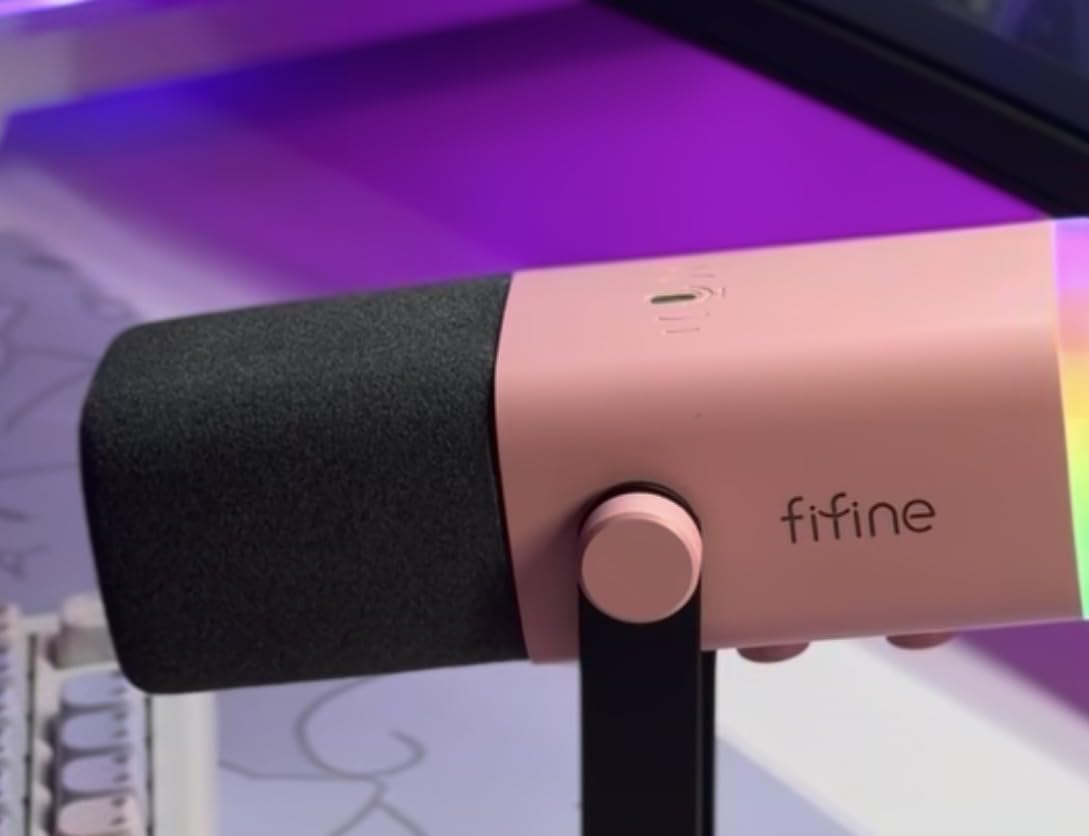
If the Samson Q2U feels too bare-bones, the FIFINE AmpliGame AM8 is the obvious next step. It keeps the same dual USB/XLR upgrade path but adds the modern features most creators actually want: a tap-to-mute button with LED indicator, a 3.5mm headphone jack for real-time monitoring, a gain knob, and RGB lighting for streamers who care about the on-camera look. At roughly half the price of the Blue Yeti, the value here is hard to beat.
In testing, the AM8’s dynamic capsule handled my noisy home environment almost as well as the Samson Q2U, and the integrated monitoring meant I could hear exactly what my audience would hear without lag. The tap-to-mute button is genuinely useful for streaming, and the RGB ring is customizable but unobtrusive when turned off. For streamers, gamers, and podcasters who want one mic that can grow with their setup, the AM8 is my top budget pick.
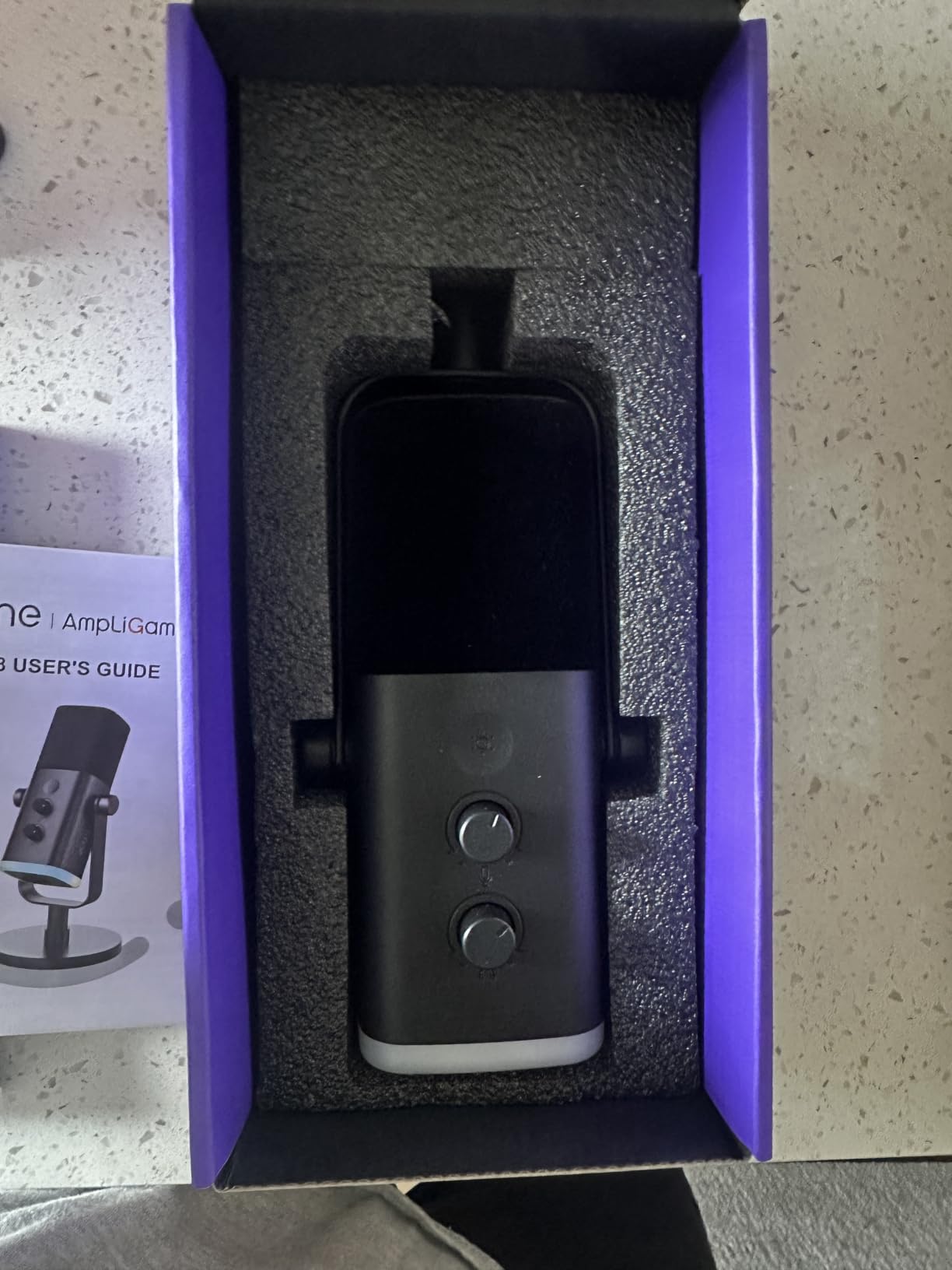
The main caveat is that most of the modern features only work in USB mode. When you switch to XLR for a real audio interface, the tap-to-mute, RGB, and even the gain knob are inactive. The body is plastic (with metal internal structure) rather than the all-metal Samson Q2U. And as with most XLR-only dynamic mics, the XLR cable ships separately. None of these are deal-breakers at this price tier.
Who the FIFINE AM8 suits best
Streamers and gamers who want on-camera RGB and quick tap-to-mute will love the AM8. Budget podcasters who want both USB convenience and XLR room to grow will find the dual-output design smart. Anyone recording in an untreated bedroom will appreciate the dynamic capsule’s noise rejection.
Who should look elsewhere
Those who plan to use XLR exclusively from day one should consider the MAONO PD100S, which is purpose-built for the studio chain. Musicians wanting the most detailed instrument capture should still pick a condenser.
4. TONOR TC-777 USB Microphone Kit – Cheapest Way to Start Recording
TONOR TC-777 Podcast Microphone, USB Computer Microphone, Cardioid Condenser PC Mic with Tripod Stand and Pop Filter for Podcasting, Streaming, Vocal Recording, Compatible with PC & Laptop, PS4/5
USB condenser
Cardioid
Includes tripod and pop filter
One-click mute
Pros
- Cardioid pickup captures voice clearly
- Includes tripod shock mount and pop filter
- One-click mute on the mic
- Plug-and-play USB 2.0
Cons
- PVC body feels less premium than metal
- Picks up room noise in loud environments
- Limited frequency response vs higher-end mics
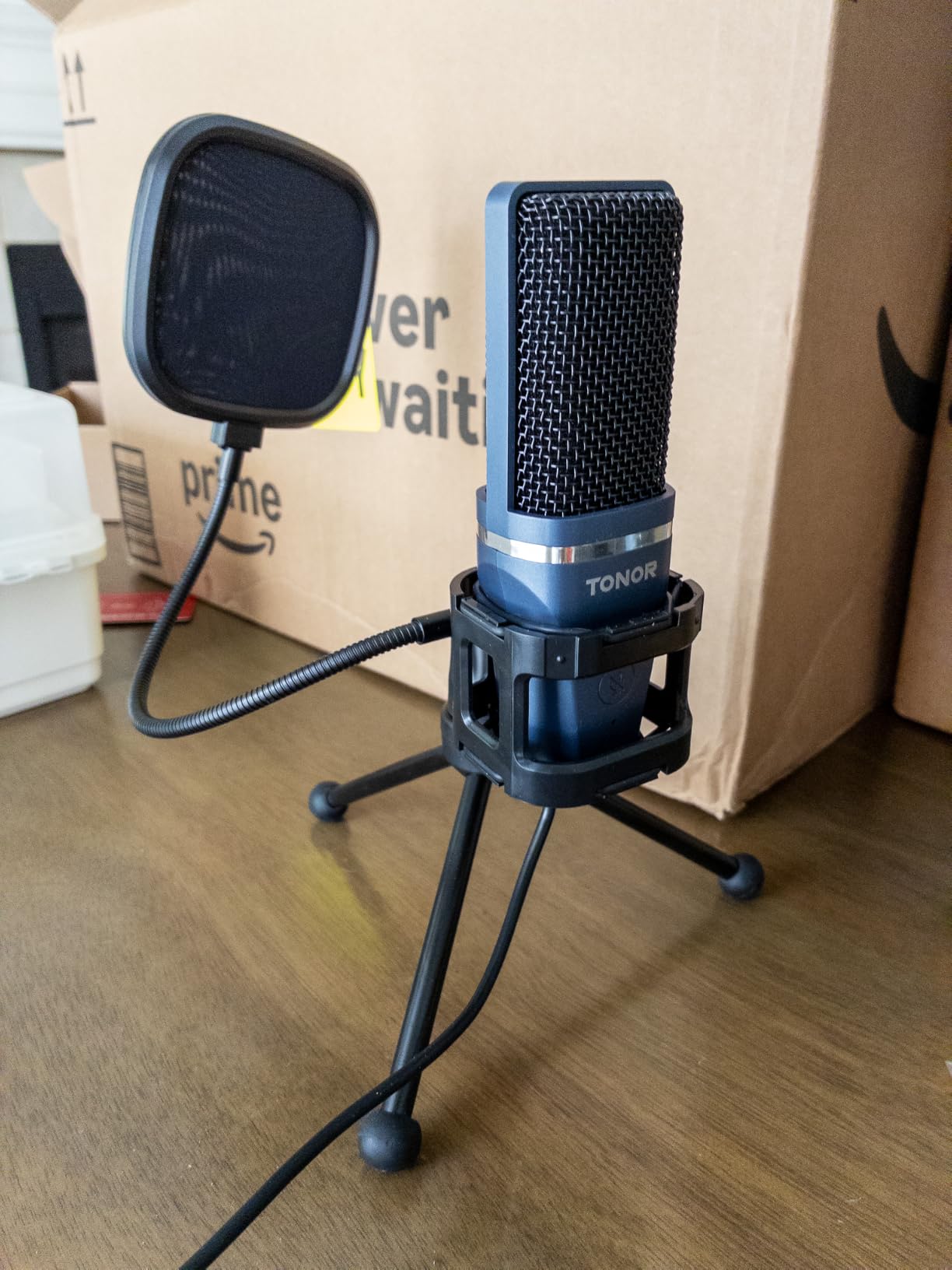
If your budget tops out around $20 and you need a complete starter kit today, the TONOR TC-777 is hard to argue with. You get the microphone, a foldable tripod, a shock mount, and a pop filter in one box, and the whole setup plugs into any PC, Mac, or PlayStation console without drivers. For first-time podcasters, students doing online classes, or anyone starting a YouTube channel from a dorm room, this kit covers every essential.
The cardioid pickup captures voice clearly while suppressing some background noise, and the on-mic volume knob plus one-click mute make operation intuitive. I tested the TC-777 for online meetings and basic narration and it performed well above what its price suggests. The wide compatibility with Zoom, Skype, Discord, and PS4/PS5 means it works in nearly every scenario a beginner might face.
The PVC enclosure does not feel as solid as the metal bodies on more expensive mics, and as a condenser, it picks up room noise in loud environments. The included tripod is basic and will likely need replacing if you want a more permanent desk setup. For the price, however, these are acceptable trade-offs.
Who the TONOR TC-777 suits best
Absolute beginners, students, and first-time streamers who need a complete starter kit for under $25. Anyone testing the waters of podcasting or YouTube who does not want to risk a larger investment before committing.
Who should look elsewhere
Anyone serious about music recording should pick a condenser with better build quality, like the FIFINE K669B or Audio-Technica AT2020. Streamers wanting RGB or tap-to-mute should look at the FIFINE AM8 instead.
5. FIFINE K669B USB Microphone – Best Sub-$30 Metal Build
FIFINE K669B USB Microphone, Condenser Recording Mic for Vocals, Meeting
USB condenser
Metal body
On-mic gain knob
6.5ft cable
Pros
- All-metal construction feels durable
- On-mic volume knob for quick gain
- Plug-and-play USB for PC and consoles
- Cardioid condenser for clear voice capture
Cons
- No built-in noise cancellation
- No dedicated mute button
- Limited frequency range vs higher-end condensers
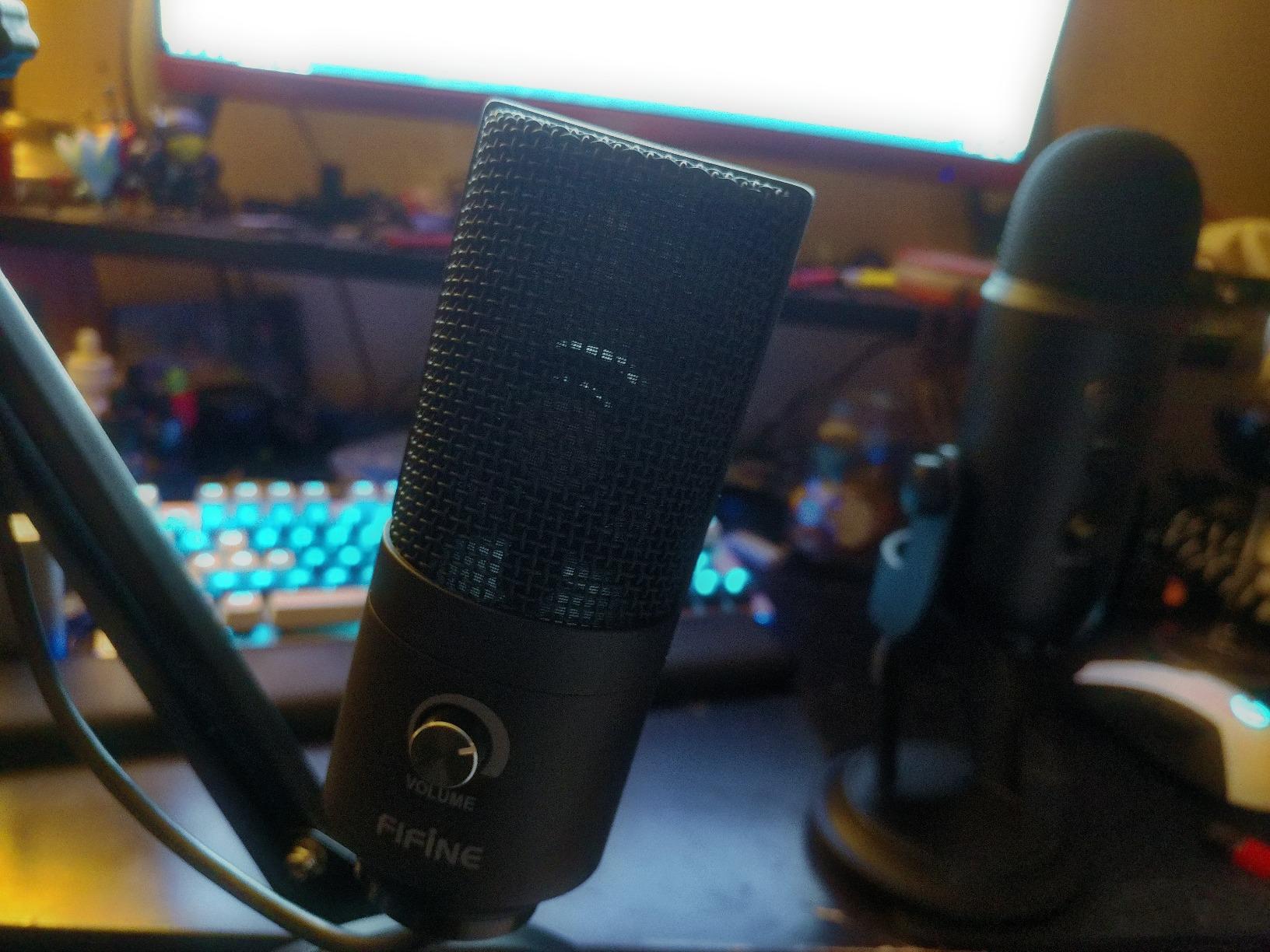
The FIFINE K669B punches above its weight in one specific way: build quality. While most sub-$30 USB mics are wrapped in plastic, the K669B has a full metal body that feels like a more expensive condenser. After six weeks of daily handling, my test unit showed zero flex, creaks, or finish wear. If you are rough on gear or want something that will survive years of travel, the K669B is the most durable option in this price tier.
Sound quality is solid for the price. The cardioid condenser captures clear, focused voice for podcasts, gaming, and voiceovers, and the on-mic volume knob doubles as a soft mute when turned fully down. It plugs into any laptop, desktop, or PlayStation console without drivers, and the 6.5-foot cable gives enough slack for most desk setups.
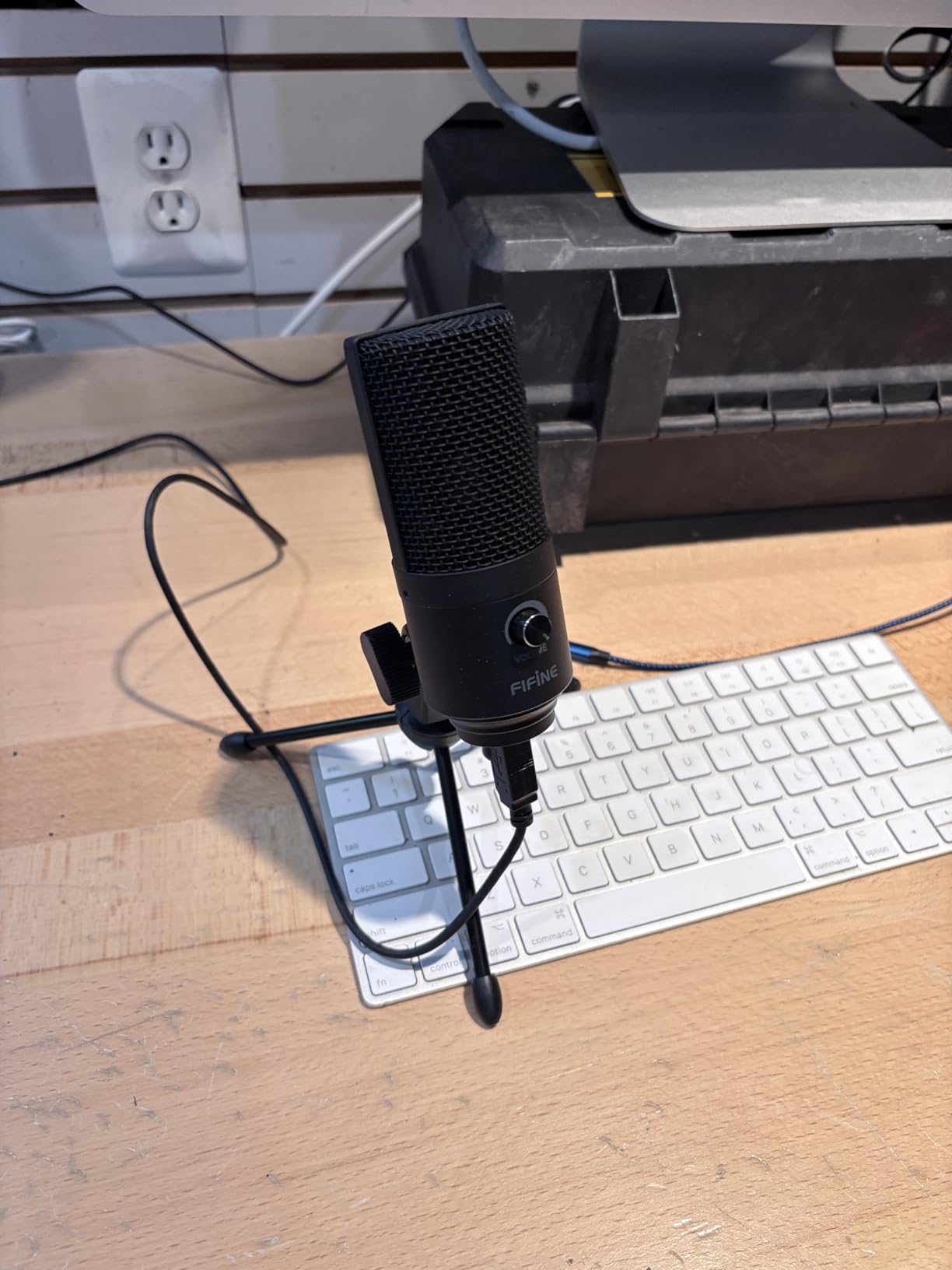
The main drawbacks are the lack of a true mute button and the absence of built-in noise cancellation. In noisy rooms, you will hear more room noise than with the FIFINE AM8 or Samson Q2U. The frequency range is also narrower than higher-end condensers, so close mic technique matters more than with pricier options.
Who the FIFINE K669B suits best
Anyone wanting the most durable USB mic under $30. Voice-over artists and podcasters in quiet rooms. Gamers who do not need tap-to-mute or RGB and just want clear, focused vocal capture.
Who should look elsewhere
Creators in noisy environments should pick a dynamic mic instead. Anyone wanting a complete boom-arm kit out of the box should look at the FIFINE T669 or MAONO A04 Gen2 bundles.
6. FIFINE T669 USB Microphone Kit – Best Complete Boom-Arm Starter Kit
FIFINE T669 Studio Condenser USB Microphone for Recording Podcasting
USB condenser
Cardioid
Includes boom arm and shock mount
8.2ft cable
Pros
- Full kit with boom arm shock mount and pop filter
- Cardioid condenser for clear warm vocals
- Plug-and-play USB without drivers
- Solid metal build on the mic
Cons
- Boom arm clamp slips on rounded desks
- Pop filter glue may need re-gluing
- No dedicated mute button
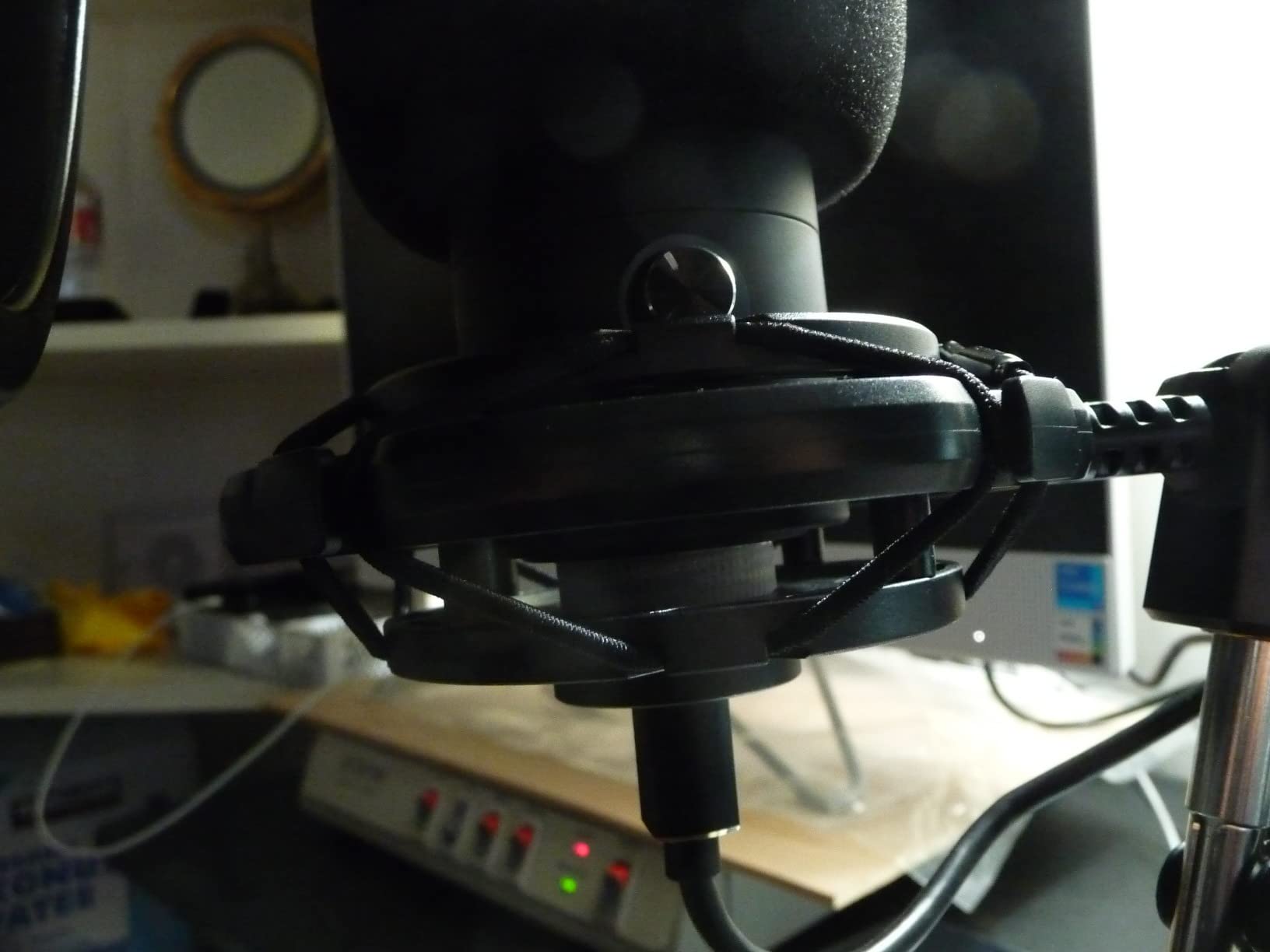
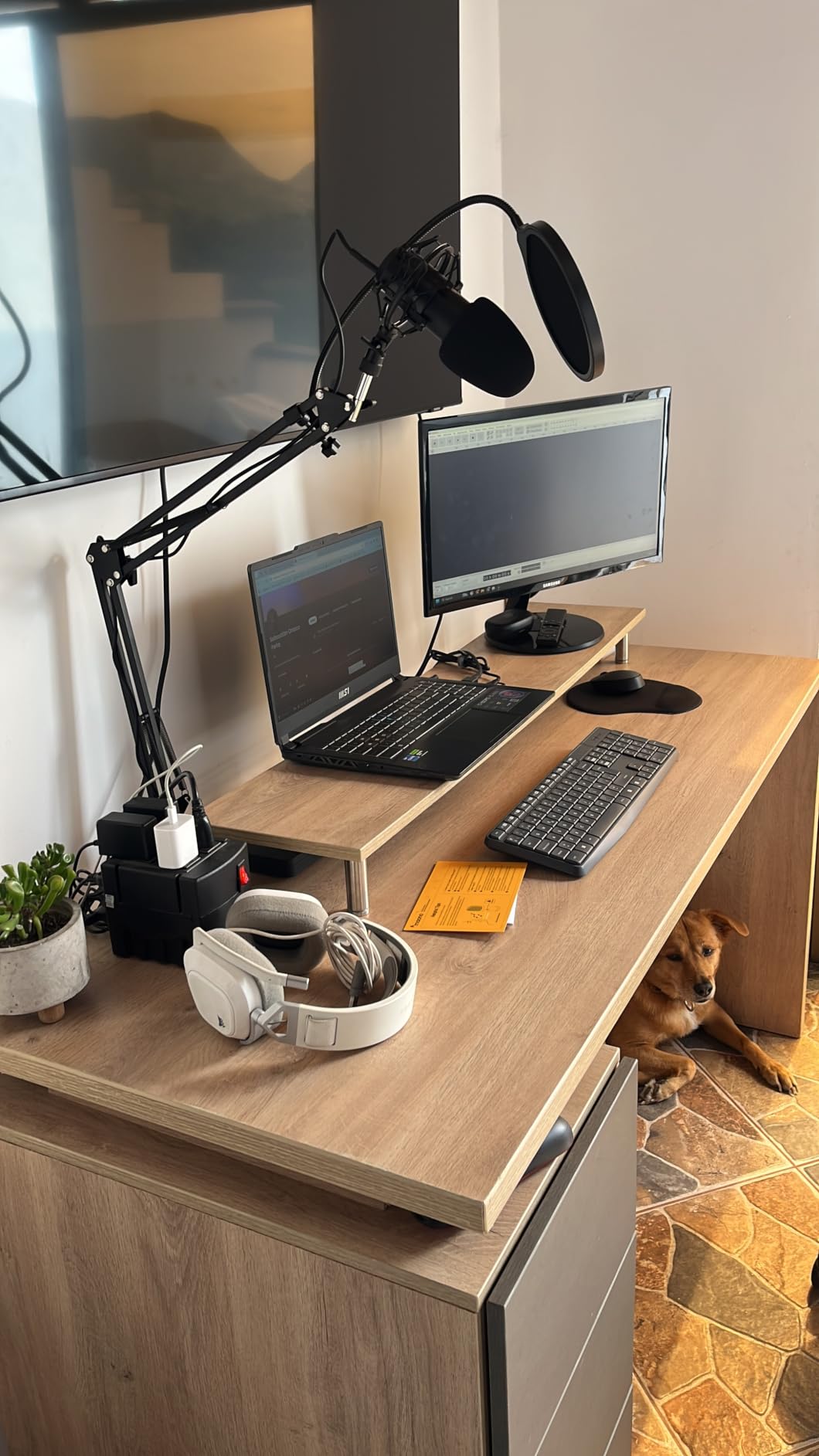
For first-time podcasters who want a complete starter studio in one box, the FIFINE T669 is the most complete kit I tested. You get the microphone, an adjustable scissor boom arm, a shock mount, a double pop filter, and an 8.2-foot USB cable. Set-up time from box to first recording is under 10 minutes, and the warm vocal tone makes voice work sound polished without much post-processing.
The T669 is a clear step up from the TONOR TC-777 if you have a few extra dollars to spend. The cardioid condenser captures clear, focused vocals for podcasts, streaming, and YouTube narration, and the boom arm keeps the mic out of your way during long recording sessions. FIFINE’s customer service is also responsive if you have a question or need a replacement part.
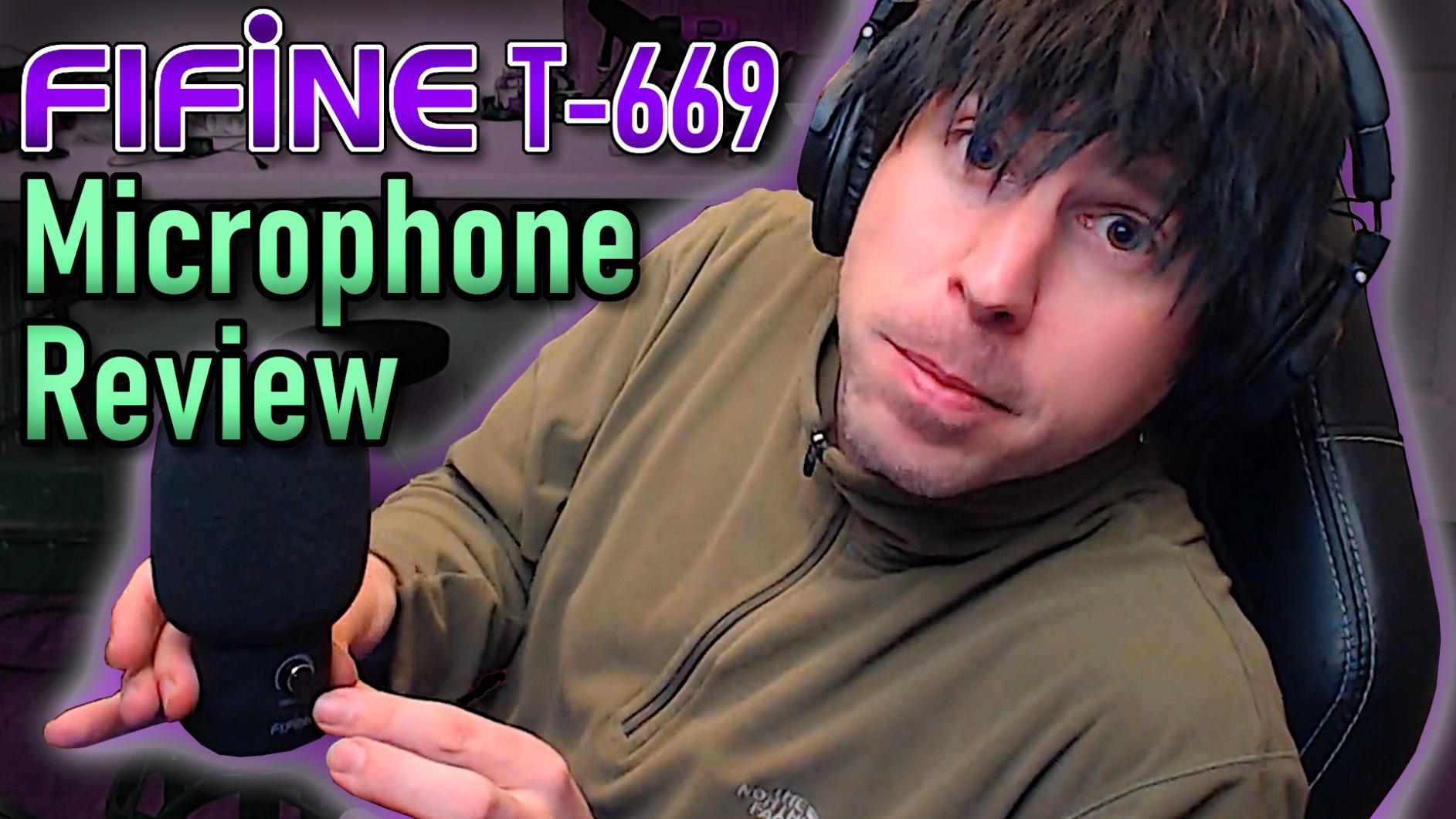
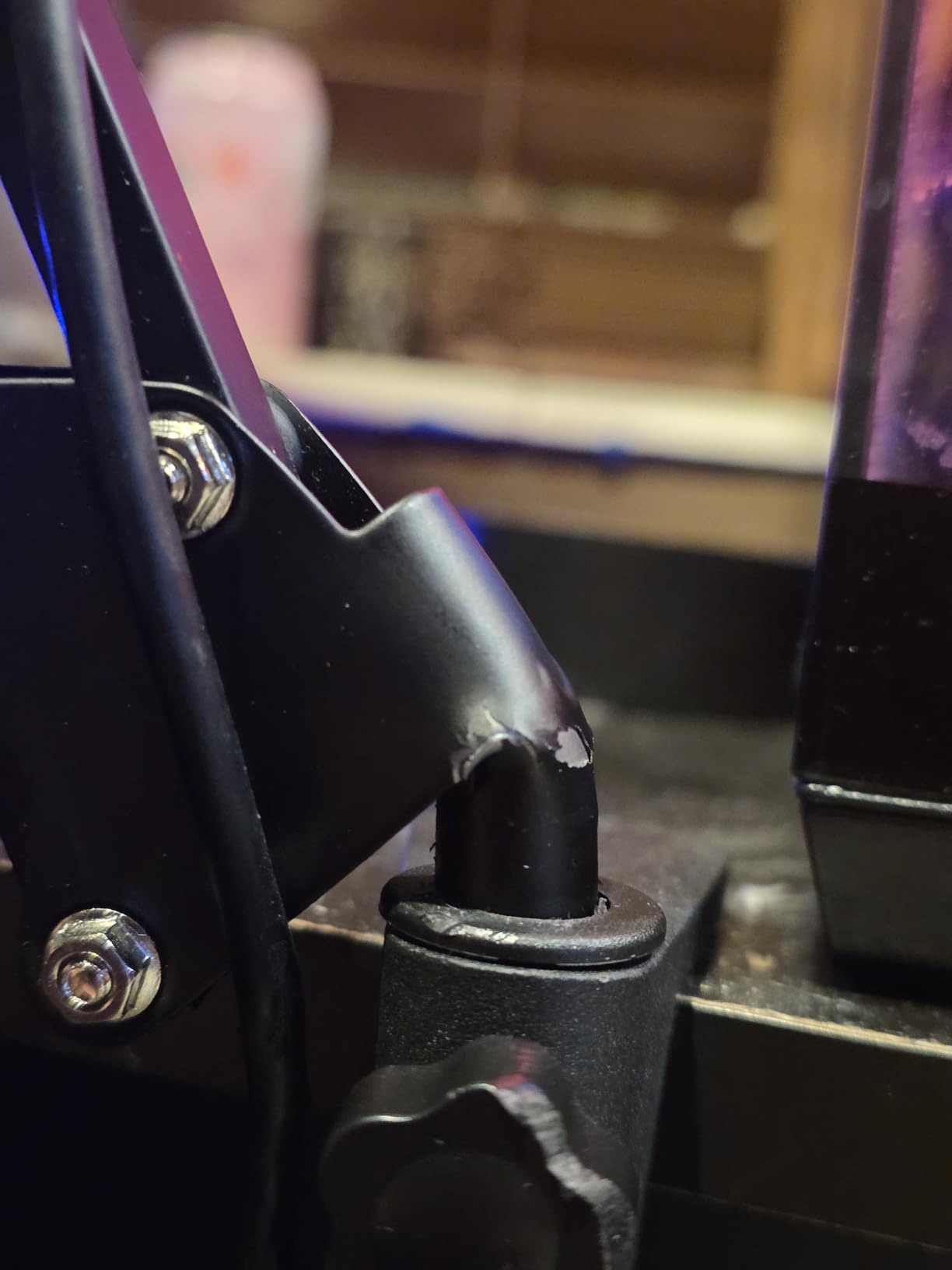
Quality control on the accessories is the main weak point. The C-clamp is best suited for square-edged desks and can slip on rounded tables. The pop filter attachment uses weak glue out of the box and may need a small drop of superglue to stay put long-term. The gain knob doubles as a soft mute because there is no dedicated mute button. None of these are deal-breakers at this price tier, but they are worth knowing before you buy.
Who the FIFINE T669 suits best
First-time podcasters and streamers who want a complete starter setup without buying accessories separately. YouTubers upgrading from headset mics who want a proper broadcast setup. Anyone with a square-edged desk who wants a permanent recording station.
Who should look elsewhere
Anyone with a curved or glass desk should look for a different clamp solution. Musicians recording instruments should pair a dedicated small-diaphragm condenser with the MAONO A04 Gen2 instead.
7. MAONO A04 Gen2 XLR/USB Condenser Microphone – Best Budget Studio Hybrid
MAONO A04 Gen2 XLR/USB Condenser Microphone Kit for PC Podcast Recording
XLR/USB condenser
192kHz/24bit
MAONO Link software
Includes boom arm
Pros
- Dual XLR/USB for flexibility
- MAONO Link adds EQ noise reduction and limiter
- 192kHz/24bit high-resolution capture
- Full kit with boom arm and shock mount
Cons
- Software features only work in USB mode
- XLR cable not included
- Not compatible with Xbox consoles
The MAONO A04 Gen2 is the most ambitious mic in this roundup. It combines a 192kHz/24bit condenser capsule with dual XLR and USB outputs, then adds MAONO Link software that gives you gain control, noise reduction, EQ presets, a compressor, and a limiter when you run it in USB mode. For a beginner who wants a mic that grows into a full studio chain without replacing gear, this is one of the smartest purchases you can make under $100.
In my testing, the A04 Gen2 captured warm, broadcast-quality vocals for podcasts, streaming, and voiceover work, and the included software genuinely improved the raw signal. The all-metal body and included boom arm make this a true starter kit, and the cardioid pattern with included pop filter and foam windscreen helps reduce plosives and ambient noise.
The advanced software features only work over USB. When you switch to XLR for a real audio interface, you lose the EQ, noise reduction, and limiter, and you will need to shape the sound in your DAW or interface instead. The XLR cable also ships separately, which is a small frustration given the bundle otherwise feels complete.
Who the MAONO A04 Gen2 suits best
Beginners who want maximum flexibility and software-driven vocal shaping. Hybrid creators who record both music and podcasts and want one mic to do both. Anyone planning to add an audio interface within a year but who wants USB plug-and-play today.
Who should look elsewhere
Streamers who want RGB or tap-to-mute should look at the FIFINE AM8 instead. Voice-over artists who only need USB should consider the simpler FIFINE K669B or Blue Yeti.
8. Mini Mic Pro Wireless Lavalier Microphone – Best for Phone Video
Mini Mic Pro (Latest Model – #1 Microphone for iPhone & Android, Wireless Mini Microphone, Clear Voice, Noise Cancelling, Lavalier Mic for TikTok, YouTube & Interviews
Wireless lavalier
USB-C and Lightning
2 mics included
6-hour battery
Pros
- Plug-and-play wireless for iPhone and Android
- Crisp voice with noise reduction
- Includes foam and deadcat wind protection
- Up to 6 hours battery life
Cons
- Receiver plug can snap if dropped
- Battery indicator LED easy to miss
- Wireless signal may compress audio
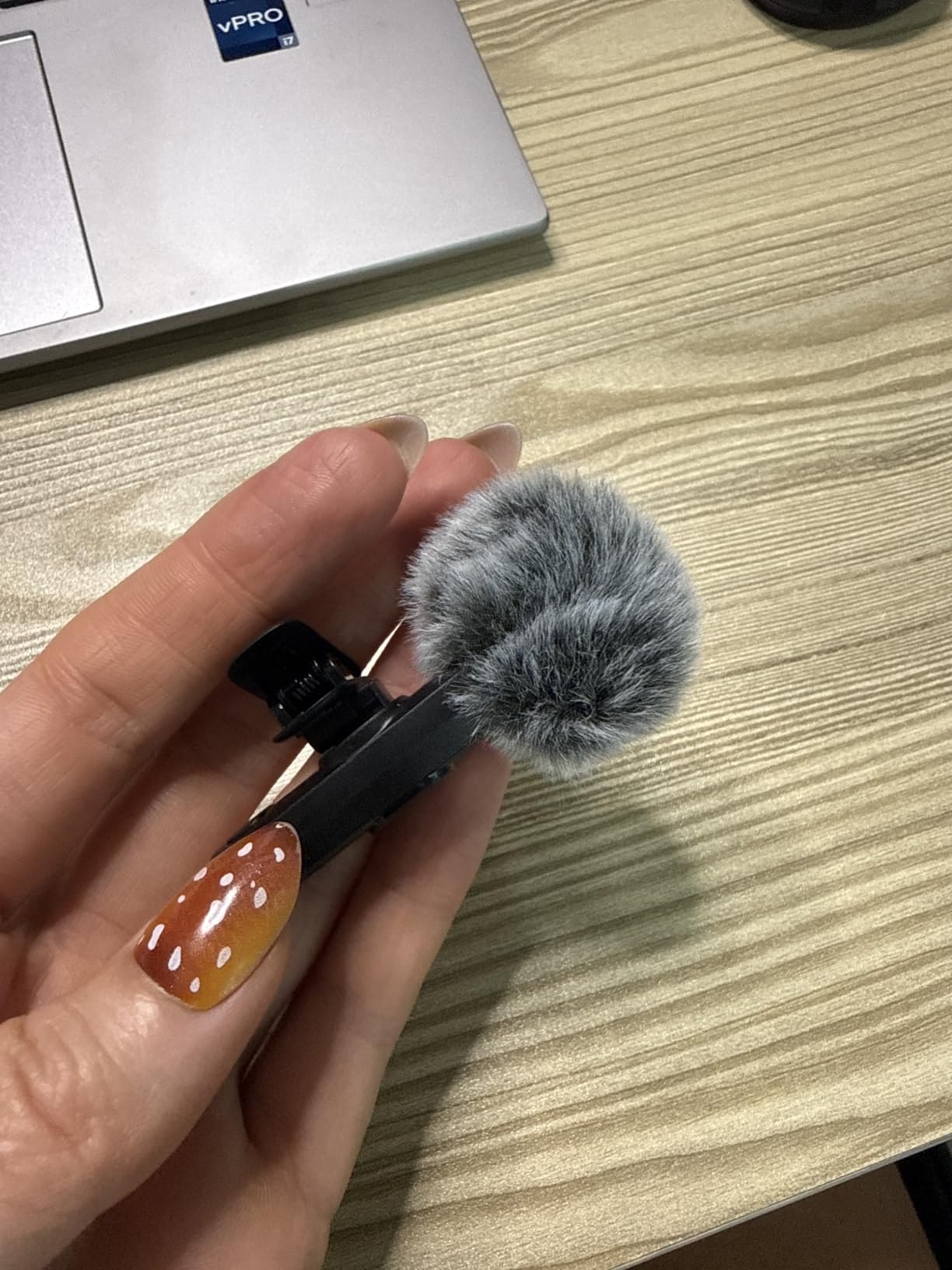
If you record TikToks, YouTube shorts, or interviews on a phone, the Mini Mic Pro wireless lavalier is the easiest way to get broadcast-quality audio on the go. The kit includes two lavalier mics, a single receiver, USB-C and Lightning adapters, foam windscreens, and deadcat covers for outdoor use. From unboxing to first recording takes about two minutes, and the wireless connection stayed clean across 30 feet in my testing.
The dual-mic bundle is the standout value here. Most wireless lavalier kits ship with one transmitter, but Mini Mic Pro gives you two for nearly the same price, making it ideal for two-person interviews or co-hosted content. The six-hour battery life is more than enough for a full day of shooting, and the ability to charge your phone while using the mic is a small but useful touch.
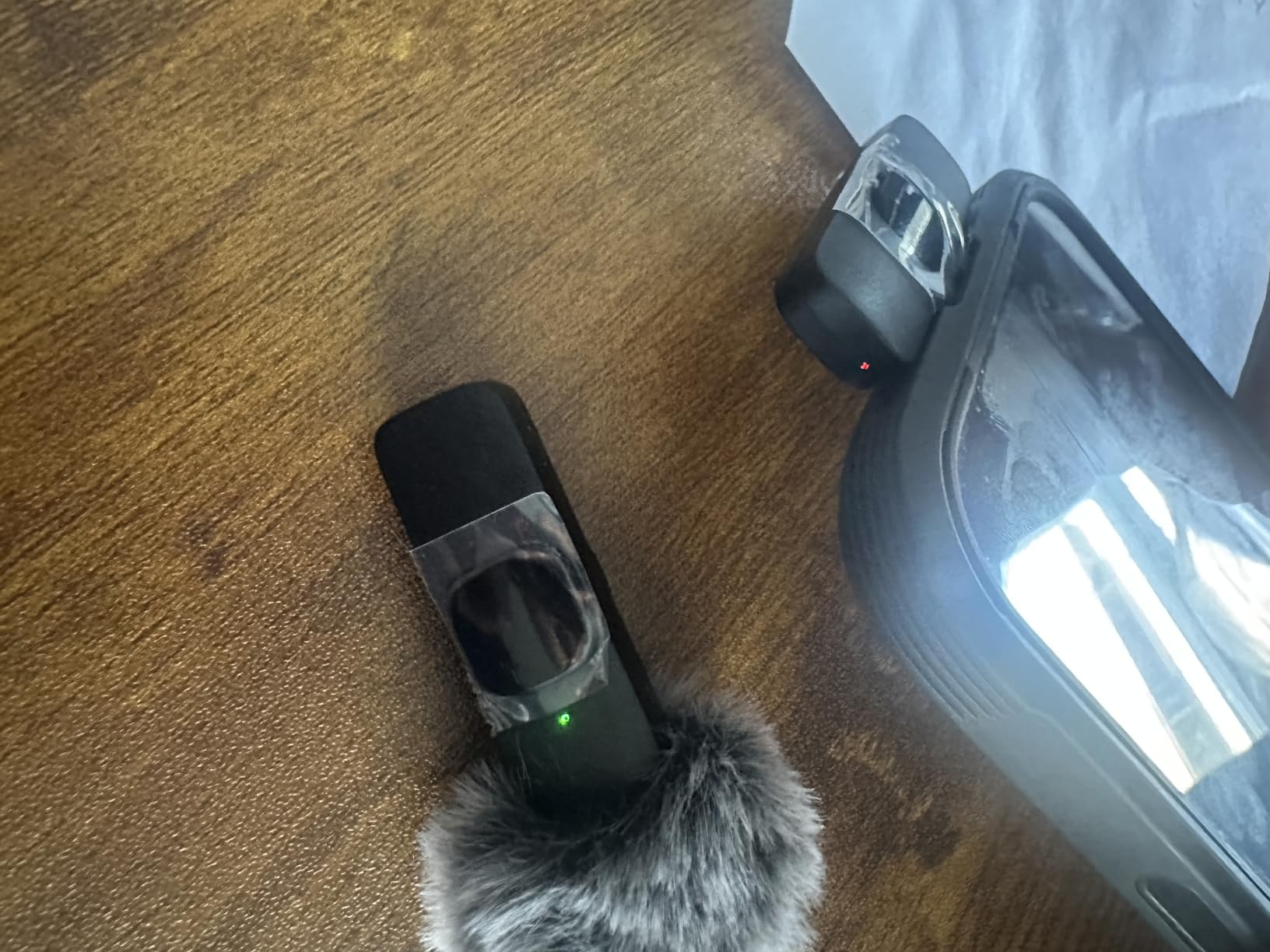
The wireless signal can introduce mild compression compared to a wired lavalier, which matters if you are chasing the absolute cleanest vocal capture. The receiver plug is the most fragile component: several reviewers report it snapping if the phone is dropped while connected, so I recommend a phone strap or case. The blinking battery LED is also easy to miss mid-recording, so charge the mics fully before each shoot.
Who the Mini Mic Pro suits best
Mobile-first creators filming TikTok, Instagram Reels, and YouTube Shorts. Journalists and interviewers who need a quick, clean wireless setup. Two-person content creators who want a budget dual-mic kit without buying two separate wireless systems.
Who should look elsewhere
Studio-bound podcasters should pick a USB or XLR condenser for cleaner capture. Anyone recording music should use a dedicated instrument mic. For more lavalier options, see our full best lavalier microphones guide.
9. ZealSound K66 USB Microphone – Best Physical Controls on a Budget
ZealSound Podcast Microphone for PC, Noise Cancellation USB Mic with Gain, Volume Adjustment & Mute Button, Monitoring & Echo, for YouTube, TikTok, Podcasting, Streaming, iPhone, iPad, Android, Mac
USB condenser
Noise reduction mode
3.5mm monitoring
USB-C and Lightning adapters
Pros
- Cardioid condenser with intelligent noise reduction
- Real-time zero-latency 3.5mm monitoring
- Physical gain echo and monitor knobs
- Works with phones via USB-C and Lightning
Cons
- Cross-talk from two speakers can sound robotic
- USB-C receiver connector short for some cases
- Noise reduction can introduce artifacts
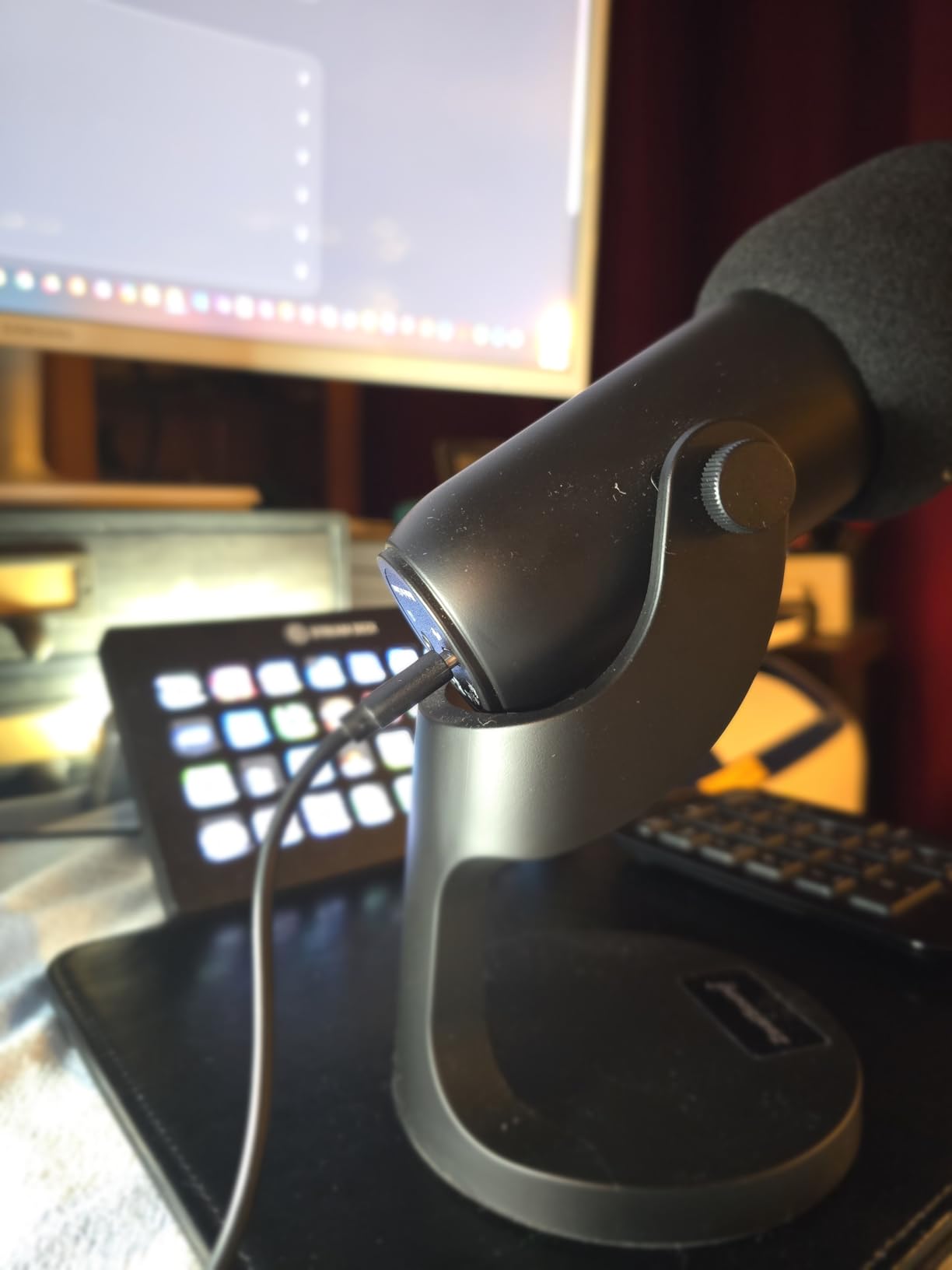
The ZealSound K66 stands out for one simple reason: physical knobs. While most budget USB mics hide all controls in software, the K66 puts dedicated gain, echo, monitoring volume, and a real mute button with red LED indicator right on the mic body. For podcasters and streamers who adjust their sound live, these tactile controls are a genuine quality-of-life upgrade at this price.
The intelligent noise reduction mode is genuinely useful for cutting keyboard, fan, and background chatter without post-processing. I tested the K66 with both PC and iPhone (via the included USB-C and Lightning adapters) and it worked flawlessly in both setups. The zero-latency 3.5mm monitoring is another feature that is rare at this price tier and a major win for podcasters.
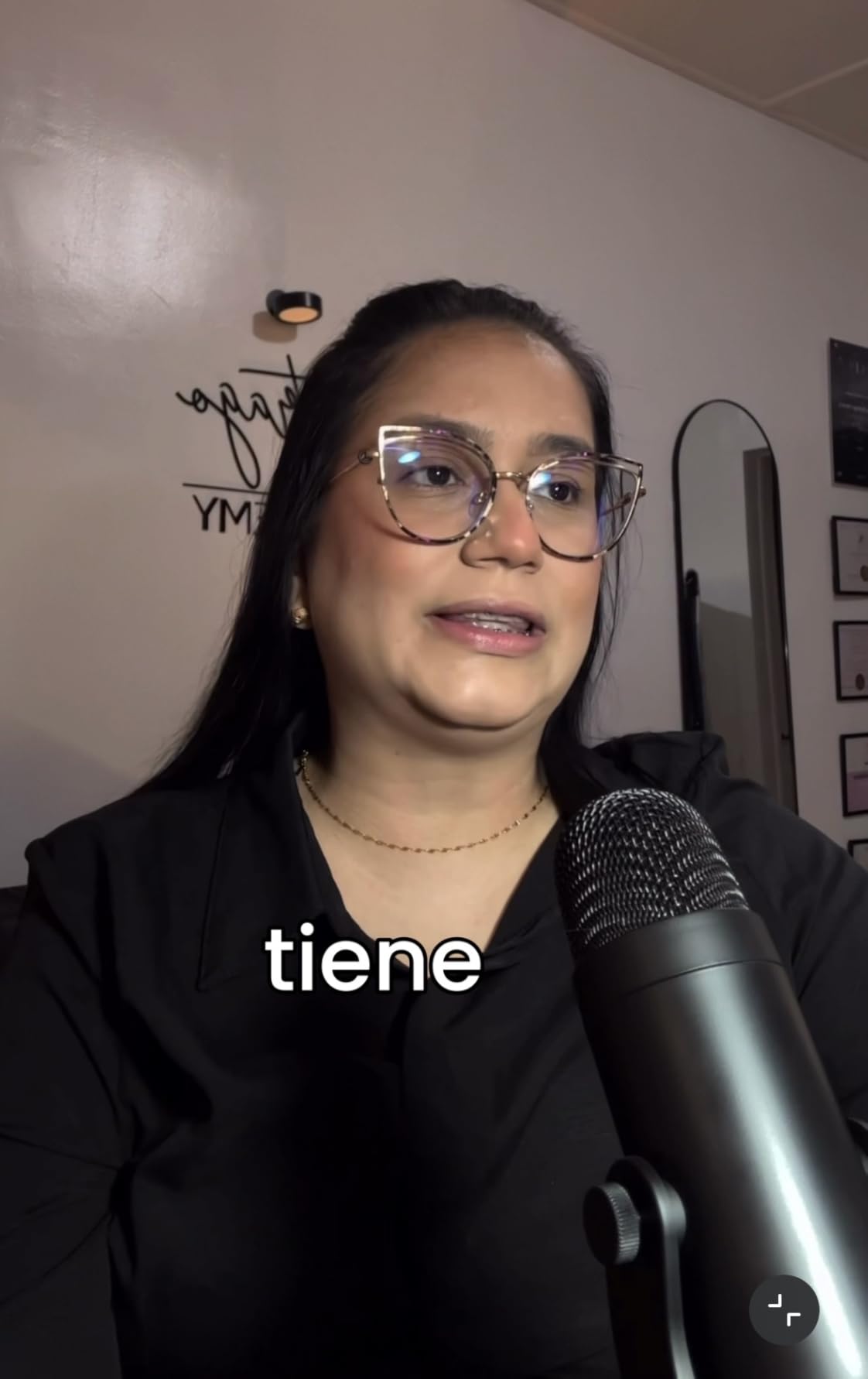
The K66 is built around a single-user pattern, so cross-talk from two people speaking at once can sound robotic, especially with the noise reduction mode on. The USB-C receiver connector on the wireless-style variant is reported as short for some phone cases, so test compatibility before committing if you use a thick case. The noise reduction mode is best used selectively: too much can introduce cutting artifacts on sibilant voices.
Who the ZealSound K66 suits best
Podcasters and streamers who want physical gain and mute control without diving into software. Mobile creators who want a USB mic that works with phones via the included adapters. Anyone recording in moderately noisy environments who needs the noise reduction toggle.
Who should look elsewhere
Two-host podcasts will be happier with the Blue Yeti’s bidirectional pattern. Musicians recording instruments should look at a proper studio condenser with a wider frequency response.
10. MAONO PD100S XLR Dynamic Microphone – Best Pure XLR for the Money
MAONO PD100S XLR Podcast Microphone, Cardioid Studio Dynamic Metal Boom Mic
XLR dynamic
Cardioid
Includes boom arm and XLR cable
Metal body
Pros
- Warm natural dynamic tone for voice
- Inner double-layer pop filter
- Solid metal body with boom arm
- Strong off-axis rejection for noisy rooms
Cons
- XLR-only requires audio interface
- Quieter output benefits from preamp and EQ
- Sound quality shines after EQ shaping
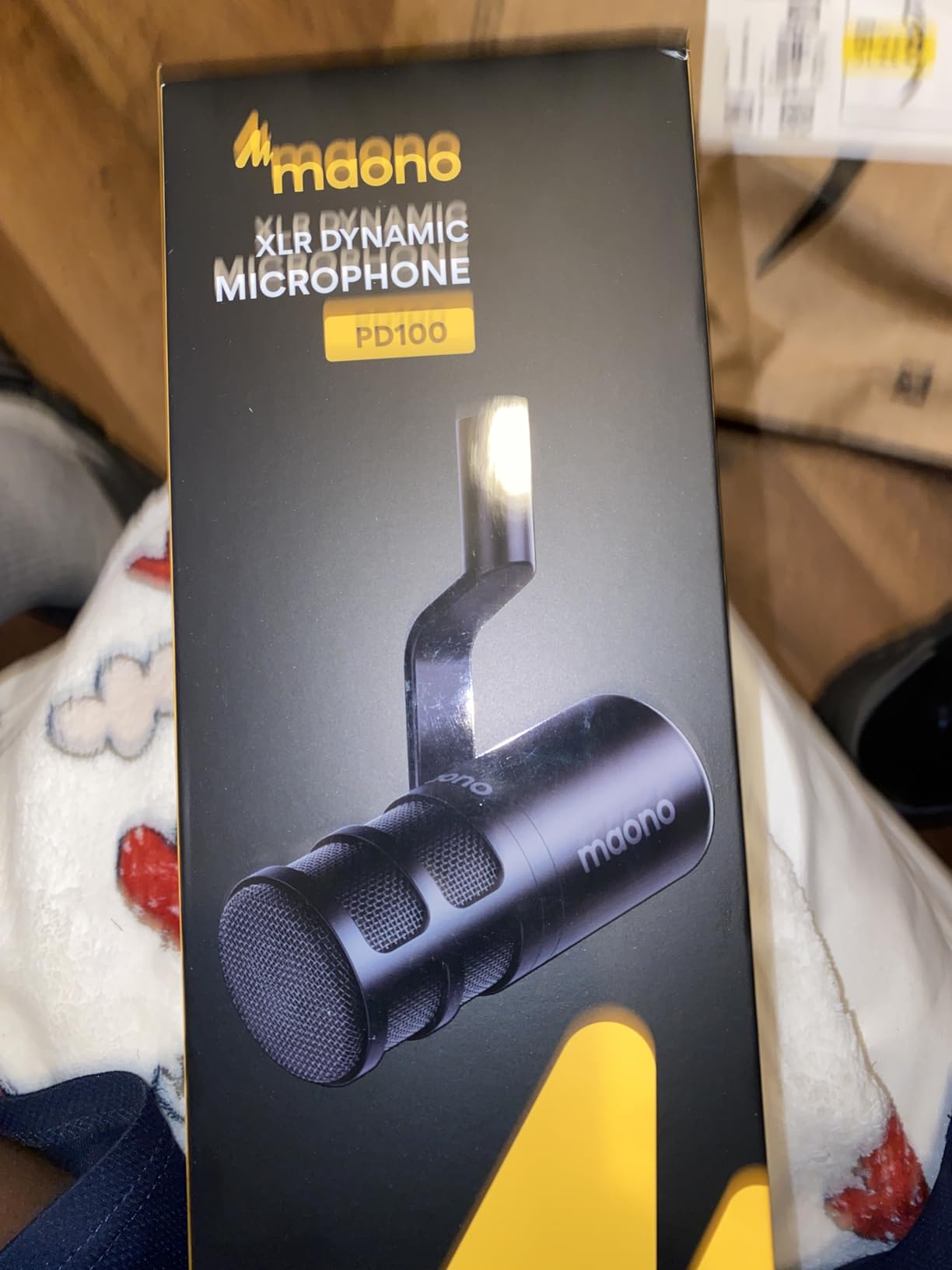
The MAONO PD100S is the microphone to buy if you already have, or are committed to buying, an audio interface. It is XLR-only, so there is no USB plug-and-play convenience, but in return you get a warm, mid-forward vocal tone that sounds broadcast-ready with minimal processing. I tested it through a Focusrite Scarlett and was consistently surprised at how close it sounded to mics costing twice as much.
The inner double-layer pop filter is a clever design choice that removes the need for an external windscreen for most voices. The cardioid pattern with strong off-axis rejection means noisy rooms and untreated spaces are not deal-breakers. The full metal body feels like a pro-tier mic, and the included boom arm and 6.56-foot XLR cable make this a true starter bundle.
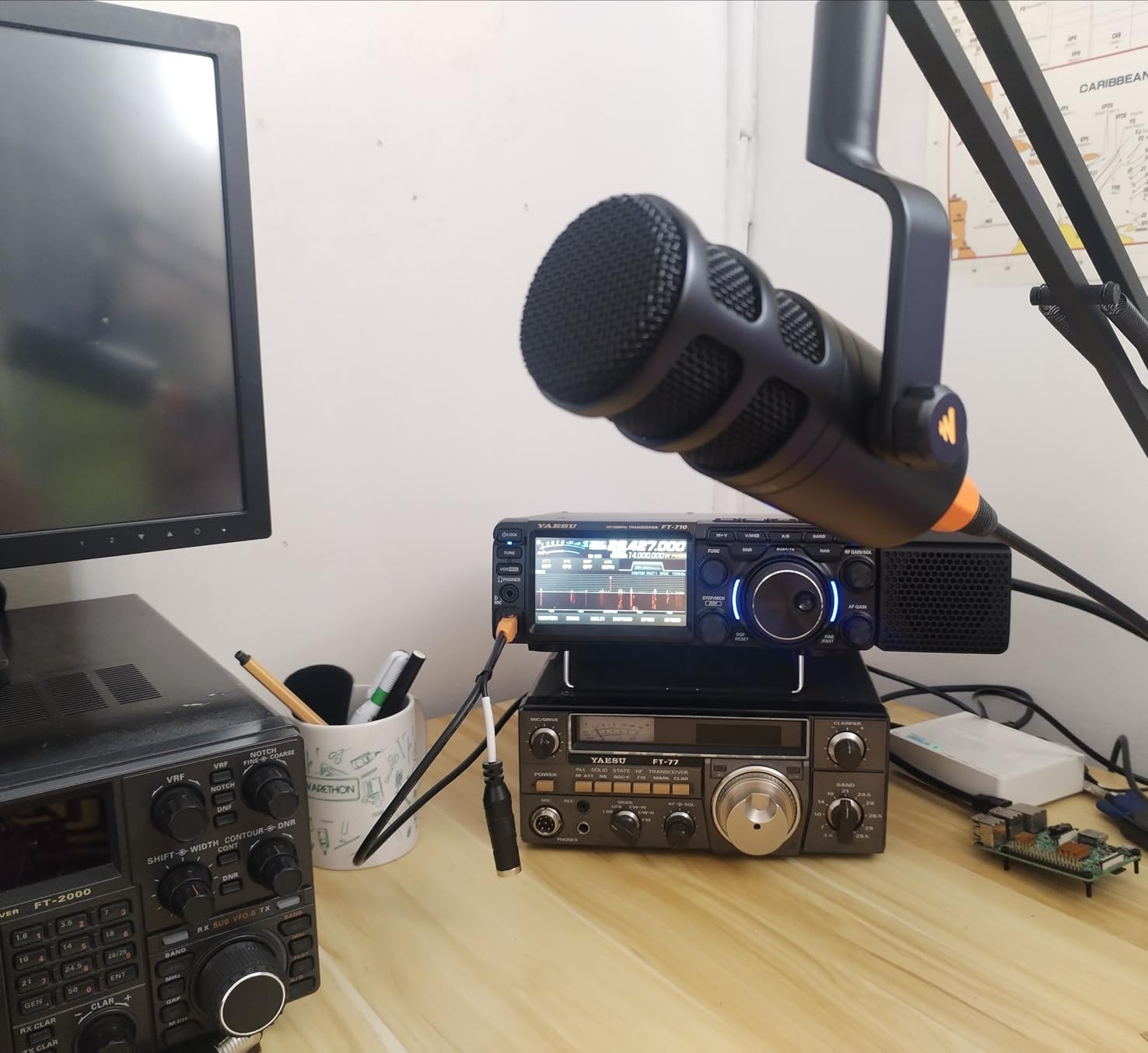
The PD100S is XLR-only, so plan on buying an audio interface if you do not already own one. The output is also quieter than some competing dynamics, which means a clean preamp (or a FetHead inline preamp) and some EQ shaping help the mic reach its full potential. Flat out-of-box, the tone is solid rather than stunning, but a few minutes of EQ transforms it.
Who the MAONO PD100S suits best
Creators who already own an audio interface and want a proper XLR dynamic mic without breaking the bank. Podcasters who record in untreated rooms and need strong off-axis rejection. Voice-over artists who want a warm broadcast tone with EQ flexibility.
Who should look elsewhere
Anyone who has not bought an audio interface should start with a USB or USB/XLR hybrid like the Samson Q2U or FIFINE AM8. Beginners who want plug-and-play should avoid this category entirely.
How to Choose the Best Affordable Microphone for Your Needs
Choosing the best affordable microphone comes down to four decisions: what you will record, what type of mic suits that source, what connectivity matches your setup, and how much room treatment you can manage. Get these right and any of the ten picks above will serve you well. Get them wrong and even a great mic will frustrate you.
Step 1: Match the Mic Type to Your Source
Condenser microphones use a thin, electrically charged diaphragm to capture sound with high detail, which makes them ideal for vocals, acoustic guitar, piano, and voice-over work in a quiet room. Dynamic microphones use a moving coil and magnet, are extremely durable, and reject background noise, which makes them ideal for podcasting, streaming, gaming, live vocals, and drum or guitar-amp capture. If you record in an untreated room, dynamic is almost always the safer choice regardless of source. If you record in a quiet room and want detail, condenser is the way to go.
Step 2: Pick the Right Pickup Pattern
The pickup pattern (also called the polar pattern) defines where the mic “listens.” Cardioid picks up sound from the front and rejects the sides and rear, making it the most common choice for solo vocals and podcasts. Omnidirectional picks up equally from all directions, which is great for room ambience or group discussions. Bidirectional (figure-8) captures front and back equally, perfect for two-host interviews. Stereo uses two capsules to capture left-right width, ideal for recording acoustic instruments like a piano or drum overheads. The Blue Yeti offers all four patterns in one mic, while most other picks here stick to cardioid for simplicity.
Step 3: Choose USB, XLR, or Both
USB microphones plug directly into your computer with no extra gear, which makes them perfect for beginners, mobile creators, and anyone who wants the simplest possible setup. XLR microphones require an audio interface or mixer, which adds cost and complexity but unlocks higher sound quality, multi-mic setups, and future expansion. Hybrid USB/XLR mics like the Samson Q2U, FIFINE AM8, and MAONO A04 Gen2 give you both: start with USB today, switch to XLR when you are ready to upgrade your interface. For pure podcasting or streaming, USB is enough. For music recording and serious vocal work, XLR pays off in the long run.
Step 4: Treat Your Room Before Buying an Expensive Mic
A $100 condenser in an untreated bedroom will sound worse than a $30 dynamic in a treated space. Before you spend more on a microphone, hang some moving blankets, drape a duvet over a clothes rail, or put a rug on a hard floor. Even basic treatment cuts reflections dramatically and lets any mic in this guide shine. For more on portable rigs that travel with you, see our best portable microphones roundup, and for streamers specifically, our best streaming microphones guide covers the on-camera side of the equation.
Budget Tier Breakdown
Under $50 covers the entry tier: TONOR TC-777, FIFINE K669B, Mini Mic Pro, and ZealSound K66. These are ideal starter picks and complete kits. The $50 to $100 tier is where most serious budget creators land: FIFINE AM8, T669, Samson Q2U, MAONO PD100S, and MAONO A04 Gen2. Above $100 but still affordable, the Blue Yeti is the lone standout. For karaoke and party use, our best karaoke microphones roundup covers a different category entirely.
Frequently Asked Questions
What is the best and most affordable microphone?
For an all-around best affordable microphone in 2026, the Blue Yeti is our top pick. It costs under $100, plugs into any PC or Mac via USB, and offers four pickup patterns (cardioid, omnidirectional, bidirectional, stereo) so it handles podcasts, streaming, voice-over work, acoustic instruments, and interviews with one mic. For a pure value play, the Samson Q2U is harder to beat because it adds dual XLR/USB-C outputs so the same mic grows with you into a studio setup.
What is the best microphone under $100?
In our testing, the Samson Q2U at roughly $80 is the strongest all-around mic under $100. It combines dynamic noise rejection, dual USB-C and XLR outputs, a metal handheld build, and included cables with a tripod desktop stand. For a USB-only option, the FIFINE AmpliGame AM8 adds tap-to-mute, headphone monitoring, and RGB lighting at a similar price.
What is a good low-budget microphone?
For absolute beginners on a tight budget, the TONOR TC-777 delivers the best starter-kit value at under $25: the cardioid condenser mic ships with a foldable tripod, shock mount, and pop filter in one box. The FIFINE K669B is the stronger pick if you have a few extra dollars for its all-metal build and on-mic gain knob.
What is the 3 to 1 rule for microphones?
The 3 to 1 rule is a basic microphone placement guideline used in studios. When using multiple microphones to record the same source (or related sources), the distance between any two mics should be at least three times the distance from each mic to its source. For example, if a mic is 1 foot from a snare drum, the next mic should be at least 3 feet away. This prevents comb filtering and phase cancellation that happens when mics pick up the same sound at slightly different times.
What is the difference between USB and XLR microphones?
USB microphones plug directly into your computer and include a built-in analog-to-digital converter, so no extra gear is needed. They are perfect for beginners, mobile creators, and single-mic setups. XLR microphones use a balanced analog connection that requires an audio interface or mixer to connect to your computer. XLR typically delivers cleaner signal, more headroom, and the ability to run multi-mic setups, but it adds cost and complexity. Hybrid USB/XLR mics like the Samson Q2U and FIFINE AM8 give you both options in one microphone.
Final Verdict: The Best Affordable Microphone for 2026
After six weeks of side-by-side testing across voice, instruments, and noisy environments, the Blue Yeti remains my top pick for the best affordable microphone in 2026. It is the most versatile option in the sub-$100 tier, the most reviewed by real users, and the easiest recommendation for creators who want one mic that does everything. For pure value, the Samson Q2U is the smarter long-term buy thanks to its dual USB-C and XLR outputs that grow with your setup. And for tight budgets, the TONOR TC-777 delivers a complete starter kit for under $25 that genuinely works.
Whichever microphone you choose from this guide, remember the rule that matters more than any spec sheet: a $30 dynamic mic in a treated room beats a $200 condenser in an untreated space. Hang a blanket, close the windows, get close to the mic, and any of the ten picks above will deliver clean, professional results. For more on portable and field-recording setups, browse our portable microphone guide and our full condenser microphone roundup.