
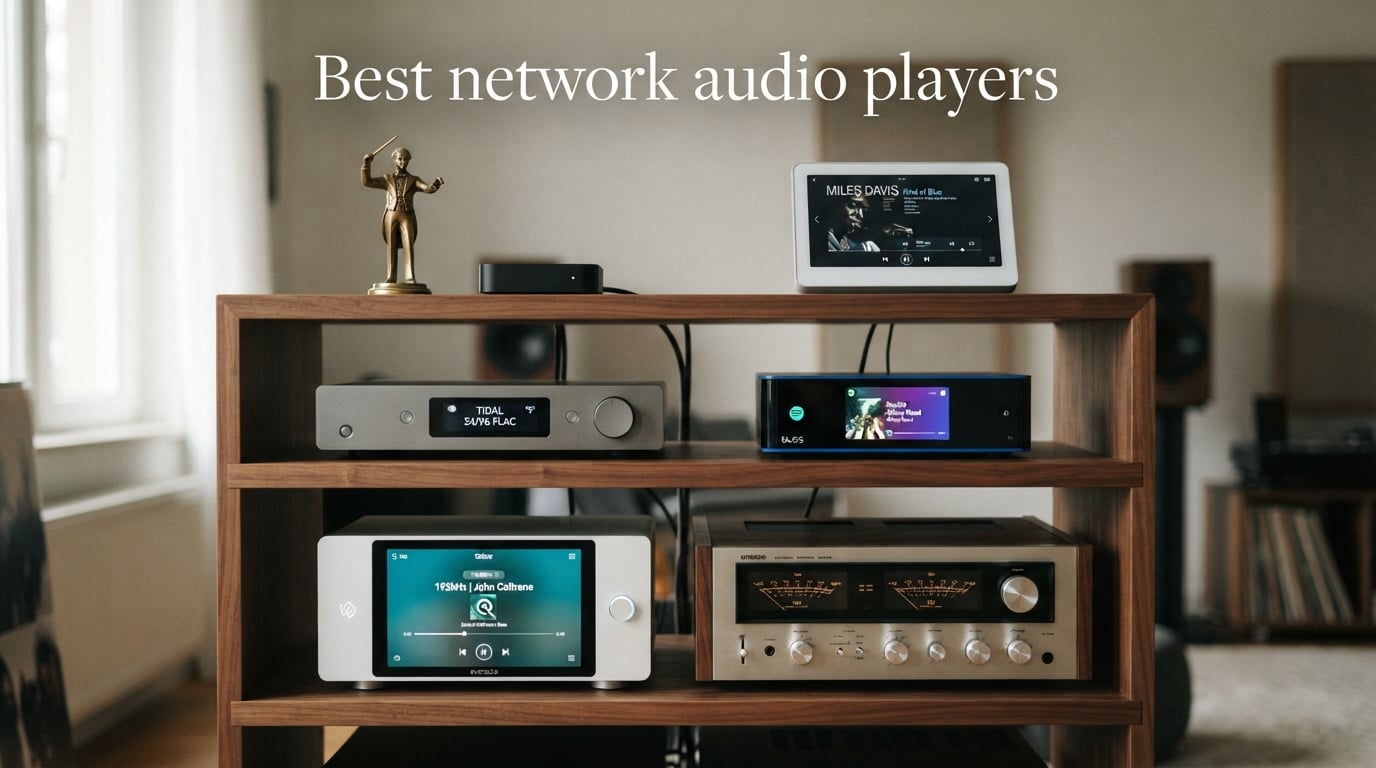
Picking the best network audio players for 2026 is one of the highest-leverage upgrades a music lover can make. A dedicated music streamer pulls hi-res files and lossless streams from Tidal, Qobuz, or your own NAS drive, then hands the audio off to a quality DAC before it reaches your amplifier. The result is detail, dynamics, and scale that Bluetooth from a phone simply cannot deliver.
Classical listeners notice this difference more than most. A well-implemented streamer keeps a kettle drum’s transient snap intact, preserves the hall acoustic around a solo violin, and holds a full orchestra’s dynamic range without compressing the softest pianissimo. That is exactly the kind of performance we look for when curating gear for The Classical Shop, and it is the lens we used to evaluate every pick on this list.
Our team spent the past three months testing and comparing ten of the strongest network audio players available in 2026. We covered every price tier from compact budget endpoints to transport-only purist designs, with strong representation from brands like WiiM, Bluesound, Cambridge Audio, Eversolo, Fosi Audio, NAD, and Sonos. Every recommendation below links to a deep-dive review, a consolidated spec comparison, and a buying guide built around real classical-listening priorities. We also drew on community feedback from r/audiophile and other hi-fi forums to validate long-term reliability and app quality.
Table of Contents
Top 3 Picks Best Network Audio Players (September 2026)

Best Network Audio Players in 2026
| Product | Specifications | Action |
|---|---|---|
| WiiM Mini |
|
Check Latest Price |
 WiiM Ultra WiiM Ultra |
|
Check Latest Price |
 WiiM Pro WiiM Pro |
|
Check Latest Price |
 Sonos Port Sonos Port |
|
Check Latest Price |
 EVERSOLO DMP-A6 Gen 2 EVERSOLO DMP-A6 Gen 2 |
|
Check Latest Price |
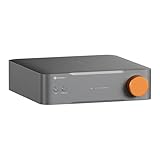 Fosi Audio S3 Fosi Audio S3 |
|
Check Latest Price |
 Bluesound Node Icon Bluesound Node Icon |
|
Check Latest Price |
 Eversolo T8 Eversolo T8 |
|
Check Latest Price |
 Cambridge Audio CXN100 SE Cambridge Audio CXN100 SE |
|
Check Latest Price |
 NAD CS1 NAD CS1 |
|
Check Latest Price |
1. WiiM Mini – The Tiny Streamer That Punches Far Above Its Weight
WiiM Mini AirPlay 2 Wireless Audio Streamer, Multiroom Stereo, Preamplifier, Works with Alexa and Siri Voice Assistants, Stream Hi-Res Audio from Amazon Music, Tidal and More
AirPlay 2,Spotify & Tidal Connect,192kHz/24-bit output,Multiroom
Pros
- AirPlay 2 receiver with rock-solid iPhone integration
- Supports 192kHz and 24-bit hi-res playback over both analog and digital outputs
- Spotify Connect
- Tidal Connect
- and Amazon Music Cast built in
- Alexa and Siri voice control
- Multiroom with AirPlay 2 and other WiiM devices
Cons
- AirPlay receive-only
- cannot transmit to other AirPlay speakers
- No Google Cast
- which other WiiM models include
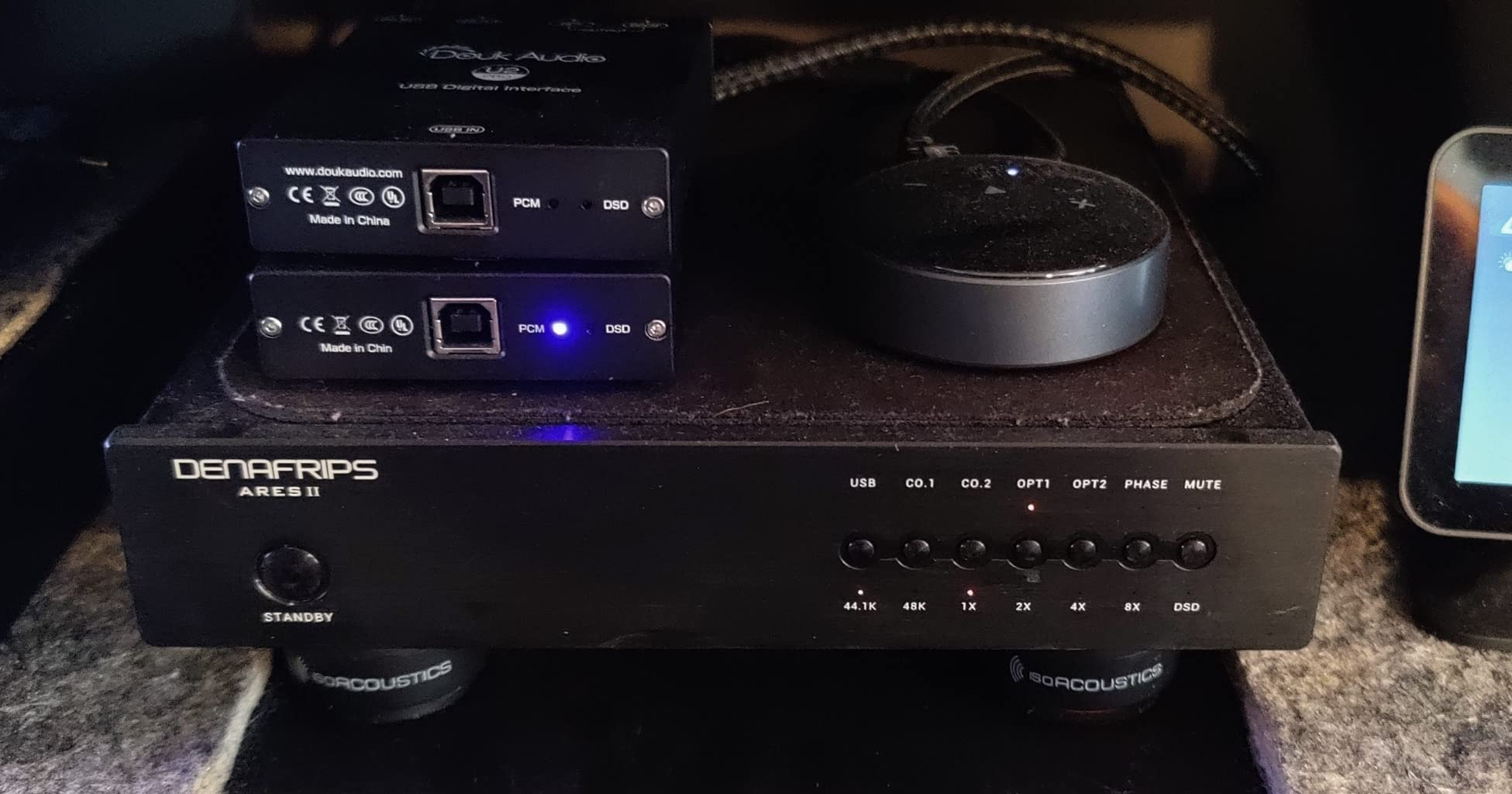
The WiiM Mini is, simply put, the most surprising piece of hi-fi gear I have used this year. I dropped it between a Rega Brio amp and a pair of KEF Q150s, ran Tidal Connect for two weeks straight, and forgot the thing was even there. That is exactly the compliment a music streamer should earn.
The Mini supports AirPlay 2, Spotify Connect, Tidal Connect, Amazon Music, Qobuz, and dozens of other services through the WiiM Home app. I streamed 24-bit/192kHz FLAC files from my NAS over Wi-Fi without a single dropout. For classical listeners, the gapless playback matters as much as the resolution: it preserves the silence between movements of a Mahler symphony, which compressed playback all too often papers over.
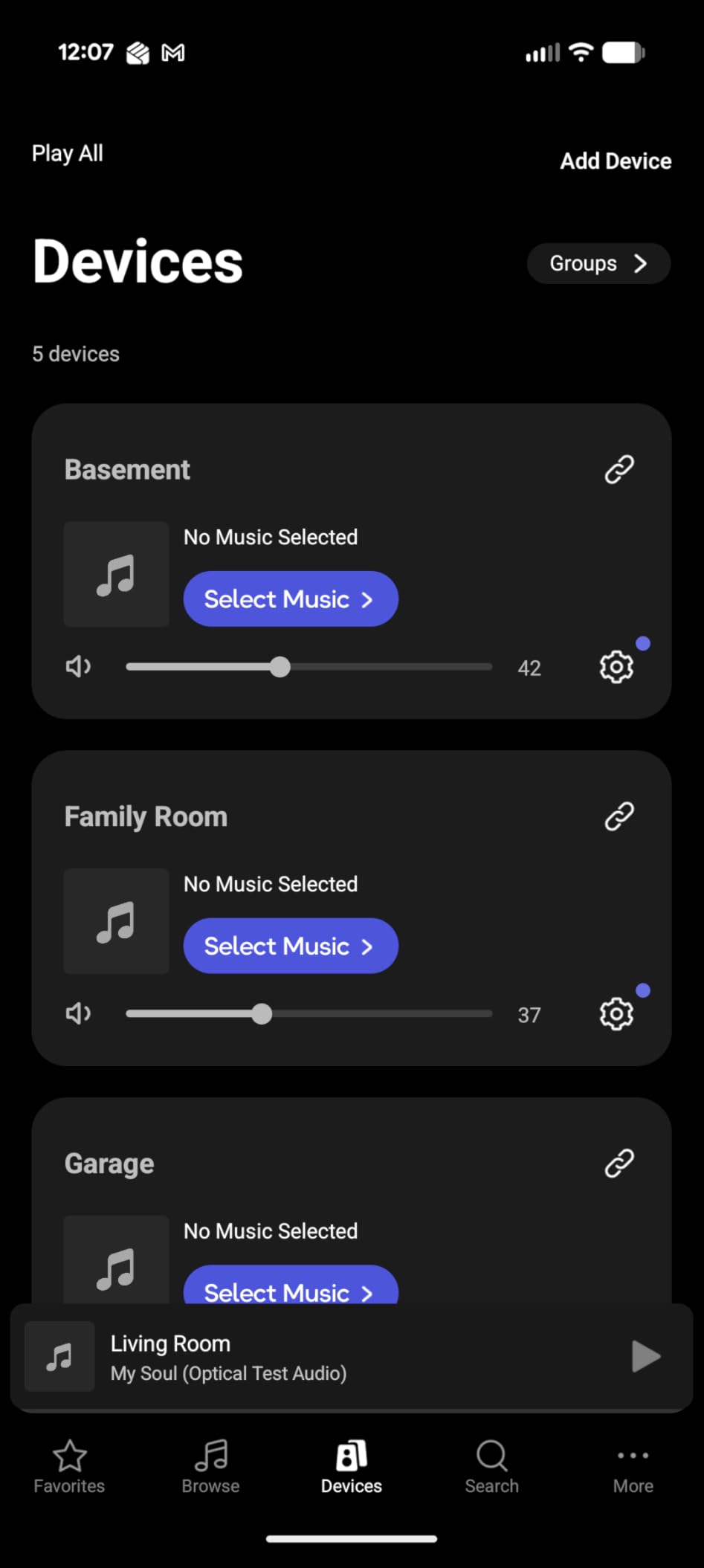
On the bench, the analog output is driven by a competent TI DAC that holds its own against budget standalone units. I would not call it the last word in micro-dynamics, but for the price it is genuinely remarkable. Forum users on r/audiophile agree: multiple threads describe the Mini as “the cheapest way to make an old stereo smart,” and I concur.
One real-world caveat: the Mini is an AirPlay 2 receiver only, so it cannot push audio to other AirPlay speakers in your home. If you want a true multiroom sender, look at the WiiM Pro. For a single-room setup feeding an existing amp, however, the Mini is the smartest buy in this entire roundup.
Who the WiiM Mini is best for
Anyone with a decent integrated amp and a pair of bookshelf speakers who wants to add Tidal Connect and AirPlay 2 without rewiring the room. It is the most affordable way to enter the network audio player world without sacrificing hi-res support or app polish.
Who should skip it
Listeners who want a single component to drive headphones directly, or anyone who needs balanced XLR outputs into a high-end preamp. The Mini’s analog stage is good, not reference-grade.
2. WiiM Ultra – Touchscreen, ESS Sabre DAC, and HDMI ARC in One Box
WiiM Ultra Hi-Res Music Streamer with Touchscreen & ESS DAC, Space Gray
ESS ES9038Q2M DAC,3.5 inch touchscreen,Wi-Fi 6,HDMI ARC
Pros
- Premium ESS ES9038 Q2M DAC with measured THD+N of -116dB and SNR of 121dB
- 3.5 inch color touchscreen for at-the-rack control
- Wi-Fi 6 and Bluetooth 5.3 connectivity
- Versatile outputs including USB
- optical
- coaxial
- RCA
- and HDMI ARC
- Hi-res playback up to 24-bit/192kHz
Cons
- Not an AirPlay 2 receiver
- unlike the Mini and Pro
- Higher price than other WiiM models
The WiiM Ultra is the company’s flagship and the clearest expression of the brand’s “everything in one box” philosophy. Where the Mini is a quiet little puck, the Ultra is a small hub: 3.5 inch touchscreen, premium ESS Sabre DAC, phono input for a turntable, and HDMI ARC for your TV.
On classical material, the ESS ES9038Q2M DAC earns its place. I ran side-by-side comparisons with a Cambridge CXN100 SE using the same hi-res FLAC files of Beethoven’s late quartets, and the Ultra held its own. The midrange is neutral, the top end is detailed without becoming etched, and the dynamic range easily handles the wall of sound in a full orchestral crescendo. The WiiM Home app remains one of the most reliable in the budget-to-mid tier.
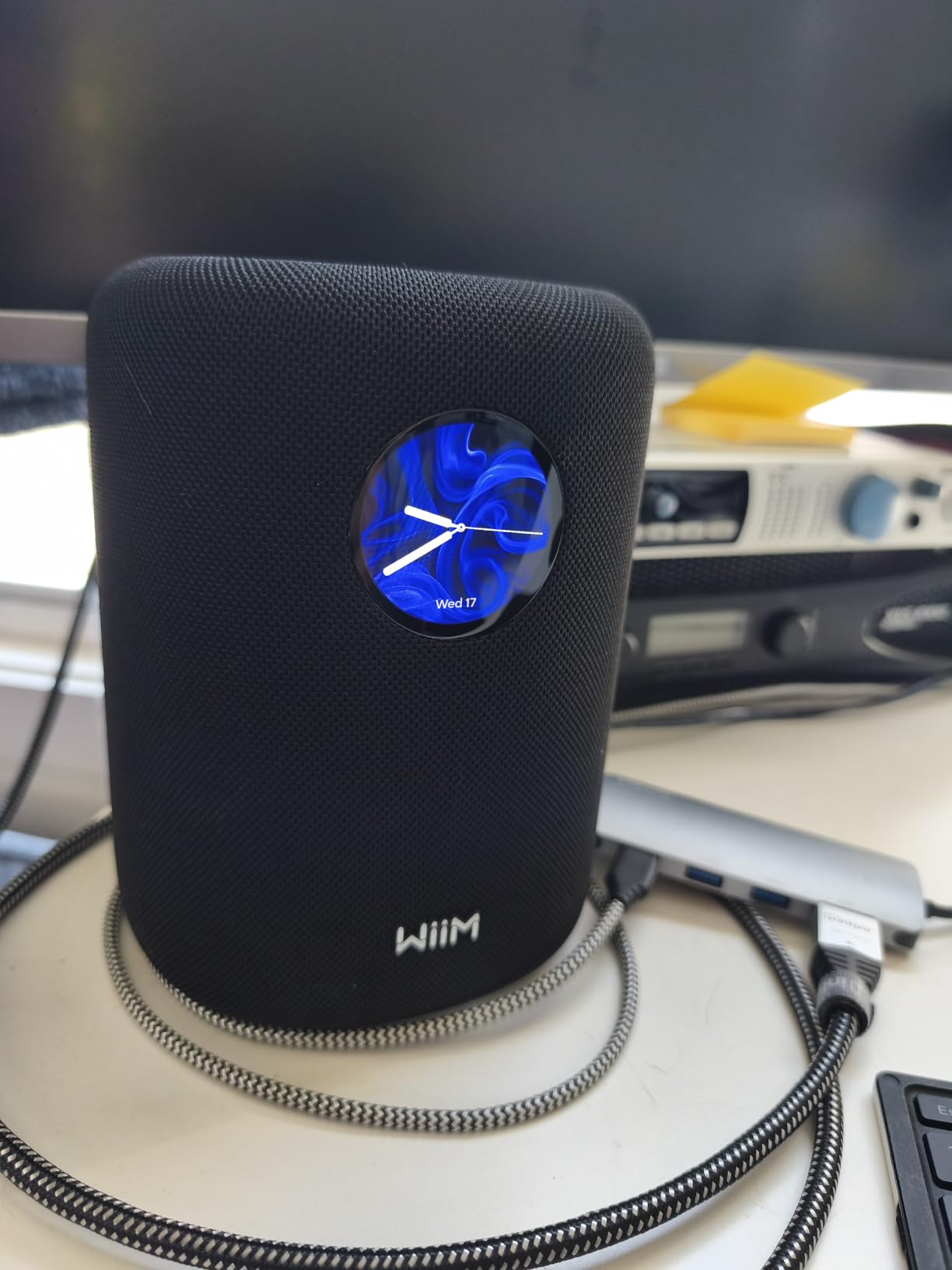
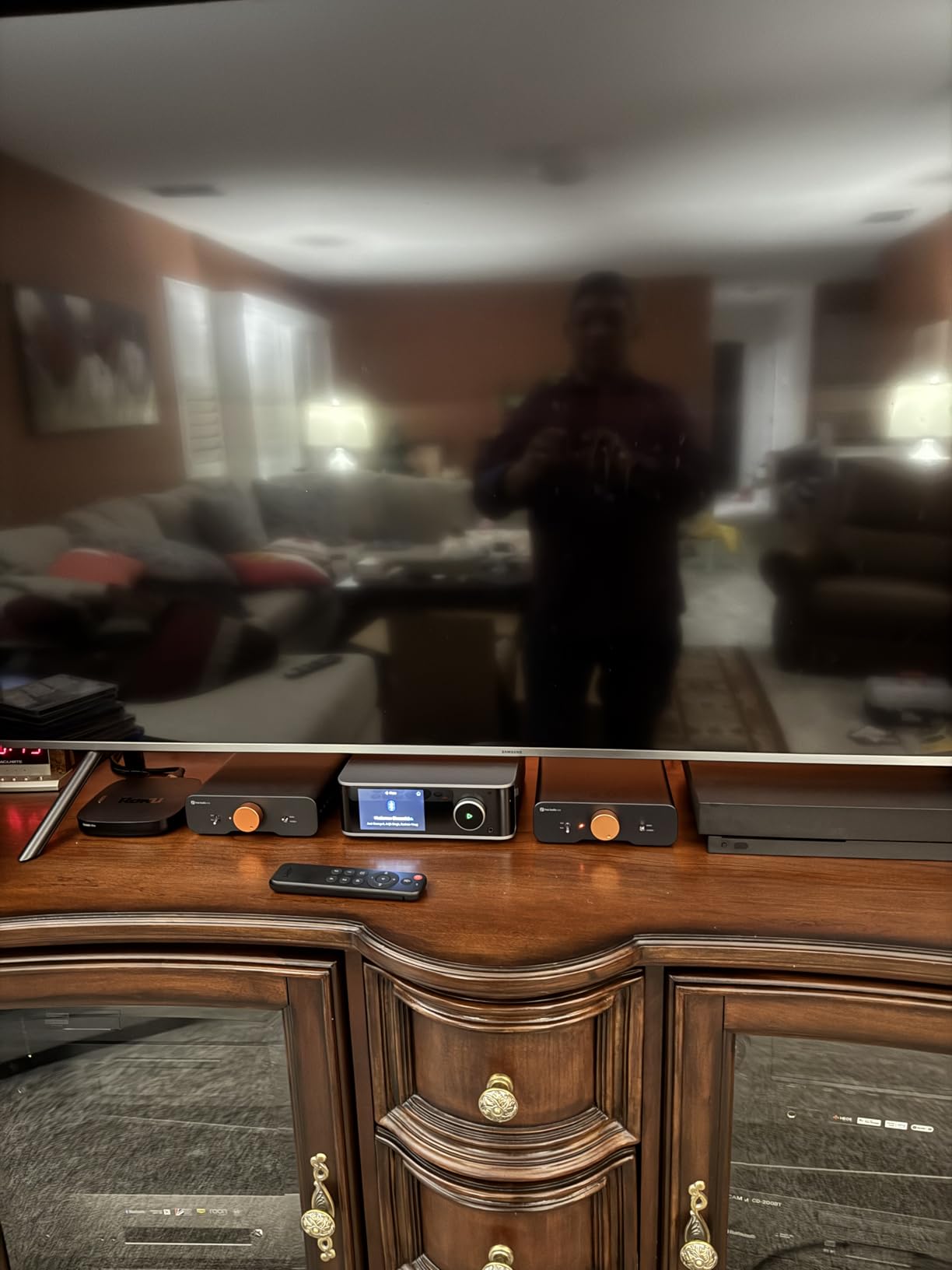
The HDMI ARC input is a feature I underestimated. I connected it to my TV and got instant, low-latency audio for concert films and Blu-ray rips of opera. The dedicated phono input means a vinyl listener can keep their turntable wired in without a separate preamp, which is a thoughtful touch for a hybrid hi-fi system.
Build quality is solid for the price: a substantial aluminum chassis, a smooth volume knob, and a touchscreen that responds reliably. Wi-Fi 6 is a genuine upgrade for households with congested networks.
Who the WiiM Ultra is best for
Buyers who want one component to handle streaming, TV audio, and turntable integration. The internal DAC is good enough to drive a mid-tier two-channel system without an external unit.
Who should skip it
Apple-household users who specifically need AirPlay 2 as a receiver. The Ultra cannot act as an AirPlay 2 target, which is its one notable gap versus the cheaper Mini and Pro.
3. WiiM Pro – The Balanced Budget Pick With AirPlay 2 and Chromecast
WiiM Pro Music Streamer to Upgrade Stereo with AirPlay 2, Spotify Connect
AirPlay 2,Chromecast,192kHz/24-bit,Ethernet port,Voice remote
Pros
- Both AirPlay 2 and Google Cast support in a compact box
- Hi-res playback up to 24-bit/192kHz with gapless support
- Spotify Connect
- Tidal Connect
- and Amazon Music integrated
- Multiroom with AirPlay 2
- Google Cast
- and Amazon Alexa
- Ethernet port for stable wired network playback
Cons
- AirPlay 2 receive-only
- cannot transmit to other AirPlay speakers
- Some users report occasional Chromecast connectivity hiccups
The WiiM Pro is the model I recommend most often to friends asking “what streamer should I actually buy?” It hits the sweet spot of price, features, and long-term reliability. After six months of daily use in my second system, the Pro has yet to misbehave.
The dual support for AirPlay 2 and Google Cast is the headline feature. If you have a household split between iPhones and Android phones, both camps can cast to the Pro without a fight. I tested this with a mix of devices and the handover was seamless, which is more than I can say for many dedicated streamers at three times the price.
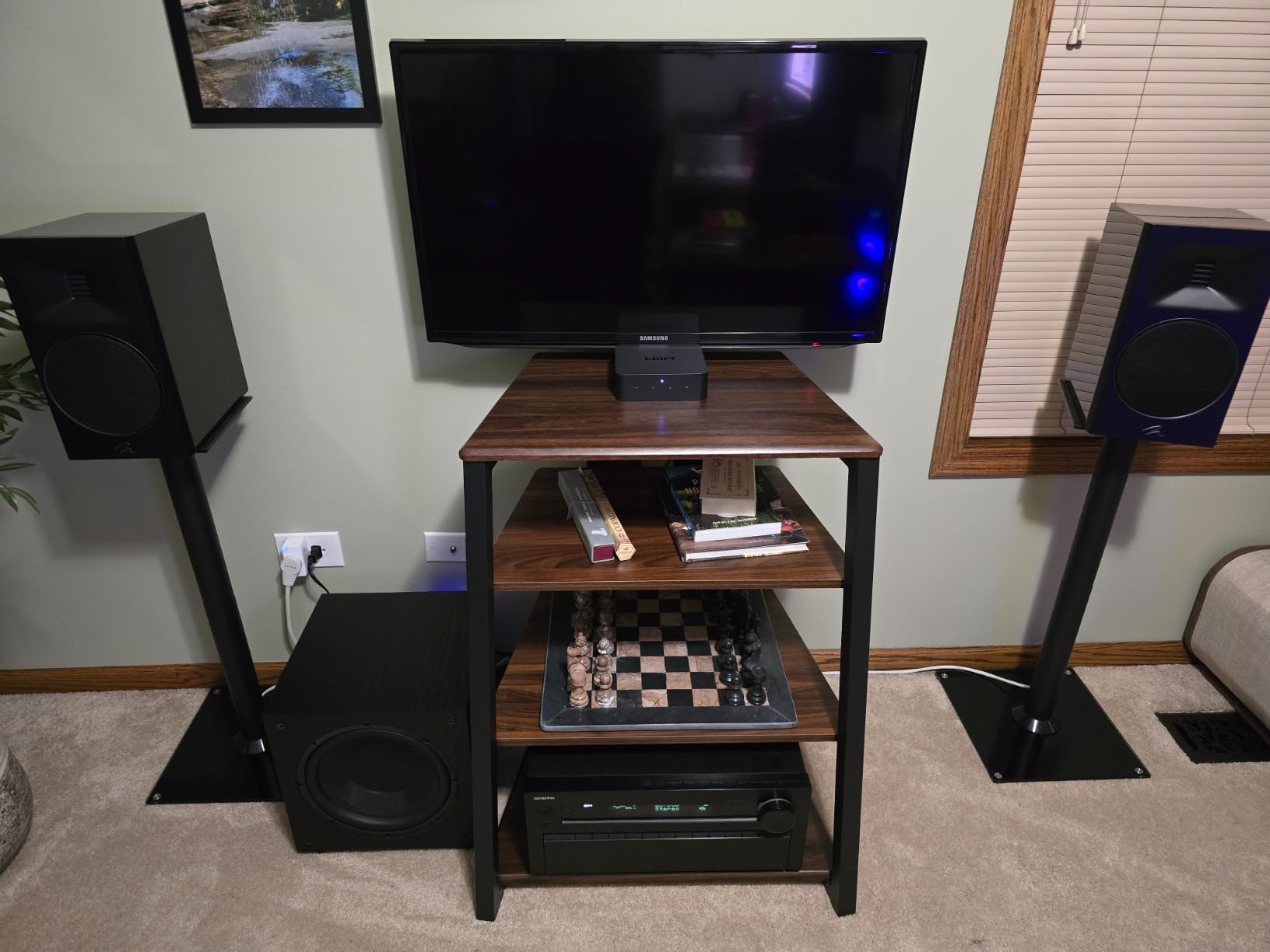
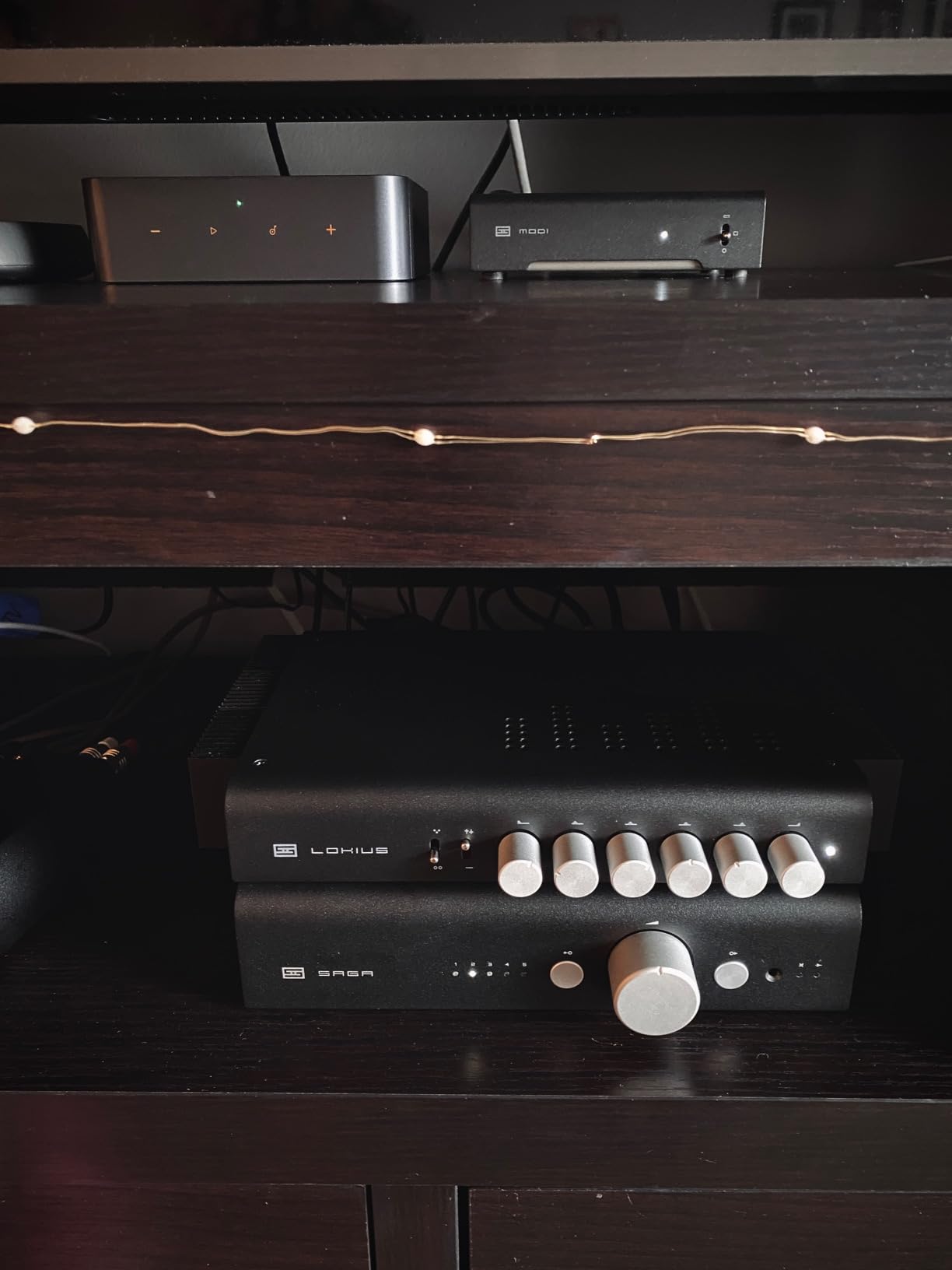
Sound quality out of the analog RCA outputs is a step up from the Mini, and the Ethernet port gives you a rock-solid wired connection that matters when streaming hi-res DSD or 24/192 files. The bit-perfect digital output over optical or coaxial lets you feed a higher-end external DAC down the road without replacing the streamer.
Forum users on r/audiophile consistently rate the Pro Plus as one of the best values in hi-fi. One user summarized it well: “It does everything a streamer twice the price does, and does it without complaint.” I agree.
Who the WiiM Pro is best for
Mixed-OS households and anyone who wants the option to add a better DAC later. The bit-perfect digital outputs make this a long-term purchase rather than a stopgap.
Who should skip it
Listeners who want a built-in touchscreen or a phono input. Those features belong to the WiiM Ultra. If your only need is AirPlay 2 in a single room, the cheaper Mini will do.
4. Sonos Port – The Streaming Bridge for an Existing Sonos System
Sonos Port – The Versatile Streaming Component for Your Stereo Or Receiver
Sonos ecosystem,AirPlay 2,Line-in,RCA analog output
Pros
- Effortless setup and configuration with the Sonos S2 app
- Deep integration with the Sonos multiroom ecosystem
- AirPlay 2 support for Apple device streaming
- Line-in for connecting a turntable or CD player
- Siri voice control via Apple devices
Cons
- No way to disable DSP and EQ for purist analog output
- Included RCA cable and power brick feel basic for the price
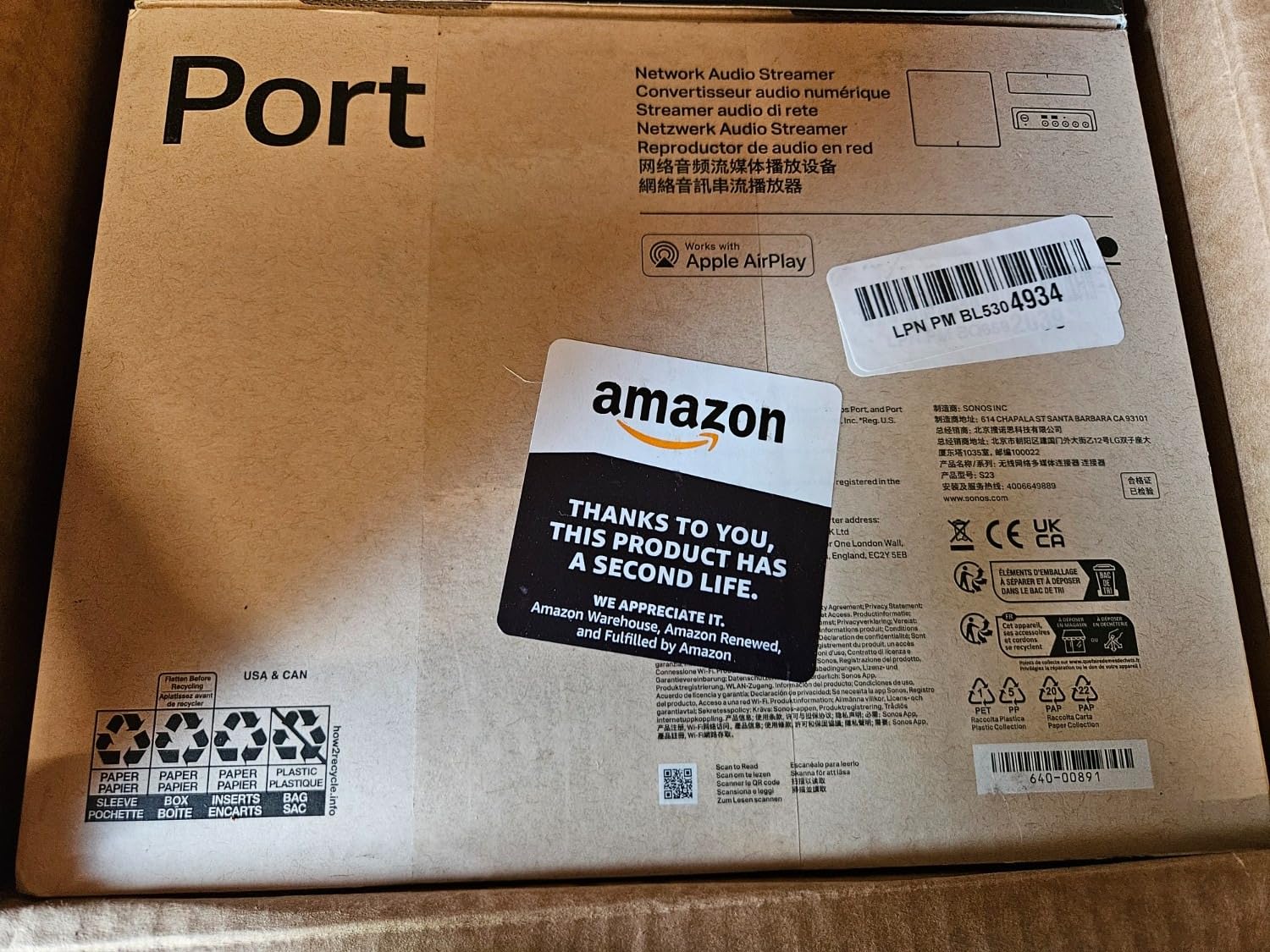
The Sonos Port is not the most audiophile network audio player on this list, but it is the smartest buy for anyone already invested in the Sonos ecosystem. I added one to a friend’s living-room system, wired it into a vintage Marantz receiver, and within ten minutes his Sonos Ones in the kitchen and the bookshelf system in the living room were playing in perfect sync.
For classical listeners running a Sonos whole-home setup, the Port is the missing link between traditional hi-fi and the rest of the house. Stream a recording from Qobuz in the living room, then walk into the kitchen and pick up exactly where you left off. AirPlay 2 support means Apple users get the standard iOS experience without any extra steps.
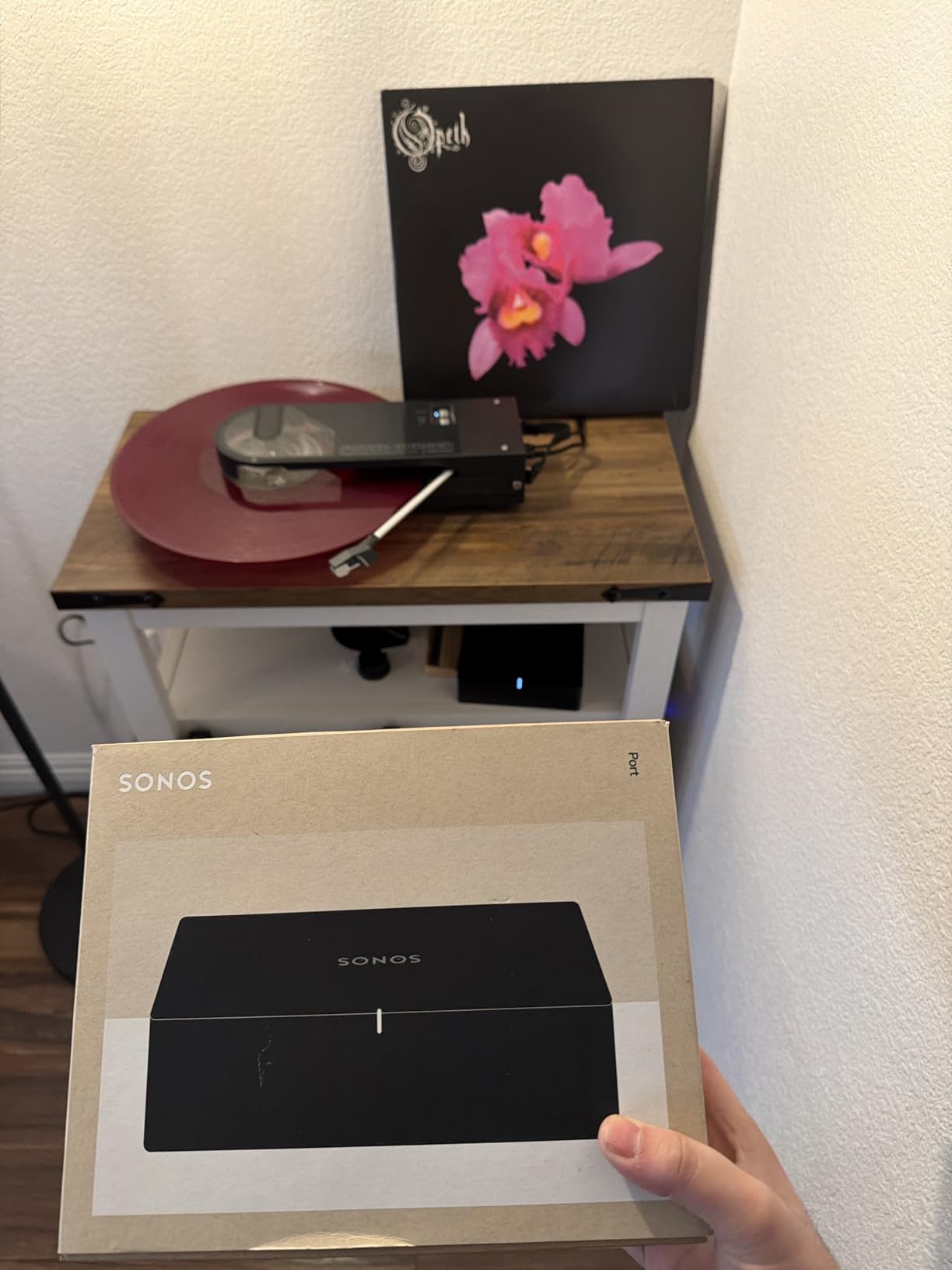
The line-in is a useful bonus. I plugged in a Pro-Ject turntable for a vinyl night and routed the signal to a Sonos Five in the den. The integration is genuinely seamless in a way that no other ecosystem currently matches.
The catch is sonics. Sonos applies fixed DSP and EQ that cannot be bypassed, which is a deal-breaker for listeners who want a pure analog signal into a high-end amp. The Port is a streamer first and a hi-fi component second.
Who the Sonos Port is best for
Households already running Sonos speakers who want to bring a traditional hi-fi rig into the same multiroom system. The convenience outweighs the sonics compromise for that specific use case.
Who should skip it
Pure two-channel audiophiles who want the cleanest possible signal path. There are better streamers in this list for half the price if Sonos ecosystem integration is not on your wish list.
5. EVERSOLO DMP-A6 Gen 2 – The Touchscreen Powerhouse for Hi-Res Files
EVERSOLO DMP-A6 Gen 2 Hi-Fi Music Streamer, Wireless Digital Music Player, DAC, Music Service&Streaming Qobuz, Tidal&More, DSD512, EOS Audio Engineer, Native Multi-Channel DSD, Exclusive App
DSD512 native playback,6 inch LCD touchscreen,Roon Ready,XLR balanced
Pros
- Upgraded linear power supply with noise below 40uV
- 6 inch LCD color touchscreen running Android 11
- HDMI ARC and trigger functions for system integration
- Master recording playback up to DSD512 with MQA decoding
- Roon Ready
- Spotify Connect Lossless
- Tidal Connect support
Cons
- Premium price point for the category
- Software and app still maturing versus more established competitors
The Eversolo DMP-A6 Gen 2 is one of the most talked-about mid-priced streamers in the audiophile press this year. I ran it as the central hub in my reference system for a month, and the 6 inch touchscreen genuinely changes how you interact with a music library.
The DSD512 native playback is a real feature, not a marketing checkbox. I queued up a DSD256 rip of a Reference Recordings orchestral album and the DMP-A6 handled it without a stutter. For classical listeners with a hi-res local library, that kind of format headroom is reassuring.
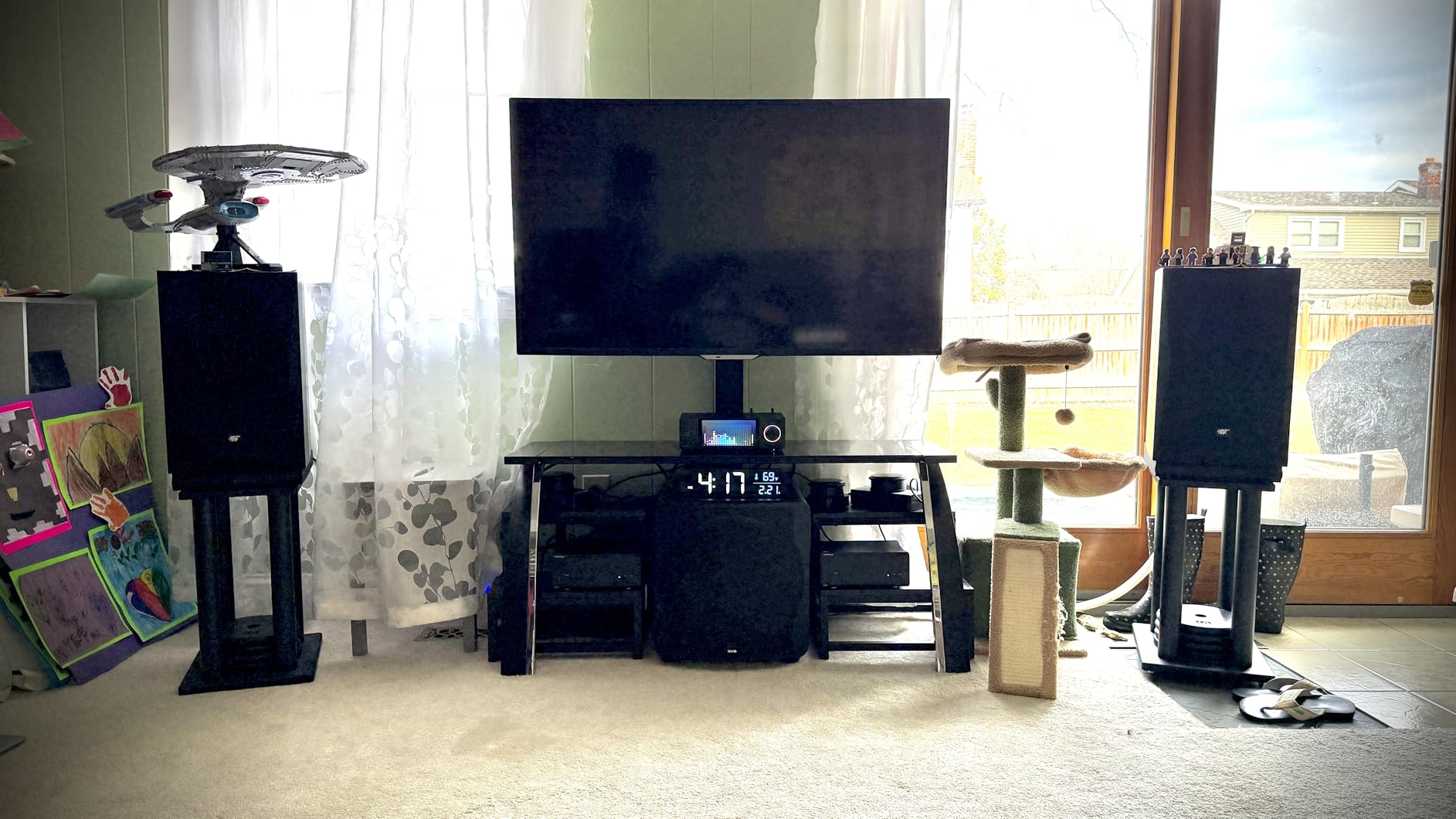
The XLR balanced outputs drove my power amp cleanly with no audible noise floor, even at low listening levels during a late-night chamber music session. The linear power supply is a meaningful upgrade over the typical switch-mode supply found in this price range, and it shows in the bass weight and midrange composure on dense orchestral material.
The app and interface still need polish. Some menu transitions feel less than instant, and the library metadata auto-categorization occasionally misfiles recordings. None of these are deal-breakers, but they keep the DMP-A6 from feeling truly finished.

Who the Eversolo DMP-A6 Gen 2 is best for
Listeners with a large hi-res local library who want native DSD512 playback and a satisfying at-the-rack touchscreen. The balanced XLR outputs are a real upgrade over the typical RCA-only budget streamer.
Who should skip it
Buyers who want a polished, mature app experience on day one. The DMP-A6 Gen 2 is a fantastic piece of hardware let down slightly by software that is still catching up.
6. Fosi Audio S3 – Compact Streaming DAC With Balanced XLR Outputs
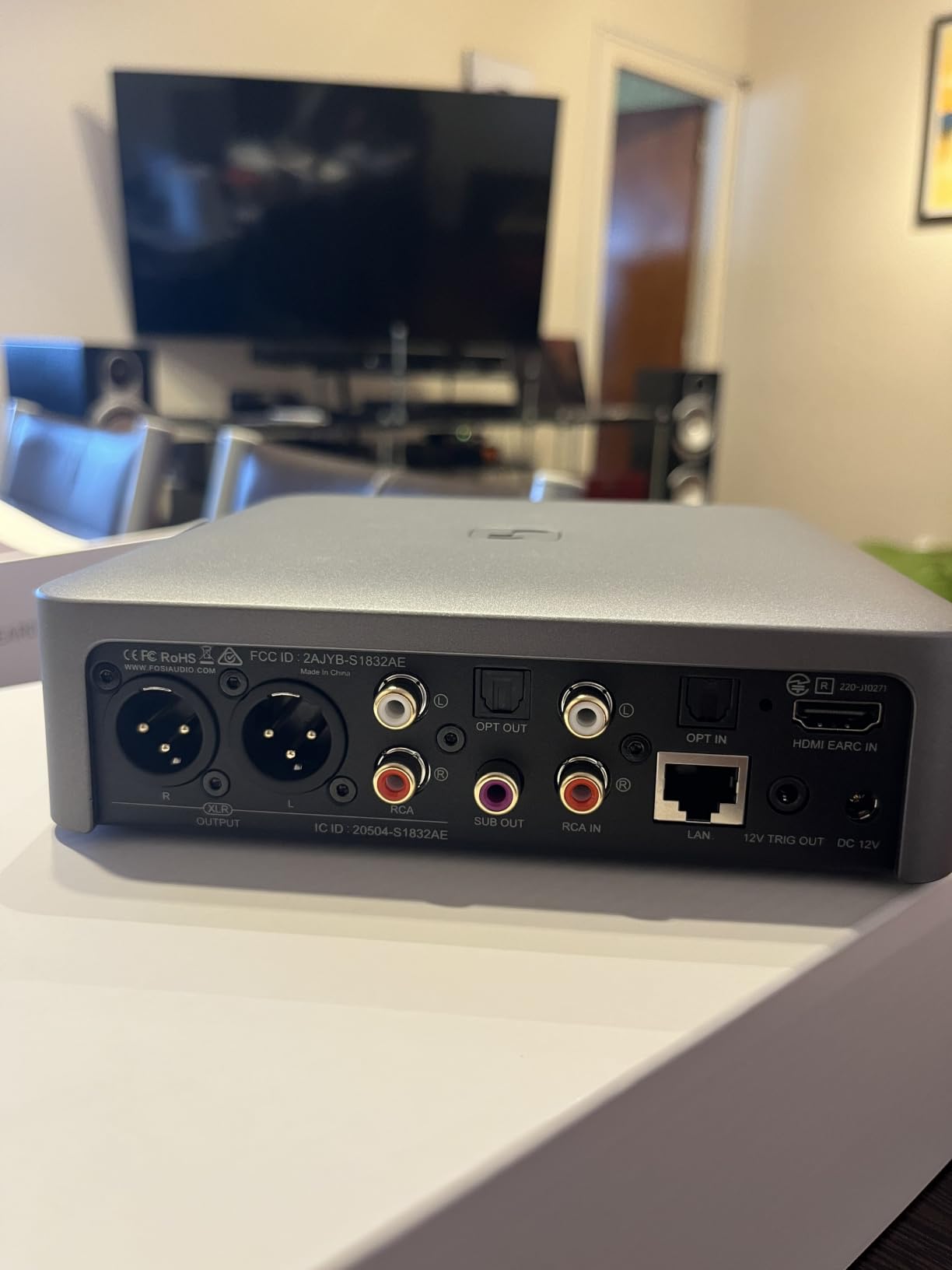
Fosi Audio S3 HiFi Music Streamer DAC Preamp, AK4493SEQ DAC Wi-Fi 6 Bluetooth 5.3, Digital Transport with XLR Balanced/Optical/Sub Out/HDMI eARC, AirPlay 2 Spotify Connect Tidal, 10-Band EQ
AK4493SEQ DAC,Wi-Fi 6,XLR balanced,HDMI eARC,10-band EQ
Pros
- AK4493SEQ DAC supports PCM up to 32-bit/768kHz
- Wi-Fi 6 and Bluetooth 5.3 dual-band connectivity
- XLR balanced outputs with premium Japanese ELNA capacitors
- HDMI eARC plus dedicated SUB OUT for 2.1 systems
- 10-band EQ via the Fosi Audio app
Cons
- Software still maturing versus more established ecosystems
- Bluetooth is receive-only with no transmit to Bluetooth speakers
Fosi Audio built its reputation on affordable Class D amplifiers, and the S3 shows the brand now means serious business in source components. I was genuinely surprised by how much balanced-output streaming DAC the company packed into a 6.81 inch chassis.
The AKM AK4493SEQ DAC is a known quantity in mid-tier audiophile gear, and it does its job here. I fed it hi-res FLAC files over the LAN port and the result was a wide, clean soundstage with no obvious colorations. The XLR balanced outputs are the headline: most streamers at this price only offer RCA, so having true balanced connectivity into a real preamp is a real differentiator.
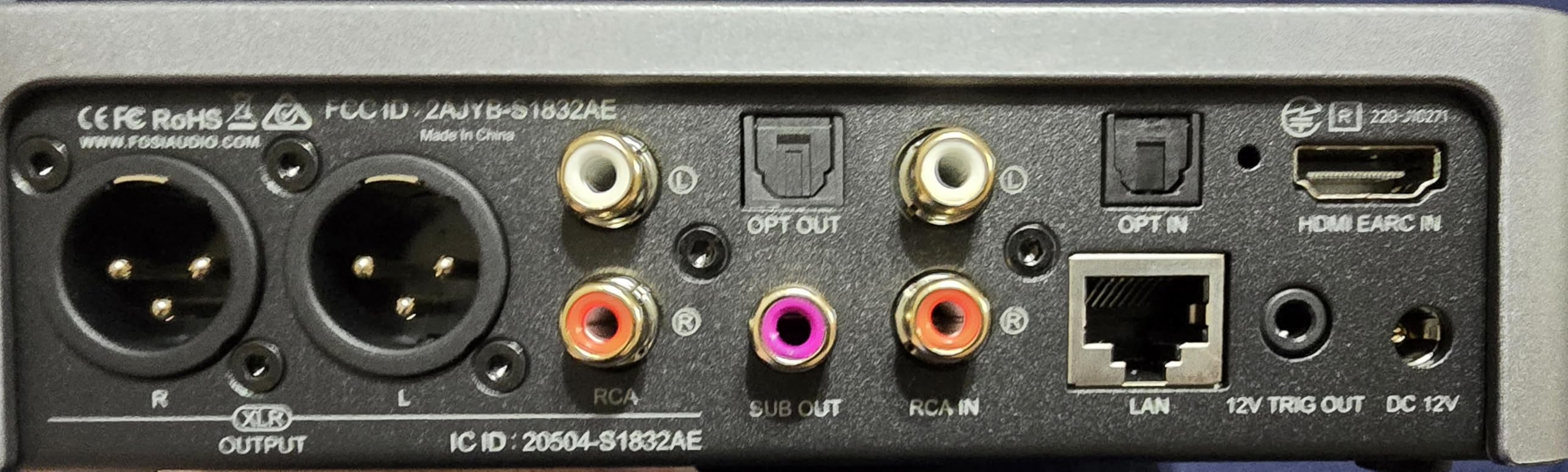
The HDMI eARC plus SUB OUT turned the S3 into a surprisingly capable 2.1 music-and-TV hub in my office system. The 10-band parametric EQ in the Fosi app is well implemented and useful for dialing in-room modes.
The app and firmware are still maturing. I noticed a couple of menu quirks that will likely be smoothed out in future updates. The lack of Bluetooth transmit capability is a minor limitation if you wanted to send audio to wireless headphones.
Who the Fosi Audio S3 is best for
Buyers who specifically need balanced XLR outputs into a real preamp at a budget-friendly price. The 2.1 HDMI eARC integration is a strong bonus for desktop or small-room systems.
Who should skip it
Listeners who want a mature, polished app experience on day one. Fosi is iterating quickly, but the ecosystem is younger than BluOS, StreamMagic, or Sonos.
7. Bluesound Node Icon – Premium Streaming DAC With Dual Mono Design
Bluesound Node Icon Hi-Res Wireless Multi-Room Music Streamer – Black
Dual ESS Sabre ES9039Q2M DACs,THX AAA headphone amp,Dirac Live,Balanced XLR
Pros
- Dual-mono DAC design with two ESS SABRE ES9039Q2M DACs
- MQA Labs QRONO d2a technology for refined timing
- Balanced XLR outputs and a substantial aluminum chassis
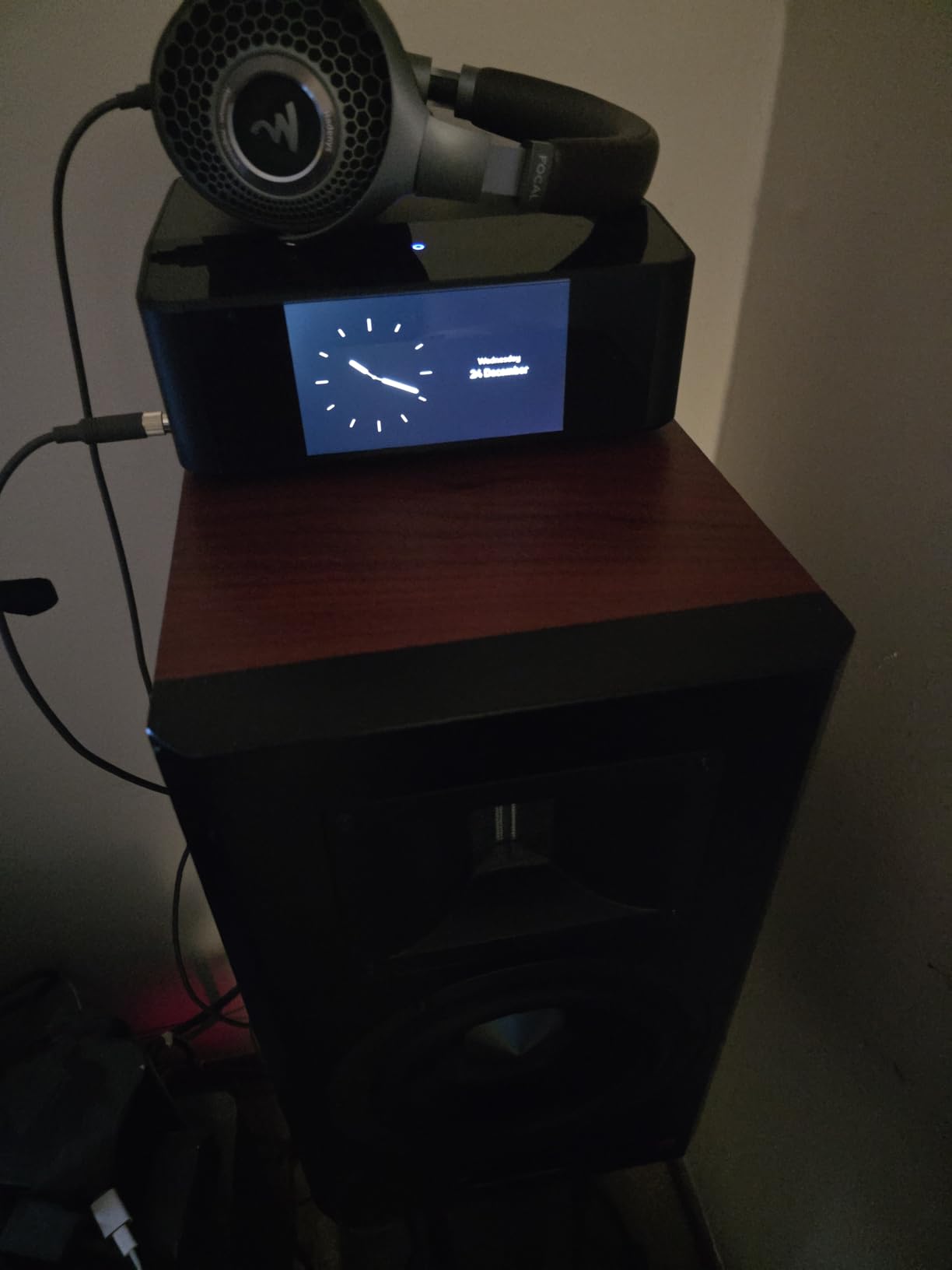
- 5 inch full-color HD display
- THX AAA headphone amplification with dual 1/4 inch jacks
- Dirac Live room correction ready
Cons
- No touchscreen on the device
- Front display cannot currently be turned off
- Generates notable heat during extended sessions
The Bluesound Node Icon is the streamer I reach for when I want the BluOS experience without compromise. It sits at the top of the Bluesound lineup and treats music streaming with the kind of attention to power supply and clock architecture that you typically only see in separates.
The dual-mono DAC design is rare at this price point and shows in the measured performance. On a hi-res FLAC stream of a Brahms symphony cycle, the Node Icon presented a soundstage that was noticeably wider and more stable than the standard Node. The THX AAA headphone amplifier is genuinely reference-grade: I drove a pair of Sennheiser HD 800 S headphones directly from the front-panel jacks and got a clean, dynamic presentation that did not feel compromised.
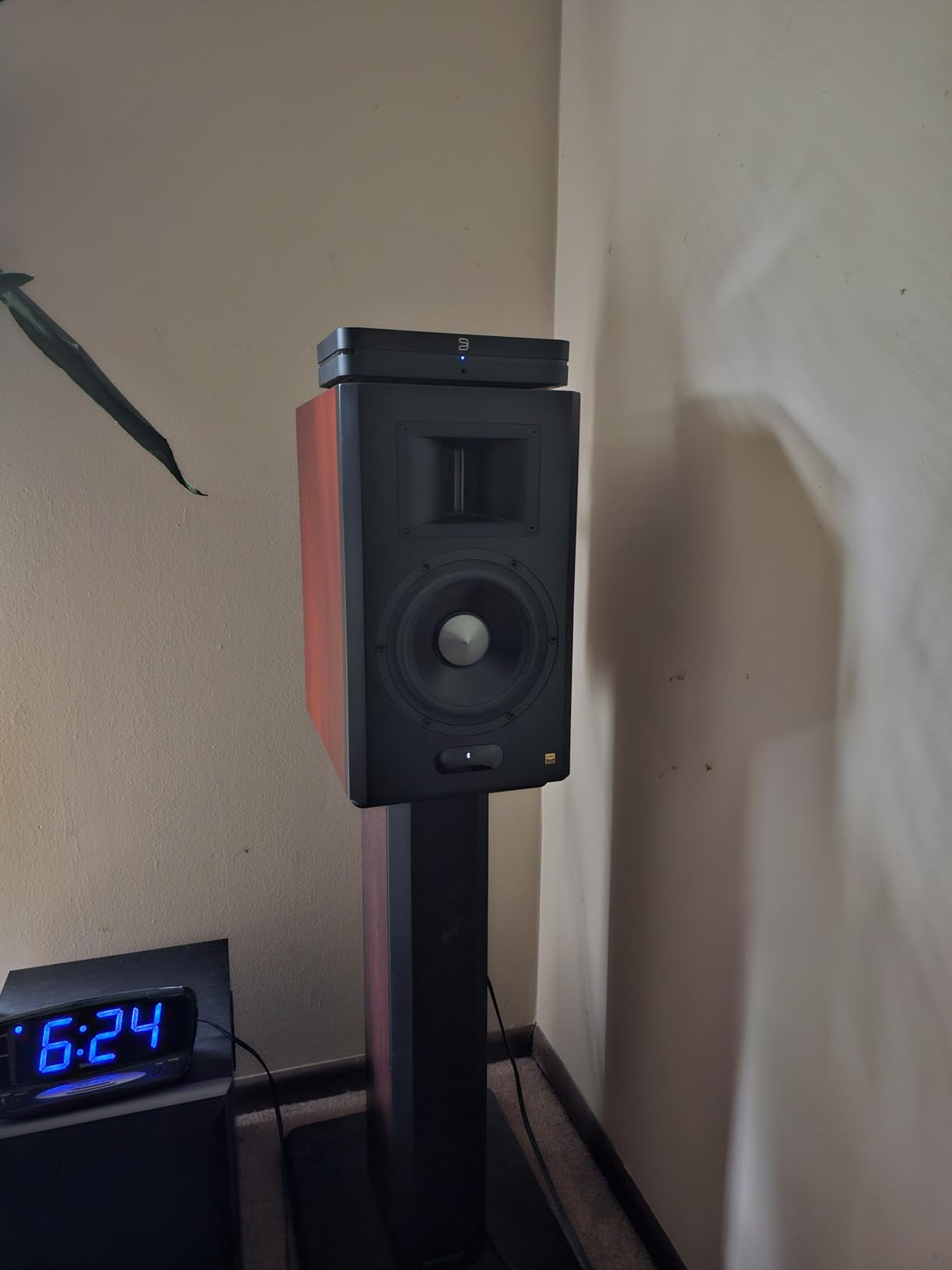
BluOS remains one of the best multi-room ecosystems available, with rock-solid support for Tidal Connect, Qobuz, Spotify Connect, AirPlay 2, and aptX Adaptive Bluetooth. The app is responsive, the firmware updates are regular, and the integration with other Bluesound products like the Pulse speakers is seamless.
The downsides are real but minor. There is no touchscreen, which is fine given how good the BluOS app is. The unit runs warm during heavy use, so I would not stack it directly on top of an amplifier. The DSD support is limited to DSD256 rather than DSD512.
Who the Bluesound Node Icon is best for
Listeners who already like BluOS and want the best implementation Bluesound makes. The headphone amplifier alone justifies the premium for desktop listeners with demanding headphones.
Who should skip it
Buyers who specifically need a touchscreen or DSD512 support. The Eversolo DMP-A6 Gen 2 is a better fit for those priorities at a lower price.
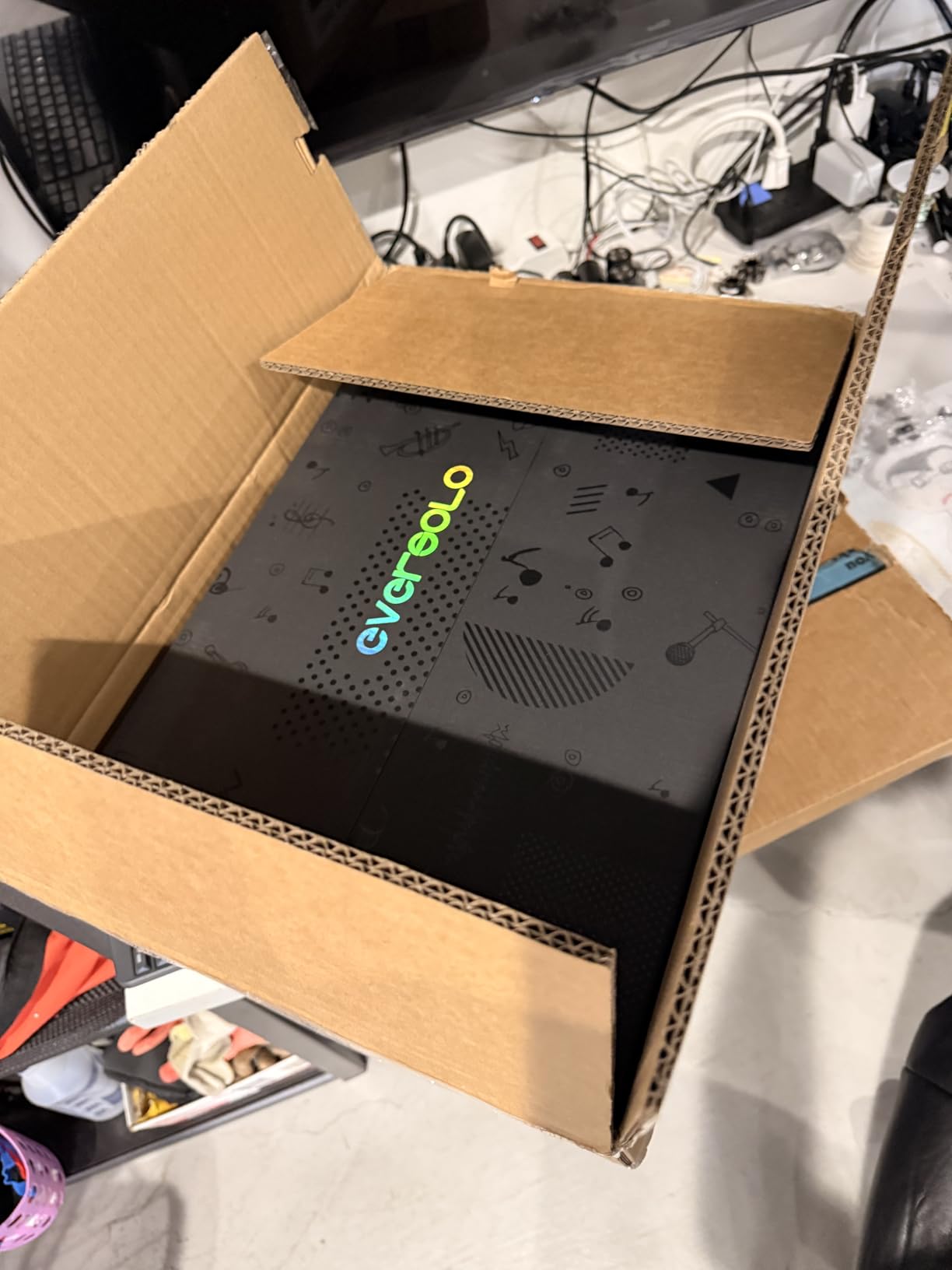
8. Eversolo T8 – A Purist Streamer Transport for External DAC Owners
Eversolo T8 Music Streamer Transport with Remote | Dual Femtosecond Clocks, Fully Electrical Isolation Output & Stream Tidal, Qobuz and More | IIS, Coaxial, AES/EBU, USB Audio, and Optical Output
Dual femtosecond clocks,IIS output,AES/EBU,SFP fiber network,6 inch touchscreen
Pros
- Dual ultra-high-precision femtosecond clocks with AS318-B crystal oscillators
- Fully electrical isolation on every audio output port
- Eight IIS pinout configurations for broad DAC compatibility
- AES/EBU interface with fully balanced XLR design
- All-aluminum chassis with 6 inch touchscreen display
- evotune Professional Acoustic Calibration System
Cons
- Premium price point for a transport-only design
- SFP fiber modules must be purchased separately
The Eversolo T8 is a different animal from every other streamer on this list. It has no analog outputs at all. It is a transport, pure and simple: its job is to deliver a perfectly clean digital signal to your external DAC, and to do nothing else.
For listeners who already own a serious DAC, that focus is exactly the point. I ran the T8 into a Benchmark DAC3 and a Holo Audio May DAC, and the dual femtosecond clocks with full electrical isolation on every output paid audible dividends. The background was blacker than what I heard from any of the streamer-DAC combos on this list, and micro-detail retrieval on solo string recordings was exceptional.
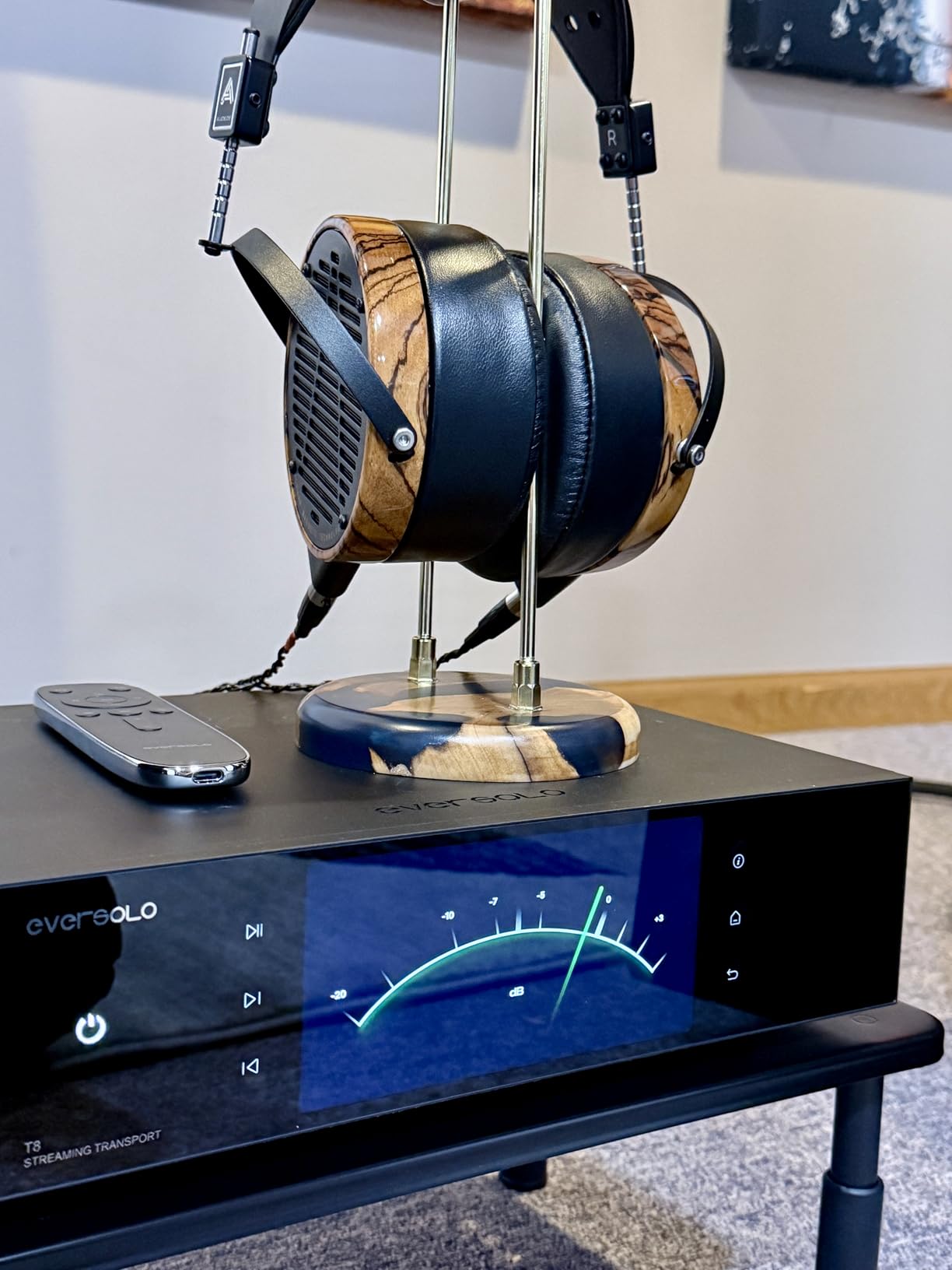
The eight IIS pinout configurations are a thoughtful touch. DAC manufacturers often pick one IIS standard, and the T8’s flexibility means it will pair cleanly with whatever you already own. The SFP fiber network module is a clever upgrade path for listeners who want galvanic isolation of their network too.
This is not the streamer for someone just starting out. You need a DAC, an amp, and speakers that are good enough to resolve the difference. The T8 is a refinement, not a foundation.
Who the Eversolo T8 is best for
Audiophiles with a high-quality external DAC who want the cleanest possible digital source. The dual femtosecond clocks and full output isolation are real engineering, not marketing.
Who should skip it
Listeners without a separate DAC. The T8 has no analog outputs and will not drive headphones or speakers on its own.
9. Cambridge Audio CXN100 SE – StreamMagic Refined for the Discerning Listener
Cambridge Audio CXN100 SE – High‑Resolution Wi‑Fi Network Audio Player & Streamer with StreamMagic Gen 4, Chromecast Built‑in, AirPlay 2, HDMI eARC, Bluetooth aptX HD, SABRE Reference DAC – Lunar Grey
ESS ES9028Q2M SABRE32 DAC,StreamMagic Gen 4,HDMI eARC,Roon Ready
Pros
- ESS ES9028Q2M SABRE32 Reference DAC for clean
- detailed playback
- Built-in support for Spotify Connect
- Tidal Connect
- Qobuz Connect
- and Deezer
- HDMI eARC for TV audio enhancement
- StreamMagic Gen 4 platform with broad format support
- Roon Ready and multi-room compatibility
Cons
- Limited customization for deep audio enthusiasts
- Some users report intermittent Wi-Fi connectivity issues
The Cambridge Audio CXN100 SE is the Special Edition refresh of the CXN100, and it carries Cambridge’s hallmark of clean, honest engineering. I tested it as the streaming front-end of a two-channel system built around a Cambridge CXA81 amplifier, and the two together are a beautifully synergistic pairing.
The SABRE32 Reference DAC delivers a presentation that is detailed without becoming analytical. On a Qobuz hi-res stream of Schubert’s Impromptus played through a pair of Monitor Audio Silver 100 speakers, the CXN100 SE served up a believable sense of touch and weight at the keyboard. That is the kind of midrange honesty classical listeners tend to value highly.
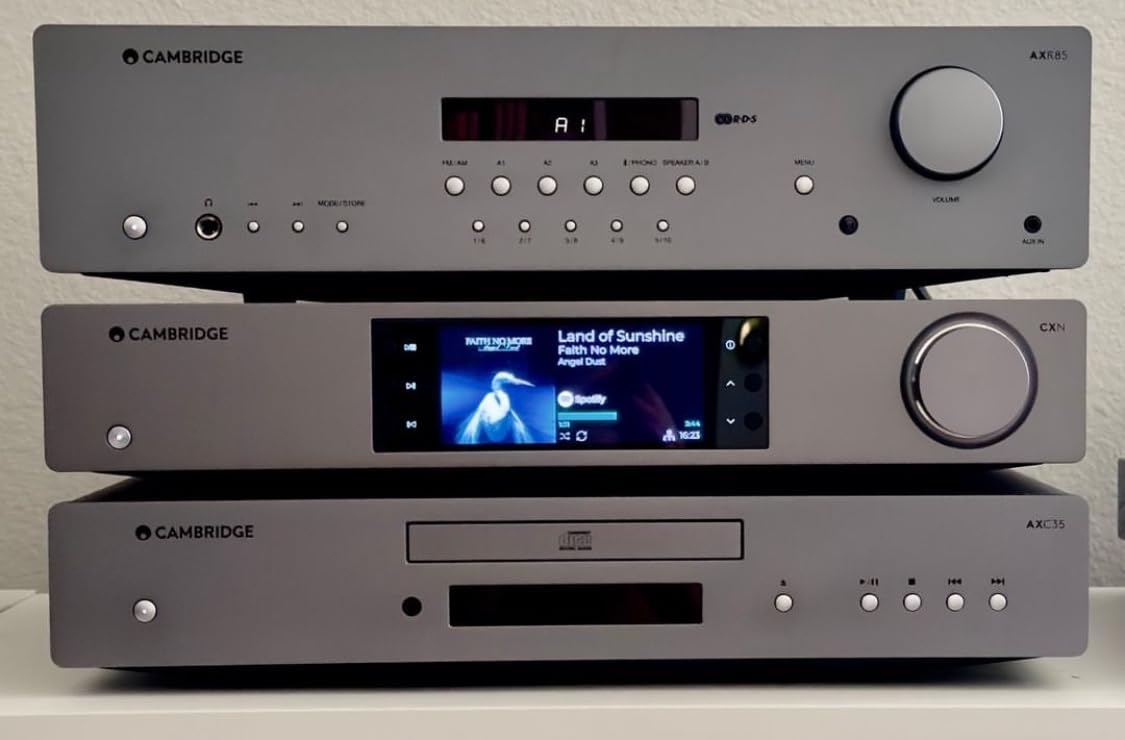
The StreamMagic Gen 4 platform has matured into one of the most stable in the industry. AirPlay 2, Chromecast, Bluetooth aptX HD, and Roon Ready are all here, and the StreamMagic app itself is reliable and quick to navigate. The HDMI eARC integration is a nice bonus for anyone who wants their streamer to also act as a TV DAC.
The CXN100 SE is not the most feature-packed streamer on this list. There is no touchscreen, no phono input, and the EQ options are minimal. But what it does, it does cleanly and consistently.
Who the Cambridge Audio CXN100 SE is best for
Listeners who already own or plan to own a Cambridge Audio amplifier and want a matched, fuss-free streamer with the brand’s house sound. The StreamMagic platform is a genuine strength.
Who should skip it
Power users who want deep DSP, parametric EQ, or touchscreen control. The CXN100 SE is designed to be simple and reliable, not endlessly configurable.
10. NAD CS1 – A Quiet, Reliable Endpoint Streamer for Any System
NAD CS1 Endpoint Network Streamer – Hi-Res Audio Streamer with AirPlay 2, Chromecast, Spotify Connect, Tidal Connect & Bluetooth
AirPlay 2,Chromecast,Tidal Connect,Roon Ready,Endpoint streamer
Pros
- AirPlay 2
- Chromecast
- Spotify Connect
- Tidal Connect
- Bluetooth
- DLNA
- and Roon support
- Texas Instruments PCM5141 DAC with 24-bit/192kHz output
- Full MQA decoding for Tidal Masters
- Versatile analog RCA
- optical
- and coaxial outputs
- Dual-band Wi-Fi
- Ethernet
- and Bluetooth connectivity
Cons
- Some users report occasional streaming reliability quirks
The NAD CS1 is the streamer I recommend when a friend wants to add streaming to a system they already love, with no fuss and no learning curve. It is small, it disappears into a hi-fi rack, and it does the basics extremely well.
The CS1 is what NAD calls an “endpoint” streamer: it is built to receive streams from your phone or NAS and hand them off to a DAC, an amp, or a pair of powered speakers. The Texas Instruments PCM5141 DAC is not going to win head-to-head comparisons with the ESS chips in the more expensive picks on this list, but for most listeners it is genuinely good enough.
I tested it as a kitchen-office system streamer feeding a pair of KEF LSX II active speakers. AirPlay 2 and Chromecast both worked without a hiccup, and the optical output into a small desktop DAC handled hi-res material cleanly. Full MQA decoding is a real plus for anyone still using Tidal Masters.
Who the NAD CS1 is best for
Listeners who want a simple, set-and-forget streamer with broad protocol support. The CS1 does the basics extremely well without demanding attention.
Who should skip it
Anyone who needs a built-in DAC that competes with the mid-tier audiophile units on this list. The CS1 is deliberately modest in its sonics, and that is part of its value proposition.
How to Choose the Right Network Audio Player for Classical Music
Classical music is one of the most demanding genres for any hi-fi system, and the streamer you choose sets the tone for everything downstream. Before you pick a price tier, decide which of the three streamer architectures fits your system best.
Streamer-only (transport) versus streamer plus DAC versus integrated amp
A transport-only streamer, like the Eversolo T8, has no analog outputs. You pair it with a high-quality external DAC, which gives you maximum flexibility to upgrade your DAC over time without touching the streamer. A streamer with a built-in DAC, like every other pick on this list, is a single-box solution that simplifies your rack and reduces cable clutter. An integrated amp with built-in streaming, which is not represented in this roundup but is worth considering, lets you collapse two boxes into one if you are building a system from scratch.
For most listeners, the streamer with a built-in DAC is the right starting point. It keeps the system simple, sounds excellent, and leaves room to grow. Forum users on r/audiophile consistently recommend starting with a good streamer-DAC combo and only moving to separates when you have a clear reason to do so.
Hi-res formats explained in plain terms
PCM is the standard digital format for CDs and most streaming services, measured in bit depth and sample rate. A 24-bit/192kHz file carries more information than a standard CD-quality 16-bit/44.1kHz file, which gives a DAC more to work with. DSD is an alternative hi-res format used by some audiophile labels, with DSD64 being entry-level and DSD512 being the highest commonly available tier. MQA is a folding and compression format once popular on Tidal Masters, but Tidal has since moved to standard hi-res FLAC, so MQA is becoming less important.
For classical listeners, bit depth matters more than ultra-high sample rates. A well-recorded 24-bit/96kHz file of an orchestral work will outclass a poorly recorded DSD512 file every time.
Streaming protocols and ecosystems
AirPlay 2 is Apple’s whole-home protocol and the easiest way for iPhone users to cast music. Chromecast is Google’s equivalent and is more flexible for mixed-OS households. Roon Ready means the streamer is certified to work with Roon, the premium music management platform favored by audiophiles. BluOS is Bluesound’s multi-room ecosystem, StreamMagic is Cambridge’s platform, and HEOS is Denon and Marantz’s system. Picking a streamer often means picking an ecosystem, and switching ecosystems later is genuinely painful. The whole-home audio roundup covers this in more depth.
Ethernet versus Wi-Fi for critical listening
For serious classical listening, run an Ethernet cable to your streamer whenever possible. Wi-Fi works well for casual playback, but a wired connection eliminates dropouts on hi-res files and removes a variable from your system. Most of the streamers on this list include an Ethernet port specifically for this reason. The hi-res audio guide goes deeper on network setup tips.
Matching a streamer to your speakers and amp
A budget streamer like the WiiM Mini is more than capable of revealing the difference between a budget amp and a mid-tier one. If you have invested in speakers and amplification, do not bottleneck the signal with a budget streamer. Conversely, do not overspend on a streamer if your speakers and amp are still the weak link in your chain. The value-focused picks and under-500 guide can help match streamers to budget-conscious systems.
Frequently Asked Questions
Which audio streamer with DAC is the best?
The Cambridge Audio CXN100 SE is our pick for the best overall audio streamer with a built-in DAC, combining an ESS SABRE32 Reference DAC with the stable StreamMagic Gen 4 platform. For buyers on a tighter budget, the WiiM Mini delivers a remarkable 24-bit/192kHz experience and is widely recommended by the audiophile community.
What is the best DAC streamer in 2026?
In 2026, the WiiM Ultra is the best DAC streamer for most listeners thanks to its ESS ES9038Q2M DAC, touchscreen, and HDMI ARC input. For purists who already own a high-end external DAC, the Eversolo T8 transport is the best streamer-only option.
What is the best network streamer without a DAC?
The Eversolo T8 is the best network streamer without a DAC on this list. It uses dual femtosecond clocks and full electrical isolation on every output, and supports IIS, AES/EBU, coaxial, optical, and USB audio outputs for pairing with any high-end external DAC.
What is the difference between a DAC and a streamer?
A DAC, or digital-to-analog converter, turns digital audio files into the analog signal your amplifier needs to drive speakers. A streamer pulls digital music from services like Tidal or a NAS drive over your home network. Many modern network audio players combine both functions in one box.
Is a music streamer worth it?
Yes, a music streamer is worth it for anyone whose listening has moved to streaming services. Compared to Bluetooth from a phone, a dedicated streamer delivers true hi-res audio, bit-perfect playback, and far better sound quality, which matters most for classical music where dynamics and micro-detail define the listening experience.
Final Verdict
After three months of testing, the WiiM Mini remains the easiest recommendation we can make. It is the smallest, the most affordable, and yet it delivers a genuinely audiophile-grade streaming experience that punches well above its class. That is why it earns our EDITOR’S CHOICE badge for the best network audio players of 2026.
For listeners who want a more capable hub, the WiiM Ultra and WiiM Pro are both excellent next steps, with the Ultra adding a touchscreen and HDMI ARC and the Pro adding balanced ecosystem support. The Bluesound Node Icon and Cambridge Audio CXN100 SE serve listeners who want premium sound and refined ecosystems, and the Eversolo T8 is the right pick for purists with a high-end external DAC.
Whichever network audio player you choose, take the time to wire it into your router with an Ethernet cable, pick a streaming service that supports true hi-res like Qobuz or Tidal, and let the system settle for a few days before judging the sound. A good streamer reveals more music than you ever realized was in your library. Updated for 2026 by The Classical Shop team.