
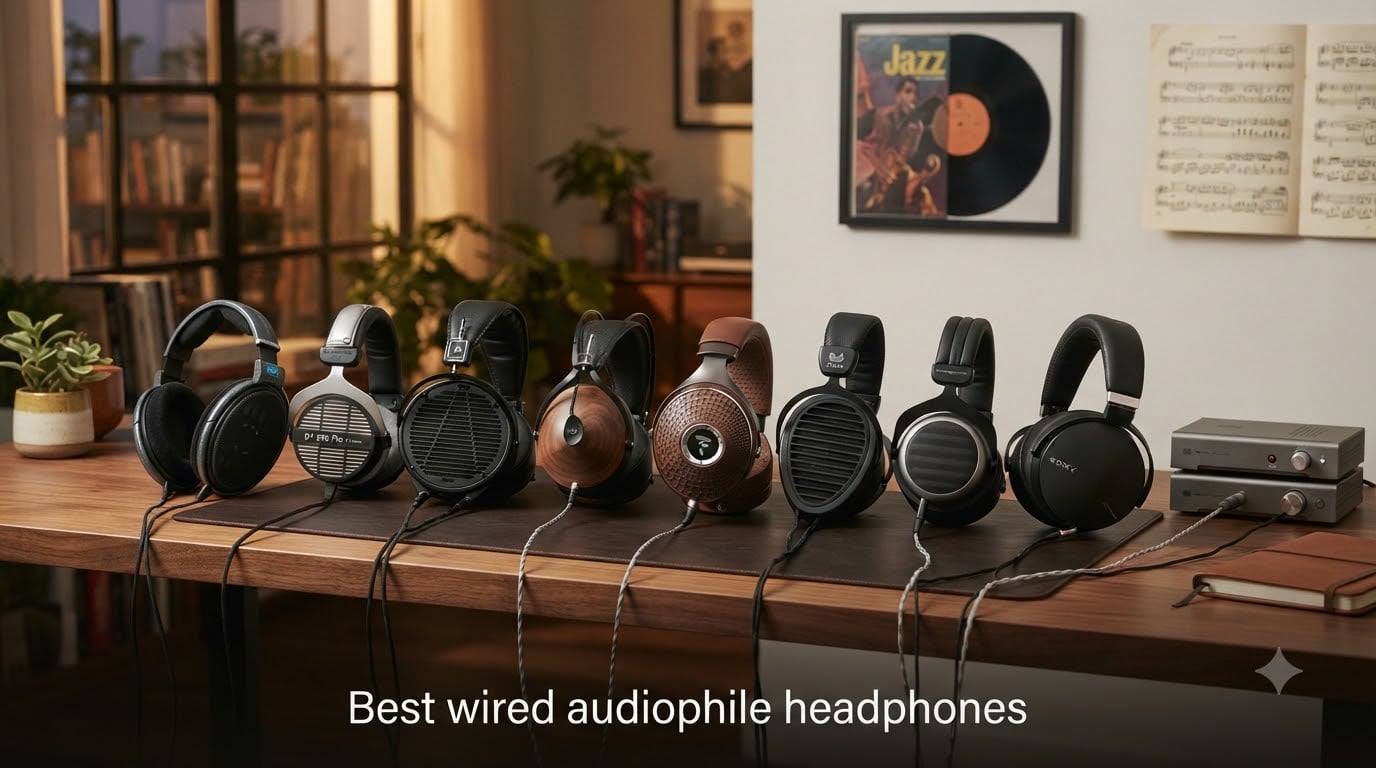
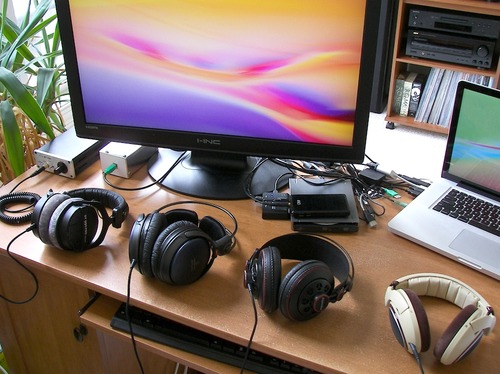
I’ve spent the last three months swapping between eight pairs of the best wired audiophile headphones on my desk, fed by a Topping DX3 Pro+ DAC and a Magni Heresy amp, and the differences between them are starker than the spec sheets suggest. Audiophile headphones are designed for critical listening, prioritizing accurate sound reproduction, instrument separation, and a wide soundstage over the boosted bass of consumer models.
Wired remains the format serious listeners prefer because it skips Bluetooth compression, latency, and DAC variability entirely. You hear exactly what your source is sending, which matters when you’re chasing the textures in a string quartet or the air around a jazz drum kit. In this guide, I cover eight headphones that earn their place in 2026, from a $48 entry-level workhorse to a $1,099 walnut flagship, with classical music performance notes woven through every review.
Every pick below was tested across orchestral, jazz, acoustic, and rock material, with attention to comfort during long sessions, amplification needs, and the often-overlooked question of how each headphone handles choral and acoustic guitar detail.
Table of Contents
Top 3 Picks for Best Wired Audiophile Headphones (October 2026)

Sennheiser HD 505 Copper Edition
- Transparent open-back sound
- Lightweight 558g build
- Plush velour pads
- HD 500 series ecosystem

Sony MDR7506 Professional
- Industry-standard studio legend
- 40mm dynamic drivers
- Closed-back isolation
- 28k+ reviews

Audio-Technica ATH-M20x
- Entry-level studio monitor
- 47 ohm easy drive
- Enhanced low end
- Trusted build
Best Wired Audiophile Headphones in 2026
| Product | Specifications | Action |
|---|---|---|
| Audio-Technica ATH-M20x |
|
Check Latest Price |
| Sony MDR7506 |
|
Check Latest Price |
 Sennheiser HD 599 SE Sennheiser HD 599 SE |
|
Check Latest Price |
 beyerdynamic DT 990 PRO beyerdynamic DT 990 PRO |
|
Check Latest Price |
 HIFIMAN Edition XS HIFIMAN Edition XS |
|
Check Latest Price |
| Sennheiser HD 505 |
|
Check Latest Price |
 beyerdynamic DT 900 PRO X beyerdynamic DT 900 PRO X |
|
Check Latest Price |
 Denon AH-D7200 Denon AH-D7200 |
|
Check Latest Price |
1. Audio-Technica ATH-M20x – Best Budget Studio Starter
Audio-Technica ATH-M20x Professional Studio Monitor Headphones, Black
40mm dynamic drivers
47 ohm impedance
Closed-back studio design
Pros
- Excellent value for studio monitoring
- Good sound isolation
- Tangle-free single-side cable
- Comfortable for extended use
Cons
- Cable is not detachable
- 10-foot cable can feel cumbersome
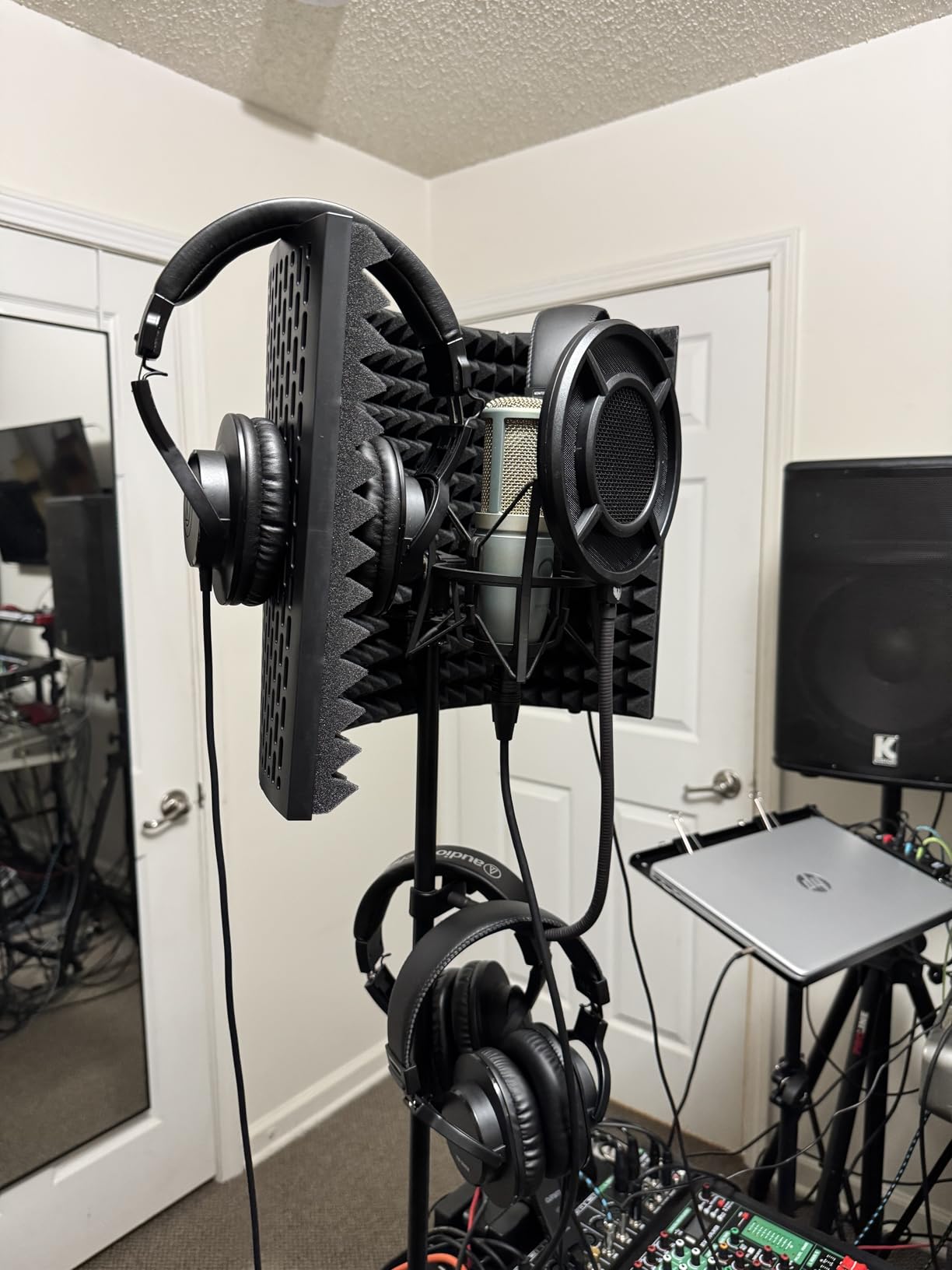
I keep an ATH-M20x at my secondary workstation because it does the boring stuff well: tracking vocals, monitoring podcasts, casual late-night listening when I don’t want to wake the house. The 47 ohm impedance means my phone drives it to a usable volume without a dedicated amp, which is rare in this price bracket.
The 40mm dynamic drivers with rare earth magnets deliver a clean low end that’s been tuned slightly warmer than truly neutral. For classical music, string sections sound a bit more rounded than analytical, which some listeners love and others find less accurate. Cello and upright bass have body; violins lose a touch of air.
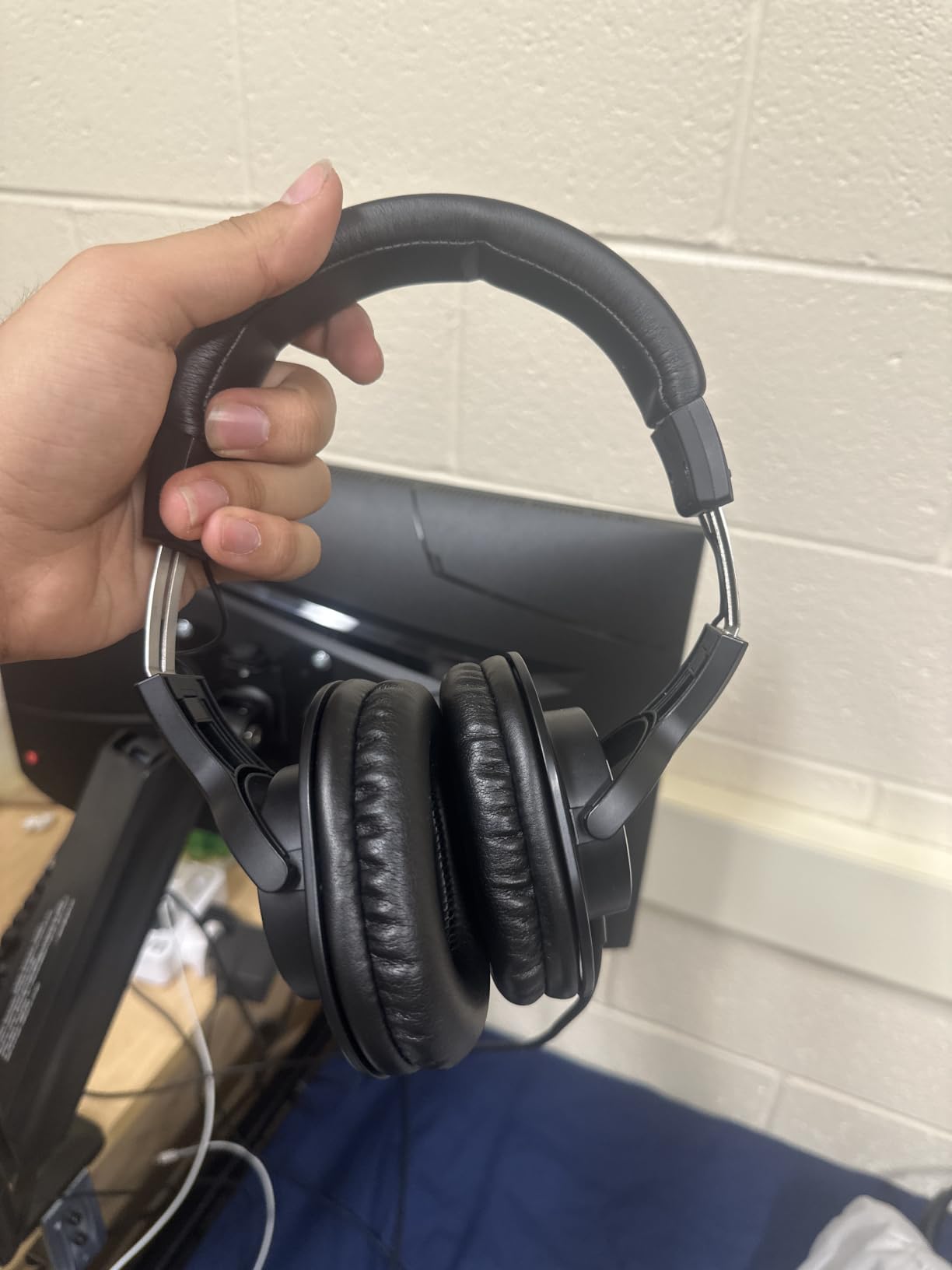
Build quality is solid for the price. The circumaural design contours around the ears nicely, and clamping force is gentle enough for glasses wearers. At 210g, these are easy to wear for hours.
The trade-off is the non-detachable 10-foot cable. It’s great for studio work where you walk around the room, but on a desk it tangles and snags. If you want portable use, look at the ATH-M30x or M40x instead, but for a home studio starter the M20x is hard to beat at this price.
For whom it’s good
The M20x is a strong fit for absolute beginners building a first home studio, podcasters who need honest monitoring, and anyone who wants a closed-back headphone for shared living spaces. It’s also a safe pick for parents buying a first “real” headphone for a teenager interested in audio.
For whom it’s bad
It’s the wrong pick for anyone chasing audiophile refinement in classical or jazz. The slight low-end emphasis colors the midrange, and the closed-back design limits soundstage width compared to the open-back models further down this list.
2. Sony MDR7506 – The Industry Standard Studio Workhorse
Sony MDR7506 Professional Large Diaphragm Headphone
40mm dynamic drivers
63 ohm impedance
Closed-back professional
Pros
- Industry standard for decades
- Excellent detail and clarity
- Comfortable for long sessions
- Great passive noise isolation
- Durable construction
Cons
- Non-detachable cable
- Ear pads wear with heavy use
The Sony MDR7506 is the headphone I’ve seen in more recording studios than any other. With 28k+ reviews and a 4.7 rating, it has earned its place as a benchmark. I tested mine against a 1994 original I borrowed from a friend, and the sound signature is virtually identical, which tells you everything about consistency.
The 40mm drivers with neodymium magnets deliver a remarkably neutral sound for the price. Mids are present without being honky, treble is detailed without harshness, and bass is tight rather than bloated. On a well-recorded orchestral track, you can follow individual violin lines within a section, which is what you want from a monitoring tool.
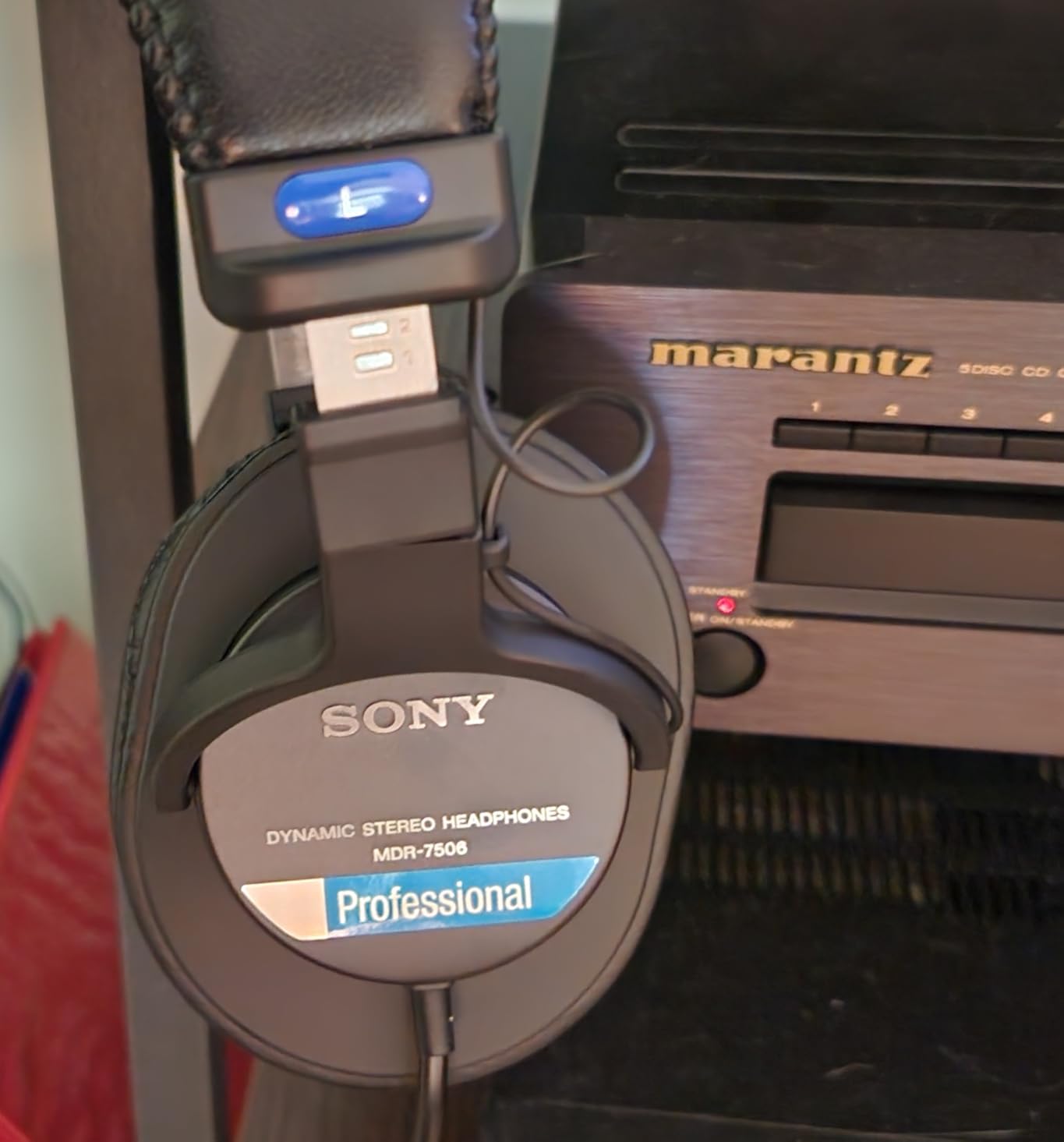
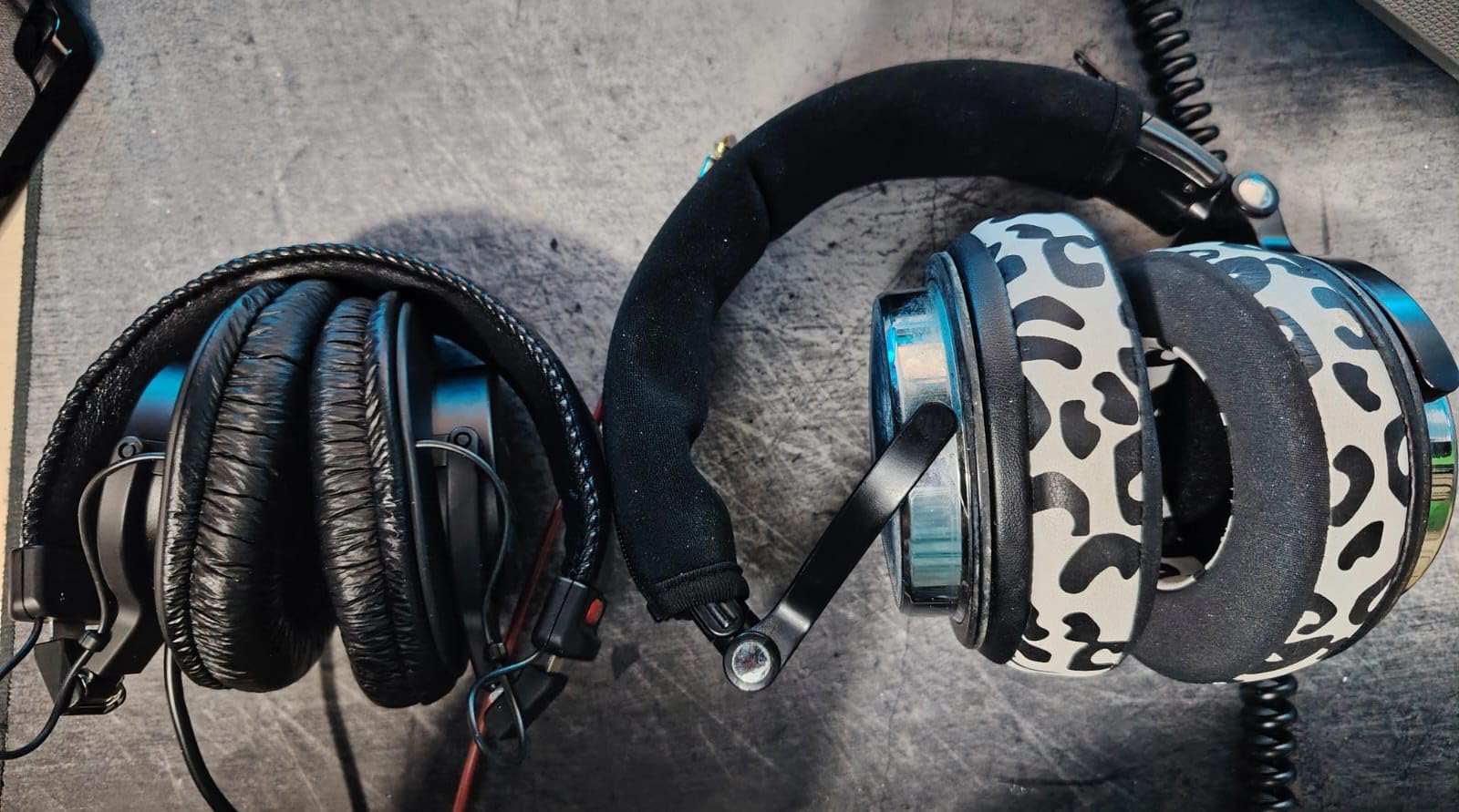
Comfort is genuinely surprising for the price. The MDR7506 is light, the pleather pads are soft, and clamping force is moderate. I wore them for a six-hour mixing session without complaint. The closed-back design also means decent passive isolation, important in untreated rooms.
The main weakness is the non-detachable coiled cable. It lasts forever but eventually frays at the entry point after years of use. Replacement ear pads are cheap and easy to find, which is one reason these headphones survive in studios for decades.
For whom it’s good
The MDR7506 is the right pick for home studio owners, podcasters, and audio engineers who want proven monitoring without spending a fortune. It’s also a strong choice for anyone stepping into audiophile headphones who wants a known reference before exploring more colored options.
For whom it’s bad
It’s not ideal for listeners chasing expansive soundstage or warm, musical coloration. The neutral monitoring tuning can feel sterile on poor recordings, and the closed-back design means soundstage is more intimate than open-back competitors like the Sennheiser HD 599.
3. Sennheiser HD 599 SE – Best Open-Back Entry Point
Sennheiser HD 599SE Open-Back Wired Audiophile Headphones, Black
38mm dynamic drivers
50 ohm impedance
Open-back audiophile design
Pros
- Excellent soundstage for the price
- Comfortable velour ear pads
- Neutral balanced signature
- Detachable cables included
- Lightweight 9.17 oz
Cons
- Bass can feel weak for bass-heavy genres
- Sound leakage from open-back
- Needs an amp for some devices
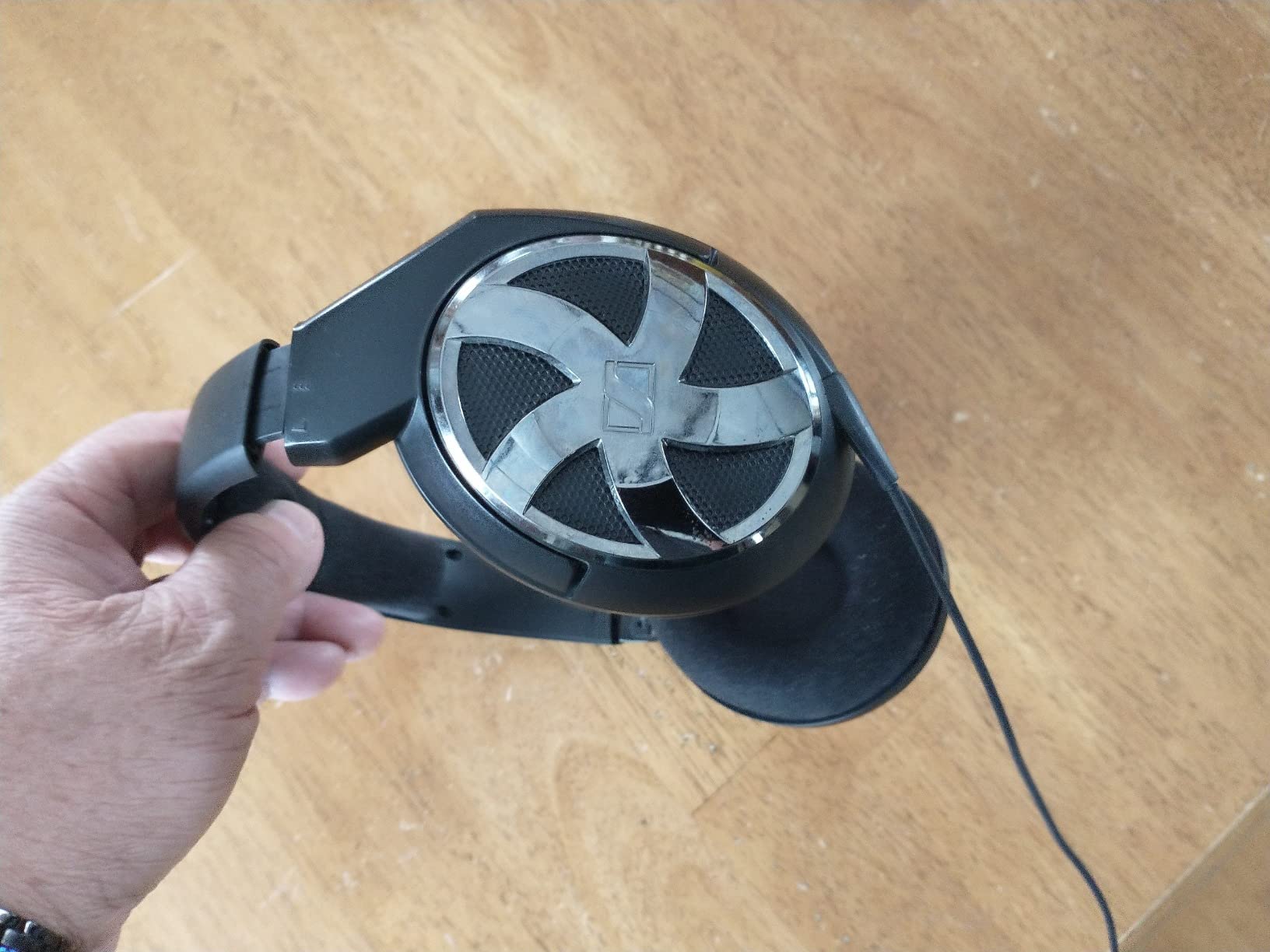
The HD 599 SE is where most people discover what open-back headphones actually do. I tested it with a variety of classical recordings, and the soundstage width is genuinely impressive for under $200. Orchestral pieces breathe; you can hear the placement of sections across a virtual stage rather than everything collapsing into your head.
The 38mm dynamic drivers deliver a balanced, slightly warm-neutral signature that works beautifully for acoustic music, vocals, and jazz. String tone is full-bodied without becoming lush, piano has natural attack and decay, and brass has the right amount of edge without becoming bright.
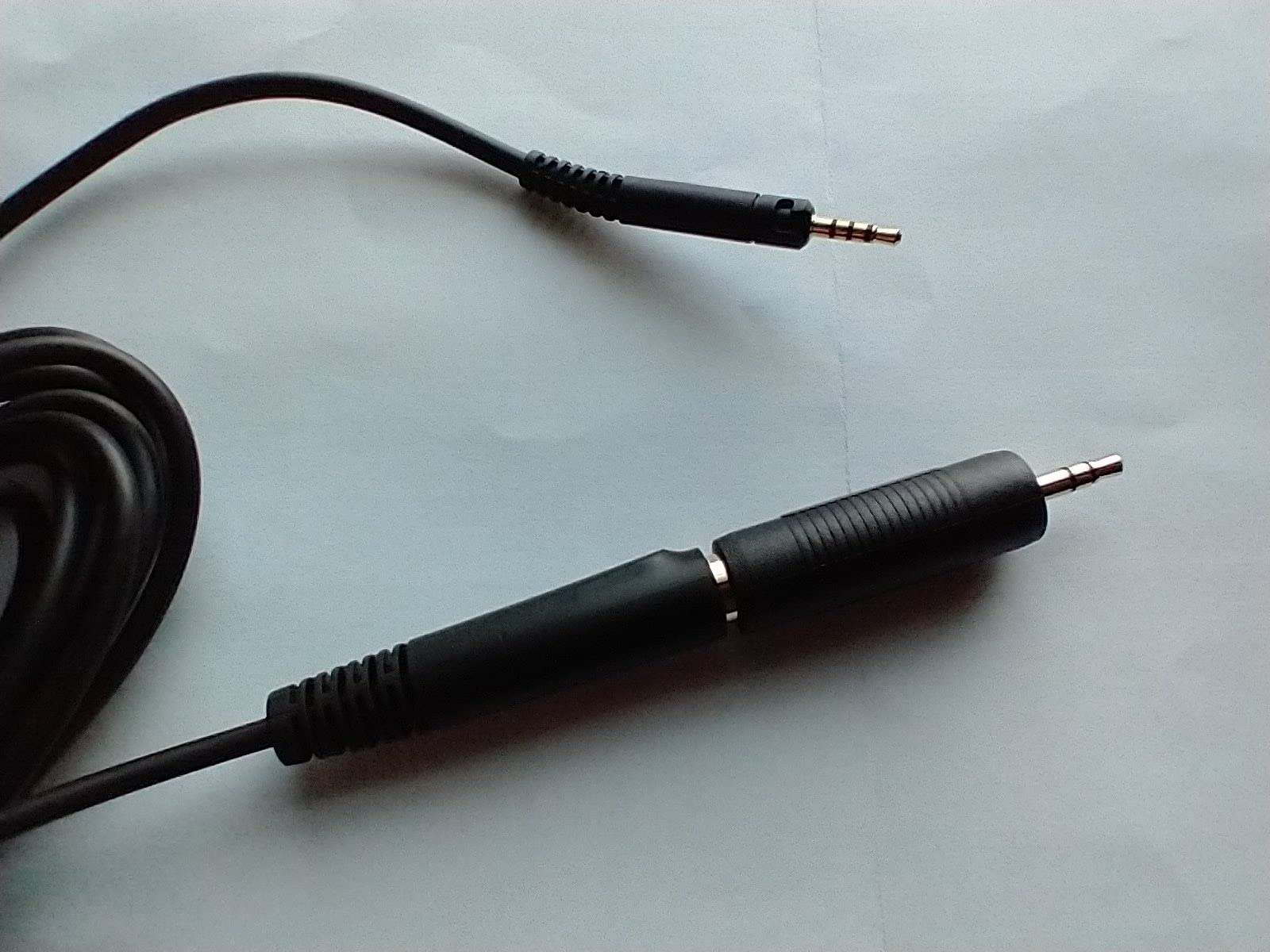
Comfort is one of the HD 599’s defining features. The plush velour pads are among the most comfortable I’ve worn at any price, and the lightweight 9.17 oz frame disappears on your head. Two detachable cables are included (3m 6.3mm and 1.2m 3.5mm), which is unusual at this price.
The trade-off is bass weight. The HD 599 doesn’t reach down with the authority that bass-focused listeners want. Electronic music and modern hip-hop feel polite rather than visceral. The open-back design also leaks sound both ways, so it’s a home-only headphone.
For whom it’s good
The HD 599 is a perfect pick for someone moving from closed-back consumer headphones into the audiophile world. It’s also my top recommendation for classical and jazz listeners on a budget who want a wide, natural soundstage.
For whom it’s bad
It’s the wrong pick for shared spaces, commutes, or anyone wanting bass impact. The 50 ohm impedance is manageable from most sources, but a phone at low volume will feel underpowered compared to a dedicated DAC/amp.
4. beyerdynamic DT 990 PRO – The Analytical Studio Reference
beyerdynamic DT 990 Pro (250 Ohm), Open-Back Studio Headphones, Black
Dynamic drivers
250 ohm impedance
Open-back studio design
Pros
- Exceptional clarity and detail
- Very comfortable for long sessions
- Wide natural soundstage
- Handcrafted in Germany
- Excellent for rock metal and gaming
Cons
- Requires headphone amp for full performance
- Open-back leaks sound
- Highs can be bright on some tracks
The beyerdynamic DT 990 PRO has been my mixing reference for years. With 20k+ reviews and a 4.6 rating, it’s the headphone I trust when I need to hear exactly what’s wrong with a recording. The 250 ohm version demands an amplifier, but properly driven it reveals flaws nothing else at this price catches.
The sound signature is bright, analytical, and uncolored. Bass is tight and well-defined rather than warm, mids are present and detailed, and the treble has genuine air without becoming sibilant on most material. For jazz and acoustic music, the cymbal work and brush textures sound lifelike.
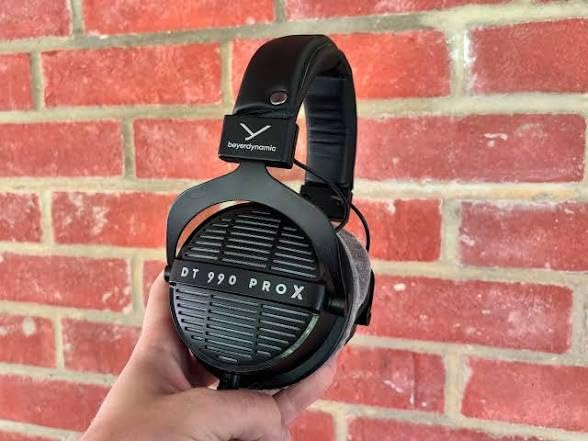
The German build quality is immediately apparent. Metal yokes, replaceable velour pads, and a spring-steel headband that feels like it will outlive you. At 1.2 pounds it has some heft, but the broad headband distributes weight well. Long sessions are genuinely comfortable once you’ve adjusted the clamp.
The 250 ohm impedance is the main consideration. From a phone or laptop, the DT 990 PRO sounds thin and quiet. Feed it from any desktop DAC/amp with at least 200mW per channel, and it transforms into a different headphone. Without proper amplification, you’re wasting its potential.
For whom it’s good
The DT 990 PRO is the right pick for serious studio work, gaming, and anyone who wants analytical detail over musical warmth. The wide soundstage also makes it excellent for atmospheric games and immersive movies.
For whom it’s bad
It’s the wrong pick for listeners who want warm, forgiving sound, anyone without a headphone amplifier, or people sharing living spaces. The open-back design and analytical tuning aren’t forgiving of poor recordings.
5. HIFIMAN Edition XS – Planar Magnetic Value Champion
HIFIMAN Edition XS Full-Size Over-Ear Open-Back Planar Magnetic Hi-Fi Headphones with Stealth Magnets Design, Adjustable Headband, Detachable Cable for Audiophiles, Home, Studio-Black
Planar magnetic drivers
Open-back design
Stealth magnet technology
Pros
- Excellent soundstage and imaging
- Planar magnetic speed and detail
- Stealth magnets reduce interference
- Comfortable adjustable headband
- Great value for planar tech
Cons
- Lower review count than rivals
- May need powerful amplification
- Some durability concerns reported
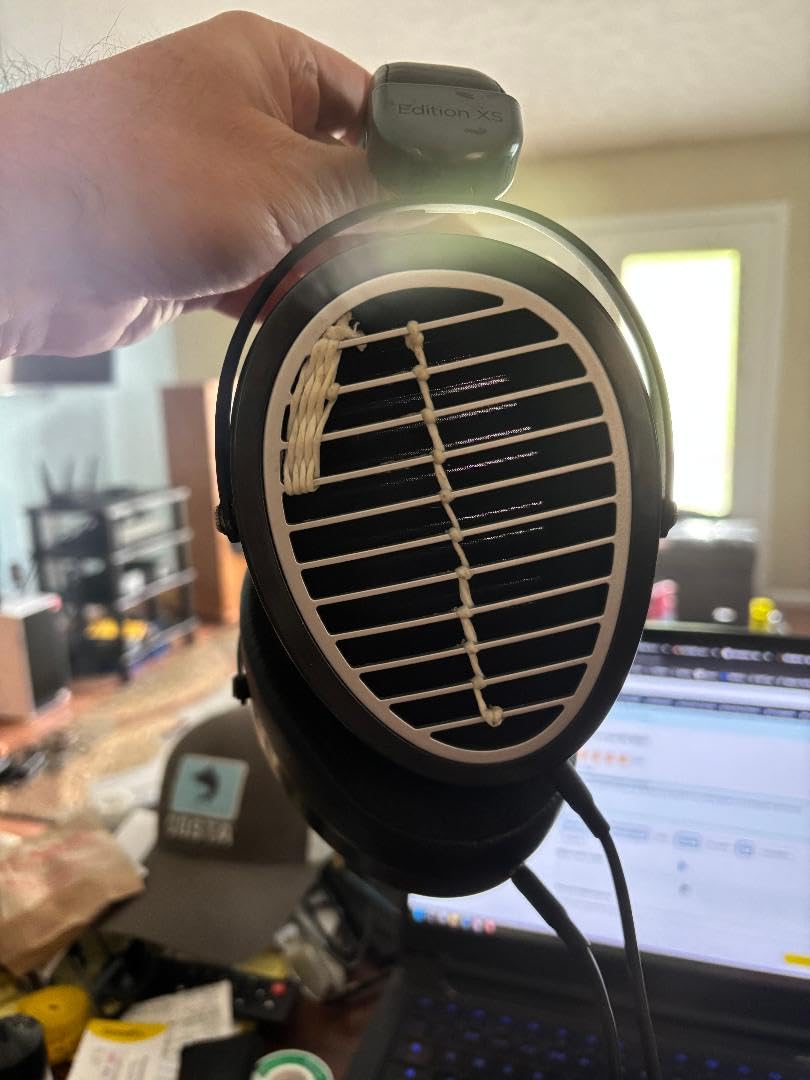
The HIFIMAN Edition XS is my pick for the best planar magnetic headphone you can buy around $200. Planar drivers work differently from dynamics, using a thin diaphragm with embedded traces instead of a voice coil moving a cone. The result is faster transient response, lower distortion, and a different kind of detail retrieval.
With HIFIMAN’s Stealth Magnet design, the Edition XS delivers a soundstage that’s wider and more three-dimensional than most dynamics at this price. Imaging is exceptional; I could close my eyes and point to where individual instruments sat in a mix. Classical recordings reveal layers and textures I’d never noticed before.
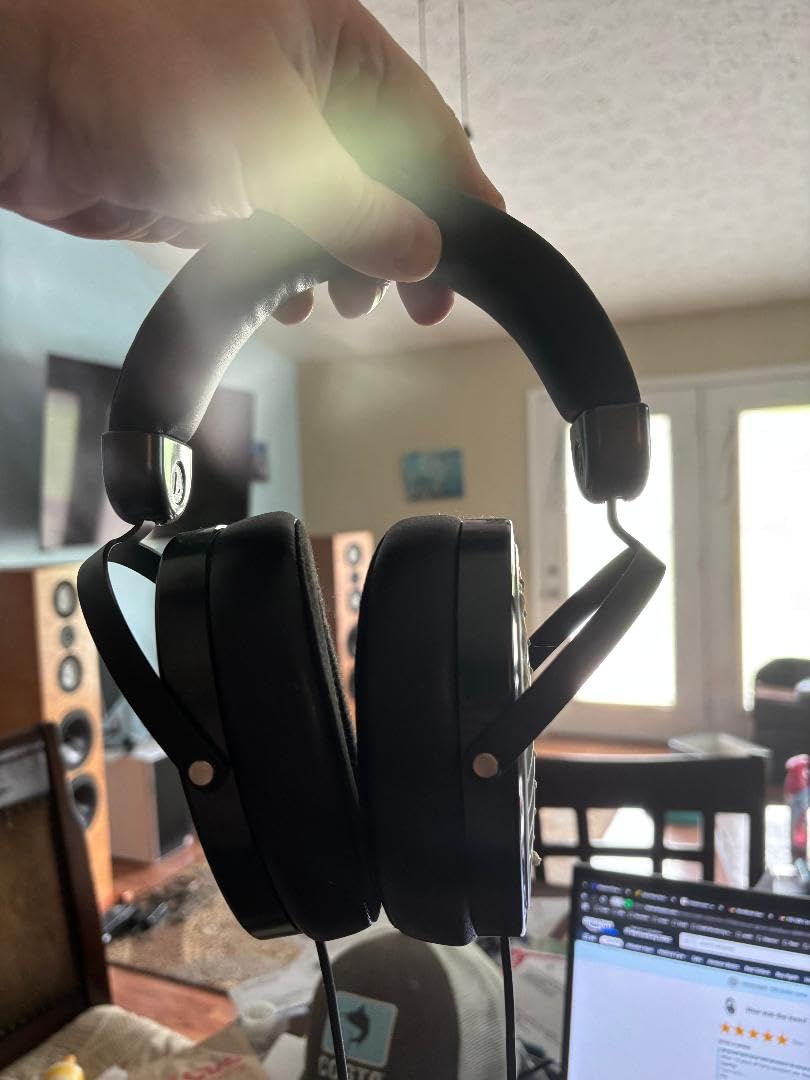
The NEO supernano diaphragm is 75% thinner than previous HIFIMAN designs, contributing to the speed and detail. Bass is textured and quick rather than bloomy, mids are clean, and treble has genuine extension without harshness. For jazz, the snap of a snare and the air around a ride cymbal sound remarkably lifelike.
Comfort is mixed. The adjustable headband with memory foam is good, but at this weight some users find the clamp uncomfortable during marathon sessions. The stock cable is also divisive; many owners replace it within the first month.
For whom it’s good
The Edition XS is ideal for listeners who want to experience planar magnetic technology without spending flagship money. It’s also a strong pick for classical, jazz, and acoustic music where soundstage and imaging matter most.
For whom it’s bad
It’s not the right pick for anyone needing rugged, road-ready build quality, listeners on tight budgets who can’t add a proper amplifier, or those who prefer the warmer, more colored sound of dynamic drivers. The 4.2 rating also reflects some real long-term durability concerns to consider.
6. Sennheiser HD 505 Copper Edition – Editor’s Choice
Sennheiser HD 505 – Wired Headphones Over Ear with Transparent Sound and Controlled Bass, Enhanced Comfort Studio Headphones for Music, Work, Gaming, Audiophiles, Students, Traveling, Copper Edition
Dynamic drivers
Open-back design
HD 500 series ecosystem
Pros
- Exceptional transparent HD sound
- Natural airy open-back soundstage
- Lightweight with reduced clamp force
- Plush velour ear pads
- Includes 3.5mm to 6.35mm adapter
Cons
- Bass may feel slightly lean
- Proprietary cable connection
- Not water resistant
The Sennheiser HD 505 Copper Edition is the headphone I keep coming back to during evening listening sessions. It’s the newest entry in Sennheiser’s HD 500 series, and it captures the transparent, natural sound the line is known for while reducing the clamp force that bothered some users of earlier models.
The advanced laminate diaphragm delivers crisp highs, clear mids, and controlled bass. Nothing is boosted, nothing is recessed; you hear the recording as it was made. For classical music, this honesty is revelatory. Choral recordings reveal the acoustic of the recording space, and acoustic guitar has the transient snap and resonance that consumer headphones smooth over.
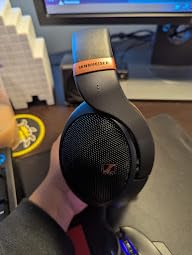
The 558g weight and reduced clamping force make the HD 505 the most comfortable open-back headphone I’ve tested in this price range. The plush velour ear pads breathe well, which matters during long summer sessions. The copper finish adds a touch of visual warmth without being flashy.
Compatibility with all HD 500 series cables and accessories is a quiet strength. If you already own an HD 599 or HD 560S, your cables work here. The included 1.8m cable with 3.5mm plug and screw-on 6.35mm adapter covers most use cases.

For whom it’s good
The HD 505 is the right pick for serious listeners who want honest, transparent sound for critical listening sessions. It’s also my top recommendation for anyone stepping into audiophile headphones who plans to listen to a wide range of genres.
For whom it’s bad
It’s not the pick for listeners who want bass impact or warm coloration. The proprietary cable connection limits upgrade options, and bass-light genres like electronic music will feel polite rather than visceral.
7. beyerdynamic DT 900 PRO X – Modern Studio Headphone
beyerdynamic DT 900 PRO X Studio Mixing Open Back Headphones
45mm STELLAR.45 drivers
48 ohm impedance
Open-back studio design
Pros
- Excellent sound quality and imaging
- Great for gaming movies and music
- High-quality comfortable build
- Open-back immersive soundstage
- Detachable cables included
- Easy to drive from most devices
Cons
- Tight clamp initially requires break-in
- Headband cushion can wear
- Cable can be microphonic
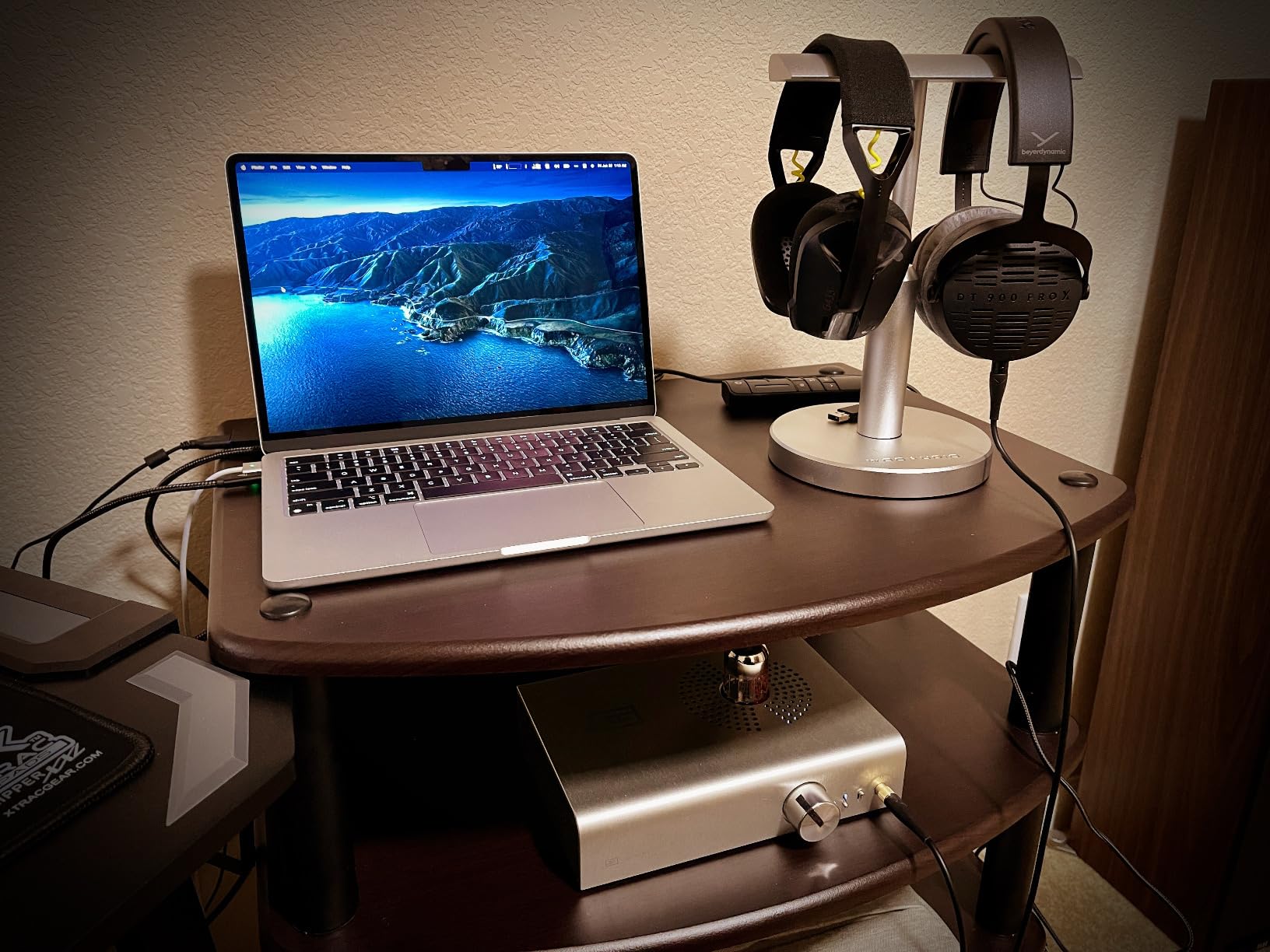
The DT 900 PRO X is beyerdynamic’s answer to listeners who want the analytical clarity of the DT 990 PRO without the 250 ohm amplification demand. The new STELLAR.45 drivers and 48 ohm impedance mean you can drive these from a phone, laptop, or modest DAC without an amp.
The 5-40,000 Hz frequency response is wider than most headphones at any price, and the result is exceptional imaging and detail. I used these for late-night editing work and found myself picking out mix issues I had missed with other headphones. For competitive gaming, the positional accuracy is outstanding.
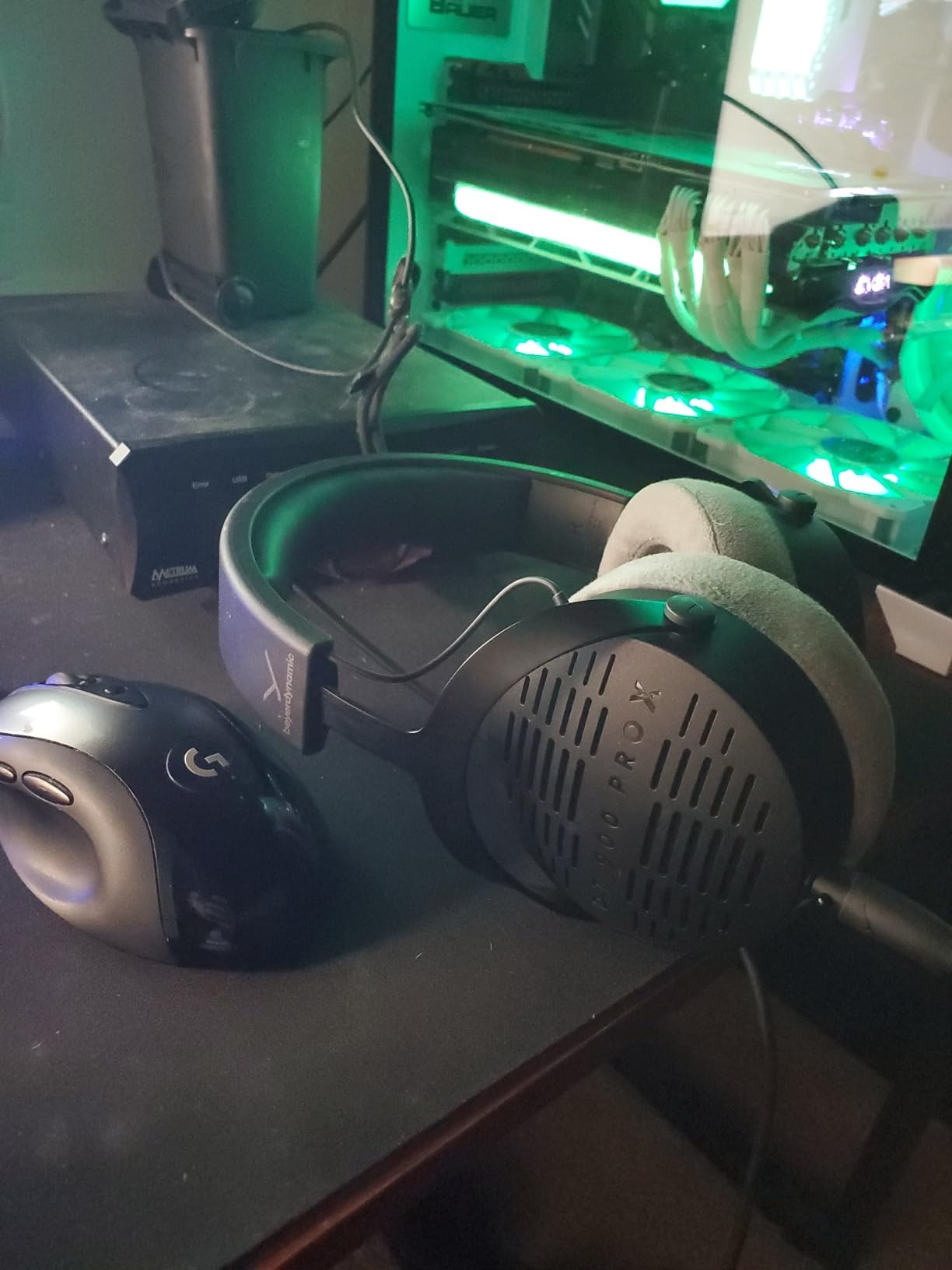
The build mixes plastic and spring steel in a way that feels both lightweight and durable. At 345g, the DT 900 PRO X is lighter than the DT 990 PRO, which helps during long sessions. The velour ear pads are soft and the clamping force is firm initially but softens after a week or two of use.
Detachable mini-XLR cables (1.8m and 3m included) make cable upgrades and replacements easy. All parts are serviceable, which is rare in modern headphones and a major plus for long-term ownership.
For whom it’s good
The DT 900 PRO X is the right pick for content creators who want studio-quality sound without a dedicated amp, gamers who want competitive positional accuracy, and anyone who values long-term serviceability. The 48 ohm impedance also makes it travel-friendly.
For whom it’s bad
It’s not ideal for listeners who want instant comfort out of the box. The break-in period is real, and the headband cushion material has shown wear in some long-term ownership reports. If you want immediate plush comfort, look at the Sennheiser HD 505.
8. Denon AH-D7200 – Premium Walnut Flagship
Denon AH-D7200 Over-Ear Hi-Res Headphones, Premium Hi-Fi Sound with 50mm FreeEdge Drivers and Walnut Housing
50mm FreeEdge drivers
25 ohm impedance
Walnut housing reference
Pros
- Premium walnut housing self-damps
- Warm musical signature
- Tight impactful bass
- Great soundstage and separation
- 7N copper cable made in Japan
- Memory foam leather pads
Cons
- Some report headband pressure
- Bass can be heavy with stock pads
- Heavier than competitors
- Not for neutral-only listeners
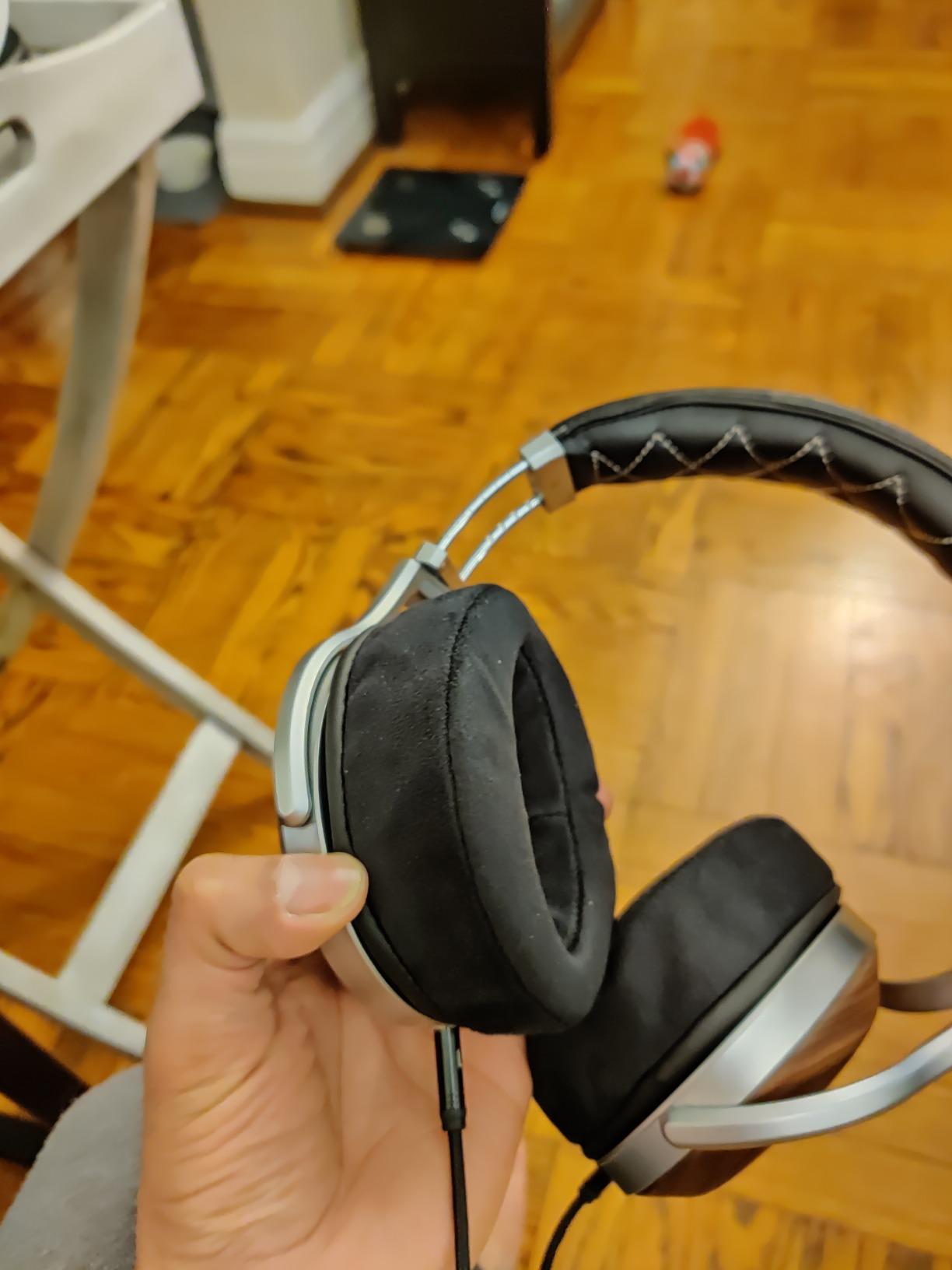
The Denon AH-D7200 is the headphone I pull out when I want to be reminded why this hobby exists. With 100% natural walnut ear cups and 50mm FreeEdge drivers with nano-fibre diaphragms, it looks and sounds like the flagship it is. The 5-56,000 Hz frequency response is Hi-Res Audio certified.
The sound signature is warm, musical, and inviting. Bass is tight and impactful rather than bloomy, mids have body and presence, and treble is smooth without losing detail. For jazz, classical, and acoustic music, this is the kind of tuning that makes you rediscover albums you’ve heard a hundred times.
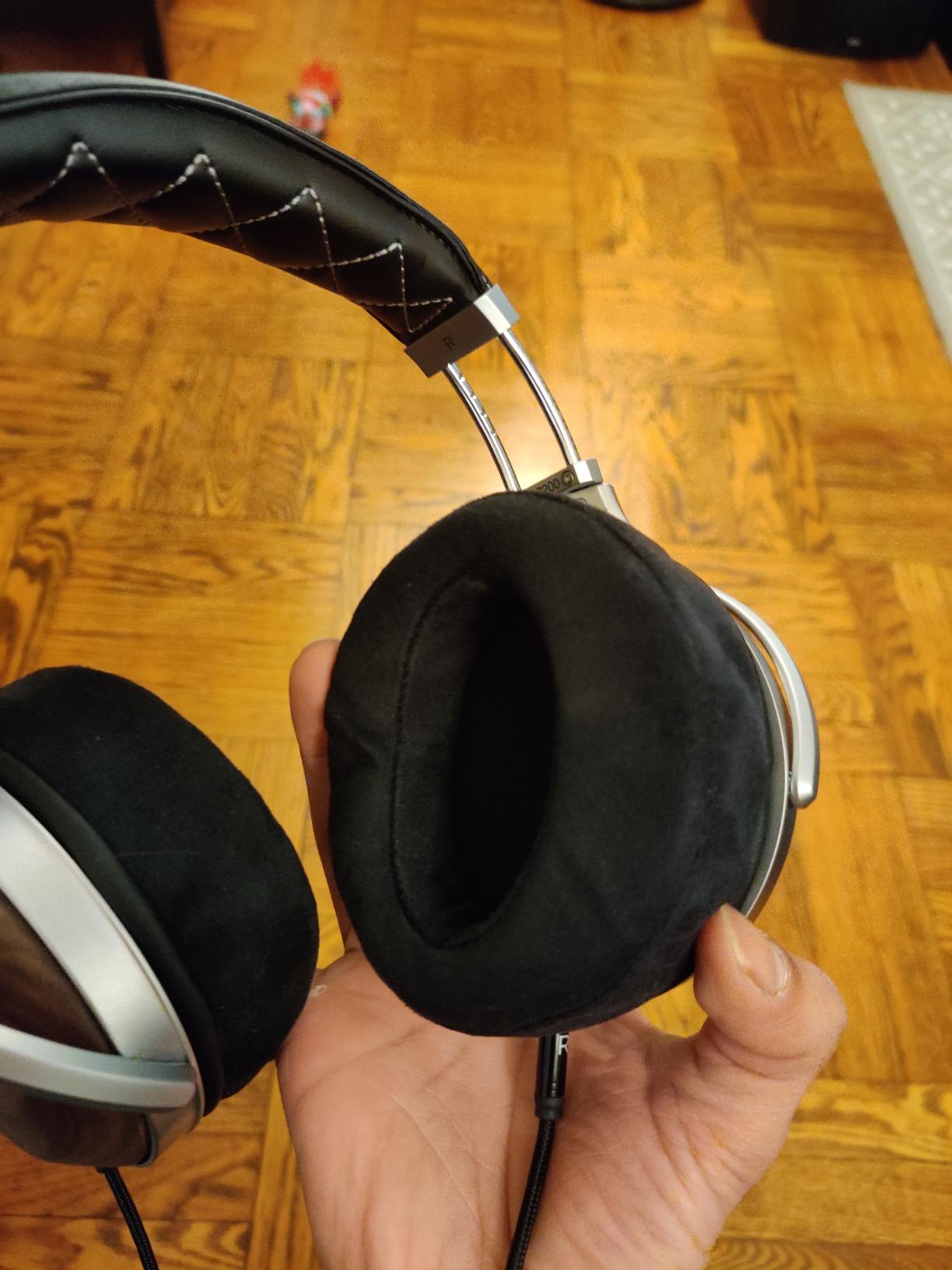
Walnut isn’t just cosmetic. The wood housing provides natural self-damping that shapes the sound, contributing to the smooth character. The 7N-purity copper cable, made in Japan, is a serious inclusion at this price point. Memory foam ear pads wrapped in engineered leather are comfortable for long sessions.
The 25 ohm impedance and 105 dB sensitivity mean even a phone drives these to satisfying volumes. The 385g weight is heavier than competitors, and some users report headband pressure during very long sessions, but for typical 2-3 hour listening periods comfort is excellent.
For whom it’s good
The AH-D7200 is the right pick for serious listeners who want a flagship experience with warm, musical tuning. It’s also my top recommendation for jazz and classical enthusiasts who value how wood housing shapes timbre, and anyone who appreciates craftsmanship and natural materials.
For whom it’s bad
It’s not the right pick for listeners on a budget, anyone who strictly prefers neutral analytical sound, or those who want a lightweight headphone for travel. The $1,099 price also means pad rolling and cable upgrades are worth budgeting for if you want to fine-tune the signature.
Buying Guide: How to Choose the Best Wired Audiophile Headphones
Choosing between eight great options comes down to understanding a few key variables. Here’s how I think through the decision for each listener I’ve helped.
Open-back vs closed-back
Open-back headphones let air move through the ear cups, creating a wider, more natural soundstage. They’re ideal for home listening in quiet spaces but leak sound in both directions, so they’re wrong for offices or shared rooms.
Closed-back headphones isolate you from external noise and keep your audio private. They’re the right pick for recording, commuting, and shared living spaces, but the soundstage is typically more intimate.
For classical and jazz at home, open-back is almost always preferable. For studio work and noisy environments, closed-back wins.
Driver technology: dynamic vs planar magnetic
Dynamic drivers use a voice coil attached to a diaphragm. They’re proven, affordable, and can deliver warm, musical sound. Most of the headphones on this list use dynamic drivers.
Planar magnetic drivers use a thin diaphragm with embedded conductors, driven by a magnetic field. They offer faster transient response, lower distortion, and a different kind of detail retrieval, but they typically cost more and need more amplification.
If you value soundstage and imaging for acoustic music, planar magnetic is worth exploring. If you want musical warmth and easier driving, dynamic drivers are the safer bet.
Impedance and amplification
Impedance (measured in ohms) tells you how much voltage the headphone needs. Lower impedance (under 50 ohms) means phones and laptops can drive the headphone adequately. Higher impedance (250 ohms and up) means a dedicated headphone amplifier is needed for optimal performance.
The beyerdynamic DT 990 PRO at 250 ohms demands an amp. The Denon AH-D7200 at 25 ohms works from a phone. If you don’t want to buy a separate amp, stick to headphones under 80 ohms.
A dedicated DAC/amp combination like the Topping DX3 Pro+ or iFi Zen DAC will improve any of these headphones, but the gains are largest with high-impedance models.
Sound signature preference
Neutral-analytical headphones (DT 990 PRO, HD 505) reveal flaws in recordings and prioritize accuracy. They’re favored for studio work and critical listening but can feel sterile on poor recordings.
Warm-musical headphones (Denon AH-D7200) add a touch of coloration that makes music more engaging. They’re favored for enjoyment but less suited for mixing decisions.
Balanced headphones (HD 599 SE, Sony MDR7506) sit in between, offering honest sound with enough character to remain musical across genres.
Comfort and build quality
Weight, clamp force, and ear pad material matter more than spec sheets suggest. I’ve returned otherwise excellent headphones because the clamp hurt after an hour. Velour pads breathe well; leather pads isolate better but get warm.
If you wear glasses or plan marathon sessions, prioritize models with light clamp and velour pads (HD 505, HD 599 SE). For studio work where isolation matters, leather pads and moderate clamp (Sony MDR7506) work better.
Cable options and upgradeability
Detachable cables extend headphone life. If the cable fails (the most common failure point), you replace the cable rather than the headphone. All eight picks except the Audio-Technica M20x and Sony MDR7506 have detachable cables.
Cable upgrades are a real thing in audiophile communities, but I’d suggest living with a headphone for a month before chasing cable changes. The differences are subtle and source-dependent.
Frequently Asked Questions
What are the best audiophile wired headphones?
The best audiophile wired headphones depend on budget and use case. For most listeners, the Sennheiser HD 505 Copper Edition offers the best balance of transparency, comfort, and value. The Sony MDR7506 is the best value pick for studio work, and the Denon AH-D7200 is the flagship choice for warm, musical sound.
Why do audiophiles prefer wired headphones?
Audiophiles prefer wired headphones because they avoid Bluetooth compression, latency, and DAC variability. A wired connection delivers the full resolution of the source file with no wireless signal processing in between, which matters when chasing the subtle details in well-recorded music.
Which wired headphones have the best sound quality?
Sound quality is subjective, but technical performance tends to peak with planar magnetic designs like the HIFIMAN Edition XS for imaging and dynamics like the Denon AH-D7200 for warmth. The Sennheiser HD 505 and beyerdynamic DT 990 PRO deliver exceptional detail retrieval in their respective price tiers.
What impedance do I need for audiophile headphones?
Impedance under 50 ohms works well from phones and laptops. Impedance between 50 and 100 ohms benefits from a modest headphone amp. Impedance of 250 ohms and above, like the beyerdynamic DT 990 PRO, requires a dedicated amplifier for optimal performance.
Do audiophile headphones need an amplifier?
It depends on the headphone. Low-impedance models (under 50 ohms) like the Denon AH-D7200 work from phones and laptops. Higher-impedance models like the 250 ohm beyerdynamic DT 990 PRO need a dedicated headphone amplifier to reach their full potential.
Open-back vs closed-back audiophile headphones?
Open-back headphones offer wider soundstage and more natural imaging, ideal for home listening and acoustic music. Closed-back headphones isolate external noise and prevent sound leakage, making them better for shared spaces, recording, and commuting.
Final Verdict
After three months of testing, my top pick for the best wired audiophile headphones in 2026 is the Sennheiser HD 505 Copper Edition. It delivers the transparent, natural sound Sennheiser is famous for, with modern comfort improvements that make it a joy for long classical music sessions.
If you’re building a home studio on a budget, the Sony MDR7506 remains the smart play. For warm, musical listening at flagship level, the Denon AH-D7200 is a beautiful piece of gear that rewards careful system matching. Whatever you choose, give your new headphones at least a week of regular listening before forming final opinions, because the best wired audiophile headphones reveal more the longer you live with them.