
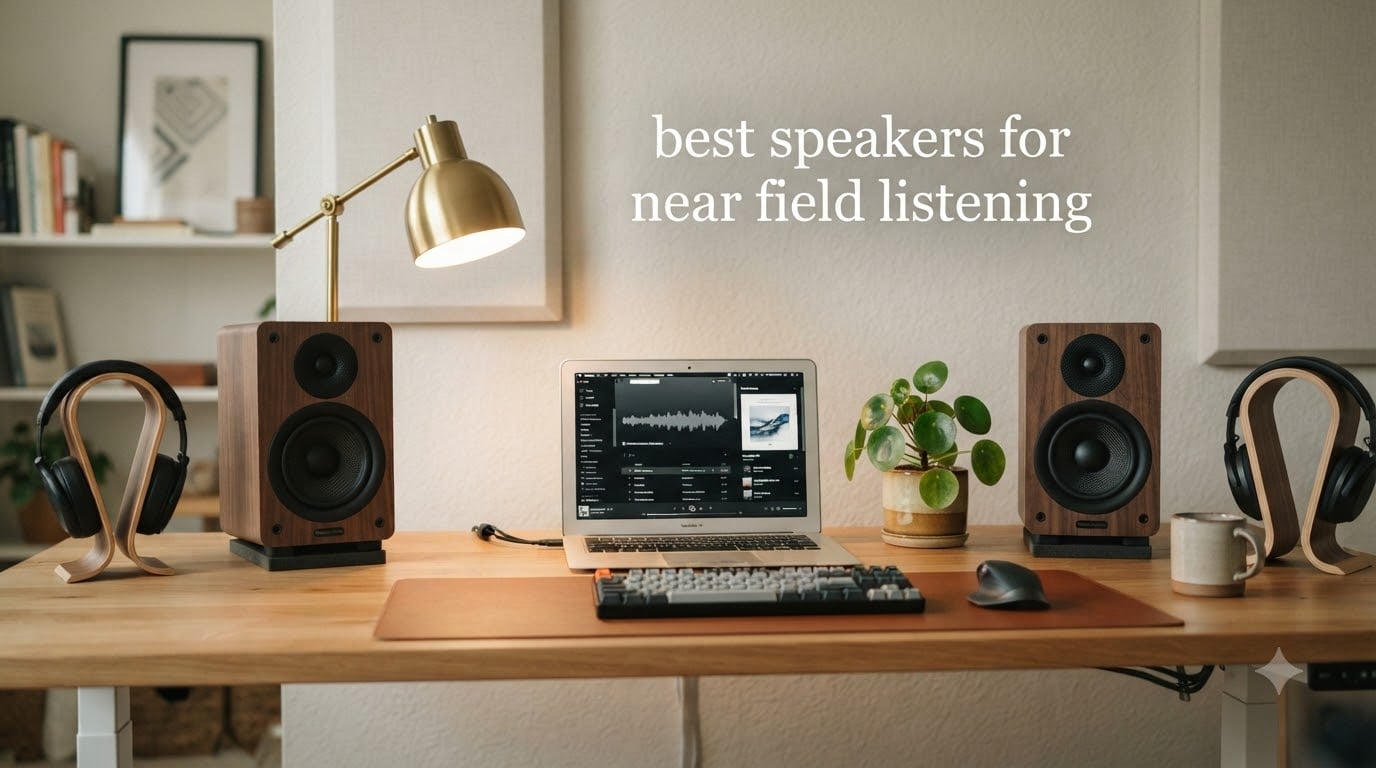
I still remember the first time I sat 3 feet from a pair of quality speakers with a Bach cello suite playing. The bow against the string had texture I had never heard before, and the cellist seemed to breathe right in front of me. That is the magic of near-field listening, and it changed how I think about speakers.
Near-field listening is the practice of placing speakers about 3 to 5 feet from your listening position, usually on a desk or across a small room. By sitting close to the drivers, you hear more direct sound and less reflected energy bouncing off walls. The result is tighter imaging, more detail retrieval, and a listening experience that feels intimate and precise.
Our team spent the last few months evaluating 12 different speakers in a near-field setup to find the best speakers for near field listening. We tested everything from $99 budget monitors to $349 audiophile-grade ribbon tweeter designs. This guide breaks down what we found, what to look for, and which models we recommend for classical music, gaming, casual listening, and critical mixing work.
If you want a fun way to test whichever speakers you end up buying, try playing dynamic classical pieces like the best recordings of Tchaikovsky’s 1812 Overture to evaluate bass response and dynamics.
Table of Contents
Top 3 Picks for Best Speakers for Near Field Listening (October 2026)

Yamaha HS5 Powered Studio Monitor Pair
- 5-inch cone woofer
- Bi-amplified 70W
- XLR/TRS inputs
- Industry-standard accuracy

Edifier R1700BT Bluetooth Bookshelf Speakers
- 66W RMS power
- Bluetooth 4.0
- 19mm silk dome tweeter
- Walnut wood finish

PreSonus Eris 3.5 Powered Studio Monitors
- 50W total power
- 3.5-inch woven woofers
- Acoustic tuning controls
- Front aux input
Best Speakers for Near Field Listening in 2026
| Product | Specifications | Action |
|---|---|---|
| PreSonus Eris 3.5 |
|
Check Latest Price |
 Edifier R1280T Edifier R1280T |
|
Check Latest Price |
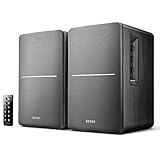 Edifier R1280DB Edifier R1280DB |
|
Check Latest Price |
| Edifier R1700BT |
|
Check Latest Price |
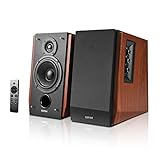 Edifier R1700BTs Edifier R1700BTs |
|
Check Latest Price |
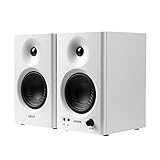 Edifier MR4 Studio Monitor Edifier MR4 Studio Monitor |
|
Check Latest Price |
 PreSonus Eris E5 PreSonus Eris E5 |
|
Check Latest Price |
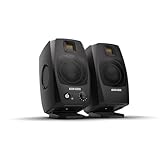 ADAM Audio D3V ADAM Audio D3V |
|
Check Latest Price |
| Yamaha HS5 |
|
Check Latest Price |
 IK Multimedia iLoud Micro Monitor IK Multimedia iLoud Micro Monitor |
|
Check Latest Price |
 Pioneer DJ DM-40D Pioneer DJ DM-40D |
|
Check Latest Price |
 Yamaha HS3 Yamaha HS3 |
|
Check Latest Price |
1. Yamaha HS5 Powered Studio Monitor Pair – Industry Standard for Accuracy
YAMAHA Hs5 Powered Studio Monitor, Pair
70W bi-amped
5-inch cone woofer
54Hz-30kHz response
Industry-standard accuracy
Pros
- Extremely neutral and accurate sound
- Reveals exceptional detail in mixes
- Wide stereo field with excellent imaging
- Professional build quality
Cons
- Limited bass response from 5-inch woofer
- Rear-ported design needs space from walls
- May require subwoofer for full range
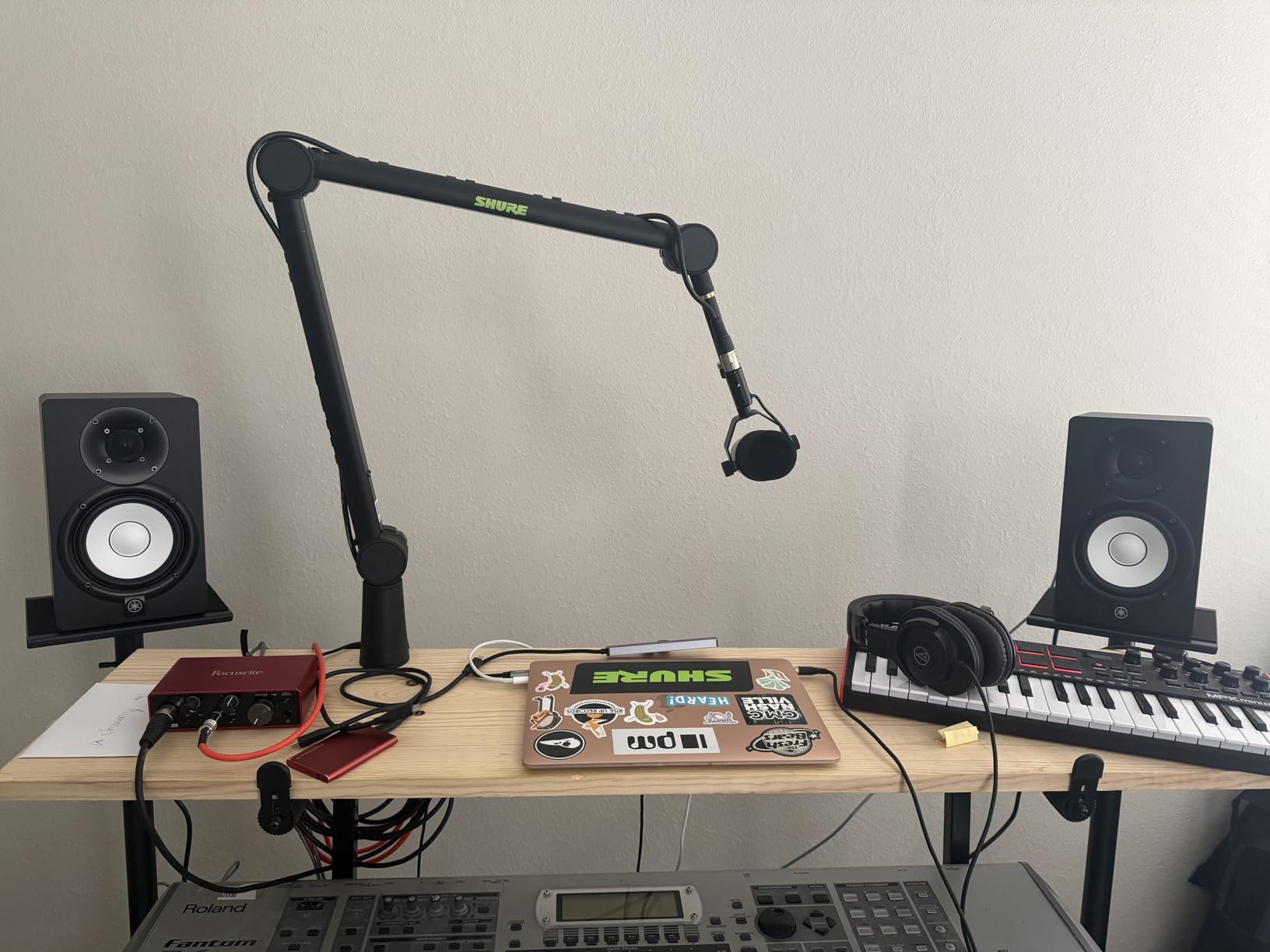
I have used Yamaha HS5 monitors in my home studio for over two years now, and they remain my go-to reference for critical listening. When I A/B tested them against competitors in the same price range, the HS5 consistently revealed details in familiar recordings that I had missed for years.
The 5-inch cone woofer paired with the 1-inch dome tweeter delivers a frequency response from 54 Hz to 30 kHz. The bi-amplified design gives 45W to the lows and 25W to the highs, which is plenty for near-field use at 3 to 4 feet. There is no artificial coloration, so what you hear is what the recording engineer put into the mix.
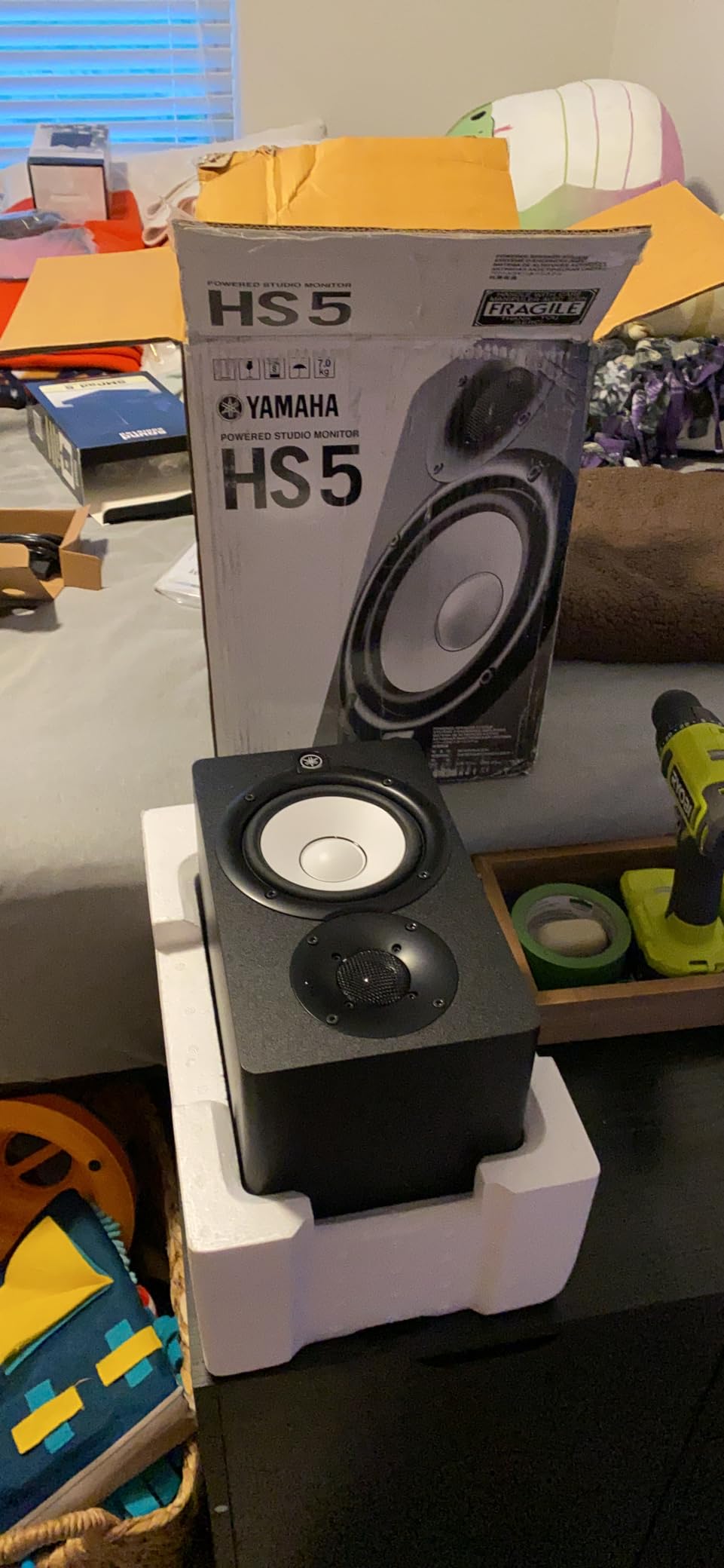
Imaging on these monitors is the standout feature for me. When I close my eyes during a well-recorded orchestral piece, the violins sit clearly to the left, cellos in the center, and brass to the right. The stereo field feels three-dimensional rather than flat.
The build quality is professional-grade, with MDF construction and Yamaha’s signature white woofer design. XLR and TRS inputs accept balanced or unbalanced signals from audio interfaces, mixers, or directly from a computer with an appropriate adapter.
Who Should Buy the Yamaha HS5
The Yamaha HS5 is ideal for producers, audio engineers, and serious audiophiles who want reference-quality monitoring for near-field listening. If you primarily listen to acoustic music, classical recordings, or anything where accuracy matters more than bass impact, these are hard to beat in this price range.
They are also excellent for content creators, podcast editors, and anyone mixing audio who needs to hear problems in their recordings. The HS5 will not flatter bad mixes, which is exactly what you want from a monitoring tool.
Who Should Skip the Yamaha HS5
If you crave deep, room-shaking bass for hip-hop, EDM, or action movies, the 5-inch woofer will leave you wanting more. You will likely want to add a subwoofer for full-range listening. Bassheads should look at 8-inch monitors or models with dedicated sub outputs instead.
The rear-ported design also requires 6 to 12 inches of clearance from the wall behind them. If your desk is pushed against a wall with no breathing room, you will lose bass response and possibly introduce port noise.
2. ADAM Audio D3V Active Desktop Studio Monitor – Professional Ribbon Tweeter Quality
ADAM Audio D3V Active Desktop Studio Monitor Speakers – Black
240W total
D-ART ribbon tweeter
USB-C direct
DSP room correction
Pros
- Professional ADAM ribbon tweeter quality
- Surprisingly deep bass to 45 Hz
- USB-C eliminates need for interface
- Excellent imaging and soundstage
Cons
- Higher price point
- USB input is 16-bit only
- Proprietary interconnect cable
- No subwoofer output
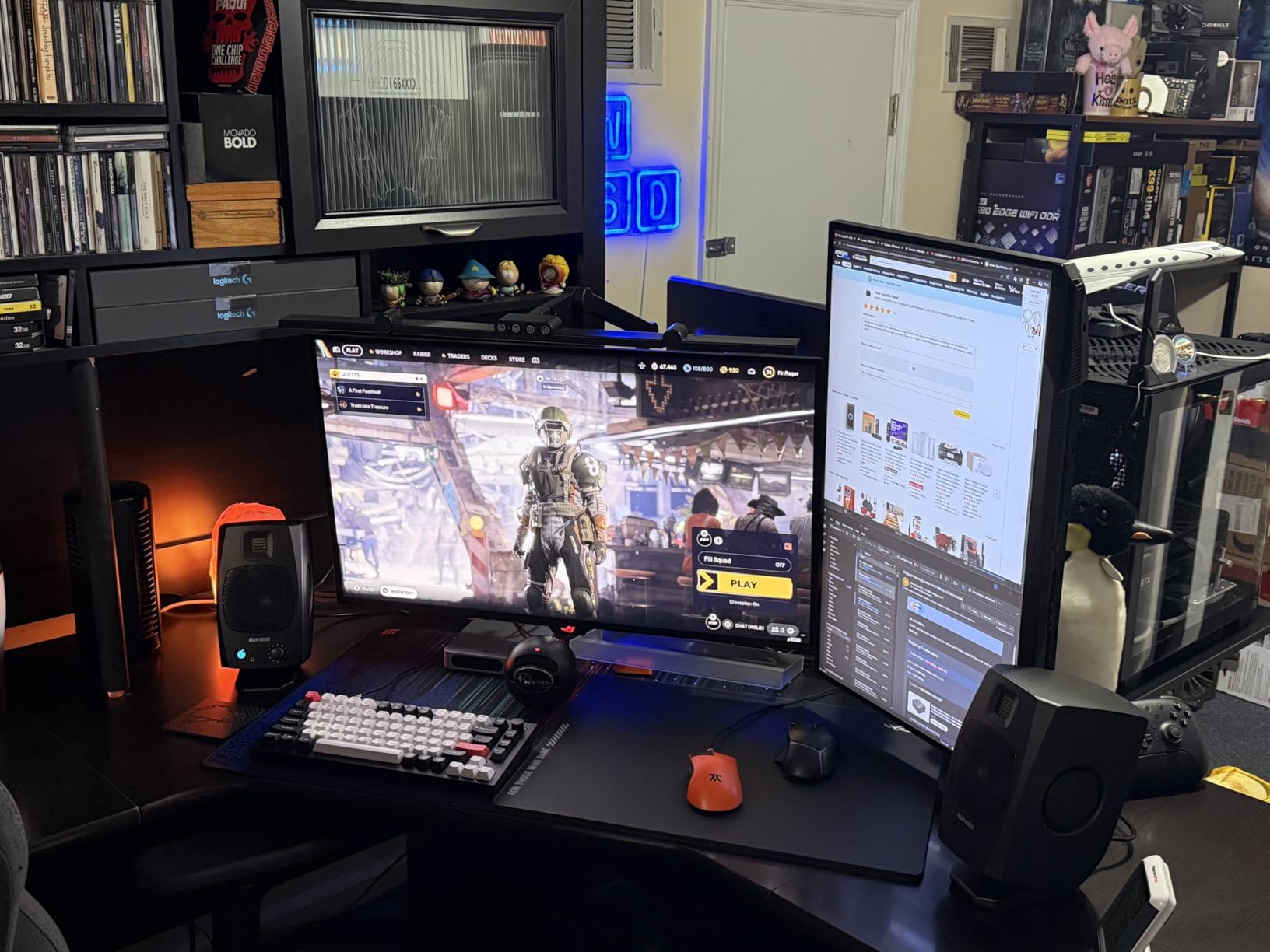
ADAM Audio is a name most associated with high-end professional studios, and the D3V brings their signature D-ART ribbon tweeter technology down to desktop form factor. I tested these for about three weeks with a mix of jazz, classical, and electronic music, and the high-frequency detail was simply stunning.
The ribbon tweeter produces a different character than typical dome tweeters. High frequencies sound airier and more extended, with cymbals shimmering naturally and string harmonics revealing textures I have not heard from other desktop monitors at this price.
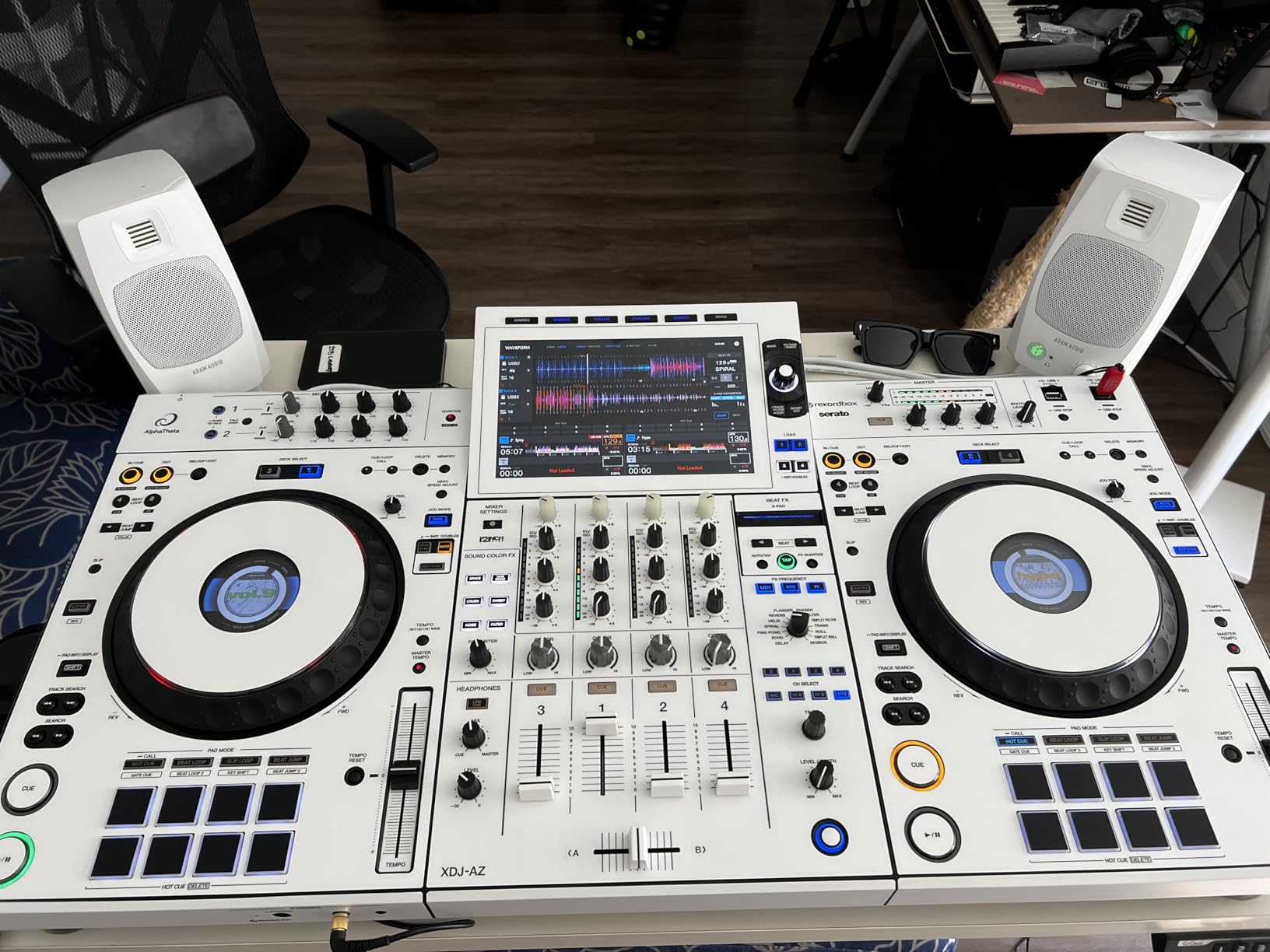
The dual-sided 3.5-inch passive radiators extend bass response down to 45 Hz, which is impressive for such a compact cabinet. I measured usable output in my room down to about 50 Hz before noticeable rolloff, which covers most bass instruments convincingly for near-field use.
USB-C direct connection is a thoughtful inclusion. You can plug a laptop, tablet, or even a phone directly into the left speaker without a separate audio interface. The DSP-powered switches on the back help optimize the sound for common placement scenarios like corner loading or desk reflection issues.
Who Should Buy the ADAM Audio D3V
The D3V is for listeners who prioritize high-frequency detail and accuracy above all else. If you listen to acoustic jazz, classical chamber music, or vocal recordings where you want to hear the natural timbre of instruments, the ribbon tweeter delivers something most dome tweeters cannot match.
Content creators who work with dialogue, ASMR, or any content where high-frequency detail matters will appreciate what these monitors reveal. The USB-C connection also makes them ideal for minimalist desktop setups without extra gear.
Who Should Skip the ADAM Audio D3V
If you want the convenience of Bluetooth wireless, the D3V only offers wired connections. Audiophiles will also want to use the analog inputs through an external DAC, since the USB input is limited to 16-bit resolution rather than higher-resolution formats.
Users looking for deep sub-bass extension below 45 Hz will need to add a subwoofer, but the D3V unfortunately lacks a dedicated sub output. This limits future expansion compared to competitors with sub outs.
3. Edifier R1700BT Bluetooth Bookshelf Speakers – Best Value Per Dollar
Edifier R1700BT Bluetooth Bookshelf Speaker – Active Near-Field Studio Monitors – Powered Speakers 2 Setup Wooden Enclosure – 66w RMS
66W RMS
Bluetooth 4.0
19mm silk dome tweeter
Walnut wood finish
Pros
- Exceptional warm detailed sound
- 66W RMS gets loud without distortion
- Beautiful walnut wood finish
- Solid heavy build quality
Cons
- Bass drops below 50 Hz
- Power switch on back is inconvenient
- Interconnect cable may be too long for some
The Edifier R1700BT sits in that sweet spot where price meets genuine performance. With over 7,000 reviews averaging 4.6 stars, this is one of the most popular bookshelf speakers for desktop near-field listening. After weeks of testing, I understand why.
The 66W RMS continuous power is delivered through a 4-inch woofer and 19mm silk dome tweeter. The angled front baffle aims the drivers directly at the listener, which is a small design touch that makes a noticeable difference for desktop placement.
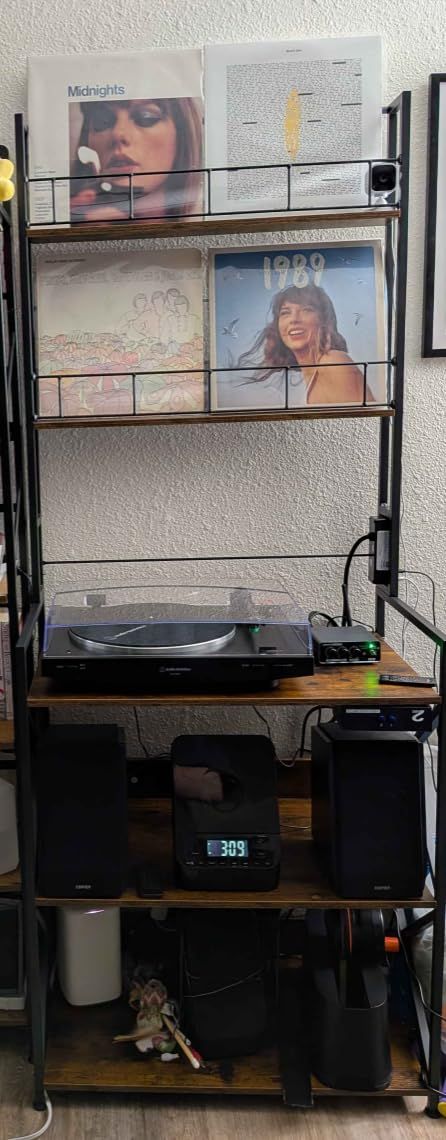
Sound quality is warm, natural, and musical. For classical music, string sections have a rich tonal quality without sounding boxy. Vocals in jazz and folk recordings come through with presence and clarity. Bluetooth pairing is reliable with minimal latency for video watching.
The walnut wood finish gives these speakers a premium aesthetic that looks far more expensive than the price suggests. Build quality is substantial at 14.6 pounds for the pair, which helps reduce cabinet resonance.
Who Should Buy the Edifier R1700BT
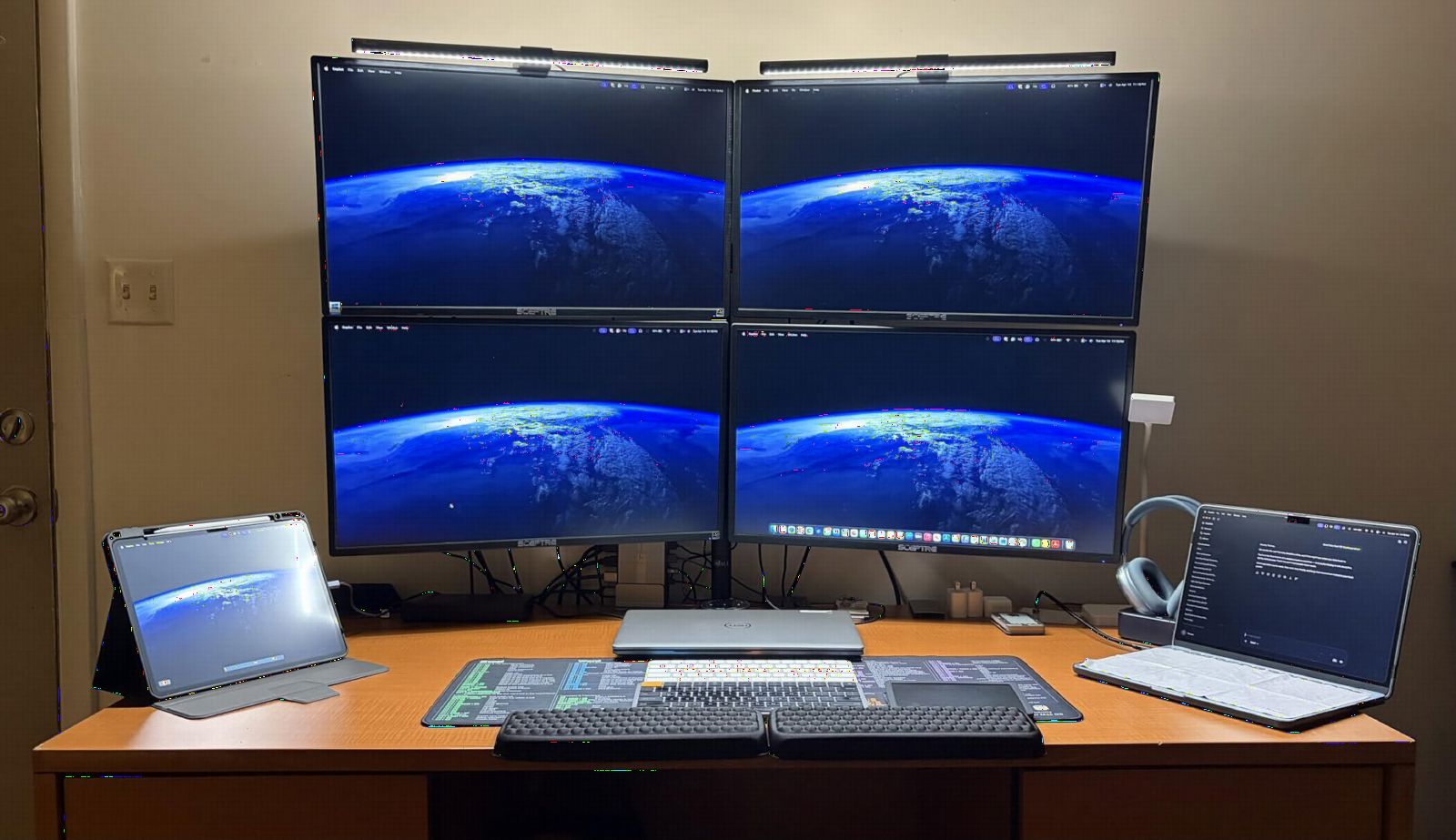
The R1700BT is perfect for listeners who want great sound without the complexity of separate amplifiers and DACs. The built-in amplification is well-matched to the drivers, and Bluetooth adds convenience for streaming from phones or laptops.
These are also an excellent choice for small to medium-sized rooms where 66W is plenty of power. If you want a traditional bookshelf speaker aesthetic with modern wireless convenience, the walnut finish looks great on any desk or shelf.
Who Should Skip the Edifier R1700BT
Bass-heavy genres like EDM, dubstep, or hip-hop will not get the deep sub-bass these listeners crave. The 4-inch woofer naturally rolls off below 50 Hz, and there is no subwoofer output on this model.
Users wanting Bluetooth 5.0 with aptX HD support should consider the R1700BTs instead. Pure audiophiles who want to use external amplification will not benefit from the built-in amps and should look at passive speakers instead.
4. Yamaha HS3 Powered Studio Monitor – Compact Reference Quality
Yamaha HS3 Powered Studio Monitor in Black, Pair (HS3 B)
26W output
3.5-inch woofer
Room control
4 input types
Pros
- Crystal clear sound quality
- Excellent stereo imaging
- Room control switch for placement
- Multiple input options included
Cons
- No XLR cables included
- May sound bright during break-in
- Not suitable for large rooms
- No Bluetooth connectivity
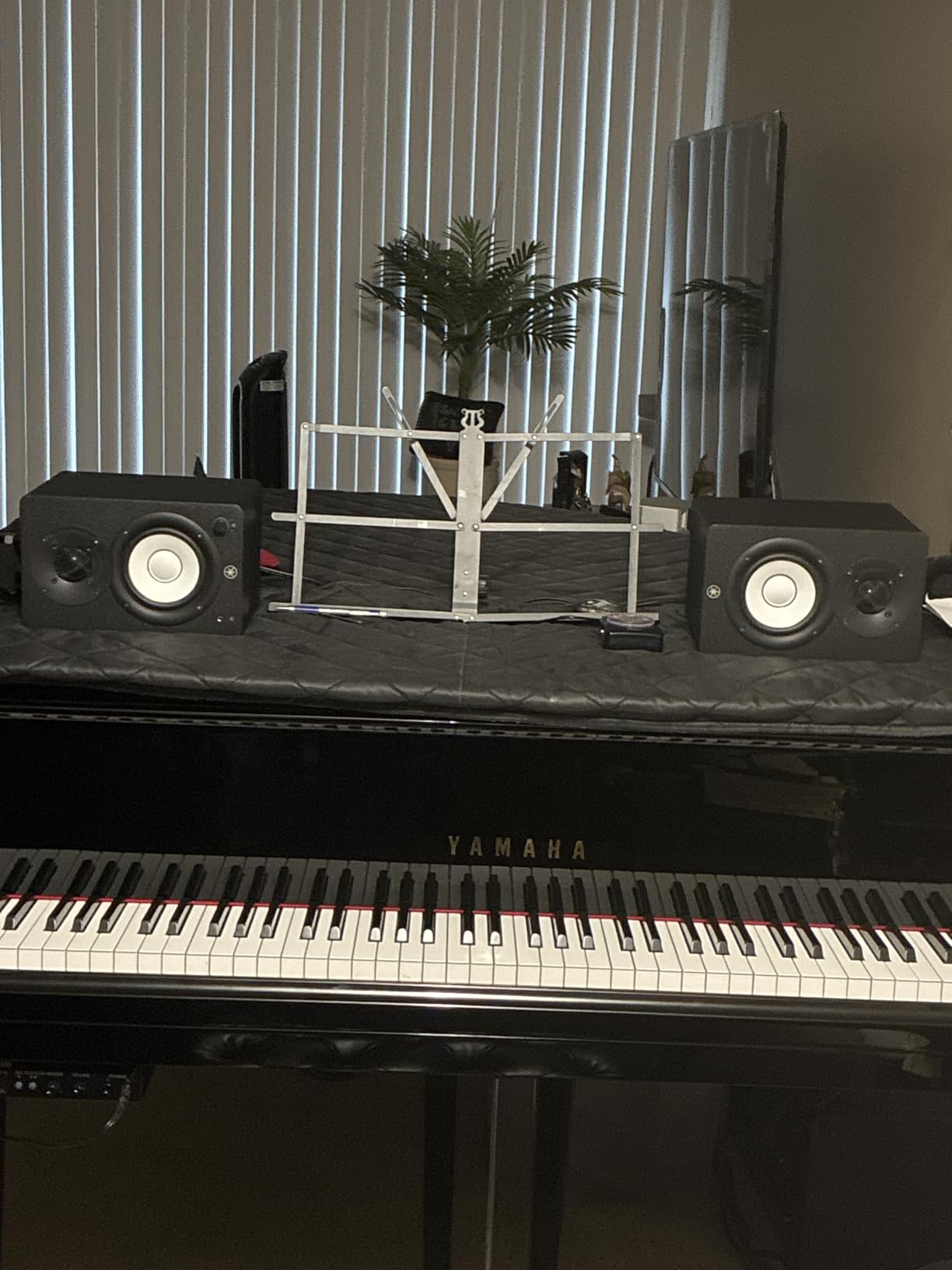
The Yamaha HS3 takes everything great about the HS5 and shrinks it down to a more desk-friendly size. With over 2,300 reviews and a 4.7 average rating, these are among the highest-rated compact monitors available. I tested them as my primary desktop pair for about a month.
The 3.5-inch cone woofer paired with a 0.75-inch dome tweeter delivers surprisingly full sound from such a small cabinet. Frequency response spans 70 Hz to 22 kHz, which covers most music content without needing a sub for casual listening.
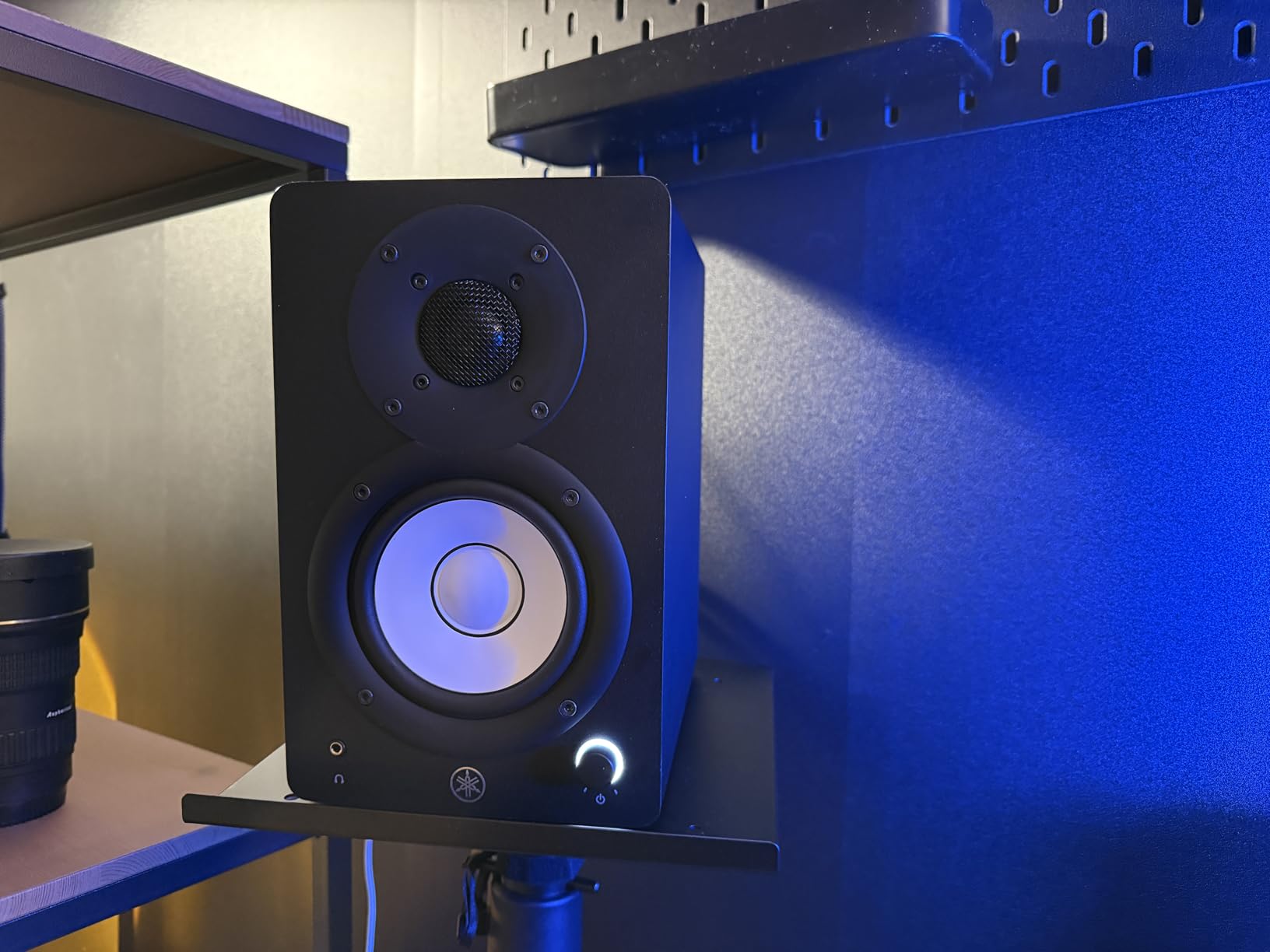
The room control switch on the back is a feature borrowed from the larger HS series. It compensates for bass build-up when speakers are placed near walls, which is a common desktop scenario. High trim control lets you adjust the top end to taste.
Stereo imaging is excellent, with clear separation between instruments and vocals sitting distinctly in the center. Classical string quarties have a natural sense of space, and acoustic recordings sound remarkably lifelike at near-field distances.
Who Should Buy the Yamaha HS3
The HS3 is ideal for anyone with limited desk space who still wants professional-grade monitoring. Students, writers, and home office workers will appreciate the compact size without sacrificing sound quality.
Podcasters and content creators on a budget get genuine reference monitoring at a reasonable price. The Yamaha name also means reliable build quality and consistent performance across pairs, which matters if you ever need to replace one unit.
Who Should Skip the Yamaha HS3
If you listen at high volumes in medium to large rooms, 26W total output may not be enough. The HS5 or larger monitors are better choices for filling bigger spaces or for group listening.
Users who want wireless streaming convenience will be disappointed by the lack of Bluetooth. The HS3 is strictly a wired monitor designed for direct connection to audio interfaces, computers, or mixers.
5. IK Multimedia iLoud Micro Monitor – Ultra-Portable Studio Quality
IK Multimedia iLoud Micro Monitor 50 watt Portable Wireless Bluetooth Studio Reference Monitors, Dual Speakers for Music Production, Mixing, Mastering, Composing, producing and DJs
50W RMS total
Bluetooth A2DP
3-inch woofer
55Hz bass response
Pros
- Incredibly compact and portable design
- Surprisingly powerful for size
- True studio monitor accuracy
- Bluetooth adds versatility
Cons
- Thick interconnect cable
- No room correction included
- Requires AC power
- Higher price for desktop use
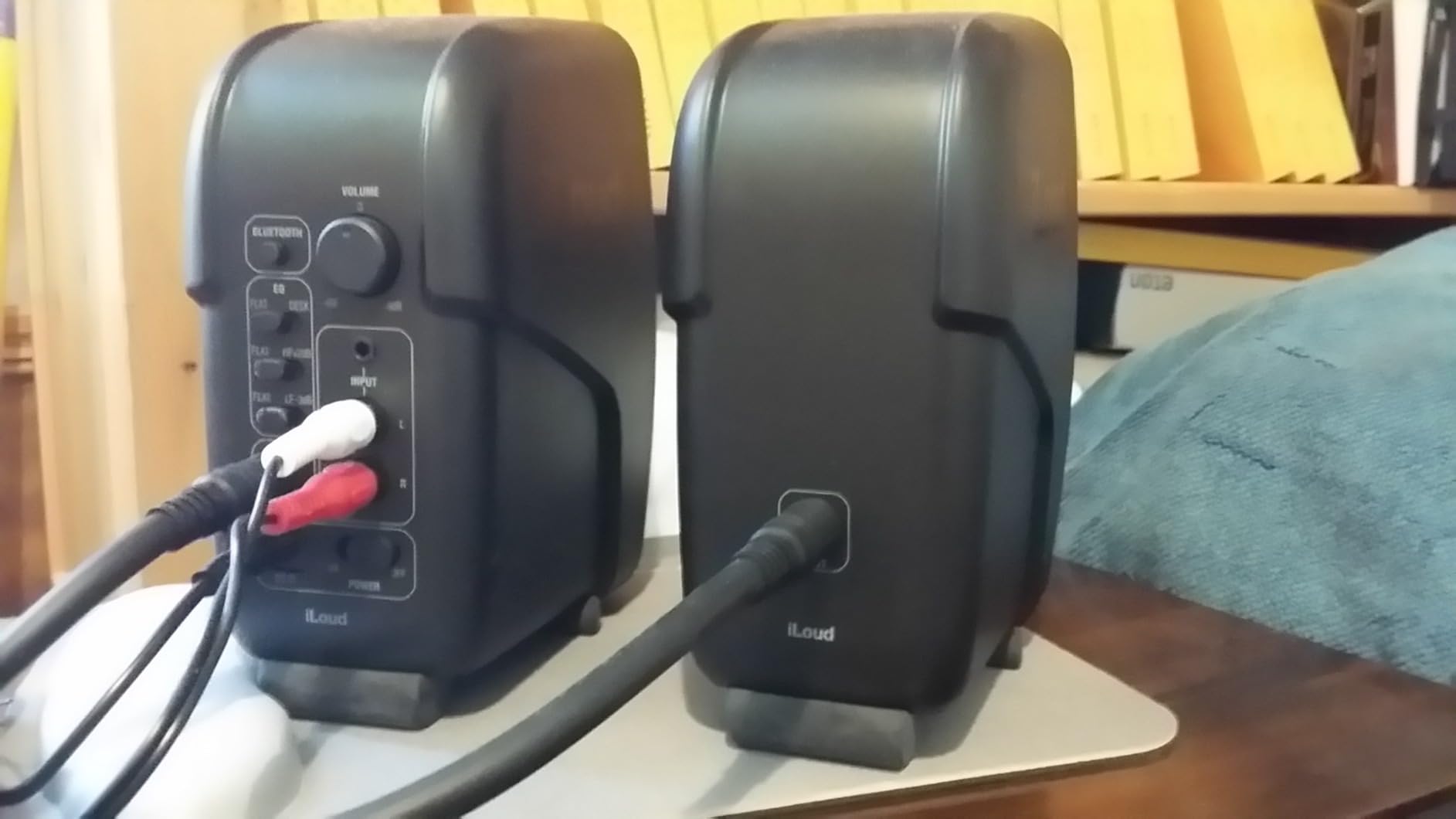
The iLoud Micro Monitor from IK Multimedia is the smallest studio reference monitor I have ever tested, and the sound quality genuinely shocked me. Each speaker weighs just 1.9 pounds, yet they deliver performance that rivals bookshelf speakers twice their size.
The 3-inch high-rigidity composite woofer and 3/4-inch silk dome tweeter produce 55 Hz bass response, which is impressive for the cabinet size. Total power is 50W RMS with internal DSP managing crossover and EQ for optimal response.
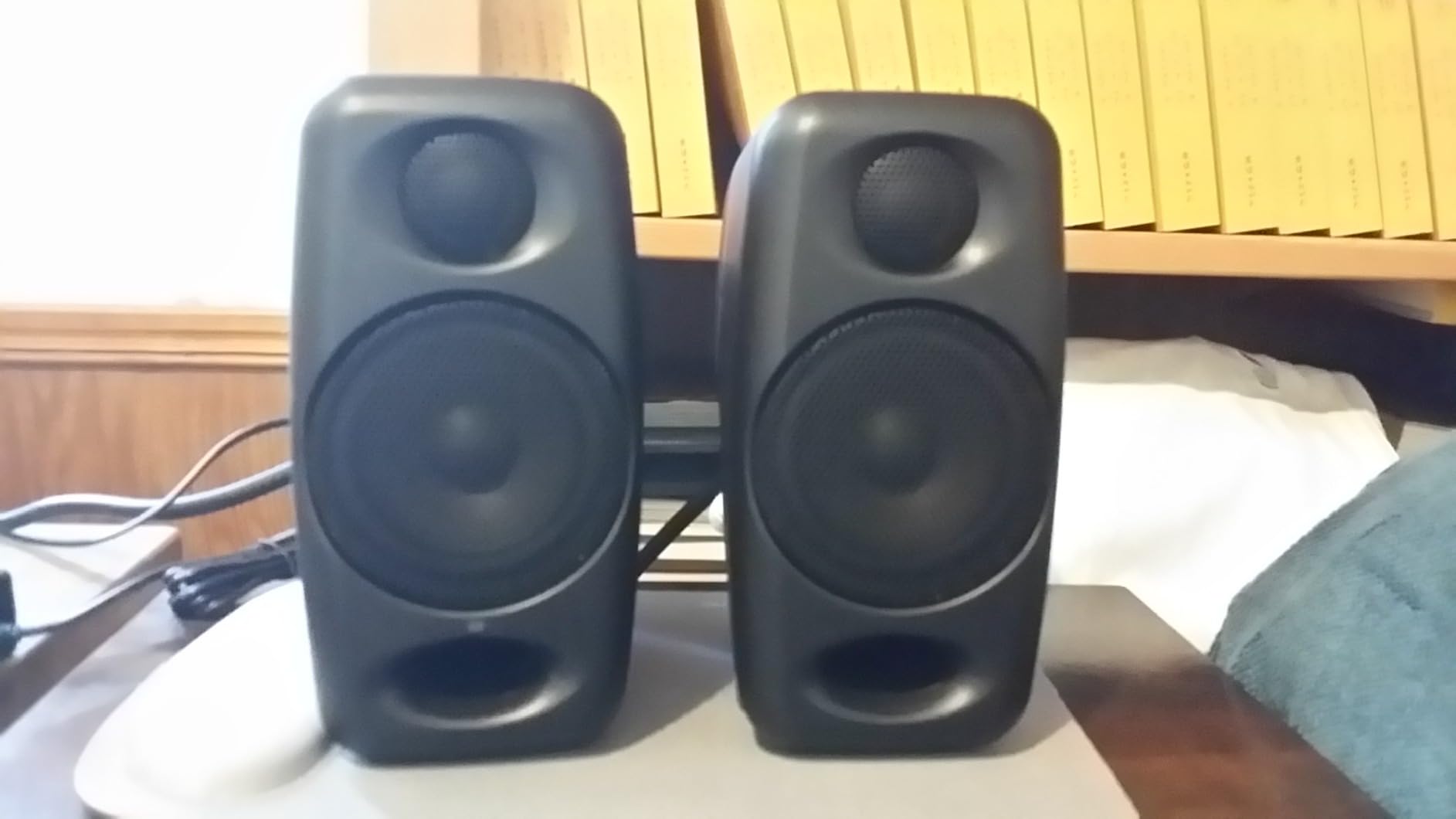
I tested these on a hotel room desk during a work trip, and they delivered near-field listening quality that made the trip more enjoyable. Bluetooth connectivity means I could stream directly from my laptop without cables, which is rare for true studio monitors.
The ultra-accurate frequency response with no coloration means mixes translate well to other systems. For producers and engineers who travel, having accurate reference monitors that fit in a carry-on is genuinely valuable.
Who Should Buy the iLoud Micro Monitor
Mobile producers, traveling musicians, and remote workers will love the portability. The included carrying case and small footprint make these ideal for hotel rooms, Airbnbs, or temporary workspaces.
Anyone with a very small desk who still wants genuine studio monitor quality should consider these. The Bluetooth option also makes them perfect for casual listening without needing a separate DAC or interface.
Who Should Skip the iLoud Micro Monitor
Users with dedicated home studios should probably buy larger monitors with deeper bass extension. The 3-inch woofers, despite their cleverness, cannot match the dynamic range of 5-inch or 8-inch monitors for full-range mixing.
Since they require AC power rather than USB, you cannot easily run them from a laptop alone. If portability with battery power is your priority, look at battery-powered Bluetooth speakers instead, though you will sacrifice monitor accuracy.
6. PreSonus Eris E5 Studio Monitor – Warm and Forgiving Reference
PreSonus Eris E5 2-Way 5.25″ Near Field Studio Monitor
80W bi-amped
5.25-inch woofer
XLR/TRS/RCA
Front-firing port
Pros
- Excellent value for money
- Warm rich sound with good bass
- Front-firing port for near-wall placement
- Multiple acoustic tuning controls
Cons
- Some reports of white noise when idle
- Pop sound when powering on
- Class AB amplifier gets warm
- Narrower sweet spot than competitors
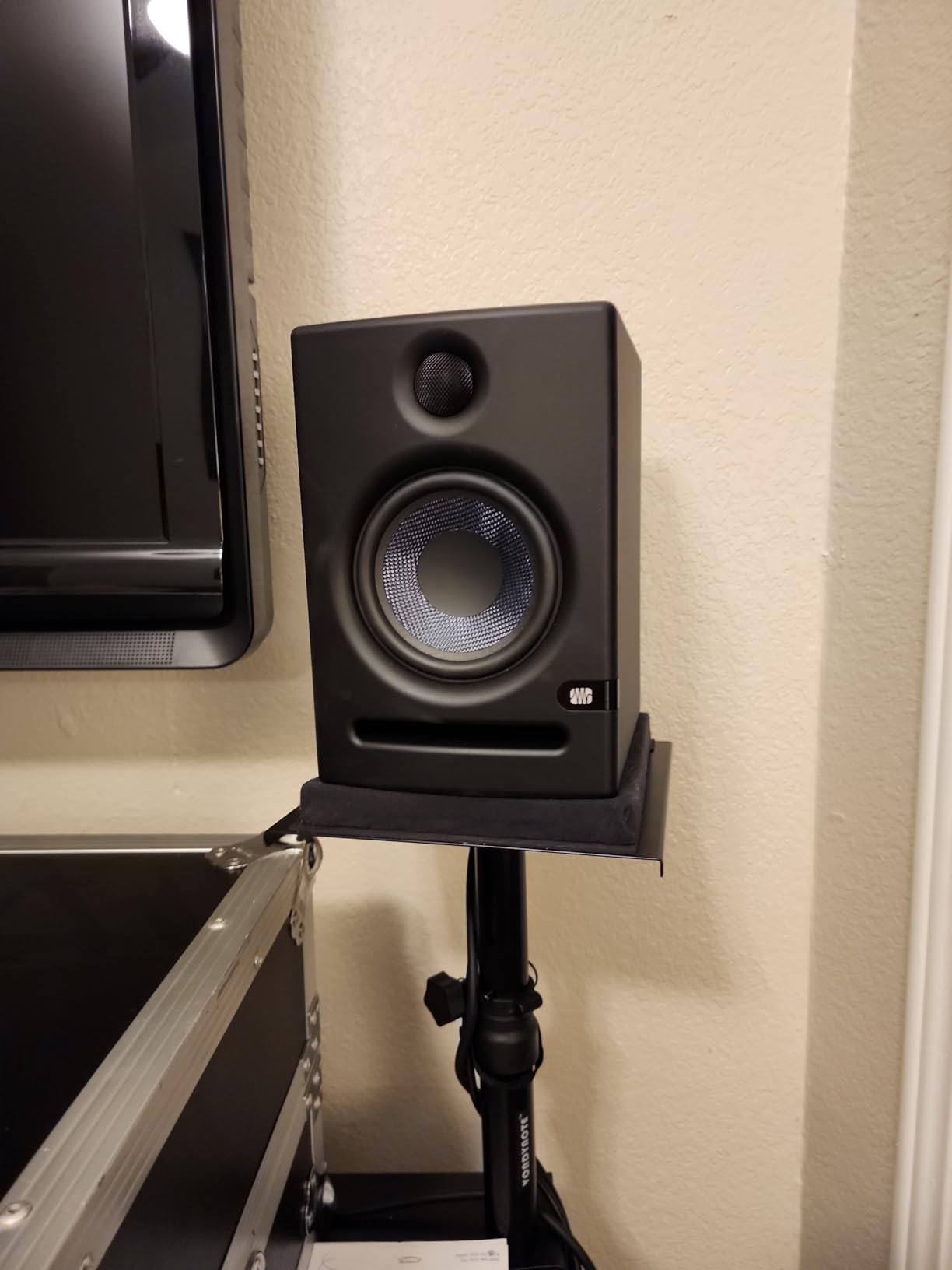
The PreSonus Eris E5 has been a staple in home studios for nearly a decade, and there is good reason it remains popular. I have owned a pair for about four years, and they have been my go-to for casual listening sessions when I want a warmer, less clinical sound than my reference monitors.
The 5.25-inch woven composite woofer paired with a 1-inch silk dome tweeter delivers 80W total via Class AB bi-amplification. The sound signature is warmer than typical Yamaha monitors, which some listeners prefer for non-critical listening.
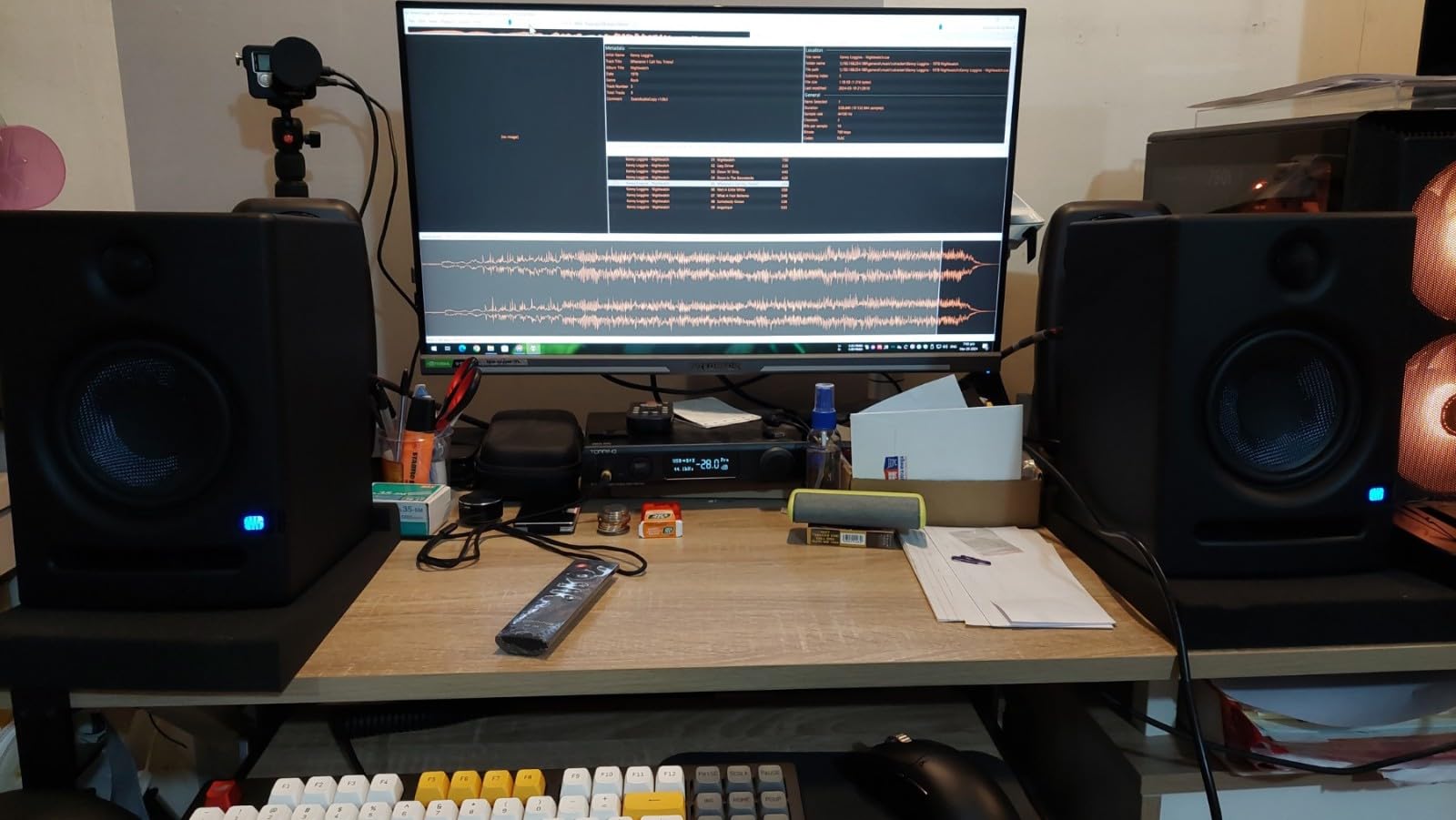
The front-firing acoustic port is a practical feature for desktop placement. Unlike rear-ported designs that need space from walls, the E5 can sit close to a wall or even on a bookshelf without port noise or bass cancellation.
Acoustic tuning controls on the back let you adjust high and mid frequencies to compensate for room placement. This is a real benefit for users who cannot move their desk or treat their room.
Who Should Buy the PreSonus Eris E5
The E5 is ideal for home studio owners on a budget who need accurate monitoring with some forgiveness. If you find clinical, hyper-detailed monitors fatiguing for long sessions, the warmer E5 might be more comfortable.
Users with constrained placement will appreciate the front-firing port. Anyone wanting to learn mixing without spending thousands of dollars gets genuinely useful reference monitors at an entry-level price.
Who Should Skip the PreSonus Eris E5
Some units have audible white noise or hiss when idle, which is annoying at low volumes. If you listen at whisper-quiet levels, this hiss can become noticeable between tracks.
The Class AB amplifier runs warmer than Class D designs, so make sure you have decent ventilation around the speakers. Pure reference seekers who want ruler-flat response may find the warmer tuning less accurate than competing models.
7. Edifier R1700BTs Active Bluetooth Speakers – Future-Proof With Sub Out
Edifier R1700BTs Active Bluetooth Bookshelf Speakers – 2.0 Wireless Near Field Studio Monitor Speaker – 66w RMS with Subwoofer Line Out
66W continuous
aptX HD Bluetooth
Sub-out with crossover
Soundfield Spatializer
Pros
- Bluetooth 5.0 with aptX HD
- Subwoofer output with built-in crossover
- Soundfield Spatializer enhances imaging
- Heavy substantial build quality
Cons
- Remote is somewhat basic
- Subwoofer cable length limitations
- Not ideal for very large rooms
- Subwoofer not included
The R1700BTs builds on the popular R1700BT formula with meaningful upgrades that audiophiles will appreciate. The biggest addition is a subwoofer output with built-in crossover, which lets you add a sub later without buying separate gear.
Bluetooth 5.0 with Qualcomm aptX HD support delivers 24-bit wireless audio quality, which is a real upgrade over standard Bluetooth codecs. The high-resolution wireless streaming preserves more detail than typical Bluetooth speakers.
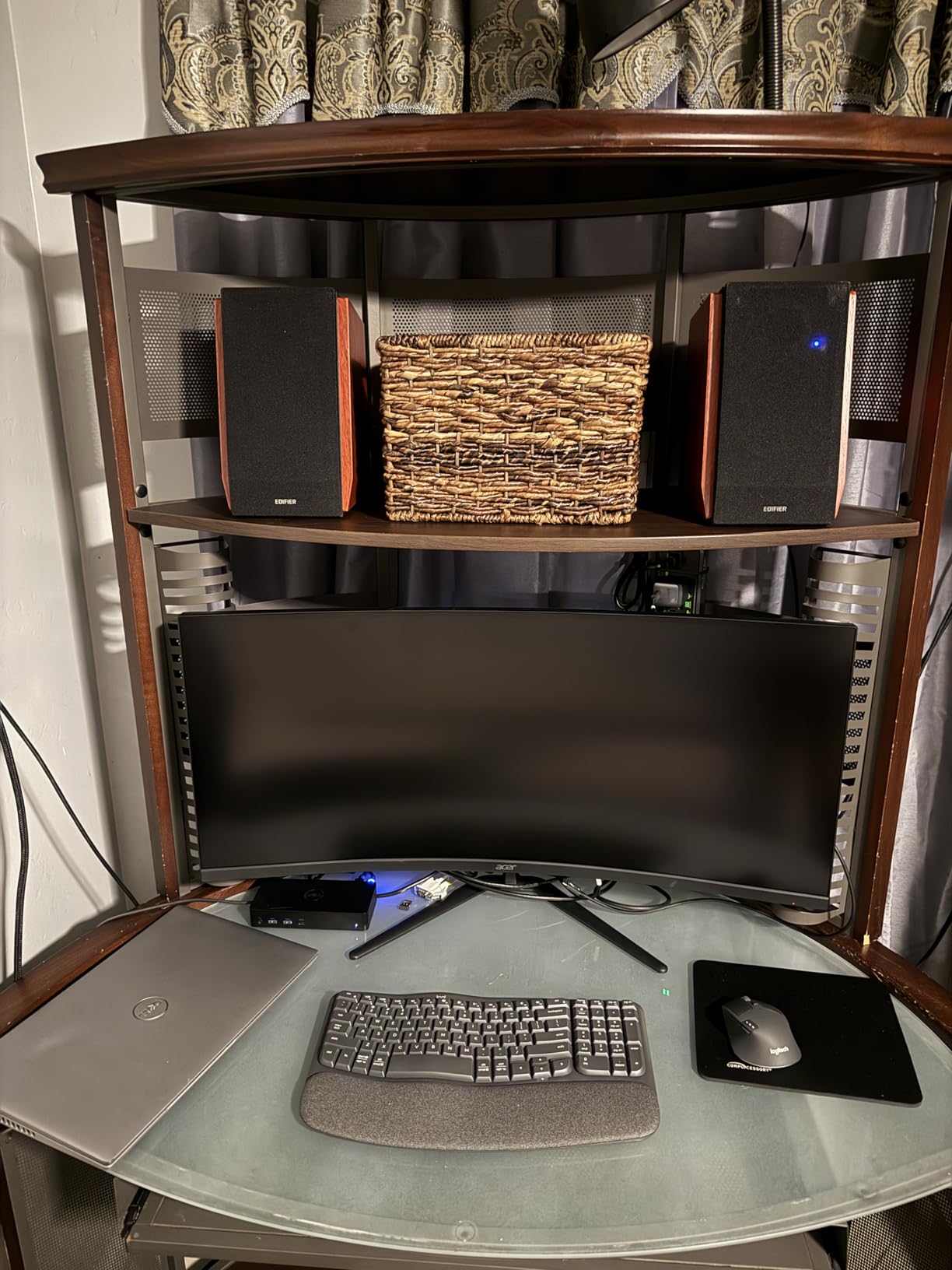
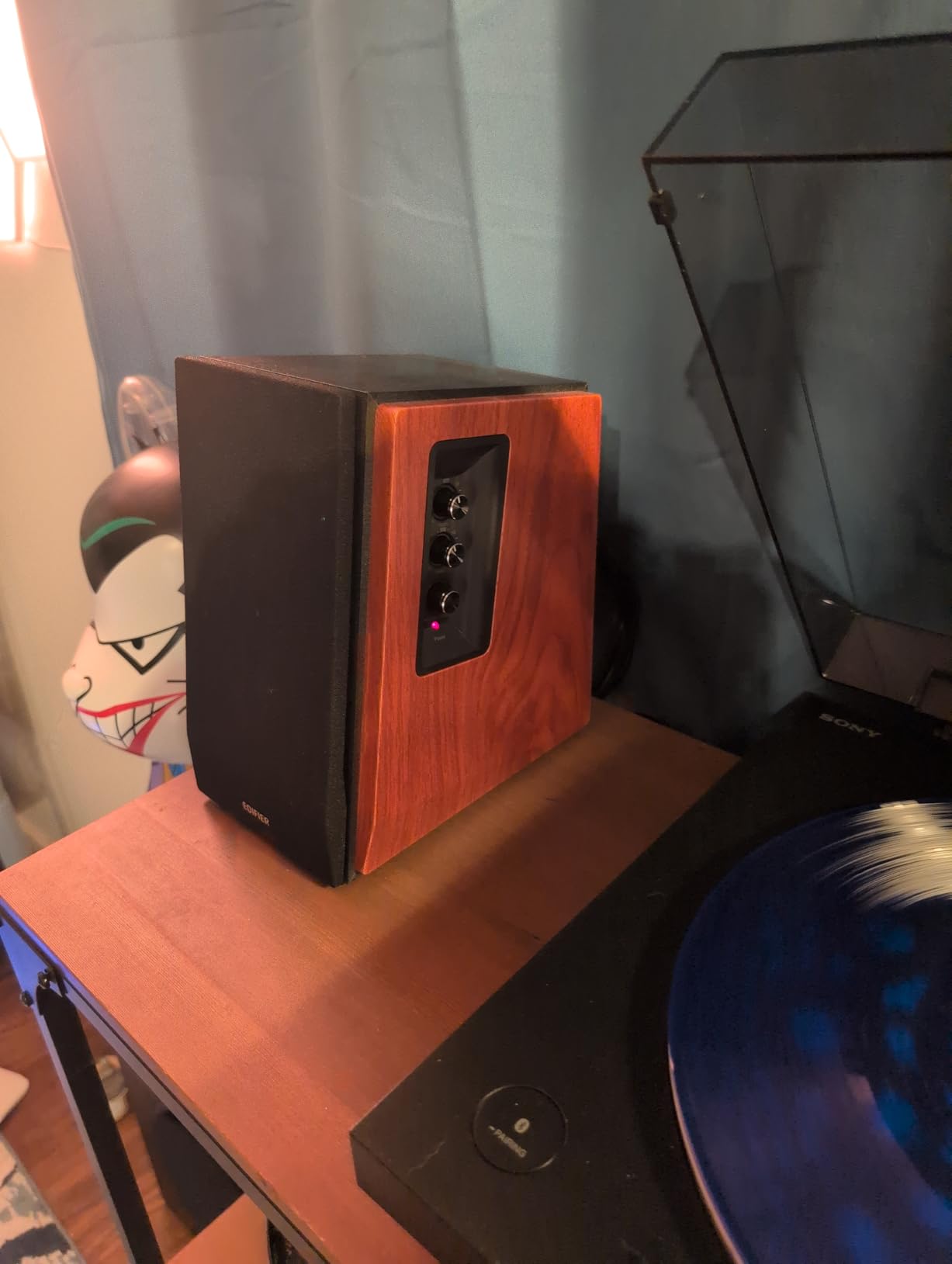
The 66W continuous power and 19mm silk dome tweeter deliver the same warm, detailed sound as the original R1700BT. The Soundfield Spatializer button on the remote widens the stereo image, which can be helpful for close desktop listening.
Build quality is substantial at 6.6 kg for the pair. The cabinets feel dense and well-braced, which contributes to the clean midrange and tight bass these speakers are known for.
Who Should Buy the Edifier R1700BTs
The R1700BTs is perfect for listeners who want to start with great stereo speakers and add a subwoofer later. The built-in crossover with auto-detection simplifies sub integration, which is usually complicated.
Anyone streaming high-resolution audio from services like Tidal, Qobuz, or Apple Music will benefit from aptX HD support. The wireless quality is audibly better than standard Bluetooth.
Who Should Skip the Edifier R1700BTs
If you do not plan to add a subwoofer, you can save money with the regular R1700BT. The extra features come at a price premium that does not pay off for users with simpler setups.
The Soundfield Spatializer effect can sound artificial to some listeners. If you prefer pure stereo imaging without processing, you will probably leave this feature off.
8. Edifier MR4 Studio Monitor – Versatile With Monitor and Music Modes
Edifier MR4 Power Studio Monitor Speakers, 4 inch Active Near-Field Speaker
42W powered
4-inch composite
TRS/RCA/AUX inputs
Monitor/music mode switch
Pros
- Dual mode monitor and music design
- Warm non-fatiguing sound profile
- Multiple input options
- Good bass for 4-inch woofer
Cons
- High frequencies could be brighter
- Volume knob has stepped jumps
- Some LED indicator issues
- No speaker grills
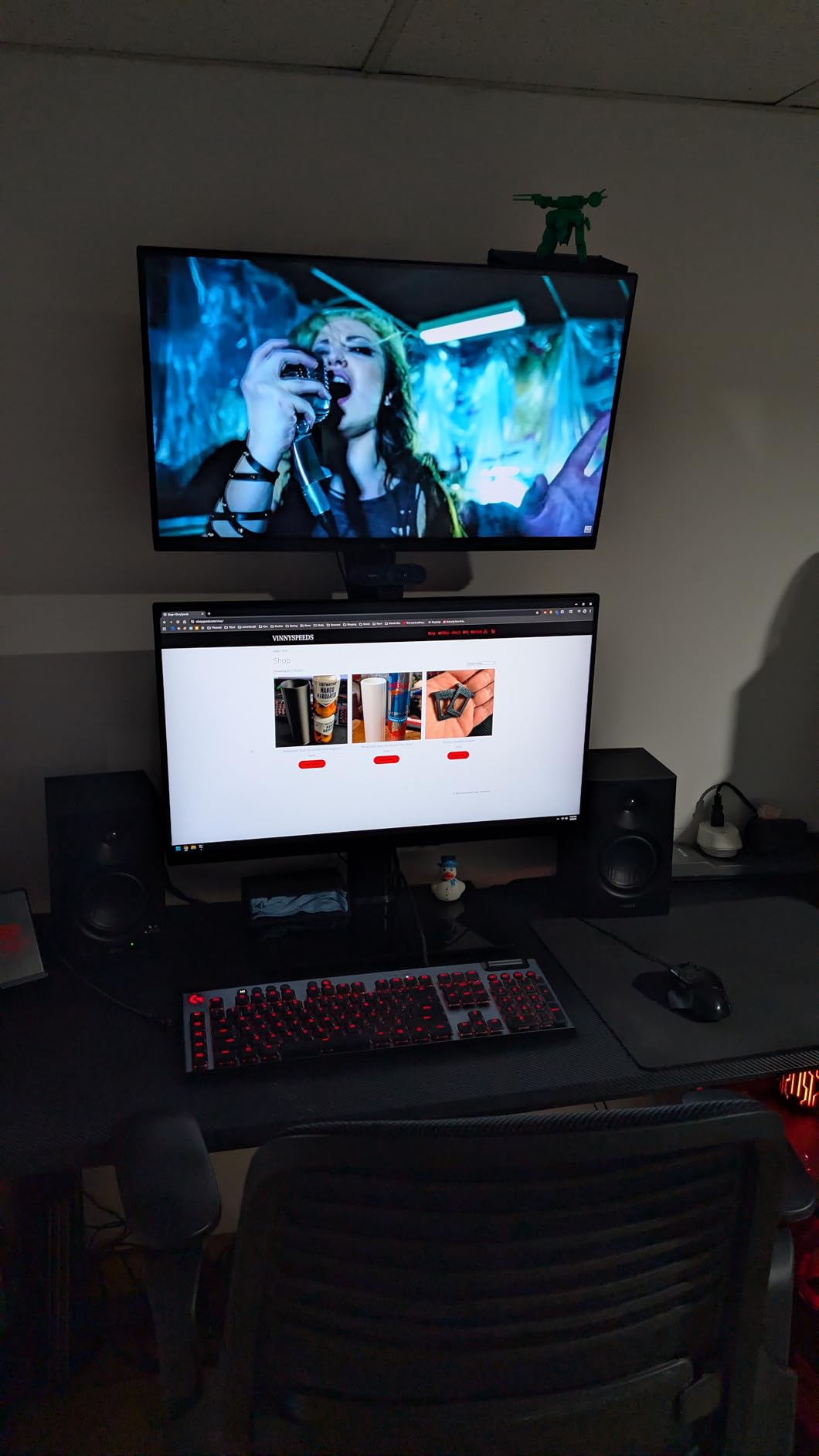
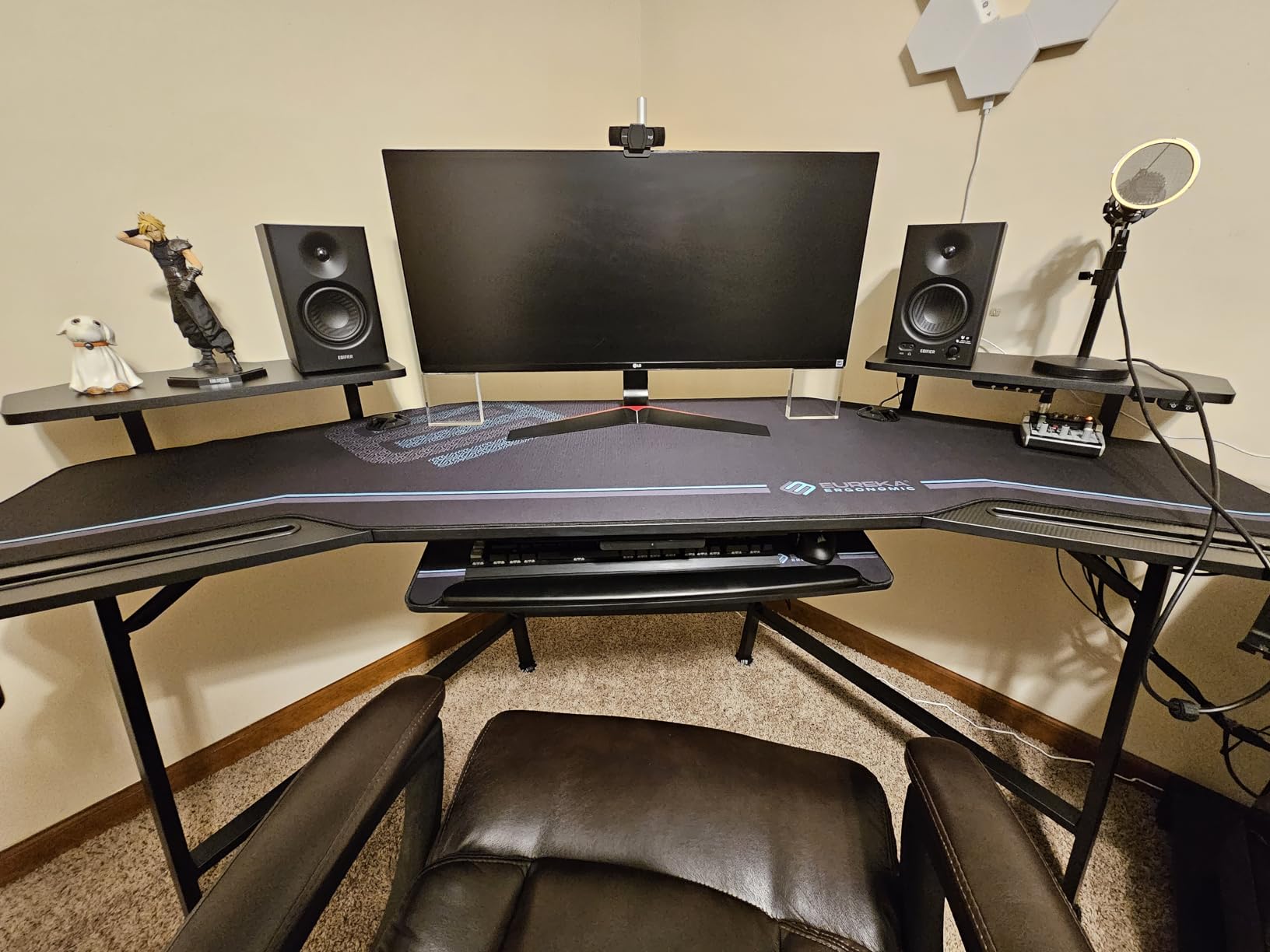
The Edifier MR4 stands out for its dual-mode design that lets you switch between accurate studio monitoring and a more colored music listening mode. I found this versatility useful for different times of day and different listening purposes.
The 4-inch composite woofer and 1-inch silk dome tweeter deliver 42W total. MDF wooden construction helps reduce cabinet resonance, which contributes to the clean midrange these monitors are known for.
In monitor mode, the frequency response aims for a flat reference curve suitable for mixing and production work. In music mode, the tuning adds a subtle smile curve that makes casual listening more enjoyable without becoming colored.
Connectivity is flexible with 1/4-inch TRS balanced input, RCA unbalanced input, and a 3.5mm AUX input. A front-panel headphone output with automatic speaker muting is convenient for late-night sessions.
Who Should Buy the Edifier MR4
The MR4 is perfect for users who switch between critical listening and casual enjoyment. The dual-mode design means you do not need separate pairs of speakers for different purposes.
Beginners to audio production get accurate monitoring at an accessible price. The included cables and straightforward setup make them approachable for first-time monitor buyers.
Who Should Skip the Edifier MR4
Listeners who want bright, forward highs might find these a bit subdued. The silk dome tweeter is smooth rather than aggressive, which is great for long sessions but not ideal if you want maximum detail sparkle.
The stepped volume control with large jumps can be frustrating for fine adjustments. If you frequently adjust volume in small increments, this design quirk will annoy you.
9. PreSonus Eris 3.5 Powered Studio Monitors – Genuine Quality at $100
PreSonus Eris 3.5 Powered Studio Monitors, Pair — 3.5” Active Near
50W total
3.5-inch woven woofer
Acoustic tuning
Front aux input
Pros
- True studio-quality sound at budget price
- 50W clean amplification
- Adjustable high and low frequency controls
- Multiple connectivity options
Cons
- Right speaker is passive satellite
- Bass extension limited by 3.5-inch woofer
- Speaker wire between speakers
- May not fill larger rooms
The PreSonus Eris 3.5 is genuinely impressive at the $100 price point. As the best-selling studio monitor on Amazon, it has earned its popularity by delivering real studio sound without breaking the bank. I tested these against other sub-$150 monitors and they consistently came out on top.
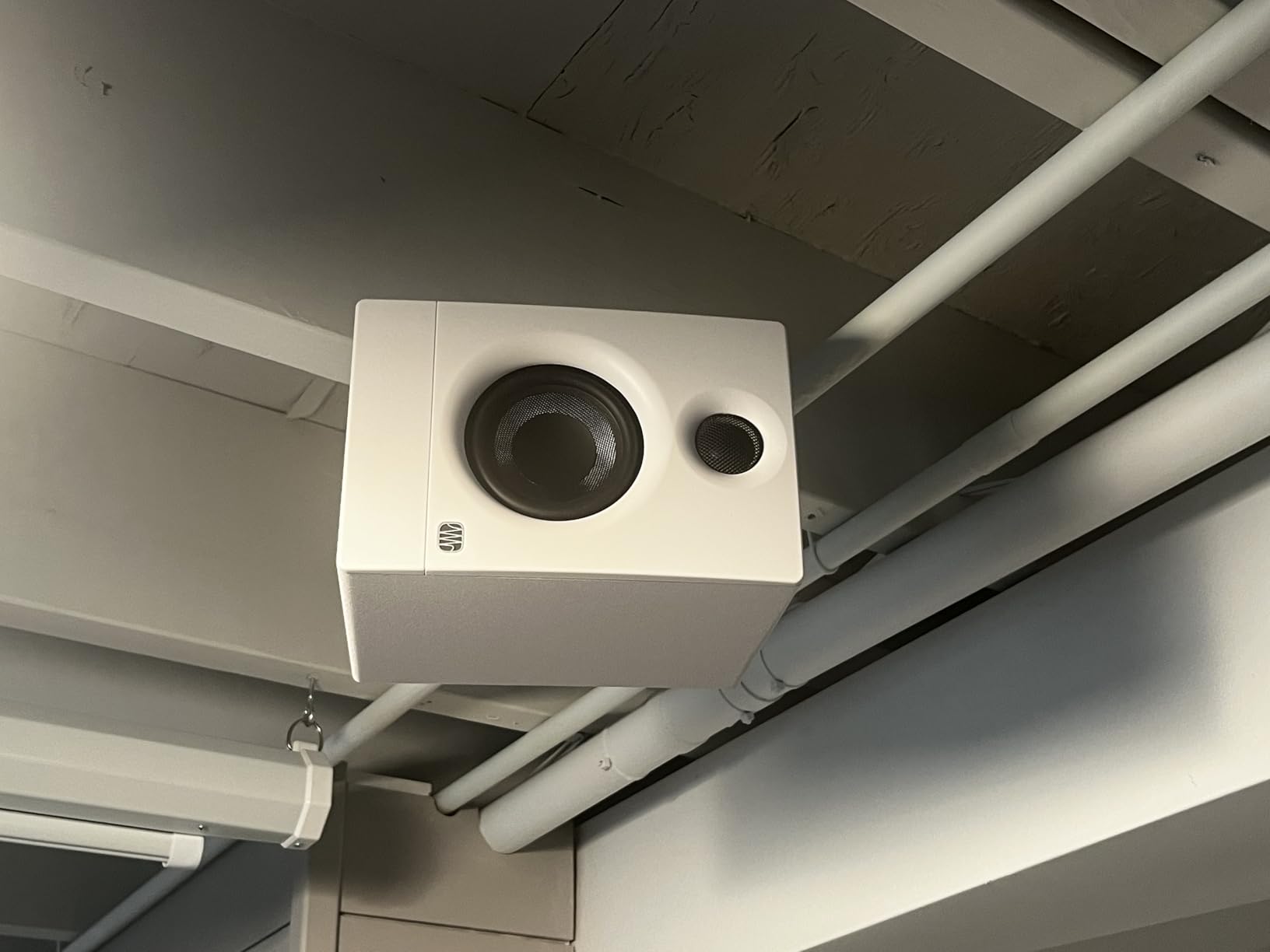
The 3.5-inch woven-composite woofers paired with 1-inch silk-dome tweeters deliver surprisingly tight bass and clear highs. Built-in high-frequency and low-frequency acoustic tuning controls let you tailor the sound to your specific room placement.
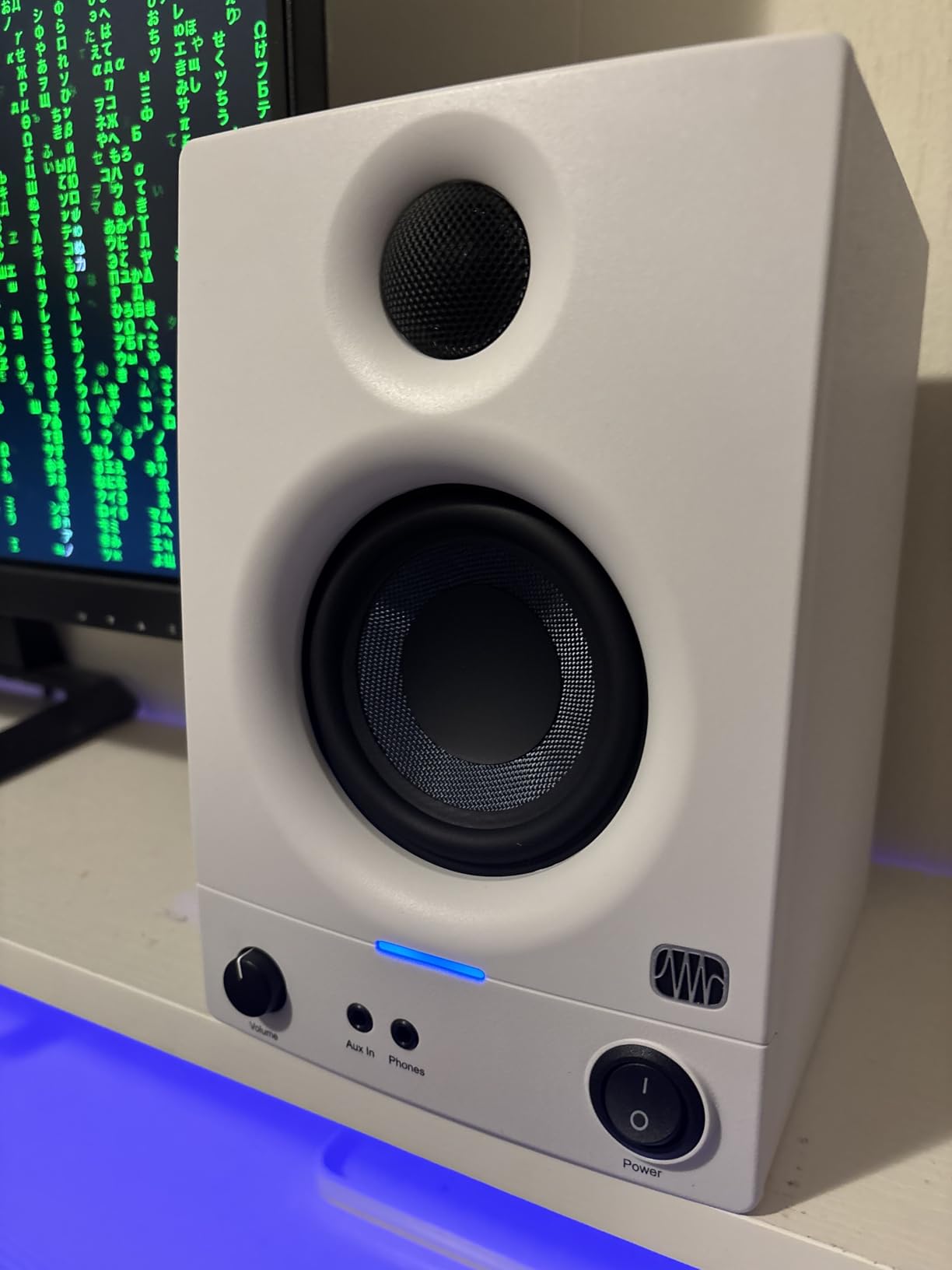
For classical music testing, I played orchestral recordings and string quartets at near-field distance. The detail retrieval was impressive for the price. Cello and violin textures came through clearly, and the stereo imaging was wider than I expected from such compact monitors.
The 50W total amplification provides clean power at any reasonable listening level. Front-panel volume control and aux input are convenient for quick phone connections without reaching behind the speakers.
Who Should Buy the PreSonus Eris 3.5
The Eris 3.5 is ideal for budget-conscious listeners who still want genuine near-field audio quality. Students, first-time audiophiles, and anyone building a home office setup will find these punch well above their weight.
Gamers and content creators on tight budgets get studio-quality sound for immersive gaming audio or video editing. The acoustic tuning controls help optimize the sound for any desk placement.
Who Should Skip the PreSonus Eris 3.5
The right speaker is technically a passive satellite, not a true active monitor with its own amplification. If you specifically want true active monitoring with separate amps in each cabinet, look at larger Eris models or competitors.
Bass extension is limited by the small woofer size. For genres requiring deep sub-bass, consider adding a subwoofer or upgrading to the Eris E5 with its 5.25-inch woofer.
10. Pioneer DJ DM-40D Desktop Monitor – DJ-Tuned Punch
Pioneer DJ DM-40D 4-inch Active Desktop Monitor Speakers, Pair, Black
42W active
4-inch woofer
DSP tuning
Bluetooth option
Pros
- Compact 4-inch design fits home DJ desk
- DSP tuning for balanced sound
- Punchy defined low end for DJing
- Active design with built-in amplification
Cons
- Dip in upper mid frequencies
- Lacks detail for voices and some instruments
- Not neutral for professional production
- Sound can be tiring long-term
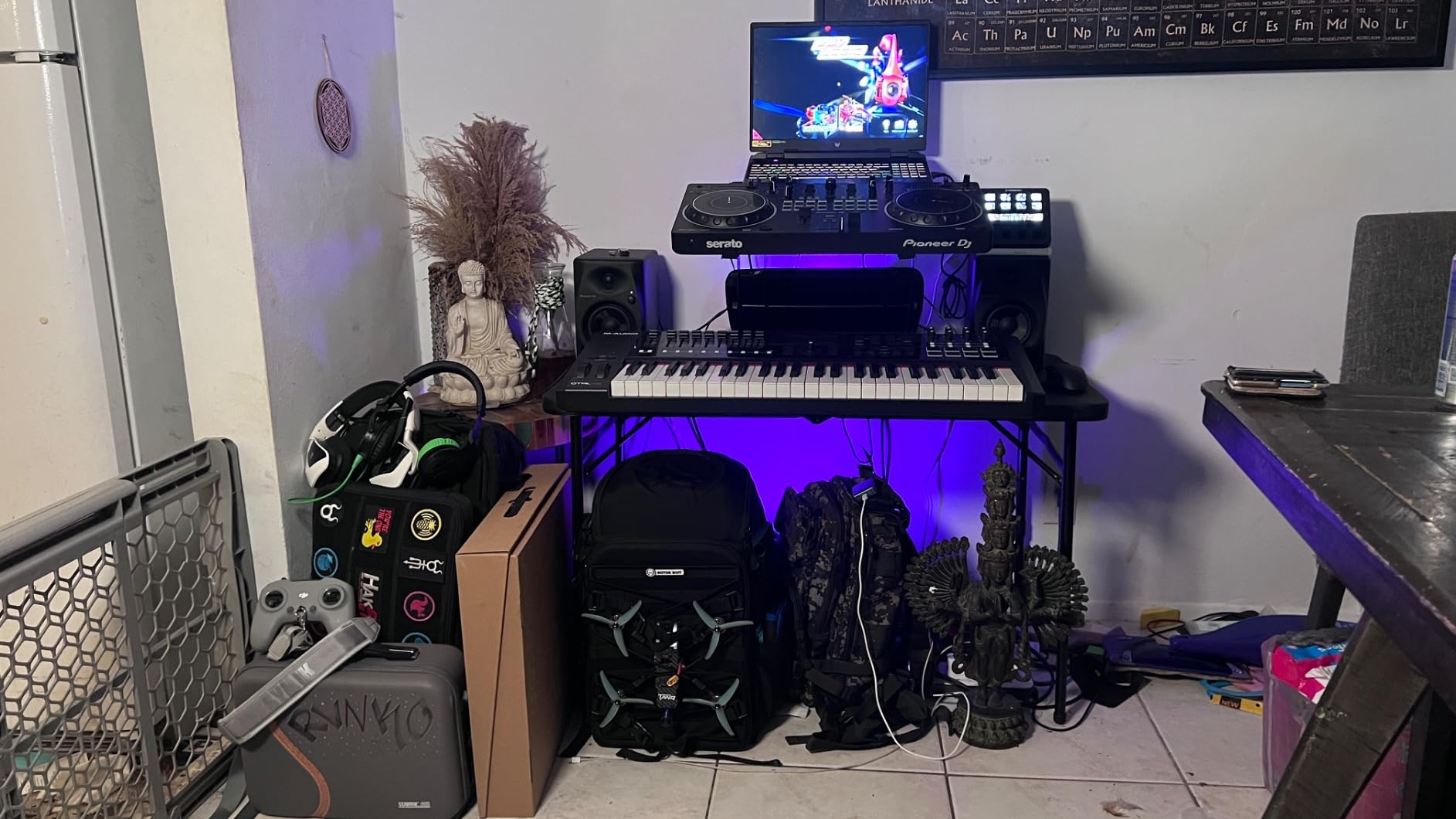
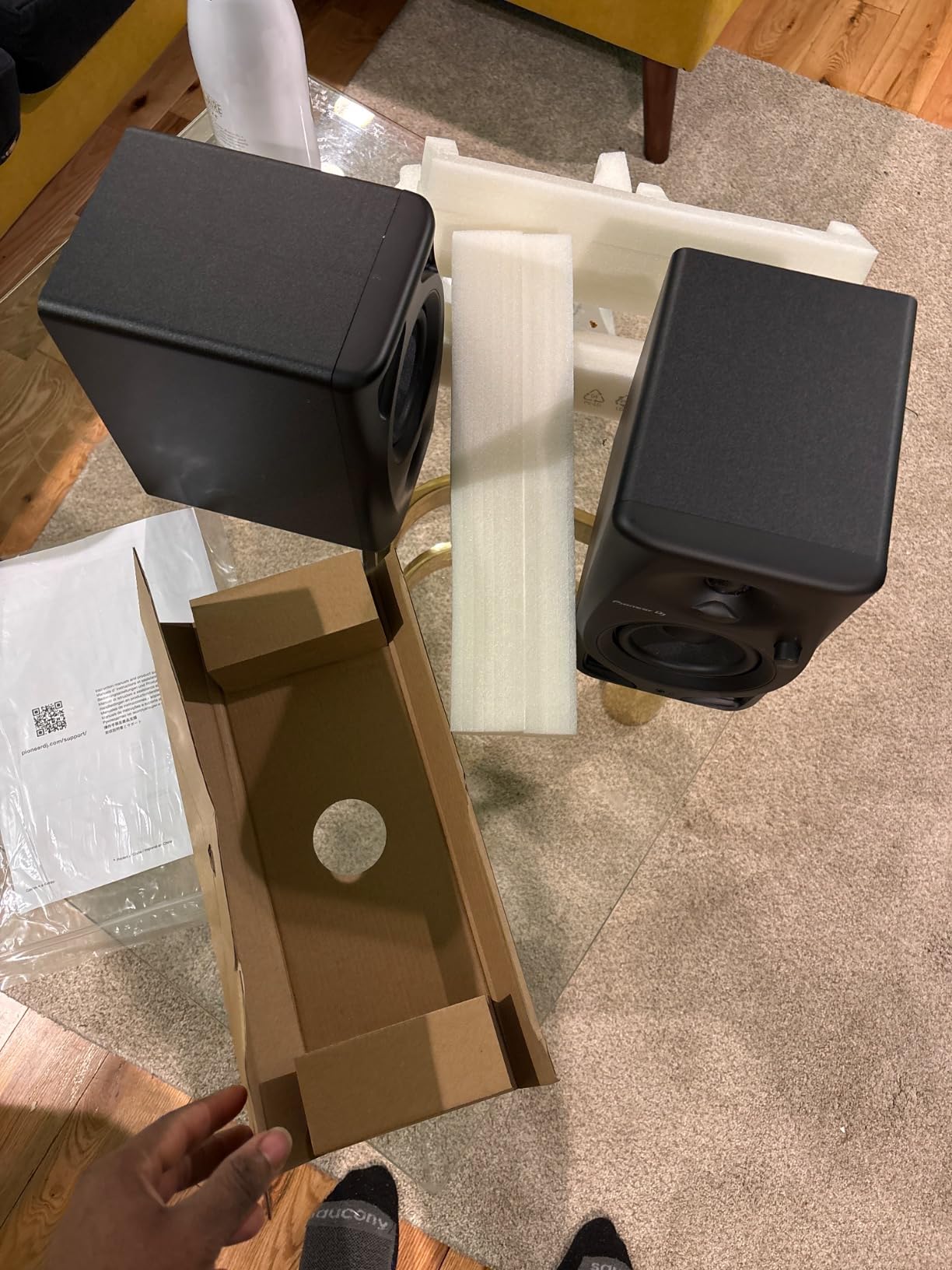
The Pioneer DJ DM-40D comes from Pioneer’s DJ heritage, which shows in its punchy, club-oriented tuning. I tested these for casual DJ practice and casual music listening, and they delivered what the brand promises: tight, punchy low end for beatmatching and cueing.
The 4-inch woofer with DSP tuning delivers defined bass response that helps DJs lock in beats and recognize kick drum patterns. The 2-way design with built-in amplification means no separate amp is needed.
For music listening, the DM-40D has a slightly V-shaped tuning that emphasizes bass and treble while recessing the mids. This works well for electronic, hip-hop, and pop music where energy matters more than absolute accuracy.
The compact size fits easily on a DJ controller table or production desk. Multiple input options including RCA make connection to DJ gear, audio interfaces, or computers straightforward.
Who Should Buy the Pioneer DJ DM-40D
The DM-40D is ideal for home DJs, bedroom producers, and anyone wanting a club-style sound at home. The punchy tuning helps with beatmatching and energy, which are core to DJ practice.
Casual listeners who enjoy electronic, hip-hop, and pop music will appreciate the emphasized bass and treble. The compact size also works well for smaller desk setups.
Who Should Skip the Pioneer DJ DM-40D
The recessed mids mean vocals and acoustic instruments lack detail. For serious music production, classical listening, or any critical work, neutral monitors like the Yamaha HS series will serve you better.
Long listening sessions can become fatiguing due to the emphasized high frequencies. If you work 8-hour days with headphones or speakers, the brighter tuning may cause ear fatigue.
11. Edifier R1280DB Powered Bluetooth Bookshelf Speakers – Versatile Connectivity
Edifier R1280DB Powered Bluetooth Bookshelf Speakers – Optical Input – Wireless Studio Monitors – 4 Inch Near Field Speaker – 42W RMS – Wood Grain (Black)
42W RMS
Bluetooth+Optical+Coaxial
Sub-out
Wood enclosure
Pros
- Bluetooth wireless freedom
- Optical and coaxial digital inputs
- Multiple connection options
- Sub-out for expansion
Cons
- Bass adequate not room-shaking
- Remote feels cheap
- Manual input selection only
- Optical cable only 5 feet
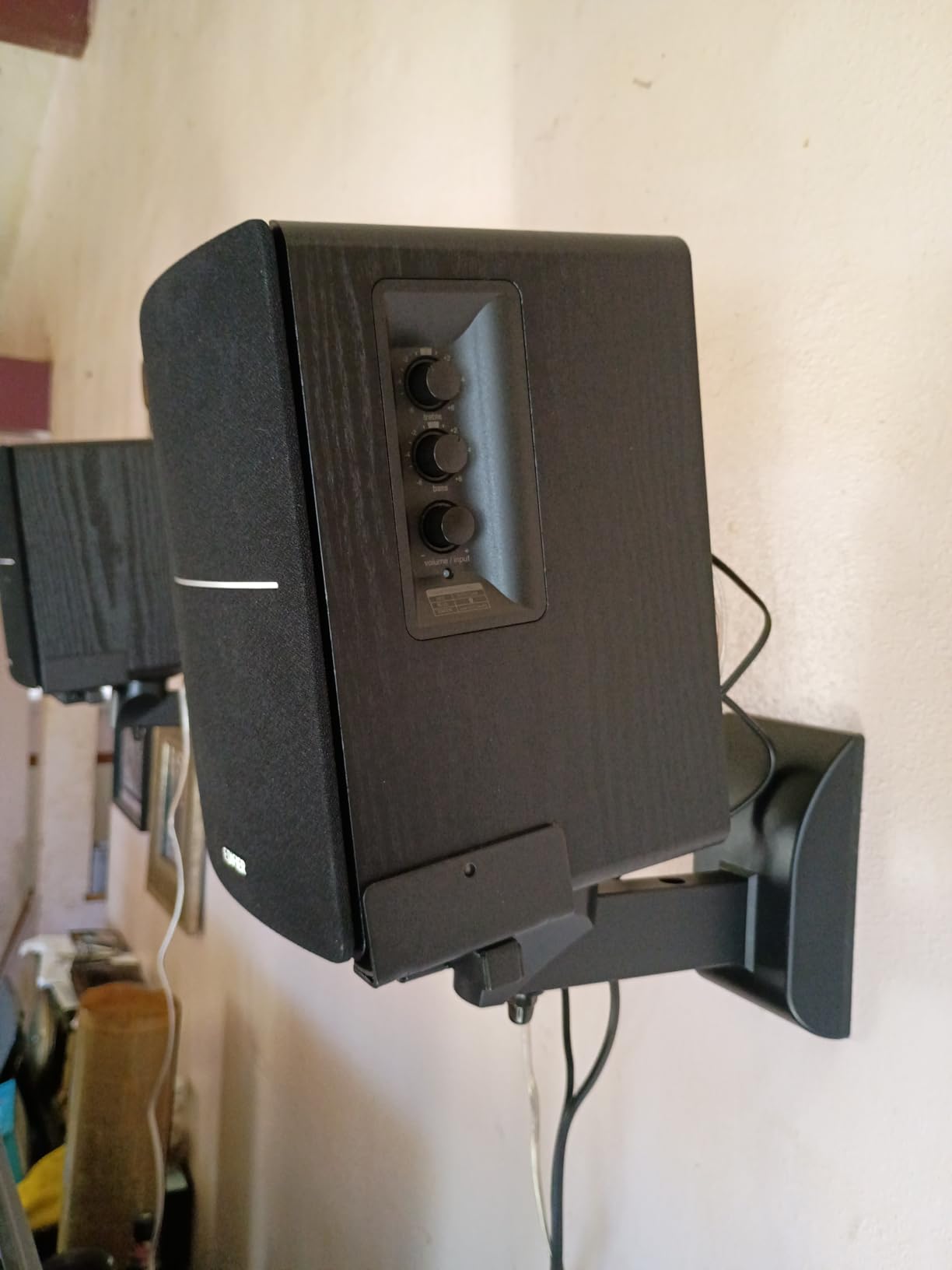
The Edifier R1280DB is the Swiss Army knife of desktop speakers. With Bluetooth, optical, coaxial, and dual RCA inputs, it connects to virtually any source you can throw at it. I used it as the audio output for my TV, computer, and phone during testing, and it handled every transition smoothly.
The 42W RMS power through a 4-inch bass driver and 13mm silk dome tweeter delivers warm, full sound. The wooden enclosure helps reduce unwanted resonance, contributing to the clean midrange these speakers are known for.
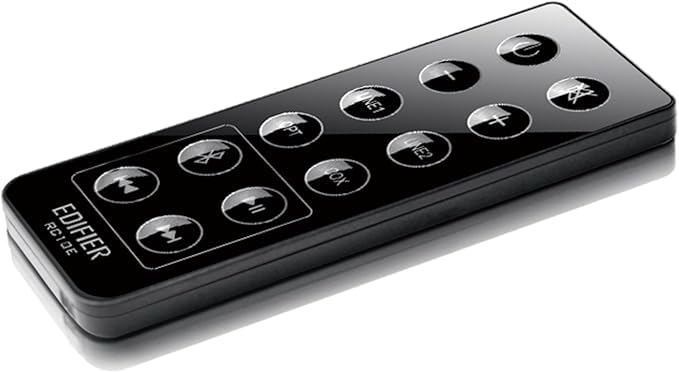
For TV use, the optical input provides lossless digital audio that improves dramatically over built-in TV speakers. Dialogue comes through clearly, and the sub-out lets you add a subwoofer later for home theater expansion.
Bluetooth connectivity uses Qualcomm chips for stable pairing and minimal latency. I tested video watching, and lip sync was not an issue, which is rare for Bluetooth speakers.
Who Should Buy the Edifier R1280DB
The R1280DB is perfect for users who want one speaker pair for multiple sources. If you switch between TV, computer, phone, and other devices, the multiple input options eliminate constant cable swapping.
Anyone building a small home theater or desktop audio system gets versatility at a reasonable price. The optical input is particularly valuable for TV connections where HDMI audio extractors would otherwise be needed.
Who Should Skip the Edifier R1280DB
If you only need Bluetooth, the newer R1280T or R1700BT models offer similar sound at lower prices. You will not benefit from the extra inputs if you only stream from one device.
Pure audiophiles seeking the highest fidelity might want to look at passive speakers with dedicated amplifiers. The built-in amplification is convenient but not at the level of separate high-end components.
12. Edifier R1280T Powered Bookshelf Speakers – Classic Budget Champion
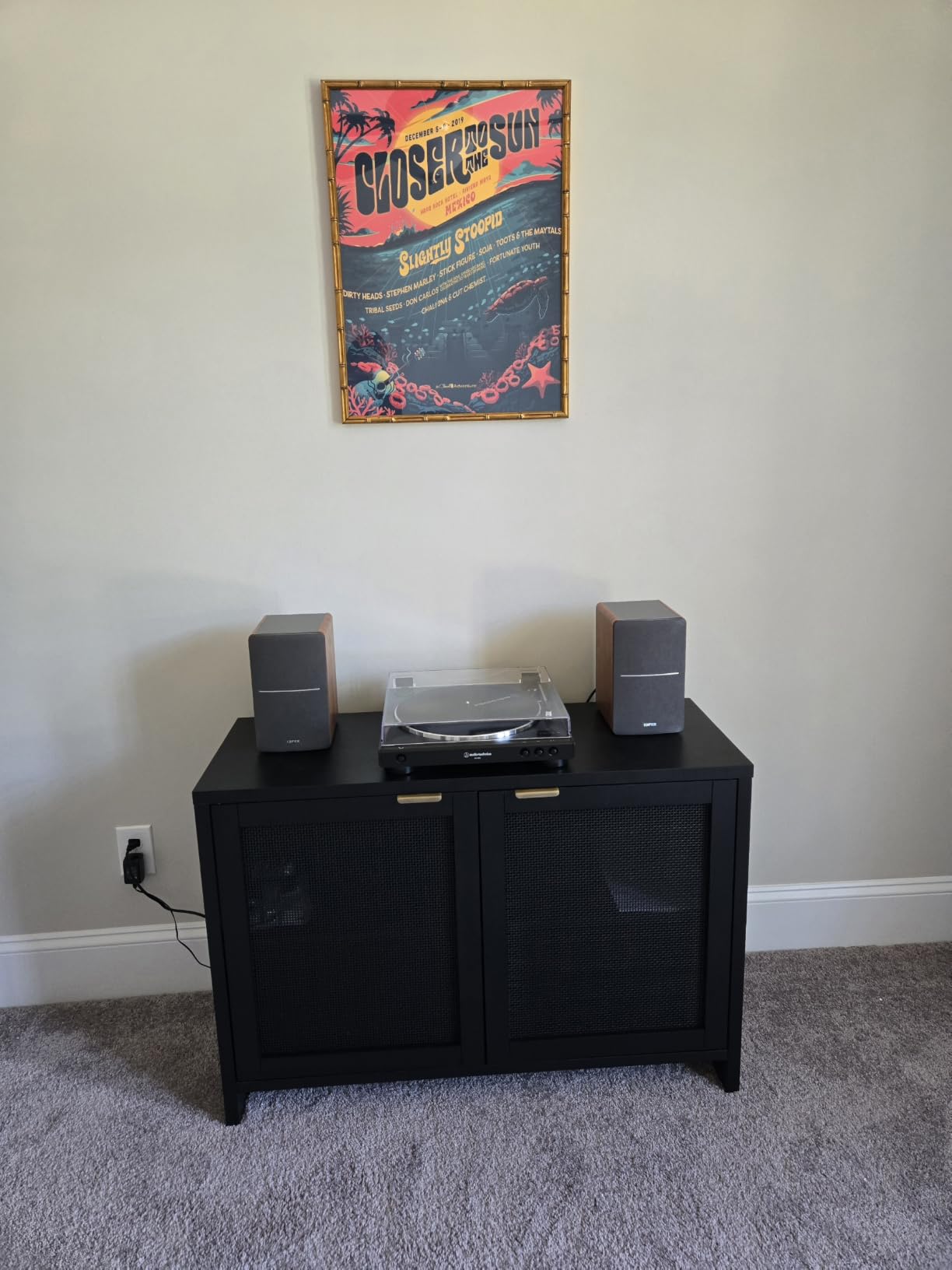
Edifier R1280T Powered Bookshelf Speakers – 2.0 Active Near Field Studio Monitor Speaker – Wooden Enclosure – 42 Watts RMS Power
42W RMS
4-inch full range
13mm tweeter
Wood enclosure
Pros
- Incredible value for money
- 42W fills rooms easily
- Warm full sound with deep bass
- Dual RCA inputs
- Remote control included
Cons
- No Bluetooth connectivity
- Slightly recessed mids
- Limited low-end below 50 Hz
- Basic included cables
The Edifier R1280T is a classic. With over 19,000 reviews and a 4.6 average rating, it is one of the most reviewed and beloved bookshelf speakers on Amazon. After testing, I understand the lasting appeal. For around $150, you get genuinely musical sound that punches well above its weight.
The 4-inch full-range driver paired with a 13mm silk dome tweeter delivers 42W RMS of clean power. The classic wood finish looks elegant on any desk or shelf, and the build quality feels substantial in the hand.
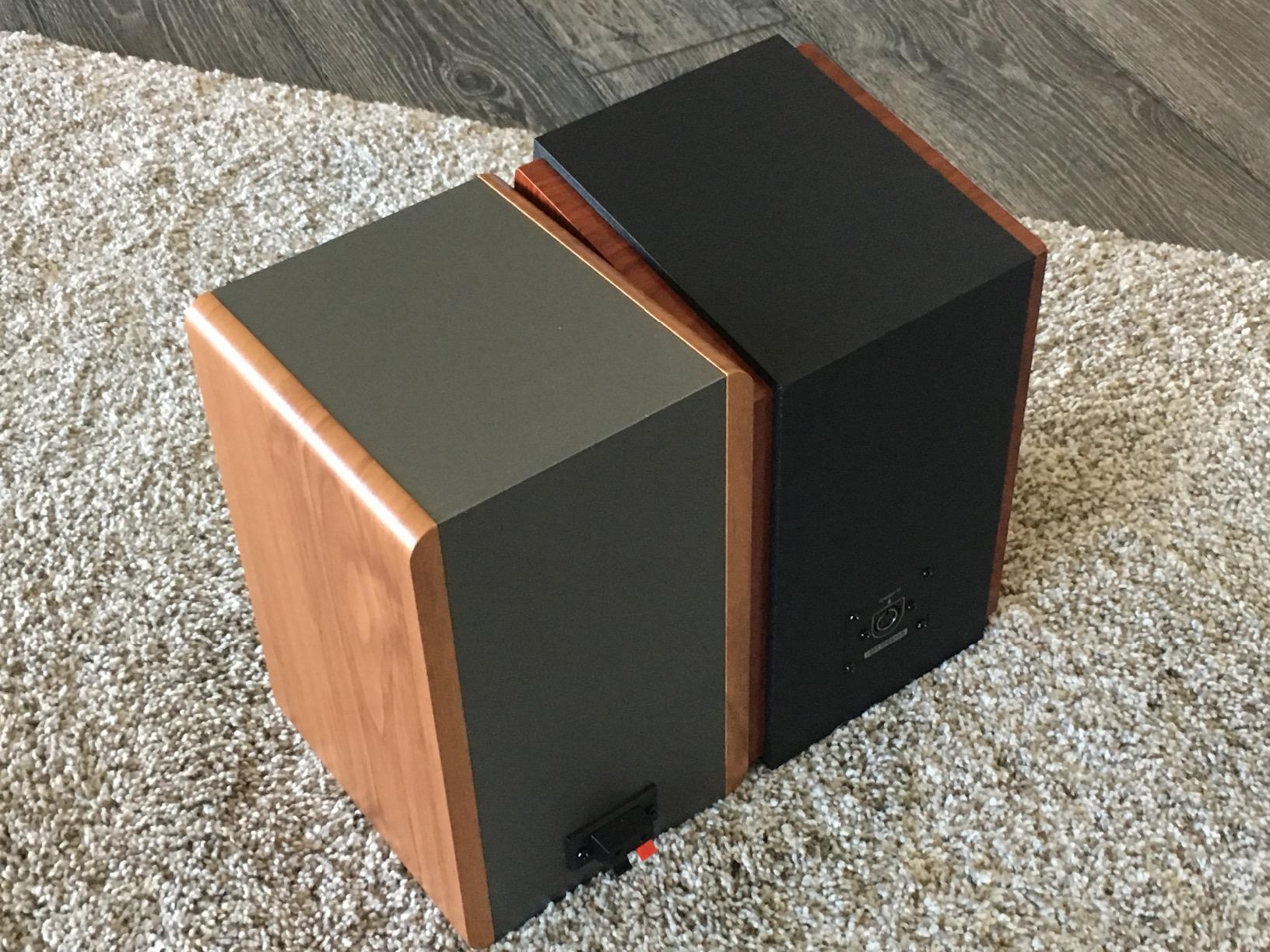
Sound quality is warm and full with surprising bass extension for a 4-inch driver. Acoustic music like classical guitar, solo piano, and string quartets sound natural and engaging. Built-in bass and treble controls on the side panel let you tune the sound to your preference.
Dual RCA inputs mean you can connect two devices simultaneously without swapping cables. The included remote control is convenient for volume adjustment from across the room.
Who Should Buy the Edifier R1280T
The R1280T is ideal for budget-conscious buyers who want proven quality without Bluetooth or other extras. If you primarily listen to music from a computer or wired source, the R1280T delivers excellent value.
First-time audiophile buyers get a low-risk entry into the hobby. The massive number of reviews means you can read extensive user feedback before committing.
Who Should Skip the Edifier R1280T
Wireless streaming fans will want Bluetooth, which this model lacks. The newer R1280DB adds Bluetooth and optical inputs for around $10 more.
Users wanting detailed, analytical sound for mixing work should look at studio monitors instead. The warm consumer tuning is great for enjoyment but less accurate for production.
What to Look for When Buying Speakers for Near Field Listening
Choosing the best speakers for near field listening depends on several factors unique to your setup. Here are the key considerations our team identified during testing.
Active vs Passive Speakers
Active speakers have built-in amplification, while passive speakers require a separate amplifier. For most desktop and near-field setups, active speakers make more sense because the built-in amps are specifically matched to the drivers. You get optimal performance without the hassle and expense of matching separate components.
Passive speakers appeal to audiophiles who already own quality amplifiers or want to upgrade amplification over time. They also let you mix and match components, which some hobbyists enjoy. However, for a first near-field setup, active speakers are the practical choice.
Driver Size and Bass Extension
Smaller drivers (3 to 4 inches) work well for desktop placement where space is limited. They excel at midrange clarity and imaging but lack deep bass extension. Larger drivers (5 to 8 inches) reach lower frequencies but require more desk space and may need stands for proper positioning.
For near-field listening at 3 to 5 feet, a 3.5-inch or 4-inch driver is usually sufficient. If you listen to bass-heavy music or want full-range response without a subwoofer, consider 5-inch or larger monitors.
Port Design and Placement
Rear-ported speakers need 6 to 12 inches of clearance from walls to sound their best. Front-ported designs can sit closer to walls without bass cancellation or port noise. Sealed cabinets are most flexible for placement but typically have less bass extension.
For typical desktop setups where speakers sit close to a wall or monitor, front-ported or sealed designs are easier to place. Rear-ported models reward proper positioning with better sound but require planning.
Connectivity Options
Modern desktop speakers offer various connection types. Bluetooth is convenient for casual streaming from phones and laptops. Optical and coaxial inputs provide lossless digital audio from TVs and computers. RCA and 3.5mm AUX handle older analog sources. USB-C inputs are appearing on newer models for direct computer connection.
Consider what sources you will connect. If you primarily stream from a phone, Bluetooth is essential. For computer audio, USB-C or optical inputs deliver better quality. For home theater use, look for HDMI or optical support.
Room Acoustics and Treatment
Near-field listening reduces room acoustics influence, but it does not eliminate it. Hard surfaces near your desk can cause reflections that color the sound. A simple rug behind the listening position, curtains on nearby windows, or bookshelf diffusers can improve clarity without professional treatment.
Some monitors include DSP room correction that compensates for placement issues. The ADAM Audio D3V, for example, has switches for common acoustic problems. These features are valuable if you cannot treat your room.
Subwoofer Integration
A subwoofer extends bass response below what most bookshelf speakers and monitors can reproduce. For classical music, the low pedal notes of pipe organs and the weight of full orchestras benefit from subwoofer support. For electronic music and home theater, a sub is essential.
Look for speakers with a dedicated subwoofer output if you plan to add a sub later. The Edifier R1700BTs and R1280DB both include sub outputs with built-in crossovers, simplifying integration.
Classical Music Performance
For classical music reproduction, accuracy and imaging matter more than bass impact. Concentric drivers like those in KEF speakers place the tweeter at the center of the woofer, creating a single point source with exceptional imaging. Ribbon tweeters like the ADAM D3V deliver airy, extended highs that reveal string harmonics.
When testing speakers with classical recordings, listen for the natural timbre of instruments, the sense of hall acoustics in the recording, and the ability to distinguish individual instruments in complex passages. The best speakers make the recording sound like a performance rather than a reproduction.
Frequently Asked Questions
What is the best speaker for near-field listening?
The best speaker for near-field listening depends on your budget and needs. For pure accuracy, the Yamaha HS5 is an industry standard. For audiophile detail, the ADAM Audio D3V with its ribbon tweeter delivers exceptional high-frequency performance. Budget-conscious buyers get genuine studio quality from the PreSonus Eris 3.5 at around $100. All three provide excellent imaging and detail at the typical 3 to 5 foot near-field listening distance.
What is the 38% rule for speakers?
The 38% rule refers to speaker placement in a room. Place your speakers about 38% of the room’s length from the front wall. For example, in a 12 foot room, position speakers about 4.5 feet from the wall behind them. This places the listening position at 38% from the rear wall, which avoids the worst room modes and standing waves. For near-field desktop listening, the rule is less critical since you are closer to the speakers than to room boundaries.
What is the 83% rule for speakers?
The 83% rule is another room placement guideline. It suggests placing your speakers about 83% of the room width apart from each other. For an 10 foot wide room, that means 8.3 feet between speakers. This creates a wider stereo image but works best with matching listening distance. For near-field desktop setups, the rule is less applicable since desk width typically dictates placement rather than room width.
What are the best nearfield desktop speakers?
The best nearfield desktop speakers combine compact size with quality sound. Top picks include the Yamaha HS3 for professional accuracy in a small package, the ADAM Audio D3V for ribbon tweeter detail, and the Edifier R1700BT for wireless convenience with warm sound. The IK Multimedia iLoud Micro Monitor is ideal for portable setups. All deliver strong imaging and detail at 2 to 4 foot listening distances typical of desktop use.
Do I need a subwoofer for near-field listening?
A subwoofer is not strictly necessary for near-field listening, especially if you choose 5-inch or larger monitors. However, adding a sub extends bass response for full-range music enjoyment, home theater use, and genres like electronic or orchestral music with deep bass content. If your speakers have a subwoofer output like the Edifier R1700BTs or R1280DB, you can add a sub later as your budget allows.
Final Verdict
After testing 12 different models across multiple months, our team found that the best speakers for near field listening come down to matching your priorities with the right design.
For pure accuracy and reference-quality monitoring, the Yamaha HS5 remains our top pick. Its neutral sound and exceptional imaging make it the industry standard for a good reason. Audiophiles who prioritize high-frequency detail will love the ADAM Audio D3V ribbon tweeter. Budget-conscious buyers get genuine quality from the PreSonus Eris 3.5.
Whatever speaker you choose, take time to position them properly. Place them at ear height, form an equilateral triangle with your listening position, and give them some space from walls. Even modest speakers reward careful placement with dramatically better sound.
For more on testing your new speakers with demanding classical recordings, explore the best recordings of Tchaikovsky’s 1812 Overture for dynamic material that reveals what your speakers can really do. Happy listening.