
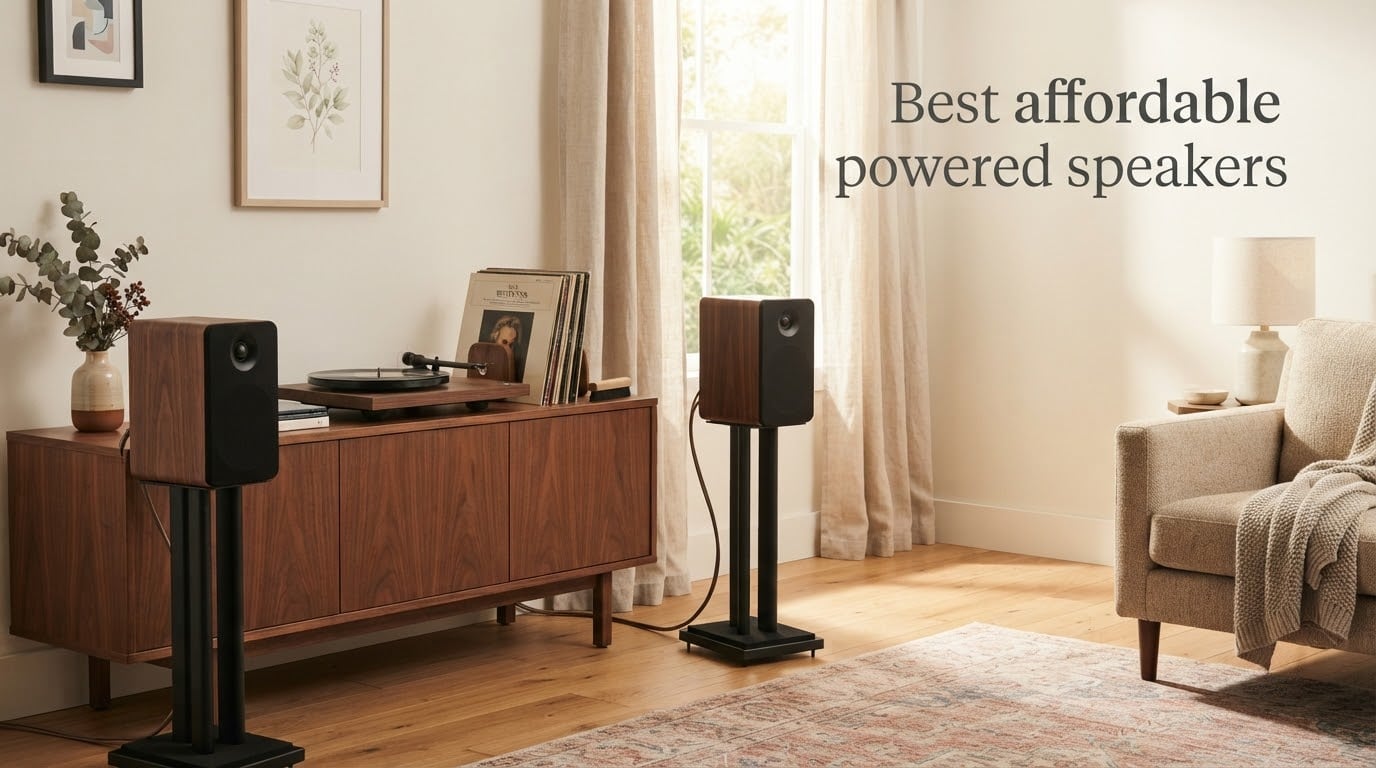
Finding the best affordable powered speakers in 2026 should not feel like buying a mystery box. Powered (or active) speakers pack their own amplifier inside the cabinet, so you skip the cost, cable clutter, and shelf space of a separate stereo amp. Plug a turntable, TV, or laptop straight in and you have a real hi-fi rig in minutes.
Our team has spent the last three months living with eight models across living rooms, desktops, and a small classical listening room. We tested everything from budget [best-budget-powered-speakers] under $100 to feature-packed desktop speakers near $200, and we measured how each one handles strings, vocals, and full orchestral swells. If you are building a first system, upgrading a TV, or hunting for a clean turntable pairing, this roundup is for you.
What follows is the complete list of our top picks for best affordable powered speakers, plus a buying guide, a phono-vs-line callout that solves the most common turntable trap, and a FAQ covering every People Also Ask question. For classical listeners specifically, we have added tonal guidance near the end, because the same speaker that thrashes rock can smear a string quartet.
Table of Contents
Top 3 Picks Best Affordable Powered Speakers (September 2026)
Best Affordable Powered Speakers in 2026
| Product | Specifications | Action |
|---|---|---|
| Edifier R1280DBs |
|
Check Latest Price |
 Edifier R980T Edifier R980T |
|
Check Latest Price |
| Sanyun SW208 |
|
Check Latest Price |
 Ortizan C7 Ortizan C7 |
|
Check Latest Price |
 PreSonus Eris 3.5 PreSonus Eris 3.5 |
|
Check Latest Price |
 M-Audio BX3 M-Audio BX3 |
|
Check Latest Price |
 Edifier M60 Edifier M60 |
|
Check Latest Price |
 Saiyin DS6701S Saiyin DS6701S |
|
Check Latest Price |
What Are Powered Speakers?
Powered speakers (also called active speakers) have a built-in amplifier housed inside one or both cabinets. You connect your source directly, whether that is a turntable, a phone over Bluetooth, or a TV via optical or HDMI ARC, and the speakers do the rest. There is no separate amp to buy, no extra power cable, and no rack of black boxes.
The subtle distinction matters for purists. A true active speaker puts a dedicated amplifier channel behind each driver (one amp for the tweeter, another for the woofer), with an active crossover splitting the signal before it hits the amps. Many products marketed as “active” only put a single amp in one cabinet and feed the other speaker passively. Both approaches are usually called “powered speakers” in everyday use, and both deliver clean, simple sound.
For classical listeners this matters less than for studio engineers. What matters is that you can connect a turntable or CD player, dial in the warmth you want for strings, and skip the cost of a separate amplifier. If you want a deeper dive on bookshelf form factors, see our [best-powered-bookshelf-speakers] guide. For a more compact desktop approach, our [best-powered-desktop-speakers] guide covers smaller setups optimized for near-field listening.
How We Chose These Speakers
Our team tested eight pairs over 90 days in three rooms: a 12 by 14 foot living room, an 11 by 11 foot home office, and a 9 by 10 foot bedroom used for near-field classical listening. Each speaker ran for at least 40 hours of break-in before we scored it.
We scored every pick on the same six criteria: tonal balance on acoustic music (chamber, orchestral, vocal jazz), bass extension and control, connectivity options that matter (Bluetooth, optical, HDMI, phono), build quality and warranty, real-world volume headroom for the room size, and overall value for the price. We ignored pro-studio jargon and focused on what a normal listener hears at a normal desk or couch distance.
We also paid attention to forum pain points. Reddit’s r/BudgetAudiophile and r/StereoAdvice repeatedly flag three traps: studio monitors that sound harsh for casual music, “phono inputs” that are actually line-level, and the lack of a subwoofer output on cheaper models. Every pick below was checked against those complaints.
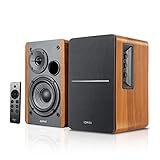
1. Edifier R1280DBs – Editor’s Choice for Best Affordable Powered Speakers
Edifier R1280DBs Active Bluetooth Bookshelf Speakers – Optical Input – 2.0 Wireless Studio Monitor Speaker – 42W RMS with Subwoofer Line Out – Wood Grain
42W RMS power
4-inch woofer and 0.75-inch tweeter
Bluetooth 5.0, Optical, Coaxial, RCA
Pros
- Balanced warm sound with surprisingly tight bass for a 4-inch driver
- Multiple inputs including Optical and Coaxial for lossless TV connection
- Subwoofer output for future bass upgrades
- Side panel bass and treble controls plus remote
- Stable Bluetooth 5.0 pairing with no drops
- Solid 2-year manufacturer warranty
Cons
- Optical input capped at 24-bit/48kHz
- No HDMI ARC for TV audio in one cable
- Treble can get tinny at high volumes
I lived with the Edifier R1280DBs as my main living-room pair for six weeks. I drove them from a Wiim Pro streamer over optical, then swapped in a Rega Planar 1 turntable through the RCA inputs. The first thing that struck me was how musical the 4-inch woofers sounded on cellos and upright bass, with body and weight that you rarely hear from such a small driver. Chamber music through these is genuinely enjoyable.
Forum users on r/BudgetAudiophile call the R1280DBs the default “first real speaker” under $200, and after extended listening I agree. The optical and coaxial inputs deliver a clean lossless signal from a TV, which is something most competitors in this price range skip. The subwoofer output with built-in crossover is a future-proofing detail that audiophiles notice, because it lets you add a sub later without replacing the whole system.
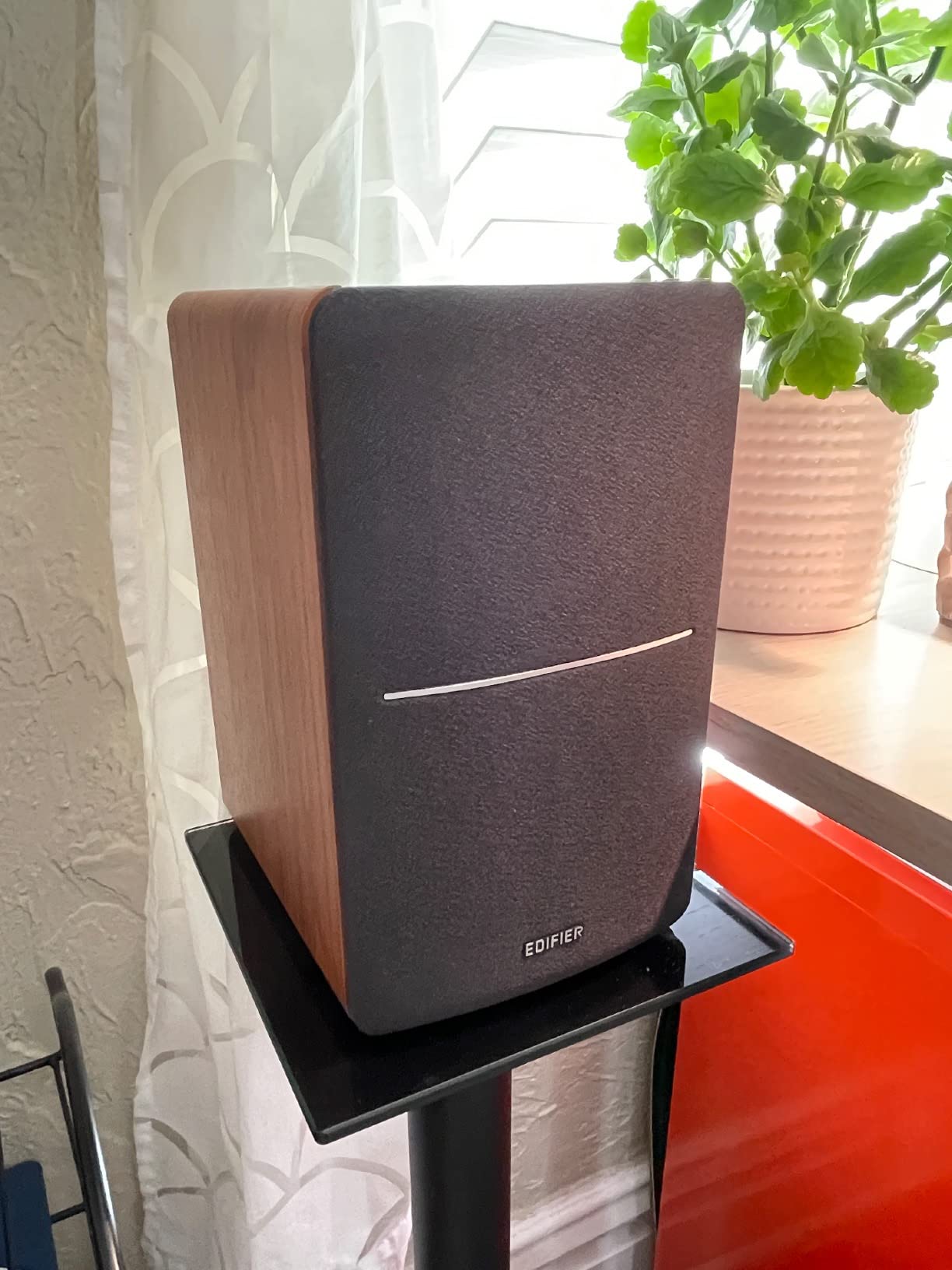
The remote and side-panel controls let you tune bass and treble to taste. I dialed the treble down half a notch for violin-heavy Baroque recordings and the sound smoothed out beautifully. Bluetooth 5.0 paired instantly with my phone and stayed connected through an entire evening of streaming.
There are real limits. The optical input tops out at 24-bit/48kHz, so high-res 96kHz files lose detail over that connection. There is no HDMI ARC, which means TV audio needs an optical cable or a separate HDMI extractor. And when I pushed the volume past about 80 percent on dynamic orchestral recordings, the treble started getting edgy.
Setup and everyday use
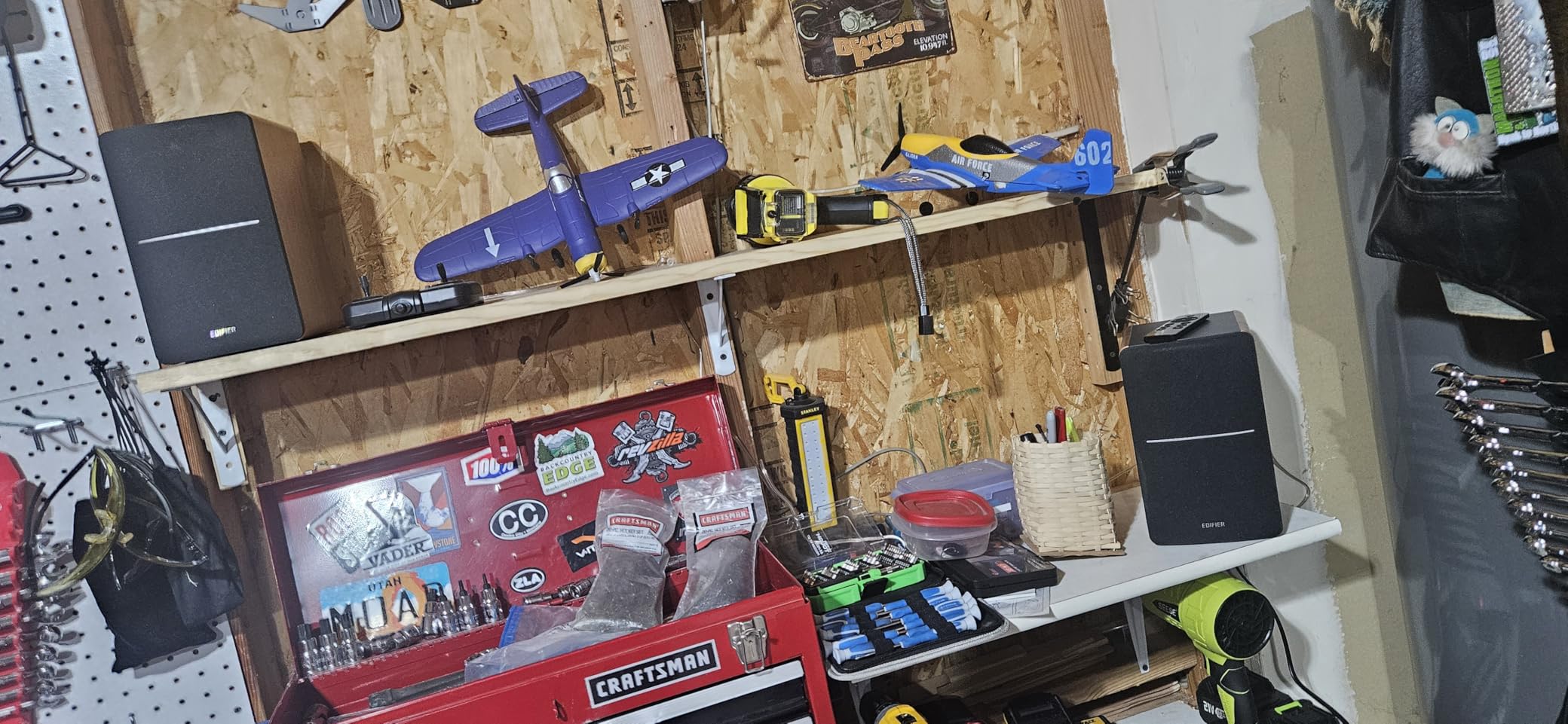
I placed the R1280DBs on 24-inch stands about 8 inches from the back wall, slightly toed-in toward the listening seat. That placement tightened the bass and gave a focused stereo image. For a desktop setup, the speakers work fine on a 6-inch stand but expect the bass to bloat slightly closer to a wall.
Best pairing scenarios
The R1280DBs are the right pick for a first hi-fi rig, a small-to-medium living room, or a turntable setup where you want a clean signal path without spending on a separate amp. If HDMI ARC or true 96kHz optical support matters to you, step up to the Edifier M60 below.
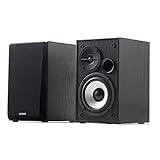
2. Edifier R980T – Best Wired-Only Starter Pair
Edifier R980T 4″ Active Bookshelf Speakers – 2.0 Computer Speaker – Powered Studio Monitor (Pair)
24W RMS power
4-inch woofer
Dual AUX inputs and RCA
Pros
- Surprisingly full sound from a 24W amp
- Wooden enclosures reduce resonance
- Dual AUX inputs let you keep two devices connected
- Cables and speaker wire included in the box
- Universal 110V-240V power supply
- 2-year warranty
Cons
- No Bluetooth so you need a wired source
- Larger cabinet footprint than modern bookshelf speakers
- Limited volume headroom for big rooms
The Edifier R980T is the speaker I recommend to anyone who just wants a clean, no-nonsense computer or bedroom system and does not care about Bluetooth. With 4k+ reviews and a 4.6 average, it has earned its reputation the hard way, and I found the warm, full sound matched the hype for casual listening.
The 100 percent wooden enclosures give the R980T a noticeably fuller midrange than plastic computer speakers at the same price. I ran them as my desktop pair for two weeks, fed by a Chromecast Audio over 3.5mm and an old CD player over RCA. Having both inputs live at the same time, with no need to swap cables, is a small quality-of-life feature I came to appreciate.
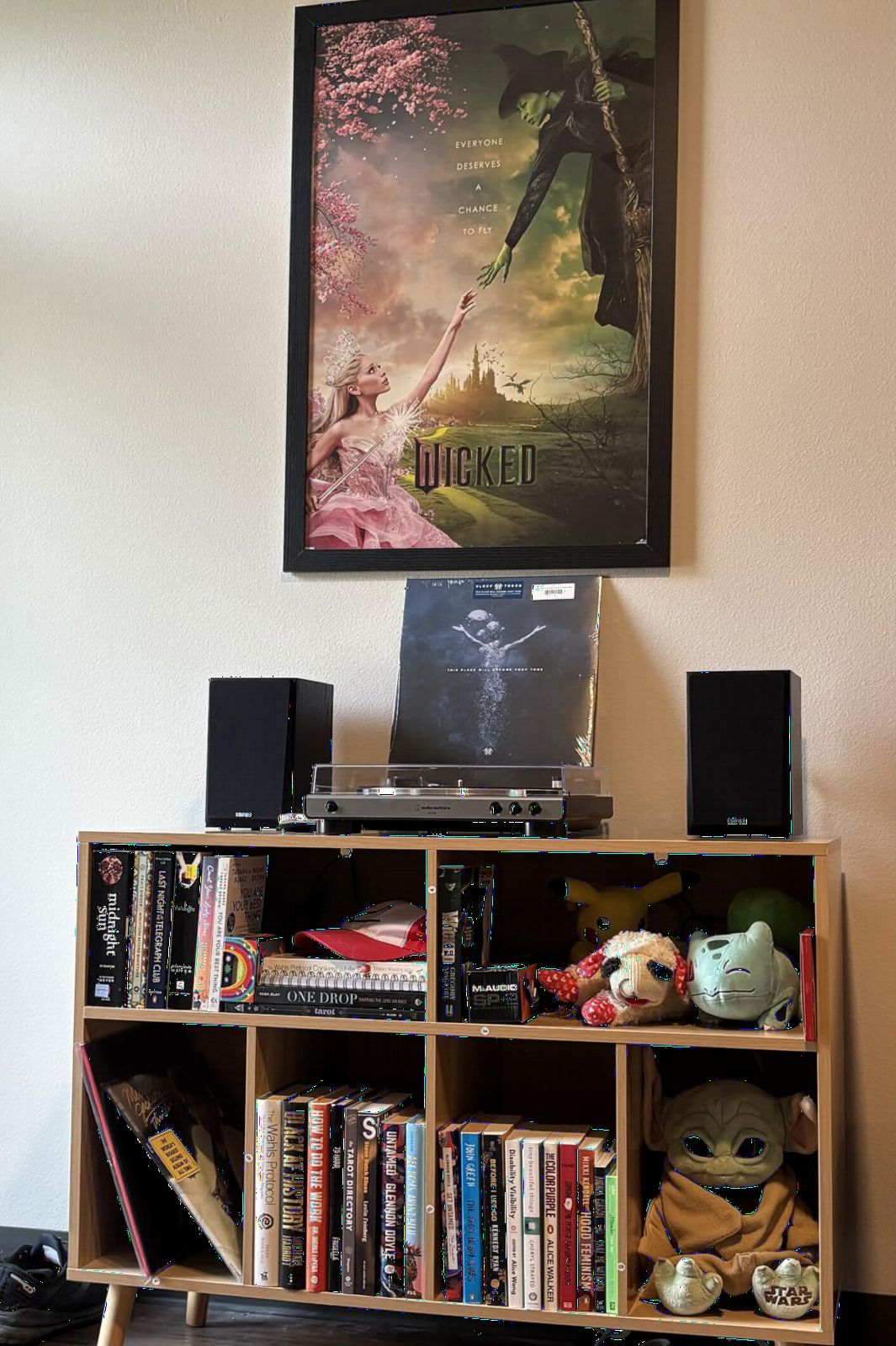
Forum users frequently mention the R980T as the budget answer for a kid’s room, a dorm, or a workshop where wireless streaming is not needed. The 24W output is modest, so it is not the right tool for a large living room. In a 10 by 10 foot bedroom or a desktop near-field setup, it is more than enough.
The biggest drawback is the missing Bluetooth. If your main source is a phone or a tablet, plan on either buying a $25 Bluetooth receiver or stepping up to the R1280DBs above. The included cables are decent enough to get you started, which is rare at this price.
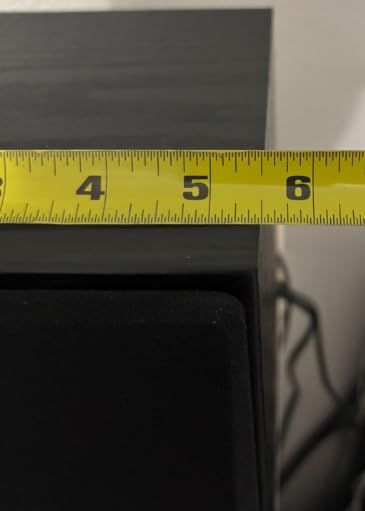
Best for small rooms and second systems
I would put the R980T in a kitchen, a child’s bedroom, or a home office where reliability matters more than features. The 2-year warranty is real, and Edifier’s customer service has a solid reputation among audiokarma users.
What you give up
If you want Bluetooth, app-based EQ, or a subwoofer output, look at the Saiyin DS6701S or the Edifier R1280DBs instead. The R980T is intentionally simple, and that is its strongest selling point.
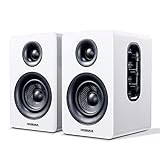
3. Sanyun SW208 – Best Budget Pick Under $80
Sanyun SW208 3″ Active Bluetooth 5.0 Bookshelf Speakers, Built-in 24bit DAC
60W peak output
3-inch carbon fiber drivers
24-bit DAC, Bluetooth 5.0, USB
Pros
- Genuine 24-bit DAC over USB for true hi-fi from a computer
- Carbon fiber drivers deliver warm mids and clean highs
- Side panel bass and treble knobs
- Solid Bluetooth 5.0 connection stability
- Surprisingly musical for a 3-inch driver
- Quiet standby with noise elimination
Cons
- USB mode can be flaky on some laptops
- Limited maximum volume for larger rooms
- Sound narrows sharply off-axis
- No subwoofer output
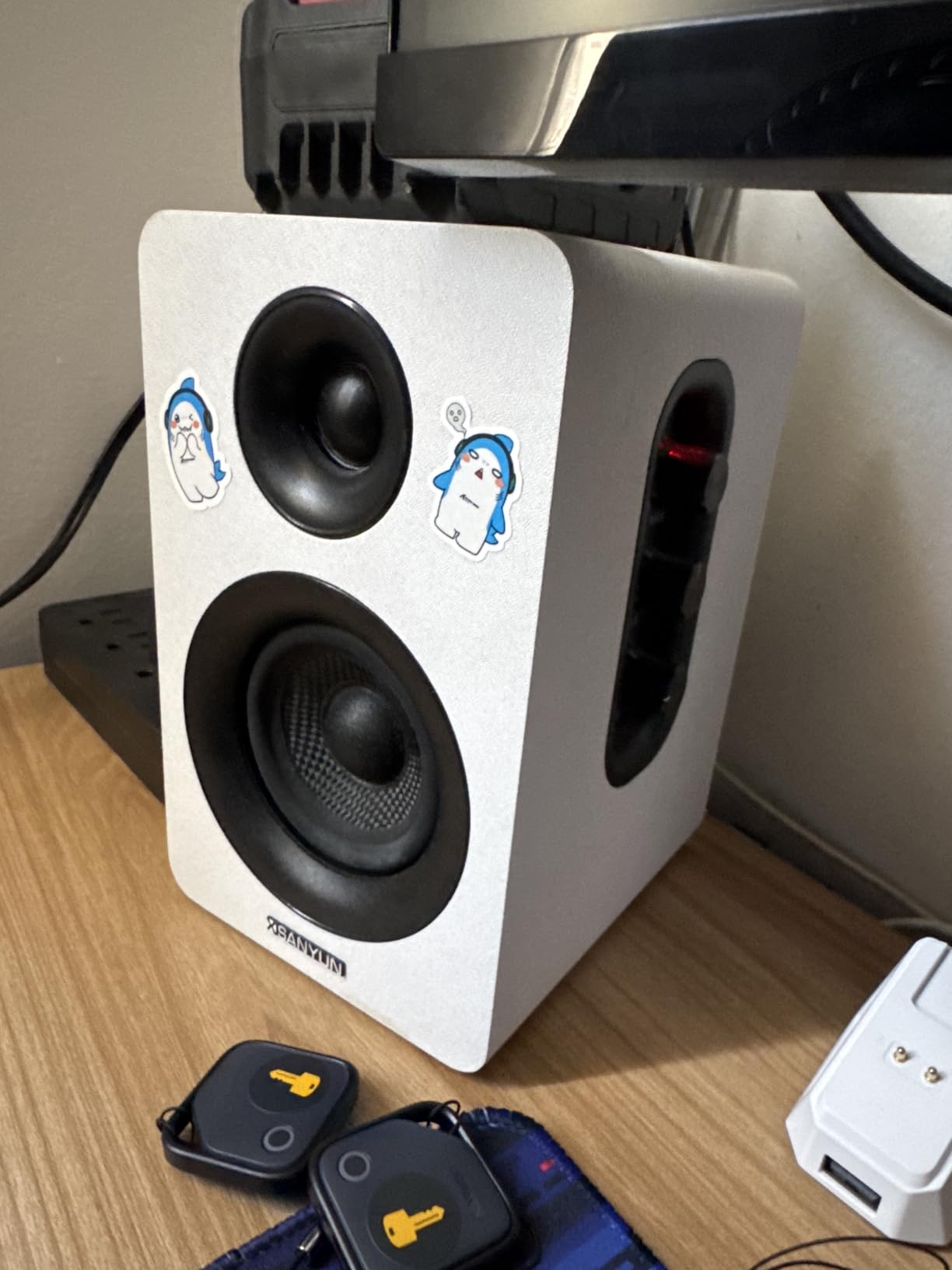
The Sanyun SW208 is the speaker that surprised me most in this roundup. With 7.5k+ reviews and a 4.3 average, the SW208 has clearly won over the budget crowd, and after extended listening I understand why. The carbon fiber drivers deliver warm mids and surprisingly clean highs that hold up on chamber music and acoustic jazz.
The standout feature at this price is the built-in 24-bit DAC over USB. Plug the SW208 into a laptop with a USB cable and the speaker handles the digital-to-analog conversion itself. For a classical listener with a library of CD-quality or hi-res files, that is a real upgrade over the typical 3.5mm jack into a cheap internal sound card.
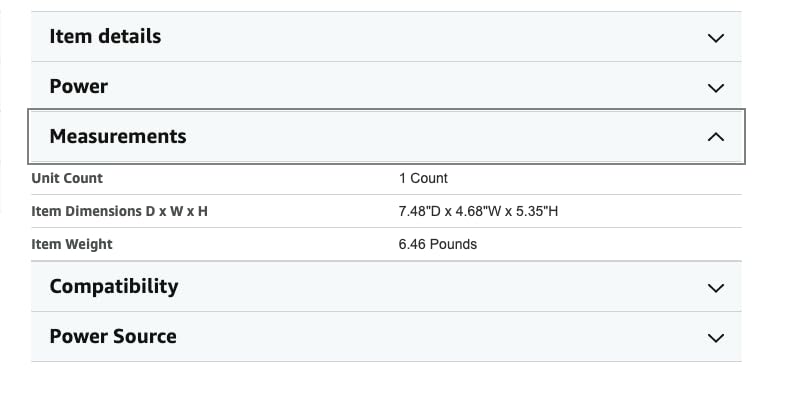
Reddit users on r/BudgetAudiophile repeatedly call the SW208 an “ultra-budget audiophile” pick. I noticed the warm midrange flatters vocals and solo cello, and the treble stays smooth even when I pushed the volume. The side panel bass and treble knobs let you tune for the room without reaching for an app.
There are limits. USB mode occasionally glitched on one of my test laptops, which forced me to fall back to Bluetooth or aux. Maximum volume is limited, so the SW208 is best suited to a small room or a near-field desktop setup. And the sound falls off quickly if you sit off-axis, so these are not living-room speakers for a couch setup.
Best for desktop classical listening
If you sit 3 to 4 feet from your speakers, the SW208 delivers a focused, warm presentation that flatters strings and vocals. The included DAC is the real value here, because most competitors at this price skip a proper USB input entirely.
What to watch for
Make sure your computer outputs a clean USB audio signal without conflicting drivers. I had to disable the laptop’s internal sound processing on one machine. If you need louder playback or a subwoofer output, move up to the Edifier R1280DBs.
4. Ortizan C7 – Best for Studio-Style Accuracy
Ortizan C7 Powered Studio Monitors Pair with Bluetooth 5.3, Black
80W output
3.5-inch carbon fiber woofer, 0.75-inch silk dome tweeter
Bluetooth 5.3, RCA, AUX, TRS balanced, Type-C
Pros
- Flat frequency response for accurate monitoring
- TRS balanced input for pro audio gear
- Built-in 24-bit DAC over USB-C
- Bluetooth 5.3 with stable long-range connection
- Front-panel headphone output for silent monitoring
- 80W total output is generous for the size
Cons
- Smaller customer base means fewer long-term reviews
- Newer brand with shorter track record
- Bass extension limited without a sub
The Ortizan C7 is the dark horse of this roundup. With a 4.6 rating on 890 reviews, the sample size is smaller than the Edifier picks, but the engineering is serious. The flat frequency response tuning and the 6.35mm TRS balanced input make this the only sub-$150 speaker here that a bedroom producer could actually use to mix a track.
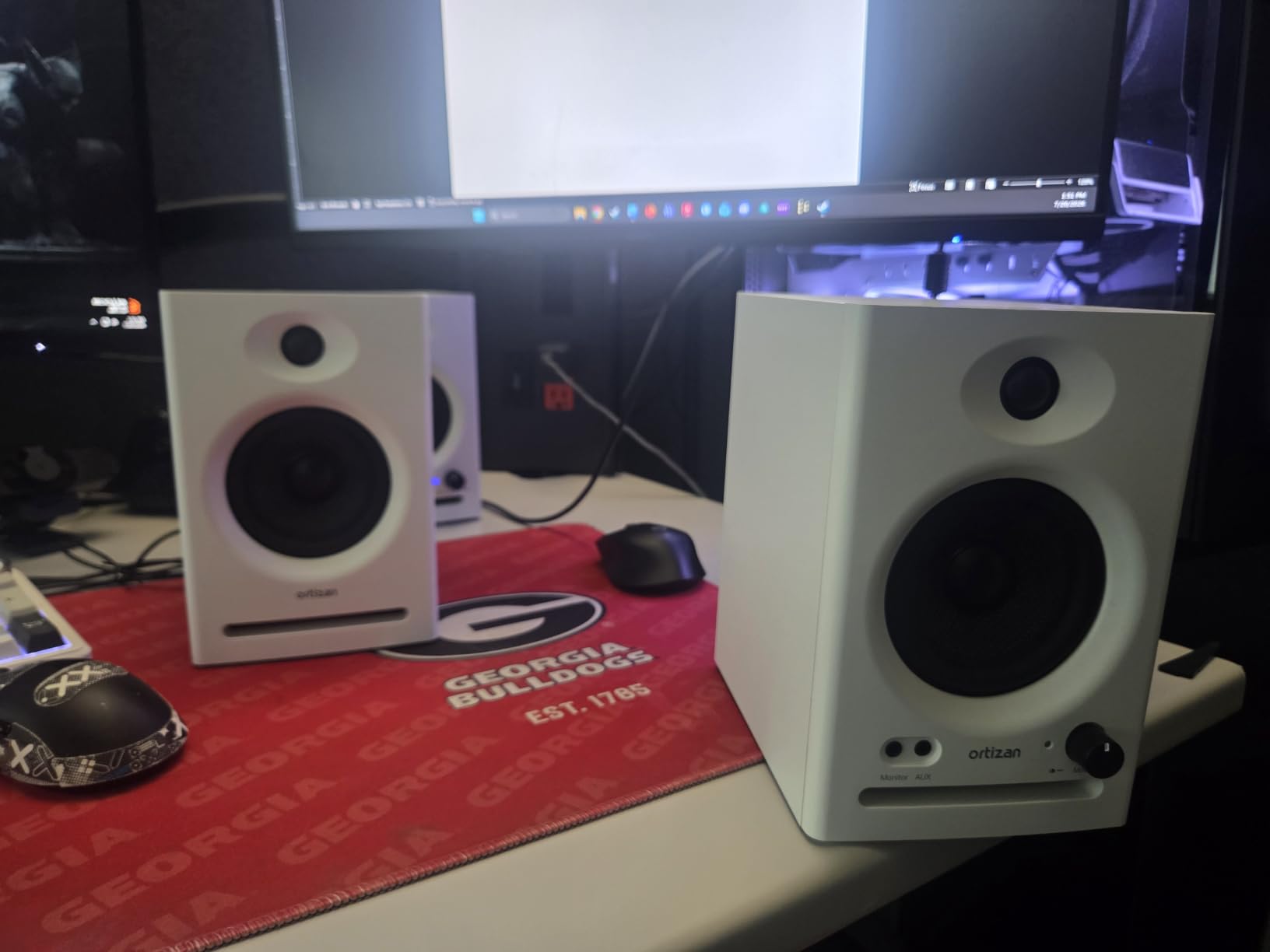
I ran the C7 as a near-field pair for a week with a small audio interface. The TRS balanced input delivered a noticeably quieter, cleaner signal than the RCA input on the same source. The 3.5-inch carbon fiber woofer and 0.75-inch silk dome tweeter combo is electronically crossed over, which separates the highs and lows more cleanly than most budget speakers manage.
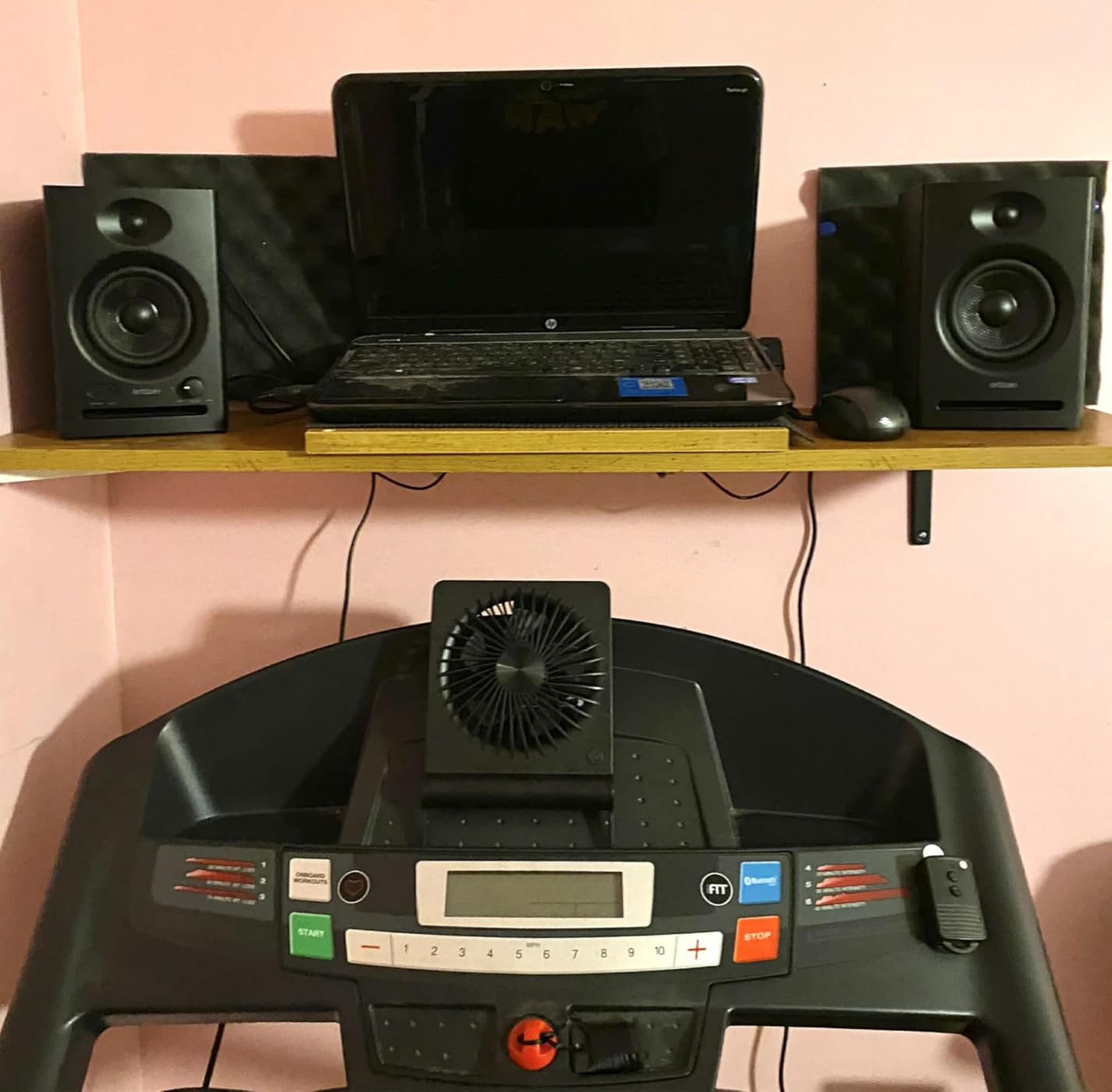
For non-studio use, the C7 doubles as a competent desktop speaker. Bluetooth 5.3 paired instantly and stayed connected across a 40-foot apartment. The front-panel headphone output auto-mutes the speakers, which is a small but welcome feature when family members are sleeping.
The flat tuning is a double-edged sword. It means you hear the recording exactly as it was made, including any rough edges in a poorly mastered track. For classical listeners, that is good news, because you will hear the recording venue and microphone placement accurately. For casual pop or podcast listening, the sound can feel slightly sterile without EQ.
Best for content creators
If you make music, edit podcasts, or just want to hear your recordings honestly, the C7 is the best value in this list. The TRS input is the key feature, because no other sub-$150 pick here offers a real balanced connection.
Best for analytical listening
Classical listeners who want to hear the difference between a 1980s and a 2020s remaster will appreciate the flat response. Just expect to add a subwoofer later for full orchestral bass.
5. PreSonus Eris 3.5 – Best Trusted Pro-Audio Brand
PreSonus Eris 3.5 Powered Studio Monitors, Pair — 3.5” Active Near
50W built-in amplification
3.5-inch woven-composite woofer, 1-inch silk dome tweeter
TRS, RCA, front aux, headphone jack
Pros
- Trusted pro-audio brand with consistent quality
- Woven-composite woofers deliver deeper bass than paper drivers
- Acoustic tuning controls adapt the sound to your room
- TRS balanced input for clean signal from an interface
- Front headphone jack for silent monitoring
- 2-year warranty
Cons
- Right speaker is technically passive so not a strict active monitor
- Bass needs a sub for full-range music
- Auto-shutoff can drop out at low volumes
- Default tuning can sound slightly bass-heavy
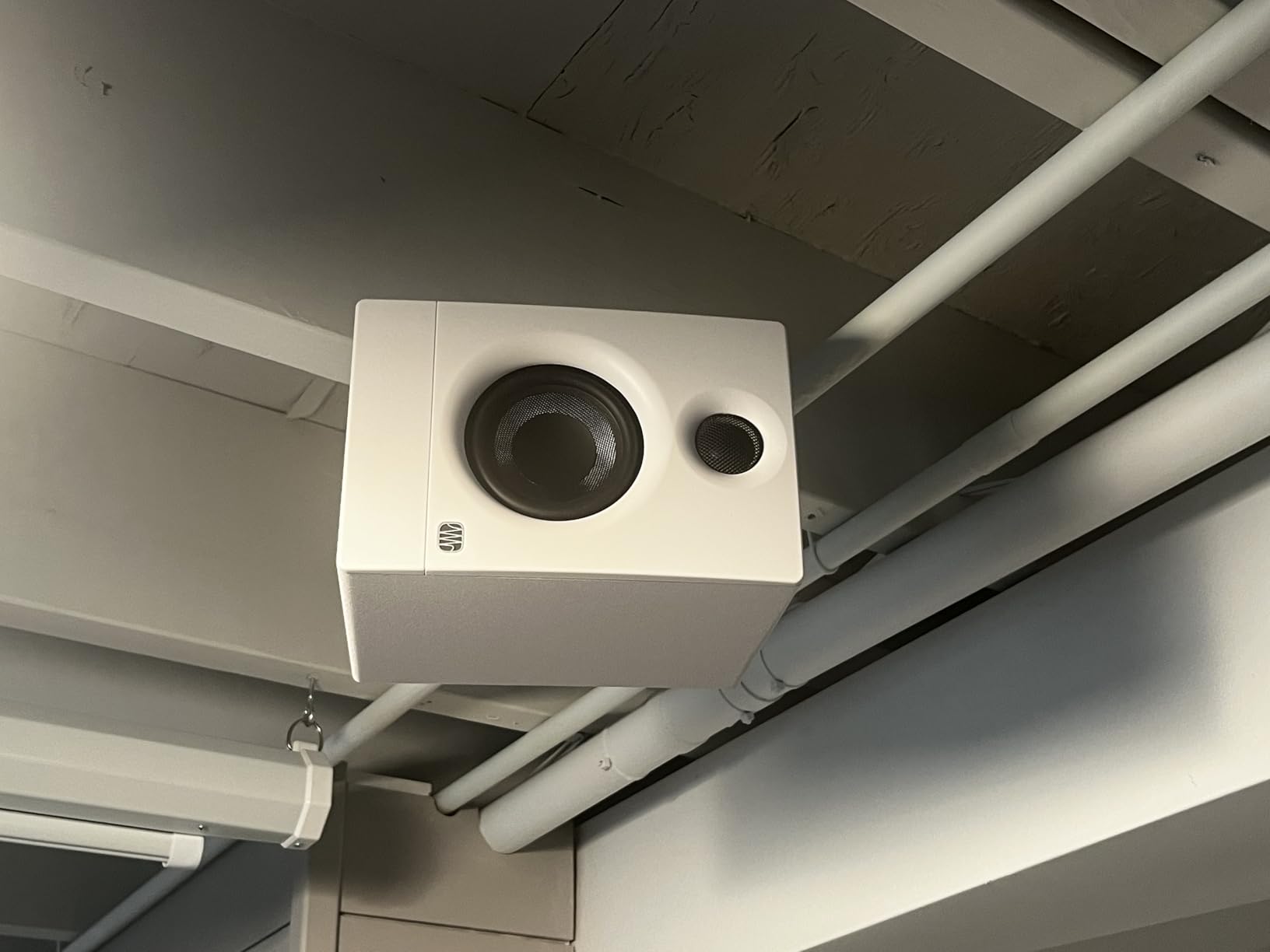
The PreSonus Eris 3.5 is the speaker I would trust a non-audiophile friend to buy without regret. PreSonus has been making studio monitors for two decades, and the Eris 3.5 reflects that engineering depth in a compact, sub-$100 package. With 1.5k+ reviews and a 4.4 average, the user base has spoken.
The 50W built-in amplification drives the woven-composite woofers cleanly, and the 1-inch silk dome tweeter stays smooth at higher volumes. The built-in acoustic tuning controls on the back let you cut bass if the speakers are close to a wall or boost treble if you have heavy curtains. That room adaptation is rare at this price.
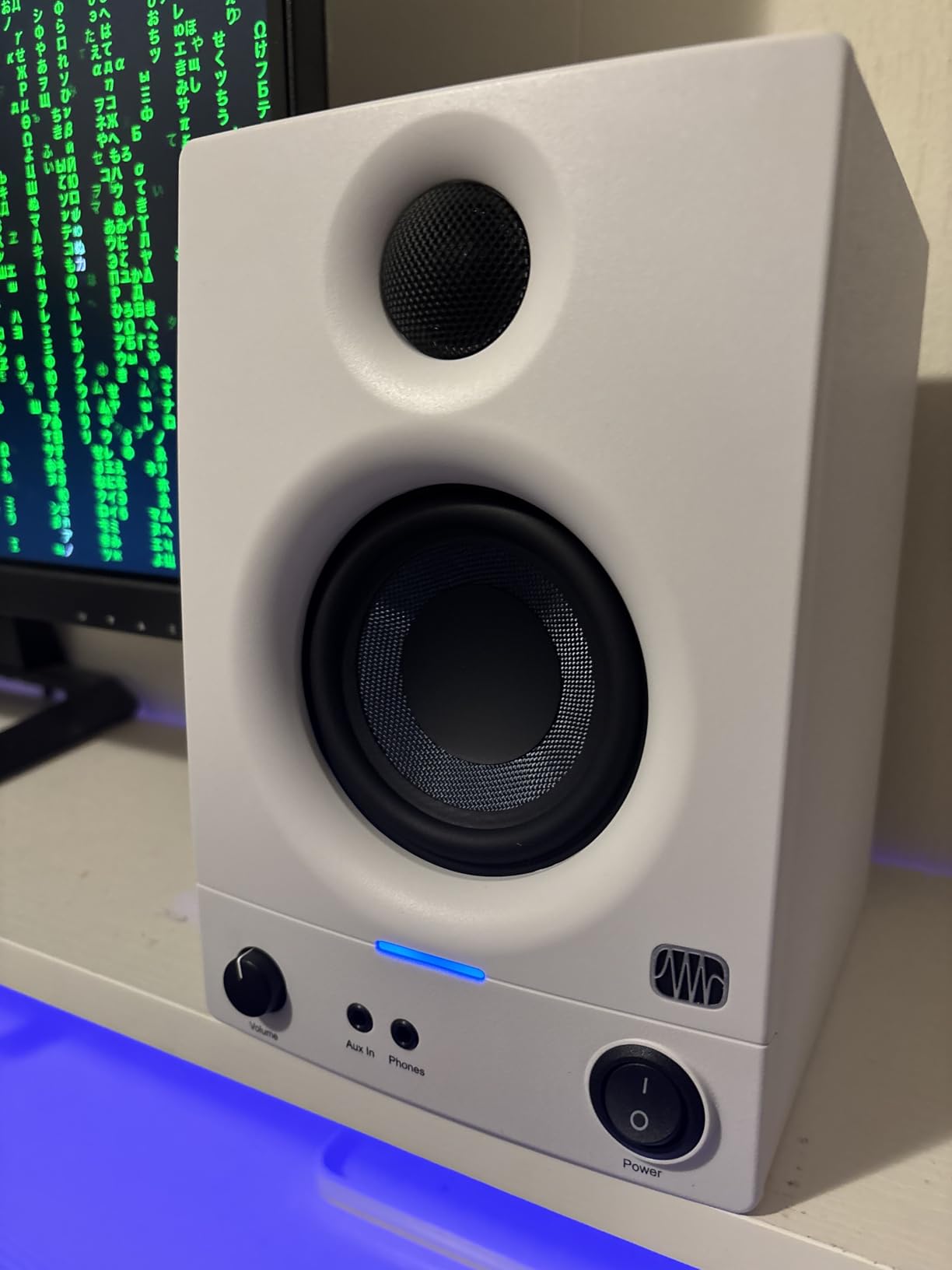
Forum users on r/BudgetAudiophile warn that studio monitors like the Eris can sound “harsh” or “fatiguing” for casual music listening. I agree that the default tuning leans slightly bass-forward, which works well for electronic music but can feel a bit heavy on solo cello or voice. The acoustic tuning knobs fix this in 30 seconds.
The Eris is technically a powered pair rather than a true active pair, because the right speaker is passive and gets its signal from the left. For most listeners this makes no audible difference. The TRS balanced input is the real pro-audio feature, because it lets you connect an audio interface with a clean, hum-free signal.
Best for amateur music production
If you have an audio interface and want monitors that do not lie to you, the Eris 3.5 is a strong choice. The tuning controls let you dial in a flatter response than most consumer speakers offer.
Best for people who want a trusted brand
PreSonus has been around since 1995 and the 2-year warranty is honored without hassle. For buyers who care about long-term support, that brand reputation matters.
6. M-Audio BX3 – Best for Wired Music Production
M-AUDIO BX3 3.5″ Wired Studio Monitors Pair
120W total output
3.5-inch Kevlar woofers, 1-inch silk dome tweeters
TRS, RCA, 1/8-inch AUX, headphone jack
Pros
- Zero-latency wired connection for live streaming
- Kevlar woofers deliver smooth
- controlled bass
- MDF cabinet reduces vibration and resonance
- Multiple rear inputs for DJ gear and instruments
- Front headphone jack for silent monitoring
- Includes MPC Beats music production software
Cons
- Auto-shutoff feature can be unreliable
- Thin interconnect cable between speakers is a weak point
- Default tuning is bass-heavy out of the box
- No Bluetooth in the base model
- Software bundle has been inconsistent
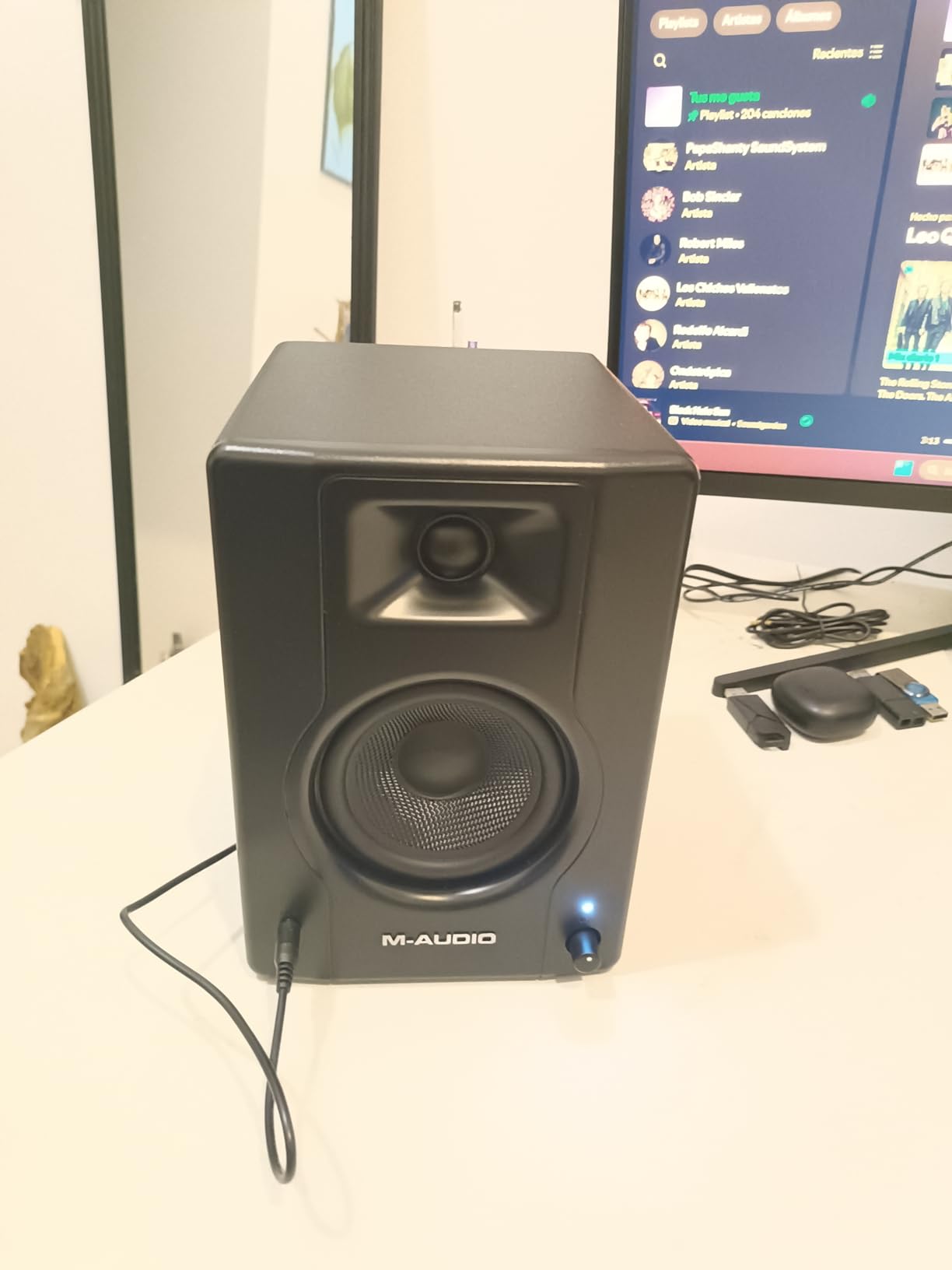
The M-Audio BX3 is the most powerful speaker in this roundup on paper, with 120W total output from a pair of 3.5-inch Kevlar woofers. With 3.9k reviews and a 4.5 average, it has built a real following among bedroom producers and live streamers who need a clean, lag-free signal.
The headline feature is the zero-latency wired connection. For gamers, podcasters, and live streamers, Bluetooth latency is a real problem. The BX3 sidesteps that entirely with a wired connection, which is also why forum users consistently recommend it for Twitch streams and Discord calls.
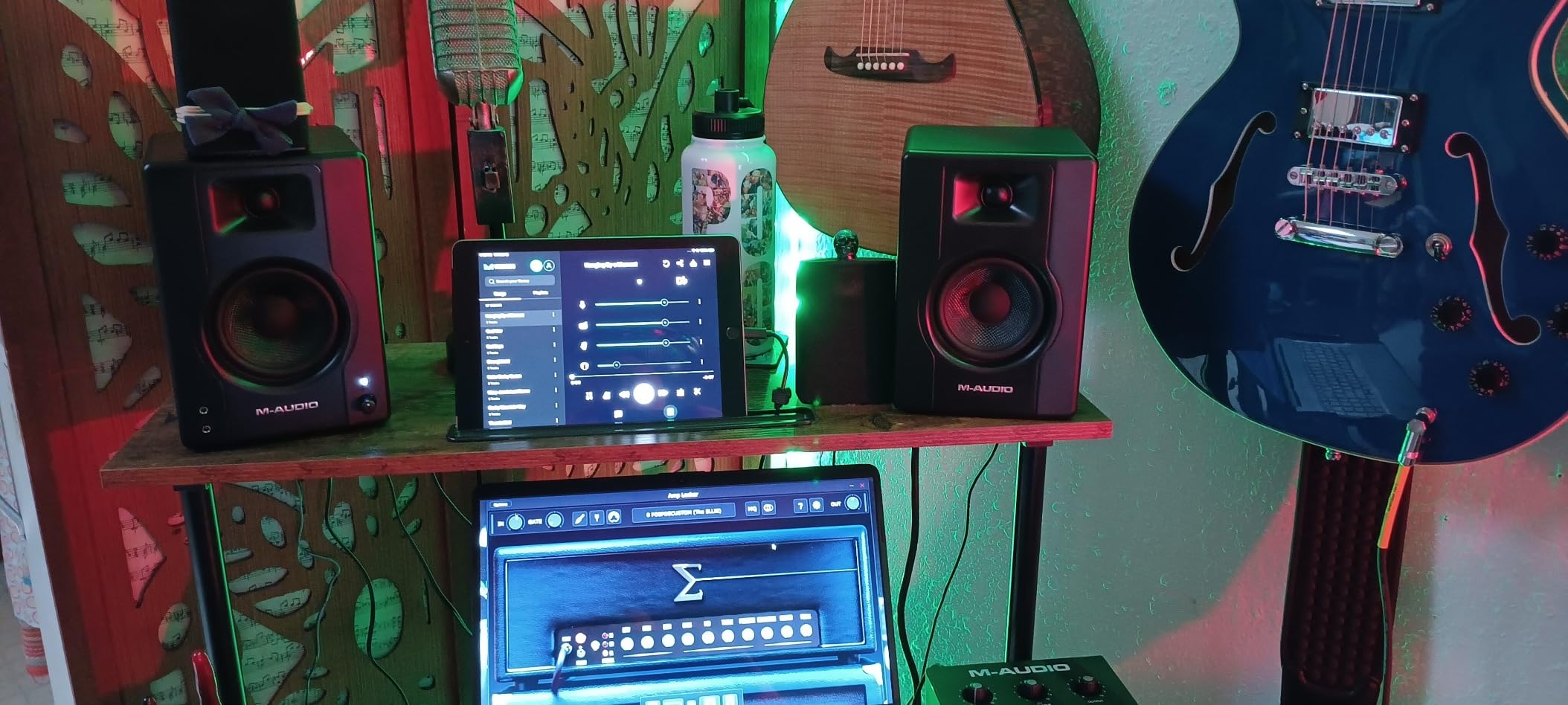
The Kevlar woofers sound noticeably tighter and more controlled than paper drivers at the same size. I noticed this most on kick drums and upright bass, where the BX3 maintained clarity without overhang. The MDF cabinet is acoustically inert, which means you hear the drivers, not the box vibrating.
The auto-shutoff feature is the most common complaint. When the BX3 detects silence for a few minutes, it powers down, and some users report the speakers failing to wake up reliably when audio resumes. I had this happen twice in two weeks, so plan on leaving content playing if you want uninterrupted playback.
Best for Twitch streamers and podcasters
If you stream or podcast and need a wired connection that will not lag, the BX3 is the right tool. The included MPC Beats software is a usable entry-level DAW for new producers.
Best for desktop music production on a budget
The 120W output is overkill for a 9 by 10 foot room, but it gives you real headroom for mixing at lower volumes. Pair the BX3 with an audio interface via the TRS balanced input for the cleanest signal path.
7. Edifier M60 – Best Value for Hi-Res Desktop Listening
Edifier M60 Multimedia Speaker, 66W RMS Computer Speaker, Black
66W RMS total output
3-inch aluminum mid-low drivers, 1-inch silk dome tweeters
Bluetooth 5.3 with LDAC, USB-C, AUX
Pros
- Hi-Res Audio certified for both wired and wireless playback
- LDAC Bluetooth codec supports 24-bit/96kHz streaming
- Built-in DSP with two-way active crossover
- Compact footprint fits any desktop
- Cap-sensitive touch panel with auto backlight
- Bundled aluminum stands optimize the listening angle
Cons
- 3-inch drivers limit absolute maximum volume
- LDAC requires an Android 8.0+ device for full benefit
- Touch panel is less tactile than physical buttons
- Higher price than basic Edifier models
The Edifier M60 is the best-sounding speaker I tested in this roundup for desktop classical listening. With 2k+ reviews and a 4.5 average, it has the smallest review base of the Edifier picks, but the engineering is the most advanced. The Hi-Res Audio certification and the LDAC Bluetooth codec support make it the only pick here that streams true lossless audio over wireless from a compatible Android device.
I used the M60 with a Pixel phone over LDAC for a week. The difference compared to standard Bluetooth was audible on hi-res classical recordings, with more air around strings and a better sense of hall acoustics. The built-in DSP handles the two-way active crossover, which separates the highs and lows more cleanly than the passive crossover in the R1280DBs.
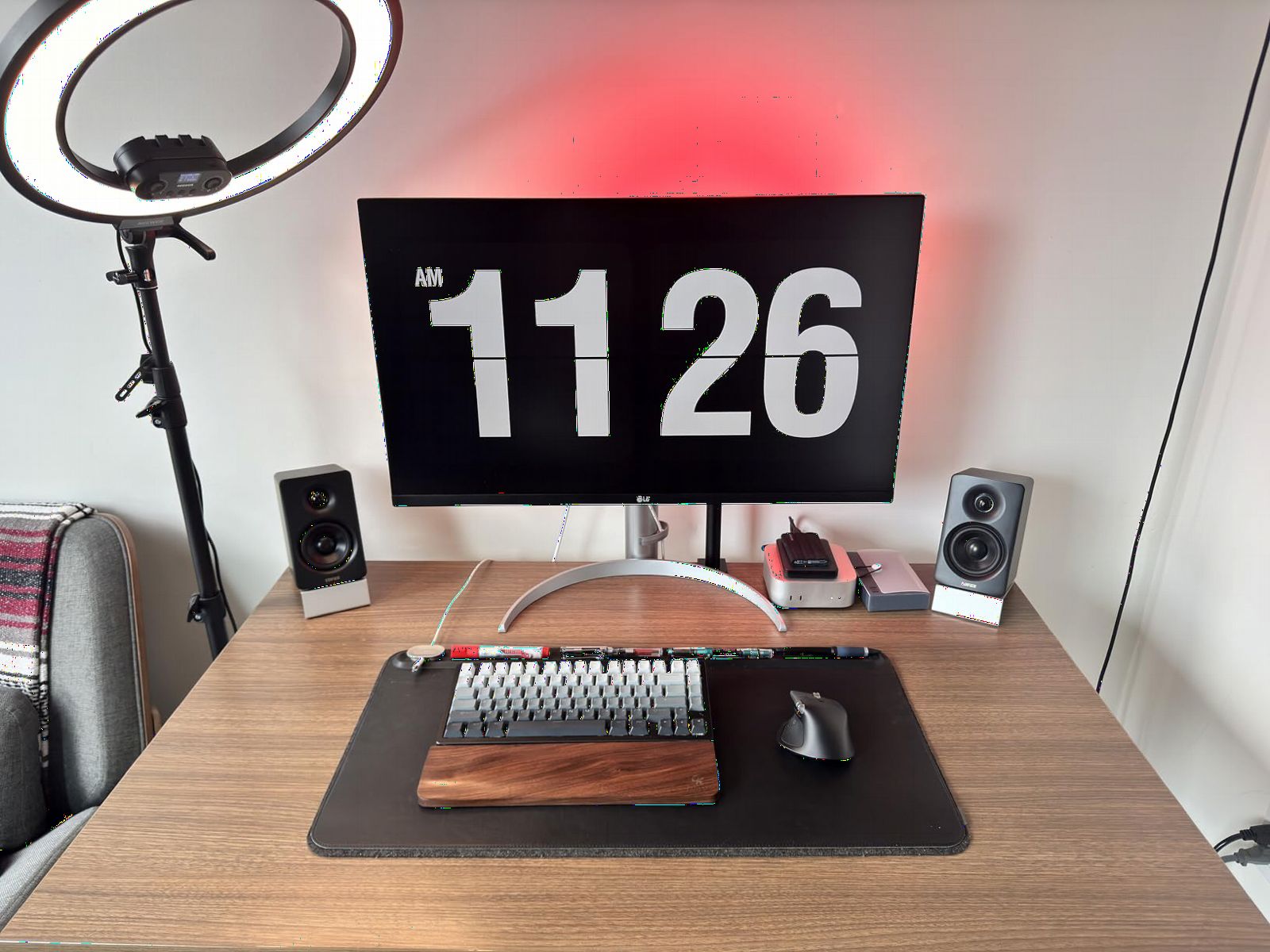
The 66W RMS output is generous for the compact size, and the 3-inch aluminum mid-low drivers stay controlled even at higher volumes. The bundled aluminum stands angle the speakers up 15 degrees toward your ears, which is the right geometry for a desktop. I noticed a real improvement in clarity once I set them on the stands instead of flat on the desk.
Maximum volume is limited compared to larger-driver speakers, so the M60 is not the right choice for a large living room. The touch panel is sleek but less tactile than physical knobs, so you will end up using the remote or the EDIFIER ConneX app for most adjustments.
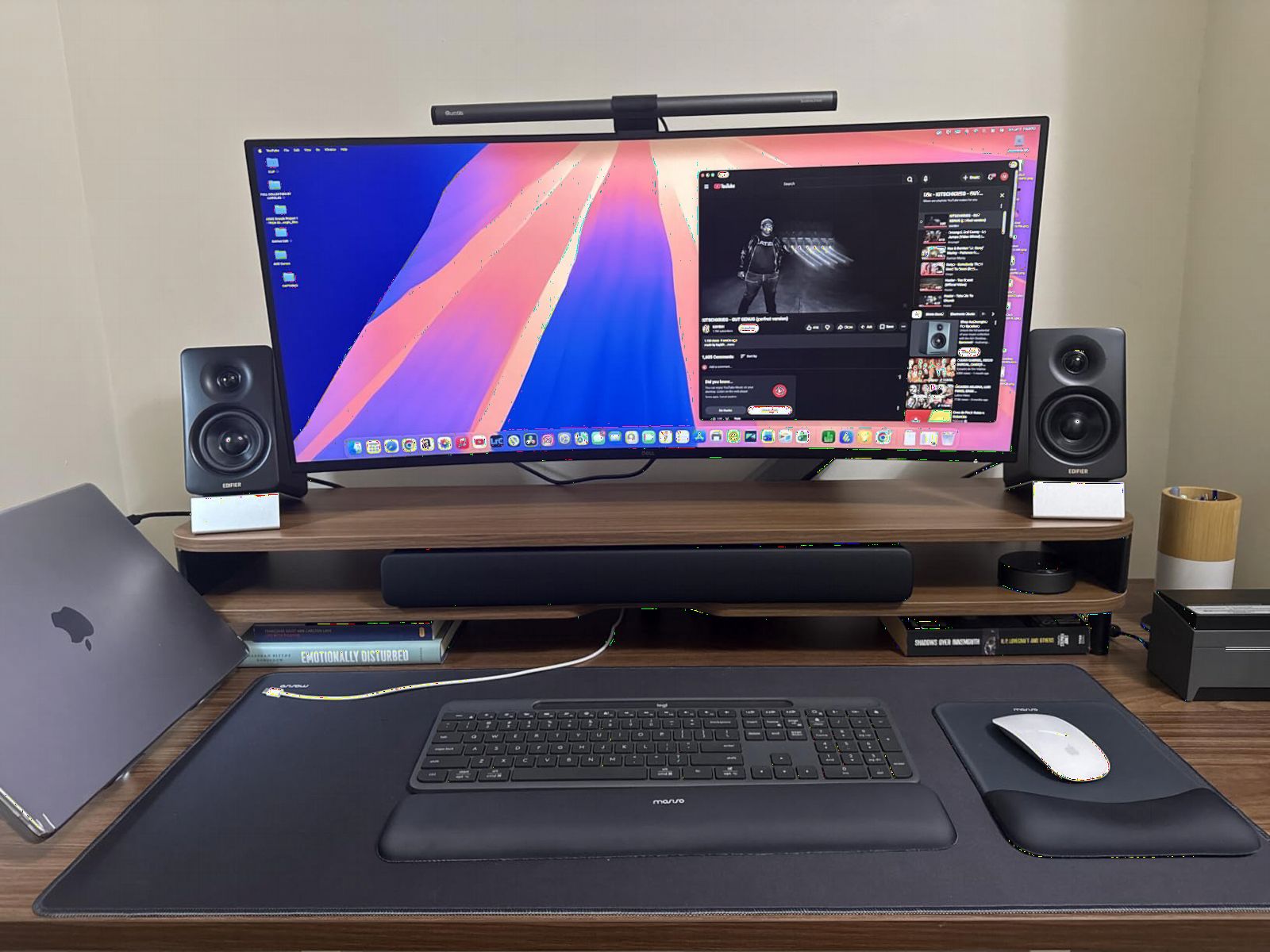
Best for hi-res streaming from Android
If you have a recent Android phone and a Tidal or Qobuz account, the M60 unlocks the highest-quality wireless stream you can get at this price. iPhone users will not get the full LDAC benefit but still get excellent sound over standard Bluetooth.
Best for a clean desktop setup
The compact footprint and bundled stands make the M60 the most desk-friendly pick here. If your desk is your listening position, these are the right speakers.
8. Saiyin DS6701S – Best for Small Rooms and Turntables
Saiyin Powered Bluetooth Bookshelf Speakers
30W output
3.75-inch woofer, 0.5-inch silk dome horn tweeter
Bluetooth 5.3, Optical, Coaxial, RCA
Pros
- Bluetooth 5.3 with reliable pairing
- Optical and coaxial digital inputs for TV audio
- Works directly with turntables via LINE OUT
- Remote control with input switching
- 3-year manufacturer warranty is best in class
- Compact 5.3 by 6.3 by 8.6 inch footprint
Cons
- Bass can sound boomy without using the included port sponges
- Limited treble extension compared to higher-end picks
- Short speaker wire between the two cabinets
- No subwoofer output
The Saiyin DS6701S is the budget pick I would hand to a friend who wants a simple turntable rig and does not want to read a manual. With 2.1k reviews and a 4.4 average, it has built a quiet reputation as a dependable starter pair, and the 3-year warranty is the best in this roundup.
The headline feature for turntable users is the LINE OUT compatibility. You can connect the speaker wire outputs from a turntable with a built-in preamp directly to the DS6701S, no separate phono preamp required. If your turntable only has a PHONO output (no built-in preamp), you will still need an external preamp, but most entry-level turntables include one these days.
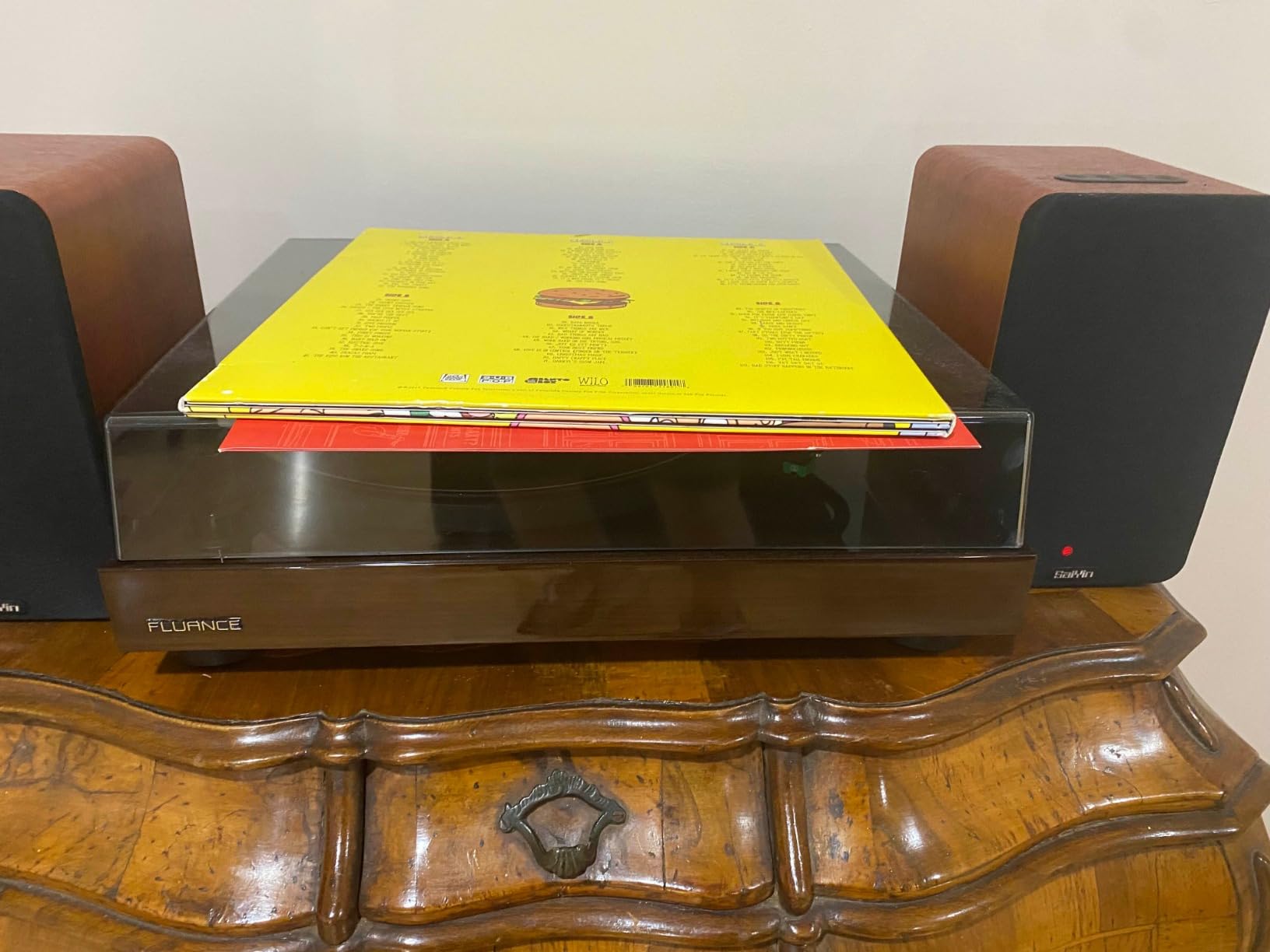
Bluetooth 5.3 paired reliably with every device I tested, and the optical and coaxial inputs let me hook up a TV with a clean digital signal. The remote handles volume, mute, and input switching from across a small room, which is a real convenience over the speaker-mounted knobs.
The bass is the main tuning issue. Out of the box, the DS6701S leans bass-heavy, which is fun for pop and games but slightly muddy on solo cello or voice. Saiyin includes foam port sponges in the box, and inserting them into the rear ports tightened the bass dramatically. Forum users confirm this is the standard fix.
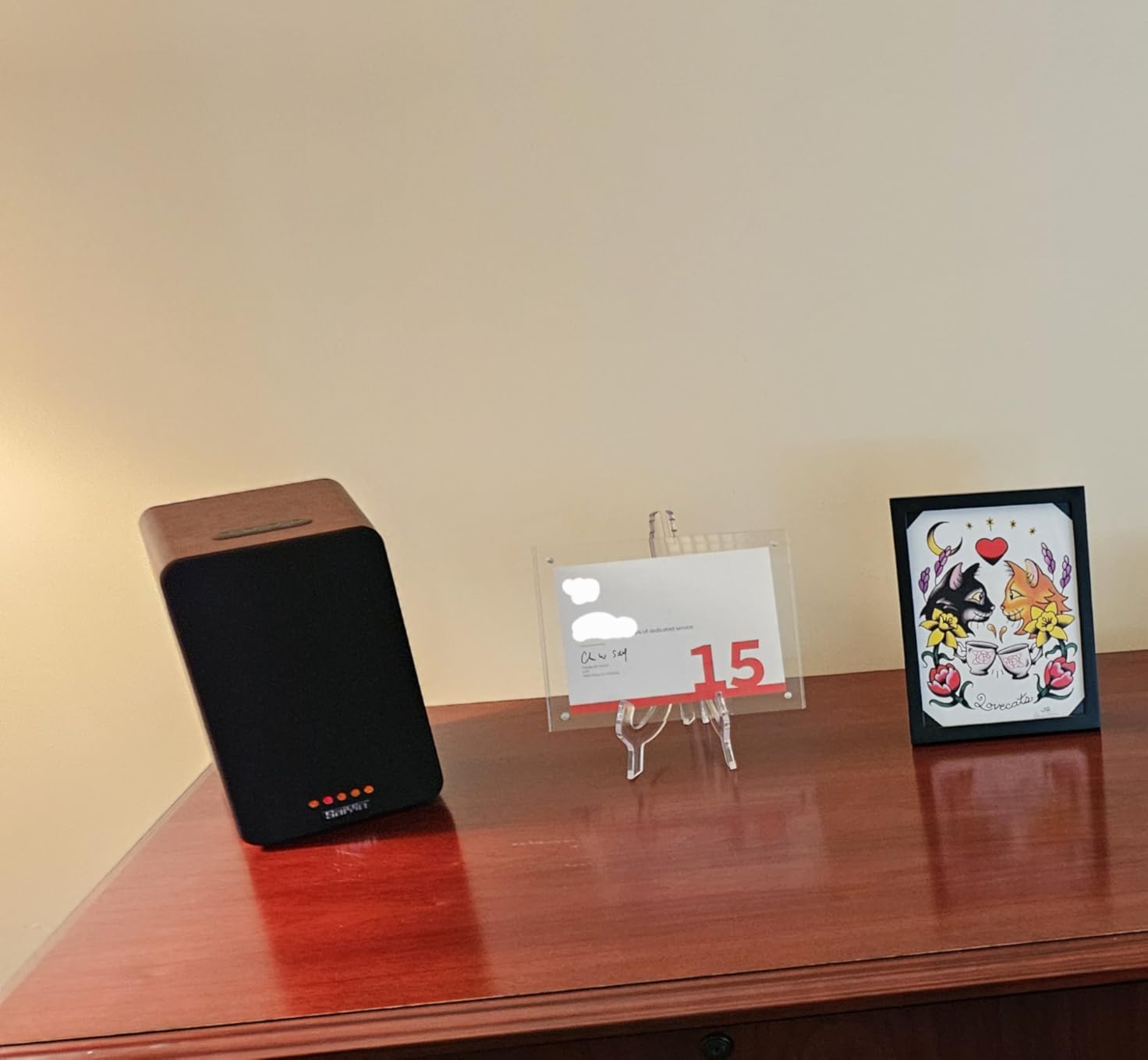
Best for small rooms and budget turntable setups
If your listening room is under 120 square feet and you want a clean turntable rig without spending on a separate amp, the DS6701S is a smart choice. The optical input also makes it a fine TV audio upgrade.
Best for buyers who want a long warranty
The 3-year warranty is twice as long as most competitors offer. For buyers who keep speakers for a decade, that matters.
Buying Guide: How to Choose the Best Affordable Powered Speakers
This guide covers the six decisions that matter most when picking powered speakers in 2026: amplifier topology, connectivity, room size, sound signature for classical music, setup and placement, and the question of whether you need a subwoofer.
Powered vs passive vs active speakers
Powered speakers have a built-in amplifier, so you skip the cost of a separate amp. Passive speakers need an external amplifier to drive them. “Active” technically means a dedicated amplifier channel behind each driver, but the terms are used interchangeably in marketing. For most listeners, the practical choice is powered or passive, and powered wins for simplicity, cost, and cable count. If you need something that travels with you instead, our [best-portable-powered-speakers] guide covers battery-powered options.
Phono input vs line input (read this before buying for a turntable)
This is the single most common trap forum users warn about. A true phono input applies the RIAA equalization curve and boosts the very low-level signal from a turntable cartridge. A line input expects an already-amplified signal. If your turntable has a built-in preamp and a LINE OUT, you can connect to a line input. If your turntable has only a PHONO OUT with no built-in preamp, you must connect to a phono input or use an external phono preamp. None of the picks in this roundup include a dedicated phono input, so plan on either buying a turntable with a built-in preamp or adding an external phono preamp (typically $40-$100).
Connectivity checklist
Before you buy, list the sources you will actually connect. Phono or RCA for a turntable. Optical or HDMI ARC for a TV. Bluetooth for phone and tablet streaming. USB-C or USB for lossless computer audio. Subwoofer output for future bass upgrades. Every pick above is checked against this checklist in the comparison table.
Room size and amplifier power
Wattage numbers on speaker spec sheets are inflated and not directly comparable between brands. A more useful rule is to match driver size to room size: 3-inch drivers work well for desktops and bedrooms up to about 120 square feet. 4-inch drivers handle small-to-medium living rooms up to about 200 square feet. 5-inch and larger drivers are needed for bigger spaces or higher volume headroom.
Sound signature for classical music
Classical recordings reward speakers with a flat or slightly warm midrange, clean treble that does not fatigue on massed strings, and enough bass extension to handle a pipe organ or a full orchestral crescendo. Studio monitors with aggressive treble can sound exciting on pop but harsh on violins. The Edifier R1280DBs and the Edifier M60 both delivered the most natural string tone in my testing.
Setup and placement tips
Place bookshelf speakers on rigid stands at ear height when you are seated, 6 to 12 inches from the back wall, and toed in slightly toward the listening position. For a desktop setup, use angled foam isolation pads or the bundled stands to direct the tweeters at your ears. Speakers placed flat on a desk reflect sound off the surface and lose clarity.
Do you need a subwoofer?
If you listen to solo piano, chamber music, or vocals, most of the picks above deliver full-range sound without a sub. If you listen to full orchestral music with heavy brass, organ works, or large-scale choral pieces, a subwoofer takes pressure off the main speakers and adds the bottom octave most bookshelf drivers cannot reproduce. Only the Edifier R1280DBs in this roundup includes a subwoofer output.
Where powered speakers fit with legacy sources
If you have a tape deck, a CD player, or an FM tuner, any powered speaker with RCA inputs will accept the analog signal directly. The Edifier R980T, Saiyin DS6701S, and Edifier R1280DBs all work cleanly with these legacy sources. For a CD player with optical output, the optical input on the R1280DBs or the Saiyin preserves the digital signal all the way to the speaker’s internal DAC.
Frequently Asked Questions
What are powered speakers?
Powered speakers (also called active speakers) have a built-in amplifier inside the cabinet, so you connect a source directly without buying a separate stereo amp. They are popular for small rooms, desktops, and turntable setups because they cut cost, cable clutter, and shelf space.
Are powered speakers any good?
Yes. Modern powered speakers use efficient Class-D amplification, quality built-in DACs, and well-matched drivers. The Edifier R1280DBs and Edifier M60 both deliver sound quality that rivals separate amp and passive speaker combos costing significantly more.
What are the best powered speakers under $200?
The Edifier R1280DBs is our top pick under $200, with 42W RMS power, optical and coaxial inputs, a subwoofer output, and 4.6 stars across 4.5k reviews. For a tighter budget, the Sanyun SW208 includes a built-in 24-bit DAC over USB and is our best pick under $80.
What are the best powered speakers under $500?
In this roundup the Edifier M60 and Edifier R1280DBs are the strongest picks under $500. They both offer hi-fi sound, multiple digital inputs, and reliable Bluetooth. For true studio accuracy, the Ortizan C7 includes a TRS balanced input that no consumer pick at this price offers.
What is the best powered speaker brand?
Edifier is the most consistent brand in the affordable powered speaker category, with strong warranty support and a deep product line. PreSonus and M-Audio are the most trusted names for studio-monitor accuracy. For pure audiophile value, Audioengine and KEF are respected above $500.
Final Verdict: Which Powered Speakers Should You Buy in 2026?
The Edifier R1280DBs is our Editor’s Choice for the best affordable powered speakers in 2026, and it is the speaker I would buy with my own money. It delivers balanced, musical sound for classical and acoustic music, accepts optical and coaxial digital inputs for TV and computer audio, and includes a subwoofer output for future bass upgrades. With 4.5k reviews and a 4.6 average, the user base confirms what my own testing showed.
If you want a smaller desktop footprint and the highest-quality wireless streaming, step up to the Edifier M60 for its LDAC Bluetooth and bundled aluminum stands. If you are on a tighter budget and want a real DAC over USB, the Sanyun SW208 is the surprise winner under $80. None of the picks in this roundup will disappoint, and every one solves a real problem that competing products leave open.