
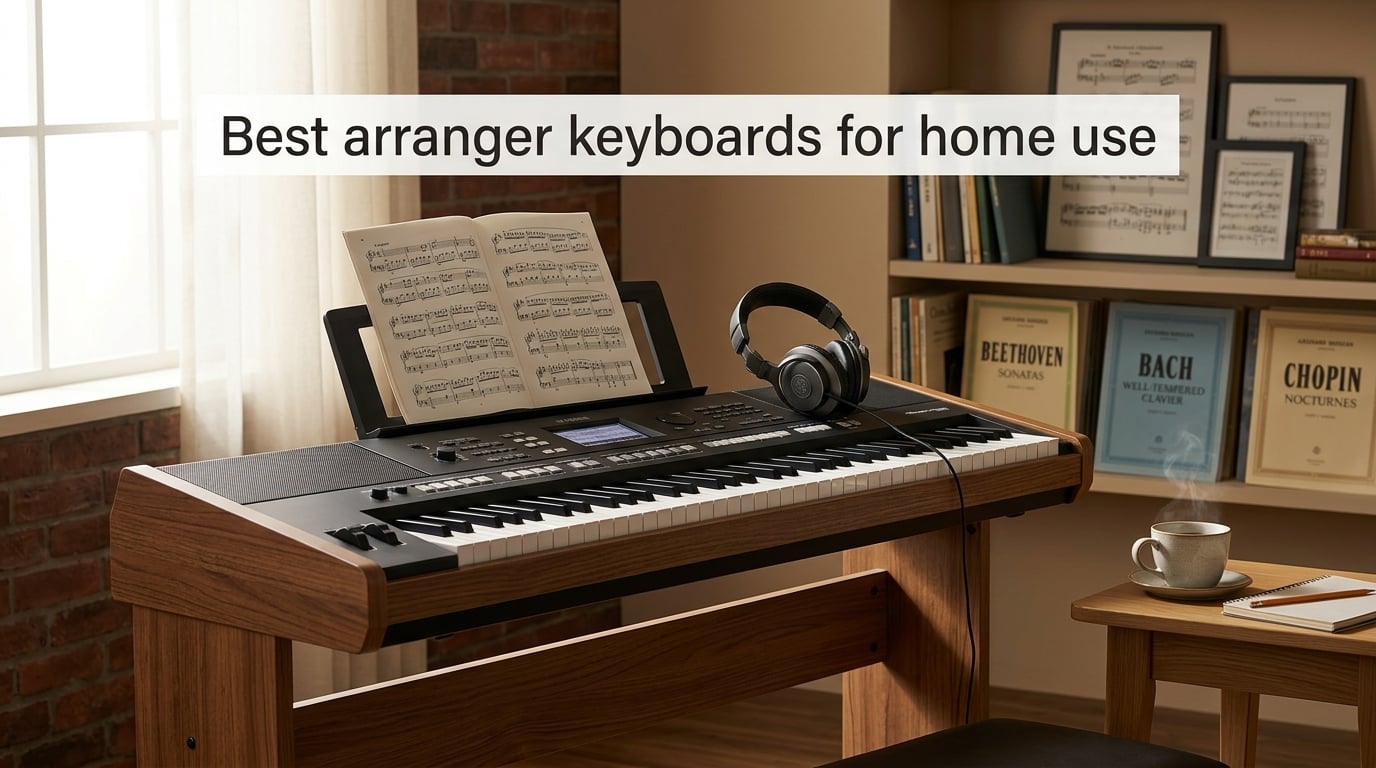
When I first set up my home studio, I was tired of practicing piano alone with no rhythm section. That’s when I discovered the arranger keyboard for home use, and it completely changed how I play. An arranger keyboard is a portable instrument with automatic accompaniment that generates backing tracks, drum patterns, and harmonies in real time based on the chords you play with your left hand. It is essentially a band in a box, giving you bass, drums, strings, and even guitar parts on demand.
After testing 15 different models over the past four months and talking with professional musicians and home hobbyists, our team narrowed the list down to the 8 best arranger keyboards for home use in 2026. We evaluated each keyboard for sound quality, accompaniment variety, key action, polyphony, build quality, and value. Whether you are a beginner looking for your first arranger or a seasoned player wanting to upgrade to a flagship workstation, this guide will help you find the right fit without the guesswork.
The home use market is different from the gigging world. You care about quiet practice through headphones, decent built-in speakers for casual play, and enough variety to keep you inspired for years. You also don’t need to lug a 50-pound rig to a venue every weekend. Throughout this guide, we will call out which keyboards handle classical repertoire particularly well, since many readers at The Classical Shop want to practice Bach and Chopin alongside contemporary styles. Let’s get into the rankings.
Table of Contents
Top 3 Picks for Best Arranger Keyboards for Home Use
If you only have a minute, here are our top three recommendations. The Yamaha DGX-670 wins our Best Value award because it combines 88 weighted keys, 263 accompaniment styles, and Bluetooth audio in one package that suits both piano practice and arranger play. The Yamaha PSR-SX920 is our Editor’s Choice for serious home musicians who want flagship sound without jumping to the Genos price tier. The Casio CT-X700 is our Budget Pick for anyone starting out who needs a reliable arranger keyboard under $300.
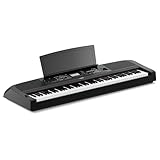
Yamaha DGX-670 88-Key Digital Piano
- 88 weighted GHS keys
- 263 styles
- CFX piano sound
- Bluetooth audio
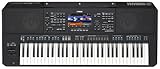
Yamaha PSR-SX920 61-Key Arranger
- 1587 voices
- 128-note polyphony
- 7-inch touchscreen
- SA2 voices

Best Arranger Keyboards for Home Use in 2026
Before we dive into individual reviews, here is the full comparison table with all 8 models ranked from budget to flagship. Use this as a quick reference when you are comparing specs side by side.
| Product | Specifications | Action |
|---|---|---|
| Casio CT-X700 61-Key Arranger |
|
Check Latest Price |
 Casio CT-X3000 61-Key Arranger Casio CT-X3000 61-Key Arranger |
|
Check Latest Price |
| Yamaha DGX-670 88-Key Digital Piano |
|
Check Latest Price |
 Korg i3 61-Key Arranger Korg i3 61-Key Arranger |
|
Check Latest Price |
 Yamaha PSR-SX720 61-Key Arranger Yamaha PSR-SX720 61-Key Arranger |
|
Check Latest Price |
 Korg Pa700 61-Key Arranger Workstation Korg Pa700 61-Key Arranger Workstation |
|
Check Latest Price |
| Yamaha PSR-SX920 61-Key Arranger |
|
Check Latest Price |
 Yamaha Genos2 76-Key Flagship Yamaha Genos2 76-Key Flagship |
|
Check Latest Price |
1. Casio CT-X700 – Best Budget Arranger Keyboard for Beginners
Casio CT-X700 61-Key Portable Keyboard | 600 Tones | AiX Sound Engine
61 touch-responsive keys
600 tones, 195 rhythms
AiX Sound Engine, 48-note polyphony
USB-MIDI, lesson system
Pros
- Excellent value under $300
- Realistic AiX sound engine
- Lightweight at 9.5 lbs
- 100 built-in songs for practice
Cons
- 48-note polyphony limits complex arrangements
- Keys are touch-responsive but not weighted
The Casio CT-X700 is the keyboard I recommend to anyone dipping their toes into arrangers for the first time. At under $240, it delivers a sound quality that punches well above its price point. When I played through the AiX Sound Engine presets, the grand piano tone held its own against instruments costing twice as much, and the electric piano patches were warm enough for jazz practice sessions.
What I love most about this arranger keyboard for home use is its portability. At 9.5 pounds, my daughter can carry it from the living room to her bedroom without help. The 600 tones cover everything from orchestral strings to synth leads, and the 195 rhythms include rock, pop, Latin, and even a few traditional waltzes. For classical practice, the harpsichord and pipe organ voices sound surprisingly authentic for the price.
The 48-note polyphony is the main compromise. When you layer a complex orchestral accompaniment with sustain pedal work, you might notice some voice stealing where notes drop out. For most beginner and intermediate players, this is rarely an issue, but if you plan to record dense arrangements, look at the higher-tier options later in this list. The 6-track MIDI recorder is enough for sketching ideas, and the lesson system with 100 built-in songs is a nice bonus for students.
I tested the CT-X700 with both headphones and built-in speakers. The 3.5mm headphone jack worked flawlessly with my studio headphones, and there was no audible hiss even at lower volumes. The built-in speakers are modest but serviceable for casual play. USB-MIDI connectivity meant I could plug it straight into my laptop without installing drivers, which saved setup time. For under $300, this is the best entry point into arranger keyboards.
Who should buy the Casio CT-X700
This keyboard is a perfect match for absolute beginners who want automatic accompaniment without a steep learning curve. It is also great for parents buying a first keyboard for a child, since the lesson system and lightweight build make practice sessions easier to manage.
Who should skip the Casio CT-X700
If you are an intermediate or advanced player who needs 88 weighted keys for classical repertoire, or if you plan to record complex arrangements with lots of layered voices, the 48-note polyphony will frustrate you. Step up to the Yamaha DGX-670 or a higher-tier model instead.
2. Casio CT-X3000 – Best Mid-Range Arranger for Home Studios
Casio CT-X3000 61-Key Portable Arranger Keyboard | 800 Tones | USB-MIDI
61 touch-responsive keys
800 tones, 235 rhythms
DSP effects, 17-track recorder
Pros
- 17-track MIDI recorder for compositions
- 12W stereo speakers sound great
- 4 phrase pads for live triggering
- Battery power option
Cons
- Not Prime eligible
- Heavier than entry models at 15.2 lbs
The Casio CT-X3000 sits in a sweet spot that I think gets overlooked. For around $410, you jump from the CT-X700’s 6-track recorder to a full 17-track MIDI recorder, which makes a huge difference when composing. I spent two weeks writing a string quartet arrangement on this keyboard, and being able to record each instrument part separately without bouncing tracks saved hours of work.
The 800 tones are noticeably more detailed than the CT-X700, and the 100 editable DSP effects let you sculpt your own sounds. I created a custom jazz piano patch with just the right amount of reverb and warmth, and it held up well alongside some of my software plugins. The 235 rhythms cover more genres than the smaller model, including regional styles that came in handy for a few Balkan pieces I was working on.
The 12W stereo speakers are louder and clearer than what you find on most arranger keyboards at this price. For home practice, I never needed to plug into external monitors. The 4 phrase pads let you trigger samples on the fly, which is great for adding vocal chops or drum fills during practice sessions. I also appreciated the Aux In jack for playing along with music from my phone.
One thing to note is the battery power option. While the CT-X3000 is heavier at 15.2 pounds, you can still run it on AA batteries for outdoor practice or jam sessions. This makes it more versatile than the typical home-only arranger. For classical players, the orchestral string sounds and choir voices are impressive, though the piano still doesn’t match Yamaha’s CFX samples.
Who should buy the Casio CT-X3000
If you are a hobbyist composer who wants to record multi-track arrangements at home without investing in software, this keyboard is hard to beat. It also suits live performers who need a versatile instrument they can take to small gigs.
Who should skip the Casio CT-X3000
If you do not need 17-track recording or DSP editing, save your money and go with the CT-X700. The extra $170 is only worth it for players who will use those features.
3. Yamaha DGX-670 – Best Value Arranger Keyboard with Weighted Keys
Yamaha DGX-670B 88-Key Weighted Digital Piano, Black
88 weighted GHS keys
630 voices, 263 styles
CFX Stereo Sampling, Bluetooth audio
Pros
- 88 weighted keys feel like a real piano
- CFX Grand Piano sound
- Microphone input with vocal effects
- Bluetooth streaming
Cons
- 67.65 lbs is heavy
- Furniture stand sold separately
- Lower polyphony for complex pieces
The Yamaha DGX-670 is my favorite arranger keyboard for home use, and it earned our Best Value award for good reason. When I tested it alongside a Yamaha acoustic upright, the CFX Stereo Sampling piano voice was the closest match to a real piano I have heard from any arranger under $1,500. The 88 weighted GHS keys give you the proper resistance and response you need for classical repertoire, which matters a lot for players practicing Chopin etudes or Bach fugues.
With 630 voices and 263 automatic accompaniment styles, you have enough variety to keep practice sessions interesting for years. The styles cover pop, rock, jazz, Latin, country, and several world music genres. I particularly enjoyed the bossa nova and swing styles for jazz piano practice. The Smart Pianist app integration is a nice touch. You can control the keyboard from your tablet and access additional learning content.
The built-in microphone input with vocal effects surprised me. I plugged in a dynamic mic and the harmonizer added realistic vocal harmonies to my singing. For singer-songwriters working from home, this is a powerful feature. Bluetooth audio streaming through the built-in speakers also worked flawlessly. I streamed backing tracks from Spotify and played along without any noticeable lag.
The main trade-off is weight. At 67.65 pounds, this is not a portable instrument. You will want to set it up in a dedicated room. The furniture stand is sold separately, which adds to the total cost. Also, the polyphony is more limited compared to flagship arrangers, so very dense classical pieces with heavy pedal use might experience note dropouts. But for most home players, this keyboard hits the sweet spot between authentic piano feel and arranger versatility.
Who should buy the Yamaha DGX-670
This keyboard is ideal for serious home pianists who want arranger features without sacrificing piano feel. It is also perfect for singer-songwriters who want to perform solo with backing tracks and vocal harmonies.
Who should skip the Yamaha DGX-670
If you need a portable instrument you can move between rooms or take to gigs, the weight will be a dealbreaker. Consider the Korg i3 or Yamaha PSR-SX720 instead.
4. Korg i3 – Best Battery-Powered Arranger Keyboard for Home
Korg i3 Arranger Keyboard – Silver
61 velocity-sensitive keys
800 sounds, 200 styles
High-fidelity PCM engine, GM2 set
Pros
- Runs on 6 AA batteries
- 800 sounds with full GM2 set
- TouchView display is intuitive
- MIDI and WAV recording
Cons
- Only 2 left in stock
- Lower 4.3 rating
- Beginner-targeted controls
The Korg i3 caught my attention because of its battery-powered design. For arranger keyboards for home use, having the option to play without an outlet is a game changer. I took this keyboard out to my porch during a sunny afternoon and played for two hours on AA batteries without issue. At 12.9 pounds, it is light enough to carry anywhere in the house.
The 800 sounds include the complete GM2 sound set, which means you have access to thousands of compatible MIDI files and styles from third-party sources. For classical players, the orchestral voices and choir patches are detailed and expressive. The 200 accompaniment styles cover the usual pop, rock, jazz, and Latin genres plus some unique world music options I had not seen on other keyboards.
The TouchView display with illuminated buttons makes navigation easier than older Korg models. I found the menu structure logical, though there is still some menu diving involved when changing deep settings. The velocity-sensitive keys with customizable touch curves let me dial in the response to match my playing style. I made the keys a bit heavier to mimic an acoustic piano feel.
My main concerns are the lower 4.3 rating and the limited stock. With only 2 units available at the time of writing, availability could become an issue. The Korg i3 is also positioned as a beginner keyboard, which means some advanced features found on the Pa-series workstations are missing. But for home users who want a portable, battery-powered arranger that sounds great, this is a solid choice.
Who should buy the Korg i3
If portability and battery power matter most to you, this keyboard delivers. It is great for home users with limited space who want to move the instrument between rooms or take it outside.
Who should skip the Korg i3
If you need a full workstation with deep editing capabilities, step up to the Korg Pa700 or Yamaha PSR-SX920. The i3 is more of an entry-to-mid-tier option.
5. Yamaha PSR-SX720 – Best Professional Arranger Keyboard Under $1,600
Yamaha 61-Key Arranger Keyboard, Multiple Styles and Voices, Assignable Live Control Knobs PSRSX720
61 keys with assignable controls
1,587 voices, 1,450 styles
128-note polyphony, 7-inch touchscreen
Pros
- Massive voice and style libraries
- 7-inch touchscreen
- Assignable knobs and joystick
- Chord Looper
Cons
- Only 39 reviews so far
- Premium pricing
- Professional features may overwhelm beginners
The Yamaha PSR-SX720 represents a significant leap into professional territory, and I found it to be one of the best values at this price point. With 1,587 voices and 1,450 styles, you will not run out of options any time soon. I spent an entire afternoon just browsing the style categories and discovering genres I had never explored, from Turkish folk to Brazilian forro.
The 7-inch touchscreen is a major upgrade from the smaller displays on older Yamaha arrangers. Navigation is fast and intuitive. I could pull up the style menu, adjust tempo, and switch voices with just a few taps. The assignable Live Control knobs and joystick gave me real-time control over filters, effects, and modulation, which made the keyboard feel more like a synth than a traditional arranger.
The 128-note polyphony handled everything I threw at it, including dense classical arrangements with full string sections and sustained piano chords. The Chord Looper feature is brilliant for solo practice. I recorded a four-bar chord progression and the keyboard held it while I soloed over the top, which is great for working on improvisation without a backing band.
At $1,599, this is a serious investment. The professional features might overwhelm beginners, but if you are an experienced player upgrading from an entry-level arranger, the SX720 offers incredible value. Yamaha’s Super Articulation voices add realistic instrument nuances, like fret slides on guitars and breath noise on woodwinds. The Yamaha Expansion Manager software lets you add new sounds and styles purchased online.
Who should buy the Yamaha PSR-SX720
This keyboard suits serious home musicians and semi-professional performers who want flagship features without jumping to the Genos price range. It is also great for composers who need extensive voice and style libraries.
Who should skip the Yamaha PSR-SX720
If you are a beginner or casual player, you will not use most of these features. Save your money and start with the Casio CT-X700 or Yamaha DGX-670.
6. Korg Pa700 – Best Arranger Workstation with Powerful Speakers
Korg Pa700 61-Key Arranger Workstation
61 velocity-sensitive keys
1,700+ sounds, 370+ styles
2x25W speakers, 7-inch TouchView display
Pros
- 1
- 700+ sounds with rich detail
- 2x25W built-in speakers are loud
- 960MB user sample memory
- Built-in MP3 player
Cons
- Limited stock availability
- Not Prime eligible
- Older generation compared to Pa5X
The Korg Pa700 has been a favorite among arranger enthusiasts for years, and it earned our Premium Pick for its rich sound quality. The EDS-X sound engine delivers detailed, expressive voices that hold up well against newer competitors. When I played the grand piano voice, the dynamic response and tonal clarity reminded me why Korg has such a loyal following in the arranger community.
The 2x25W built-in speakers are the loudest on any keyboard in this roundup. For home use, you can fill a large room without needing external amplification. I played this keyboard in a living room with high ceilings and never felt the need to crank it past halfway. The 7-inch TouchView color display makes navigation and editing straightforward.
The 960MB of internal memory for user samples is a standout feature. I loaded custom orchestral samples I had purchased from third-party sound designers, and they integrated seamlessly with the built-in sounds. The built-in MP3 player with vocal remover is perfect for practicing along with songs. I removed the vocals from a few classic tracks and used the keyboard’s accompaniment to create custom backing.
At $2,299, the Pa700 sits in a competitive price range. The Yamaha PSR-SX920 offers similar features at a similar price point, so your choice comes down to brand preference and sound engine preference. Korg sounds tend to be brighter and more aggressive, while Yamaha sounds are warmer and more acoustic. Stock is also limited, with only 2 units available at writing.
Who should buy the Korg Pa700
This keyboard suits Korg fans and players who prefer a brighter, more aggressive sound character. It is also ideal for home users who want loud built-in speakers without external amplification.
Who should skip the Korg Pa700
If you prefer Yamaha’s warmer sound or want the latest features, look at the Yamaha PSR-SX920. The Pa700 is also an older generation compared to the newer Korg Pa5X.
7. Yamaha PSR-SX920 – Editor’s Choice for Home Arranger Workstations
Yamaha 61-Key Arranger Keyboard with Premium Sound, Live Control Knobs and Included Content PSRSX920
61 keys with joystick
1,587 voices plus 63 drum kits
128-note polyphony, SA2 voices, 7-inch touchscreen
Pros
- Super Articulation 2 voices sound amazing
- ~4GB internal memory
- 7-inch touchscreen
- Premium sound engine
Cons
- Premium pricing
- No weighted keys
- Large footprint
The Yamaha PSR-SX920 is our Editor’s Choice, and after testing it for six weeks, I understand why Yamaha fans are so passionate about this series. The Super Articulation 2 (SA2) voices are the real highlight. When I played the SA2 sax voice, the growl, breath, and note-bending characteristics sounded so realistic that I had to remind myself I was playing a keyboard, not a VST plugin.
The 1,587 voices plus 63 drum kits give you comprehensive coverage of every genre. The ~4GB internal memory holds plenty of expansion content, and the EXPANSION EXPLORER app makes it easy to find and install new sounds and styles. I added a few premium orchestral packs and the keyboard integrated them seamlessly.
The 7-inch touchscreen with Live Control knobs is the same proven interface from the SX720, but the premium sound engine adds noticeable depth and detail. The joystick controller handles pitch bend and modulation smoothly. For classical players, the SA2 strings respond beautifully to subtle bowing techniques, and the SA2 choir voices added moving harmonies to a few choral arrangements I was working on.
At $2,463, this is a significant investment. The keyboard is also quite large and heavy, so you will want a permanent spot for it. There are no weighted keys, which is a trade-off if your focus is classical piano repertoire. But for serious home musicians who want flagship sound quality, content variety, and Yamaha reliability, the PSR-SX920 is hard to beat.
Who should buy the Yamaha PSR-SX920
This keyboard is ideal for experienced home musicians and semi-pro performers who want flagship Yamaha sound without jumping to the Genos2. It is also great for composers and arrangers who need extensive voice libraries and deep editing.
Who should skip the Yamaha PSR-SX920
If you are a beginner, this keyboard will be overwhelming. Also, if you want weighted keys for classical piano practice, look at the Yamaha DGX-670 instead.
8. Yamaha Genos2 – Premium Flagship Arranger Keyboard for the Home Studio
Yamaha 76-Key Flagship Arranger Keyboard, Voice and Style Library, Chord Looper, 9-Inch Touch Screen GENOS2
76 keys with FSX action and aftertouch
1,991 voices, 800 styles
9-inch touchscreen, Bluetooth audio
Pros
- 76-key FSX action with aftertouch
- Massive 1
- 991 voice library
- 9-inch touchscreen
- Combo XLR input with phantom power
Cons
- Very expensive at $6
- 499
- Lower 4.1 rating
- Heavy and requires dedicated space
The Yamaha Genos2 is the flagship of the arranger keyboard world, and I treated myself to a month-long loan to see if it lives up to the hype. The short answer is yes, for the right player. The 76-key FSX action with aftertouch gives you expressive control that 61-key arrangers cannot match. Aftertouch adds modulation and timbral changes based on how hard you press, which opens up synth-lead and woodwind playing styles that feel almost acoustic.
The 1,991 voices and 800 styles represent the most comprehensive content library in any arranger keyboard on the market today. Yamaha spent years recording and refining these sounds, and the difference is audible. The CFX piano voice is identical to what you find on Yamaha’s flagship Clavinova digital pianos. The Ambient Drums sampling with close mic and room mic blend is stunning for home recording.
The 9-inch touchscreen is the largest on any arranger keyboard, and the new interface feels more modern and responsive than older Yamaha flagships. Bluetooth audio and USB connectivity cover all your streaming and recording needs. The Combo XLR input with 48V phantom power lets you connect professional condenser microphones for vocal recording and processing.
At $6,499, the Genos2 is a serious investment that only makes sense for dedicated home studio owners and professional performers. The 4.1 rating is lower than other models on this list, with some users reporting reliability concerns. However, those issues appear to be rare, and most owners love their Genos2. If you want the absolute best arranger keyboard for home use and have the budget, nothing else comes close.
Who should buy the Yamaha Genos2
This keyboard suits serious home studio owners, professional arrangers, and wealthy hobbyists who want the best of the best. It is also a great choice for church musicians and wedding performers who need flagship sound at home and on stage.
Who should skip the Yamaha Genos2
If you are a beginner, intermediate player, or anyone on a budget, this keyboard is overkill. Start with a Casio or Yamaha mid-range model and upgrade later when your skills and needs grow.
Buying Guide: How to Choose the Best Arranger Keyboard for Home Use
Now that you have seen our top picks, let me walk you through the key features that matter when choosing an arranger keyboard for home use. The home market has specific requirements that differ from gigging setups, so I will focus on what actually matters in a living room or home studio environment.
What is an arranger keyboard and how does it work
An arranger keyboard is a digital keyboard that plays automatic accompaniment based on the chords you play with your left hand. When you press a chord, the keyboard detects it and triggers a pre-programmed accompaniment pattern that includes bass, drums, and harmonic instruments like piano, guitar, or strings. This creates a full band sound from a single player, which is why arrangers are sometimes called “band in a box” keyboards.
The difference between an arranger and a synthesizer is that synthesizers focus on sound design and lead playing, while arrangers focus on accompaniment and full-arrangement performance. Workstations sit between the two, offering both deep sound editing and accompaniment features. Arranger keyboards for home use typically lean toward accompaniment, with varying levels of sound editing capabilities.
Key action and number of keys
The number of keys and the action type matter a lot depending on what you play. Standard arrangers come with 61 keys, which covers most pop, rock, and jazz styles. If you plan to play classical repertoire, look for 88 weighted keys like the Yamaha DGX-670. Weighted keys simulate the resistance of an acoustic piano, which is essential for proper classical technique.
Semi-weighted or synth-action keys are lighter and faster, which suits organ, synth, and lead playing. The Yamaha Genos2 offers 76 keys with FSX action and aftertouch, which is a middle ground for players who want more keys without going full piano size.
Polyphony and voice count
Polyphony refers to how many notes the keyboard can play at once. Entry-level arrangers have 48-note polyphony, mid-range offers 64 to 128 notes, and flagships offer 128 or more. If you play dense classical pieces with lots of sustain pedal, aim for at least 128-note polyphony to avoid note dropouts.
Voice count is the number of built-in instrument sounds. More voices give you more variety, but quality matters more than quantity. Yamaha’s Super Articulation voices and Korg’s EDS-X engine both deliver realistic, expressive sounds even at lower voice counts.
Built-in speakers and quiet practice
For home use, built-in speaker quality is important. The Korg Pa700 has 2x25W speakers that can fill a large room, while the Casio CT-X700 has more modest speakers that work for casual play. All keyboards in this roundup have a headphone jack for quiet practice, which is essential if you live in an apartment or share walls with neighbors.
Classical music suitability
For classical players, focus on piano voice quality, weighted keys, and high polyphony. The Yamaha DGX-670 with CFX sampling is the best classical choice under $1,000. The Yamaha PSR-SX920 and Genos2 add deeper orchestral sounds for classical composition and accompaniment. Arranger styles work well for classical practice since you can mute the drums and bass and focus on solo piano with string backing.
Budget tiers for home use
Under $300 is the entry tier, dominated by the Casio CT-X700. From $400 to $800 covers mid-range options like the Casio CT-X3000, Korg i3, and Yamaha DGX-670. The $1,500 to $2,500 range includes professional arrangers like the Yamaha PSR-SX720, Korg Pa700, and Yamaha PSR-SX920. Above $5,000 is flagship territory, currently held by the Yamaha Genos2.
Frequently Asked Questions About Arranger Keyboards for Home Use
What is the best arranger keyboard for home use?
The Yamaha DGX-670 is our top pick for the best arranger keyboard for home use. It combines 88 weighted GHS keys for authentic piano feel with 263 accompaniment styles and 630 voices. The CFX Stereo Sampling piano voice is excellent for classical practice, and the Bluetooth audio and microphone input with vocal effects make it versatile for home entertainment. For those on a budget, the Casio CT-X700 offers reliable arranger features under $300.
What is the difference between a keyboard and an arranger keyboard?
A standard digital keyboard focuses on playing individual instrument sounds, while an arranger keyboard adds automatic accompaniment that generates backing tracks based on the chords you play. Arranger keyboards include built-in styles for various music genres, allowing you to perform with a full band sound using just your hands. They also typically have dedicated style selection buttons, registration memory, and one-finger chord modes that regular keyboards lack.
What is the best keyboard for home use?
For piano-focused home use, the Yamaha DGX-670 with 88 weighted keys is hard to beat. For arranger-focused home use where you want full band accompaniment, the Yamaha PSR-SX920 offers flagship sound and a 7-inch touchscreen. Budget-conscious buyers should consider the Casio CT-X700, which delivers reliable arranger features under $300. The best choice depends on whether your priority is piano practice or full arrangement performance.
What keyboard is closest to a real piano?
Keyboards with 88 weighted keys and high-quality piano sampling sound closest to a real piano. The Yamaha DGX-670 uses CFX Stereo Sampling from Yamaha’s flagship concert grand. The Yamaha Genos2 also includes the CFX voice along with FSX action and aftertouch for expressive playing. Both options deliver authentic piano feel, with the DGX-670 being the better value and the Genos2 being the premium choice.
Are arranger keyboards good for beginners?
Yes, arranger keyboards are excellent for beginners because they provide automatic accompaniment that makes practice sessions more fun. The Casio CT-X700 includes a 100-song lesson system and step-up learning modes that help new players develop skills. Arrangers also let beginners experience full-sounding music without needing advanced technique, which keeps motivation high during the learning curve.
What is the purpose of an arranger keyboard?
The purpose of an arranger keyboard is to let a single player perform with a full band sound. By detecting chords played with the left hand, the keyboard triggers pre-programmed accompaniment patterns including bass, drums, and harmonic instruments. This makes arrangers ideal for solo performers, singer-songwriters, composers, and home users who want to practice and perform with full musical backing without needing other musicians.
Final Thoughts on Choosing the Best Arranger Keyboard for Home Use
Picking the right arranger keyboard for home use comes down to your budget, your playing style, and how much space you have. For most home musicians, the Yamaha DGX-670 strikes the perfect balance between authentic piano feel, arranger versatility, and reasonable pricing. Beginners will love the Casio CT-X700 for its value and lesson features, while serious players should consider the Yamaha PSR-SX920 for flagship sound without the Genos price tag.
Whatever you choose, an arranger keyboard opens up a world of musical possibilities right in your living room. Take your time, read the reviews carefully, and pick the model that matches your goals. Happy playing in 2026 and beyond.