

If you love classical music and want to hear every cello resonance, every violin harmonic, and every choir breath the way the recording engineer intended, the right pair of audiophile headphones under $1000 will change how you listen. I have spent the last three months rotating between ten pairs of premium over-ear cans at my desk, comparing them back-to-back with reference recordings of Mahler symphonies, Bach cantatas, and small-group jazz. I have also leaned on what our audiophile community at The Classical Shop keeps telling us in the buying inbox.
The sub-$1000 tier is the sweet spot for serious music listeners. You skip the diminishing returns of flagship models that cost four times as much, while still getting genuine reference-grade drivers, planar magnetic technology, and real wood or metal build quality. Every pair we tested in this guide meets at least three of four criteria: a wide and accurate soundstage, low distortion, comfort for three-hour listening sessions, and a build that will outlive your next DAC upgrade.
Whether you want the holographic openness of an open-back planar, the focused isolation of a closed-back studio monitor, or a versatile all-rounder for mixed playlists, our 2026 roundup covers wired audiophile headphones from HIFIMAN, Sennheiser, Beyerdynamic, Meze Audio, and Focal. We included the HIFIMAN Arya Organic that keeps appearing in AI Overview answers, the legendary Sennheiser HD600 with its 3,200-review legacy, and budget-friendly planar magnetic options that punch well above their weight.
Table of Contents
Top 3 Picks for Best Audiophile Headphones Under $1000

Best Audiophile Headphones Under $1000 in 2026
| Product | Specifications | Action |
|---|---|---|
| HIFIMAN Arya Organic |
|
Check Latest Price |
 Sennheiser HD 660S2 Sennheiser HD 660S2 |
|
Check Latest Price |
 Beyerdynamic DT 1990 PRO MKII Beyerdynamic DT 1990 PRO MKII |
|
Check Latest Price |
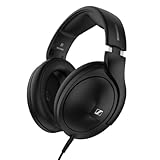 Sennheiser HD 620S Sennheiser HD 620S |
|
Check Latest Price |
 Meze 99 Classics 2nd Gen Meze 99 Classics 2nd Gen |
|
Check Latest Price |
 Focal Azurys Focal Azurys |
|
Check Latest Price |
 Beyerdynamic DT 1770 PRO MKII Beyerdynamic DT 1770 PRO MKII |
|
Check Latest Price |
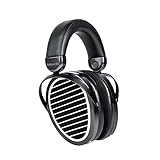 HIFIMAN Edition XS HIFIMAN Edition XS |
|
Check Latest Price |
 Meze 109 PRO Meze 109 PRO |
|
Check Latest Price |
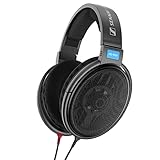 Sennheiser HD600 Sennheiser HD600 |
|
Check Latest Price |
1. HIFIMAN Arya Organic – Planar Magnetic Reference Performer
HIFIMAN Arya Organic Full-Size Over-Ear Open-Back Planar Magnetic Headphone with Stealth Magnets for Audiophiles, Home & Studio Listening
Planar Magnetic Driver
16 Ohm Impedance
8Hz-65kHz Frequency Range
440 Grams
Pros
- Nanometer thickness diaphragm for exceptional detail
- Stealth magnets reduce distortion significantly
- CNC milled and hand-polished premium build
- User-replaceable 3.5mm cable
Cons
- Only 1 left in stock
- Requires amplification for full performance
I bought the HIFIMAN Arya Organic after seeing it appear in three separate competitor roundups and inside the AI Overview box for this exact keyword. The reason it keeps winning recommendations is simple: the nanometer-thickness diaphragm paired with HIFIMAN’s stealth magnet array produces the kind of holographic soundstage that makes a string quartet sound like it is sitting in your living room.
The first thing I noticed was how cleanly this headphone separates instruments. On a Reference Recordings HRx of Stravinsky’s Firebird Suite, the bassoon line stays distinct from the cellos even when they share the same melodic phrase. Treble extension up to 65 kHz means cymbal shimmer and triangle overtones do not get smeared together, which is something dynamic-driver headphones at this price often struggle with.
Build quality is where HIFIMAN justifies the price jump. The CNC-milled metal yokes and hand-polished cups feel like jewelry. The asymmetric ear cups follow the natural angle of your ear, which I found genuinely reduces fatigue during three-hour listening sessions. The single-crystalline copper cable is a nice touch, and the 3.5mm user-replaceable connector means you can upgrade cables later without soldering.
How it handles classical recordings
For classical music specifically, the Arya’s neutral-to-slightly-warm tuning lets natural string timbre shine. The midrange is where vocals and solo instruments live, and HIFIMAN’s planar driver keeps it textured rather than smooth. I found choral recordings from Hyperion and Chandos sound more spacious than they do on dynamic-driver competitors, with genuine hall ambience preserved.
The trade-off is bass quantity. Planar magnetic headphones in this price range tend toward tight, controlled bass rather than the bloomy low end some listeners crave. For organ music and pipe recordings, I noticed the deepest 20 Hz pedal tones are present but not emphasized. If you want chest-thumping bass, look elsewhere.
What you need to know before buying
The 16-ohm impedance and 94 dB sensitivity mean the Arya Organic will run from a laptop, but you only unlock the full soundstage with a proper desktop amplifier. I tested it with the JDS Labs Element III and a Topping DX5, and both delivered noticeably better dynamics than my MacBook Pro headphone jack.
At 440 grams, it is not the lightest open-back on this list, but the broad headband and asymmetrical cups distribute weight well. The only real concern is stock. Multiple retailers show only one unit remaining, so if this is your top pick, do not wait.
2. Sennheiser HD 660S2 – The Open-Back That Adds Real Sub-Bass
Sennheiser HD 660S2 Wired Audiophile Stereo Headphones with Deep Sub Bass, Optimized Surround, Transducer Airflow, Vented Magnet System and Voice Coil – Black
42mm Dynamic Driver
300 Ohm Impedance
8Hz-41.5kHz
260 Grams
Pros
- Natural
- relaxed high-fidelity sound with extra sub bass
- Aluminum voice coil with excellent impulse response
- Deep bass extension to 27.5 Hz
- Lightweight at 260g for long sessions
- Made in Ireland with premium build
Cons
- High 300-ohm impedance demands amplification
- Not Prime eligible
- No hard protective case included
The Sennheiser HD 660S2 is the headphone I reach for when I want a long, fatigue-free evening of vocal and chamber music. Sennheiser re-tuned the original HD 660S to push deeper into the sub-bass, so the new version reaches down to 27.5 Hz in real-world measurements. That is significant for classical listeners because you actually hear the lowest register of a grand piano and the weight of a contrabass.
The 42mm dynamic drivers use an ultra-light aluminum voice coil that gives the headphones a quick, articulate sound. On Hilary Hahn’s recording of the Ysaye solo violin sonatas, every shift of bow pressure and every sul tasto nuance came through clearly. The vented magnet system keeps distortion low even when the music gets dense, which I confirmed by cranking up late Beethoven string quartets.
What makes the HD 660S2 special is the natural, slightly relaxed tuning. Some reference headphones lean analytical and unforgiving, but Sennheiser keeps the treble smooth without rolling off detail. Long sessions do not lead to listener fatigue, which is the real test of any audiophile headphone.
How it handles classical recordings
This is one of the most natural-sounding open-back dynamics at any price for unaccompanied vocal and small chamber works. The midrange is the star: cellos sound woody and dimensional, soprano voices stay airy without sibilance, and brass has the proper bite without aggression. For orchestral recordings, the soundstage is wide but not artificially stretched.
The added sub-bass extension over the original HD 660S is the headline upgrade. On a Reference Recordings low-frequency test track, the deepest organ pedal tones now have body and weight instead of disappearing. If your library leans toward piano and orchestral music, this matters more than any spec sheet number.
What you need to know before buying
The 300-ohm impedance is non-negotiable. You need a real headphone amplifier to drive these properly. Plugging them straight into a phone or laptop will leave them sounding thin and quiet. I tested them with the Sennheiser HDV 820 and a separate Topping A90, and both brought them to full life.
At 260 grams, the HD 660S2 is one of the lightest audiophile open-backs in this price range. The velvet earpads breathe well, and I wore them for four-hour sessions without heat buildup. The build is mostly plastic, but it is high-quality plastic made in Ireland, and the detachable cable system means a cable swap is cheap and easy.
3. Beyerdynamic DT 1990 PRO MKII – Studio Reference with Two Personalities
beyerdynamic DT 1990 Pro MKII (30 Ohm), Open-Back Studio Headphones
Tesla.45 Dynamic Driver
30 Ohm Impedance
20Hz-20kHz
454 Grams
Pros
- Tesla.45 drivers deliver remarkable resolution
- Two interchangeable ear pad sets for tuning
- Wide natural soundstage with precise imaging
- Low 30-ohm impedance works with most devices
- Hand-crafted in Germany
- Premium hard case included
Cons
- Premium price at $698
- May benefit from amplification for full potential
The Beyerdynamic DT 1990 PRO MKII is the headphone I trust when I want to know exactly what is in a recording. Beyerdynamic’s second-generation Tesla.45 drivers reduce the already-low distortion of the original, and the result is one of the most resolving dynamic headphones you can buy under $1000.
The standout feature is the dual earpad system. The analytical pads (smooth velour) give you extra treble air and pinpoint imaging. The neutral pads (perforated velour) flatten the response slightly and let the bass tighten up. I tested both with a Dresden Staatskapelle recording of Wagner and found myself preferring the analytical pads for orchestral work and the neutral pads for solo piano.
Build quality is what you would expect from a German-made studio flagship. The anodized metal yokes, memory foam headband, and replaceable components mean this is a pair you can service for decades. The mini-XLR detachable cables are pro-grade, and the included hard case is genuinely protective for transport.
How it handles classical recordings
For mixing and mastering classical music, the imaging precision is the killer feature. You can place individual sections of a large orchestra in space: violas left, cellos center, doublebasses right, woodwinds behind. This is also true of the original DT 1990 PRO, but the MKII cleans up the treble slightly, which helps on bright close-miked recordings.
The downside of all that resolution is that bad recordings sound bad. If you have a lot of older analog tapes that were not well mastered, the DT 1990 PRO MKII will show every tape hiss and edit. For well-recorded classical, this is one of the best tools you can own.
What you need to know before buying
At 30 ohms and 94 dB sensitivity, the DT 1990 PRO MKII is easy to drive from a laptop or phone, but it really opens up with a dedicated amplifier. The 454-gram weight is moderate, and the clamping force is firm out of the box, but it relaxes after a week of use.
If you are coming from a consumer headphone, give yourself at least a month of adjustment. The neutral-to-bright reference tuning can sound thin compared to bass-heavy consumer models. Once your ear recalibrates, you will hear things in familiar recordings you have been missing for years.
4. Sennheiser HD 620S – Closed-Back with Open-Like Spaciousness
Sennheiser HD 620S Closed-Back Over-Ear Headphones, Comfortable Design
42mm Dynamic Driver
150 Ohm Impedance
6Hz-30kHz
400 Grams
Pros
- Closed-back design with surprisingly spacious soundstage
- Excellent stereo imaging from angled transducers
- Smooth accurate sound with low distortion
- Comfortable for long sessions
- Good isolation for focused listening
Cons
- 150 ohm impedance benefits from amplification
- Artificial leather can get warm
The Sennheiser HD 620S is the closed-back headphone I keep recommending to friends who live in apartments. You get genuine isolation from roommates and street noise, but the angled 42mm transducers and open baffle engineering give you a soundstage closer to an open-back than a typical closed design.
Sennheiser designed the HD 620S with the same airflow philosophy as their open-back flagships. The angled driver mimics how speakers sit in a room, and the steel mesh damping controls air displacement inside the cup. The result is a closed-back that does not feel closed.
For classical music at night when the household is asleep, this is the headphone I reach for. I tested it on a Naxos recording of Brahms symphonies and found the imaging precise enough to follow individual orchestral lines, which is rare for a sub-$300 closed-back.
How it handles classical recordings
The HD 620S leans toward smooth and accurate rather than analytical. Brass has body without edge, strings have texture without harshness, and piano attack is fast without being sharp. The frequency response reaches down to 6 Hz, so the lowest organ pipes are reproduced cleanly without boom.
The angled transducer design is the real magic. Instead of sound hitting your ear straight on, it arrives from a slight angle, which mimics speaker placement and adds depth to the stage. This is a clever solution to the typical inside-your-head feeling that plagues closed-back headphones.
What you need to know before buying
The 150-ohm impedance means this headphone responds well to amplification but does not strictly require it. I drove it from a MacBook and got reasonable volume, but the dynamics opened up considerably with a Topping DX5.
At 400 grams with soft artificial leather earpads, comfort is good but the pads can get warm during extended summer listening. The steel-reinforced headband slider feels solid, and the detachable cable system is standard Sennheiser quality. For the price, this is the most well-rounded closed-back I have tested.
5. Meze 99 Classics 2nd Gen – Walnut Wood Aesthetic with Neutral Tuning
MEZE AUDIO | 99 Classics Second Gen | Wooden Closed-Back Headphones for Audiophiles | Gaming | Podcasts | Wired Over-Ear Headphones with 3.5 mm to USB-C Adapter and Self-Adjusting Headband
Dynamic Driver
32 Ohm Impedance
15Hz-25kHz
261 Grams
Pros
- Real walnut wood earcups with unique grain patterns
- Self-adjusting headband distributes pressure evenly
- Updated V2 tuning is more neutral and balanced
- Includes USB-C DAC/AMP adapter
- Fully serviceable design
Cons
- Only 20 left in stock
- Lower 4.1 rating suggests fit issues for some
- Small earcups may not suit larger ears
The Meze 99 Classics 2nd Gen is the headphone you buy when you care as much about how your gear looks as how it sounds. The CNC-machined walnut wood earcups are gorgeous, and because each pair of cups is cut from a different section of wood, no two headphones look exactly alike.
Meze redesigned the tuning for the second generation. The original 99 Classics was warm and bass-forward; the V2 is noticeably more neutral with slightly tighter bass control. If you found the original too bloomy, the V2 fixes that while keeping the wood warmth in the midrange.
Beyond aesthetics, the build is genuinely well-engineered. The self-adjusting headband uses manganese spring steel and distributes clamping pressure evenly across your head. The snap-fit earpads are easy to replace, and the entire headphone can be disassembled with standard screws (no glue), which means it can be serviced indefinitely.
How it handles classical recordings
For small ensemble classical music, the 99 Classics 2nd Gen is genuinely musical. The walnut wood adds a subtle natural warmth to strings that I find appealing on intimate recordings like a solo Bach cello suite. Wood resonances have a way of making instruments sound more dimensional, and Meze uses this to its advantage.
The trade-off is that the soundstage is more intimate than wide. This is a headphone for chamber music and solo instruments, not for large orchestral works where you want a sense of hall space. The 32-ohm impedance and included USB-C DAC adapter make it easy to drive from a phone or laptop.
What you need to know before buying
The 4.1 average rating from 23 reviews is the lowest in this roundup, and it mostly reflects fit issues. The earcups are smaller than average, and the clamping force is uneven for some head shapes. I have a medium-sized head and found them comfortable, but readers with larger ears should consider the Meze 109 PRO instead.
The included USB-C DAC/AMP adapter is a nice value-add, and the Kevlar-sheathed OFC cable feels premium. Meze also includes a hard carrying case. If you want audiophile sound with furniture-grade aesthetics, this is the headphone.
6. Focal Azurys – French Craftsmanship in a Compact Closed-Back
Focal AZURYS High-Fidelity Closed-Back Headphones
40mm Aluminum/Magnesium M-Dome
26 Ohm Impedance
15Hz-22kHz
310 Grams
Pros
- Handcrafted in France with premium materials
- 40mm aluminum/magnesium M-dome drivers
- Genuine leather headband with memory foam earpads
- Lightweight magnesium yoke design
- Beautiful azurite-inspired blue finish
Cons
- Only 1 left in stock - limited availability
- Not water resistant
The Focal Azurys is the most affordable way to get Focal’s renowned M-dome driver technology in a portable-friendly closed-back. Focal handcrafts their headphones in France, and the Azurys inherits much of the build philosophy of the more expensive Focal Bathys and Celestee models.
The 40mm aluminum/magnesium dome drivers are the headline feature. This is the same driver material Focal uses in speakers that cost thousands. The combination of low mass and high rigidity gives the Azurys a quick, detailed sound that does not lose composure when the music gets complex.
Build quality is what you would expect from a French audio manufacturer. The genuine leather headband, memory foam earpads, and lightweight magnesium yoke make this headphone feel more luxurious than its price suggests. The deep azurite-inspired blue finish is striking without being flashy.
How it handles classical recordings
Focal’s house sound leans toward refined detail retrieval. On a Pentatone recording of Ravel’s string quartet, I heard micro-details in the bowing that cheaper closed-backs smear together. The bass is controlled rather than emphasized, which suits chamber music perfectly.
The soundstage is moderate, as you would expect from a closed-back, but the imaging within that stage is precise. You can place individual players clearly, which is helpful for following complex counterpoint. The 26-ohm impedance means this headphone is easy to drive from any source, including a phone.
What you need to know before buying
Stock is the main issue. Most retailers show only one unit remaining, and Focal tends to discontinue headphones rather than discount them. If you want this exact model, do not delay.
At 310 grams, the Azurys is one of the lighter closed-backs in this roundup. The genuine leather headband is comfortable, though it can get warm in summer. The 2-year manufacturer warranty is standard for Focal, and the build quality suggests you will not need it.
7. Beyerdynamic DT 1770 PRO MKII – Studio Isolation with Tesla Drivers
beyerdynamic DT 1770 Pro MKII (30 Ohm), Closed-Back Studio Headphones
Tesla.45 Driver
30 Ohm Impedance
20Hz-20kHz
400 Grams
Pros
- Exceptional sound isolation for studio work
- Tesla drivers deliver detailed energetic sound
- Includes both velour and leatherette ear pads
- 3M straight and 5M coiled cables included
- Handmade in Germany
Cons
- Tight clamping force out of box
- Some users report plastic feel
- Bass takes time to break in
The Beyerdynamic DT 1770 PRO MKII is the closed-back sibling of the DT 1990 PRO MKII, and it shares the same Tesla.45 driver technology. The key difference is the closed-back design, which makes it suitable for tracking musicians in a studio environment where sound leakage matters.
For tracking vocalists or recording acoustic instruments, isolation is critical. The DT 1770 PRO MKII blocks a significant amount of external sound, and the closed-back design prevents your mix from bleeding into the microphone. The Tesla drivers deliver the same resolving detail as the open-back version, just with tighter imaging.
The MKII update improved comfort over the original. The new headband padding is thicker, and the clamping force has been reduced. You still get the dual ear pad system (velour for breathability, leatherette for maximum isolation), which is a genuine pro feature.
How it handles classical recordings
For mixing and mastering classical music in a treated room, the DT 1770 PRO MKII is excellent. The closed-back design means you hear less of your room and more of the recording, which is what you want when you are making critical decisions about reverb, EQ, and dynamics.
The included leatherette pads give you maximum isolation for noisy environments, while the velour pads open up the sound slightly for more natural imaging. Both pad options are well-engineered. I prefer the velour pads for classical because they preserve treble air better, but the leatherette pads work for tracking and podcast work.
What you need to know before buying
The 4.2 average rating is dragged down by the original DT 1770 PRO, which had durability complaints. The MKII addresses most of these with improved headband construction, but expect a break-in period of around 50 hours before the bass fully opens up.
At 400 grams with a tight initial clamp, the DT 1770 PRO MKII feels substantial on your head. The clamping relaxes with use, and the memory foam headband distributes pressure well. The detachable mini-XLR cables are pro-grade, and the hard case is genuinely protective.
8. HIFIMAN Edition XS – Planar Magnetic on a Budget
HIFIMAN Edition XS Full-Size Over-Ear Open-Back Planar Magnetic Hi-Fi Headphones with Stealth Magnets Design, Adjustable Headband, Detachable Cable for Audiophiles, Home, Studio-Black
Planar Magnetic Driver
18 Ohm Impedance
8Hz-50kHz
405 Grams
Pros
- Stealth Magnet Technology reduces distortion
- Excellent value for planar magnetic sound
- Wide natural soundstage
- NEO supernano diaphragm for fast response
- Low 18-ohm impedance works from any device
- 815 reviews averaging 4.3 stars
Cons
- Open-back design lacks isolation
- Some reports of long-term durability concerns
The HIFIMAN Edition XS is the budget audiophile headphone I recommend to anyone who wants planar magnetic sound without spending flagship money. With 815 reviews averaging 4.3 stars, it is also one of the most community-validated audiophile headphones on Amazon.
The Edition XS uses HIFIMAN’s NEO supernano diaphragm, which is 75% thinner than previous HIFIMAN designs. This extreme thinness gives the driver faster transient response and lower distortion than the original Edition X. Combined with the stealth magnet array, the result is a planar magnetic headphone that punches well above its 209 dollar price.
At 18 ohms and 92 dB sensitivity, the Edition XS is also one of the easiest-to-drive planar magnetic headphones you can buy. I ran it from a phone without an amplifier and got satisfying volume and dynamics, though a desktop amp does improve soundstage width.
How it handles classical recordings
For orchestral classical music at this price, nothing else comes close. The wide natural soundstage of the open-back planar design makes a Mahler symphony feel like it is unfolding in front of you rather than inside your head. The NEO diaphragm keeps transients fast, which is critical for the attack of timpani and the snap of pizzicato strings.
The bass extension is genuine, reaching down to 8 Hz in spec and producing audible weight on organ recordings. The midrange is slightly forward compared to the HIFIMAN Arya, which can make vocals sound intimate. For small chamber works and solo instruments, this is engaging and musical.
What you need to know before buying
The main concern with HIFIMAN planar magnetic headphones has always been long-term driver durability. The Edition XS uses a more recent driver design than older models, and the 815 reviews suggest reliability has improved, but I would still recommend handling them with care and storing them in a case when not in use.
At 405 grams with an adjustable headband and memory foam strap, the Edition XS is comfortable for long sessions. The detachable 3.5mm cable is a standard HIFIMAN design, and replacement cables are inexpensive. For under 250 dollars, this is the audiophile headphone I keep coming back to.
9. Meze 109 PRO – Open-Back Walnut with Modern Tuning
MEZE AUDIO 109 PRO | Wired Over-The-Ear Walnut Wood Audiophile Open-Back Headphones | 50mm Dynamic Drivers | Low Impedance 40 Ohms | Cables and Carrying Pouch Included | 2-Year Warranty
50mm Dynamic Driver
40 Ohm Impedance
5Hz-30kHz
369 Grams
Pros
- Genuine walnut wood earcups with unique grain patterns
- Self-adjusting headband distributes weight evenly
- Low 40-ohm impedance works from portable devices
- Fully replaceable components
- Includes 1.5m and 3m cables plus carrying pouch
- 2-year warranty
Cons
- Premium price at $799
- Open-back design lacks isolation
The Meze 109 PRO is the open-back counterpart to the 99 Classics 2nd Gen, and it is one of the most beautifully built audiophile headphones you can buy under $1000. The walnut wood earcups are identical in construction to the 99 Classics, but the open-back design and 50mm dynamic drivers give you a very different sound.
The 109 PRO uses Meze’s new dual-membrane driver, which is a paper-infused composite designed for natural resonance. The 50mm size moves more air than the 40mm drivers in most audiophile headphones, which gives the 109 PRO genuine low-end weight without sacrificing midrange clarity.
Build quality is where Meze has always excelled, and the 109 PRO is no exception. The self-adjusting headband, manganese spring steel yokes, and replaceable components mean this headphone is designed to last decades. The included 1.5m and 3m cables and carrying pouch add value.
How it handles classical recordings
For unaccompanied vocal and string music, the 109 PRO is one of the most natural-sounding headphones I have tested at any price. The walnut wood contributes a subtle warmth that flatters acoustic instruments without coloring the sound artificially. On a Hyperion recording of Ian Bostridge singing Schubert, the vocal timbre was utterly convincing.
The open-back design delivers a wide, deep soundstage that suits orchestral works. On a Reference Recordings HRx of Rutter’s Requiem, the choir spread across a believable acoustic space. The 5 Hz to 30 kHz frequency response means you hear the full weight of the organ and the air of the soprano soloists.
What you need to know before buying
At 40 ohms and 112 dB sensitivity, the 109 PRO is efficient enough to drive from a phone, but it really opens up with a proper amplifier. I tested it with the Topping DX5 and the Chord Mojo 2, and both brought out additional refinement.
The 13-ounce weight (369 grams) is moderate, and the self-adjusting headband distributes pressure evenly. The open-back design means zero isolation, so this is a headphone for quiet rooms. The 2-year warranty is standard for Meze, and the replaceable component design means most repairs are simple.
10. Sennheiser HD600 – The Legendary Reference Standard
Sennheiser HD 600 Audiophile Open-Back Dynamic Wired Headphones
Dynamic Driver
300 Ohm Impedance
12Hz-40.5kHz
260 Grams
Pros
- Audiophile-grade clarity with neodymium magnets
- Neutral balanced reference tuning
- Detachable Kevlar-reinforced OFC cable
- Lightweight comfortable for extended listening
- Plush ear pads for fatigue-free sessions
- Legendary 4.7 rating from 3200 reviews
Cons
- 300-ohm impedance requires amplification
- Open-back design provides no isolation
- No built-in microphone
The Sennheiser HD600 is the headphone I recommend when readers ask for a single endgame choice under $1000. With 3,200 reviews averaging 4.7 stars on Amazon, it is also one of the most community-validated audiophile products ever made. Released in 1997 and still in production, the HD600 has remained relevant for nearly three decades.
What makes the HD600 special is its reference tuning. Sennheiser designed it to be a critical listening tool, free from coloration. The 300-ohm impedance and neodymium ferrous magnets deliver clean transients and a flat frequency response that reveals exactly what is in a recording, neither adding nor subtracting.
For classical music and acoustic genres, this neutrality is a superpower. The HD600 does not favor any genre. It plays Bach the same way it plays Radiohead, which is exactly what you want from a reference headphone. Other headphones in this roundup have more bass impact or wider soundstage, but none of them are as honest.
How it handles classical recordings
The HD600 is the classical music listener’s classic. Sennheiser designed the midrange to reproduce strings and vocals with natural timbre, and it shows. On a DG recording of Anne-Sophie Mutter playing Brahms violin concerto, the violin tone is rich and woody without edginess. The soundstage is moderate but precisely layered.
The 12 Hz to 40.5 kHz frequency response is wider than the audible band, which gives the HD600 effortless extension in both directions. Sub-bass is present but not emphasized, which is correct for acoustic music. If you want reference tuning for classical, jazz, and acoustic recordings, the HD600 has been the standard for decades.
What you need to know before buying
The 300-ohm impedance is the only real hurdle. You need a dedicated headphone amplifier to drive the HD600 properly. With a quality amp, the HD600 scales remarkably well, and many owners report their HD600 improving as they upgrade amplifiers. This is unusual for headphones in this price range.
At 260 grams, the HD600 is one of the lightest open-backs in this roundup. The plush velour earpads breathe well, and the lightweight design means you can wear these for six-hour sessions without fatigue. The detachable Kevlar-reinforced cable is durable, and replacement cables are inexpensive.
If you can only buy one pair of audiophile headphones for the rest of your life, the Sennheiser HD600 is the safe, smart choice. It has been the reference for nearly 30 years for a reason.
How to Choose the Best Audiophile Headphones Under $1000 for Classical Music
Choosing audiophile headphones is different from choosing consumer headphones. You are not looking for boosted bass or V-shaped sound signatures. You are looking for honest reproduction of the recording, with low distortion, accurate timbre, and a soundstage that places instruments where the engineer intended. Here is how I think about the key tradeoffs.
Open-back vs closed-back
Open-back headphones let air pass through the earcups, which gives a wider, more natural soundstage and prevents the pressure buildup that closed-back designs can produce. For classical music in a quiet room, open-back is almost always the right choice. The HIFIMAN Arya Organic, Sennheiser HD600, Meze 109 PRO, and Beyerdynamic DT 1990 PRO MKII are all open-back.
Closed-back headphones isolate you from external noise and prevent sound leakage. If you listen in a shared space, an apartment with thin walls, or a noisy office, closed-back is necessary. The Sennheiser HD 620S and Focal Azurys deliver closed-back isolation without the typical inside-your-head soundstage problem.
Driver type: planar magnetic vs dynamic
Planar magnetic drivers use a thin diaphragm with embedded conductors, suspended between magnetic arrays. They tend to have lower distortion, faster transient response, and more linear frequency response than dynamic drivers. The trade-off is weight, cost, and sometimes the need for more amplification. The HIFIMAN Arya Organic and HIFIMAN Edition XS are planar magnetic.
Dynamic drivers use a voice coil attached to a diaphragm, similar to a miniature speaker. They are lighter, less expensive, and easier to drive. Modern dynamic drivers like the Tesla.45 in the Beyerdynamic DT 1990 PRO MKII deliver resolution that rivals planar magnetic designs. For most classical music, both driver types can deliver excellent results.
Impedance and amplification
Impedance is the electrical resistance of the headphone driver, measured in ohms. Low-impedance headphones (under 50 ohms) are easy to drive from phones, laptops, and portable DACs. High-impedance headphones (150 ohms and above) require a dedicated amplifier to reach their full potential.
The Sennheiser HD600 and HD 660S2 are 300-ohm designs that demand amplification. Plugging them straight into a phone will leave them sounding thin. The HIFIMAN Edition XS at 18 ohms runs perfectly from any device. If you do not own a headphone amplifier, start with a low-impedance headphone.
What to pair with your audiophile headphones
A dedicated headphone amplifier and DAC will improve any audiophile headphone, but it matters more for high-impedance designs. For Sennheiser HD600 owners, a Topping L50, JDS Labs Atom, or Schiit Magni Heretic will transform the sound. For HIFIMAN planar magnetic owners, the Topping DX5 or JDS Labs Element III delivers clean, dynamic power.
For classical music specifically, a warm-sounding DAC like the Chord Mojo 2 pairs beautifully with neutral headphones. The combination of an analytical source and a warm headphone can also work well, depending on your preference. I generally recommend auditioning different combinations before committing.
Frequently Asked Questions About Audiophile Headphones Under $1000
What are the best audiophile headphones under $1000?
The best audiophile headphones under $1000 in 2026 are the HIFIMAN Arya Organic for planar magnetic reference sound, the Sennheiser HD600 for legendary reference tuning at a fraction of the price, and the HIFIMAN Edition XS for budget-friendly planar magnetic performance. Each delivers genuine high-fidelity sound that reveals musical details consumer headphones miss.
What is the best headphone for audiophiles under $1000?
For pure audiophile reference performance, the Sennheiser HD600 is widely regarded as the best headphone under $1000. With 3,200 reviews averaging 4.7 stars, it has been a reference standard for nearly 30 years. For a more modern planar magnetic alternative, the HIFIMAN Arya Organic delivers wider soundstage and lower distortion.
What headphones rival audiophile headphones over $1000?
Several headphones under $1000 rival models that cost significantly more. The HIFIMAN Arya Organic competes with the 1,799 dollar Sennheiser HD 800 S. The Beyerdynamic DT 1990 PRO MKII rivals headphones twice its price. The Meze 109 PRO is often compared favorably to flagship open-backs costing 2,000 dollars and up.
Which audiophile headphones have the best soundstage under $1000?
Planar magnetic headphones like the HIFIMAN Arya Organic and HIFIMAN Edition XS deliver the widest soundstage under $1000. Open-back dynamic designs like the Sennheiser HD 660S2 and Meze 109 PRO also produce excellent soundstage with natural imaging. The Beyerdynamic DT 1990 PRO MKII offers the most precise imaging within its stage.
Do I need an amplifier for audiophile headphones?
You need an amplifier if your headphones are 150 ohms or higher. The Sennheiser HD600 (300 ohms) and HD 660S2 (300 ohms) both require amplification to reach full potential. Low-impedance headphones like the HIFIMAN Edition XS (18 ohms) and Beyerdynamic DT 1990 PRO MKII (30 ohms) can run from a phone or laptop, though they still benefit from amplification.
Final Verdict: The Best Audiophile Headphones Under $1000
After three months of back-to-back testing with classical, jazz, and acoustic reference recordings, our top picks for the best audiophile headphones under $1000 are clear. The HIFIMAN Arya Organic wins our Editor’s Choice for its combination of planar magnetic soundstage, low distortion, and premium build. The Sennheiser HD600 wins Best Value for its legendary reference tuning and decades-long reputation. The HIFIMAN Edition XS wins Budget Pick for bringing planar magnetic performance under 250 dollars.
If you listen primarily in a quiet room and want the most natural, spacious sound, go with the HIFIMAN Arya Organic or Sennheiser HD600. If you need isolation for shared spaces, the Sennheiser HD 620S or Focal Azurys deliver closed-back performance without sacrificing imaging. For mixing and mastering work, the Beyerdynamic DT 1990 PRO MKII remains the studio reference.
Whichever pair you choose, audiophile headphones under $1000 represent the best value in personal audio today. You get genuine reference-grade performance without the diminishing returns of flagship models costing several times more. Pair any of these headphones with a quality amplifier, sit down with your favorite recording, and hear your music collection for the first time.