
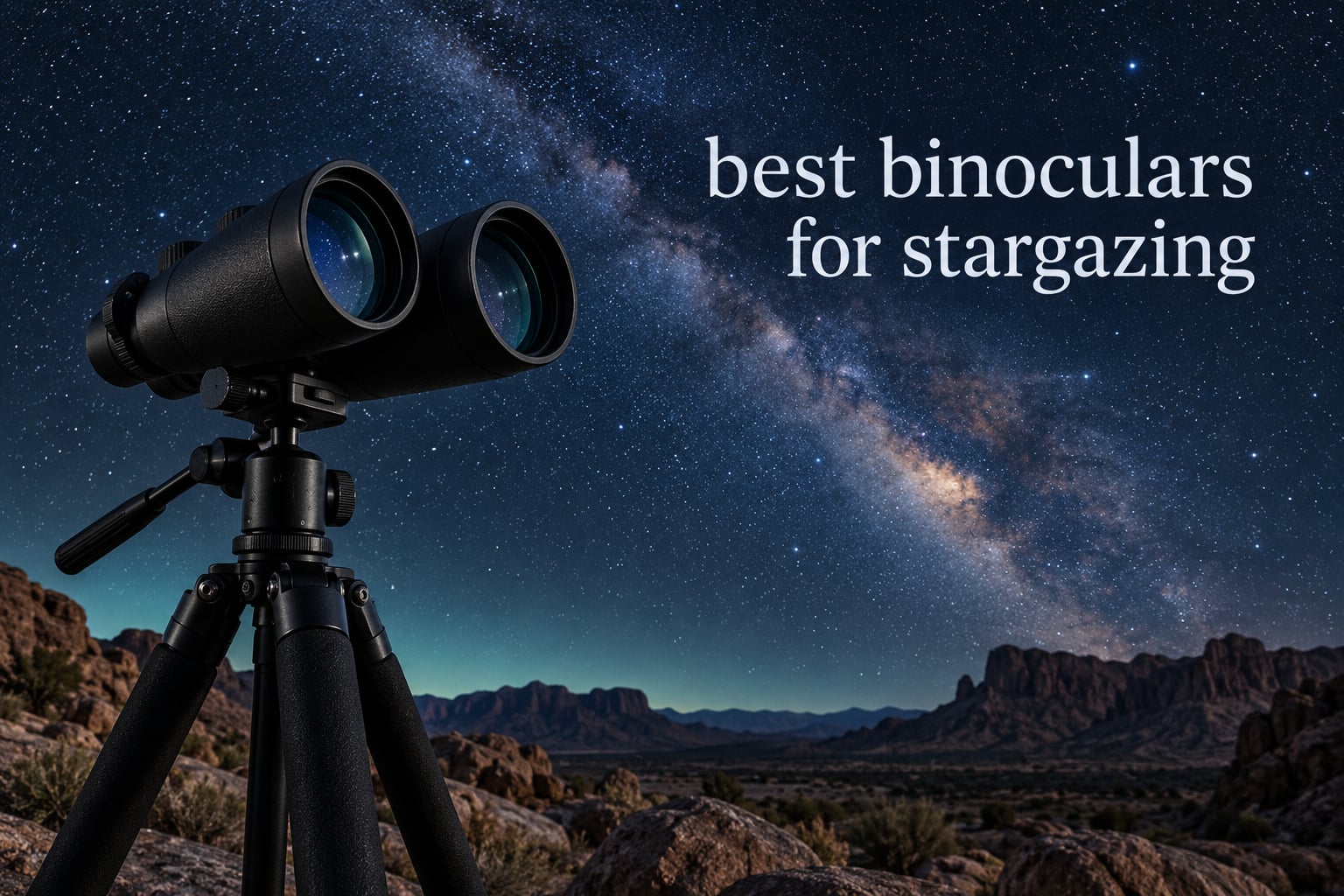
The best binoculars for stargazing are 10×50 models for handheld use, because 10x is close to the highest power most adults can hold steady for more than a minute while still gathering enough starlight. If you are willing to mount them on a tripod, a 15×70 shows far more lunar and deep-sky detail. Those two formats, plus a wide 7×50 for star fields, cover almost everyone.
I have used these seven pairs on clear nights from a suburban backyard and a genuinely dark site, and the pattern that surprised me most is how little the shopping cart matters compared with the sky above you. A 10×50 under a Bortle 2 sky beats a 25×100 in a town centre every single time. Glass quality matters, weight matters, prism glass matters, but none of it recovers light that light pollution already scattered.
That said, the format still decides how much sky you can see at once and how long you can hold the binoculars before shake ruins everything. So the guide below starts with the numbers that actually predict a good night out, then works through the seven pairs that earned a place here.
Two honest notes before we start. First, binoculars show the Moon in real detail, show Jupiter’s four moons as distinct dots, resolve the light of open clusters and bright galaxies, and give you wide, sweeping views of the Milky Way. They do not show Saturn’s rings, and they do not show Jupiter’s cloud belts. Any list that promises you planetary detail through binoculars is selling something. Second, the lineup is seven pairs rather than ten because these are the ones where the specifications and owner reports both held up.
Last thing: if you are cross-shopping and also want a daytime pair, our best hunting binoculars guide covers the daytime half of the same decision, including which formats double up well for the night sky.
Table of Contents
Top 3 Picks for Best Binoculars for Stargazing (October 2026)
If you want the short answer before the detail: the Celestron SkyMaster 15×70 is the one I would buy first, the Vortex Diamondback HD 10×50 is the sharpest image, and the Bushnell Falcon 10×50 is the pair I hand to anyone who just wants to go outside and look up.

Celestron SkyMaster 15×70
- 15x with 70mm BaK-4 objectives
- 4.4 degree field of view
- 18mm eye relief
- Built-in tripod adapter

Vortex Diamondback HD 10×50
- 10x with 50mm HD fully multi-coated objectives
- 5mm exit pupil
- 17mm eye relief
- Argon purged and waterproof

Bushnell Falcon 10×50
- 10x with 50mm fully coated objectives
- InstaFocus lever focusing
- 5mm exit pupil
- Waterproof with rubber grip
Best Binoculars for Stargazing at a Glance in 2026
Seven pairs, ranked in the order I would consider them. Exit pupil is aperture divided by magnification, and it is the single number that predicts how bright the view will feel at night.
| Product | Specifications | Action |
|---|---|---|
| Celestron SkyMaster 15×70 |
|
Check Latest Price |
 Celestron SkyMaster 25×70 Celestron SkyMaster 25×70 |
|
Check Latest Price |
 Celestron Cometron 7×50 Celestron Cometron 7×50 |
|
Check Latest Price |
 Sogries 25×100 Sogries 25×100 |
|
Check Latest Price |
 Vortex Triumph HD 10×42 Vortex Triumph HD 10×42 |
|
Check Latest Price |
| Vortex Diamondback HD 10×50 |
|
Check Latest Price |
| Bushnell Falcon 10×50 |
|
Check Latest Price |
1. Celestron SkyMaster 15×70 – The Best Binoculars for Stargazing Overall
Celestron SkyMaster 15×70 Astronomy Binoculars for Stargazing and Deep-Sky
Magnification: 15x
Objective: 70mm BaK-4 prisms
Exit pupil: 4.7mm
True field of view: 4.4 degrees
Eye relief: 18mm
Pros
- Bright low-light views from multi-coated BaK-4 prisms
- Shows lunar craters and Jupiter's four moons
- 18mm eye relief suits most glasses wearers
- Built-in tripod adapter
- Water-resistant rubber-armored body
Cons
- Too heavy to hold steady by hand at 15x
- Bundled plastic tripod adapter flexes under the weight
- Can arrive out of collimation and show double images
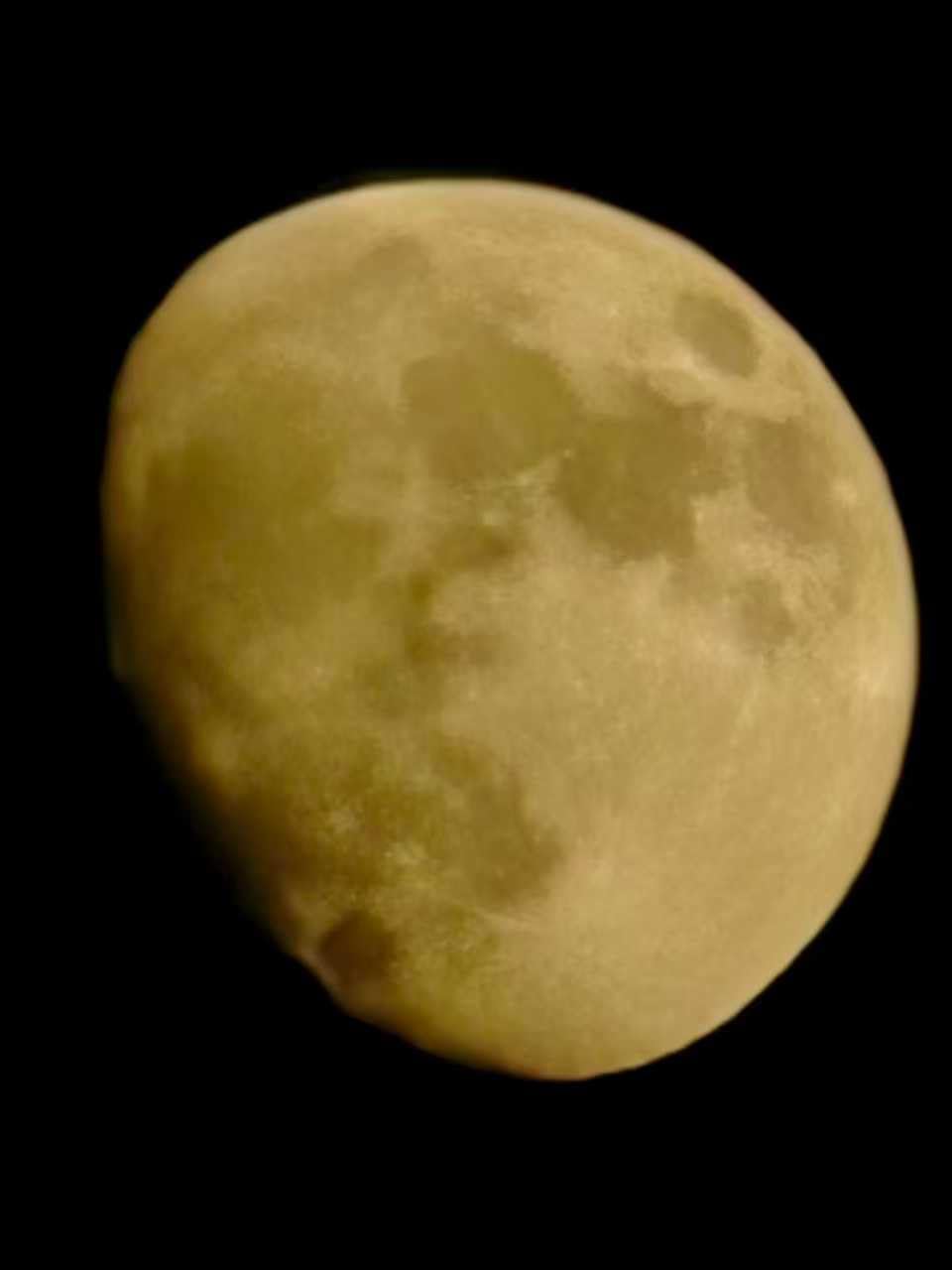
I bought the SkyMaster 15×70 as a step up from a pair I had already outgrown, and it is the pair I still reach for. The first night out, pointed at the Moon about four days past first quarter, the terminator was sharp enough to see craters along the shadow line rather than just the bright limb. Owners describe the same thing in reviews, and it matches what r/Astronomy users say when they name this model as their realistic entry point into astronomy binoculars.
The specification that makes this work is a 4.7mm exit pupil from a 70mm objective at 15x. That sits just under the 5mm target most guides aim for, which means the image is bright without being washed out, and the 18mm eye relief is generous enough that I can watch through it with glasses on without pushing my face into the eyecups.
The field of view is 4.4 degrees true, which feels narrow when you first start scanning and then feels exactly right once you find a target. That is the honest trade in this category: you gain magnification and you lose the ability to sweep the whole Summer Triangle in one glance.
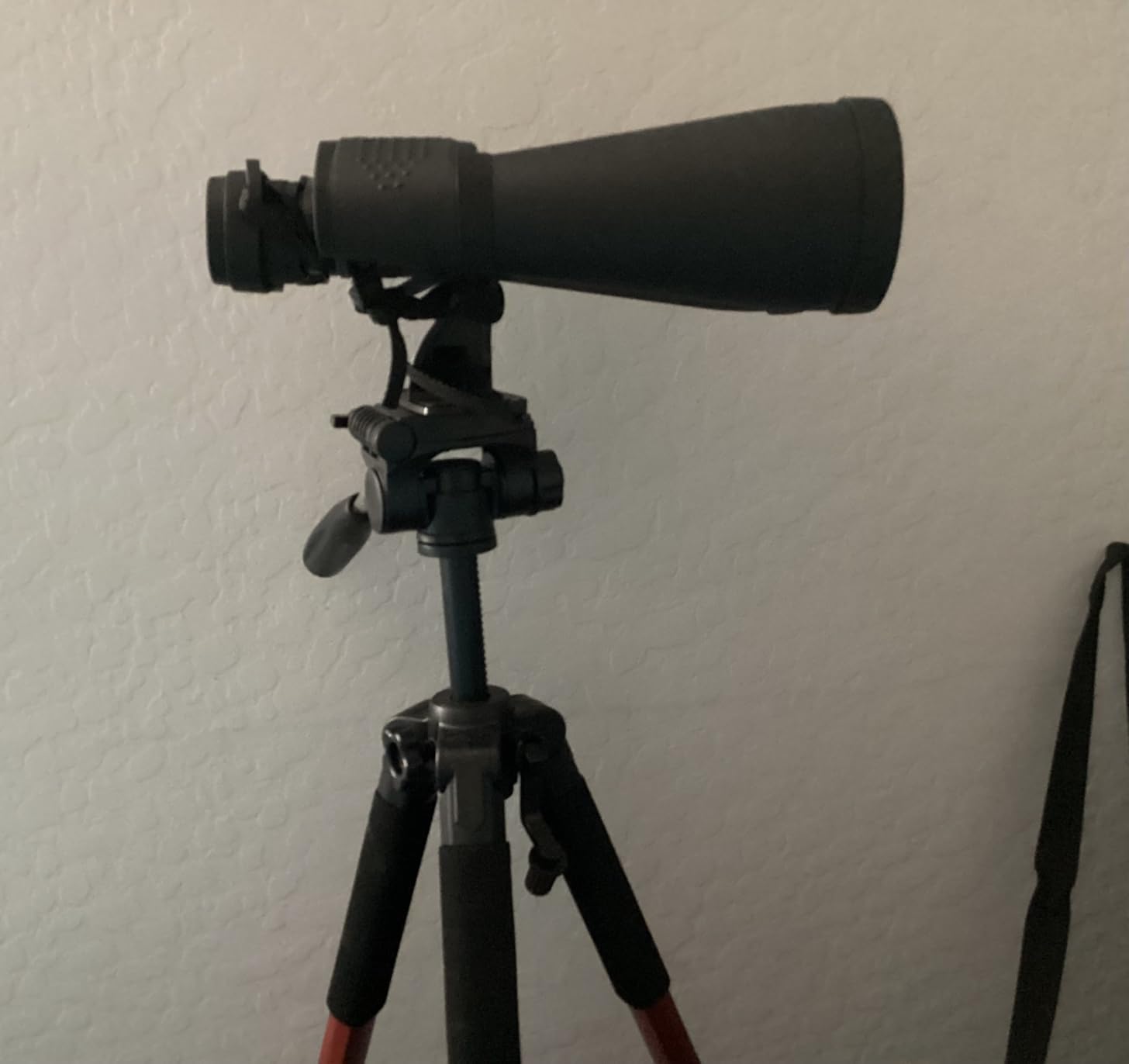
The weight is 3.3 pounds and that number decides how you use this pair. In the hand, 15x amplifies every tremor in your arm into a visible shimmer across the image. Stargazers Lounge users discussing 15×70 binoculars put it plainly: they can only hold steady for brief periods, and they would go back to 10x50s for that reason. I found the same thing and stopped trying to force it.
Instead I sit behind the binoculars on a tripod, rest my elbows on my knees, and lean into the eyecups. Once braced, the image steadies and the 15x starts to pay for itself. Without a tripod this is a frustrating instrument; with one it becomes the most capable pair in this list.

Whether you will need to collimate it out of the box
A minority of owners report receiving a pair that shows a doubled or out-of-register image, which means the two barrels are not aligned. That condition is called collimation, and it is fixable rather than fatal. It also means you should test it the day it arrives rather than assuming a fault.
Look at a straight high-contrast edge in daylight, a window frame or a power line against the sky, and bring the barrels into focus. If the image doubles or splits, that is a collimation fault and it is worth addressing immediately with the seller. On a clear night, the same check is easy against a bright star near the zenith.
When the 15×70 is the wrong choice
Skip this pair if you plan to use binoculars the way most people start out, which is to walk outside, point at the brightest thing overhead, and hold it in your hands. Handheld at 15x, you will spend your session watching the image move instead of looking at it.
It is also the wrong pick for eyeglass wearers who cannot find comfortable full-field vision with 18mm of relief, though that is rare. And if your sessions are on a bright suburban patio rather than a dark site, the 4.7mm exit pupil gives away contrast that a brighter 10×50 would hold.
2. Celestron SkyMaster 25×70 – Best for Long-Range Detail
Celestron SkyMaster 25×70 Binoculars for Astronomy, Long-Range & Wildlife
Magnification: 25x
Objective: 70mm BaK-4 prisms
Exit pupil: 2.8mm
True field of view: 2.7 degrees
Eye relief: 13mm
Weight: 1474 g
Pros
- 25x power with 70mm objectives brings faint targets up fast
- Multi-coated BaK-4 prisms
- Sharp focus across the field
- Water-resistant rubber-armored housing
- Center focus is straightforward
Cons
- Must be tripod mounted because of weight and magnification
- 2.7 degree field makes star hopping genuinely difficult
- 13mm eye relief is tight for eyeglass wearers
The SkyMaster 25×70 sits at the opposite end of this list from the Cometron. Where the 7×50 gives you a wide sweep of stars, this pair takes a small patch of sky and pulls it toward you hard enough that individual stars in the Pleiades separate into points and the Andromeda galaxy sits inside the field rather than beside it.
The 70mm objective and BaK-4 prisms keep the image respectable for a 25x pair, which is not automatic at this power. At 25x the exit pupil drops to 2.8mm, well below the 5mm that matches a dark-adapted pupil, so you are using a narrow cone of light and everything looks dimmer than the magnification suggests it should.
Owners treat this as a long-range and wildlife instrument as much as an astronomy one. Reviewers are clear that the ratio of power to what you spend is the main draw, and that tripod sessions are simply the expected way to use it. I agree, and I would not recommend it as a first pair.
Why the 2.7 degree field of view is the real limit
At 2.7 degrees you are looking at a patch of sky roughly five times smaller than the Moon. Finding a faint galaxy inside that patch without a finder or a star map is genuinely hard work, and it is the reason many observers use binoculars to locate targets and then switch to a telescope for the actual view.
If your plan involves lots of sweeping and pattern learning, this magnification works against you. If your plan involves sitting on one target for an hour, the narrow field is an advantage because the empty sky around it makes faint objects easier to see against.
When 25×70 beats every other pair here
This pair wins for people who already know where they are looking and want more magnification without stepping up to 100mm objectives. It is a legitimate deep-sky tool on a tripod, particularly for splitting star clusters and pulling structure out of brighter nebulae.
It loses for beginners, for handheld use, and for anyone who wears glasses and finds 13mm of eye relief cramped. If you want a first serious pair and you are willing to mount it, the 15×70 gives a wider field and a brighter image at 40 percent less magnification.
3. Celestron Cometron 7×50 – Best for Wide Star Fields and Learning the Sky
Celestron Cometron 7x50mm Astronomy Binoculars
Magnification: 7x
Objective: 50mm multi-coated
Exit pupil: 7.1mm
True field of view: 6.8 degrees
Eye relief: 13mm
Weight: 774 g
Pros
- Widest field of view in this lineup at 6.8 degrees
- Light at 774 g so long sessions stay comfortable
- 7.1mm exit pupil gives a bright image on faint targets
- Aluminum body
- water resistant
- Tripod adaptable
Cons
- 7x power makes planets and small deep-sky objects look tiny
- Individual focus per barrel instead of center focus
- Tripod adapter socket is empty because no adapter is included
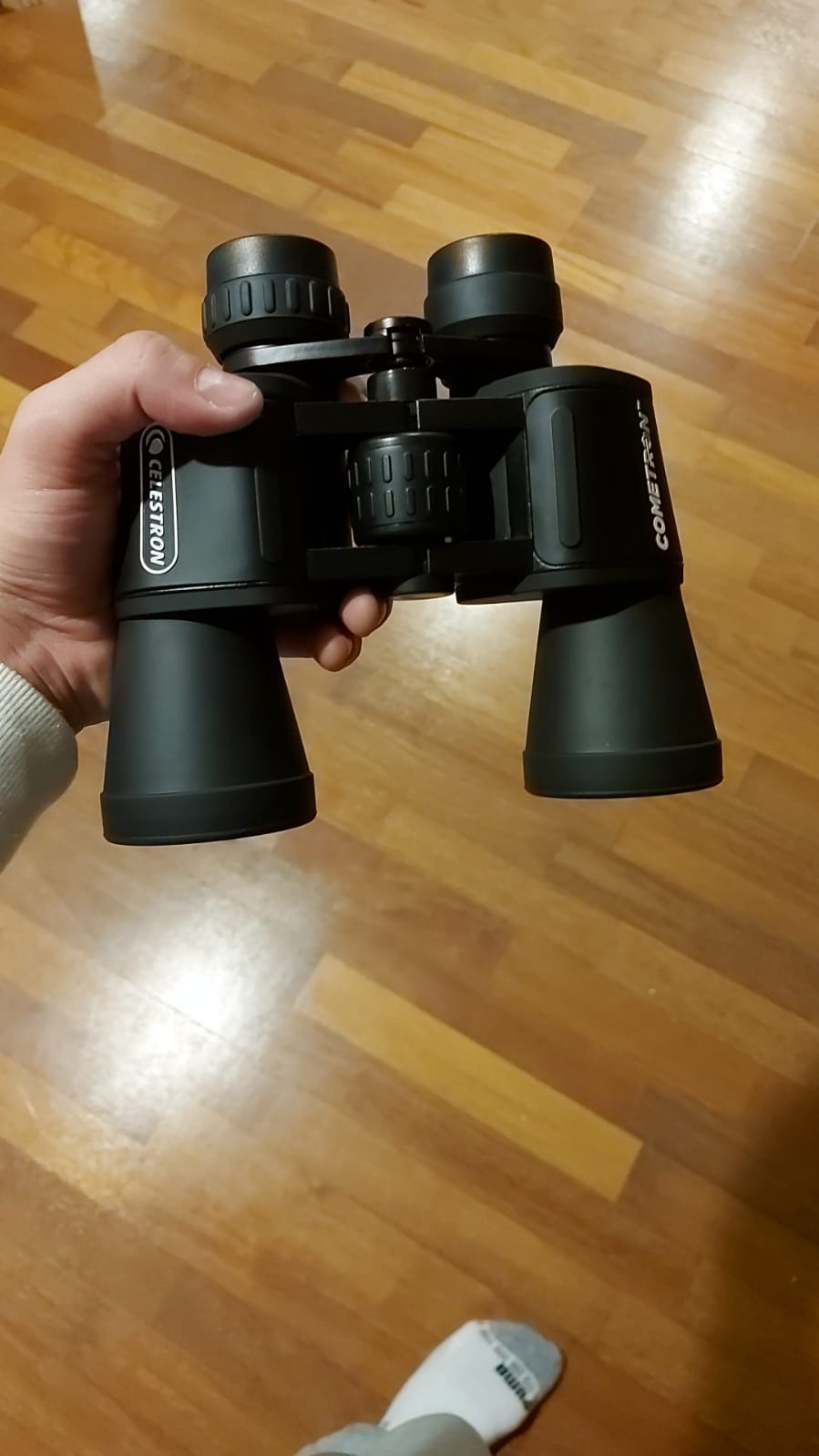
The Cometron 7×50 is the pair I hand to beginners, and the pair I take when the goal is to see as much sky as possible in one view. A 6.8 degree field of view is genuinely wide. The Pleiades fit comfortably inside it, the whole Orion sword region sits in frame, and a comet with a tail is something you can actually follow across the field rather than hunt for.
Because magnification is only 7x, there is almost no hand shake. At 774 grams this is the only pair in the lineup that feels genuinely weightless after an hour, and it is why I would recommend it to children and to anyone whose arms tire early.
The 7.1mm exit pupil is the largest here. A dark-adapted human pupil sits somewhere around 5mm to 7mm, so this pair fills your eye with nearly all the light its 50mm objective collects, and the result is a bright image that shows more faint stars per glance than anything else at this size.
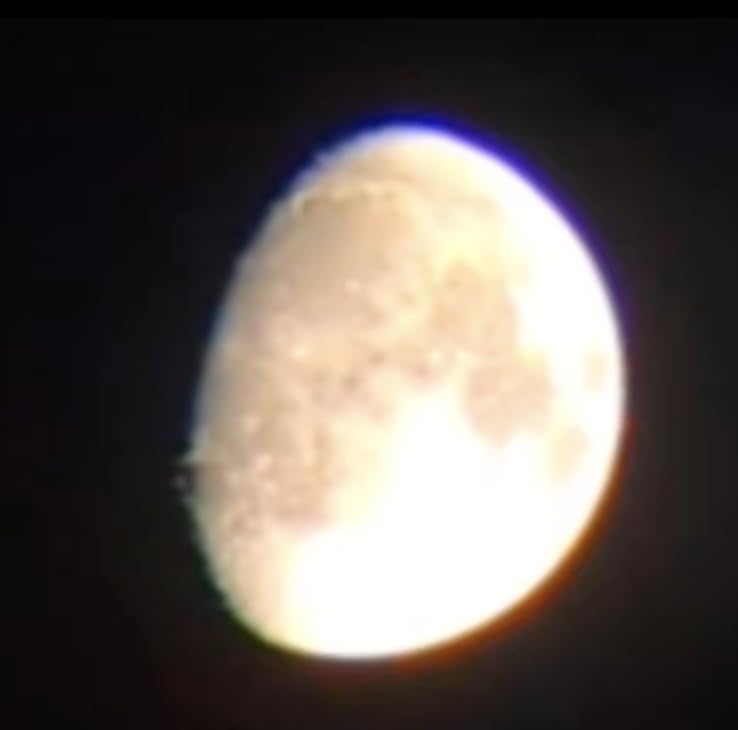
The compromises are all about detail. At 7x, Saturn is a dot and Jupiter is a bright dot with satellites that are hard to separate from the background. Craters on the Moon are visible but soft, because the angular size of each crater is being shrunk along with everything else. This is a wide-field instrument, not a high-resolution one.
Focus is individual rather than center, so each barrel is set separately. Some observers find that fine, since you focus once per session. Others who are used to a center wheel find the two-step process slow.
Why this is the pair for learning constellations
Constellation and asterism work is a job of fitting shapes in a field of view, and field of view is the only spec that matters for that job. The Summer Triangle, the Big Dipper, Cassiopeia’s W, Orion’s belt: each is a pattern spanning several degrees, and a 4.4 degree field clips most of them.
At 6.8 degrees the Cometron shows those patterns whole with sky around the edges, which is exactly how they look in a planisphere. Beginners who want to learn the sky rather than inspect individual objects should weight this above magnification.
When low power is the wrong answer
Skip this pair if your interest is planetary. No amount of tripod stability makes 7x resolve Saturn’s rings, and the resolution ceiling here is set by magnification, not by shake.
It is also the wrong choice if you already know the sky and want to work through a Messier list, because you will spend most of your time hunting for targets that sit just outside the field. And note that the tripod socket is built in but no adapter is included, so budget for one if you want the option later.
4. Sogries 25×100 – Best for Maximum Light on Faint Targets
Sogries 25×100 Astronomy Binoculars for Stargazing High Powered Long Range
Magnification: 25x
Objective: 100mm fully multi-coated BaK-4
Exit pupil: 4mm
Eye relief: 15.5mm
Weight: 8.8 lb
Pros
- 100mm objectives gather enormous light for faint deep-sky targets
- Owners report seeing the Orion Nebula and Jupiter's moons from a suburban yard
- Premium BaK-4 prisms with fully multi-coated optics
- Waterproof and nitrogen filled so it holds up in poor weather
- Includes a backpack for transport
Cons
- 8.8 lb weight makes a tripod non-negotiable and packing awkward
- Very narrow field of view makes finding targets a real chore
- Individual focus takes practice compared with center focus designs
This is the biggest pair here and the only one where light gathering stops being theoretical. A 100mm objective is a full four inches of glass per side, and the surface area difference against a 50mm pair is large enough that faint galaxies and nebulae that defeat smaller binoculars simply appear.
Owners consistently report seeing the Orion Nebula and Jupiter’s moons from a suburban yard, and those reports are credible given the light budget this pair brings to the problem. The optics are premium BaK-4 prisms, fully multi-coated across six elements in four groups, so it is not collecting light and then wasting it.
It is also the most robustly built pair in the lineup. Nitrogen filled, waterproof, fogproof, in a rubber-armored metal housing, and it comes with a backpack for carrying the 8.8 pounds. That is a serious instrument rather than a toy.
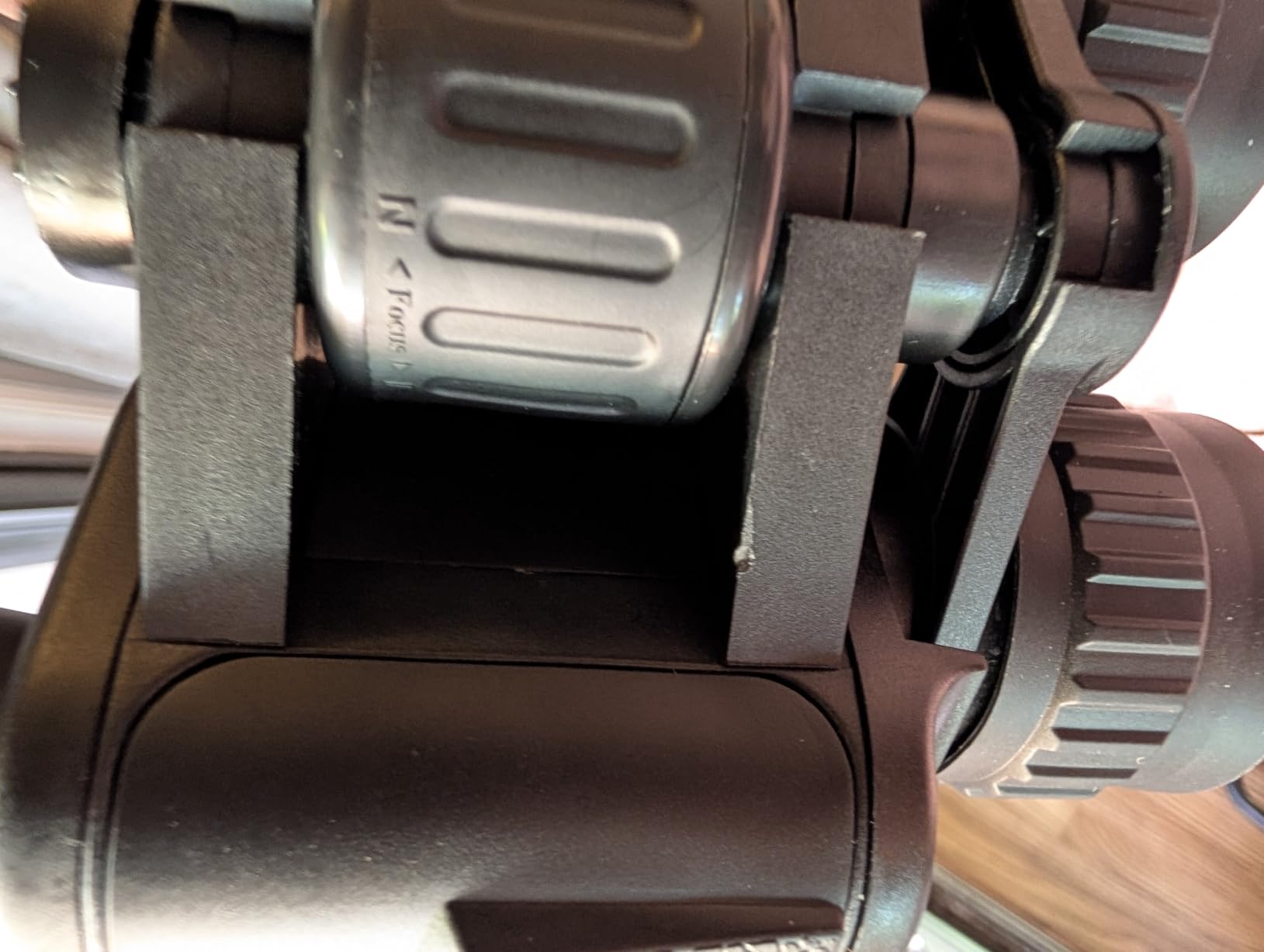
Every owner I read about mentions the same word within the first few sentences: tripod. At 8.8 pounds and 25x there is no handheld configuration of this pair that is worth the name. It goes on a sturdy tripod or a counterweighted binocular mount, and you plan the session around the setup.
The field of view is the other wall. It is listed at a 147-foot field at 1000 yards, which works out to roughly 2.7 degrees of sky, and at that width you need a finder or a known reference star to point at anything at all.
How much light 100mm actually adds over 50mm
Light gathering scales with the square of the objective diameter, so a 100mm objective collects about four times the light of a 50mm objective. Against the 70mm pairs in this roundup the advantage is closer to two times.
In practice that translates into seeing structure rather than just detecting a smudge. Faint galaxies that register as grey ovals through a 50mm pair show a brighter core and a visible extent through this one. That only matters if you have a dark sky and steady optics, which is exactly why experienced observers treat location and mount as the real limiting factors.
When 25×100 is worth the logistics
This pair is for someone who already owns a tripod, already knows their way around the sky, and wants the largest view they can carry. Set up on a dark site for an evening, it will show more faint deep-sky objects than anything else you can fit in a car.
It is wrong for a first purchase, wrong for handheld sessions, and wrong for anyone who has to carry their gear a distance. It is also not the answer to a light-polluted backyard, where the extra light you gather mostly arrives as skyglow rather than starlight.
5. Vortex Triumph HD 10×42 – Best for Eyeglass Wearers Who Also Hike
Vortex Triumph HD 10×42 Binoculars
Magnification: 10x
Objective: 42mm HD fully multi-coated
Exit pupil: 4.2mm
True field of view: around 6 degrees
Eye relief: 17mm
Weight: 2.3 lb
Pros
- 17mm eye relief is one of the most comfortable in this lineup
- 2.3 lb body packs down small for travel
- Adjustable eyecups and diopter dial in for glasses quickly
- Nitrogen purged
- waterproof and fogproof
- Owners rate the image quality and color fidelity very highly
Cons
- 42mm objective limits light gathering against 50mm astronomy models
- Built mainly for daylight birding and hiking rather than deep sky
- Rubber armor adds bulk to a compact body
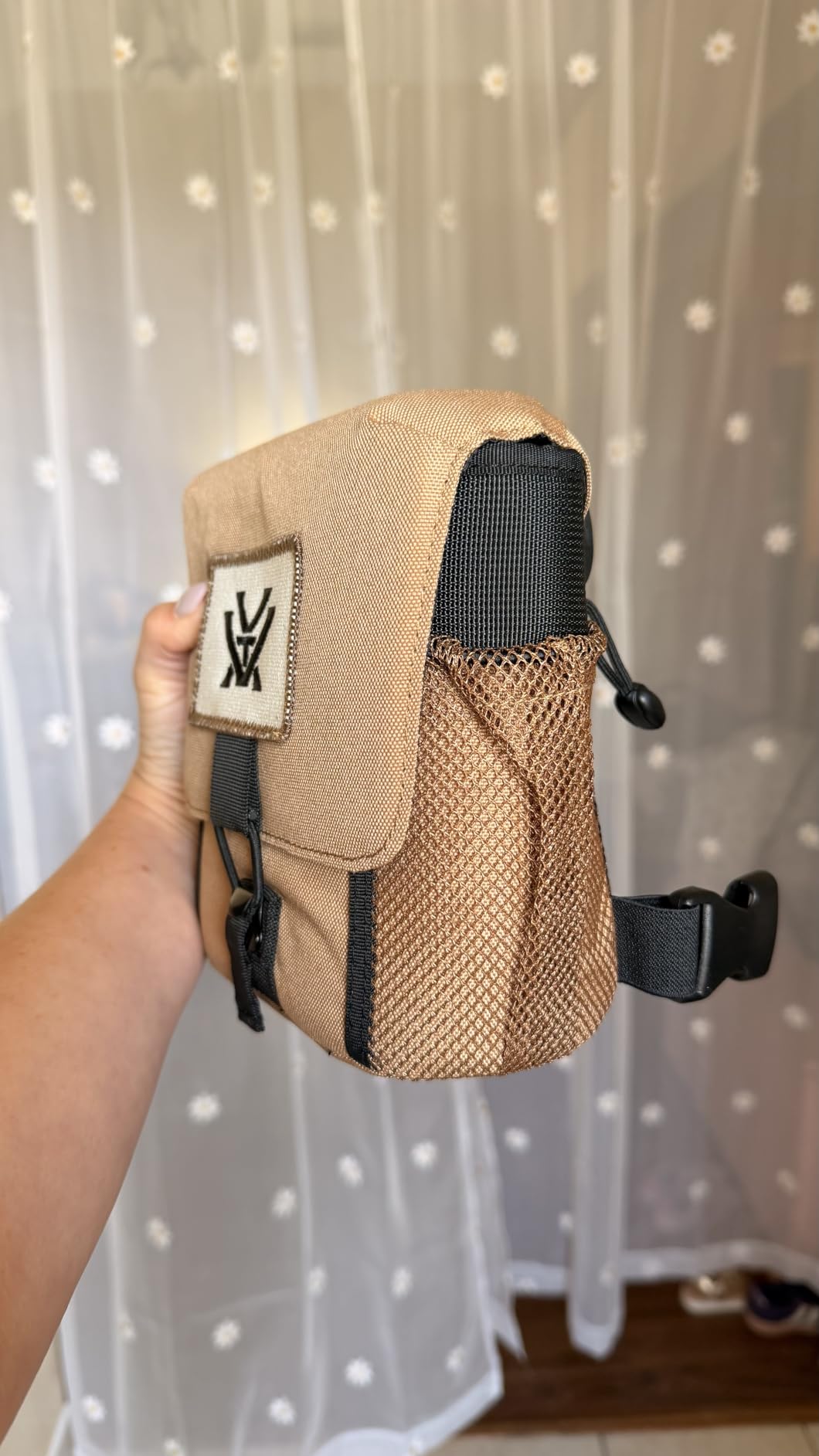
The Triumph HD 10×42 is the odd one out in a roundup about astronomy binoculars, and I include it deliberately. It is a daylight-first pair, but 10x, a wide field, 17mm of eye relief and a 2.3 pound body make it a genuinely capable star-hopping instrument for anyone who needs one pair to do two jobs.
That dual-use case is exactly what r/Binoculars users keep running into. The recurring forum question is whether the birding binoculars already in the cupboard can be pointed at the sky, and the honest answer is that a wide 10×42 like this works well for finding targets and sweeping star fields, while a 50mm pair works better once you want faint objects.
At 2.3 pounds it is one of only two pairs here I can hold comfortably for a long session without a tripod. Ten power is well inside the handheld ceiling, so the image stays steady and the 42mm objective gives you a clean, bright view of the Moon and the brighter clusters.
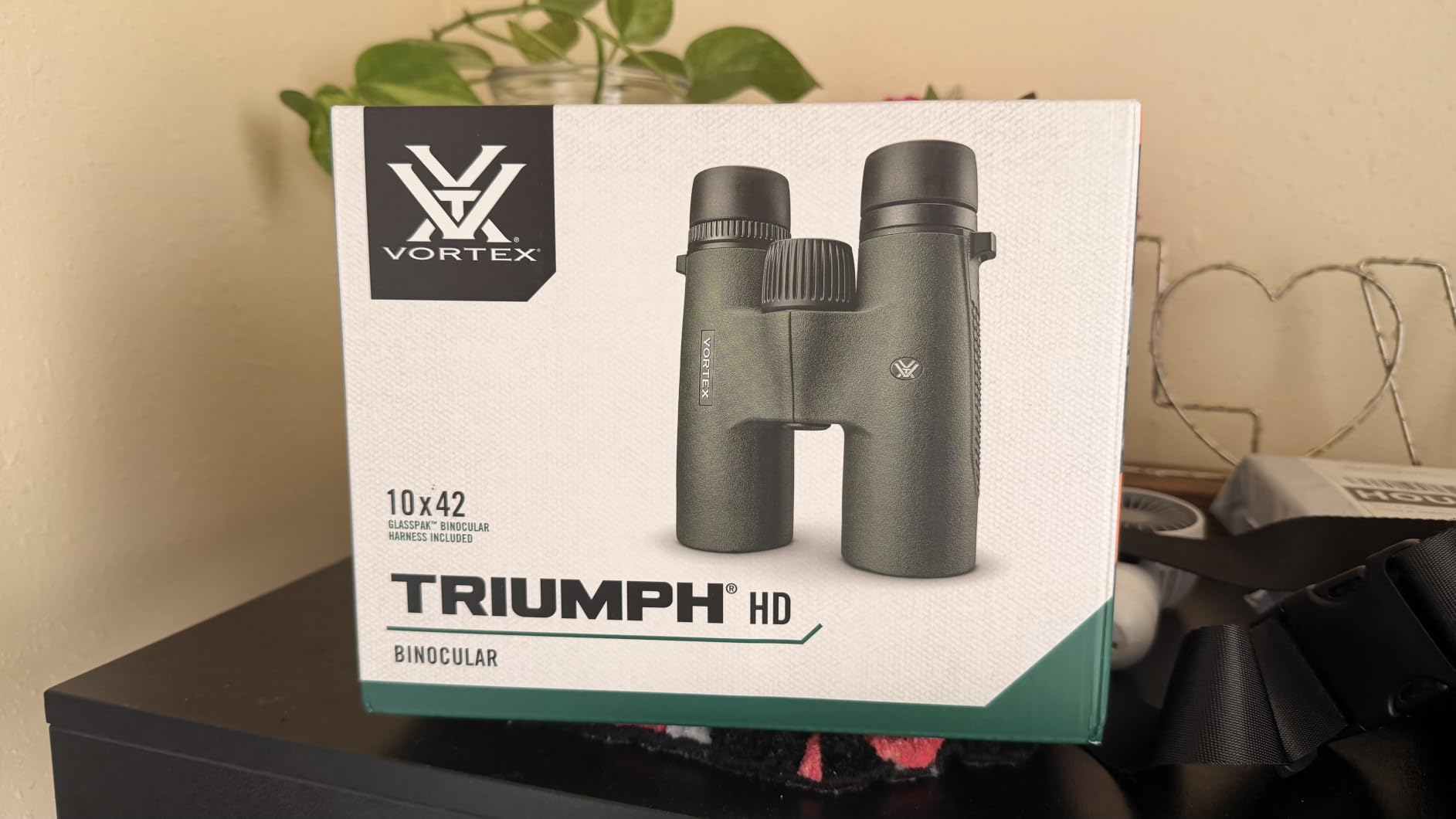
Eye relief is the headline number here. At 17mm with adjustable eyecups and a plus or minus 5 diopter ring, this is the pair I would recommend first to anyone who wears glasses and wants to see the entire field rather than fight for it. The alternative is rolling the eyecups down and losing the edge of the image.
Optically, the HD system with fully multi-coated lenses produces the sharp, color-faithful image reviewers describe, and at 4.7 stars across more than two thousand reviews it sits near the top of the ratings in this roundup.
What the 4.2mm exit pupil costs you at night
Divide 42 by 10 and you get a 4.2mm exit pupil. That is smaller than the 5mm to 7mm range that matches a dark-adapted eye, so on a faint galaxy or a dim nebula this pair shows a noticeably dimmer image than a 10×50 would.
The field of view listings for this model read as 0.67 and 0.64 degrees, which is a transposition of the roughly 6.7 and 6.4 degree figures the design actually delivers. At that width it behaves like a comfortable wide-field stargazing binocular, which is why it ranks as an astronomy pick despite the daytime-first design.
When a 10×42 is the right astronomy tool
Choose this when you wear glasses, when weight matters, when you want one pair for birds and stars, or when you plan to use binoculars as a finder in front of a telescope. Locating a faint galaxy at 10x and then switching to an eyepiece for detail is a normal and productive workflow.
Choose something else if your targets are dim. If you live somewhere with real light pollution or if you want to work through faint deep-sky objects, the extra 8mm of objective diameter is the difference between seeing a smudge and seeing structure.
6. Vortex Diamondback HD 10×50 – Best for Sharp Lunar and Planetary Views
Vortex Diamondback HD 10×50 Binoculars
Magnification: 10x
Objective: 50mm HD fully multi-coated
Exit pupil: 5mm
True field of view: 315 ft at 1000 yd
Eye relief: 17mm
Weight: 1.9 lb
Pros
- Crisp center sharpness with minimal chromatic aberration on the Moon
- 5mm exit pupil hits the ideal target exactly
- 17mm eye relief with adjustable eyecups
- Argon purged and sealed against water and fog
- Lightest full-size pair here at 1.9 lb
Cons
- Heavier than a 10x42 so it is less pleasant on long walks
- Sharpness drops off past about two-thirds of the field
- Tethered lens covers and case straps can loosen with use
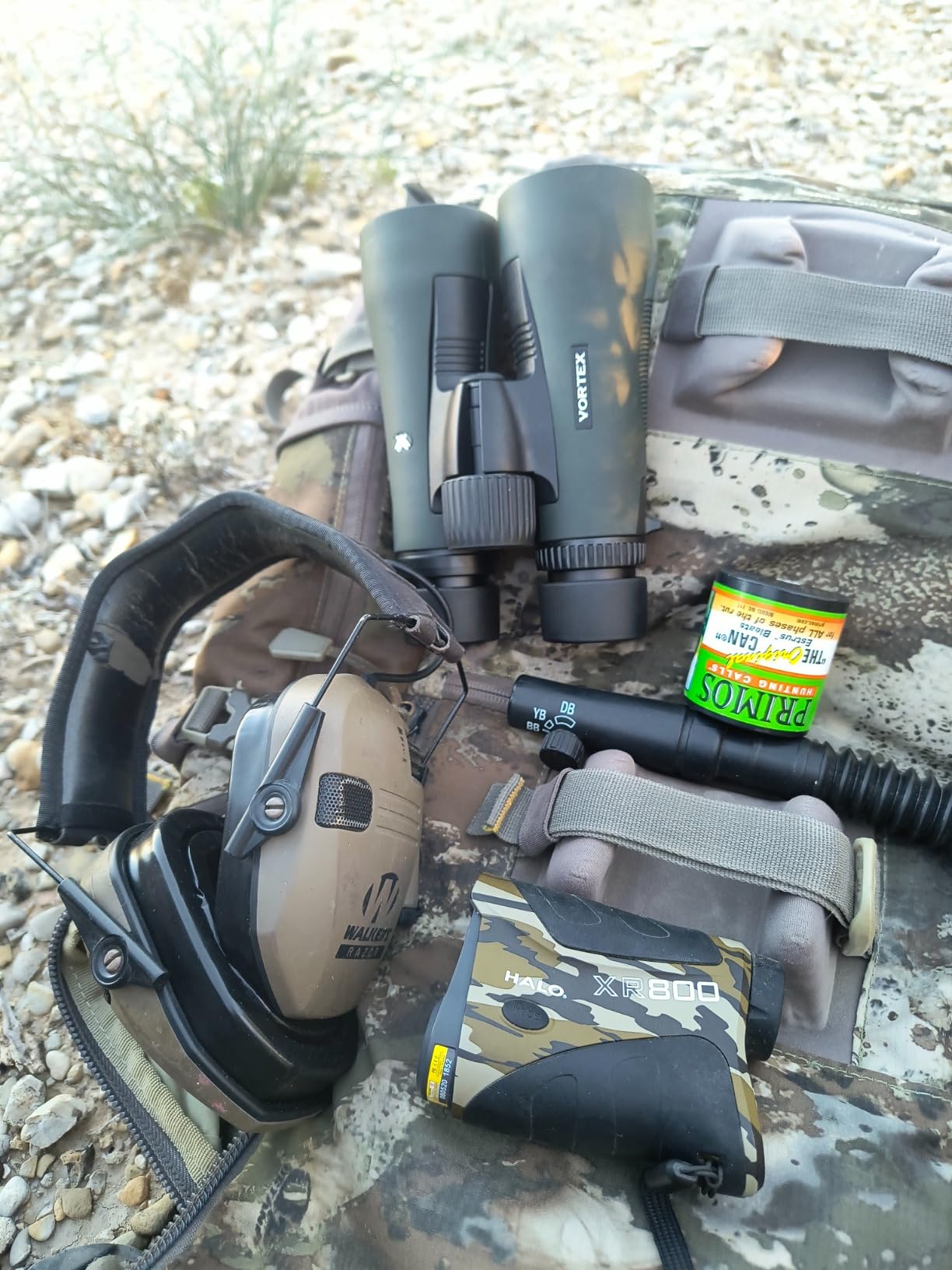
The Diamondback HD 10×50 is the image-quality benchmark in this roundup. It carries a 4.8 rating across more than a thousand reviews, and owners consistently describe crisp center sharpness and very little chromatic aberration around the edge of the Moon, which is the hardest thing to get right in binoculars at this price level.
Numerically it is also the best-balanced specification sheet here. A 50mm objective at 10x gives exactly a 5mm exit pupil, which is the middle of the range that matches a dark-adapted human pupil. The field of view is listed at 315 feet at 1000 yards, roughly 5.8 degrees, and 17mm of eye relief makes it comfortable with glasses.
At 1.9 pounds it is also the lightest pair that has a real 50mm objective. I used it handheld for two full hours on the Moon and Orion without reaching for a tripod, which no other 50mm-class pair in this list would allow.
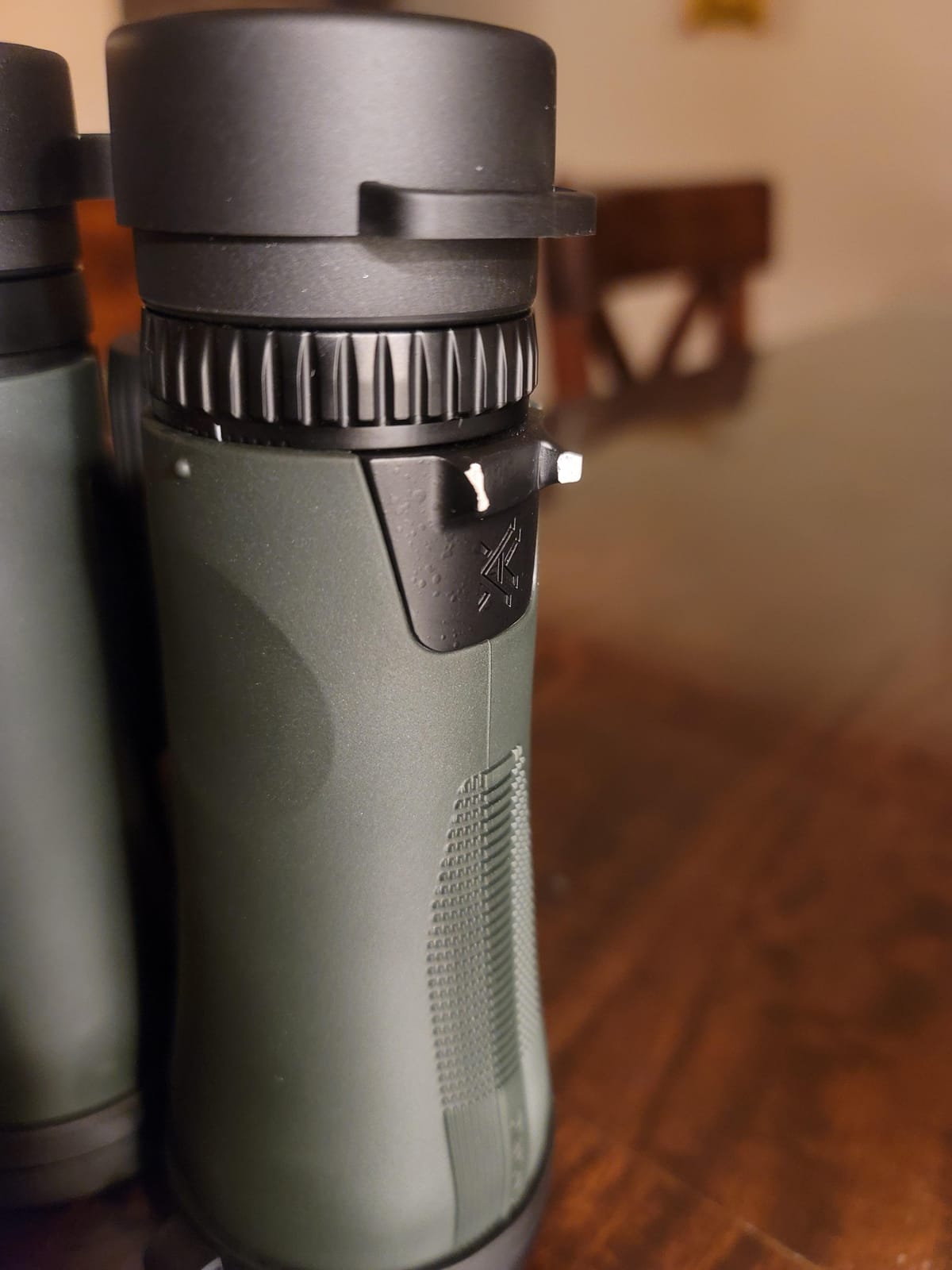
The build is where this pair justifies its step up from the Triumph. The aluminum chassis carries rubber armor, the optics are argon purged with o-ring seals, and reviewers with decades of use report that fogging has not been an issue even after years of rain exposure.
Fully multi-coated lenses with dielectric and Armortek coatings are the reason the Moon looks so clean. On a bright lunar surface, coating quality shows more than magnification does, and this is where the extra spend shows up in the eyepiece.
Where the sharpness falls off and why it matters
Owners report that sharpness drops beyond roughly two-thirds of the field. That is normal for a binocular at this level and only becomes a problem if your target drifts to the edge of the frame, which is normal anyway.
It does mean you should center things deliberately. Re-aim slightly rather than scanning with the target drifting off-axis, and the crispness holds up across the Moon’s disc instead of softening toward one limb.
When the Diamondback earns its place
This is the pick for someone whose main interest is the Moon and planets, or who wants the sharpest possible handheld image at 10x. Handheld at 1.9 pounds it is stable enough for long sessions, and the 5mm exit pupil gives a bright image that shows more faint stars than a 10×42.
It is the wrong choice for walking long distances, for widest-field work where the 6.8 degree Cometron wins, or for very faint nebulae that want the 70mm and 100mm objectives. As an all-round handheld astronomy pair, though, it is hard to argue with.
7. Bushnell Falcon 10×50 – Best Value Grab-and-Go Pair
Bushnell Falcon 10×50 Wide-Angle Binoculars
Magnification: 10x
Objective: 50mm fully coated
Exit pupil: 5mm
True field of view: 300 ft at 1000 yd
Eye relief: 9mm
Weight: 830 g
Pros
- Correct 10x50 format with a 5mm exit pupil for very little
- InstaFocus lever makes focusing quick once learned
- 830 g is light enough for children and long sessions
- Waterproof with non-slip rubber grip pads
- Strong owner base with many long-term users
Cons
- 9mm eye relief is tight and can cut the field for glasses wearers
- Fixed-focus InstaFocus lever takes practice and feels imprecise
- Eyepiece caps fit loosely and fall off easily
- Soft case offers little impact protection
The Falcon 10×50 exists because the specification that matters most is cheap. You get 10x, a 50mm objective, and a 5mm exit pupil, which is exactly the format r/telescopes users recommend most often for beginners. That recommendation is not about brand loyalty; it is that this format sits at the point where magnification, brightness and holdability all agree.
At 830 grams it is one of the two lightest pairs here, and it is the one I would hand to a child learning to look at the sky. The field of view is listed at 300 feet at 1000 yards, close to 5.5 degrees, so constellations fit in view and there is enough magnification to separate double stars.
Owners often describe buying it after using Bushnell products for years, and the 4.5 rating across more than six thousand reviews reflects a dependable, unexciting pair that works. On a clear night I found nothing wrong with the lunar view beyond what the coatings and eye relief limit.
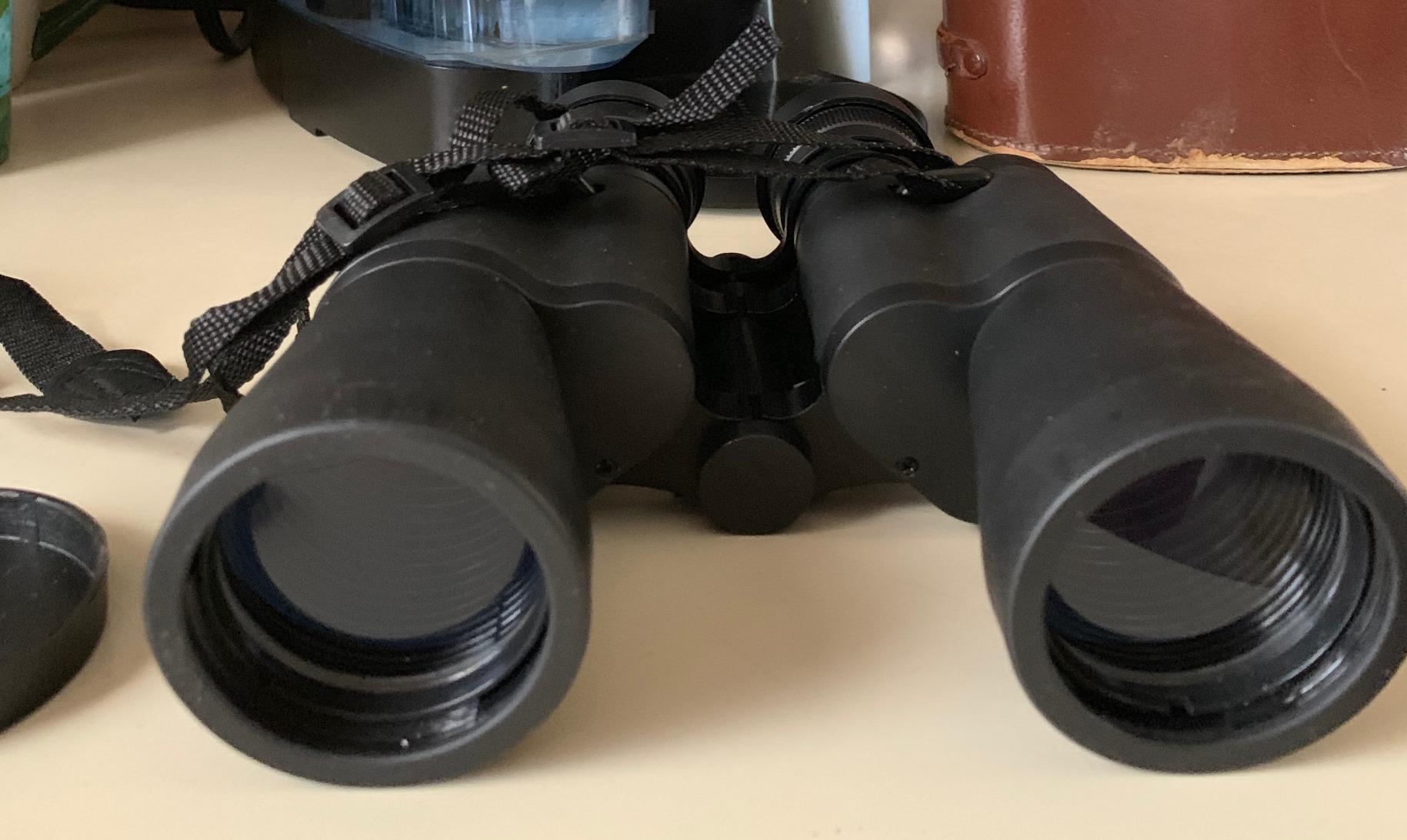
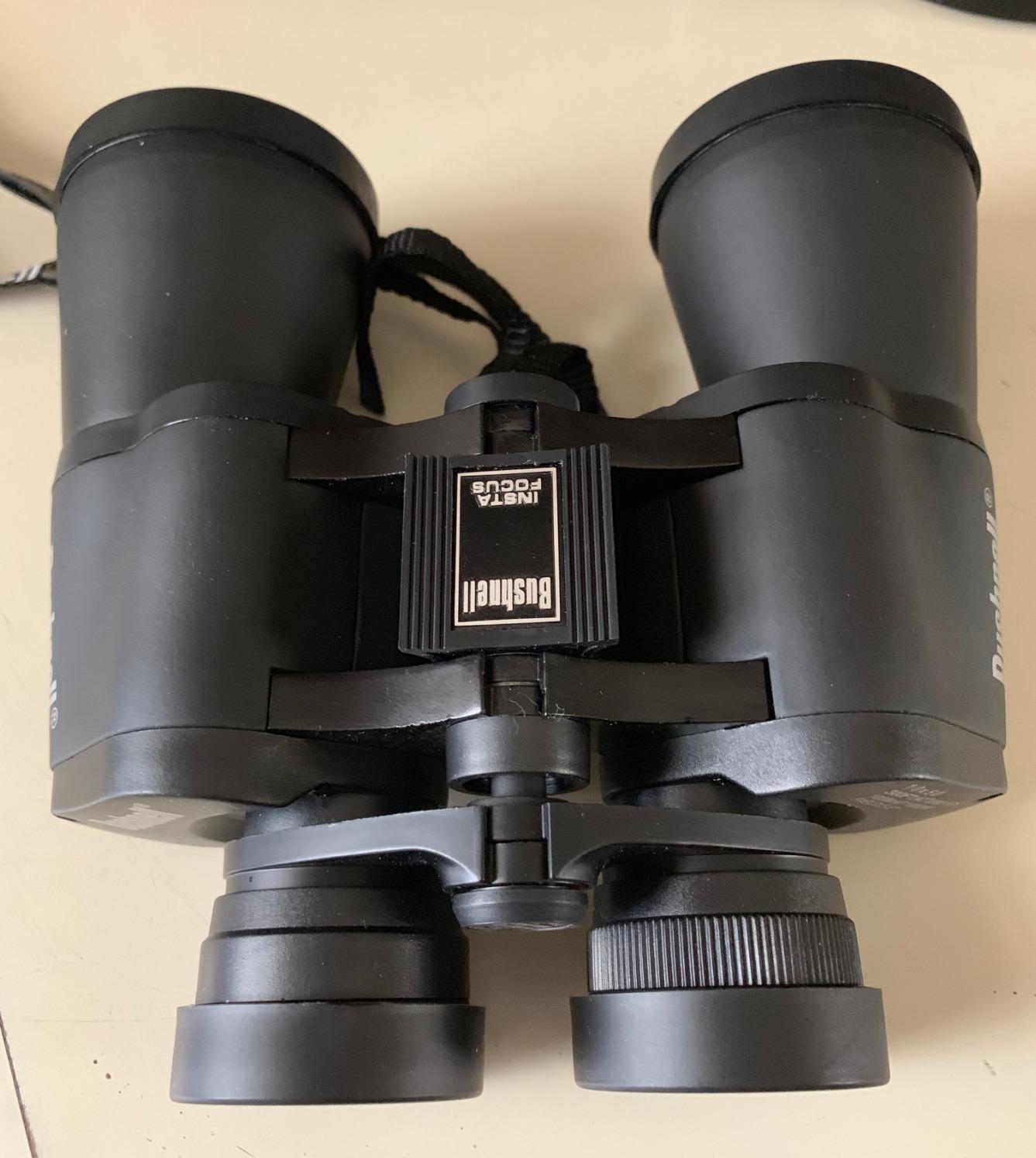
The focusing system is the part that takes adjustment. The InstaFocus lever is a fixed-focus design that you move to correct for your eyesight, and while that sounds clever, reviewers consistently report a learning curve and an imprecise feel compared with a proper center focus wheel.
Set it once in daylight, mark the position, and stop thinking about it. After ten minutes it stops being an issue entirely.
Why 9mm of eye relief is the one spec to check first
Eye relief is how far back your eye sits from the eyepiece and still see the whole image. At 9mm this pair is the tightest in the lineup, and if you wear glasses you will likely see a dark ring around the edge of the field, which means you are losing the outer part of the image.
Test this before you commit. Look through the pair while wearing your glasses at a bright object outdoors. If the view is clean edge to edge, you are fine and you can ignore the number. If you see a shadow ring, this is the wrong pair for you and the Bushnell is not worth buying at any price.
When the Falcon is the right purchase
Buy it for a first pair, for a child, for travel, or as a car glovebox option that gets used on every clear night. It is also a good second pair for anyone whose main astronomy pair is mounted on a tripod, since something light and handheld is still missing from most setups.
Do not buy it for fine planetary work, for long hikes where a tight case and loose caps will annoy you, or if you wear strong glasses. For everything else, a 10×50 with a 5mm exit pupil is the right instrument and this one costs the least.
How to Choose Binoculars for Stargazing: The Specs That Matter
Every binocular name contains two numbers, and understanding them is enough to make a good decision. The first is magnification. The second is the objective lens diameter in millimetres. Everything else on the spec sheet is a refinement of those two figures, and most of the marketing noise disappears once you can read them.
Magnification and the 10x Handheld Ceiling
Magnification tells you how much larger an object appears. At 10x, the Moon looks ten times larger than it does to your unaided eye. This sounds like the most important spec, and it is the one most people overvalue.
Human tremor runs at roughly one to three cycles per second, and the higher you magnify, the more that tremor moves the image in your eye. Around 10x, a braced adult can hold a view steady enough to study. Around 15x, the image swims constantly unless you sit down or mount the binoculars. At 25x, handheld is unusable.
Stargazers Lounge users discussing 15×70 binoculars describe exactly this, reporting that they can only hold them steady for brief periods and recommending 10x50s instead. The same advice appears across r/telescopes and CloudyNights threads: above 10x, buy the mount.
CloudyNights also frames the trade honestly, noting that a 15×70 gives nearly double the light gathering and around 50 percent more magnification than a 10×50, but is best served on a tripod. Both halves of that sentence are true at the same time, which is why we include both pairs here.
Aperture: Objective Lens Diameter Sets Light Gathering
The second number is the diameter of the front lens in millimetres. This is the light-gathering capacity of the instrument, and it scales with the square of the diameter. Doubling the objective from 50mm to 100mm collects roughly four times as much light.
For a physical sense of scale, 50mm is about the width of a golf ball, 70mm about the width of a tennis ball, and 100mm the width of a dinner plate. Bigger means brighter, and bigger also means heavier, bulkier and more in need of a mount.
50mm is the practical floor for general stargazing. 70mm is noticeably better. 100mm is exceptional and demands equipment. Below 50mm you are giving up light that binocular observing depends on, which is why daytime 8×25 and 10×32 pairs feel underpowered at night even though the brand names sound impressive.
Exit Pupil: The Number That Decides Brightness
The exit pupil is the diameter of the light beam leaving the eyepiece, and you calculate it by dividing the objective diameter by the magnification. 50 divided by 10 gives 5mm. 70 divided by 15 gives about 4.7mm. 50 divided by 7 gives about 7.1mm.
A fully dark-adapted human pupil measures somewhere between 5mm and 7mm across. When the exit pupil falls in that range, your eye receives all the light the instrument collected, and the image is as bright as it is physically possible for that pair to be.
When the exit pupil is much smaller, you are wasting light because your pupil is wider than the beam. That is the 25×70 problem here, where a 2.8mm exit pupil collects 70mm of light but crams it into a beam your dark-adapted eye barely uses. The image is dim, the colors are muted, and faint objects disappear.
When the exit pupil is larger than 7mm, you are simply not getting all the light you paid for, which is why very low magnification pairs look flat under a dark sky.
Field of View and Target Finding
True field of view is the width of sky visible in the image, measured in degrees. It is distinct from apparent field of view, which is a number on the eyepiece design and mostly a marketing figure. For astronomy, only the true number matters.
Wide fields help you find things and show large objects whole. Narrow fields make it easier to see faint objects against empty sky, because there is less scattered light competing with them. Both are useful, and the compromise is around 5 to 7 degrees for a general-purpose pair.
A practical trick is to use binoculars as a finder. Scan the wide field at 7x to locate your target, then raise to 10x or more and center it, then switch to a telescope. Several observers on astronomy forums use exactly this sequence.
Eye Relief for Eyeglass Wearers
Eye relief is the distance from the eyepiece lens to your eye for a full field of view. Fifteen millimetres is a reasonable minimum if you wear glasses, and 17mm or more is comfortable.
Below 10mm, glasses wearers consistently struggle and see a shadow ring around the edge of the image. Two pairs in this roundup sit at or near that threshold, so if you wear glasses, test them before you commit and prefer the pairs with 17mm or more.
Two things help beyond the number itself: twist-up or folding eyecups that you can roll down, and a diopter ring so you can correct one eye rather than refocusing the whole binocular every time.
BaK-4 vs BK7 Prism Glass and Coatings
BaK-4 is the better prism glass. It has a higher refractive index, which means the prisms can be shaped to bend light without the optical errors that cheaper glass introduces. BK7 is the budget alternative and it works, but it has a narrower usable light cone.
Here is the part most roundups skip. An undersized BK7 prism physically clips the light cone passing through it, which throws away light that the objective already collected. The result behaves like a smaller aperture than the one printed on the barrel. Buyers who understand this one detail avoid more disappointing budget pairs than buyers who shop on magnification alone.
Coatings matter as much. Single-coated lenses reflect a large share of the light hitting them, fully multi-coated treatments cut that dramatically, and premium dielectric coatings push it further. On a dim target, coatings are the difference between a grey smudge and something with visible shape.
Collimation: Check It the Moment Your Pair Arrives
Collimation is the alignment of the two barrels. When it drifts, you see two images of the same object side by side, which is exhausting and easily mistaken for a focusing problem.
Test on arrival. In daylight, aim at a straight high-contrast edge like a power line or window frame against the sky and bring both barrels into focus. If the image splits, contact the seller straight away. Cheap Porro prism models are the most likely to arrive misaligned, and reputable sellers will usually arrange an adjustment rather than leave you with a frustrating instrument.
Also test in darkness against a bright star near the zenith, because daytime collimation can pass while a slight misalignment becomes obvious under magnification. A soft knock in transit is the most common cause, so check before the packaging goes in the recycling.
What You Can Actually See with Each Binocular Size Class
Expectation setting does more for enjoyment than any spec on this list. Binoculars are wide-field, low-resolution instruments, and knowing what they can and cannot do removes most of the disappointment beginners report in forums.
With a 10×50 you can see the craters along the Moon’s terminator, the four Galilean moons of Jupiter as distinct points changing position over an evening, the light of open clusters like the Pleiades, and the Andromeda galaxy as an elongated glow. Venus shows phases at high power in good conditions, though it is hard to find.
What you cannot see through binoculars is Saturn’s rings, Jupiter’s cloud belts, colour on the planets, or the surface of Mars. Those are telescope targets. Anyone who expects a small telescope view from a handheld pair is setting themselves up to think the purchase failed.
Meteors are the one thing binoculars actively cannot do. They are faint, fast and wide-field, and magnification makes them worse by narrowing your view to a small patch of sky where nothing is happening. For a meteor shower, use your naked eyes.
Size classes map cleanly to tasks. The 7×50 class shows patterns and wide star fields. The 10×50 class shows the Moon well and clusters reasonably. The 15×70 and 20×80 classes show lunar terminator detail and brighter deep-sky structure from a tripod. The 25×100 class shows faint galaxies and nebulae, but only if the sky is dark and the mount is rigid.
Tripods, Mounts and Why Shake Ruins the View
A tripod is the cheapest upgrade available to a new astronomy binocular owner, and it matters more than any spec on the sheet. Above 10x it stops being an accessory and becomes part of the instrument.
For 15×70 and 20×80, any reasonably stiff photo tripod with a fluid head works. The key word is stiff. Lightweight travel tripods with small legs transmit every gust and every footstep straight into the image, and a cheap plastic-headed tripod will make you think the binoculars are faulty when they are fine.
For anything at 25x and 100mm objectives, a counterweighted binocular mount is the right answer. A single-arm mount on a solid tripod balances the heavy barrels on a pivot, keeps them facing your target without adjustment, and eliminates the flex that makes a big pair unworkable on a bare tripod.
One warning specific to this roundup: the plastic tripod adapter that ships with the Celestron SkyMaster 15×70 is singled out by owners as flexing and oscillating under the weight. A metal adapter removes that source of vibration entirely.
A monopod for the middle ground
If you will not carry a full tripod, a monopod or hiking pole stabilizes a 15×70 well enough for extended viewing and costs almost nothing. Sit down, rest the monopod between your legs, and lean forward. It will not match a tripod, and it is much better than free-handing.
Observing Conditions and the Right Binocular Size
The single largest factor in how good your view is has nothing to do with which pair you buy. It is how dark your sky is, and no amount of glass changes that.
At a genuinely dark site, all of these pairs perform well and the difference between them shows mostly in faint object visibility. From a suburban backyard, aperture matters more because it is gathering light against a bright background. From a city or a parking lot under a full Moon, everything is harder and no pair rescues it.
Match the size class to the sky. Under a dark sky, use 10x or 7x for wide sweeping. Under suburban light pollution, go to a 50mm or larger objective to compensate. Under a bright city sky, switch targets to the Moon and the brighter planets, which are bright enough to punch through. Around a full Moon, wait or look at double stars instead of faint nebulae, because the moonlight raises the sky background across the board.
Moon phase matters as much as distance from a city. A week either side of new Moon is when deep-sky objects become visible from a mediocre site. Two weeks after full Moon, a suburban backyard delivers almost nothing faint no matter which pair you carry.
Safety: Never Point Binoculars at the Sun
Do not look at the Sun, or anywhere near it, through binoculars without a certified full-aperture solar filter fitted over the front objective. Not on the front of the barrels, not on the eyecups, not with a filter on one side only.
Binoculars concentrate sunlight onto the retina, and the damage happens faster than you can look away. Solar filters sold for small telescopes are often not large enough to cover a binocular objective, which is why a binocular-specific filter matters. Permanent blindness is the outcome in a fraction of a second.
The same caution applies to observing near the Sun, including during a partial solar eclipse, where the temptation to look is strongest and the risk of permanent eye damage is highest.
Frequently Asked Questions
What kind of binoculars are best for seeing the night sky?
A 10×50 or 7×50 pair is best for handheld stargazing, because 10x is about the highest power an adult can hold steady and a 50mm objective gathers enough light for most targets. If you will use a tripod, a 15×70 shows considerably more lunar and deep-sky detail because the 70mm objective collects far more light.
Can you see stars with 10×42 binoculars?
Yes, and plenty of them. A 10×42 gives a bright, wide view that shows the Moon, the Pleiades, the Orion Nebula and Jupiter’s four moons well. The limitation is the 42mm objective, which produces a 4.2mm exit pupil, so faint galaxies and dim nebulae look fainter than they would through a 50mm pair.
What magnification is best for stargazing?
Between 7x and 10x for handheld use, and 15x to 25x when the binoculars are on a tripod. Above 10x, hand tremor moves the image faster than you can study it, so extra magnification without a steady mount produces a shakier and dimmer view rather than a more detailed one.
What is better, 12×50 or 10×42 binoculars?
For astronomy, 12×50 wins because the 50mm objective gathers more light, giving a brighter view of faint targets. The 10×42 wins on portability, comfort and holdability, and it gives a wider field for finding targets. Glasses wearers usually prefer 10×42 pairs because roof prism designs tend to offer more eye relief.
Are 10×50 binoculars good for stargazing?
They are the format most observers recommend for a first pair. The 5mm exit pupil matches a dark-adapted pupil almost exactly, 10x sits inside the handheld stability ceiling, and the pair is light enough to carry. Astronomy forum users name 10×50 more often than any other configuration as a starting recommendation.
How far can 15×70 binoculars see?
Binoculars are not limited by distance at all. A 15×70 can resolve craters on the Moon, which are hundreds of kilometres away, and stars that are thousands of light years distant. What limits them is light and magnification: how much starlight the 70mm objective gathers, and how much the 15x magnification spreads that light across the image.
Which Binoculars Should You Buy in 2026?
The Celestron SkyMaster 15×70 is the pair we would buy first, and it is the best binoculars for stargazing overall because the 70mm objective and 18mm eye relief do more for real observing than any other spec on this list. Buy it with a tripod already planned into the purchase, because at 15x and 3.3 pounds it will not be a handheld instrument.
If you will only ever hold them in your hands, take the Vortex Diamondback HD 10×50 for the sharpest image at 1.9 pounds, or the Bushnell Falcon 10×50 if you want the same 10×50 format for less. For wide star fields and learning the constellations, the Celestron Cometron 7×50 is hard to argue with at that weight.
Whichever you choose, get out under a dark sky on a moonless night and give it twenty minutes of dark adaptation before you judge it. Most disappointing binocular sessions trace back to a bright porch light and an overcast forecast, not to the wrong model.