
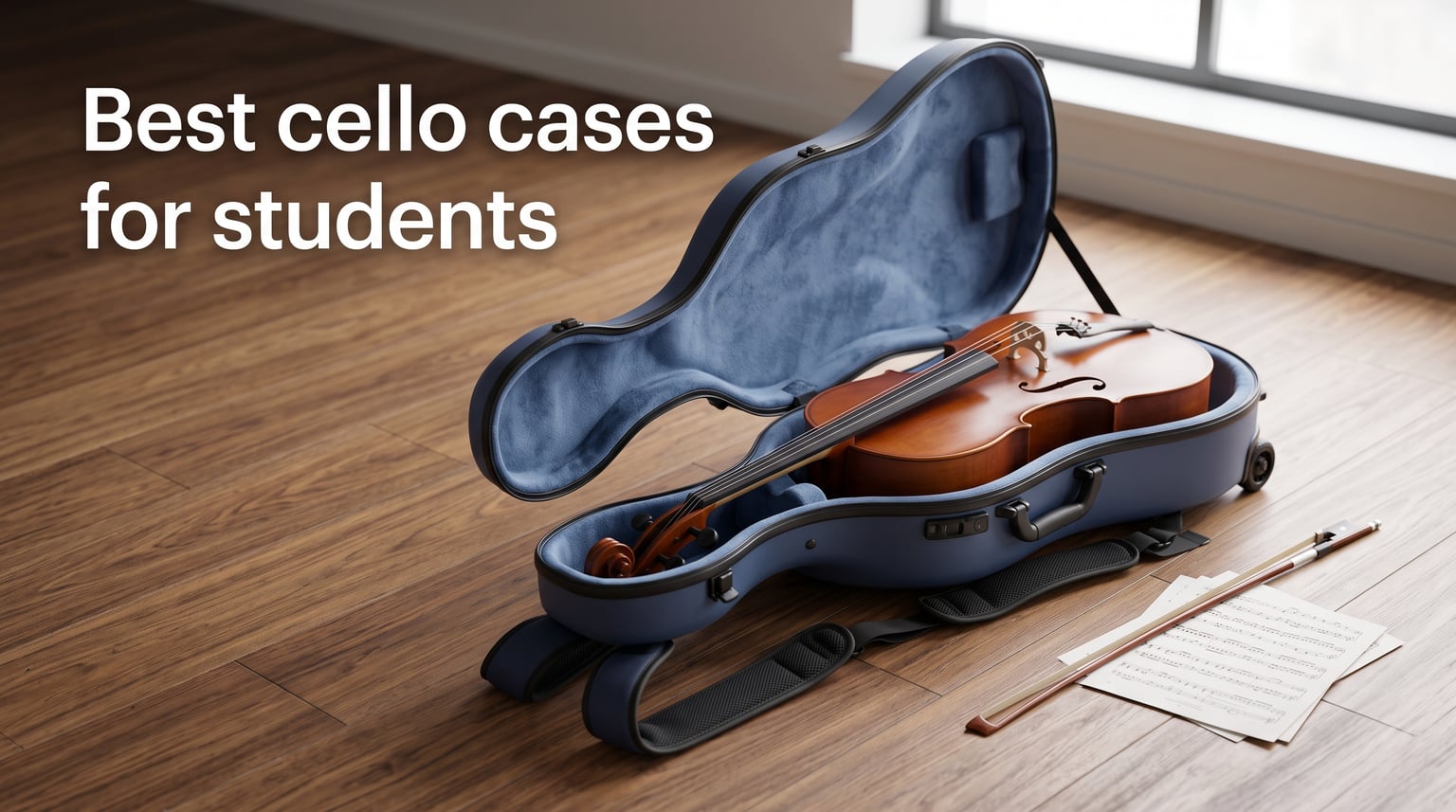
Finding the best cello cases for students in 2026 means balancing protection, weight, and a price that does not drain a family’s budget. A student cello case has one essential job: keep a fragile, valuable instrument safe through daily trips between home, school orchestra, and weekend lessons. After spending weeks researching forum discussions, parent reviews, and teacher recommendations, our team narrowed the field to eight cases that genuinely work for student musicians.
The challenge is that no single case fits every student. A second grader carrying a half-size cello onto a school bus needs something very different from a college freshman flying home for break with a full-size instrument. Younger students often struggle with cases that are too heavy, while older students need suspension systems and rigid shells that can survive airport baggage handling.
This guide covers soft gig bags for budget-conscious families, padded hybrid cases for daily commuters, and rigid polycarbonate shells for serious protection. We weigh every option on three things students and parents actually care about: how heavy it feels on the walk to school, how well it cushions a cello when dropped, and whether it offers real value for the money. Every product here is rated by real Amazon buyers, and we break down the pros, cons, and ideal user for each one.
Table of Contents
Top 3 Picks for Best Cello Cases for Students
If you want the short version, these three cases cover the most common student needs. The Crossrock Poly Carbon is our top overall pick for its balance of protection and portability. The Protec C310E gig bag wins on value for casual players. The WUQIMUSC gig bag is the budget-friendly option with surprisingly thick padding.

Crossrock Poly Carbon 4/4 Cello Case
- Polycarbonate shell
- Suspension design
- Wheels and backpack straps
- Music pouch
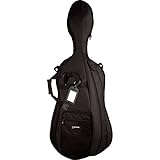
Protec C310E Cello Gig Bag
- 600D nylon exterior
- Adjustable backpack straps
- 2.8 lbs lightweight
- Multiple pockets

WUQIMUSC 4/4 Cello Gig Bag
- 20mm thick foam padding
- Adjustable backpack straps
- Front accessory pocket
- Protective feet
Best Cello Cases for Students in 2026
The comparison table below summarizes all eight cases we reviewed. Use it to scan weights, key features, and ratings before diving into the full reviews. Cases are listed roughly from most affordable to premium.
| Product | Specifications | Action |
|---|---|---|
| Protec C310E Cello Gig Bag |
|
Check Latest Price |
| WUQIMUSC 4/4 Cello Gig Bag |
|
Check Latest Price |
 MI&VI CB-5001 Cello Soft Case MI&VI CB-5001 Cello Soft Case |
|
Check Latest Price |
 Bobelock 1010 Soft Cello Bag Bobelock 1010 Soft Cello Bag |
|
Check Latest Price |
 Travelite TL-20 Deluxe Cello Case Travelite TL-20 Deluxe Cello Case |
|
Check Latest Price |
 Crossrock CRP200 Cello Case Crossrock CRP200 Cello Case |
|
Check Latest Price |
 Crossrock Commuter ABS Cello Case Crossrock Commuter ABS Cello Case |
|
Check Latest Price |
| Crossrock Poly Carbon Cello Case |
|
Check Latest Price |
1. Protec C310E Cello Gig Bag – Best Value Pick
Protec 4/4 Cello Gig Bag – Silver Series, Model # C310E
2.8 lbs
600D Nylon
3mm Padding
Backpack Straps
Pros
- Tough 600D nylon exterior
- Multiple grab handles for easy transport
- Adjustable backpack straps
- Multiple storage pockets and bow holder
Cons
- 3mm padding may be thinner than some competitors
- Limited size options available
At just 2.8 pounds, the Protec C310E is the lightest case in our roundup, and that single fact makes it a top contender for the best cello case for an elementary school student. I have watched young cellists struggle to lift heavier padded bags onto a school bus, and dropping that weight matters more than most parents realize. The 600D nylon exterior shrugs off the scrapes and dings of daily school transport without showing wear.
This gig bag has racked up 419 reviews with a 4.5-star average, which tells me Protec built something that holds up. The adjustable backpack straps let students carry it hands-free, and multiple grab handles give parents options when they end up carrying it themselves. The custom molded zippers run smoothly and have lasted for years in customer reports.
The trade-off is the 3mm padding. That is thinner than the 12mm or 20mm foam you find in pricier soft cases, so the C310E is better suited to short trips and careful handling than rough-and-tumble school bus rides. The interior nylex lining will not scratch a cello’s finish, and the bow holder pocket keeps accessories organized.
For storage, you get multiple pockets including a music sheet compartment and a small accessory pouch. This case fits 4/4, 3/4, and 1/2 size cellos, so it works for students as they move up in instrument size. At this price point, the value is hard to beat.
Best Suited For Younger Students and Short Commutes
The Protec C310E shines for elementary and middle school students walking to lessons or riding in a parent’s car. The featherlight weight means no complaints about tired arms, and the backpack straps distribute the load comfortably even for smaller frames.
If your student mostly carries their cello a few blocks or rides in a vehicle, the 3mm padding is adequate. The bag folds compactly for storage between practices, which is a bonus for families tight on closet space.
Less Ideal For Heavy Travel or Rough Handling
I would not recommend this bag for air travel, school bus transport where the case gets tossed under seats, or any situation where the cello takes impacts. The thin padding simply cannot absorb the kind of hits a hard shell or thicker foam case can handle.
If your student flies to summer music camps or rides public transit regularly, consider stepping up to a denser foam or hard shell option further down this list. The Protec is an everyday commuter bag, not a serious protection solution.
2. WUQIMUSC 4/4 Cello Gig Bag – Best Budget Pick
WUQIMUSC Cello Gig Bag, 4/4 Size, Nylon Exterior, 20mm Thick Foam Padding, Adjustable Backstraps, Multiple Pockets, Front Accessory Storage, Back Sheet Music Pocket, Cello travel soft case (Black)
4.85 lbs
20mm Foam
Nylon Exterior
4/4 Size
Pros
- 20mm thick high-density foam padding
- Adjustable backpack-style shoulder straps
- Multiple pockets including music sheet storage
- Protective feet on exterior
Cons
- Case is stiff initially and needs breaking in
- May fit some cellos tightly
The WUQIMUSC cello gig bag punches well above its price class with 20mm of high-density foam padding. That is more than six times the thickness of the Protec C310E, and it shows when you squeeze the walls. For families on a tight budget, this case offers serious impact protection without forcing you into hard shell territory.
With a 4.7-star rating across 26 reviews, customers consistently praise the build quality and insulation. One reviewer mentioned the foam felt firm enough to trust on a bumpy subway ride. The adjustable backpack straps are well-padded, and the grab handles make it easy to load into a car trunk.
The exterior is durable nylon with protective feet on the bottom, so you can set the bag down without scraping the fabric. A front accessory pocket holds rosin and spare strings, while the back pocket keeps sheet music flat. Everything a student needs for a lesson fits in one bag.
The main caveat is that the case feels stiff when new and breaks in over a few weeks. A few customers noted it can fit tightly around certain cello body shapes, so measure your instrument before ordering.
Best Suited For Students Who Need More Protection on a Budget
If your student walks longer distances or rides public transit, the 20mm foam gives you peace of mind that a softer bag cannot match. The WUQIMUSC sits in a sweet spot between flimsy gig bags and expensive hard cases.
It is also a smart pick for middle school and high school students who have outgrown ultra-light bags but are not ready to invest in a polycarbonate shell. The padding handles everyday bumps without weighing the student down.
Watch Out For the Break-in Period
Several reviewers mention the case arrives stiff and the zippers need a few uses to loosen up. Plan for a short break-in period before the bag feels natural to use. This is normal for dense foam construction and not a defect.
The 4/4 size is the only option, so confirm your student plays a full-size cello before buying. Half-size and 3/4 size players should look at the Protec C310E or MI&VI CB-5001 instead.
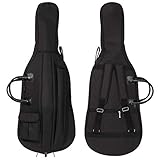
3. MI&VI CB-5001 Cello Soft Case – Reliable Mid-Range Option
MI&VI CB-5001 Cello Soft Case Travel Gig Bag 4/4 (Full Size) With Multiple Pockets and Adjustable Backpack Straps | 12mm Thick Padding | Waterproof | Non-Abrasive Lining – MIVI Music
3.6 lbs
12mm Foam
Water-Resistant
4/4 Size
Pros
- 12mm high-density foam padding
- Water-resistant 600D nylon exterior
- Adjustable backpack straps
- 30-day no-hassle return warranty
Cons
- Some customers report a tight fit
- Straps may be too short for taller users
The MI&VI CB-5001 splits the difference between the thin Protec and the thick WUQIMUSC with 12mm of foam padding. At 3.6 pounds, it stays light enough for younger students while offering meaningful impact protection. The 115 reviews and 4.4-star average tell me this case has earned its loyal following.
What stands out is the water-resistant 600D nylon exterior. For students caught in unexpected rain walking to lessons, this material buys time before moisture reaches the instrument. The double-stitched grab handles and large non-scratch zippers feel solid in hand.
MI&VI backs this case with a 30-day no-hassle return warranty, which is more than most gig bags offer. The bow holder uses hook and loop closure, the rear pocket holds sheet music, and a small front compartment stores rosin and accessories. It is a complete daily-use setup.
The most common complaint is a tight fit around certain cello body shapes, and a few taller users found the backpack straps too short. Measure your cello and consider your height before ordering.
Best Suited For Daily School and Lesson Transport
The CB-5001 is built for the student who carries their cello every single day. The 12mm padding absorbs the small knocks of school hallways and car trunks without adding the bulk of a hard case. Water resistance is a genuine plus for unpredictable weather.
Professional cellists reviewing this bag noted it works for gigging despite being a soft case. That is high praise for a sub-$100 product.
Check Strap Length Before Committing
If you are tall or broad-shouldered, the backpack straps may sit awkwardly. A few customers solved this by adding strap extenders, but it is worth knowing before purchase. The hook and loop closures on the bow holder are also less secure than zippered pockets on pricier bags.
For average-height students carrying standard 4/4 cellos, the fit and comfort are excellent. This is a workhorse case at a fair price.
4. Bobelock 1010 Soft Cello Bag – The Trusted Brand Option
Bobelock 1010 Soft Cello Bag – 4/4 Size, Black, Padded Protection
4.5 lbs
Nylon
Bow Sleeves
Built-in Wheels
Pros
- Built-in wheels with pulling handle
- Backpack straps and shoulder straps included
- Bow sleeves for secure storage
- Music pocket and accessory compartments
Cons
- Higher price point for a soft bag
- Not Prime eligible and limited stock
Bobelock is a name that comes up constantly in cello forums, and Reddit users specifically call the brand tough but heavy and worth every penny. The 1010 soft bag lives up to that reputation with a 4.6-star rating from 40 reviews and a feature set that justifies its premium price tag for a soft case.
The standout feature here is the built-in wheels with a pulling handle. For students walking long distances across a college campus or to a subway station, wheels transform the carrying experience. At 4.5 pounds, the bag is manageable even when you add a cello’s weight.
You get backpack straps, shoulder straps, and side handles, so every carrying style is covered. The soft nylon lining and large non-scratch zipper protect the instrument’s finish. Bow sleeves keep bows secure, and the music pocket plus accessory compartments handle all the extras a student carries.
The 1010 fits up to a 17-inch lower bout, which covers most full-size student cellos. The catch is availability: stock is often limited, and it is not Prime eligible, so shipping takes longer than Amazon-typical options.
Best Suited For Commuting Students and Campus Life
College students and high schoolers walking significant distances benefit most from the Bobelock’s wheels. Pulling a wheeled case is dramatically easier on the body than backpacking a heavy cello across a quad. The multiple strap options mean a parent can shoulder-carry it while the student recovers.
Bobelock’s reputation for durability means this case will likely outlast a student’s entire school career. Forum users report these bags lasting well over a decade with reasonable care.
Factor In Slower Shipping and Limited Stock
Because the Bobelock 1010 is not Prime eligible, expect longer delivery times. When stock dips to single digits, ordering early before the school year starts is smart. Do not wait until the week of a recital.
The higher price reflects the wheels, brand reputation, and build quality. If your student needs wheels but you want to spend less, the Travelite TL-20 below offers a similar feature set at a comparable price point.
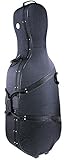
5. Travelite TL-20 Deluxe Cello Case – Suspension Protection With Wheels
Travelite TL-20 Deluxe Cello Case – 4/4 Size
9.8 lbs
Ballistic Nylon
Full Suspension
Wheels
Pros
- Arched-top construction with full suspension protection
- Plush blue-grey velour interior
- Luggage-grade wheels on 4/4 and 3/4 sizes
- Hygrometer for moisture control
Cons
- Wheels positioned too close together causing instability
- Occasional zipper quality control issues reported
The Travelite TL-20 steps into hybrid territory with a precision-engineered foam cavity wrapped in heavy-duty ballistic nylon. The arched-top construction creates a full suspension system where the cello floats inside the case rather than resting against the shell. For students who need real impact protection without committing to a hard shell, this is a compelling middle ground.
The plush blue-grey velour interior is genuinely luxurious, and two internal bow holders plus a neck support with Velcro strap keep everything secure. A built-in hygrometer lets students monitor humidity, which matters for wooden instruments in dry winter months or humid summer rehearsal rooms.
At 9.8 pounds, this is heavier than the soft gig bags above, but the luggage-grade wheels on 4/4 and 3/4 sizes take the strain off carrying. Removable backpack straps give you options when wheels are not practical, like staircases.
The TL-20 has 90 reviews and a 4.1-star average, which is solid but not stellar. The complaints cluster around two specific issues: wheels placed too close together causing wobble, and occasional zipper failures. Travelite covers the case with a limited one-year warranty.
Best Suited For Students in Varying Climates
The hygrometer sets this case apart for students living in regions with big humidity swings. Dry winters can crack a cello’s wood, and humid summers can warp joints. Monitoring moisture inside the case helps families take action before damage occurs.
The suspension system also makes this a strong pick for students whose cellos represent a meaningful financial investment. Floating the instrument inside the case means impacts transfer to the foam, not the wood.
Be Aware of the Wheel and Zipper Issues
Multiple reviewers flagged the wheel spacing as a real problem. The wheels sit close together, making the case tippy when pulled at walking speed. On smooth floors it works fine, but uneven sidewalks require caution.
Zipper quality control is the other recurring complaint. Some units arrive with sticky or failing zippers. Inspect your case immediately on arrival and use the warranty if anything is off. The suspension and interior quality are excellent, so the issues are fixable with quality control awareness.
6. Crossrock CRP200 Lightweight Cello Case – Foam Shell Without the Weight
Crossrock Lightweight Cello Case for 4/4 Full Size Cello with Dense Foam in Grey (CRP200CEFGY)
8.2 lbs
Dense Foam
Velvet Interior
Arch Top
Pros
- Lightweight at just over 8 pounds
- Deluxe smooth black velvet lining
- Ultra-strong arch top protects the bridge
- Detachable and adjustable backpack straps
Cons
- No wheels requires carrying only
- Interior bow storage may be too small for standard bows
The Crossrock CRP200 is the case I would hand to a student who wants hard-shell protection without hard-shell weight. At 8.2 pounds, it is lighter than the Travelite TL-20 while offering a rigid dense foam shell that opens like a suitcase. The arch top design specifically protects the bridge, which is the most fragile part of a cello during transport.
The smooth black velvet interior feels premium and cradles the instrument without scratching. Detachable backpack straps let you strip weight when you do not need them, and the suitcase-style opening makes loading and unloading the cello straightforward even for younger students.
With 23 reviews and a 4.2-star average, customers praise the value compared to heavier, pricier cases. One reviewer called it the perfect everyday case for a student who walks to orchestra practice but does not need wheels.
The trade-offs are real, though. There are no wheels, so you carry this case everywhere. The interior bow storage runs small, so some standard-length bows fit tightly. The porous exterior cloth-like surface can also show dirt over time.
Best Suited For Students Who Carry Everything Themselves
If your student walks to school or lessons and does not have long flat stretches where wheels would help, the CRP200 is ideal. The 8-pound weight is manageable for most middle school and older students, and the rigid shell protects against backpack-style jostling.
The suitcase opening is a real advantage for students who load their cello in tight spaces like car back seats. You lay the case flat, open the lid, and place the instrument without contorting around a zippered opening.
Consider Bow Length and Storage Needs
Measure your student’s bow before ordering. Some standard bows exceed the interior bow holder’s capacity, which means carrying the bow separately or upgrading later. This is the most common disappointment with this case.
The lack of wheels is a deliberate design choice to keep weight down. If your student’s commute involves long distances or public transit stairs, the Crossrock Poly Carbon later in this list adds wheels without much more weight.
7. Crossrock Commuter ABS Cello Case – Rigid Shell for Daily Rehearsal
Crossrock Commuter ABS Cello Case for 4/4 & 3/4 | Matte Blue Diamond Shell, Wheels & Backpack Straps – Lightweight Case for Daily Rehearsal & Travel
14.6 lbs
ABS Shell
Wheels
Backpack Straps
Pros
- Scratch-resistant ABS diamond-textured shell
- Wheels plus dual handles for transport
- Backpack straps for hands-free carrying
- 2 bow holders and detachable accessory pouch
Cons
- Heavier than soft cases at 14.6 pounds
- Limited stock availability
The Crossrock Commuter ABS case is built for the student who rehearses daily and needs a shell that can take real punishment. The ABS diamond-textured exterior resists scuffs and minor impacts that would shred a soft gig bag in weeks. With 179 reviews and a 4.2-star average, this is a popular choice among serious students.
You get molded side and top handles plus integrated smooth-rolling wheels, so transport is flexible. Padded backpack straps with metal buckles allow hands-free carrying, and three sturdy D-rings on the back give you attachment points for custom strap setups. The case fits both 4/4 and 3/4 cellos, making it versatile as a student grows.
Inside, two bow holders and a detachable padded pouch handle rosin, strings, and accessories. The Commuter is designed for everyday players, and the feature set reflects that focus.
The obvious drawback is weight. At 14.6 pounds, this is the second-heaviest case in our roundup. Add a cello and you are carrying close to 25 pounds, which rules it out for younger students or anyone with a long walking commute.
Best Suited For High School and College Students With Cars
The Commuter ABS makes the most sense for older students who drive or get rides to rehearsals. The rigid shell protects during car transport and the wheels handle parking lot distances. For a high school orchestra member with a regular rehearsal schedule, this case is a workhorse.
The 4/4 and 3/4 dual fit means a growing student can use the same case through size transitions, which stretches the value over multiple years.
Factor the Weight Into Your Decision
Before buying, honestly assess whether the student can manage 14.6 pounds plus cello weight. For younger students or anyone with a long walking commute, the Crossrock CRP200 at 8.2 pounds or the Poly Carbon offer similar protection at lower weight.
Stock is also limited, often down to single digits. Order ahead of when you need it, especially before school year starts when demand spikes.
8. Crossrock Poly Carbon 4/4 Cello Case – Editor’s Choice for Student Protection
Crossrock Poly Carbon 4/4 Cello Case | Matte Black with Wheels & Music Pouch – Lightweight Hard Shell for Daily Commute & Student Orchestra
6.9 kg
Polycarbonate
Suspension
Wheels & Straps
Pros
- Lightweight polycarbonate shell with scratch-resistant matte finish
- Suspension design keeps instrument off the outer shell
- Wheels backpack straps and 3 handles for versatile transport
- Exterior zippered sheet music pouch built for students
Cons
- Wheels may wobble on uneven terrain
- No scroll strap only a neck buckle for securing the cello
The Crossrock Poly Carbon earns our Editor’s Choice because it solves the central problem every student faces: getting serious protection without breaking the family budget or the student’s back. The polycarbonate shell is the same class of material used in premium cases costing two or three times as much, and the matte black finish hides the scuffs that accumulate over a school year.
What makes this case specifically great for students is the suspension design. The cello does not touch the outer shell directly, so impacts transfer to the suspension system rather than the instrument’s wood. The plush velvet interior with secure padding cradles the cello, and the zippered sheet music pouch on the exterior is a thoughtful touch that students actually use every day.
With 125 reviews and a 4.4-star average, customers call it great bang for the buck compared to premium alternatives. One reviewer specifically noted it offered Bobelock-level protection at a fraction of the cost. The 69 percent five-star rate signals consistent quality.
Transport is covered from every angle: wheels for rolling, three handles for grabbing, and backpack straps for hands-free carrying. Inside, there is room for bows, rosin, strings, and accessories. Crossrock backs it with a two-year quality guarantee.
Best Suited For Serious Students Who Need All-Around Protection
If your student is committed to cello for the long haul and you want one case that handles school, lessons, recitals, and even regional travel, the Poly Carbon is the one. The suspension system protects instruments that represent real financial investment, and the multiple transport options adapt to any commute style.
For high school students heading toward music programs or competitive orchestras, this case signals seriousness without the premium price tag of BAM or Gewa alternatives. The music pouch alone makes daily lesson transport more organized.
Handle the Wheels and Strap Setup Carefully
The wheels can wobble on uneven terrain like brick sidewalks or gravel, so guide students to smooth surfaces when possible. The backpack straps may drag on the ground when using the wheels, so tuck them in or detach them during rolling.
There is no dedicated scroll strap, only a neck buckle. For most students this is adequate, but if your cello has an unusually long neck or you fly frequently, consider adding a supplemental strap. These are minor notes on what is otherwise the strongest overall value in this roundup.
Buying Guide: How to Choose the Best Cello Case for a Student
Choosing among the best cello cases for students comes down to four decisions: case type, weight, protection level, and budget. This guide walks through each factor using the same criteria we applied to the eight cases above. Whether you are a parent buying a first case or a student upgrading from a worn-out gig bag, these are the questions that matter.
Case Type: Soft Gig Bag, Hybrid Foam, or Hard Shell
Soft gig bags like the Protec C310E and WUQIMUSC are the lightest and cheapest option. They work for short commutes and careful handling. Padding ranges from 3mm up to 20mm, and thicker foam absorbs more impact. The trade-off is flexibility: a soft bag will flex under pressure, which is fine for bumps but not for crushing force.
Hybrid foam cases like the Crossrock CRP200 and Travelite TL-20 add rigidity. They open like a suitcase and often include suspension systems. These are the sweet spot for students who need real protection but want to avoid the weight and cost of a hard shell.
Hard shell cases like the Crossrock Poly Carbon and Crossrock Commuter ABS use polycarbonate or ABS plastic to create a rigid barrier. They survive impacts that would destroy a soft bag. The cost is weight and price, but for serious students the protection is worth it.
Weight: The Factor Students Feel Every Day
Weight matters more than parents often expect. A student carrying a cello plus case every day feels every pound. Younger students especially struggle with heavy cases, and forum users consistently cite weight as the top complaint with student cases.
As a rough guide: under 5 pounds is ideal for elementary students, 5 to 10 pounds works for middle school and up, and anything over 12 pounds should have wheels. The Protec C310E at 2.8 pounds is the lightest pick here, while the Crossrock Commuter ABS at 14.6 pounds is the heaviest.
Wheels change the math. A heavy case with good wheels, like the Crossrock Poly Carbon or Bobelock 1010, feels light on smooth surfaces because you roll rather than carry. Just remember wheels do not help on stairs or rough terrain.
Protection Level: Match the Case to the Instrument’s Value
A beginner cello costing a few hundred dollars does not need a $500 polycarbonate case. But a step-up student cello in the $1,000 to $3,000 range deserves suspension protection and a rigid shell. Match the case’s protection level to what you would lose if the cello were damaged.
Suspension systems, found in the Travelite TL-20 and Crossrock Poly Carbon, float the instrument inside the case so impacts never reach the wood directly. This is the single most important protection feature for valuable instruments.
For budget instruments used in casual lessons, a padded gig bag like the MI&VI CB-5001 or WUQIMUSC offers enough protection for daily school transport without overspending.
Brand Reputation and Trusted Names
Forum discussions on Reddit’s r/Cello consistently mention BAM, Gewa, Bobelock, and Musilia as trusted brands. Among the cases available on Amazon for students, Crossrock appears repeatedly with strong ratings across multiple models. Bobelock earns praise for toughness, and Protec is recognized for value.
Brand matters because it signals quality control, warranty support, and replacement parts availability. A case from an established brand is more likely to last a full student career than a no-name alternative, even if the upfront cost is slightly higher.
Frequently Asked Questions
What is the best cello case for a student?
The best cello case for a student depends on budget and commute. For most students, the Crossrock Poly Carbon 4/4 Cello Case offers the best balance of polycarbonate protection, suspension design, wheels, and a music pouch at a reasonable price. For budget-conscious families, the Protec C310E gig bag at under 3 pounds is ideal for younger students with short commutes.
What features should students look for in a cello case?
Students should prioritize lightweight construction under 10 pounds, backpack straps for hands-free carrying, sufficient foam padding of at least 12mm, bow holders, and a music sheet pocket. Wheels help for longer commutes, and a suspension system protects valuable instruments from impact. A water-resistant exterior is a bonus for students walking in unpredictable weather.
How much should a student spend on a cello case?
A student cello case should cost between 50 and 400 dollars depending on the instrument’s value and transport needs. Budget gig bags like the Protec C310E or WUQIMUSC cover basic daily transport. Mid-range hybrid cases like the Crossrock CRP200 add rigidity. Premium polycarbonate cases like the Crossrock Poly Carbon offer maximum protection for step-up instruments.
Are soft gig bags good enough for student cellos?
Soft gig bags work well for students with short commutes and beginner cellos, provided the padding is at least 12mm thick. Cases like the WUQIMUSC with 20mm foam or the MIu0026amp;VI CB-5001 offer meaningful impact protection. For more valuable cellos or longer commutes, a hybrid foam case or hard shell provides better protection against crushing force.
Which cello case brands are most trusted for students?
Trusted cello case brands for students include Crossrock for value-driven hard shells, Bobelock for tough soft bags with wheels, Protec for lightweight gig bags, and BAM and Gewa for premium options. Among Amazon-available cases, Crossrock earns consistently strong ratings across multiple models, and Bobelock is frequently recommended in cello forums for durability.
Final Thoughts on the Best Cello Cases for Students
The best cello cases for students in 2026 balance protection, portability, and price, and our Editor’s Choice Crossrock Poly Carbon hits all three. Pair it with the Protec C310E for a budget backup or step up from a worn gig bag to give your student’s instrument the protection it deserves. Whatever you choose, match the case to the student’s commute and the cello’s value, and you will not go wrong.