
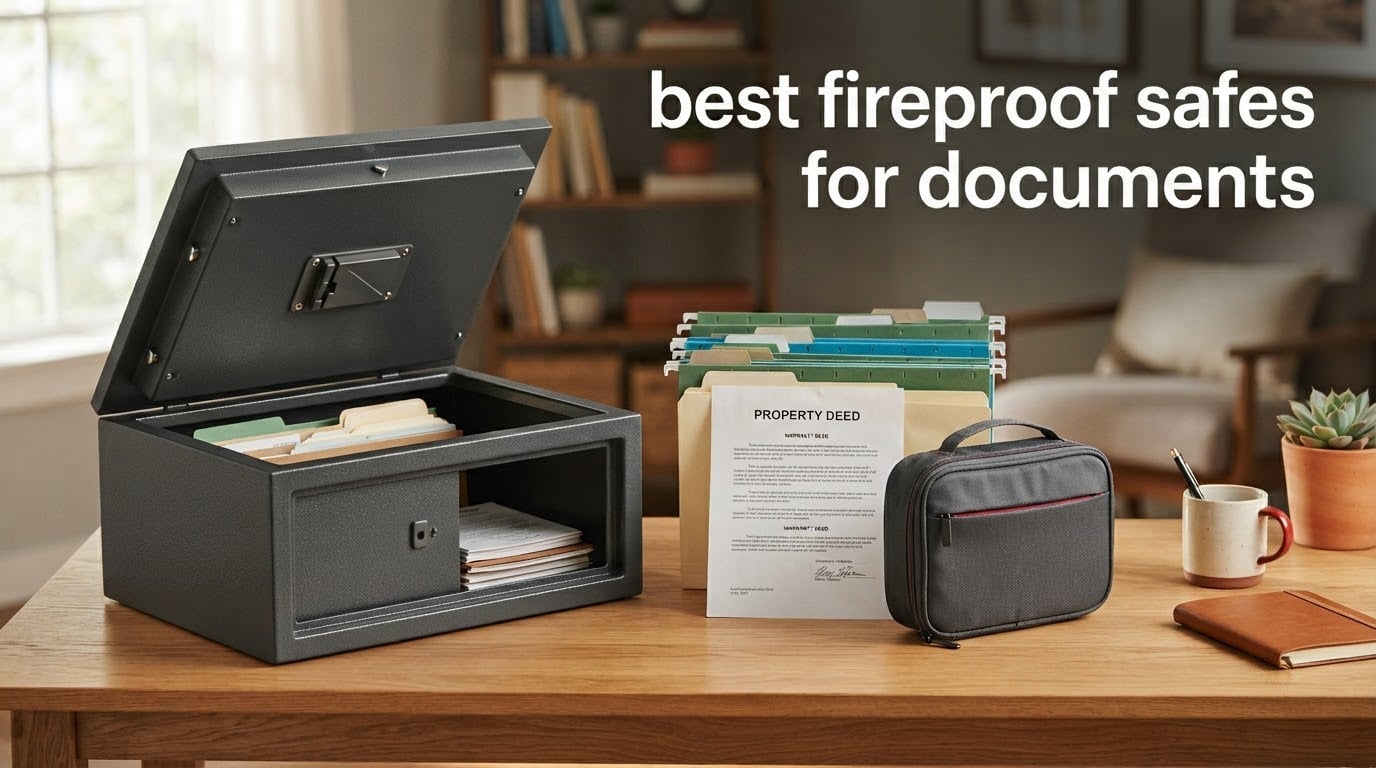
Most people shopping for a safe are actually shopping for two different products, and only one of them protects paper. A fireproof safe for documents is built to hold its interior below a survivable temperature long enough for your records to come out readable. It is not a theft product, and a document safe with no independent fire rating is just a heavy box with a lock on it.
This roundup covers the best fireproof safes for documents available now, from small soft organizers that travel in a suitcase to steel safes independently tested by Intertek and UL. Every pick below carries its rating stated the way a certifier states it, as a duration paired with a temperature, because that pairing is the only number that means anything.
One more framing note before the picks. House fires and the water that follows them are different threats, and a safe has to be rated for both or neither. If you only read the fire minutes, you are choosing blind. We explain how the ratings work, where to physically put the safe, and what these products quietly do not protect against.
Start with the scan, though. A safe is a physical backup, not the only copy, and our guide to the best document scanners for home offices covers the layer that costs the least and protects the most.
Table of Contents
Top 3 Best Fireproof Safes for Documents in 2026
These three lead the list. The first is the strongest overall combination of certification, capacity, and owner satisfaction. The second is the one to buy if the ETL drop verification matters to you, since it is the only pick here with an independently tested impact rating. The third is the pick for most people, because it holds hanging file folders and costs a fraction of a steel safe.
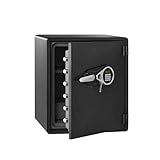
Amazon Basics 2.13 cu ft Fireproof Safe
- 60 min at 1700F tested by Intertek
- Waterproof to 8 inches for 24 hours
- Digital keypad with 6 live-locking bolts
- Removable shelf and drawer

SentrySafe SFW123GDC Fireproof Safe
- UL 1 hour at 1700F
- ETL verified 15-foot drop rating
- Programmable keypad with backup key
- Locking drawer and interior light
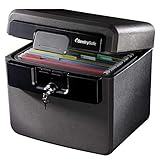
SentrySafe HD4100 Fireproof File Box
- UL classified 30-minute fire protection
- ETL verified water resistance
- Fits hanging file folders
- Two keys included
All 10 Best Fireproof Safe Picks Compared (October 2026)
Every product in this roundup appears below with its stated fire protection, its water protection where a certifier verified it, and the physical constraint that decides whether it fits your paperwork. Ratings and review counts are copied from the product listings as they stood when this article was written.
| Product | Specifications | Action |
|---|---|---|
| Amazon Basics 2.13 cu ft Fireproof Safe |
|
Check Latest Price |
| SentrySafe HD4100 Fireproof File Box |
|
Check Latest Price |
 DocSafe 5200F Soft Document Organizer DocSafe 5200F Soft Document Organizer |
|
Check Latest Price |
| SentrySafe SFW123GDC Fireproof Safe |
|
Check Latest Price |
 ENGPOW 5200F Collapsible File Box ENGPOW 5200F Collapsible File Box |
|
Check Latest Price |
 TOMKID 2000F Fireproof File Box TOMKID 2000F Fireproof File Box |
|
Check Latest Price |
 DocSafe DS0123 Collapsible Fireproof Box DocSafe DS0123 Collapsible Fireproof Box |
|
Check Latest Price |
 SentrySafe SF123ES Fireproof Safe SentrySafe SF123ES Fireproof Safe |
|
Check Latest Price |
 Honeywell 1103 Fire and Water Chest Honeywell 1103 Fire and Water Chest |
|
Check Latest Price |
 DocSafe DS0105 Hard-Shell Organizer DocSafe DS0105 Hard-Shell Organizer |
|
Check Latest Price |
1. Amazon Basics 2.13 cu ft Fireproof Safe – Best Overall
Amazon Basics Fireproof and Waterproof Safe Box with Digital Keypad Electronic Lock, Fire Resistant, Interior Lighting, Removable Shelf, for Home Use, 2.13 Cubic Feet, 24″H x 20.87″W x 19″D, Black
2.13 cubic feet
60 min at 1700F by Intertek
Waterproof to 8 in for 24 h
61.86 kg
Pros
- Independently tested 60-minute fire rating at 1700F
- Waterproof seal tested for 24 hours under 8 inches of water
- Digital keypad with 6 live-locking bolts and pry-resistant dead bolts
- Interior light plus removable shelf and drawer
Cons
- Heavy unit that is difficult to reposition once placed
- Keypad requires batteries and the bolt-down hardware needs drilling to install
This is the safe I recommend to anyone who asks me for a single answer. It is a 2.13 cubic foot alloy steel unit with a digital touchpad, six live-locking bolts, and pry-resistant dead bolts, and it holds a 4.6-star average across more than 48,000 ratings with 78 percent five-star feedback. That volume of owner history on a fire product is rarer than it sounds, and it is why I put it first.
What separates it from the cheaper steel boxes is the certification package rather than the steel. The manufacturer states the safe was fire tested by Intertek for 60 minutes at 1700 degrees Fahrenheit, and separately tested for 24 hours of protection in water up to 8 inches deep. Both of those numbers come from an independent certifier, which is the only kind of claim worth paying for in this category.
The interior is the reason it beats the SentrySafe on raw utility. You get a removable shelf, a drawer, and an interior light, so a folder of deeds and a set of keys do not end up in the same undifferentiated pile. The floor-mount design means it can be bolted down with the included hardware, which is a genuine deterrent in a burglary that is not very determined.
The 2.13 cubic foot chamber is roughly 20.87 inches wide by 19 inches deep by 24 inches tall on the outside. That is a real filing volume rather than a document box, and it swallows a full set of hanging folders plus a binder with room to spare.
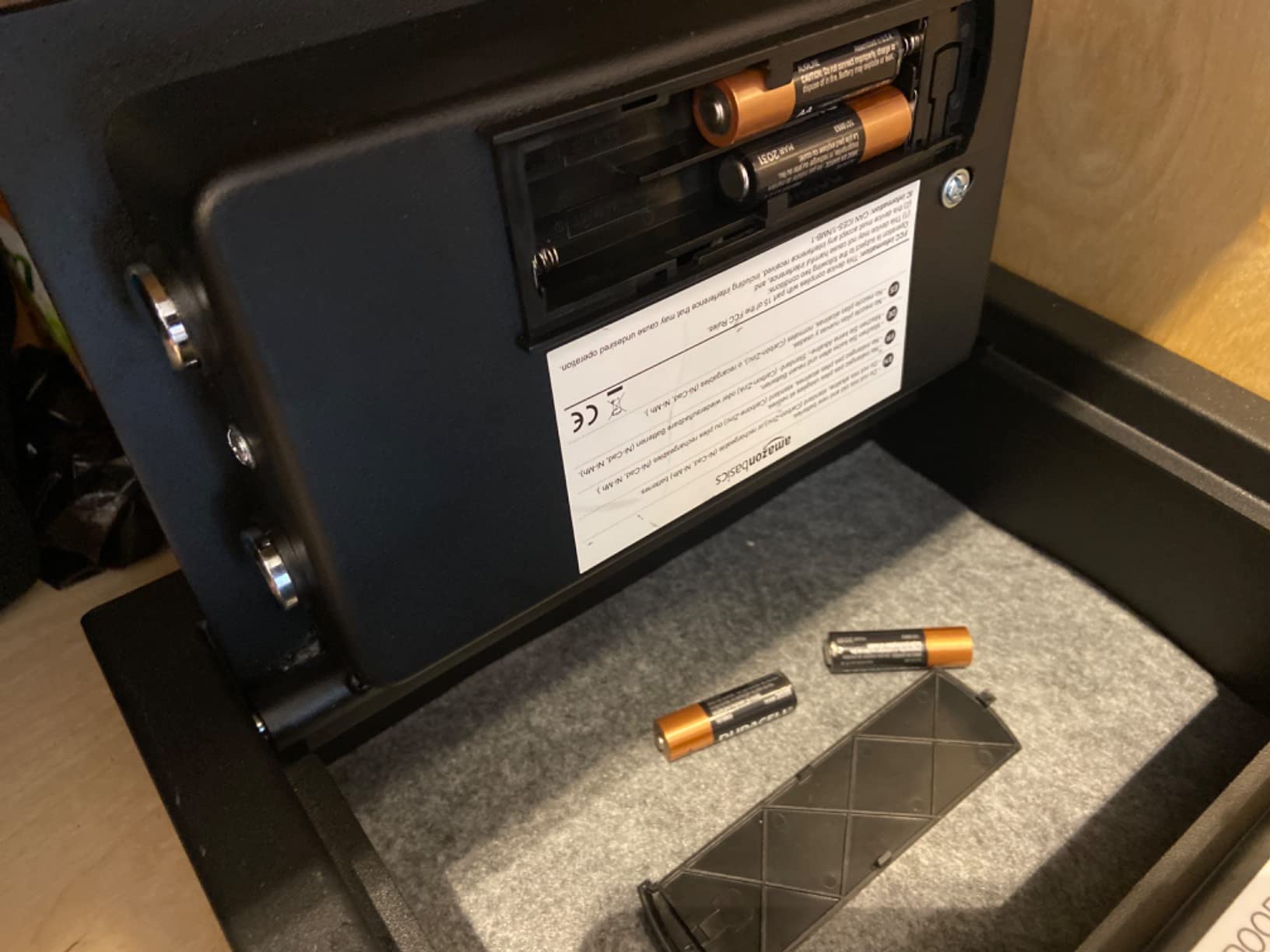
The honest drawback is weight, at 136 pounds. Once it is on the floor in position, moving it is a two-person job, and getting it into a closet or up a single step is the part people underestimate. Bolt-down hardware also needs drilling, so plan the location before you order rather than after it arrives.
Reviewers also note that the keypad needs batteries, and the manufacturer recommends name-branded alkaline cells. SentrySafe goes further and advises batteries with a stated expiration date, which is a small detail that matters if you plan to open this safe rarely.
Who This Safe Works For
It suits households with a closet or basement corner and a mixed collection: deeds, insurance policies, birth certificates, tax records, and a few small valuables. If you want one product that covers both fire and flood exposure with independently tested numbers, this is the one I point at first.
It also suits anyone who will not remember a combination. A digital keypad with a backup override key removes the single most common way safes get opened by their own owners: a forgotten code and a lost key.
Who Should Skip It
Skip it if you rent and cannot drill, or if you plan to move it more than once. At 136 pounds it is a permanent object, and people who buy it for a rental and then relocate leave a very heavy paperweight behind.
Also skip it if your paper collection is a single folder. A 2.13 cubic foot safe for twenty sheets is paying for insulation you do not need, and a lighter certified box will do the same job at a fraction of the effort to install.
2. SentrySafe HD4100 Fireproof File Box – Best Value
SentrySafe Black Fireproof and Waterproof Safe, File Folder and Document Box with Key Lock, 14.3 x 15.5 x 13.5 inches, HD4100
0.65 cubic feet
UL 30-minute rating
ETL verified water protection
38.8 lb
Pros
- UL-classified 30-minute fire rating and ETL-verified water protection
- Fits hanging file folders and full-size document folders
- Two keys included for backup access
- Compact footprint that fits under a desk or in a closet
Cons
- Very heavy for its size and requires real strength to lift
- Front latch needs firm pressure to close and the lid gasket can detach
- Interior width matches manila-folder width so A4 paper does not fit flat
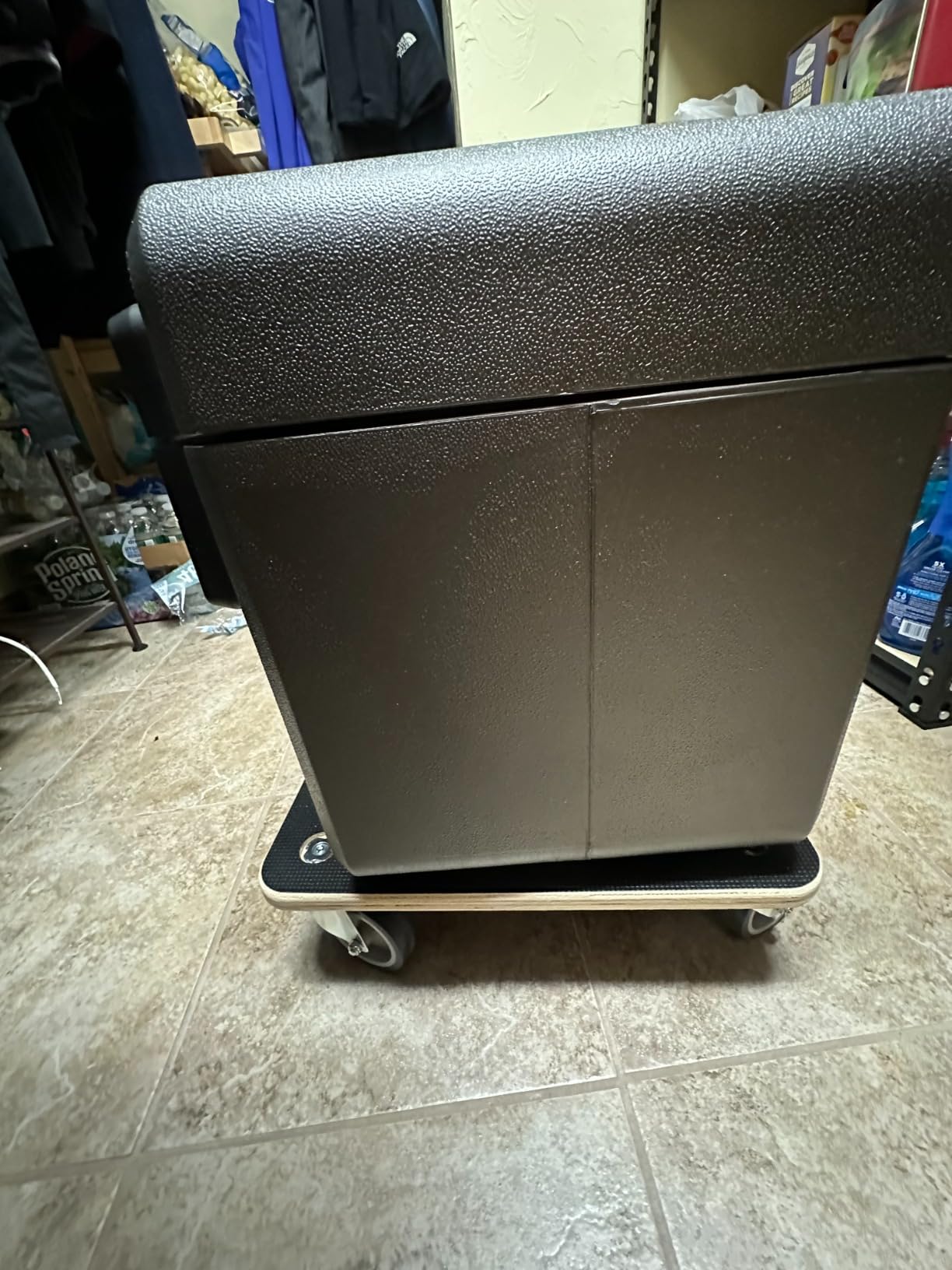
This is the most-recommended document safe in our list, and the reason is unglamorous. It is a steel and fire-resistant composite box sized to 13.5 by 15.5 by 14.3 inches, it is UL Classified for 30 minutes of high-temperature exposure, and it is ETL Verified for water exposure. The interior is built around hanging file folders, so your paperwork goes in the way it was designed to go in.
Owners call it heavy, thick-walled, and well made, and the 4.5-star average sits over roughly 15,000 ratings with 75 percent five-star feedback. Forum readers on r/Safes point at SentrySafe file boxes as genuinely UL tested, and their standing caveat is the honest one: 30 minutes at 1550 degrees is the real limit of the rating, not marketing spin.
Two keys come in the box, which matters more than it sounds. With a key lock, the only way to lose access is to lose both keys, and the forum advice that circulates is to record the key number somewhere other than the box itself.
The interior measures 12 inches wide by 8.1 inches deep by 11.5 inches tall, and that width is exactly a manila hanging folder. This is the most common sizing trap in the category, and it cuts both ways: letter folders fit perfectly, and A4 documents do not lie flat.
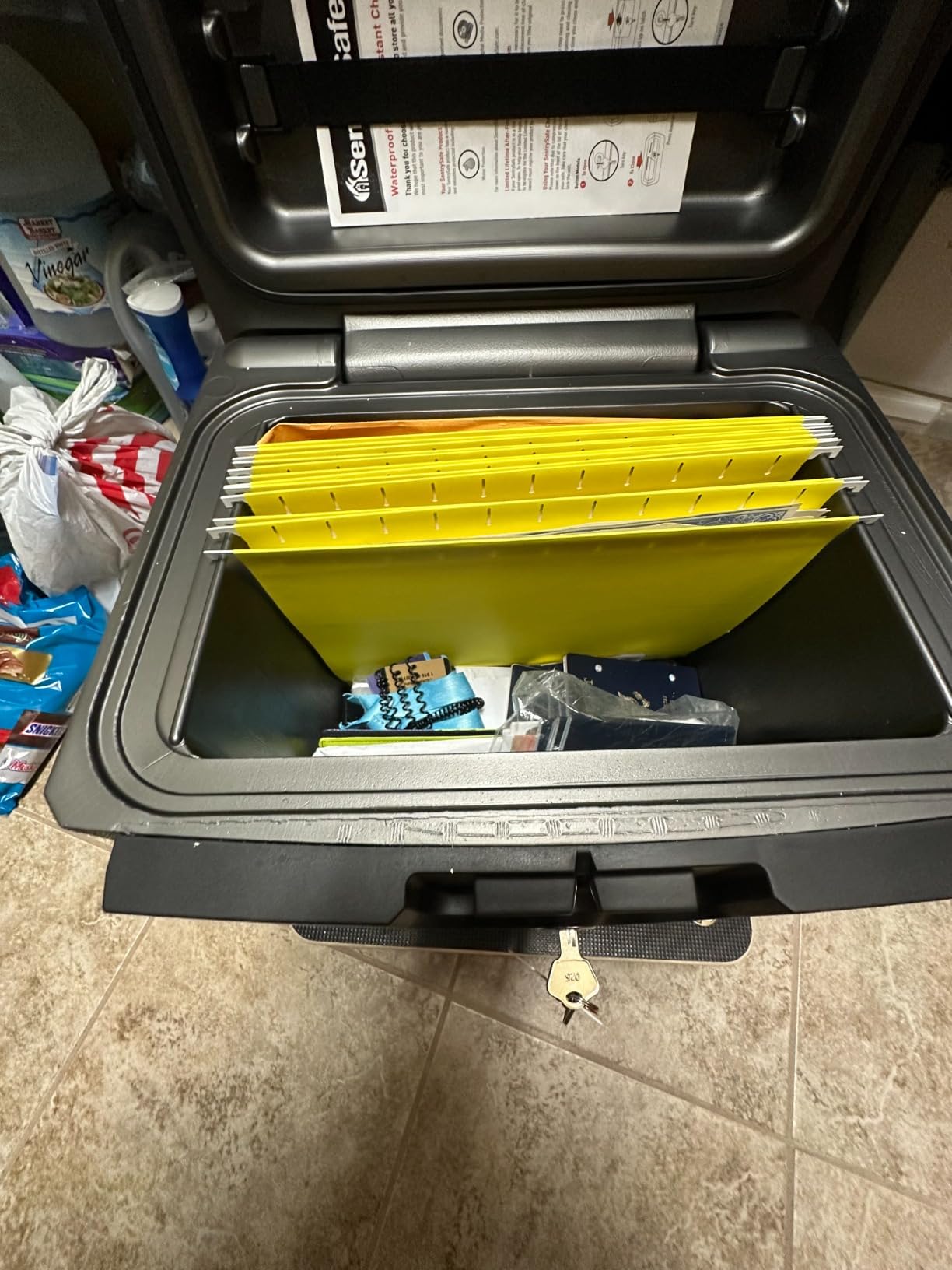
The complaints are consistent enough to plan around. At 38.8 pounds it is heavy for its size, the front latch wants firm pressure to close, the lid gasket can detach, and the included elastic lid straps do not stay where you put them. None of these are fire performance issues, but all of them are things you will feel the first time you open it.
Note also the one-year limited warranty, which is standard in this category but shorter than the lifetime after-fire guarantee some competitors offer on smaller chests.
Who This Box Works For
It is the right pick for the majority of readers. A renter, a first-time buyer, anyone storing a few folders of deeds and policies in a closet or under a desk gets a genuinely certified product without hiring an installer.
It also works well as a secondary safe. People who own a large steel safe often put this beside it for the paperwork they reach for weekly, so they are not hauling 90 pounds to the bank box every time they need a policy number.
Who Should Skip It
Skip it if your documents are A4. The interior width is built to US letter hanging folders, and forcing A4 in means it will not lie flat and will crease at the fold.
Skip it if you need serious theft resistance. A key lock and a latch are a casual-access deterrent, and a determined burglar with a pry bar is a different problem that requires a different product.
3. DocSafe 5200F Soft Document Organizer – Best for Passports and Travel
DocSafe 5200°F Fireproof Document Organizer Box with Lock, Heat Insulated
621.48 cubic inches
8 layers rated to 5200F
16 ounce weight
Combination lock
Pros
- Eight-layer 5200F silicone-coated fireproof cotton and foil construction
- Many divided pockets for passports and cards plus U disk slots
- Collapses flat and weighs only 16 ounces for grab-and-go use
- Combination lock and waterproof zippers add practical deterrence
Cons
- Soft shell will not stand upright or stack unless filled
- Silicone coating feels sticky to the touch
- Pockets are tight and barely fit A4 paper
This is not a safe and I am not going to pretend otherwise. It is a soft organizer built from eight layers of silicone-coated fireproof cotton and aluminum foil, rated by the manufacturer to approximately 5200 degrees Fahrenheit, with a main material that passed the 5VA flame retardant test. What it does well is organize a travel-sized document set and weigh almost nothing while doing it.
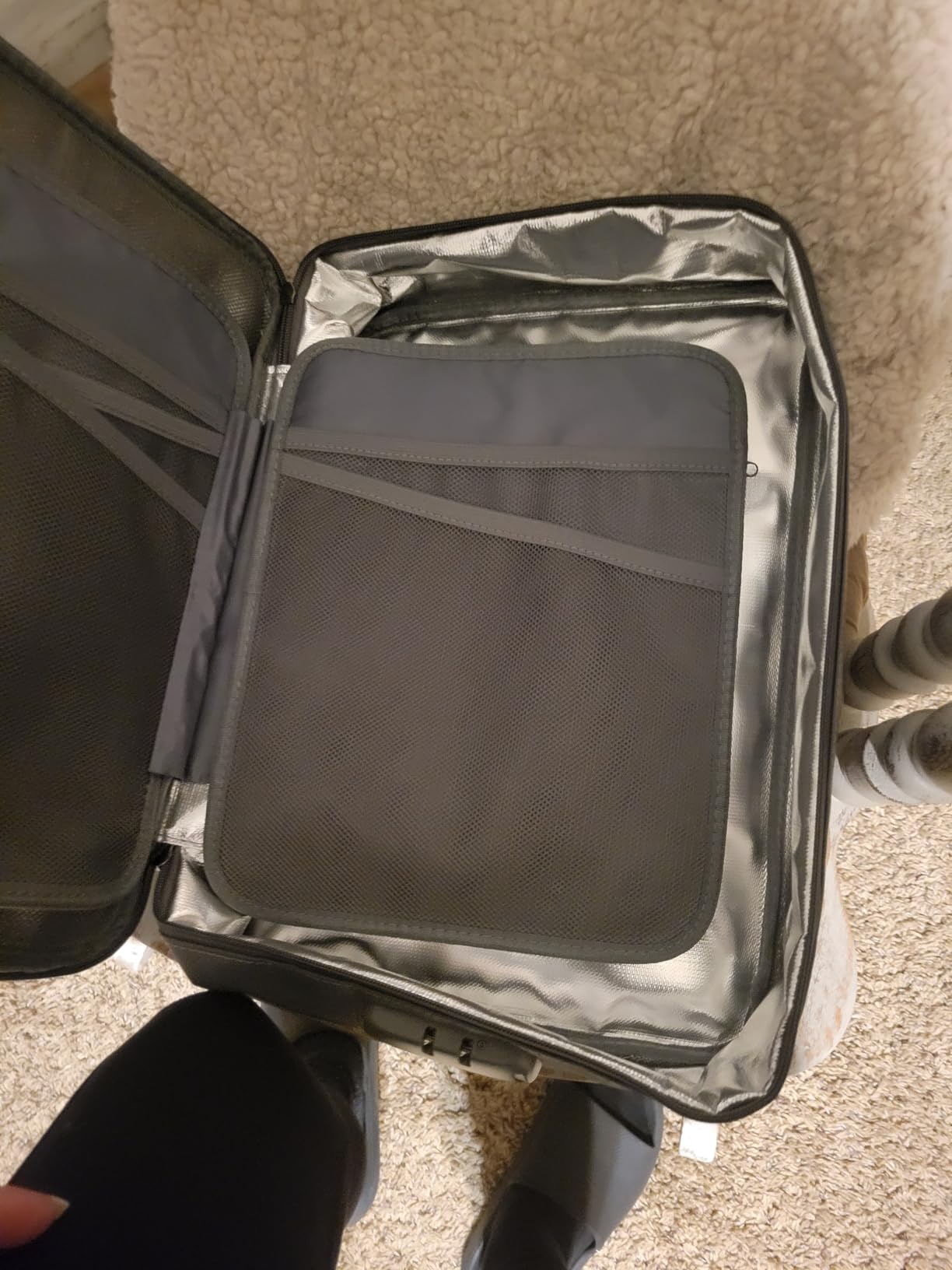
The interior layout is the actual product. You get 8 passport mesh bags, 16 card slots, 4 U disk pockets, 7 folder layers, and one main pocket, which is a genuinely better filing system than a shoebox of loose papers. It collapses flat, weighs 16 ounces, and the strap handle fits a suitcase handle, so it moves between a house and a hotel room without ceremony.
That 5200-degree figure is a material rating, not a furnace-tested duration. A number without a stated minutes-at-temperature pairing is marketing language, and forum readers are right to treat it that way. Treat this as protection against heat and casual access, not against a total-loss structure fire.
Owners rate it 4.4 stars across more than 12,000 ratings with 69 percent five-star feedback. The love is concentrated on the pocket count and the fact that it folds flat, and the complaints are equally consistent: it will not hold its shape when empty, the silicone coating feels sticky, and the pockets are tight enough that A4 paper barely manages.
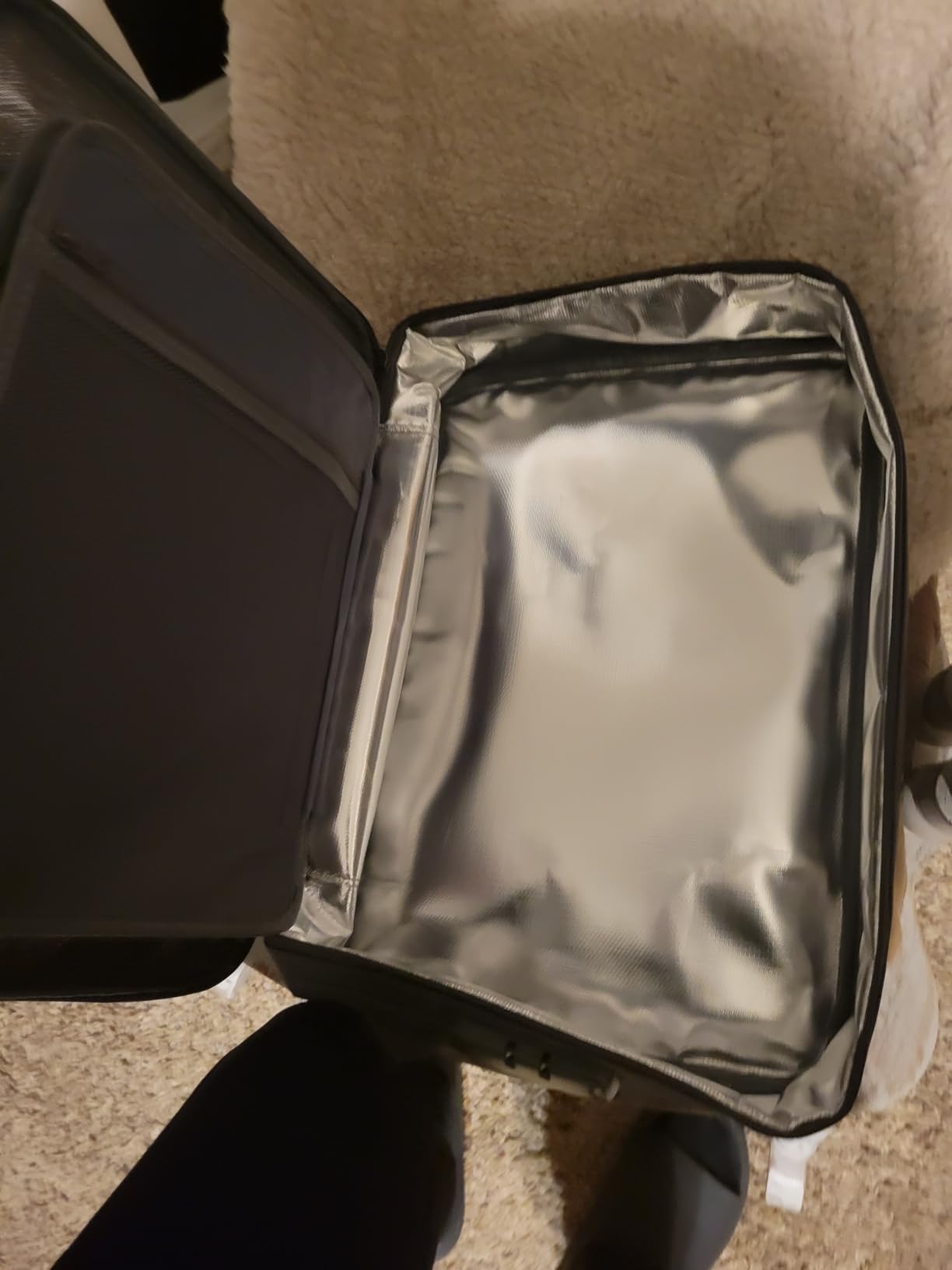
There is a two-year after-sales service period on this model, and the waterproof zippers plus combination lock are real additions. The lock itself gathers the zipper pulls, so think of it as a privacy control against someone casually opening your bag, not as a security device.
Judging from the review pattern, the fit of the lock is the fiddliest part. Pulling both zipper tabs into the lock mechanism is a small daily annoyance that reviewers mention often enough to check before you rely on it.
Who This Organizer Works For
It is built for travel and for small, high-value paper: passports, birth certificates, insurance cards, a handful of U disk drives, and the documents you would grab if you had to leave home in ten minutes. For a carry-on or a go-bag, the collapsible soft format has no steel-box equivalent.
It also works as a secondary layer inside a larger safe, where a steel box gives you the fire rating and the organizer keeps twenty small items from becoming one undifferentiated heap.
Who Should Skip It
Skip it if your documents are your only copy of anything important. A soft shell with a zipper has no meaningful theft resistance, and it offers nothing against water beyond water-resistant zippers.
Skip it if you plan to file large A4 paperwork. The pockets are sized for cards and passports, and standard A4 sheets are a tight squeeze that reviewers repeatedly mention.
4. SentrySafe SFW123GDC Fireproof Safe – Premium Pick
SentrySafe 2-Hour Fireproof Safe, Digital Keypad, 1.2 Cu Ft, STW123GTC
1.23 cubic feet
UL 1 hour at 1700F
ETL water and drop verified
90 lb
Pros
- UL-classified one-hour fire rating at 1700F with ETL fall verification
- ETL-verified waterproof seal for 24 hours under 8 inches of water
- Programmable digital keypad with a backup key
- Locking drawer plus interior light and bolt-down hardware
Cons
- At 90 pounds it is a two-person lift for most people
- The door needs 14.75 inches of clearance to open fully
- Keypad needs periodic AAA battery replacement
This safe carries the most complete certification package in our roundup, and that is why it takes the premium slot. It is UL Classified to endure 1 hour at 1700 degrees Fahrenheit, ETL Verified to withstand a 15-foot fall during a fire and remain closed, and ETL Verified for 24 hours of protection in water up to 8 inches deep. Most competitors offer one of those three. This one has all of them.
The fall verification is the detail worth understanding. A safe that stays shut through a collapse can protect paper even when the structure around it does not, and that is a realistic scenario in a multi-storey fire where floors give way. It is a rating that most consumer safes never bother to pursue.
Inside, you get a user-set digital combination with a secondary locking key, four live-locking bolts, a pry-resistant hinge bar, a locking drawer, an interior light, and bolt-down hardware. The locking drawer is the sleeper feature here, because it separates the documents you want to grab quickly from the ones you do not.
Owners rate it 4.4 stars over roughly 9,700 ratings with 76 percent five-star feedback, and reviewers consistently call the build solid while naming the weight as the biggest practical hurdle. The interior measures 12.6 inches wide by 11.9 inches deep by 13.8 inches tall, with the exterior at 16.3 by 19.3 by 17.8 inches.
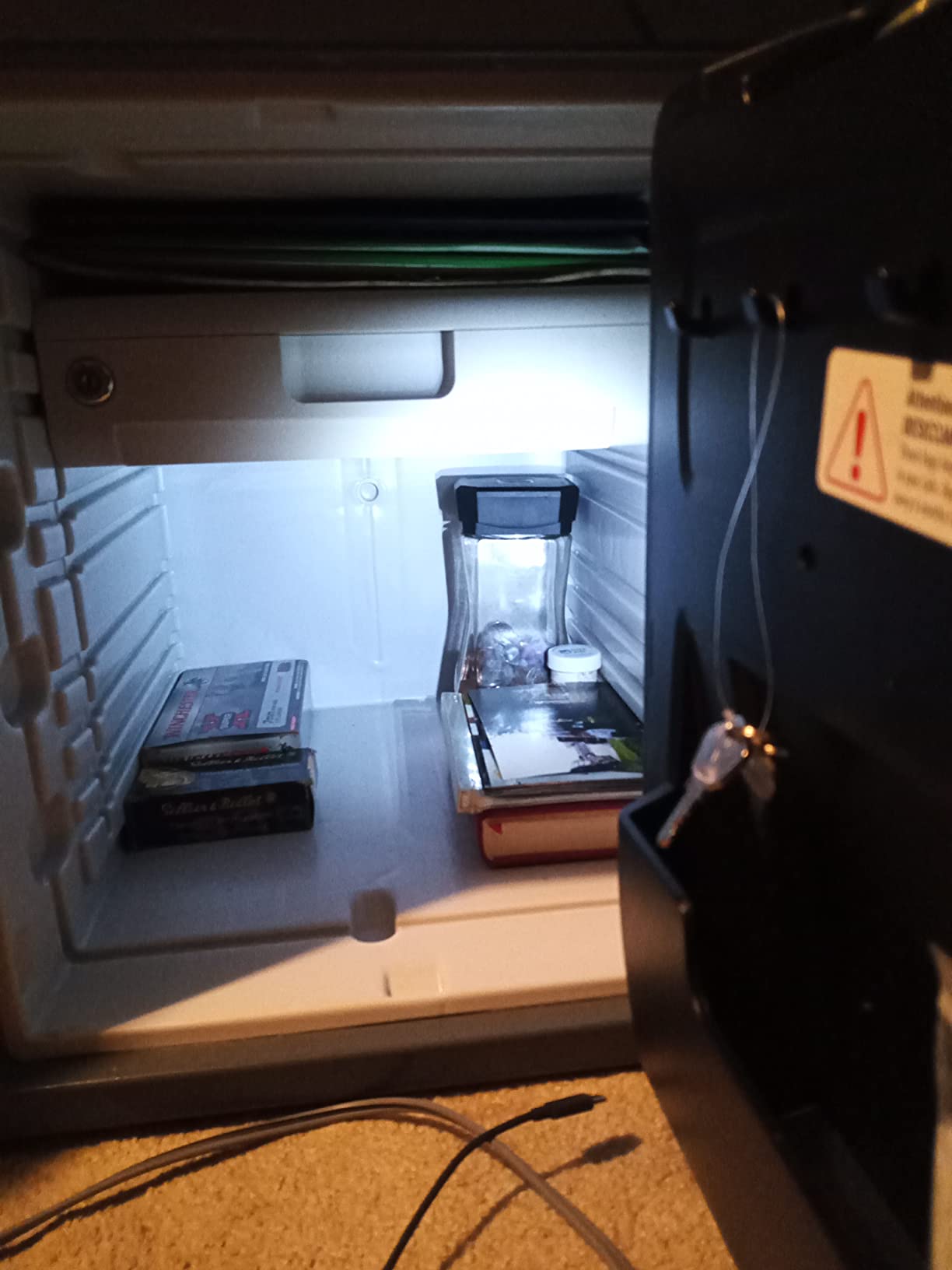
SentrySafe recommends four name-branded alkaline AAA batteries with an 8 to 10 year expiration date for the keypad, which is worth following even though it costs a few dollars more than whatever is in the drawer. The warranty is a limited one year.
The clearance requirement is the detail that catches people out. The door needs about 14.75 inches of swing space, which is not a problem in a basement or closet but will stop you dead in a narrow shelf position.
Who This Safe Works For
It is the pick for anyone whose property is genuinely at risk of a structure fire, including renters in upper-floor units where a collapse is plausible. The one-hour rating plus drop verification is the strongest real-world combination in the list, and the water rating covers the firefighter hose scenario that forum readers raise constantly.
It also suits a home office that holds client contracts or a small business’s incorporation papers, where the locking drawer genuinely earns its place.
Who Should Skip It
Skip it if weight is a real constraint for your household. At 90 pounds this is a two-person lift for most people, and the delivery and repositioning problem is the reason it does not sit at the top of our list despite the best certification.
Skip it if you want cheap access to your documents. There is no quick-access mode, and you are re-entering a keypad in the dark every time you need a document number.
5. ENGPOW 5200F Collapsible File Box – Best for Hanging Folders
ENGPOW 5200°F Fireproof Document Box with Lock, Heat Insulated Collapsible File Storage Organizer with Handle, Portable Home Office File Cabinet for Hanging Letter/Legal Size Folder, Black
36 liter capacity
Rated to 5200F
UL94 V-0 passed
3 lb
Pros
- Rated to 5200F and passed the UL94 V-0/5VA flame retardant test
- Fits both letter and legal size hanging folders
- PP board base holds up to 150 lbs without flexing
- Collapses flat when not in use and sets up in under a minute
Cons
- Long carry straps lack a velcro tab and drop to the floor when set down
- No side handles so a full box is awkward to hold against the body
- Combination lock instructions were missing from at least one box
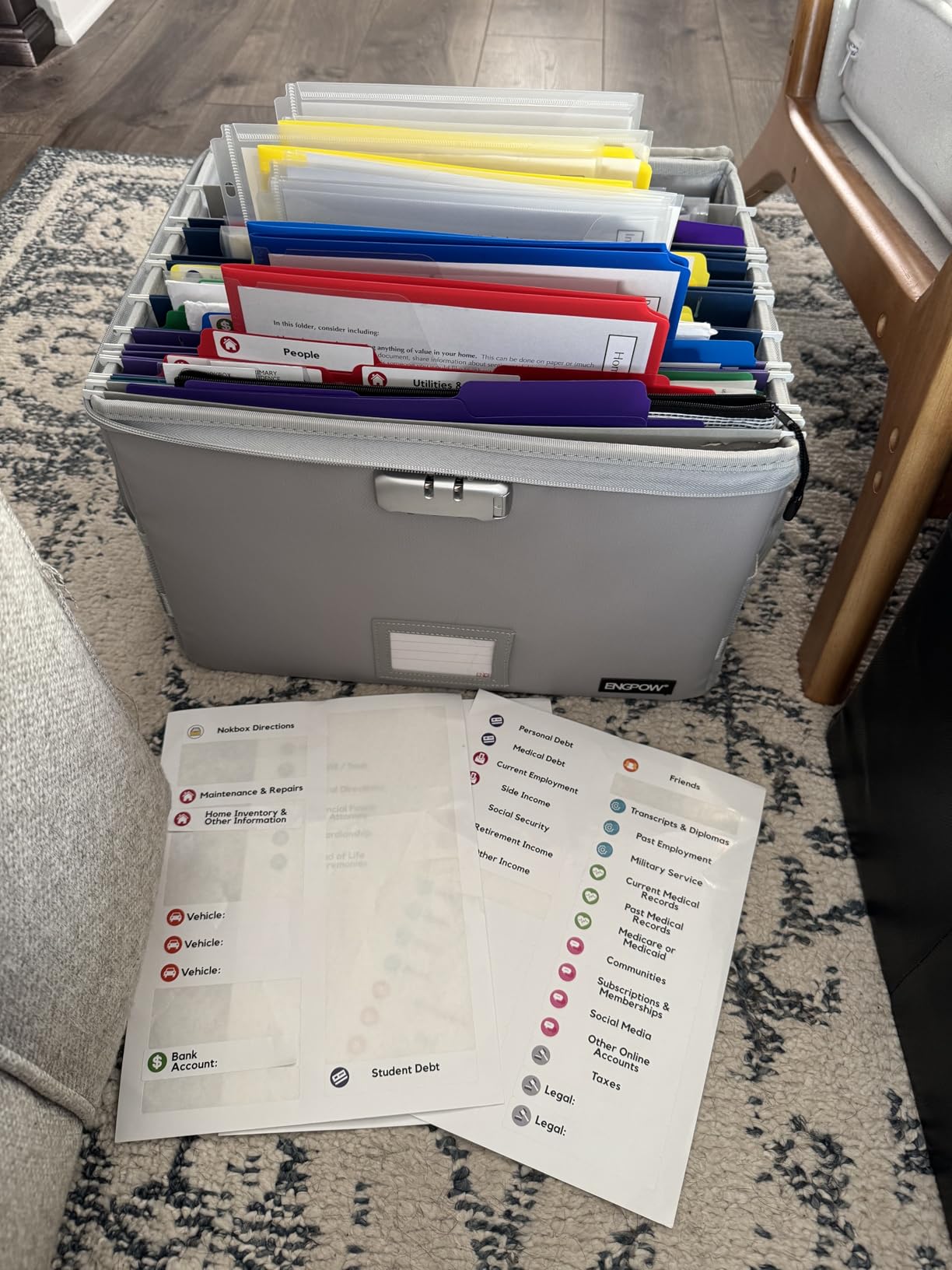
This soft document box draws the largest owner volume of any soft case in our group, at 4.6 stars across more than 6,100 ratings with 76 percent five-star feedback. Its distinguishing claim is fit: it takes both letter and legal size hanging folders, which is the sizing problem forum readers raise most often and which most soft boxes fail by being a few inches short.
Construction is thickened silicone-coated fireproof cotton with aluminum foil rated by the manufacturer to 5200 degrees Fahrenheit, and the main material passed the UL94 V-0/5VA flame retardant test. That is a material test, not a duration-at-temperature furnace rating, so read it as heat resistance rather than a certified survival window.
What makes it feel solid for a collapsible product is the base. High-quality PP boards are rated to hold a minimum of 150 pounds without warping, which means a full box can be stacked on or sat on without the base deforming. The assembly is genuinely simple: unfold the box and insert the base plate.
The reflective side strip is a small, smart addition. In a smoke-filled or darkened room, a strip that reflects a flashlight is the difference between finding the box and not, and no competitor in this list includes one.
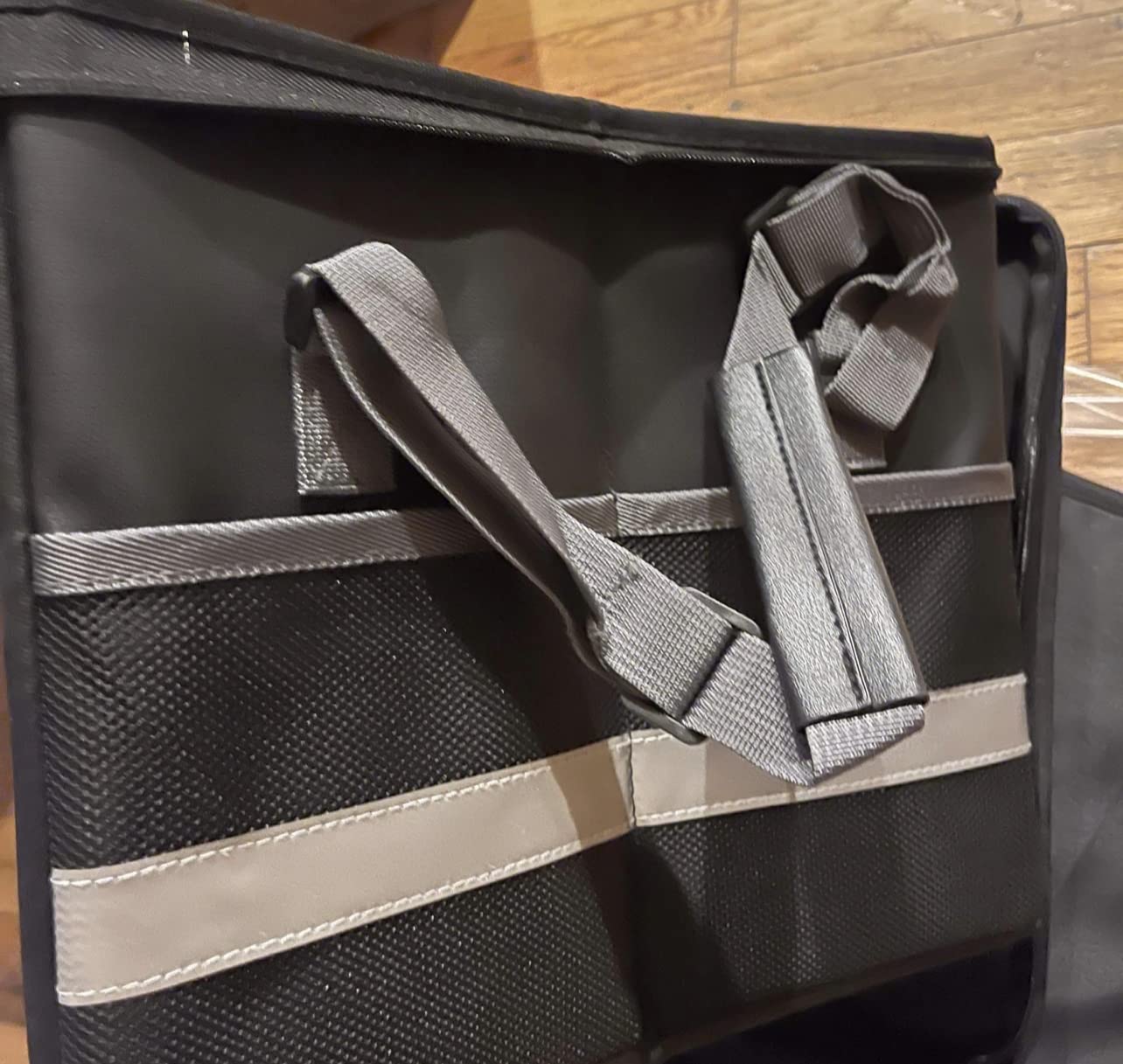
The ergonomic complaints are the same ones reviewers repeat across this whole category of soft boxes. The carry straps have no velcro keeper, so they drop to the floor when you set the box down, and with no side handles a full box is awkward to hold against your body.
Quality control on the lock is inconsistent, with some buyers reporting a combination lock that would not set or reset and missing instructions on at least one unit. It is rated water resistant rather than waterproof, and there is no independent water certification.
Who This Box Works For
It suits home offices and anyone whose filing is dominated by hanging folders in mixed sizes. If you have been storing legal folders in a box that was always slightly too small, this is the fix.
It also works for people who move often or work between locations, since it collapses flat between uses and sets up in under a minute with no tools.
Who Should Skip It
Skip it if your documents are irreplaceable originals with no scan backup. This is a soft box with a mechanical code lock, and it protects against heat and casual access rather than against water, theft, or a total-loss fire.
Skip it if you carry it regularly. The strap design is the most common complaint in the reviews, and a case that drags on the floor every commute will wear on you.
6. TOMKID 2000F Fireproof File Box – Best Low-Profile Flat Box
TOMKID Fireproof Document Box, Fireproof File Box with Lids, Important Document Organizer Box with Lock, Portable File Folder Organizer with Handle, 1 Folder (Random Color)
2284.59 cubic inches
Fiberglass rated to 2000F
16 ounce weight
Water resistant
Pros
- Anti-static silicone-coated fiberglass exterior rated to 2000F
- Fits both letter and legal size hanging files
- Rigid PVC board construction that can be sat on or stacked
- Lid mesh pockets and a grab handle for portability
Cons
- Rubberized exterior attracts dust and pet hair
- Insulated lining bulks the frame so hanging folders do not seat or slide well
- The three-digit combination lock is unreliable
The TOMKID is the flattest option here, at 16.1 by 11.8 by 4.7 inches and 16 ounces, and it is built around an anti-static silicone-coated fiberglass exterior that the manufacturer rates to 2000 degrees Fahrenheit. That is a notably lower material figure than the 5200-degree products, and it is the honest number to quote when someone asks how this one compares.
It is listed as a one-folder product and it is shaped like a flat file box rather than a deep organizer, which is exactly why it works in a filing cabinet or on a shelf where vertical space is the constraint. The side-opening lid works like a file drawer, and PVC board panels add enough rigidity that you can sit on the box or stack it.
Owners like the roomy interior for its footprint and rate it 4.4 stars over more than 4,200 ratings with 70 percent five-star feedback. It fits letter and legal size files plus books, CDs, USB drives, passports, cards, and birth certificates, and there are mesh bags built into the lid liner for small documents.
The build details draw the critical reviews rather than the fire performance. The rubberized exterior attracts dust, dirt, and pet hair, and the padded lining bulks the frame so hanging folders do not seat properly, which means you pull them out rather than flipping through them.
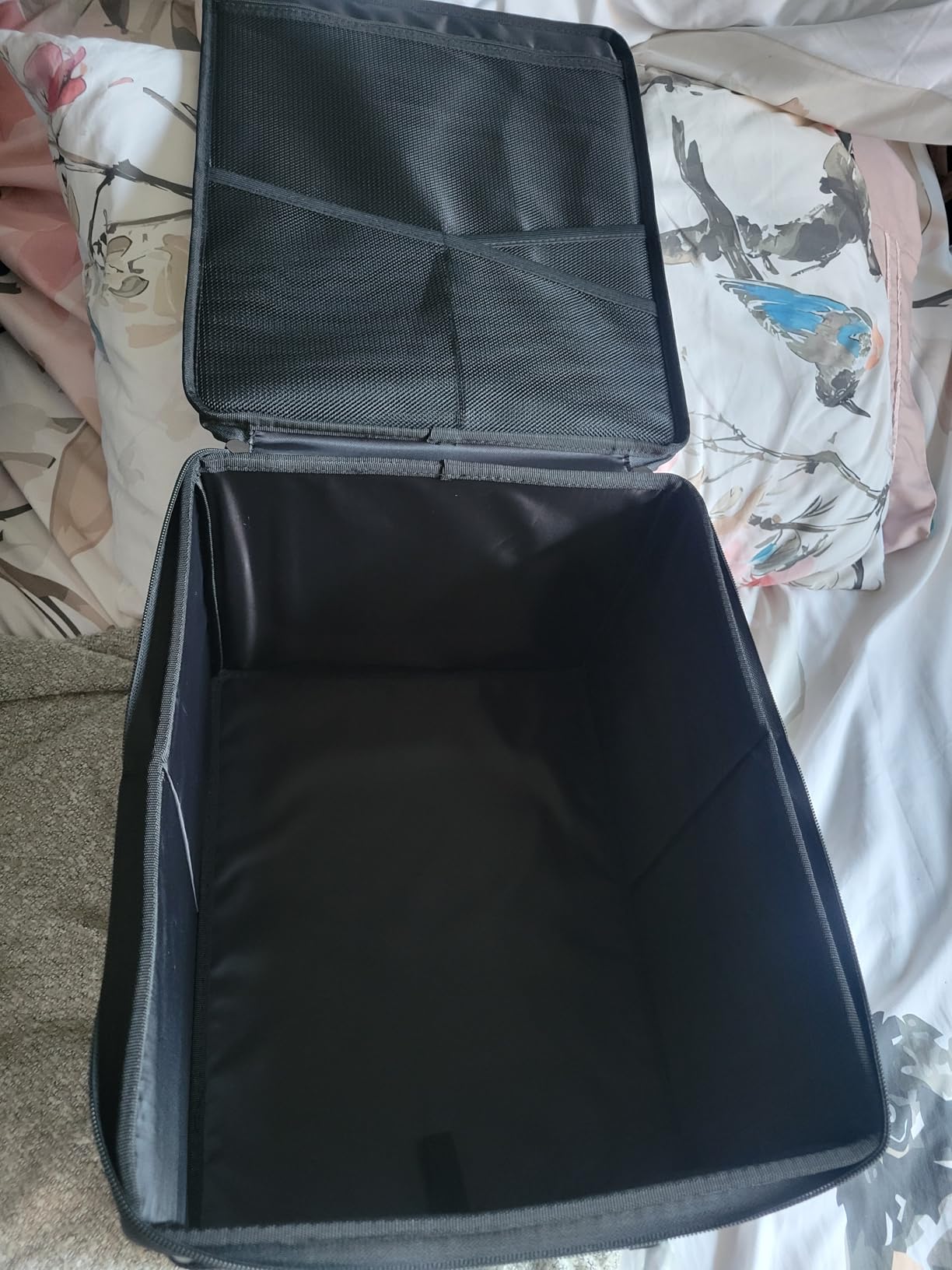
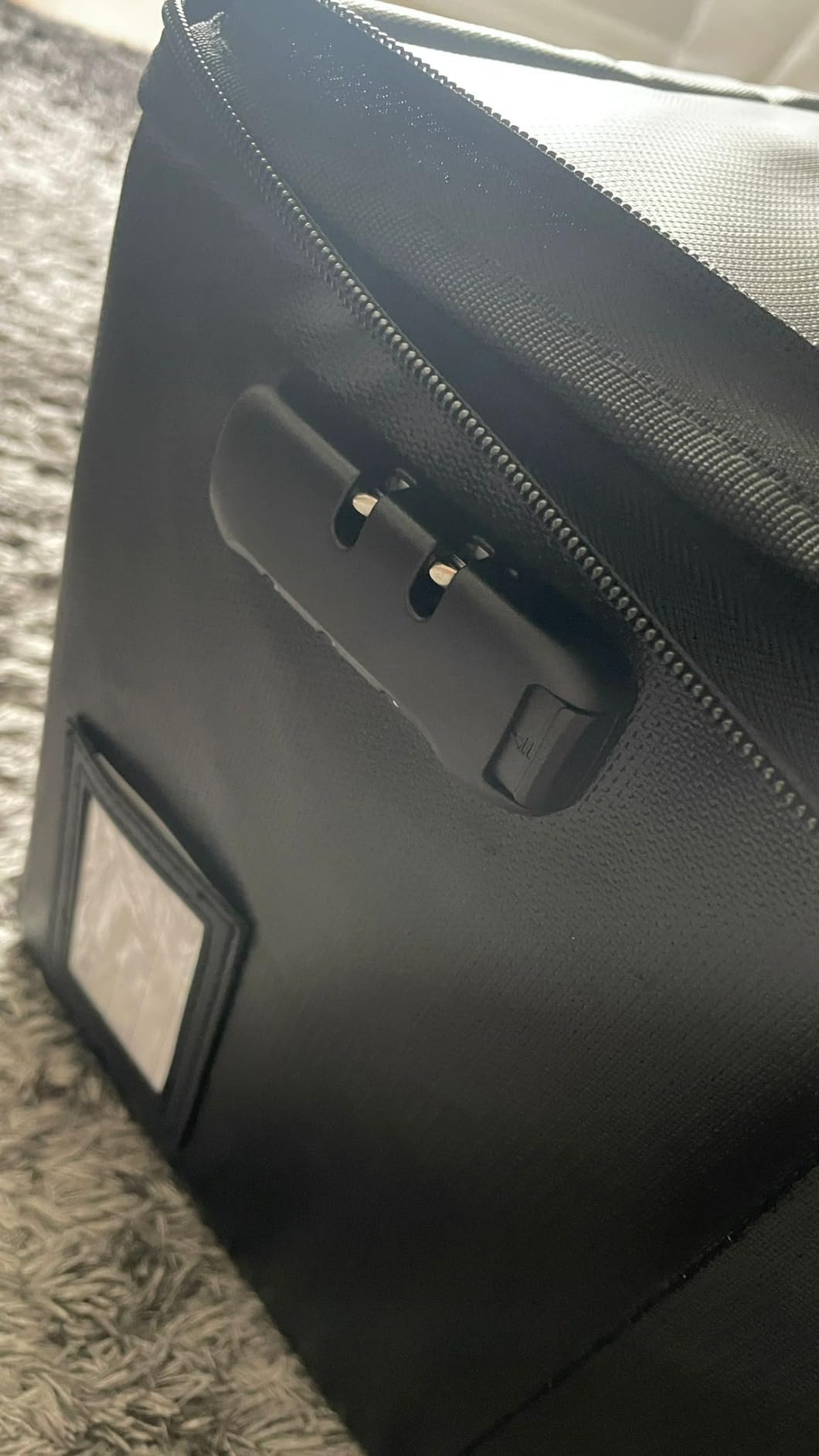
Two more limitations are worth stating plainly. The three-digit combination lock on the double zipper is described as unreliable and is not itself fire resistant, and the zipper fights closure especially once folders are inside. The product also ships as one folder in a random color, so do not order it expecting a specific shade.
The stated maximum weight recommendation is 40 pounds, which is lower than some competing soft boxes and reflects the flat profile and lighter structure.
Who This Box Works For
It suits anyone with limited shelf height or a shallow filing cabinet drawer, and people who store a small number of large-format items such as books, discs, or flat artwork alongside their paperwork.
It works for a garage or storage unit too, where the anti-static exterior is a genuine benefit around electronics and the water resistance handles rain and dust better than an open folder.
Who Should Skip It
Skip it if hanging folder access matters to you. The lining keeps folders from sliding properly, so a box you flip through constantly will frustrate you within a week.
Skip it if you need a real lock. A three-digit zipper code that reviewers call wonky is not access control, and the same criticism applies to its fire resistance.
7. DocSafe DS0123 Collapsible Fireproof Box – Best Reinforced Collapsible Box
DocSafe 5200°F Fireproof Document Box with Lock,Heat Insulated File Organizer Storage with Pockets,Collapsible Portable Home Office File Safe Box with Handle for Hanging Letter/Legal Folders, Black
35 liter capacity
8 layers rated to 5200F
UL94 V-0 passed
1.5 kg
Pros
- 8-layer 5200F build with UL94 V-0/5VA flame retardant certification
- Hook and loop flaps over the zipper add fire and water protection
- Hanging folders fit and stay put with room for binders
- Reflective tape on the ends plus reinforced handles and a non-slip base
Cons
- Combination lock only latches zipper pulls and offers little real security
- Fitting side panels may need pushing in after shipping
- Tall-tabbed hanging folders can be pressed by the lid when the box is full
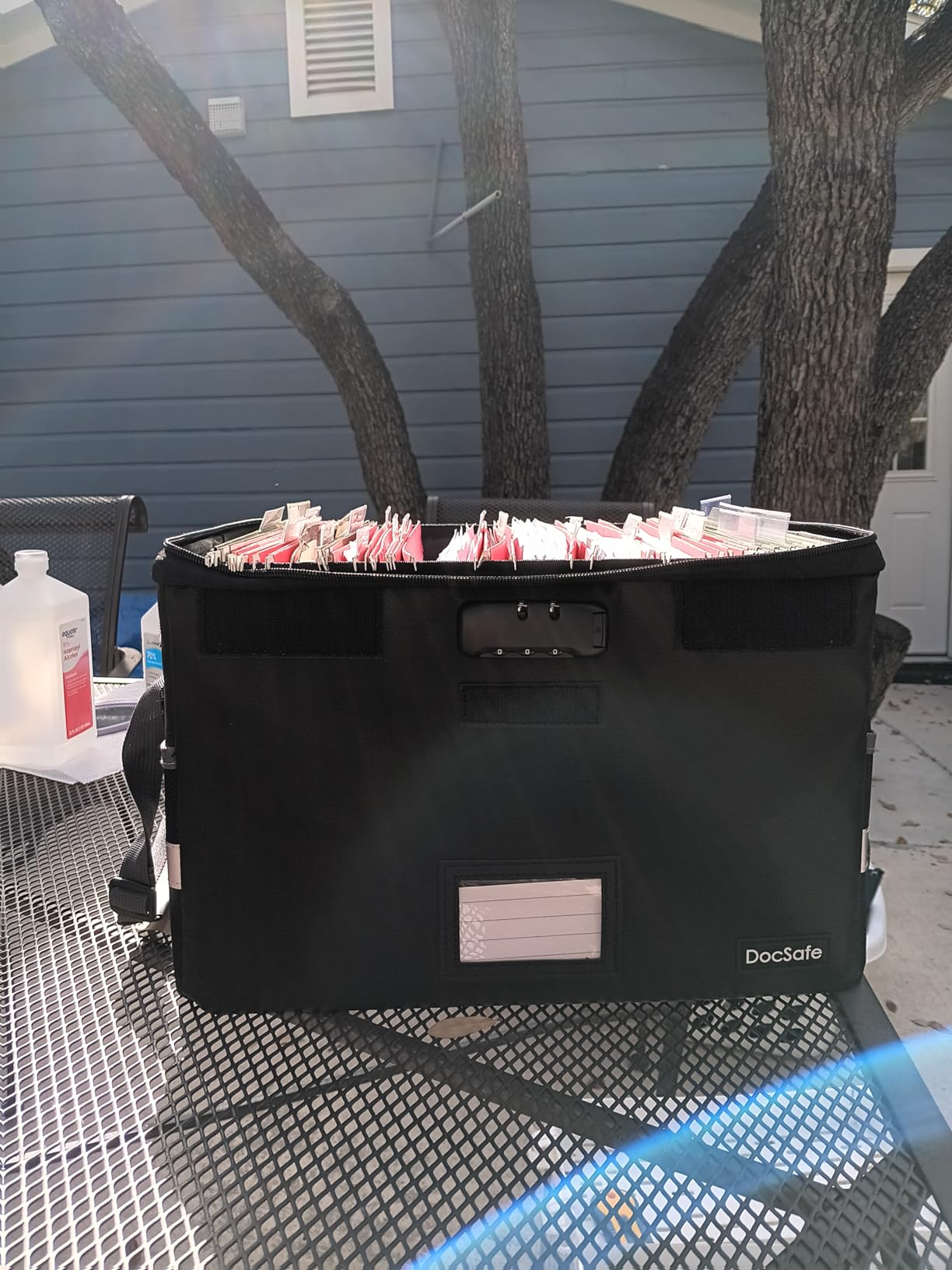
This is the most reinforced collapsible box in the roundup, and it separates itself from cheaper soft boxes in one specific way: hook and loop closures wrapped around the zip and the lock. That flap is a real addition, because the zipper is the weak point in every soft document case, and covering it closes the obvious path for both heat and water.
The build is 8 layers rated to approximately 5200 degrees Fahrenheit using 10mm premium fire-retardant, non-itchy silicone-coated fiberglass with thickened fireproof aluminum foil, and the main material passed the UL94 V-0/5VA flame retardant test. The PP board base is rated to 150 pounds and there is a non-slip bottom pad.
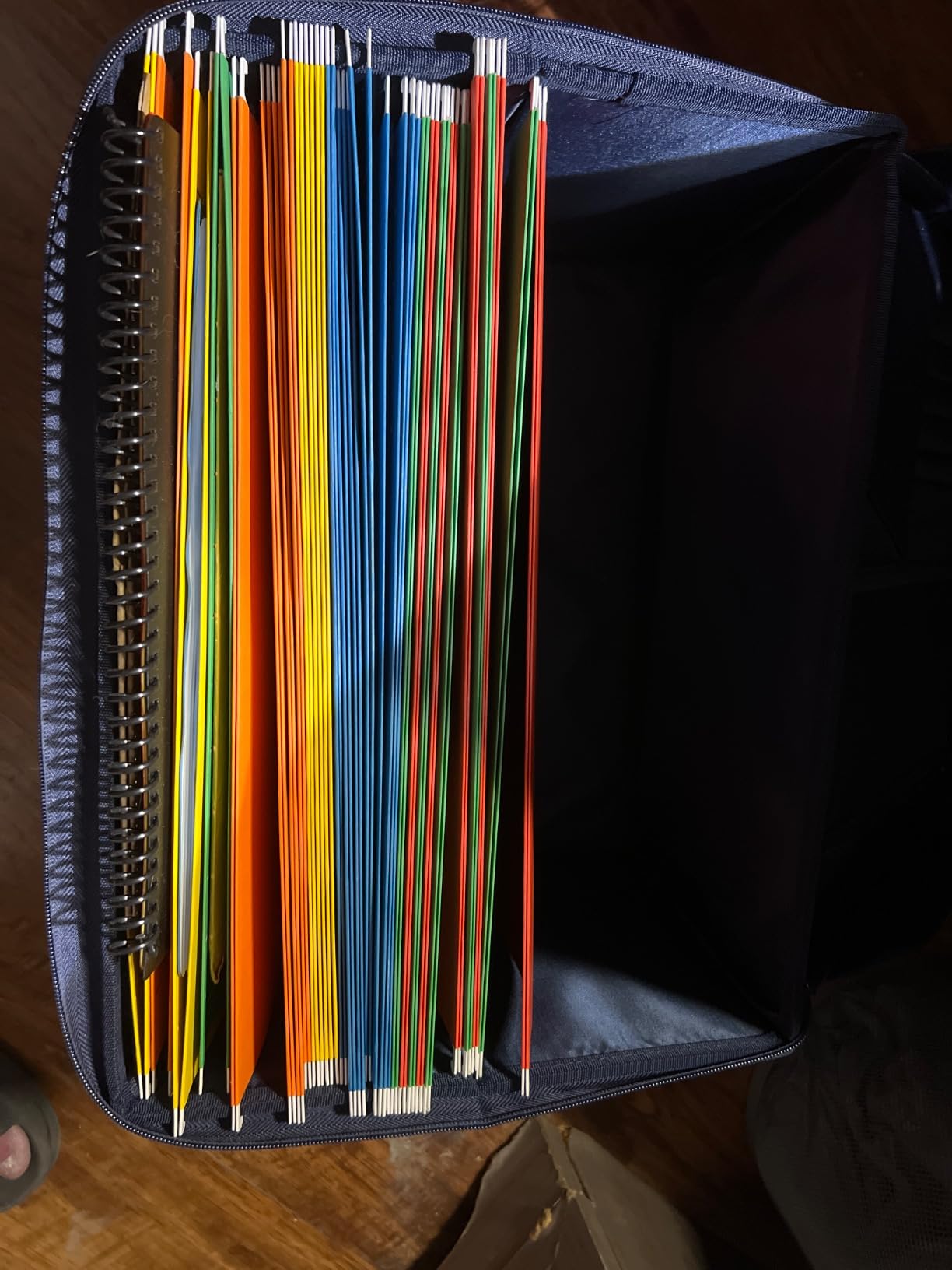
It holds 35 liters and measures 16.2 by 12.6 by 10.7 inches, with an interior that fits both letter and legal size hanging folders plus room for binders. Mesh pockets and tab inserts run through the lid lining and the sides, and reflective tape on the ends helps you locate it in a dark closet.
Owners rate it 4.6 stars across roughly 2,900 ratings with 77 percent five-star feedback, and reviewers specifically praise the reinforced handles and the reflective tape. The criticism is concentrated on the lock, which several buyers describe as cosmetic because it only gathers the zipper pulls.
There are two smaller issues that come up in reviews. Side panels sometimes need pushing back into position after shipping, and the tab organizers shown in the product photos may not be included in every pack, so check the contents before you rely on them.
One more: tall-tabbed hanging folders can be pressed by the lid when the box is full. Leave a little headroom rather than packing to the zipper line.
Who This Box Works For
It suits people who want a certified-material soft case for a large mixed collection and who move between locations. A 35 liter volume with hanging folder and binder capacity is closer to a small file cabinet than to a travel pouch.
It is also a good second layer inside a steel safe, giving you a removable inner layer that keeps folders sorted inside a larger fire-rated container.
Who Should Skip It
Skip it if you need access control. The combination lock is a zipper restraint, and anyone who reads that as a safe will be disappointed.
Skip it if you need water protection rather than water resistance. There is no independent water certification here, so a submerged closet or a flood is outside what this product promises.
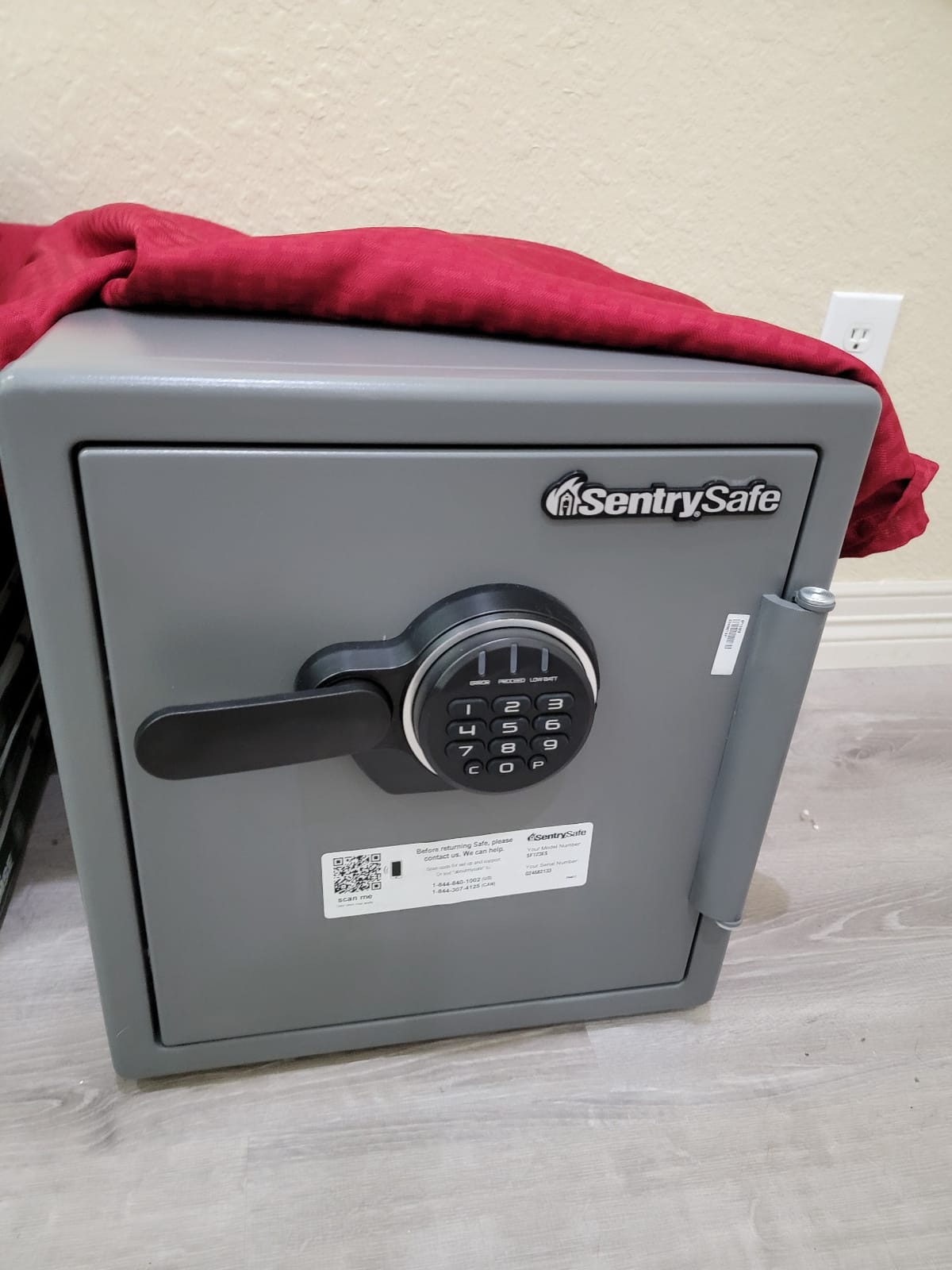
8. SentrySafe SF123ES Fireproof Safe – Best for Tabletop Placement
SentrySafe Black Fireproof Safe with Digital Push Button Keypad, Home Safe For Money, Documents, and other Valuables, 1.23 Cubic Feet, SF123ES
1.23 cubic feet
UL 1 hour at 1700F
85 lb
Not water resistant
Pros
- UL-classified one-hour fire protection at 1700F
- Four live-locking bolts and a pry-resistant hinge bar
- Interior shelf and door pocket for organizing documents
- Programmable keypad codes with external battery access
Cons
- Not water resistant
- so it is unsuitable for flood-prone areas
- Handle and interior shelf are plastic rather than steel
- At 85 pounds it is difficult to move and can slide without rubber feet
This is the SentrySafe that does the one thing its sibling does not: it is intended for freestanding or tabletop placement rather than a bolted-down floor position. The 1.23 cubic foot interior is identical in volume to the premium pick above, and it carries the same headline rating, UL Classified to endure 1 hour at 1700 degrees Fahrenheit.
It holds a 4.5-star average across roughly 2,400 ratings with 78 percent five-star feedback. Owners describe a rock-solid steel block with hardened lock bars and single out the surprising amount of usable interior space, plus a shelf and a door pocket that make the difference between organised records and a small pile.
The keypad is programmable with external battery access, which solves the most common digital safe complaint, and four live-locking bolts with a pry-resistant hinge bar handle the door side well. Bolt-down hardware is included if you decide to anchor it later.
Interior dimensions match the SFW123GDC at 12.6 inches wide by 11.9 inches deep by 13.8 inches tall, with an exterior of 16.3 by 19.3 by 17.8 inches, so you can plan shelving and clearance with confidence.
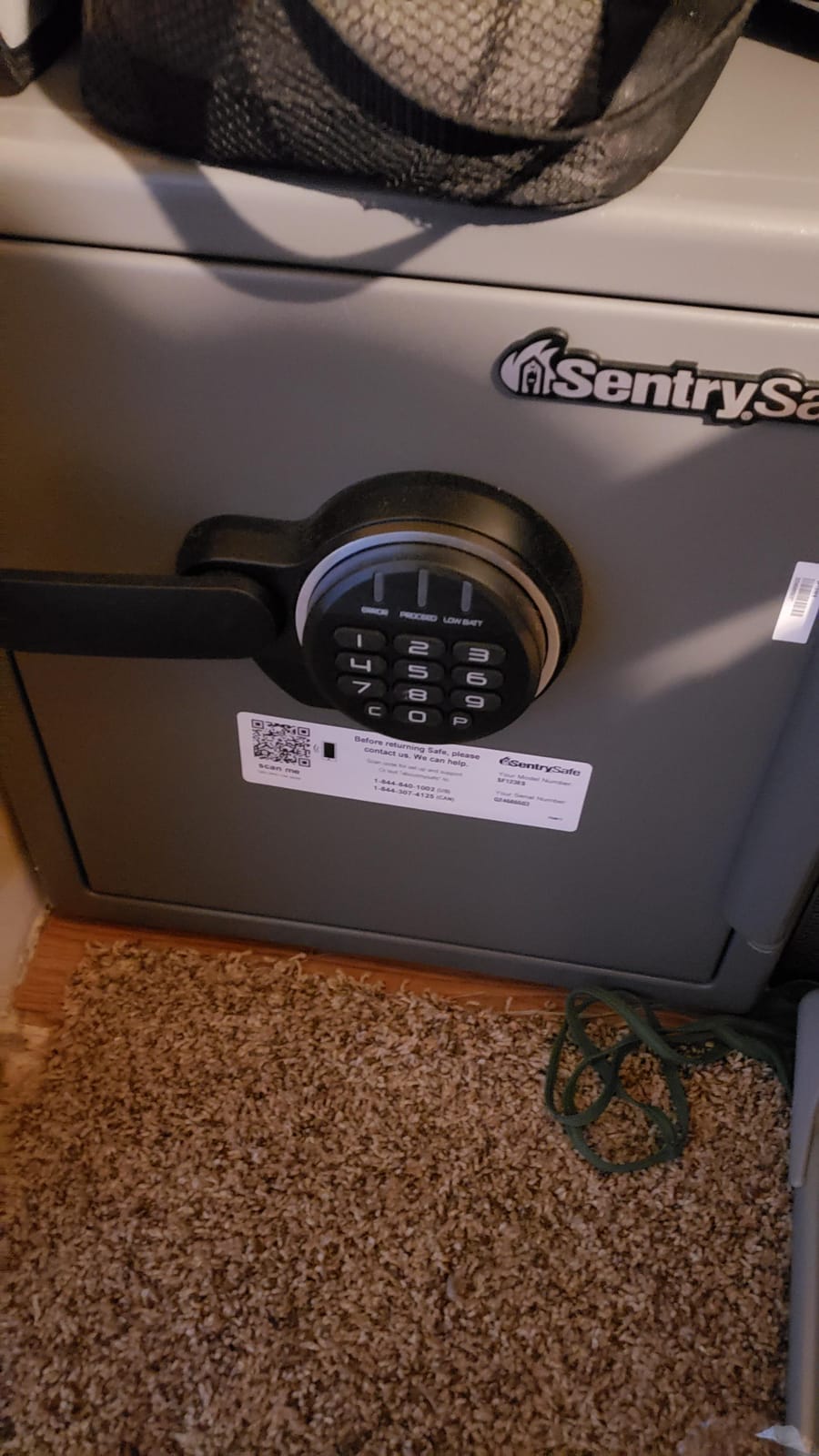
The limitation that matters most here is water. This model is listed as not water resistant, which in a real fire is a meaningful gap, since the safe usually ends up on the lowest level of a structure under firefighting water. If your property has any flood exposure, this is not the safe to choose.
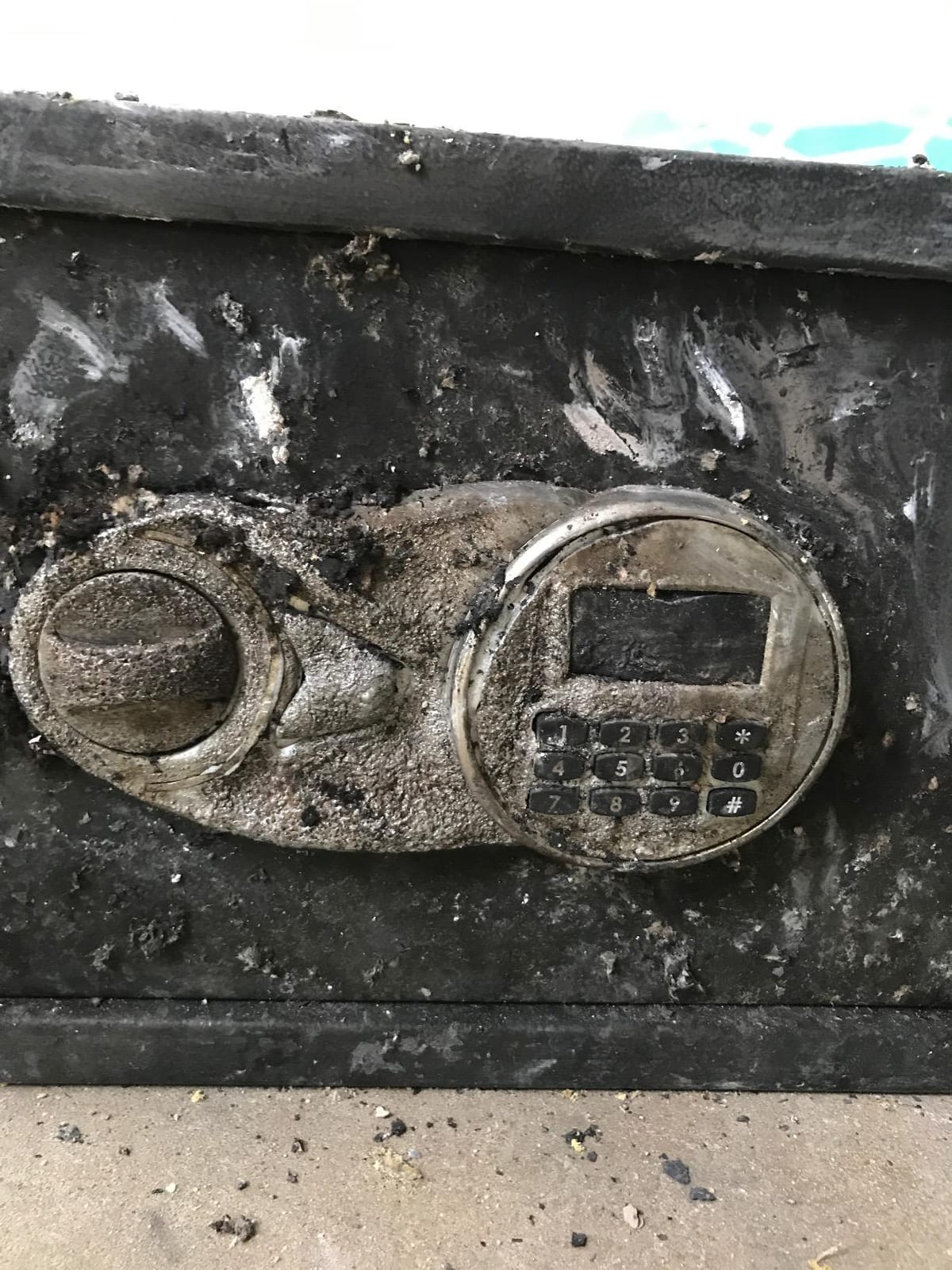
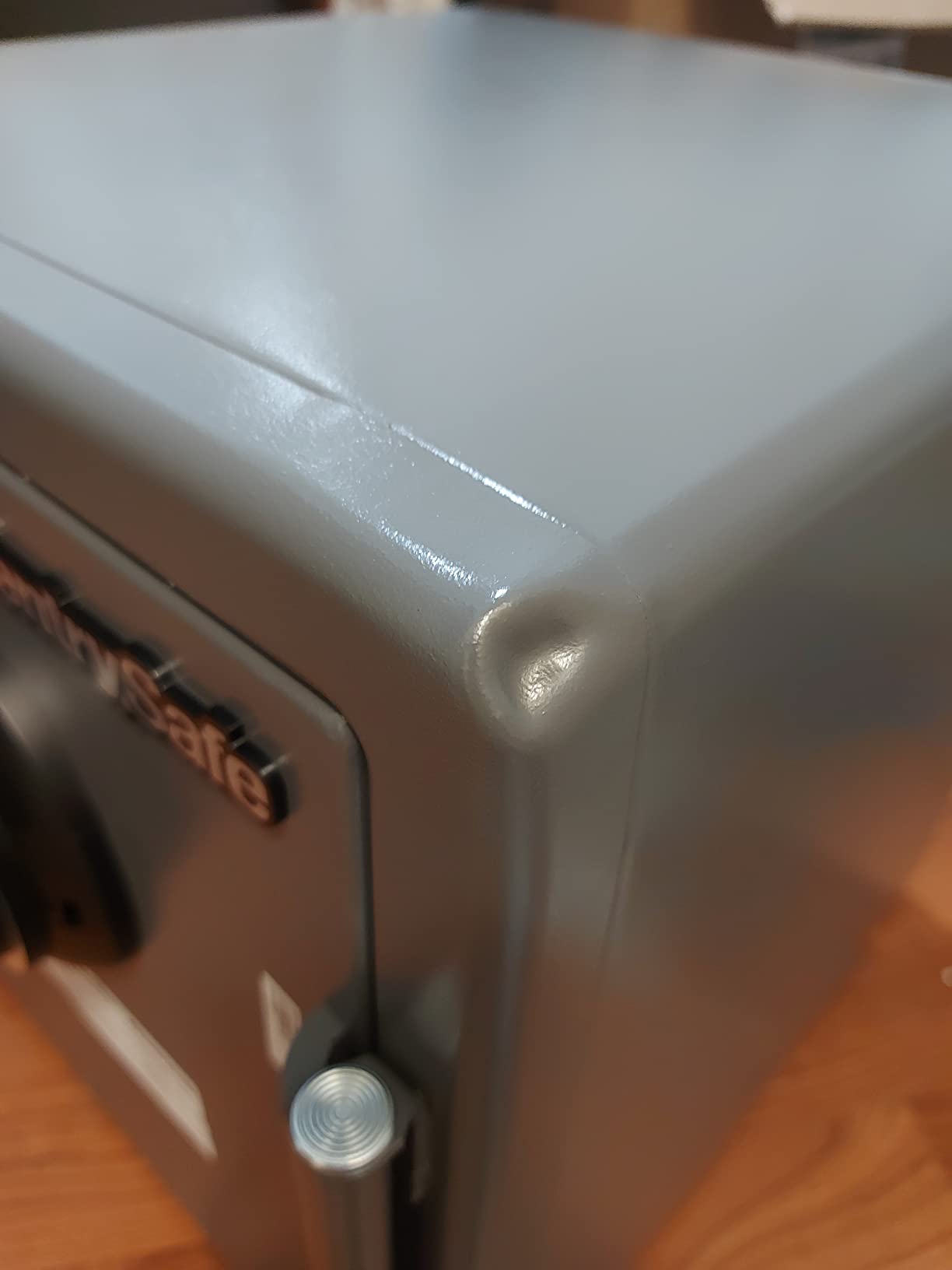
Reviewers also flag that the handle and interior shelf are plastic rather than steel, that at 85 pounds the unit is hard to move and can slide because it lacks rubber feet, and that some examples arrive with a corner dent or without a bolt-down kit. One reviewer reported humidity and odor inside that damaged paperwork, which is exactly the maintenance failure mode we cover later.
Who This Safe Works For
It suits people in a dry region, in a second-floor unit, or anywhere the realistic risk is fire rather than flood. The one-hour UL rating is the real feature here and it is a good one.
It also suits anyone who wants a steel safe they do not have to drill for, since tabletop placement is an approved mounting style and you can anchor it later only if you want to.
Who Should Skip It
Skip it in a flood-prone location or anywhere near a sprinklered riser. Not water resistant is not a small caveat in this category, it is a different threat model entirely.
Skip it if you want a handle and shelf that survive rough handling. The plastic parts on this model are a known complaint, and they are the first things to fail if the safe is moved.
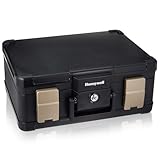
9. Honeywell 1103 Fire and Water Chest – Best Lightweight Waterproof Chest
Honeywell Safes & Door Locks LHLP1103G 30 Minute Fire Safe Waterproof Safe Box Chest with Carry Handle, Medium, 1103, Black, 7.3 litre
0.24 cubic feet
UL 30-minute to 1550F
100-hour waterproof seal
27.4 lb
Pros
- UL 30-minute fire rating to 1550F
- 100-hour waterproof seal verified at 39 inches of submersion
- Lighter at 27.4 pounds than most fireproof chests
- Carry handle makes it easy to move between home and office
Cons
- Small 0.24 cubic foot capacity limits it to a few folders
- Key lock means no electronic access option
- ABS plastic body feels less substantial than steel competitors
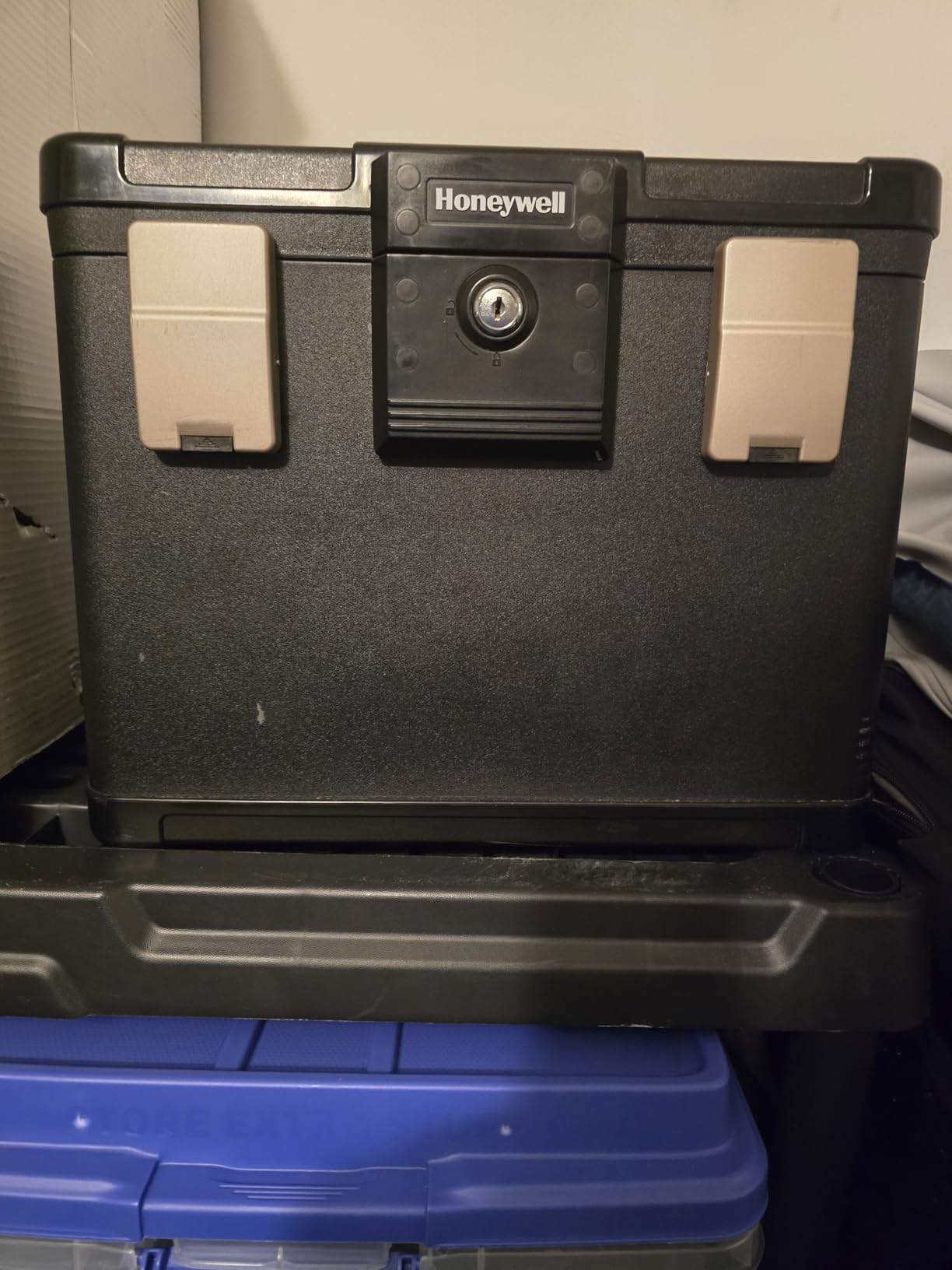
The Honeywell 1103 is the only product in this roundup with a genuinely extraordinary water claim, and it is the reason it earns a place despite being the smallest steel unit we list. The waterproof seal is verified for 100 hours with the contents kept dry when submerged 39 inches underwater, which is a different order of magnitude from the 24-hour, 8-inch ratings attached to the larger safes.
Its fire protection is a 30-minute UL rating up to 1550 degrees Fahrenheit, which is the honest lower rung of the ladder. Buyers still rate it 4.3 stars across roughly 2,300 ratings with 70 percent five-star feedback, crediting the dual certifications and the unusually low weight.
At 27.4 pounds, it is by far the easiest unit here to move, and the carry handle makes it portable between a home, an office, or a dorm room. The body is ABS plastic rather than steel, which reviewers notice, and the key lock keeps it simple with no batteries and no code to forget.
The interior is 3.7 inches tall by 13.1 inches wide by 8.5 inches deep, and it is designed to hold letter and A4 documents flat rather than on hanging folder rails. That is a genuine advantage if you work in A4 markets and a real limitation if you file by folder. It comes with a lifetime after-fire guarantee.
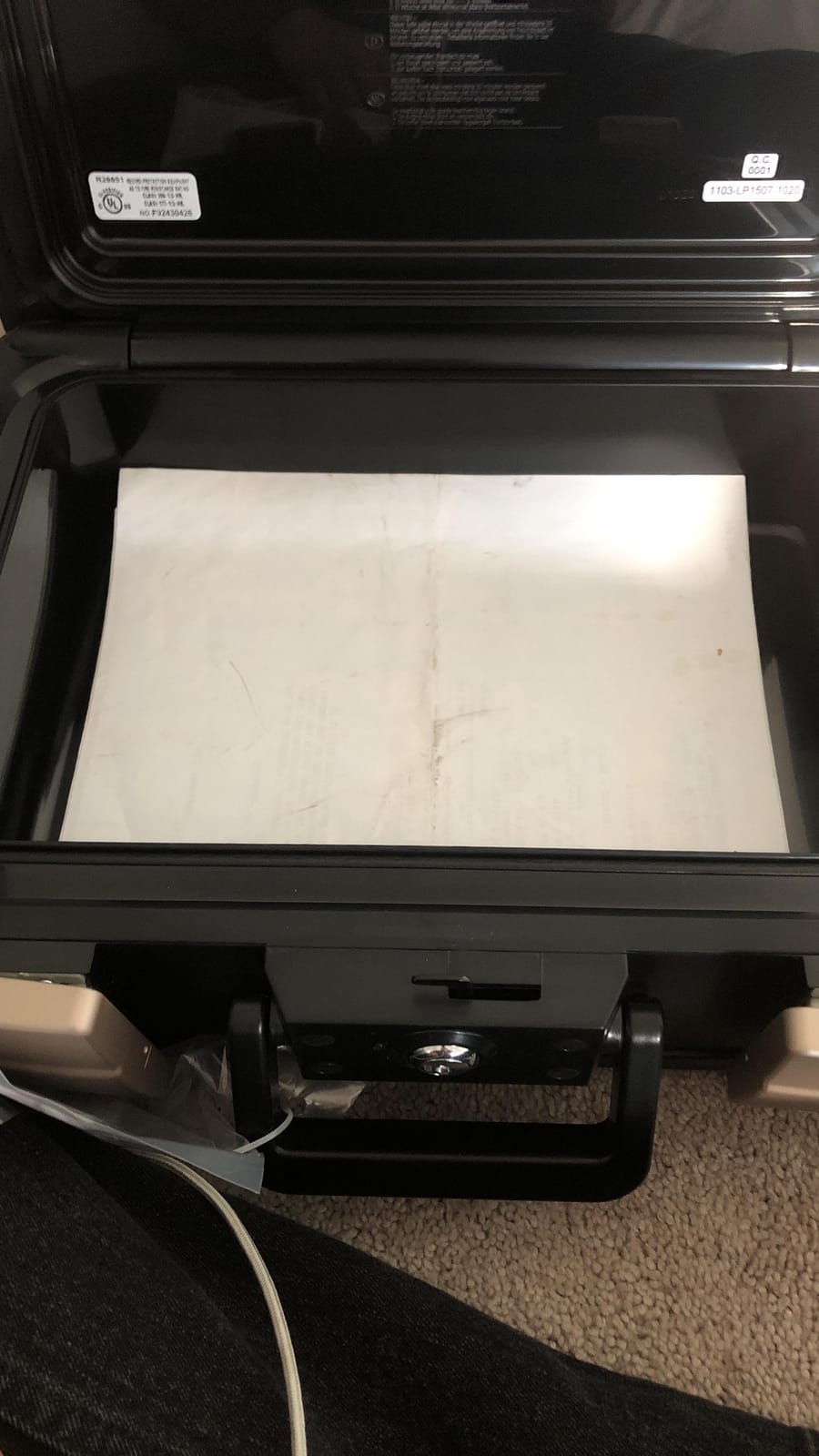
The capacity is the honest problem. At 0.24 cubic feet this holds a few folders, not a household’s paperwork, and reviewers describe the size as the recurring limitation. Anything beyond a modest set of policies, deeds, and certificates will outgrow it quickly.
The 4.3-star average is the lowest among the hard safes in this group, and the plastic body is the reason. It feels less substantial than the steel competitors, and the key lock means there is no electronic access option if you want one.
Who This Chest Works For
It is the pick for a dorm room, a small flat, or anyone who needs certified fire and serious water protection but cannot lift 90 pounds. A carry handle and 27 pounds changes who can realistically own a safe at all.
It also makes sense as a travel-safe or go-bag container, where the 39-inch submersion rating covers the flooded-basement and storm-surge scenarios that fire ratings never touch.
Who Should Skip It
Skip it if you have more than a few folders of records. This is a document chest, not a file cabinet, and it will be full after one filing session.
Skip it if you need a 60-minute or longer rating or hanging folder rails. Neither is available here, and stretching this product beyond its capacity is how people end up with documents they forgot were in the safe.
10. DocSafe DS0105 Hard-Shell Organizer – Best Hard-Shell Organizer
DocSafe Fireproof File Organizer with Lock, Hard-Shell Case Fireproof Document Box with 13 Pocket Accordion File Folder, Portable Home Office Travel Safe Storage for Important Documents Laptop Black
15 liter capacity
Hard shell
28 compartments
2 lb
Pros
- Hard-shell fireproof build that passed the UL94 V-0/5VA flame retardant test
- 28 compartments including 13 labelled accordion pockets and passport holders
- Collapses to 3 inches and only weighs 2 pounds for travel
- Combination lock with no keys required and a double metal zipper
Cons
- Accordion organizer makes the case bulkier than a plain flat file box
- Not sized to hold a full laptop despite the listing reference
- Combination lock only secures the zipper pulls rather than the contents
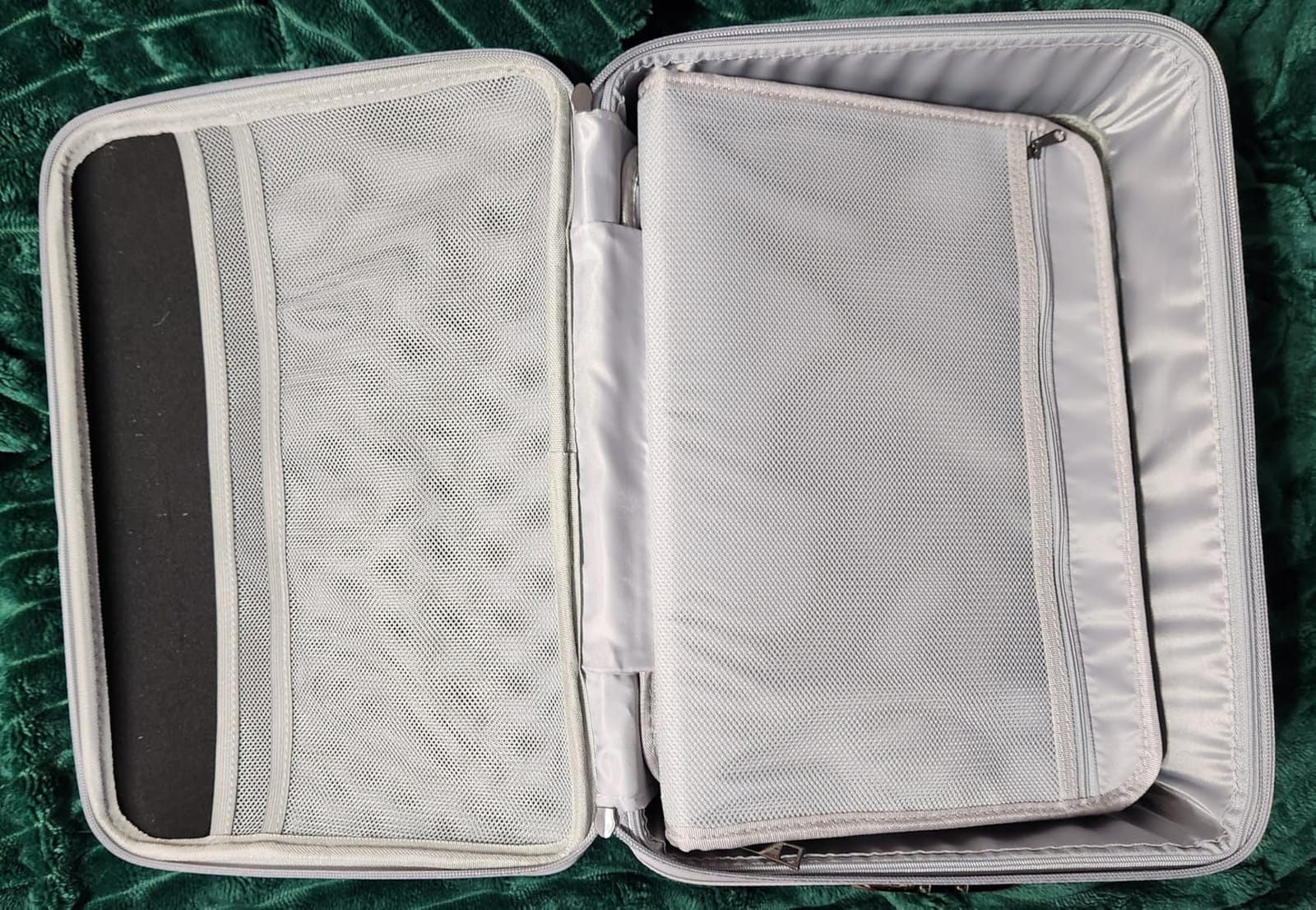
This is the only hard-shell soft-sided case in the roundup, and that combination is genuinely useful. It holds its shape when empty the way a collapsible fabric box does not, so it stacks on a shelf or sits in a car without collapsing, and it still folds down to 3 inches for travel. The exterior is thickened silicone-coated fireproof heat-insulated cotton with hard-shell construction, and the main material passed the UL94 V-0/5VA flame retardant test.
The organizing is the standout. You get 13 accordion pockets with labels, 1 zipper pocket, 4 pen slots, 14 card slots, 4 passport holders, 4 small mesh bags, 2 mesh bags, and one main pocket, for 28 compartments in a case that weighs 2 pounds. It is sized to fit letter and legal size files, and the exterior is designed to repel dust, hair, and stains.
It holds a 4.5-star average over more than 2,100 ratings with 77 percent five-star feedback, and it ranks first in its storage category on the retailer listings. Reviewers highlight the accordion file folder, the passport and card slots, the low weight, and the fact that the rigid shell holds shape better than soft fabric organizers.
At 15.55 by 11.5 by 3 inches, expandable to 4 inches, this is a flat document case rather than a volume container, and it comes with a two-year after-sales service period.
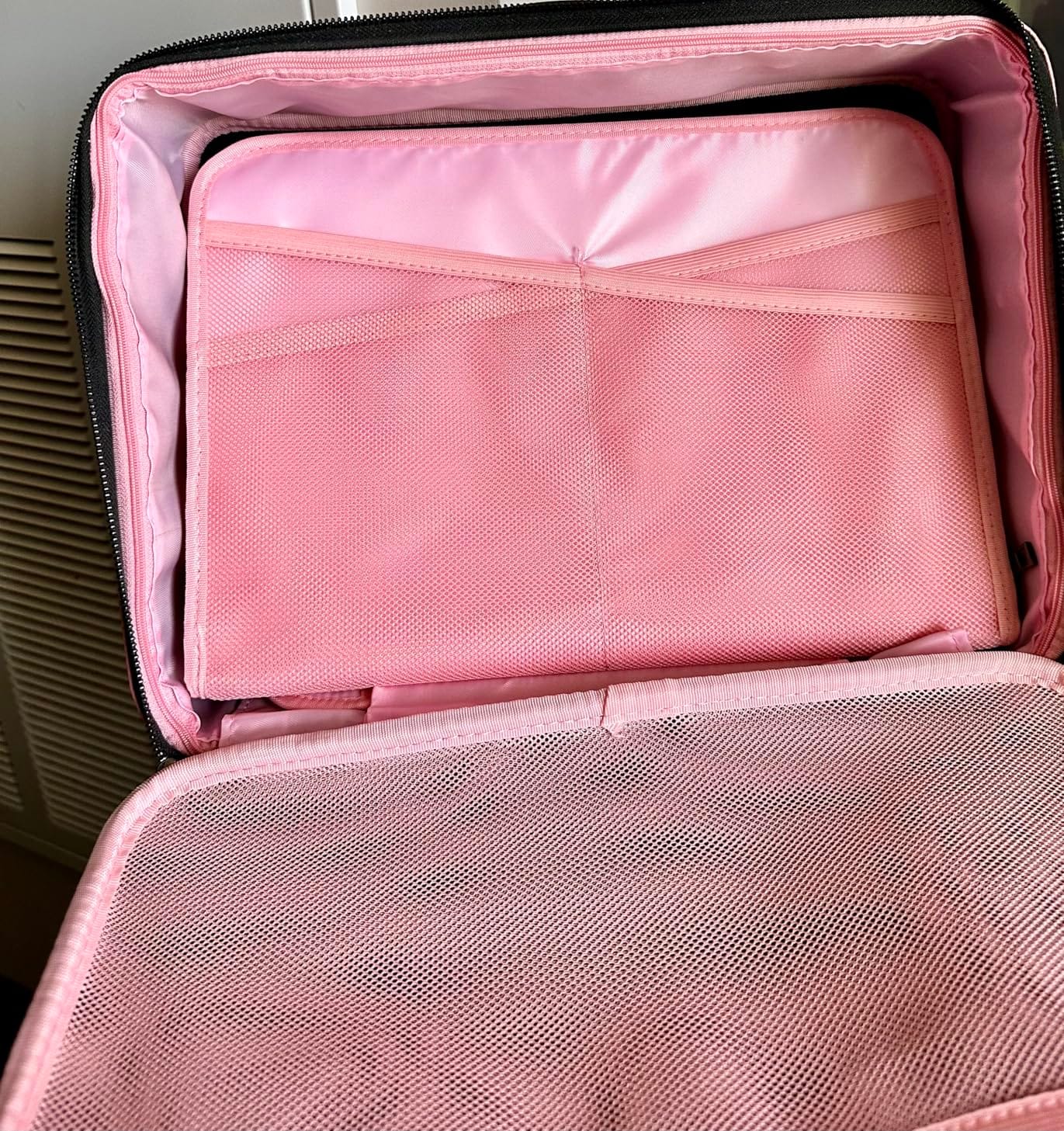
Limitations are honest and small. The accordion insert makes the case bulkier than a plain flat file box, and despite the marketing reference to a laptop in the listing, the case is not sized to hold one.
The combination lock secures the zipper pulls rather than the contents, which reviewers describe plainly as decorative. A double metal zipper is a durability upgrade over the fabric models, but it is not access control.
Who This Case Works For
It suits someone who wants the organisation of a filing cabinet in something that fits in a drawer or a car boot. Passports, cards, deeds, and a small mixed archive in labelled pockets is exactly what this is built to do.
It also suits anyone who has been disappointed by fabric organizers that will not stand up, because a hard shell solves that problem outright.
Who Should Skip It
Skip it if you hold large volumes of paper. Fifteen liters with a flat 3-inch profile is for a curated set, not for a filing cabinet worth of records.
Skip it if you need theft resistance or water protection. It is water resistant with no independent certification, and the lock is a zipper restraint.
What a UL Fire Rating Actually Means for Paper
A fire rating is a time-and-temperature pair, and a rating without both halves is not a rating. When a manufacturer says 30 minutes, you need to know it means 30 minutes while the safe’s exterior sits in a furnace at 1550 degrees Fahrenheit. One hour at 1700 degrees is a tougher test, and that is why the two numbers together are the only comparison worth making.
Inside, the certifier measures the interior temperature and requires it to stay below about 350 degrees Fahrenheit for the stated duration. That number exists because paper chars at roughly 450 degrees. Hold a document safe under 350 degrees and the paper survives; exceed it and you get brittle, discoloured, unreadable records even though the safe itself is intact and undamaged.
The mechanism is a double-walled steel shell filled with gypsum and insulation. Heat transfer through that barrier is slow, which is the whole trick, and it is why fire ratings are quoted in round numbers like 30 minutes and 60 minutes rather than continuous temperature ranges.
Two ratings get confused constantly. Fire endurance is the heat test. Fire impact is the drop test, and a separate drop verification is what tells you the safe stays shut if the floor beneath it gives way. Our premium pick is one of the few here that carries both.
Here is the part most articles skip. A paper-rated safe is not a media-rated safe. Hard drives begin losing reliability at about 125 degrees Fahrenheit, and film degrades around 150 degrees. A safe that holds paper under 350 degrees will cook a hard drive, so do not store backups or camera film in any of the safes in this roundup unless the manufacturer rates it for media.
Water is the other half. UL does not test for water, so a fire-only rating tells you nothing about flood or firefighter hose exposure. Look for a separate ETL verification by Intertek with a stated depth and duration, such as 24 hours under 8 inches, and note that the Honeywell chest in this list is verified far beyond that.
Where to Put a Fireproof Safe in Your Home
Put the safe on the lowest habitable floor if you have a choice. In a structure fire, floors above the fire fail first, and a safe that drops through a collapsing floor is now on a pile of debris. Forum readers on r/Safes and r/homedefense raise this constantly, and it is the single placement decision that changes outcomes most.
Keep it in a closet, an interior hallway cupboard, or a basement rather than against an exterior wall. A basement risks flood water, which is why the water rating matters as much as the fire rating. A ground-floor closet gives you both a low position and some distance from the fire source.
Anchor it if the manufacturer includes the hardware. Bolt-down kits stop a determined thief from walking out with a 90-pound safe, and they cost nothing to install. Measure the floor and the wall before drilling, and check for plumbing and wiring with a detector first.
Renters have real constraints here, and the honest answer is that you have three. Weight the safe down rather than drilling, keep it in a place where it cannot be grabbed quickly, and accept that a small unit like the Honeywell chest is often a better fit than a steel safe you cannot anchor.
Give the door its full swing. Our premium pick needs roughly 14.75 inches of clearance to open fully, and a safe crammed onto a shelf where the door cannot open is a safe you will not use.
Finally, tell one person outside the house that the safe exists and where the key or code is stored. A safe nobody can open after a fire has failed at its only job.
What Fireproof Safes Do Not Protect Against
They do not stop theft. Every product here is a fire product. A digital keypad with live-locking bolts deters opportunistic access, and a bolted-down unit deters more, but none of these are burglary-rated safes with hardened steel and relocker-style construction. If theft is your real threat, you want a different product entirely.
They do not stop a determined burglar who finds the key. Forum advice is consistent on this: store the key number or the code backup somewhere other than the box, because a replacement key is an order to the manufacturer plus the recorded key number, and the number is worthless if you cannot remember which lock it belongs to.
They do not guarantee against flood water without a separate rating. A paper-rated safe sitting in six inches of water is a box full of pulp, and the water certifications on our picks differ enormously, from 8 inches for 24 hours to 39 inches for 100 hours.
They do not prevent humidity damage over years. This is the slowest and most overlooked failure. A sealed safe in a humid climate can accumulate moisture that causes mold and foxing on paper, and one SentrySafe owner in our review set reported humidity and odor inside that damaged stored paperwork.
They do not survive plastic hardware. Reviewers repeatedly flag cheap plastic handles, latches, and interior shelves as the first thing to fail. On several models a broken latch means the door cannot be opened, and the documents stay locked inside a safe that looks fine from outside.
They do not stop soft boxes from being soft boxes. The organizers in this roundup protect against heat and casual access. They offer no meaningful theft resistance, and their combination locks gather zipper pulls rather than securing contents.
Fireproof Bag or Box Versus a Fireproof Safe
A bag or a box is enough when your documents are already scanned, your realistic risk is heat rather than flood, and you need portability. That covers passports, birth certificates, cards, a small go-bag set, and anything you want to carry between locations. Five of the ten picks in this roundup are that category, and they start at a small fraction of what a certified steel safe costs.
A safe is required when the documents are the only copy, when you are protecting a large archive, or when the realistic threat includes water, theft, or a total-loss fire. A 5200-degree material figure on a soft box is not the same claim as a UL 30-minute rating at 1550 degrees on a steel chest, and conflating them is how people end up with a bag of ash and a false sense of security.
A third option exists for the most important papers. A bank safety deposit box sits outside your home entirely, which means it survives a house fire, a flood, and a burglary of the building all at once. It costs an annual fee and requires bank hours, and for a will or a deed that has no digital equivalent, it is still the strongest answer available to a household.
The rule of thumb we use: if losing the document would be a serious, irreversible problem and you have no other copy, use a certified safe. If you have a scan and a second copy somewhere else, a box is enough.
How to Choose a Fireproof Safe for Documents
Run a three-part test before you buy anything. First, confirm independent certification, which means a named UL classification or an ETL verification by Intertek rather than a generic fireproof sticker. Second, confirm the stated duration and temperature together, so 30 minutes at 1550 degrees or 1 hour at 1700 degrees. Third, confirm a separate water rating with a stated depth and duration. A product that cannot answer all three questions is a box, not a safe.
Size for the folder, not the sheet. The most common sizing mistake in forum threads is buying a box that takes letter hanging folders and then trying to file legal ones. Measure the interior width first, and remember that legal hanging folders are about an inch wider than letter. If you want a safe that accepts both, the collapsible boxes in this roundup are built for that.
Match the lock to your habits. A key lock with two keys and no batteries is the simplest and most reliable. A digital keypad with an override key removes the forgotten-code problem at the cost of periodic battery changes. A combination lock on a soft box is a zipper restraint and should not be counted as security.
Check the weight against your floor plan. Anything over 80 pounds is a two-person job, and door clearance matters as much as footprint. Our premium and overall picks both need real planning around both details.
Then triage the documents themselves. Must-scan items should be scanned and stored in two places before you buy anything. Must-safe items are the irreplaceable originals with no digital form. And anything that is neither can live in a fireproof box or a bank box, which is cheaper and often sufficient.
Buying a scanner is the cheapest layer of protection you can add, and we cover the options in our guide to the best document scanners for home offices. A scanned deed in two cloud locations plus a certified safe beats either one alone.
Humidity, Airing Out, and Long-Term Care
Open the safe every two weeks. That is the schedule SentrySafe recommends for its fireproof file boxes, and it exists for one reason: a sealed safe in a humid room slowly builds condensation that damages paper from the inside where you cannot see it.
Keep desiccant packs inside. They are inexpensive, they absorb moisture, and they are the difference between a dry interior and a slow foxing problem that shows up years later on important paper.
Use acid-free folders for anything you expect to keep for decades, and seal delicate items in a bag before they go in. Ink on legal documents can transfer to adjacent surfaces in a humid environment, and a single sealed sleeve prevents it.
Check batteries on a schedule rather than a reaction. Keypads that die silently are the most common way an owner discovers a lock problem, and the fix is a quarterly reminder on your calendar rather than a failed access at the moment you need a document.
Finally, keep your digital backup current. The safe protects paper in one physical location. A scan in two digital locations protects you from everything the safe cannot, including the fire that takes the safe with it.
Frequently Asked Questions
What fire rating do I need for paper documents?
Look for a rating stated as a duration paired with a temperature, such as 30 minutes at 1550 degrees F or 1 hour at 1700 degrees F. A UL classification or ETL verification by Intertek matters more than any marketing claim. Thirty minutes is defensible for most home fires because house fires grow rapidly but the first ten minutes are the critical window. A one-hour rating is worth the extra cost if your property has a structure fire risk or you hold irreplaceable originals.
Are fireproof safes actually waterproof?
Only some of them, and you have to check. UL does not test for water, so a fire rating tells you nothing about flood or firefighter hose exposure. Look for a separate ETL Verified water rating with a stated depth and duration, such as 24 hours under 8 inches of water, or 100 hours under 39 inches on the Honeywell 1103 in our roundup. A safe listed as not water resistant will not save paper in a flood.
Are fireproof document boxes worth it?
Yes, when your documents are already scanned and your realistic risk is heat rather than water or theft. A soft organizer with silicone-coated fireproof layers and a 5VA flame rating costs a small fraction of a certified steel safe and is far more portable. They are not worth it as the only copy of an irreplaceable original, because they offer no independent water certification and no real theft resistance.
Where to put a fireproof safe in a house?
Put it on the lowest habitable floor, ideally in an interior closet or a basement rather than against an exterior wall. Upper floors fail first in a structure fire, so a safe on an upper level can end up on a pile of debris. Anchor it with the included hardware if you can drill, allow the door its full swing, and if you rent, weight the safe down rather than drilling into the wall.
Can I store hard drives in a fireproof safe?
Not in a paper-rated safe. Hard drives begin losing reliability at about 125 degrees F and film degrades around 150 degrees F, while a document safe holds its interior below roughly 350 degrees F. A fireproof safe will protect the drive from impact while destroying the data on it. Store media in a water-rated safe or a media-specific fireproof enclosure instead, and keep a second copy offsite.
What is the best fireproof safe for documents?
Our top pick is the Amazon Basics 2.13 cubic foot fireproof safe, which pairs a 60-minute fire rating at 1700 degrees F tested by Intertek with a 24-hour waterproof seal verified to 8 inches of water, and holds a 4.6-star average across more than 48,000 ratings. For most people the SentrySafe HD4100 is the better value, since it is UL classified for 30 minutes, ETL verified for water, and sized for hanging file folders.
The Bottom Line on the Best Fireproof Safes for Documents in 2026
Pick the Amazon Basics 2.13 cubic foot safe if you want the strongest all-round combination of an independently tested 60-minute rating at 1700 degrees F, a verified water seal, and the largest owner review history here. Pick the SentrySafe SFW123GDC if the one-hour rating, the ETL-verified 15-foot drop rating, and the locking drawer justify the 90 pounds. Pick the SentrySafe HD4100 if you want the best value and a safe sized for hanging file folders at a fraction of the weight.
Pick the Honeywell 1103 if water is your bigger worry, because its 100-hour submersion verification is in a class of its own. Pick the SentrySafe SF123ES only where flooding is not a risk, since it carries no water rating. Pick any of the five soft organizers when your documents are already scanned and portability matters more than burglary resistance.
Whatever you choose, scan first and store twice. The best fireproof safes for documents in 2026 protect paper that has no other copy, so give your documents a second copy before you give them a safe. Use the “Check Latest Price” buttons to compare current pricing, and buy from a seller who states the certification number rather than the word fireproof.