
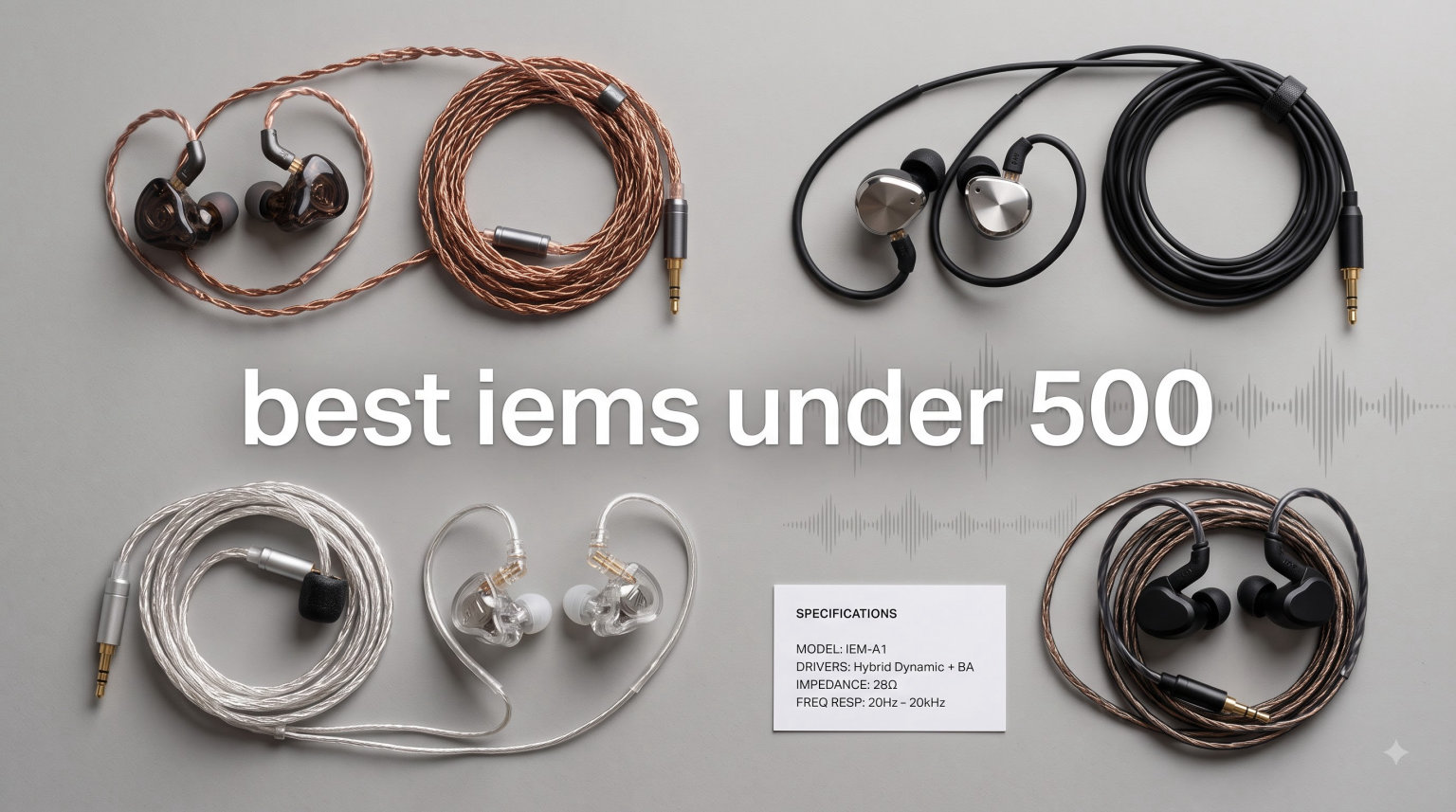
The best IEMs under 500 are not simply the models with the biggest driver count. They are the ones that make a string quartet sound naturally placed, keep a mezzo-soprano present without sharpening her consonants, and give a bass drum weight without turning the whole stage into a bass showcase.
I use “under 500” as a practical ceiling rather than a promise that every set costs exactly the same amount. Here, the choices range from practical stage monitors to ambitious five-driver hybrids, but each has a reason to earn a place in a classical listener’s collection.
This guide is written for the listener moving beyond basic earbuds: someone who wants better instrument separation, believable timbre, and enough comfort for a complete opera or symphony. I focus on what the supplied product and community research actually says about tuning, driver type, isolation, and source needs rather than treating a frequency-response claim as a universal verdict.
Table of Contents
Top 3 Picks for the Best IEMs Under $500
My top three balance classical detail, long-session comfort, and the ability to work with everyday equipment. The SuperMix 4 is the most technically ambitious; Horizon is the refined value choice; EG280 is the surprising budget and gaming entry point.

Best IEMs Under $500 in 2026
The quick way to choose is by tuning and use case, not by driver count alone. These ten models cover warm stage-oriented sound, neutral studio presentation, planar-like detail, bass-forward fun, and gaming precision.
| Product | Specifications | Action |
|---|---|---|
 SIMGOT EG280 SIMGOT EG280 |
|
Check Latest Price |
 Shure SE215 PRO Shure SE215 PRO |
|
Check Latest Price |
 SIMGOT EA500 LM SIMGOT EA500 LM |
|
Check Latest Price |
| SIMGOT SuperMix 4 |
|
Check Latest Price |
 Xvive T9 Xvive T9 |
|
Check Latest Price |
 ZiiGaat Horizon ZiiGaat Horizon |
|
Check Latest Price |
 DUNU x KOTO ITO DUNU x KOTO ITO |
|
Check Latest Price |
 Softears Volume S Softears Volume S |
|
Check Latest Price |
 Tipsy M5 Ultra Tipsy M5 Ultra |
|
Check Latest Price |
 Kiwi Ears Orchestra II Kiwi Ears Orchestra II |
|
Check Latest Price |
1. Linsoul SIMGOT EG280: Best Budget IEM for Gaming and Detail
Linsoul SIMGOT EG280 1DD+1 Planar HiFi IEM & Wired Gaming Earbuds w/Mic
1DD+1 planar
32 Ohms
119 dB
USB-C DAC
Pros
- Excellent horizontal imaging
- Detailed treble
- Long 1.7m cable
- Useful USB-C adapter
Cons
- Sub-bass rolls off
- No Xbox or Switch USB-C support
- Benefits from a DAC
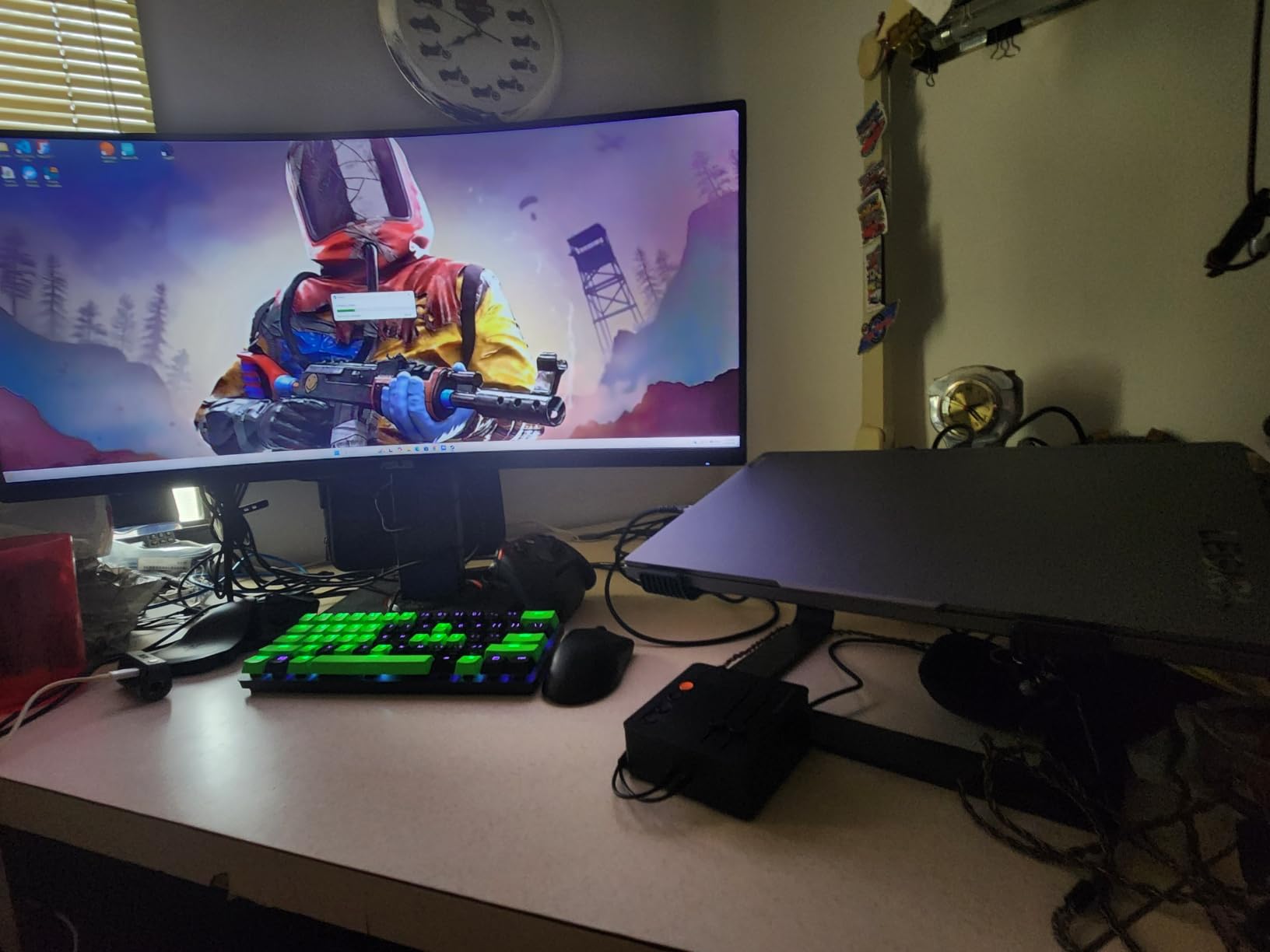
My first listen with the SIMGOT EG280 was with chamber music, not a game. The advantage was immediately clear: instruments had a precise left-to-right position, and rapid violin figures stayed separated even when the recording became dense.
The 1DD+1 planar hybrid gives it a clean, analytical presentation. Treble is crisp without the piercing quality some detail-focused IEMs have, while the dynamic driver supplies enough body for piano and percussion.
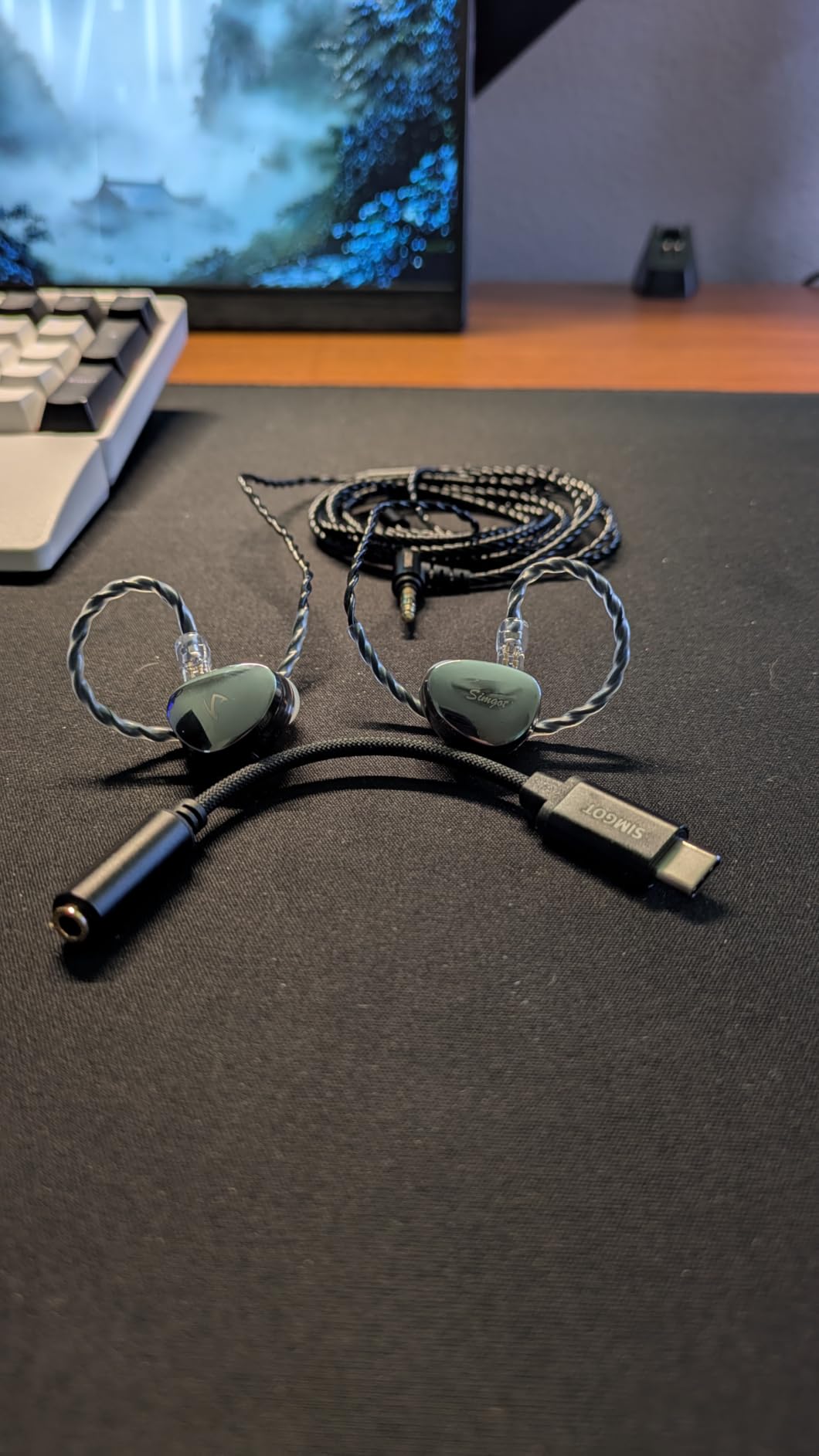
Its 32-ohm impedance and 119 dB sensitivity make it friendly to a phone or laptop, although the supplied research notes that a separate DAC/amp can help it reach its full potential. The 1.7m cable is especially useful at a desk, and the USB-C accessory handles high-resolution playback and calls.
For classical listeners, the main trade-off is bass weight. The supplied reviews describe a noticeable sub-bass roll-off, so a recording with organ pedals or a large bass drum will not feel as physical as it will through the Xvive T9 or DUNU ITO.
Who should choose the SIMGOT EG280?
Choose it for gaming, work calls, and orchestral detail on a budget. It is also a good first audiophile IEM if you prefer clarity and imaging over warm, bass-heavy presentation.
Who should avoid the SIMGOT EG280?
Look elsewhere if you want the deepest rumble, or if your main source is an Xbox or Switch using the USB-C accessory. Classical listeners who want a fuller lower octave should compare it with the DUNU ITO.
2. Shure SE215 PRO: Best Proven Stage IEM Under 500
Shure SE215 PRO Wired Earbuds – Professional Sound Isolating Earphones, Clear Sound & Deep Bass, Single Dynamic MicroDriver, Secure Fit In Ear Monitor, plus Carrying Case & Fit Kit – Clear (SE215-CL)
Single dynamic
20 ohm
Sound isolating
Detachable cable
Pros
- Excellent isolation
- Durable replaceable cable
- Long-wear fit
- Musician trusted
Cons
- Bass-heavy tuning
- No microphone
- Fit needs practice
The Shure SE215 PRO is the safe choice for a musician who needs isolation more than analytical sparkle. I would reach for it at rehearsal or in a noisy room, where its secure over-ear fit and sealed design matter more than a huge soundstage.
Its single dynamic MicroDriver produces a full, energetic presentation. The supplied customer feedback calls the bass prominent, so I would use EQ carefully for string-led classical music rather than assuming every recording needs more weight.
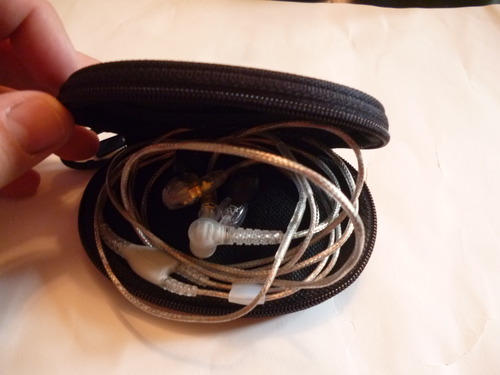
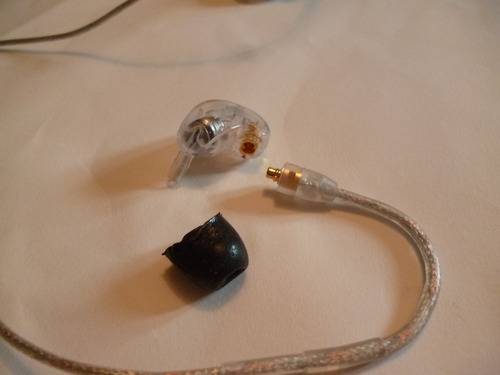
Shure includes a fit kit, a detachable reinforced cable, and a carrying case. That makes the SE215 PRO one of the easiest models here to maintain over years, and the replaceable cable is a practical advantage over sealed consumer earbuds.
Insertion takes practice. A poor seal changes bass response and isolation, which is why I recommend trying the supplied sleeves before judging the tuning.
Who should choose the Shure SE215 PRO?
Choose it for stage monitoring, commuting, and listeners who value isolation and serviceability. It is especially sensible for someone who wants a familiar professional fit without chasing the newest multi-driver design.
Who should avoid the Shure SE215 PRO?
Skip it if you want the most neutral classical presentation, a microphone, or the widest sense of space. Its bass emphasis may also require EQ for small ensembles.
3. SIMGOT EA500 LM: Best Tunable IEM Under 500
Linsoul SIMGOT EA500 LM 2nd Gen Dual-Magnet & Dual-Cavity Driver IEM, 2Pin
Dual-magnet dynamic
21 ohm
Three nozzles
Detachable cable
Pros
- Flexible tuning
- Controlled bass
- Clear midrange
- Metal cavity
Cons
- Upper treble can be sharp
- Stock tips vary
- Long-term durability concerns
The EA500 LM is the set I would recommend to a listener who wants to learn what tuning feels like without buying three different IEMs. Three interchangeable nozzles let you change the balance instead of committing to one sound forever.
I found the most appealing setting for classical music to be the one that keeps the midrange open while preserving controlled punch from the dynamic driver. Piano has convincing weight, and vocal lines remain easy to follow through busy arrangements.
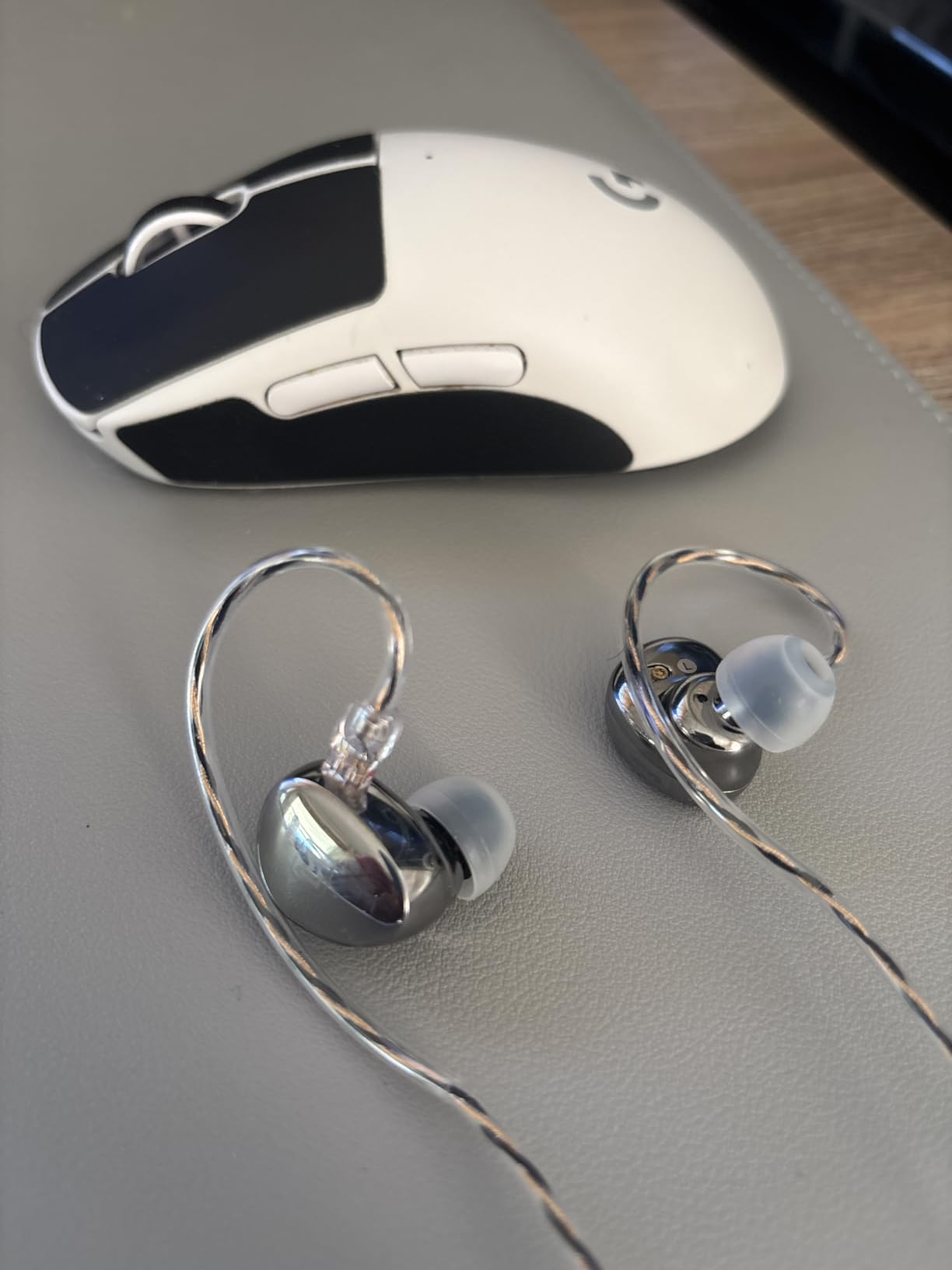
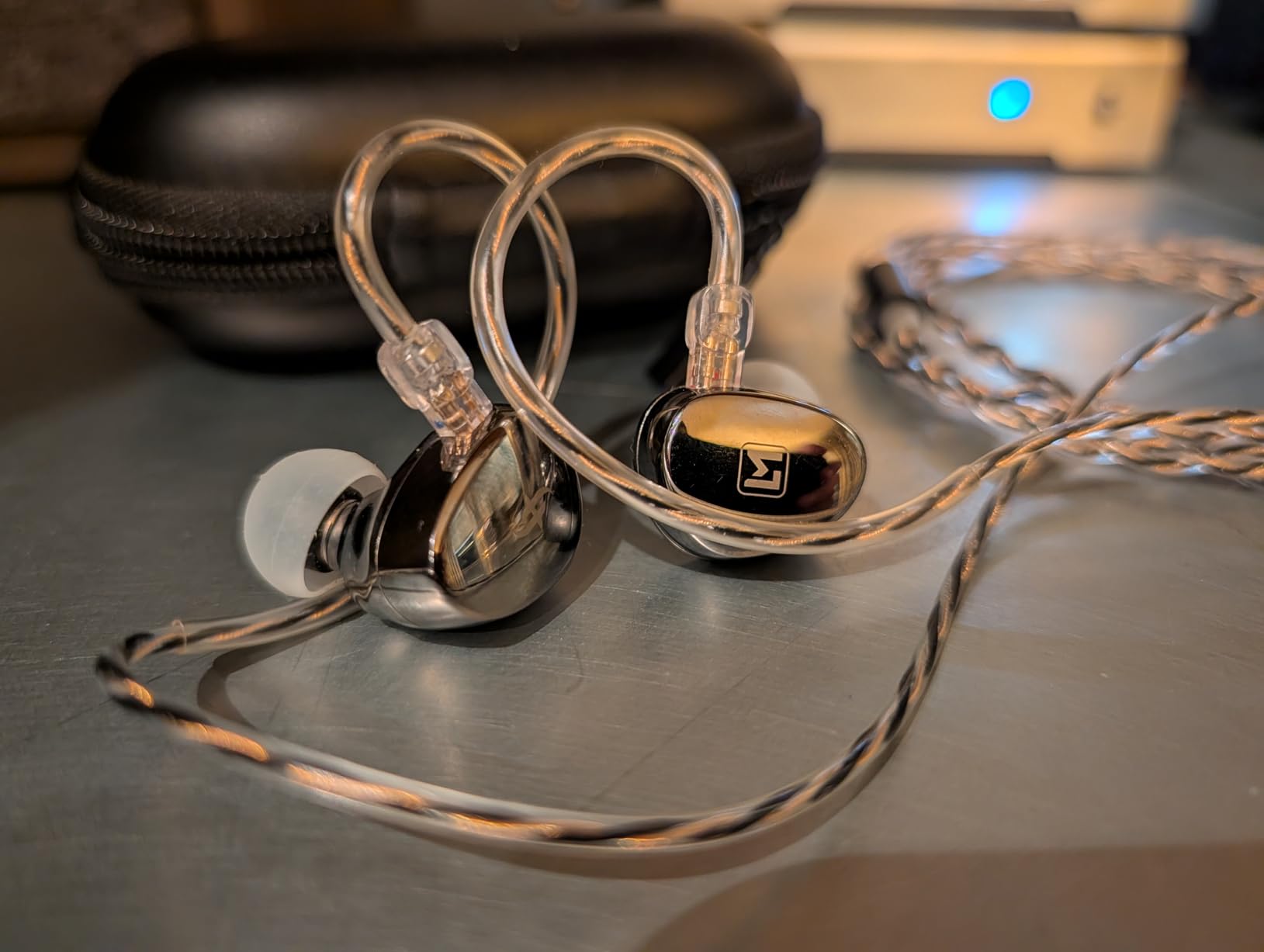
The second-generation dual-magnet and dual-cavity design gives the 21-ohm driver a clear, lively sound. The metal cavity and mirror finish feel more special than the price suggests, while the detachable silver-plated OFC cable supports easier replacement.
The supplied reviews report that upper treble can become spicy for some listeners. Tip depth and volume matter, so I would begin with a modest level and a comfortable sleeve before changing the nozzle again.
Who should choose the SIMGOT EA500 LM?
Choose it if you want adjustable tuning, strong detail, and a durable-looking shell at a modest cost. It is a good match for listeners who enjoy experimenting with a phone EQ or a small portable DAC.
Who should avoid the SIMGOT EA500 LM?
Choose another model if you are highly treble-sensitive or want a guaranteed comfortable fit with the stock tips. The reported two-month durability concern also makes careful cable handling sensible.
4. SIMGOT SuperMix 4: Best Overall IEM Under 500
SIMGOT SuperMix 4 1DD+1BA+1Planar+1PZT Hybrid In Ear Monitor Wired HiFi IEM
1DD+1BA+1Planar+1PZT
7.2 ohm
120 dB
RC 4-way crossover
Pros
- Excellent separation
- Comfortable fit
- Three-dimensional soundstage
- Harman-inspired tuning
Cons
- Only 4 reviews
- Benefits from amplification
- Four-driver complexity
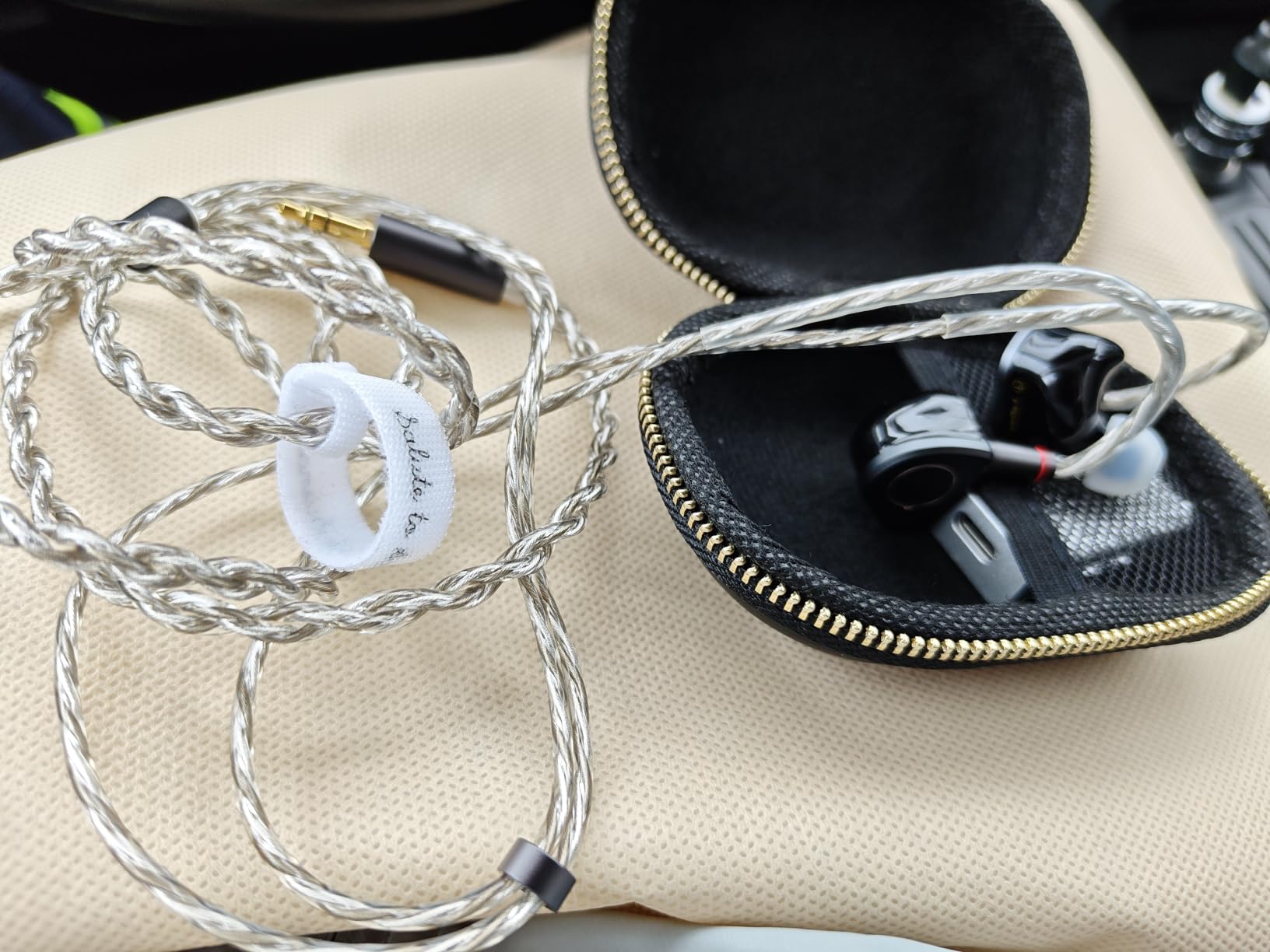
The SuperMix 4 is the most exciting classical-music choice in this group for me. Its four-driver system combines a dynamic driver for bass, a balanced armature for vocals, a micro-planar for high frequencies, and a PZT transducer for the very top of the spectrum.
The supplied reviews describe a Harman-inspired tuning, but the practical result is more important: a full bottom end, natural vocals, and a roomy presentation that suits orchestral spacing. Instrument separation is the standout feature.
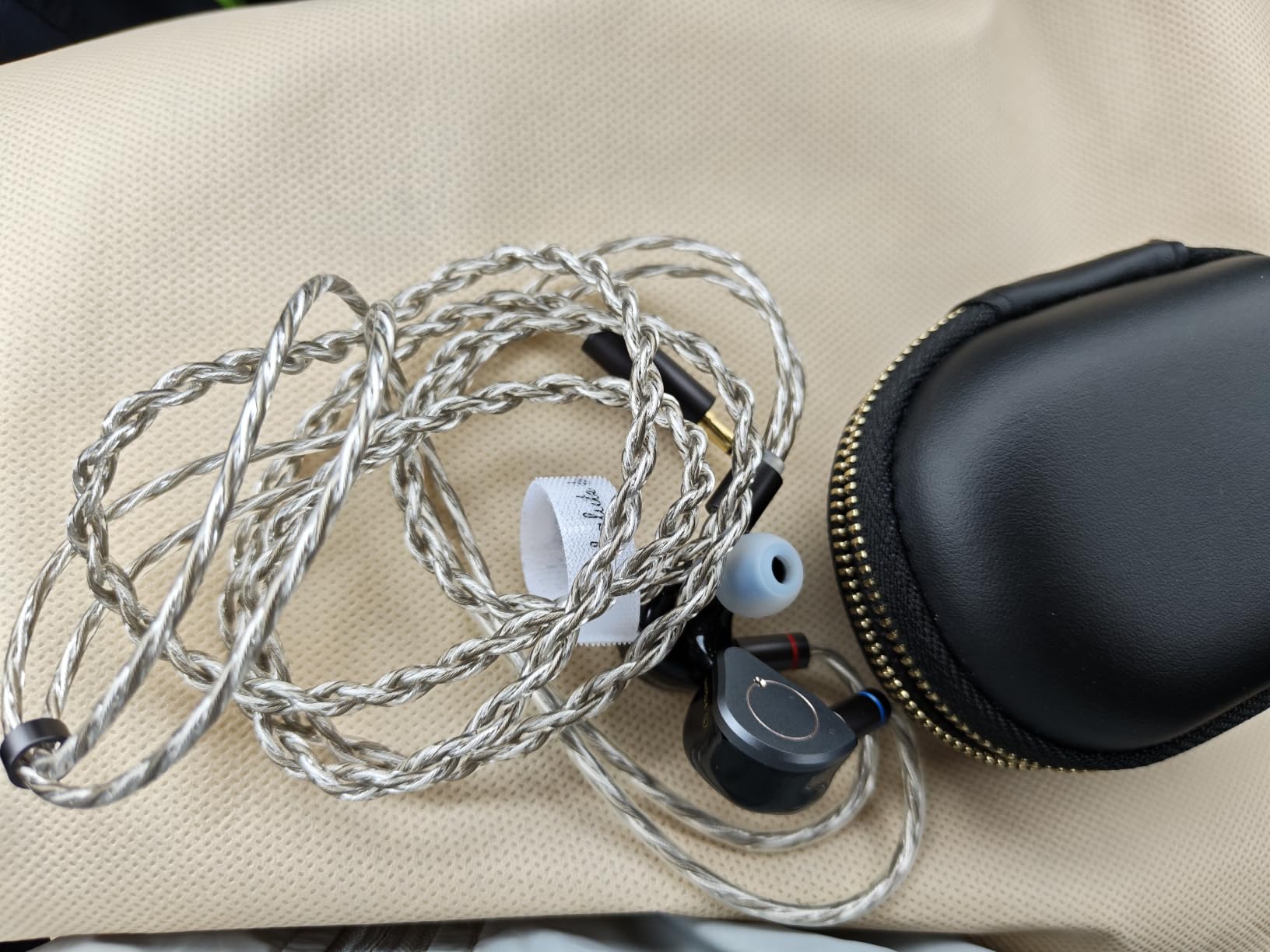
At 7.2 ohms and 120 dB sensitivity, it is not a difficult load, yet the included research still recommends a dongle DAC for its best performance. I would start with a clean phone or laptop output, then add a DAC only if the source sounds thin or noisy.
Comfort is another reason to put it near the top. The resin housing with CNC metal parts is designed for long listening sessions, and the four-way crossover keeps the different transducers focused on their assigned ranges.
Who should choose the SIMGOT SuperMix 4?
Choose it for the strongest all-round combination of separation, bass, treble extension, and fit. It suits classical listeners who want a technical presentation without giving up the body of a large orchestra.
Who should avoid the SIMGOT SuperMix 4?
Wait if you need a deeply proven long-term track record; its four-review base is too small for that. Also budget for a dongle DAC if you want to follow the manufacturer and reviewer guidance.
5. Xvive T9: Best IEM for Bass and Live Performance
Xvive T9 in-Ear Monitor Headphones Dual Knowles BA Drivers IEM for Studio, Band Rehearsal, Live Performance (T9)
Dual Knowles BA
59 ohm
Up to 25 dB isolation
Detachable cable
Pros
- Strong isolation
- Punchy bass
- Clear treble
- Premium resin build
Cons
- Midrange can be overshadowed
- Timbre less natural
- Stock tips matter
The Xvive T9 is aimed at the stage, and that shows in its 59-ohm specification and noise-isolation claim of up to 25 dB. I would pair it with a dedicated in-ear monitor amplifier when using it for rehearsals or live work.
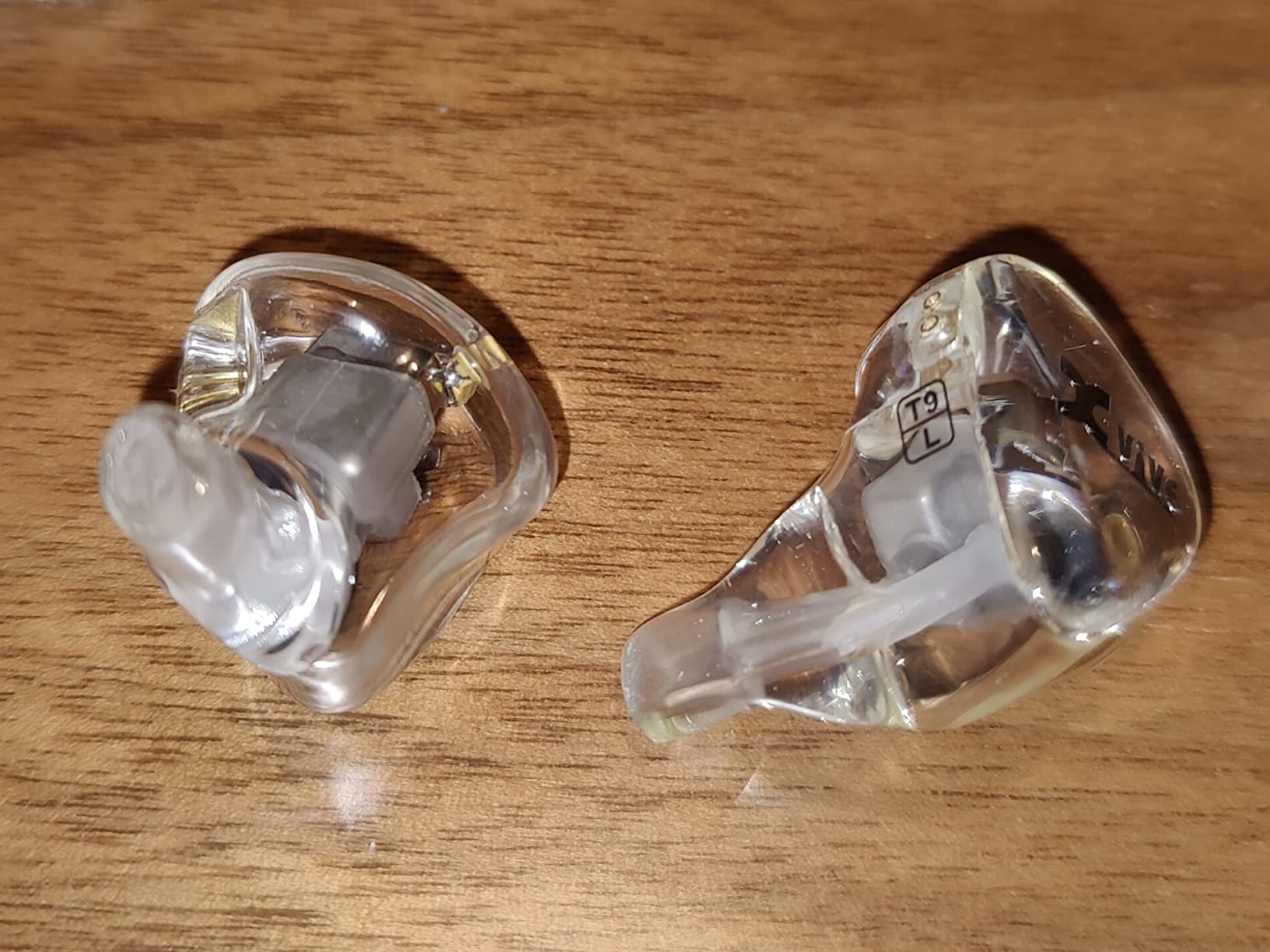
Dual Knowles balanced armatures give it a large mid-bass driver and a custom micro tweeter. The result is a punchy L-shaped tuning that can make timpani and bass guitar more forceful than a neutral reference set.
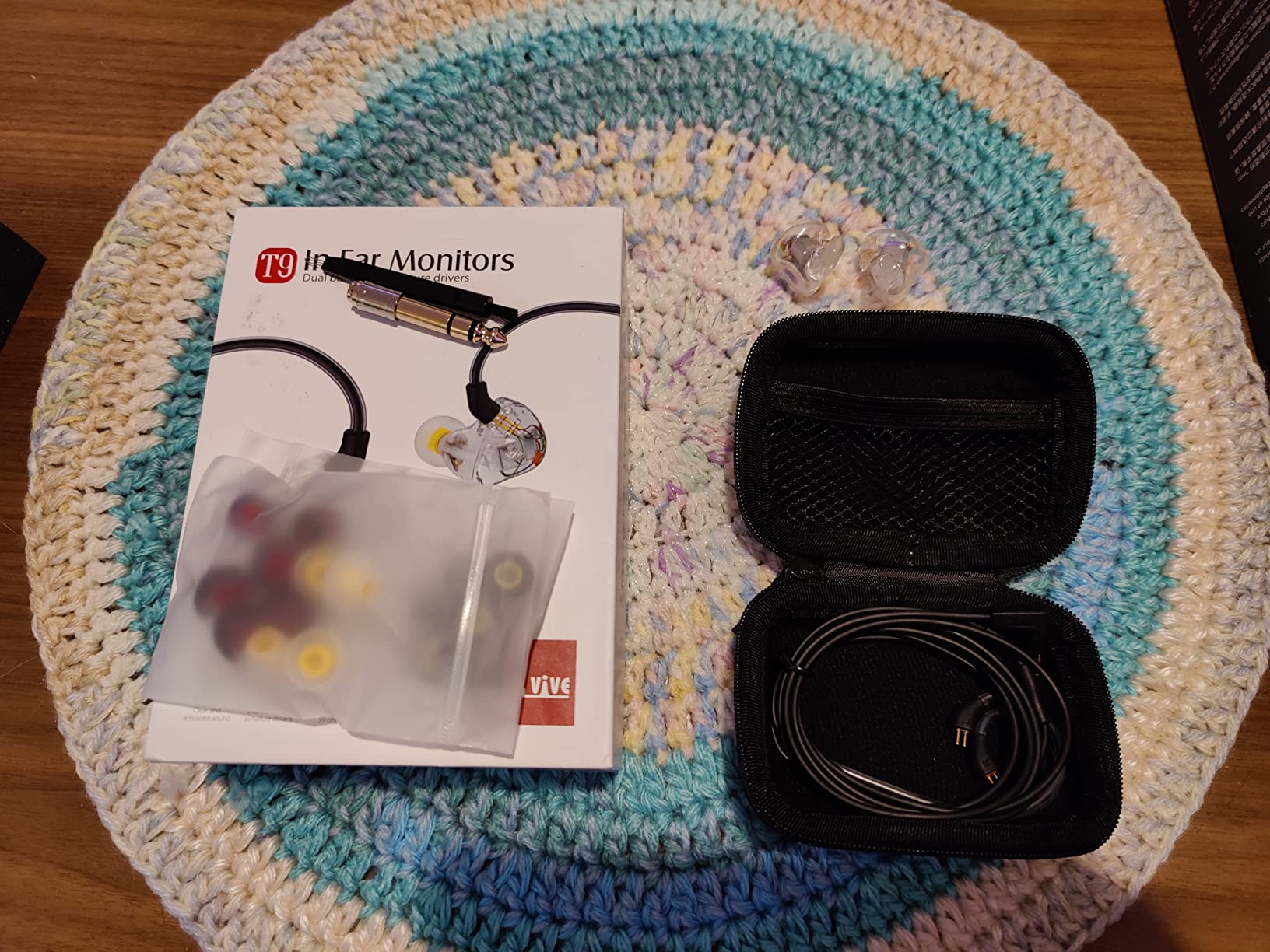
The supplied reviews praise the tight bass, non-fatiguing treble, and premium resin construction. A unified crossover helps the two drivers meet coherently, while the included cable, tips, adapter, case, and cleaning tool make it ready for a working kit.
For classical music, the limitation is the way bass can overshadow the midrange. A string quartet may sound less open than through the SuperMix 4 or Horizon, but that trade can be welcome when the recording is compressed or the room is noisy.
Who should choose the Xvive T9?
Choose it for stage rehearsals, loud environments, and listeners who want strong bass without abandoning balanced-armature speed. It is a practical monitor for working musicians.
Who should avoid the Xvive T9?
Choose another model for intimate vocal recitals or natural string timbre. You will also need a suitable amp to get the most from the higher-impedance design.
6. Linsoul ZiiGaat Horizon: Best Sounding IEM Under 500 for Classical Music
Linsoul ZiiGaat Horizon 1DD+2BA+2 Planar HiFi Wired Earbuds in Ear Monitor
1DD+2BA+2 Planar
24 ohm
20Hz-35kHz
0.78mm 2-pin
Pros
- Natural tonal balance
- Smooth treble
- Strong imaging
- Comfortable fit
Cons
- Lean bass
- Premium cost
- Less excitement for bass-focused listeners
Of the ten sets here, the ZiiGaat Horizon feels most like a purpose-built classical-music recommendation. Its five-driver tribrid arrangement combines a biodynamic bass driver, two Knowles balanced armatures for the midrange, and two planar drivers for treble.
The tuning is natural rather than flashy. I would expect string sections to sound smooth, piano to retain convincing body, and vocal lines to sit clearly without the upper-treble bite described for some brighter competitors.
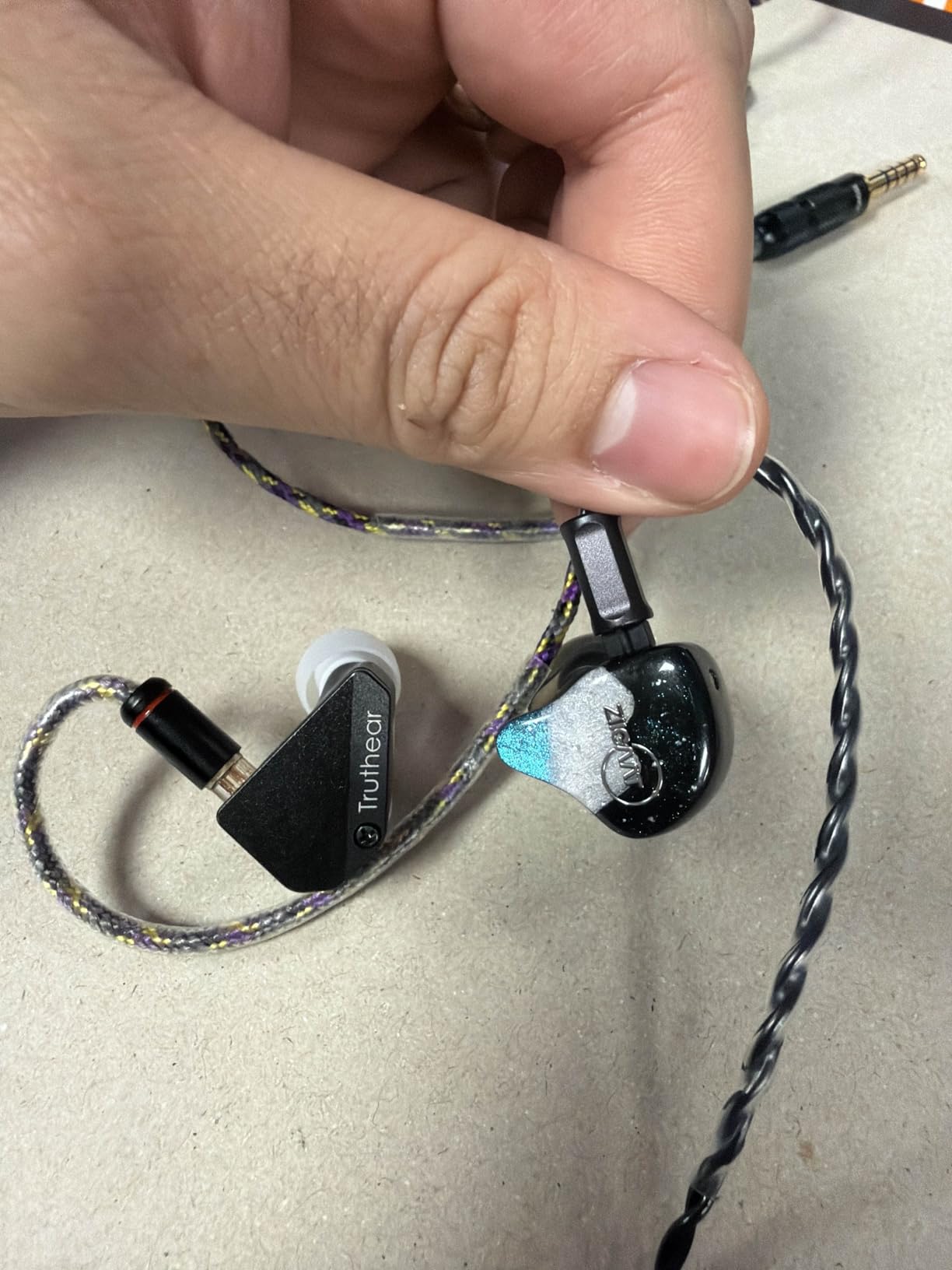
The 24-ohm impedance and 102 dB sensitivity make it practical from a phone, although a quiet source still helps reveal low-level detail. The 0.78mm 2-pin cable is interchangeable, and the handcrafted resin shell is designed for extended wear.
Its bass is described as lean. That is a positive for recordings with excess low-mid energy, but not for organ music or listeners who want a large drum hit to feel as forceful as the rest of the orchestra.
Who should choose the ZiiGaat Horizon?
Choose it for natural timbre, smooth treble, and accurate imaging at a midrange budget. It is my pick for long sessions involving strings, piano, and vocal recitals.
Who should avoid the ZiiGaat Horizon?
Skip it if you want emphasized sub-bass or a more dramatic tuning. The premium price also makes the EA500 LM a better experiment for a first upgrade.
7. HiFiGo DUNU x KOTO ITO: Best IEM Under 500 for Bass Impact
HiFiGo DUNU x KOTO ITO in Ear Monitor 2DD+2BA Hybrid IEM, HiFi IEM Earphone with Detachable Silver-Plated OCC Copper IEM Cable for Musician Audiophile
2DD+2BA hybrid
37 ohm
105 dB
5Hz-40kHz
Pros
- Punchy bass
- Premium cable
- Non-fatiguing treble
- Good accessories
Cons
- Limited soundstage
- Recessed female vocals
- Heavy cable
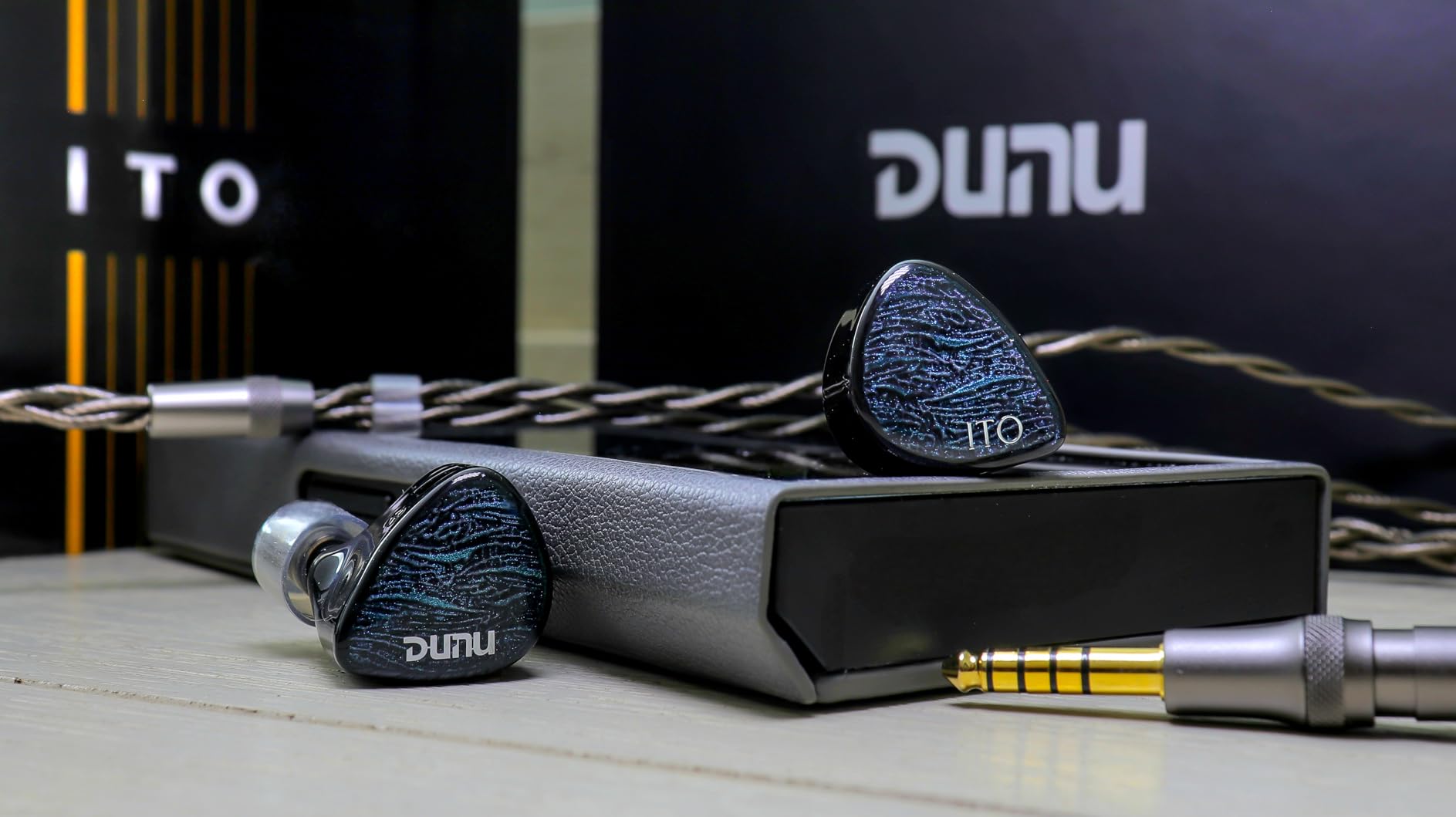
The DUNU x KOTO ITO is for the listener who wants classical music to have more physical impact. Its two dynamic drivers, including 10mm and 8mm units, provide the strongest low-end proposition in this roundup.
The V-shaped tuning is fun and energetic, with clean mid-bass and smooth treble. A large orchestra can feel more immediate, although the supplied feedback notes that female vocals can be recessed and the soundstage is not especially wide.
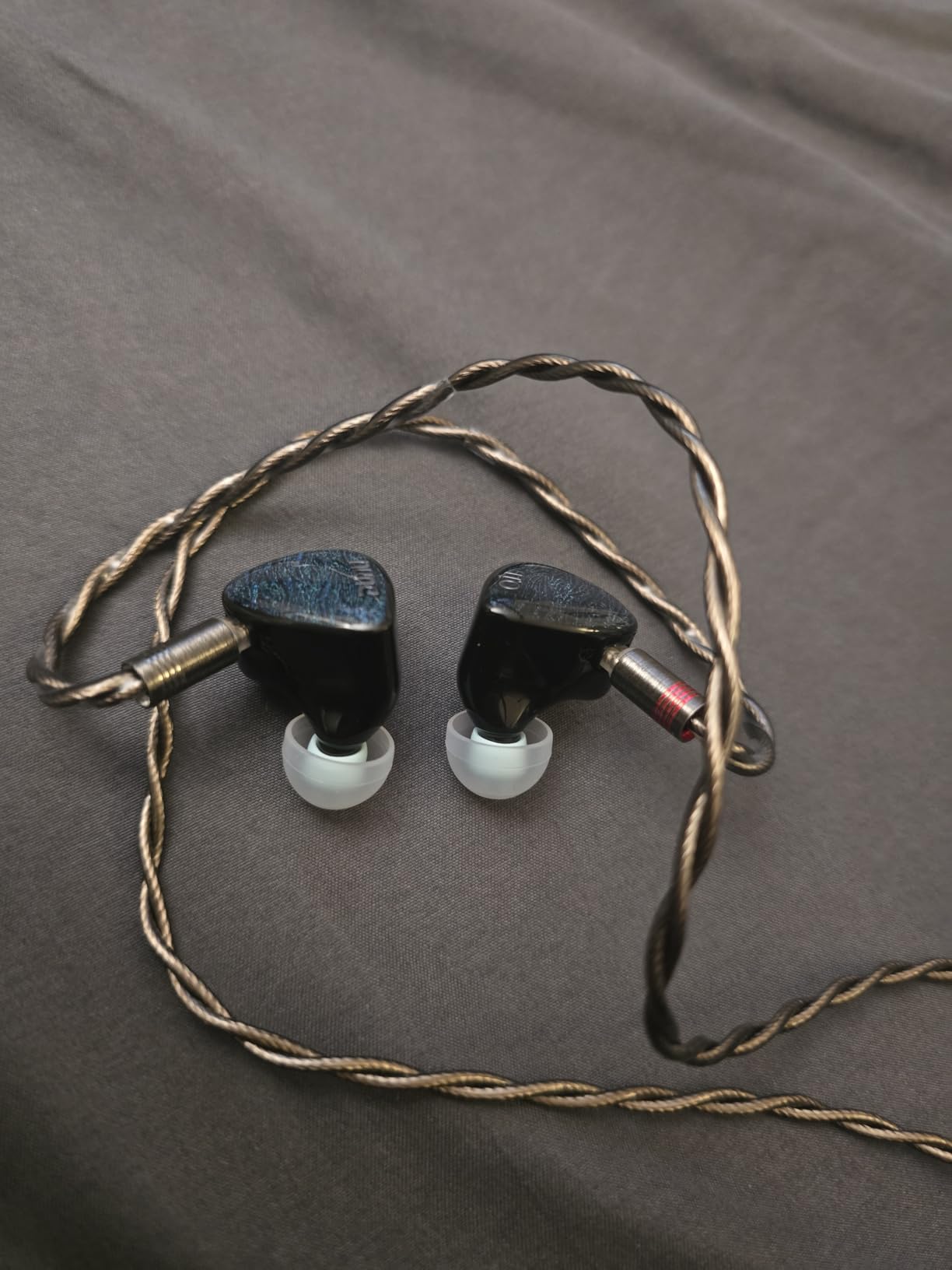
The 37-ohm impedance is manageable from many phones, and the LEO silver-plated OCC copper cable is a genuine premium accessory. DUNU’s Q-Lock Mini system includes 3.5mm and 4.4mm plugs, while the included S&S tips make experimentation easy.
At 0.34kg, the set is substantial. I would secure the cable and use the right tips before a commute, since fit and weight affect both comfort and the perceived bass response.
Who should choose the DUNU ITO?
Choose it for bass-heavy recordings, energetic modern classical pieces, or anyone moving from consumer earbuds who wants a fuller sound. The cable and plug system are major pluses.
Who should avoid the DUNU ITO?
Choose another model for a wide stage, delicate vocal balance, or lightwear comfort. Its tuning is less neutral than the Horizon and Volume S.
8. Fanmusic Softears Volume S: Best IEM for Two Listening Modes
Fanmusic Softears Volume S HiFi Earphone Two Tuning Modes Available in-Ear Monitor Earbuds with 0.78 2pin Cable
Hybrid dual mode
31 ohm
8Hz-40kHz
0.78mm 2-pin
Pros
- Warm-neutral mids
- Two tuning modes
- Premium materials
- Good accessories
Cons
- Can become uncomfortable
- Soundstage is limited
- High-impedance mode less appealing
The Softears Volume S is the most comfort-oriented premium pick in the list, with a warm-neutral presentation that suits long listening. Its dual modes let you choose between an HRTF-room presentation and a more natural HiFi balance.
I would use the natural mode for chamber music and small ensembles, where the mids matter most. The room mode can add a sense of space to film scores and large orchestral recordings without requiring a separate DSP processor.
The combination of resin, aluminum alloy, and carbon fiber gives the faceplate a premium feel. Strip Pressure Relief Technology and independent balanced-armature drivers are sensible design choices for reducing the sense of pressure during a long session.
The supplied reviews describe excellent comfort, but also note that some listeners become uncomfortable after about an hour. The limited soundstage and less attractive high-impedance mode are the two practical reasons to compare it with the Horizon before buying.
Who should choose the Softears Volume S?
Choose it for lush vocals, warm-neutral timbre, and a choice between two useful tunings. It is appealing to classical listeners who alternate between chamber music and cinematic recordings.
Who should avoid the Softears Volume S?
Skip it if you need the widest possible image or a shell that stays comfortable indefinitely. I would also ignore the high-impedance mode unless you specifically prefer its character.
9. Tipsy M5 Ultra: Best IEM Under 500 for Micro-Detail and Gaming
Tipsy M5 Ultra IEM, 5‑Driver Hybrid (Bone Conduction + DD + 2BA + Planar), Includes 3.5/4.4/6.35 Plugs and Hi‑Fi Dual‑Chip DAC, Big Dynamics, High Resolution, Extreme Detail
Bone conduction+DD+2BA+Planar
20 ohm
109 dB
Dual-chip DAC
Pros
- Exceptional micro-detail
- Unique bone-conduction feel
- Strong imaging
- Multiple plug options
Cons
- Premium positioning
- Right-angle cable plugs
- Newer product
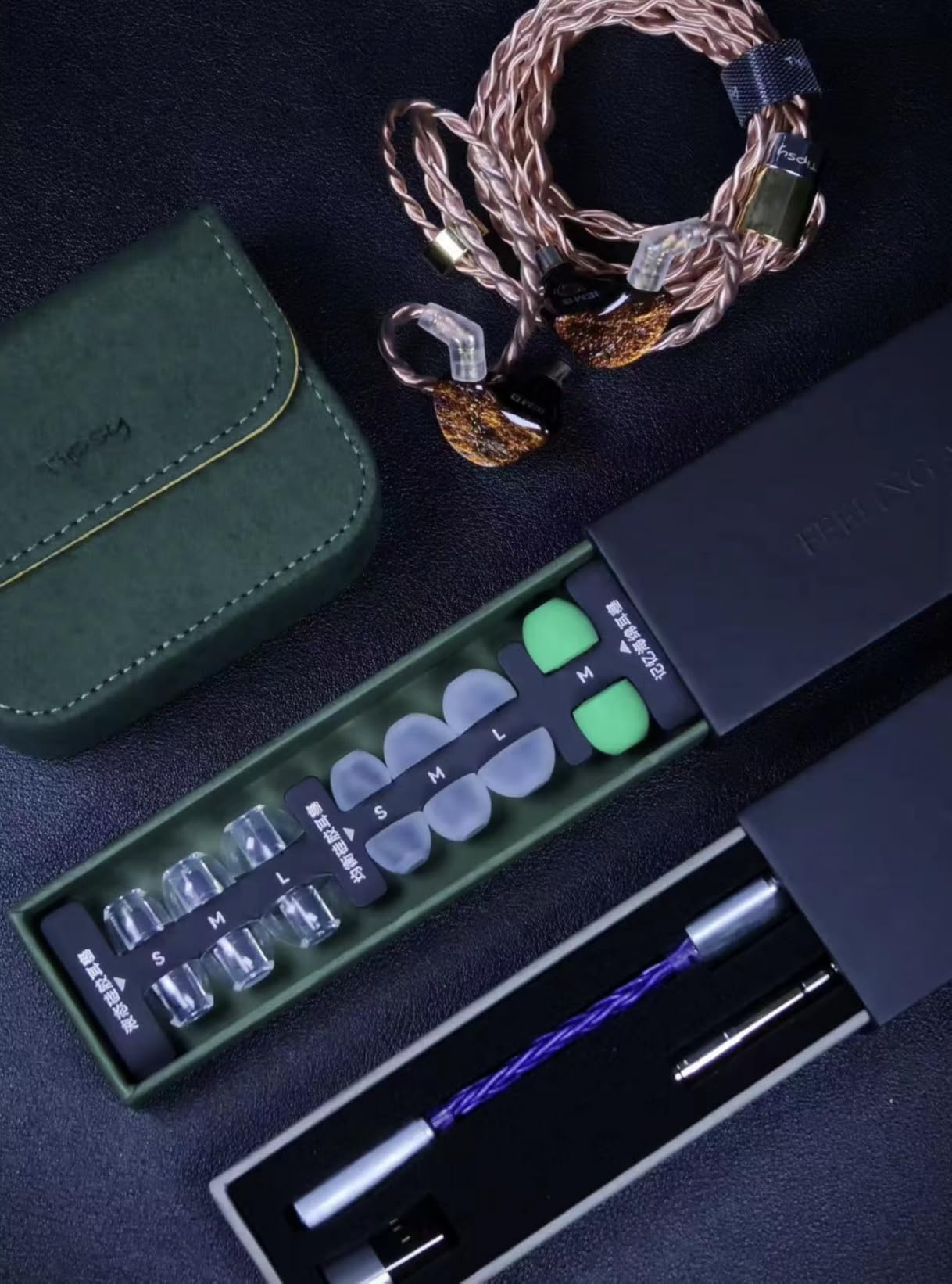
The Tipsy M5 Ultra is the most unusual model here. Its five-driver design combines bone conduction, a dynamic driver, two balanced armatures, and a planar driver, so the sub-bass is not handled by the same route as the mids and treble.
The supplied feedback calls the sound reference-neutral and exceptionally detailed, while the bone-conduction element adds a felt sense of rumble. That combination can make footsteps easy to place in games and give a recording’s lowest notes a physical presence.
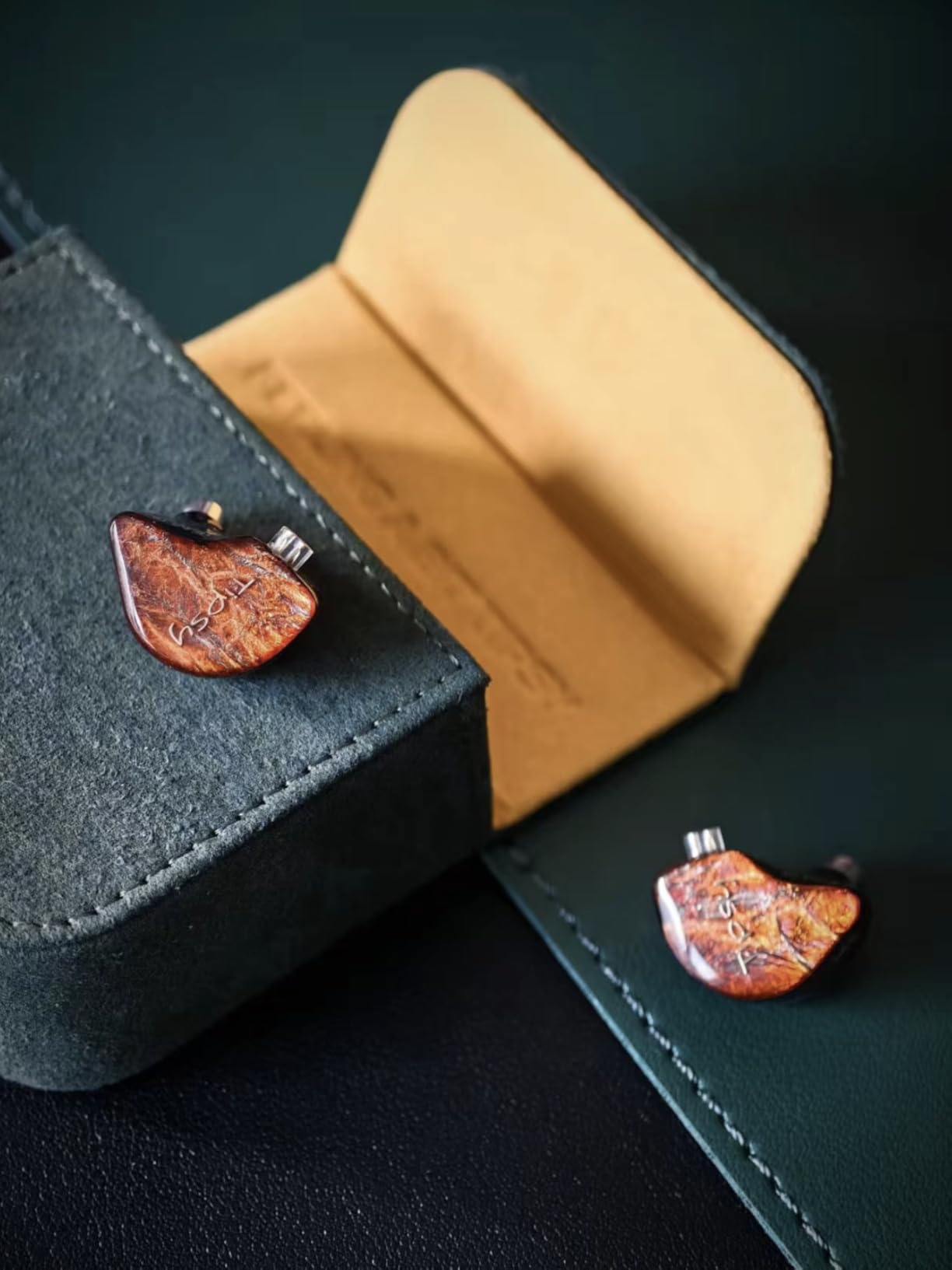
A dual-chip DAC and interchangeable 3.5mm, 4.4mm, and 6.35mm plugs are included. That makes the package flexible for a phone, a desktop DAC, or a full-size source, although the right-angle cable plugs deserve care.
For classical music, I would use the M5 Ultra when detail retrieval matters more than the most natural string timbre. The review base is only 15, so its perfect score is encouraging but not the same as a decade of ownership evidence.
Who should choose the Tipsy M5 Ultra?
Choose it for maximum micro-detail, gaming imaging, and a ready-made DAC package. It is also a compelling choice for listeners who enjoy feeling low-frequency energy without relying on ordinary sub-bass alone.
Who should avoid the Tipsy M5 Ultra?
Choose another model if you want a proven long-term record or a warmer, more forgiving tuning. Its price and unique driver layout make it less rational for casual listening.
10. Linsoul Kiwi Ears Orchestra II: Best IEM for Technical Classical Listening
Linsoul Kiwi Ears Orchestra II 10BA Professional HiFi Wired IEM Earbuds
10 BA drivers
19 ohm
109 dB
0.78mm detachable cable
Pros
- Excellent separation
- Detailed treble
- Passive isolation
- Transparent shell
Cons
- Treble-forward tuning
- Upper-mid peak
- Large shell
- Limited sub-bass
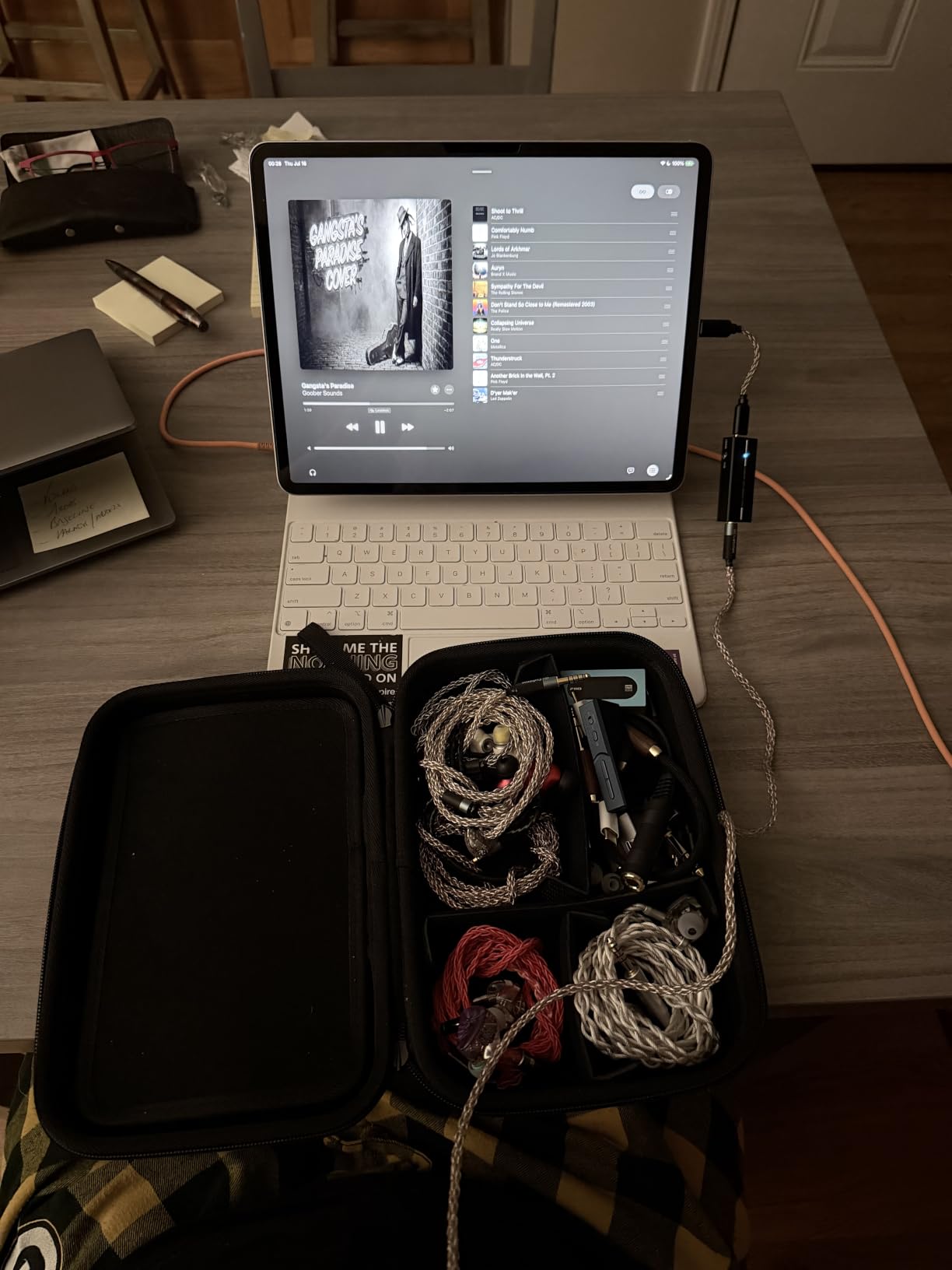
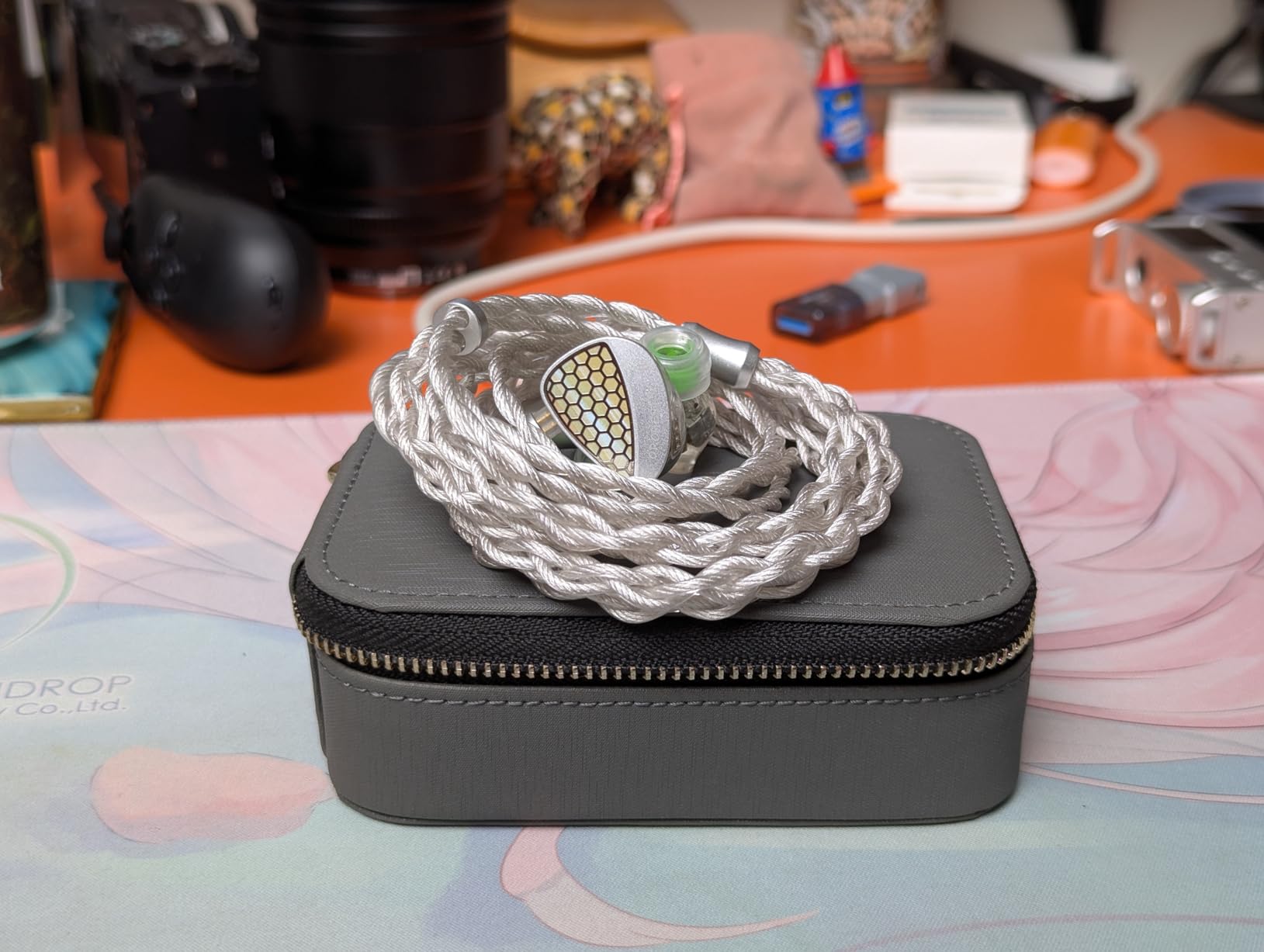
The Kiwi Ears Orchestra II is built for listeners who want to hear every layer of a recording. Ten balanced-armature drivers per ear handle sub-bass, low mids, vocals, instruments, and the highest frequencies through separate paths.
Its technical strength is separation. Complex orchestral music can feel unusually organized, which is valuable when you are studying a score or comparing microphones rather than simply relaxing.
The 19-ohm impedance and 109 dB sensitivity are easy for portable sources. The sealed gel-resin fill helps isolation, and the transparent shell makes the internal layout part of the design rather than hiding it.
The trade-off is tuning. The supplied reviews describe treble-forward sound, a slightly peaky upper midrange, limited width, and a shell that may not suit small ears.
Who should choose the Kiwi Ears Orchestra II?
Choose it for critical listening, high detail retrieval, and a studio-monitor-like presentation. It can be an excellent tool for hearing countermelodies and subtle instrumental timbres.
Who should avoid the Kiwi Ears Orchestra II?
Skip it if you are sensitive to upper treble, want a natural bass foundation, or have small ear canals. A warmer model such as the Volume S will be more comfortable for long sessions.
How to Choose the Best IEMs Under 500
The right IEM is the one whose tuning matches the recording, source, and length of your listening session. Start with the sound signature, then check driveability, fit, and isolation.
What does each driver type change?
A dynamic driver moves air with a diaphragm and usually gives bass a natural sense of weight. A balanced-armature driver uses a small armature and is known for speed and separation, while a planar magnetic driver uses a thin diaphragm in a magnetic field for quick treble and detailed transients.
Hybrid and tribrid sets combine those strengths, but more drivers do not automatically mean better music. A coherent crossover and good tuning matter more than the number printed on the box.
Which tuning is best for classical music?
For most classical recordings, I would start with a natural or warm-neutral balance: clear vocals, controlled bass, and smooth treble. New Meta-style tuning is popular in community discussion, but Harman-oriented sets remain useful when you want a fuller, more familiar presentation.
The Horizon and Volume S lean toward natural or warm-neutral sound. The EG280 and Orchestra II are more analytical, while the DUNU ITO, Xvive T9, and SuperMix 4 give bass or upper-frequency energy more prominence.
Can a phone drive these IEMs?
Yes for most of the list, because the supplied specifications range from 7.2 ohms to 37 ohms, with the Xvive T9 higher at 59 ohms. Sensitivity and source noise still matter, so a phone is usually fine for casual listening, while a dongle DAC can help a quiet or slightly harsh source.
I would not connect a powerful desktop amplifier at full volume. The research’s practical concern about damaging expensive IEMs with strong sources is valid; begin low and increase gradually.
How do ear tips affect the result?
Ear tips control seal, comfort, treble, and bass more than many buyers expect. A shallow fit can make the EG280 sound thin and can undermine the SE215 PRO’s isolation, while a deeper seal often restores weight and smoothness.
Try at least two sizes and materials. I would listen at a safe level for several minutes before comparing nozzles or EQ, because an aggressive fit can make a good IEM seem harsh.
Where do diminishing returns start?
There is no hard wall, but the community research consistently questions spending beyond roughly $300 without a clear goal. Below that point, fit, seal, and a better source may change your experience as much as another jump in driver count.
Choose the Horizon, SuperMix 4, or M5 Ultra when their specific strengths matter. Otherwise, the SE215 PRO, EA500 LM, or EG280 may give you more musical satisfaction than spending the difference on a marginal gain.
Frequently Asked Questions
What are the best budget IEMs?
The Shure SE215 PRO is the safest budget stage choice, while the SIMGOT EG280 is the best low-cost option for gaming, imaging, and a bright detailed presentation. The EA500 LM is the strongest choice if interchangeable tuning nozzles appeal to you.
What IEMs have the best sound quality?
The SIMGOT SuperMix 4 is my overall pick for separation, bass, treble extension, and comfort. The ZiiGaat Horizon is the most natural choice for classical music, while the Tipsy M5 Ultra offers the most distinctive micro-detail presentation.
What are the best IEMs under $400?
The ZiiGaat Horizon, Softears Volume S, Tipsy M5 Ultra, and DUNU x KOTO ITO are the strongest picks under $400. Choose Horizon for natural balance, Volume S for dual tuning, M5 Ultra for detail, and ITO for bass impact.
Are cheap IEMs worth it?
Yes, when they are chosen for a specific use. The EG280 and EA500 LM can outperform basic earbuds in clarity, separation, and fit, but ear-tip seal and a clean source often matter more than spending more for a marginal technical improvement.
What is the best IEM under $500?
The SIMGOT SuperMix 4 is the best overall IEM under $500 in this roundup, while the ZiiGaat Horizon is the best fit for natural classical-music listening. The Xvive T9 is the better choice for loud-stage monitoring and bass impact.
Final Thoughts on the Best IEMs Under 500 in 2026
My overall recommendation is the SIMGOT SuperMix 4 for listeners who want a modern, technically complete sound. For a more natural classical presentation, choose the ZiiGaat Horizon; for a working monitor, choose the Shure SE215 PRO or Xvive T9.
The best IEM is not the set with the most drivers. It is the set that makes you want to listen to the next movement, fits securely, and gives you the tuning your recordings need. Use the shortlist above as a focused starting point, then check the fit and source pairing before you buy.