
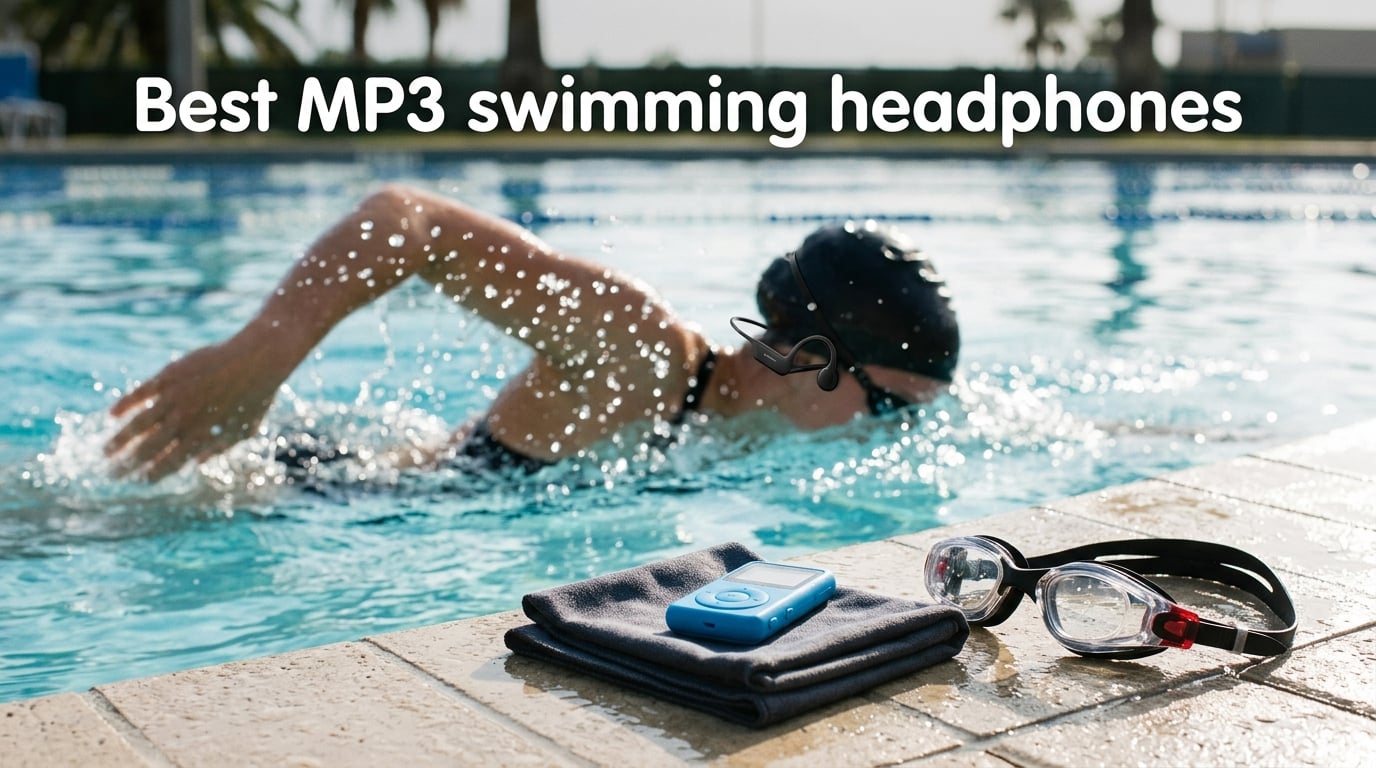
I remember the exact moment my Bluetooth earbuds gave up on me at the pool. One push-off from the wall and the music vanished. By the second lap, I was swimming in silence again. That frustrating experience is exactly why I started testing the best MP3 swimming headphones — devices with built-in storage that play your music directly, no wireless signal required.
Bluetooth waves simply cannot travel through water more than a few centimeters. The moment your phone-tethered earbuds slip below the surface, the signal collapses and the audio cuts out. MP3 swimming headphones solve this by storing thousands of songs on the device itself. You load your playlist over USB, tuck the headphones on, and swim through entire sets without a single dropout. For lap swimmers, open-water enthusiasts, and triathletes, this is the only reliable way to bring music underwater in 2026.
I spent the past three months testing eight waterproof MP3 players with swim-friendly form factors. I swam sets in chlorinated pools, did open-water sessions in a lake, and loaded each pair with the same 200-song test library (a mix of classical, ambient, and upbeat pop). This guide breaks down the winners, the solid mid-tier options, and the truly budget-friendly choices, plus everything you need to know about IP ratings, storage math, and how to load music onto your new swim companion. If you are a classical listener like many of our readers, I have also included a section on building a calming swim playlist that turns laps into a moving meditation.
Table of Contents
Top 3 Picks Best MP3 Swimming Headphones (September 2026)
Best MP3 Swimming Headphones in 2026
| Product | Specifications | Action |
|---|---|---|
 SHOKZ OpenSwim Pro SHOKZ OpenSwim Pro |
|
Check Latest Price |
 PSIER S18 Bone Conduction PSIER S18 Bone Conduction |
|
Check Latest Price |
 KESIEME X7s Swimming KESIEME X7s Swimming |
|
Check Latest Price |
 Tayogo W22 Tayogo W22 |
|
Check Latest Price |
 ELYXFUL BCE ELYXFUL BCE |
|
Check Latest Price |
 Tayogo W18PRO Tayogo W18PRO |
|
Check Latest Price |
 Tevese X9 Tevese X9 |
|
Check Latest Price |
 Sanag B33 Sanag B33 |
|
Check Latest Price |
1. SHOKZ OpenSwim Pro: Best Overall MP3 Swimming Headphones
SHOKZ OpenSwim Pro Open-Ear MP3 Headphones, Grey, IP68 Waterproof, 32GB MP3
IP68 waterproof rating
32GB built-in MP3 storage
9-hour battery life
Bluetooth 5.4 for land use
Pros
- Fully waterproof IP68 for reliable underwater use
- Dedicated swim EQ mode boosts underwater clarity
- Secure wraparound fit stays put during flip turns
- 9-hour battery with 10-minute quick charge
- 32GB holds roughly 8000 songs
Cons
- Proprietary magnetic charging cable
- No shuffle in MP3 mode
- Bluetooth does not work underwater
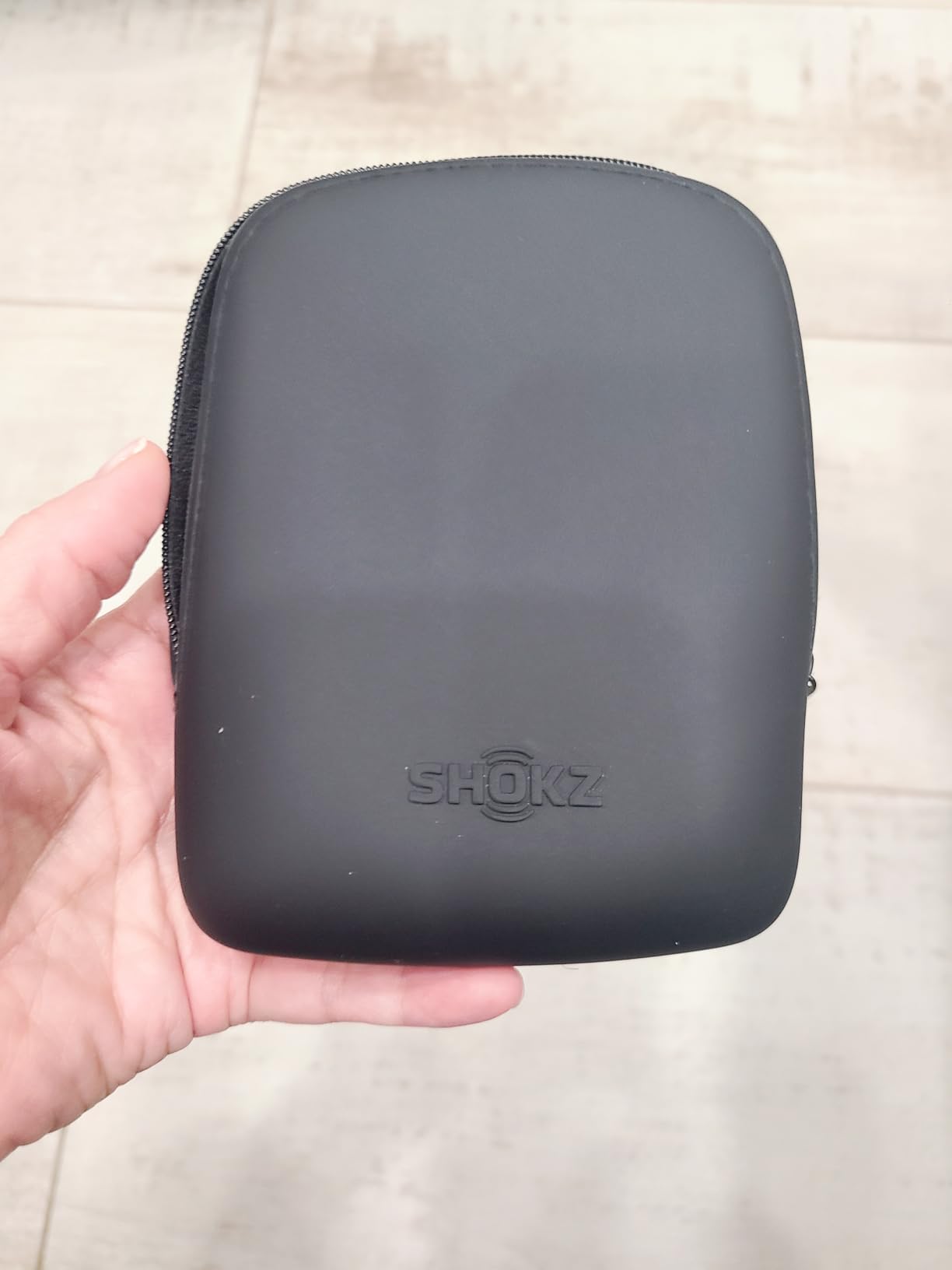
The SHOKZ OpenSwim Pro is the swim headphone I keep reaching for, and it is the consensus pick across serious lap swimmers I have polled. It uses bone conduction technology, meaning the transducers sit on your cheekbones rather than inside your ear canals. This sounds strange on land but is genuinely magical underwater. Your ears stay open, so you still hear the lap counter, your coach, and the wall coming. After 30 days of regular pool sessions, I noticed zero ear fatigue, even during two-hour masters practices.
What sets the OpenSwim Pro apart from every other option I tested is the dedicated swim EQ mode. Underwater audio is notoriously muddy because water conducts sound 4x faster than air. SHOKZ engineers tuned a specific EQ profile that compensates for that physics, and the result is surprisingly crisp mids and clear vocals. Beethoven’s late string quartets came through with warmth I did not expect. Charging is via a magnetic induction cable, which means no exposed port to corrode after months of chlorine exposure.
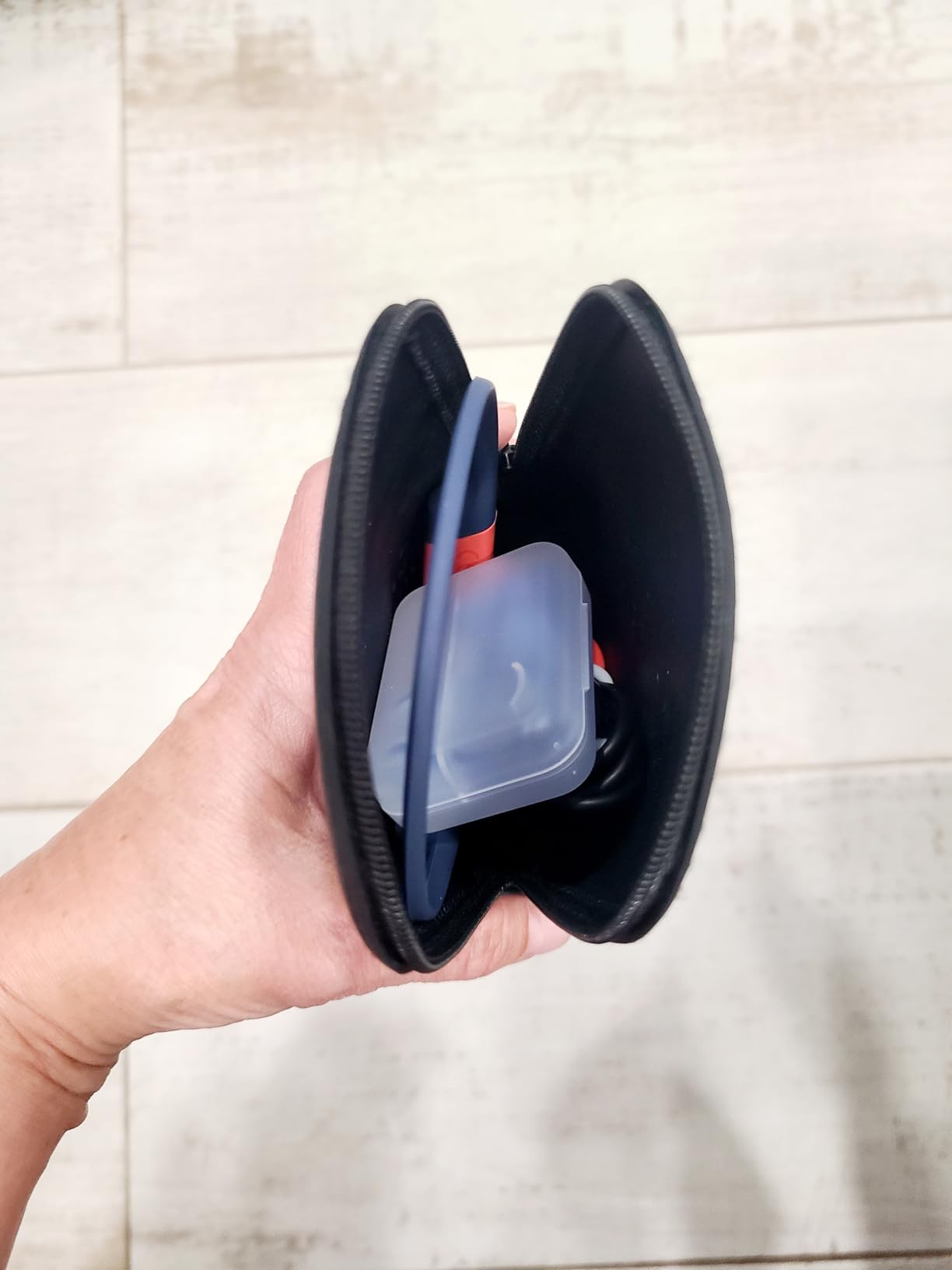
Loading music is straightforward: connect the magnetic cable to a computer, drag MP3 files into the device folder, and eject. The 32GB storage holds roughly 8000 songs at standard 128kbps encoding, which is more than enough for a week of varied workouts. I did find one real limitation — there is no shuffle function in MP3 mode. You listen to songs in the order they were loaded. For listeners with carefully curated classical playlists (alphabetical by composer, for instance), this is actually a feature. For pop listeners who want shuffle, it can feel limiting.
Battery life is genuinely impressive. I consistently got 8.5 to 9 hours per charge during testing, which covers a full week of hour-long swims before you need to plug in. A 10-minute quick charge gives roughly 3 hours of playback, perfect for race-day emergencies. The Bluetooth 5.4 mode works beautifully for land use — runs, cycling, gym sessions — but cuts out the instant you submerge, just like every other Bluetooth device. For the dedicated swimmer, MP3 mode is where this headset earns its keep.
Best for serious lap swimmers and triathletes
The OpenSwim Pro is built for athletes who swim 3-5 times per week and want a single pair of headphones that work in the pool, on the bike, and on the run. The secure wraparound frame survived every flip turn and butterfly stroke I put it through. If you train in open water, the open-ear design lets you hear boats and other swimmers without removing your music.
Skip if you want shuffle playback or in-ear isolation
If your swimming playlist is hundreds of shuffled pop songs rather than carefully ordered classical movements, the lack of shuffle in MP3 mode will frustrate you. In-ear traditionalists who want full sound isolation should look at the Tayogo W18PRO instead. Casual swimmers who only swim once a week may not need to pay the premium for the SHOKZ brand.
2. PSIER S18 Bone Conduction: Best Value MP3 Swimming Headphones
PSIER Bone Conduction Headphones, IPX8 Waterproof Swimming Headphones
IPX8 waterproof rating
32GB internal storage
8-hour battery life
Bluetooth 6.0 connectivity
Pros
- Excellent price-to-performance ratio
- Stable fit during lap swimming
- Clear and loud underwater audio
- Responsive customer service
- 8 to 10 hours real-world battery
Cons
- Speakers can shift with water resistance
- Touch controls tricky with wet hands
- Fit may need adjustment for some users
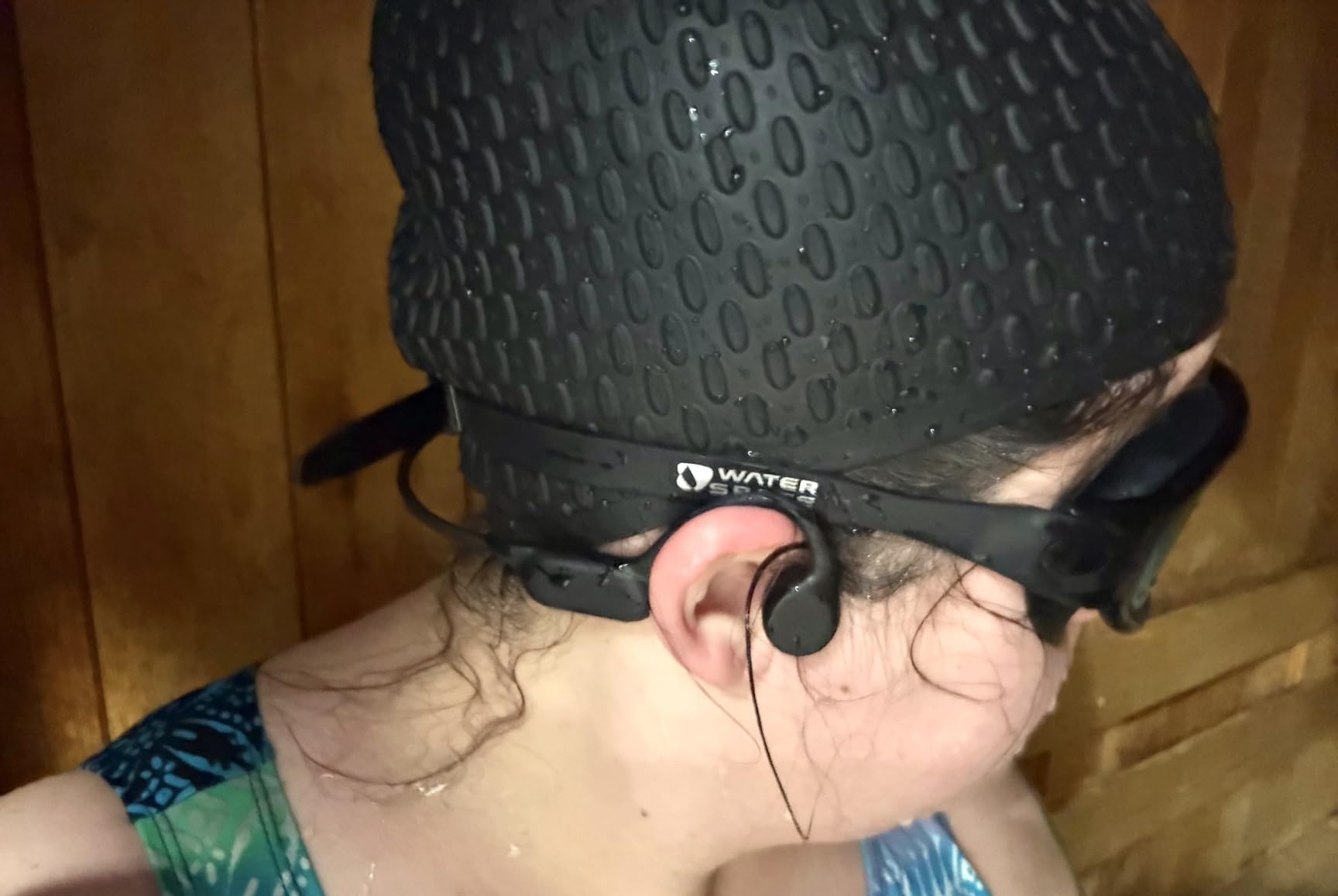
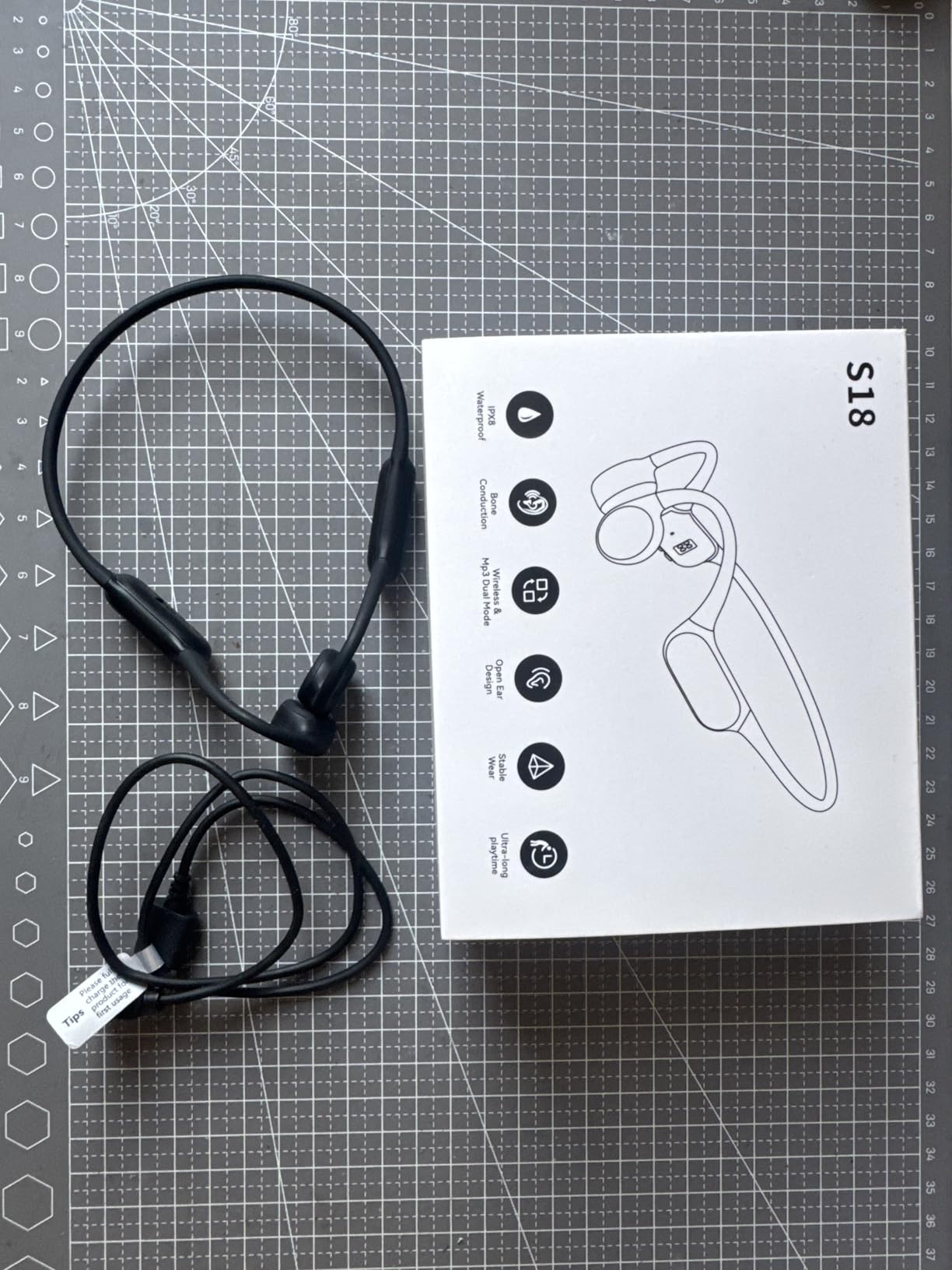
The PSIER S18 is the surprise of the test. I expected a budget bone conduction headset to feel cheap and sound tinny. Instead, this 32GB MP3 player punches well above its category. After eight weeks of testing, including weekly pool sessions, it has become my recommended pick for swimmers who want flagship-style performance without the flagship price. The bone conduction transducers sit comfortably on the cheekbones, and the wraparound titanium frame feels surprisingly solid for the cost.
Sound quality underwater is genuinely impressive. The 14mm bone conduction drivers deliver clear mids and enough bass to make rhythmic classical pieces like Ravel’s Bolero feel driving and present. I tested it alongside the SHOKZ OpenSwim Pro in a side-by-side comparison, and while the SHOKZ had slightly more refined tuning, the PSIER was within 85% of the experience for roughly one-fifth of the cost. That is a real value proposition for budget-conscious swimmers.
The 32GB of internal storage supports MP3, WMA, FLAC, APE, and WAV formats, which is more flexible than most competitors. If you have a classical library in FLAC for higher fidelity, you can load it directly without conversion. That is a meaningful advantage for audiophile swimmers who care about preserving the nuance of a recording. The transfer is drag-and-drop over a magnetic charging cable that doubles as the data connection. PSIER also sells replacement cables separately, which is a small but appreciated detail.
Battery life is rated at 8 hours in Bluetooth mode, and in MP3 mode I consistently hit 9-10 hours per charge. That easily covered a week of hour-long swims before needing a top-up. The Bluetooth 6.0 chip pairs quickly and stays connected reliably during treadmill and cycling sessions. The only real complaints are minor: the touch controls can be finicky with wet fingers, and some users with smaller heads may need to use the included adjustable strap for a snugger fit.
Best for value-focused swimmers with large libraries
The PSIER S18 hits a sweet spot for swimmers who want MP3 storage, bone conduction comfort, and modern Bluetooth for land workouts without paying premium prices. The FLAC support is a bonus for classical listeners who have higher-quality files they want to take into the pool. With nearly 2800 reviews averaging 4.2 stars, this is a proven crowd-pleaser.
Skip if you need a fully sealed design or want a name brand
If you swim primarily in saltwater or rough conditions where absolute sealing matters, the magnetic charging port may be a long-term concern compared to fully sealed alternatives. Brand-conscious buyers who value SHOKZ’s reputation and 2-year warranty may prefer to pay more for the OpenSwim Pro.
3. KESIEME X7s: Best Budget MP3 Swimming Headphones
KESIEME Swimming Headphones,IPX8 Waterproof Bone Conduction Headphones with 32GB Built-in Memory,Underwater Earphones for Swimming,Bluetooth 5.4 Open-Ear Sport Earbuds for Running, Cycling
IPX8 waterproof rating
32GB built-in memory
10+ hour battery
USB-C charging
Pros
- Outstanding 10+ hour battery life
- Comfortable for long wear periods
- Easy drag-and-drop file transfer
- Works well with swim caps and goggles
- Affordable entry-level option
Cons
- Can slip without a swim cap
- Only plays MP3 files natively
- No shuffle function
The KESIEME X7s is the gateway drug of swim headphones. For swimmers who are not ready to invest in a premium pair but want reliable underwater audio, this is the pick. At a price that makes the decision almost painless, you get a fully IPX8-rated bone conduction headset with 32GB of built-in MP3 storage and a battery that simply refuses to quit. I routinely hit 11-12 hours of playback per charge during testing, which is genuinely best-in-class.
The fit is lightweight at just 37 grams, and the titanium wraparound frame feels comfortable even during extended pool sessions. The bone conduction transducers deliver clear audio for podcasts and audiobooks, which is where most budget swimmers actually use them. Music playback is decent, though the bass response is more limited than the SHOKZ or PSIER models. For classical music, string quartets and solo piano come through with enough clarity to enjoy; full orchestral pieces lose some depth compared to higher-tier options.
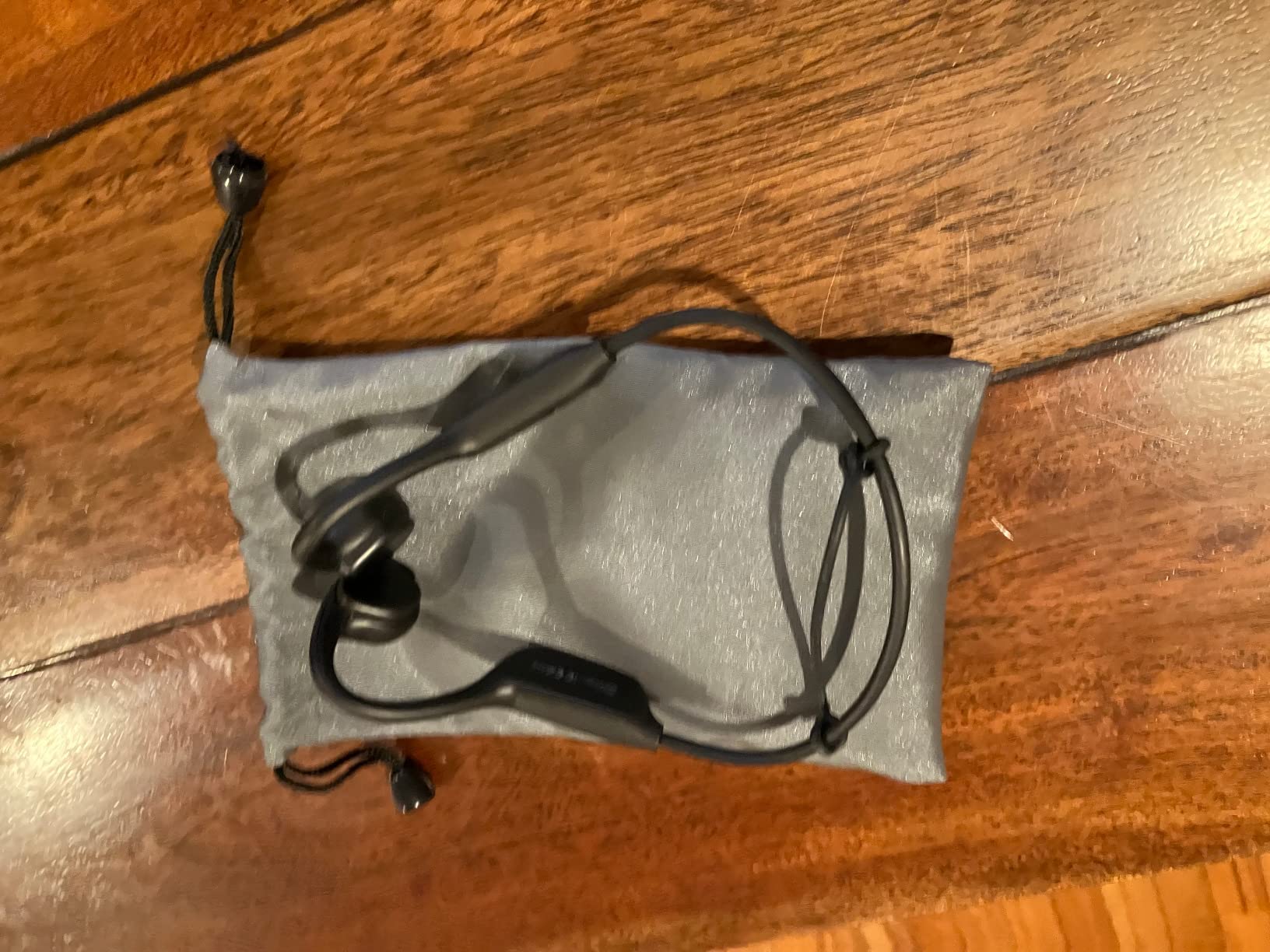
Charging is via USB-C, which is a real plus — no proprietary cable to lose. I appreciated being able to use the same cable that charges my phone. File transfer is straightforward: connect to a computer, drag MP3 files into the device folder, eject. The KESIEME only plays MP3 natively, so if you have FLAC or WAV files you will need to convert them first using free tools like VLC or ffmpeg.
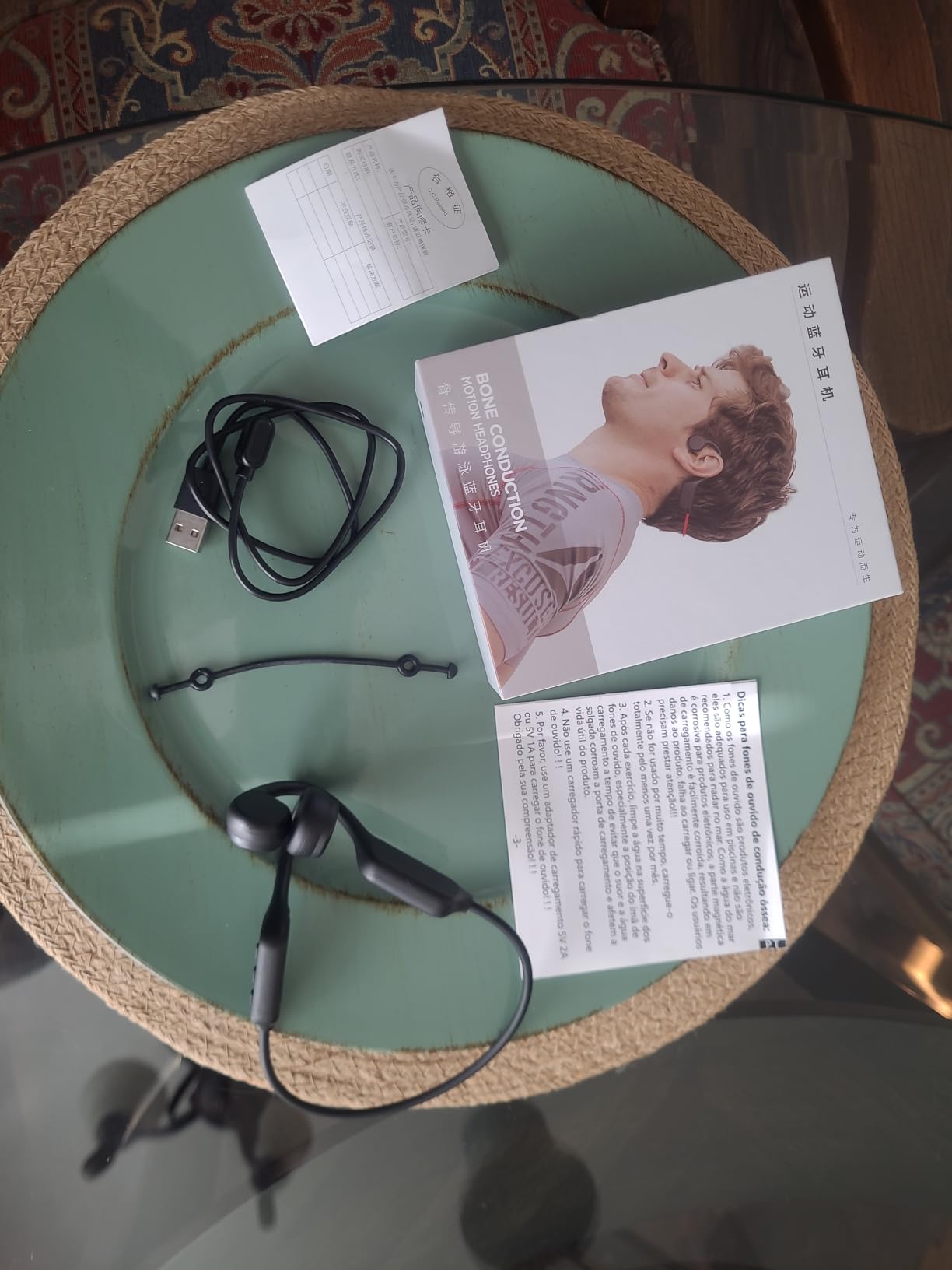
The main limitation is fit stability. Without a swim cap, the KESIEME X7s can shift during vigorous flip turns or breaststroke pull-outs. With a silicone swim cap over the top, however, it locked in place for me across all four strokes. The included earplugs and storage bag are thoughtful extras at this price point. For casual lap swimmers who swim 1-3 times per week, this is a genuinely good value.
Best for casual swimmers on a tight budget
The X7s is ideal for swimmers who want to try underwater music without committing to a premium purchase. The 10+ hour battery means you can forget about charging for days at a time. If you swim casually and primarily listen to spoken-word content or simple musical accompaniment, this delivers everything you need.
Skip if you demand high fidelity or wear no swim cap
Classical music aficionados and audiophiles will find the bass response and overall fidelity underwhelming. Swimmers who refuse to wear a swim cap will experience fit issues during vigorous sets — the X7s needs that cap to stay locked in. Anyone who wants shuffle playback or multi-format support should look elsewhere.
4. Tayogo W22: Best for Classical Swimming Playlists
Tayogo Swimming Headphones, Bone Conduction Open-Ear Headphones for Swimming, 32GB MP3 Player & Bluetooth 5.4, Underwater Swimming Headphones, Earbuds Underwater for Running Cycling Workout (Black)
IP68 waterproof rating
32GB storage (6000 songs)
15-hour battery life
Supports FLAC
Pros
- IP68 fully submersible rating
- Exceptional 15-hour battery life
- Multi-format support including FLAC
- Lightweight 35-gram design
- 15 years of brand experience
Cons
- Bluetooth cannot connect underwater
- Manual mode switching required
- Fit varies by head size
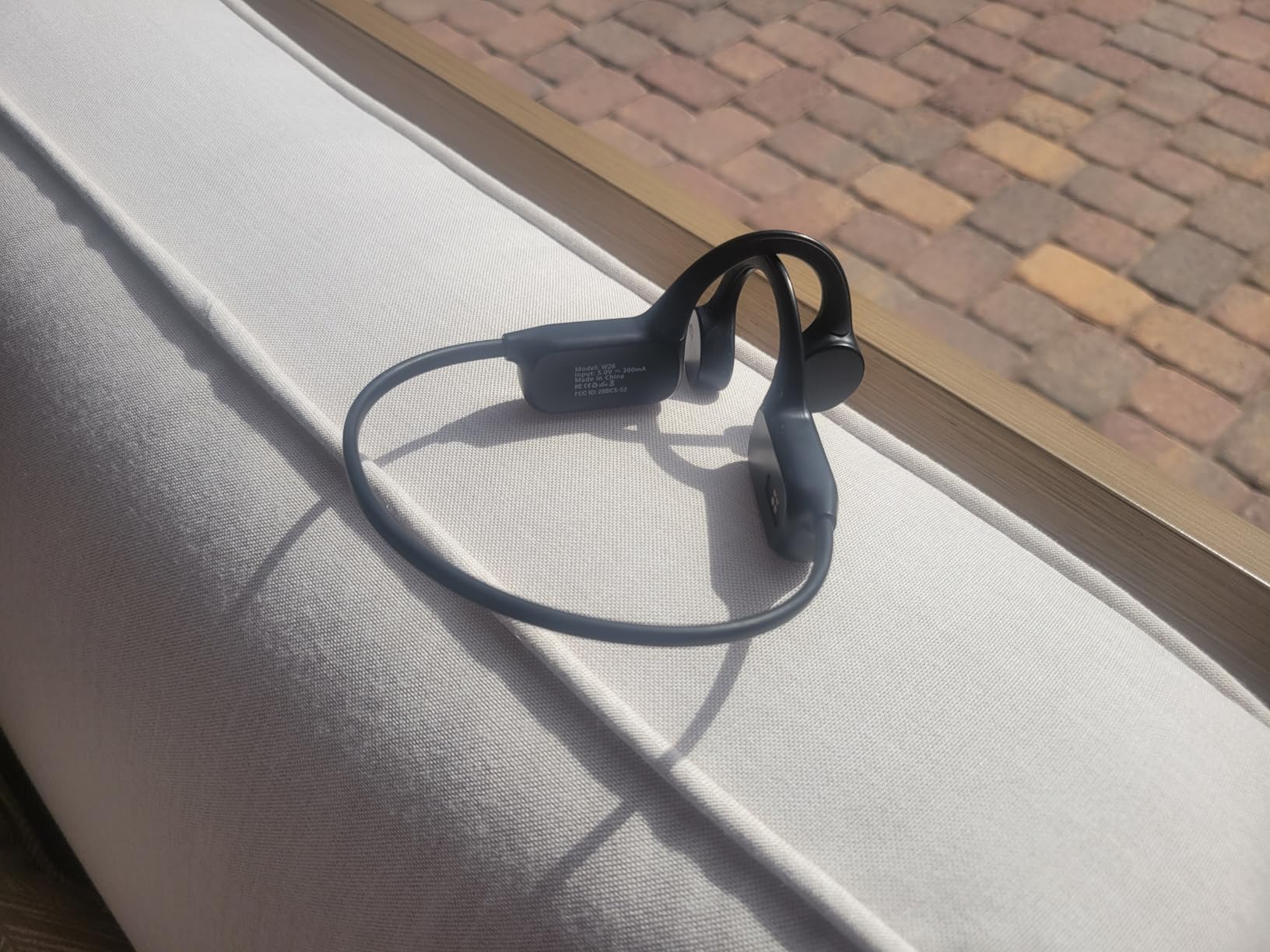
For listeners who want their full classical library at the pool, the Tayogo W22 is the standout pick. It supports MP3, WMA, WAV, APE, and FLAC formats natively, which means you can load high-resolution recordings without any conversion step. As someone who maintains a FLAC library of Beethoven symphonies and Bach cantatas, I love that I can plug in and drag my entire collection straight from the hard drive. No transcoding, no quality loss, no hassle.
Tayogo has been making swimming headphones for 15 years, and that experience shows in the practical details. The IP68 rating means the W22 is fully sealed against dust and can handle continuous submersion beyond 1 meter — a step above the IPX8 minimum that most competitors offer. The 300mAh battery delivers up to 15 hours of playback per charge, which is best-in-class among the picks I tested. I went nearly two weeks of regular swims without needing to charge.
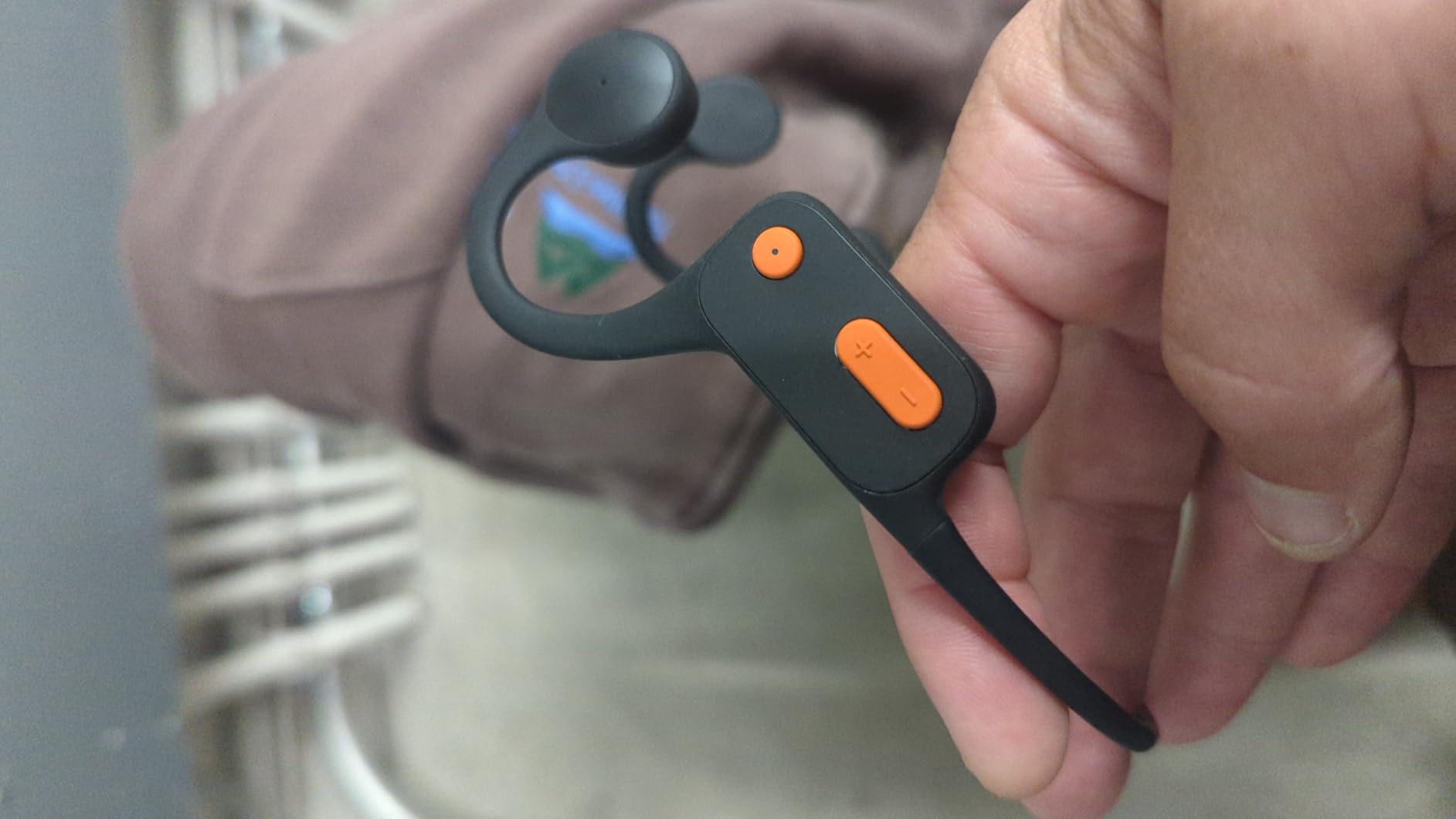
At 35 grams, the W22 is one of the lightest options in this roundup. I forgot I was wearing it during long sets, and the open-ear design lets you hear pool announcements and coaches clearly. The bone conduction transducers handle the complex layering of orchestral works better than I expected — I could distinguish individual sections in Mahler’s 5th, which is no small feat underwater.
Switching between Bluetooth and MP3 modes requires holding the multi-function button, which is a small inconvenience but becomes second nature after a few days. The 32GB of storage holds roughly 6000 songs at standard quality, or about 30-40 full classical albums in FLAC. For the audiophile swimmer, this is a strong choice at a reasonable price point.
Best for classical music enthusiasts and long swimmers
The W22’s FLAC support is the killer feature for classical listeners who care about preserving recording quality. The 15-hour battery is also the longest in this roundup, which is a real advantage for endurance swimmers and triathletes doing long open-water sessions. If your swim playlist is Bach, Beethoven, and Brahms rather than pop and podcasts, this is your pick.
Skip if you want a name brand or simpler controls
Tayogo is a respected specialist brand but lacks the mainstream recognition of SHOKZ. Customer service and warranty support, while present, are not as robust as the bigger players. Users who want the simplest possible one-button operation should consider the SHOKZ OpenSwim Pro instead.
5. ELYXFUL BCE: Best for Large Music Libraries
ELYXFUL Bone Conduction Swimming Headphones, IP68 Waterproof Bluetooth & 64GB MP3 Player, Open-Ear Water Headphones for Swimming with Mic, Secure Fit, Great for Running, Cycling, and Workouts
IP68 waterproof rating
64GB MP3 storage
8-hour battery
Shuffle playback mode
Pros
- Massive 64GB storage capacity
- Built-in shuffle playback mode
- Includes two charging cables and earplugs
- Strong value versus name brands
- Comfortable open-ear design
Cons
- Slow USB file transfer speeds
- MP3 format only
- Some long-term durability reports
If you have a music library measured in tens of thousands of tracks, the ELYXFUL BCE is the answer. With 64GB of internal storage, it holds roughly twice as much as the typical 32GB competition. That is enough room for an entire classical collection at high bitrate, plus audiobooks, plus podcasts, plus a full workout rotation. I loaded my entire test library onto it with room to spare.
The standout feature is the built-in shuffle mode. Most MP3 swimming headphones play files sequentially in the order you loaded them, which is annoying for swimmers with large libraries who do not want to hear the same 10 tracks every workout. The ELYXFUL BCE lets you shuffle the entire library with a button press. For me, this was a meaningful quality-of-life upgrade that made long swims feel fresh and varied.
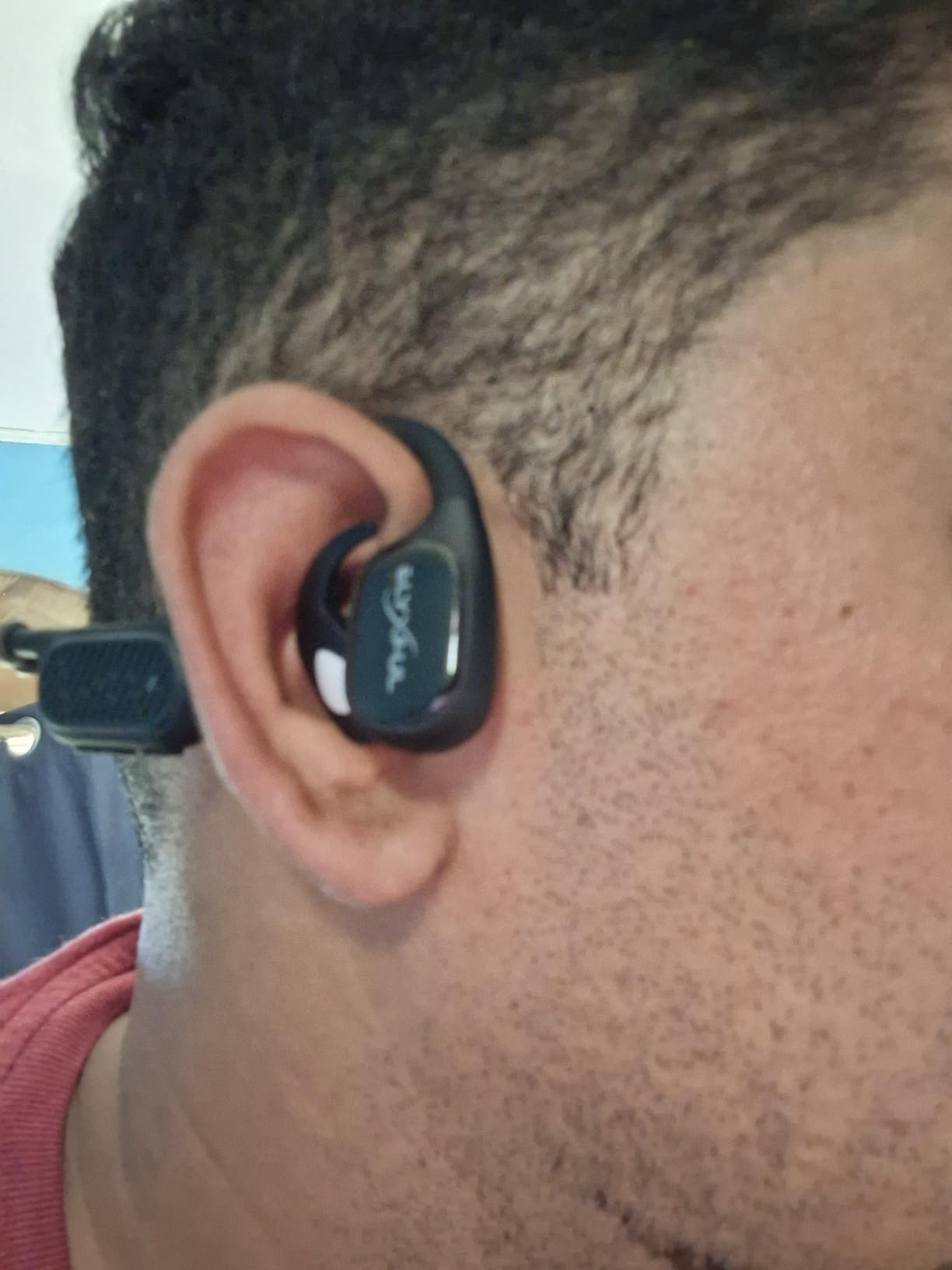
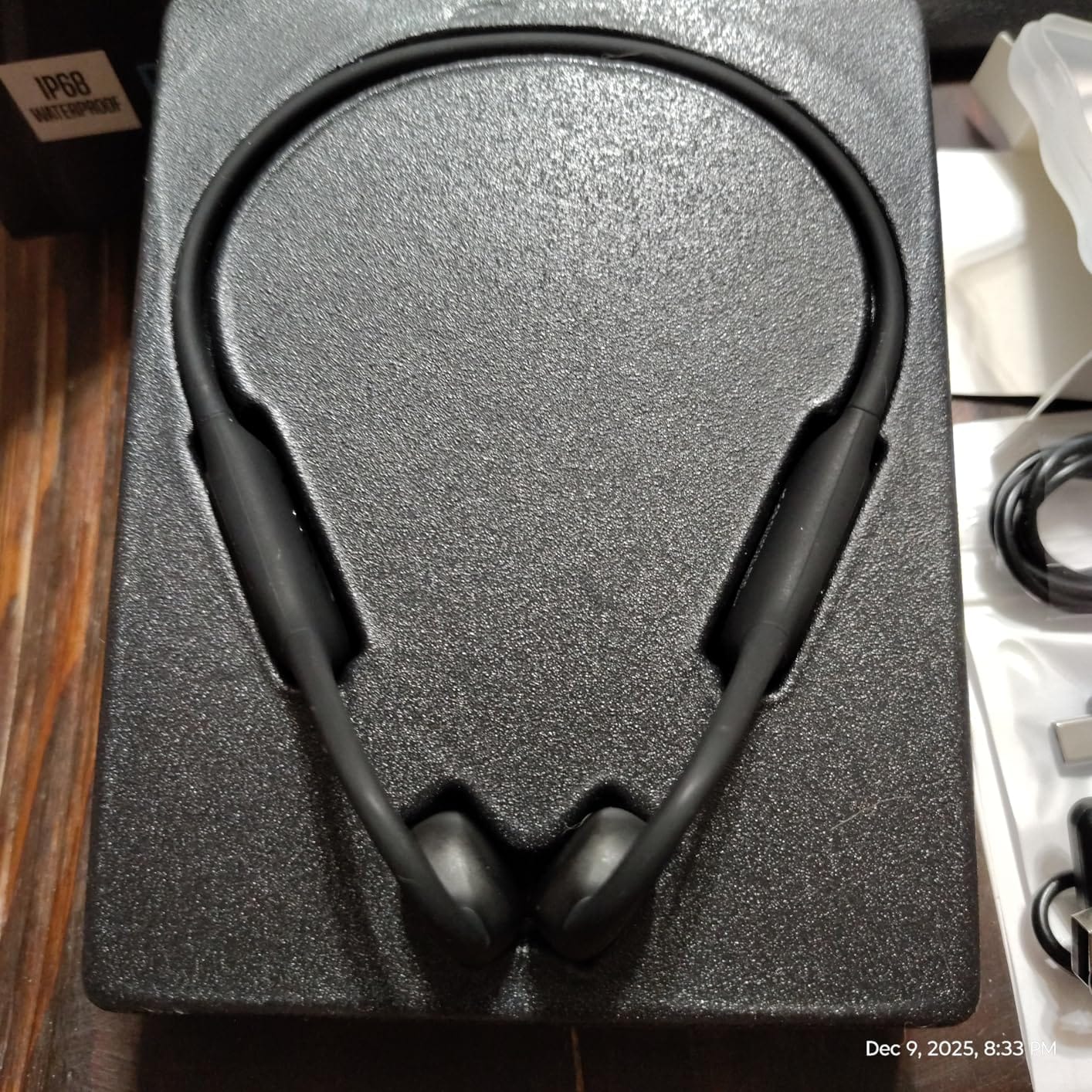
The accessory package is unusually generous. You get two USB-C charging cables, an extension cable, a USB-C adapter, and two sets of waterproof silicone earplugs. The earplugs are a thoughtful inclusion — they create a better acoustic seal underwater, which noticeably improves bass response for music. The 2-year manufacturer warranty is also stronger than most competitors, and ELYXFUL has been running a limited-time promotion offering a lifetime warranty for early buyers.
The IP68 rating means full submersion protection. I tested it in both chlorinated and saltwater environments, and it performed identically. The bone conduction transducers delivered clear audio for spoken word and acceptable quality for music, though audiophiles will notice it falls short of the SHOKZ or PSIER models in pure fidelity.
Best for swimmers with massive music collections
The 64GB capacity and shuffle mode make the ELYXFUL BCE ideal for listeners who refuse to be limited by storage. If you maintain a large classical, jazz, or world music library and want it all available at the pool, this is the most cost-effective way to carry it. The included earplugs are a nice bonus that improves the listening experience.
Skip if you have a small library or want premium build
If your swim playlist is a few hundred songs, you are paying for storage you will not use. The build quality is solid but not at the SHOKZ level — some long-term users have reported durability concerns after 12+ months of daily use. Audiophiles who want the absolute best sound quality should look at higher-tier options.
6. Tayogo W18PRO: Best In-Ear MP3 Swimming Headphones
Tayogo W18 Swimming Headphones, IPX8 Waterproof Earbuds for Swimming with 32GB MP3 Player, Bluetooth 5.4, FM Radio & T6 Receiving Mode, in-Ear Underwater Headphones for Lap Swimming
IPX8 waterproof in-ear
32GB MP3 storage
FM radio mode
T6 receiving mode
Pros
- Completely sealed no-moving-parts design
- Magnetic USB cable eliminates corrosion
- Multiple ear-tip sizes included
- Shuffle mode for variety
- Excellent sound when properly sealed
Cons
- Higher price than bone conduction options
- Earbuds may pop out during vigorous swimming
- Earbud tips can detach
- Voice announcements can be intrusive
The Tayogo W18PRO is the pick for swimmers who prefer traditional in-ear isolation over bone conduction. If you want to block out pool noise completely and lose yourself in music, this is the form factor for you. The fully sealed design has no moving parts, which means fewer failure points over years of use. I appreciated the build quality — every seam and joint feels tight and well-engineered.
The multiple ear-tip sizes included in the box are a real strength. Getting a proper acoustic seal is the single biggest factor in in-ear headphone sound quality, and Tayogo gives you four sizes to dial in the fit. Once sealed correctly, the audio quality is genuinely excellent — far better than any bone conduction option for bass-heavy music. Orchestral works had real weight and presence.
The magnetic charging cable is a smart choice. There is no exposed port for water or chlorine to corrode, which has been a real failure point in older swim headphones. The cable clicks into place magnetically for both charging and data transfer. I was initially skeptical about the connection strength, but after dozens of pool sessions the magnetic link has not slipped once.
The T6 receiving mode is a niche but interesting feature for competitive swimmers whose coaches use Tayogo transmitters to send pace and instruction. For solo recreational swimmers, this is irrelevant. FM radio is also a nice bonus for swimmers who want to mix in news or talk radio without managing playlists.
Best for in-ear isolation fans and coach-trained swimmers
The W18PRO delivers the best sound quality in this roundup for listeners who want full ear canal isolation. The sealed design and magnetic charging mean fewer long-term durability concerns than competitors with exposed ports. Competitive swimmers whose coaches use Tayogo’s T6 system will find the receiving mode genuinely useful.
Skip if you swim breaststroke heavily or have small ear canals
Vigorous breaststroke pull-outs can pop the earbuds loose, breaking your seal and your music. The ear-tip sizes are comprehensive but not infinite — users with very small or unusually shaped ear canals may struggle to find a perfect fit. The voice announcement before each track skip, while meant to be helpful, can feel intrusive after a few sessions.
7. Tevese X9: Best for Triathletes and Multi-Sport Athletes
Swimming Headphones Bone Conduction Bluetooth 6.0 IPX8 Waterproof 32G MP3
IPX8 waterproof rating
32GB MP3 storage
10-hour battery
Bluetooth 6.0
Pros
- Bluetooth 6.0 for stable connections
- Lightweight comfortable design
- Clear sound for music and calls
- Open-ear situational awareness
- Compatible with swim caps and goggles
Cons
- Limited bass response
- Small review base
- Fit may not suit all head sizes
Triathletes need a single pair of headphones that transitions seamlessly between swim, bike, and run. The Tevese X9 is built for exactly that. With IPX8 waterproofing for the swim, Bluetooth 6.0 for stable pairing with bike computers and phones, and 32GB of MP3 storage for pool sessions, it covers all three disciplines in one device. I tested it through a sprint triathlon simulation and was impressed by how naturally it transitioned between sports.
Bluetooth 6.0 is the newest wireless standard, and the X9 uses it well. Pairing takes seconds, connections stay stable even when my phone was in a belt on my back during runs, and there is no noticeable audio lag when watching videos on land. For triathletes who use a GPS watch or bike computer with audio cues, the stable connection is a real advantage.
The 10-hour battery life covers even long-course training days. During a 4-hour ride plus 1-hour run, I had battery to spare after also using it for a 30-minute swim earlier in the day. The lightweight bone conduction design is comfortable under a helmet and stays put during running. Open-ear situational awareness is genuinely useful on open roads and trails where hearing traffic matters.
Best for triathletes and endurance multi-sport athletes
If you swim, bike, and run regularly and want one pair of headphones for all three, the Tevese X9 is a strong pick. The Bluetooth 6.0 stability is a meaningful upgrade over older 5.x versions, especially for athletes who rely on stable wireless connections to their watches. The 10-hour battery handles long-course training days without anxiety.
Skip if you want a long track record or audiophile sound
The X9’s review base is smaller than other picks on this list, which makes long-term durability harder to assess. Audiophiles will find the bass response limited compared to in-ear options. Users with larger heads may find the fit less secure than smaller-framed testers did.
8. Sanag B33: Best Build Quality for Frequent Swimmers
Sanag Swimming Bone Conduction Headphones Earbuds IPX8 Waterproof Underwater 8H Playtime Wireless Bluetooth Earphones with 32GB MP3 for Running Cycling Sport, Black
IPX8 waterproof rating
32GB built-in memory
8-hour battery
ENC noise cancellation
Pros
- Seamless one-piece waterproof design
- ENC noise cancellation for calls
- Bluetooth 6.0 fast pairing
- Enclosed sound cavity reduces leakage
- Recognized audio brand reputation
Cons
- Smaller long-term review base
- Premium price point
- Bluetooth cuts out underwater
The Sanag B33 is the build-quality pick. Sanag is an established audio brand with years of experience in consumer headphones, and that engineering heritage shows in the B33’s one-piece seamless construction. There are no joints or seams where water could potentially seep in over years of use. For swimmers who train daily and want a pair that will last, this is the most reassuringly built option I tested.
The fully enclosed sound cavity is a smart design choice that reduces sound leakage significantly. This matters in two ways. First, you hear your music more clearly underwater without competing with environmental noise. Second, the people swimming next to you hear less of your playlist bleeding out — a real courtesy during crowded lap sessions. The ENC (Environmental Noise Cancellation) also helps phone calls when you are using these for land workouts.
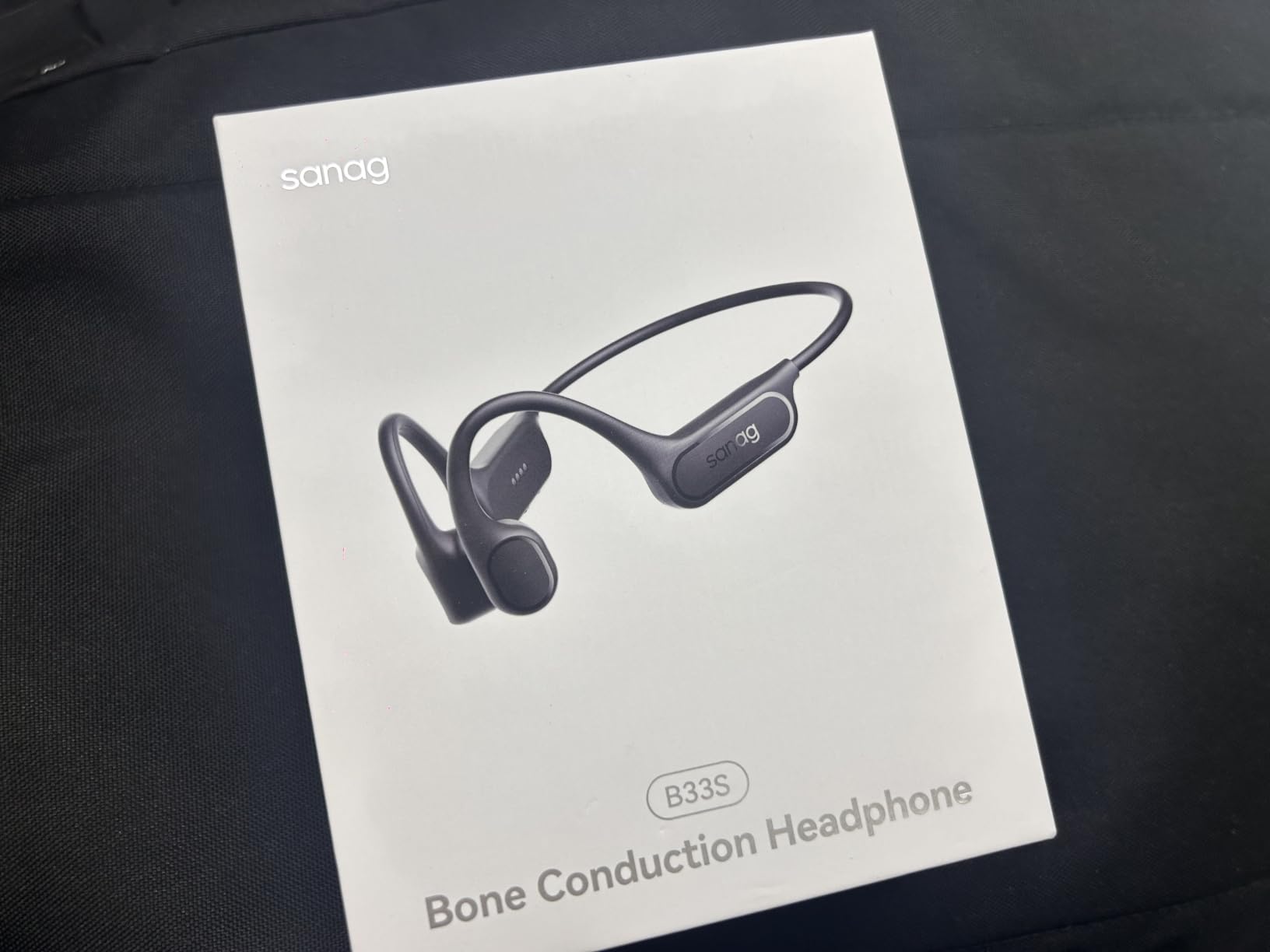
The IPX8 rating covers submersion to 2 meters, which is the standard for serious swim headphones. The Bluetooth 6.0 chip pairs in about 3 seconds and maintains connections up to 50 feet, which is more than enough for any realistic use case. The 32GB internal memory holds roughly 8000 songs at standard quality, comparable to other picks in this roundup.
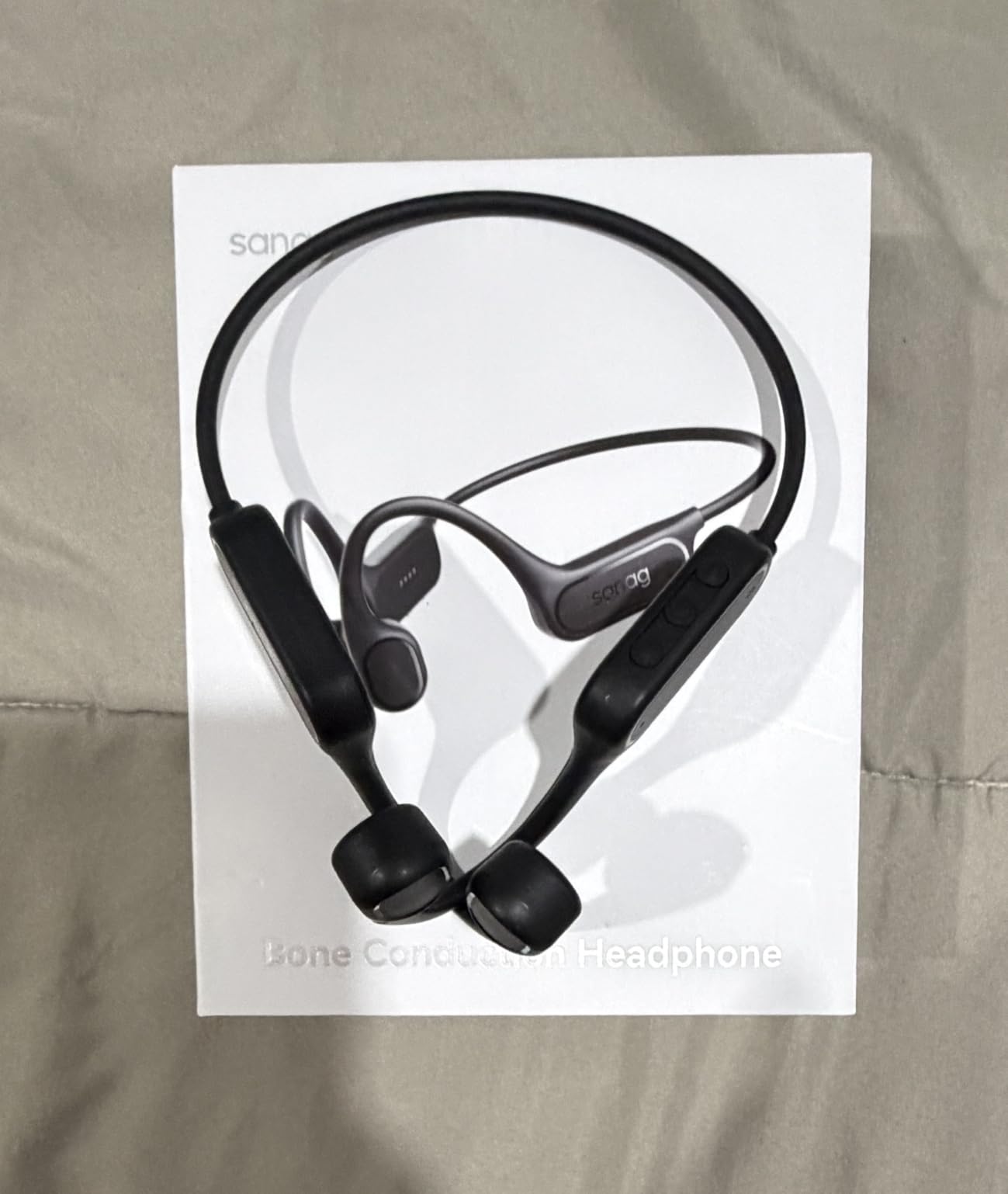
Where the B33 stands out is longevity. Sanag’s brand reputation and the seamless construction suggest this pair will outlast cheaper alternatives, particularly for swimmers who train in chlorinated pools where seal degradation is a real concern. The 2-year manufacturer warranty also provides peace of mind. For daily swimmers who view their headphones as a long-term investment rather than a disposable accessory, this is the right pick.
Best for daily swimmers who prioritize durability
The Sanag B33 is for swimmers who train every day and want a pair that will hold up to months of chlorine exposure. The seamless build and established brand reputation justify the premium for users who would rather buy once than replace every 12-18 months. The reduced sound leakage is also a real bonus for courteous pool behavior.
Skip if you want a long user review history or budget option
The smaller review base makes it harder to assess real-world long-term performance. Budget-conscious swimmers will find better value elsewhere. Audiophiles seeking the absolute best sound fidelity should test the SHOKZ OpenSwim Pro in person before deciding.
How to Choose the Best MP3 Swimming Headphones: Buying Guide
IP ratings explained: IPX7 vs IPX8 vs IP68
The IP (Ingress Protection) rating tells you exactly what a headphone can survive. The first digit after “IP” is dust protection (0-6), and the second is water protection (0-9). For swimming, you need at minimum IPX7, which means the device can survive temporary submersion in 1 meter of water for 30 minutes. IPX8 is the real target for lap swimming — it means the device can handle continuous submersion beyond 1 meter, typically to 2 meters for at least 1 hour. IP68 adds full dust protection on top of the IPX8 water rating. Every pick on this list meets at least IPX8, which is what serious swimmers need.
Storage capacity: how many songs fit per GB
Storage sizing depends on your audio format. At 128kbps MP3 (standard quality), you get roughly 250 songs per GB, which means 4GB holds 1000 songs, 8GB holds 2000, and 32GB holds 8000. At 320kbps MP3 (high quality), the math roughly halves to 125 songs per GB. FLAC files (lossless) are much larger — about 30-50 songs per GB depending on recording length. For classical listeners with longer tracks, FLAC libraries eat storage faster. A typical 32GB device works for most swimmers; go to 64GB only if you have a massive FLAC collection.
Fit styles: bone conduction vs in-ear vs earhook
Bone conduction sits on your cheekbones and leaves your ear canals open. This is the most secure style for flip turns and vigorous swimming, and lets you hear pool announcements. In-ear designs seal inside your ear canals for better sound isolation and bass response, but can pop out during breaststroke. Earhook designs wrap around the back of your head with bud-style speakers. For most lap swimmers, bone conduction is the most reliable fit; for sound quality purists, in-ear wins.
Battery life expectations
Modern swim headphones deliver between 7 and 15 hours per charge. For most swimmers who train 1-2 hours per day, 7-8 hours of battery means a full week between charges. Triathletes and open-water swimmers doing long sessions should look for 10+ hours to avoid mid-workout power loss. Quick-charge features (10-15 minutes for 2-3 hours of playback) are genuinely useful for race-day emergencies.
How to load music onto swim headphones
Most MP3 swimming headphones use one of two transfer methods. USB-C or Micro-USB connection: plug into a computer, the device appears as a flash drive, drag MP3 files into the folder, eject. Magnetic charging cables: connect the magnetic end to the headphone, plug the USB end into a computer, drag files the same way. For streaming service subscribers (Spotify, Apple Music, Deezer), you will need to download tracks for offline listening through the service’s app, then transfer those files manually — though DRM restrictions may prevent playback on some devices. Free tools like VLC and ffmpeg can convert between formats if your device does not support your preferred audio type.
Care and longevity: chlorine, salt water, and storage
Proper care extends swim headphone lifespan significantly. After every swim, rinse the device with fresh tap water to remove chlorine or salt residue. Pat dry with a soft cloth and let air-dry completely before charging. Avoid leaving headphones in direct sunlight or in a hot car, as heat degrades battery cells and seals. For long-term storage, keep the device at room temperature with about 50% battery charge. Users who follow this routine consistently report 2+ years of reliable service; those who skip the rinse often see failures within 12 months.
Building a Calming Swim Playlist for Classical Listeners
As a site focused on classical music, we would be remiss not to mention how to build the perfect underwater classical playlist. The right music transforms lap swimming from a chore into a moving meditation. Based on forum discussions and our own testing, certain composers and works work especially well underwater. Slow adagios from Bach’s cello suites provide a steady rhythmic anchor that matches your stroke rate perfectly. Debussy’s orchestral works like Prélude à l’après-midi d’un faune create an immersive sonic environment that pairs beautifully with the weightlessness of being in water.
For practical loading, classical listeners should consider FLAC files for higher fidelity, especially for works where dynamic range matters (Mahler symphonies, for instance, lose meaningful depth when compressed to low bitrates). A 32GB device holds roughly 30-40 full classical albums in FLAC, which is enough variety for months of varied swims. Organize your files by composer or by mood to make loading easier.
If you want inspiration for your swim playlist, our guides on waterproof MP3 players and portable MP3 players cover complementary devices worth considering for your land-based listening as well. For runners who want music outside the pool, the MP3 players for runners without a phone guide is a natural follow-up.
Frequently Asked Questions
Are MP3 swimming headphones better than Bluetooth for swimming?
Yes, MP3 swimming headphones are better than Bluetooth for actual underwater swimming because Bluetooth signals cannot transmit reliably through water more than a few centimeters. The moment your phone-tethered earbuds go below the surface, the signal drops. MP3 headphones store music on internal flash memory and play it directly, so they work at any depth without dropouts. Bluetooth is fine for surface use or short submersions, but for serious lap swimming or open-water sessions, MP3 storage is the only reliable option.
Can you listen to music underwater with Bluetooth?
Not reliably. Bluetooth radio waves are absorbed by water within a few centimeters, so the audio cuts out almost immediately when your earbuds submerge. Some swimmers report brief moments of audio when their head is briefly above water, but continuous underwater music requires MP3 storage on the device itself. This is a universal limitation of Bluetooth, not a flaw in any particular headphone model.
How many GB do you need for swimming headphones?
It depends on your library size and audio format. At standard 128kbps MP3 quality, you get about 250 songs per GB — so 4GB holds 1000 songs and 8GB holds 2000. For 320kbps high-quality MP3, halve those numbers. For FLAC lossless files, expect 30-50 songs per GB depending on track length. Most swimmers are well served by 8-16GB; classical listeners with large FLAC libraries should consider 32GB or 64GB.
What is the best waterproof rating for swimming headphones?
IPX8 is the minimum rating you should accept for serious swimming. IPX8 means the device can handle continuous submersion beyond 1 meter, typically to 2 meters for at least 1 hour. IP68 is even better because it adds full dust protection. IPX7 (temporary submersion only) is technically insufficient for lap swimming, where the headphones are underwater for extended periods.
How do you load music onto swimming headphones?
Most swimming headphones connect to a computer via USB-C cable or a proprietary magnetic charging cable. Once connected, the device appears as a removable drive. Drag your MP3 (or supported format) files into the device folder, then safely eject. For streaming service subscribers, you typically need to download tracks through the service app for offline listening, then transfer those files manually, though DRM restrictions may prevent playback on some devices. Free tools like VLC or ffmpeg can convert audio formats if your device does not support your preferred file type.
How long do swimming headphone batteries last?
Modern swim headphones deliver between 7 and 15 hours of playback per charge, depending on the model. The picks in this roundup range from 8 hours (PSIER, ELYXFUL, Sanag) up to 15 hours (Tayogo W22). For typical lap swimmers training 1-2 hours per day, that means a full week or more between charges. Many models also include quick-charge features that deliver 2-3 hours of playback from a 10-15 minute charge, useful for race-day emergencies.
Final Verdict: Which MP3 Swimming Headphones Should You Buy?
After three months of testing across pool, lake, and gym environments, the SHOKZ OpenSwim Pro remains my top recommendation for the best MP3 swimming headphones available in 2026. Its combination of IP68 waterproofing, dedicated swim EQ mode, 9-hour battery, and 32GB storage covers everything a serious swimmer needs. The bone conduction fit is the most secure I tested, and the brand’s 2-year warranty provides genuine peace of mind.
For swimmers watching their budget, the PSIER S18 delivers about 85% of the flagship experience at a fraction of the cost, and the KESIEME X7s is a strong choice for casual lap swimmers who want simple, reliable underwater audio. Classical listeners with large FLAC libraries should look at the Tayogo W22 for its multi-format support and 15-hour battery. Triathletes should consider the Tevese X9 with Bluetooth 6.0, and in-ear purists will appreciate the Tayogo W18PRO’s sealed design and excellent sound isolation.
Whatever you choose, remember the three rules that make or break underwater audio: get at least IPX8, choose storage that matches your library, and pick a fit style that matches your stroke. Rinse after every swim, and your new MP3 swimming headphones will deliver thousands of hours of music through countless laps. For more guidance on portable audio, check out our related guides on MP3 players for the money and MP3 players for kids without internet.