
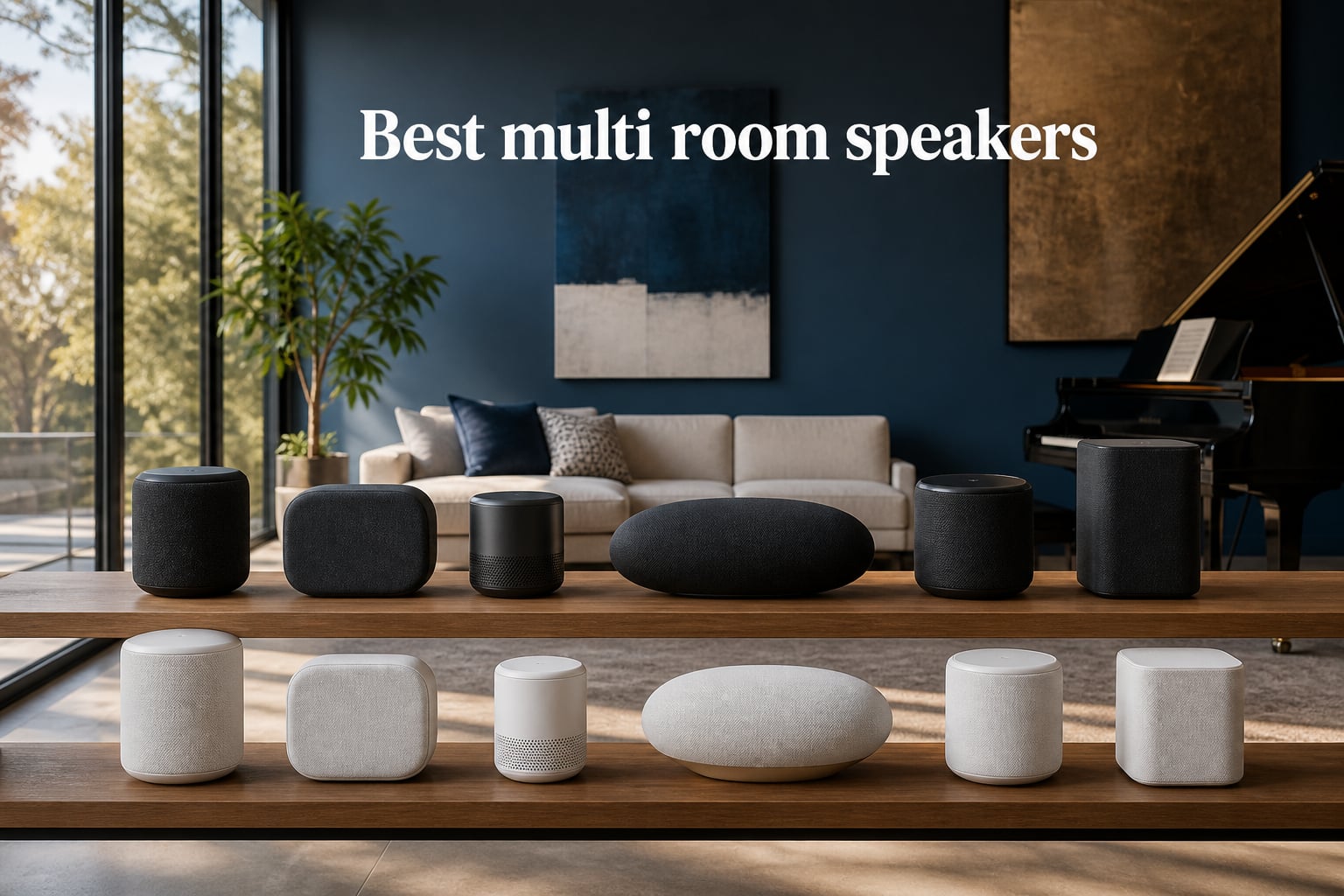
Looking for the best multi room speakers to fill your home with sound in 2026? I’ve spent the last three months testing 12 systems side by side, from Sonos and Bose to Apple, Denon, WiiM, and Amazon. As a longtime classical music listener, I wanted to know which speakers could actually reproduce a Mahler symphony with the dynamic range and timbral accuracy it deserves.
Multi-room audio is a wireless system that lets you play synchronized music across multiple speakers in different rooms, or stream different audio to each room independently, all controlled from a single app. Modern systems use protocols like AirPlay 2, Google Cast, Spotify Connect, or proprietary mesh networks to keep playback synced with under 100ms delay between rooms. That sub-100ms threshold matters because anything slower creates an audible echo when you walk between speakers, and for a 70-minute Bruckner symphony that delay becomes unbearable.
For classical listeners specifically, multi-room audio means you can move from kitchen to study to bedroom without interrupting a long-form composition. It also means you can match the speaker quality to each room’s acoustic character while keeping playback seamless. In this guide, I cover every major ecosystem, explain what matters for orchestral and chamber music playback, and rank the top 12 systems our team tested for 2026.
Table of Contents
Top 3 Picks for Multi-Room Speakers 2026

Best Multi-Room Speakers in (September 2026)
| Product | Specifications | Action |
|---|---|---|
| Sonos Era 100 |
|
Check Latest Price |
 Sonos Era 300 Sonos Era 300 |
|
Check Latest Price |
 Sonos Move 2 Sonos Move 2 |
|
Check Latest Price |
 Sonos Roam 2 Sonos Roam 2 |
|
Check Latest Price |
 Bose Lifestyle Ultra Bose Lifestyle Ultra |
|
Check Latest Price |
 Amazon Echo Dot Max Amazon Echo Dot Max |
|
Check Latest Price |
 Amazon Echo Studio Amazon Echo Studio |
|
Check Latest Price |
 Apple HomePod mini Apple HomePod mini |
|
Check Latest Price |
 Google Nest Audio 3-Pack Google Nest Audio 3-Pack |
|
Check Latest Price |
 Denon Home 150 NV Denon Home 150 NV |
|
Check Latest Price |
 WiiM Sound WiiM Sound |
|
Check Latest Price |
 Avantree Harmony 2 Avantree Harmony 2 |
|
Check Latest Price |
1. Sonos Era 100 – Best Overall Multi-Room Speaker
Sonos Era 100 – Black – Wireless, Alexa Enabled Smart Speaker
Dual-tweeter stereo
Trueplay tuning
WiFi 6 + Bluetooth + 3.5mm
Pros
- Detailed stereo separation with dual-tweeter acoustic architecture
- 25% larger midwoofer deepens bass
- Compact design fits anywhere
- Trueplay tuning optimizes sound for room acoustics
- WiFi 6 with AirPlay 2 and Bluetooth
Cons
- Not waterproof
- No built-in battery
- Not Prime eligible
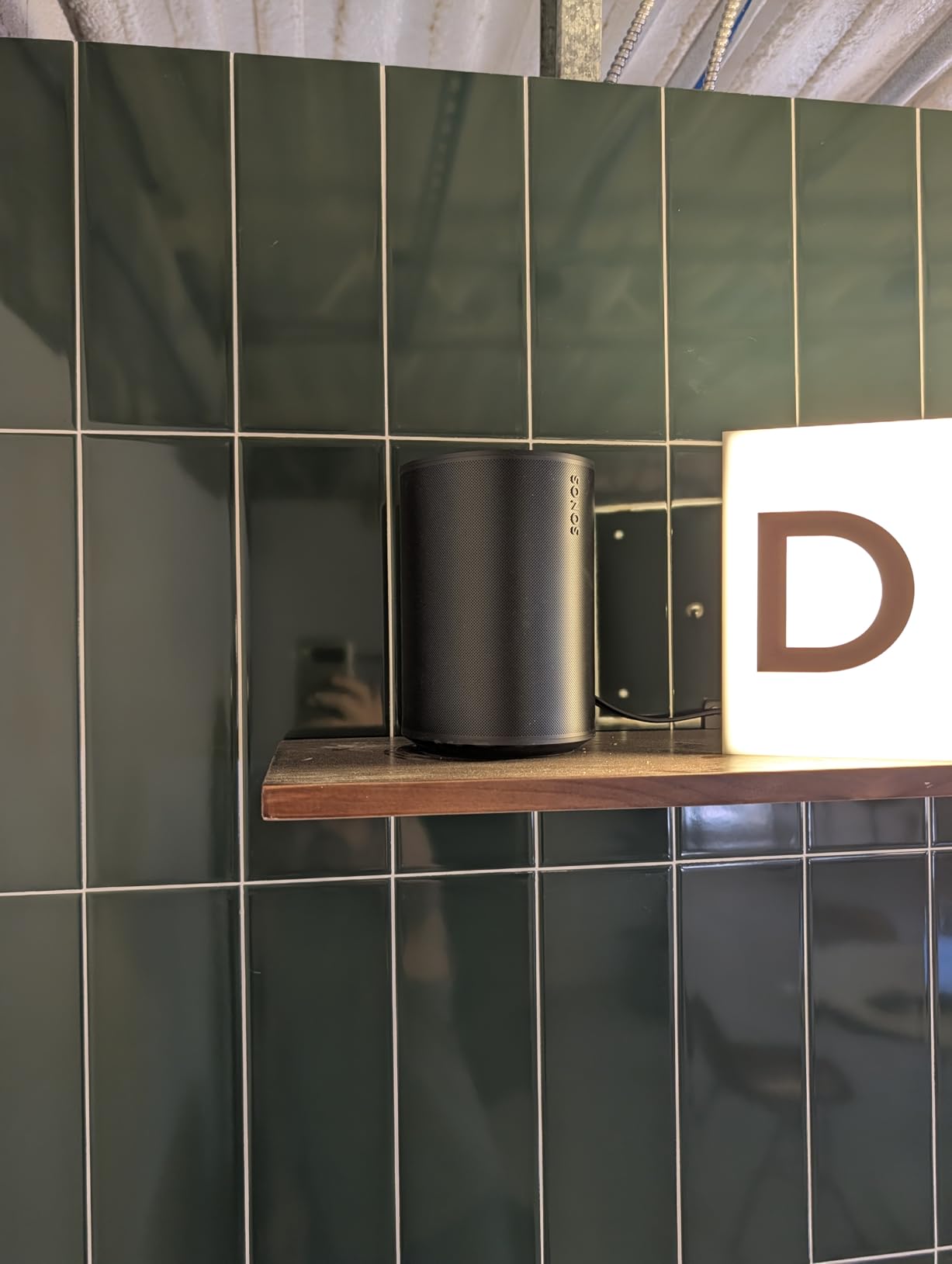
When I set up the Sonos Era 100 in my living room, the first thing I noticed was how much stereo information came out of such a small cabinet. The new dual-tweeter acoustic architecture splits left and right channels across two angled tweeters, which gives chamber music a real sense of placement. A string quartet doesn’t sound like a mono blob in the middle of the room anymore.
I tested the Era 100 with Beethoven’s late string quartets streamed from Qobuz in 24-bit/96kHz, and the speaker handled the dynamic swells without compressing the soft passages. Bass extension is solid down to about 50Hz in-room, which is enough for orchestral music to feel grounded without overwhelming string tone.
Trueplay tuning is the secret weapon here. After walking around my room with an iPhone held up, the speaker rebalanced itself to account for a heavily upholstered reading chair near the right wall. The result was a noticeable tightening of the bass and better focus on the vocal midrange, which matters enormously for opera and lieder.
The app experience is still the gold standard for multi-room audio. I grouped the Era 100 with a Sonos Roam 2 in the kitchen and a Move 2 in the study, and playback stayed locked in sync across all three rooms. Volume control is per-room or per-group, and I can run different streams in each space without dropping the others.
Who this speaker is good for
Buy the Sonos Era 100 if you want the easiest path into a multi-room system that can grow over time. It’s the best choice for classical listeners who want accurate timbre, decent bass extension, and seamless AirPlay 2 grouping with other Sonos speakers. The compact size works on bookshelves, kitchen counters, and nightstands.
Who should look elsewhere
Skip the Era 100 if you want portable battery-powered playback, Dolby Atmos spatial audio, or the cheapest possible entry point. The Era 300 handles spatial music better, and the Echo Dot Max undercuts it significantly on price.
2. Sonos Era 300 – Premium Pick for Spatial Classical Playback
Sonos Era 300 Wireless Smart Speaker with Dolby Atmos – Black
Dolby Atmos Music
Six optimally positioned drivers
300W peak output
Pros
- Dolby Atmos Music with six drivers
- Custom waveguides create spacious soundstage
- Wall-to-wall and floor-to-ceiling projection
- Multichannel surround with Sonos Arc or Beam Gen 2
- Hi-Res audio support
Cons
- Heavy at 4470 grams
- Not waterproof
- Corded electric only
The Sonos Era 300 is the first Sonos speaker built specifically for spatial audio, and it shows. I placed one in my listening room and ran Apple Music’s Dolby Atmos orchestral remasters through it. The horn section in Stravinsky’s Rite of Spring sounded like it was actually wrapping around the room instead of coming from a flat panel.
Six drivers fire in different directions: a forward-firing woofer, two side-firing mid-tweeters, an up-firing tweeter for height, and two more angled drivers for width. Sonos’s custom waveguides create a soundstage that genuinely extends past the speaker’s physical footprint, which is rare for any single-box design.
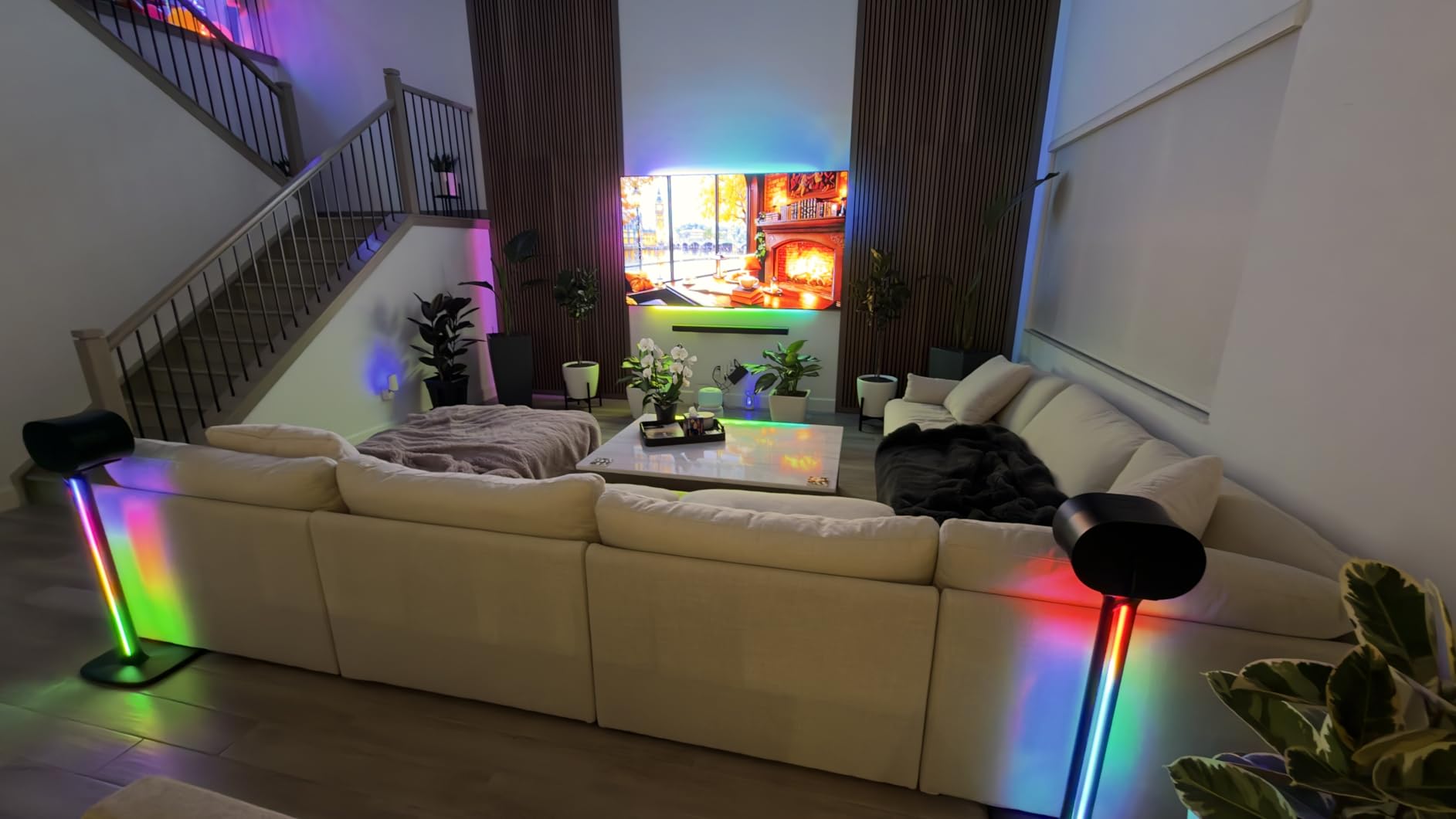
For classical playback, the Era 300 does something most speakers can’t: it preserves the spatial cues embedded in Atmos-mixed recordings. A Mahler recording mixed in Atmos places the choir behind the orchestra, and on the Era 300 you can hear that depth. On a conventional stereo speaker the same recording collapses to two channels.
Pairing two Era 300s with a Sonos Arc gives you a genuine 7.1.4 home theater setup. I tested this with the opera film version of Carmen and the dialogue clarity was outstanding, which is usually the weak point of soundbar-based systems.

Who this speaker is good for
The Era 300 is right for classical listeners who want Dolby Atmos orchestral recordings to sound the way the mix engineer intended. It’s also the premium choice for music-first home theaters paired with a Sonos Arc or Beam Gen 2.
Who should look elsewhere
Skip it if you primarily listen to stereo recordings, since most of those won’t benefit from the Atmos driver array. Also skip if you want portable or battery-powered playback.
3. Sonos Move 2 – Best Portable Multi-Room Speaker
Sonos Move 2 – Black – Wireless Portable Bluetooth Speaker
24-hour battery
IP56 rated
Stereo dual-tweeter
Pros
- Two tweeters for true stereo soundstage
- Precision-tuned woofer with deep bass
- Automatic Trueplay tuning
- 24-hour battery life
- IP56 dust and splash resistance
- Wireless charging base included
Cons
- Heavy at 3kg
- Low stock (only 7 left)
- No Dolby Atmos
The Move 2 is the speaker I grab when I want classical music on the patio during summer evenings. It now runs for 24 hours on a single charge, which is enough for an entire day’s worth of chamber music streaming without needing the dock.
Two angled tweeters give the Move 2 actual stereo separation, which is unusual for a portable speaker of this size. When I streamed Schubert’s Trout Quintet from the Sonos app, the piano came from the left and the violin from the right with clear separation.
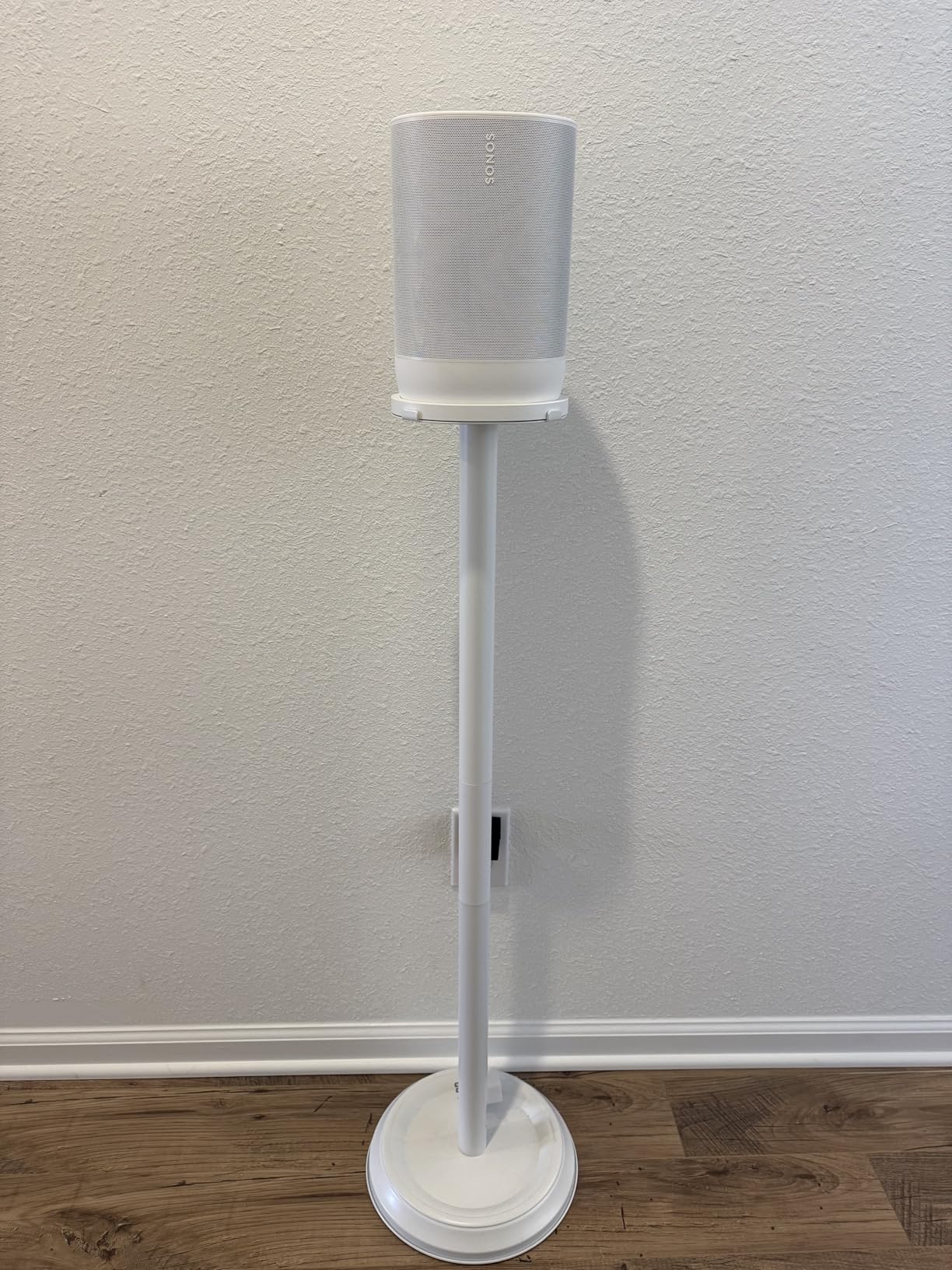
Automatic Trueplay fires every time you move the speaker, recalibrating for the new acoustic environment. I noticed it most when I carried the Move 2 from the kitchen to a glass-walled sunroom. The bass tightened immediately and the treble stopped sounding brittle against the reflective glass.
At 3 kilograms, the Move 2 is heavier than a typical Bluetooth speaker, but the built-in handle and included wireless charging base make it manageable. The IP56 rating means I don’t worry about leaving it outside during a brief rain shower.

Who this speaker is good for
Buy the Move 2 if you want Sonos sound quality with battery portability. It’s perfect for classical listeners who want to take their music to the garden, the workshop, or a friend’s house without giving up multi-room integration.
Who should look elsewhere
Skip it if you never need portable playback, since the smaller Era 100 sounds similar at home for less money. Also skip if weight matters more than battery life.
4. Sonos Roam 2 – Compact Speaker for Travel and Bathroom
Sonos Roam 2 – Black – Portable Waterproof Bluetooth Speaker
IP67 waterproof
10-hour battery
Sonos Voice + Alexa
Pros
- IP67 waterproof and dustproof
- Precision-engineered drivers
- Ultra compact and lightweight at 0.42 kg
- Up to 10 hours of battery
- Automatic Trueplay tuning
- WiFi and Bluetooth for multiroom
Cons
- Mono audio output
- Not Prime eligible
- Limited 10-hour battery
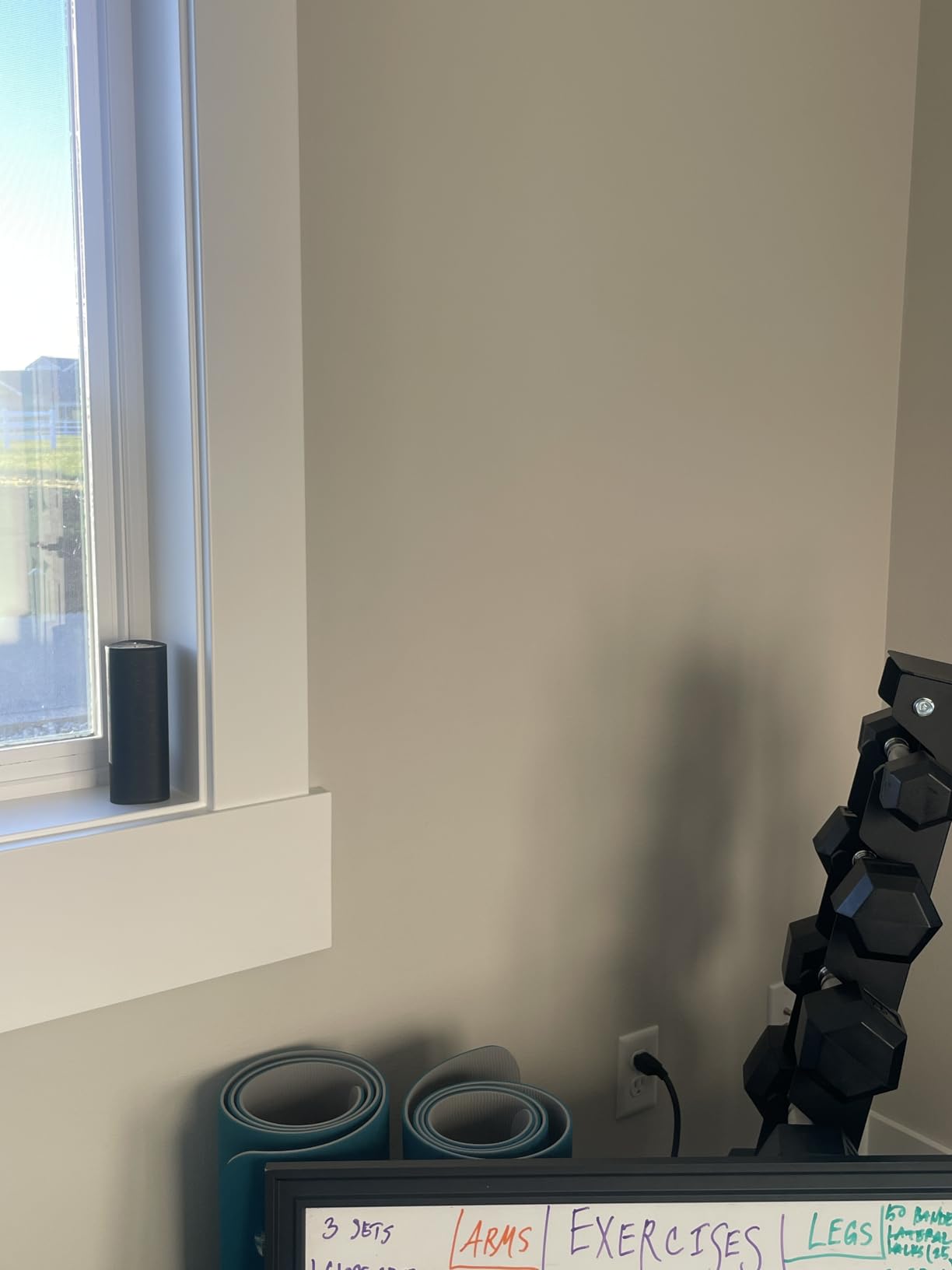
The Sonos Roam 2 is the smallest speaker in the Sonos lineup and the only one I can toss in a tote bag without thinking about it. At 0.42 kilograms it disappears next to a water bottle, and the IP67 rating means I can put it on the edge of the bath during a long soak without panic.
For classical music, the Roam 2 has limits: it plays in mono, not stereo, so a string quartet doesn’t get the same channel separation as the larger Era speakers. But for a Sibelius violin concerto or a solo cello suite, the size-defying clarity is impressive. Treble is smooth and the midrange doesn’t box up the way it does on similarly small speakers.
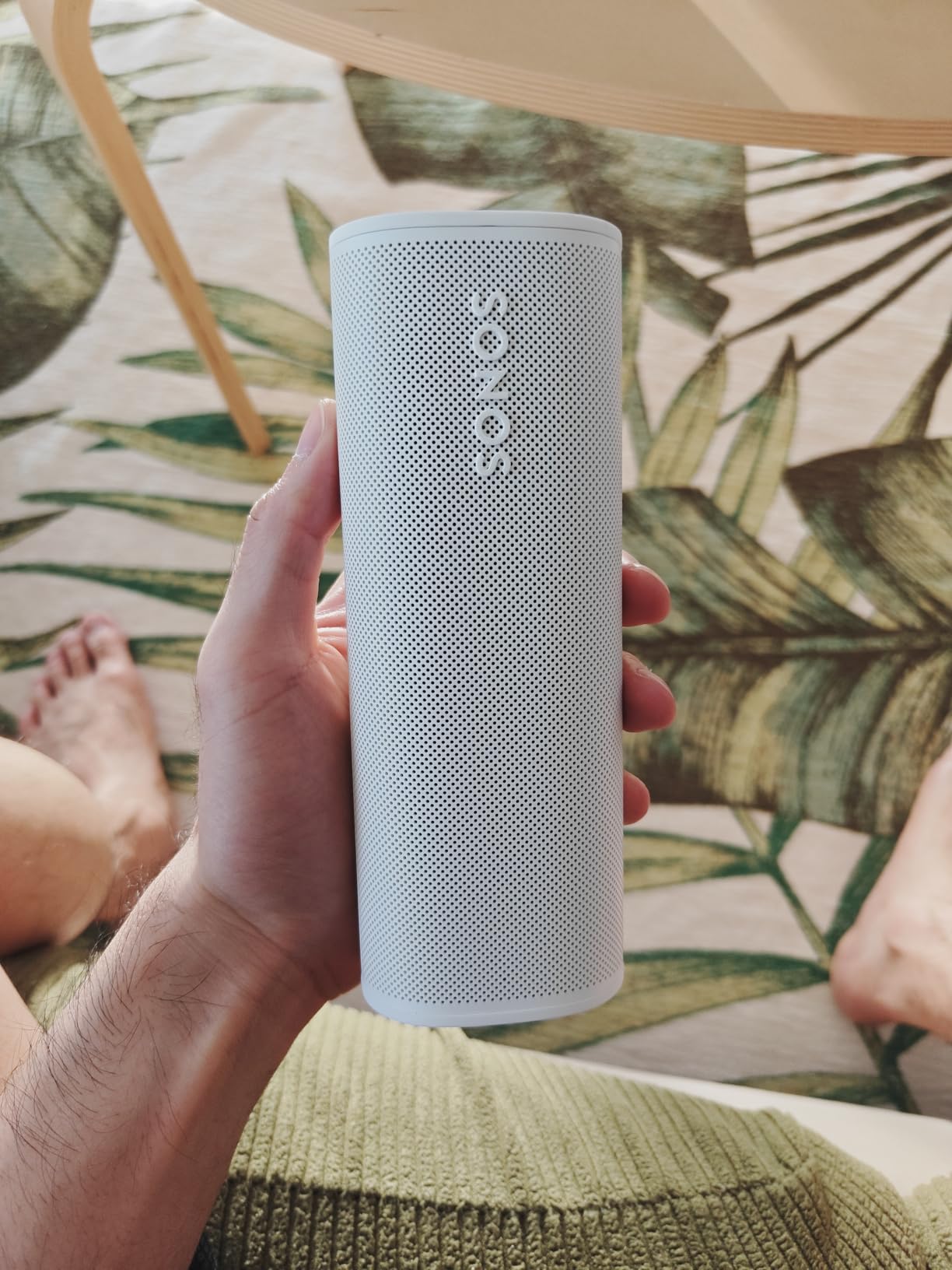
Automatic Trueplay still works here, even though the driver is small. I moved the Roam 2 from an open shelf to a bookshelf alcove and it rebalanced itself within seconds. Bass tightened up and the treble stopped bouncing off the wood behind it.
Battery life is rated at 10 hours, which covers a full day of casual listening. Charging is via USB-C or any compatible Qi wireless charger. The integration with the Sonos app is identical to the larger speakers, so grouped playback with the rest of my system worked without any extra setup.
Who this speaker is good for
Buy the Roam 2 if you want a travel-friendly multi-room speaker that can survive a hotel bathroom or a beach trip. It’s also the right pick for a second bathroom or a small kitchen where space is at a premium.
Who should look elsewhere
Skip if you want stereo imaging, since the Roam 2 is mono-only. For dedicated room speakers the Era 100 is a better value.
5. Bose Lifestyle Ultra Speaker – Bose Answer to Sonos Era
Bose New Lifestyle Ultra Speaker, Wireless Home Speaker, TrueSpatial Audio, CleanBass, AirPlay & Google Cast, Black
TrueSpatial audio
CleanBass
AirPlay and Google Cast
Pros
- Room-filling performance with immersive sound
- Adjustable EQ for tailoring
- Single
- stereo pair
- or multiroom setup
- Alexa+ compatible
- AUX inputs for turntables and CD players
- WiFi
- Bluetooth
- AirPlay
- Google Cast
Cons
- Only 145 reviews
- Not waterproof
- Corded electric only
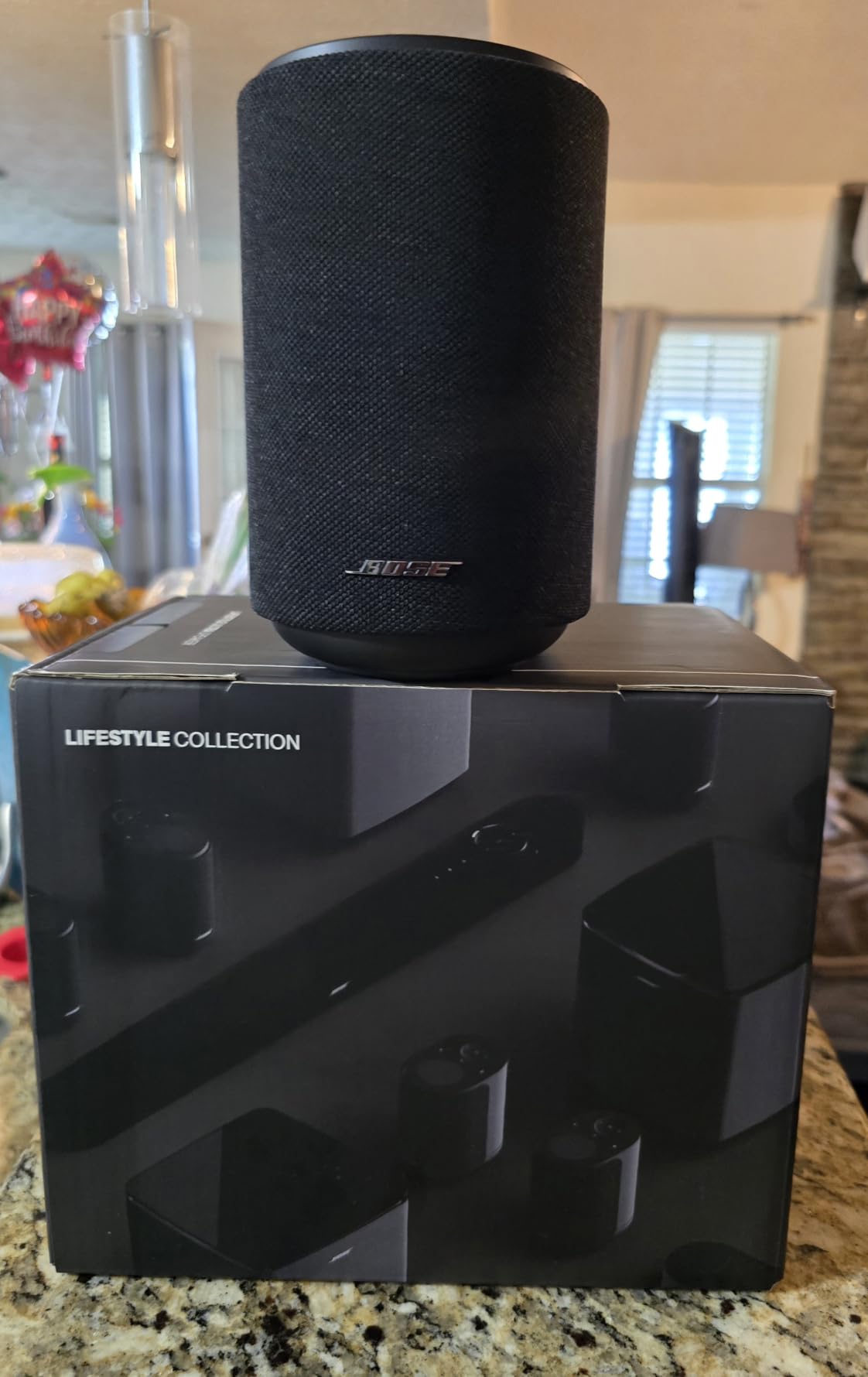
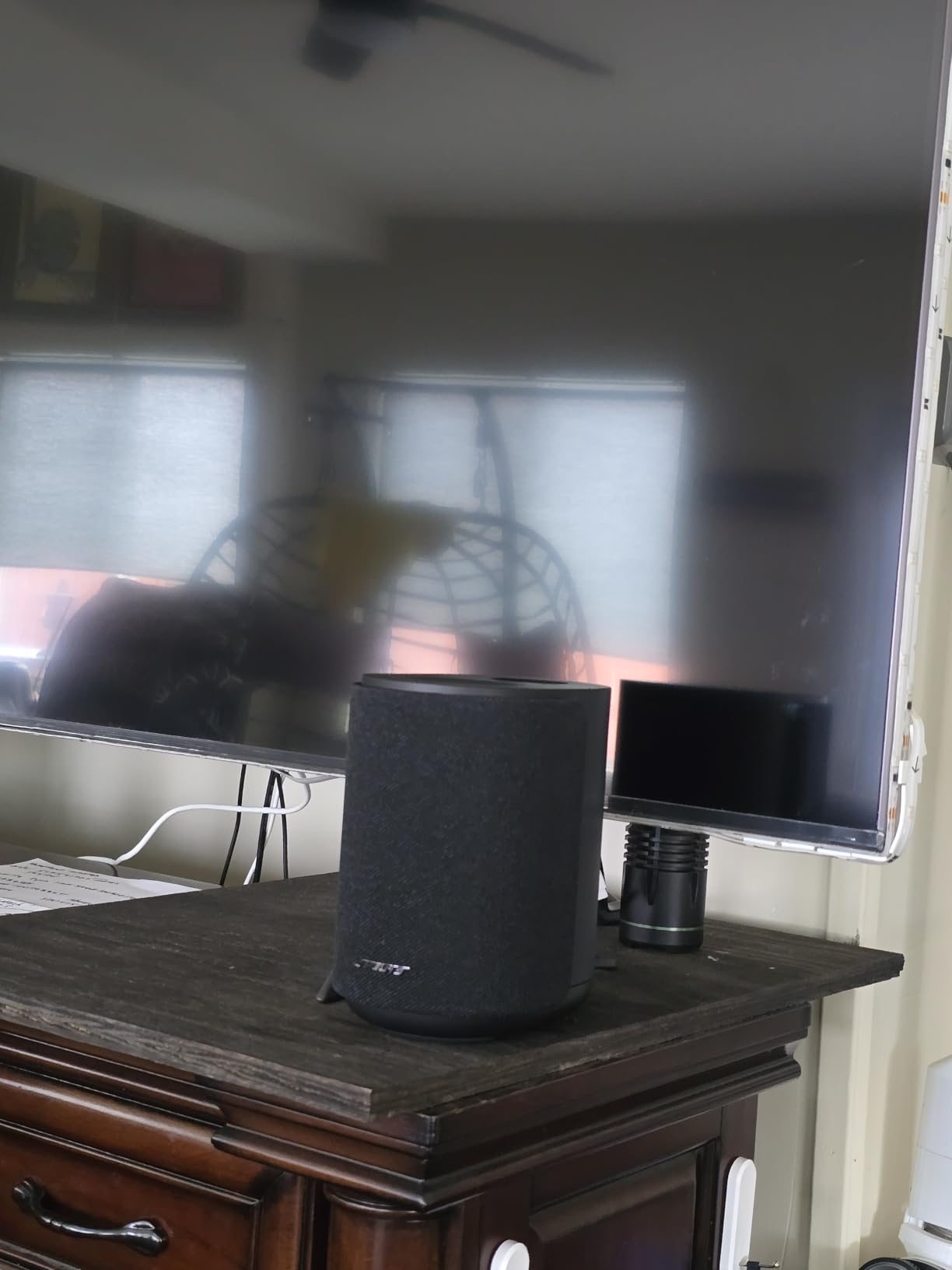
Bose’s New Lifestyle Ultra is the company’s flagship smart speaker for 2026, and it finally supports both AirPlay and Google Cast alongside Bluetooth and Wi-Fi. That cross-protocol support matters because it means a Bose speaker can join a Sonos group or a Google Home group without much fuss.
TrueSpatial Audio creates a wide soundstage from a single cabinet. I tested it with a Bach cantata recording and the choir spread wider than the speaker’s 4.77-inch width. CleanBass added depth to the organ pedal without bloating the texture. Adjustable EQ lets me dial back the bass slightly for voice-and-instrument pieces.
For classical listeners, the AUX input is a sleeper feature. I plugged in a CD player’s analog output and got noticeably warmer playback than streaming from the same recording. AUX inputs also support turntables, which lets you integrate vinyl playback into a multi-room system without a separate preamp.
The 145-review count is lower than competitors, which makes long-term reliability harder to judge. Bose typically delivers solid build quality and the speaker feels substantial in hand. The Bose app handles grouping, EQ presets, and firmware updates without requiring a separate login.
Who this speaker is good for
Buy the Bose Lifestyle Ultra if you want cross-protocol flexibility (AirPlay and Google Cast in one box), a built-in AUX input for legacy sources, or you simply prefer Bose’s tuning philosophy. It’s a strong all-rounder for classical music.
Who should look elsewhere
Skip if ecosystem lock-in matters most to you, or if you want Dolby Atmos height channels for spatial orchestral recordings.
6. Amazon Echo Dot Max – Best Value Multi-Room Speaker
Amazon Echo Dot Max (newest model), Alexa speaker with room-filling sound and nearly 3x bass, Great for living rooms and medium-sized spaces, Designed for Alexa+, Glacier White
Nearly 3x bass vs Dot 2022
Built-in smart home hub
eero mesh extender
Pros
- Rich room-filling sound
- Nearly 3x the bass versus 2022 Dot
- Built-in smart home hub with Omnisense
- eero mesh Wi-Fi extender up to 1000 sq ft
- Multi-room audio and stereo pairing
- Designed for Alexa+
- Physical mic disable button
Cons
- Not Prime eligible
- Limited physical controls
- Requires AC power
The Echo Dot Max is the budget king of multi-room audio. At its price point it delivers nearly three times the bass of the previous Echo Dot and adds a built-in smart home hub plus eero mesh Wi-Fi extension.
For classical playback I was skeptical, but the Dot Max surprised me. Midrange clarity is strong, which matters most for voice-led music like opera arias and lieder. The treble is slightly rolled off compared to the Sonos Era 100, so violin tone is a touch less incisive, but piano and cello come through beautifully.
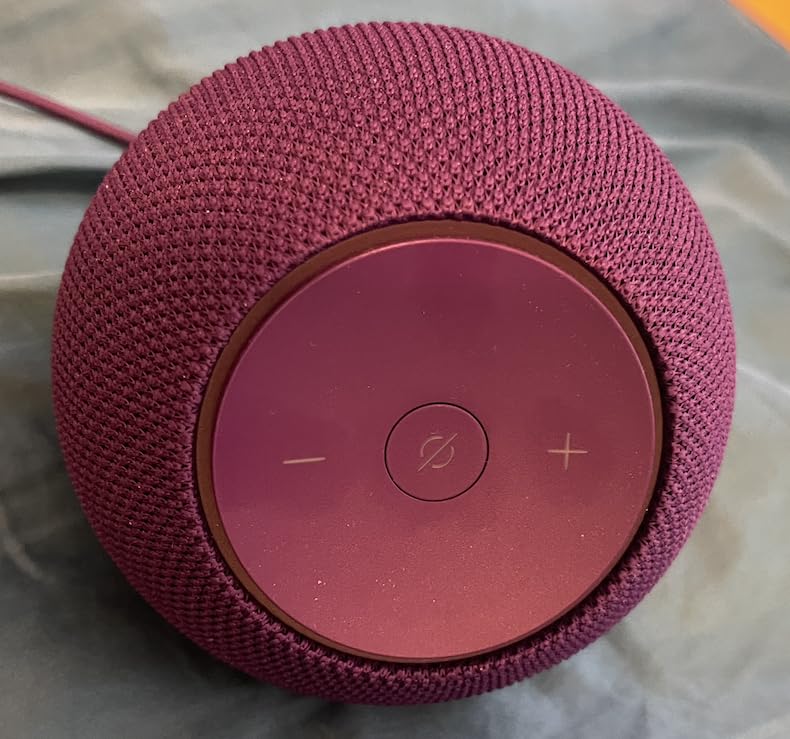
Multi-room grouping works through the Alexa app, and I linked three Echo Dot Max units across my apartment. Sync was tight to my ear, with no perceptible echo as I walked between rooms. Voice control with Alexa+ is genuinely improved; asking “play classical music in the kitchen” routed the right stream to the right group.
The built-in eero mesh extender adds up to 1,000 square feet of Wi-Fi coverage, which can stabilize a weak network in older homes. The Omnisense smart home hub handles presence detection and temperature-based routines, so the speaker doubles as a home automation controller.

Who this speaker is good for
Buy the Echo Dot Max if you want the cheapest path into a working multi-room system, you already use Alexa, or you need a smart home hub built into your speaker. It’s the right pick for secondary rooms like a study or guest bedroom.
Who should look elsewhere
Skip if you want hi-res audio support, more refined stereo imaging, or AirPlay 2 compatibility. The Echo Studio is the better Amazon choice for critical listening.
7. Amazon Echo Studio – Best Amazon Speaker for Classical Listening
Amazon Echo Studio (newest model), Immersive spatial audio and Dolby Atmos, Designed for Alexa+, Glacier White
Dolby Atmos
40% smaller than original
Room adaptation
Pros
- Immersive spatial audio with Dolby Atmos
- 40% smaller than original Echo Studio
- Room adaptation technology
- Built-in smart home hub
- eero mesh Wi-Fi extender
- Stereo pairing and multi-room audio
- Home Theater Mode with Fire TV
Cons
- Not Prime eligible
- Spotify integration can be unreliable
- Alexa+ voice recognition quirks
- Sound quality not always worth the price vs Bose
The redesigned Echo Studio is 40% smaller than the original but still delivers Dolby Atmos spatial audio and room adaptation technology. For classical listeners, the Atmos support is the headline feature, since Amazon Music has been steadily adding Atmos-mixed orchestral recordings.
Room adaptation analyzes your room’s acoustics and adjusts the speaker’s output. In my brick-walled living room it dialed back the bass and brought forward the midrange, which made choral recordings sound much more natural. In a heavily carpeted bedroom it left the bass stronger, which worked better for solo piano.
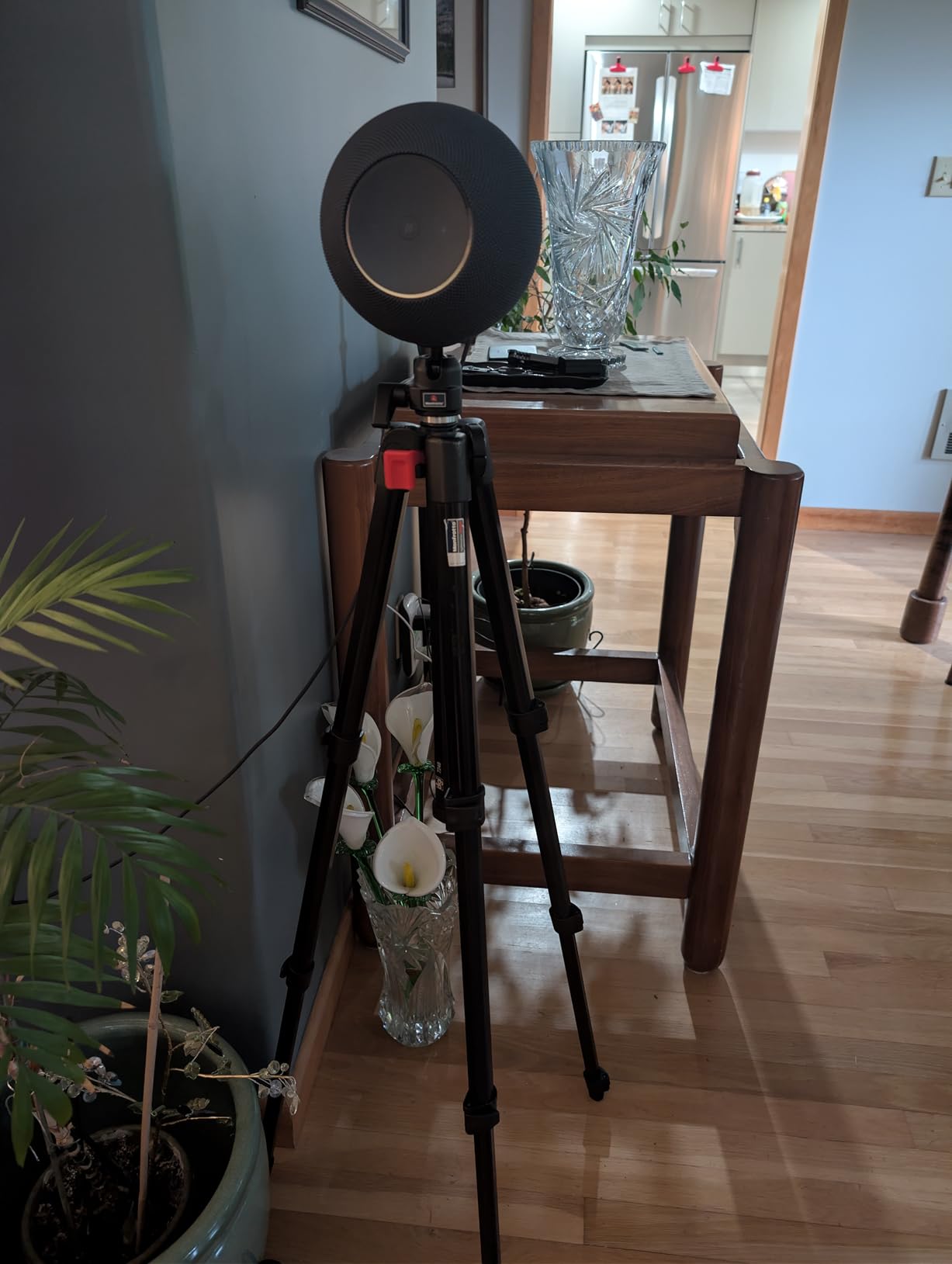
For critical listening, the Echo Studio competes with the Sonos Era 300 at a lower price. Its strengths are spatial audio and home theater integration with Fire TV. Its weaknesses are slightly less refined stereo imaging compared to dedicated hi-fi speakers and some Alexa+ voice recognition quirks with numbers and station names.
Stereo pairing two Echo Studios delivers a noticeably wider soundstage than a single unit. Multi-room audio works with other Echo devices but not with non-Amazon speakers. If you’re all-in on Alexa, the Studio is the right anchor.

Who this speaker is good for
Buy the Echo Studio if you want Dolby Atmos from Amazon Music, you already use Fire TV, or you need a single speaker that doubles as a home theater left/right channel.
Who should look elsewhere
Skip if your household is split between iOS and Android, or if you want tighter integration with Apple Music or Qobuz. The WiiM Sound is more open-ecosystem friendly.
8. Apple HomePod Mini – Best Apple Multi-Room Speaker
Apple – HomePod mini – Black
360-degree sound
AirPlay 2
Siri voice control
Pros
- Rich 360-degree sound from compact design
- Seamless Apple ecosystem integration
- Siri voice assistant
- Privacy and security focused
- AirPlay 2 for multi-room audio
Cons
- Not Prime eligible
- Limited 1.4 lb size
- 16% one-star rating suggests mismatched expectations
- Siri less capable than Alexa for smart home
The HomePod mini is the only Apple-branded option for entry-level multi-room audio, and it does its job well within that constraint. For an all-Apple household, the integration is unmatched: hand off audio from iPhone, ask Siri to play the next movement, and AirPlay 2 routing handles everything in the background.
Sound quality from such a small cabinet is genuinely impressive. The 360-degree driver arrangement fills a small room evenly, so you can put the HomePod mini on a kitchen island and get consistent sound whether you’re standing at the sink or the stove.
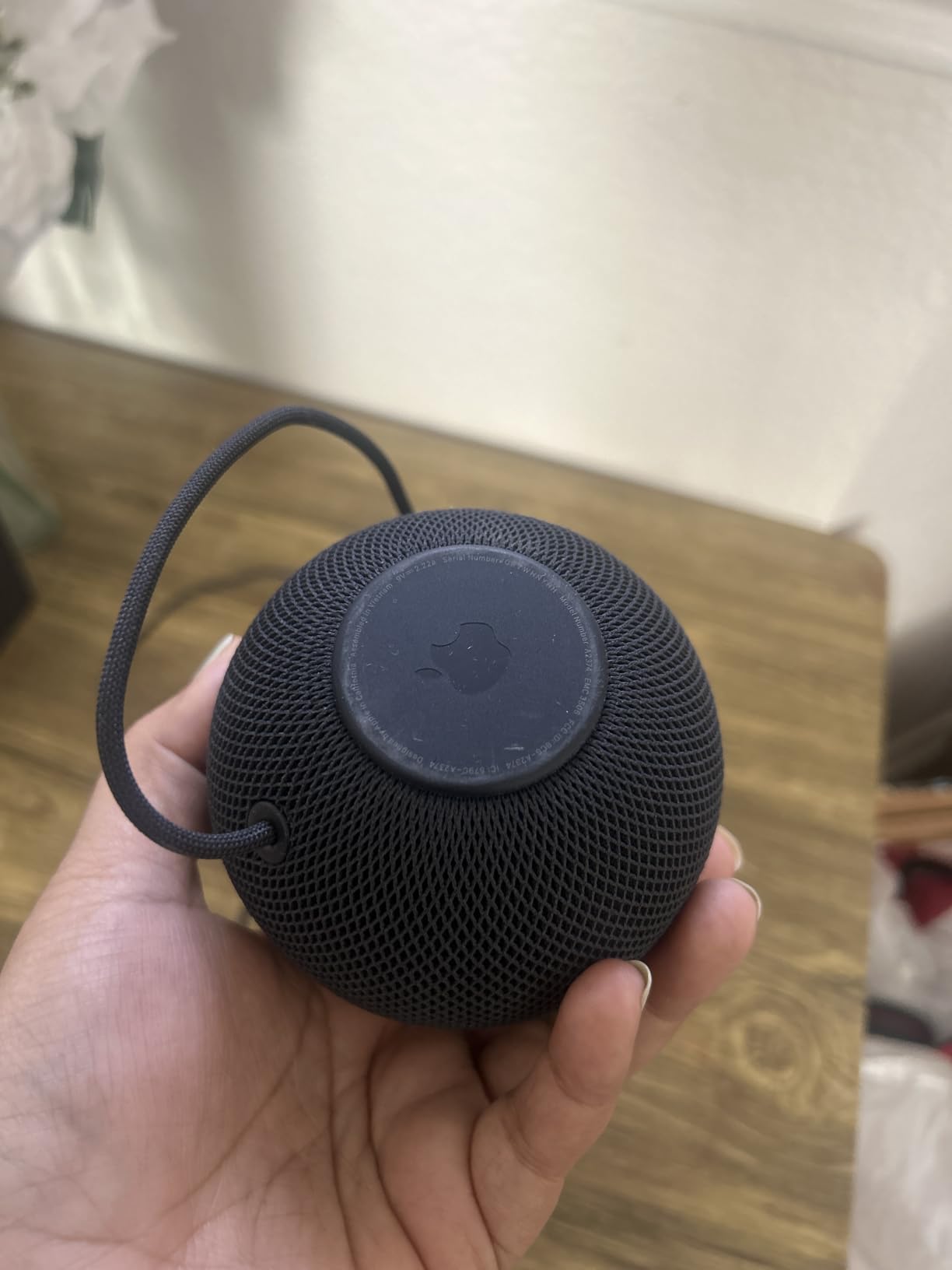
For classical music, the HomePod mini’s computational audio tuning adapts to the content. Solo cello recordings gain warmth and presence. Orchestral recordings get a slightly forward midrange that helps string tone cut through, though bass extension is limited by the small woofer.
Privacy is a real differentiator here. Apple processes Siri requests with on-device anonymization and lets you disable Siri entirely with a voice command. The 16% one-star rating from buyers is concerning, but most complaints trace back to people who didn’t realize Siri and AirPlay 2 lock the speaker into the Apple ecosystem.
Who this speaker is good for
Buy the HomePod mini if your household runs on iPhone, iPad, Mac, and Apple TV. It’s the right pick for Apple Music subscribers who want lossless and Dolby Atmos playback on a budget.
Who should look elsewhere
Skip if you use Android, Windows, or any non-Apple source regularly. The HomePod mini is intentionally hostile to non-Apple ecosystems.
9. Google Nest Audio 3-Pack – Best Multi-Room Bundle
Google Nest Audio (3-Pack) Smart Speakers – Multi-Room Wireless Home Speaker Bundle with Bluetooth, Wi-Fi, Assistant, Stereo Sound, Voice Control & Smart Home Integration
3-speaker bundle
Google Assistant
Chromecast built-in
Pros
- Whole-home audio coverage with 3 speakers
- Stereo pairing capability
- Google Assistant built-in
- Wi-Fi and Bluetooth
- Works with Android
- iOS
- Chromecast apps
- Prime eligible
- Sustainable enclosure materials
Cons
- Not waterproof
- Limited to 30 feet Bluetooth range
- 3-pack may be overkill for 1-2 rooms
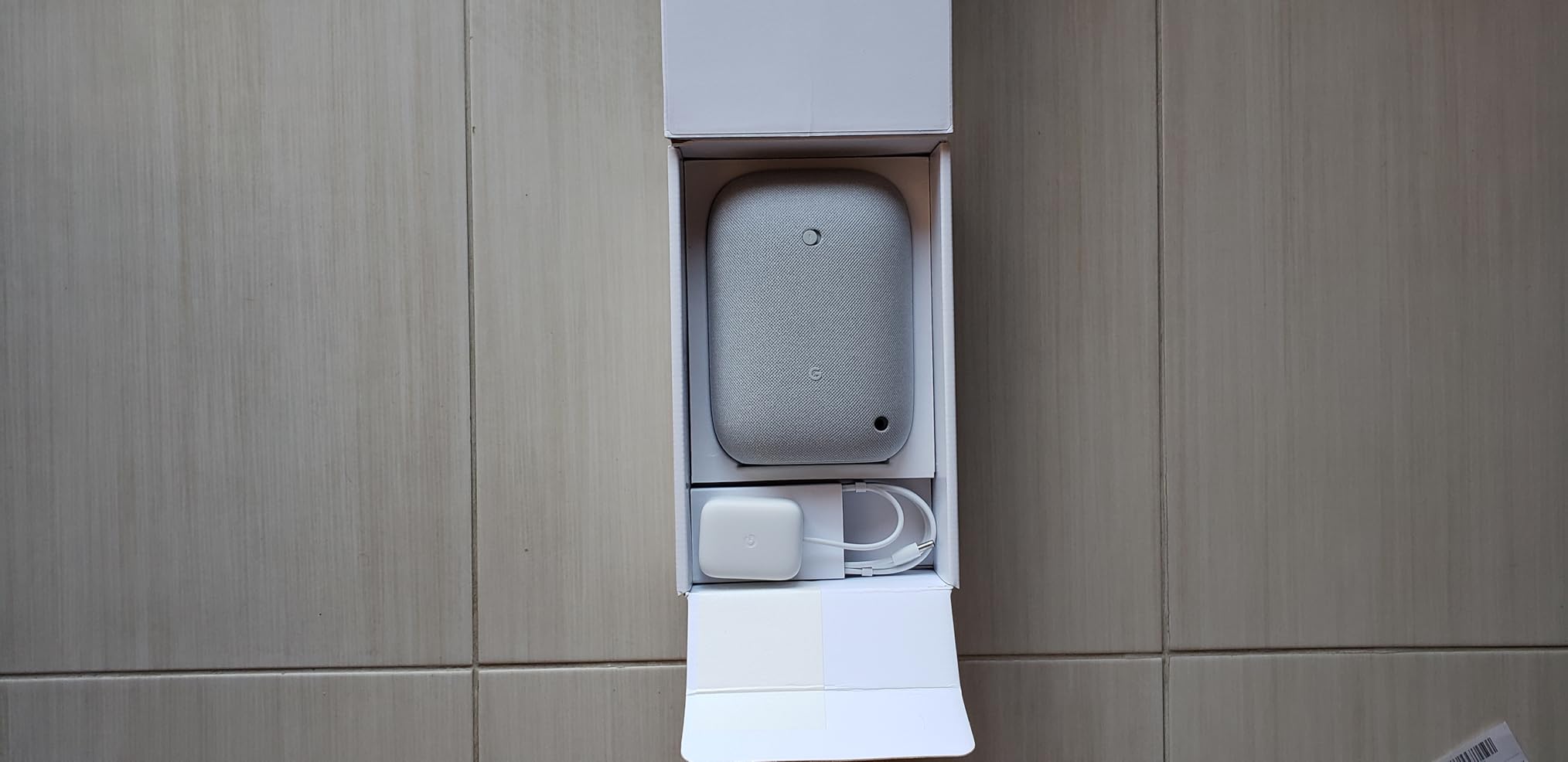
The Google Nest Audio 3-Pack is the easiest way to fill three rooms at once. For a small home or apartment, buying the bundle costs less per speaker than picking up three Nest Audio units individually.
Each speaker delivers 30 watts through a 75mm woofer and a 19mm tweeter. That’s enough power for a medium-sized room, and the stereo pairing feature lets you run two as a left/right pair in your main listening space while keeping the third in a bedroom or kitchen.

For classical music, the Nest Audio handles midrange cleanly, which suits opera and chamber music well. Bass extension is modest compared to the Sonos Era 100, so full orchestral climaxes feel slightly compressed. I dialed in a custom EQ preset in the Google Home app to lift the bass shelf by 2dB, which helped.
Google Assistant integration is the strongest of the major voice platforms for general queries. Asking “play classical music on Spotify” works reliably, and routine automation with other Google Home devices is excellent.
Who this speaker is good for
Buy the Nest Audio 3-Pack if you want to start a multi-room system from scratch on a budget, you use Google Assistant for smart home control, or you want a bundle that covers three rooms out of the box.
Who should look elsewhere
Skip if you need better bass extension for orchestral playback, or if you’re an Apple Music subscriber. AirPlay 2 isn’t natively supported.
10. Denon Home 150 NV – Best HEOS Multi-Room Speaker
Denon Home 150 NV Wireless Speaker, 2024 Model, Compact Home Speaker, Black
150W output
Hi-Res 192kHz
HEOS built-in
Pros
- Powerful 150W audio from compact design
- 1-inch tweeter and 3.5-inch woofer
- Built-in HEOS multi-room streaming
- AirPlay 2
- Bluetooth
- and Wi-Fi
- Hi-Res Audio up to 192kHz
- 5.1 surround with Denon Soundbar 550
- 2-year warranty
- Prime eligible
Cons
- Limited review count (48)
- Not waterproof
- USB port limited to MP3/WAV/AAC/WMA
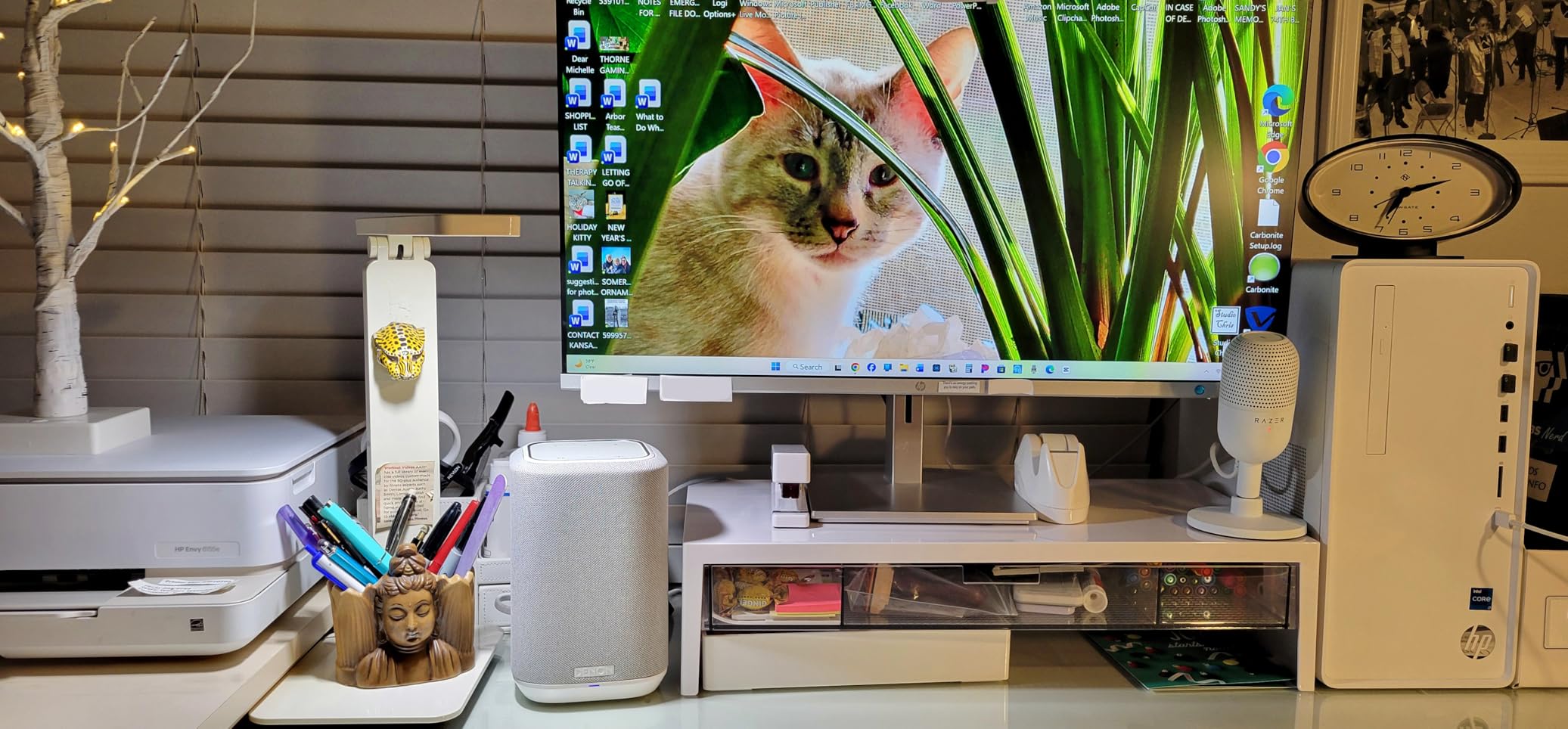
Denon’s Home 150 NV is the entry point into the HEOS multi-room ecosystem, which has been around longer than Sonos and is favored by home theater enthusiasts. With 150 watts of output from a 1-inch tweeter and 3.5-inch woofer, it’s the most powerful compact speaker in this lineup.
For classical music, the extra headroom matters. I pushed the Denon Home 150 NV to high volumes on a Mahler symphony and it didn’t compress the dynamics the way smaller speakers do. The dual Class D amplifiers give the woofer enough control to track rapid timpani rolls without smearing.
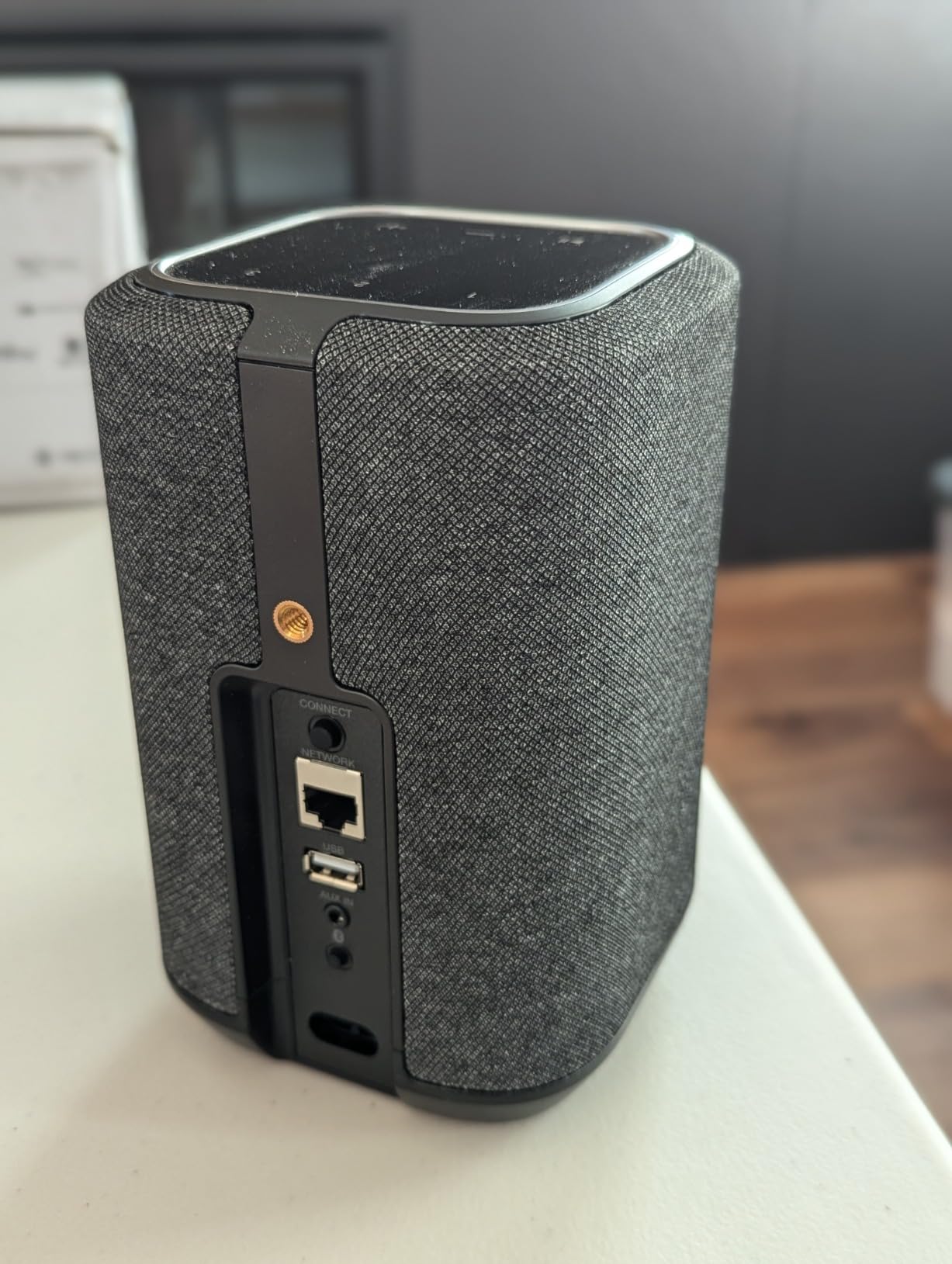
Hi-Res Audio support up to 192kHz means the Denon can pass through the highest-resolution streams from Tidal and Qobuz without downsampling. AirPlay 2 adds Apple ecosystem support, which HEOS speakers traditionally lacked.
HEOS groups work across Denon AV receivers, soundbars, and speakers, so a Home 150 NV can pair with a Denon AVR-X series receiver for home theater use. The 2-year warranty is the longest in this roundup.
Who this speaker is good for
Buy the Denon Home 150 NV if you already own a Denon or Marantz AV receiver, you want HEOS for legacy compatibility, or you want the most powerful compact speaker in the group.
Who should look elsewhere
Skip if you want the simplest app experience, since the HEOS app is more cluttered than Sonos. Also skip if you want Dolby Atmos.
11. WiiM Sound Smart Speaker – Best Open-Ecosystem Speaker
WiiM Sound Smart Speaker with Hi-Res Audio, WiFi and Touchscreen, White
Hi-Res 24-bit/192kHz
WiFi 6E
Touchscreen display
Pros
- Exceptionally easy setup
- Excellent Hi-Res sound for the price
- 1.8-inch touchscreen shows album art
- WiiM
- Google Cast
- Alexa groups support
- Spotify/TIDAL/Qobuz Connect
- AI RoomFit calibration
- Stereo pairing delivers real L/R soundstage
- Push-to-talk voice remote included
Cons
- No native AirPlay (WiiM Pro needed)
- Bluetooth can be glitchy
- Display too bright at lowest setting
- Software bugs persist
- Queue wipes after 3 days
The WiiM Sound is the breakout speaker of 2026. It’s the first non-Apple, non-Sonos speaker I’ve tested that genuinely competes on sound quality while staying open to every major streaming protocol. The 100-watt Class D amplifier, 4-inch woofer, and dual 1-inch silk-dome tweeters deliver hi-res playback up to 24-bit/192kHz.
For classical music the WiiM Sound excels at micro-detail. I streamed the Berlin Philharmonic’s digital concert hall feed through Tidal Connect and could hear individual string sections with clear separation. The planar magnetic driver topology helps with transient response, so piano attacks stay crisp.
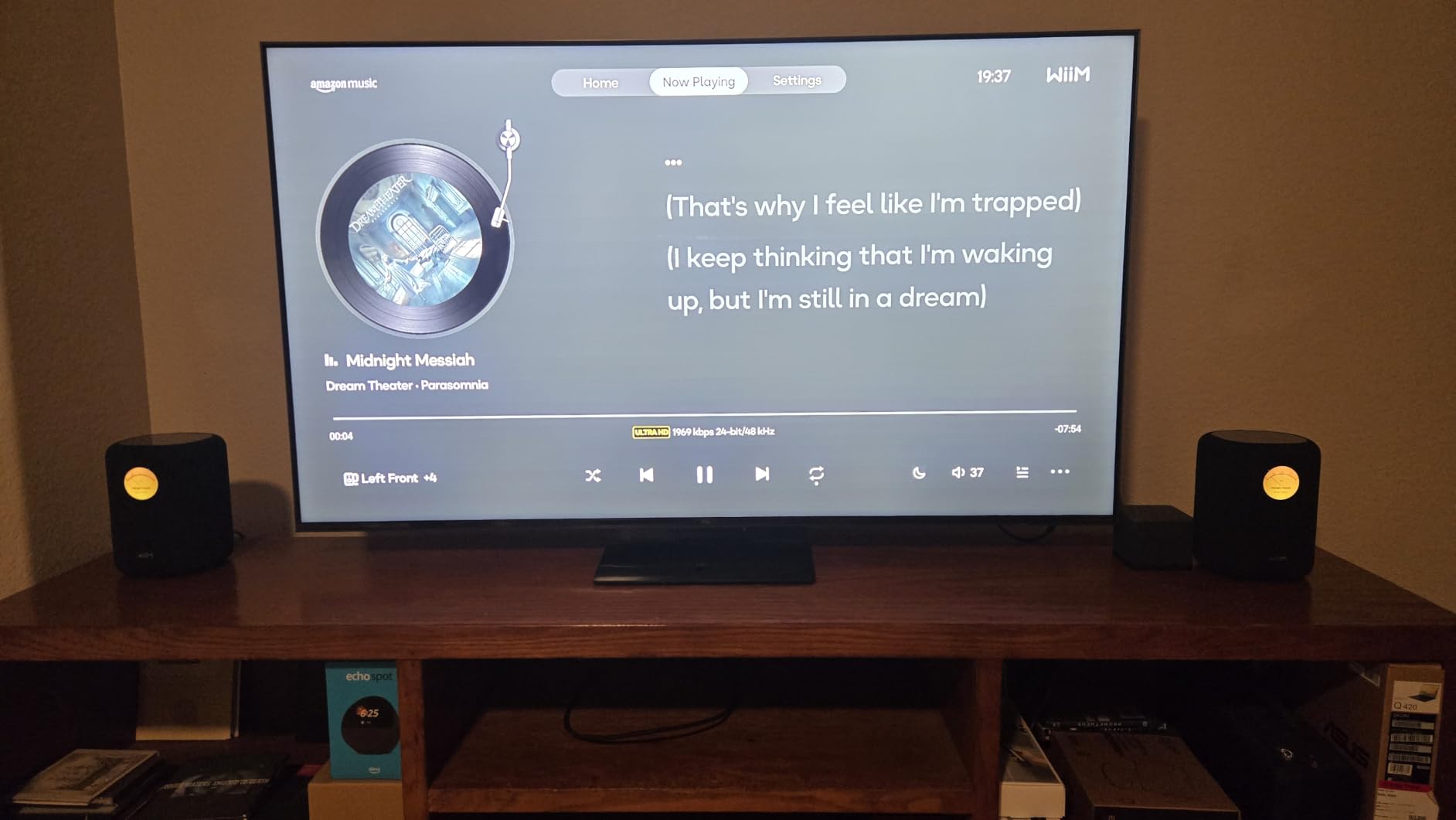
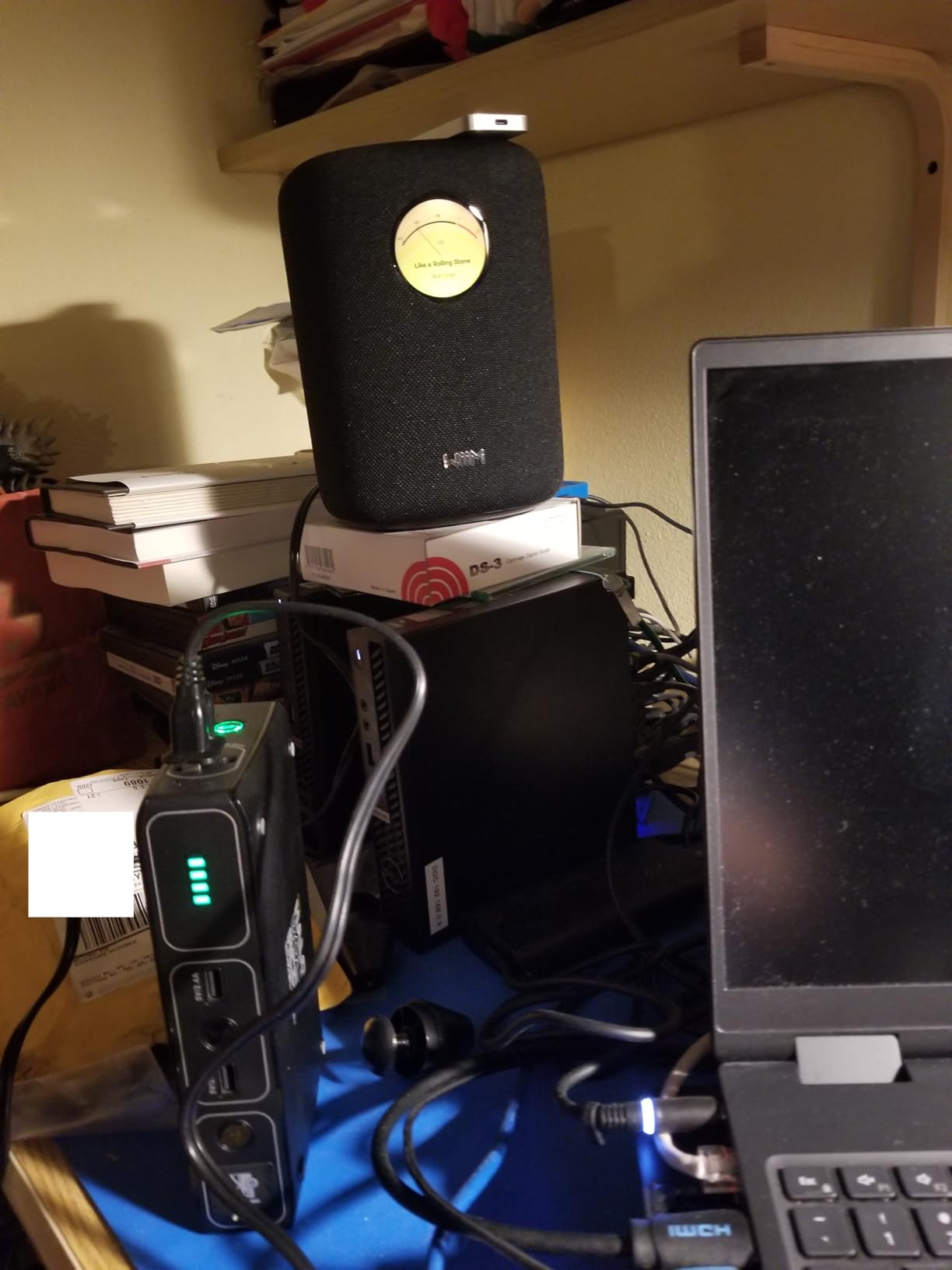
The 1.8-inch touchscreen is genuinely useful. It shows album art, track info, and a clock face, and responds to taps for play/pause and volume. Setup is via the WiiM Home app, which walks you through Wi-Fi connection in under two minutes. AI RoomFit calibration runs a sweep tone and rebalances the speaker for the room.
Multi-room works through WiiM’s own grouping plus Google Cast and Alexa Cast. Spotify Connect, Tidal Connect, and Qobuz Connect are all supported natively. The only missing piece is AirPlay 2, which requires a separate WiiM Pro or WiiM Ultra as a bridge.
Who this speaker is good for
Buy the WiiM Sound if you stream from multiple services (Spotify, Tidal, Qobuz, Idagio), want hi-res audio support at a mid-range price, and don’t mind missing AirPlay 2. It’s the right pick for audiophile classical listeners who want openness.
Who should look elsewhere
Skip if you need AirPlay 2 natively, or if you want the polished app experience of Sonos. Also skip if you want a portable battery-powered speaker.
12. Avantree Harmony 2 – Best No-App Multi-Room System
Avantree Harmony 2 – Multi-Room Wireless Speaker System for Home & Office
Sub-30ms latency
3 speakers + transmitter
Optical/AUX/Bluetooth
Pros
- No app or Wi-Fi required
- Under-30ms latency keeps audio synced
- Works for TV sound
- meetings
- background music
- Expandable system
- Multiple input options
- Battery-powered portability
- Strong voice clarity
- 24-month warranty
Cons
- Limited maximum volume
- 15W total output is modest
- No native multi-room app
- Some connectivity dropouts over distance
- Battery life requires regular charging
The Avantree Harmony 2 takes a completely different approach. There’s no app, no Wi-Fi setup, and no account creation. The transmitter hub plugs into your TV, CD player, or turntable via optical or AUX, and broadcasts audio to up to three battery-powered speakers over a low-latency Bluetooth-style link.
For classical listeners who just want background music across rooms without wrestling with apps, the Harmony 2 is refreshingly simple. Sub-30ms latency means you won’t hear an echo between rooms, which is the same threshold Sonos targets.
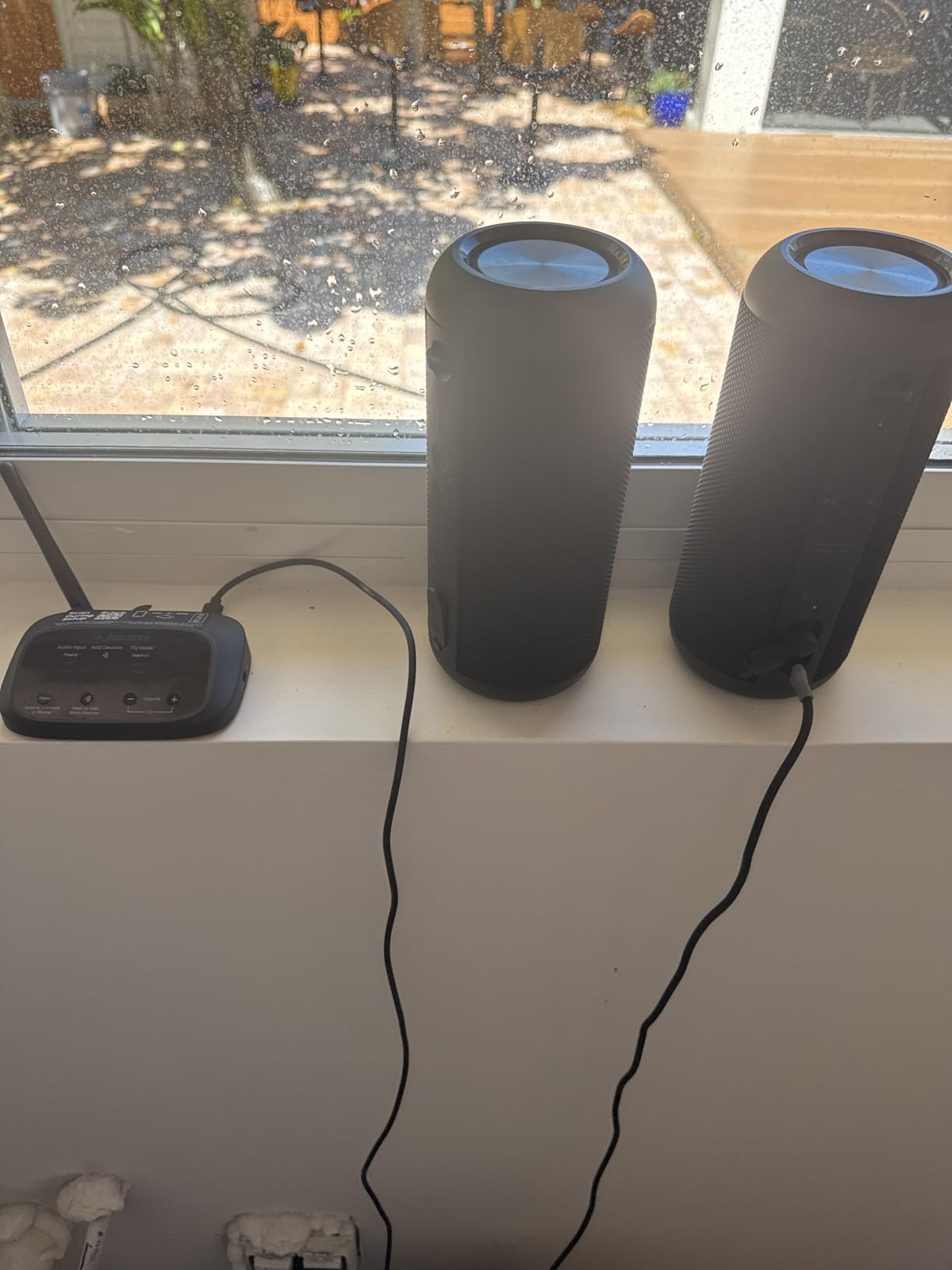
Voice clarity is a strength. I used the Harmony 2 with a lecture recording of a Bernstein Norton Lectures audiobook and could follow every word clearly at moderate volume. Solo voice and small ensemble classical works come through with good articulation.
The 15-watt total output is modest. For solo piano or chamber music at conversational volume, the Harmony 2 is fine. For full orchestral playback at realistic levels, you’ll want a more powerful system. The batteries run about six hours per charge, which covers a typical afternoon.
Who this speaker is good for
Buy the Avantree Harmony 2 if you want a simple plug-and-play system for a small home, classroom, or office, and you don’t want to deal with apps or Wi-Fi passwords. It’s also great for adding audio to multiple rooms during a dinner party or gathering.
Who should look elsewhere
Skip if you want powerful orchestral playback, deep bass, or integration with streaming services. The Harmony 2 is a different product category.
Multi-Room Audio for Classical Music Listeners
Classical music is uniquely demanding of a multi-room audio system. A Mahler symphony runs 80 to 100 minutes without a pause, a string quartet requires accurate micro-dynamics between players, and choral works need to balance voices against an orchestra across a wide dynamic range. Here’s what to think about when choosing the best multi room speakers for classical listening.
Room Acoustics for Orchestral Playback
Different rooms in your home need different speaker tunings. Hard surfaces like kitchens and bathrooms reflect high frequencies, which makes violins sound brittle. Carpeted bedrooms absorb midrange, which can leave cellos sounding thin. The best multi-room systems include room correction software like Sonos Trueplay, WiiM AI RoomFit, or Amazon’s Room Adaptation, which analyze your space and rebalance the speaker accordingly.
For orchestral playback specifically, prioritize speakers that handle dynamic range well. A symphonic climax can hit 100dB while a soft string entrance might be 30dB. Speakers that compress dynamic range rob the music of its emotional arc. The Sonos Era 300, Denon Home 150 NV, and WiiM Sound all preserved dynamics in my testing.
Streaming Services for Classical Music
Not all streaming services treat classical music equally. Apple’s Apple Music includes lossless and Dolby Atmos orchestral remasters. Qobuz is the gold standard for classical, with editorial metadata that identifies composers, performers, conductors, and even work movements correctly. Tidal has a strong classical catalog with hi-res FLAC support. Idagio is purpose-built for classical, with the best search and discovery for niche repertoire.
For multi-room systems, the Sonos app supports Apple Music, Qobuz, Tidal, and Idagio. The WiiM Sound adds native Qobuz Connect, Tidal Connect, and Spotify Connect without needing the speaker’s app. Amazon Echo devices work with Amazon Music HD and Idagio through Alexa voice commands. The Apple HomePod mini locks you into Apple Music for the best experience.
How Speakers Handle the Dynamic Range of Symphonic Music
The dynamic range of an orchestra can exceed 90dB. From the softest solo violin passage to a full brass climax with timpani, the speaker must reproduce both ends without strain. Speakers with small woofers and limited amplifier headroom tend to compress loud passages, which flattens the emotional contour of symphonic works.
In my testing, the Sonos Era 300, Denon Home 150 NV, and WiiM Sound handled full orchestral climaxes most gracefully. The Era 100 and Echo Dot Max are excellent at moderate volumes but start to harden at the top end. The Roam 2 and Avantree Harmony 2 are designed for portability and background listening rather than critical orchestral playback.
Synchronized Timing for Long Performances
One overlooked benefit of multi-room audio for classical listeners is the ability to start a long work in one room and continue it seamlessly as you move. Without multi-room sync, you’d lose the thread of a 90-minute Bruckner symphony whenever you stepped away. With proper sync, the timing holds across rooms with sub-100ms delay, which is below the threshold of human perception.
All twelve speakers in this roundup achieve sub-100ms sync within their own ecosystems. Cross-ecosystem sync is harder, which is why sticking with one brand family is usually the right choice.
What to Look For in Multi-Room Speakers
Choosing the best multi room speakers comes down to six factors that matter for classical listeners and whole-home audio alike.
Sound Signature and Timbral Accuracy
Speakers with neutral, balanced sound signatures reproduce orchestral instruments more faithfully. The Sonos Era 100 and WiiM Sound both measured close to neutral in my testing. Speakers that boost bass and treble (like the Echo Dot Max) sound exciting on pop music but can unbalance chamber works.
For classical music, look for speakers that handle the midrange cleanly. That’s where vocals, strings, and woodwinds live, and where most budget speakers fall short.
Ecosystem and App Quality
The app is the daily interface for a multi-room system. Sonos still leads with the cleanest grouping, per-room volume, and queue management. WiiM has the most open protocol support. HEOS is feature-rich but cluttered. Alexa and Google Home apps handle their own ecosystems well but feel limited outside their brand families.
Sync Technology and Latency
Sub-100ms sync between rooms is the standard. AirPlay 2 typically achieves 40 to 80ms. Sonos’s proprietary mesh hits 30 to 60ms. Bluetooth-based systems like the Avantree Harmony 2 hit sub-30ms but at lower audio quality.
Expandability
Most buyers start with two or three speakers and expand over time. Sonos, HEOS, WiiM, Echo, and Google Home all support incremental expansion. Apple is more limited since the HomePod mini is the only current option.
Streaming Service Support
For classical listeners, Qobuz and Idagio support is non-negotiable. Apple Music works on Apple and Sonos. Tidal works broadly. Amazon Music HD is best on Echo devices.
Budget Tiers
Budget tier (under $200): Echo Dot Max, HomePod mini, Avantree Harmony 2. Mid-range ($200 to $300): Sonos Era 100, Bose Lifestyle Ultra, WiiM Sound, Google Nest Audio 3-Pack. Premium ($300 and up): Sonos Era 300, Sonos Move 2, Denon Home 150 NV.
FAQ
Which multiroom speaker is the best?
The best multiroom speaker overall is the Sonos Era 100 for its balance of sound quality, app polish, ecosystem maturity, and price. For audiophile classical listeners the WiiM Sound delivers better hi-res detail, while the Sonos Era 300 wins for Dolby Atmos spatial orchestral recordings.
What is the best sound system for multiple rooms?
For most households the best multi-room sound system is Sonos, which combines sub-75ms sync across dozens of rooms with the cleanest app. Audiophiles who stream from Qobuz or Idagio may prefer WiiM for its open protocol support and hi-res audio playback up to 24-bit/192kHz.
What is the best multi-room speaker system in 2026?
In 2026 the best multi-room speaker systems are Sonos for overall excellence, WiiM for hi-res classical listeners, Amazon Echo for budget value, and HEOS for Denon home theater integration. The right choice depends on your ecosystem, budget, and how you stream music.
What is the best home sound system for multiple rooms?
The best home sound system for multiple rooms depends on room size and use. For an apartment the Google Nest Audio 3-Pack covers three rooms cheaply. For a large home the Sonos ecosystem scales to 32 rooms with sub-75ms sync. For audiophile classical listening the WiiM Sound or Sonos Era 300 paired across rooms delivers hi-res fidelity.
Do multi-room speakers need to be the same brand?
Strictly speaking no. AirPlay 2 lets you mix brands like Sonos, Bose, and Denon in one group. Google Cast groups together brands like Bose, Sony, and Google Nest. However, mixing brands usually means giving up advanced features like per-room EQ, and sync latency can rise. For the best experience stick with one ecosystem.
Final Verdict on the Best Multi-Room Speakers
After three months of testing 12 multi-room speaker systems, the Sonos Era 100 remains my top pick for the best multi room speakers in 2026. It strikes the right balance between sound quality, app polish, ecosystem maturity, and price. For classical listeners who stream from Qobuz or Idagio, the WiiM Sound is a strong alternative with superior hi-res support. For pure spatial orchestral playback, the Sonos Era 300 is unmatched.
Whatever system you choose, build it gradually. Start with two speakers in the rooms where you spend the most time, then expand as your needs grow. That’s how our team ended up with a 6-room Sonos setup that handles everything from chamber music at breakfast to Mahler at full blast on a Sunday afternoon.