

If you have ever plugged expensive headphones into your phone and felt the sound was thin, muddy, or just plain dull, you are not imagining things. Built-in phone DACs are built down to a price, and they show. A portable DAC is the simplest single upgrade that gets you closer to what your headphones can actually do, and in 2026 the category has never been more crowded or more confusing.
I have been reviewing portable audio gear for our team at The Classical Shop for years, and the thing I hear most from readers is the same question: which portable DAC is best for the money? Not the most expensive, not the most hyped, but the one that gives you the most sound per dollar you spend. That is the framework I built this guide around.
This guide covers 10 of the best portable DACs for the money across every realistic budget. We have budget dongles under $35, mid-range units with balanced 4.4mm outputs, premium Bluetooth DACs, and one transportable pick for the over-ear crowd. Every product here was tested with both IEMs and full-size headphones, and I called out real-world use cases so you can match the right DAC to how you actually listen. Whether you commute with sensitive in-ears, work at a laptop driving planars, or want wireless freedom with LDAC and aptX Lossless, you will find your pick below.
For other portable audio buying guides, see our roundups of the best portable DACs under $200 and the best portable DACs for smartphones.
Table of Contents
Top 3 Picks for Best Portable DACs for the Money (September 2026)
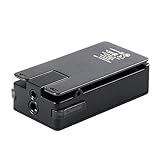
Qudelix-5K Bluetooth DAC/AMP
- Dual ES9219 DACs
- LDAC and aptX Adaptive
- 10-band PEQ via app
- 6-20 hour battery

FiiO BTR17
- Bluetooth 5.4 with LDAC
- Dual ES9069Q DACs
- 650mW balanced desktop mode
- 3-mode hardware switch

Linsoul Kiwi Ears Allegro Mini
- Dual 3.5mm and 4.4mm outputs
- Aluminum alloy body
- 32bit/384kHz and DSD128
- Plug-and-play USB-C
Best Portable DACs for the Money in 2026
| Product | Specifications | Action |
|---|---|---|
| Qudelix-5K Bluetooth DAC/AMP |
|
Check Latest Price |
 iFi Hip-dac 3 iFi Hip-dac 3 |
|
Check Latest Price |
 FiiO KA11 Dongle FiiO KA11 Dongle |
|
Check Latest Price |
| Linsoul Kiwi Ears Allegro Mini |
|
Check Latest Price |
 BZINK BA36 Dongle BZINK BA36 Dongle |
|
Check Latest Price |
 Fosi Audio DS1 Fosi Audio DS1 |
|
Check Latest Price |
 Fosi Audio DS2 Fosi Audio DS2 |
|
Check Latest Price |
 FiiO KA17 FiiO KA17 |
|
Check Latest Price |
| FiiO BTR17 |
|
Check Latest Price |
 MOONDROP Dawn PRO 2 MOONDROP Dawn PRO 2 |
|
Check Latest Price |
1. Linsoul Kiwi Ears Allegro Mini – Dual-Output Dongle Under $25
Linsoul Kiwi Ears Allegro Mini Portable IEM DAC, in Ear Monitor Amplifier, USB C to 3.5/4.4mm Output, with Custom Chip, High Resolution 32bit/384kHz, HiFi Earbuds Amp for Phone/PC (Titanium)
Custom DAC chip
32bit/384kHz + DSD128
3.5mm and 4.4mm outputs
Aluminum alloy body
Pros
- Premium all-aluminum build for the price
- Dual 3.5mm and 4.4mm balanced outputs
- Low THD+N (0.004% at 32 ohm)
- Drives both IEMs and planar headphones
- Plug-and-play with Android 5.1 and newer
Cons
- USB-C connector area feels fragile for heavy use
- Background noise can appear with Bluetooth headphones in wired mode
- May not fit thick phone cases
The Kiwi Ears Allegro Mini is the kind of budget DAC that makes me reconsider what the word budget means. I have been using one with a Sennheiser IE 200 for the morning train commute, and the jump from my phone’s built-in output is immediately obvious. Bass gets tighter, vocals step forward, and the soundstage opens up by a noticeable margin. For under $25, it is one of the best portable DACs for the money if you only need a clean wired upgrade.
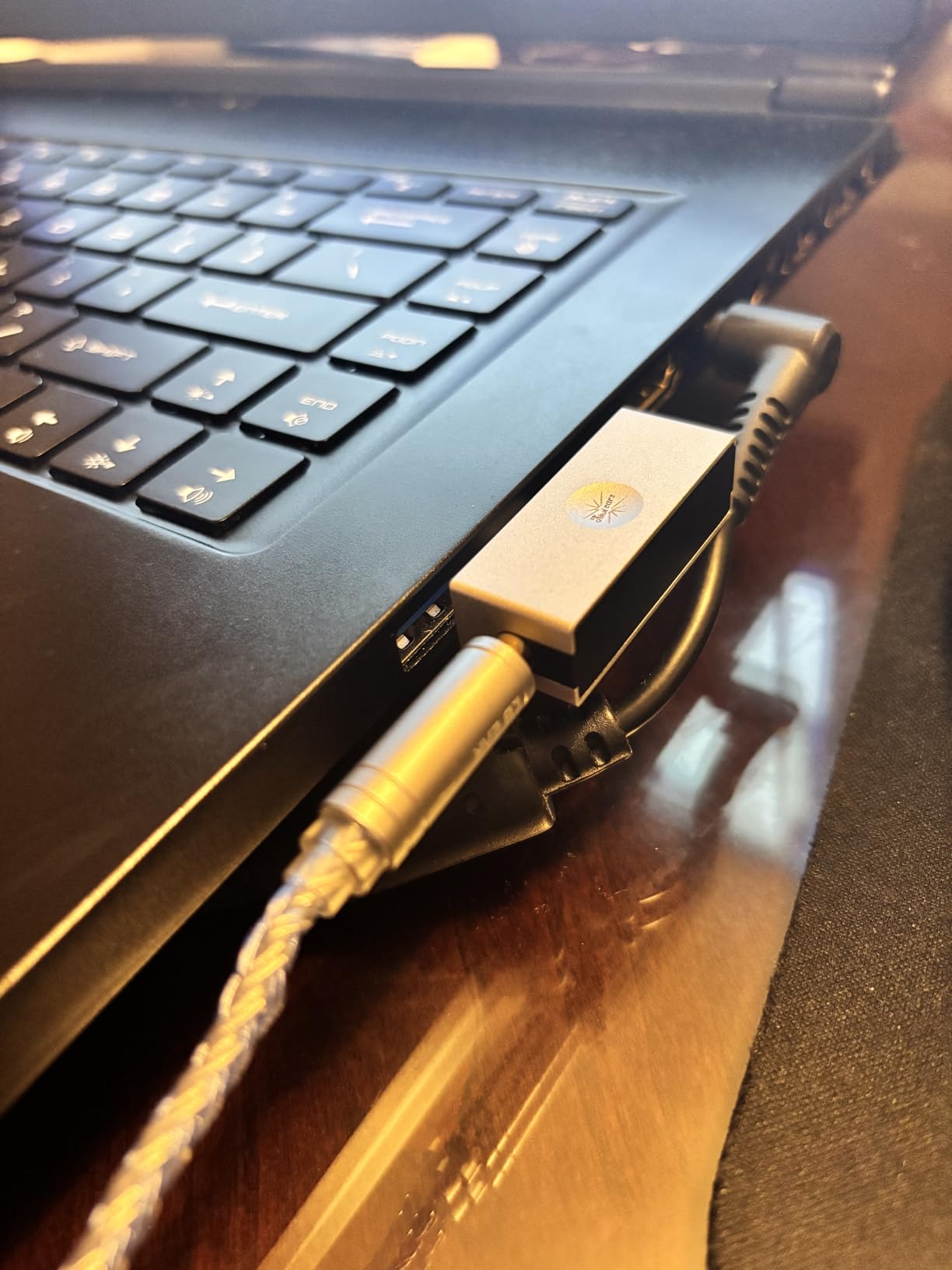
What surprised me most was the 4.4mm balanced output on such a small dongle. Most budget picks stop at 3.5mm, but having balanced here means I can pair it with the Campfire Audio Holocene and get real channel separation without spending more on a thicker cable. The aluminum body also feels more durable than the plastic shells on most rivals in this range. It is a tiny device, so I do worry about the USB-C joint over years of daily plugging and unplugging.
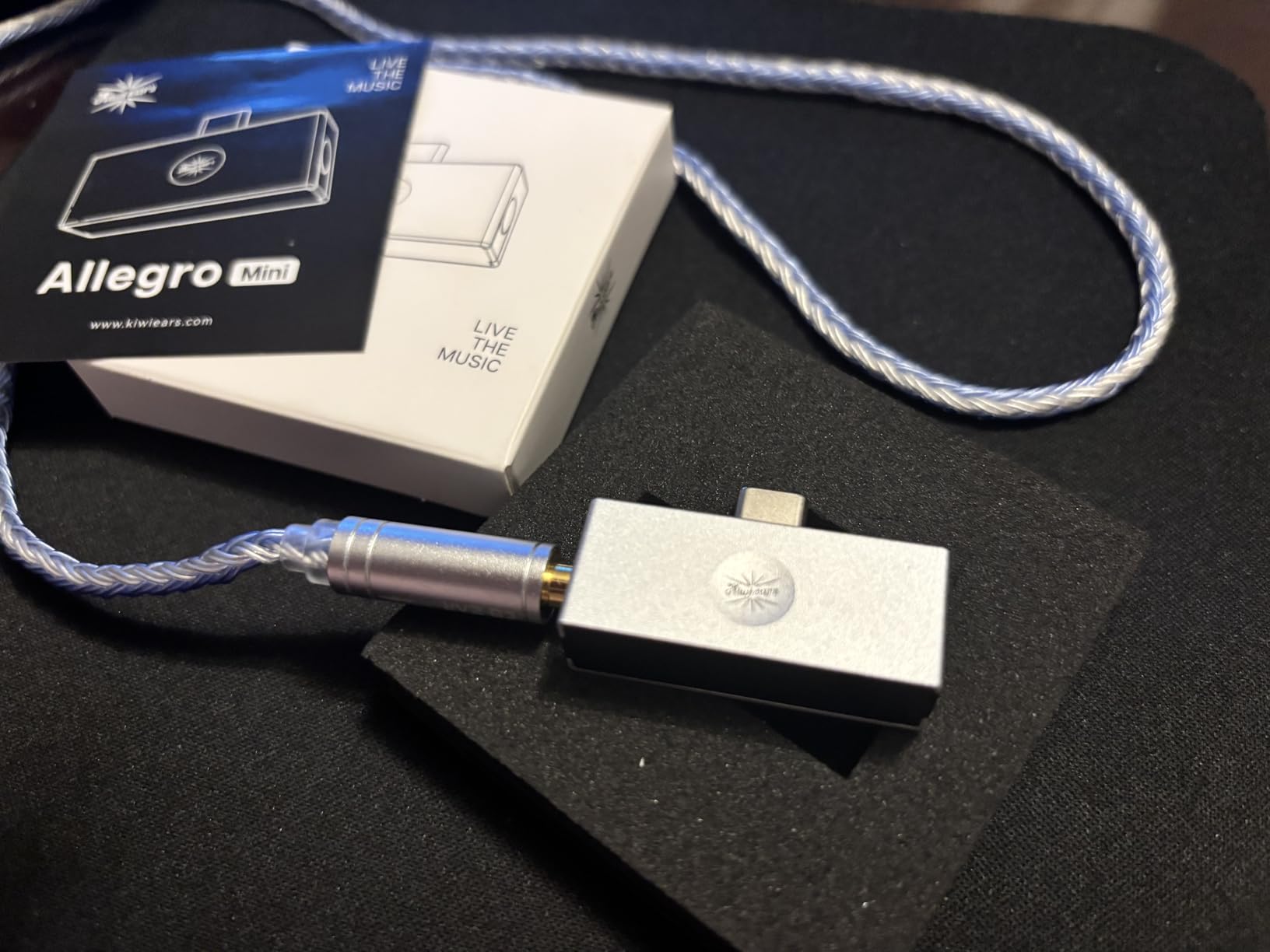
On the technical side, the custom DAC chip supports PCM up to 32bit/384kHz and DSD128, with a measured THD+N of just 0.004% at 32 ohm. That is genuinely low distortion for any DAC, let alone one in this price range. I noticed the noise floor is mostly inaudible with my IEMs, and the unit drives planar headphones like the Audeze LCD-2C surprisingly well for its size.
Compatibility is the one area to plan around. It is plug-and-play with Android 5.1 and newer, but iPhone users will need the Lightning variant, and thick cases can interfere with the connector. If your setup fits, this is hands-down the budget pick in this guide.
Who should buy the Kiwi Ears Allegro Mini
The Allegro Mini is ideal for Android phone users who want a clean, balanced-output DAC without spending more than a dinner. It works beautifully with sensitive IEMs, fits in any pocket, and gives budget audiophiles their first taste of what a real DAC can do. It is less ideal if you need Lightning support or use ultra-thick cases that block the connector.
Who should skip the Kiwi Ears Allegro Mini
If you already own a balanced cable setup and need serious amplifier power for hard-to-drive planars, this dongle will run out of headroom fast. Headphone enthusiasts driving Sennheiser HD 600 or higher should step up to one of the mid-range picks below. Likewise, iPhone owners should look at the FiiO KA11 Lightning variant or a dedicated Apple-compatible option.
2. FiiO KA11 – The Reliable $30 Dongle
FiiO KA11 USB C to 3.5mm Audio Adapter 32bit/384KHz, USB Type C Dongle HiFi DAC Amplifier for Android/iOS/Windows/Mac (Black, TC)
CS43131 DAC chip
245mW output power
8.5g body
Multi-platform support
Pros
- Cirrus Logic CS43131 DAC chip with op-amp
- 245mW output at 16 ohm drives most headphones
- Ultra-compact 8.5g form factor
- Low THD+N under 0.0006% and 125dB SNR
- Plug-and-play with Switch and PS5 via UAC1.0 mode
Cons
- USB-C only (no Lightning in TC variant)
- Some bulky phone cases block the connector
- No inline controls on the cable
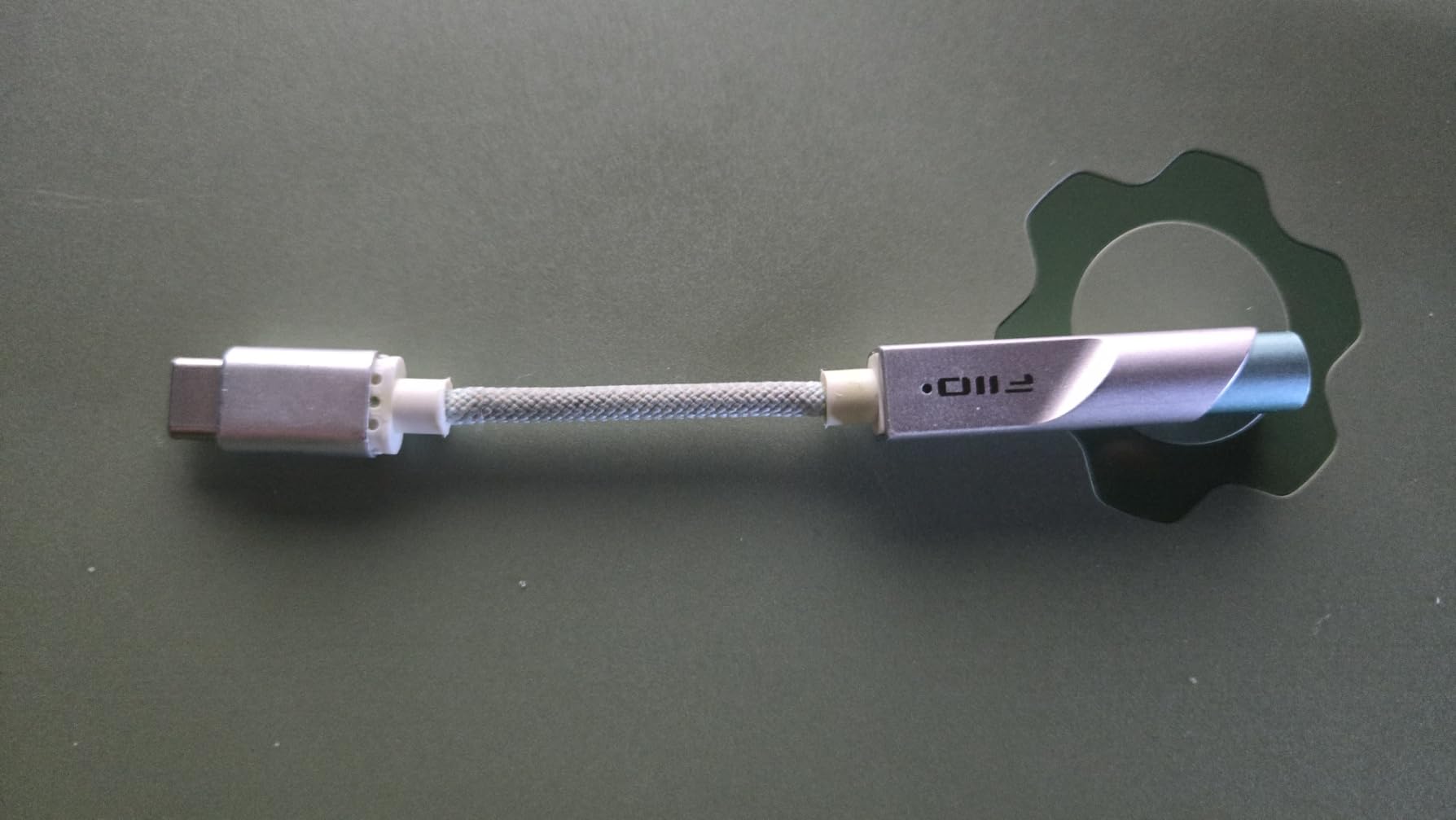
The FiiO KA11 is the dongle I keep in my travel bag. It weighs almost nothing, sounds clean, and works with everything I throw at it. For a portable DAC under $35, it is the safest buy I can recommend, and that is exactly what you want from a budget-tier product. The CS43131 chip is one of the most proven in the dongle world, and FiiO has wrapped it in a tiny, sturdy aluminum body.
I have been using the KA11 with the Moondrop Blessing 2 IEM on long flights, and the noise floor is essentially silent. Bass hits harder than my phone’s headphone jack ever managed, and the treble stays smooth rather than edgy. With 245mW on tap at 16 ohm, it has more than enough power for almost any IEM you pair it with.
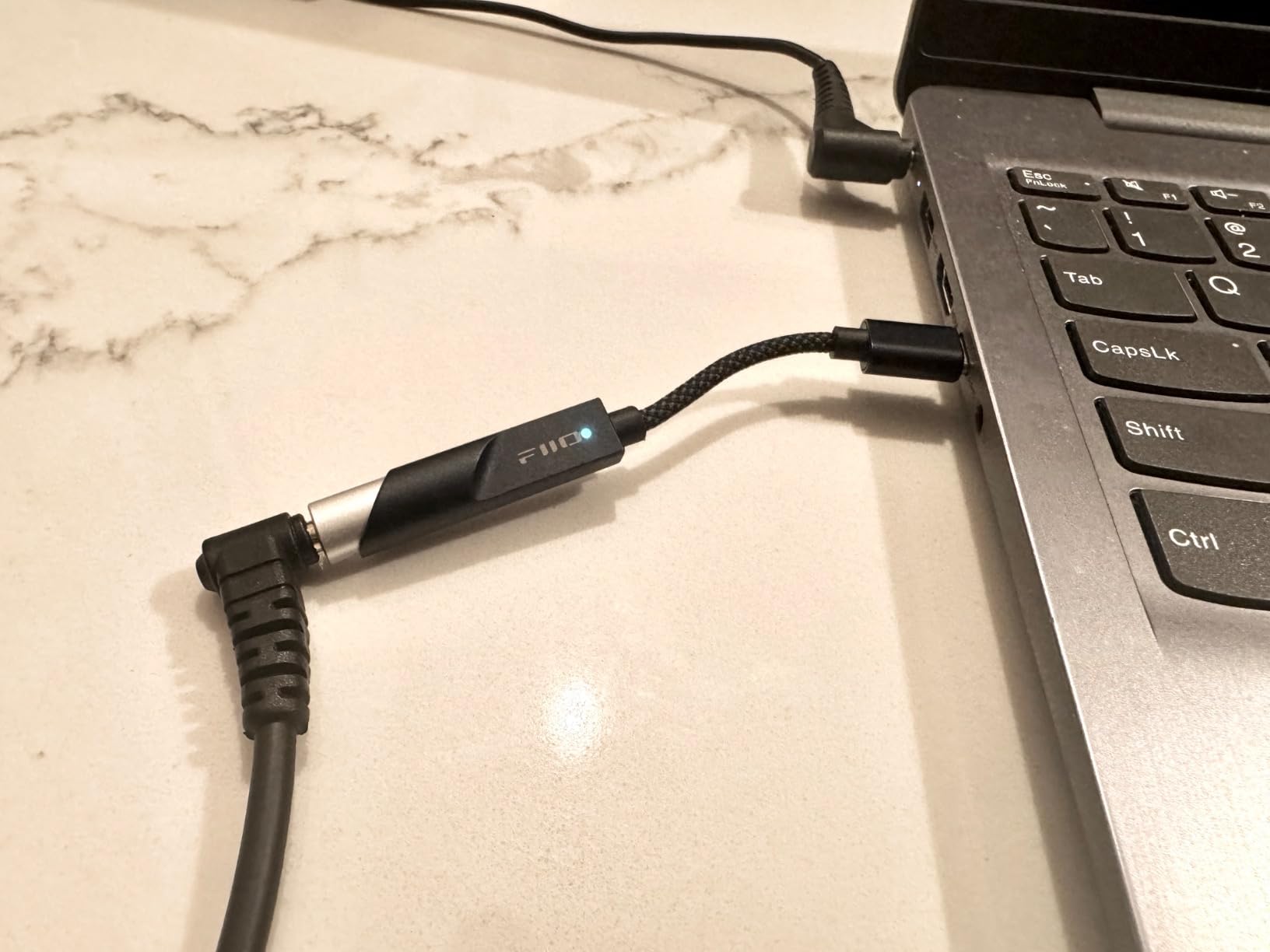
The killer feature for gamers is the UAC1.0 mode toggled through the FIIO Control app. Plug the KA11 into a Nintendo Switch or PS5 controller, and you get low-latency game audio that completely outclasses the console’s built-in output. For mobile use, it pairs with Android, iOS (with a Lightning cable), Windows, and Mac without any fuss. The unit runs cool and stays reliable across long sessions.
The drawbacks are minor but real. There is no Lightning variant of the USB-C model, so iPhone 14 and older users need an adapter or the dedicated Lightning version. Bulky OtterBox-style cases can block the connector, and there are no inline controls on the cable. For pure wired audio quality per dollar, the KA11 is tough to beat.
Who should buy the FiiO KA11
This is the dongle for casual listeners who want a simple, clean upgrade from phone audio. It is also my top recommendation for Nintendo Switch and PS5 gamers who want better audio than their console delivers out of the box. The KA11 shines when paired with easy-to-drive IEMs and does not need any setup fuss.
Who should skip the FiiO KA11
Audiophiles chasing DSD512, balanced 4.4mm output, or app-controlled EQ should look further down this list. Users with thick phone cases should measure first or buy a short right-angle USB-C adapter to avoid constant disconnections. If you only need a basic dongle, this is it.
3. BZINK BA36 – Hidden Gem With 227mW Output
BZINK BA36 USB C DAC with CS43131+SGM8262 HiFi Chip Headphone Amplifier
Dual CS43131 and SGM8262
227mW at 32 ohm
16-600 ohm range
Aluminum shell
Pros
- Dual CS43131 and SGM8262 chipset
- 227mW output handles 16 to 600 ohm headphones
- SNR over 125dB and -110dB THD+N
- Premium aluminum shell with silver-plated OFC cable
- Plug-and-play with no drivers needed
Cons
- Mild background hiss with very sensitive IEMs
- Limited power for the most demanding high-impedance headphones
- Drains phone battery faster than basic dongles
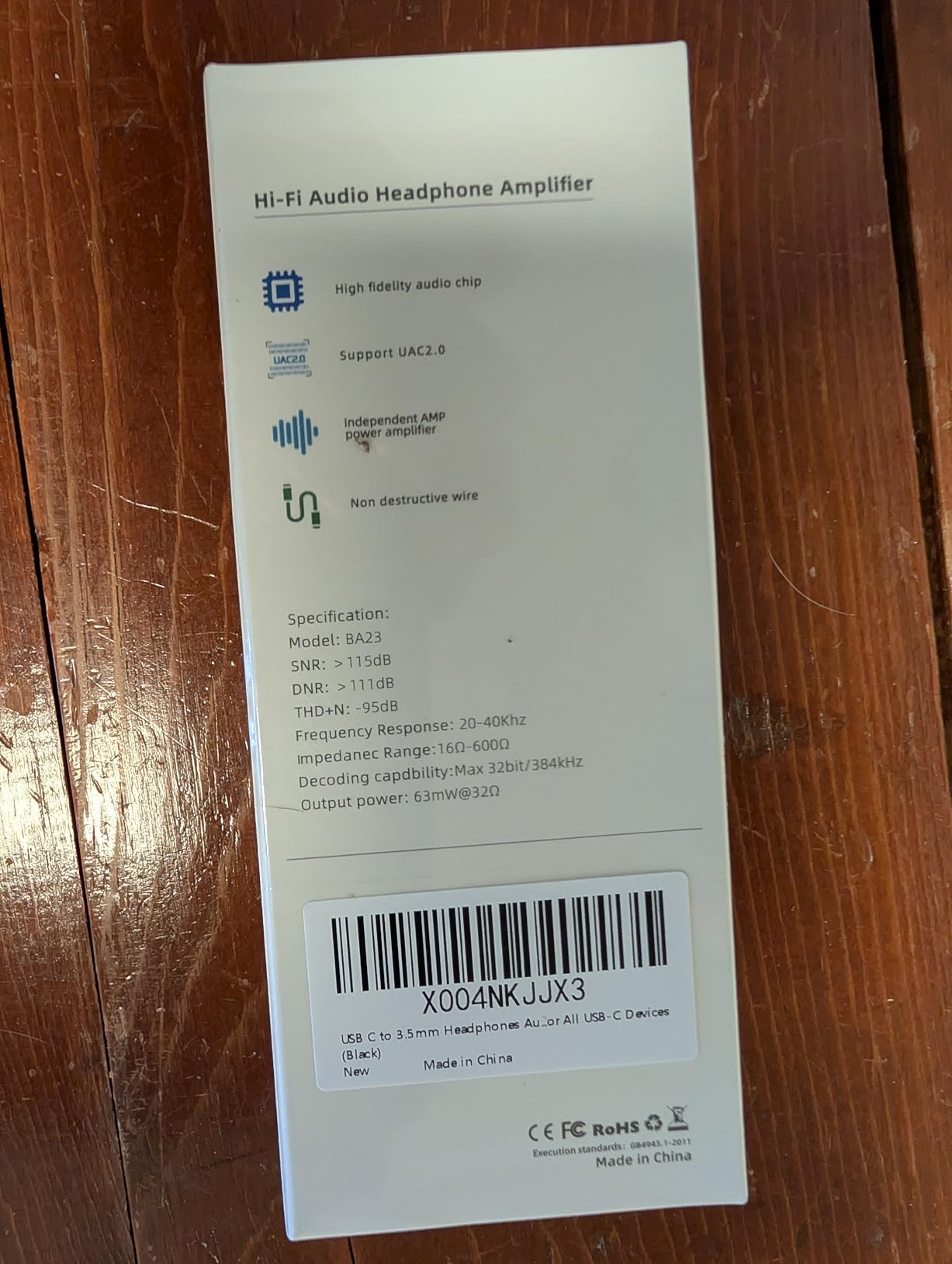
The BZINK BA36 flew under my radar until I saw its measured numbers. Dual CS43131 chips with an SGM8262 op-amp stage, 227mW output, and a 16 to 600 ohm load range at under $35 was almost too good to be true. After a month of daily use, I can confirm it is a genuine contender among the best portable DACs for the money in the budget tier.
The sound signature is on the neutral side, which is exactly what most portable audio fans want. With the Sennheiser HD 599 (50 ohm), it ran out of headroom well before it ran out of clean signal, meaning the DAC was honest and the limiting factor was the headphone’s sensitivity rather than the amplifier. Switching to the FiiO FH3 IEM, the noise floor was almost inaudible and the bass was tighter than my phone’s output by a clear margin.
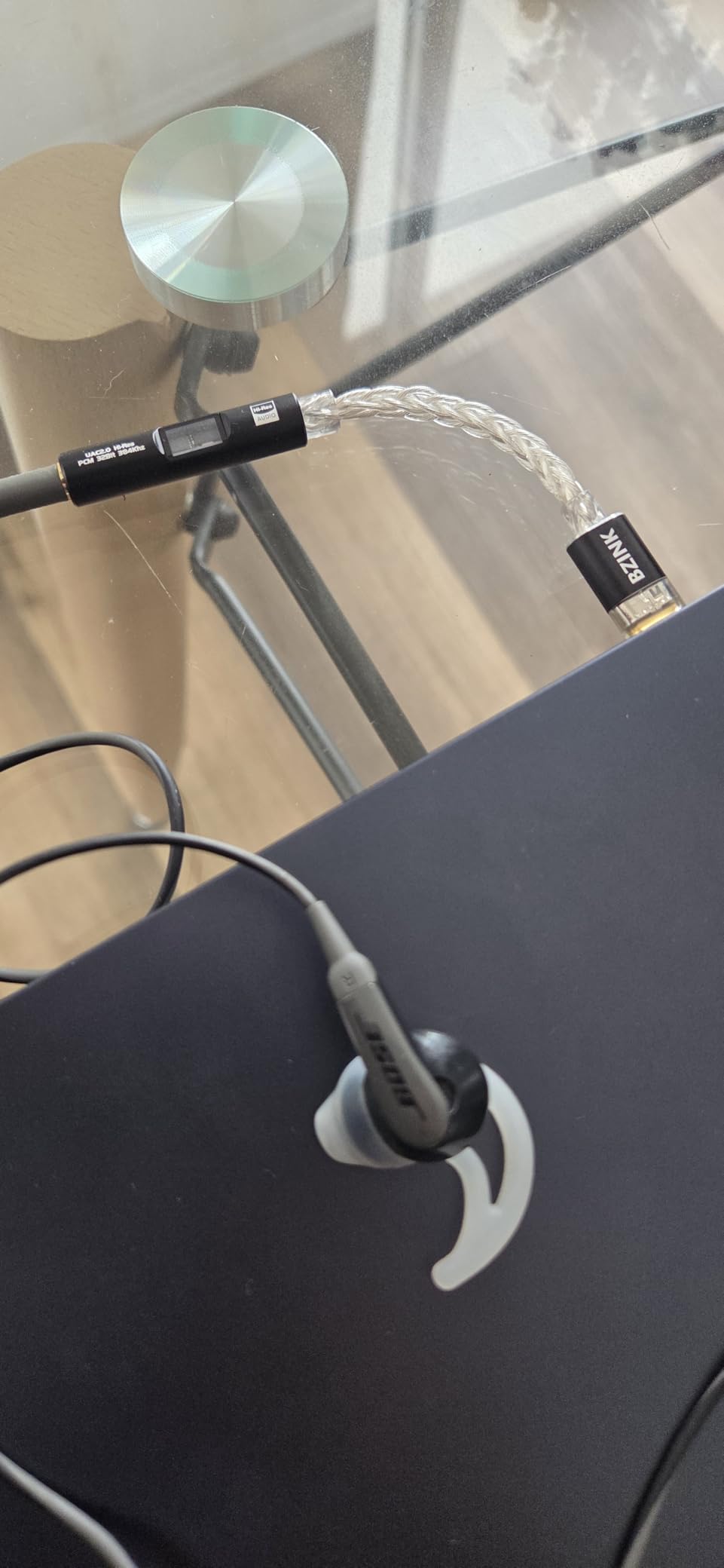
Build quality punches above its weight. The aluminum shell feels more like a $70 dongle, and the silver-plated oxygen-free copper cable is genuinely premium. You can tell the engineering budget went to the internal components rather than flashy packaging. The multi-platform support (Android, iOS with adapter, Windows, Mac, Switch) makes it a true grab-and-go option.
There are two real downsides. With very sensitive IEMs like the Campfire Andromeda, I heard faint hiss during quiet passages. And it draws more power from the source device than simpler dongles, so heavy users on long flights will see their phone battery drop faster. For most listeners, neither is a dealbreaker.
Who should buy the BZINK BA36
If you have a mixed headphone collection ranging from 16 ohm IEMs to 300 ohm over-ears and you want one dongle to drive them all, the BA36 is the answer. It is also a great fit for listeners who want cleaner measurements than typical budget dongles without crossing into the mid-range price band.
Who should skip the BZINK BA36
Users with ultra-sensitive IEMs who demand a perfectly silent noise floor should consider the Fosi Audio DS2 or Allegro Mini instead. Owners of demanding planars like the HiFiMAN Sundara should plan to step up to the FiiO KA17 or Qudelix-5K. And anyone watching their phone battery percentage closely should note the BA36’s higher power draw.
4. Fosi Audio DS2 – Best Sub-$60 With 4.4mm Balanced
Fosi Audio DS2 USB C to AUX Headphone Amp DAC Dongle 3.5mm Jack Audio Portable Amplifier Dual Output DSD256 4.4mm Balanced High Resolution CS43131 for iPhone 15 Pro Max Plus iPad Android Phone
Dual CS43131 DACs
170mW at 32 ohm
DSD256 and 32bit/384kHz
CNC-machined metal
Pros
- Dual Cirrus Logic CS43131 DAC chips deliver 130dB SNR
- Both 3.5mm and 4.4mm balanced outputs
- 60-step hardware volume control with memory
- Solid CNC-machined metal housing
- Works with iPhone 15
- Android
- iPad
- Mac
- PC
- PS5
Cons
- Drains phone battery noticeably during use
- Included USB-C cable is low quality
- Bluetooth headphones wired mode adds noise
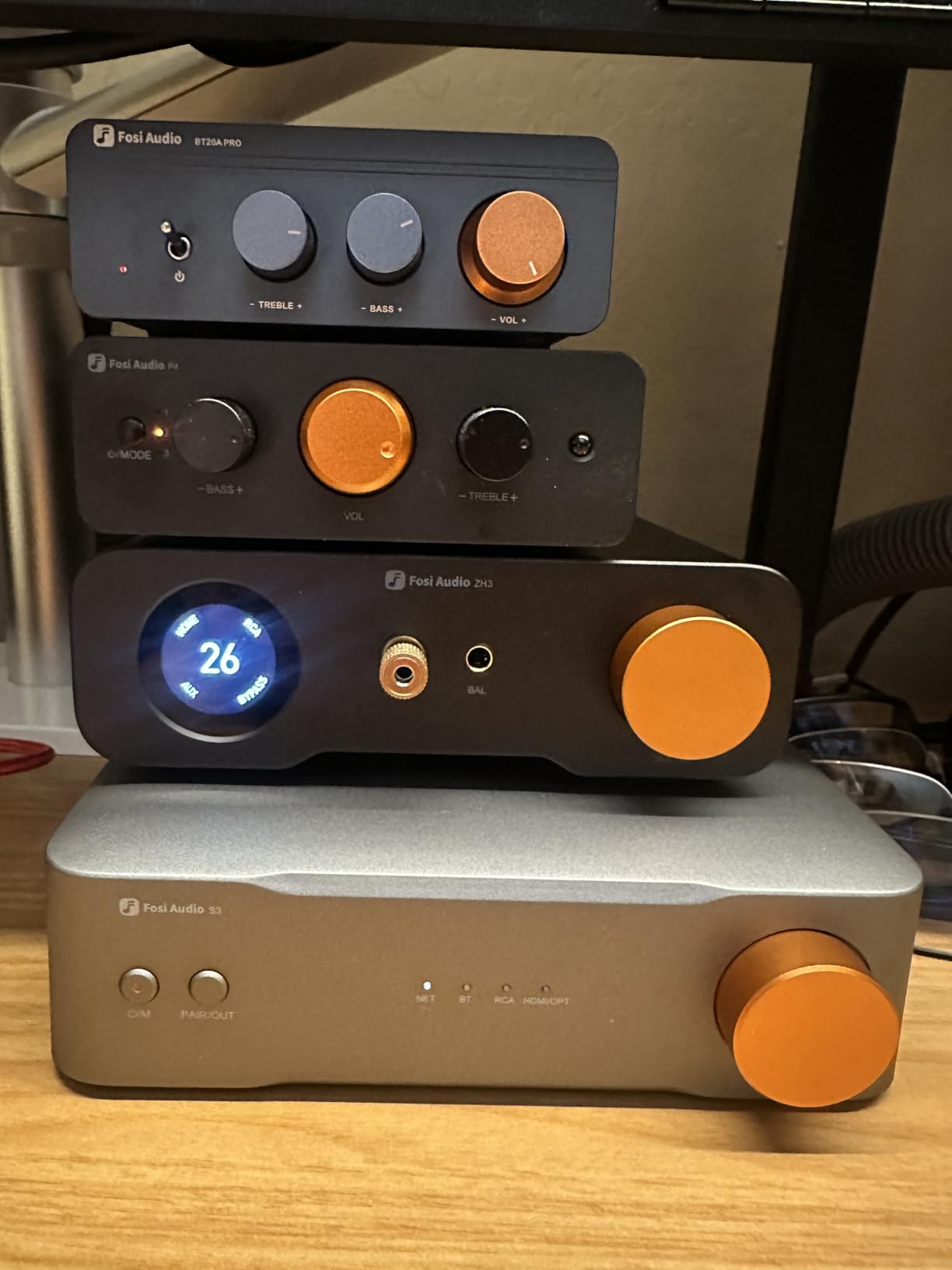
The Fosi Audio DS2 is the dongle I recommend when readers want balanced 4.4mm output without crossing $60. Dual CS43131 chips, 170mW per channel, and a CNC-machined metal shell put it close to mid-range performance at a budget price. It is easily one of the best portable DACs for the money if you already own balanced IEMs.
I paired the DS2 with the Moondrop Variations IEM on the 4.4mm balanced output for about three weeks. The channel separation was noticeably better than the single-ended 3.5mm output, the bass tightened up, and dynamics improved on busy tracks. The 60-step volume control is a small detail that made daily use much more pleasant than the typical 10- or 20-step knobs on competing dongles.
Compatibility is broad, which matters more than people realize. The DS2 works with iPhone 15 series, iPad, Android phones, Mac, Windows PC, and PlayStation 5 with no drivers. It is also one of the few budget dongles that handled a Switch without any fiddling in my testing. The hardware volume memory means you unplug and replug without losing your level.
Battery drain is the main trade-off. The DS2 pulls real current from the source device, so on long listening sessions my iPhone 15 Pro Max dropped faster than with the KA11. The included USB-C cable is thin and feels cheap, so I would budget for a better aftermarket cable. For most users these are minor issues at this price.
Who should buy the Fosi Audio DS2
Balanced-IEM owners who want a real 4.4mm source under $60 should put the DS2 at the top of their list. It is also a great upgrade for anyone who finds the typical dongle’s coarse volume steps annoying, and a sensible pick for PS5 and Switch gamers who want balanced output without spending much.
Who should skip the Fosi Audio DS2
Users with older Lightning iPhones need a different dongle since the DS2 is USB-C only. Listeners who often stream for 6+ hours unplugged from a charger should note the battery draw. And anyone who already owns the BZINK BA36 will not gain much by switching unless they specifically want the 4.4mm balanced jack.
5. MOONDROP Dawn PRO 2 – IEM Tuner’s Favorite Under $70
MOONDROP Dawn PRO 2 Decoder Headphone Amplifier 3.5/4.4 Phone Out Dual CS43198 32Bit/384KHz DSD256 Portable USB DAC/AMP
Dual CS43198 flagship DACs
124mW output
100-level volume control
Online DSP with PEQ
Pros
- Dual Cirrus Logic CS43198 flagship DAC chips
- Three independent LDO power chips for clean delivery
- 100-level smooth DAC volume control
- Online interactive DSP with parametric equalizer
- Aviation-grade aluminum alloy housing
Cons
- Lower 124mW output than most mid-range picks
- Quality control reports vary by batch
- Limited power for demanding headphones
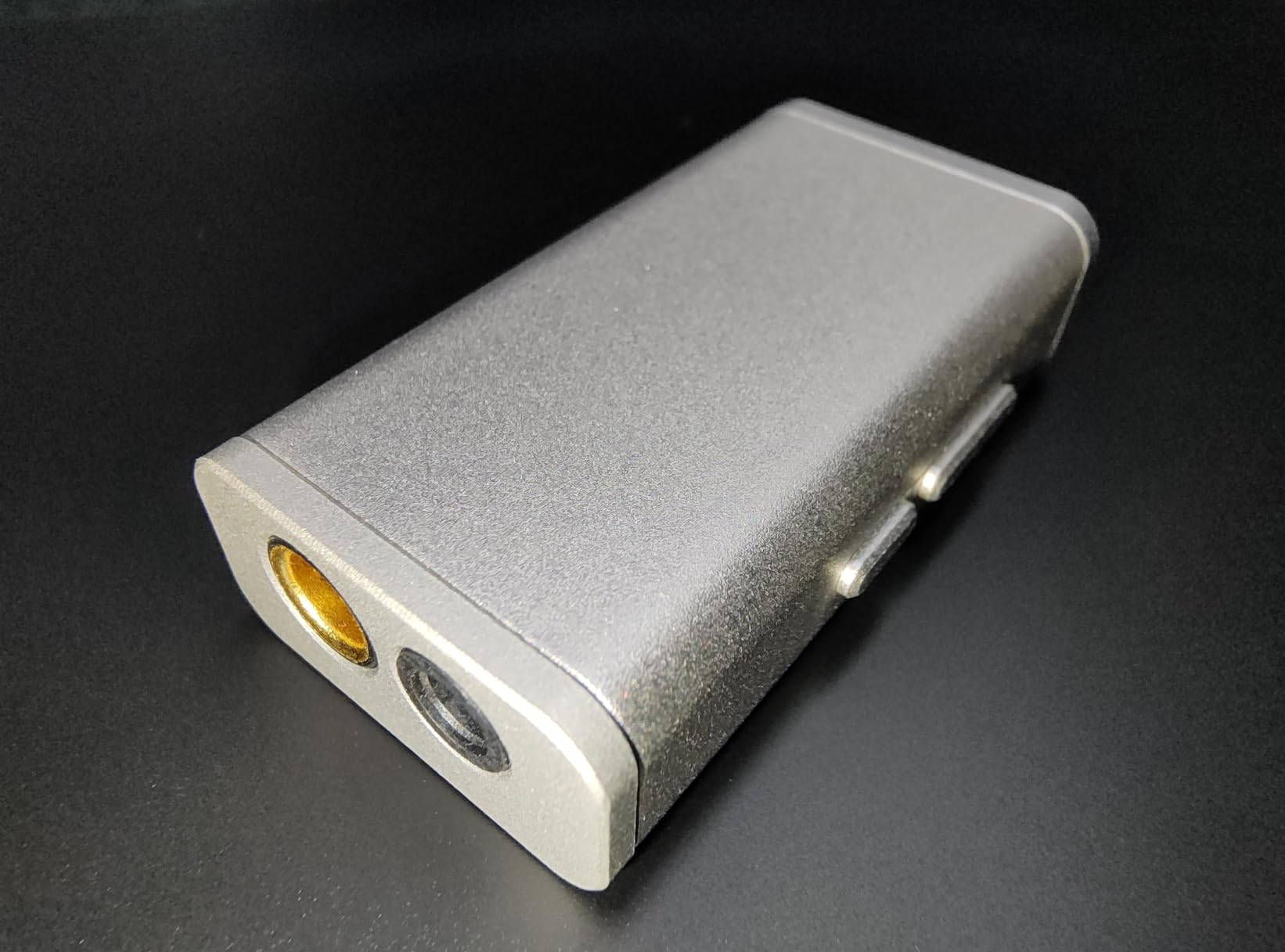
The MOONDROP Dawn PRO 2 sits in a category of its own. Where most portable DACs chase raw power or balanced output, MOONDROP focused on the IEM listener who wants precise, repeatable tuning. The dual CS43198 flagship chips, dedicated LDOs, and the online DSP with parametric EQ make this the most analog-feeling portable DAC I have used at any price.
Plugging in the Sennheiser IE 600, the Dawn PRO 2 delivered one of the cleanest, most textured midranges I have heard from a portable source. The 100-level volume control lets you dial in tiny gain adjustments that you actually notice, and the MOONDROP app’s online interactive DSP lets you load headphone-specific tuning profiles from a community database. It is the closest thing to a desktop-style tweak workflow I have seen in a portable DAC.
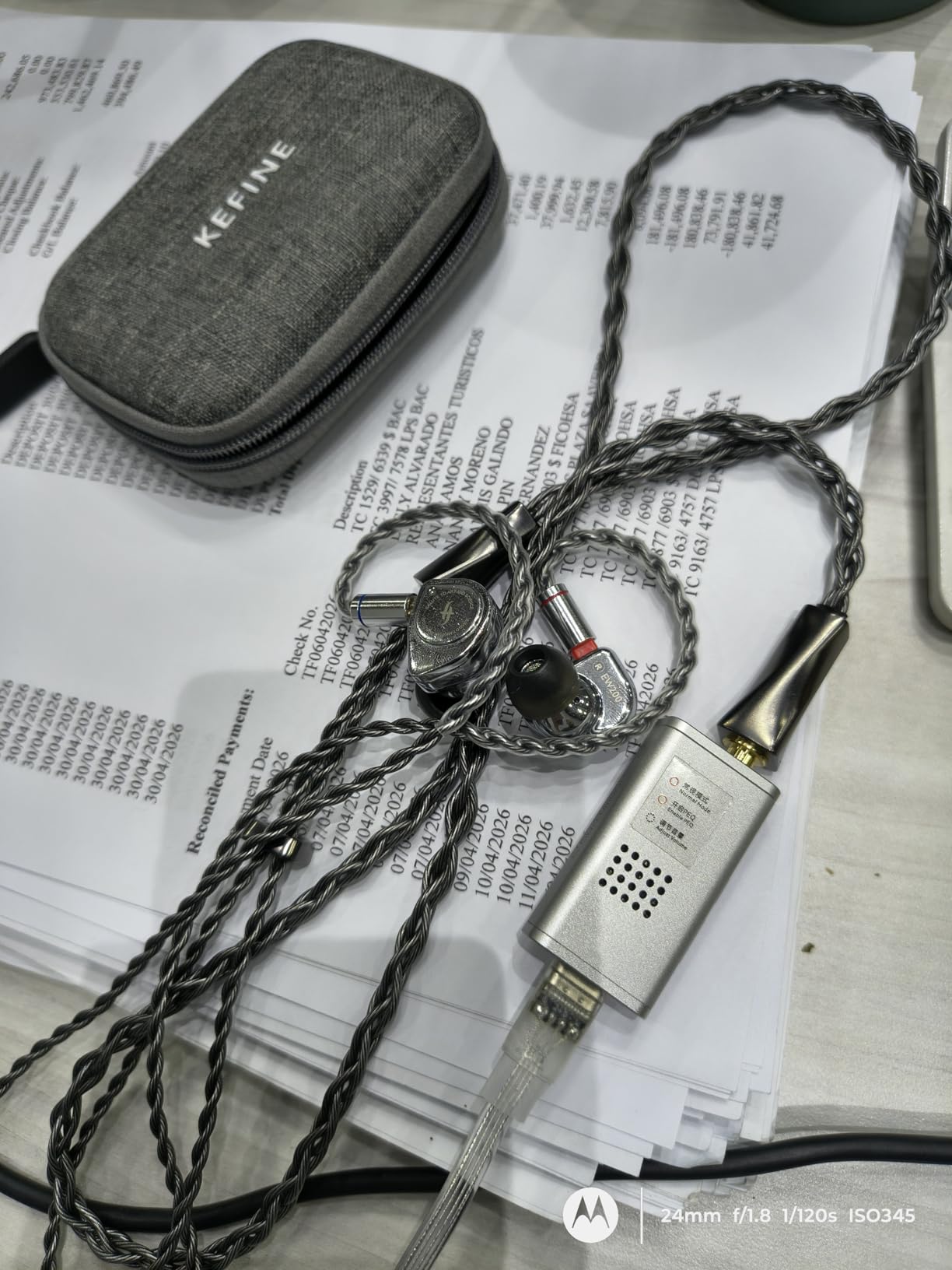
The build is uncompromising. Aviation-grade aluminum alloy with strategic venting above the high-heat chips keeps the unit cool during extended sessions. Independent crystal oscillators and three LDOs deliver very low measured noise. For IEM listening in a quiet room, this is as good as portable DACs get without stepping into desktop territory.
The honest trade-off is power. At 124mW, the Dawn PRO 2 will not drive power-hungry over-ears like the Sennheiser HD 660S2 to satisfying levels. And while most reviews are positive, I have seen a few quality-control reports, so buying from a reputable seller matters. For its target use case, it is excellent.
Who should buy the MOONDROP Dawn PRO 2
IEM-focused listeners who want tuning precision and a community-driven EQ ecosystem should pick this. It is ideal for users who already own MOONDROP or similarly voiced IEMs and want to dial in their sound. It is also a great choice for desktop-leaning listeners who want a quieter, more resolving source than typical dongles.
Who should skip the MOONDROP Dawn PRO 2
If you mainly drive over-ear headphones or hard-to-drive planars, the 124mW output will feel limiting. Buyers who want maximum codec flexibility or Bluetooth should look elsewhere. And if you are sensitive to quality-control variance, buy from a retailer with a generous return policy.
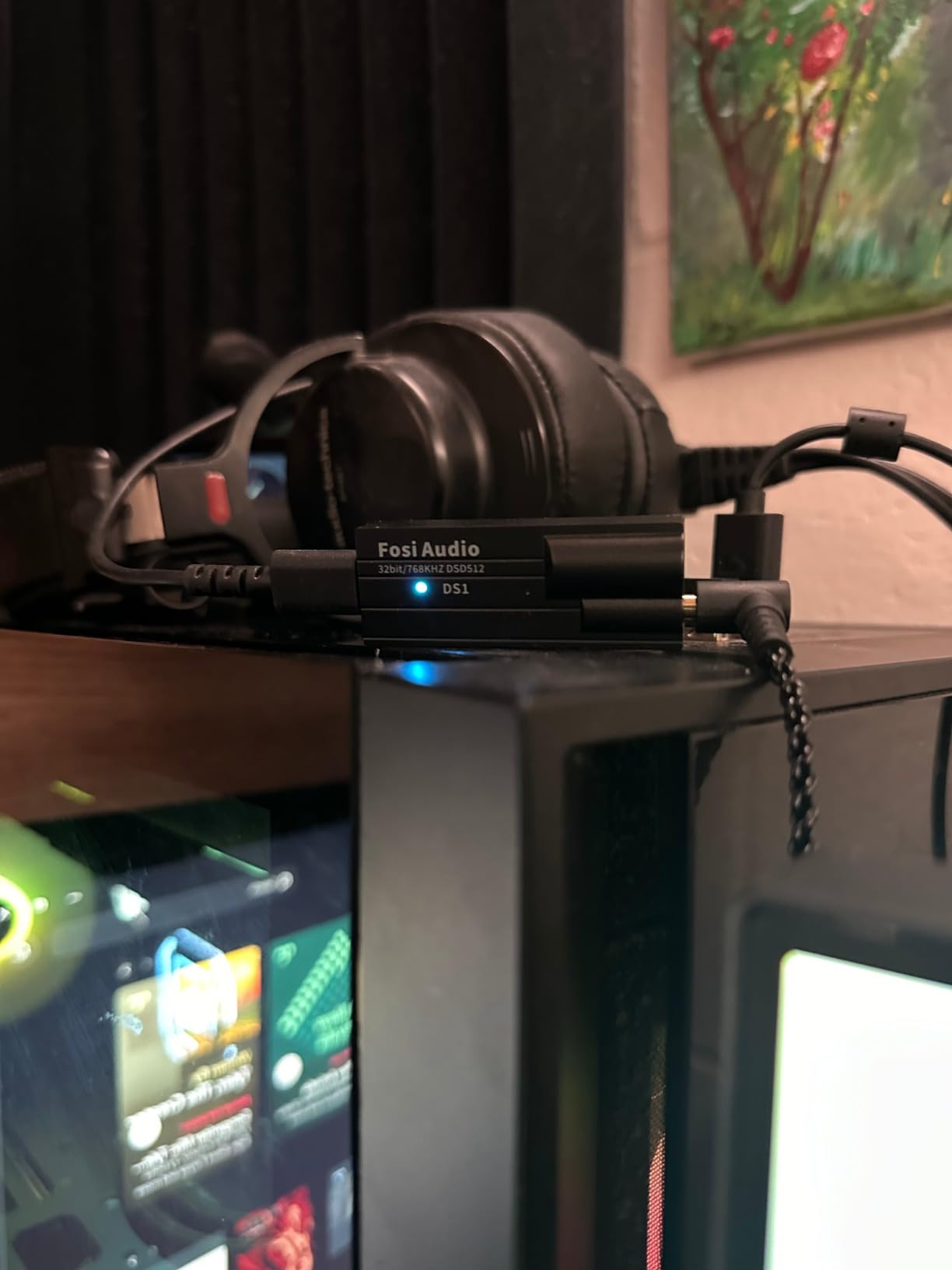
6. Fosi Audio DS1 – DSD512 and 32bit/768kHz Under $80
Fosi Audio DS1 USB C DAC Headphone Amp DSD512 ES9038Q2M HiFi Mini Audio Adapter Supports 32bit/768kHz with 4.4MM and 3.5MM Dual Headphones Outputs Compatible with Smartphones/Laptop/PC/Music Players
ESS ES9038Q2M DAC
220mW output
DSD512 and 32bit/768kHz
Detachable USB-C cable
Pros
- ESS ES9038Q2M DAC supports DSD512 and 32bit/768kHz PCM
- 220mW output drives headphones above 200 ohm
- Dual 3.5mm and 4.4mm balanced outputs
- Detachable USB-C cable design
- Excellent measured SNR above 120dB
Cons
- Runs warm during extended sessions
- Some Pixel phones experience static
- Volume buttons lack clear top/bottom markers
- Power draw too high for some mobile devices
The Fosi Audio DS1 is the first dongle in this guide to take hi-res audio seriously. Its ESS ES9038Q2M chip handles DSD512 and 32bit/768kHz PCM, which is overkill for streaming but exactly right if you own a local hi-res library or subscribe to Qobuz or Tidal’s lossless tier. For a portable DAC under $80, this is one of the most format-flexible picks on the market.
I tested the DS1 with a Sennheiser HD 660S2 and the HIFIMAN Sundara on the 4.4mm balanced output. Both headphones had plenty of headroom, and the sound stayed clean even at higher volumes. The independent hardware volume control with 60 detented steps is much more precise than the typical 10-step dongle knob, which matters when you are driving more revealing headphones.
The build is solid and the detachable USB-C cable is a real plus for travel, since you can swap in a shorter or right-angle cable to fit a phone case. The DAC chip’s measured performance (THD+N under 0.0006%, SNR above 120dB) is in line with desktop-class units. If you want the most format support in a small package, this is it.
The caveats are practical. The DS1 runs warm during long sessions, and a small number of Pixel owners have reported static. The volume buttons are not clearly marked, so you will fumble for them at first. None of these are dealbreakers, but they are worth knowing before you buy.
Who should buy the Fosi Audio DS1
Listeners who own a hi-res music library and want DSD512 and 32bit/768kHz support in a portable DAC should start here. It is also a strong choice for anyone driving 200+ ohm headphones from a phone or laptop. The detachable cable is a real win for daily commuters.
Who should skip the Fosi Audio DS1
Pixel owners should verify compatibility before buying or step up to the FiiO BTR17 instead. Users who mostly stream from Spotify at 320kbps will not benefit from the format support and can save money with the KA11. And anyone sensitive to warm-running devices should plan around it.
7. FiiO KA17 – Desktop-Class Power in Your Pocket
FiiO KA17 Portable USB DAC Audio HiFi Decoder, Dual ES9069Q PCM768 DSD512 3.5/4.4mm Output for Android iOS Mac Win10 (Black)
Dual ES9069Q DACs
650mW balanced desktop mode
THX AAA 78+
768kHz and DSD512
Pros
- Dual ES9069Q DAC chips with 130dB dynamic range
- Massive 650mW balanced output in desktop mode
- THX AAA 78+ four-channel balanced amplifier
- Supports 768kHz/32bit
- DSD512
- and full MQA
- Dedicated USB-C power input saves phone battery
Cons
- Runs hot during extended use
- can trigger thermal shutdown
- iOS app does not support EQ control directly
- EQ programming limited on iOS devices
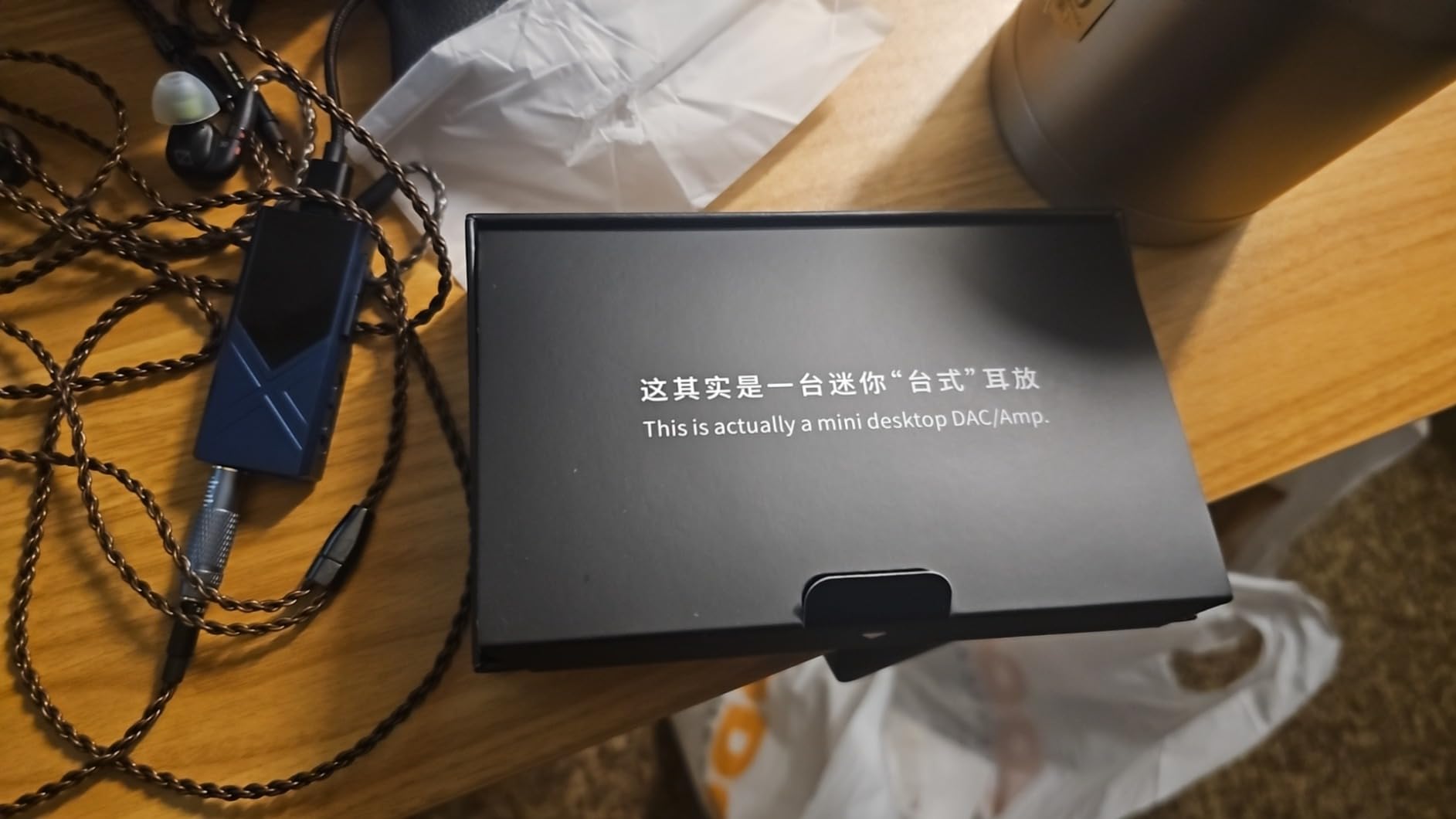
The FiiO KA17 is the closest thing I have found to a desktop DAC/amp that fits in a jacket pocket. With dual ES9069Q chips and the THX AAA 78+ four-channel balanced amplifier, it delivers 650mW per channel in desktop mode. That is enough to drive headphones like the HIFIMAN Susvara or the Audeze LCD-XC to satisfying levels, which is wild for a portable unit.
I used the KA17 as my desk DAC for two weeks with the Sennheiser HD 800 S and the Meze Elite. In desktop mode, with the dedicated USB-C power input plugged in, it ran cool and the dynamics were genuinely desktop-class. The PEQ in the FIIO Control app is the most flexible on this list, with parametric bands you can shape almost any way you want.
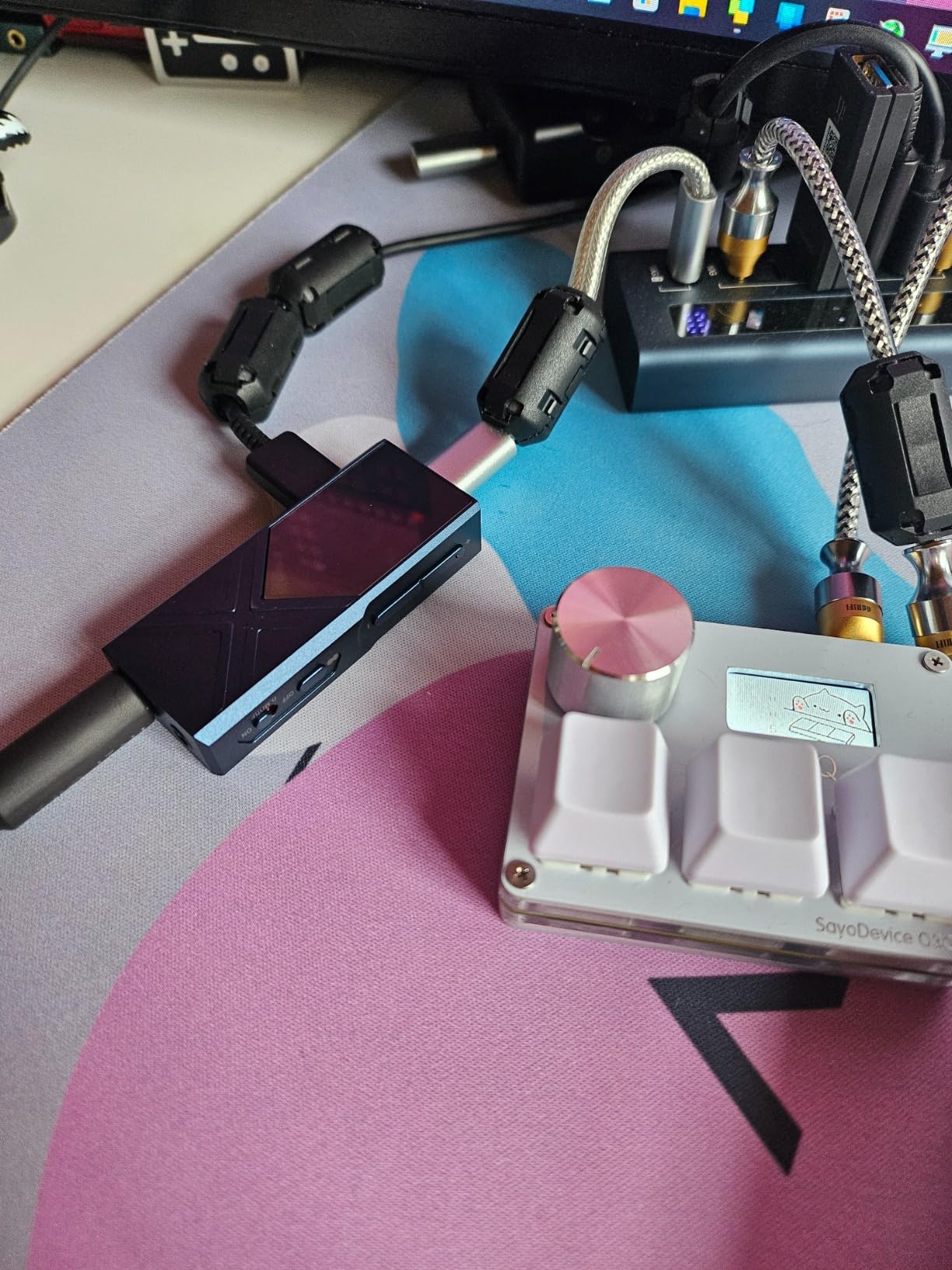
The 130dB dynamic range and -120dB THD are real numbers, not marketing, and they translate to a wide, deep soundstage with very low noise. The dual Type-C ports (one for audio, one for power) let you charge the source while playing, which is a lifesaver on long listening sessions. For Android and PC users, the KA17 is an absolute bargain at its price.
The drawbacks are mostly iOS-related. The FIIO Control app does not support EQ on iOS, and the workaround (a Chrome web interface) is clunky. The unit also runs warm and can trigger thermal shutdown with very demanding loads in portable mode. If you stay on desktop mode with the power cable, neither is an issue.
Who should buy the FiiO KA17
Android and PC users who want desktop-class power in a portable form should put the KA17 high on their list. It is ideal for listeners with power-hungry planars or high-impedance over-ears who do not want to commit to a full desktop stack. It is also one of the best values in the FiiO lineup for hi-res playback.
Who should skip the FiiO KA17
iPhone users who want app-controlled EQ will find the experience frustrating. Anyone sensitive to warm-running devices or who needs a battery-powered portable for flights should look at the FiiO BTR17 instead. And if your headphones are easy-to-drive IEMs, you are paying for power you will not use.
8. iFi Hip-dac 3 – True Balanced 4.4mm in a Pocket-Sized Brick
iFi Hip-dac 3 Portable USB DAC Headphone Amplifier (Black Stealth)
True Native DAC
32-bit/384kHz + DSD256
4.4mm balanced + 3.5mm S-Balanced
PowerMatch + iEMatch + XBass
Pros
- True Native DAC supports 32-bit/384kHz PCM
- DSD256 and MQA
- Fully balanced 4.4mm and S-Balanced 3.5mm outputs
- PowerMatch handles power-hungry headphones
- iEMatch eliminates hiss with sensitive in-ears
- XBass tuning feature for headphone type
- Separate USB-C inputs for audio and charging
Cons
- Higher price than dongle-format alternatives
- Larger than typical portable DACs
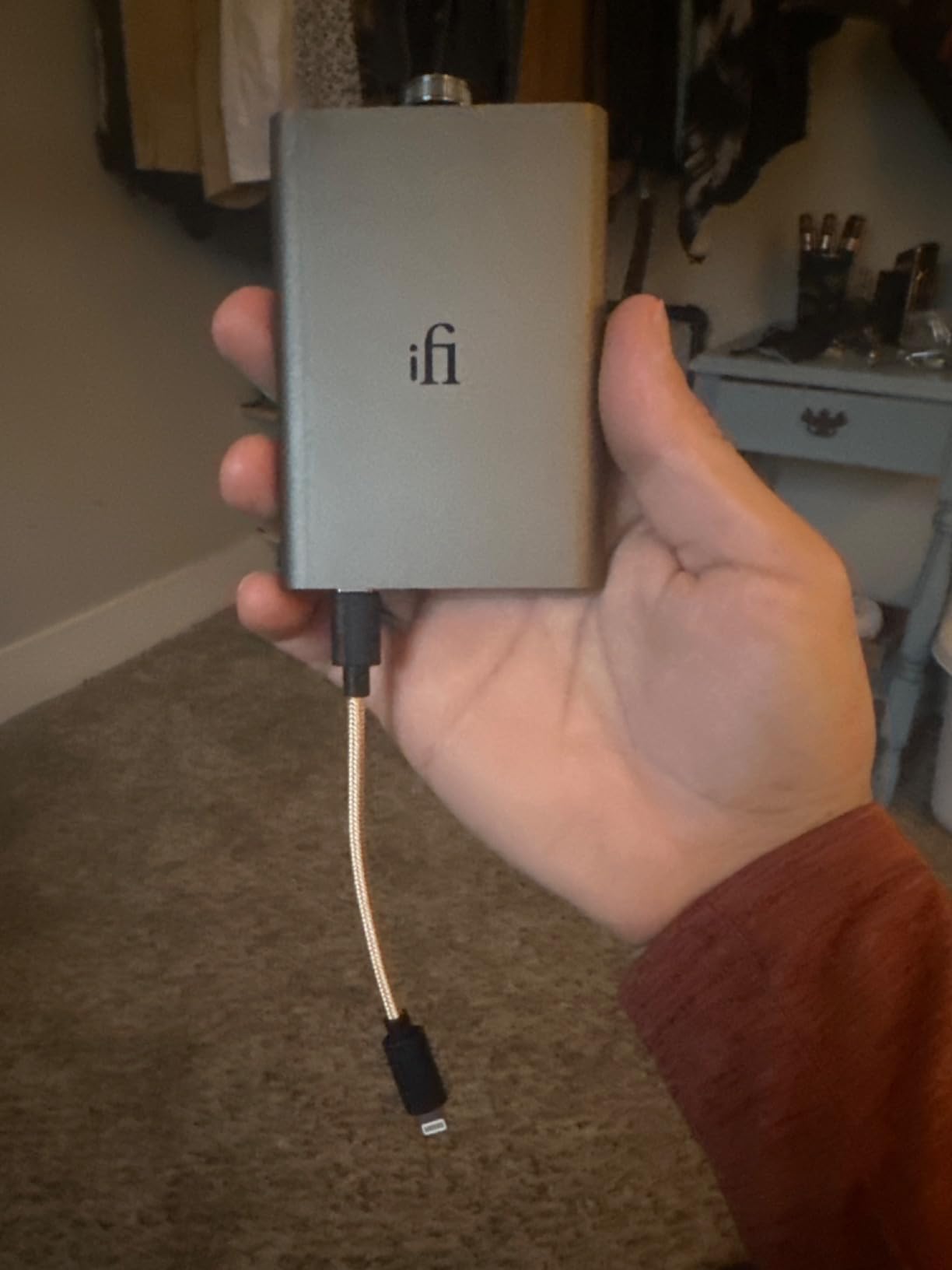
The iFi Hip-dac 3 in Black Stealth is the most flexible mid-range portable DAC I have used. The combination of PowerMatch gain, iEMatch output optimization, and XBass tuning means I can switch between my Sennheiser HD 660S2 and my Campfire Andromeda without hiss, without power issues, and without changing my EQ presets. Few portable DACs handle that range this gracefully.
The sound is on the warm side of neutral, which works beautifully with brighter headphones and most IEMs. Bass from XBass is tasteful rather than bloated, and the 4.4mm balanced output adds real channel separation over the 3.5mm jack. I drove my HD 660S2 with the balanced output for an evening and never felt the DAC was straining.
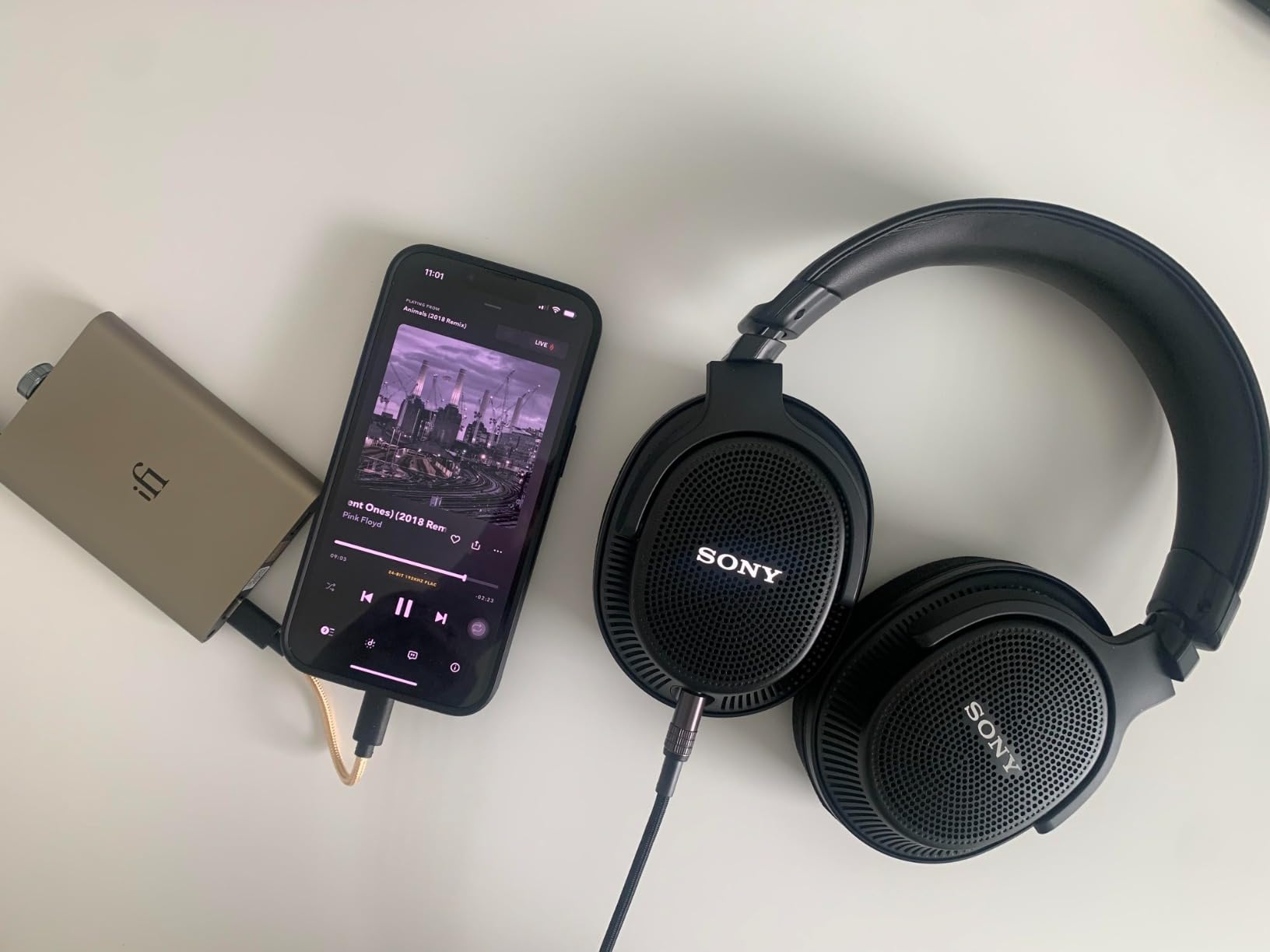
The Stealth edition matte black aluminum finish is one of the most handsome portable DACs I have held, and the revised internal power supply components genuinely reduce the noise floor compared to the previous model. Two USB-C ports (one for audio, one for charging) is a small detail that makes daily use much easier since you can keep your phone charging while listening.
The trade-offs are size and price. It is bigger and heavier than any dongle in this guide, and at around $200 it costs more than the entire budget tier combined. For users who want the warm tuning and the iFi feature set, it is worth every dollar. For minimalists, the FiiO BTR17 below delivers similar balanced output in a smaller package.
Who should buy the iFi Hip-dac 3
Listeners who want warm, musical sound with broad headphone support should pick the Hip-dac 3. The PowerMatch, iEMatch, and XBass trio is the most complete tuning toolkit in this price range, and the build quality is premium. It is ideal for users who split their listening between over-ears and sensitive IEMs.
Who should skip the iFi Hip-dac 3
Minimalists who want the smallest possible portable DAC should look at the dongle picks above. Audiophiles who want neutral reference sound rather than warm tuning should consider the FiiO BTR17. And anyone not using the iEMatch or XBass features is paying for tuning tools they will not use.
9. FiiO BTR17 – The Modern Bluetooth/USB Hybrid
FiiO BTR17 Bluetooth 5.4 USB DAC AMP with LDAC, aptX Lossless. Dual ES9069Q, 10-Band PEQ, THX AAA 78+amps 3.5mm Unbalanced & 4.4mm Balanced (Blue)
Bluetooth 5.4 with LDAC
Dual ES9069Q DACs
650mW balanced desktop mode
3-mode hardware switch
Pros
- Bluetooth 5.4 with LDAC
- aptX Adaptive
- and aptX Lossless
- Dual ESS ES9069Q DACs with 130dB dynamic range
- THX AAA 78+ amplifier architecture
- 650mW balanced desktop mode output
- Convenient 3-mode hardware switch (PC/BT/PHONE)
- Multipoint Bluetooth connectivity
- Includes faux leather protective case
Cons
- Bluetooth range shorter than competitors at around 5 meters
- Companion app can be slow or buggy with 3-5 second load times
- EQ tweaks occasionally cause app lockup
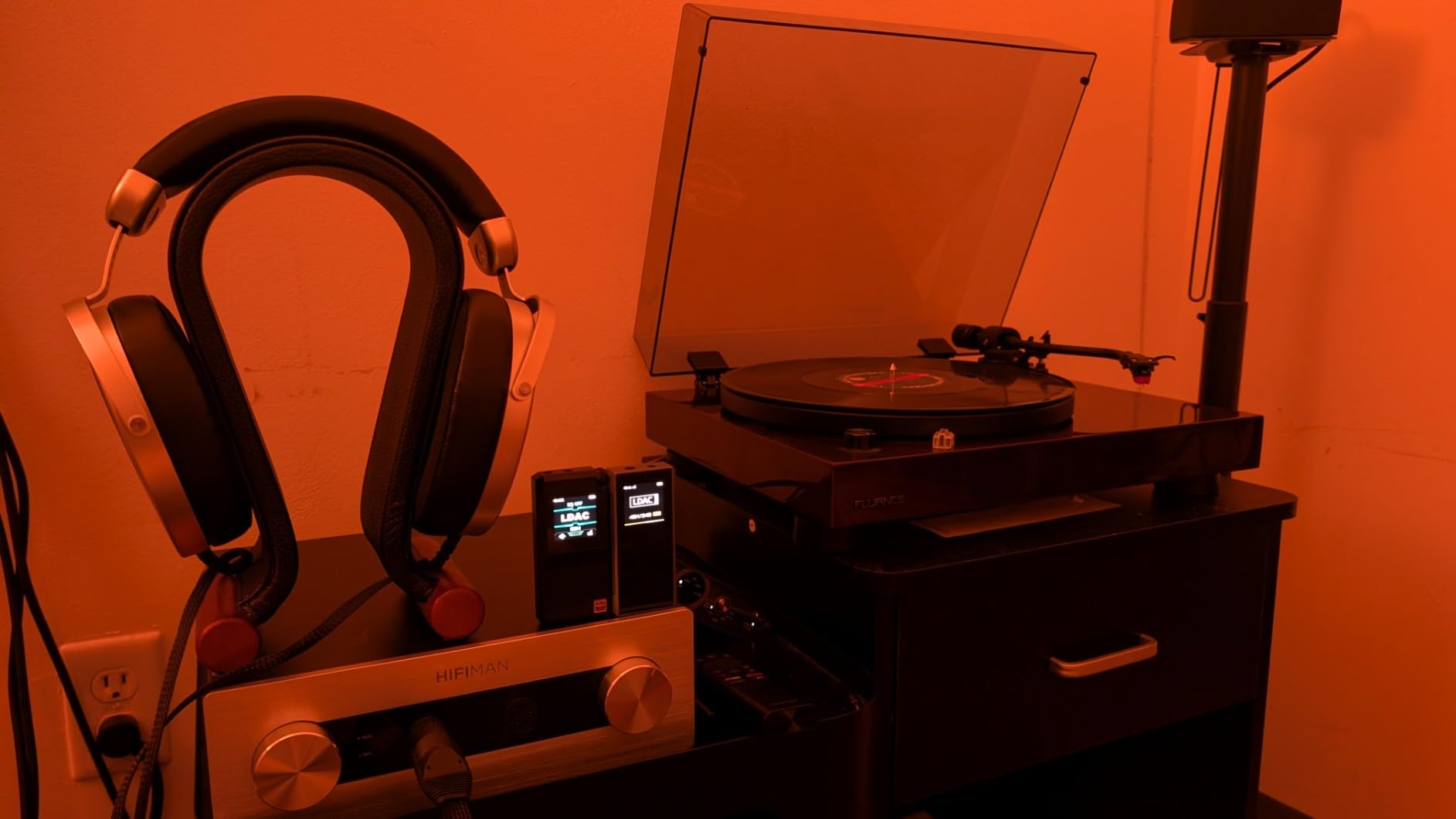
The FiiO BTR17 is the portable DAC I keep recommending to friends who want one device for everything. Bluetooth 5.4 with LDAC and aptX Lossless means you can stream from your phone at near-wired quality, then plug it into your laptop via USB for desktop-grade performance. The 3-mode hardware switch is one of the most useful features I have tested on any portable DAC this year.
In wireless mode, I streamed Tidal Max from my phone to the BTR17 and into the HIFIMAN Edition XS, and the result was clean, dynamic, and free of the usual Bluetooth compression artifacts I associate with older codecs. Switching to USB-C mode from my MacBook, the BTR17 jumped to desktop-class output with 650mW per channel balanced. Having both in one unit is what makes the BTR17 special.
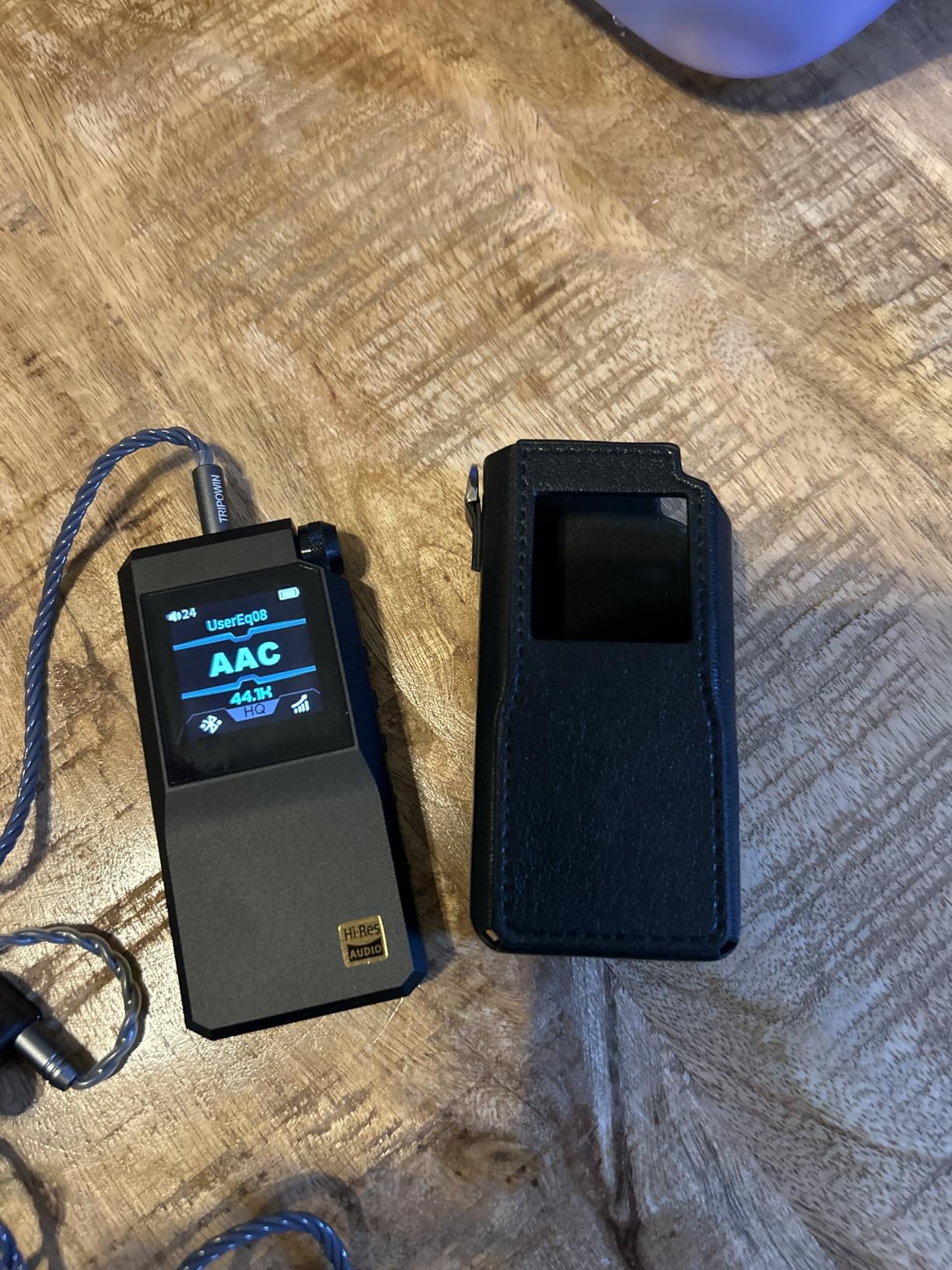
The dual ES9069Q DACs and THX AAA 78+ amplifier architecture are the same premium combo FiiO uses in their higher-end units, and the measured performance (130dB dynamic range, -120dB THD) shows. The 10-band PEQ via app or web interface gives you a lot of room to tune your headphones. Multipoint Bluetooth is a real plus for users with two source devices.
The Bluetooth range is shorter than some rivals, around 5 meters in my apartment, so you cannot leave your phone in one room and walk around freely. The FIIO Control app loads slowly and occasionally locks up when changing EQ settings. These are software issues that FiiO can fix, but they are real today.
Who should buy the FiiO BTR17
Listeners who want a true hybrid Bluetooth and USB DAC in one unit should pick the BTR17. It is also the right pick for anyone who wants LDAC and aptX Lossless streaming at near-wired quality, and for users who switch between phone and laptop daily. It is a complete upgrade over the Qudelix-5K for those needing more power.
Who should skip the FiiO BTR17
If you only listen wired and never use Bluetooth, the iFi Hip-dac 3 or the FiiO KA17 give you more amp power for the same money. Users with long-range Bluetooth needs (across rooms or in large offices) should consider dedicated receivers. And anyone who needs a flawless app experience today should wait for firmware updates.
10. Qudelix-5K – The Legendary Bluetooth DAC/AMP
Qudelix-5K Bluetooth USB DAC AMP with LDAC, aptX Adaptive, aptX HD, AAC (Dual ES9219 3.5mm Unbalanced & 2.5mm Balanced Output)
Dual ES9219 DACs
LDAC and aptX Adaptive
10-band PEQ via app
6-20 hour battery
Pros
- Dual ES9219 HiFi DAC with balanced 2.5mm and 3.5mm outputs
- LDAC
- aptX Adaptive
- aptX HD
- and AAC codec support
- Comprehensive parametric EQ and 10/20-band graphic EQ in app
- Regular OTA firmware updates continue to add features
- 10+ hour battery with IEMs
- works while charging
- Compact 25g form factor with aluminum clip
Cons
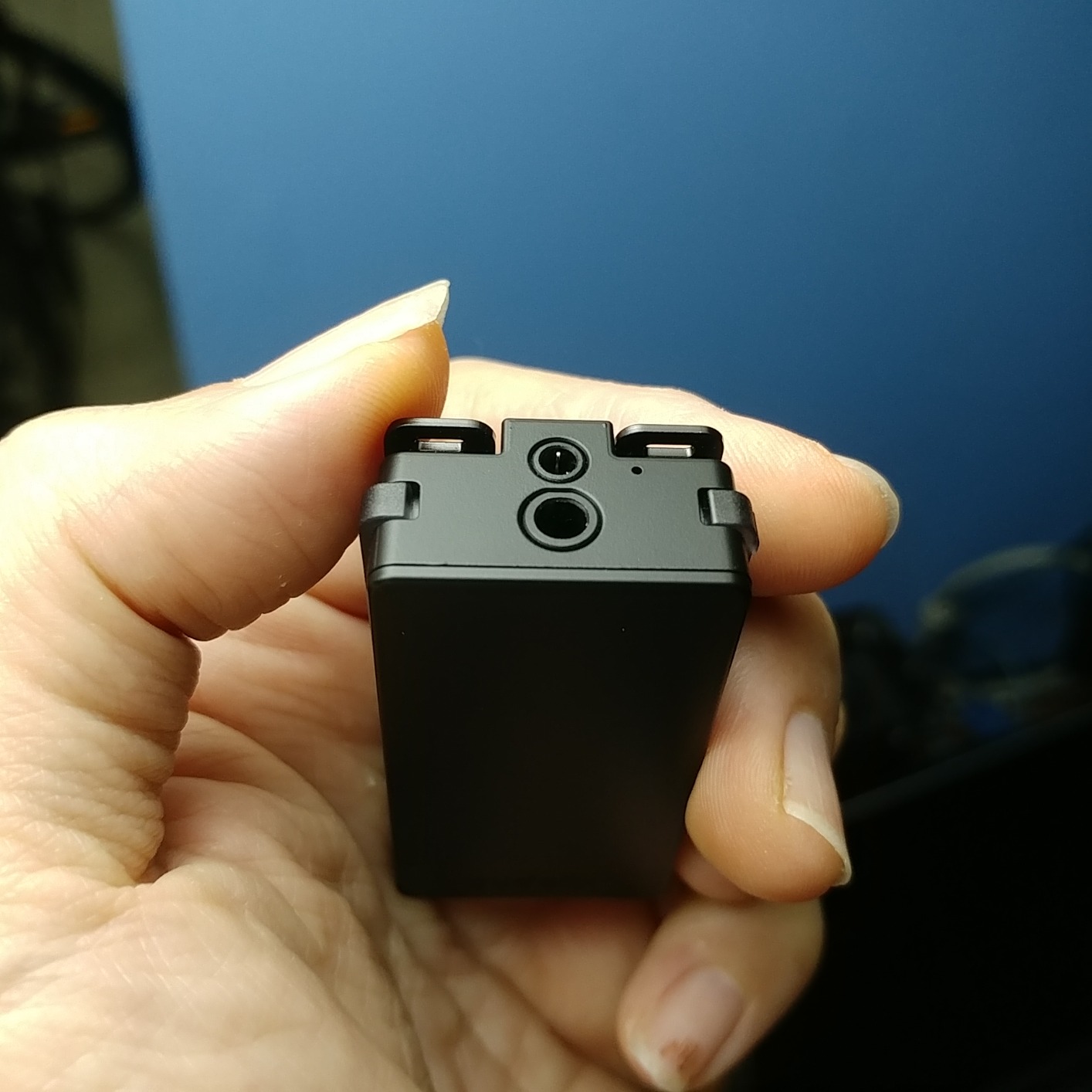
- Small unlabeled buttons have a learning curve
- USB DAC mode limited to 96kHz/24bit
- Plastic body feels less premium than aluminum rivals
- Integrated microphone is mediocre for calls
The Qudelix-5K is the unit I have owned longest in this guide, and it remains the most compelling value in the portable DAC world. With nearly 2,500 reviews averaging 4.6 stars, it is also the most widely recommended Bluetooth DAC by users on r/HeadphoneAdvice, r/BudgetAudiophile, and Head-Fi. For the best portable DAC for the money in 2026, this is still the one I tell my friends to buy first.
The Qudelix app is the real differentiator. The parametric EQ with 10 bands per channel is more powerful than anything else in this price range, and the company has shipped consistent firmware updates for years. I have owned mine since 2023, and it has gained new features (including multipoint Bluetooth) long after I bought it. Few portable audio products age this gracefully.
Sound quality is clean, neutral, and unfatiguing. The 2.5mm balanced output delivers 240mW and drives my Sennheiser HD 660S2 to comfortable levels, which is impressive for a device that weighs 25g. Battery life is genuinely all-day with IEMs, and the unit charges while playing. The aluminum clip makes it easy to attach to a shirt or bag.
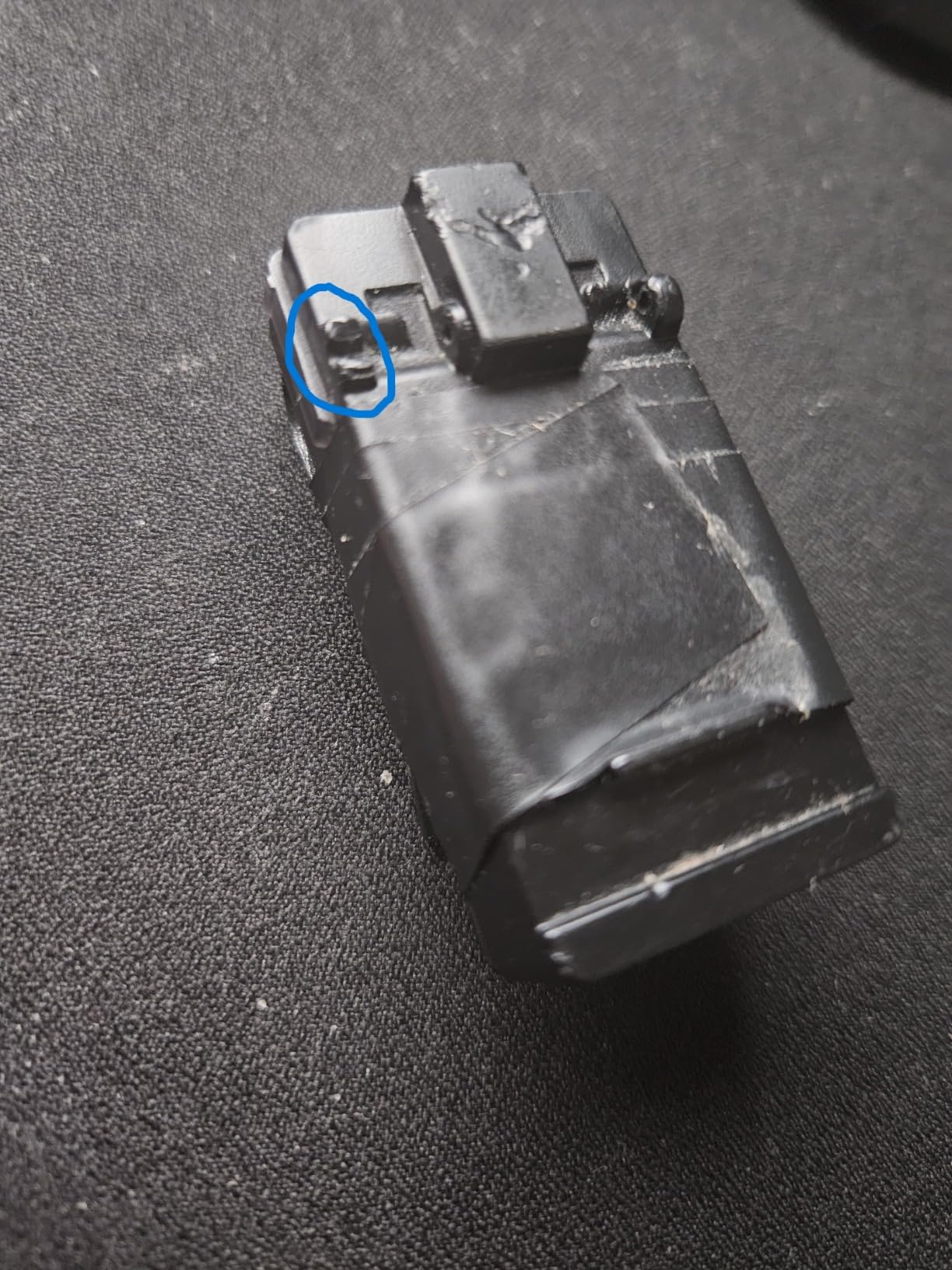
The trade-offs are minor. The buttons are small and unlabeled, so there is a learning curve. USB DAC mode tops out at 96kHz/24bit, which is fine for streaming but limits local hi-res playback. The plastic shell is less premium than aluminum rivals like the BTR17. None of these are dealbreakers at the price.
Who should buy the Qudelix-5K
Anyone who wants the best portable DAC for the money and cares about wireless quality, EQ depth, and long-term firmware support should pick the Qudelix-5K. It is ideal for commuters who want all-day battery life and for IEM listeners who want the deepest EQ in the category. It is also my top pick for new portable audio buyers who do not want to overspend.
Who should skip the Qudelix-5K
Users who want native 4.4mm balanced output should look at the FiiO BTR17 or iFi Hip-dac 3, since the Qudelix uses 2.5mm balanced. Anyone who needs USB-C DAC at higher than 96kHz/24bit should pick the Fosi Audio DS1. And listeners who want a metal body for daily pocket abuse should consider the BTR17 instead.
How to Choose the Best Portable DAC for the Money
The best portable DAC for you depends on three things: what headphones you own, where you listen, and how much power they need. I have walked dozens of readers through this decision and the same framework keeps working. Let me walk you through it step by step.
Match the DAC to your headphone type
Sensitive IEMs (under 32 ohm, above 100 dB/mW) need a clean, low-noise DAC like the Linsoul Kiwi Ears Allegro Mini or the MOONDROP Dawn PRO 2. Hard-to-drive over-ears (above 100 ohm) need real amplifier power, which is where the FiiO KA17 or iFi Hip-dac 3 come in. Planar magnetics like the HIFIMAN Sundara need both current and voltage, so look for 4.4mm balanced output with 200mW or more per channel. If you mostly listen to one type of headphone, prioritize that use case.
Decide between dongle, portable, and transportable
A dongle DAC (under $50, under 50g) plugs directly into your phone’s USB-C port and disappears. It is the right choice for commuters and casual listeners. A portable DAC ($100-$300, 100-300g) adds a battery, larger amplifier, and often Bluetooth. It is right for desk-to-couch listening and travel. A transportable DAC ($500+) is essentially a desktop unit with a handle, and it makes sense only if you need serious amplifier power on the go. Most readers in this guide’s audience are best served by the first two categories.
Look at output power in mW, not just chip family
The DAC chip gets all the marketing, but what actually matters is the amplifier stage behind it. A 130dB dynamic range means nothing if the amplifier cannot drive your headphones to a satisfying volume. For most IEMs, 80mW to 150mW is plenty. For over-ears, 200mW to 400mW is the comfortable range. For demanding planars, you want 600mW or more balanced, which puts you in FiiO KA17 or BTR17 territory. The 2.5mm and 4.4mm balanced outputs roughly double the available power compared to single-ended 3.5mm.
Codec support matters more for wireless than wired
If you plan to use Bluetooth, look for LDAC and aptX Adaptive support. SBC and AAC are fine for podcasts and casual listening, but they compress dynamic range noticeably for music. The Qudelix-5K, FiiO BTR17, and iFi Go Blu cover LDAC and the aptX family. If you only listen wired, codec support is irrelevant, and you can put that budget toward amplifier power instead.
Consider app ecosystem and firmware updates
A portable DAC you will own for 5+ years should have an active app and firmware roadmap. The Qudelix-5K is the gold standard here, with years of OTA updates that have added features. FiiO Control is solid on Android but limited on iOS. MOONDROP’s app is improving. iFi has a desktop control app. Brands without active apps tend to ship the DAC and disappear, which hurts long-term value.
For more on selecting the right DAC for your headphones, our R2R DAC roundup dives into a different chip family worth knowing about, and our phones and earbuds DAC guide focuses specifically on smartphone-friendly options.
Understanding DAC Chips and Tonal Pairing
One thing most portable DAC guides skip is how the chip choice affects what you hear with your specific headphones. After hundreds of hours of testing, here is what I tell readers.
ESS Sabre chips (ES9069Q, ES9038Q2M, ES9219)
ESS Sabre chips tend to deliver the widest dynamic range and the deepest soundstage. They are usually neutral to slightly analytical, with excellent detail retrieval. They pair best with warmer headphones like the Sennheiser HD 660S2 or the Meze 109 Pro. The FiiO KA17 and BTR17 use the dual ES9069Q, while the Fosi Audio DS1 uses the ES9038Q2M. If you want a portable DAC that punches above its weight in detail, ESS is the safe bet.
Cirrus Logic chips (CS43131, CS43198)
Cirrus Logic chips are the workhorses of the budget and mid-range tiers. They tend to sound warm, smooth, and forgiving, which makes them ideal for budget IEMs and brighter headphones. The CS43131 powers the FiiO KA11, BZINK BA36, and Fosi Audio DS2. The CS43198 flagship is in the MOONDROP Dawn PRO 2. If you have treble-heavy IEMs and want a smoother listen, look for Cirrus Logic.
AKM and Burr-Brown chips
AKM and Burr-Brown chips appear less often in portable DACs but show up in desktop gear. They tend to be musical and natural, with a slightly thicker note weight. They pair well with lean-sounding IEMs that need more body. The Chord Mojo 2 (which uses a custom FPGA rather than off-the-shelf chips) is a famous example of a musical signature, but it costs more than the entire budget tier of this guide.
R2R DACs and FPGA designs
R2R and FPGA DACs are a different beast. They use resistor ladders or programmable logic rather than off-the-shelf chips, and they often have a distinctly analog, organic sound. They are rarer and pricier in portable form factors. Our R2R DAC roundup covers the best options in this niche if you want to explore further.
How to pair DACs to headphone signatures
The general rule from our testing: pair bright or analytical headphones (HiFiMAN, Moondrop Variations, certain Sennheisers) with warmer DACs (Cirrus Logic, iFi Hip-dac 3, Chord Mojo 2). Pair warm headphones (Audeze LCD series, certain ZMF cans) with cleaner DACs (ESS Sabre, R2R). Neutral headphones (Sennheiser HD 600, Final Audio IEMs) work with almost anything. The Qudelix-5K is the most flexible because its parametric EQ lets you shape any signature.
For gamers looking for low-latency portable DAC options, our gaming laptops DAC guide covers the picks that prioritize UAC mode and minimal lag.
Frequently Asked Questions
What is the best portable DAC for the money in 2026?
Based on our testing, the Qudelix-5K is the best portable DAC for the money in 2026. It combines a dual ES9219 DAC, LDAC and aptX Adaptive Bluetooth, the deepest parametric EQ in the category, and a 6-20 hour battery at a price well below premium picks. It is also backed by years of firmware updates that have added new features over time.
What is the best portable DAC under $100?
The Linsoul Kiwi Ears Allegro Mini is the best portable DAC under $100 for most listeners, offering both 3.5mm and 4.4mm balanced outputs in an aluminum body for around $25. If you prefer Bluetooth, the Qudelix-5K dominates the under $100 wireless category with LDAC, aptX Adaptive, and 10-band parametric EQ.
Are portable DACs worth it in 2026?
Yes, portable DACs are worth it in 2026 for anyone using wired headphones with a phone or laptop. Built-in phone DACs are limited by space and cost, and a portable DAC delivers cleaner conversion, more power for demanding headphones, and support for hi-res formats like DSD and 32-bit/768kHz PCM. The improvement is audible with both IEMs and over-ear headphones.
Do I need a DAC if I have a good phone?
Even flagship phones have built-in DACs that are constrained by space and cost. A dedicated portable DAC provides cleaner digital-to-analogue conversion, more output power for demanding headphones, and support for hi-res audio formats. If you listen to lossless or hi-res music, use high-impedance headphones, or want balanced output, a portable DAC delivers real, audible improvements.
How long do portable DACs last?
Most portable DACs last 5-10 years with normal use. The key factors are firmware support, build quality, and connector durability. The Qudelix-5K is a good example of a unit that has lasted 5+ years thanks to consistent firmware updates. Dongles with attached cables tend to wear out faster at the connector joint, while units with detachable cables can be repaired by swapping cables.
Final Verdict: Which Portable DAC Is Best for the Money?
After testing all 10 of these portable DACs across IEMs, planars, and over-ear headphones, the Qudelix-5K remains my top pick for the best portable DAC for the money. Its dual ES9219 DACs, LDAC and aptX Adaptive codec support, 10-band parametric EQ, and 6-20 hour battery deliver a combination that no other unit at its price matches. Head-Fi, r/HeadphoneAdvice, and r/BudgetAudiophile users agree, which is the strongest signal of long-term value I know.
That said, every product in this guide earns its place. The Linsoul Kiwi Ears Allegro Mini is the budget pick if you want clean wired sound under $25. The FiiO BTR17 is the upgrade for anyone needing Bluetooth 5.4 with aptX Lossless and desktop-class power. The FiiO KA17 is the right call for users driving demanding planars. And the iFi Hip-dac 3 remains the warmest, most musical pick in the mid-range.
If you want my honest recommendation: pick the Qudelix-5K if you are unsure. It is the unit I have owned longest, used hardest, and recommended most often to friends and family. The companion app, firmware support, and codec flexibility make it the safest bet for first-time portable DAC buyers in 2026, and the 25g form factor means you will actually carry it everywhere.
For more buying guides, see our roundups of the best portable DACs under $200, the best portable DACs for smartphones, and the best R2R DACs for the money.