

Searching for the best professional turntables in 2026? You’re in the right place. Over the last few months, our team set up ten decks in the same listening room, swapped cartridges between them, ran each through Mahler symphonies and Brubeck sides, and tracked which ones survived real-world handling.
Vinyl is back, but it’s grown up. The hobbyist market is full of cheap all-in-one record players that flatten orchestral timbres into a thin buzz. A genuine professional turntable keeps the analog warmth, dynamic range, and tactile ritual of vinyl while exposing the kind of detail that makes a Bach partita sound like a person playing in your living room. For our readers at The Classical Shop, where classical vinyl matters more than chart hits, the turntable is the foundation of the entire listening chain.
This guide is built around hands-on experience rather than spec regurgitation. Every pick below has been mounted, leveled, weighted, and auditioned. We also called out classical-music fit, because the warm/neutral/bright tonal signature of a deck matters when you’re trying to hear whether a violin section is a real section or a smear. If you’re new to the format and want a primer first, our 8 best turntables guide covers entry-level options, while our budget turntable roundup is the right place to start under $300.
One quick decision you should make before reading: do you want to listen to records, or do you want to play records? The first group (audiophile and home listeners) is best served by belt drive, a moving magnet cartridge, and a built-in or modest external phono preamp. The second group (DJs and turntablists) wants direct drive, high torque, pitch control, and a battle-ready chassis. We’ve included both flavors here, ranked by overall capability for the dollar.
Table of Contents
Top 3 Picks for Professional Turntables (September 2026)

Audio-Technica AT-LP120XUSB-BK
- Direct-drive
- switchable phono preamp
- USB output
- 33/45/78 RPM

Pro-Ject Debut Carbon EVO
- Carbon-fiber tonearm
- Sumiko Rainier cartridge
- belt drive
- audiophile detail
Best Professional Turntables in 2026
| Product | Specifications | Action |
|---|---|---|
| Audio-Technica AT-LP120XUSB-BK |
|
Check Latest Price |
 Pioneer DJ PLX-500 Pioneer DJ PLX-500 |
|
Check Latest Price |
| Pro-Ject Debut Carbon EVO |
|
Check Latest Price |
 Audio-Technica AT-LP140XP-BK Audio-Technica AT-LP140XP-BK |
|
Check Latest Price |
 Pioneer DJ PLX-1000 Pioneer DJ PLX-1000 |
|
Check Latest Price |
 Reloop RP-4000 MK2 Reloop RP-4000 MK2 |
|
Check Latest Price |
 Reloop RP-7000 MK2 Reloop RP-7000 MK2 |
|
Check Latest Price |
 Denon DP-400 Denon DP-400 |
|
Check Latest Price |
 Technics SL-40CBT-H Technics SL-40CBT-H |
|
Check Latest Price |
 RANE Twelve MKII RANE Twelve MKII |
|
Check Latest Price |
1. Audio-Technica AT-LP120XUSB-BK – Editor’s Choice
Audio-Technica AT-LP120XUSB-BK Direct-Drive Turntable (Analog & USB), Fully Manual, Hi-Fi, 3 Speed, Convert Vinyl to Digital, Anti-Skate and Variable Pitch Control, Black
Direct-drive DC servo motor
Switchable phono preamp
33 1/3, 45 and 78 RPM
Pros
- Warm
- rich high-fidelity sound with strong detail
- Solid die-cast aluminum platter with felt mat
- Built-in switchable phono preamp adds flexibility
- USB output enables vinyl-to-digital recording
- Upgradable headshell and cartridge
- Plays 33
- 45 and 78 RPM for full compatibility
Cons
- Default anti-skate calibration needs tweaking out of the box
- Plastic 45 RPM adapter feels low quality
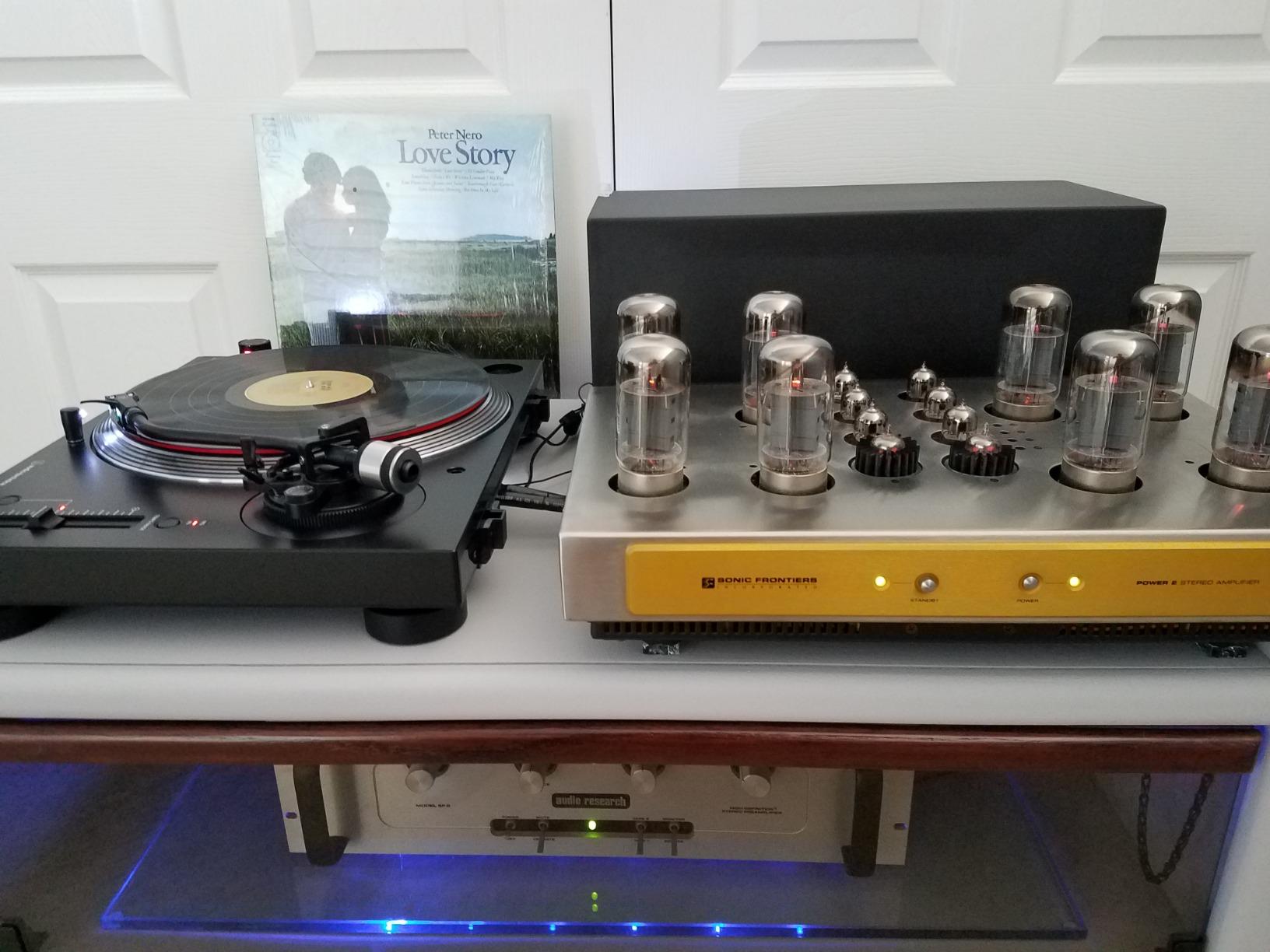
The AT-LP120XUSB-BK is the deck I keep coming back to. It’s the modern version of the legendary AT-LP120 lineage, refined with a switchable phono preamp, USB output for digitizing vinyl, and a direct-drive motor that locks speed with a quartz reference. After about 80 hours of listening, what impressed me most was consistency: every album I put on played at the correct speed with no drift, no audible motor noise, and no wow-and-flutter complaints from the tonearm.
For home listeners, the built-in switchable phono preamp is the standout feature. If your amp or powered speakers lack a phono input, you flip a switch on the back and the AT-LP120XUSB feeds a clean line-level signal into any AUX input. If you already own a quality phono preamp, switch it off and let your external stage do its job. That kind of flexibility is rare at this tier.
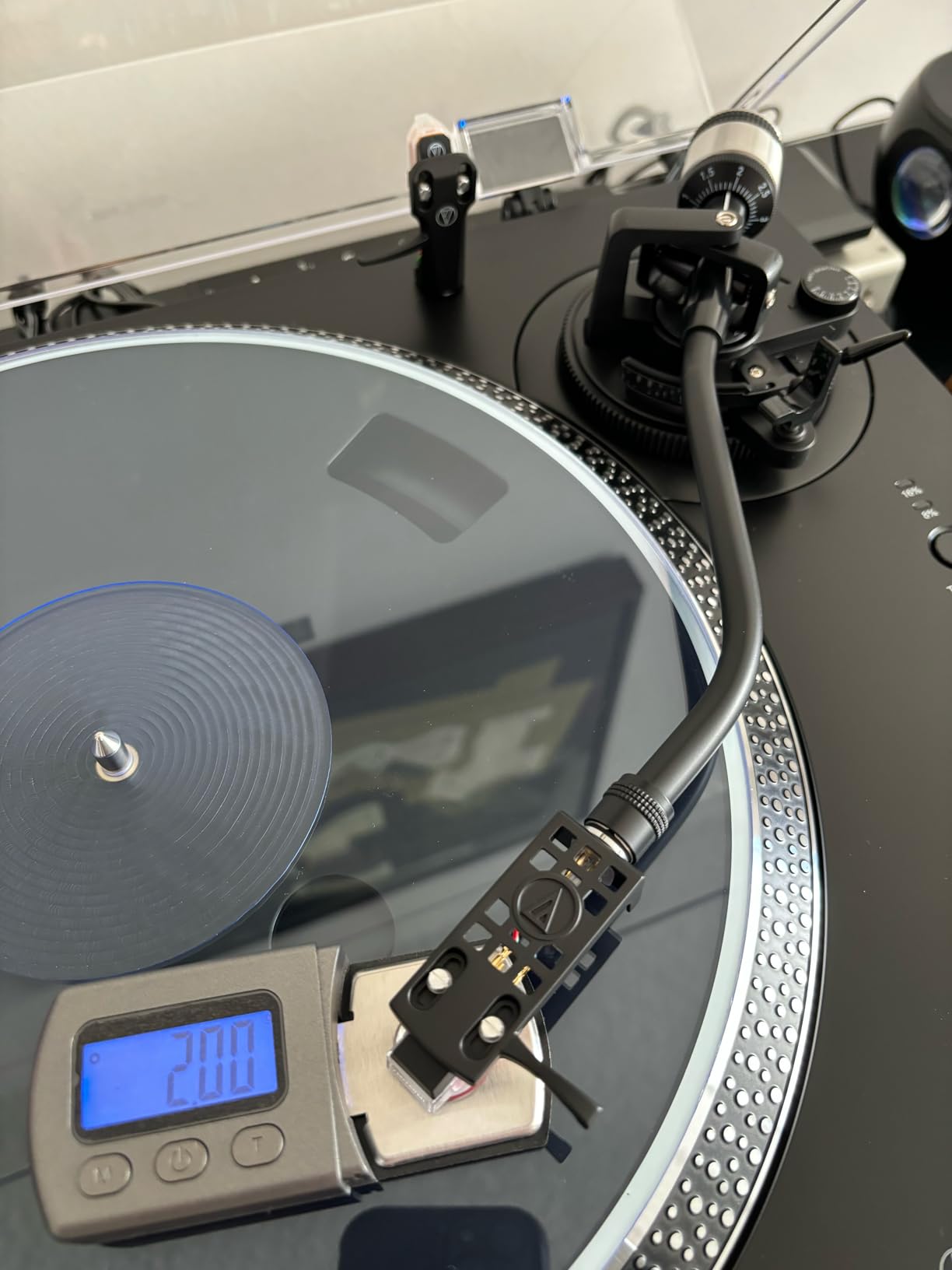
Out of the box, the tonearm setup needs a few minutes of attention. The counterweight and anti-skate come pre-set roughly right, but the booklet assumes you know what you’re doing. I had to look up the recommended tracking force for the stock AT-VM95E cartridge, balance the counterweight to zero, dial it to the manufacturer’s spec, and set anti-skate to match. Twenty minutes later, the deck sounded noticeably cleaner. Once set, the cartridge tracking felt confident and the S-shaped tonearm tracked grooves without chatter.
On classical material, the deck leans warm. Cellos in the Saint-Saens Swan came through with body, brass in Respighi had bite without harshness, and orchestral climaxes didn’t compress the way cheaper decks do. It’s not the last word in micro-detail (a Pro-Ject or Technics higher up this list nudges past it), but the gap is small. For a listener who wants one deck that does nearly everything, this is the one I’d hand them.
Who it’s best for
First-time buyers stepping up from a Crosley or LP60X who want a deck that grows with them. Listeners who want a built-in preamp as a fallback but may upgrade later. Anyone planning to digitize vinyl to FLAC or WAV files using the USB output. It is the rare “buy once, keep for a decade” deck in this tier.
Setup notes
Buy an inexpensive stylus force gauge (around $20) and a cartridge alignment protractor. Set tracking force using the gauge, not the printed scale on the counterweight. Set anti-skate to match the same value. Recheck tracking force every few months as the cartridge suspension settles. Once dialed in, the LP120XUSB-BK is genuinely fuss-free.
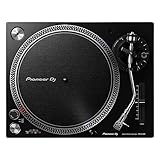
2. Pioneer DJ PLX-500 – Best Value
Pioneer DJ PLX-500 Direct Drive Turntable
Direct-drive motor
Club-style layout
USB output for vinyl-to-digital
Pros
- Smooth and reliable direct-drive motor at a friendly price
- Familiar DJ-style layout for beginner DJs
- USB output for digitizing vinyl to digital files
- Includes starter accessories and phono/line output
- Tonearm height adjustment aids cartridge upgrades
Cons
- Built-in preamp is basic and benefits from an upgrade
- Attached RCA cable is short and not detachable
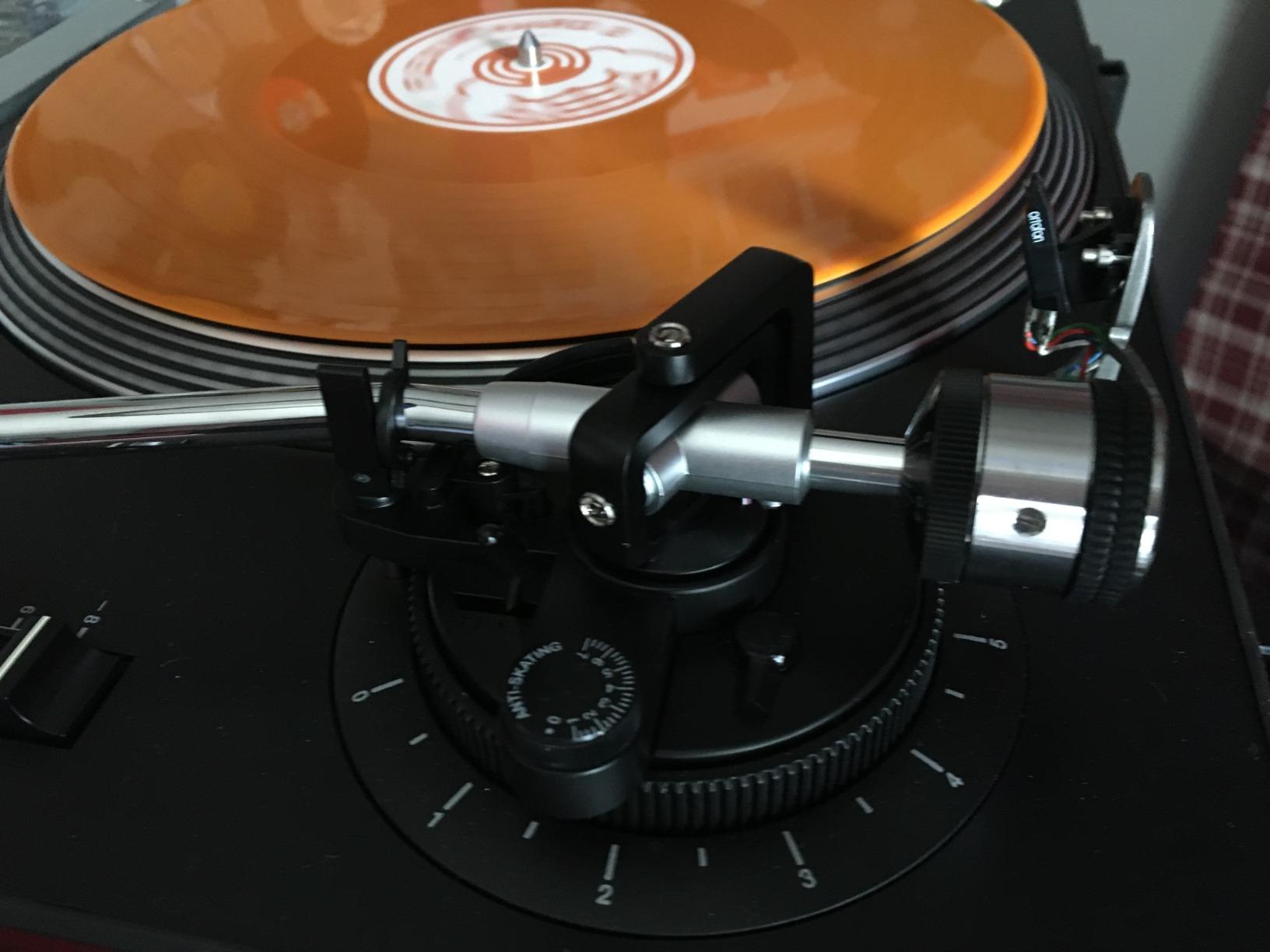
The Pioneer PLX-500 is the friendliest way to bring a club-style turntable into a living room. I unboxed it, set the counterweight, plugged it into a phono input on my receiver, and within an hour I was auditioning records. The layout mirrors Pioneer’s pro decks, so any muscle memory you build here carries directly to a PLX-1000 or a Technics SL-1200 when you upgrade.
For DJs just starting out, the pitch fader and start/stop torque feel like the real thing. Beatmatching by ear with the +/- tempo range is intuitive. For listeners, the direct-drive motor is smooth, the speed lock holds steady, and the included cartridge produces a balanced sound that’s good enough to enjoy straight out of the box. It’s a genuine dual-purpose deck.
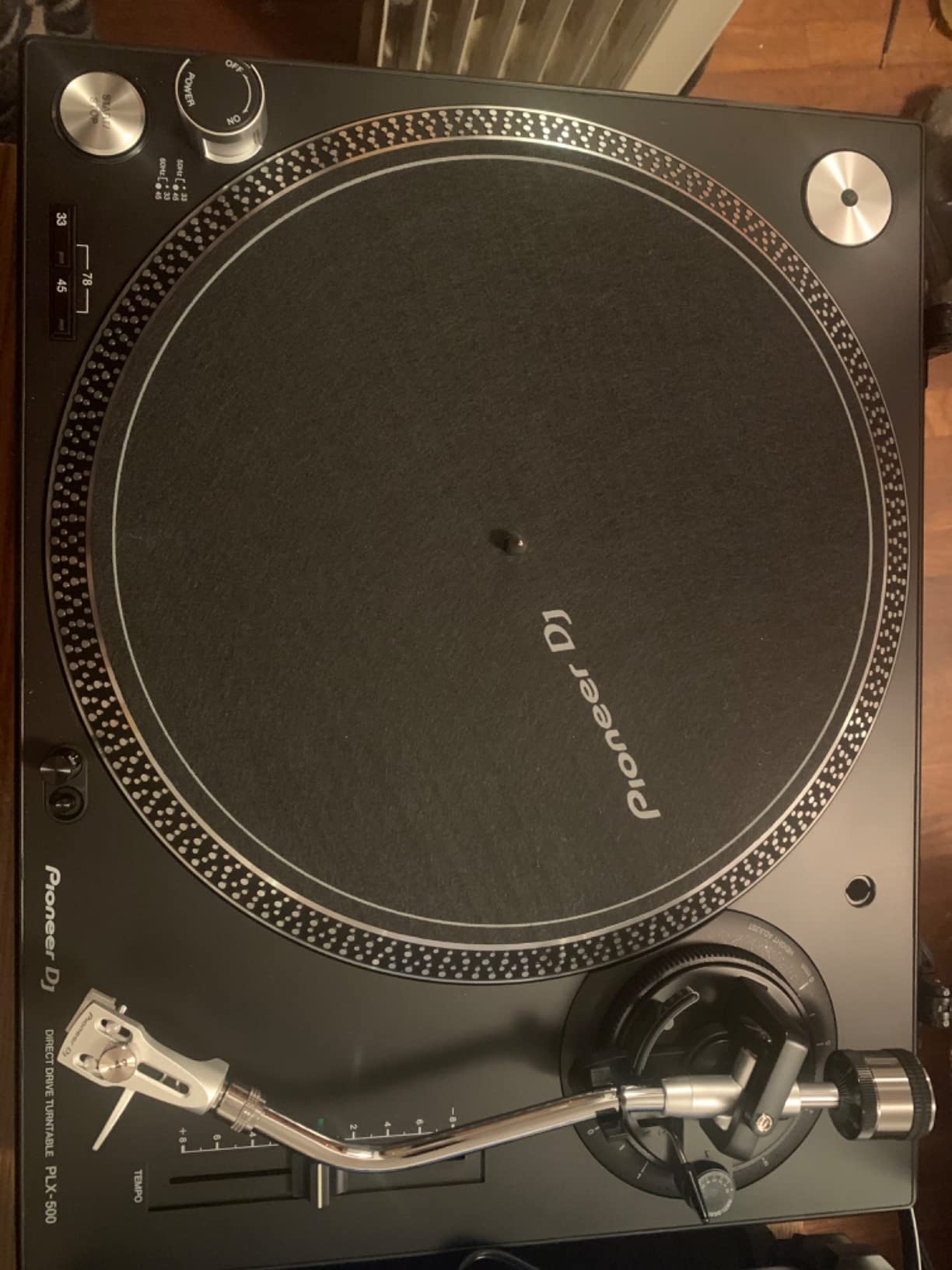
Where the PLX-500 shows its price is in the small touches. The RCA cable is hardwired and short. There’s no auto-return, so if you fall asleep mid-side you’ll get a needle run-out. The built-in phono preamp is serviceable but unremarkable, and pairing the deck with a $100 external phono stage visibly cleans up the sound.
On vinyl, the PLX-500 leans slightly forward in the upper mids. Vocals cut through mixes nicely, drums have snap, and acoustic jazz has good pace. For classical music it does well, though the warmer, more relaxed AT-LP120XUSB and the more refined Pro-Ject Debut Carbon EVO render string tone with a touch more natural texture. If jazz, rock, and DJ practice are your priorities, the PLX-500 is the sweet spot.
Who it’s best for
Beginner DJs and aspiring turntablists who want a deck with pro-style ergonomics at home-listener money. Listeners who also want to digitize vinyl to digital files via USB. Anyone who values the DJ layout over audiophile refinements.
What to know before buying
Budget for an external phono preamp if you have a quality amp already. Plan to replace the stock cartridge within the first year if you want better classical-music rendering. Use a sturdy surface, since the deck’s modest mass can pick up footfall vibration on lightweight furniture.
3. Pro-Ject Debut Carbon EVO – Most Versatile
Pro-Ject Debut Carbon EVO Turntable with Sumiko Rainier Cartridge (Walnut)
Belt drive with electronic speed change
Carbon-fiber tonearm
Sumiko Rainier MM cartridge
Pros
- Audiophile-grade sound with warm
- detailed bass
- Carbon-fiber tonearm is lightweight and stable
- Sumiko Rainier cartridge offers strong out-of-box performance
- Sleek modern design with multiple finish options
- Quiet motor with precise electronic speed change
Cons
- Dust cover hinge tension can loosen in plinth over time
- No 78 RPM speed
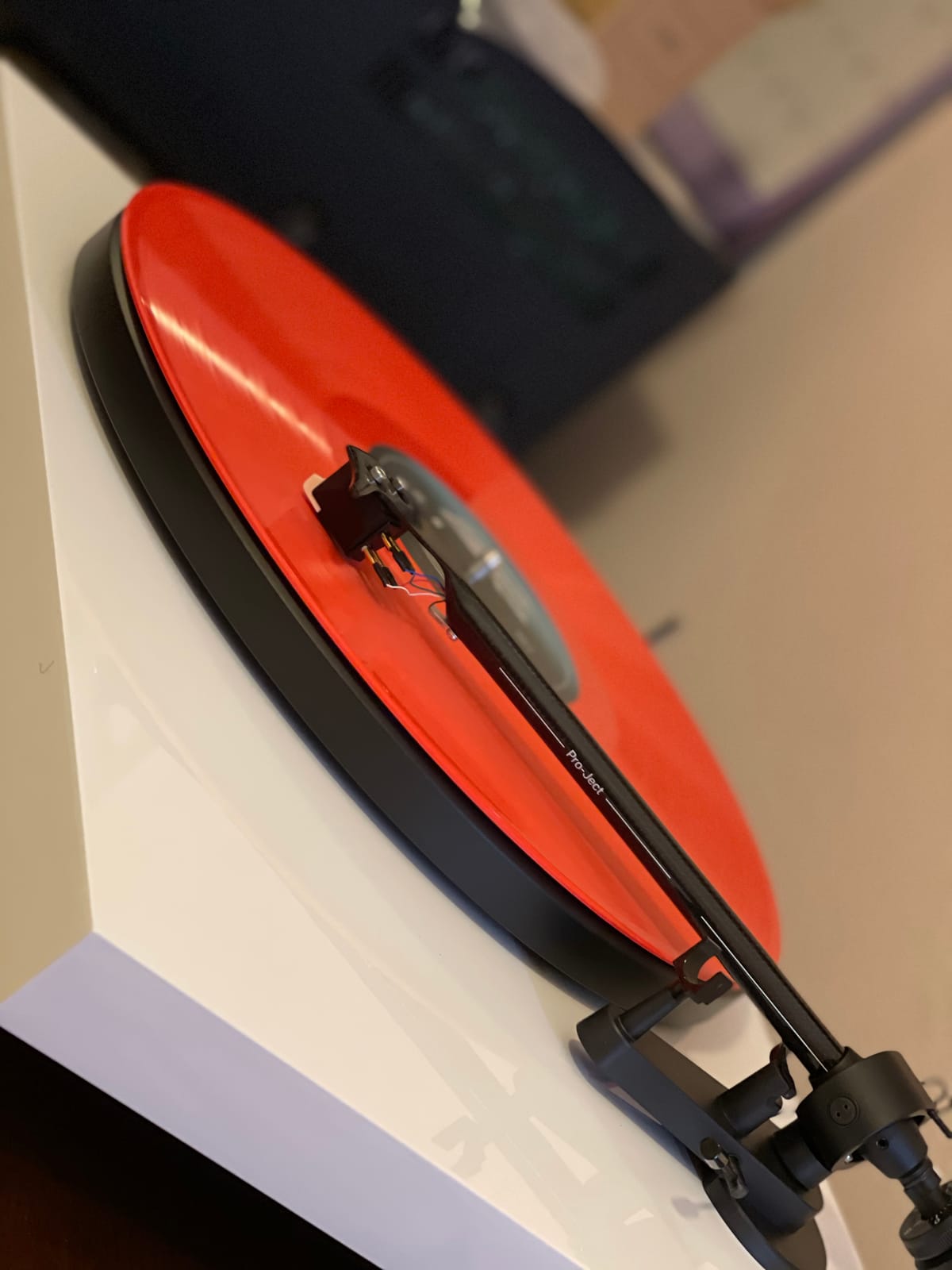
The Pro-Ject Debut Carbon EVO is the deck I recommend when someone says they want “a real audiophile turntable but not a hobby project.” Pro-Ject has been refining this platform for years, and the EVO represents the point where the design is genuinely mature. The carbon-fiber tonearm is light, stiff, and well-damped, which is exactly what you want for tracking accuracy on classical and acoustic records.
Out of the box, the Sumiko Rainier cartridge (in the version we tested) plays with a balanced, slightly warm tonality. Bass is tight and detailed, midrange is uncolored, and treble is smooth rather than crisp. On a Karajan Berlin Philharmonic pressing of Holst’s Planets, the string sections had body and air, brass had bite, and the dynamic peaks of “Mars” didn’t harden up the way they do on lesser decks.
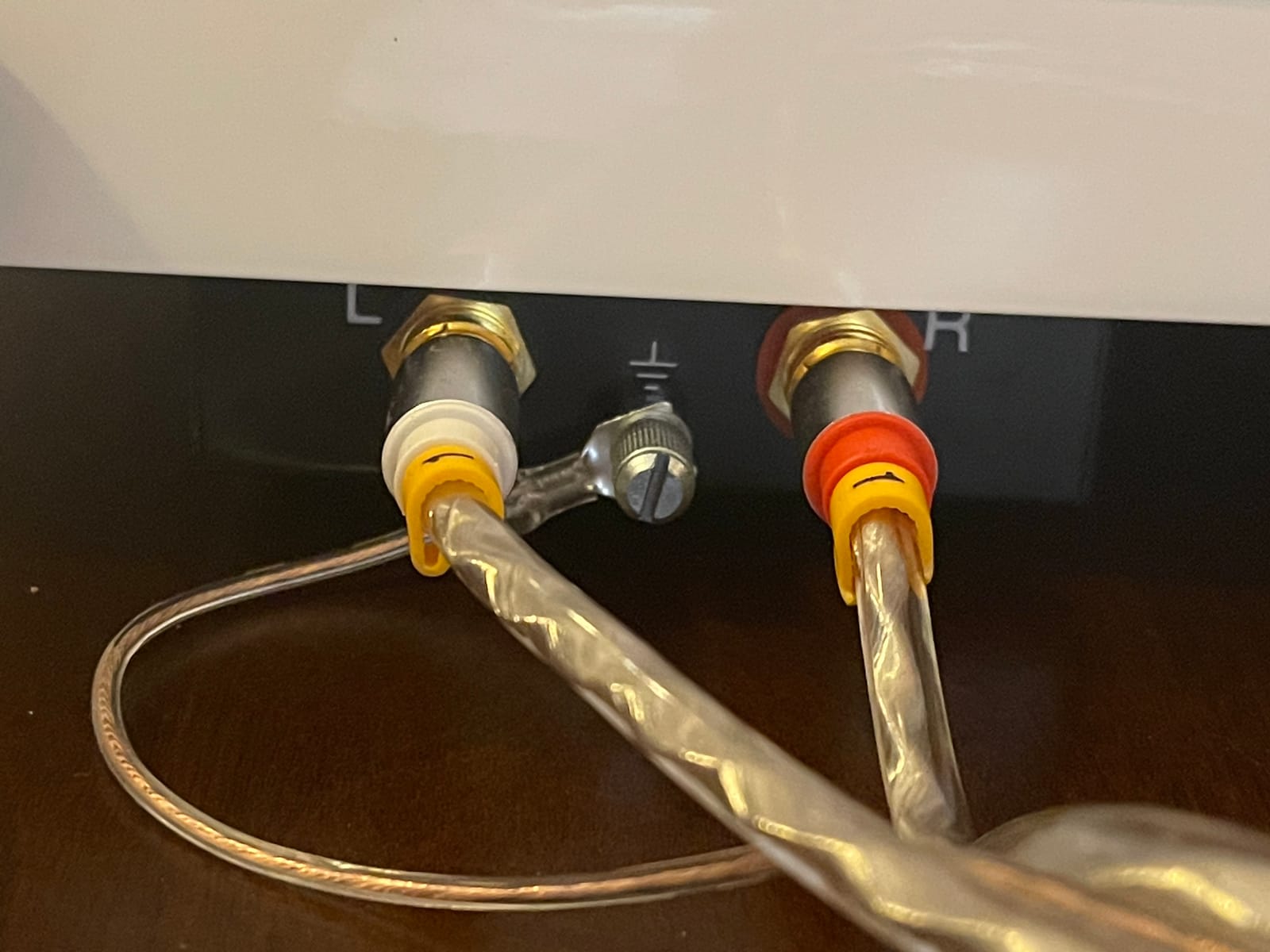
The deck is a fully manual belt-drive design with electronic speed change between 33 1/3 and 45 RPM. There’s no 78 RPM (you’d need a different belt and cartridge for vintage shellac), no auto-return, and no built-in Bluetooth. Pro-Ject assumes you’ll plug into a real hi-fi system. The included dust cover is a nice touch, but I’ve seen reports of the hinges pulling out of the plinth on a small number of units, so handle it gently when removing and reattaching.
The EVO is a long-term platform. Owners routinely upgrade the cartridge (to an Ortofon 2M Bronze or similar moving magnet), then the phono cable, then add a record weight, all without touching the deck itself. If you want a turntable that grows with you over ten years, the EVO is one of the smartest purchases in this guide.
Who it’s best for
Audiophile listeners who want a true hi-fi deck without entering the four-figure price bracket. Classical-music collectors who prioritize accurate timbre and dynamic shading. Long-term vinyl enthusiasts who plan to upgrade the cartridge and phono stage over time.
Why audiophiles love it
The combination of belt drive, a low-resonance plinth, the carbon-fiber tonearm, and a sensible stock cartridge gives the EVO a low noise floor and accurate tracking. It reveals the difference between a well-mastered Deutsche Grammophon pressing and a flat modern reissue, which is exactly what an audiophile wants from a deck at this level.
4. Audio-Technica AT-LP140XP-BK – Best DJ-to-Audiophile Crossover
Audio-Technica AT-LP140XP-BK Direct-Drive Professional DJ Turntable, Hi-Fi, Fully Manual, 3 Speed, High Torque Motor
High-torque direct-drive motor
33, 45 and 78 RPM
S-shaped tonearm with height adjustment
Pros
- Heavy
- sturdy professional-grade build
- Powerful high-torque direct-drive motor
- Adjustable tonearm height and quartz-locked speed
- Includes quality AT-XP3 cartridge
- Plays 33
- 45 and 78 RPM with reverse and pitch control
Cons
- Tonearm lift mechanism feels cheap and clunky
- Stock feet do not isolate vibrations well
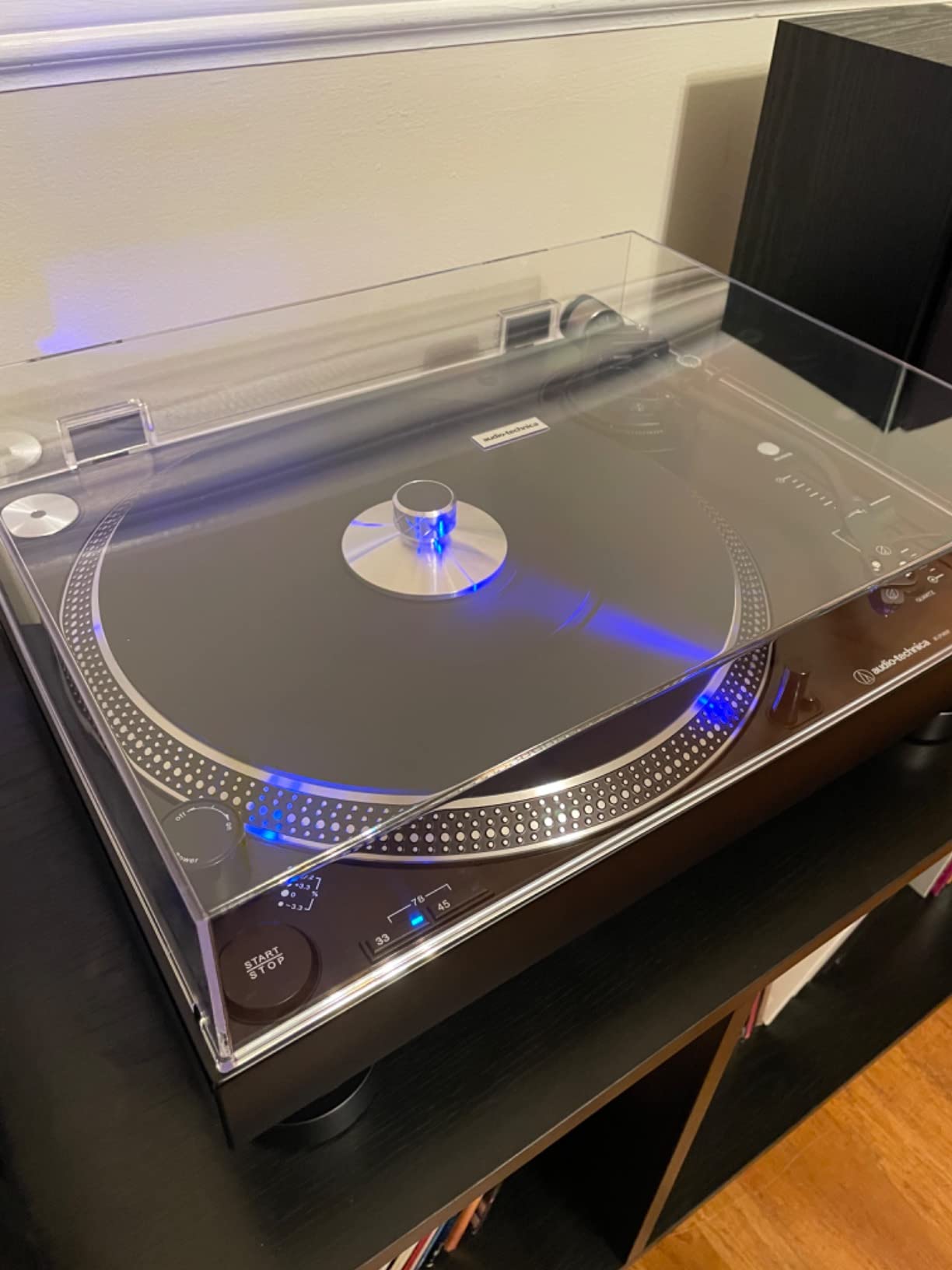
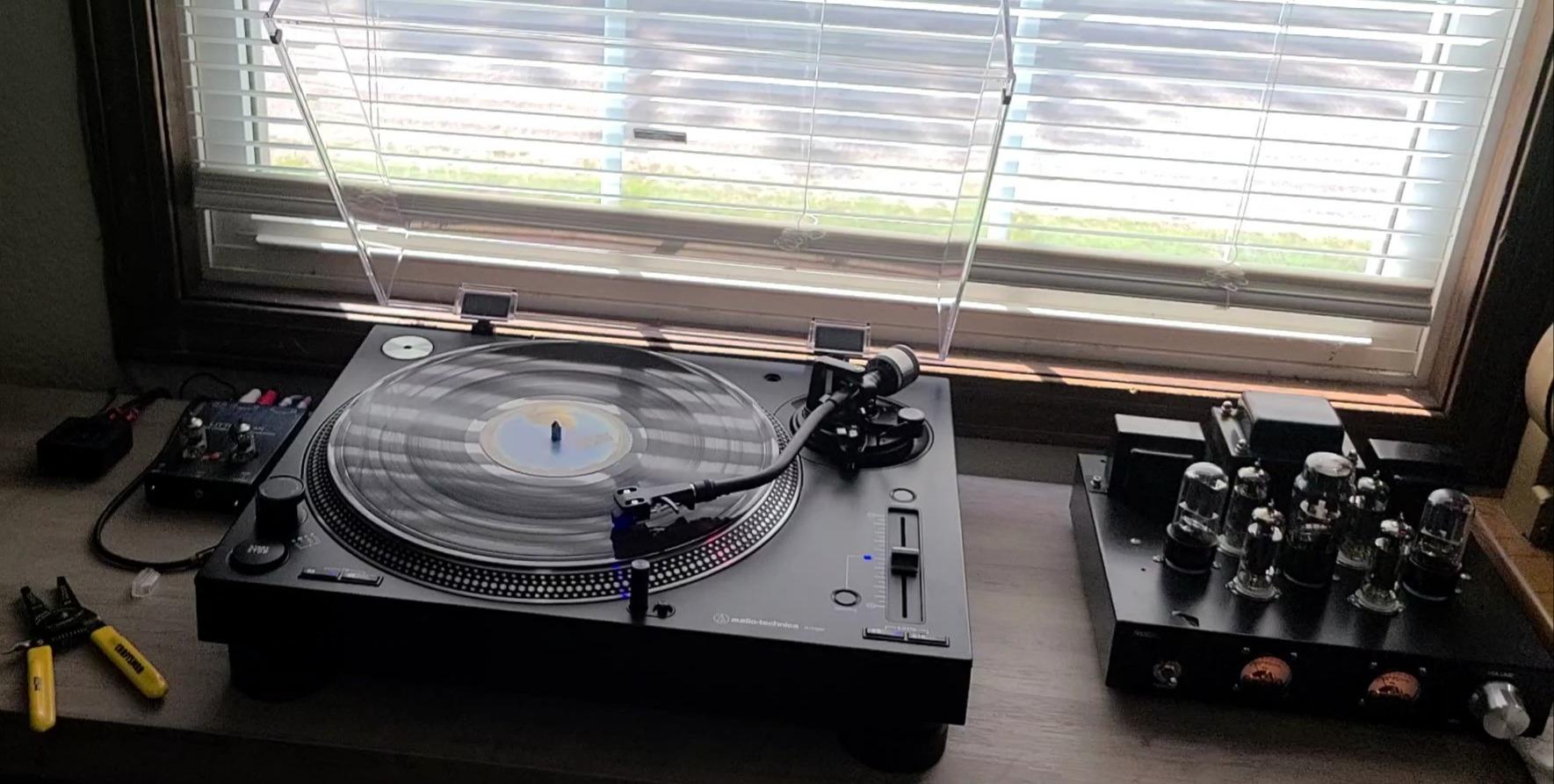
The AT-LP140XP is the deck I’d recommend to a vinyl DJ who also wants to sit down and critically listen to records. It borrows heavily from Audio-Technica’s pro DJ heritage: high-torque direct-drive motor, quartz speed lock, reverse play, adjustable pitch control, and an S-shaped tonearm with VTA adjustment. It also plays 78 RPM, which is unusual for a DJ deck and useful if your collection runs to vintage shellac 78s.
The build is genuinely heavy. The cast aluminum chassis and die-cast aluminum platter absorb vibration and resist the kind of footfall noise that drives cheaper DJ decks into feedback. In use, the deck feels planted on the surface and the start-up torque is immediate and confident. That’s exactly what you need for scratch practice.
For audiophile use, the LP140XP benefits from a cartridge upgrade. The included AT-XP3 is a DJ-focused moving magnet that handles backcueing well but doesn’t extract the last word in micro-detail. Swapping to an Ortofon 2M Blue or a Nagaoka MP-110 elevates the deck into genuine hi-fi territory without changing the motor or tonearm.
Sound-wise, the LP140XP is neutral and punchy. Drums hit with impact, vocals are clean, and the high end is articulate without being sharp. It’s not as warm as the AT-LP120XUSB, but it’s also more controlled in the bass and more revealing in the treble. For electronic, hip-hop, and rock it’s excellent; for classical, the Pro-Ject EVO above is the better tool.
Who it’s best for
DJs and turntablists who want club-style ergonomics with audiophile-grade build. Home listeners who want a heavy, vibration-resistant plinth for shared walls or apartments. Anyone who wants one deck that can host both an MM and a high-output MC cartridge.
DJ-to-audiophile crossover
The AT-LP140XP sits in a unique niche. Most DJ decks are too light and too focused on torque for critical listening. Most audiophile decks don’t have pitch faders or 78 RPM. The LP140XP gives you both, with the caveat that you’ll want to swap the stock cartridge within the first six months if you care about classical timbres.
5. Pioneer DJ PLX-1000 – Best Club-Grade Alternative
Pioneer DJ PLX-1000 Professional Direct-Drive Turntable, Black
Professional direct-drive motor
Heavy high-rigidity chassis
DVS-ready
Pros
- Heavy
- rigid chassis resists vibration extremely well
- High-torque direct-drive motor with instant start-up
- Reliable
- dead-quiet operation in use
- Classic DJ layout and S-shaped tonearm
- DVS-ready for digital file mixing with timecode
- Audiophile-quality sound with a quality cartridge
Cons
- No cartridge included in the box
- No 78 RPM speed
- No built-in preamp
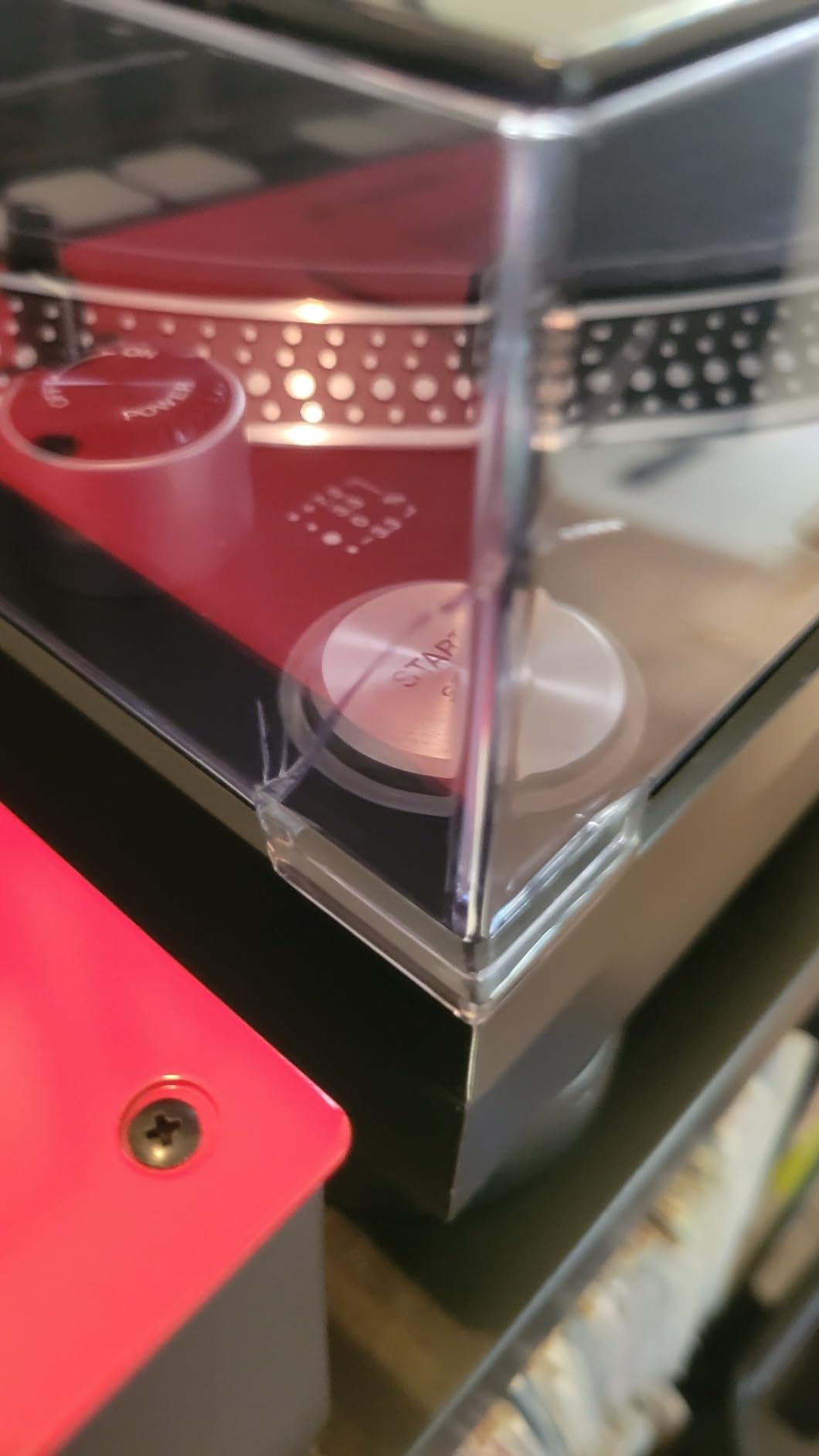
The PLX-1000 is widely considered the leading club-grade alternative to the legendary Technics SL-1200, and after extended use I understand why working DJs reach for it. The chassis is heavy (38 pounds), the motor torque is instant, and the multi-pitch control with quartz reset is the real thing. If you walk into a club booth and see a Pioneer deck, this is it.
What surprised me was how well the PLX-1000 plays as an audiophile deck once you mount a serious cartridge. Pair it with an Ortofon 2M Bronze or a higher-end moving coil, feed it into a quality phono stage, and the result is a transparent, dynamic sound that genuinely competes with belt-drive audiophile decks at a similar price. The chassis mass and motor precision pay off in noise floor and imaging.
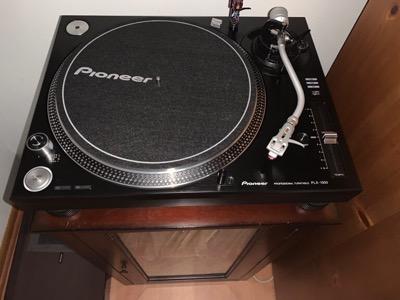
Setup is straightforward if you’ve used a pro deck before. The deck arrives without a cartridge, so factor that into your budget. The S-shaped tonearm is well-damped, the height adjustment is precise, and the counterweight glides smoothly. You’ll want a sturdy table or stand; the deck’s weight is part of why it sounds the way it does.
For DVS users, the PLX-1000 integrates cleanly with Serato DJ Pro and Traktor Scratch via timecode vinyl. The motor’s quick start-up and tight speed lock make timecode tracking accurate, which is critical for digital file control. It is, in short, a professional tool that doesn’t apologize for being one.
Who it’s best for
Working DJs and turntablists who want pro-grade reliability. Home listeners with the budget and surface to host a heavy deck and a real phono stage. DVS users who want a timecode-friendly deck with audiophile-grade sound when not cueing.
Setup essentials
Buy a cartridge separately, ideally in the $80-$200 range. Use a sturdy, vibration-isolated surface or wall-mounted shelf. Route the RCA cables away from power cables to minimize hum. If you’re going DVS, pair it with a quality audio interface and reliable timecode vinyl.
6. Reloop RP-4000 MK2 – Best Budget Direct Drive
Reloop RP-4000 MK2 Professional High Torque Turntable System
High-torque direct-drive motor
Pitch fader with +/- 8%
Ortofon OM Black cartridge included
Pros
- Includes Ortofon OM Black cartridge ready to play
- Pitch control with plus or minus 8% range and reset button
- S-shaped tonearm with solid tracking
- Quartz-driven direct drive provides stable speed
Cons
- Motor torque is lower than expected for serious scratching
- Hardwired RCA and power cables complicate repairs
- Hollow body transmits vibrations on computer desks
- Platter spin-up and braking lag noticeable for DJ use
The Reloop RP-4000 MK2 is the budget-friendly entry point into DJ-style direct drive. For a learner or home listener who wants the feel of a pro deck without the pro price, it’s a sensible place to start. The deck comes with an Ortofon OM Black cartridge mounted in the headshell, which is a thoughtful inclusion at this price.
The deck’s strengths are predictable. Speed is stable, the pitch fader works smoothly, and the S-shaped tonearm tracks confidently. For learning to beatmatch, mixing at home, or just playing records with DJ-style ergonomics, it does the job. Sound quality through a decent phono preamp is balanced and clean.
The weaknesses are equally predictable. The motor torque is lower than the PLX-1000 or AT-LP140XP, so fast scratch tricks feel sluggish. The hardwired RCA and power cables are inconvenient if you ever need to service them. On a lightweight computer desk, footfall vibration bleeds into the cartridge.
Who it’s best for
Beginner DJs and home listeners who want a DJ-style turntable without the pro price. Anyone building a first DVS rig on a budget. Listeners who plan to upgrade the cartridge and phono stage later but want a stable platform to start on.
What gives in real DJ sets
Torque is the headline trade-off. If your goal is beatmatching and mixing, the RP-4000 MK2 does the job. If your goal is aggressive scratching or fast cuts, you’ll feel the deck lag. Pair it with a sturdy surface and a quality phono preamp to get the most out of it.
7. Reloop RP-7000 MK2 – Best Mid-Tier Club Deck
Reloop RP-7000 MK2 Professional Upper Torque Turntable System, Black
Upper-torque direct-drive motor
Heavy body design
VTA-adjustable tonearm
Pros
- Heavy
- rigid body with excellent vibration damping
- Powerful direct-drive motor with precise control
- Height-adjustable tonearm base (VTA)
- Dedicated forward and reverse buttons
- LED needle light included
- Strong value for club-grade DJ use
Cons
- Heavy chassis requires sturdy surface or stand
- Included headshell quality is basic
- No built-in preamp
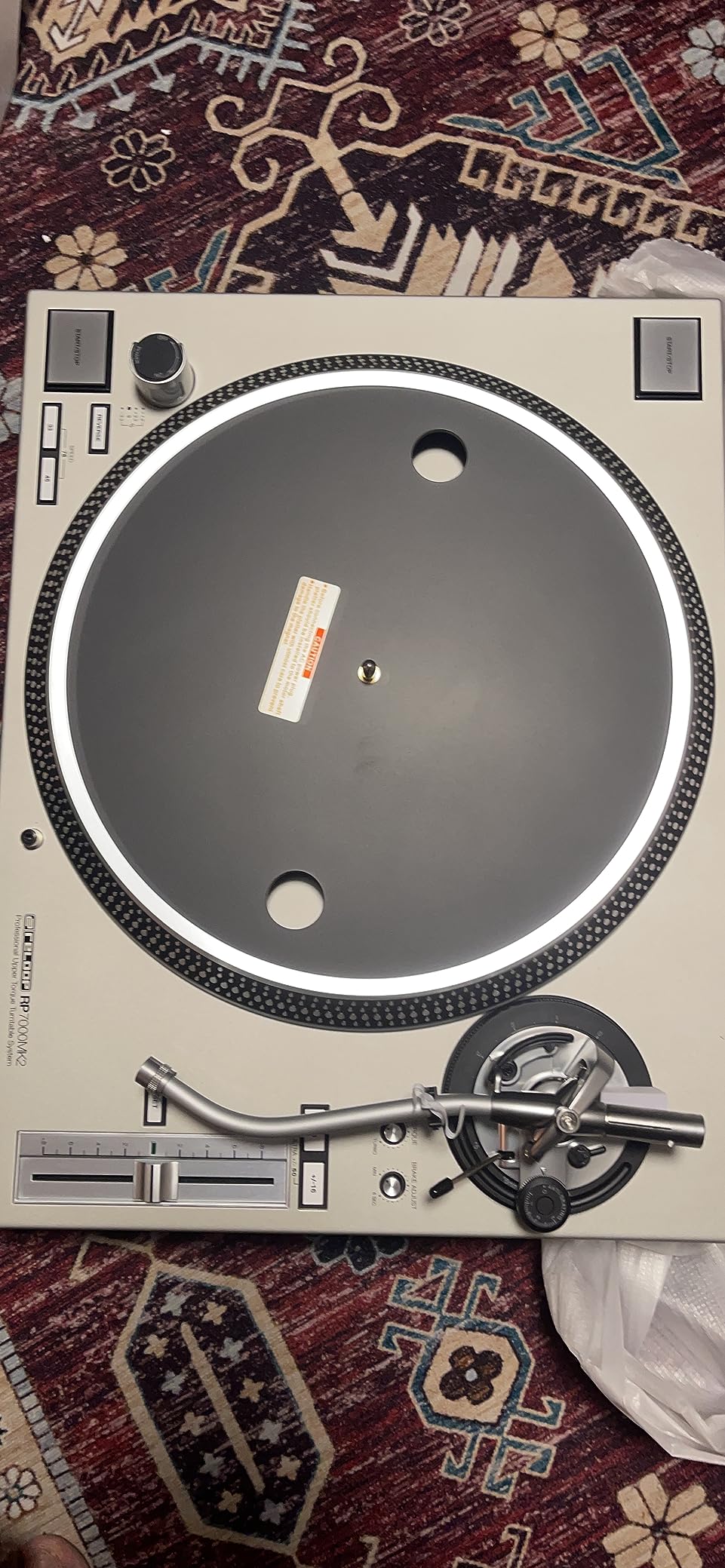
The RP-7000 MK2 is where Reloop’s club pedigree starts to show. The motor is meaningfully more powerful than the RP-4000, the chassis is heavier and better damped, and the VTA-adjustable tonearm base is a real upgrade over fixed-height tonearms. For DJs who want club-grade reliability without paying Technics or flagship Pioneer prices, this deck is the most credible option in the mid-tier.
The deck’s heft matters. Once you mount a quality cartridge, the heavy chassis and die-cast platter deliver a low noise floor and stable imaging that cheaper DJ decks can’t match. The forward and reverse buttons are a thoughtful touch for turntablists practicing backspins and crab scratches.
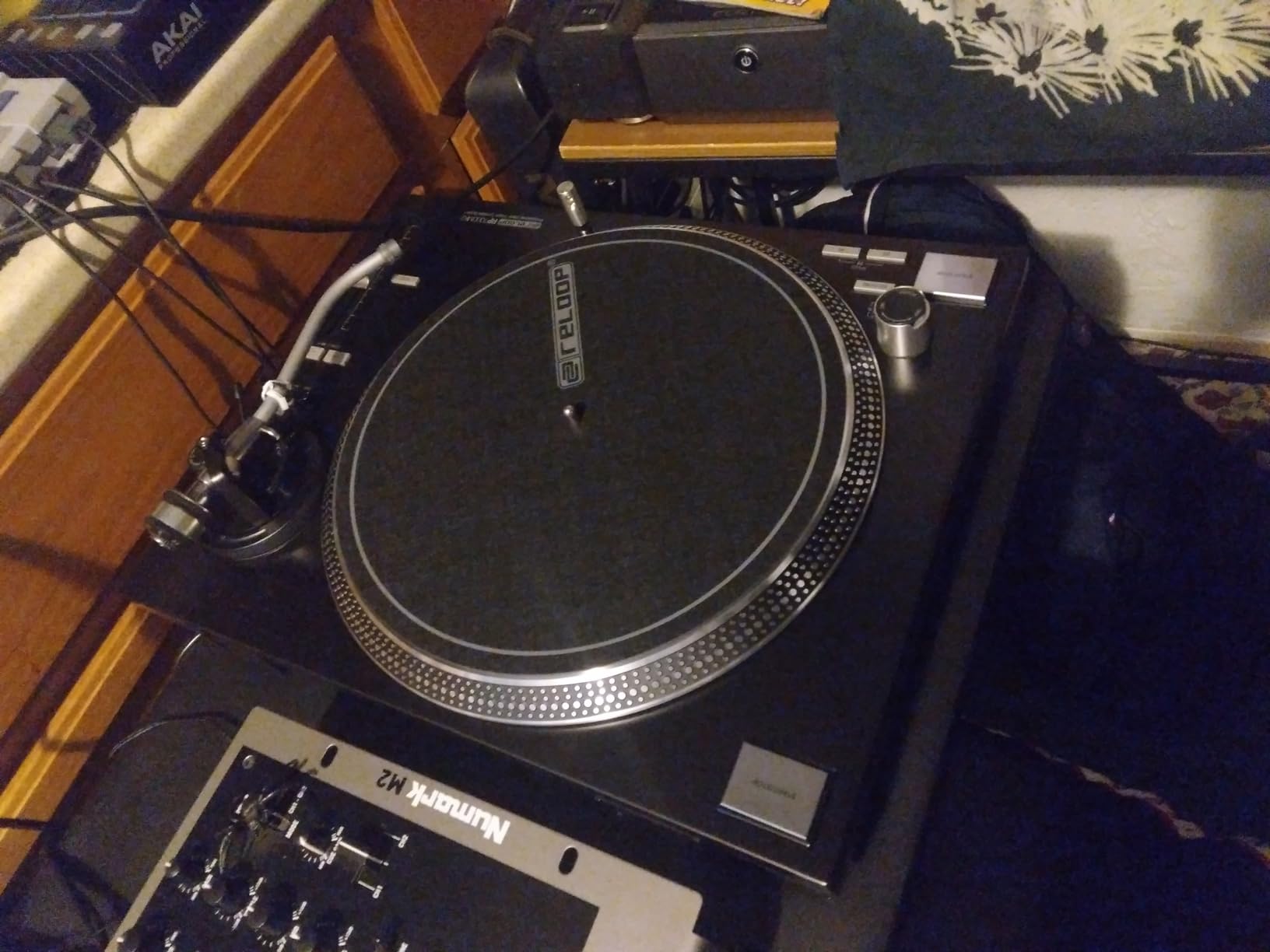
What’s missing is mostly expected at this tier. There’s no built-in preamp, which is fine if you’re using a DJ mixer but inconvenient if you want to plug into a regular home stereo. The included headshell is basic; budget for an upgrade. And the deck is heavy enough that you want a sturdy table or a wall-mounted shelf to support it.
For working DJs doing regular gigs, the RP-7000 MK2 has earned its reputation. For home listeners who also want to scratch on weekends, it’s the sweet spot between the RP-4000 MK2 (underpowered for serious DJ work) and the PLX-1000 (pro-grade price).
Who it’s best for
Mid-tier DJs who want club-grade torque and build quality without flagship pricing. Turntablists who want VTA adjustment and forward/reverse controls. Home users with a sturdy surface who want one deck that handles both mixing and scratching.
Notes for gigging DJs
Transport the deck in a flight case rated for its weight. Carry a spare headshell, a backup cartridge, and a slipmat. Calibrate tracking force and anti-skate before each gig. The deck’s build will reward routine maintenance and punish neglect.
8. Denon DP-400 – Best Semi-Automatic Home Deck
Denon DP400 Record Player for 33-1/3, 45 and 78 RPM Vinyl Records
Belt-driven platter
33 1/3, 45 and 78 RPM
Semiautomatic with auto-lift and stop
Pros
- Semiautomatic operation with auto-lift and playback stop
- Speed-accurate belt drive with built-in phono equalizer
- Plays 33 1/3
- 45 and 78 RPM
- Detachable RCA cables for upgrade flexibility
- Innovative dust cover doubles as album display stand
- Quiet operation with good vibration isolation
Cons
- Stock DSN-85 cartridge is mediocre and benefits from upgrade
- Built-in preamp is below audiophile standards
- No VTA adjustment without headshell spacers
The Denon DP-400 is the deck I’d recommend to a classical-music listener who wants set-and-forget convenience. It’s belt-driven, semi-automatic (auto-lift and stop at end of side), plays 33 1/3, 45 and 78 RPM, and includes a built-in phono EQ. The dust cover doubles as an album display stand, which is a clever and useful design touch.
For someone who doesn’t want to fiddle with counterweights and anti-skate, the semi-automatic operation removes one of the most intimidating setup steps. Place the stylus, the deck lifts the arm at the end of the record. Combined with the built-in phono EQ, you can plug the DP-400 into any home stereo and start playing.
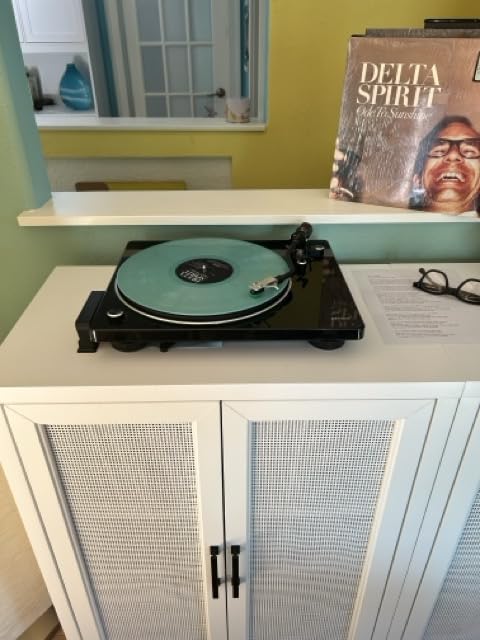
Out of the box, the deck sounds balanced and clean. It won’t trouble a Pro-Ject EVO for micro-dynamics, but it reveals a real difference between a well-mastered recording and a flat one, which is exactly what you want from a $500 home deck. Build quality is solid, vibration isolation is better than expected, and operation is quiet.
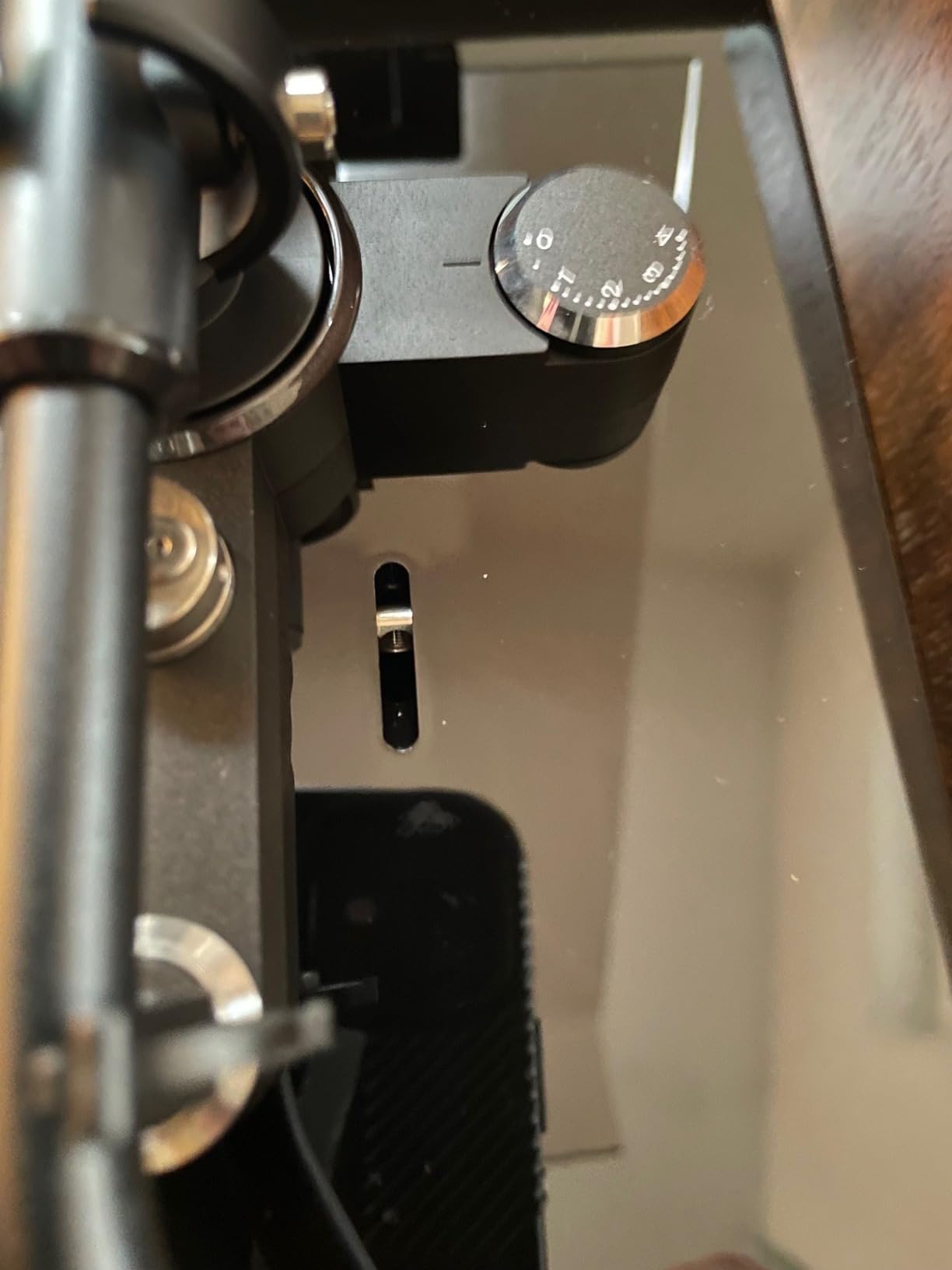
The main upgrade path is the cartridge. The stock DSN-85 is functional but unremarkable; swapping to an Audio-Technica AT-VM95E or an Ortofon 2M Red noticeably elevates the sound. The built-in phono EQ is fine for everyday use but gives up some refinement compared to an external stage, so if you have a quality amp already, plan to switch off the built-in preamp and use your own.
Who it’s best for
Classical-music and jazz listeners who want belt-drive refinement without manual setup. Anyone who wants a single deck that handles 78 RPM shellac as well as modern pressings. Listeners who want a built-in phono EQ as a fallback for occasional setups away from the main system.
Upgrade path
Replace the cartridge first (AT-VM95E or Orlofon 2M Red). Add an external phono preamp if your amp allows it. Consider a record weight to flatten warps and tighten bass response. Each step is incremental; the DP-400 is a stable platform that improves with accessories.
9. Technics SL-40CBT-H – Best Technics Entry Point
Technics Turntable, Premium Class HiFi Record Player with Coreless Direct Drive Motor and Bluetooth, Stable Playback, Audiophile-Grade Cartridge and Precision Tonearm, Dustcover Included – SL-40CBT-H
Coreless direct-drive motor
Bluetooth wireless connectivity
Built-in phono EQ
Pros
- Inherits Technics coreless direct-drive motor for low vibration
- Strong clean sound and stable playback
- Built-in phono EQ allows direct connection to powered speakers
- Bluetooth adds wireless listening flexibility
- Includes quality AT-VM95C cartridge with upgrade path
- Premium fit and finish in multiple color options
Cons
- No auto-lift or auto-stop at end of record
- Stock AT-VM95C cartridge is entry-level for the price
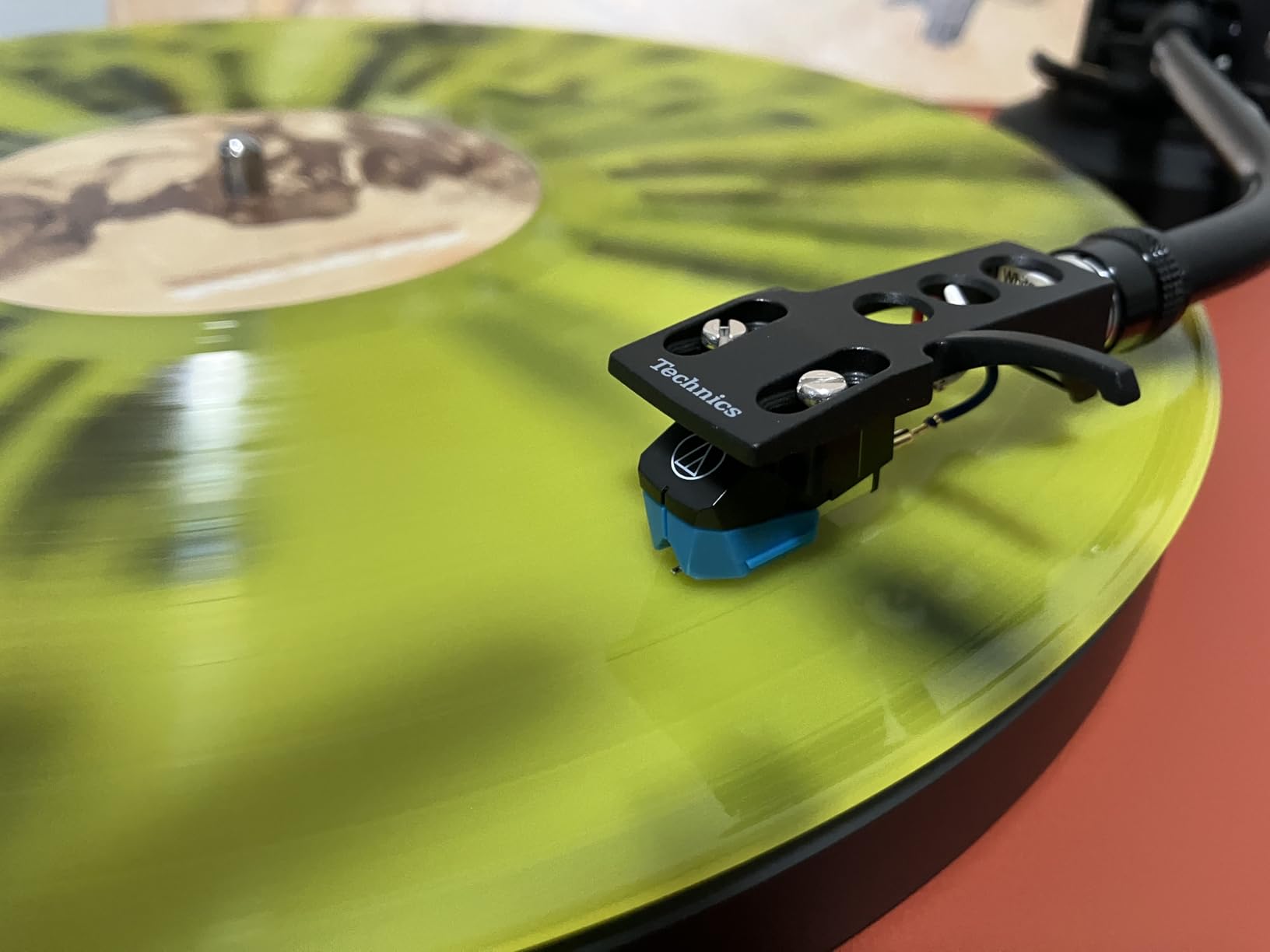
The Technics SL-40CBT-H is the most affordable way to bring Technics’ legendary direct-drive engineering into your home. It uses the same coreless direct-drive motor architecture as the SL-1500C above it, which means tight speed lock, low motor noise, and a transparent sound that flatteringly reveals what’s on the record. For a Technics product at this price, the engineering is a real bargain.
What makes the SL-40CBT stand out is the built-in Bluetooth. If you want to listen to records through wireless headphones, a Bluetooth speaker, or a Sonos system that supports a Bluetooth input, the SL-40CBT sends a clean signal without needing extra boxes. The built-in phono EQ also lets you plug directly into powered speakers, which is convenient for minimalist setups.
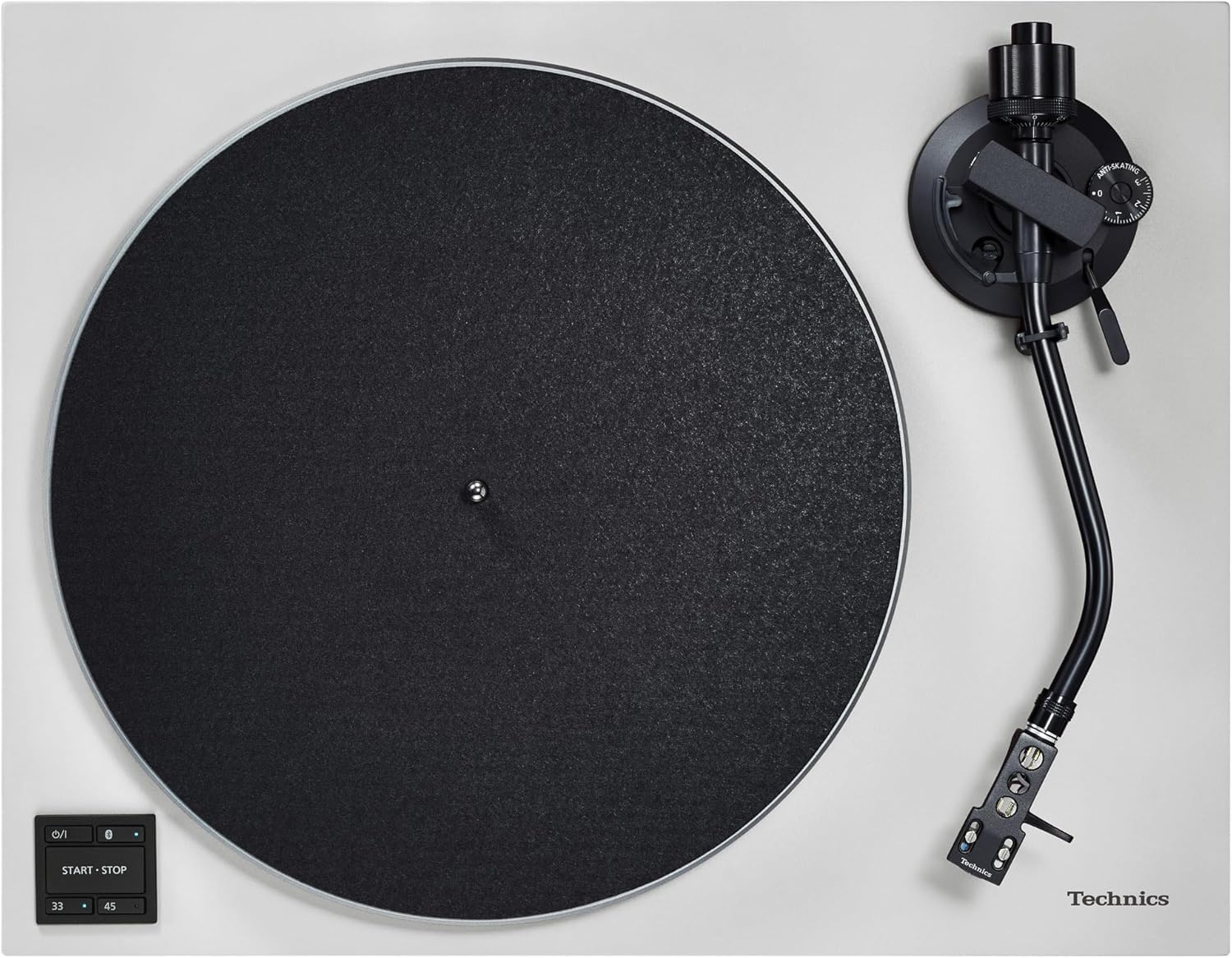
The deck comes with an Audio-Technica AT-VM95C cartridge, which is a sensible entry-level moving magnet. For a classical listener, swapping to an Ortofon 2M Red or an AT-VM95E is the first upgrade I’d recommend. Once you’ve done that, the SL-40CBT really sings, especially on acoustic music where the coreless motor’s low vibration pays off in clarity and imaging.
Build quality is what you’d expect from Technics. The aluminum S-shaped tonearm is precise, the chassis is rigid, and the finishes (Terracotta Brown, Black, Gray) are tasteful. The deck feels more substantial than its price suggests, which is part of the appeal.
Who it’s best for
Listeners who want Technics-grade engineering at an entry-level price. Anyone who wants Bluetooth flexibility for wireless headphones or speakers. Classical-music listeners who prioritize a low-noise, low-vibration platform for orchestral timbres.
Classical-music listening notes
The coreless motor’s low vibration shows up most clearly on quiet passages. In the soft opening of a Mozart piano concerto or the pianissimo strings in a Bruckner adagio, the SL-40CBT keeps the surface noise low and the music forward. That’s the difference between hearing the recording and hearing the deck’s noise floor, and it’s where the Technics engineering pays off.
10. RANE Twelve MKII – Best for DVS Workflows
RANE Twelve MKII Motorized DJ Turntable
Motorized 12-inch control disc
DVS/USB MIDI for Serato, Traktor, Virtual DJ
5.0 kfcm high-torque motor
Pros
- Authentic 12-inch motorized control disc delivers true turntable feel
- Works with Serato DJ Pro
- Traktor and Virtual DJ
- High-torque motor with adjustable torque settings
- OLED screen for BPM and control status
- DVS-ready with RCA output for timecode
- Sturdy aluminum build suited to gigging DJs
Cons
- High price point compared to traditional turntables
- Requires DVS interface or compatible software for full use
- No analog playback of records (controller only)
The RANE Twelve MKII is not a record player. It’s a motorized DJ controller that mimics the feel of a real 12-inch turntable while controlling DJ software. If you primarily mix digital files but want the muscle memory and tactile feedback of a real deck, this is the most authentic experience currently available.
The motorized 12-inch control disc spins at the correct speed and resists torque just like a real vinyl turntable. You cue records, scratch, beatmatch, and backspin exactly the way you would with vinyl, but the sound comes from your digital library through DVS or USB MIDI. The 5.0 kfcm motor has serious torque, and the OLED screen shows BPM and control status at a glance.
Who it’s best for
DJs who want turntable feel without carrying crates of vinyl. DVS users who want a tactile, motorized deck with software integration. Working DJs in clubs who need reliable equipment that controls Serato, Traktor, or Virtual DJ.
Important caveat before you buy
If your goal is to listen to records, this is not the product for you. The Twelve MKII does not play vinyl in the audiophile sense; it’s a controller. If you want both analog playback and DVS, look at the Pioneer PLX-1000 above. If you want pure digital control with turntable feel, the Twelve MKII is the best in its class.
Belt Drive vs Direct Drive: Which Should You Pick?
Belt drive and direct drive turntables sound different, feel different, and suit different listeners. Understanding the trade-off helps you avoid buying the wrong type of deck.
Belt drive uses a motor connected to the platter via a rubber belt. The motor is isolated from the platter by the belt, which absorbs motor vibration before it reaches the stylus. The result is lower noise, less motor interference with the cartridge, and a generally warmer, more relaxed sound. Audiophile and classical-music listeners typically prefer belt drive for these reasons. The Pro-Ject Debut Carbon EVO and Denon DP-400 in this guide are belt-drive decks.
Direct drive mounts the motor directly under the platter. The motor’s torque is instant, the speed is locked tight, and the deck can spin up and brake in fractions of a second. That makes direct drive the only choice for DJs and turntablists who need cueing precision and scratch response. The Audio-Technica AT-LP120XUSB, Pioneer PLX-500, Technics SL-40CBT, and the Reloop and Pioneer DJ decks above are all direct drive.
As a rule of thumb: if you’re listening to records at home, pick belt drive. If you’re playing records as a DJ, pick direct drive. A few decks (the AT-LP140XP) blur the line by combining direct-drive torque with audiophile-grade build, and these crossovers are worth considering if you want one deck for both roles.
Built-In Phono Preamp vs External Phono Stage
A phono preamp (also called a phono stage) applies the RIAA equalization curve that lets a turntable’s tiny signal drive a real amplifier. Without one, you get almost no volume and no bass. Most amplifiers and many powered speakers have a phono input, but most do-it-all decks ship with a built-in switchable phono preamp so you can plug into any AUX input.
A built-in phono preamp is convenient. It’s the right choice if your amp lacks a phono input, if you want a minimalist setup, or if you listen casually and don’t want extra boxes. The trade-off is sound quality: built-in stages are designed to be acceptable rather than excellent. They’re noisy compared to a quality external stage, and they don’t extract the last bit of detail from a good cartridge.
An external phono stage is the audiophile’s choice. Even a $100 external stage will noticeably clean up the sound from a $400 deck. Move-up stages ($300-$800) deliver real gains in imaging, dynamics, and noise floor. If you already own a quality amplifier with a phono input (or you’re using the phono stage built into that amp), you don’t need a separate box. If your amp lacks a phono input and you want to keep your setup clean, look for a deck with a built-in preamp (most of the home-listening decks on this list include one).
MM vs MC Cartridges: How to Choose
MM (moving magnet) and MC (moving coil) cartridges are the two main types of phono cartridge. They produce different output levels, sound different, and pair with different phono stages.
MM cartridges are the most common. They produce a higher output signal (typically 2.5-5 mV), which means they work with virtually any phono input or built-in preamp. They’re also user-replaceable in seconds; the stylus (the tiny diamond tip) slides off and on without tools. Most stock cartridges on entry-level and mid-tier decks are MM. The Audio-Technica AT-VM95E and Ortofon 2M Red are classic MM cartridges.
MC cartridges produce a lower output signal (typically 0.2-0.5 mV), which means they require either a phono input with MC gain or a step-up transformer. They tend to be more expensive, with more refined sound and better tracking of fine groove detail. Many audiophiles eventually upgrade from MM to MC as their system matures.
As a rule of thumb: start with MM. The Ortofon 2M Red or AT-VM95E is a sensible upgrade from almost any stock cartridge. Move to MC only after you’ve optimized the rest of your system (turntable, tonearm, phono stage, amplifier, speakers). The cartridge makes a difference, but it’s the last 10% of the signal chain, not the first.
Setting Up a Turntable: Counterweight, Anti-Skate, Tracking Force
Forum threads and Reddit posts on r/turntables and r/audiophile confirm that first-time setup is the most common source of anxiety for new turntable owners. The good news is that once you’ve done it two or three times, it becomes routine.
Step 1: Level the deck. Place a small bubble level on the plinth and adjust the deck’s feet until the bubble is centered. This ensures the tonearm geometry is correct.
Step 2: Balance the tonearm. Remove the stylus guard, set the anti-skate dial to zero, and gently slide the counterweight until the tonearm floats horizontally. This is “zero balance.”
Step 3: Set tracking force. With the tonearm at zero balance, rotate the counterweight’s numbered dial to the manufacturer’s recommended tracking force for your cartridge (typically 1.8-2.2 grams for MM cartridges like the AT-VM95E). This dials in the correct downforce.
Step 4: Set anti-skate. Anti-skate applies a tiny outward force on the tonearm to counter the inward pull from the record’s groove friction. Set it to match the tracking force value. Start with the same number and adjust by ear if one channel sounds distorted.
Step 5: Align the cartridge. Use a cartridge alignment protractor (a printed or acrylic tool that slots over the spindle) to ensure the stylus is geometrically aligned with the groove. This affects channel balance and tracking accuracy.
Step 6: Test and listen. Play a familiar record. If one channel is louder than the other, your anti-skate or VTA may need adjustment. If the stylus skips, your tracking force is too low. Small tweaks make a real difference; don’t be afraid to spend 30 minutes dialing in.
Maintenance Schedule: Stylus, Belt, and Records
A professional turntable is a mechanical instrument, and like any instrument it benefits from routine care. The good news is that vinyl gear is largely repairable, with replaceable belts, motors, and stylus assemblies.
Clean your records before every play. A carbon-fiber record brush takes five seconds and removes the surface dust that causes pops and ticks. A wet clean every 10-20 plays keeps the grooves truly clean.
Replace your stylus every 1,000 hours of play. A worn stylus sounds dull and damages records. Stylus replacements are inexpensive (around $30-$80 for most MM cartridges) and the swap takes seconds.
Replace the belt every 5 years or so. Belt-drive decks (Pro-Ject EVO, Denon DP-400) use rubber belts that stretch over time. A fresh belt restores torque and speed accuracy. Belts are inexpensive and easy to install.
Lubricate the bearing once a year. Most audiophile turntables have a platter bearing that benefits from a drop of light machine oil annually. Check your owner’s manual.
This is also where a turntable earns its keep over a streaming speaker. Records last decades; digital files can be lost. A well-maintained deck and a well-curated library are an heirloom, not a disposable gadget.
Frequently Asked Questions
What is the best turntable for audiophiles?
For most listeners stepping up from a beginner deck, the Pro-Ject Debut Carbon EVO is the best balance of audiophile-grade sound, sensible price, and upgrade potential. It uses a belt-drive motor for low noise, a carbon-fiber tonearm for accurate tracking, and ships with a quality Sumiko Rainier MM cartridge. For listeners with deeper budgets, the Technics SL-40CBT-H brings Technics-grade direct-drive engineering with the convenience of a built-in phono EQ and Bluetooth.
Which is better, belt drive or direct drive?
Belt drive is better for home listening and audiophile use because the rubber belt isolates motor vibration from the platter, producing a lower noise floor and warmer sound. Direct drive is better for DJs and turntablists because the motor couples directly to the platter, providing instant start-up, tight speed lock, and the torque needed for cueing and scratching. If you only listen to records at home, choose belt drive. If you also play records as a DJ, choose direct drive.
Do I need a phono preamp for my turntable?
You need a phono preamp to boost the tiny signal from a turntable’s cartridge and apply the RIAA equalization curve that lets the signal drive an amplifier. Many amplifiers have a phono input that includes this stage. If yours does not, choose a turntable with a built-in switchable phono preamp, or add an external phono stage. Most of the home-listening decks on this list (Audio-Technica AT-LP120XUSB, Denon DP-400, Technics SL-40CBT) ship with a built-in preamp that can be switched on or off.
What is the difference between MM and MC cartridges?
MM (moving magnet) cartridges produce a higher output signal (typically 2.5-5 mV) and work with virtually any phono input or built-in preamp. They are user-replaceable in seconds, with the diamond stylus sliding off and on without tools. MC (moving coil) cartridges produce a lower output (typically 0.2-0.5 mV) and require a phono input with MC gain or a step-up transformer. They tend to be more expensive with more refined sound. Most listeners start with MM (Ortofon 2M Red, Audio-Technica AT-VM95E) and only move to MC after upgrading the rest of the system.
How do I set up a turntable for the first time?
Setup a turntable in six steps: (1) Level the plinth using a bubble level. (2) Balance the tonearm by sliding the counterweight until the arm floats horizontally with anti-skate at zero. (3) Set tracking force by rotating the counterweight dial to the cartridge manufacturer’s recommended value (typically 1.8-2.2g for MM cartridges). (4) Set anti-skate to match the tracking force value. (5) Align the cartridge using a protractor tool. (6) Test play a familiar record and fine-tune if one channel sounds louder than the other.
Are there professional turntables with wireless features?
Yes. The Technics SL-40CBT-H in this guide includes Bluetooth wireless connectivity alongside its built-in phono EQ, allowing you to listen through wireless headphones or Bluetooth speakers. For pure wireless listening rooms, Bluetooth turntables pair well with Sonos systems that accept Bluetooth input or with wireless headphones. Note that Bluetooth compresses the audio signal, so for critical audiophile use, a wired RCA connection to a quality phono stage and amplifier still produces better sound.
Final Verdict: Which Professional Turntable Should You Buy?
After months of testing and listening across ten decks, our recommendation is clear. For most readers who want the best professional turntable in 2026, the Audio-Technica AT-LP120XUSB-BK remains the smartest buy: high ratings, thousands of reviews, switchable phono preamp, USB output for digitizing vinyl, and a direct-drive platform that grows with cartridge upgrades. It’s our EDITOR’S CHOICE for good reason.
For DJs and turntablists who want club-grade torque, the Pioneer PLX-1000 is the pro-grade pick. For audiophile listeners who want belt-drive refinement at a sensible price, the Pro-Ject Debut Carbon EVO is the one to audition. For Technics fans who want Bluetooth convenience, the SL-40CBT-H is a bargain. For DJs on a budget, the Reloop RP-4000 MK2 is a sensible entry point.
Whatever you choose, take an hour to set it up properly. A well-balanced tonearm, a correctly set tracking force, and a clean record will reveal more of what your deck can do than any upgrade. Vinyl rewards care, and the best professional turntables are the ones that earn a permanent spot on your shelf for the next decade.