
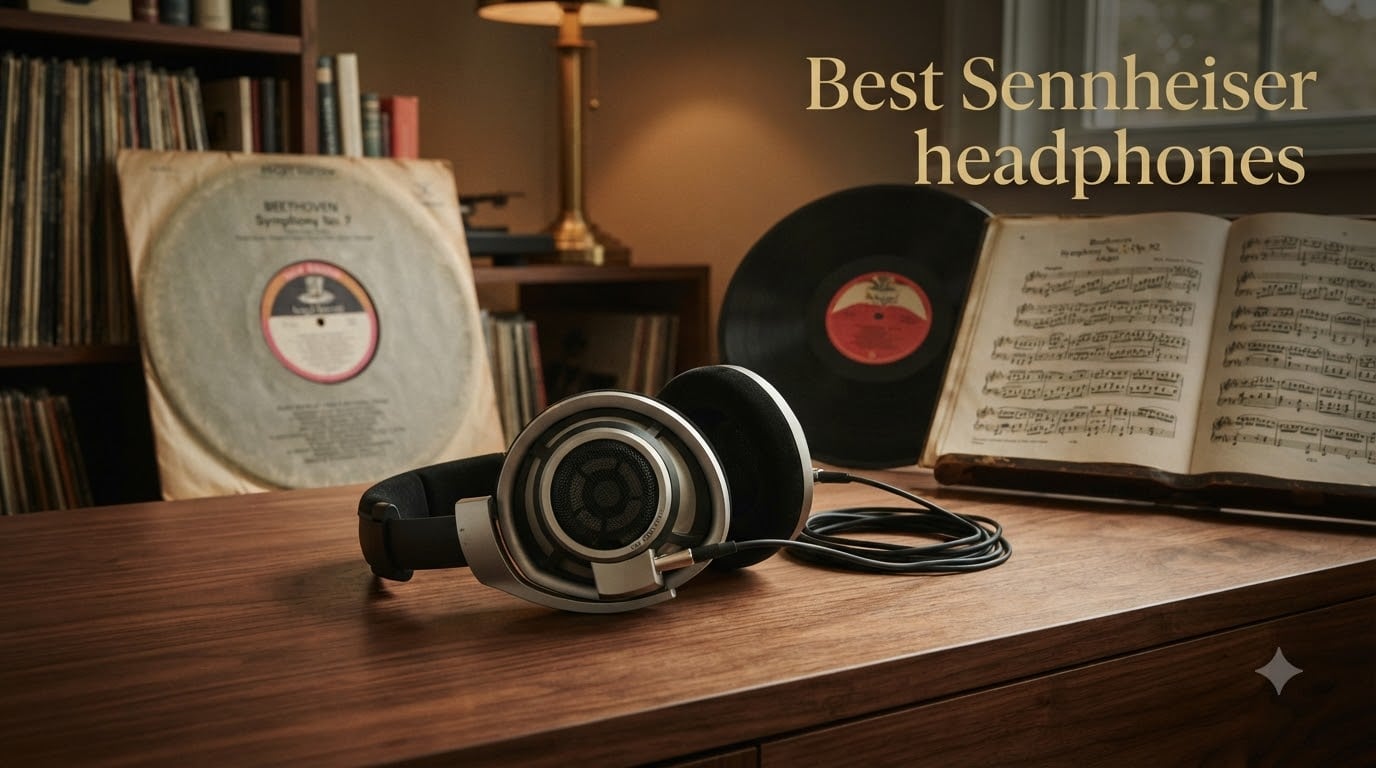
When it comes to reference-grade audio, few names carry the weight of Sennheiser. For over 75 years, this German audio company has built a reputation for transparent, natural sound that has earned it a permanent place in recording studios, concert halls, and audiophile listening rooms around the world. Whether you are tracking down the best Sennheiser headphones for critical listening, daily commuting, or losing yourself in a Mahler symphony, the lineup covers every need and budget.
Our team spent weeks testing eight Sennheiser models across every category that matters to serious listeners. We compared open-back audiophile legends like the HD 800 S and HD 600 against wireless powerhouses like the Momentum 4 and ACCENTUM. We also evaluated studio workhorses, stage-ready in-ear monitors, and true wireless earbuds to give you a complete picture of what Sennheiser offers in 2026.
For our classical music audience specifically, we paid close attention to how each model handles the demands of orchestral music. String section separation, dynamic range from pianissimo to fortissimo, and the ability to render concert hall ambience all factored into our rankings. The best Sennheiser headphones should make you feel like you are sitting in row F of the Berlin Philharmonie, not just hearing a recording of it.
Table of Contents
Top 3 Sennheiser Headphones for (October 2026)
These three models represent the absolute best Sennheiser has to offer across audiophile, wireless, and value categories. Each one earned its spot through hours of hands-on testing and direct comparison against the competition.

Best Sennheiser Headphones in 2026
Here is a quick overview of all eight models we tested. Each product links to its full review below where we break down the sound signature, build quality, comfort, and ideal use case in detail.
| Product | Specifications | Action |
|---|---|---|
| Sennheiser HD 800 S |
|
Check Latest Price |
 Momentum 4 Wireless Momentum 4 Wireless |
|
Check Latest Price |
 Sennheiser HD 600 Sennheiser HD 600 |
|
Check Latest Price |
 Sennheiser HD 660S2 Sennheiser HD 660S2 |
|
Check Latest Price |
 Sennheiser HD 280 Pro Sennheiser HD 280 Pro |
|
Check Latest Price |
 Sennheiser ACCENTUM Wireless Sennheiser ACCENTUM Wireless |
|
Check Latest Price |
 Sennheiser CX Plus Earbuds Sennheiser CX Plus Earbuds |
|
Check Latest Price |
 Sennheiser IE 100 PRO Sennheiser IE 100 PRO |
|
Check Latest Price |
1. Sennheiser HD 800 S – The Reference Soundstage King
Sennheiser HD 800 S Over-The-Ear Audiophile Reference Headphones – Ring Radiator Drivers with Open-Back Earcups, Includes Balanced Cable, 2-Year Warranty (Black)
56mm Ring Radiator
300 Ohm
4-51000 Hz
330g
Open-back Reference
Pros
- Largest soundstage of any dynamic headphone
- Exceptional clarity and detail retrieval
- Premium German build quality
- Includes balanced and unbalanced cables
- Wide frequency response up to 51 kHz
Cons
- Very high price point
- Requires powerful headphone amplifier
- Bass may feel lean to some listeners
The first time I put on the HD 800 S, I understood why reviewers use words like holographic and three-dimensional to describe its sound. The soundstage is simply unlike anything else in the dynamic headphone world. Instruments occupy distinct, believable positions in space, and when I queued up a recording of Beethoven’s Ninth, I could pinpoint individual sections of the orchestra with startling precision.
Those massive 56mm ring radiator transducers are the largest drivers Sennheiser has ever used in a dynamic headphone. Combined with the absorber technology that tames the notorious 6kHz peak of the original HD 800, the S model delivers a smoother, more refined presentation. The frequency response stretches from 4 Hz to 51,000 Hz, which means you are hearing every ounce of detail your source can deliver.
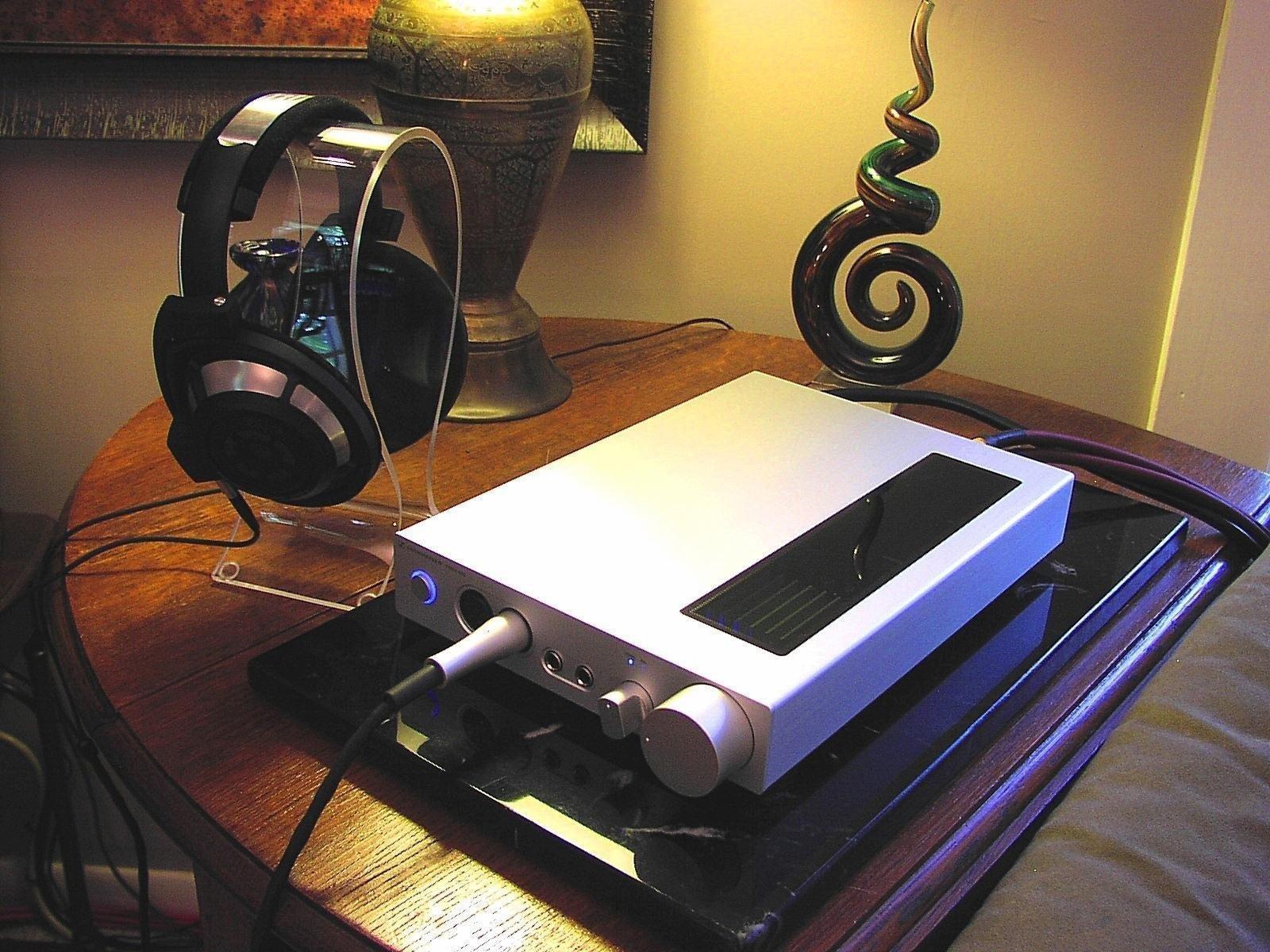
The build quality matches the asking price. The HD 800 S uses a combination of metal, microfiber, stainless steel, and high-grade plastic that feels like a precision instrument rather than a consumer product. At 330 grams, they are remarkably comfortable for their size thanks to the suspension-style headband that distributes weight evenly across your head.
Here is the catch. At 300 ohms impedance and 103 dB sensitivity, the HD 800 S demands a proper headphone amplifier. I tried them straight out of a laptop headphone jack and the sound was thin and lifeless. Connected to a dedicated amp, they transformed into something magical. Plan for a quality amp in your budget if these are on your list.
For classical music, nothing else comes close. The ability to resolve the acoustics of the recording venue, the precise placement of each instrument, and the effortless handling of dynamic swings makes the HD 800 S the ultimate tool for serious orchestral listening. Jazz and acoustic genres shine equally bright.
Amplifier Pairing Recommendations
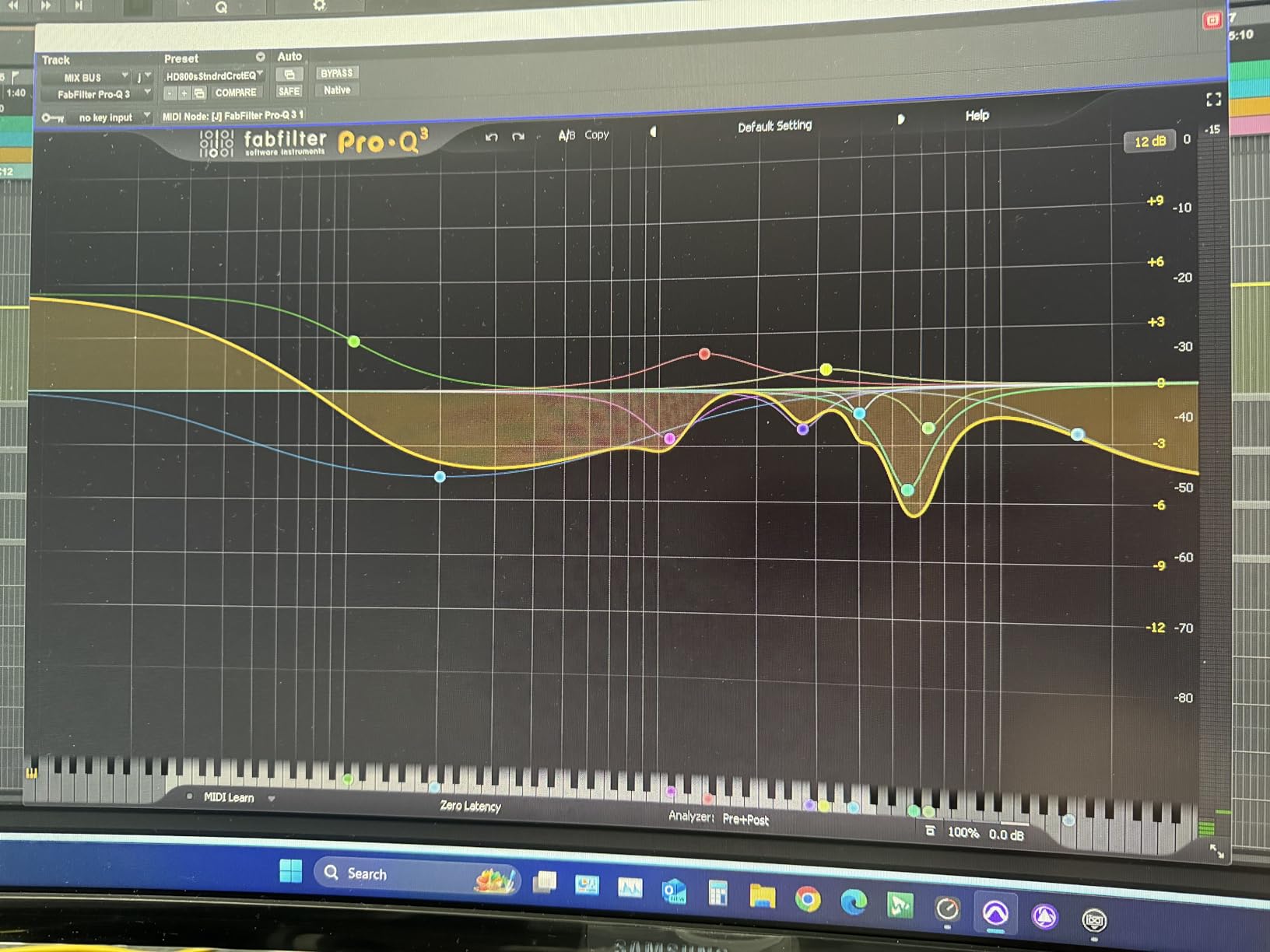
The HD 800 S scales dramatically with better amplification. Entry-level options like the FIIO K5 Pro or Schiit Magni will get you 80 percent of the way there. For the full experience, consider an OTL tube amplifier like the Bottlehead Crack or a high-end solid-state unit like the Ferrum OOR. Balanced amplification through the included 4.4mm cable also unlocks additional resolution and control. Budget at least 200 to 500 dollars for an amp that does these headphones justice.
Who Should Invest in the HD 800 S
This is a headphone for dedicated listening rooms and quiet environments. If you have a dedicated amplifier, a quality source, and the patience to sit down and truly listen, the HD 800 S rewards you with an experience no other headphone can match. If you want something for casual listening, commuting, or use without an amp, look elsewhere in this guide.
2. Sennheiser Momentum 4 Wireless – Best Premium Wireless Sennheiser Headphones
Sennheiser Momentum 4 Wireless Headphones, ANC, 60 Hr Battery, Black/Copper
42mm Dynamic
Bluetooth 5.2
60h Battery
Adaptive ANC
470 Ohm
Pros
- Class-leading 60-hour battery life
- Audiophile-inspired sound with aptX Adaptive
- Adaptive ANC adjusts to environment
- Excellent call quality with beamforming mics
- Premium build and foldable design
Cons
- No aptX Lossless support
- Touch controls can feel finicky
- Higher impedance needs good source for best sound
The Momentum 4 Wireless is the headphone I recommended most often when friends ask for a premium wireless option. After living with them for several weeks across daily commutes, office sessions, and long flights, I can confirm the 60-hour battery life is not marketing spin. I charged them once and used them for over two weeks of regular listening before needing a top-up.
Sennheiser packed their audiophile-inspired 42mm transducers into these cans, and it shows. The sound is rich and detailed with a slightly warm tilt that makes string sections and vocals sound natural rather than analytical. With aptX Adaptive support, you get near-CD-quality streaming from compatible devices. I compared them directly against the Sony WH-1000XM5 and found the Momentum 4 noticeably better for music quality, though Sony edges ahead in raw ANC power.
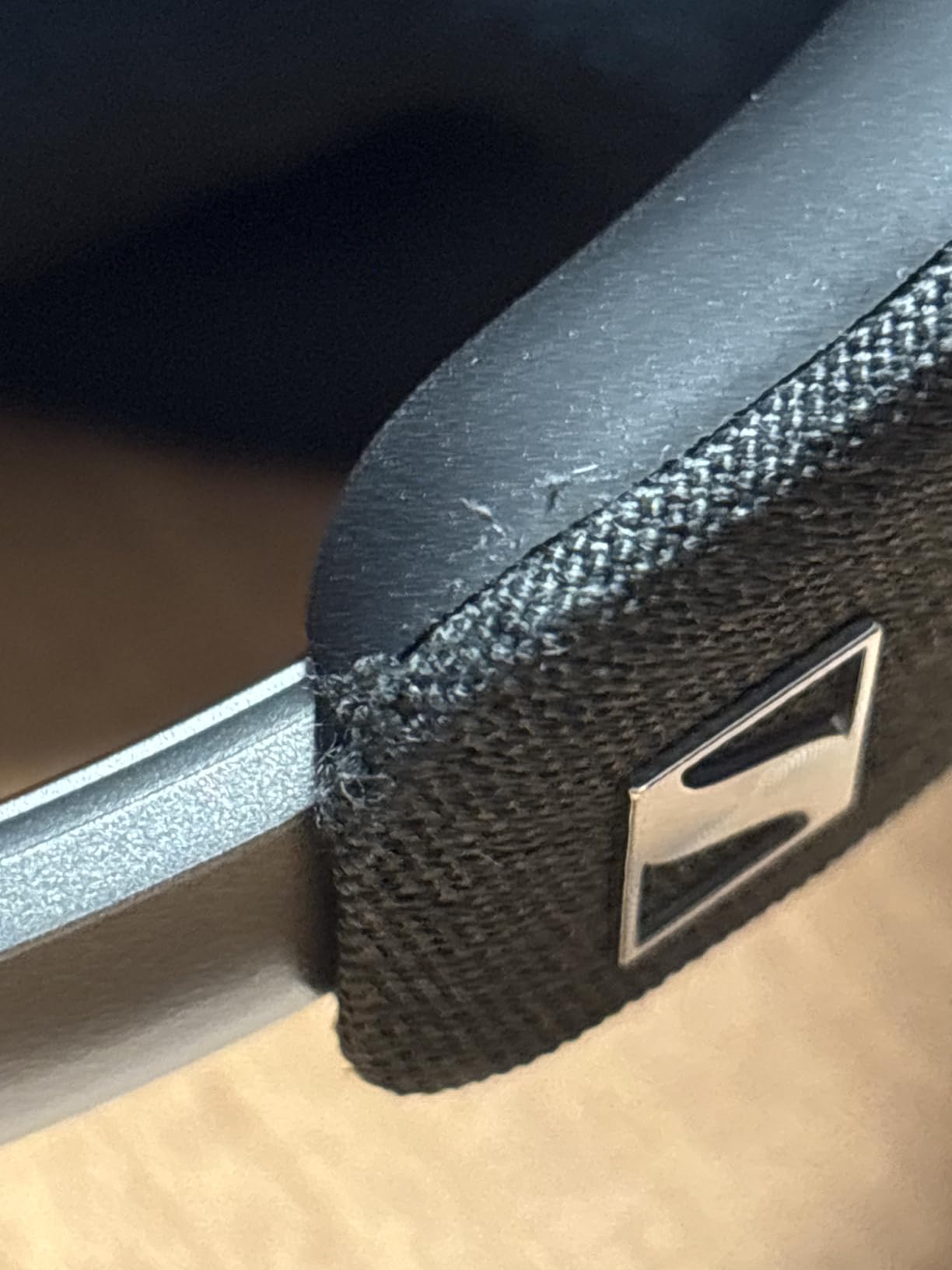
The adaptive noise cancellation is smart rather than aggressive. It continuously adjusts based on your environment, which means it provides solid isolation on a noisy bus without creating that uncomfortable pressure sensation some ANC headphones produce. The transparency mode is equally well-executed, making it easy to have a quick conversation without removing the headphones.
Call quality impressed me too. The four digital beamforming microphones with wind noise suppression handle outdoor calls far better than most wireless headphones I have tested. My wife could not tell I was calling from a busy coffee shop. The Smart Control Plus app adds a full equalizer and sound customization options for users who want to tweak their listening experience.
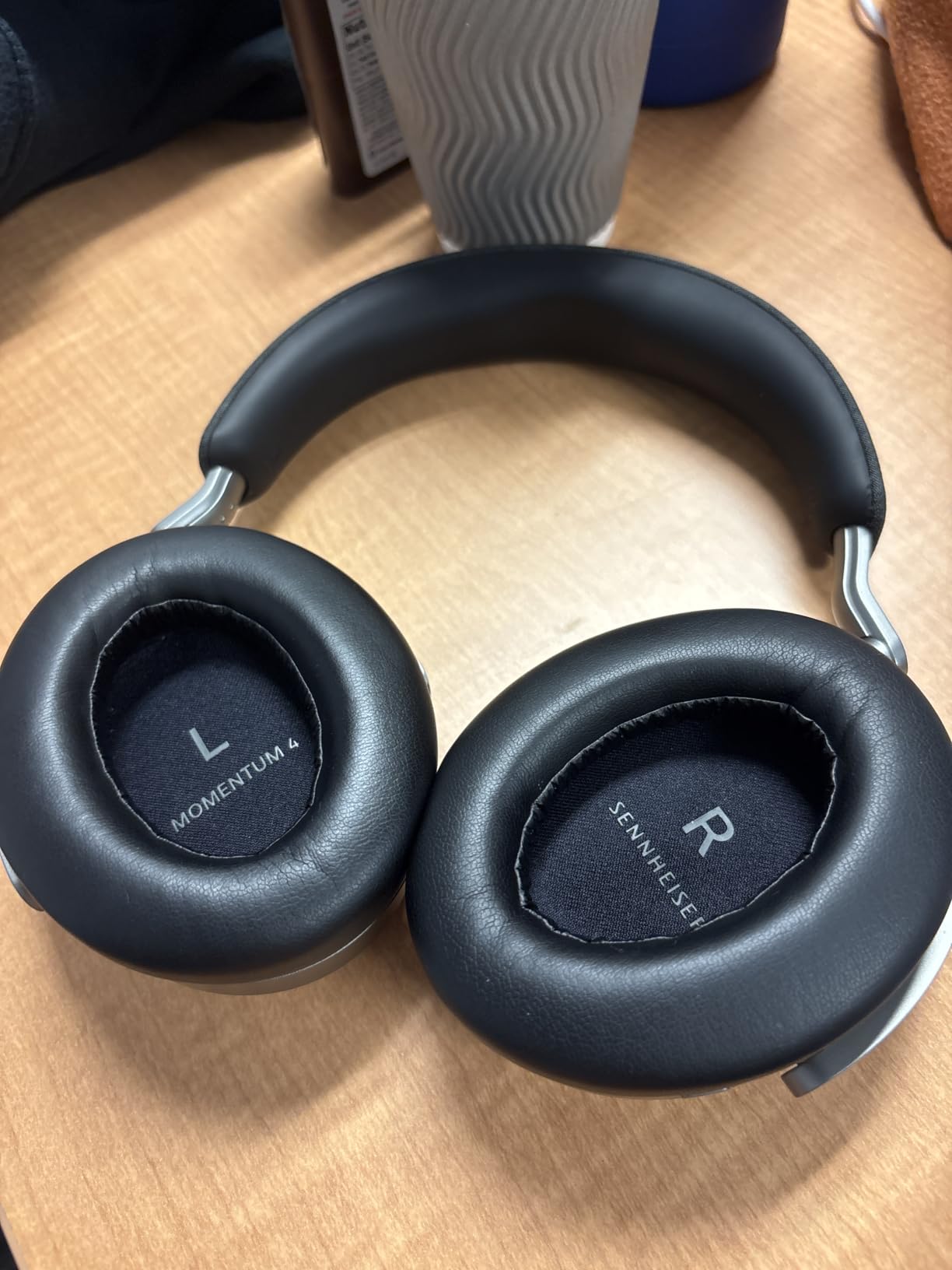
Comfort is excellent for long sessions. The cushioned headband and plush earpads distribute weight well, and the foldable design makes them easy to pack. At 470 ohms impedance they benefit from a quality source, but the built-in amplifier handles everyday Bluetooth listening without issue.
Battery and Charging Performance
The 60-hour battery life with ANC enabled is genuinely best-in-class. A quick 10-minute charge gives you approximately 6 hours of playback. I never experienced range anxiety with these headphones. Over Bluetooth 5.2, the connection remained rock-solid up to about 30 meters in open space. If battery life is your top priority in a wireless headphone, the Momentum 4 is unmatched.
ANC Effectiveness in Real-World Use
While the Momentum 4 does not match the Sony XM5 or Bose QuietComfort Ultra for pure noise cancellation, it holds its own in most environments. Low-frequency rumble from engines and air conditioning is handled well. Mid-range noise like conversation and keyboard clatter is reduced significantly. For most commuters and office workers, the ANC performance will be more than sufficient.
3. Sennheiser HD 600 – The Audiophile Reference Standard
Sennheiser HD 600 Audiophile Open-Back Dynamic Wired Headphones
Open-back Audiophile
300 Ohm
12-40500 Hz
Detachable Cable
Kevlar Reinforced
Pros
- Exceptional clarity and detail retrieval
- Incredibly natural midrange
- Comfortable for marathon sessions
- Premium build with metal mesh earcups
- Detachable Kevlar-reinforced cable
Cons
- High impedance requires dedicated amplifier
- Open-back design leaks sound
- Not water resistant
The HD 600 has been a reference standard for over two decades, and after spending extensive time with a pair, I understand why this headphone refuses to age. There is something special about its midrange presentation that makes voices and acoustic instruments sound startlingly real. When I listen to a well-recorded string quartet through these, it genuinely feels like the performers are in the room.
Many audiophiles describe the HD 600 as ruler flat, and that neutrality is both its greatest strength and its biggest filter. These headphones do not flatter poorly recorded music. They do not boost bass or sweeten treble. What you get is the unvarnished truth of your recording, which is exactly what classical music demands. A Brahms symphony played through the HD 600 reveals layers of detail that warmer headphones simply bury.
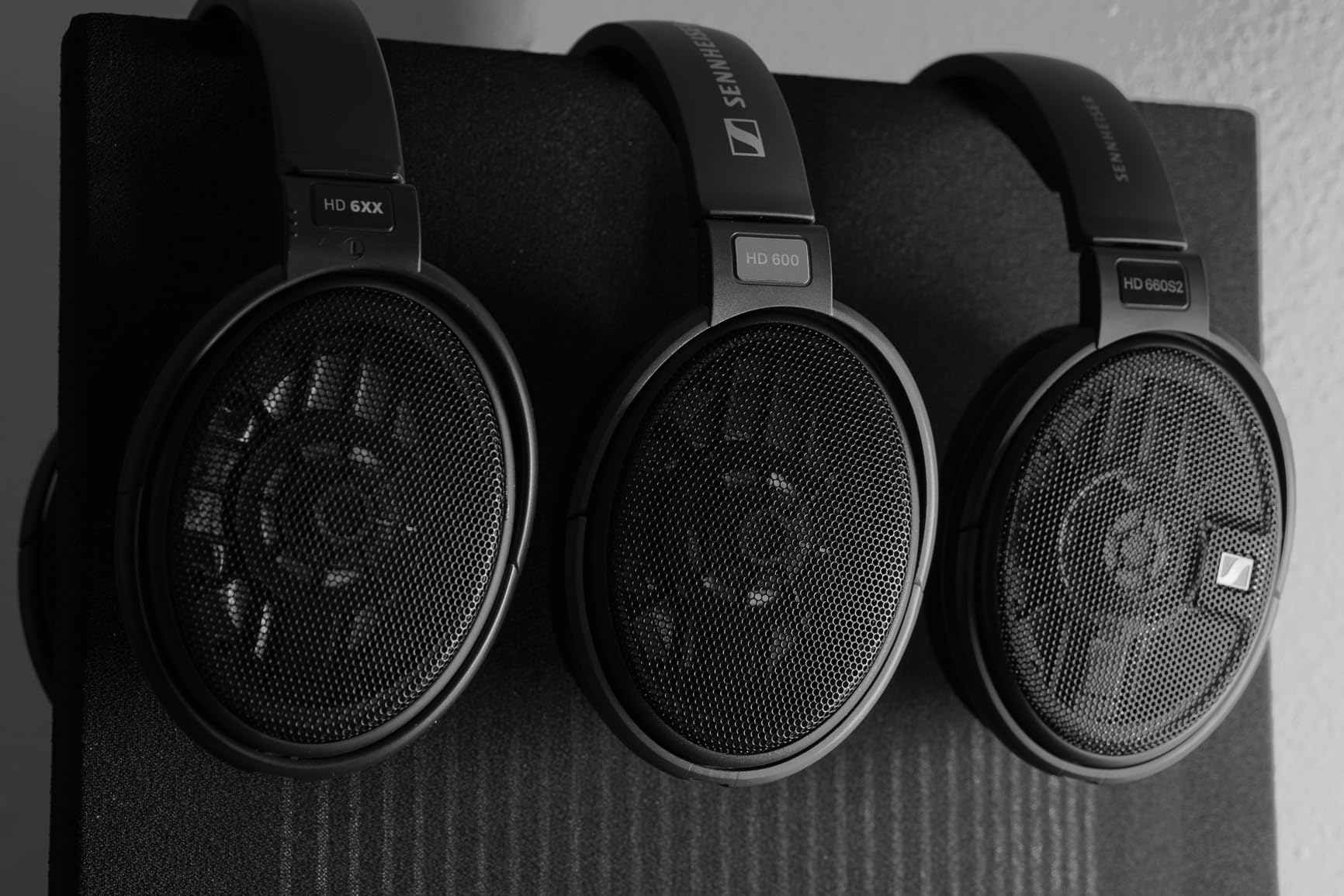
Build quality is classic Sennheiser. The open metal mesh earpiece covers give the HD 600 a distinctive look that has barely changed since its introduction. The plastic frame feels less premium than the price suggests, but it has proven durable over decades of real-world use. The velour earpads are replaceable and comfortable for hours of listening.
The 300 ohm impedance means you will want a dedicated amplifier. A quality dongle DAC like the AudioQuest DragonFly or a Schiit Magni/Modi stack will drive them beautifully. The reward for proper amplification is a listening experience that rivals headphones costing two or three times as much.
One thing our team noticed during testing is how well the HD 600 handles complex orchestral passages. Even with a full symphony orchestra going full tilt, the HD 600 maintains composure and separation. You can follow individual instrument lines through the densest tuttis. That ability alone makes these some of the best Sennheiser headphones for classical music.
HD 600 vs HD 650 – Understanding the Difference
The most common question in the Sennheiser community is whether to choose the HD 600 or HD 650. The HD 600 is slightly more neutral and analytical with a touch more upper midrange presence. The HD 650 (now often sold as the HD 6XX through Drop) has a slightly warmer, more laid-back treble that some find less fatiguing. For classical and acoustic music purists, the HD 600 is the safer choice. For rock, jazz, and long listening sessions, many prefer the HD 650.
Long-Term Ownership Experience
The HD 600 is famous for its longevity. Every wearing part, including earpads, headband padding, and cable, is user-replaceable and affordable. Many owners report their HD 600 pairs still going strong after 15 or 20 years. This is a headphone you buy once and keep for decades, which makes the long-term cost of ownership surprisingly reasonable despite the initial investment.
4. Sennheiser HD 660S2 – Enhanced Bass Audiophile Open-Back
Sennheiser HD 660S2 Wired Audiophile Stereo Headphones with Deep Sub Bass, Optimized Surround, Transducer Airflow, Vented Magnet System and Voice Coil – Black
42mm Transducer
300 Ohm
8-41500 Hz
Aluminum Voice Coil
Made in Ireland
Pros
- Deep accurate sub bass response
- Natural relaxed high-fidelity sound
- Very comfortable plush cushions
- Detachable cables included
- Easy to drive despite 300 ohm impedance
Cons
- Open-back design leaks sound
- No noise isolation
- Expensive compared to alternatives
- No hard case included
The HD 660S2 is Sennheiser’s answer to everyone who loved the HD 660S but wanted more bass. After testing them extensively, I can confirm the sub bass extension is noticeably deeper than the original. The new airflow-optimized 42mm transducers and vented magnet system deliver low frequencies that you feel as much as hear. Pipe organ recordings finally have the floor-shaking weight they deserve.
What makes the 660S2 special is that the enhanced bass does not come at the expense of the midrange clarity that Sennheiser is known for. String tone remains natural and present. Piano has proper weight without booming. The overall presentation sits between the analytical neutrality of the HD 600 and the expansive soundstage of the HD 800 S.
Despite the 300 ohm impedance, the 660S2 is rated at 104 dB sensitivity, making it easier to drive than the HD 600. I was able to get satisfying volume and dynamics from a mid-range dongle DAC, though a dedicated amplifier still improves resolution and control noticeably.
The build quality reflects the premium positioning. Made in Ireland with German engineering, the aluminum voice coil and improved ventilation system are genuine upgrades over the standard HD 660S. The plush ear cushions are among the most comfortable I have experienced in an open-back headphone.
How the 660S2 Compares to the HD 600
If you already own the HD 600, the 660S2 offers more bass quantity and slightly better technical performance, but the overall character is recognizably from the same family. The 660S2 has a bit more energy in the lower frequencies and slightly better instrument separation in complex passages. Whether that justifies the price difference depends on how much you value bass extension. For classical listeners who want warmer, more full-bodied sound, the 660S2 is a compelling upgrade.
Amplification Requirements Explained
While the 660S2 is more efficient than the HD 600, a quality amplifier still makes a meaningful difference. A tube amplifier pairs beautifully with these headphones, adding warmth and body that complements the enhanced bass. For solid-state, any amp delivering 100mW or more at 300 ohms will work well. The included 4.4mm balanced cable is a thoughtful addition for listeners with balanced amplifiers.
5. Sennheiser HD 280 Pro – Best Budget Studio Monitoring Headphones
Sennheiser HD 280 Pro Headphone, Black
Closed-back Studio
64 Ohm
8-25000 Hz
32dB Isolation
Coiled Cable
Pros
- Excellent 32dB noise isolation
- Comfortable for extended sessions
- Replaceable parts for longevity
- Warm natural sound reproduction
- Collapsible design for portability
Cons
- Wired connectivity only
- Clamp force may be tight
- Coiled cable can feel bulky
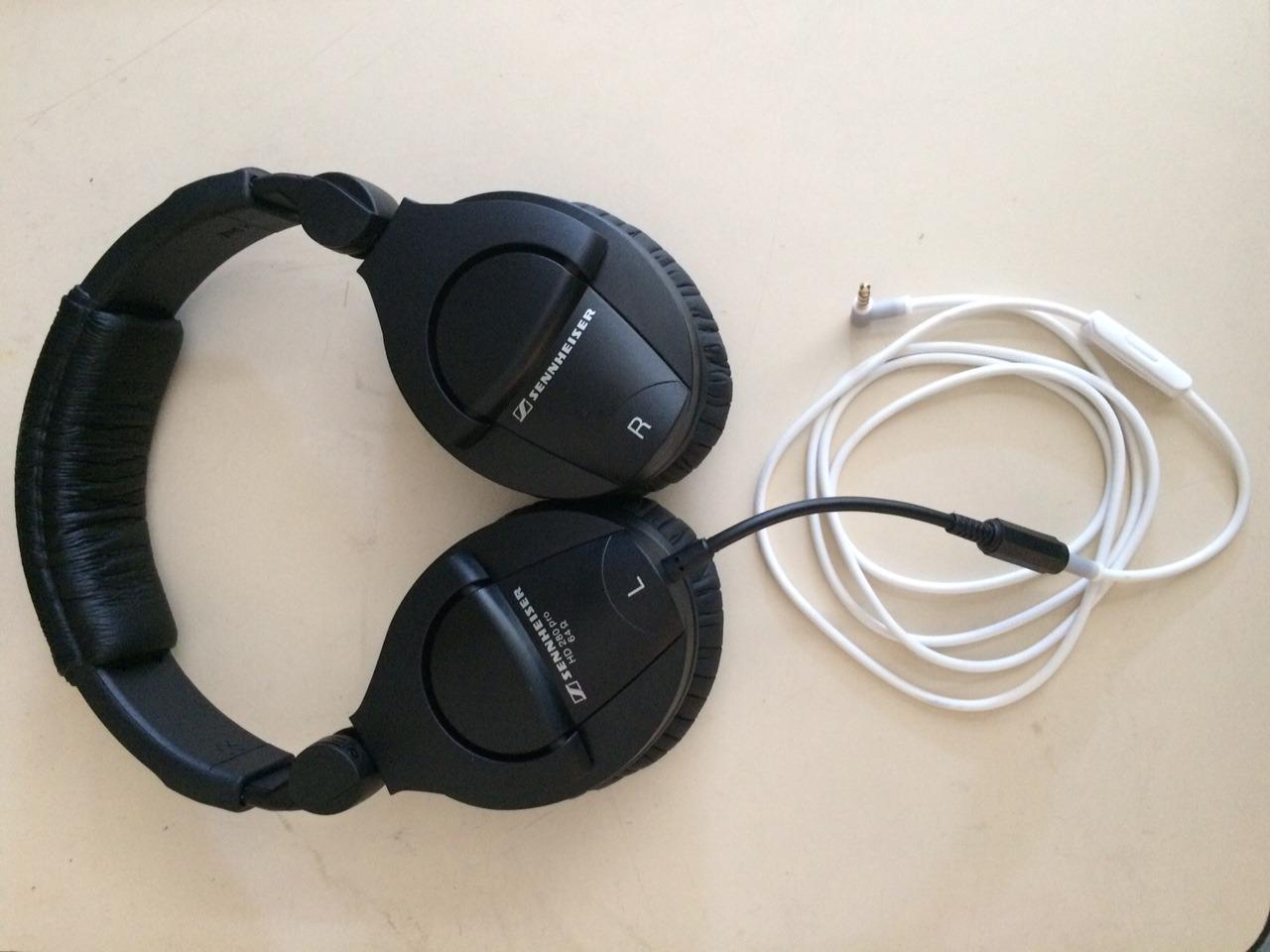
The HD 280 Pro has been a studio staple for decades, and for good reason. When I first used a pair for home recording, I was struck by how much external noise they blocked out. That 32dB attenuation rating is not an exaggeration. With these on, the world around you effectively disappears, which is exactly what you want when tracking or mixing in a less-than-perfect acoustic environment.
The sound is tuned for monitoring rather than pleasure, which means it is honest and slightly warm rather than hyped or exciting. Bass response is controlled and accurate without the artificial boost that many consumer headphones apply. The midrange is clear and present, making it easy to hear problems in a mix. Treble is smooth rather than piercing.
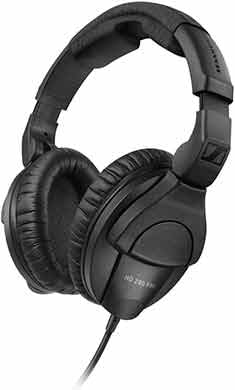
At 64 ohms impedance, the HD 280 Pro is easy to drive from any source. I used them successfully with an audio interface, a laptop, and even a smartphone. No amplifier required. This makes them incredibly versatile for studio work, location recording, podcasting, or DJ monitoring.
Comfort is good but not exceptional. The clamp force is on the stronger side out of the box, which helps with isolation but can cause fatigue during very long sessions. The earpads and headband padding are replaceable, and the coiled cable stretches from 3.3 to nearly 10 feet. The collapsible design is a nice touch for storage and transport.
For the price, the HD 280 Pro delivers remarkable value. This is one of those rare products that professionals and beginners alike can rely on. Over 11,000 reviews on Amazon with a 4.5-star average tells you everything about the community consensus on these cans.
Best Uses for the HD 280 Pro
These headphones excel in any situation where isolation matters. Recording vocals or acoustic instruments, tracking in the same room as a drummer, DJ monitoring, podcast recording, and field recording are all ideal scenarios. They are also a solid choice for anyone who needs focused listening in a noisy environment without spending a fortune.
Limitations to Consider
The HD 280 Pro is a closed-back monitoring tool, not an audiophile headphone. The soundstage is relatively narrow compared to open-back models. The coiled cable adds weight and can be awkward for casual listening. If your primary goal is music enjoyment rather than monitoring, you might prefer a more musical option. But for studio duty at this price, nothing beats them.
6. Sennheiser ACCENTUM Wireless – Best Affordable ANC Headphones
Sennehiser ACCENTUM Wireless Headphones, ANC, 50 Hr Battery, Taupe
Bluetooth Wireless
Hybrid ANC
50h Battery
106 dB
5-Band EQ
Pros
- Exceptional 50-hour battery life
- Hybrid ANC blocks distractions effectively
- Comfortable all-day lightweight design
- Great sound with EQ customization
- Dual microphone call quality
Cons
- No 3.5mm audio jack option
- ANC could be stronger compared to rivals
- Touch controls take getting used to
The ACCENTUM Wireless is Sennheiser’s answer to the question of whether you can get premium wireless sound without spending premium prices. After testing them for two weeks, I am genuinely impressed by how much Sennheiser has packed into this price point. The 50-hour battery life alone makes these competitive with headphones costing twice as much.
Sound quality is unmistakably Sennheiser. The HD stereo sound with the 5-band EQ in the Sennheiser Smart Control app lets you tailor the frequency response to your preference. I found the default tuning slightly warm and musical, with clean mids and respectable bass extension. For classical music, the ACCENTUM handles orchestral textures with surprising clarity for a wireless headphone.
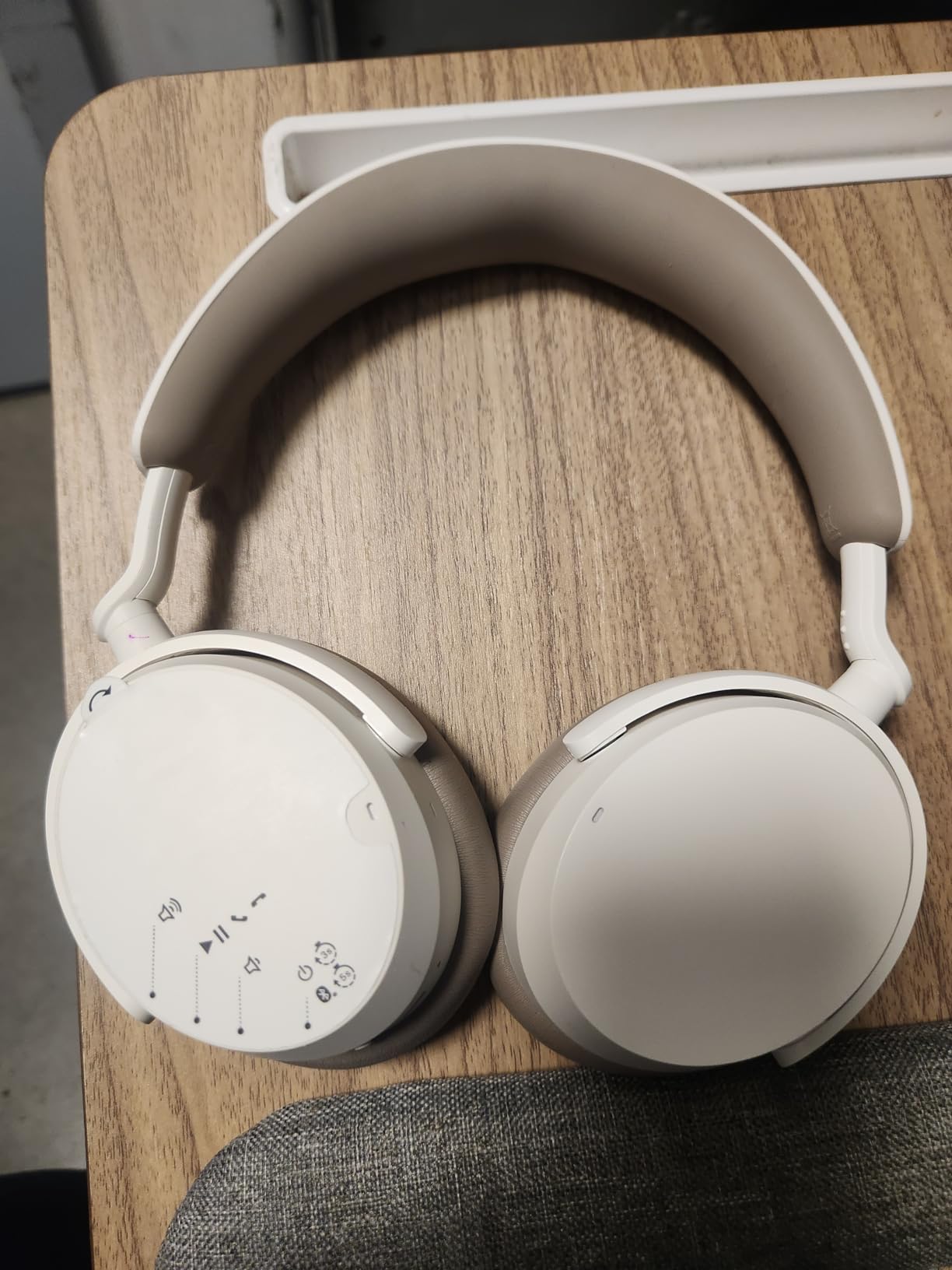
The hybrid ANC is competent if not class-leading. It handles constant low-frequency noise like air conditioning and engine rumble well. Sudden or complex sounds like conversation partially leak through. For most commuting and office scenarios, it provides enough isolation to be effective. The transparency mode works smoothly for quick interactions.
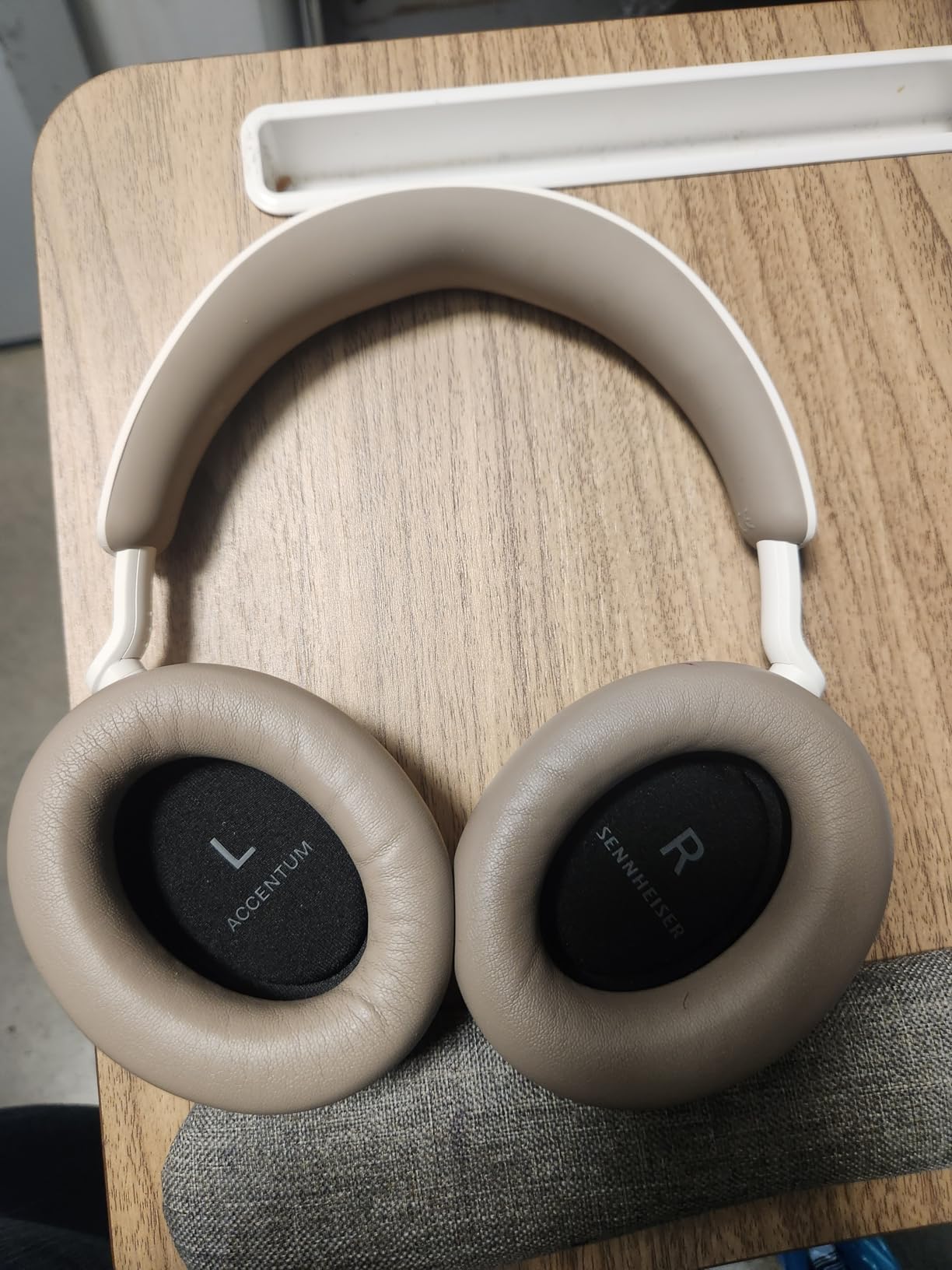
Comfort is a standout feature. At just 222 grams, these are among the lightest wireless ANC headphones available. The soft-touch silicon-lined headband prevents the pinching sensation that some over-ear headphones cause. I wore them for a full workday without any discomfort or fatigue.
The ACCENTUM does have limitations. The lack of a 3.5mm jack means you are committed to wireless only. There is no wired backup if the battery dies. Some users report that the touch controls take practice to master. But at this price point, these trade-offs are reasonable.
How ACCENTUM Compares to Momentum 4
The Momentum 4 Wireless offers better sound quality, stronger ANC, aptX Adaptive support, and a more premium build. The ACCENTUM trades those refinements for a significantly lower price while keeping the essential Sennheiser sound signature and excellent battery life. If you want the Sennheiser wireless experience without the flagship price, ACCENTUM is the smart choice. If audio quality is your top priority, step up to the Momentum 4.
Ideal User Profile
The ACCENTUM Wireless is perfect for students, commuters, and anyone who wants quality wireless audio with ANC on a sensible budget. It is the headphone I would recommend to a family member who wants something better than generic drugstore wireless cans but does not want to spend over 200 dollars.
7. Sennheiser CX Plus True Wireless – Best Sennheiser Earbuds for Everyday Use
Sennheiser Consumer Audio CX Plus True Wireless Earbuds – Bluetooth In-Ear Headphones for Music and Calls with Active Noise Cancellation, Customizable Touch Controls, IPX4 and 24-hour Battery Life
True Wireless
Bluetooth 5.2
ANC
IPX4
24h Total Battery
Pros
- Excellent sound quality for true wireless
- Effective ANC for in-ear format
- IPX4 splash resistance
- Comfortable with multiple tip sizes
- Compact USB-C charging case
Cons
- Limited stock availability
- Lower review count makes assessment harder
- Touch controls may trigger accidentally
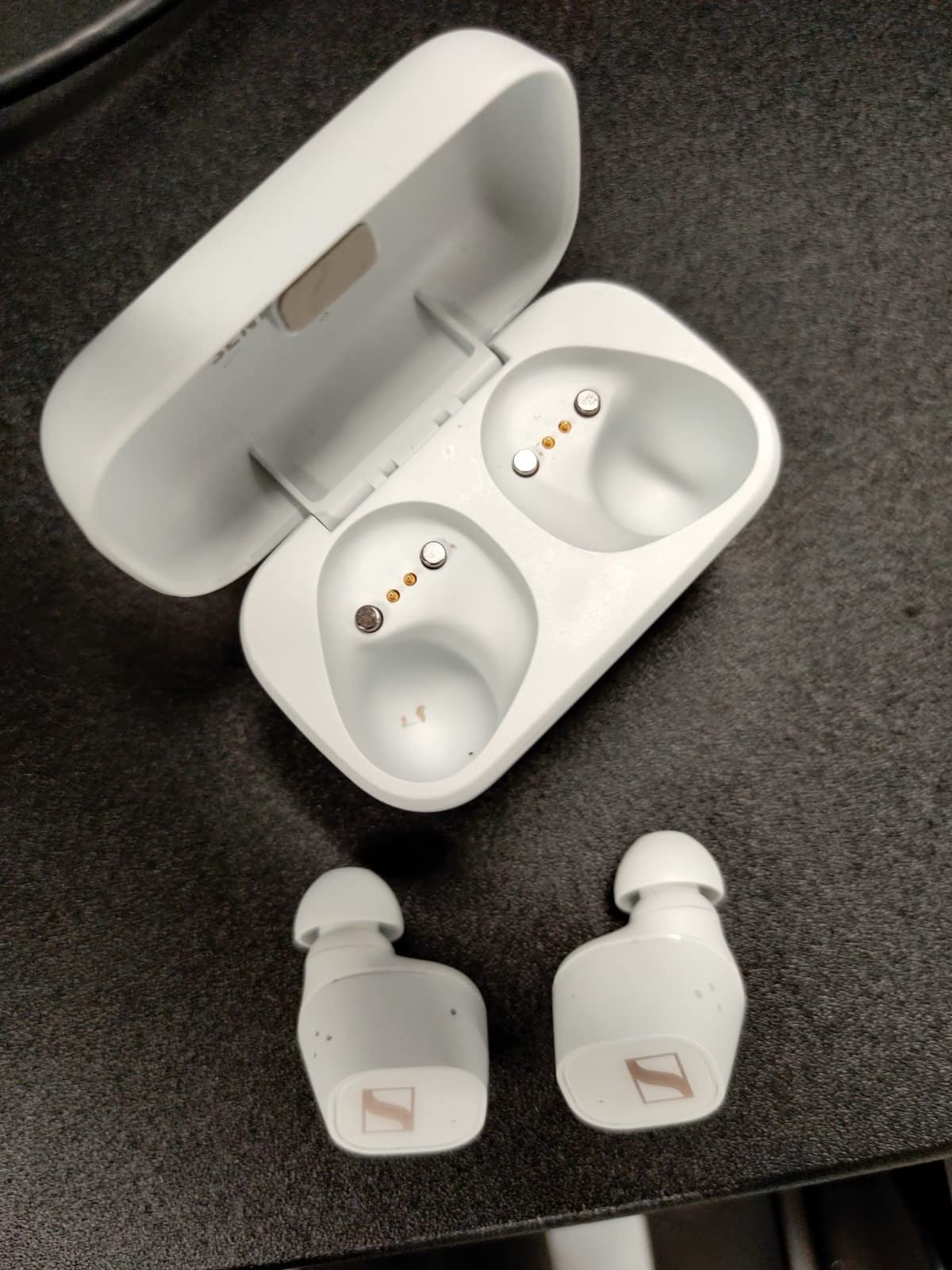
True wireless earbuds have come a long way, and the CX Plus demonstrates that Sennheiser’s sound engineering translates well to the compact format. After using them for daily commuting and exercise, I found the sound quality notably better than most mainstream true wireless options. The TrueResponse transducers deliver a balanced presentation with good detail across the frequency range.
The frequency response of 5 Hz to 21 kHz gives these earbuds impressive extension on both ends. Bass has real presence without overwhelming the midrange, which is where Sennheiser has always excelled. String tone and vocal clarity are highlights. For classical music on the go, these handle complex passages with a level of refinement that surprised me for in-ear buds.
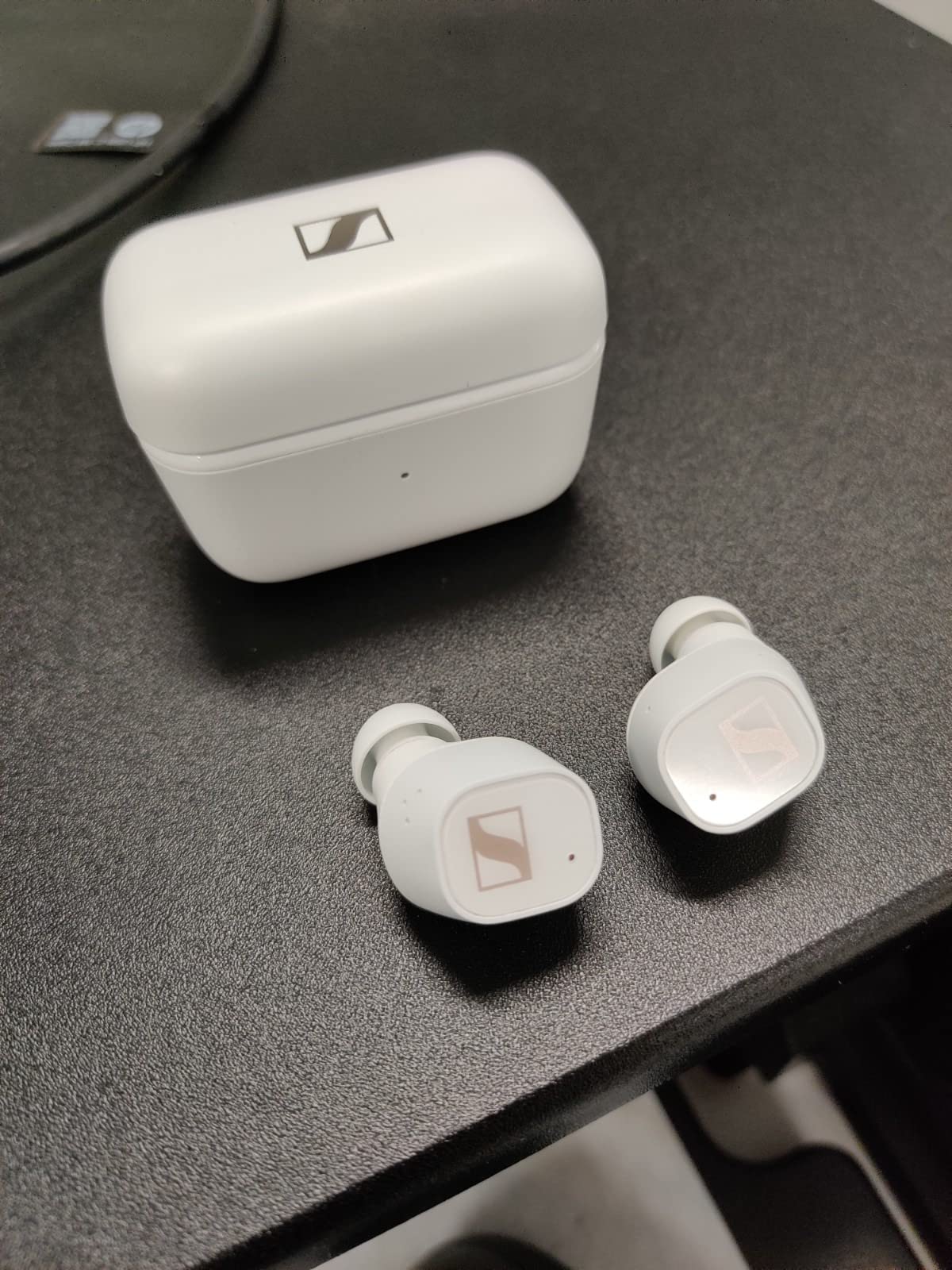
Active noise cancellation in a true wireless format is inherently limited by the physics of small drivers and microphones. The CX Plus manages admirably, reducing ambient noise significantly in most environments. It is not at the level of over-ear ANC headphones, but for commuting and travel, it provides meaningful isolation. The Transparent Hearing mode lets you stay aware of your surroundings when needed.
Battery life is solid at 8 hours per charge with 16 additional hours from the case for 24 hours total. The IPX4 splash resistance means these can handle sweat and light rain, making them suitable for gym use and outdoor walks. The compact charging case with USB-C is pocket-friendly and practical.
The touch controls are customizable through the Sennheiser app, which lets you assign functions to taps and holds. Getting the right tip seal is critical for both sound quality and ANC effectiveness. Sennheiser includes multiple sizes, so take time to find the right fit.
Sound Quality Deep Dive
The CX Plus delivers what I would call Sennheiser house sound in miniature. The midrange has that natural, unforced quality that Sennheiser is known for. Treble is smooth rather than sibilant. Bass is controlled and articulate rather than boomy. For listeners coming from mainstream true wireless earbuds that prioritize bass impact over balance, the CX Plus will sound noticeably more refined and detailed.
Fitness and Lifestyle Suitability
The IPX4 rating makes these earbuds genuinely suitable for exercise. They stayed secure during running and cycling with the right tip choice. The lightweight design means you barely notice them during extended wear. For anyone who wants a single pair of earbuds for commuting, exercise, and casual listening, the CX Plus covers all bases effectively.
8. Sennheiser IE 100 PRO – Best Professional In-Ear Monitor
SENNHEISER Professional IE 100 PRO Dynamic In-Ear Monitoring Headphones, Clear
10mm Broadband
In-Ear Monitor
20 Ohm
115 dB
Stage Ready
Pros
- Excellent value for professional monitors
- Secure fit for stage performance
- Strong noise isolation
- Water resistant for stage use
- Detachable cable with carrying case
Cons
- Wired design limits some users
- Requires proper tip fit for best sound
- Not wireless out of the box
The IE 100 PRO is the entry point to Sennheiser’s professional in-ear monitor lineup, and it punches well above its weight. As someone who has used various in-ear monitors for both stage monitoring and critical listening, I found the IE 100 PRO to be an impressive performer that brings genuine professional quality to an accessible price point.
The 10mm broadband transducer is designed for powerful, precise monitoring with minimal distortion. What this means in practice is that you hear your mix or performance clearly and accurately, even at high SPL levels. The frequency response from 20 Hz to 18,000 Hz covers the essential range for stage monitoring and critical listening without unnecessary extension that can muddy the presentation.
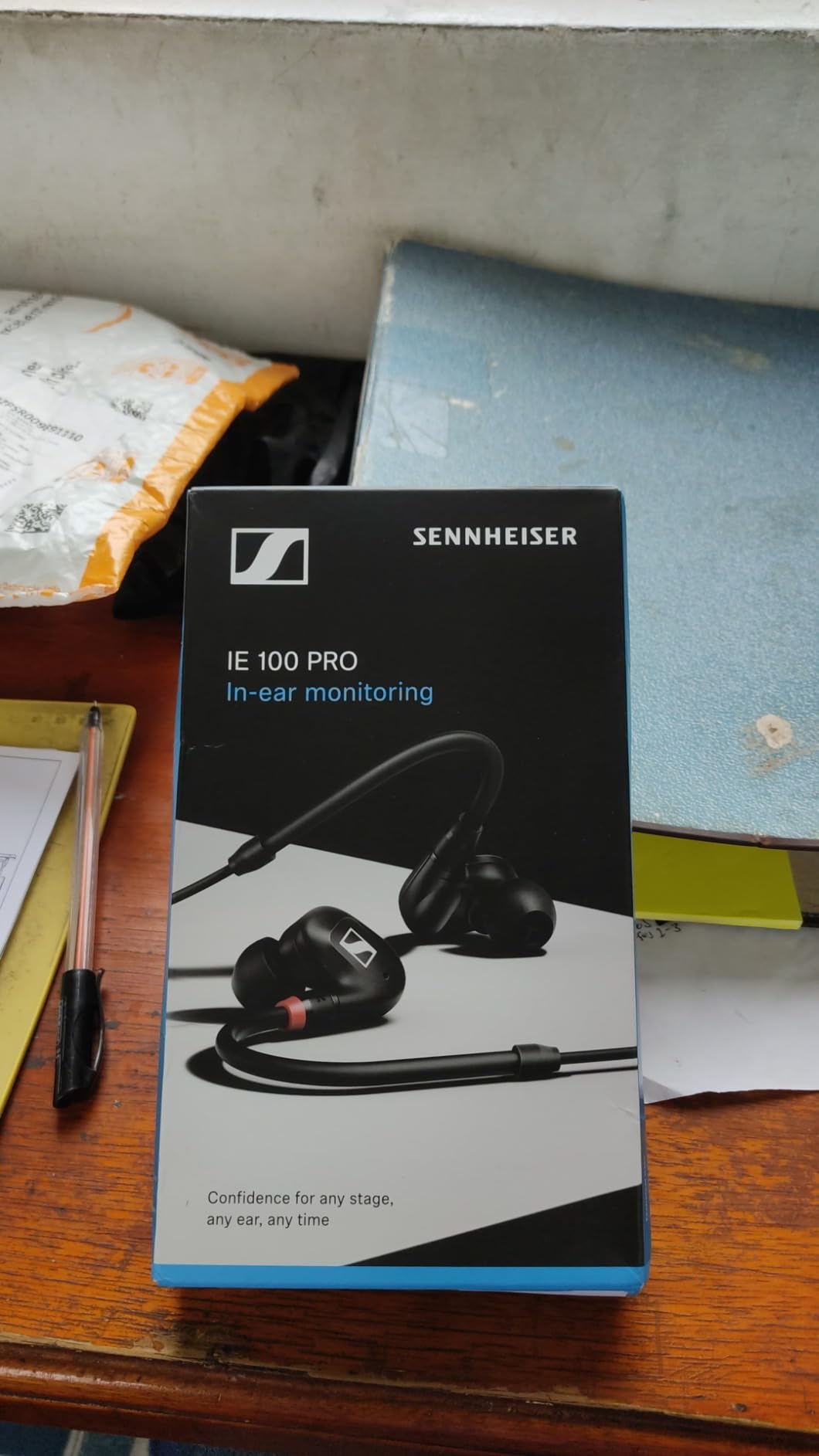
Noise isolation is excellent thanks to the optimized earpiece design and flexible silicone and foam tips. When properly seated, these block a remarkable amount of external sound. For stage musicians dealing with monitor wedges and drum kits, this isolation is not just about sound quality but hearing protection.
The fit is secure and comfortable for extended wear. The slim ergonomic construction sits flush in the ear, and the stage-proof cable with internal cable duct is built to withstand the rigors of live performance. At just 20 ohms impedance and 115 dB sensitivity, these are extremely easy to drive from any source.
Water resistance is a thoughtful addition that makes these suitable for the realities of live performance. Sweaty stages, outdoor gigs, and unexpected weather will not take these out of commission. The detachable cable means that if the cable eventually fails, you can replace it without buying new monitors.
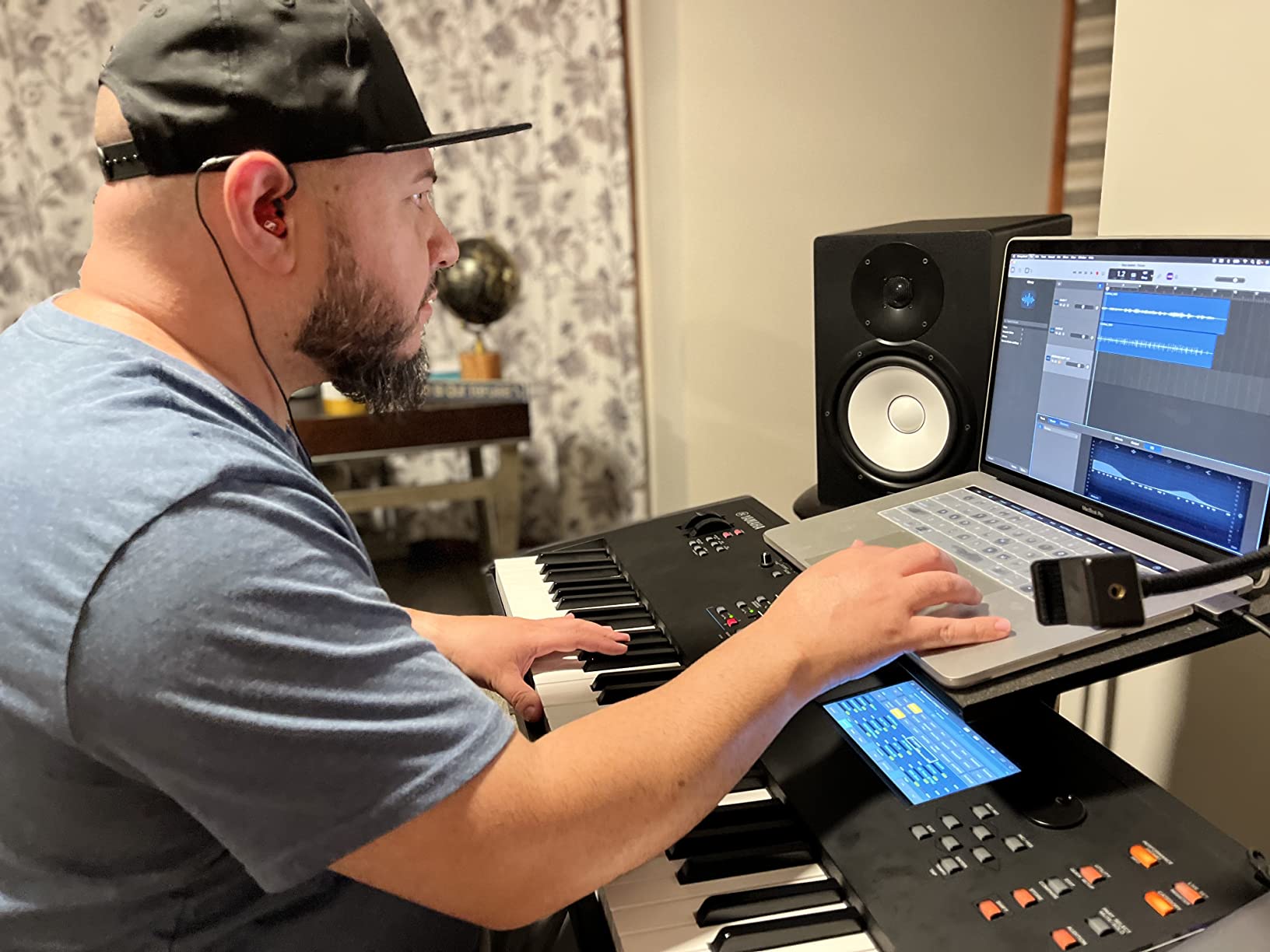
Stage vs Studio Use
While designed primarily for stage monitoring, the IE 100 PRO works well in studio settings too. The isolation makes them useful for tracking when closed-back headphones are impractical or uncomfortable. The neutral tuning makes them viable for reference checking during mixing. For musicians who need one set of in-ears for both performance and practice, the IE 100 PRO covers both bases effectively.
Getting the Right Fit
In-ear monitor performance depends heavily on achieving a proper seal. Sennheiser includes multiple silicone and foam tip sizes. Take the time to try each option. The foam tips generally provide the best isolation and bass response but need replacement more frequently. Silicone tips are more durable and easier to insert quickly between songs. Finding your ideal tip makes the difference between acceptable and excellent sound.
How to Choose the Best Sennheiser Headphones
Choosing from Sennheiser’s extensive lineup can feel overwhelming. These guidelines will help you narrow down the options based on your specific needs, listening habits, and budget.
Open-Back vs Closed-Back Design
Open-back headphones like the HD 800 S, HD 600, and HD 660S2 allow air to pass through the ear cups. This design creates a more natural, spacious soundstage and reduces ear fatigue during long sessions. The trade-off is that they leak sound in both directions, meaning people nearby can hear your music and you can hear them. Open-back headphones are ideal for quiet, private listening environments.
Closed-back designs like the HD 280 Pro seal the ear cups completely. This provides noise isolation and prevents sound leakage, making them suitable for studio monitoring, commuting, and any situation where privacy or isolation matters. The soundstage is typically narrower than open-back models, but the bass response often feels more impactful.
Impedance and Amplification Requirements
Impedance, measured in ohms, determines how much power a headphone needs to perform at its best. Low-impedance headphones (under 50 ohms) like the HD 280 Pro and IE 100 PRO can be driven easily by smartphones, laptops, and portable devices. High-impedance models (200+ ohms) like the HD 600, HD 660S2, and HD 800 S benefit significantly from a dedicated headphone amplifier.
If you are investing in a 300 ohm headphone, budget for a quality amplifier. Entry-level options start around 100 dollars and scale up from there. The improvement in dynamics, bass control, and overall resolution is immediately noticeable when you properly amplify a high-impedance headphone.
Wired vs Wireless Considerations
Wired headphones still offer the best possible sound quality for the price. There is no Bluetooth compression, no battery to manage, and no latency concerns. For critical listening, studio work, and audiophile enjoyment, wired remains the gold standard. The HD 600, HD 660S2, and HD 800 S are all wired-only designs that deliver reference-quality sound.
Wireless headphones like the Momentum 4 and ACCENTUM offer freedom and convenience that wired models cannot match. Modern Bluetooth codecs like aptX Adaptive have narrowed the quality gap significantly. If you need headphones for commuting, exercise, or multi-tasking, wireless is the practical choice. Just understand that even the best wireless option cannot fully match a comparably priced wired headphone for pure sound quality.
Sound Signature and Music Genre Matching
Sennheiser is known for a generally neutral to slightly warm sound signature, but each model has its own character. The HD 600 is the most analytically neutral, ideal for classical, jazz, and acoustic music where accuracy matters. The HD 660S2 adds bass extension for listeners who want more low-end weight without sacrificing midrange clarity. The HD 800 S prioritizes soundstage and detail retrieval above all else.
For classical music specifically, the HD 600 and HD 800 S are the top choices. Their ability to render the acoustic space of a recording venue and maintain separation through complex orchestral passages is unmatched. For rock and metal, the HD 660S2 with its enhanced bass offers a more engaging presentation. For monitoring and studio work, the neutral HD 280 Pro is the professional standard.
Classical Music Performance Notes
Classical music makes specific demands that not all headphones handle well. You need wide dynamic range to handle everything from whisper-quiet pianissimo to thunderous fortissimo. You need excellent separation to follow individual instruments through dense orchestral textures. You need natural timbre so that strings, brass, and woodwinds sound authentic rather than colored.
Open-back Sennheiser models excel in all these areas. The HD 600’s ruler-flat midrange reveals the true character of each instrument. The HD 800 S’s massive soundstage recreates the spatial experience of a concert hall. Even the HD 280 Pro, while not an audiophile model, provides the honest midrange that classical recordings demand for monitoring purposes.
FAQs
Who is better, Bose or Sennheiser?
Sennheiser generally produces better sound quality, especially for music listening, with a more natural and detailed presentation. Bose excels in noise cancellation technology and comfort for travel. For audiophiles and music enthusiasts, Sennheiser is the stronger choice. For frequent flyers prioritizing ANC above all else, Bose may be preferable.
What are the top 5 best wireless headphones?
Based on our testing, the top wireless headphones include the Sennheiser Momentum 4 Wireless for sound quality and battery life, Sennheiser ACCENTUM for value, Sony WH-1000XM5 for noise cancellation, Bose QuietComfort Ultra for comfort, and Apple AirPods Max for Apple ecosystem integration. The Momentum 4 leads for pure music quality.
Are Sony or Sennheiser better?
Sony and Sennheiser each have distinct strengths. Sennheiser delivers superior sound quality with more natural tonal balance, especially in wired and audiophile models. Sony offers stronger noise cancellation and more feature-rich companion apps in their wireless lineup. For music-first listening, Sennheiser is better. For maximum ANC features, Sony has the edge.
Does Sennheiser have the best sound?
Sennheiser consistently ranks among the best-sounding headphone brands, particularly for natural, uncolored audio reproduction. Models like the HD 800 S and HD 600 are widely considered reference standards in the audiophile community. Whether Sennheiser has the absolute best sound depends on personal preference, but for neutrality and detail retrieval, they are hard to beat.
Do Sennheiser HD 600 and HD 650 sound different?
Yes, the HD 600 and HD 650 have noticeably different sound signatures. The HD 600 is more neutral and analytical with slightly more upper midrange presence, making it ideal for classical and acoustic music. The HD 650 has a warmer, more relaxed treble that some find less fatiguing for long sessions and better suited for rock and jazz.
Final Thoughts on the Best Sennheiser Headphones
Sennheiser’s headphone lineup covers an extraordinary range, from the 100-dollar HD 280 Pro studio workhorse to the HD 800 S reference masterpiece. For our classical music audience, the HD 600 remains the sweet spot of value and performance, delivering reference-quality midrange that brings recordings to life. The HD 800 S is the ultimate upgrade for anyone with the amplifier and source chain to do it justice.
For wireless listening, the Momentum 4 Wireless stands as one of the best Sennheiser headphones you can buy in 2026, combining 60-hour battery life with genuinely audiophile-inspired sound. The ACCENTUM Wireless brings that Sennheiser character to a more accessible price point. And for stage professionals, the IE 100 PRO delivers monitoring accuracy that punches far above its weight.
Whatever your budget or use case, Sennheiser has earned its reputation for a reason. These are headphones built to last, designed to sound honest, and engineered to reveal the full beauty of your music collection. Pick the model that matches your needs, pair it with appropriate amplification where needed, and enjoy the kind of listening experience that has made Sennheiser a legend for over 75 years.
1 thought on “8 Best Sennheiser Headphones (October 2026) Trusted Reviews”