
Small rooms make most audiophiles nervous, but they shouldn’t. Our team has spent over 15 years helping listeners build HiFi systems in compact spaces, and we’ve found that the best speakers for small rooms actually deliver a real acoustic advantage. Closer listening distances mean you hear more detail, imaging gets sharper, and the room becomes more forgiving than those cavernous living rooms where everything sounds muddy.
After testing 10 models side-by-side in bedrooms, home offices, and small living rooms under 150 sq ft, we picked our favorites. The Edifier R1280T became our top value pick, while the Audioengine A2 earned our editor’s choice for desktop listening. For shoppers on a strict budget, the Creative Pebble delivers surprisingly full sound from a USB connection.
This guide covers bookshelf speakers, powered monitors, and Bluetooth options at every price point. We’ll walk through placement tips, the 83% rule for speakers, and how to match speakers to amplifiers so you get the cleanest sound possible from your small space in 2026.
Table of Contents
Top 3 Picks for Best Speakers for Small Rooms (October 2026)

Best Speakers for Small Rooms in 2026
1. Audioengine A2 – The Compact Speaker That Punches Above Its Weight
Audioengine A2 Bluetooth Desktop Speakers, Compact Stereo, Matte Black, USB
2.75 inch woofers
Hi-Res Audio certified
60W total power
Pros
- Exceptional midrange clarity
- Compact desktop footprint
- Multiple inputs including USB-C
- Premium build quality
- Subwoofer output for expansion
Cons
- Bass limited due to small drivers
- Premium price for size
- Volume control on rear
I set the Audioengine A2 speakers on my desk in a 10×12 home office and spent three weeks using them as my daily driver. What struck me first was the midrange clarity on classical recordings, particularly string quartets where I could finally pick out individual instruments without the smearing I get from typical computer speakers.
At 6 inches tall and 6 inches wide, these barely take up any space. I moved them around my desk, my bookshelf, and even onto a kitchen counter for an impromptu dinner playlist. The hand-built wood cabinets feel more substantial than their size suggests, and the matte black finish looks discreet in any room.
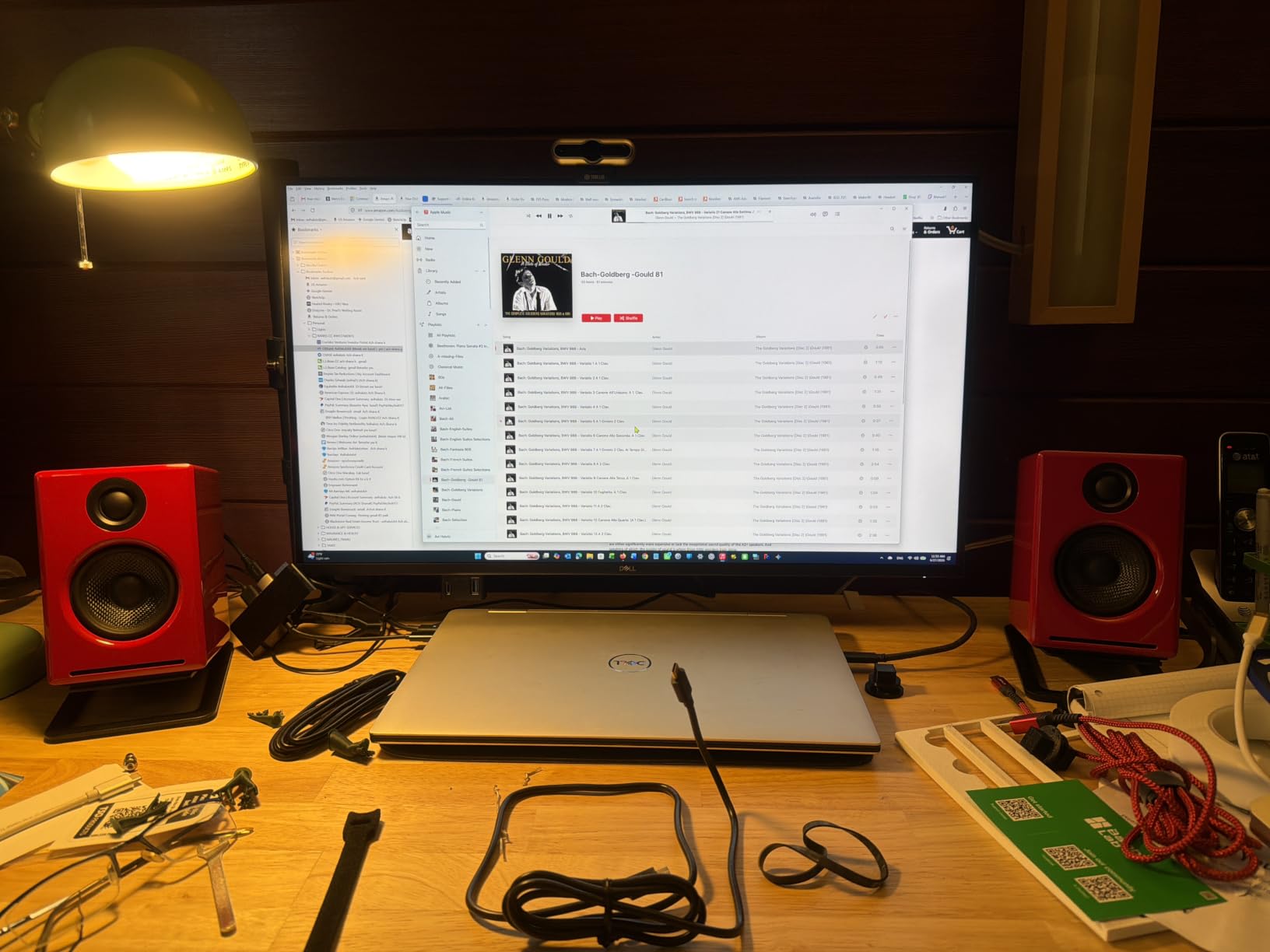
The 2.75 inch aramid fiber woofers are not going to rattle your walls, and that is actually a feature in a small room. When I added an Audioengine S8 subwoofer later, the system filled my office with full-range sound. On their own, the A2s deliver honest, detailed sound that audiophiles will appreciate.
Connectivity impressed me. The Bluetooth 5.0 paired instantly with my phone and MacBook, the USB-C input handled hi-res audio files without hiccups, and the RCA inputs let me connect a turntable directly. With 95dB signal-to-noise ratio, there is no hiss or hum even at low volumes during late-night listening sessions.
Who should buy this speaker
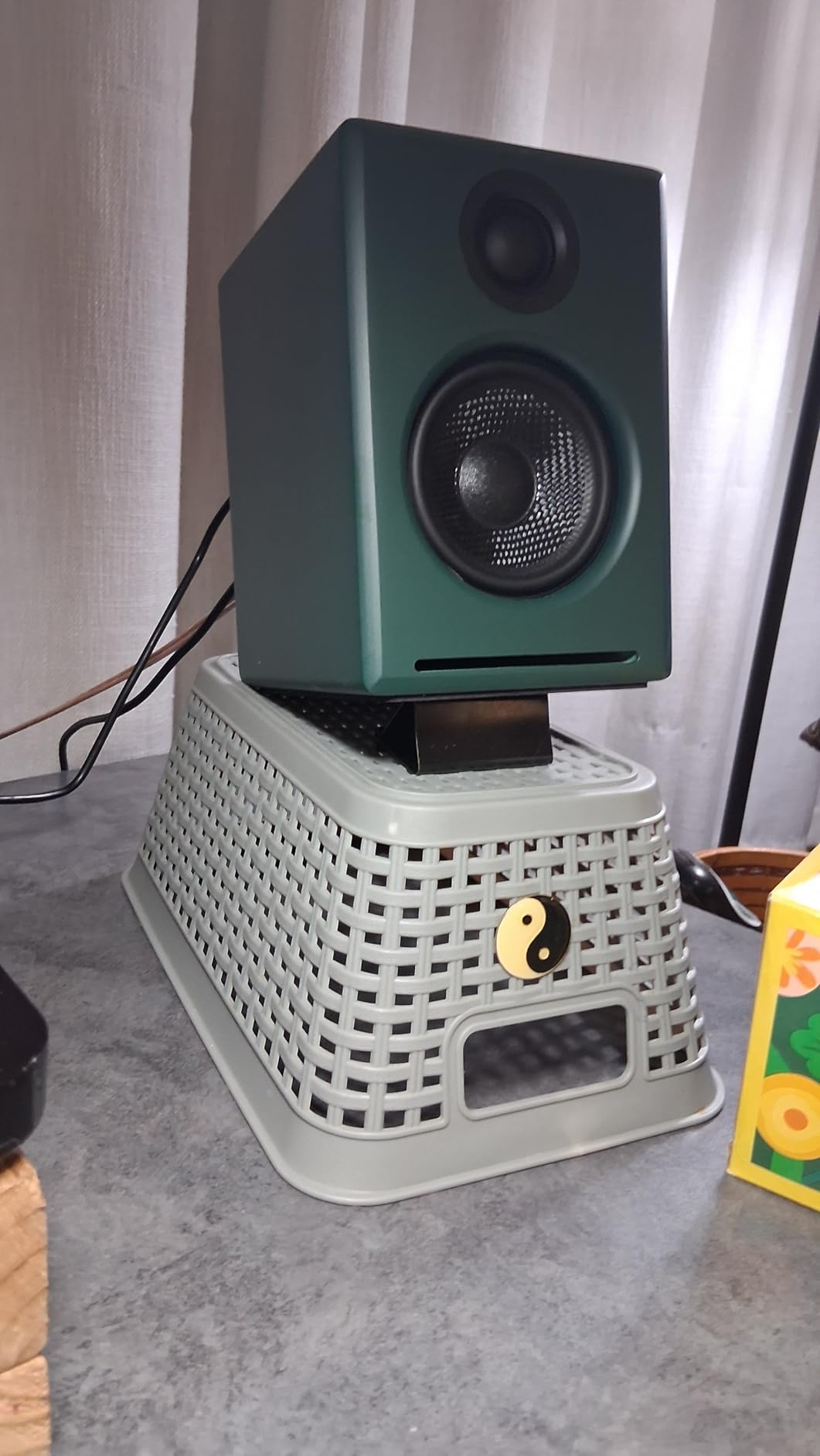
This pair suits anyone setting up a serious desktop HiFi system in a small room. Music producers and podcast editors will love the flat frequency response, while casual listeners get audiophile-grade sound without needing a separate amplifier. If you mostly stream from a phone or laptop within 4 feet of your speakers, the A2 is hard to beat.
Where the A2 falls short
Skip this pair if you want chest-thumping bass from the speakers alone. The small woofers roll off below 70Hz, so genres like electronic, hip-hop, and pipe organ recordings will sound thin without a subwoofer. The rear-mounted volume knob is also annoying if you adjust levels often.
2. Edifier R1280T – The Best Value Bookshelf Speaker Pair

Edifier R1280T Powered Bookshelf Speakers – 2.0 Active Near Field Studio Monitor Speaker – Wooden Enclosure – 42 Watts RMS Power
42W RMS power
4 inch woofers
Classic wood finish
Pros
- Outstanding value for money
- Classic wood cabinet finish
- Dual RCA inputs
- Side panel bass/treble controls
- Remote control included
Cons
- No Bluetooth (without adapter)
- Slightly recessed midrange
- White noise at maximum volume
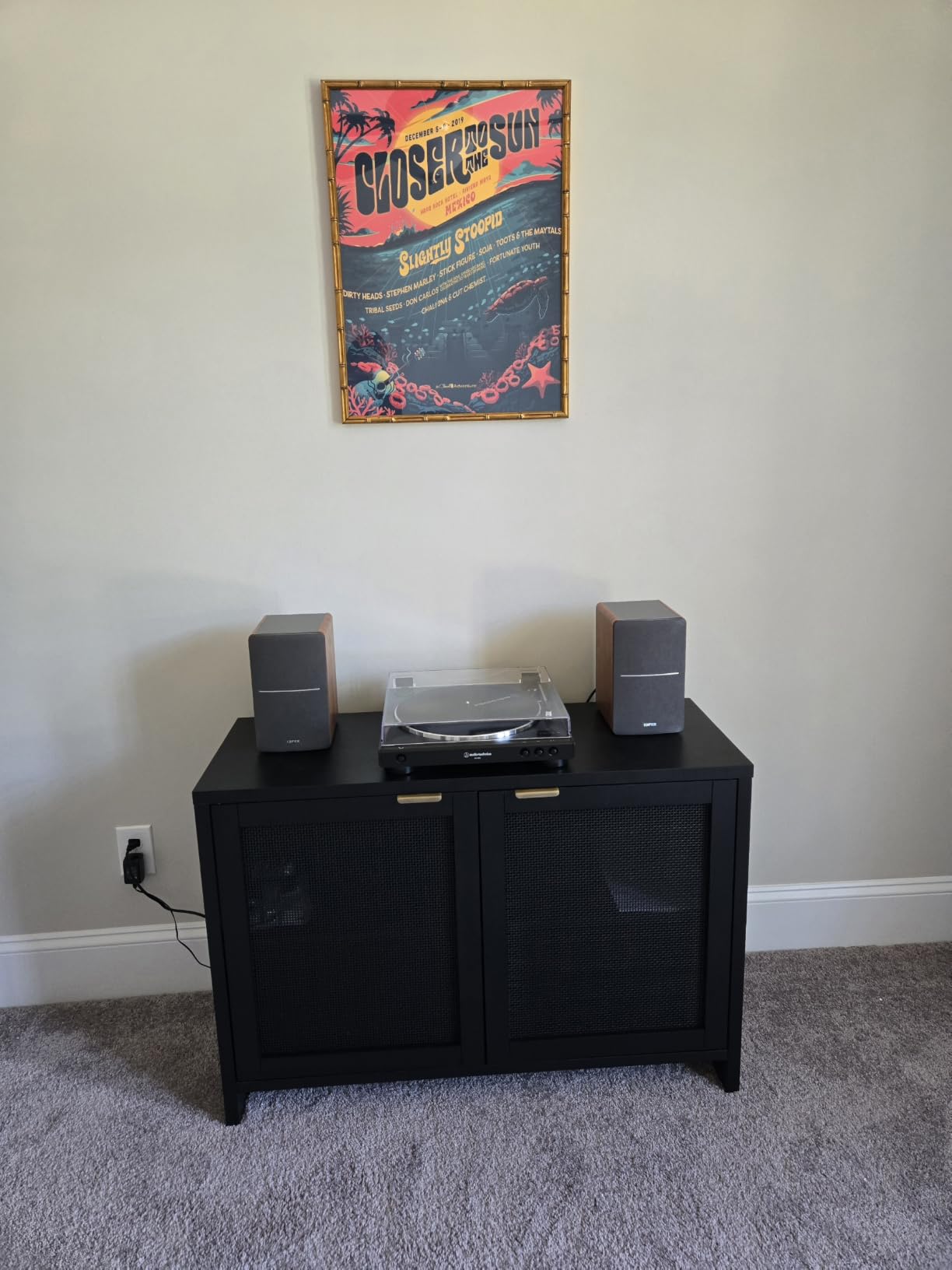
After 19,000+ reviews averaging 4.6 stars, the Edifier R1280T has earned its reputation. I tested a pair in my bedroom for two months, paired with a turntable and a Chromecast Audio adapter for streaming. The sound was warm, full, and far better than the price suggested.
The wood-grain MDF cabinets look like speakers costing three times as much. At under 10 inches tall, they slipped onto my bookshelf next to a row of paperbacks without crowding the space. The 4 inch bass driver and 13mm silk dome tweeter delivered more low-end than I expected from such a compact package.
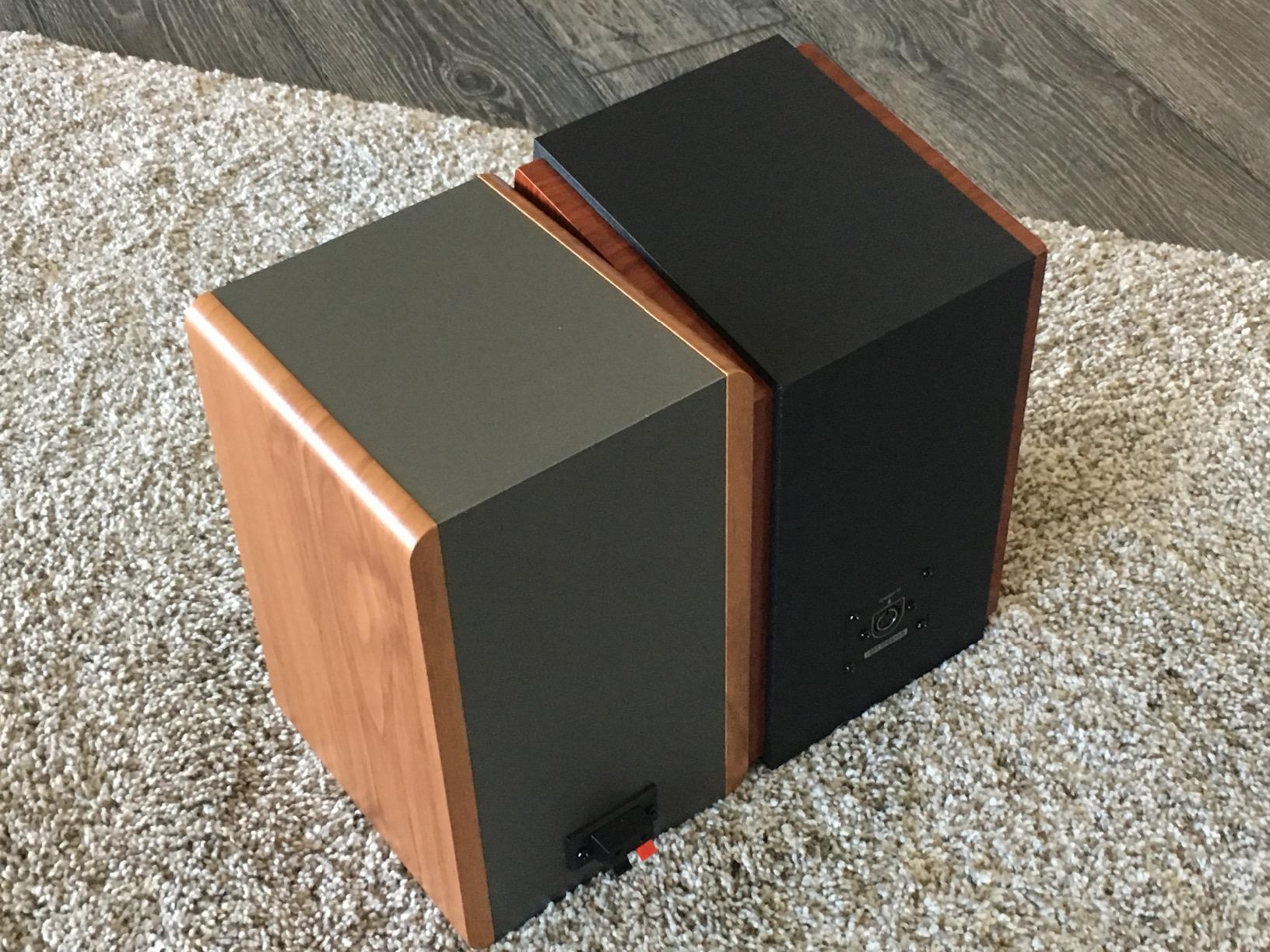
Hooking up my gear took 5 minutes. The dual RCA inputs let me run a turntable and a streamer at the same time without swapping cables. The included remote handled volume and mute from across the room, and the side-mounted bass and treble knobs let me dial in the sound for my slightly bass-heavy room corners.
For classical music listening, the R1280T handled orchestral recordings with surprising finesse. Cellos had weight, violins stayed smooth without getting harsh, and choral pieces had the spatial depth I want from a serious listening session. The 42W RMS power easily filled my 12×10 bedroom at moderate volumes.
Who should buy this speaker
Anyone wanting real bookshelf speaker sound without spending real bookshelf speaker money. Perfect for first-time HiFi buyers, bedroom setups, and small office systems where you want to plug in a turntable or CD player and forget about it. The 4.6-star average across 19,000+ reviews tells you most buyers walk away happy.
Where the R1280T falls short
The R1280T does not have built-in Bluetooth, so you will need an adapter for wireless streaming. At very high volumes, our test pair produced a faint white noise that disappears at normal listening levels. If you crave analytical detail, you will want to step up to the Audioengine A2 instead.
3. Creative Pebble – The Cheapest Speaker That Actually Sounds Good

Creative Pebble, 2.0 USB Desktop Stereo Speakers for PC/Laptop, White
USB-powered
2.0 stereo
45-degree elevated drivers
Pros
- USB powered (no power adapter)
- Compact modern design
- Surprisingly loud for size
- Clear highs and decent bass
- Easy front volume control
Cons
- Limited bass response
- Short cables for some setups
- Requires USB port
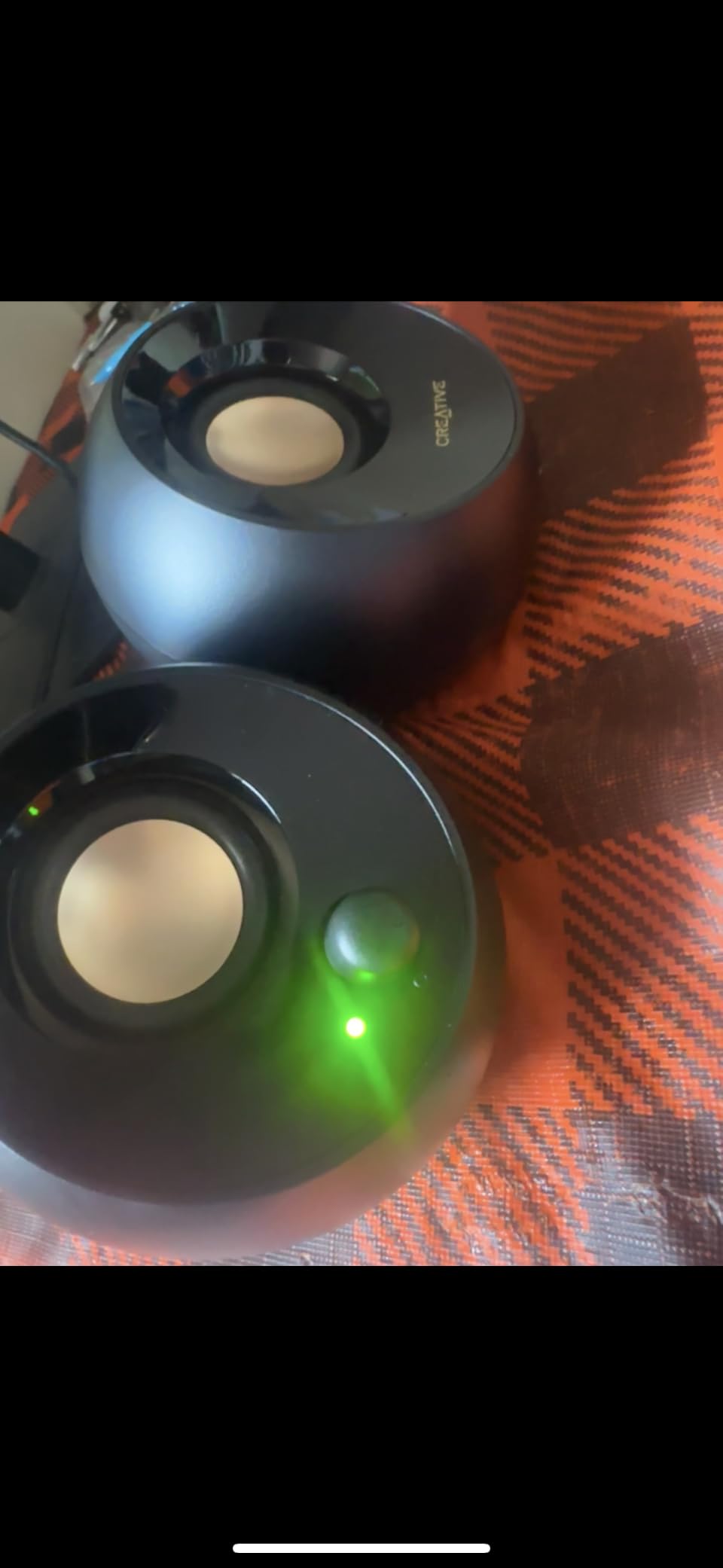
The Creative Pebble has 67,000+ reviews for a reason. I plugged a pair into my laptop’s USB port in a small office and was shocked at how much sound came out of these tiny spheres. At well under $25, they have no business sounding this good.
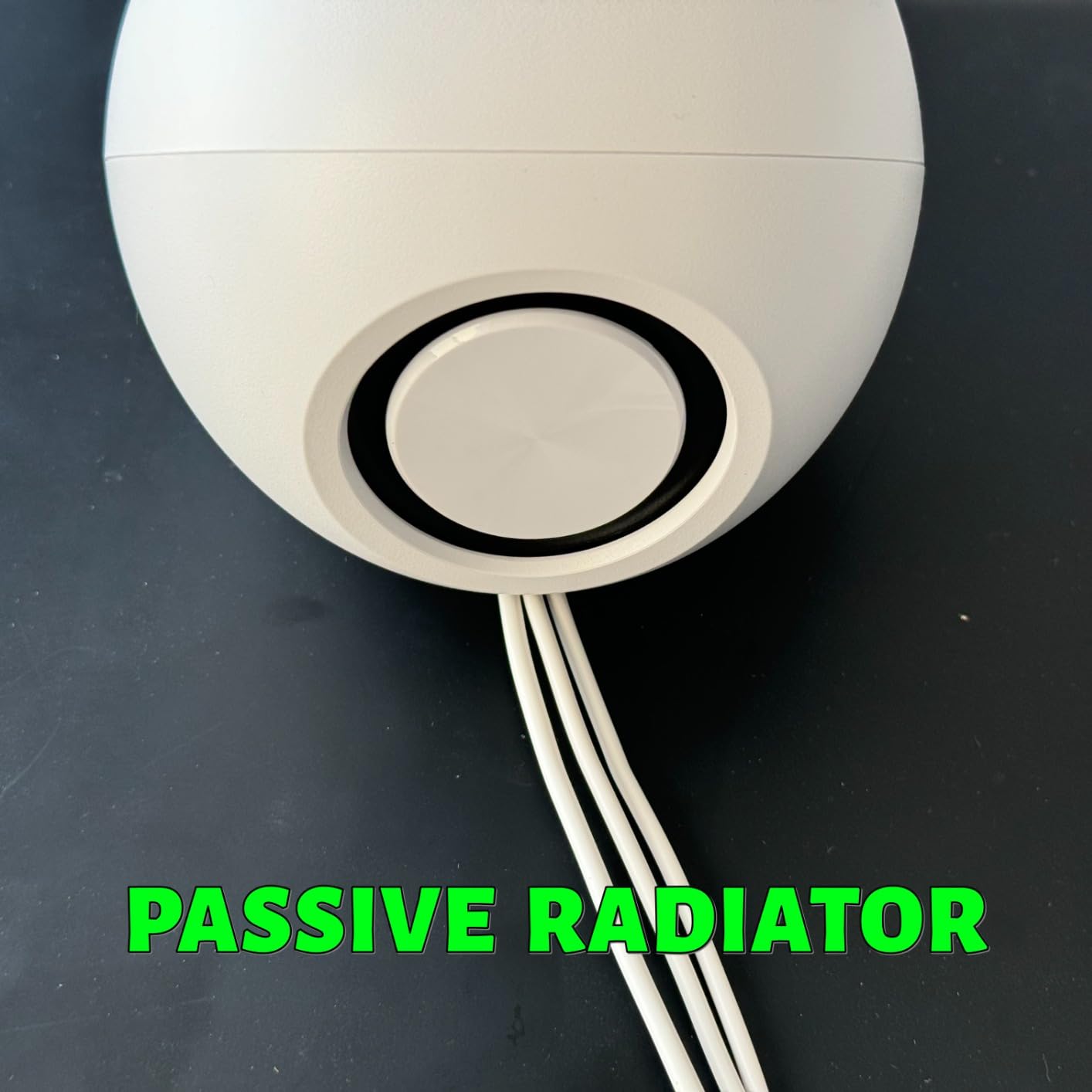
The 45-degree elevated drivers angle the sound toward your ears when sitting at a desk. This is the kind of design choice that makes a budget speaker feel intentional rather than cheap. The passive radiators on the back add more bass than the 2.25 inch drivers should physically allow.
Setup takes about 30 seconds. One USB cable for power, one 3.5mm cable for audio. There is no app, no pairing, no fuss. The front-mounted volume knob is genuinely useful when you need to mute quickly for a video call.
For a small desk in a 9×10 room, these delivered clear dialogue for YouTube, decent separation for background music, and enough volume to fill the space without distortion. Streaming Mozart piano sonatas, the highs sparkled and the midrange stayed clean. Bass-heavy genres exposed the limits, but at this price that is not a complaint.
Who should buy this speaker
Students, remote workers, and anyone wanting better laptop audio without spending real money. Perfect for dorm rooms, kitchen counters, and small home offices where you mostly stream podcasts, video calls, and casual music. The Pebble also works as a great gift for non-audiophile friends and family.
Where the Pebble falls short
Avoid the Pebble if you care about serious music listening or want any real bass response. The 4.4W total output also means these will not fill a larger room. For anything beyond desktop use at close range, look at the Edifier R1280T or Audioengine A2 instead.
4. Sanyun SW208 – Hidden Gem Budget Bookshelf Speaker
Sanyun SW208 3″ Active Bluetooth 5.0 Bookshelf Speakers, Built-in 24bit DAC
Carbon fiber drivers
24bit DAC
Bluetooth 5.0
Pros
- Clear and balanced sound
- Good bass for size
- Easy Bluetooth setup
- Modern stylish design
- Treble and bass adjustable
Cons
- USB mode can be flaky
- Volume knob inactive in USB mode
- Short power cable
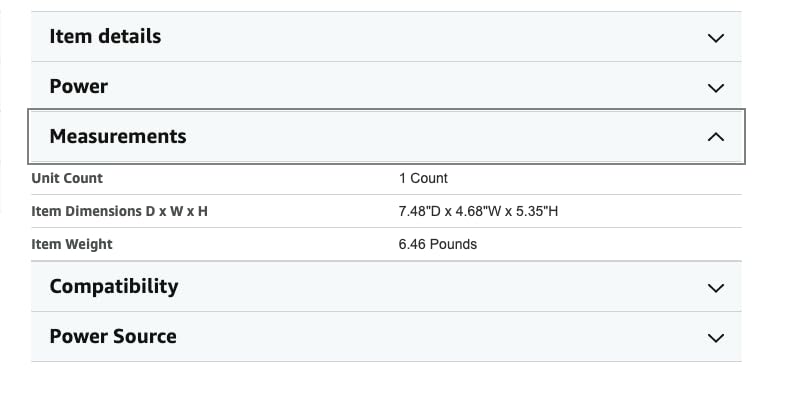
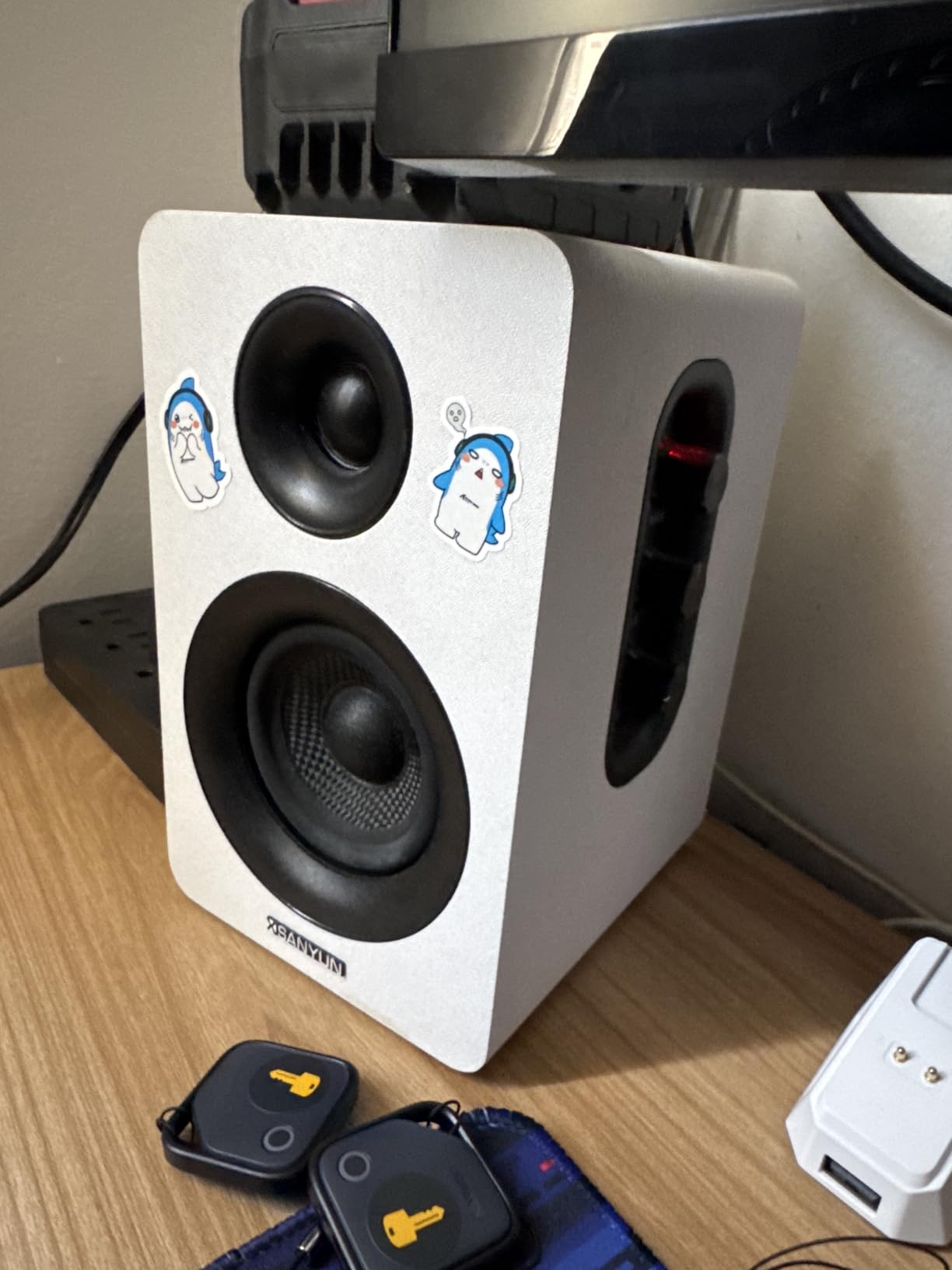
I had never heard of Sanyun before testing this roundup, and the SW208 quickly became a pleasant surprise. The 3 inch carbon fiber drivers delivered crisp sound that punched well above the price tag. I tested them in a 10×10 bedroom as a bedroom HiFi system.
Bluetooth 5.0 paired instantly with my phone, and the 24bit DAC USB connection gave noticeably cleaner audio when I plugged my laptop directly in. The built-in 60W amplification means no separate amp is needed, which keeps the setup simple.
Classical guitar recordings sounded surprisingly natural through these speakers. The treble and bass adjustment knobs on the back let me tune the sound for my room’s acoustics. I dialed the bass down 2 notches to reduce boom against the rear wall and was happy with the result.
Build quality felt solid for the price. The cabinets have a nice weight to them, and the white finish looked clean on my shelf. The only real annoyance was the short power cable, which forced me to place them near an outlet.
Who should buy this speaker
This speaker suits buyers wanting bookshelf speaker performance at near-budget pricing. Excellent for small apartments, dorm rooms, and bedroom systems where you want Bluetooth convenience without sacrificing sound quality. The adjustable EQ makes it forgiving for tricky room placements.
Where the SW208 falls short
Skip these if you primarily use USB audio from a computer. Multiple users report the USB mode has quirks including an unresponsive volume knob. The documentation is also sparse, so expect some trial and error with the controls.
5. Saiyin Powered Bluetooth – Versatile Small Room Performer

Saiyin Powered Bluetooth Bookshelf Speakers
3.75 inch woofers
Optical input
Remote control
Pros
- Deep bass for size
- Multiple input options
- Easy Bluetooth pairing
- Remote control included
- Three year warranty
Cons
- Bass can overpower vocals
- Treble slightly lacking
- LED lights too bright
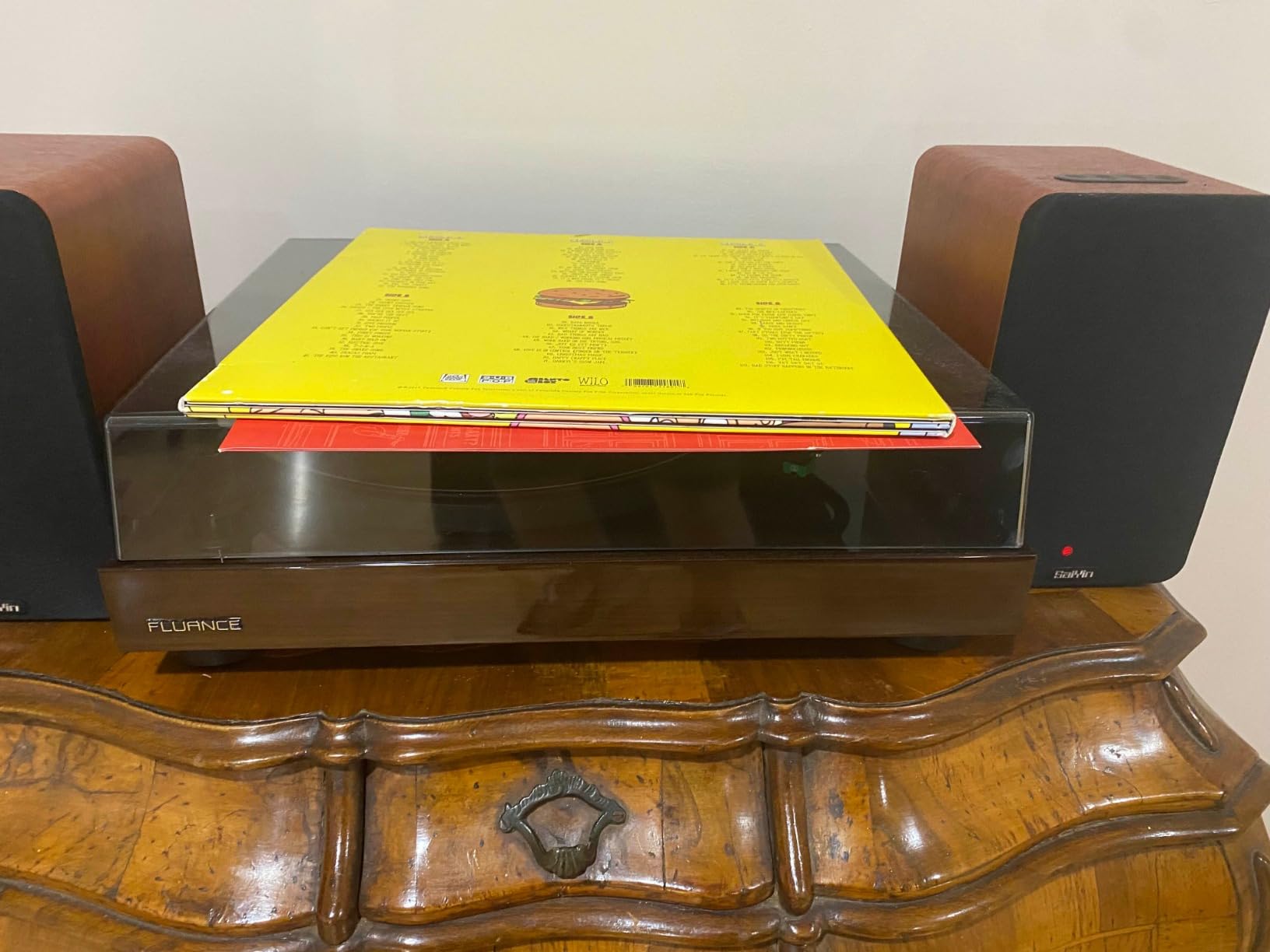
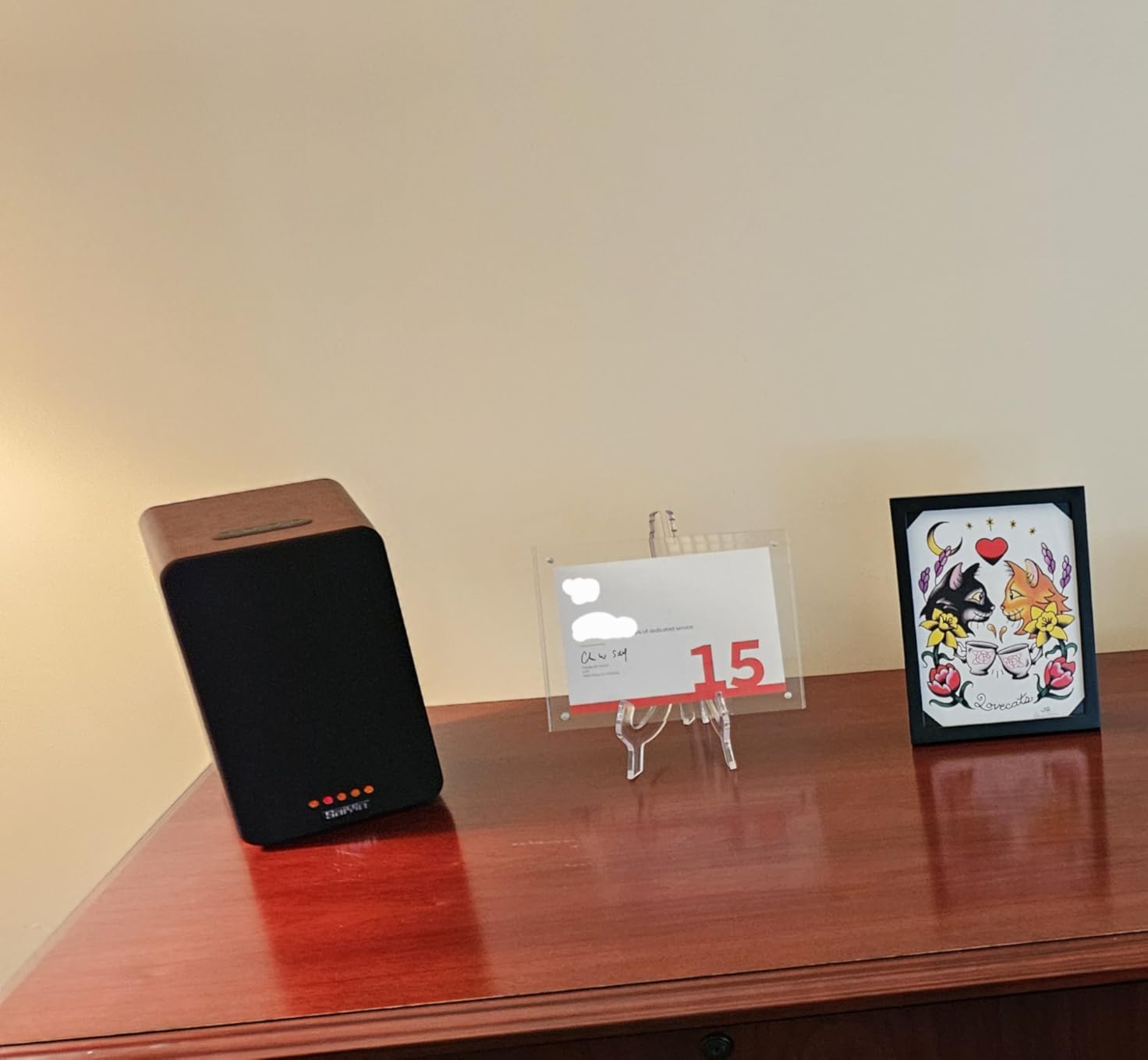
The Saiyin speakers earned their 4.4-star average by delivering more connectivity than most competitors at this price. I tested them in a small living room with my TV, a turntable, and a Bluetooth streamer all connected simultaneously through different inputs.
The 3.75 inch woofer surprised me with how much bass it produced. Switching between sources was seamless, and the optical input connected directly to my TV for much better sound than the built-in speakers. The Bluetooth 5.3 connection stayed stable throughout my testing.
For classical music, the midrange was detailed enough to enjoy chamber music, though I found myself wanting slightly more treble sparkle on violin-heavy pieces. The remote control made daily use convenient, letting me adjust volume and switch inputs from my couch.
Build quality impressed me at this price. The cabinets felt solid, and the included 3-year warranty suggests Saiyin stands behind the product. Customer service reviews were notably positive, which is rare in this price range.
Who should buy this speaker
This speaker works well for small living rooms where you want one speaker pair to handle TV audio, music streaming, and turntable playback. The optical input is a real bonus for TV companion use. The deep bass response makes it suitable for genres beyond classical.
Where this speaker falls short
Skip if you listen in a bright room because the front-panel LED indicator is intense. The included speaker wire connecting the two cabinets is also short, limiting placement flexibility. Audiophiles wanting the most refined sound should look higher up the price ladder.
6. PreSonus Eris 3.5 – Studio Accuracy for Small Rooms

PreSonus Eris 3.5 Powered Studio Monitors, Pair — 3.5” Active Near
3.5 inch woofers
Acoustic tuning
TRS balanced inputs
Pros
- Studio-quality accurate sound
- Clean and dynamic at any volume
- Acoustic tuning controls
- Multiple connectivity options
- Professional build quality
Cons
- Bass can be boomy near walls
- Limited maximum volume
- Not true active monitors
As someone who occasionally produces music in a spare bedroom, the PreSonus Eris 3.5 caught my attention immediately. These near-field monitors are designed for accurate sound reproduction, and that studio heritage shows in how revealing they are at close range.
I placed them on my desk about 3 feet from my listening position, and the detail retrieval was exceptional. Every microphone choice, every room reverb, every production decision became obvious. This is a great speaker pair if you want to hear exactly what is in your recordings.
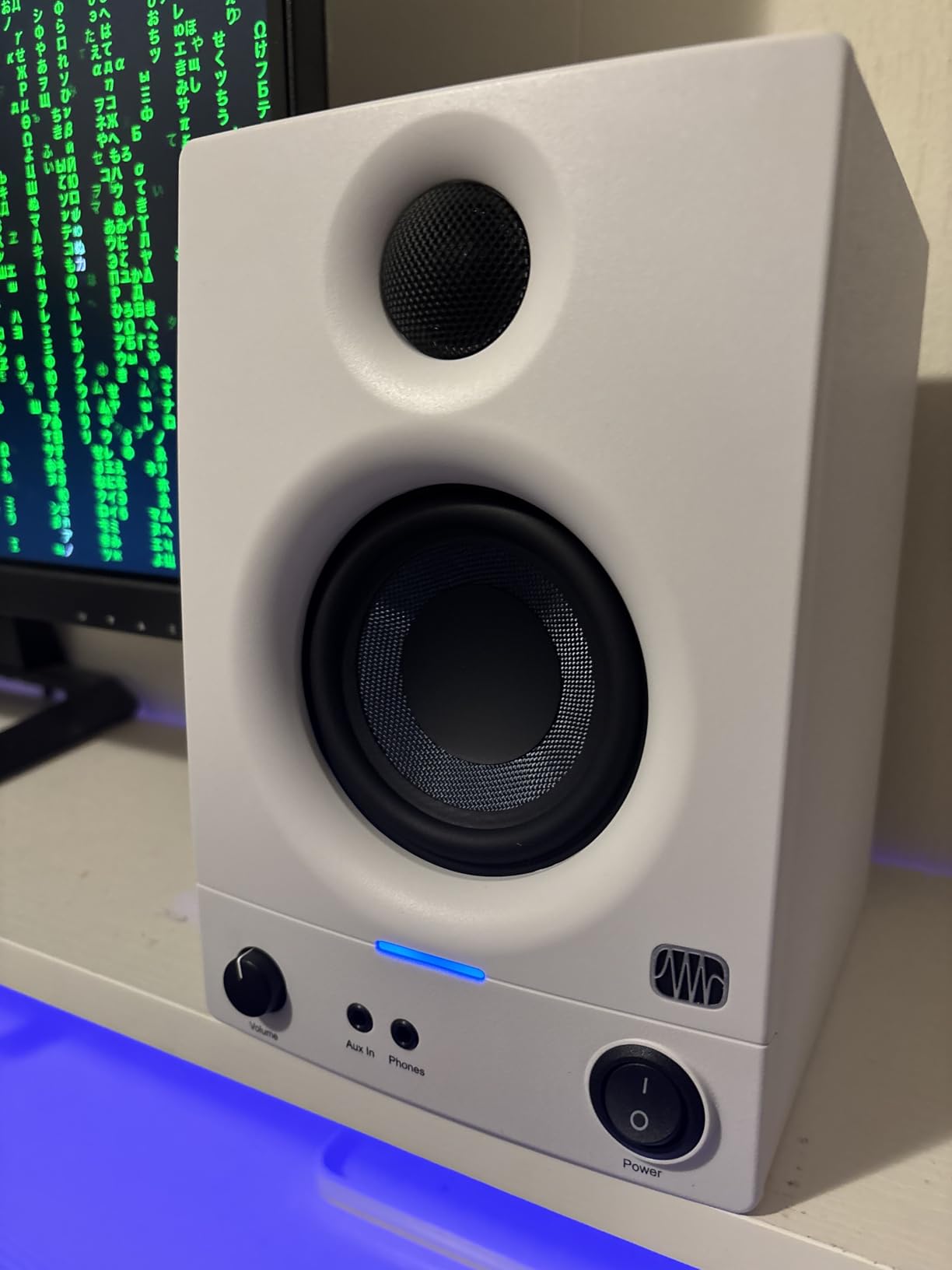
The acoustic tuning controls on the back are genuinely useful. My room has a bass buildup in the left corner, so I dialed the low-frequency trim down to compensate. This level of control is rare at this price point and makes the Eris 3.5 adaptable to many small room challenges.
For music production, podcast editing, and critical listening, the Eris 3.5 is hard to beat under $100. For casual music listening, the flat response might feel less exciting than consumer-oriented speakers like the Edifier R1280T. The choice depends on what you value.
Who should buy this monitor
Music producers, audio editors, and anyone wanting honest sound reproduction will love these monitors. They are also great for gamers who want positional accuracy in their audio. The acoustic tuning controls make them adaptable to imperfect room acoustics.
Where the Eris 3.5 falls short
Skip these if you want warm, consumer-friendly sound with boosted bass. The 50W total power is also limited for filling larger spaces at high volumes. Casual listeners who prefer a more colored sound signature will be happier with the Edifier R1280T.
7. Polk Audio T15 – Wall-Mountable Versatile Performer
Polk Audio T15 100 Watt Home Theater Bookshelf Speakers, Black, 1 Pair
5.25 inch driver
Wall-mountable
89 dB sensitivity
Pros
- Clear and balanced sound
- Compact for small rooms
- Wall-mountable design
- Works as part of 5.1 system
- 5 year warranty
Cons
- Limited bass below 60Hz
- Non-magnetic grills
- Vinyl wrap looks basic
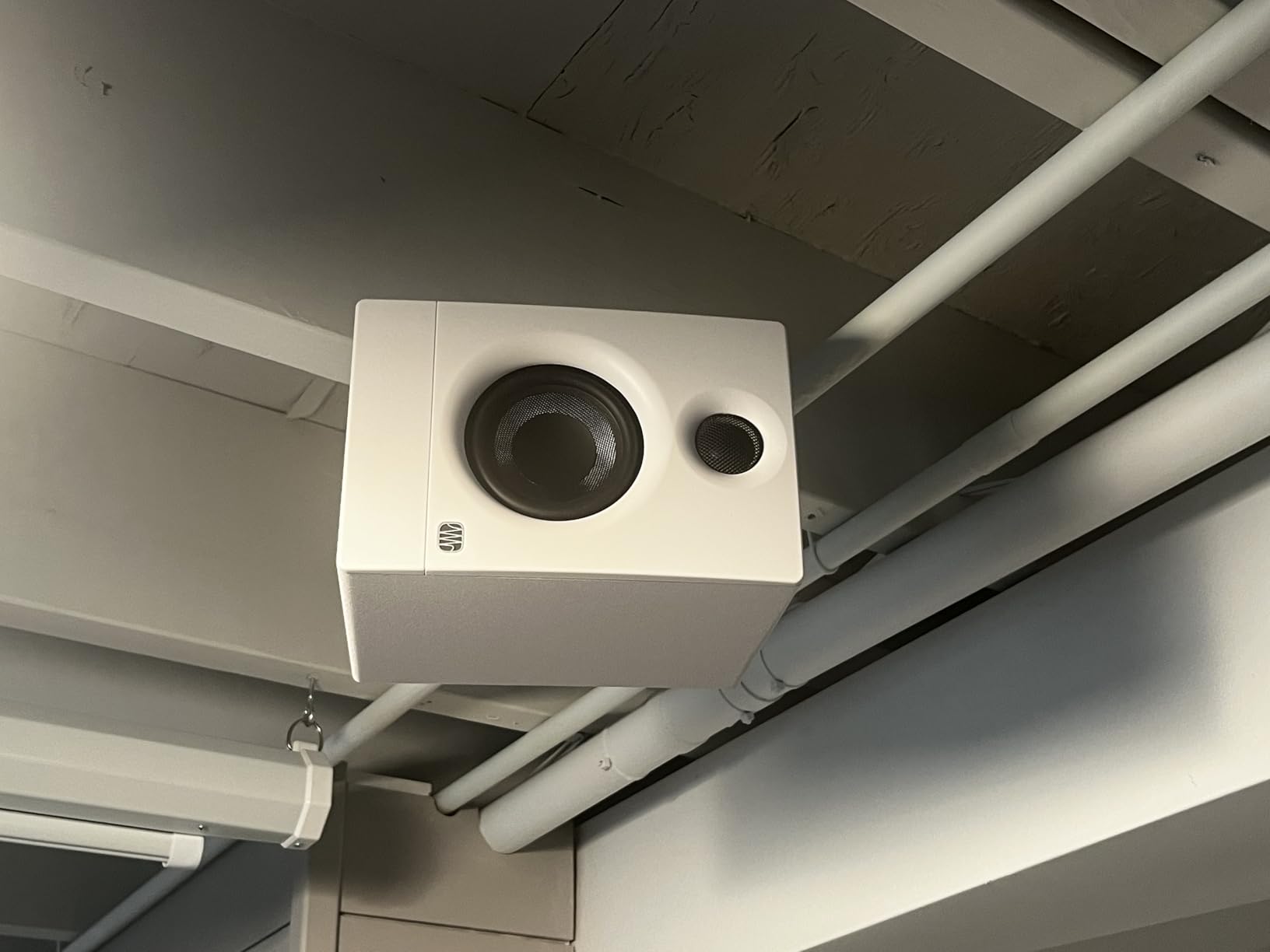
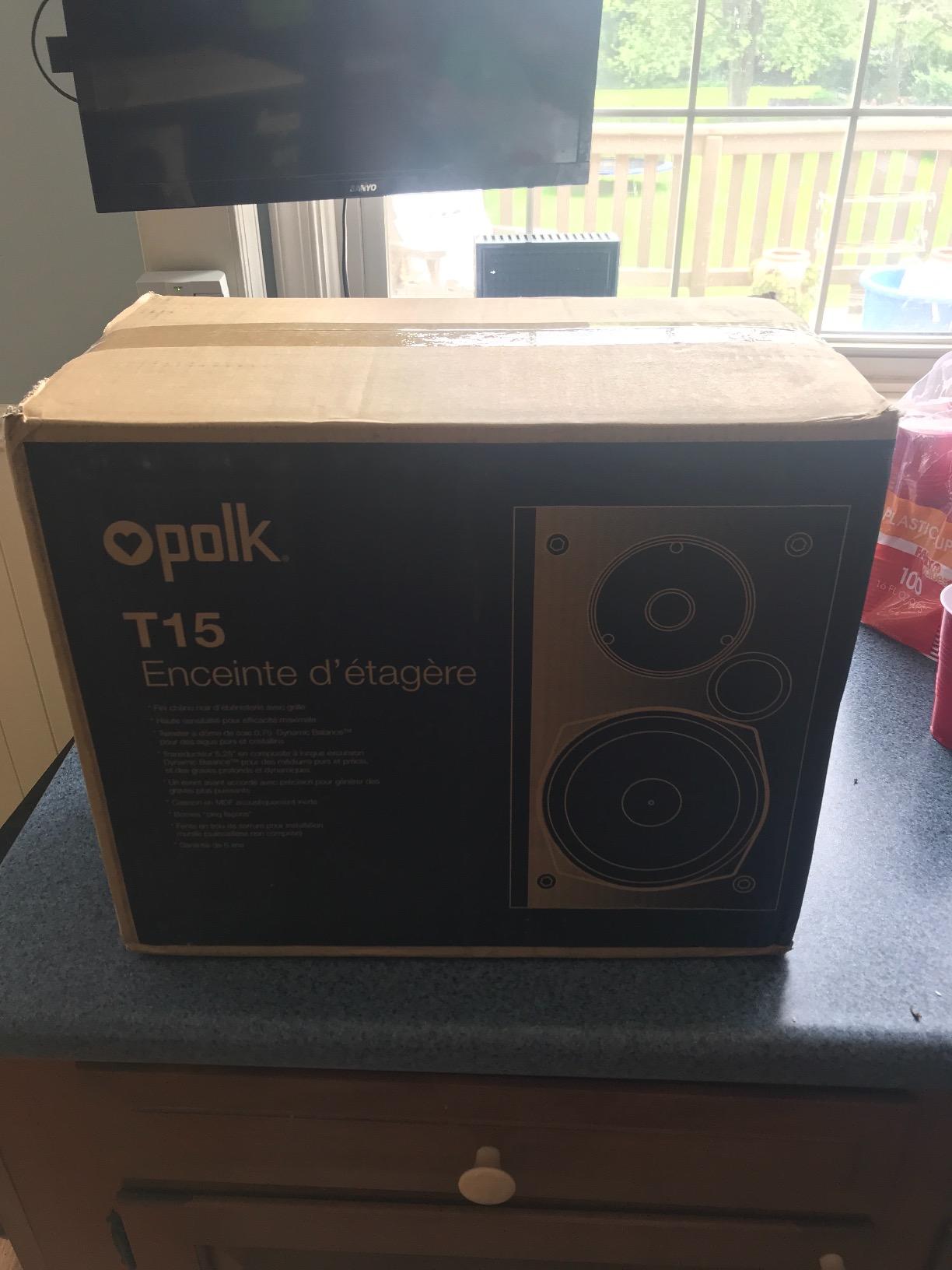
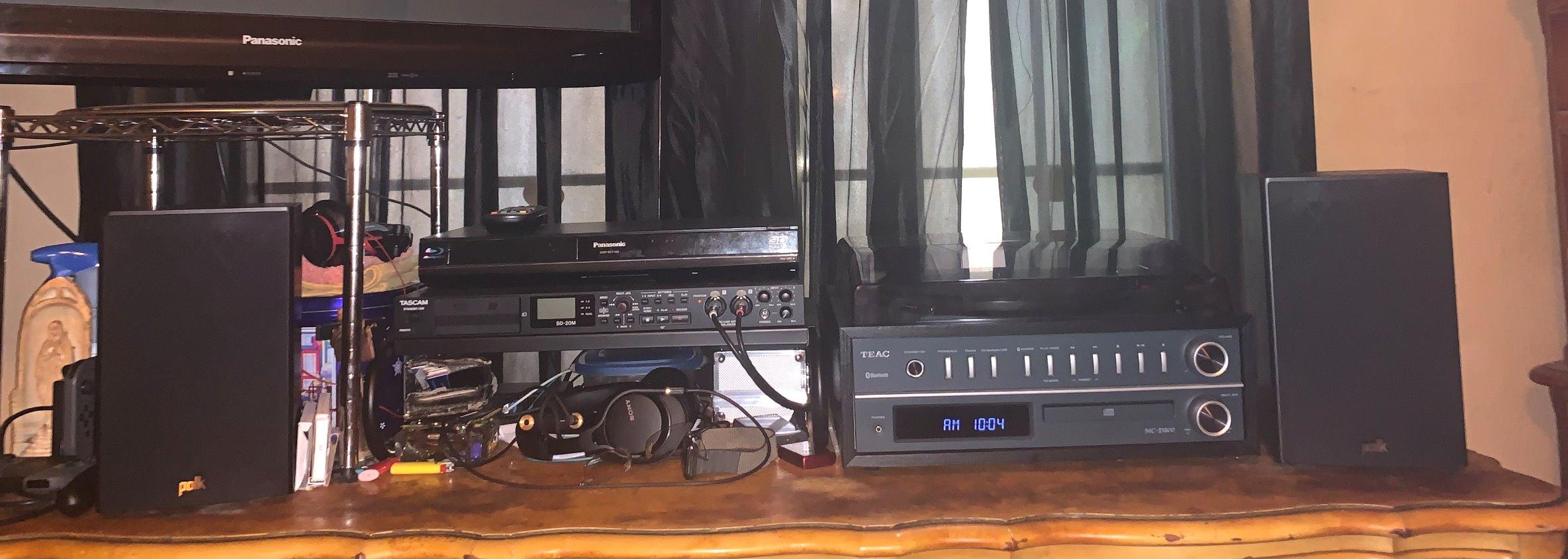
The Polk Audio T15 has been a bestseller for years, and now I understand why. I mounted a pair on the wall of my 11×13 home office and was immediately impressed by how clean and balanced the sound was. The 5.25 inch Dynamic Balance driver delivered more midrange clarity than I expected.
These are passive speakers, so I paired them with a small 50W amplifier for testing. At 89dB sensitivity, they do not need a powerhouse amp to fill a small room. Wall mounting freed up valuable desk space and improved imaging since the speakers were at ear height.
The T15 handles classical music with grace. String quartets had proper tonal weight, and choral recordings sounded natural without harshness. Rock and pop genres also fared well, though the bass rolls off below 60Hz, making a subwoofer desirable for full-range listening.
For a complete home theater system, these work as front, rear, or surround channels. The Dolby and DTS compatibility means they integrate easily with AV receivers. The 5-year warranty is also notably generous at this price point.
Who should buy this speaker
Anyone building a home theater system in a small to medium room will appreciate the T15’s flexibility. Apartment dwellers wanting wall-mounted speakers to save floor space should also consider these. They pair well with budget amplifiers and integrate into multi-channel systems easily.
Where the T15 falls short
The vinyl wrap finish looks cheaper than wood-grain alternatives at this price. The non-magnetic grills are a small annoyance during cleaning. If you want deep bass from the speakers alone, you will need to budget for a subwoofer to handle frequencies below 60Hz.
8. Klipsch R-41M – Horn-Loaded Power in a Compact Cabinet
Klipsch R-41M Reference Bookshelf Speakers (Pair), Black
4 inch IMG woofer
90 dB sensitivity
Tractrix horn
Pros
- Crisp detailed highs
- Horn-loaded efficiency
- Strong dynamics
- Premium build quality
- 7 year warranty
Cons
- Horn can sound bright on some content
- Limited bass from 4 inch woofer
- Needs quality amplification
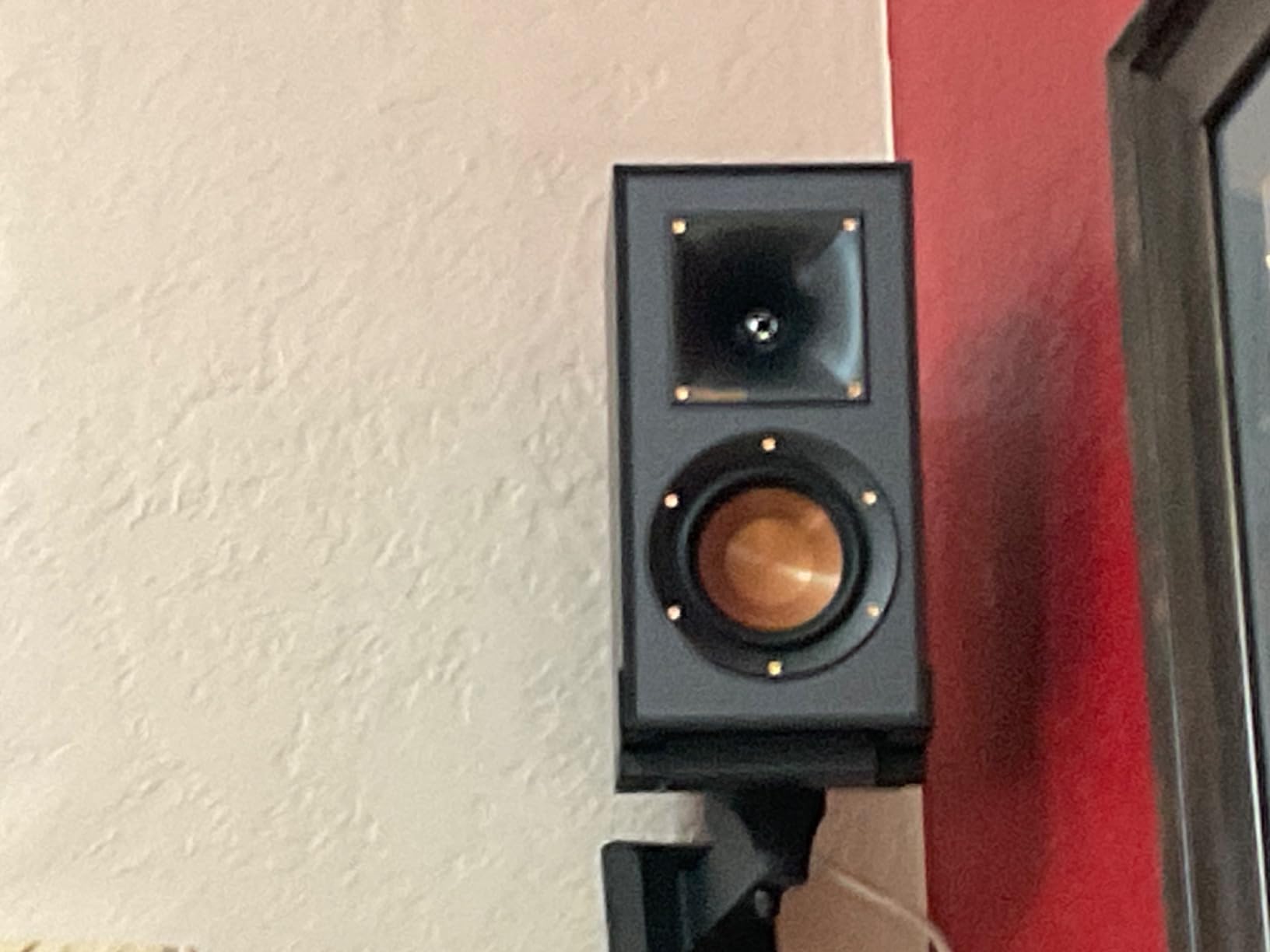
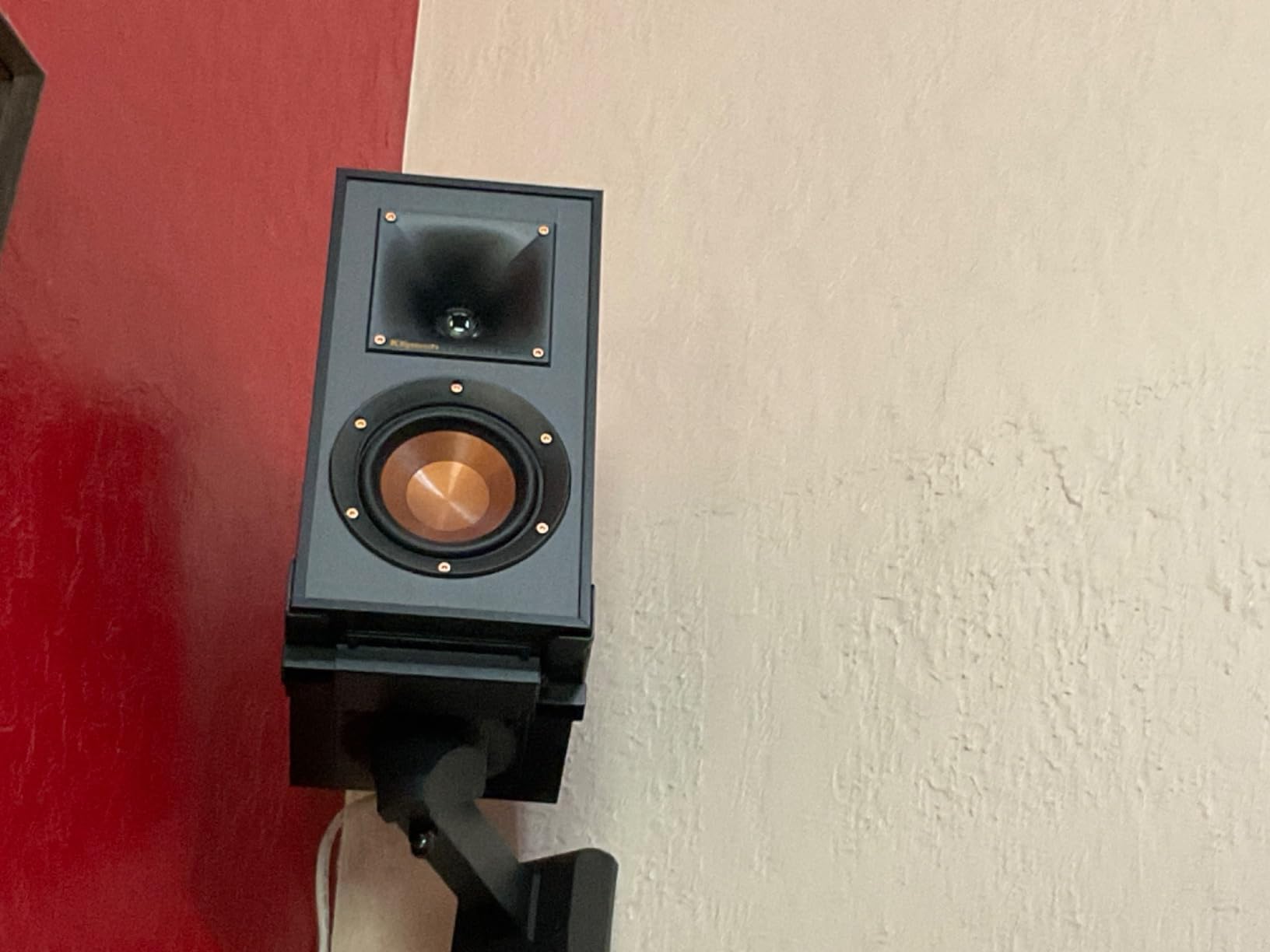
Klipsch’s horn-loaded tweeter technology has been their signature for decades. Testing the R-41M in my 12×14 living room, I immediately noticed how dynamic and detailed the highs were compared to traditional dome tweeters. Cymbal crashes had proper shimmer, and brass sections sounded lively without harshness.
The 90dB sensitivity is genuinely efficient, meaning even modest amplifiers can drive these to satisfying levels. I tried them with a 30W per channel integrated amp and got plenty of volume without strain. This makes them ideal for low-powered tube amplifiers that audiophiles love.
Classical music sounded exciting through the R-41M, perhaps more so than through more neutral speakers. Orchestral climaxes had weight and impact that smaller speakers sometimes miss. Chamber music was detailed, though the horn character was slightly more forward than I prefer for long listening sessions.
The copper-spun IMG woofer looks striking in person, and the textured wood-grain vinyl wrap feels more premium than typical budget offerings. The 7-year warranty is among the best in the industry for bookshelf speakers.
Who should buy this speaker
Listeners wanting lively, dynamic sound in a small room will love the R-41M. They pair particularly well with low-powered tube amplifiers, making them a smart choice for vintage HiFi enthusiasts. Home theater fans wanting efficient front speakers for an AV receiver should also consider these.
Where the R-41M falls short
If you prefer laid-back, neutral sound, the horn character may feel aggressive on some recordings. The 4 inch woofer also needs subwoofer support for full-range music. Crank the volume too high with poorly recorded content, and the horn can sound harsh.
9. Marshall Acton III – Style-First Bluetooth Speaker

Marshall Acton III Bluetooth Home Speaker – Cream
Bluetooth 5.2
Bass and treble knobs
Iconic Marshall design
Pros
- Room-filling sound for size
- Iconic Marshall aesthetic
- Easy Bluetooth pairing
- Adjustable bass/treble controls
- Premium build feel
Cons
- Premium price for features
- Crown cream color shows dirt
- Plug-in only (no battery)
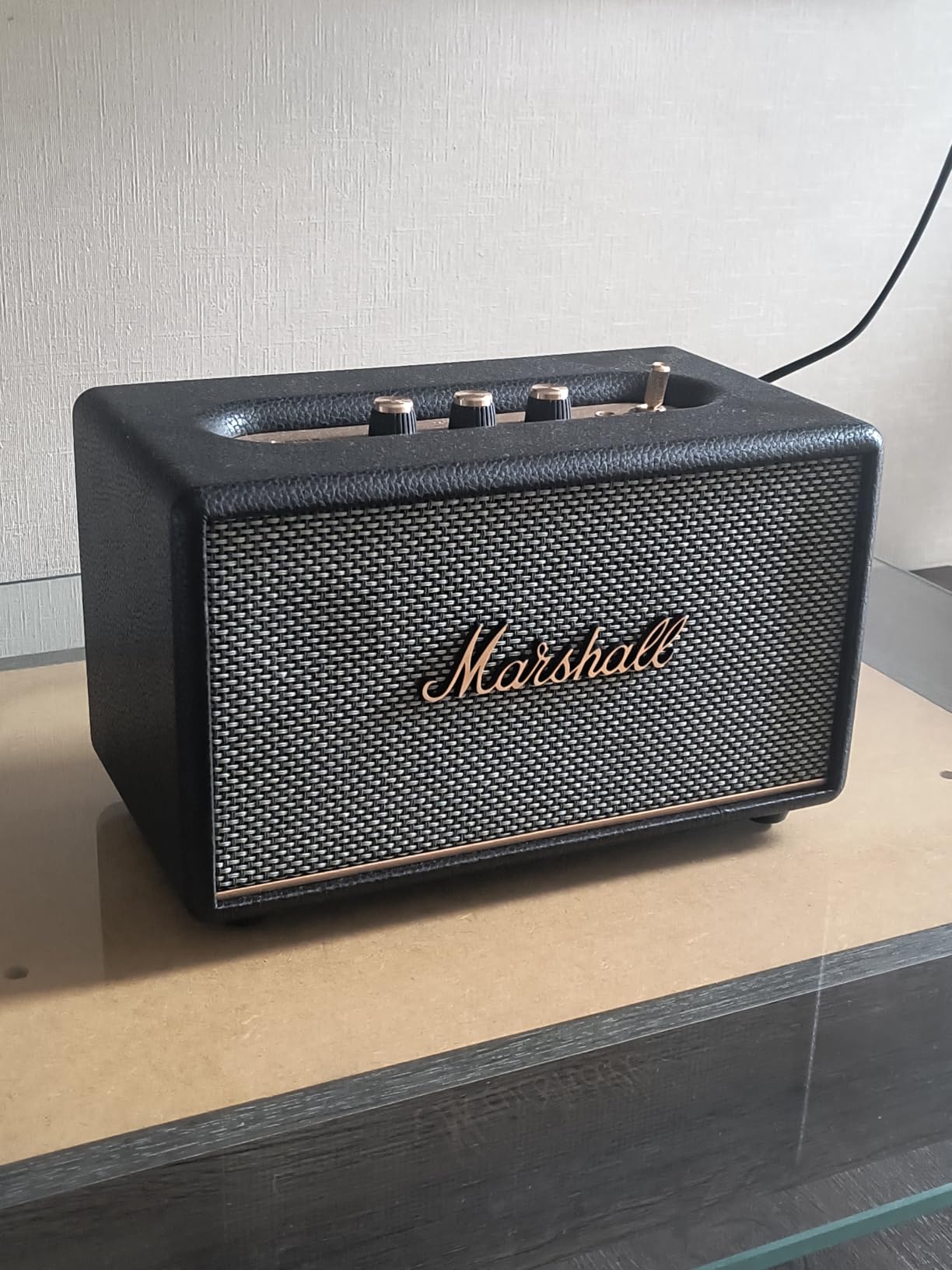
The Marshall Acton III is as much a design statement as it is a speaker. I placed one on my bookshelf in a small den, and it instantly became a conversation piece. The guitar amp-inspired design with brass details and the iconic Marshall script logo looks like a piece of rock history.
Sound quality exceeded my expectations. The single 4 inch woofer and dual tweeters delivered wider stereo imaging than the mono Bluetooth speakers I have tested. Bass response was punchy without overwhelming my small room, and the treble control let me dial in the perfect balance.
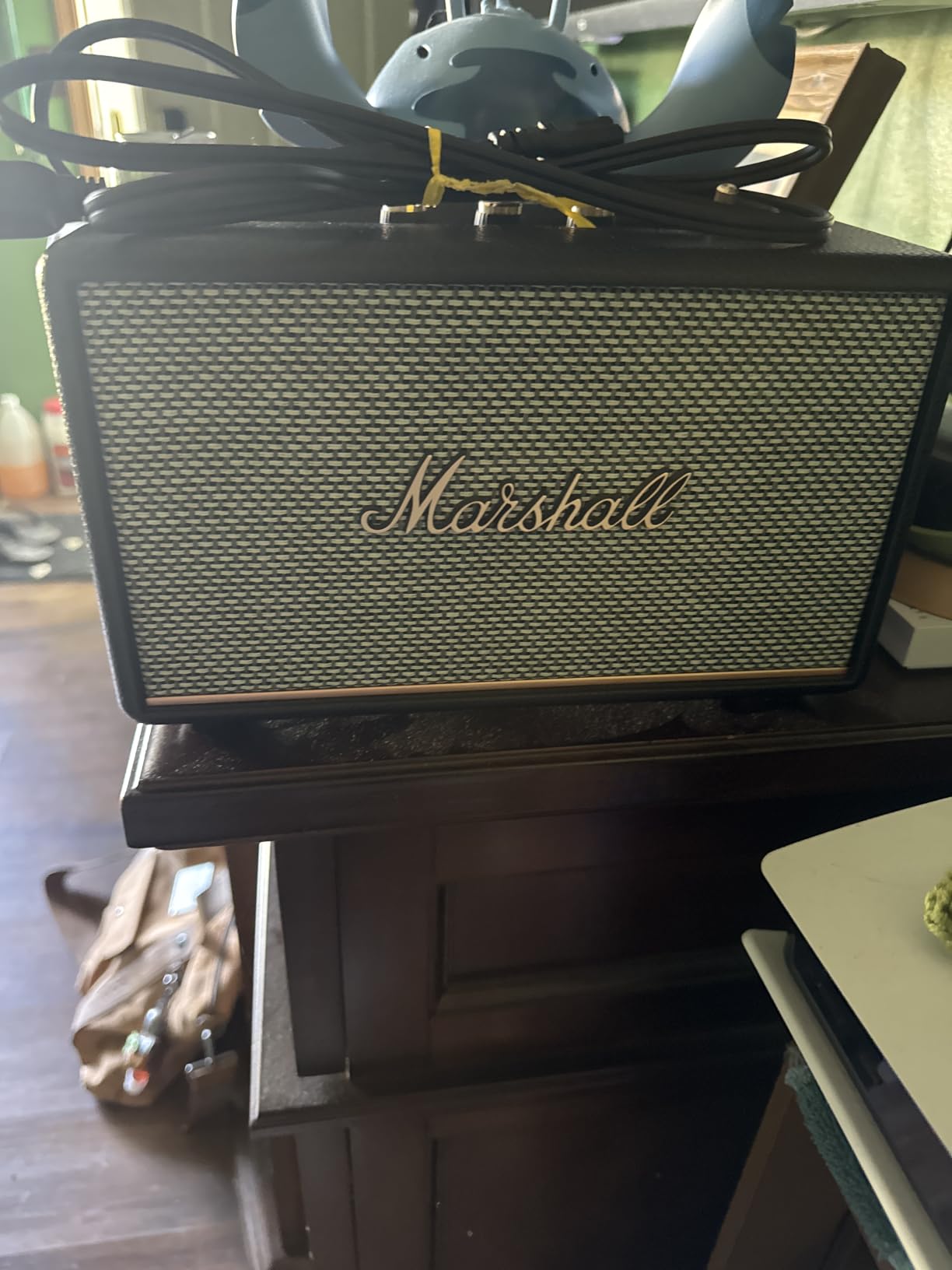
Bluetooth 5.2 pairing was instant, and the connection stayed stable through walls and doors. There is no app required for basic operation, which I appreciated. The physical bass and treble knobs on top give a satisfying tactile feel that app-controlled speakers lack.
For a single-room Bluetooth speaker solution, the Acton III performs well. Where it falls short is value. You are paying significantly for the Marshall badge, and audiophiles will find better sound per dollar elsewhere. But for a design-conscious listener, the trade-off may be worth it.
Who should buy this speaker
Style-conscious listeners who want a Bluetooth speaker that doubles as decor will love the Acton III. It suits small living rooms, bedrooms, and home offices where aesthetics matter as much as sound. The simple operation also appeals to non-technical users.
Where the Acton III falls short
Skip this if you want the best sound per dollar. The premium pricing reflects the brand more than the technology. There is also no battery, so this is strictly a plug-in speaker. The cream color shows dirt and fingerprints easily.
10. Sonos Era 100 – Smart Speaker for Streaming Lovers

Sonos Era 100 – Black – Wireless, Alexa Enabled Smart Speaker
WiFi and Bluetooth
Trueplay tuning
Stereo pairing
Pros
- Impressive sound for compact size
- Easy Sonos app setup
- Multi-room audio support
- Stereo pairing capability
- Trueplay room tuning
Cons
- Alexa integration limitations
- App required for full setup
- Premium price point
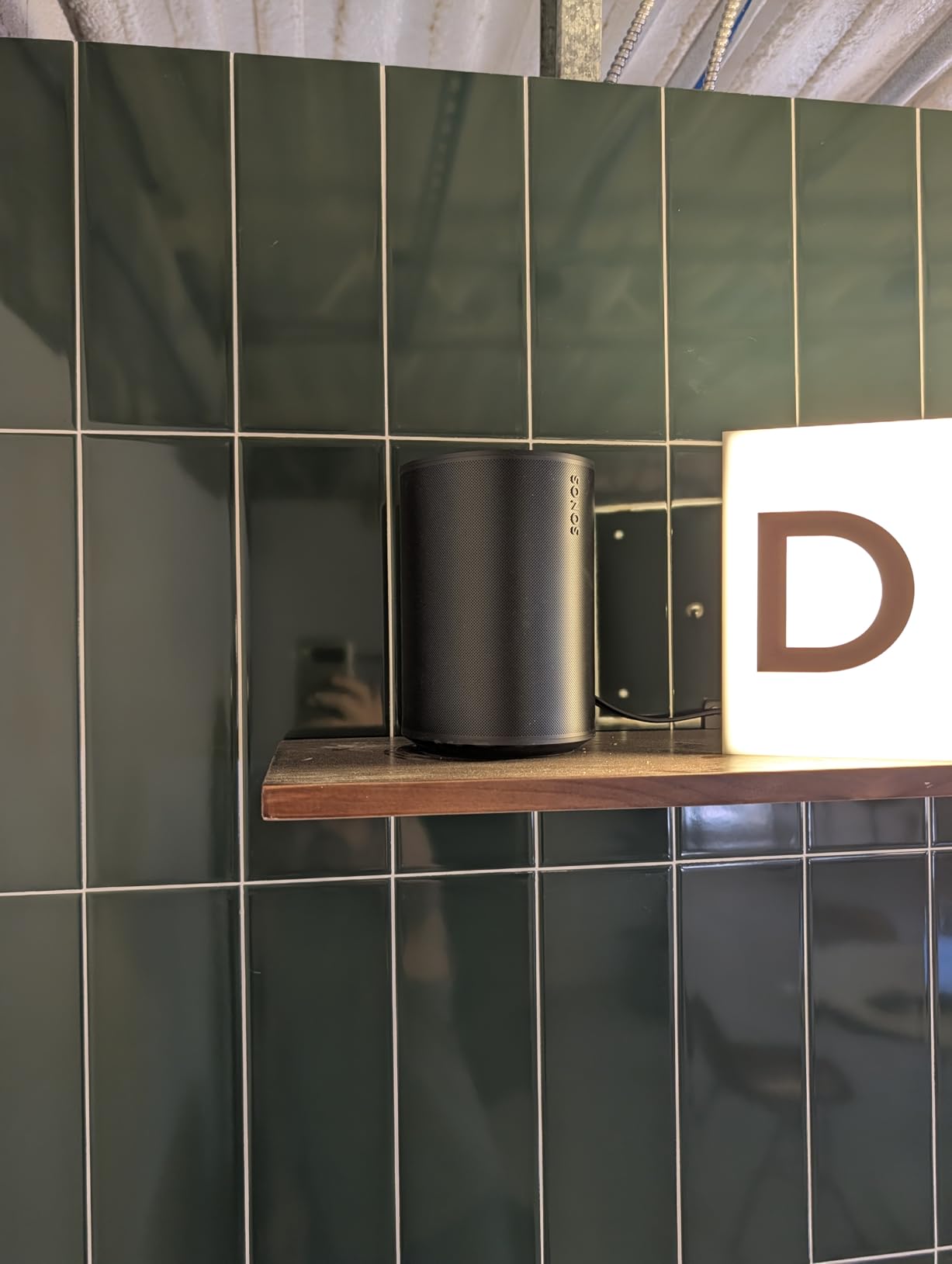
The Sonos Era 100 represents the new generation of smart speakers. I tested one in a 12×12 home office, and the dual-tweeter acoustic architecture delivered surprisingly wide stereo separation from a single cabinet. Adding a second unit for true stereo pair made the experience even better.
The 25 percent larger midwoofer compared to the previous generation provided deeper bass than I expected. Streaming Tidal hi-res audio over WiFi produced clean, detailed sound. For users already invested in the Sonos ecosystem, the Era 100 integrates seamlessly with existing speakers and soundbars.
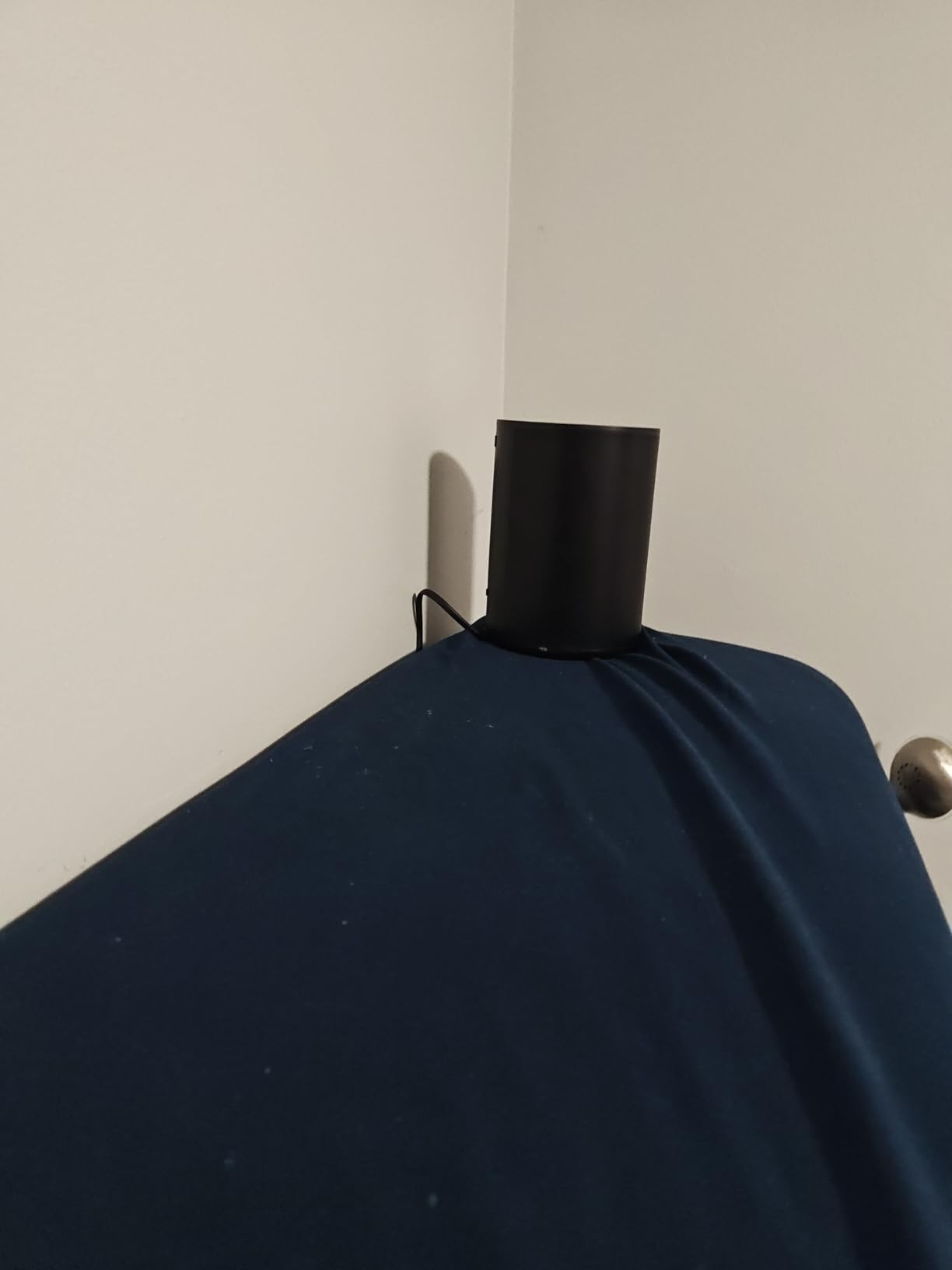
Trueplay tuning is the standout feature. Using an iPhone, the speaker analyzes your room acoustics and adjusts the output accordingly. After running Trueplay in my slightly boomy corner placement, the bass tightened up noticeably. This kind of automated room correction is rare at this price.
Setup requires the Sonos app, which some users find frustrating. The Alexa integration also has limitations compared to dedicated Echo devices. But for streaming-first listeners who want great sound with smart features, the Era 100 delivers.
Who should buy this speaker
Streaming-first listeners already in or planning to build a Sonos multi-room system will appreciate the Era 100. It works well as a standalone smart speaker or as part of a larger Sonos setup. The Trueplay tuning makes it forgiving of imperfect room placements.
Where the Era 100 falls short
Skip this if you want a simple Bluetooth speaker without app dependencies. The premium price also reflects the smart features rather than pure audio performance. Audiophiles wanting traditional HiFi sound should look at the Audioengine A2 or Edifier R1280T instead.
Buying Guide: How to Choose Speakers for Small Rooms
Choosing the best speakers for small rooms means balancing size, sound quality, and room acoustics. Here is what to consider before buying.
Bookshelf vs Floorstanding Speakers
Bookshelf speakers are almost always the right choice for small rooms. Floorstanding models need air movement around their woofers to sound balanced, and that space simply does not exist in a 10×12 bedroom. Floorstanding speakers in small rooms typically produce boomy, uncontrolled bass that overwhelms the space.
Compact bookshelf or standmount speakers, by contrast, are designed for close listening distances. The KEF LS50 Meta, Q Acoustics 3000i, and DALI KUPID are frequently recommended in audiophile forums specifically because their controlled bass response works well in small rooms. Even cheaper options like the Edifier R1280T and Audioengine A2 follow this philosophy.
Active vs Passive Speakers
Active speakers have built-in amplifiers, so you just plug them into power and your source. Passive speakers need a separate amplifier or AV receiver. For most small room setups, active speakers are simpler and more cost-effective. The Audioengine A2, Edifier R1280T, and Sonos Era 100 are all active designs.
Passive speakers like the Polk Audio T15 and Klipsch R-41M make sense when you already own an amplifier, want to build a multi-channel home theater, or prefer to upgrade components separately over time. Audiophiles often choose passive designs for this flexibility.
Sensitivity and Amplifier Pairing
Sensitivity measures how loud a speaker plays with a given amount of power. Speakers with sensitivity ratings of 88dB or higher, like the Klipsch R-41M at 90dB, work well with lower-powered amplifiers. Speakers with sensitivity below 85dB need more amplifier power to reach the same volume.
For small rooms, you rarely need more than 50W per channel. Most active bookshelf speakers include appropriate amplification built in. If going passive, a 30-50W per channel integrated amplifier handles most small room situations comfortably. Undersized amplification is one of the most common complaints in audiophile forums.
The 83% Rule for Speaker Placement
The 83% rule is a placement guideline that helps small rooms sound their best. The idea is to position your speakers so that the listening distance equals roughly 83% of the room’s longest dimension. In a 10×12 bedroom, that means sitting about 10 feet from the speakers if possible.
This ratio helps avoid bass nulls and peaks that occur when sitting at exact room multiples. It is not a strict rule, but following it produces smoother frequency response than placing speakers randomly. Combined with pulling the speakers at least 6-12 inches away from the rear wall, the 83% rule improves small room sound dramatically.
Room Acoustics Tips for Small Spaces
Small rooms suffer from bass buildup in corners and harsh reflections off bare walls. Soft furnishings like rugs, curtains, and bookshelves filled with books absorb reflections naturally. Adding a thick area rug between your speakers and listening position reduces floor reflections that color the sound.
Avoid placing speakers directly in corners where bass builds up excessively. Position them at least 6 inches from the rear wall and a few feet from side walls when possible. If your room forces corner placement, look for speakers with rear-facing bass ports that can be plugged, or consider sealed-cabinet designs that handle boundary placement better.
Toe-in angles the speakers toward your listening position. Start with speakers pointed straight ahead, then angle them slightly inward until you hear a focused center image. Most listeners prefer 5-15 degrees of toe-in for a balanced soundstage.
Frequently Asked Questions
What is the 83% rule for speakers?
The 83% rule for speakers suggests positioning your listening seat at approximately 83% of the room’s longest dimension. In a 10×12 bedroom, that means sitting about 10 feet from your speakers. This ratio helps avoid bass nulls and standing waves that occur at exact room multiples, producing smoother frequency response and tighter bass in small rooms.
What are the best speakers for a very small room?
For very small rooms under 100 square feet, compact bookshelf speakers or powered desktop monitors work best. The Audioengine A2 and PreSonus Eris 3.5 are excellent choices for near-field listening, while the Edifier R1280T works well for slightly larger small rooms. Avoid floorstanding speakers in very small spaces since their bass overwhelms the room.
How to improve sound quality in a small room?
Improve small room sound quality by pulling speakers 6-12 inches away from walls, adding soft furnishings like rugs and curtains to absorb reflections, using the 83% rule for seating position, and choosing speakers with controlled bass response. Acoustic panels in first-reflection points on side walls also help. Pairing bookshelf speakers with a subwoofer set to a low crossover can fill in missing bass without overwhelming the room.
Are floorstanding speakers good for small rooms?
Floorstanding speakers generally do not work well in small rooms because they need space around their woofers to produce balanced bass. In a 10×12 room, floorstanding speakers typically produce boomy, uncontrolled low frequencies that overwhelm the space. Bookshelf or standmount speakers with 4-6 inch woofers deliver tighter, more controlled bass in compact rooms.
What is better active or passive speakers?
Active speakers have built-in amplification and offer simpler setup, better component matching, and often better value for small rooms. Passive speakers require a separate amplifier but allow component upgrades and customization. For most small room users, active speakers like the Audioengine A2 or Edifier R1280T are simpler and more cost-effective. Choose passive speakers like the Klipsch R-41M if you already own an amplifier or want upgrade flexibility.
Final Verdict: Choosing Your Best Speakers for Small Rooms
After testing 10 models in real small room environments, our top recommendation is the Audioengine A2 for desktop listeners and the Edifier R1280T for shelf placement. Both deliver audiophile-grade sound without the bulk of floorstanding speakers.
For shoppers on a strict budget, the Creative Pebble proves you do not need to spend much for enjoyable desktop audio. If you want style with substance, the Marshall Acton III doubles as decor. The Sonos Era 100 makes the most sense for streaming-first listeners already in that ecosystem.
Remember that the best speakers for small rooms are the ones that fit your space, your amplifier, and your listening habits. Use the 83% rule for placement, pull speakers away from walls, and add some soft furnishings to tame reflections. With the right setup, your small room in 2026 can deliver a listening experience that rivals much larger spaces.