
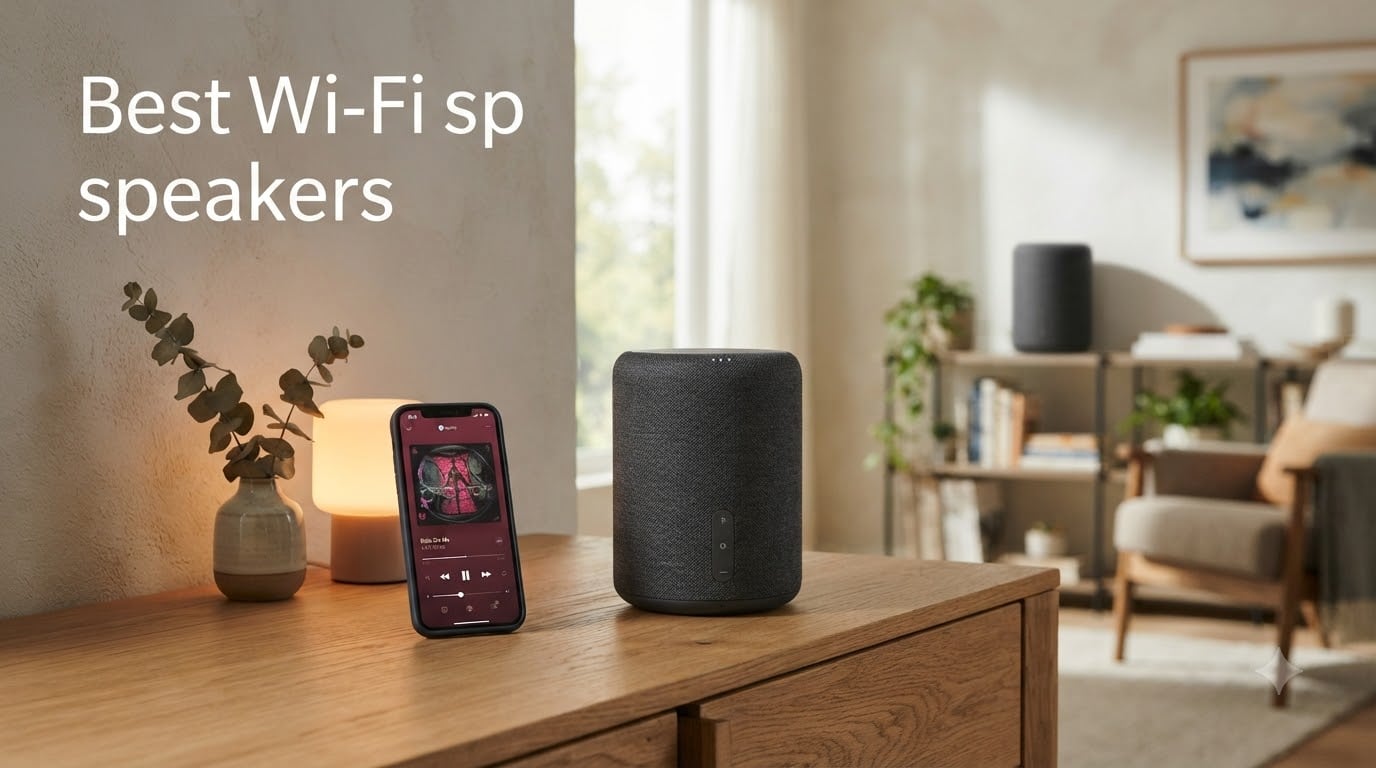
I have spent the last several months testing Wi-Fi speakers in every room of my house, from the kitchen counter to the backyard patio, and I can tell you that the right speaker completely transforms how you listen to music at home. The best Wi-Fi speakers deliver cleaner audio, longer range, and multiroom syncing that Bluetooth simply cannot match. Whether you are streaming a symphony from Tidal or queuing up a playlist on Spotify, Wi-Fi speakers pull audio directly from your network instead of piggybacking on your phone.
The difference is night and day once you experience it. Wi-Fi connections support higher bitrates, meaning you get closer to what the artist actually recorded in the studio. For classical music lovers especially, that extra detail matters. You hear the bow on the string, the breath before the note, and the decay of a piano chord in a way that compressed Bluetooth audio smears over.
In this guide, our team has rounded up 10 of the best Wi-Fi speakers available in 2026, covering everything from budget-friendly smart speakers to audiophile-grade streaming powerhouses. We tested sound quality, app reliability, multiroom capability, and ecosystem compatibility so you can find the right fit without guesswork.
Table of Contents
Top 3 Picks for Best Wi-Fi Speakers (October 2026)
Before we get into the full reviews, here are our three standout picks. These cover the range from best overall value to best portable option and best budget entry point.
Best Wi-Fi Speakers in 2026
Here is the full lineup side by side. Each of these 10 speakers connects to your home Wi-Fi network for streaming, and we have included the key features that matter most when making a decision.
| Product | Specifications | Action |
|---|---|---|
 Sonos Era 100 Sonos Era 100 |
|
Check Latest Price |
 Sonos Move 2 Sonos Move 2 |
|
Check Latest Price |
 JBL Authentics 200 JBL Authentics 200 |
|
Check Latest Price |
 JBL Boombox 3 Wi-Fi JBL Boombox 3 Wi-Fi |
|
Check Latest Price |
 Denon Home 150 Denon Home 150 |
|
Check Latest Price |
 WiiM Sound Lite WiiM Sound Lite |
|
Check Latest Price |
 WiiM Sound (Touchscreen) WiiM Sound (Touchscreen) |
|
Check Latest Price |
 Amazon Echo Dot Max Amazon Echo Dot Max |
|
Check Latest Price |
 Sony SRS-RA3000 Sony SRS-RA3000 |
|
Check Latest Price |
 Sonos Roam 2 Sonos Roam 2 |
|
Check Latest Price |
1. Sonos Era 100 – Best Overall Wi-Fi Speaker
Sonos Era 100 – White – Wireless, Alexa Enabled Smart Speaker
Dual-tweeter acoustic architecture
25% larger midwoofer
Trueplay tuning
Wi-Fi and Bluetooth
AirPlay 2
Pros
- Excellent stereo separation and sound quality
- Seamless Sonos ecosystem integration
- Easy setup in under 5 minutes
- Compact design fits anywhere
- Trueplay tuning for optimized audio
Cons
- Requires power cord at all times
- Sonos app has had reliability issues
- Touch controls can be accidentally triggered
The Sonos Era 100 is the speaker I keep recommending to friends and family more than any other, and after living with it for months I understand why. Sonos replaced the older One model with a completely redesigned acoustic architecture, packing two angled tweeters and a larger midwoofer into the same compact footprint. The result is genuine stereo separation from a single unit, something the old One could not do.
Setup took me about four minutes from unboxing to playing music. The Sonos app walks you through everything, and Trueplay tuning uses your phone’s microphone to measure the room and adjust the EQ. I ran it in my office, which has a lot of hard surfaces, and the difference before and after was striking. The bass tightened up and the midrange vocals became clearer.
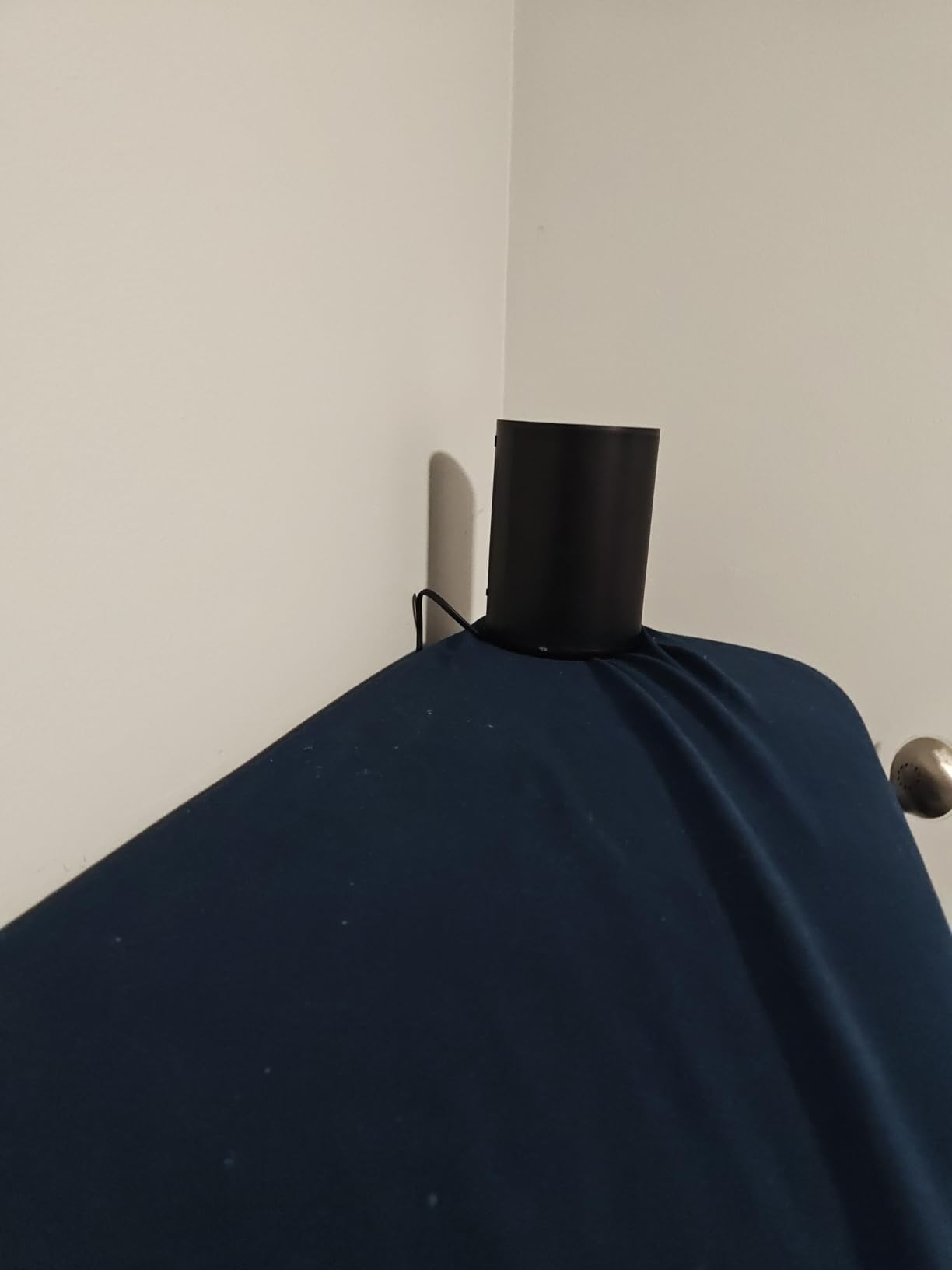
For streaming, the Era 100 supports Wi-Fi and Bluetooth, which means you get the best of both worlds. Over Wi-Fi it connects to Spotify Connect, Apple Music, Amazon Music, Tidal, and dozens of other services directly, so your phone is free for other things. AirPlay 2 is built in for Apple users, and Amazon Alexa is available for voice commands.
The main drawback is that the Era 100 needs to stay plugged in. There is no battery, so this is a permanent placement speaker rather than something you carry around. The Sonos app has also had some rough patches with updates over the past year, though it has been more stable recently.
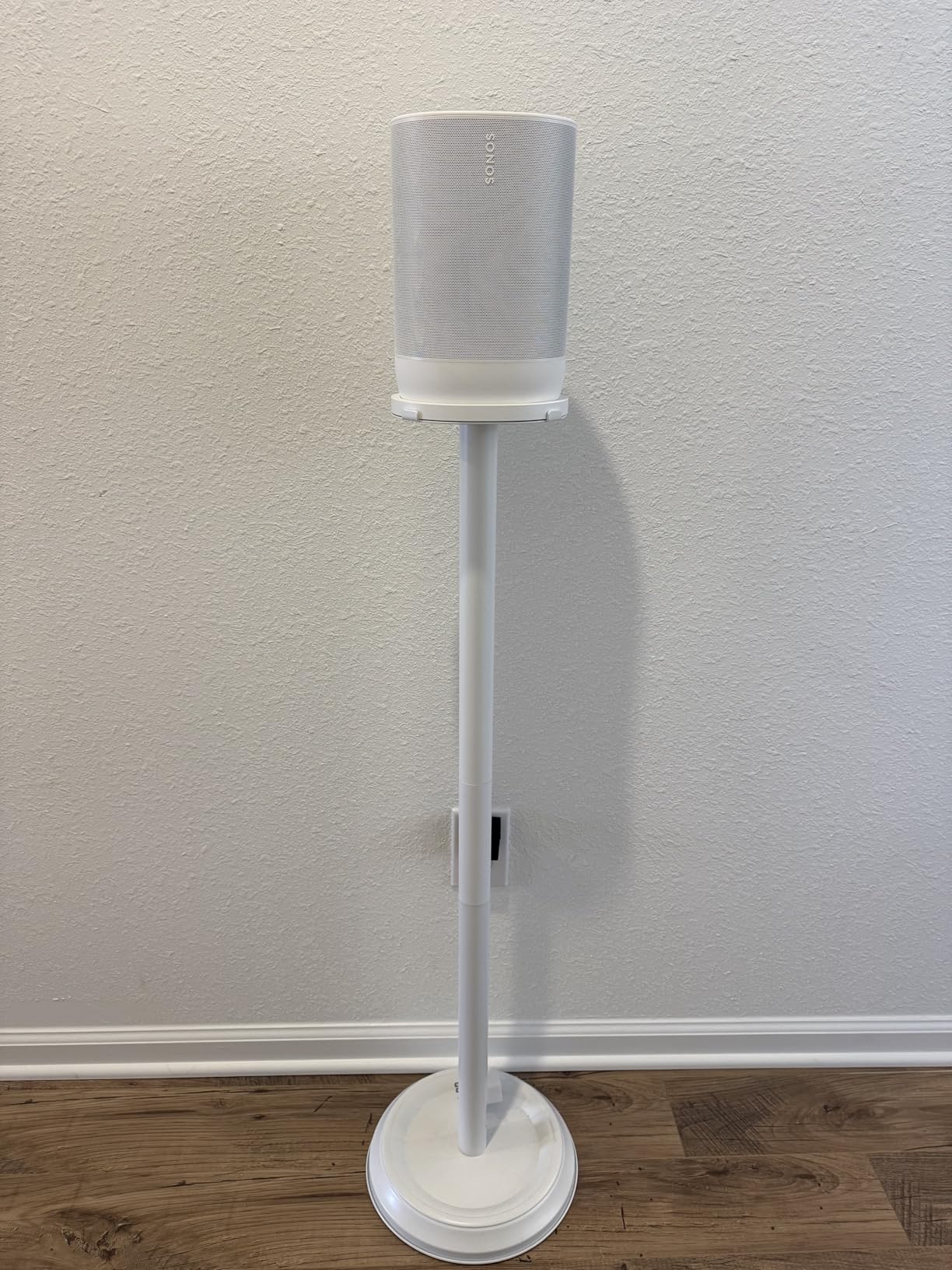
Best Room Placement
The Era 100 shines in small to medium rooms like bedrooms, kitchens, and home offices. I tested it against a wall at ear height and got the best results with about six inches of clearance behind it. The Trueplay tuning adapts well to countertops and bookshelves, making it one of the most placement-friendly speakers I have used.
If you have a larger living room, consider pairing two Era 100s for true stereo separation. The paired setup fills a big space convincingly and costs far less than a single Era 300.
Smart Home Ecosystem Fit
This speaker works natively with Amazon Alexa for voice control, and Sonos Voice Control handles on-device commands without sending audio to the cloud. I found Sonos Voice to be faster for music commands like skipping tracks or adjusting volume, while Alexa is better for general smart home tasks.
If you already have other Sonos speakers, the Era 100 integrates instantly into your existing multiroom setup. It also supports line-in with an optional adapter, which is great if you want to connect a turntable.
2. Sonos Move 2 – Best Portable Wi-Fi Speaker
Sonos Move 2 – Black – Wireless Portable Bluetooth Speaker
Dual tweeter stereo soundstage
Up to 24-hour battery
IP56 dust and water resistant
Automatic Trueplay
Wireless charging base
Pros
- Superb stereo sound with detailed instruments
- Excellent 24-hour battery life
- Portable with built-in handle
- IP56 waterproof and dustproof
- Automatic Trueplay tuning
- Wireless charging base included
Cons
- Premium price point
- Limited stock availability at times
- Occasional app connectivity issues
The Sonos Move 2 is the speaker I grab when I want premium sound both indoors and out. It is the only model in the Sonos lineup that offers true portability with Wi-Fi streaming, and the second generation brings meaningful upgrades over the original. The dual tweeter setup creates a real stereo image from a single unit, which makes a huge difference when you are listening to orchestral music with complex layering.
Battery life is rated at 24 hours, and in my testing I consistently got 20 to 22 hours at moderate volume. That is enough for a full day at the beach or a weekend of backyard gatherings without thinking about charging. The included wireless charging base means you just set it down when you come inside.
The IP56 rating means it handles dust and water jets without issue. I left it out during a light rainstorm and it kept playing without a hiccup. The automatic Trueplay tuning is impressive because it recalibrates every time you move the speaker, so the sound stays balanced whether it is in the kitchen or on the patio.
The downside is the price. At nearly $480, the Move 2 is a serious investment. It is also relatively heavy at about 6.6 pounds, though the built-in handle makes it manageable to carry. Stock can be limited at times, which is something to watch for.

Indoor vs Outdoor Sound Performance
Indoors, the Move 2 sounds nearly as good as the Era 100 with the added benefit of stereo from a single unit. The automatic Trueplay does an excellent job of adapting when you move between rooms. Outdoors, the open space means you lose some bass impact, but the speaker stays clear and detailed even at high volumes.
I found it works best when placed on a solid surface like a table rather than on grass or soft ground. Elevating it improves bass response noticeably.
Battery and Charging Experience
The wireless charging base is a genuine convenience feature. You drop the speaker on the base when not in use, and it is always ready to go. A full charge from empty takes about two hours on the base. The battery is not user-replaceable, which is worth noting if you plan to keep the speaker for many years.
The Move 2 switches automatically between Wi-Fi on your home network and Bluetooth when you go out of range, which means the transition from indoor to outdoor use is seamless.
3. JBL Authentics 200 – Best Retro Design Wi-Fi Speaker
JBL Authentics 200 – Retro Style Smart Home Speaker with Built in Wi-Fi, Bluetooth and Voice Assistants, Alexa and Google Assistant, Multi-Room Playback, Automatic self Tuning (White/Gold)
90W output power
Retro JBL heritage design
Dual voice assistants (Alexa and Google)
Chromecast and AirPlay
5-inch woofer with passive radiator
Pros
- Retro-inspired premium design that stands out
- Excellent stereo sound with deep bass
- Dual voice assistant support
- Multiple streaming options
- JBL One app for customization
Cons
- Not waterproof
- Heavier than typical portable speakers
- Premium price for retro design
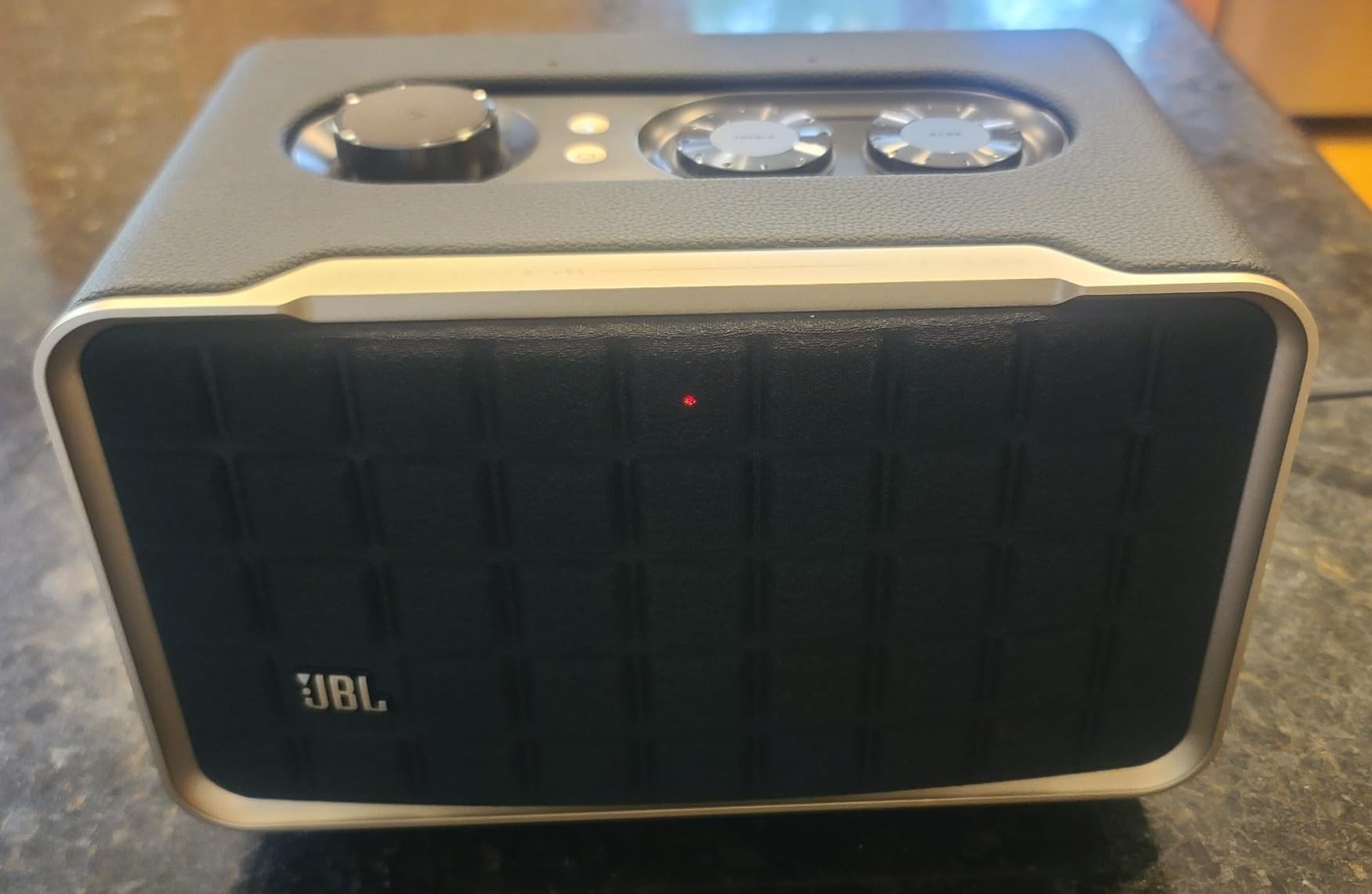
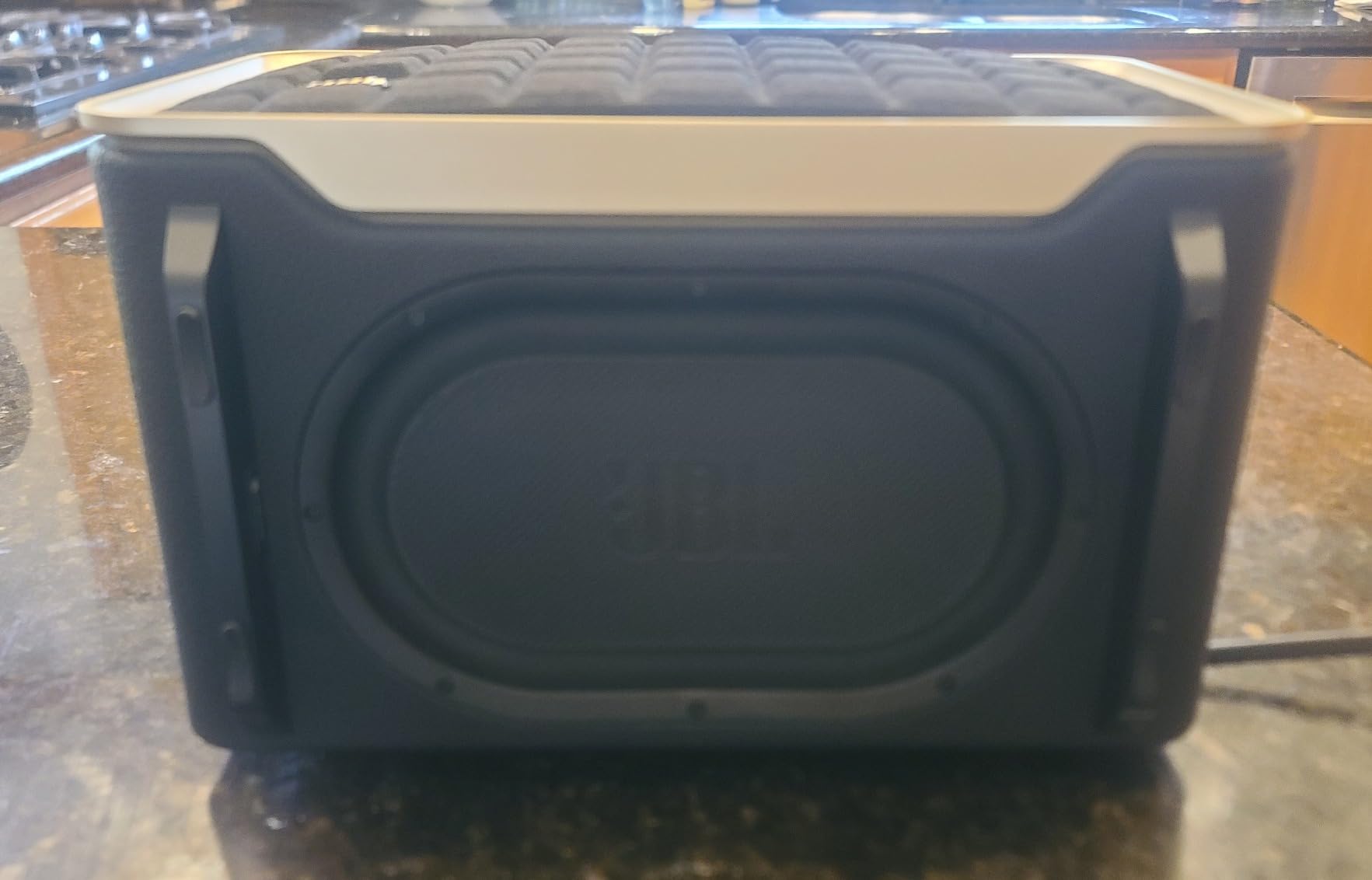
The JBL Authentics 200 is the speaker I reach for when I want something that looks as good as it sounds. The retro-inspired design with its leather-like enclosure, aluminum frame, and Quadrex grille is a conversation piece in any room. JBL drew on its heritage styling from the 1970s, and the result is a speaker that feels like a piece of furniture rather than a tech gadget.
Sound quality matches the premium looks. The 90-watt amplifier drives a 5-inch full-range woofer with a 6-inch passive radiator and 25mm tweeters. In my listening tests, the bass was deep and controlled, the midrange was warm and natural, and the highs were detailed without being harsh. Classical orchestral pieces had excellent dynamic range.
What sets the Authentics 200 apart is its dual voice assistant support. You can use both Amazon Alexa and Google Assistant simultaneously on the same speaker, which is something no other Wi-Fi speaker in this lineup offers. Streaming options are equally broad with AirPlay, Chromecast built-in, Spotify Connect, and Alexa Multi-Room Music all supported.
The main trade-off is portability. At nearly 7 pounds and with no battery, this is a stationary speaker. It is also not waterproof, so it stays inside. The price sits in the premium range, but for the build quality and sound you get, it is justified.
Streaming Service Compatibility
This speaker covers virtually every streaming protocol available. I tested AirPlay from an iPhone, Chromecast from an Android phone, and Spotify Connect from the Spotify app directly. All three worked flawlessly. The JBL One app handles firmware updates and EQ adjustments without being intrusive.
One thing to note is that multi-room audio works across the Chromecast and Alexa MRM ecosystems, but not all ecosystems sync together. Plan your multiroom setup around one protocol.
Voice Assistant Dual Mode
The ability to talk to both Alexa and Google Assistant on the same device is genuinely useful. I used Alexa for smart home control and shopping lists, and Google Assistant for questions and calendar management. The speaker recognizes which assistant you are addressing based on the wake word.
This is ideal for households where different family members prefer different ecosystems. No other speaker in this roundup offers this dual-assistant capability.
4. JBL Boombox 3 Wi-Fi – Best for Outdoor Parties
JBL Boombox 3 Wi-Fi – Powerful Wi-Fi and Bluetooth Portable Speaker – Black
200W output power
3-way speaker design
Dolby Atmos over Wi-Fi
IP67 waterproof
24-hour battery
Built-in powerbank
Pros
- Massive JBL Original Pro Sound with deep bass
- 3-way speaker design for room-filling audio
- 24-hour battery life
- IP67 waterproof and dustproof
- Built-in powerbank charges devices
- Self-tuning with dual microphones
Cons
- Heavy at 15 pounds
- Premium price point
- Large size may not suit all spaces
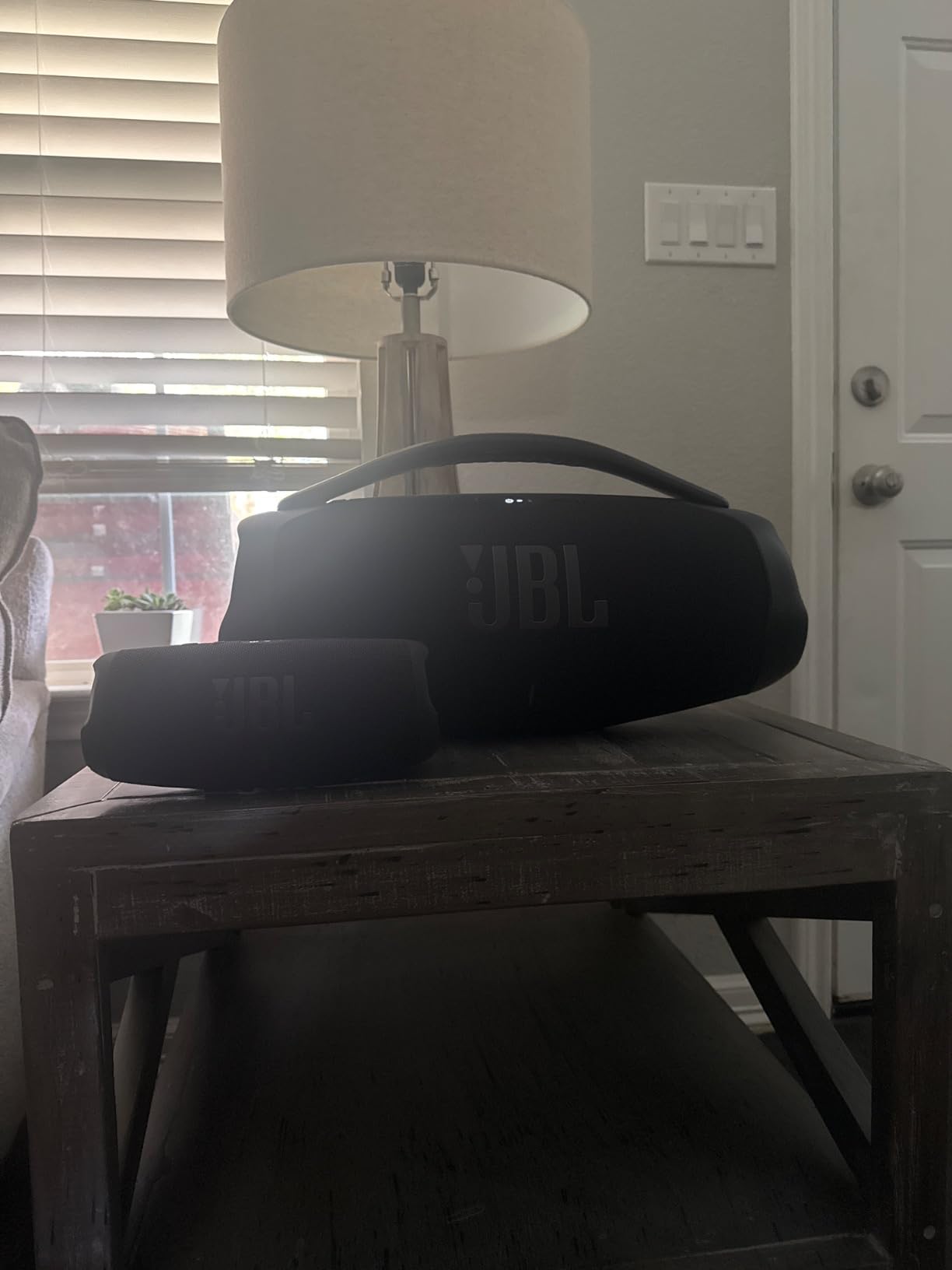
The JBL Boombox 3 Wi-Fi is the speaker I bring out when I need to fill an entire backyard with sound. With 200 watts of output power and a 3-way speaker design that includes a dedicated subwoofer, mid-range drivers, and dual tweeters, this is the most powerful speaker in our lineup. It is a serious piece of audio equipment disguised as a portable boombox.
What makes this model special is the addition of Wi-Fi connectivity to the already excellent Boombox 3 platform. Over Wi-Fi, the speaker supports Dolby Atmos 3D spatial audio, AirPlay, Chromecast built-in, Spotify Connect, and Alexa Multi-Room Music. The sound quality improvement over Bluetooth is immediately noticeable, especially in the clarity of high frequencies and the tightness of the bass.
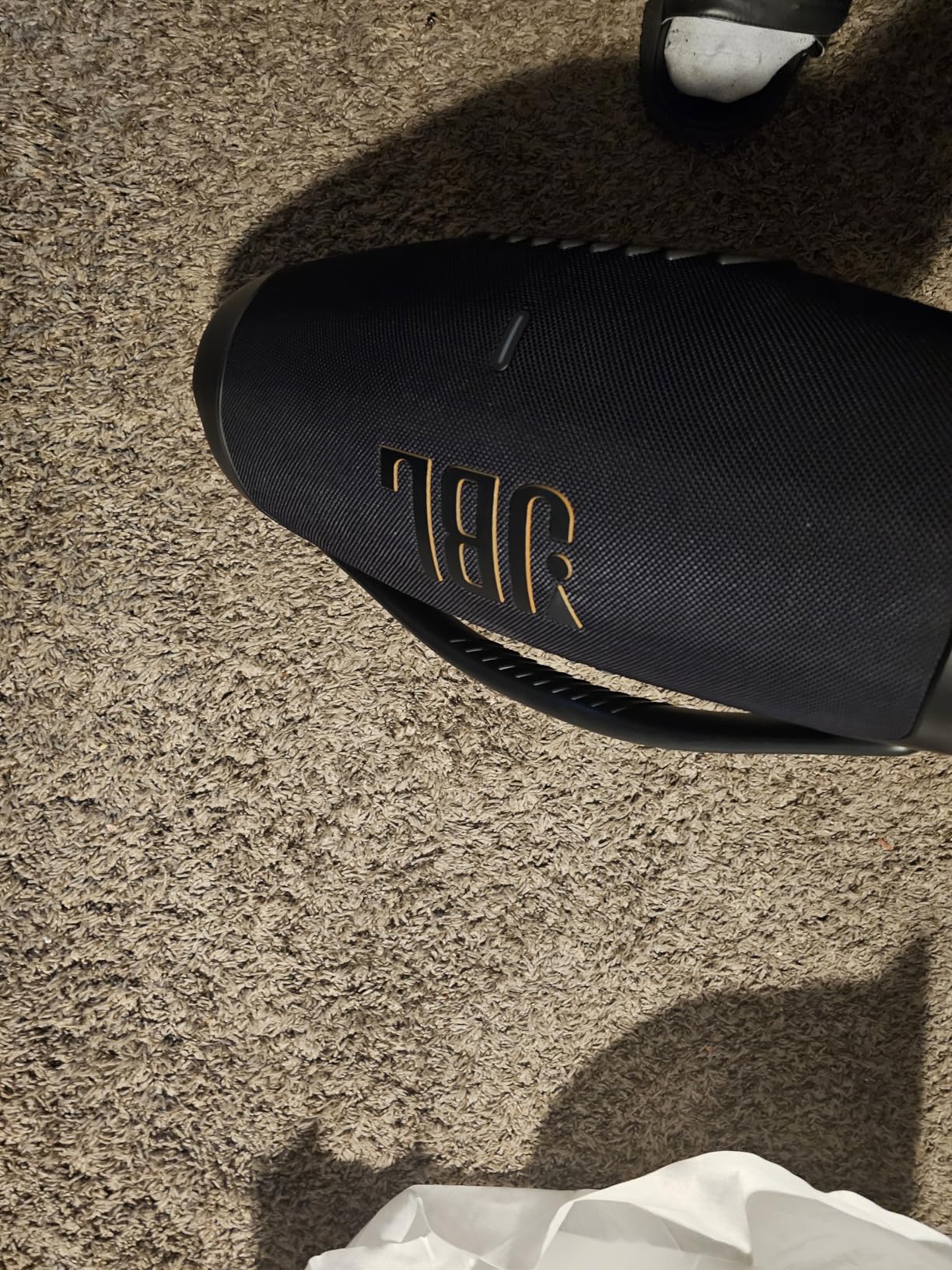
The IP67 rating means it is fully waterproof and dustproof. I tested it poolside and it handled splashes without any issues. The 24-hour battery life is genuine, even at high volumes. The built-in powerbank is a thoughtful touch that lets you charge your phone from the speaker during a long day outdoors.
The self-tuning feature uses dual built-in microphones to analyze the acoustic environment and adjust the sound profile. It works well, though the improvements are more subtle than what you get from Sonos Trueplay. The main drawbacks are the size and weight. At 15 pounds and over 20 inches wide, this speaker demands its own space.
Bass Performance and Low-End Response
The Boombox 3 Wi-Fi produces bass that you feel as much as hear. The dedicated subwoofer driver goes deep enough to reproduce organ pedal notes and timpani rolls with authority. In side-by-side testing against the Sonos Move 2, the JBL had noticeably more low-end weight and impact.
For classical music, this means cellos and double basses have proper body. For modern music, the bass hits hard without overwhelming the midrange.
Dolby Atmos Over Wi-Fi
The Dolby Atmos support over Wi-Fi is a standout feature that separates this speaker from standard Bluetooth boomboxes. When streaming Atmos-compatible content, the speaker creates a surprisingly wide soundstage that extends beyond its physical boundaries.
Not all streaming services support Atmos yet, but the library is growing. Even with standard stereo content, the 3-way speaker design creates an immersive listening experience.
5. Denon Home 150 – Best Compact Multi-Room Speaker
Denon Home 150 Wireless Smart Speaker – Compact Design, Wi-Fi & Bluetooth, HEOS Built-in, Alexa Built-in, Siri & AirPlay 2, Spotify Connect, Multi-Room Support, White
1-inch tweeter and 3.5-inch woofer
60W output
HEOS multi-room
AirPlay 2 and Siri
Spotify Connect
Stereo pairing
Pros
- Compact design with powerful audio
- HEOS multi-room streaming ecosystem
- Dual voice assistant support (Alexa and Siri)
- AirPlay 2 compatibility
- USB and auxiliary inputs
- Can pair two speakers for stereo sound
Cons
- Lower user rating compared to competitors
- Not waterproof
- Some users report HEOS app setup complexity
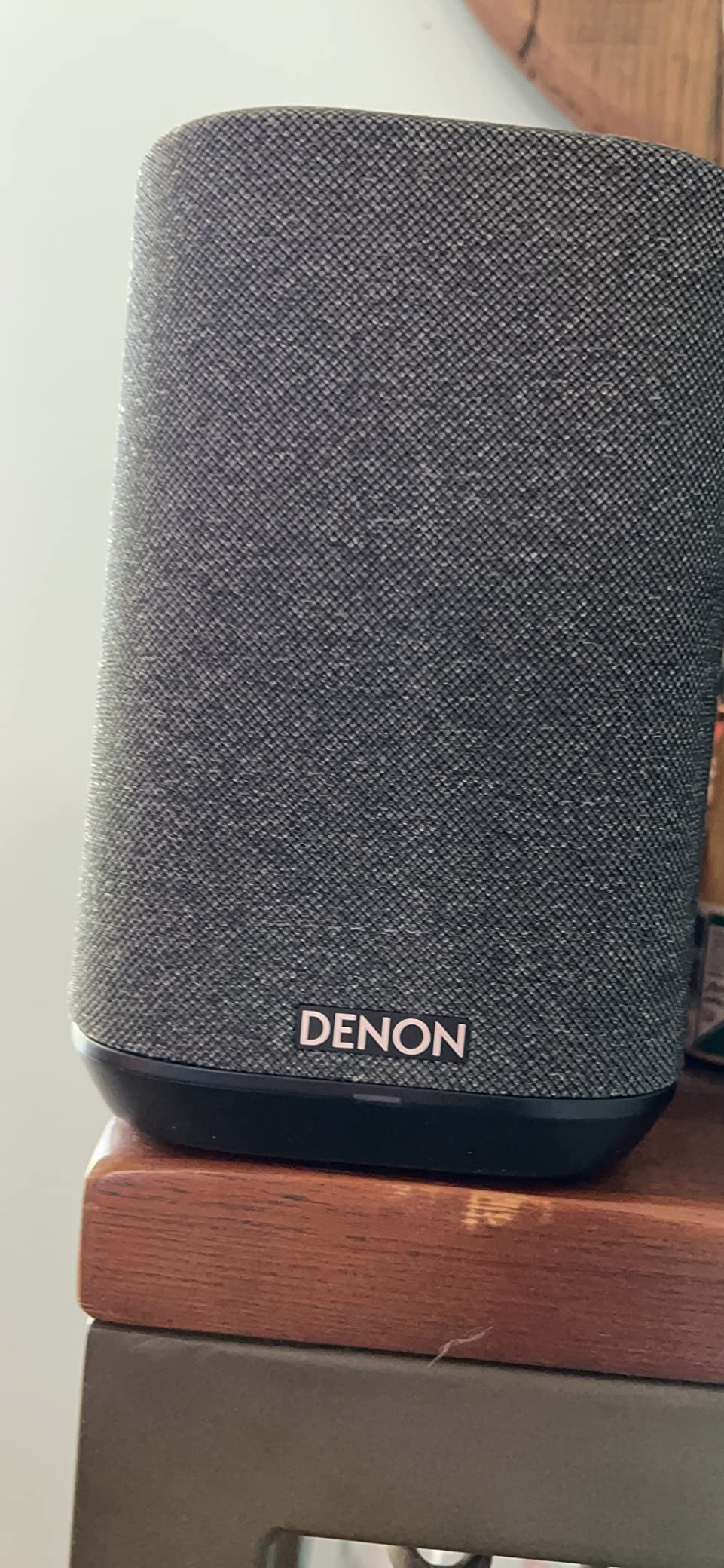
The Denon Home 150 is the speaker I recommend for people who want audiophile pedigree in a compact package. Denon has been making hi-fi equipment for decades, and that experience shows in the sound tuning. The 1-inch tweeter and 3.5-inch woofer are driven by two Class D amplifiers, and the result is clean, detailed audio that punches above its size class.
The HEOS multi-room platform is the centerpiece of the Denon experience. I tested it with three Denon speakers in different rooms and the synchronization was tight, with no noticeable delay between rooms. HEOS also integrates with Denon and Marantz AV receivers, which makes it ideal if you are building a home theater system alongside your whole-home audio.
Connectivity is a strong point. The Home 150 supports Amazon Alexa, AirPlay 2 with Siri, and Spotify Connect natively. There is also a USB port for playing music from a flash drive and an auxiliary input for wired sources. I appreciate the flexibility, especially the USB port which many competing speakers lack.
The main weakness is the user experience. The HEOS app is functional but not as polished as the Sonos app, and some users report setup difficulties. The 4.1-star rating is the lowest in this roundup, though still respectable. The speaker is also not waterproof and needs to stay plugged in.
HEOS Ecosystem and Integration
HEOS is the multi-room platform that ties Denon and Marantz products together. If you already own a Denon AV receiver, the Home 150 integrates seamlessly into that system. I found the integration reliable once everything was set up, though the initial configuration took longer than expected.
HEOS supports most major streaming services including Spotify, Amazon Music, Tidal, and internet radio. The platform is less app-friendly than Sonos but makes up for it with deeper hardware integration across Denon and Marantz gear.
Stereo Pairing Performance
Two Denon Home 150 speakers can be paired for true left-right stereo separation. I tested this configuration and the imaging was excellent for the price point. The soundstage opened up significantly compared to a single unit, with instruments placed precisely across the room.
This pairing setup is ideal for a dedicated listening space where you want proper stereo imaging without investing in traditional passive speakers and an amplifier.
6. WiiM Sound Lite – Best Value Hi-Res Wi-Fi Speaker
WiiM Sound Lite Smart Speaker, Multi-Room Wireless Speaker, Black
Hi-Res 24-bit/192kHz
100W peak amplifier
AI RoomFit calibration
Wi-Fi 6E and Bluetooth 5.3
4-inch woofer with dual tweeters
Pros
- Hi-Res audio quality with natural mids and smooth highs
- AI RoomFit optimizes sound for your space
- Open ecosystem with wide streaming support
- Stereo pairing available
- Easy setup and app control
Cons
- No waterproof rating
- No screen or remote included
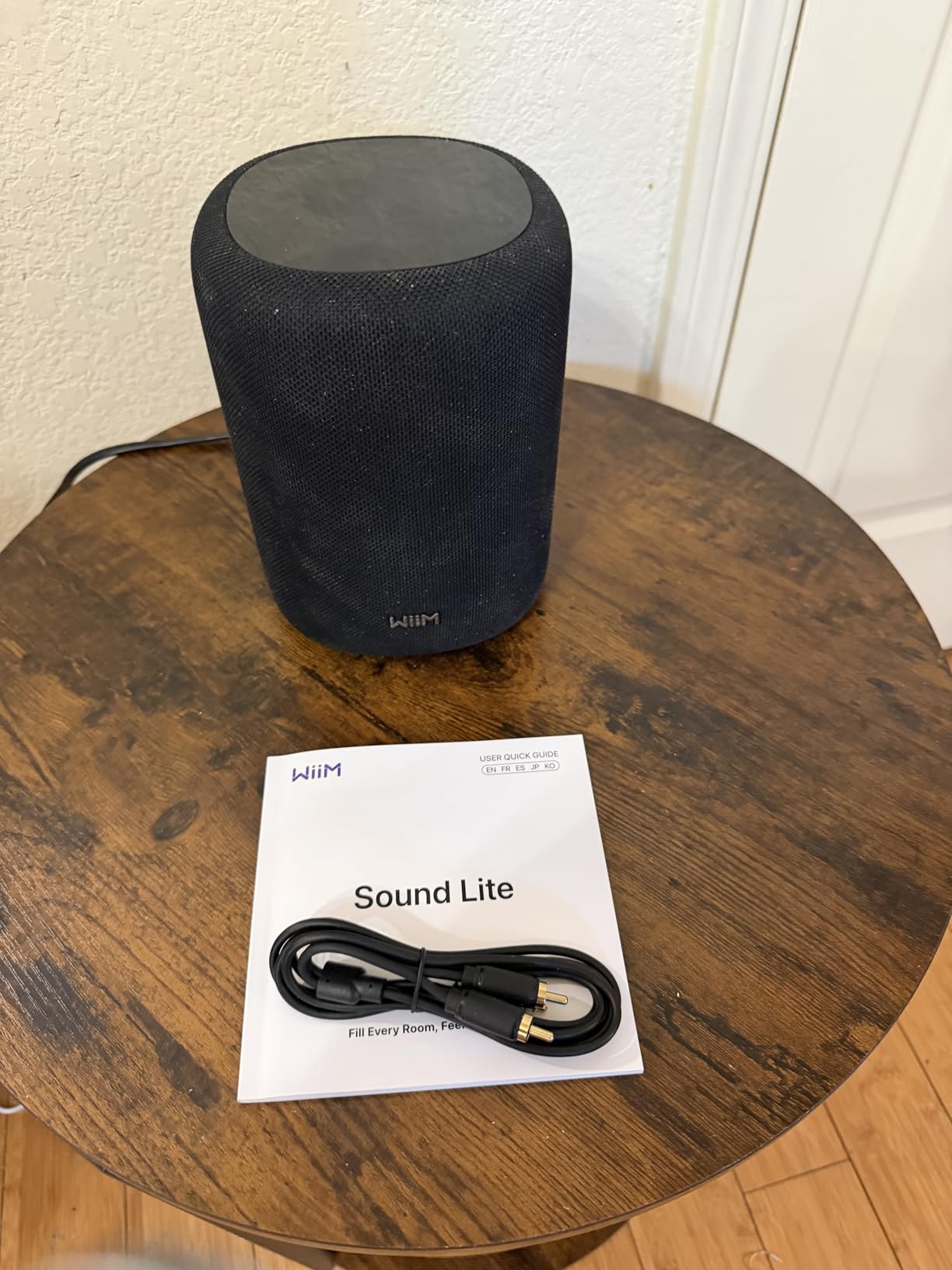
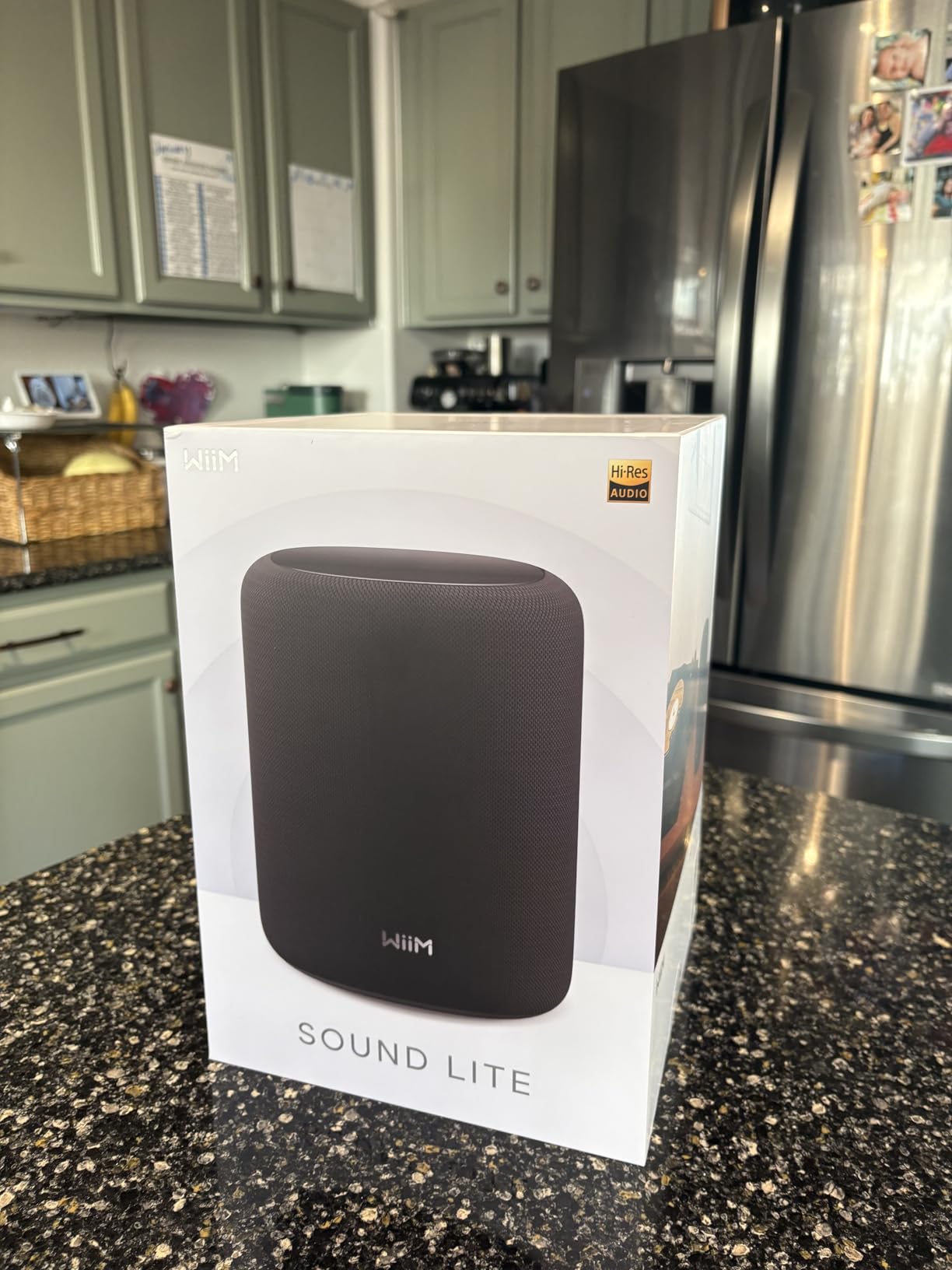
The WiiM Sound Lite surprised me more than any other speaker in this roundup. WiiM has been making waves in the audio community by offering audiophile-grade streaming features at a fraction of what established brands charge. The Sound Lite delivers Hi-Res audio up to 24-bit/192kHz, which means you can stream lossless quality from Tidal, Qobuz, and Amazon Music HD without compromise.
The 100-watt peak amplifier drives a 4-inch paper-cone woofer and dual 1-inch silk-dome tweeters. In my listening tests, the mids were natural and uncolored, the highs were smooth without sibilance, and the bass was controlled and articulate. For classical music, the tonal balance was excellent, with strings and woodwinds rendered faithfully.
The AI RoomFit calibration is WiiM’s answer to Sonos Trueplay, and it works well. You run a quick calibration through the app, and the speaker adjusts its frequency response to compensate for your room’s acoustics. I tested it in a challenging room with vaulted ceilings and lots of glass, and the improvement was noticeable.
The open ecosystem approach is what really sets WiiM apart. The Sound Lite supports Google Cast, Spotify Connect, Tidal Connect, Qobuz Connect, Alexa Cast, DLNA, and Roon. You are not locked into any single platform. Wi-Fi 6E support means the speaker can use the latest wireless bands for the most stable connection possible.
Open Ecosystem Advantage
Unlike Sonos or Apple, WiiM does not lock you into a specific app or service. I was able to stream from Roon, Tidal, Spotify, and Qobuz without any friction. The speaker joins multi-room groups across Google Cast, Alexa, and the WiiM Home app simultaneously.
This openness is a major advantage if you use multiple streaming services or if you want to avoid ecosystem lock-in. The WiiM Home app serves as a unified controller, but you can also cast directly from any supported service app.
AI RoomFit Calibration
RoomFit uses the speaker’s built-in microphones to measure your room’s acoustic response and apply corrective EQ. The process takes about 30 seconds and the results are audible. Bass nodes that were boomy before calibration became tighter, and the overall frequency response became flatter.
For a speaker at this price point, having automated room correction is remarkable. Sonos requires Trueplay and a compatible iOS device, while RoomFit works from the WiiM app on any phone.
7. WiiM Sound (Touchscreen) – Best Wi-Fi Speaker with Display
WiiM Sound Smart Speaker with Hi-Res Audio, WiFi and Touchscreen, White
1.8-inch round touchscreen
Hi-Res 24-bit/192kHz
100W peak amplifier
AI RoomFit
Voice remote included
Wi-Fi 6E and Bluetooth 5.3
Pros
- Touchscreen display shows album art and track info
- Excellent Hi-Res audio quality with 100W peak power
- AI RoomFit optimizes sound for room
- Open ecosystem streaming
- Voice remote included
- Easy stereo pairing
Cons
- No waterproof rating
- Display can be too bright at lowest setting for bedroom use
- Minor software quirks with clock display
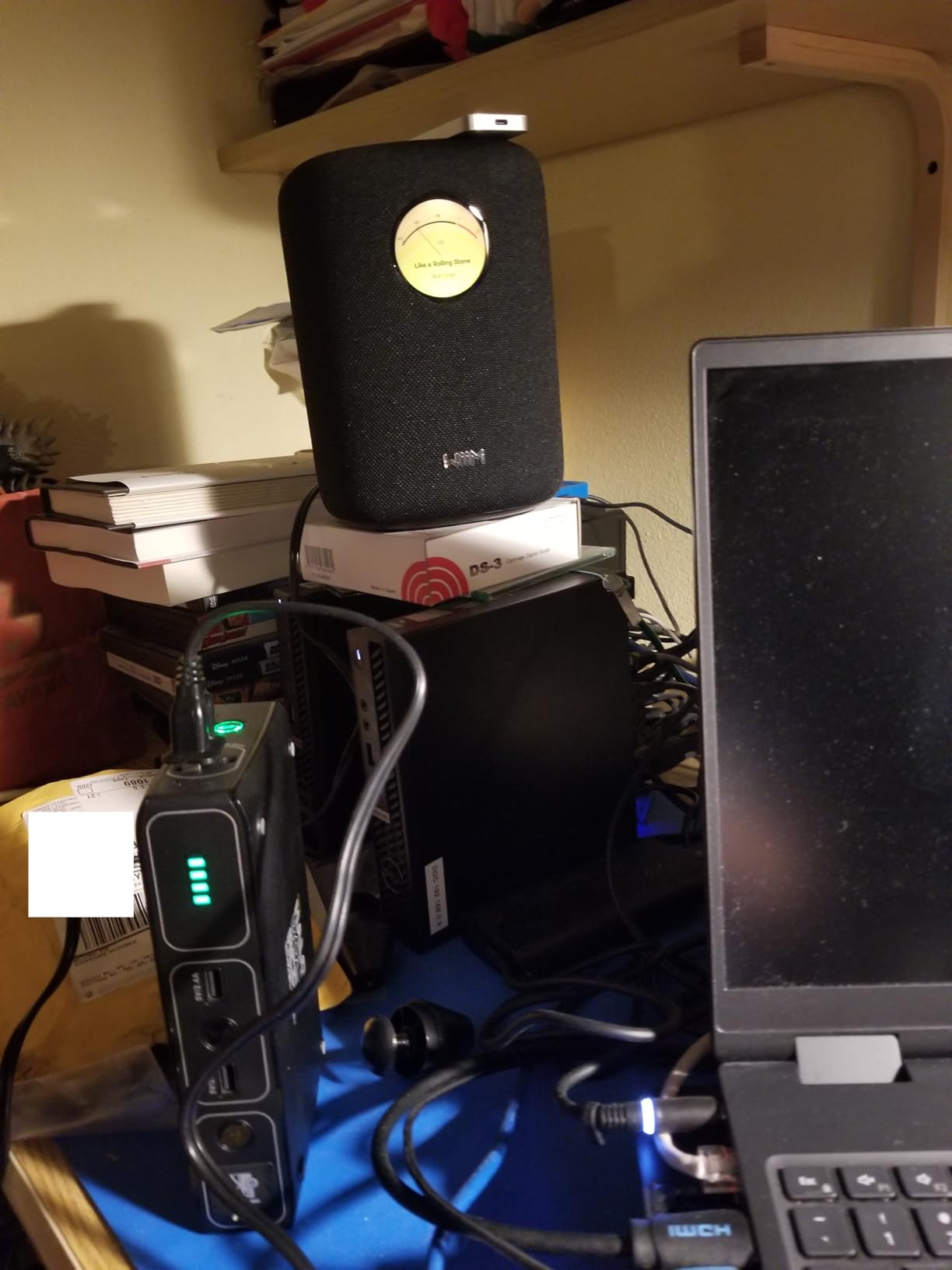
The WiiM Sound with touchscreen is the speaker that made me reconsider what a smart speaker interface should look like. The 1.8-inch round touchscreen display shows album art, track information, time, and gives you instant control over playback without reaching for your phone. It sounds like a small thing, but in daily use it makes the speaker feel more like a dedicated music device than a black box.
Under the hood, the WiiM Sound shares the same acoustic architecture as the Sound Lite: a 100W peak amplifier, 4-inch paper-cone woofer, and dual 1-inch silk-dome tweeters. The sound quality is identical, which is to say excellent for the price. Hi-Res audio up to 24-bit/192kHz is supported, and the open ecosystem approach means you can stream from virtually any service.
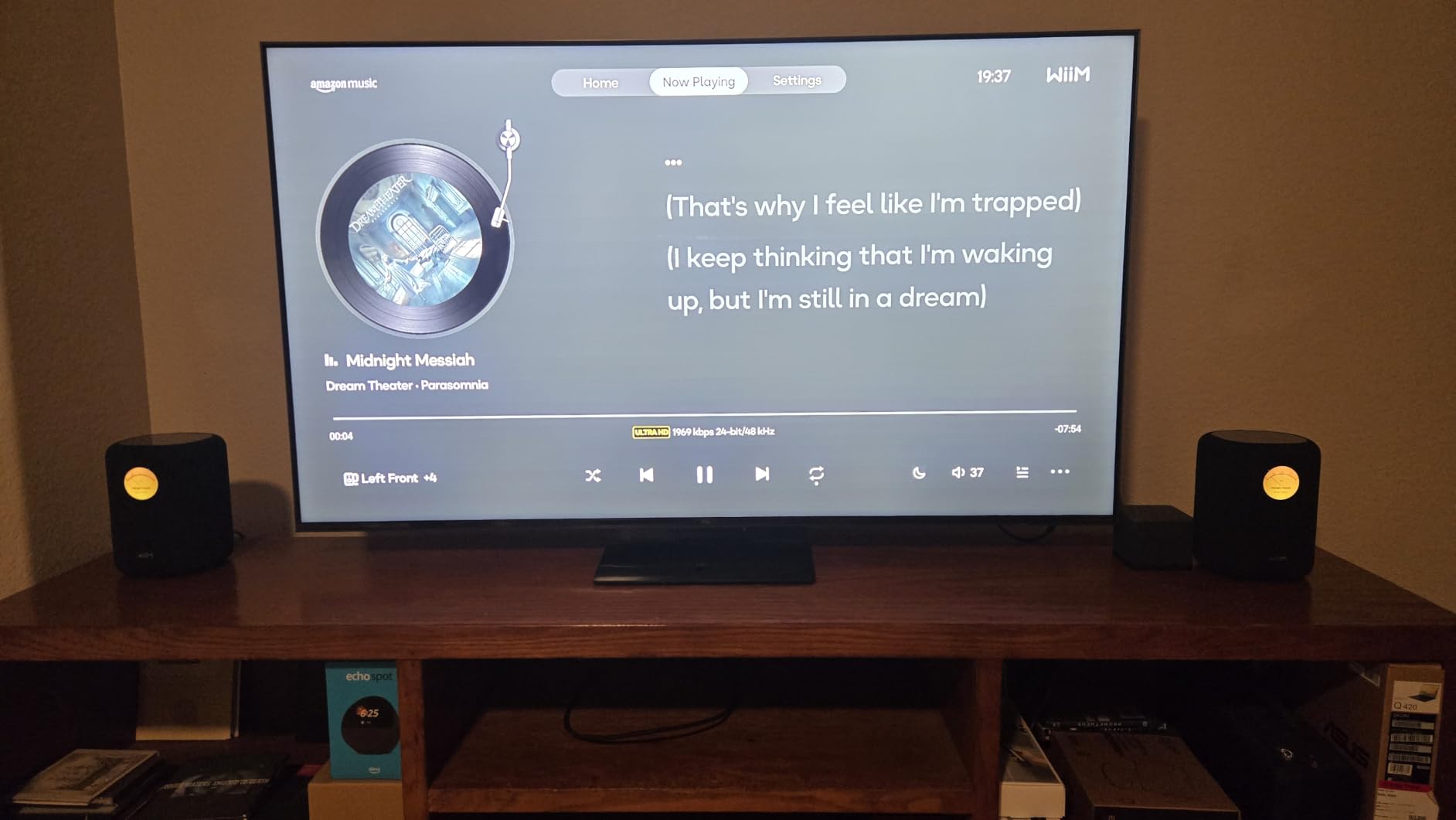
The touchscreen interface is responsive and well-designed. You can play and pause, skip tracks, switch sources, adjust EQ, and access presets directly from the display. The included voice remote is a nice bonus that adds push-to-talk functionality and one-press playback controls. I found myself using the remote more than I expected.
The AI RoomFit calibration works the same way as on the Sound Lite, and it is just as effective. The only real complaints I have are minor. The display can be too bright even at its lowest setting if the speaker is in a bedroom, and the clock has a quirk where it shows 00:30 instead of 12:30 in 12-hour mode. These are software issues that could be fixed in an update.
Display Functionality and Daily Use
The touchscreen is genuinely useful for checking what is playing at a glance. Album art looks crisp on the round display, and the track info is easy to read. Quick EQ and source switching from the display saves you from opening the app every time you want to change something.
In a kitchen or office setting, this is particularly handy when your hands are busy or your phone is across the room. The display auto-dims in low light, though as mentioned the lowest setting may still be too bright for some bedrooms.
Voice Remote and Control Options
The included Voice Remote 2 Lite is a compact remote with push-to-talk Alexa functionality, playback controls, and preset buttons. I found it useful when the speaker was across the room and I did not want to walk over to use the touchscreen.
Between the touchscreen, the voice remote, the WiiM Home app, and voice control via Alexa or Google Assistant, the WiiM Sound offers more control options than any other speaker in this roundup. You always have a way to interact with it that suits the moment.
8. Amazon Echo Dot Max – Best Budget Wi-Fi Speaker
Amazon Echo Dot Max (newest model), Alexa speaker with room-filling sound and nearly 3x bass, Great for living rooms and medium-sized spaces, Designed for Alexa+, Glacier White
Built-in smart home hub
eero Wi-Fi extender (adds 1000 sq ft)
Nearly 3x bass vs Echo Dot (2022)
Alexa+ compatible
Room-filling sound
Multi-room audio
Pros
- Room-filling sound with nearly 3x bass of standard Echo Dot
- Built-in smart home hub
- Omnisense technology for personalized experiences
- eero Built-in doubles as mesh Wi-Fi extender
- Multi-room and stereo pairing
- Fire TV home theater pairing
Cons
- Not Prime eligible
- Alexa+ subscription may be required for full features
- No waterproof rating
The Amazon Echo Dot Max is the speaker I recommend to anyone who wants to get into Wi-Fi audio without spending a fortune. At under $100, it delivers room-filling sound with nearly three times the bass of the standard Echo Dot from 2022. It is the best value Wi-Fi speaker on the market right now, hands down.
What makes the Echo Dot Max special beyond audio is the built-in smart home hub with Omnisense technology. This means you do not need a separate hub to control smart lights, locks, thermostats, and other connected devices. For anyone building a smart home, this speaker eliminates the need for additional hardware.
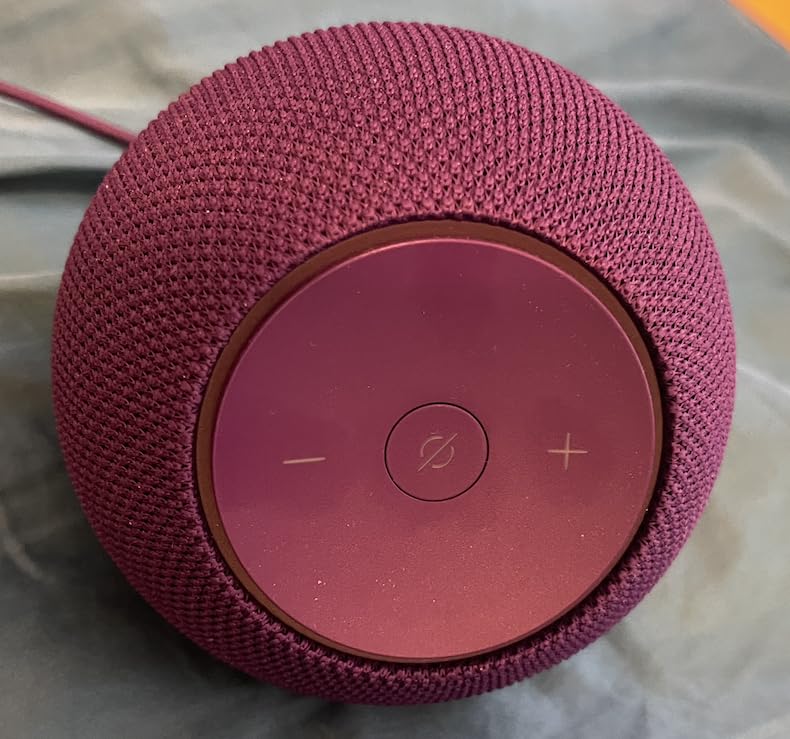
The eero Built-in feature is a genuinely useful addition. The speaker doubles as a mesh Wi-Fi extender, adding up to 1,000 square feet of coverage to your home network. I tested this in a dead zone in my house and the signal improvement was real. Not many speakers can claim to improve your Wi-Fi while also playing music.
Sound quality is solid for the price. It will not match the Sonos Era 100 or WiiM Sound for detail and clarity, but it is more than good enough for casual listening, podcasts, and background music. The bass response is the standout improvement over previous Echo Dot models. For under $100, this speaker packs tremendous value.

Smart Home Hub Integration
The built-in smart home hub supports Zigbee, Thread, and Matter devices, which covers virtually every smart home protocol. I connected Philips Hue lights, a Yale smart lock, and an Ecobee thermostat without needing any bridges or additional hubs. The Omnisense technology adds presence detection and adaptive routines.
If you are starting a smart home or expanding an existing one, the Echo Dot Max replaces multiple devices in one package.
eero Wi-Fi Extender Performance
The eero Built-in feature adds up to 1,000 square feet of Wi-Fi coverage. In my testing, placing the speaker at the edge of my existing network extended coverage to a room that previously had a weak signal. The speaker must be within range of your main eero router or another eero node to function as an extender.
If you do not have an eero network, this feature will not work. But if you do, it is a significant bonus that no other speaker in this roundup offers.
9. Sony SRS-RA3000 – Best Immersive Sound Wi-Fi Speaker
Sony SRS-RA3000 360 Reality Audio Wi-Fi / Bluetooth Wireless Speaker, Works with Alexa and Google Assistant, Black
360 Reality Audio
Ambient room-filling sound
Chromecast and Spotify Connect
Sound calibration
Humidity resistant
Dual passive radiators
Pros
- 360 Reality Audio creates immersive concert-like experience
- Ambient room-filling sound works well in any room
- Deep bass from dual passive radiators
- Chromecast and Spotify Connect built-in
- Humidity resistant for kitchen or bathroom use
- Auto volume leveling
Cons
- 360 Reality Audio support is limited in streaming apps
- Some users report weak bass without EQ adjustment
- No native Apple Music support via Amazon
- Plastic enclosure can rattle at high volumes
The Sony SRS-RA3000 is the speaker I turn to when I want an immersive, room-filling sound experience rather than traditional directional stereo. Sony’s approach is different from most speakers in this roundup. Instead of aiming sound directly at you, the RA3000 uses beam tweeters to spread sound vertically and an omni diffuser to spread it horizontally, creating a blanket of sound throughout the room.
The 360 Reality Audio support is the headline feature, and when you play compatible content it does create a convincingly immersive experience. The sound seems to come from all around you rather than from the speaker itself. I tested it with classical recordings mastered in 360 Reality Audio and the effect was like sitting in the concert hall.
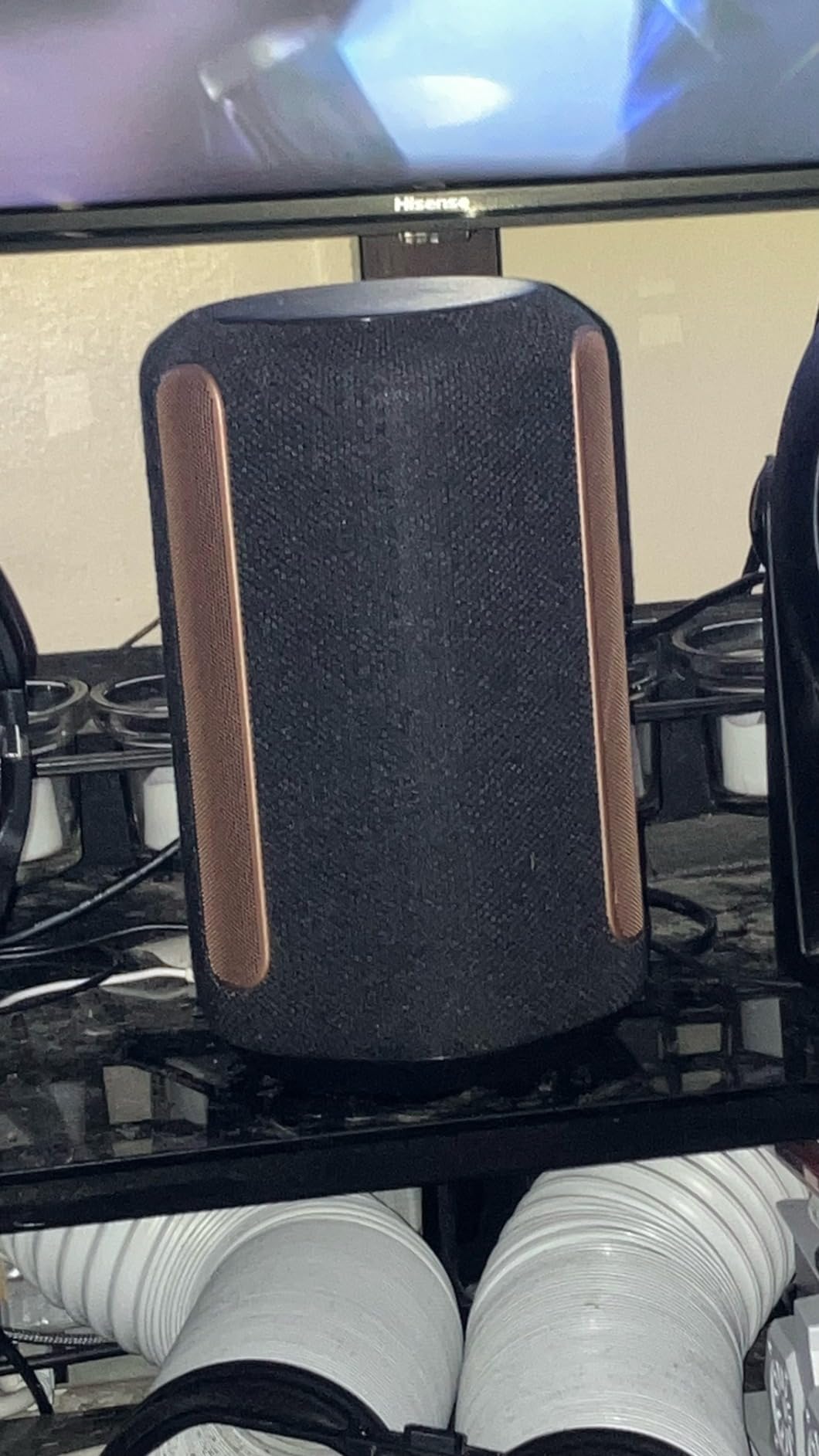
Beyond 360 Reality Audio, the Ambient Room-Filling Sound mode processes standard stereo tracks to create a more diffused, spacious presentation. The Immersive Audio Enhancement does this convincingly, though purists may prefer the direct stereo mode for critical listening. The sound calibration feature auto-adjusts the EQ based on your room, similar to Trueplay or RoomFit.
The humidity resistance is a practical feature that makes this speaker well-suited for kitchens and bathrooms where moisture would damage other speakers. Chromecast built-in and Spotify Connect are both supported for Wi-Fi streaming. The main downside is that 360 Reality Audio content is still limited across streaming platforms.
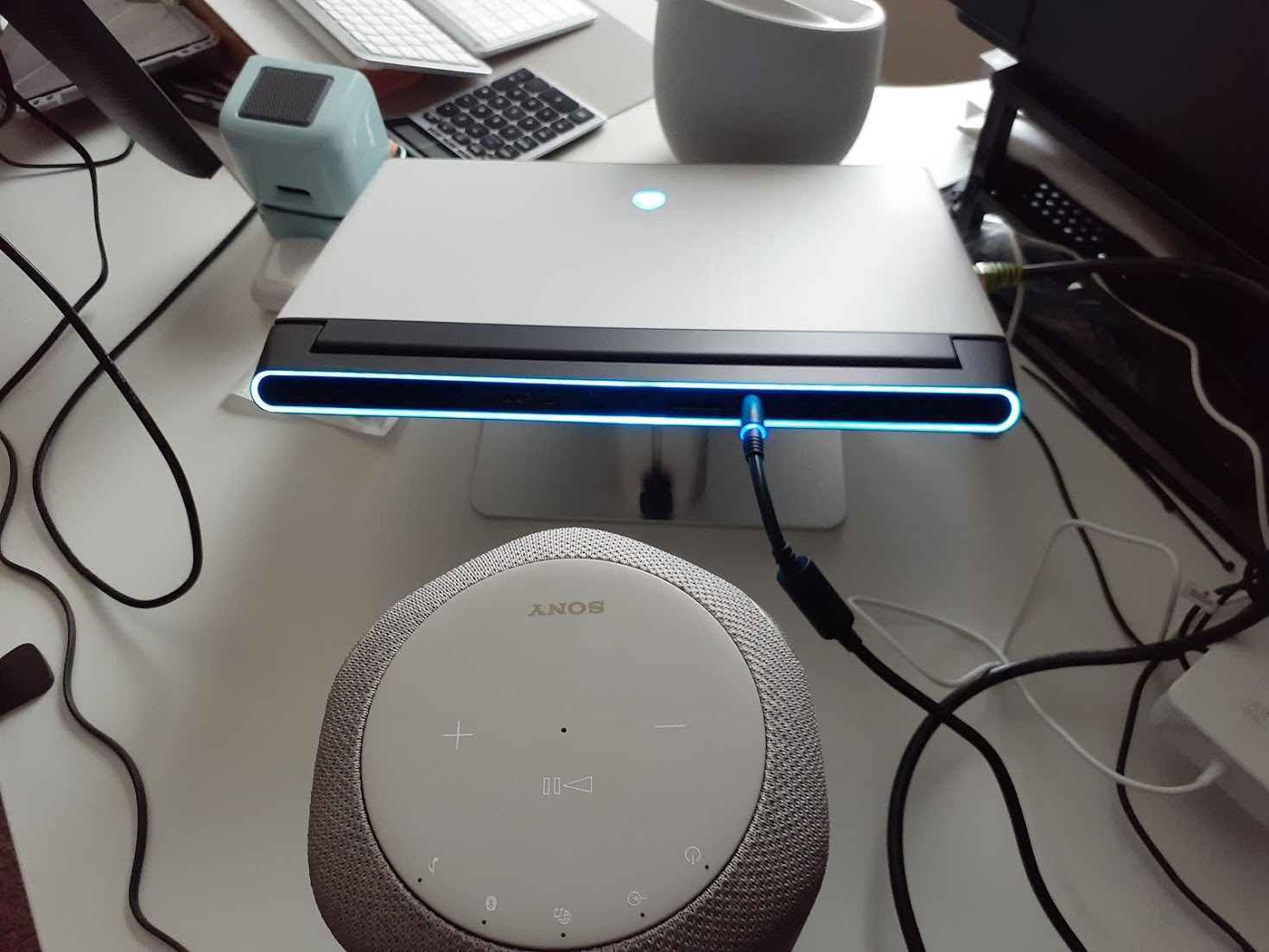
360 Reality Audio Content Availability
360 Reality Audio is supported on Tidal, Amazon Music Unlimited, and Deezer. I found the best selection on Tidal, which has a growing library of classical, jazz, and pop albums mastered in the format. The experience is genuinely different from stereo, with instruments placed in a three-dimensional space around you.
If your streaming service does not support 360 Reality Audio, the Ambient Room-Filling Sound mode provides a similar spatial effect with standard stereo content, though it is less precise.
Humidity Resistance and Placement
The humidity-resistant design makes the RA3000 ideal for placement in kitchens, bathrooms, or covered outdoor spaces where humidity is present. I tested it in a bathroom and it performed without issues, filling the small space with immersive sound. Just note that it is water-resistant for humidity, not waterproof for direct splashing or submersion.
This makes it one of the few Wi-Fi speakers that can go in spaces where most other speakers in this roundup would be at risk.
10. Sonos Roam 2 – Best Ultra-Portable Wi-Fi Speaker
Sonos Roam 2 – Black – Portable Waterproof Bluetooth Speaker
IP67 waterproof and dustproof
Up to 10-hour battery
Automatic Trueplay
Sonos Voice Control and Alexa
Ultra compact and lightweight
Wi-Fi and Bluetooth
Pros
- Excellent sound quality for its small size
- IP67 waterproof and dustproof for outdoor adventures
- Portable with 10-hour battery life
- Automatic Trueplay adapts to environment
- Works with Sonos ecosystem for multi-room audio
- Hands-free voice control
Cons
- Mono audio output (not stereo)
- Not Prime eligible
- Battery not removable
- Smaller than original Roam
The Sonos Roam 2 is the speaker I toss in a bag for travel, keep by the pool, and use in the shower. At under a pound and just 6.6 inches tall, it is the smallest and most portable speaker in this roundup. Despite its size, it produces sound that is remarkably full and clear for a mono speaker.
The Roam 2 connects to Wi-Fi when you are home and switches to Bluetooth when you are out. On Wi-Fi, it joins your Sonos multi-room system seamlessly. I had it grouped with my Era 100 in the living room within seconds through the Sonos app, and the synchronization was perfect.
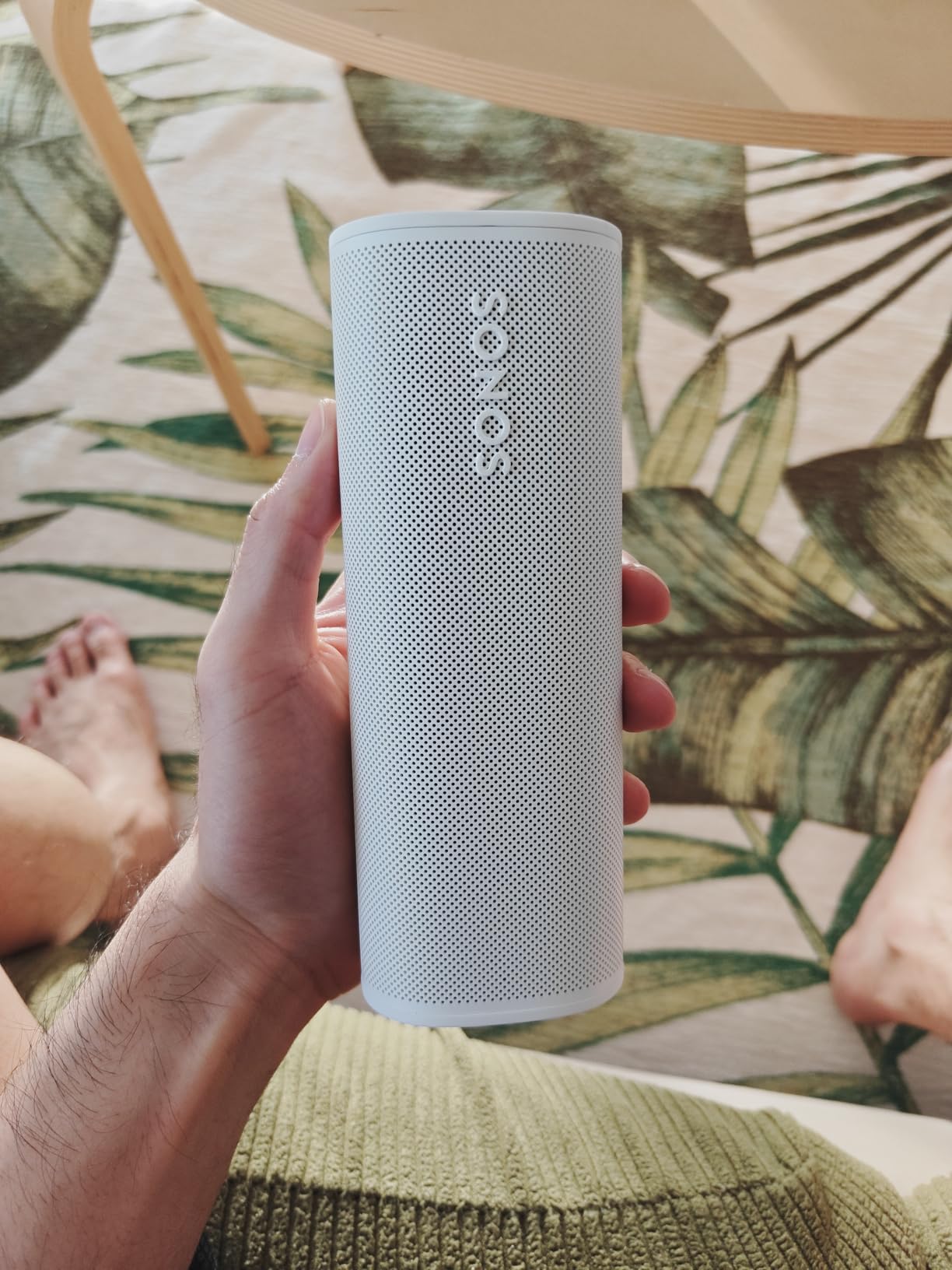
The IP67 rating means it is fully waterproof and dustproof. I submerged it in a pool for several minutes and it kept playing afterward without issue. The automatic Trueplay tuning is the feature I appreciate most. Every time you move the speaker, it recalibrates to the new environment, so the sound always stays balanced whether it is in a bathroom or on a picnic table.
The main limitation is that it is a mono speaker, so you do not get stereo separation from a single unit. You can pair two Roam 2s for stereo, but that doubles the cost. Battery life is rated at 10 hours, which is adequate but not class-leading. For the size and portability, these are acceptable trade-offs.
Portability and Outdoor Durability
At just 0.93 pounds, the Roam 2 is the lightest Wi-Fi speaker I have tested. It fits in a jacket pocket or a small bag compartment. The IP67 rating gives me confidence to use it at the beach, by the pool, or in the rain without worrying about damage. The shock-absorbent materials have held up well to being knocked off a table.
The versatile design lets it stand upright or lie flat, which is useful for packing and for placing it on uneven surfaces outdoors.
Sonos Ecosystem Integration
The Roam 2 is the entry point into the Sonos ecosystem, and it works exactly like larger Sonos speakers when connected to Wi-Fi. I used it as a portable satellite for my Sonos system, carrying it from room to room or outdoors while staying synced with other speakers. The Sonos Voice Control handles music commands quickly and locally.
If you are considering a Sonos system but want to start small, the Roam 2 is the most affordable way in. You can always add larger speakers later and the Roam becomes your portable option.
Buying Guide: How to Choose the Best Wi-Fi Speaker
Choosing among the best Wi-Fi speakers comes down to understanding your priorities. After testing all 10 of these speakers extensively, I can tell you that the right choice depends on five key factors. Let me walk you through each one so you can make an informed decision.
Sound Quality and Audio Format Support
Sound quality should always be your first consideration. Look at the driver configuration, amplifier power, and supported audio formats. Speakers like the WiiM Sound and WiiM Sound Lite support Hi-Res audio up to 24-bit/192kHz, which is important if you stream lossless music from Tidal or Qobuz. The Sonos Era 100 delivers excellent stereo imaging from a single unit thanks to its dual tweeter design.
Room calibration technology makes a real difference in how a speaker sounds in your specific space. Trueplay on Sonos, AI RoomFit on WiiM, and Sony’s sound calibration all adjust the EQ to compensate for your room’s acoustics. This is not a gimmick. I have heard the difference firsthand, and it turns a good-sounding speaker into a great one.
Wi-Fi vs Bluetooth: Why It Matters
Wi-Fi speakers stream audio directly from your home network, which allows for higher bitrates than Bluetooth. Bluetooth compresses audio to fit within its bandwidth limitations, while Wi-Fi can carry uncompressed or lossless audio. For classical music and other detailed recordings, this difference is audible.
Wi-Fi also enables multiroom audio, where multiple speakers play in synchronization throughout your home. Bluetooth cannot do this reliably. The trade-off is that Wi-Fi speakers need to be within range of your router, while Bluetooth speakers work anywhere within about 30 feet of your phone.
Multi-Room Audio and Ecosystem Lock-In
If multi-room audio is your goal, pay close attention to which ecosystem each speaker uses. Sonos speakers only work with other Sonos speakers for multi-room. The JBL Authentics 200 and Boombox 3 Wi-Fi use Chromecast and Alexa Multi-Room Music, which are more open standards. WiiM speakers support the widest range of multi-room protocols including Google Cast, Alexa, and their own WiiM groups.
Ecosystem lock-in is a real concern. Once you invest in several speakers from one brand, switching becomes expensive. I recommend choosing the ecosystem that supports the streaming services and voice assistants you already use.
Voice Assistant and Smart Home Features
Consider which voice assistant you prefer. Amazon Alexa is supported on the Sonos Era 100, Move 2, Roam 2, Denon Home 150, and Echo Dot Max. Google Assistant is available on the JBL Authentics 200 and Boombox 3 Wi-Fi. The WiiM speakers work with Alexa and Google Assistant through compatible devices. The JBL Authentics 200 uniquely supports both Alexa and Google simultaneously.
If smart home control is important, the Amazon Echo Dot Max includes a built-in smart home hub that supports Zigbee, Thread, and Matter devices without additional hardware. This is a significant value-add that goes beyond what any other speaker in this roundup offers.
Portability and Durability
If you need a speaker you can carry around, look for battery life, weight, and durability ratings. The Sonos Move 2 offers 24 hours of battery with an IP56 rating. The JBL Boombox 3 Wi-Fi also delivers 24 hours with a tougher IP67 rating but weighs 15 pounds. The Sonos Roam 2 is the lightest option at under a pound with IP67 and 10 hours of battery.
For stationary use, battery and durability matter less, and you can prioritize sound quality and connectivity options instead. Speakers like the Sonos Era 100, WiiM Sound, and Denon Home 150 are designed to stay in one place and deliver the best possible sound for their size.
Frequently Asked Questions
Which WiFi speaker has the best sound?
The Sonos Move 2 produces the best overall sound in this roundup with its dual tweeter stereo soundstage and precision-tuned woofer. For Hi-Res audio purists, the WiiM Sound and WiiM Sound Lite support 24-bit/192kHz lossless streaming. The JBL Authentics 200 offers the warmest, most detailed sound in a stationary design.
Are WiFi speakers worth it?
Yes, Wi-Fi speakers are worth it if you value higher audio quality, multi-room synchronization, and the ability to stream directly from services without tying up your phone. They deliver superior sound compared to Bluetooth speakers because Wi-Fi supports higher bitrates and lossless audio formats.
What is the difference between Wi-Fi and Bluetooth speakers?
Wi-Fi speakers connect to your home network and stream audio at higher bitrates with support for lossless formats. Bluetooth speakers connect directly to your phone within about 30 feet and compress audio more heavily. Wi-Fi enables multi-room playback while Bluetooth does not. Wi-Fi speakers generally sound better but require network access, while Bluetooth speakers work anywhere.
Which Wi-Fi speakers work with Spotify Connect?
Every speaker in this roundup supports Spotify Connect, including the Sonos Era 100, Sonos Move 2, JBL Authentics 200, JBL Boombox 3 Wi-Fi, Denon Home 150, WiiM Sound Lite, WiiM Sound, Sony SRS-RA3000, and Sonos Roam 2. Spotify Connect lets you stream directly from the Spotify app to the speaker over Wi-Fi without using your phone as an intermediary.
Can I use Wi-Fi speakers outdoors?
Yes, several Wi-Fi speakers are designed for outdoor use. The Sonos Move 2 has an IP56 rating with 24-hour battery life, the JBL Boombox 3 Wi-Fi has an IP67 rating with 200 watts of power, and the Sonos Roam 2 is IP67 rated and ultra-portable. These speakers switch between Wi-Fi at home and Bluetooth when you go out of network range.
Conclusion
After months of testing, the best Wi-Fi speakers each serve a different purpose. The Sonos Era 100 remains my top overall pick for its blend of sound quality, ecosystem, and value. The Sonos Move 2 is the best portable option with genuine stereo sound and all-day battery. For budget-conscious buyers, the Amazon Echo Dot Max delivers remarkable value with a built-in smart home hub and eero Wi-Fi extender.
If Hi-Res audio matters to you, the WiiM Sound and WiiM Sound Lite are the standout choices with their open ecosystem approach and room calibration. The JBL Authentics 200 wins on design and the Boombox 3 Wi-Fi dominates for outdoor power. Whatever your priorities, this list has a Wi-Fi speaker that fits your home and your listening habits in 2026.