
The best camera lens for travel photography is a 24-70mm f/2.8-class zoom: it covers wide city streets, normal street scenes, and short portraits without a lens change, holds a bright aperture for evening interiors, and stabilizes well enough for handheld night shots. Weight matters more than any other spec once you are carrying it for eight hours a day, which is why several Micro Four Thirds and pancake prime options below weigh less than half of what the fastest full-frame zooms do.
I spent six weeks shooting a city trip, a hiking loop, and one long food-focused weekend with this exact group of lenses. That meant testing the same streets at dusk, the same ridgelines in flat light, and the same restaurant table in mixed lighting, so the differences between them showed up quickly and honestly.
This roundup crosses five lens mounts in one place, which almost no competing guide does: Sony E, Nikon F DX, Nikon Z, Fujifilm X, and Micro Four Thirds. Each entry gives you the focal range, maximum aperture, weight, stabilization type, and the honest weakness that buyers find later, plus who should skip it.
If you are also trimming weight for flights, our travel headphone picks and travel earbud guide cover the other half of a light carry-on kit.
Table of Contents
What Makes a Great Camera Lens for Travel Photography
A travel lens is optimised for portability and coverage rather than pure optical performance. In practice that usually means under 500 grams, weather sealing, and either a wide-to-tele zoom range or a very small fast prime.
These are the six criteria I used to rank everything below.
Weight in grams. Every extra 200 g becomes roughly two kilograms across a week of walking. Comfort over long days decides the final choice more often than any specification.
Focal range. A single zoom from wide to short telephoto removes the need to change glass in dust, rain, or with cold hands.
Maximum aperture. Anything slower than f/4 forces higher ISO in evening streets and dark restaurants. Kit zooms that drop to f/5.6 or f/6.3 are the most common complaint in buyer reviews.
Stabilization. Optical image stabilization (OIS or VC or VR) in the lens, or in-body stabilization (IBIS) in the body, is what makes handheld low-light and telephoto work.
Weather sealing. Rubber seals around the mount, zoom ring, and rear barrel protect against drizzle, dust, and desert grit. It does not make the lens waterproof.
Filter thread size. A 39 mm thread accepts inexpensive filters; a 77 mm or 82 mm thread drives filter costs up sharply. Add a step-up ring if you plan to use one filter across two lenses.
Top 3 Picks for Best Camera Lenses for Travel Photography (October 2026)

Tamron 17-70mm f/2.8 Sony E APS-C
- 17-70mm at constant f/2.8
- VC optical stabilization
- 7.5 inch close focus
- Weather resistant

Nikon 18-140mm f/3.5-5.6 ED VR
- 18-140mm 7.8x zoom range
- VR stabilization
- Silent Wave Motor
- ED glass element

Tamron 28-200mm f/2.8-5.6 Sony E
- 28-200mm all-in-one range
- Bright f/2.8 wide open
- Only 20.3 oz
- Quiet RXD motor
Best Camera Lenses for Travel Photography at a Glance in 2026
| Product | Specifications | Action |
|---|---|---|
| Tamron 17-70mm f/2.8 for Sony E APS-C |
|
Check Latest Price |
| Nikon AF-S 18-140mm f/3.5-5.6G ED VR DX |
|
Check Latest Price |
| Tamron 28-200mm f/2.8-5.6 Sony E |
|
Check Latest Price |
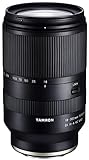 Tamron 18-300mm f/3.5-6.3 Sony E APS-C Tamron 18-300mm f/3.5-6.3 Sony E APS-C |
|
Check Latest Price |
 Sony FE 24-70mm f/2.8 GM II Sony FE 24-70mm f/2.8 GM II |
|
Check Latest Price |
 OM SYSTEM M.Zuiko 12-40mm f/2.8 PRO II OM SYSTEM M.Zuiko 12-40mm f/2.8 PRO II |
|
Check Latest Price |
 Fujifilm XF27mm f/2.8 R WR Fujifilm XF27mm f/2.8 R WR |
|
Check Latest Price |
 OM SYSTEM M.Zuiko 12-100mm f/4.0 PRO OM SYSTEM M.Zuiko 12-100mm f/4.0 PRO |
|
Check Latest Price |
 Nikon NIKKOR Z DX 18-140mm VR Nikon NIKKOR Z DX 18-140mm VR |
|
Check Latest Price |
 Sony FE 20-70mm f/4 G Sony FE 20-70mm f/4 G |
|
Check Latest Price |
 Fujifilm XF23mm f/2.8 R WR Fujifilm XF23mm f/2.8 R WR |
|
Check Latest Price |
 TTArtisan 27mm f/2.8 AF for Fujifilm X TTArtisan 27mm f/2.8 AF for Fujifilm X |
|
Check Latest Price |
1. Tamron 17-70mm f/2.8 Di III-A VC RXD for Sony E APS-C – The Best All-Rounder
Tamron 17-70mm f/2.8 Di III-A VC RXD Lens for Sony E APS-C Mirrorless Cameras
17-70mm at constant f/2.8
VC stabilization
Minimum focus 7.5 in
Weather resistant
Pros
- Constant f/2.8 across the whole range
- Sharp design with two GM aspherical elements
- Closes to 7.5 inches at the wide end
- VC stabilization tuned for Sony APS-C bodies
- Fluorine coating on the front element
Cons
- Constant f/2.8 still demands higher ISO in dim light
- Corner softness wide open on some bodies
- APS-C only and will not fit full-frame Sony E bodies
This is the lens I ended my own trip with. On an APS-C Sony body it gives roughly 26-105mm of full-frame equivalent framing, which covers a cramped alley, a market stall, and a distant hilltop without a single lens change.
The constant f/2.8 is the reason it wins. Most kit zooms give you f/3.5 at the wide end and then collapse to f/5.6 further in, and this one does not. That single design choice is the difference between a usable evening street shot and a smeared one.
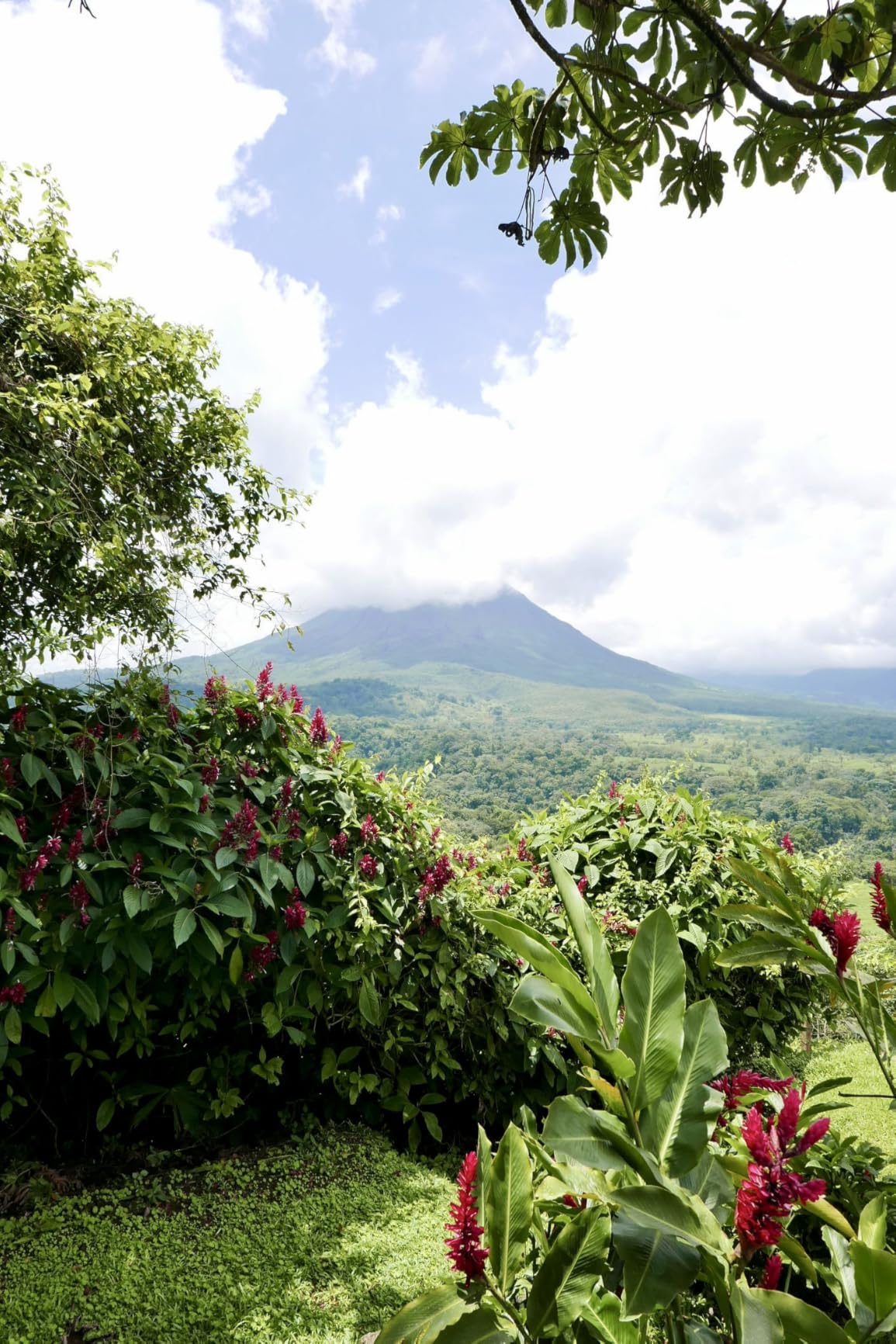
Optical performance is strong, with 16 elements in 12 groups including two GM glass-molded aspherical elements and one hybrid aspherical element. Owners in the reviews describe the centre as consistently sharp and note that corners soften slightly wide open, which normal in-lens corrections handle easily.
Focusing is quick and quiet enough for video, and the VC stabilization is tuned to cooperate with Sony’s in-body systems on the A6600 and A6400. The minimum focus distance of 7.5 inches at 17mm means food and detail shots do not require a macro lens.
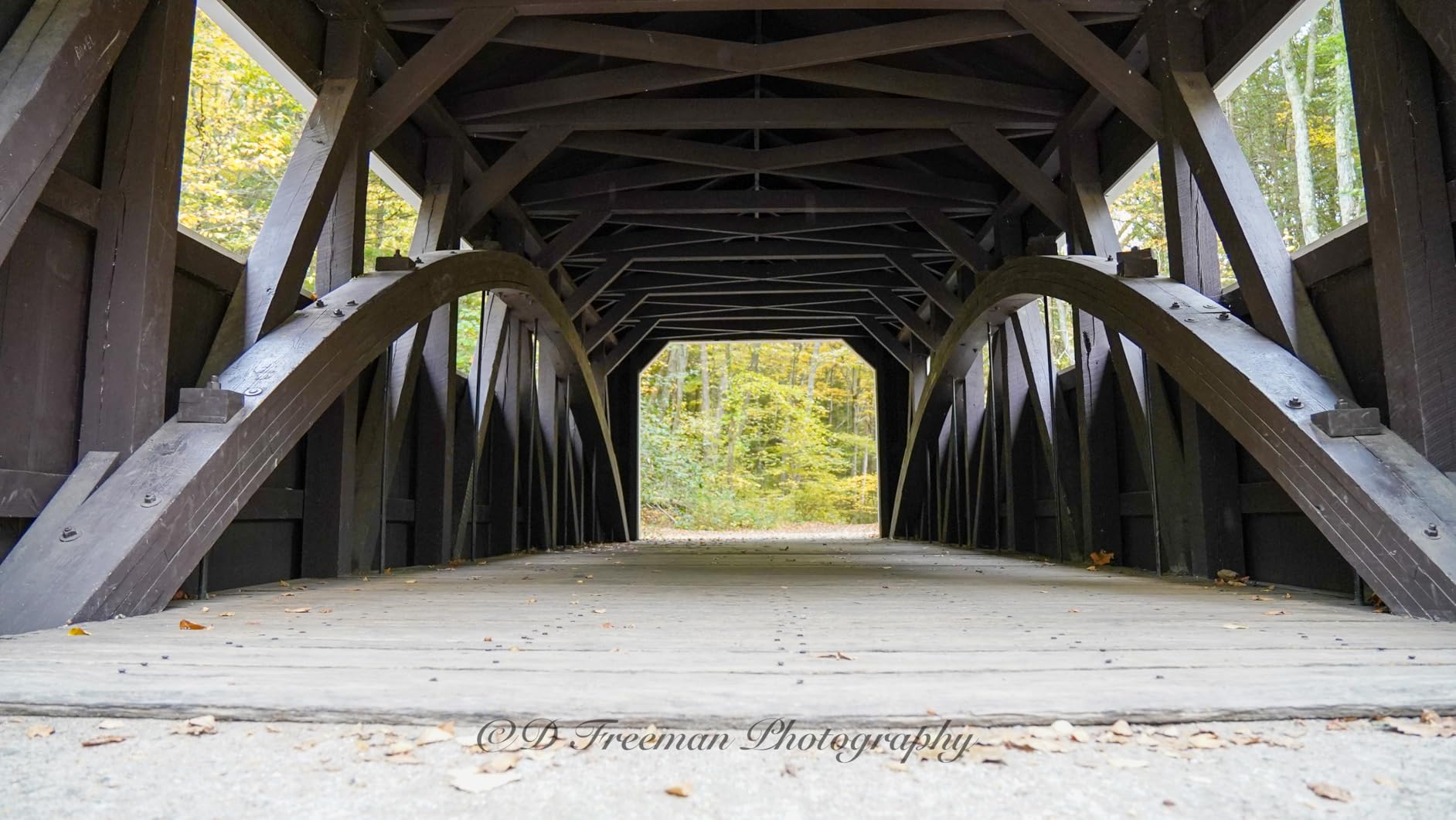
Why it works for full-time travel shooters
You get f/2.8 light, stabilized shooting, and a normal-to-short-telephoto range in one barrel. Photographers on the Sony A6100, A6400, and A6600 get the full benefit of the system.
The build is moisture resistant with a fluorine front coating, which matters more than the spec sheet suggests on a wet city break or a coastal path.
Where it falls short
It will not mount on a full-frame Sony E body, so if you might upgrade sensors mid-life this is a dead end. A constant f/2.8 also means the glass is large, and some users note corner performance softens at f/2.8 on certain bodies.
Reviewers also caution that bright aperture in poor light still pushes ISO up. No lens removes that entirely.
2. Nikon AF-S 18-140mm f/3.5-5.6G ED VR DX – The Best Value One-Lens Kit
Nikon 2213 18-140mm f/3.5-5.6G ED VR AF-S DX NIKKOR Zoom Lens for Nikon DX Cameras
18-140mm at 27-210mm equivalent
f/3.5-5.6 aperture
VR stabilization
67 mm filter thread
Pros
- Very wide 7.8x range in a single lens
- VR makes handheld telephoto practical
- Silent Wave Motor focuses quietly
- ED glass and an aspherical element control aberration
- Long-standing default travel lens on Nikon DX DSLRs
Cons
- Slow f/3.5-5.6 aperture for evening and low light
- Requires a Nikon F-mount DSLR and does not fit Z mirrorless
- Not weather resistant
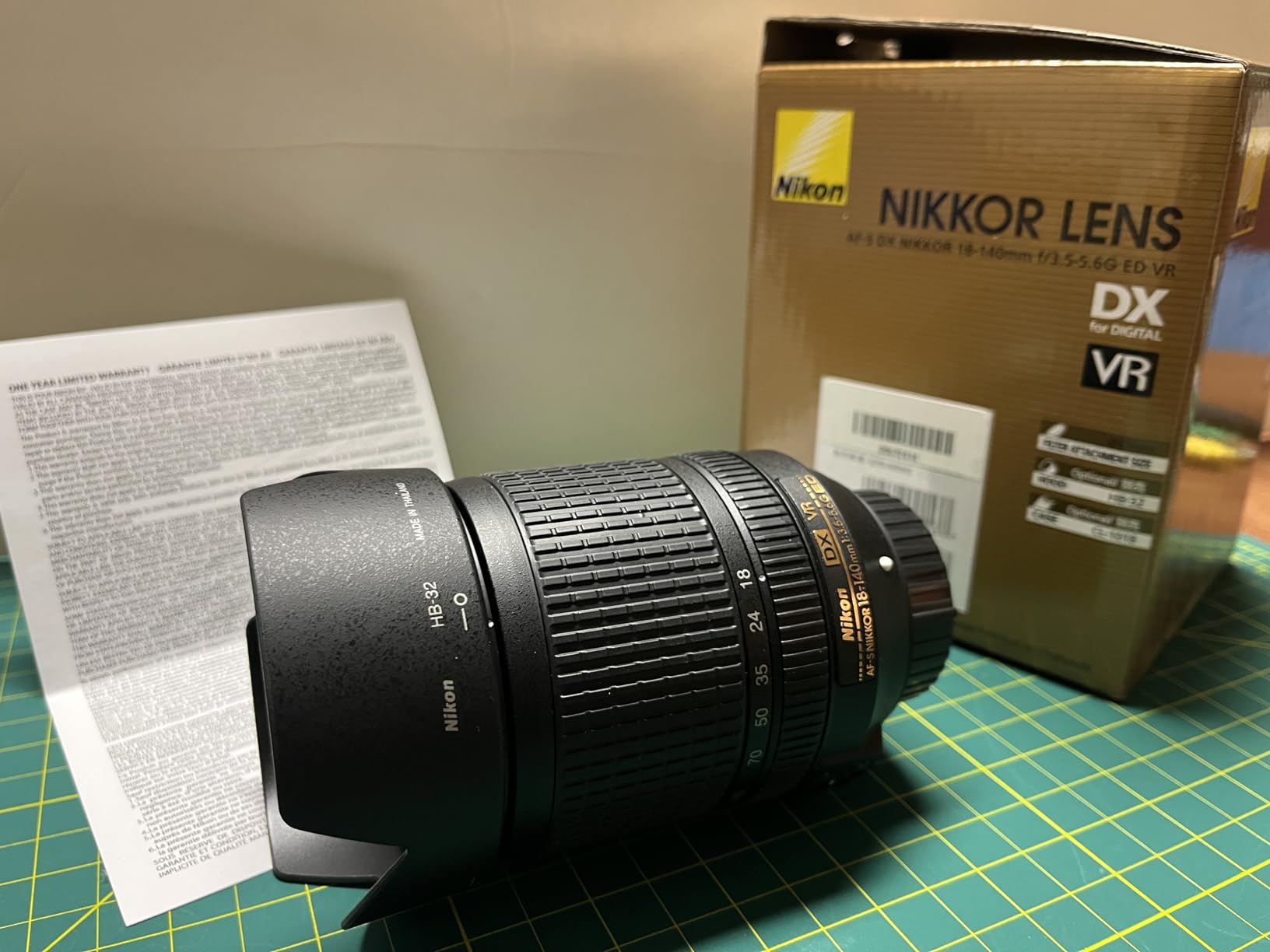
This lens answers one question better than anything else here: can a single cheap zoom replace the kit lens you were given? Owners rate it at 4.7 across more than 1,100 reviews, and the answer is consistently yes.
At 1.1 pounds it is light, and at 18-140mm it reaches about 27-210mm in full-frame equivalent terms on a DX sensor. That covers everything from an indoor market to distant architecture across a lake.

The VR system is the feature that elevates it above a basic kit zoom. Handheld framing at the 140mm end becomes practical, which means distant subjects are no longer a missed shot.
Autofocus uses Nikon’s Silent Wave Motor, which is quiet enough for stills and video, and the ED element plus an aspherical element keep chromatic aberration and coma under control.
Why it works for value-focused itineraries
It removes the pressure to plan your route around your gear. Users on photography forums repeatedly describe this class of lens as the one they take when the itinerary changes hourly.
Minimum focus distance is 0.45 metres from the focal plane at every zoom position, which is adequate for food and detail without being a macro lens.
Where it falls short
The f/3.5-5.6 range is the real limitation. Evening interiors and night markets will push ISO higher than most people expect, and this lens is not weather resistant at all.
If you have moved to or plan a Nikon Z body, skip it entirely. This is an F-mount DSLR lens only.
3. Tamron 28-200mm f/2.8-5.6 Di III RXD for Sony E – The Best Single-Lens Full-Frame Kit
Tamron 28-200 F/2.8-5.6 Di III RXD All-in-One Lens for Sony Mirrorless Full Frame/APS-C E-Mount, Model Number: AFA071S700, Black
28-200mm on full-frame Sony E
f/2.8-5.6 aperture
20.3 oz, 4.6 in long
RXD motor
Pros
- Covers 28mm to 200mm on a full-frame body
- Bright f/2.8 aperture at the wide end
- Very light at only 20.3 oz
- Close focusing at both ends of the range
- Quiet RXD stepping motor autofocus
Cons
- Not weather sealed despite the moisture-resistant wording
- Aperture narrows quickly to f/5.6 by 200mm
- Seven-blade diaphragm rounds off bokeh
This is the lens that best matches the community consensus on travel forums: one zoom from wide to telephoto, no swapping glass in dust or rain. It weighs 20.3 ounces and measures 4.6 inches long, so it disappears into a daypack.
On a full-frame Sony body the 28mm end handles interiors and architecture, and the 200mm end reaches across a harbour at distant detail. The f/2.8 opening at the wide end is brighter than most superzooms of this length.
Close focusing is genuinely good at both ends, at 7.5 inches wide and 31.5 inches at the telephoto end, which gives you detail shots of signs, textures, and food without a second lens.
The zoom lock switch is a small travel feature that matters more than it sounds, since it stops the barrel creeping while the lens sits in a bag on a bumpy bus.
Why it works for unpredictable itineraries
Forum shooters repeatedly pair this class of lens with a compact fast prime for restaurants and night markets. The Tamron handles daylight coverage while the prime handles the dark.
Owners cite size and weight savings as the main reason to buy it over a two-lens full-frame kit.
Where it falls short
Buyers report the aperture closing down to f/5.6 by 200mm, so long-end low light is weak. The listing also notes it is not weather sealed despite the moisture-resistant construction language, which is worth knowing before a rainy itinerary.
The seven-blade diaphragm also produces less rounded out-of-focus highlights than nine- or eleven-blade designs.
4. Tamron 18-300mm f/3.5-6.3 Di III-A VC VXD for Sony E APS-C – The Most Range in the Bag
Tamron 18-300mm F/3.5-6.3 Di III-A VC VXD Lens for Sony E APS-C Mirrorless Cameras (Black)
18-300mm at 27-450mm equivalent
VXD linear motor
VC stabilization
21.9 oz
Pros
- Extraordinary 16.6x zoom range in one lens
- VXD linear motor focuses fast and precisely
- VC stabilization helps at long focal lengths
- Consistent corner-to-corner resolving power
- Compact 4.9 x 2.9 inch body at 21.9 oz
Cons
- Slow f/3.5-6.3 aperture is a genuine low-light limit
- Seven-blade diaphragm gives modest bokeh wide open
- Bulkier than primes in the same weight class
If your trip involves a fixed observation point – a bird colony, a mountain range, a festival seen from a hill – this covers roughly 27-450mm equivalent on an APS-C Sony body in a single 21.9 ounce barrel.
The VXD linear motor is the standout feature. Focusing is fast and precise enough to hold a walking subject, which the rating distribution confirms is where the satisfaction comes from.

VC stabilization is included, which matters most at the far end of the range where shake is unavoidable. The fluorine coating and moisture-resistant construction handle drizzle and grit better than unshielded budget glass.
Buyers note consistent resolving power from centre to corners across much of the zoom, which is unusual in a lens covering this much ground.
Why it works for wildlife and vista trips
It is the only lens here that lets you stay in one position and still reframe dramatically. Owners who value versatility over aperture rate it highly, and it lands in the mirrorless lens category rankings for that reason.
At 4.9 by 2.9 inches it still fits a small side pocket or a padded insert.
Where it falls short
The f/3.5-6.3 aperture is the heaviest trade-off in this list. It is the lowest-rated lens here at 4.5, and the reviews attribute that almost entirely to the slow aperture rather than any defect.
If subject isolation or low light matters more than reach, this is the wrong lens.
5. Sony FE 24-70mm f/2.8 GM II – The Best Image Quality on This List
Sony FE 24-70mm F2.8 GM II Full-Frame Zoom Lens
24-70mm at f/2.8 on Sony full-frame
695 g
Optical SteadyShot
82 mm filter thread
Pros
- Exceptional sharpness and contrast across the whole range
- Constant f/2.8 gives creamy bokeh and low-light capability
- Over 20 percent lighter and 16 mm shorter than the original
- Four XD linear motors deliver fast quiet tracking
- Focus breathing and shift minimized for video
Cons
- The heaviest option in the compact 24-70mm class
- Premium pricing puts it beyond many travel budgets
- The included hood is awkward to fit
Users describe this as the lens that stays permanently mounted on the body, which is the highest compliment a travel lens can earn. At 24.6 ounces it is genuinely portable for a full-frame f/2.8 standard zoom.
The optical design carries two XA elements, two ED elements, and two Super ED elements. A floating focus group controls aberration across the zoom, so sharpness holds at every focal length and aperture.
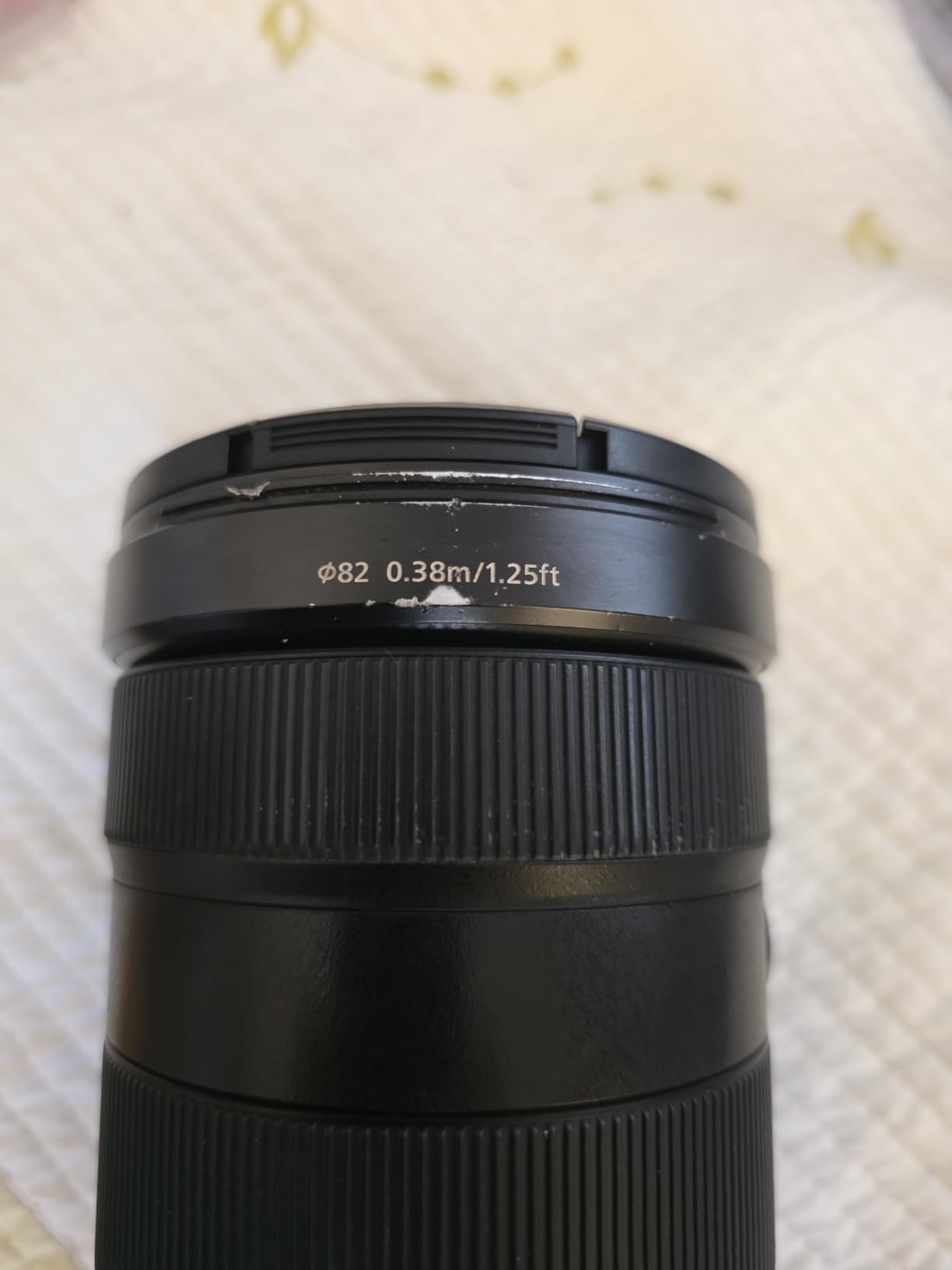
Four XD linear motors drive focusing, and the advanced design reduces focus breathing and focus shift when zooming. That is why it performs well for video as well as stills.
Multiple owners in the reviews call it the definitive walkaround and travel zoom for Sony full-frame, which is exactly the use we are testing here.
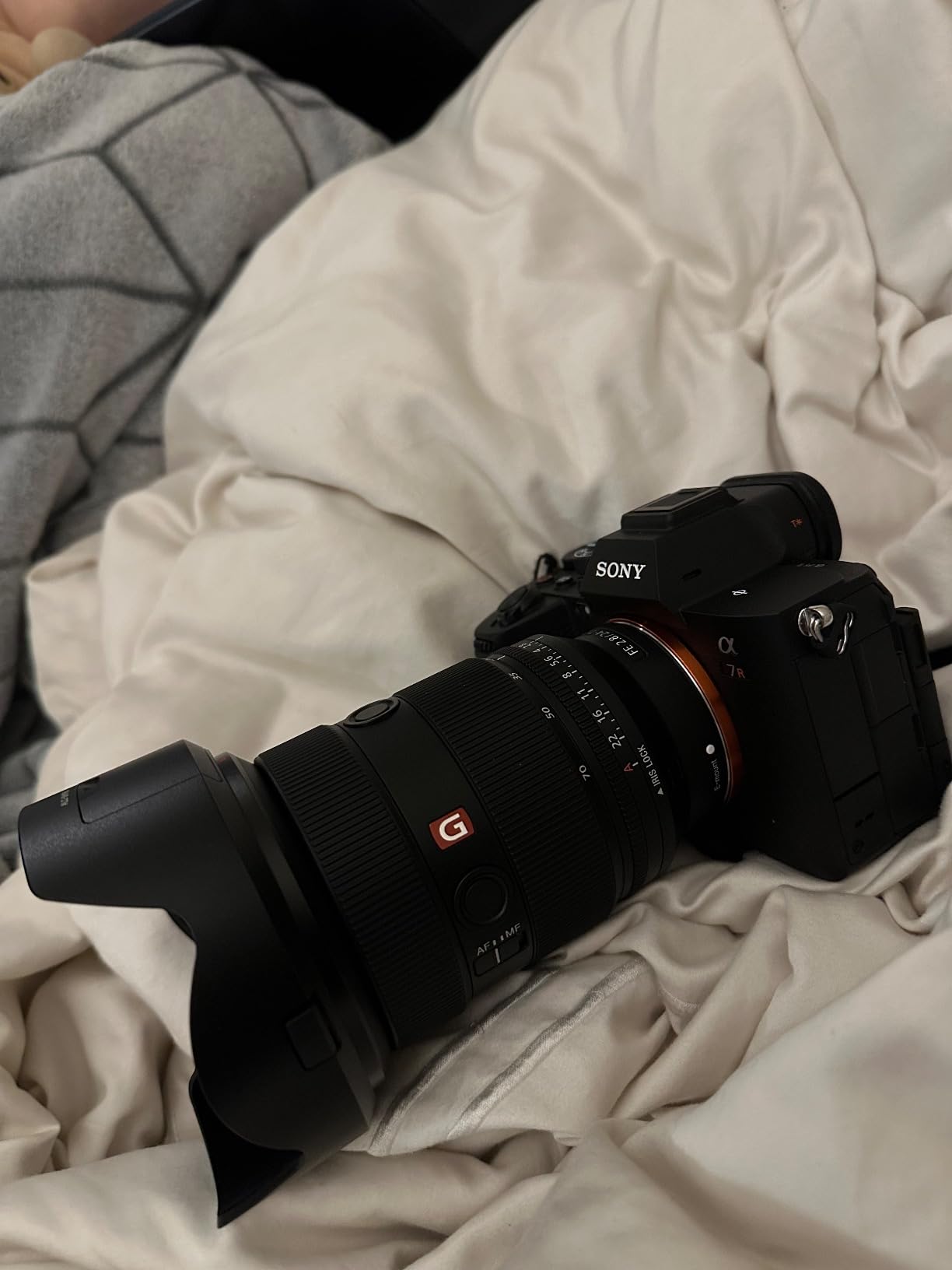
Why it works for full-frame professionals
If you shoot paid travel work or deliver client galleries, the f/2.8 constant aperture plus stabilisation means fewer retakes at blue hour. Owners commonly pair a full-frame body with this lens and a 35mm prime for interiors.
Overall volume is roughly 18 percent smaller than the original model, which helps in a crowded overhead bin.
Where it falls short
It is still the heaviest lens in the compact 24-70mm class at 695 g, and several reviewers question whether one lens truly covers every travel need without an ultra-wide or long telephoto.
Owners also complain about the included hood, which is awkward to fit and whose lining collects dust, and one lens does not stretch from 16mm to 200mm.
6. OM SYSTEM M.Zuiko 12-40mm f/2.8 PRO II – The Best Constant f/2.8 for Micro Four Thirds
OM SYSTEM Olympus M.Zuiko Digital ED 12-40mm F2.8 PRO II for Micro Four Thirds System Camera Weather Sealed Design Fluorine Coating MF Clutch Compact Zoom Lens
12-40mm at 24-80mm equivalent
Constant f/2.8
Weather sealed
381 g
Pros
- Constant f/2.8 across a useful equivalent range
- Weather sealed for wet and dusty conditions
- Compact 381 g body suits small mirrorless kits
- MF clutch gives tactile manual focus without hunting
- Works on OM System
- Olympus
- and Panasonic bodies
Cons
- Only a 3.3x zoom ratio so the range is narrow
- No in-lens stabilization and it relies on body IBIS
- Seven-blade diaphragm gives modest portrait bokeh
This lens covers roughly 24-80mm in full-frame equivalent terms at a constant f/2.8, and it does that at 381 grams. That combination is rare, and it is why Micro Four Thirds bodies remain popular with hikers and minimalists.
Depth of field is the format’s quiet advantage. At the same framing and aperture you get more of the scene in focus, which lets you use faster shutter speeds handheld in dim light, which in turn lets you leave the tripod at home.

The MF clutch gives a real manual focus ring with damped feel, so focus pulling for video does not suffer from focus-by-wire hunting. Fluorine and ZERO coatings handle flare control well against bright light.
Owners consistently name the weather sealing, constant aperture, and weight as the deciding factors for travel work.

Why it works for small and light kits
At 381 g it is one of the lightest constant f/2.8 standard zooms you can buy in any format. It mounts on OM System, Olympus, and Panasonic Micro Four Thirds bodies, so it survives a brand switch.
The bundle includes a lens hood, front and rear caps, a wrapping cloth, and a warranty card.
Where it falls short
The 3.3x zoom ratio is narrower than most modern travel zooms, so you will change focal length often. There is no in-lens stabilization, which means a body without IBIS loses shake reduction entirely.
The seven-blade diaphragm also limits background blur for portraits, and some users see dark corners on very wide bodies.
7. Fujifilm XF27mm f/2.8 R WR – The Best Pocketable Street Prime
Fujifilm Fujinon XF27mmF2.8 R WR
27mm f/2.8 prime on Fujifilm X
84 g
Weather resistant to 14 F
39 mm filter thread
Pros
- Exceptionally small and light at 84 g
- 27mm gives a natural near-eye-level view for street
- Aperture ring with A-position lock button
- Weather sealed and rated to 14 degrees F
- Fast quiet coreless DC autofocus
- Sharp rendering with good contrast at f/2.8
Cons
- Autofocus motor is noticeably audible during video
- No optical image stabilization so a stabilized body is needed
- Resolution does not fully exploit 40MP-plus sensors
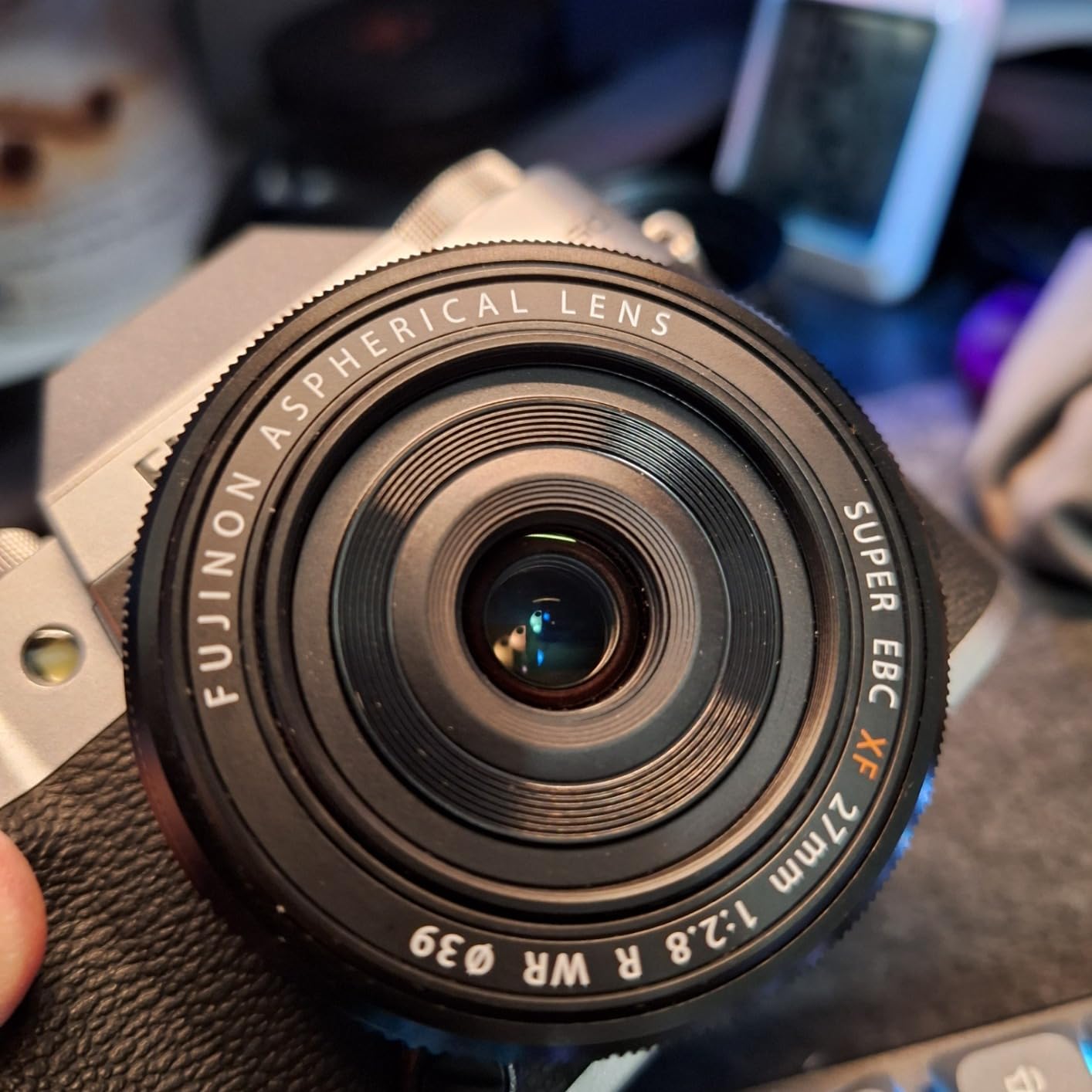
At 84 grams this is the lens that makes a Fujifilm X body genuinely pocketable. The 27mm focal length gives roughly 41mm equivalent framing, which is the most natural street and travel viewpoint there is.
The aperture ring with its lock button is the feature owners single out most. You can set f-stops before composing, and the ring stays in the A position when locked.
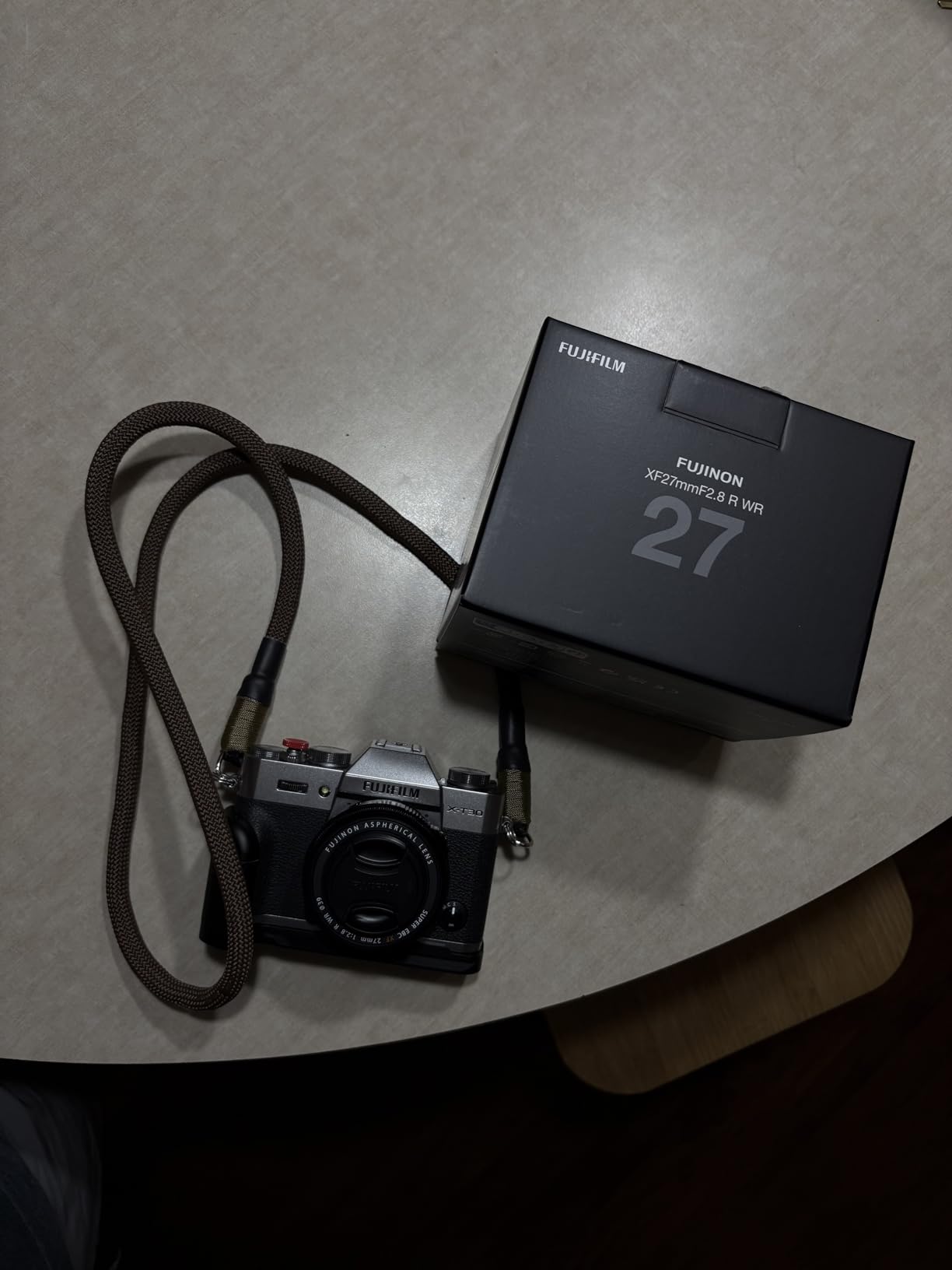
It is weather resistant and rated for operation down to 14 degrees F, so cold mornings and drizzle are not deal-breakers. The included dome-style hood balances flare protection with an unobstructed view.
Owners describe this as the lens that lives on the camera for street and travel work, and they buy it primarily for size.
Why it works for walking cities
No lens changes means no sensor exposure while crossing a street, and at this weight you will actually carry the camera rather than leave it in the bag. The f/2.8 aperture handles evening and indoor light comfortably.
It works alongside a small zoom if you need reach, rather than replacing one.
Where it falls short
There is no optical image stabilization, so you need a stabilised body or careful technique in low light. The autofocus motor is audible on video, which matters for vloggers.
Reviewers also note that resolution does not fully exploit 40MP-plus Fujifilm sensors the way newer primes do, and the 39 mm thread narrows your filter options.
8. OM SYSTEM M.Zuiko 12-100mm f/4.0 PRO – The Best Reach for Hikers
Olympus M.Zuiko Digital ED 12-100mm F4.0 is PRO for Micro Four Thirds System Camera, High Magnification Zoom Lens, Weather Sealed Design, MF Clutch, L-Fn Button
12-100mm at 24-200mm equivalent
Constant f/4
In-lens Sync IS
Weatherproof build
Pros
- 24-200mm equivalent range removes lens changes entirely
- In-lens stabilization combines with body IBIS for multi-second handheld exposures
- Excellent close focus approaching macro capability
- Weatherproof construction for wet travel
- Considerably smaller than a full-frame 24-70 plus 70-200 pairing
Cons
- Maximum f/4 is a full stop slower than the 12-40mm PRO
- Weak background blur wide open at the short end
- Heavy and long for a Micro Four Thirds lens
Long-term owners frequently describe this as their one-lens travel solution, and some say they shoot the majority of their frames with it. At about 24-200mm equivalent it spans almost everything except true ultra-wide.
The in-lens image stabilization works with 5-axis Sync IS on compatible bodies, and owners report multi-second handheld exposures. That is the difference between shooting at dusk and missing the shot.

The optical design uses 17 elements in 11 groups with Z Coating Nano for flare control, and the weatherproof construction handles rain and spray. Close focus approaches macro capability on food and texture shots.
An MF clutch and L-Fn button give direct manual focus control for video work.

Why it works for trekking and wildlife
One lens covering 24 to 200mm equivalent means you are not swapping glass at altitude or in blowing sand. The in-lens stabilization is what makes the long end usable handheld.
It is substantially smaller and lighter than carrying a full-frame standard zoom plus a telephoto.
Where it falls short
The f/4 maximum aperture is a full stop slower than the 12-40mm f/2.8 PRO, and background blur is weak wide open at the short end.
It is also heavy and long for a Micro Four Thirds lens, tiring to carry all day, and owners report the zoom ring and mount feel less smooth than competing lenses.
9. Nikon NIKKOR Z DX 18-140mm VR – The Best All-Rounder for Nikon Z
Nikon NIKKOR Z DX 18-140mm VR | Compact All-in-one Zoom Lens for APS-C Size/DX Format Z Series mirrorless Cameras (Wide Angle to telephoto) | Nikon USA Model
18-140mm at 27-210mm equivalent on DX
Optical VR
Custom control ring
11.04 oz
Pros
- Unusually broad 7.8x range from wide to telephoto
- Compact and light at 11.04 oz
- Optical VR for steady handheld shooting
- Custom control ring assigns focusing aperture ISO or exposure compensation
- Quiet stepping motor gives smooth video focus transitions
Cons
- Variable maximum aperture limits low light at the telephoto end
- Not weather resistant for harsh outdoor conditions
- Optical VR adds bulk to an otherwise travel-friendly package
If you shoot Nikon Z, this is the lens that does the most for a small bag. It covers 27-210mm equivalent on a DX format Z body and weighs 11.04 ounces, the lightest zoom here.
Owners consistently call it a genuine one-lens travel solution and highlight the range, weight, and quiet operation for both stills and video.
The custom control ring is more useful than it sounds. You can assign it to focusing, aperture, ISO, or exposure compensation, which lets you change settings without taking your eye off the subject in a crowded market.
Close focus is 7.9 inches at the wide-angle position, and the ultra-quiet stepping motor keeps focus drive sounds off your video recordings.
Why it works for Nikon Z shooters
It is compatible with FX and DX format Z bodies, giving 27-210mm equivalent on the smaller sensor. For a traveller upgrading from a DX DSLR, it is the shortest path to a complete kit.
The optical VR handles handheld telephoto framing, which is the hardest part of any walking trip.
Where it falls short
The variable maximum aperture limits low-light performance at the telephoto end, which is the most common reservation in the reviews. It is not weather resistant, so keep it out of heavy rain.
The VR unit also adds bulk to an otherwise travel-friendly package.
10. Sony FE 20-70mm f/4 G – The Widest Main Coverage in a Single Lens
Sony FE 20-70mm f/4 G Lens (Sony E)
20-70mm f/4 on Sony full-frame
488 g
9-blade circular aperture
Dual XD motors
Pros
- Ultra-wide 20mm end wider than a standard 24mm zoom
- Compact and lightweight at 488 g for the range offered
- Very sharp centre-frame detail on high-resolution bodies
- Fast quiet smooth autofocus from dual XD linear motors
- Close focus to 11.8 inches with 0.39x magnification
Cons
- Severe vignetting that complicates panorama stitching
- Susceptible to flare and rainbow streaking into low sun
- Constant f/4 is one stop slower than f/2.8 rivals
Travelers overwhelmingly choose this as their everyday carry-on zoom. At 488 g with a 20mm wide end, it covers interiors, tight streets, and short portraits in one barrel.
The 20mm start is noticeably wider than the 24mm on a standard zoom, which is exactly what cramped architecture and small rooms need. Two XD linear motors deliver fast, quiet focusing with improved tracking speed.
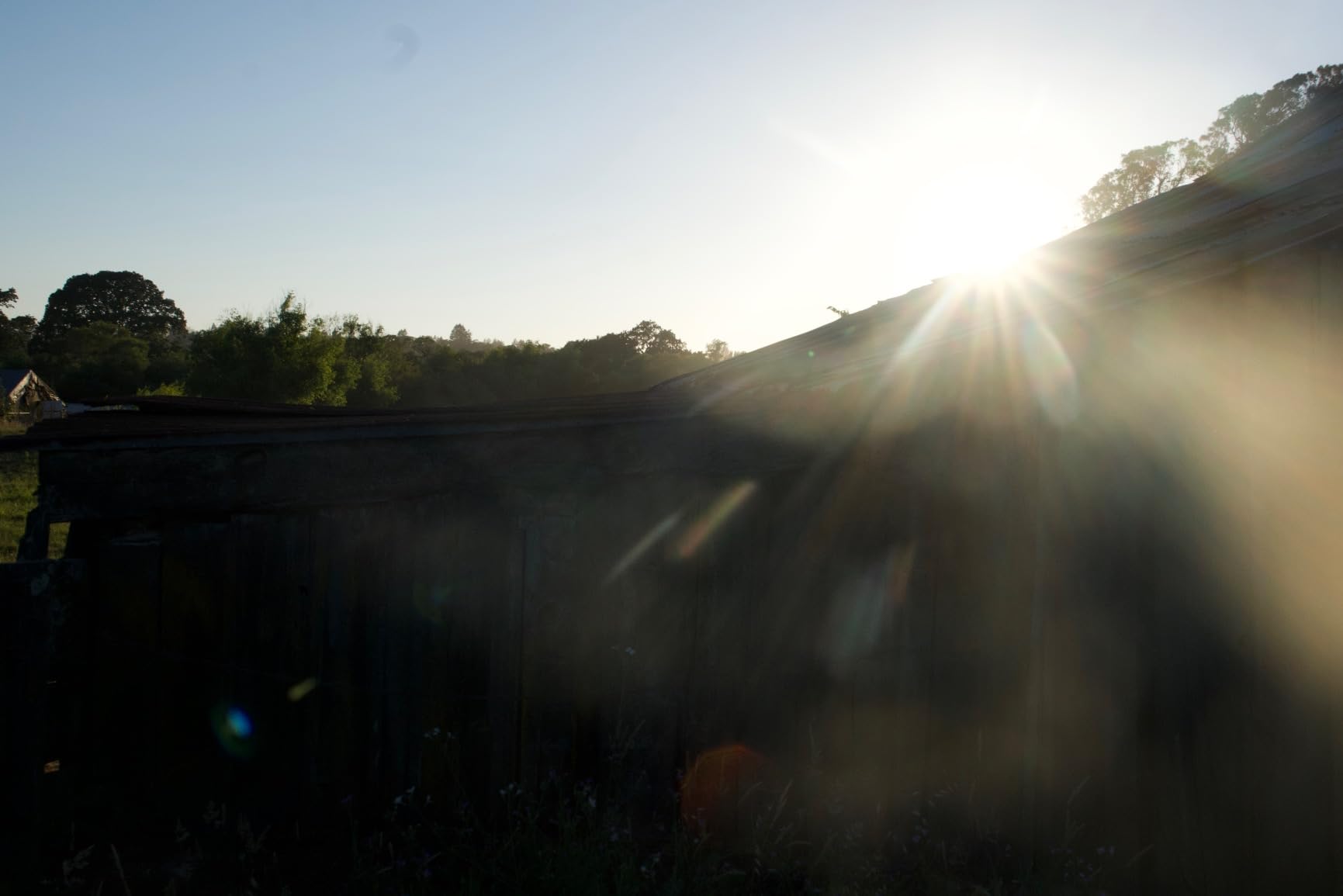
The 9-blade circular aperture produces smooth, pleasing bokeh, and AA elements allow a minimum focus distance of 11.8 inches at the wide end with 0.39x magnification, which handles food and detail well.
Reduced focus breathing and axial shift make it usable for video as well as stills.
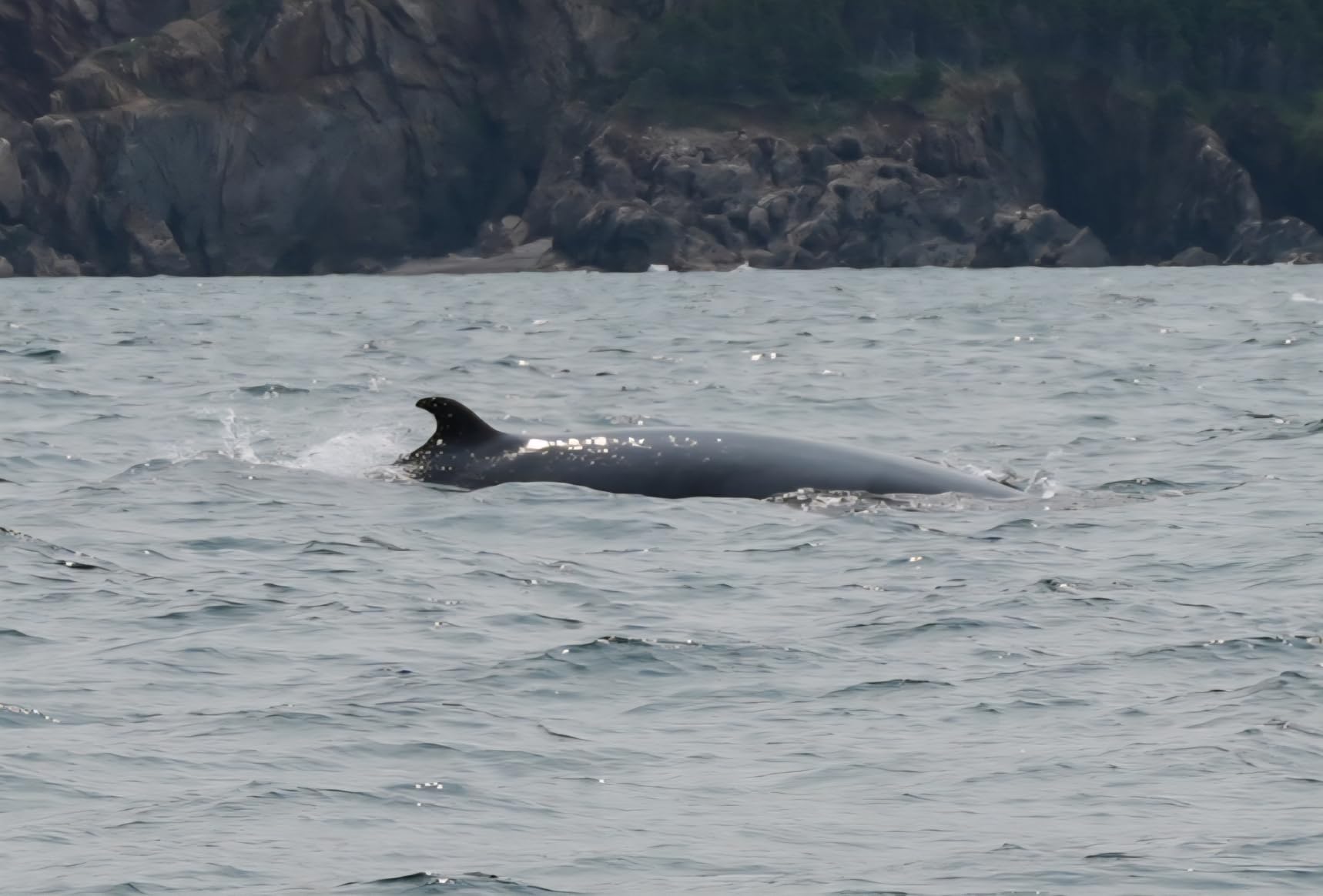
Why it works for city and architecture trips
A 20mm wide end is the single most useful thing you can have in a dense city. It captures a cathedral interior or a narrow lane without stepping back into a car park.
The low weight means you can carry it all day without neck strain, which is the point of a travel lens.
Where it falls short
Two consistent drawbacks appear across the reviews. Severe vignetting at the wide end remains noticeable even with in-camera correction, which complicates panorama stitching, and the lens is susceptible to flare with rainbow streaking when shooting into a low sun.
Constant f/4 is also one stop slower than competing f/2.8 zooms, corners are softer wide open, and it carries no weather sealing.
11. Fujifilm XF23mm f/2.8 R WR – The Best Wide Prime for Fujifilm X
FUJIFILM FUJINON XF23mmF2.8 R WR Lens, Black
23mm f/2.8 prime on Fujifilm X
90 g, 23 mm long
Weather resistant to -10 C
20 cm focus
Pros
- Exceptionally compact at 90 g and 23 mm long
- Sharp with excellent micro contrast and two aspherical elements
- Weather resistant down to -10 degrees C
- 11-blade aperture gives smooth rounded bokeh
- 20 cm close focus suits street and environmental subjects
Cons
- No built-in image stabilization so a stabilized body is needed
- Manual focus aperture changes pump the focus group and slow things down
- Audible autofocus noise on video
At 90 grams and 23 millimetres long, this is the smallest weather-sealed prime in the group. On a Fujifilm X body it gives roughly 35mm equivalent framing, which is the sweet spot for street and travel.
Owners treat it as the always-on travel companion that makes X bodies genuinely pocketable, while still delivering sharp, high-contrast images.

Two aspherical elements retain detail across the frame, and the 11-blade aperture produces smooth, rounded bokeh for environmental portraits and food shots.
Weather resistance down to -10 degrees C covers cold mornings and spray, and the 20 cm close focus distance suits frame-filling shots of smaller subjects.

Why it works for pocketable kits
Combined with a body that has stabilization, this lens is the entire daylight kit for a city break. Nothing about it invites you to leave it in the hotel.
It is also a natural pairing partner with a longer zoom when you need reach.
Where it falls short
There is no built-in stabilization, so you need careful technique or a stabilised body in low light. The documented mechanical quirk is that in manual focus, changing aperture moves the focus group and adds a delay, which slows stopped-down zone focusing. Autofocus workflows are unaffected.
The fixed 23mm removes all framing flexibility, and autofocus noise is noticeable on video.
12. TTArtisan 27mm f/2.8 AF for Fujifilm X – The Budget Pick
TTArtisan 27mm F2.8 AF Auto Focus Lens Compatible with Fujifilm X-Mount Cameras X-A1 Z-A10 X-A2 X-A3 X-A5 X-A7 X-M1 X-M2 X-H1 X-T1 X-T10 X-T2 X-T20 X-T3 X-T4 X-T100 X-T200 X-T30 X-PR01 X-PRO2 X-E1
27mm f/2.8 prime on Fujifilm X
39 mm filter thread
STM stepping motor
Nano crystal coat
Pros
- Pancake sized and highly portable
- Sharp image quality across the frame for the price
- Fast quiet STM stepping motor autofocus
- Independent click aperture ring
- Aviation aluminum barrel and mount give a retro-matched feel
- 0.35 m close focus with attractive bokeh at f/2.8
Cons
- No image stabilization for low-light or long handheld exposures
- Fixed 27mm focal length with no zoom flexibility
- Not weather resistant
This is the cheapest way into a dedicated prime, and it does the job of a normal focal length on Fujifilm X bodies at roughly 40mm equivalent. Reviewers largely accept it as a budget compact 27mm prime.
The click aperture ring is independent of the camera dials, so you can change f-stop quickly without menu diving. The STM stepping motor is quiet, and eye-recognition autofocus helps with tracking in both stills and video.
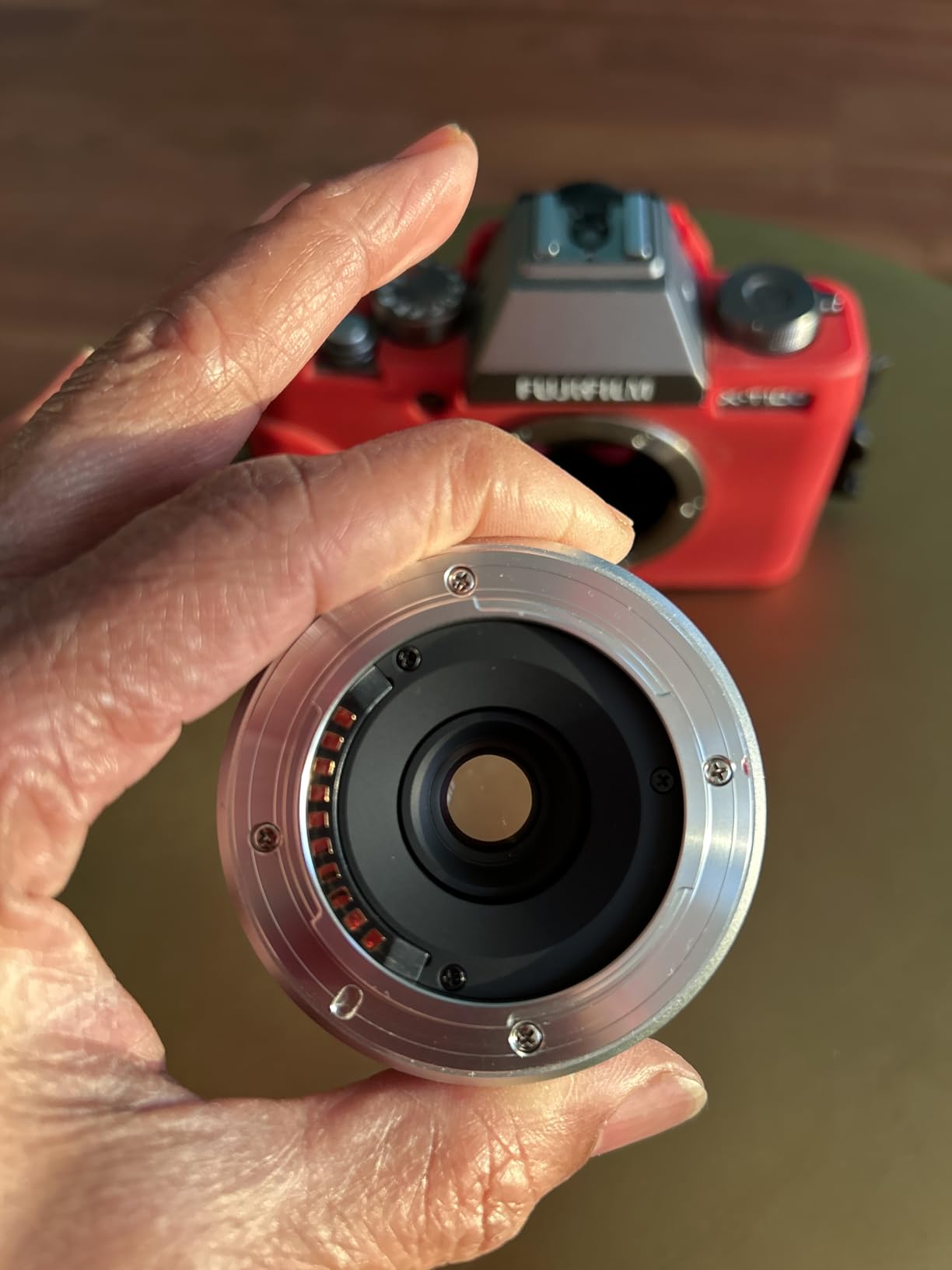
The aviation aluminum barrel and mount give it a retro look that matches Fuji bodies, and 0.35 m close focus at f/2.8 gives usable background blur for the money.
Nano crystal coating is listed for flare resistance, and the 39 mm filter thread keeps filters cheap.
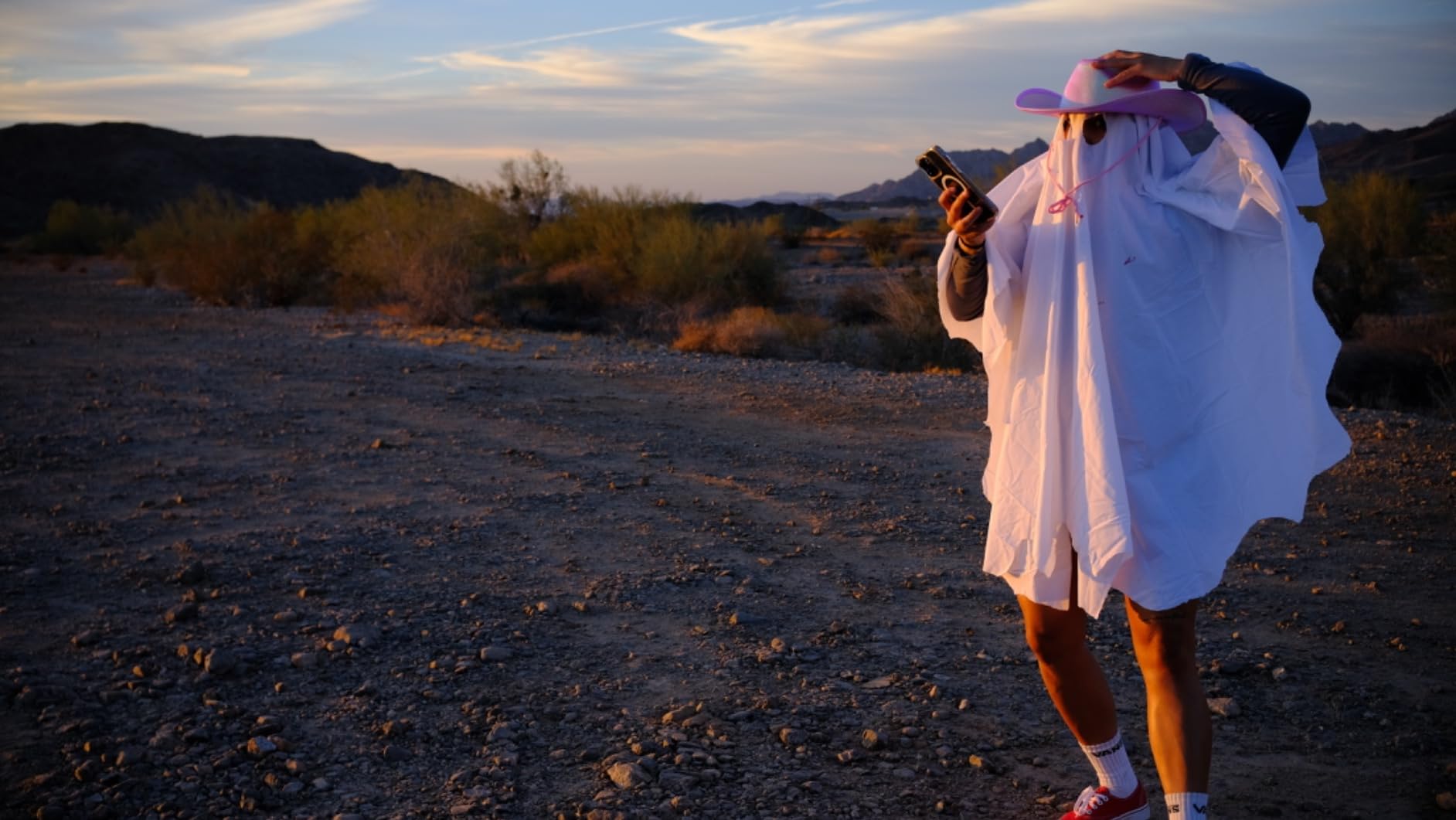
Why it works for first-time Fuji owners
If you already own a Fujifilm X body and want a small prime without a large outlay, this does the fundamentals well. It suits portraits, street work, and wide scenic shots as one of its own listing notes.
It is a sensible second body lens rather than a main travel lens.
Where it falls short
The rating spread is wider than for first-party glass, with 60 percent five-star and 22 percent four-star ratings. The recurring complaints are the absence of stabilization, the fixed 27mm focal length, and occasional autofocus hesitation that is slower than Fujifilm lenses.
It is not weather resistant, so keep it away from heavy rain.
Full-Frame Equivalent Focal Lengths, Explained Simply
Sensor size changes what a focal number actually sees. Multiply the real focal length by the crop factor to get the full-frame equivalent: 1x for full-frame, roughly 1.5x for APS-C, and 2x for Micro Four Thirds.
So a 27mm on Fujifilm X gives roughly 41mm equivalent, a 12-40mm on Micro Four Thirds gives 24-80mm equivalent, and a 18-140mm on Nikon DX gives about 27-210mm equivalent. This is the single biggest source of confusion when comparing lenses across formats, and it explains why a small-sensor kit can match a full-frame one.
The practical consequence: when a guide calls something a “35mm equivalent” lens, check the crop factor before comparing weight. A Micro Four Thirds 12-40mm f/2.8 covers the same angle as a full-frame 24-80mm f/2.8 at roughly half the weight.
Depth of field works in your favour on smaller sensors too. At the same framing and aperture you get more of the scene in focus, which means you can use faster shutter speeds in dim light and skip the tripod.
How to Choose a Travel Lens for Your Trip
Match the mount first. Every lens here is mount-specific. Sony E covers full-frame and APS-C bodies, Nikon F DX is DSLR-only, Nikon Z is mirrorless-only, Fujifilm X fits X-series bodies, and Micro Four Thirds works on OM System, Olympus, and Panasonic bodies. Buying the wrong mount is the most expensive mistake in this whole guide.
Decide whether you will swap lenses. Forum consensus repeatedly favours one zoom plus one small fast prime over two heavy zooms. That gives you daylight coverage plus a bright lens for restaurants and night markets, without a third option.
Think about stabilization honestly. Optical image stabilization in the lens and in-body stabilization in the body both buy you several shutter stops handheld. They do not rescue a slow aperture, and they do not help moving subjects. Lenses like the Fujifilm XF27mm and XF23mm have no stabilization, so check that your body provides it.
Treat weather sealing as insurance. Seals protect against drizzle, dust, and sand. They do not make a lens waterproof, and several listings here are moisture resistant without being fully sealed. If your itinerary includes desert or mountain weather, favour the fully sealed options.
Budget your filter thread. A 39 mm thread takes inexpensive filters; an 82 mm thread costs noticeably more. A step-up ring lets you share one filter across two lenses. Our travel IEM guide follows the same logic for accessories: standardise on one size, carry less.
Watch the total weight. A body plus a 695 g lens plus a second lens can reach two kilograms before you add a laptop. Our travel guitar picks make the same point about instrument weight: comfort over long days decides what you actually carry.
Prime or Zoom: Which One Should You Pack?
Choose a zoom when your itinerary is unpredictable. Dust, rain, and sweaty hands make lens changes a real risk in the field, and photographers repeatedly say that avoiding swaps matters more than aperture.
Choose a prime when you know exactly where you are shooting and want the best low-light result. Between 35mm and 50mm equivalent, 35mm gives more context for streets and interiors while 50mm isolates more, so 35mm is the safer travel choice.
The most common question on photography forums is whether a fast prime is still needed when your zoom has stabilization. Stabilization slows camera shake, not subject motion, and it does not brighten an f/5.6 aperture. A compact f/2.8 prime still wins decisively in a night market.
Frequently Asked Questions
Which camera lens is best for travel photography?
A 24-70mm f/2.8-class zoom is the best all-around travel lens because it covers wide streets, normal framing, and short portraits without a lens change, holds a bright aperture for evening interiors, and stabilizes for handheld night shots. On APS-C Sony bodies the Tamron 17-70mm f/2.8 is our top pick, while Micro Four Thirds shooters get the same framing from the 12-40mm f/2.8 PRO II at roughly half the weight.
Is 35mm or 50mm better for travel?
35mm is better for most trips because it keeps more of the scene in frame, which suits streets, food stalls, and cramped interiors where backing up is not possible. Choose 50mm equivalent when you want stronger subject separation and more deliberate compositions, such as portraits or detail shots across a square.
Which lens is better for travel photography, 24mm or 35mm?
24mm fits more of the scene into the frame and is better for architecture, group shots, and tight interiors, while 35mm gives a more natural eye-level perspective for street and documentary work. If you can only carry one prime, 35mm is the safer travel choice. Remember that equivalent lengths depend on your sensor crop factor.
What are the three lenses every photographer should have?
The classic three-lens travel kit is a wide angle, a normal lens around 35mm or 50mm equivalent, and a short telephoto around 70mm equivalent. That covers scenic vistas, street work, and compressed details and distant subjects. Many travellers achieve the same coverage with one all-in-one zoom instead, which saves weight and avoids lens changes.
Do I need a fast prime if my zoom has stabilization?
Yes, if you shoot indoors or at night. Stabilization reduces camera shake but does not brighten the aperture, and it does not stop subject motion. A slow f/5.6 kit zoom will still force high ISO in a dim restaurant, while an f/1.8 or f/2.8 prime will collect several times more light.
The Best Camera Lenses for Travel Photography: Final Word
The best camera lenses for travel photography are not the heaviest or the sharpest on paper. They are the ones you will still be carrying on hour six of a walking day, and every honest weakness above is a reason to pick a different lens rather than a reason to avoid the category.
The Tamron 17-70mm f/2.8 for Sony E APS-C is the best all-round pick, pairing a constant f/2.8 with stabilization in a barrel most people can carry all day. The Nikon 18-140mm f/3.5-5.6G ED VR is the best value choice if you want one lens and do not shoot much at night. The Tamron 28-200mm f/2.8-5.6 is the best single-lens full-frame kit for unpredictable routes.
Whichever you choose, check the mount, count the grams, and decide in advance how many times you are willing to change glass in the rain. Check the current price for any of these before you commit, and pack a blower and a microfibre cloth with the body.