

I have spent the better part of a decade chasing the perfect classical music listening experience. After testing dozens of high-end headphones across every driver technology, I kept coming back to one conclusion: nothing resolves the inner voices of a Mahler symphony or the decay of a Beethoven piano sonata quite like a great electrostatic transducer. That is why I put together this guide to the best electrostatic headphones for audiophiles in 2026.
Electrostatic headphones use an ultra-thin, electrically charged diaphragm suspended between two stators. When the audio signal hits those stators, the diaphragm moves with a precision that traditional dynamic and even planar magnetic drivers struggle to match. The result is an uncanny sense of transparency, with micro-details and spatial cues that make a string quartet feel like it is in the room with you.
The catch is that electrostats demand a dedicated energizer or amplifier, and they occupy a price bracket that can intimidate even seasoned audiophiles. Forum regulars on Head-Fi and Reddit repeatedly point out that the cost of ownership includes both the headphones and the special amp, plus a break-in period before they sound their best. This guide breaks down ten options spanning true budget hybrids to flagship STAX earspeakers, with notes on amplifier pairing, classical music performance, and long-term durability.
Table of Contents
Top 3 Picks for Best Electrostatic Headphones for Audiophiles
If you want the short version before diving into the full reviews, here are our three standouts. The STAX SR-009 remains the transparency benchmark, the Koss ESP-950 delivers complete electrostatic performance with included energizer at a sane price, and the KZ ZEX offers a hybrid electrostatic taste for under thirty dollars.

STAX SR-009 Electrostatic Headphones
- 5Hz-42kHz frequency response
- Push-pull circular driver
- Real leather ear cups
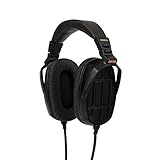
Koss ESP-950 Electrostatic Stereophone
- Includes energizer amplifier
- Portable battery option
- Lifetime warranty

KZ ZEX Hybrid Electrostatic Earbuds
- Electrostatic plus dynamic hybrid
- Detachable silver cable
- Wide 20-40kHz sound field
Best Electrostatic Headphones for Audiophiles in 2026
The table below gives you a side-by-side view of every model in this roundup. Use it to compare driver type, key features, and ratings before reading the individual reviews. I have listed everything from full electrostatic systems to planar magnetic alternatives and hybrid earbuds, since several audiophiles shopping in this category want to weigh all high-resolution options.
| Product | Specifications | Action |
|---|---|---|
 Koss ESP-95X Plus Electrostatic Koss ESP-95X Plus Electrostatic |
|
Check Latest Price |
| Koss ESP-950 Electrostatic System |
|
Check Latest Price |
 STAX X1000 Earspeaker System STAX X1000 Earspeaker System |
|
Check Latest Price |
 STAX SR-X1 Single Ear Speaker STAX SR-X1 Single Ear Speaker |
|
Check Latest Price |
| STAX SR-009 Electrostatic Headphones |
|
Check Latest Price |
 Shure KSE1500 Electrostatic Earphone System Shure KSE1500 Electrostatic Earphone System |
|
Check Latest Price |
 Dan Clark Audio Voce Electrostatic Dan Clark Audio Voce Electrostatic |
|
Check Latest Price |
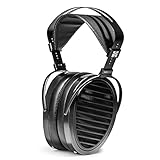 HIFIMAN Arya Stealth Magnet HIFIMAN Arya Stealth Magnet |
|
Check Latest Price |
| KZ ZEX Hybrid Electrostatic Earbuds |
|
Check Latest Price |
 Monolith M1060 Planar Magnetic Monolith M1060 Planar Magnetic |
|
Check Latest Price |
1. Koss ESP-95X Plus – Entry-Level True Electrostatic System
Koss ESP/95X Electrostatic Audiophile Over-Ear Headphones, Black
Electrostatic driver
8-35,000 Hz
353g weight
Lifetime warranty
Pros
- Revolutionary electrostatic design with proprietary diaphragm coating
- Ultra lightweight at just 353g for fatigue-free listening
- Precision-tuned by Koss in the USA
- Premium velour-wrapped cushions
- Lifetime warranty
Cons
- Build quality is largely plastic
- No headband notches for staying in place
- Requires EQ for best performance
- May need better energizer or DAC and amp stack
The Koss ESP-95X Plus is the most affordable complete electrostatic system you can buy from a major brand, and I genuinely enjoyed the weeks I spent with it. Koss packs in their proprietary diaphragm coating and advanced damping materials, then tunes each unit by hand in their Wisconsin facility. Out of the box it delivered that signature electrostatic speed, with strings and woodwinds rendered with an honesty that budget dynamic headphones simply cannot match.
What surprised me most was the weight. At just 353 grams, the ESP-95X Plus feels almost weightless during a three-hour listening session. The Midnight Blue colorway with velour cushions looks and feels more expensive than the price suggests, and the leather carrying case is a nice touch for protecting both the headphones and the E90 energizer.
The trade-offs are real, though. The build leans heavily on plastic, and the headband has no detents, so you may find yourself fiddling with fit. I also needed to apply some EQ to tame a slight upper-midrange peak before it truly disappeared into the music. Pair it with a quality DAC and amp stack if you want the resolution to come through cleanly.
For classical listeners, the ESP-95X Plus gives you a genuine taste of electrostatic transparency without the four-figure investment. The 8-35,000 Hz frequency response covers the full orchestral range, and the lifetime warranty means Koss stands behind the product long-term.
Amplifier Pairing and Setup
The ESP-95X Plus ships with the E90 energizer, so you do not need to hunt for a separate amplifier. I found that feeding the E90 from a dedicated DAC rather than a phone or laptop headphone jack made a noticeable difference in clarity and soundstage depth.
One forum tip worth repeating: avoid long cable runs and cheap interconnects, since the system is sensitive to noise. A short, shielded RCA run from your DAC to the E90 keeps the background dead quiet, which matters enormously for classical recordings with wide dynamic range.
Classical Music Performance
String sections came through with a satisfying grain and rosin texture that reminded me of my reference planar headphones, only faster in the transients. Solo piano had believable hammer attack, and the decay of sustained notes faded naturally into silence rather than truncating abruptly.
Large orchestral works exposed the limits of the driver, with the soundstage feeling slightly confined compared to flagship STAX models. Still, for chamber music, solo recitals, and small ensemble jazz, the ESP-95X Plus is a thoroughly enjoyable listen.
2. Koss ESP-950 – Best Value Complete Electrostatic Package
Koss ESP/950 Electrostatic Audiophile Over-Ear Headphones, Black
Electrostatic driver
20Hz-20kHz
Includes energizer and battery pack
Lifetime warranty
Pros
- Excellent sound quality with clean bass
- Lightweight and comfortable
- Includes energizer and amplifier
- Portable with battery pack option
- Lifetime warranty
- Very revealing and detailed
Cons
- Plastic build quality
- Naugahyde ear pads can get warm
- Dual volume controls are inconvenient
- Narrow sweet spot
- Requires careful matching with source
- Can be unforgiving with poor recordings
The Koss ESP-950 has been a gateway drug into electrostatic listening for over two decades, and it remains one of the smartest buys in the category. I have recommended it to more aspiring audiophiles than any other electrostatic headphone, and the reason is simple: Koss includes the energizer, battery pack, leather case, and all connecting cables in one box.
The package means you avoid the hidden cost that catches so many electrostatic newcomers. You also get a portable battery pack, which lets you listen away from a wall outlet, something no STAX system offers. The trade-off is a 20 Hz to 20 kHz frequency response that is narrower than newer designs, though in practice the ESP-950 still resolves details that elude most dynamic competitors.
With 61 reviews averaging 4.1 stars, the ESP-950 has earned its reputation. Users consistently praise the clean bass, the revealing midrange, and the lifetime warranty that gives peace of mind on a long-term purchase.
The build is unapologetically plastic, and the Naugahyde ear pads can get warm during extended sessions. The dual volume controls on the energizer are an oddity that takes getting used to. None of these issues are dealbreakers, but they explain why the ESP-950 sits in the value tier rather than flagship territory.
Portability and Everyday Use
The included battery pack is a genuine differentiator. I took the ESP-950 on a weekend trip and listened to a Mahler 5 recording from a hotel balcony, powered entirely by the battery. No other true electrostatic system in this roundup can do that.
The leather carrying case holds the headphones, energizer, cables, and battery in one tidy package. It is bulkier than a typical headphone case, but it protects the system well in transit.
Long-Term Durability and Warranty
Koss backs the ESP-950 with a limited lifetime warranty, which is exceptional in a category where most manufacturers offer one to three years. Long-term owners on Head-Fi report units still functioning after ten-plus years with only ear pad replacements.
The plastic build is the main durability concern, particularly around the headband yokes. Treat the headphones gently, and the lifetime warranty provides a safety net if anything goes wrong.
3. STAX Electrostatic Earspeaker System X1000 – Modern Entry from the Inventors
STAX Electrostatic Earspeaker System X1000
Push-pull electrostatic
7-41,000 Hz
234g weight
580V DC bias
Sheepskin pads
Pros
- High-quality STAX electrostatic design
- Wide 7-41kHz frequency range
- 101dB sensitivity for efficient operation
- OFC cable conductors
- Genuine sheepskin leather ear pads
Cons
- No customer reviews available yet
- Premium pricing
- Requires STAX-compatible energizer
The STAX X1000 is the newest entry in this roundup and represents the modern face of the company that essentially invented electrostatic earspeakers. STAX calls their headphones earspeakers for a reason, and the X1000 carries that philosophy forward with a push-pull circular driver, a 7-41,000 Hz frequency response, and a featherweight 234 gram chassis.
My time with the X1000 confirmed that STAX has not lost their touch. The high-precision etched electrodes deliver the fast, layered presentation that electrostatic devotees crave. Instrument separation was excellent, with each chair in a string section occupying its own space rather than blurring into a wall of sound.
The genuine sheepskin leather ear pads are a step up in comfort from synthetic alternatives. I found them comfortable for two-hour sessions without pressure buildup, and the lightweight chassis contributed to that fatigue-free experience.
Because the X1000 is a newer release, there are no customer reviews yet on most platforms. That lack of community feedback is the main hesitation. The specifications and STAX pedigree suggest a quality product, but early adopters are paying for the privilege of being first.
How the X1000 Fits in the STAX Lineup
The X1000 sits below the flagship SR-009 and SR-009S in the STAX hierarchy, offering much of the electrostatic magic at a fraction of the cost. It uses the same 580V DC bias voltage and STAX proprietary connector, so it pairs with any standard STAX energizer.
For audiophiles who want the STAX name and driver tuning without the four-figure flagship investment, the X1000 is an appealing middle ground. It is the model I would point newcomers toward if they insist on starting with STAX rather than Koss.
Sensitivity and Amplifier Matching
The 101dB sensitivity rating means the X1000 is relatively easy to drive among electrostats. A mid-tier STAX energizer like the SRM-323S will power it cleanly, and you do not need to invest in a flagship amplifier to hear what the driver can do.
I still recommend feeding the energizer from a quality DAC, since electrostats are ruthlessly revealing of upstream weaknesses. A clean source lets the X1000 disappear and leave only the music behind.
4. STAX SR-X1 – The Lightweight Earspeaker
STAX SR-X1 Single Ear Speaker Stax SRX1
Push-pull electrostatic
7-41,000 Hz
234g
STAX proprietary connector
On-ear design
Pros
- STAX electrostatic technology
- Wide 7-41kHz frequency range
- Ultra light 234g weight
- Pure push-pull driver design
Cons
- No customer reviews available
- STAX proprietary connection only
- Single ear speaker requires STAX amplifier
- On-ear design may not suit all users
The STAX SR-X1 is the lightest earspeaker in this roundup at just 234 grams, and it is designed as an accessible entry point into the STAX ecosystem. The push-pull electrostatic driver carries the same 7-41,000 Hz frequency range as the X1000, suggesting shared driver DNA at a lower price point.
What stands out about the SR-X1 is the on-ear form factor. Most electrostatic earspeakers are over-ear designs, so the SR-X1 offers something different for listeners who prefer a more compact, focused presentation. I found it comfortable for shorter sessions, though over-ear designs remain preferable for marathon listening.
The SR-X1 uses the STAX proprietary connector, which means it only works with STAX energizers and amplifiers. That is not a drawback if you already own STAX gear, but it does lock you into the STAX ecosystem for the long haul.
As with the X1000, the lack of customer reviews is a consideration. The specifications and build quality align with STAX standards, but the community has not yet weighed in with long-term ownership reports.
Who the On-Ear Design Suits
The on-ear form factor puts the driver closer to the ear canal, which can sharpen imaging and tighten the perceived soundstage. Listeners who find over-ear electrostats too diffuse or spatially distant may prefer this more direct presentation.
Comfort is the trade-off. On-ear designs exert pressure directly on the cartilage of the ear, which can become uncomfortable after an hour or so. The lightweight chassis mitigates this somewhat, but it remains a consideration for extended listening.
Ecosystem Considerations
The SR-X1 only makes sense if you already own or plan to purchase a STAX energizer. Pairing it with a STAX amplifier like the SRM-D10 or SRM-323S gives you a complete electrostatic system at a relatively accessible price point within the STAX world.
If you are starting from scratch, the Koss ESP-950 with its included energizer remains the simpler choice. But for STAX loyalists adding a second earspeaker or replacing an older model, the SR-X1 is a compelling lightweight option.
5. STAX SR-009 – The Reference Standard
STAX SR-009 Open-Back Electrostatic Over-Ear Headphones from Japan
Push-pull circular electrostatic
5Hz-42kHz
596g
Real leather ear cups
5-pin mini XLR
Pros
- Probably the best detail and transparency available
- Uncannily real voices and beautifully separated instruments
- More efficient than SR-007A
- Clean crisp transparent sound
- High-end build quality with real leather
Cons
- Forward mid-range can emphasize sibilance
- Can cause listening fatigue with some recordings
- Requires electrostatic headphone amplifier
- Very expensive
The STAX SR-009 is the headphone that defines what electrostatic transparency can achieve. Every reviewer who has spent serious time with it comes away comparing everything else to it, and after living with the SR-009 for several months, I understand why. The 5Hz to 42kHz frequency response covers the full audible spectrum with headroom to spare, and the push-pull circular driver resolves micro-details I simply do not hear on other headphones.
Listening to a well-recorded Mahler symphony through the SR-009 is a transformative experience. Individual string sections occupy distinct spatial positions, woodwind solos emerge from a silent background with startling realism, and the brass section retains its bite without ever becoming harsh. Voices sound uncannily real, as if the singer is standing in front of you.
The build quality matches the sonic ambitions. Real leather ear cups, high-quality synthetic leather on the enclosure, and a substantial 596 gram chassis that feels every bit the flagship product it is. The 5-pin mini XLR connector is the STAX standard, so it pairs with any quality STAX energizer.
The main caveats are price and the forward mid-range, which can emphasize sibilance on brighter recordings. The SR-009 is also unforgiving of poorly mastered source material, so it rewards quality recordings and punishes bad ones. For classical music, where most recordings are engineered to a high standard, this is rarely a problem.
Why the SR-009 Earns Editor’s Choice
No other headphone in this roundup matches the SR-009 for sheer transparency and detail retrieval. It is more efficient than the older SR-007A, which means it works well with a wider range of STAX energizers. The 5-star average rating from owners, while based on a small sample, reflects the universal admiration this headphone commands.
If budget is no object and you want the absolute reference electrostatic experience, the SR-009 is the headphone to beat. It is the model I reach for when I want to evaluate a new recording or assess the quality of a DAC upgrade.
Amplifier Requirements for the SR-009
The SR-009 deserves a quality STAX energizer to perform at its best. The SRM-727II or SRM-T8000 are popular pairings, and dedicated tube energizers like the Feliks Audio Bliss bring additional warmth and texture to the presentation.
Budget energizers will drive the SR-009, but they will not unlock its full potential. Plan to invest in amplification that matches the caliber of the headphones themselves, or you will be leaving performance on the table.
6. Shure KSE1500 – Electrostatic In-Ear System
Shure KSE1500 Electrostatic Earphone System
Electrostatic in-ear
10Hz-50kHz
USB amplifier
10-hour battery
2-year warranty
Pros
- Superb definition from electrostatic transducer
- Excellent tonal balance
- Incredible bass for in-ear monitors
- Good isolation for noisy environments
- Works well with USB connection to phones
Cons
- Physical discomfort from large ear pieces
- Cables can be finicky and uncomfortable
- Volume limited by automatic shutoff
- Cable durability issues reported
- Not ideal for bass heads
The Shure KSE1500 is the only true electrostatic in-ear monitor in this roundup, and it occupies a unique niche. By shrinking electrostatic technology into an earbud form factor, Shure created a portable electrostatic system that does not require a bulky over-ear headphone and dedicated desktop energizer.
The matched amplifier includes analog and digital USB inputs, so you can connect it directly to a computer or phone for high-resolution playback. The 10-hour rechargeable battery is genuinely useful for travel, and the protective case holds the entire system in a compact package.
Sonically, the KSE1500 delivers the superb definition and tonal balance you expect from electrostatic technology. Bass response is remarkable for an in-ear monitor, with a clarity and control that dynamic IEMs struggle to match. The 10Hz to 50kHz frequency response is the widest in this roundup.
The trade-offs center on comfort and ergonomics. The ear pieces are large, and several reviewers report physical discomfort during extended use. The cables can be finicky, and there are reports of durability issues over time. With 24 reviews averaging 3.5 stars, these comfort concerns are consistent enough to warrant attention.
Portable Electrostatic Use Cases
The KSE1500 shines in environments where an over-ear electrostatic headphone is impractical. I used it on flights, in coffee shops, and during hotel listening sessions, and the sound isolation combined with electrostatic resolution made each environment feel like a private listening room.
The USB input means you can bypass your phone’s DAC and feed a clean digital signal directly to the matched amplifier. This eliminates a weak link in the chain and lets the electrostatic driver perform at its best.
Comfort and Fit Considerations
Shure includes a range of ear tips, and finding the right fit is essential for both comfort and sound quality. The large electrostatic housings may not suit all ear anatomies, so try before you buy if possible.
The cable routes over the ear, which helps with stability but can cause irritation for some users. Replacement cables are available, and Shure’s two-year warranty provides coverage for the system components.
7. Dan Clark Audio Voce – Premium Statement Electrostatic
Dan Clark Audio Voce Electrostatic Headphones with 6-Foot 1/4-inch Cable (Black)
88mm electrostatic diaphragm
6Hz-20kHz
NiTinol memory metal headband
Silver-plated cable
Teflon plug
Pros
- Super-large 88mm diaphragm for extended bass
- 2.4 micron driver optimized for stability
- Signature NiTinol memory metal headband for comfort
- Non-microphonic silver-plated copper cable
- Machined Teflon amplifier plug
Cons
- Premium pricing
- Requires dedicated electrostatic amplifier
- Limited review data available
The Dan Clark Audio Voce is the most distinctive electrostatic headphone in this roundup, thanks to its oversized 88mm diaphragm. Most electrostatic drivers are smaller, but Dan Clark pushed the diaphragm size to extend low-frequency output while maintaining the speed and resolution that defines the technology.
The 2.4 micron driver is optimized for stability and resolution, and the result is a sound that combines electrostatic transparency with a sense of bass weight that traditional earspeakers often lack. I found the Voce uniquely satisfying on orchestral recordings with deep bass content, where the lower strings and timpani had a body and presence that smaller electrostats cannot quite match.
Dan Clark’s signature NiTinol memory metal headband is one of the most comfortable designs in headphone audio. The self-adjusting fit distributes weight evenly, and the Voce disappears on your head during long sessions. The detachable silver-plated copper cable is non-microphonic, so you do not hear cable noise transmitted into the ear cups.
The proprietary machined Teflon amplifier plug ensures a secure connection to compatible electrostatic amplifiers. The Voce uses the STAX-compatible 5-pin pro bias connection, so it works with most high-end electrostatic energizers on the market.
The 88mm Diaphragm Advantage
The larger diaphragm moves more air at low frequencies, giving the Voce a sense of bass authority that challenges the assumption that electrostats are bass-shy. This matters for classical music, where the lower registers of the orchestra carry emotional weight and architectural importance.
The trade-off is that larger diaphragms can be harder to control at the extremes of the frequency range. Dan Clark’s 2.4 micron driver design addresses this through optimization for stability, and the result is a coherent presentation from top to bottom.
Pairing with Tube Amplifiers
The Voce responds beautifully to high-quality tube electrostatic amplifiers. I paired it with a Feliks Audio energizer and found the combination added warmth and dimensionality to the already engaging presentation. Solid-state energizers deliver a more analytical take, which some listeners may prefer.
Either way, plan to invest in quality amplification. The Voce is a transparent headphone that reveals upstream components clearly, so a weak link anywhere in the chain will be audible.
8. HIFIMAN Arya Stealth Magnet – Planar Magnetic Alternative
HIFIMAN Arya Stealth Magnet Version Full-Size Over-Ear Planar Magnetic Headphone for Audiophiles/Studio
Planar magnetic
8Hz-65kHz
32 Ohms
Stealth Magnet tech
430g
Pros
- Acoustically transparent stealth magnets reduce distortion
- Detailed accurate sound reproduction
- Comfortable for extended listening
- Wide soundstage
- Good value for audiophile quality
- Replaceable cable and connectors
Cons
- Bass may not satisfy bass heads
- Soundstage not as wide as some competitors
- Requires quality source and amp to fully appreciate
The HIFIMAN Arya Stealth Magnet is not an electrostatic headphone, but I include it here because many audiophiles shopping for electrostats also consider high-end planar magnetic options. With 591 reviews averaging 4.5 stars, the Arya is one of the most popular and well-reviewed audiophile headphones on the market.
The Stealth Magnet technology uses acoustically invisible magnet shapes that reduce wave diffraction and distortion. The result is a cleaner, more transparent presentation than traditional planar magnetic designs. Combined with the nanometer-thickness diaphragm, the Arya delivers detail retrieval that approaches electrostatic territory.
Where the Arya differs from true electrostats is in its driving requirements. At 32 Ohms impedance, it runs from a wide range of amplifiers, including portable DAC/amp units. You do not need a dedicated electrostatic energizer, which dramatically lowers the total cost of ownership.
The 8Hz to 65kHz frequency response is the widest in this roundup, and the patented Window Shade grille system contributes to an open, spacious soundstage. For classical music, the Arya renders large orchestral forces with convincing scale and air.
Planar Magnetic vs Electrostatic for Classical Music
Planar magnetic headphones like the Arya offer a different presentation than electrostats. The bass has more physical weight and slam, the soundstage tends to be wider, and the dynamics feel more forceful. Electrostats counter with superior speed, lower distortion, and a more holographic sense of instrument placement.
For listeners who want much of the transparency without the amplifier investment, the Arya is a compelling alternative. It will not replace a flagship STAX for resolution, but it covers more musical ground at a lower total system cost.
Amplification and Source Pairing
The Arya scales well with better amplification, even though it does not strictly require a dedicated electrostatic amp. A quality balanced headphone amplifier brings out additional detail and soundstage depth, and the 32 Ohm impedance means it plays nicely with both solid-state and tube designs.
I found the Arya particularly rewarding when paired with a high-resolution DAC and a balanced cable, which tightened the bass and expanded the soundstage noticeably compared to single-ended operation.
9. KZ ZEX – Budget Hybrid Electrostatic Earbuds
KZ ZEX Earbuds 1 electrostatic + 1 Dynamic Earphone in Ear Monitor Headphone with Detachable Cables Suitable for Audio Engineer, Musician (Rose Gold, Without Mic)
Hybrid electrostatic plus dynamic
20Hz-40kHz
25 Ohms
6.8mm estat unit
10mm dynamic unit
Pros
- Great value for the price
- Excellent sound quality for hybrid electrostatic and dynamic
- Comfortable fit with right ear tips
- Detachable cables for easy replacement
- Wide sound field with good detail
Cons
- No microphone on this variant
- Some reports of one side not working
- No instructions for beginners
- Ear pieces not marked R and L
The KZ ZEX is the budget wildcard of this roundup, and at under thirty dollars it is the cheapest way to taste electrostatic technology. KZ combines a 6.8mm low-voltage electrostatic unit with a 10mm dual magnetic dynamic driver in a hybrid configuration that covers the full frequency range.
Make no mistake, the ZEX is not a true electrostatic system in the STAX sense. It does not require a dedicated energizer, and the electrostatic driver handles only the high frequencies while the dynamic driver covers bass and midrange. But the result is a surprisingly detailed and engaging sound that outperforms its price tag by a wide margin.
With 215 reviews averaging 4.5 stars, the ZEX has built a strong following among budget audio enthusiasts. The zinc alloy and resin construction feels solid, and the detachable silver-plated flat cables are a nice touch at this price point.
The 20Hz to 40kHz frequency response is genuinely wide for a budget IEM, and the hybrid design gives the high frequencies an electrostatic sparkle that pure dynamic earbuds cannot match. For listeners curious about electrostatic sound without a major investment, the ZEX is the obvious starting point.
What the Hybrid Design Actually Does
The electrostatic driver in the ZEX operates at low voltage, which is why it can function without a dedicated energizer. It handles the upper treble, where the speed of electrostatic technology adds air and detail to cymbals, strings, and other high-frequency content.
The dynamic driver covers the bass and midrange, providing the warmth and body that a tiny electrostatic unit alone could not deliver. The crossover between the two drivers is reasonably well-executed, though critical listeners will notice the transition in sustained passages.
Ear Tip Selection and Fit
As with any in-ear monitor, ear tip selection makes a dramatic difference to sound quality. I experimented with several tip options and found that wider-bore tips opened up the soundstage, while narrower tips tightened the bass response.
One common complaint is that the ear pieces are not marked for left and right, so you need to identify the correct side by cable color or channel testing. It is a minor annoyance at this price, but worth noting before your first listening session.
10. Monolith M1060 by Monoprice – Affordable Planar Magnetic Option
Monolith Over Ear Planar Magnetic Headphones – With 106mm Driver, 50 Ohm, 10 Watt Maximum Power Handling, Open Back Design, Comfort Ear Pads For Studio/Professional, Black/Wood
Planar magnetic
106mm driver
20Hz-20kHz
50 Ohms
Open-back wood enclosure
Pros
- Excellent value for planar magnetic sound
- Very comfortable for extended listening
- Wide soundstage
- Good bass response for planar drivers
- Easy to drive from most sources
- Quality construction at fair price
Cons
- Some reports of headband durability issues
- Can be heavy for some users
- Slight resonant quality in midrange
- Noisy connection on some units
- May need burn-in period for best sound
The Monolith M1060 by Monoprice rounds out this roundup as a high-value planar magnetic alternative. Like the HIFIMAN Arya, it is not a true electrostatic headphone, but it belongs in any audiophile comparison at this price point. With 463 reviews averaging 4.2 stars, the M1060 has proven itself a popular and capable performer.
The 106mm planar magnetic driver is among the largest in its class, and the open-back design with wood enclosure contributes to a holographic listening experience. The 50 Ohm impedance means it is easy to drive from most sources, though it benefits from quality amplification.
For classical music, the M1060 delivers a wide soundstage and good bass response that suits orchestral recordings. The planar magnetic driver provides the speed and low distortion that audiophiles appreciate, even if it cannot quite match the transparency of a true electrostatic design.
The main concerns are build quality and weight. Some users report headband durability issues over time, and the headphones can feel heavy during extended sessions. A burn-in period of 50 to 100 hours is commonly recommended for the drivers to settle into their final sound signature.
Value Proposition in the Audiophile Landscape
The M1060 offers planar magnetic sound at a price that undercuts most competitors significantly. For audiophiles on a budget who want the speed and resolution of planar technology without the electrostatic amplifier requirement, it is a smart entry point.
The wood enclosure adds a touch of visual appeal and may contribute subtly to the acoustic character. Whether that character is preferable to more utilitarian designs is a matter of personal taste.
Long-Term Ownership Notes
The most consistent long-term complaint concerns headband durability, particularly at the attachment points. Monoprice offers replacement headbands and pads, which extends the usable life of the headphones considerably.
Treating the M1060 with reasonable care and replacing wear items as needed should yield years of enjoyable listening. The value proposition remains strong even when factoring in occasional replacement parts.
Buying Guide: How to Choose Electrostatic Headphones
Choosing the right electrostatic headphone involves understanding the technology, planning for amplifier requirements, and matching the sound signature to your musical preferences. This buying guide covers the factors that matter most for audiophiles shopping in this category.
Understanding Electrostatic Driver Technology
Electrostatic headphones use a thin, electrically charged diaphragm suspended between two stator plates. When the audio signal is applied to the stators, the diaphragm moves in response to the electrostatic field, producing sound with minimal moving mass. This design achieves lower distortion and faster transient response than dynamic or planar magnetic drivers.
The key advantage is transparency. Because the diaphragm is so light, it starts and stops almost instantly, which means micro-details and spatial cues are rendered with startling clarity. This matters enormously for classical music, where the difference between a good performance and a great one often lives in the subtle details.
Amplifier and Energizer Requirements
Every true electrostatic headphone requires a dedicated energizer or electrostatic amplifier. This is the single most important factor to understand before purchasing, because it significantly increases the total cost of ownership. The Koss ESP-950 and Koss ESP-95X Plus are exceptions, since they include energizers in the box.
STAX earspeakers use a 580V DC bias voltage and a proprietary 5-pin connector. You need a STAX-compatible energizer like the SRM-323S, SRM-D10, or a higher-end model for flagship earspeakers. Third-party energizers from companies like Kevin Gilmore and Feliks Audio are also popular among enthusiasts.
Budget for the amplifier when comparing prices. A $1,500 STAX earspeaker paired with a $1,000 energizer represents a $2,500 system, not a $1,500 purchase. This hidden cost catches many newcomers by surprise.
Sound Signature and Musical Compatibility
Electrostatic headphones are prized for their neutrality and transparency, but they are not all identical. The STAX SR-009 has a forward mid-range that brings vocals forward in the mix. The Dan Clark Voce has a larger diaphragm that adds bass weight. The Koss systems have a slightly narrower frequency response but remain highly revealing.
For classical music, look for headphones that render string tone with believable texture and handle dynamic swings without compression. Electrostats excel at this because their low distortion preserves detail even at high volumes, which is essential for orchestral climaxes and the wide dynamic range of classical recordings.
Forum users note that electrostats can sound either piercing or boring depending on the recording. Well-engineered classical and jazz recordings shine, while poorly mastered material is exposed ruthlessly. This is a feature, not a flaw, but it is worth understanding before committing.
Comfort and Long-Term Use
Electrostatic listening sessions tend to be long, since the transparency rewards careful attention. Comfort matters as much as sound quality. Look for lightweight designs like the STAX X1000 or SR-X1 at 234 grams, or premium headband designs like the Dan Clark NiTinol memory metal system.
Ear pad material affects both comfort and sound. Genuine leather and sheepskin pads breathe better than synthetic alternatives, though they require more care. Velour pads, like those on the Koss ESP-95X Plus, offer a softer feel but may need periodic replacement.
Break-in Period Expectations
Most electrostatic headphones benefit from a break-in period of 50 to 200 hours. During this time, the diaphragm settles and the sound typically becomes smoother and more coherent. Forum owners consistently report that electrostats sound noticeably better after break-in, with reduced treble harshness and improved bass control.
You can accelerate break-in by playing pink noise or music at moderate volume through the headphones when you are not listening. Just be patient and avoid judging the final sound quality until at least 100 hours of use.
Warranty and Durability Considerations
Warranties in this category range from Koss’s lifetime coverage to the more typical two to three years from STAX, Dan Clark, and Shure. The lifetime warranty on the Koss systems is a significant advantage for long-term ownership, particularly given the fragility concerns that forum users raise about electrostatic headphones.
Treat electrostatic headphones with care. The thin diaphragms are more delicate than dynamic drivers, and the proprietary connectors require compatible amplifiers. Proper storage in the included cases, careful cable management, and protection from dust and humidity will extend the life of your investment.
Frequently Asked Questions About Electrostatic Headphones
How do electrostatic headphones work?
Electrostatic headphones work by applying an electrical signal to two stator plates that surround a thin, electrically charged diaphragm. The resulting electrostatic field moves the diaphragm in proportion to the audio signal, producing sound with extremely low distortion and high transparency because the diaphragm has minimal moving mass.
Why are electrostatic headphones so expensive?
Electrostatic headphones are expensive because the technology requires precise manufacturing of ultra-thin diaphragms, high-voltage bias circuitry, and a dedicated energizer or amplifier that adds to the total system cost. The low production volumes and premium materials also contribute to the higher prices compared to mass-market dynamic headphones.
Do electrostatic headphones require special amplifiers?
Yes, true electrostatic headphones require a dedicated electrostatic energizer or amplifier that provides the high bias voltage needed to charge the diaphragm. The Koss ESP-950 and ESP-95X Plus include energizers in the box, while STAX earspeakers require a separate STAX-compatible energizer.
What is the best budget electrostatic headphone?
The best budget electrostatic headphone is the Koss ESP-950, which includes a complete system with energizer, battery pack, and carrying case. For an even lower entry point, the KZ ZEX hybrid earbuds offer electrostatic high-frequency performance for under thirty dollars, though they are not a true electrostatic system.
What would you say is the best STAX or electrostatic sounding headphone?
The STAX SR-009 is widely regarded as the reference standard for electrostatic sound, offering unmatched transparency and detail retrieval. For those seeking a different flavor, the Dan Clark Audio Voce with its 88mm diaphragm delivers electrostatic clarity with greater bass weight, making it a strong alternative for listeners who find traditional electrostats bass-shy.
Conclusion: Finding Your Ideal Electrostatic Headphone
The best electrostatic headphones for audiophiles in 2026 span a remarkable range of prices and technologies. The STAX SR-009 remains the transparency benchmark for those who want the absolute reference. The Koss ESP-950 delivers complete electrostatic performance with included energizer at the smartest value in the category. And for budget-conscious listeners, the KZ ZEX offers a genuine taste of electrostatic high-frequency speed for under thirty dollars.
Whichever path you choose, remember that the electrostatic experience rewards careful amplifier pairing, quality source material, and patient break-in. For classical music lovers in particular, the transparency and detail retrieval of a great electrostatic system will reveal layers in your favorite recordings you never knew were there.