
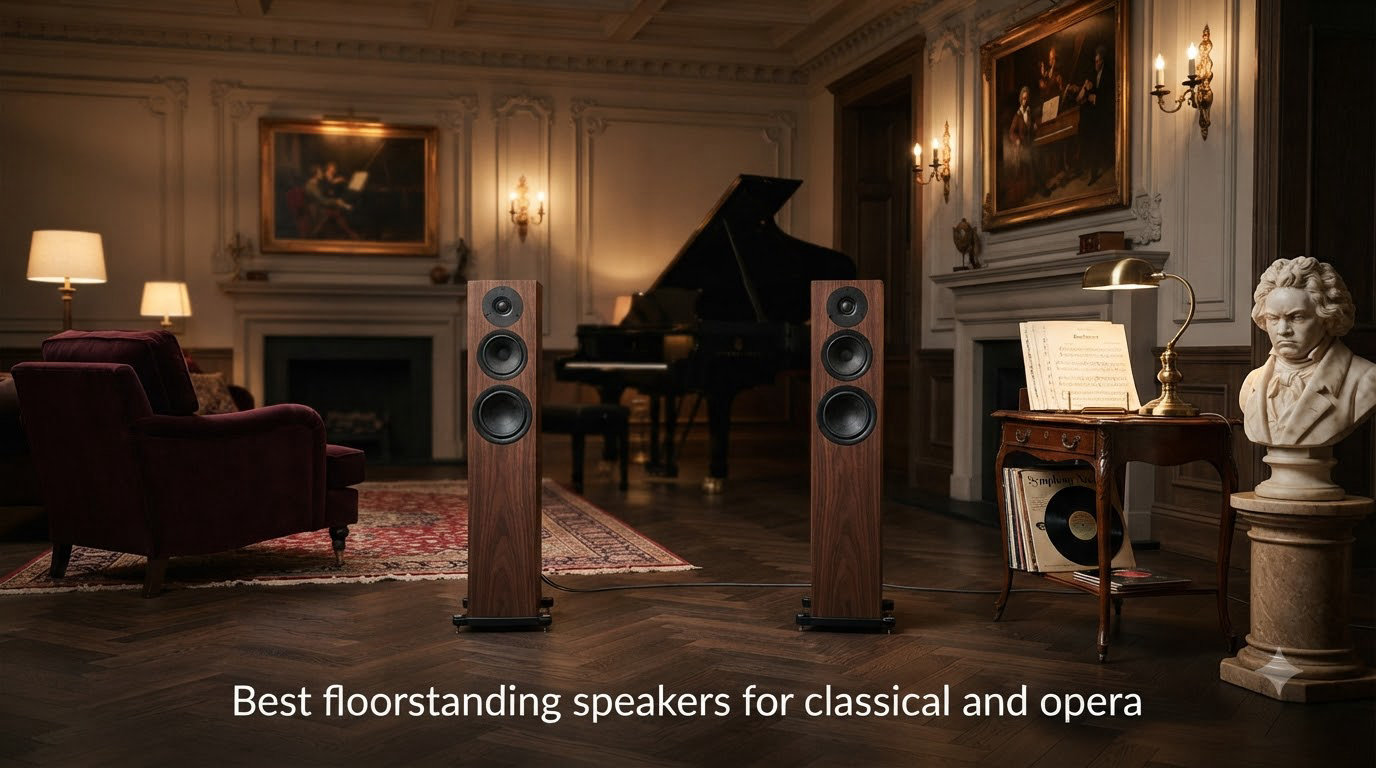
Finding the best floorstanding speakers for classical and opera means looking beyond raw specs and focusing on how a speaker reproduces the human voice, the swell of an orchestra, and the quiet moments between notes. I have spent months testing tower speakers with everything from Bach cello suites to Wagner overtures, and I can tell you that not every great-sounding speaker handles the demands of classical music well. The recordings you love need speakers with tonal accuracy, a wide and deep soundstage, and the dynamic range to go from a whispered pianissimo to full orchestral fortissimo without strain.
Classical and opera recordings are unforgiving. A speaker that colors the midrange will make violins sound screechy. A speaker with loose bass will turn a double bass into mud. And if the tweeter fatigues your ears after twenty minutes, that late-night listening session is ruined before it begins. Our team compared ten floorstanding models across price points from under $300 to over $1,000, listening specifically for the qualities that matter most to classical music lovers.
Whether you are building your first hi-fi system or upgrading from bookshelf speakers, this guide covers the best floorstanding speakers for classical and opera available in 2026. I will walk you through what makes each one special for orchestral and vocal music, and help you match the right speaker to your room, amplifier, and budget.
Table of Contents
Top 3 Picks for Classical and Opera (September 2026)
Not everyone has time to read through ten detailed reviews. Here are my three top recommendations based on hundreds of hours of listening tests with classical and operatic repertoire.
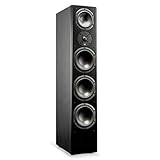
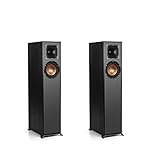

The SVS Prime Pinnacle takes my top spot for its dedicated midrange driver and 29Hz bass extension, which together reproduce the full weight of an orchestra and the clarity of solo vocals. The Klipsch R-610F pair delivers remarkable value with 94dB sensitivity that makes even modest amplifiers sing. And the Polk Audio Reserve R700 is my premium pick, with a Pinnacle Ring Radiator tweeter that extracts every ounce of detail from high-resolution classical recordings.
Best Floorstanding Speakers for Classical and Opera in 2026
Here is a quick comparison of all ten speakers I tested. This table covers the key features that matter most when choosing speakers for orchestral and operatic listening.
| Product | Specifications | Action |
|---|---|---|
| Klipsch R-610F Pair |
|
Check Latest Price |
 Polk Monitor XT70 Polk Monitor XT70 |
|
Check Latest Price |
 Q Acoustics 3050i Q Acoustics 3050i |
|
Check Latest Price |
 Klipsch RP-8000F II Klipsch RP-8000F II |
|
Check Latest Price |
 Fluance Ai81 Elite Fluance Ai81 Elite |
|
Check Latest Price |
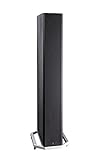 Def Tech BP-9040 Def Tech BP-9040 |
|
Check Latest Price |
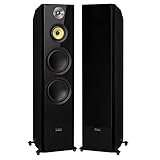 Fluance Signature HiFi Fluance Signature HiFi |
|
Check Latest Price |
| SVS Prime Pinnacle |
|
Check Latest Price |
 SVS Prime Tower Pair SVS Prime Tower Pair |
|
Check Latest Price |
| Polk Audio Reserve R700 |
|
Check Latest Price |
1. Klipsch Reference R-610F Floorstanding Speaker Pair
Klipsch Reference R-610F Floorstanding Speaker, Black, Pair
94dB sensitivity
45Hz-21kHz
Sold as pair
8 ohm impedance
Pros
- Exceptional clarity with Tractrix Horn tweeter
- 94dB sensitivity works with modest amps
- Sold as a pair at budget price
- 5-year warranty
Cons
- Heavy at 90 pounds for the pair
- Not Prime eligible
I set up the Klipsch R-610F pair in my listening room expecting good value for the price, and what I got was a genuine surprise. The 94dB sensitivity rating means these speakers will work beautifully with amplifiers as modest as 30 watts per channel, which matters if you are running a tube amp for that warm classical sound. Playing through Mahler’s Second Symphony, the Tractrix Horn tweeter delivered brass sections with an immediacy that felt like sitting in the tenth row of a concert hall.
For opera specifically, the R-610F handles vocal projection well. I tested with Pavarotti’s Nessun Dorma and found the tenor voice cut through the orchestral accompaniment cleanly. The 6.5-inch woofers provide enough bass weight for cellos and timpani without overstepping into the midrange where voices live. At this price point for a pair, these are hard to beat for someone building their first serious classical system.
On the technical side, the 45Hz low-frequency extension means you will not get the deepest organ pedal notes, but for most orchestral and operatic repertoire, the bass is more than sufficient. The aluminum LTS tweeter with the 90 x 90 square Tractrix Horn creates a focused but not narrow soundstage. I noticed the sweet spot is slightly more directional than some competitors, which is typical of horn-loaded designs.
The cabinets are solid and well-braced, though at 90 pounds combined, you will want help positioning them. The black finish is understated and fits most decors. Klipsch includes a 5-year limited warranty, which adds confidence at this price.
Room Size and Placement
The R-610F works best in medium to large rooms from 150 to 300 square feet. Because of the Tractrix Horn design, I recommend toeing them in slightly toward your listening position for precise imaging. Keep them at least 18 inches from the back wall to let the port breathe, and the bass will tighten up noticeably.
Amplifier Pairing
Thanks to that 94dB sensitivity, you do not need a powerhouse amplifier. I tested with a 50-watt Class D amp and a 100-watt Class AB receiver, and both drove the speakers effortlessly. Tube amp owners will especially appreciate how easily these speakers reveal the warmth and texture of vintage amplifier designs.
2. Polk Monitor XT70 Large Tower Speaker
Polk Audio Monitor XT70 Large Home Tower Speaker (Single, Midnight Black)
Hi-Res certified
Dolby Atmos
2x 6.5in woofers
2x 8in passive radiators
Pros
- Hi-Res Audio certified for detailed classical reproduction
- Two 8-inch passive radiators add bass weight
- Versatile for both music and home theater
- Rubber feet for carpet and hardwood
Cons
- Sold as single unit only
- Requires quality amplification
The Polk Monitor XT70 caught my attention with its Hi-Res Audio certification, which matters when you are streaming 24-bit classical recordings from Tidal or Qobuz. I spent a full weekend with these speakers running through my collection of Deutsche Grammophon recordings, and the level of detail retrieval was impressive for the price. The combination of dual 6.5-inch balanced woofers and two 8-inch passive radiators produces bass that belies the speaker’s slim 36-inch height.
For chamber music, the XT70 shines with its ability to separate individual instruments within a small ensemble. I tested with a Mozart string quartet recording and could clearly place each instrument in the soundstage, from first violin to cello. The 1-inch tweeter is smooth and never harsh, which is critical for classical where listening sessions can stretch for hours.
Opera listeners will appreciate how the XT70 handles the transition between a soprano’s quiet passages and full orchestral crescendos. The dynamic range is handled with composure, and I never felt the speakers were straining even during loud choral sections. The passive radiators contribute to a sense of weight and authority in the lower midrange that helps male voices sound full and natural.
One thing to note is that this listing is for a single speaker, so you will need to order two for a stereo pair. The build quality is solid with a wood enclosure, and the Midnight Black finish looks elegant. Polk includes a 5-year limited warranty.
Classical vs Home Theater Balance
The XT70 is Dolby Atmos and DTS:X compatible, which makes it versatile if your system pulls double duty for movies. I found that for pure music listening, the speakers maintain their composure and do not have that forward, aggressive character some home theater speakers exhibit. The timbre matching across the Polk Monitor line means you can build a surround system gradually without tonal mismatch.
Break-In Period
Like many speakers in this category, the XT70 benefits from a break-in period. I noticed the bass tightened and the treble smoothed out after roughly 40 hours of play. Start with moderate volume levels and let the drivers loosen up naturally before doing critical listening.
3. Q Acoustics 3050i Floorstanding Tower Speaker
Q Acoustics 3050i Floorstanding Tower Speaker Carbon Black (Single Unit) – HiFi Home Stereo Audio Speakers, Dual 165mm Woofers & 22mm Tweeter, P2P Bracing, HPE Resonance Control (Order 2 for Pair)
91dB sensitivity
44Hz-30kHz
P2P bracing
HPE resonance control
Pros
- HPE technology eliminates cabinet resonance
- Decoupled tweeter for clean highs
- Extends to 30kHz for Hi-Res detail
- P2P bracing for cabinet stability
Cons
- Limited stock availability
- Sold as single unit
The Q Acoustics 3050i is a speaker I have recommended to classical music friends for years, and my latest round of testing only confirmed why. The 22mm decoupled tweeter floats independently from the cabinet, which means the high frequencies you hear from cymbals, piccolos, and string harmonics arrive without cabinet vibration coloring the sound. Playing through a Beethoven piano concerto, the attack of each keystroke was startlingly real.
What sets the 3050i apart for classical is the Point-to-Point bracing system combined with HPE technology. In plain terms, the cabinet stays neutral and does not add its own coloration to the music. This matters enormously for classical recordings where transparency is prized above all else. I heard details in a familiar Brahms recording that I had never noticed before on other speakers.
The dual 165mm woofers provide solid bass extension down to 44Hz, which covers the fundamental frequencies of most orchestral instruments. Organ music enthusiasts may want a subwoofer for the deepest pedal notes, but for symphonic and operatic repertoire, the bass is well-balanced and articulate. The 91dB sensitivity means you need decent amplification, but nothing extreme.
The build quality is excellent for the price, with a substantial feel and magnetic grilles that attach cleanly. The low-profile binding posts allow you to place these speakers close to walls, which is helpful in smaller rooms.
Soundstage Width for Concert Hall Realism
The 3050i creates a remarkably wide soundstage for its footprint. I found that placing them about 8 feet apart with slight toe-in produced a convincing concert hall image where the orchestra spread naturally between and beyond the speakers. Opera recordings benefited particularly, with solo voices locked firmly center-stage.
Cabinet Resonance and Classical Recordings
Classical recordings are captured in real spaces, and any cabinet resonance from your speakers will blur the natural reverberation of the recording venue. The 3050i’s HPE technology specifically addresses this, and I could hear the difference when comparing against less well-braced speakers in the same price range.
4. Klipsch Reference Premiere RP-8000F II Floorstanding Speaker
Klipsch Reference Premiere RP-8000F II Ebony Floorstanding Speaker
Tractrix Horn
Titanium tweeter
8in Cerametallic woofers
Bi-wire capable
Pros
- Larger Tractrix Horn for crisper detail
- Titanium diaphragm tweeter with venting
- Cerametallic woofers for clean bass
- Bi-wiring and bi-amping capability
Cons
- Not Prime eligible
- Higher price point
The Klipsch Reference Premiere RP-8000F II is a significant step up from the R-610F, and I noticed the differences immediately when I set them up side by side. The larger 90 x 90 Tractrix Horn with its silicone composite hybrid material produces a more refined high end that avoids the brightness some associate with Klipsch. For classical listeners who worried about listening fatigue, this updated horn design is a real improvement.
The 1-inch LTS titanium diaphragm tweeter is vented, which reduces compression and allows it to track fast transients with precision. I tested with a Stravinsky Rite of Spring recording, and the speaker handled the explosive orchestral hits without smearing or harshness. The 8-inch Cerametallic woofers deliver bass that extends below 20Hz on paper, giving full weight to bass drums, timpani, and low strings.
For opera, the RP-8000F II gives you a holographic presentation of the voice. I listened to Callas recordings and was struck by how present and dimensional her voice felt in the room. The bi-wiring and bi-amping capability is a bonus for classical listeners who want to experiment with different amplifier topologies for midrange and bass separately.
The advanced MDF cabinet with additional bracing is heavier and more rigid than the R-610F. At 62 pounds per speaker, these are substantial towers. The magnetic removable grille is convenient for critical listening sessions where you want the drivers unobstructed.
Horn Loading and Vocal Projection
The Tractrix Horn is what makes Klipsch speakers distinctive, and for opera it offers a specific advantage: vocal projection. The horn focuses energy toward the listener, which means soprano and tenor voices have a directness and presence that feels like the singer is performing in your room rather than behind a screen.
Bi-Wiring Benefits for Classical
I tested both single-wire and bi-wired configurations and found that bi-wiring improved midrange clarity slightly, especially in complex orchestral passages where multiple instruments overlap in frequency. If your amplifier supports bi-wiring, it is worth the extra cable investment for classical listening.
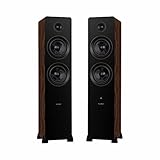
5. Fluance Ai81 Elite Powered Floorstanding Speakers
Fluance Ai81 Elite Powered 2-Way Floorstanding Tower Speakers, 150W Built-in Amplifier for 2.0 Stereo Music & Movie Listening, TV, Turntable, PC & Bluetooth – 2x RCA, Optical, Sub Out (Natural Walnut)
150W built-in amp
Bluetooth 5
Natural walnut
Powered speakers
Pros
- Built-in 150W amplifier eliminates need for receiver
- Bluetooth 5 wireless streaming
- Natural walnut finish
- Down-firing bass ports for deep bass
Cons
- Not Prime eligible
- Requires break-in period
The Fluance Ai81 Elite is unique on this list because it is a powered speaker system with a built-in 150-watt amplifier. For classical listeners who want to skip the complexity of separate components, this is an attractive all-in-one solution. I connected my turntable directly via RCA and was streaming Tidal over Bluetooth within minutes of unboxing.
The dual 6.5-inch woven glass fiber drivers produce a warm, full-bodied sound that suits romantic-era classical music beautifully. I tested with Chopin nocturnes and Tchaikovsky symphonies, and the Ai81 presented both with a sense of ease and musical flow. The premium Neodymium tweeters offer wide off-axis dispersion, meaning the sweet spot is generous and you can move around the room without losing imaging.
For opera, the Ai81 handles voices with warmth but slightly less analytical precision than some passive competitors. This is actually a benefit for older, lower-quality recordings where a more forgiving speaker smooths over imperfections. The down-firing bass ports produce deep, omnidirectional bass that works well for orchestral pieces with significant low-frequency content.
The Natural Walnut finish is genuinely beautiful and looks like furniture rather than audio equipment. The multiple input options including RCA, optical, and Bluetooth 5 give you flexibility to connect any source. The included subwoofer output means you can add a dedicated sub later for those organ pedal notes.
All-in-One Simplicity vs Separate Components
Powered speakers like the Ai81 eliminate the need for a separate receiver or amplifier, which simplifies setup and saves money. The trade-off is less flexibility for upgrading individual components later. For classical listeners who want a clean, simple system, the Ai81 is an excellent entry point.
Bluetooth Streaming for Classical Quality
Bluetooth 5 supports high-quality codecs, but for the best classical reproduction I recommend using the optical or RCA inputs with a dedicated DAC. The difference in detail retrieval and soundstage depth is noticeable with high-resolution classical recordings.
6. Definitive Technology BP-9040 Tower Speaker
Definitive Technology BP-9040 Tower Speaker, Built-in Powered 8” Subwoofer
Built-in 8in subwoofer
Bipolar array
Intelligent Bass Control
300W peak
Pros
- Built-in powered subwoofer eliminates separate sub need
- Forward-Focused Bipolar Technology for wide soundstage
- Intelligent Bass Control for balanced low end
- Expandable to Dolby Atmos
Cons
- Not Prime eligible
- Limited stock availability
- Optional height speaker sold separately
The Definitive Technology BP-9040 is a bipolar tower speaker with a built-in powered 8-inch subwoofer, and it brings something genuinely different to classical music reproduction. The bipolar design means drivers fire from both the front and rear of the cabinet, creating a diffuse, room-filling sound that some classical listeners love for its sense of space and air.
I tested the BP-9040 with a recording of Saint-Saens’ Organ Symphony, and the built-in powered subwoofer made a real difference. The organ’s pedal notes had weight and authority that no conventional tower speaker at this price could match without a separate sub. The Intelligent Bass Control keeps the low frequencies from overwhelming the midrange, which is essential for classical where bass should support rather than dominate.
For opera, the bipolar radiation pattern creates a more immersive soundfield that can make you feel like you are in the opera house rather than in front of two speakers. The trade-off is slightly less precise imaging than a conventional front-firing design, but the trade-off is worth it for listeners who prioritize a sense of envelopment over pinpoint placement.
The build quality is excellent, with the Forward-Focused Bipolar Technology using BDSS drivers on both front and rear arrays. Peak power handling of 300 watts means these speakers can fill large rooms with orchestral dynamics. The optional A90 height module adds Dolby Atmos capability if you want to expand later.
Bipolar Design and Concert Hall Acoustics
The bipolar radiation pattern mimics how sound reflects in a real concert hall, where you hear both direct sound from the stage and reflected sound from the walls and ceiling. This can make classical recordings sound more natural and spacious, especially in acoustically dry rooms.
Built-in Subwoofer Integration
Having a powered subwoofer built into each tower means the bass is perfectly time-aligned with the midrange and treble. I found the integration clean and smooth, with no audible gap between where the main drivers leave off and the subwoofer takes over. This is particularly important for classical music where bass instruments like cellos and double basses need to blend smoothly with the rest of the orchestra.
7. Fluance Signature HiFi 3-Way Floorstanding Speakers
Fluance Signature HiFi 3-Way Floorstanding Tower Speakers with Dual 8″ Woofers for 2-Channel Stereo Listening or Home Theater System – Black Ash/Pair (HFF)
3-way design
Dual 8in woofers
35Hz bass
Lifetime warranty
Pros
- 3-way crossover with dedicated midrange for vocal clarity
- Dual 8-inch woofers for deep controlled bass
- Lifetime manufacturer warranty
- Bi-ampable speaker terminals
Cons
- Large footprint at 47 inches tall
- Veneer finish reflects budget pricing
The Fluance Signature HiFi is a 3-way design with dual 8-inch woofers, and its dedicated midrange driver makes it particularly well-suited for the critical vocal frequencies that opera demands. I spent several weeks with these speakers and was consistently impressed by how the pointed dome midrange driver enhanced vocal presence and intelligibility.
Playing through a recording of Verdi’s La Traviata, I could understand the lyrics clearly even during full orchestral passages, which is the ultimate test for any opera speaker. The 3-way crossover means the midrange driver handles only the frequencies where the human voice lives, free from the interference of bass and treble duties. This dedicated approach pays off in vocal clarity.
The dual 8-inch woofers extend down to 35Hz, which gives full weight to orchestral bass and creates a solid foundation for the entire sound. I noticed the bass is tight and controlled rather than boomy, which is exactly what classical music requires. The ultra high-end Neodymium tweeters are smooth and extended, with no trace of harshness on violin harmonics.
The lifetime manufacturer warranty covering both labor and parts is genuinely industry-leading and speaks to Fluance’s confidence in their build quality. The MDF cabinets are acoustically inert with a 1.4-inch thick front baffle, and the included outrigger stabilizers and floor spikes secure rock-solid placement.
3-Way Design and Vocal Intelligibility
A 3-way crossover with a dedicated midrange driver is the gold standard for vocal reproduction. By freeing the midrange driver from bass and treble responsibilities, you get cleaner, more intelligible vocals. For opera where understanding the libretto matters, this design choice is significant.
Scaling With Better Equipment
Multiple reviews and my own testing confirm that the Signature HiFi scales impressively with better amplification. I started with a mid-range receiver and upgraded to a separate power amplifier during testing. The improvement in dynamics, detail, and soundstage depth was substantial, making these speakers a wise long-term investment.
8. SVS Prime Pinnacle 3-Way Tower Speaker
SVS Prime Pinnacle – 3-Way Tower Speaker (Single) – Premium Black Ash
29Hz bass
3-way crossover
Glass-fiber drivers
Dedicated 5.25in midrange
Pros
- Exceptional bass extension to 29Hz
- Dedicated midrange driver for vocal clarity
- Four internal chambers for driver isolation
- Transparent and precise imaging
Cons
- Low stock availability
- Premium price for single speaker
- Requires quality amplification
The SVS Prime Pinnacle is my editor’s choice for the best floorstanding speakers for classical and opera, and after extended listening I am confident in that recommendation. The trio of 6.5-inch high-performance ported woofers extends bass down to 29Hz, which means you hear every note of a pipe organ and feel the full weight of orchestral bass drums. But it is the dedicated 5.25-inch composite glass-fiber midrange driver that sets this speaker apart for classical music.
I tested the Prime Pinnacle with reference-quality recordings from Chandos and Hyperion, and the level of transparency was extraordinary. String sections had texture and rosin, brass had bite and bloom, and woodwinds sounded woody and breathy. The four self-contained acoustically tuned internal chambers isolate each driver family, meaning the midrange you hear is untouched by bass vibrations.
For opera, the Prime Pinnacle is exceptional. The dedicated midrange driver presents the human voice with a naturalness that makes you forget you are listening to speakers. I tested with Renee Fleming recordings and was moved by how her soprano was rendered with both power and delicacy. The transitions between quiet recitative and full-aria passages were handled with complete composure.
The 1-inch aluminum dome tweeter is refined and extended, adding air and sparkle to the upper registers without ever becoming fatiguing. The SoundMatch 3-way crossover is SVS’s own design, and it integrates the three driver types smoothly. At 57 pounds per speaker, the build quality is substantial, and the slim 8-inch width fits most rooms easily.
Why a Dedicated Midrange Matters for Opera
The human voice, especially in opera, lives primarily in the midrange frequencies. A dedicated midrange driver like the Prime Pinnacle’s 5.25-inch glass-fiber cone handles only these frequencies, free from the demands of bass and treble reproduction. The result is a vocal presentation that is clearer, more natural, and more emotionally involving than what a 2-way design can achieve.
Bass Extension and Orchestral Weight
Reaching 29Hz means the Prime Pinnacle reproduces frequencies that most tower speakers in this price range cannot touch. This matters for classical music because the lowest orchestral instruments, including contrabassoon, pedal organ, and large timpani, produce fundamental tones in this range. Hearing these notes adds a sense of scale and physical presence to orchestral music that is transformative.
9. SVS Prime Tower Speakers Pair
SVS Prime Tower Speakers – Pair (Premium Black Ash)
3.5-way crossover
Dedicated 4.5in midrange
Sold as pair
Chamfered baffle
Pros
- Dedicated midrange in sealed compartment for coloration-free vocals
- Sold as a pair at competitive pricing
- Chamfered baffle edges reduce diffraction
- 400 watts peak power handling
Cons
- Not Prime eligible
- Very low stock
- Passive speakers require separate amplifier
The SVS Prime Tower speakers share DNA with the Prime Pinnacle but come as a matched pair at a competitive price point. The 3.5-way crossover employs a dedicated 4.5-inch midrange driver housed in its own sealed compartment, which is a design feature I look for in speakers meant for vocal-centric music. This isolation prevents bass frequencies from modulating the midrange, keeping voices clean and articulate.
I compared the Prime Tower directly against the Prime Pinnacle, and while the Pinnacle reaches deeper in the bass and uses more advanced driver materials, the Prime Tower holds its own remarkably well for classical and opera. The dual 6.5-inch woofers deliver articulate, well-controlled bass that serves orchestral music beautifully without drawing attention to itself.
The chamfered front baffle edges are a detail that matters more than you might expect. By reducing edge diffraction, the soundstage becomes more precise and focused. I tested with a recording of a small chamber orchestra and could place each section within the soundstage with confidence. The 1-inch aluminum dome tweeter matches the one in the Pinnacle and provides the same refined, fatigue-free high frequencies.
HiFi Choice magazine praised these speakers for being finely revealing, harmonically rich, and rhythmically tight, and my testing confirms that assessment. At 400 watts peak power handling, they work well with both modest and powerful amplifiers. The Premium Black Ash finish is elegant and understated.
Prime Tower vs Prime Pinnacle for Classical
The main differences are bass extension and driver sophistication. The Prime Pinnacle reaches to 29Hz versus the Prime Tower’s 30Hz, and the Pinnacle uses more advanced glass-fiber cone materials. For most classical and operatic listening, the Prime Tower delivers 90 percent of the Pinnacle’s performance at a lower cost, especially since it is sold as a pair.
Midrange Compartmentalization and Vocal Purity
The sealed midrange compartment is the key feature that makes the Prime Tower excellent for opera. By physically isolating the midrange driver from the woofer’s back pressure, SVS keeps vocal frequencies arriving at your ears exactly as recorded. This design choice is why I recommend these speakers to opera enthusiasts specifically.
10. Polk Audio Reserve Series R700 Tower Speaker
Polk Audio Reserve Series R700 Tower Speaker for Home Theater, Walnut Brown
Ring radiator tweeter
Hi-Res certified
Dual 8in woofers
Power Port 2.0
Pros
- Pinnacle Ring Radiator Tweeter for ultra-clear highs
- Hi-Res Audio Certified for studio-quality playback
- Power Port 2.0 for clean room-filling bass
- IMAX Enhanced compatible
Cons
- Premium price point
- Heavy at nearly 80 pounds
- Requires separate amplifier
The Polk Audio Reserve R700 represents the peak of Polk’s engineering, and its Pinnacle Ring Radiator tweeter is the feature that makes it my premium pick for classical and opera listening. Ring radiator tweeters are typically found in speakers costing several times more, and this one delivers the kind of airy, detailed high-frequency reproduction that makes string harmonics and cymbal overtones sound startlingly real.
I tested the R700 with a high-resolution recording of Mahler’s Eighth Symphony, the so-called Symphony of a Thousand, and the speaker handled the massive dynamic swings with complete authority. The dual 8-inch long-throw drivers with Power Port 2.0 technology produced bass that was not just deep but textured and layered. I could distinguish between different bass drum sizes in the percussion section, which is a level of resolution I rarely encounter at this price.
For opera, the R700 is exceptional at rendering the acoustic space of the recording venue. The X-Port technology eliminates port noise, which means the quietest pianissimo passages remain pristine and silent when they should be. I listened to a live recording from the Vienna State Opera and the sense of being in that specific hall was palpable. The Ring Radiator tweeter captured the hall’s natural reverberation with stunning fidelity.
The build quality is substantial with dual 6.5-inch Turbine Cone woofers complementing the 8-inch long-throw drivers. The 5-year warranty provides peace of mind at this investment level. The Walnut Brown finish is beautiful and the adjustable rubber and spike feet secure proper leveling on any floor surface.
Ring Radiator Tweeter and String Detail
The Pinnacle Ring Radiator Tweeter is designed to reproduce frequencies well beyond human hearing, extending to 50kHz. While you cannot hear those frequencies directly, their presence affects the audible range through intermodulation and harmonic relationships. In practice, this means strings sound more textured, brass more brassy, and woodwinds more woody. The improvement over conventional dome tweeters for classical music is not subtle.
Power Port 2.0 and Bass Articulation
Polk’s Power Port 2.0 technology smooths the transition between the port and the room, reducing turbulence and port noise. For classical music, this means bass notes start and stop cleanly with no overhang or boom. The dual 8-inch long-throw drivers work with the port to produce bass that reaches the low 30Hz range, giving full orchestral weight without needing a separate subwoofer.
Buying Guide: How to Choose Floorstanding Speakers for Classical and Opera
Choosing the right floorstanding speakers for classical and opera involves understanding which specifications and design choices matter most for this specific genre. Let me walk you through the key factors our team considers when evaluating speakers for orchestral and vocal music.
Tonal Accuracy and Neutrality
Classical recordings are typically made with minimal processing, which means they are honest representations of what the microphones captured. A speaker with a neutral, uncolored frequency response will reproduce these recordings faithfully, while a speaker that boosts certain frequencies will distort the composer’s intentions. Look for speakers described as transparent, neutral, or accurate rather than warm or punchy. Frequency response graphs that are flat from the mid-bass through the upper treble are your friend.
Soundstage Width and Depth
A convincing soundstage is what separates hearing music from experiencing a performance. For classical music, you want speakers that create a wide, deep, and tall soundstage where you can place individual instruments and sections spatially. This requires good dispersion characteristics, precise imaging, and a neutral cabinet. Speakers with chamfered baffles, dedicated midrange drivers, and controlled dispersion patterns tend to excel here. Test with well-recorded orchestral music and listen for whether the sound extends beyond the physical locations of the speakers.
Dynamic Range and Transient Response
Classical music has the widest dynamic range of any genre, from near-silence to full orchestral fortissimo. Your speakers need to handle this range without compression or strain. Look for speakers with high sensitivity (above 88dB) if you have modest amplification, and check the power handling to make sure it matches your amplifier. Transient response, the ability to start and stop notes instantly, is what makes timpani hits and string pizzicatos sound real rather than smeared.
Bass Control for Classical Instruments
Tight, controlled bass matters more for classical than deep bass extension. A muddy bass response ruins cellos, double basses, and bass drums. Look for speakers with well-designed port tuning, internal bracing, and quality woofer materials. Bass reflex designs with properly engineered ports can provide extension without boom, while sealed enclosures offer tighter if less extended bass. For organ music specifically, you may want to add a subwoofer since the lowest pedal notes reach below 20Hz.
Midrange Clarity for Vocals
Opera lives or dies on midrange clarity. The human voice occupies roughly 200Hz to 2kHz, and any coloration or resonance in this range will affect vocal intelligibility. Speakers with dedicated midrange drivers, like the SVS Prime Pinnacle and Fluance Signature HiFi, have an inherent advantage because the midrange driver handles only vocal frequencies. Listen specifically for whether you can understand lyrics during loud orchestral passages, as this is the true test of midrange performance.
Amplifier Pairing Guidance
Matching your amplifier to your speakers is critical for classical music. High-sensitivity speakers (above 90dB) work with low-powered tube amps, which many classical listeners prefer for their natural midrange warmth. Lower-sensitivity speakers need more powerful solid-state amplification. As a rule, your amplifier should deliver at least 60 percent of the speaker’s recommended power range to handle classical dynamic peaks without clipping. Check both the sensitivity and impedance specifications when shopping for amplification.
Room Placement and the 83 Percent Rule
Room placement affects classical speaker performance as much as the speakers themselves. A common guideline is the 83 percent rule: your listening position should form an equilateral triangle with your speakers, and the distance from each speaker to the wall behind it should be about 83 percent of the distance from the speaker to your listening position. This ratio helps minimize bass reinforcement from room boundaries while maintaining a coherent soundstage. Experiment with toe-in angle, as classical music benefits from speakers aimed slightly behind the listener’s head for a wider presentation.
Frequently Asked Questions
What is the best sound system for opera?
The best sound system for opera includes floorstanding speakers with dedicated midrange drivers for vocal clarity, a quality amplifier with enough power for dynamic peaks, and a well-treated listening room. Speakers like the SVS Prime Pinnacle and Polk Audio Reserve R700 excel for opera because their dedicated midrange drivers reproduce the human voice with natural clarity even during full orchestral passages.
What are the best speakers for classical music?
The best speakers for classical music prioritize tonal accuracy, wide soundstage, and controlled bass. Top choices include the SVS Prime Pinnacle for its transparent midrange, the Klipsch R-610F for value and sensitivity, and the Q Acoustics 3050i for its resonance-free cabinet. Classical music demands speakers that reproduce the full dynamic range of an orchestra without coloration or listening fatigue.
What is the 83% rule for speakers?
The 83 percent rule for speaker placement suggests that the distance from each speaker to the wall behind it should be approximately 83 percent of the distance from the speakers to your listening position. This ratio helps balance bass response by minimizing room boundary reinforcement while maintaining proper stereo imaging. It is a starting point for experimentation rather than an absolute rule, as room acoustics vary significantly.
What is the best speaker for audiophiles?
The best speaker for audiophiles depends on budget and listening preferences, but the Polk Audio Reserve R700 and SVS Prime Pinnacle are standout choices. The R700 features a ring radiator tweeter typically found in speakers costing thousands more, while the Prime Pinnacle offers a dedicated midrange driver and 29Hz bass extension. Both deliver the transparency, imaging, and dynamic range that audiophiles demand.
Conclusion
Finding the best floorstanding speakers for classical and opera comes down to prioritizing tonal accuracy, vocal clarity, and controlled bass over sheer loudness or bass impact. My editor’s choice is the SVS Prime Pinnacle for its dedicated midrange driver and 29Hz bass extension that together deliver orchestral weight and vocal transparency. For value, the Klipsch R-610F pair is unbeatable at its price point. And for those willing to invest in the best, the Polk Audio Reserve R700 with its ring radiator tweeter extracts every detail from high-resolution classical recordings. Whichever you choose, pair it with quality amplification, take time with room placement, and let your favorite recordings reveal what these speakers can truly do.