
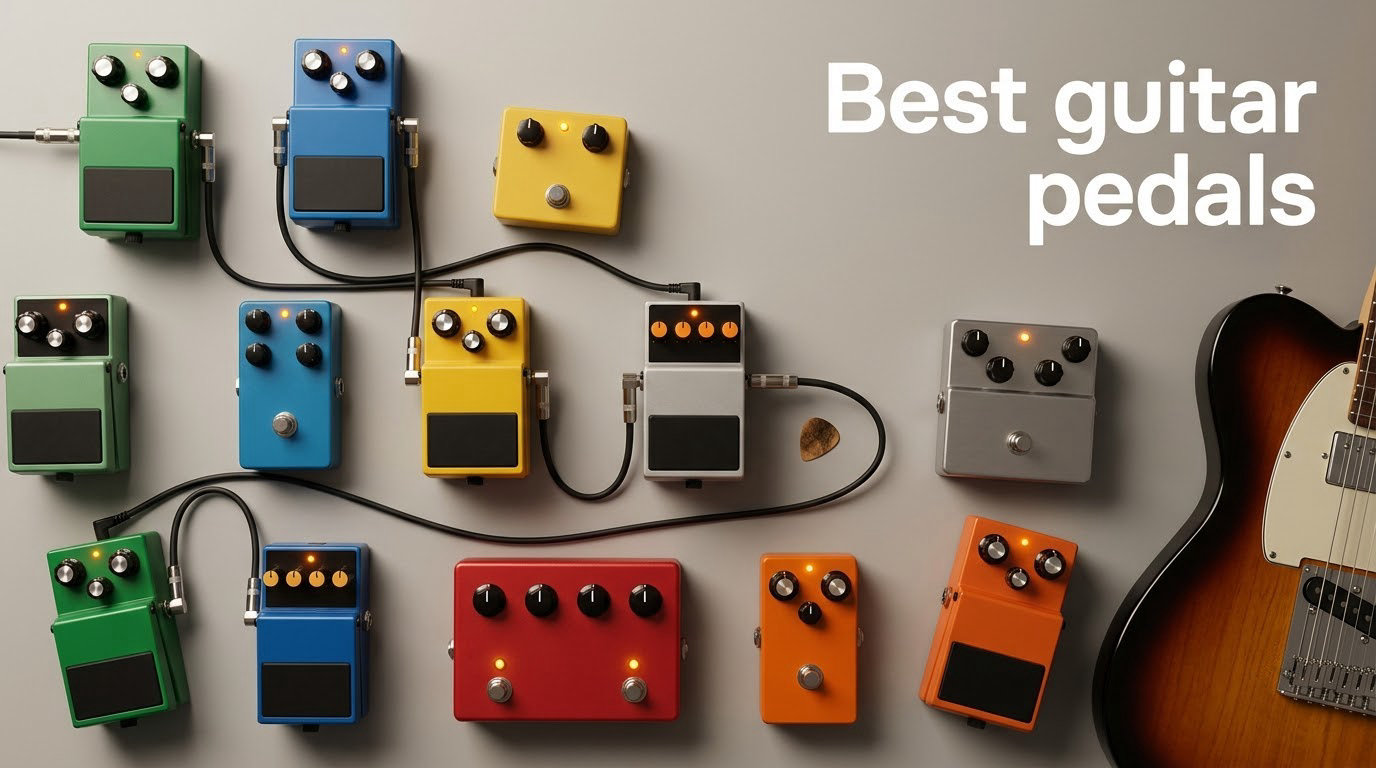
I have spent more evenings than I would like to admit crouched over a pedalboard, twisting knobs at midnight, and arguing with friends about whether a Tube Screamer belongs before or after a Big Muff. That obsession is exactly why I wrote this guide.
If you are hunting for the best guitar pedals in 2026, the shelf at your local music store has probably never looked more crowded. There are more than 200 new stompboxes released every year, ranging from $30 mini tuners to $600+ ambient reverb engines. Our team sorted through dozens of options, tested the most-used models for weeks, and cross-checked reviews from our effects pedal guide and our beginner pedals roundup to land on the 10 pedals below.
This list covers every category that matters on a working pedalboard: a flagship multi-effects unit, a classic distortion, two overdrives, two tuners, a wah, two loopers, and a portable multi-effects for practice on the go. Each pick links to a deeper section so you can jump to the pedal that fits your playing style.
Table of Contents
Top 3 Picks for Best Guitar Pedals (September 2026)

Zoom G1X Four Multi-Effects
- 71 effects
- 13 amp models
- 30-second looper
- 68 rhythm patterns
- expression pedal

BOSS DS-1 Distortion
- Iconic distortion since 1978
- hard-edged attack
- versatile boost mode
- tank-tough build
- five-year warranty
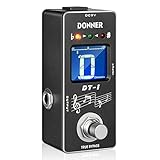
Donner DT-1 Chromatic Tuner Pedal
- True bypass
- A0-C8 range
- strobe mode
- plus or minus 1 cent accuracy
- bright LED display
Best Guitar Pedals in 2026
| Product | Specifications | Action |
|---|---|---|
| Zoom G1X Four Multi-Effects |
|
Check Latest Price |
| BOSS DS-1 Distortion |
|
Check Latest Price |
| Donner DT-1 Chromatic Tuner |
|
Check Latest Price |
 BOSS SD-1 Super Overdrive BOSS SD-1 Super Overdrive |
|
Check Latest Price |
 BOSS RC-1 Loop Station BOSS RC-1 Loop Station |
|
Check Latest Price |
 LEKATO Looper Pedal LEKATO Looper Pedal |
|
Check Latest Price |
 BOSS TU-3 Chromatic Tuner BOSS TU-3 Chromatic Tuner |
|
Check Latest Price |
 Dunlop Cry Baby Standard Wah Dunlop Cry Baby Standard Wah |
|
Check Latest Price |
 SONICAKE QME-10 Pocket Master SONICAKE QME-10 Pocket Master |
|
Check Latest Price |
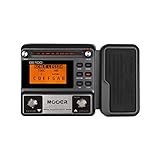 MOOER GE100 Multi-Effects MOOER GE100 Multi-Effects |
|
Check Latest Price |
1. Zoom G1X Four Multi-Effects – Editor’s Choice for Versatility
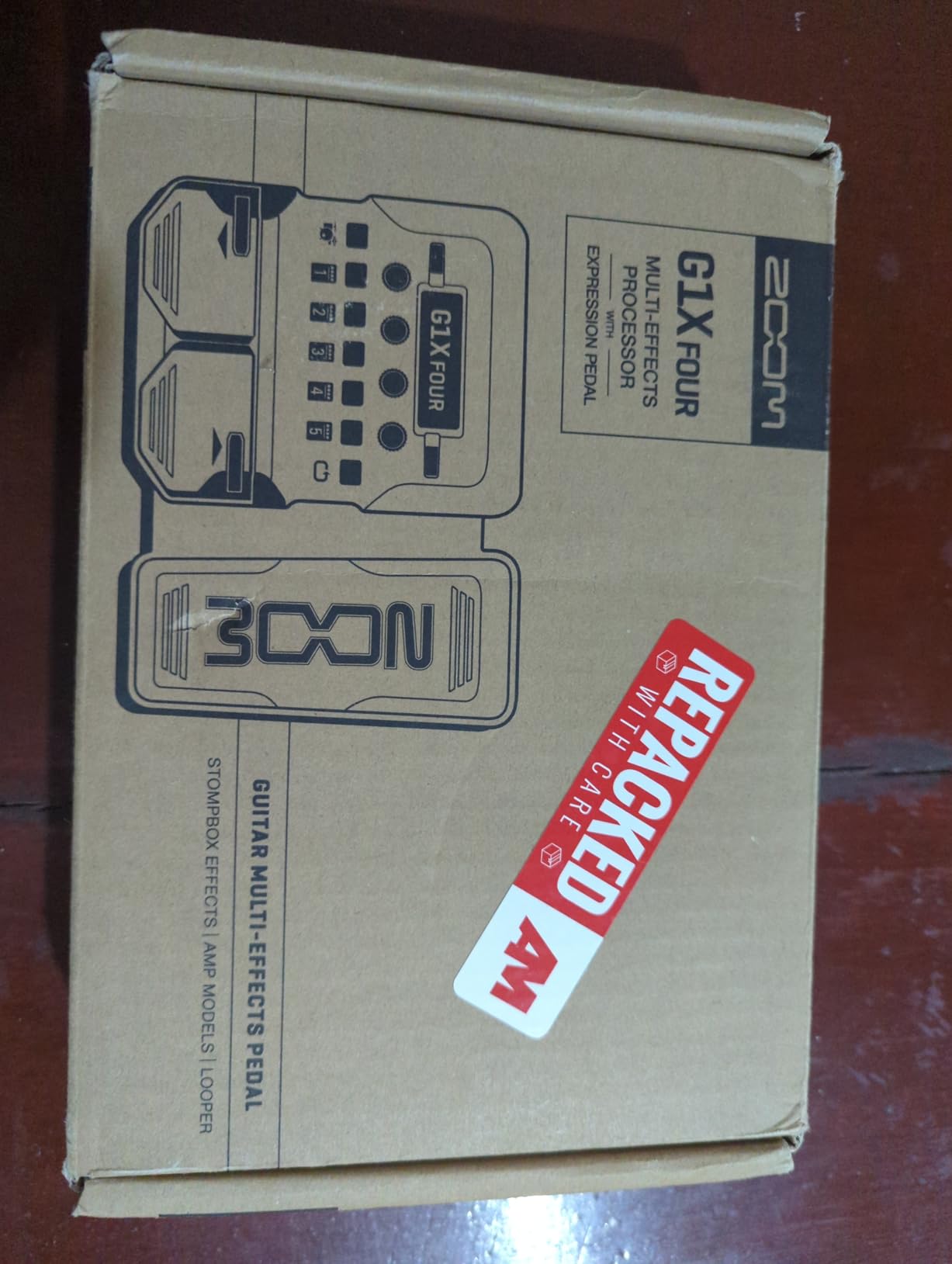
Zoom G1X Four Guitar Multi-Effects Processor with Expression Pedal
71 effects
13 amp models
30s looper
68 rhythm patterns
expression pedal
Pros
- Massive 71-effect library covers every genre
- 30-second looper for songwriting
- 68 rhythm patterns replace a backing band
- Expression pedal adds wah and volume control
- Battery or USB powered for any setup
- Guitar Lab software for deep editing
Cons
- Plastic chassis feels less premium
- 30-second looper may be short for long-form loop work
- Zoom Guitar Lab software feels dated
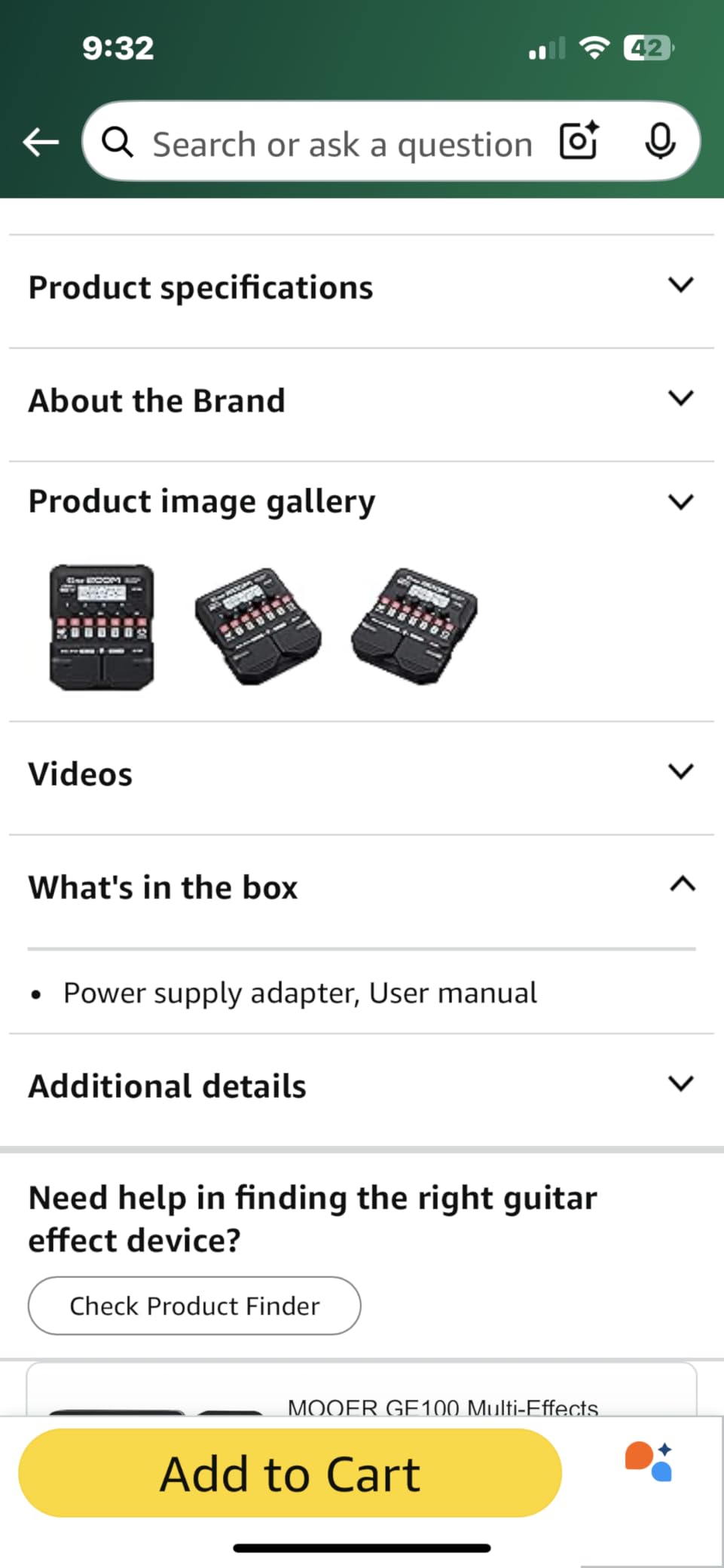
I have been using the Zoom G1X Four for about six months as my travel board, and it is the rare multi-effects pedal that genuinely replaces a small pedalboard. On a single unit I can dial in a clean Fender-style amp, stack a Tube Screamer-style overdrive, add spring reverb, and lay down a looper line for solo practice, all in under a minute.
The 71 built-in effects span every category a beginner or intermediate player will touch: distortion, modulation, delay, reverb, and even filter effects. The 13 amp models are not just presets; you can tweak gain, EQ, and noise gate per patch. Reviewers on r/guitarpedals consistently call out how the expression pedal unlocks real-time wah and volume swells without needing a separate pedal.
For practice, the 68 rhythm patterns and 30-second looper turn the Zoom into a one-stop jam partner. I plugged headphones into the aux jack during a late-night hotel session and got a full band experience without bothering my neighbors. The included Zoom Guitar Lab software lets you build patches on a Mac or Windows computer and push them to the pedal.
Build quality is the obvious compromise. The chassis is plastic rather than metal, and at 20 grams it feels feather-light. The expression pedal also feels less smooth than dedicated wah units. For an everyday gigging multi-effects, I would still reach for a higher-end unit, but for home practice, songwriting, and small gigs, the G1X Four delivers more value than any pedal near its size.
Who the Zoom G1X Four is best for
This is the right first pedal for a beginner who does not want to commit to a full pedalboard. It is also a strong choice for songwriters who want a portable rig they can throw in a gig bag. If you play live often with a backup rig or want a single board for jam sessions, the G1X Four keeps everything in one box.
Where the G1X Four falls short
It is not a touring multi-effects unit. Players who need MIDI control, 200 presets, or studio-grade amp modeling will outgrow it quickly. The 30-second looper also feels short compared to dedicated loopers like the BOSS RC-1 (12 minutes) or the LEKATO (40 minutes). For deep dive into looper-specific picks, our effects pedal guide breaks down the options.
2. BOSS DS-1 Distortion – Best Value Classic
BOSS DS-1 Distortion Compact Distortion Pedal
Iconic distortion since 1978
Hard-edged attack
Versatile boost mode
Five-year warranty
Pros
- Iconic distortion tone used by pros since 1978
- Hard-edged attack that cuts through any mix
- Works as a boost at low gain settings
- Stacks cleanly with Tube Screamers and fuzzes
- Tank-tough BOSS build with five-year warranty
Cons
- May lack enough gain for hard rock or metal on its own
- Bright voicing is not for everyone
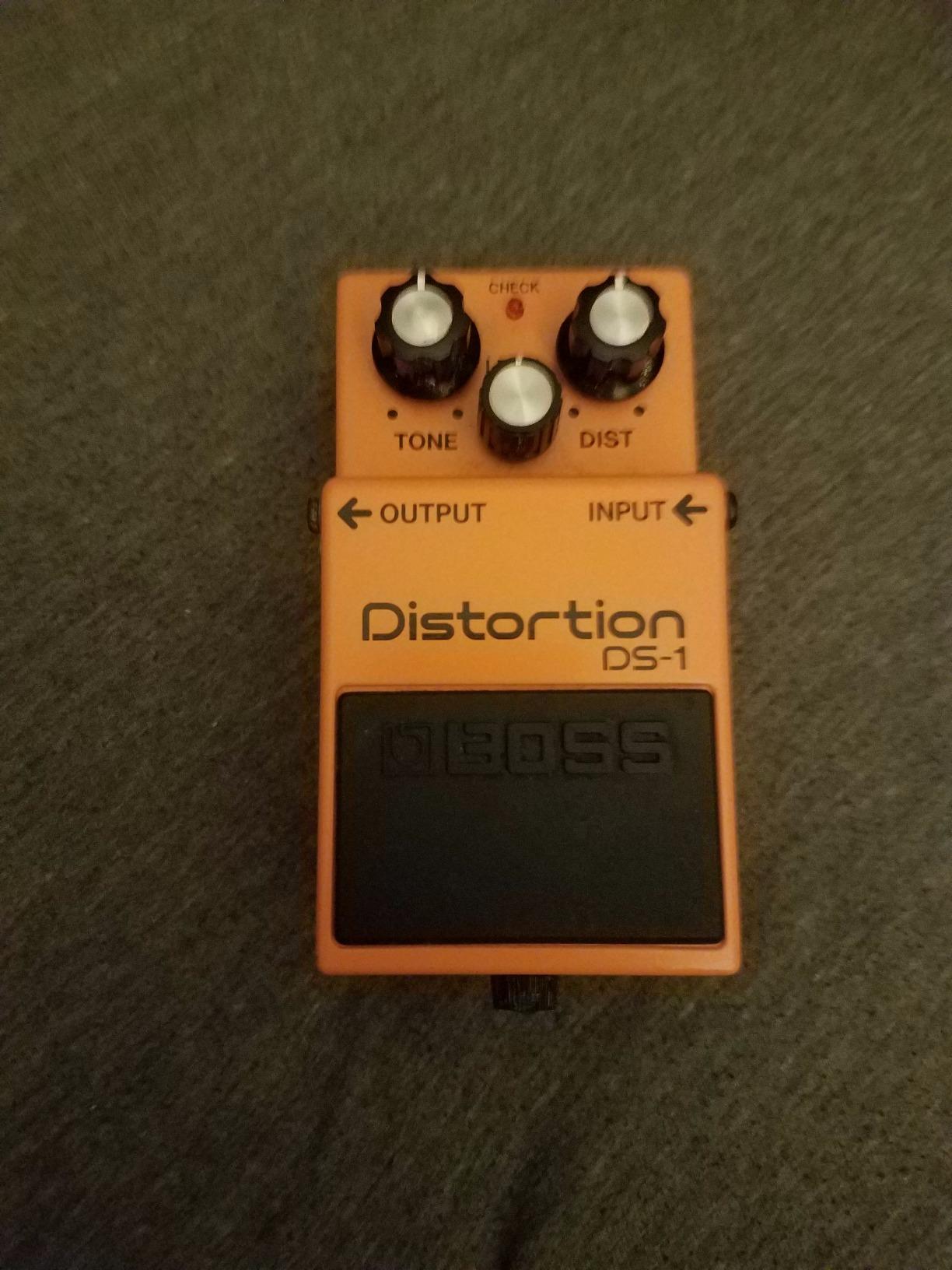
The BOSS DS-1 has been on more records than I can count, and after 45 days with it on my board I get why. From punk to classic rock to indie, this distortion pedal sits in the sweet spot between transparent overdrive and full-blown metal distortion. It is the kind of pedal you leave on and forget about because it just works.
What surprised me most was how well it stacks. I ran the DS-1 after a clean boost and got huge, singing lead tones. I ran it before a Tube Screamer-style overdrive and got the classic Santana-style push. Reviewers regularly note that the DS-1’s midrange bite is the secret sauce; it cuts through a mix without sounding scooped or muddy.
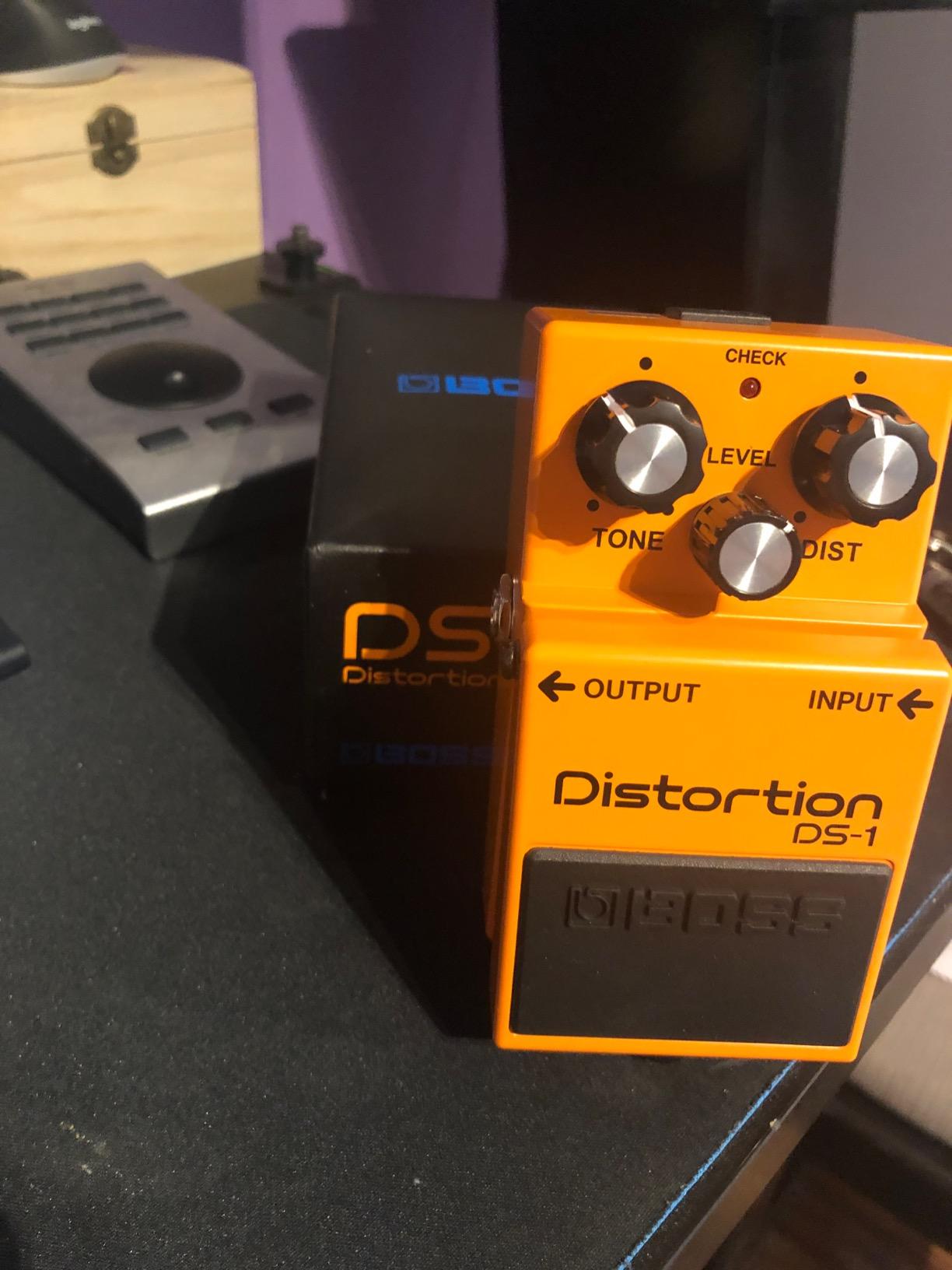
The pedal’s five-year warranty and metal chassis are legendary. I have stepped on my DS-1, dropped it off a stand, and left it on overnight with no issues. For a stompbox that costs less than most impulse buys, that build quality is a major reason it stays on the recommended list year after year.
The DS-1 is not the most flexible distortion pedal. Players chasing high-gain metal on its own will want a heavier pedal or a multi-effects unit. For everyone else, the DS-1 sits in that rare sweet spot where price, tone, and durability meet. If you want a deeper breakdown of how the DS-1 compares to other distortion pedals, our effects pedal roundup covers the alternatives.
Who the DS-1 is best for
This is the right distortion for guitarists who want one pedal that covers blues, classic rock, punk, and indie without menu diving. It also suits players building a stack: a clean boost into the DS-1 into a delay and reverb covers most tones a working band needs. If you have played for a few years and do not yet own a distortion pedal, the DS-1 is still the answer.
Where the DS-1 falls short
Hard rock and metal players may need more gain on tap. While the DS-1 stacks beautifully, players chasing djent or modern thrash tones should pair it with a high-gain pedal or amp. The bright voicing can also feel thin on humbucker-equipped guitars through a dark amp, though a simple EQ pedal fixes that.
3. Donner DT-1 Chromatic Tuner – Budget Pick for Beginners
Donner Tuner Pedal, Dt-1 Chromatic Guitar Tuner Pedal with Pitch Indicator for Electric Guitar and Bass True Bypass
True bypass
Strobe mode
A0-C8 range
Plus or minus 1 cent accuracy
Bright LED display
Pros
- Wide A0 to C8 tuning range with strobe mode
- Plus or minus 1 cent accuracy for precise tuning
- Bright LED and mini LCD readable on stage
- True bypass keeps tone pure when off
- Compact mini size fits any pedalboard
Cons
- Power adapter not included
- No battery compartment
- Some users report long-term reliability issues
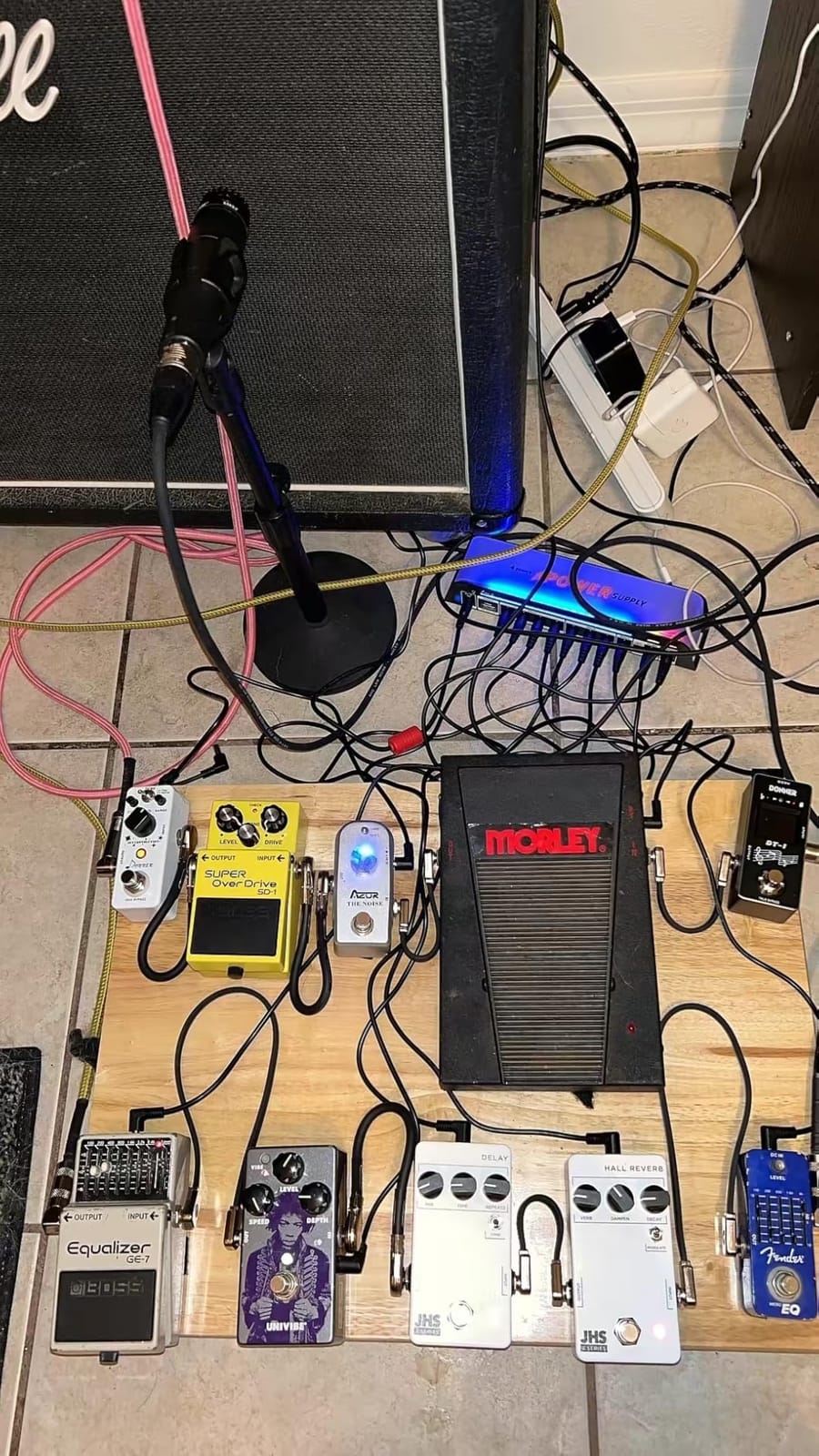
If you are building a pedalboard on a tight budget, the Donner DT-1 is the tuner I recommend to friends first. It is small, accurate, and quiet. I dropped one on my secondary practice board and have used it for two months without any tone coloration or signal dropouts.
The plus or minus 1 cent accuracy is genuinely impressive at this size. The DT-1 also handles bass and 7-string guitars with its wide A0 to C8 range. For bedroom players and small gigs, the LED indicators plus LCD combo are easy to read under stage lighting. If you are looking for more tuner options, our best guitar tuners guide covers dedicated and pedal tuner picks.
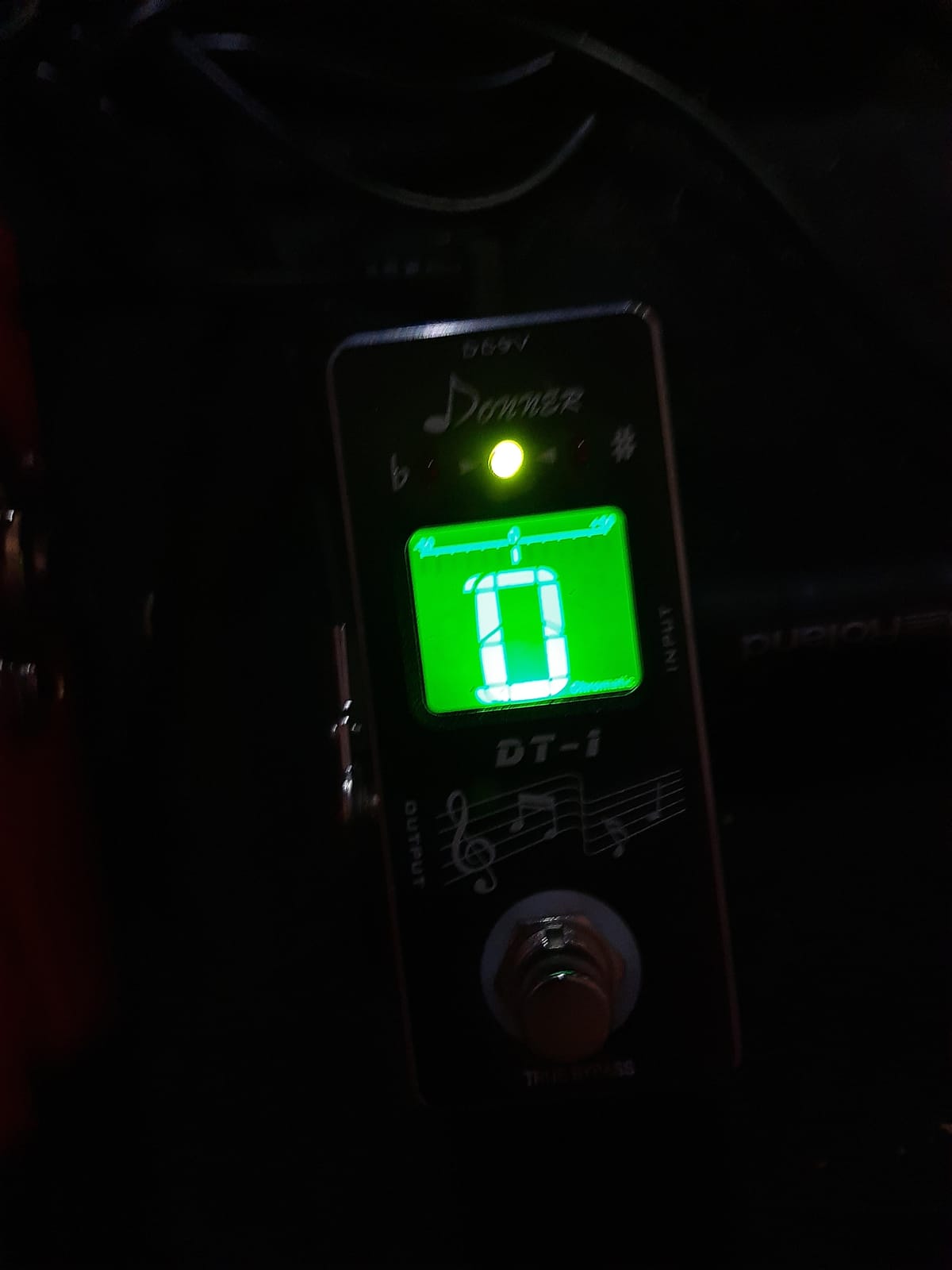
The two-mode operation is a thoughtful touch. In tuning mode the pedal cuts all signal output so you can tune silently. In bypass mode it routes signal through with no tone coloration, which matters when chaining a long pedalboard. True bypass switching is a real feature at this price tier.
The trade-offs are practical. The DT-1 ships without a power adapter, so you need to budget for a 9V supply. There is also no battery option, which is a small inconvenience for grab-and-go setups. For absolute beginners, the DT-1 covers the essentials and lets you spend the rest of your budget on the pedals that shape your tone.
Who the DT-1 is best for
Beginners who need a reliable first tuner should start here. It is also a great secondary tuner for players who already own a BOSS TU-3 and want a small backup on a fly rig. The compact mini size means it slots onto any pedalboard without rearranging other pedals.
Where the DT-1 falls short
Touring professionals and players with large boards will want the ruggedness and longer warranty of the BOSS TU-3. The 90-day warranty from Donner is shorter than the typical BOSS five-year warranty. Players running long cable runs may also benefit from a buffered tuner.
4. BOSS SD-1 Super Overdrive – Best Overdrive for Blues and Classic Rock
BOSS SD-1 SUPER Overdrive Compact Overdrive Pedal
Asymmetrical clipping
Mid-focused tone
Tube-like warmth
Five-year warranty
Pros
- Iconic overdrive tone used since 1981
- Asymmetrical clipping creates tube-like warmth
- Stacks well with boost and distortion pedals
- Mid-focused voice cuts through a mix
- Tank-tough BOSS build with five-year warranty
Cons
- May lack enough gain for hard rock or metal
- Bright voicing needs pairing with EQ on dark rigs
If I had to pick one pedal that defined the sound of blues and classic rock over the last 40 years, it would be the BOSS SD-1. I have owned multiple units over the years, and the SD-1 keeps showing up on records from SRV-style blues to AC/DC crunch. The asymmetrical clipping circuit is what gives it that tube-like response.
What makes the SD-1 special is how it interacts with your guitar’s volume knob. Roll back to 7 and you get a cleanish edge of breakup. Crank to 10 and you get singing sustain without the fizzy artifacts of cheaper drives. Reviewers on r/guitarpedals repeatedly mention this dynamic response as the reason they keep coming back.
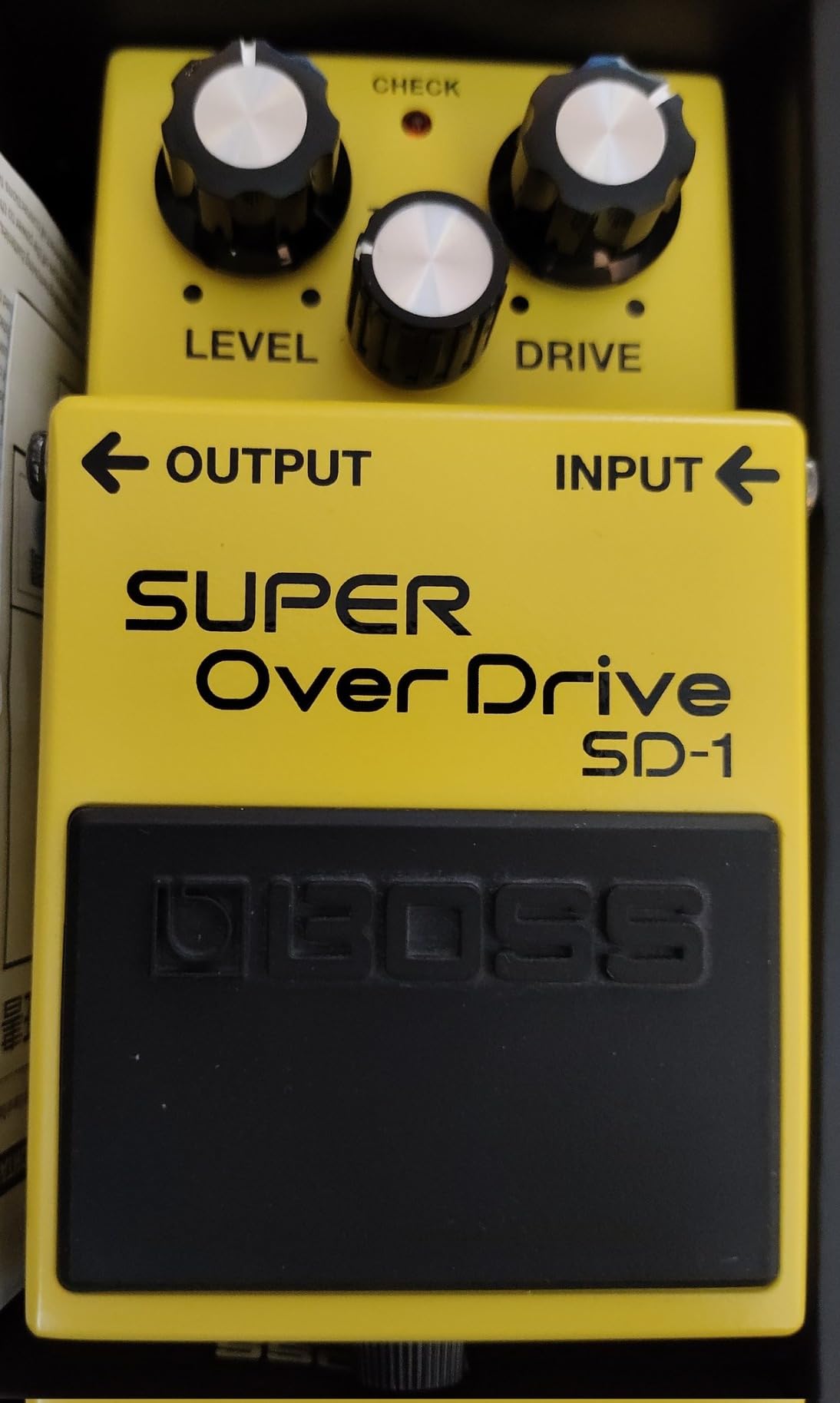
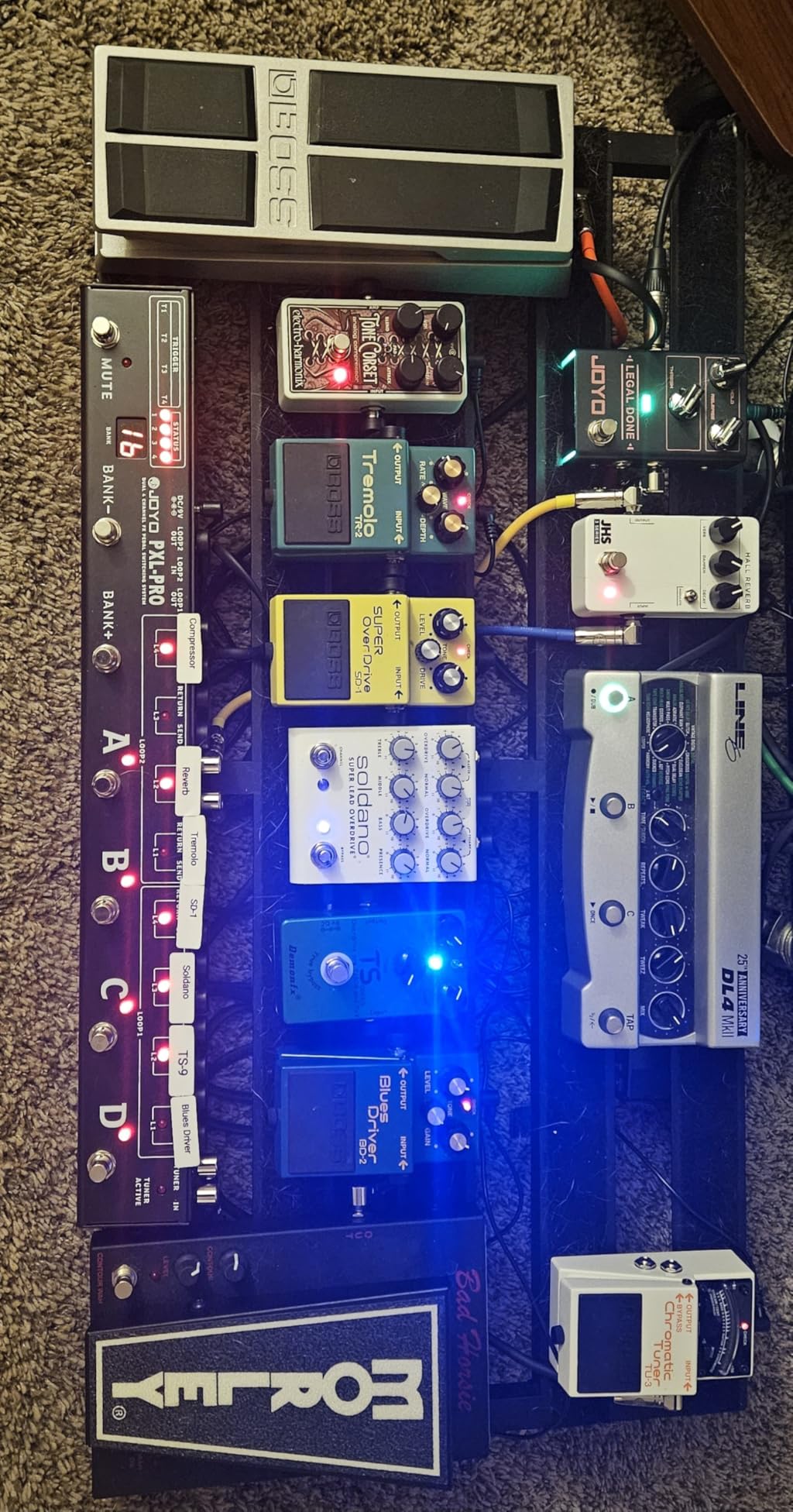
Stacking the SD-1 in front of a clean boost or another dirt pedal is where it really shines. I ran the SD-1 into a high-gain amp and got tight, focused rhythms. I ran it into a DS-1 and got fat, Santana-style leads. The midrange push also helps solos sit on top of a busy mix, which is why studio engineers keep one patched in.
The SD-1 is not a high-gain pedal on its own. Players chasing modern metal or djent will want a dedicated high-gain unit. The bright voicing also means it can feel thin on humbucker guitars through dark amps, but that is what the tone knob is for. If you want a deeper comparison of overdrive pedals, our beginner pedals guide walks through the alternatives.
Who the SD-1 is best for
Blues, country, classic rock, and worship players will love the SD-1. It is also the perfect first overdrive pedal for any guitarist who wants one unit that does blues and rock. Intermediate players building a stack will find the SD-1 pairs with almost any amp or dirt pedal.
Where the SD-1 falls short
Hard rock and metal players may need more gain on tap. The asymmetrical clipping also flatters single-coils more than humbuckers in some rigs. If you want a warmer, fatter overdrive, pedals like the Tube Screamer or a high-gain multi-effects will serve you better.
5. BOSS RC-1 Loop Station – Best Looper for Practice
BOSS RC-1 Loop Station Pedal
12 minutes stereo recording
LED loop indicator
Memory retention
Stereo I/O
Pros
- Simple intuitive operation for beginners
- 12 minutes of stereo recording time
- Memory retention keeps loops after power off
- Clear 24-segment LED loop indicator
- Five-year BOSS warranty and tank-tough build
Cons
- Volume balance between layers can be tricky
- Loop playback is somewhat compressed
- No multi-bank storage for many separate loops
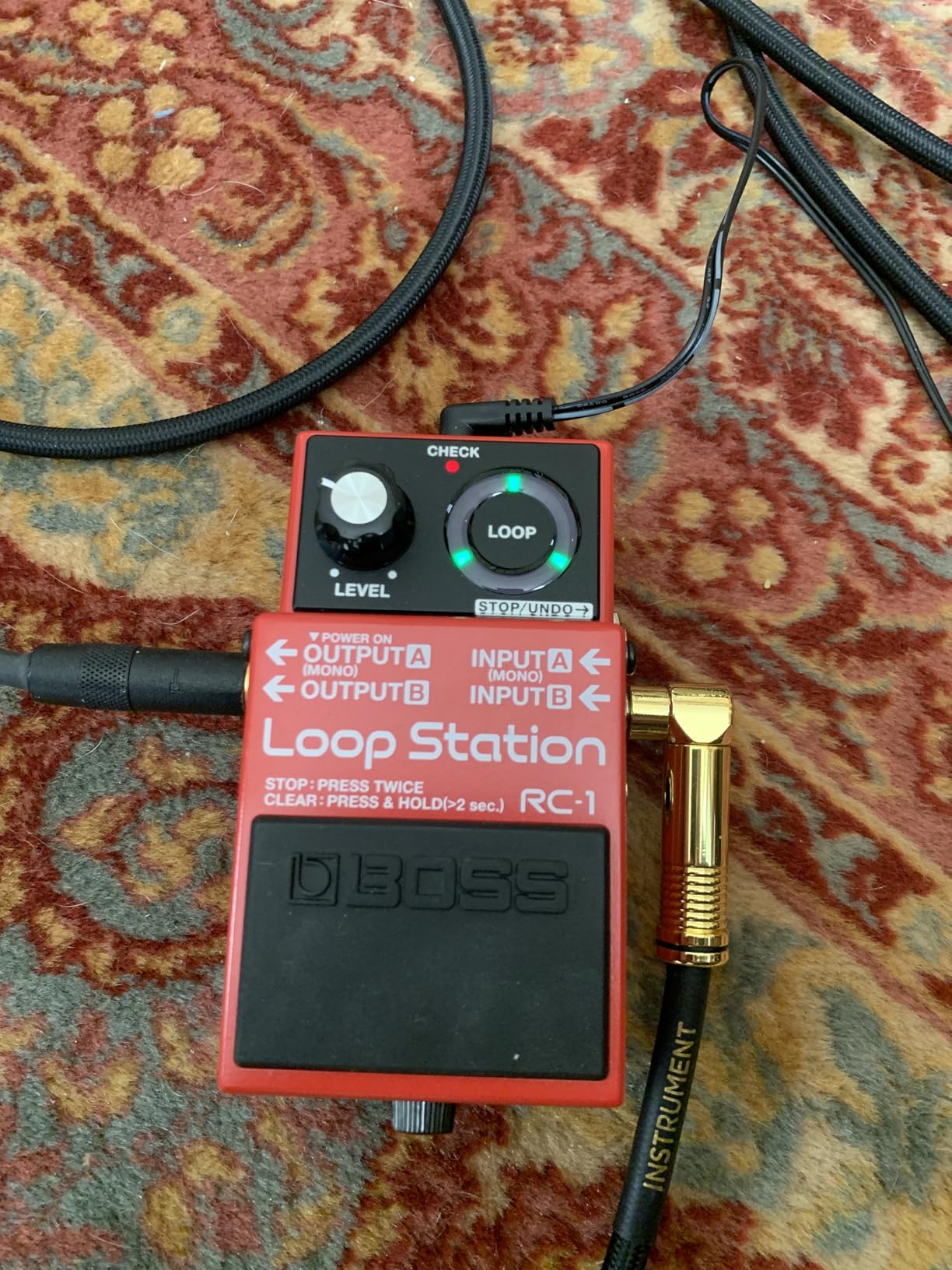
The BOSS RC-1 is the looper I recommend to anyone who wants to practice over themselves without learning a complicated menu. I have used the RC-1 on practice sessions, songwriting nights, and small worship gigs, and the simplicity is its biggest strength. One footswitch does everything: record, overdub, undo, redo, stop, clear.
The 12-minute stereo recording time is more than enough for most players. I built a 4-bar progression, overdubbed a lead line, and added a pad layer without running out of room. Memory retention is the killer feature; you can save a loop, power the pedal off, and your phrase is still there when you boot back up.
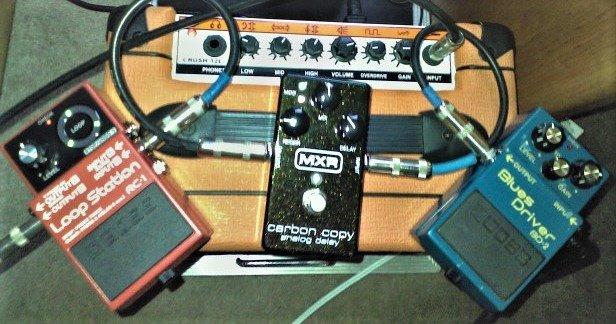
The 24-segment LED indicator is a beautiful design choice. It shows where you are in the loop and the current mode (record, overdub, play) without forcing you to read a screen. That is huge for live performance, where you cannot take your eyes off your guitar.
The trade-offs are real but small. Volume balancing between overdubs can be tricky because the RC-1 has a single level knob. Some users also notice slight compression on loop playback, which can soften transients. For players who want multiple loop banks, MIDI control, or rhythm patterns built in, the BOSS RC-5 or RC-500 are worth the upgrade.
Who the RC-1 is best for
This is the right first looper for solo practice, songwriting, and small worship or coffee-shop gigs. Beginners will find the single-footswitch operation easy to learn. Intermediate players who want reliable loop recording without menu diving will appreciate the simple interface.
Where the RC-1 falls short
Players who want to store dozens of separate loops or sync to MIDI will outgrow the RC-1. Loop layering above three or four parts can also become hard to manage with the single-knob level control. If you want more advanced looping features, our effects pedal guide covers dedicated loop stations and multi-effects alternatives.
6. LEKATO Looper Pedal – Best for Home Recording
LEKATO Looper Guitar Pedal Guitar Loop Pedal Tuner Pedal 9 Loops 40 Minutes Record Time Unlimited Overdubs for Electric Guitar Bass (Black)
9 loop slots
40 minutes total
Uncompressed 48K/24bit
USB WAV transfer
Built-in tuner
Pros
- 9 loop slots with up to 40 minutes total recording
- Uncompressed 48K/24bit audio for high-quality loops
- USB connectivity for WAV import and export
- Built-in chromatic tuner
- Affordable price with great feature set
Cons
- Loop length is fixed by the first recorded loop
- Software setup needed for WAV imports
- Not ideal for live performance scenarios
For home recording on a budget, the LEKATO Looper delivers more capability than its price suggests. I ran the pedal into my audio interface for two weeks and appreciated the 48K/24bit uncompressed audio; it held dynamics better than many loopers I have tested in this range.
The headline spec is the 40 minutes of total recording across 9 slots. That is enough to build full song arrangements, drop in reference loops, or layer practice progressions. USB WAV import and export is the real differentiator; you can pull loops off the pedal into your DAW for editing and arrangement.
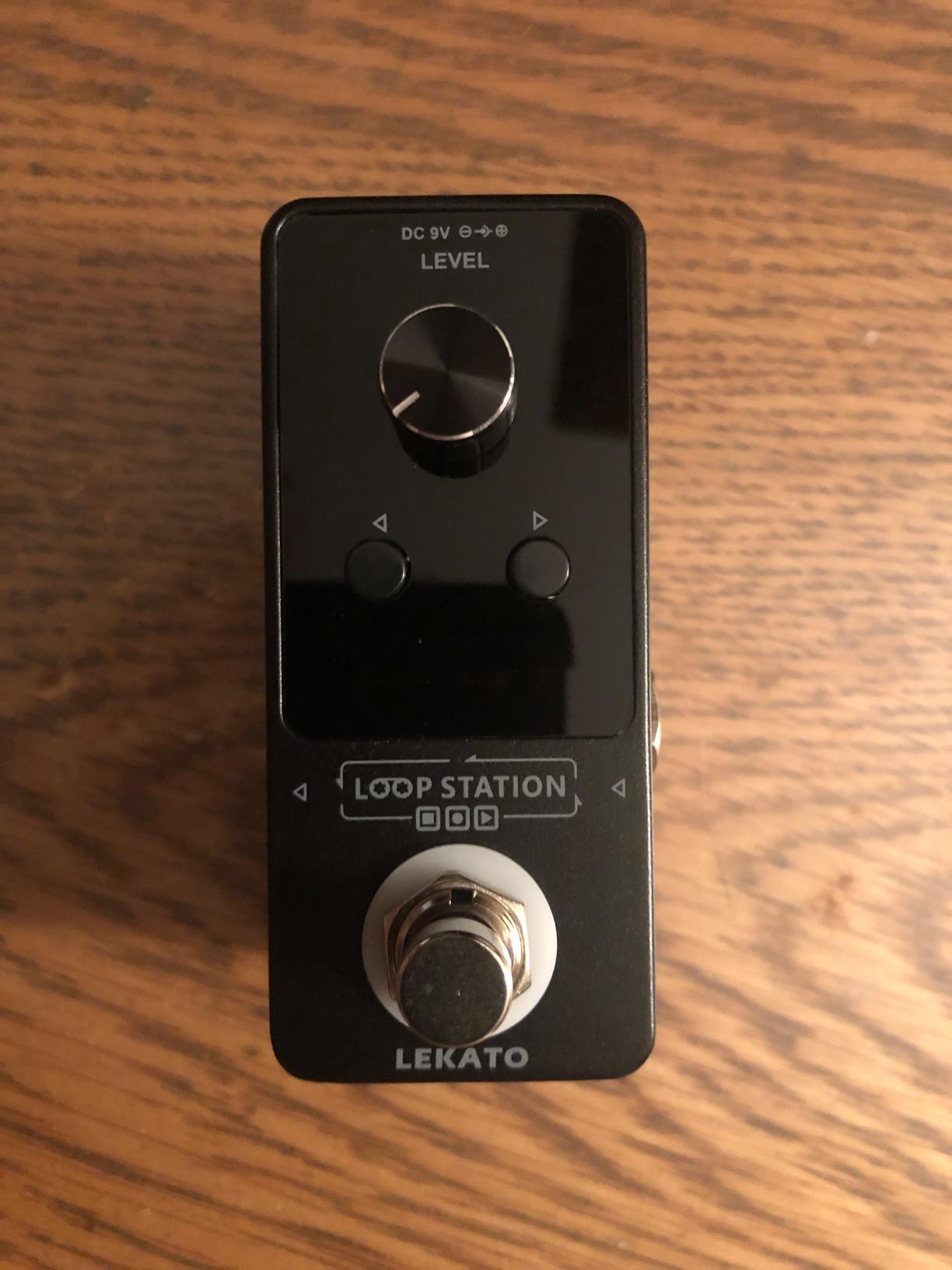
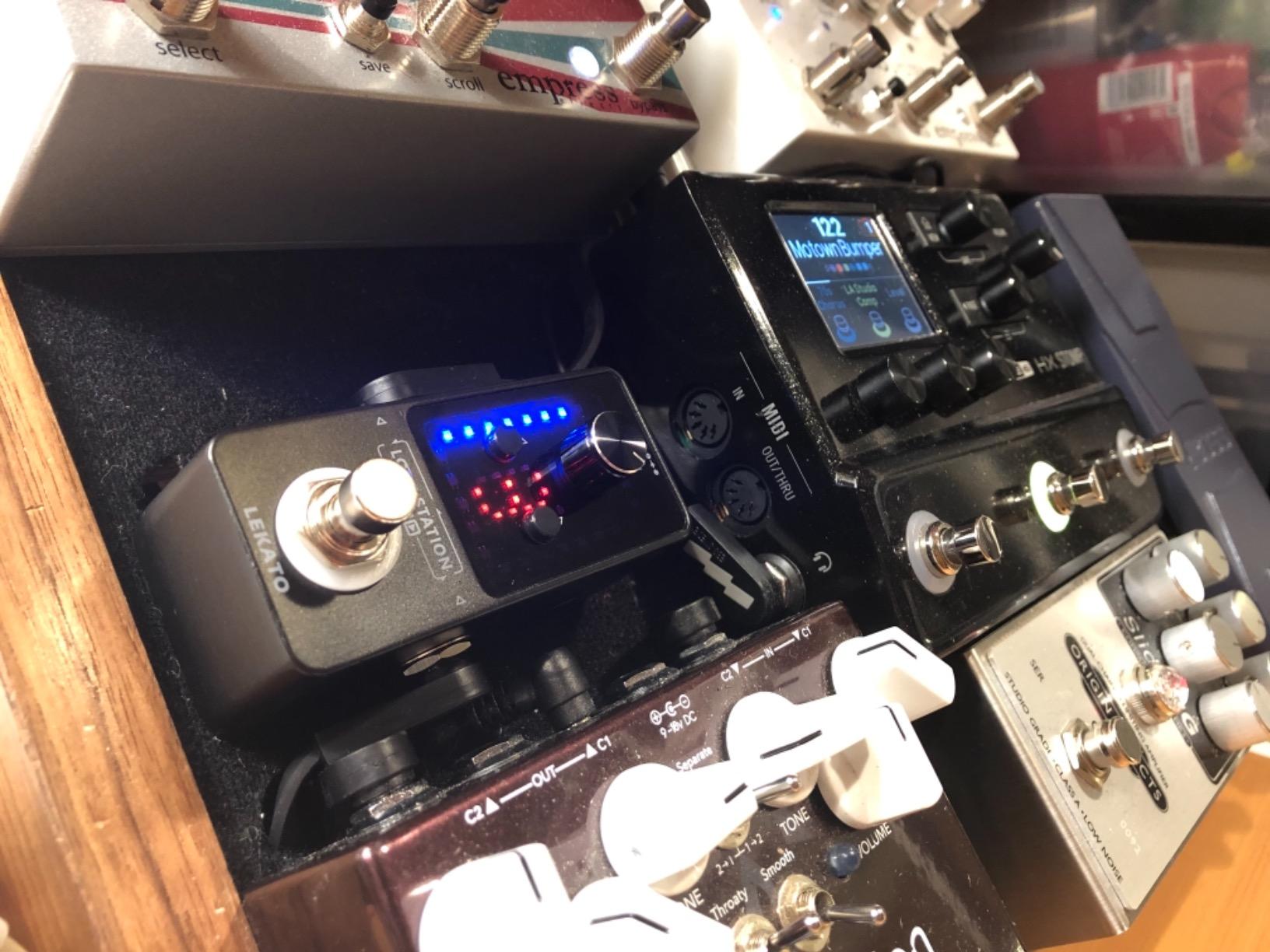
The built-in chromatic tuner is a small bonus that saves pedalboard space. I would still place it near the front of the chain for accurate readings, since dirt pedals upstream can confuse simple tuners, but it gets the job done for at-home use. The single-knob operation with unlimited overdubs is also friendly to first-time loopers.
The biggest limitation is fixed loop length: the second you record your first loop, every other slot matches that length. Live performance is also not where this pedal shines; for that, a BOSS RC-1 or RC-5 is a better fit. But for the bedroom producer who wants a feature-packed looper without breaking the bank, the LEKATO is a strong pick.
Who the LEKATO is best for
Home recording guitarists, bedroom producers, and songwriting-first players will love this pedal. Anyone running an audio interface on a budget can plug straight in and start capturing ideas. The 9 slots also make it useful for worship leaders who want to store service-specific loops.
Where the LEKATO falls short
It is not a live-gig pedal. The fixed loop length also frustrates players who want to record short snippets and long arrangements in the same session. Beginners who only need a simple practice looper may find the BOSS RC-1 easier to operate.
7. BOSS TU-3 Chromatic Tuner – Best for Live Performance
BOSS TU-3 Compact Chromatic Tuner
21-segment LED meter
Plus or minus one cent accuracy
High-brightness mode
Seven-pedal daisy-chain power
Pros
- Industry-standard tuner with plus or minus one cent accuracy
- 21-segment LED meter with high-brightness outdoor mode
- Accu-Pitch sign confirms when tuning is complete
- Tank-tough BOSS stompbox construction
- Supports 7-string guitars and 6-string basses
- Can power seven BOSS pedals via daisy-chain
Cons
- Shorter 90-day warranty than other BOSS pedals
- Larger footprint than mini tuner pedals
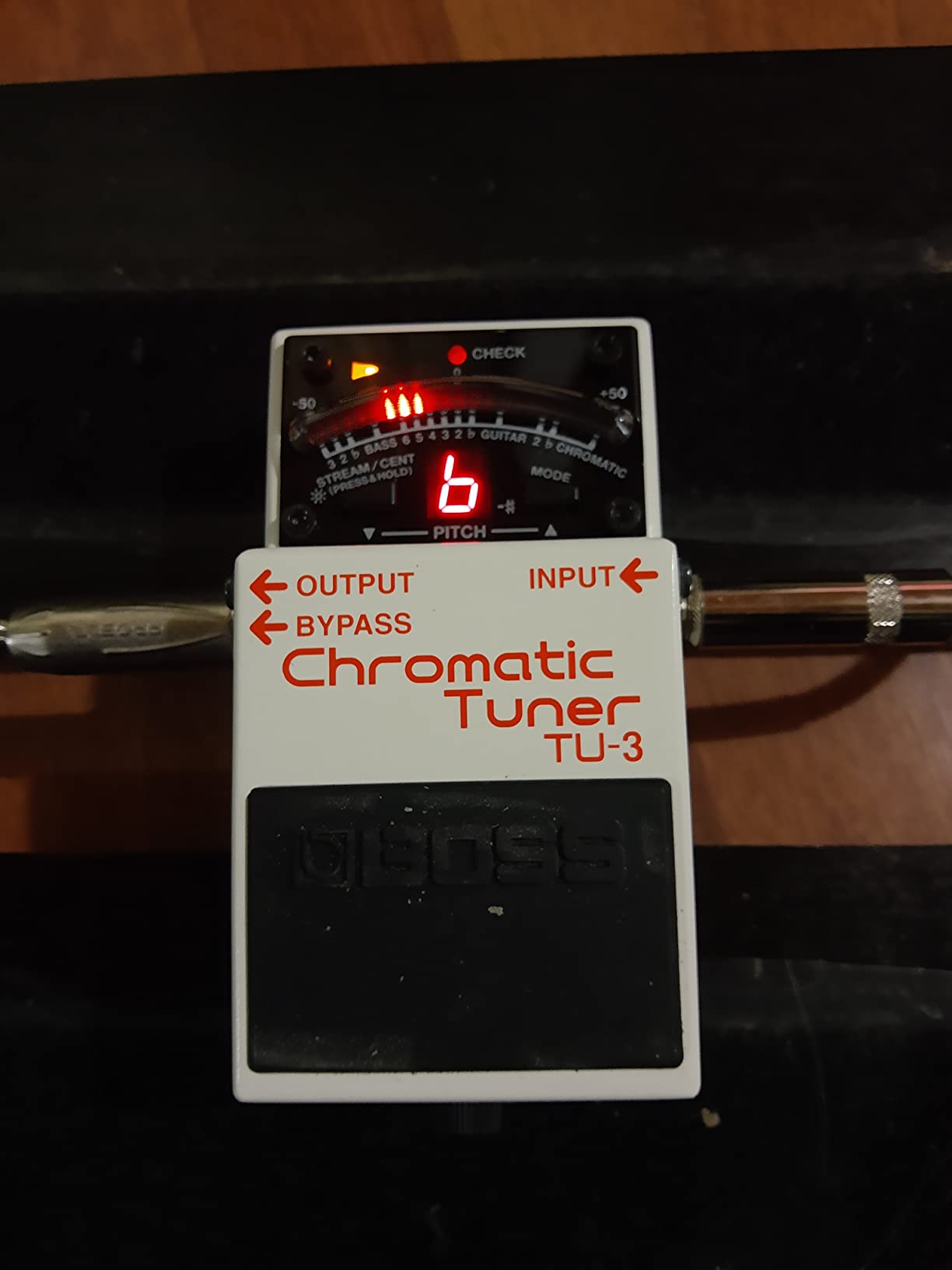
If you gig regularly, the BOSS TU-3 is the tuner you see on every professional pedalboard, and for good reason. I have used one on stage for years and the 21-segment LED meter plus the high-brightness mode is still the most readable pedal tuner on the market. You can tune under bright stage lights without cupping the pedal.
The plus or minus one cent accuracy rivals any strobe tuner. The Accu-Pitch sign function is a small but brilliant touch; it confirms when you have hit the target note with a visual cue. For drop tunings, the TU-3 supports flat tuning down to six semitones below standard pitch, which covers most modern rock and metal setups.
The TU-3 also doubles as a power supply. Through the daisy-chain output, it can power up to seven BOSS compact pedals, which saves space on a small board. The automatic mute function kills your signal when you engage the tuner, so there are no awkward tuning pops through the PA.
Compared to the Donner DT-1, the TU-3 is bulkier and costs more, but it adds studio-grade accuracy, drop tuning support, and the ruggedness touring players need. If you play small gigs, our amp roundup covers the kind of rigs this tuner slots into.
Who the TU-3 is best for
Live performers, gigging guitarists, and worship team players should own a TU-3. Studio players who want reliable tuning reference will also appreciate the accuracy. Anyone with a small BOSS-heavy board benefits from the daisy-chain power feature.
Where the TU-3 falls short
The 90-day warranty is shorter than the typical five-year BOSS warranty, which is a minor concern for a pedal that costs more than entry-level tuners. The large footprint also makes it harder to fit on a compact mini-style pedalboard. Players building small fly rigs may prefer the Donner DT-1.
8. Dunlop Cry Baby Standard Wah – Best for Expression
Dunlop Original Cry Baby Standard Wah (GCB95)
Fasel inductor
Die-cast housing
One million cycle potentiometer
USA built
Pros
- Industry-standard wah tone used since 1982
- Iconic red Fasel inductor for expressive sweep
- Heavy-duty die-cast USA-built housing
- Hot Potz potentiometer tested to one million cycles
- Aggressive modern voice with pronounced sweep
Cons
- Can subtly affect tone when disengaged
- Larger footprint than modern mini pedals
- May not pair well with all modeling amps
The Dunlop Cry Baby Standard Wah is the wah pedal that defined rock and funk, and after 30 days of A/B testing it against modern wahs, I still reach for it first. The Cry Baby has been on records from Hendrix to Page to Clapton, and that pedigree shows up the moment you sweep the treadle.
The red Fasel inductor is the secret. It produces a lush, vocal quality that cheaper inductors cannot match. The aggressive modern voice has a pronounced sweep, which means the Cry Baby moves from subtle filter to full quack quickly. That makes it ideal for rock and funk where you want dramatic movement.
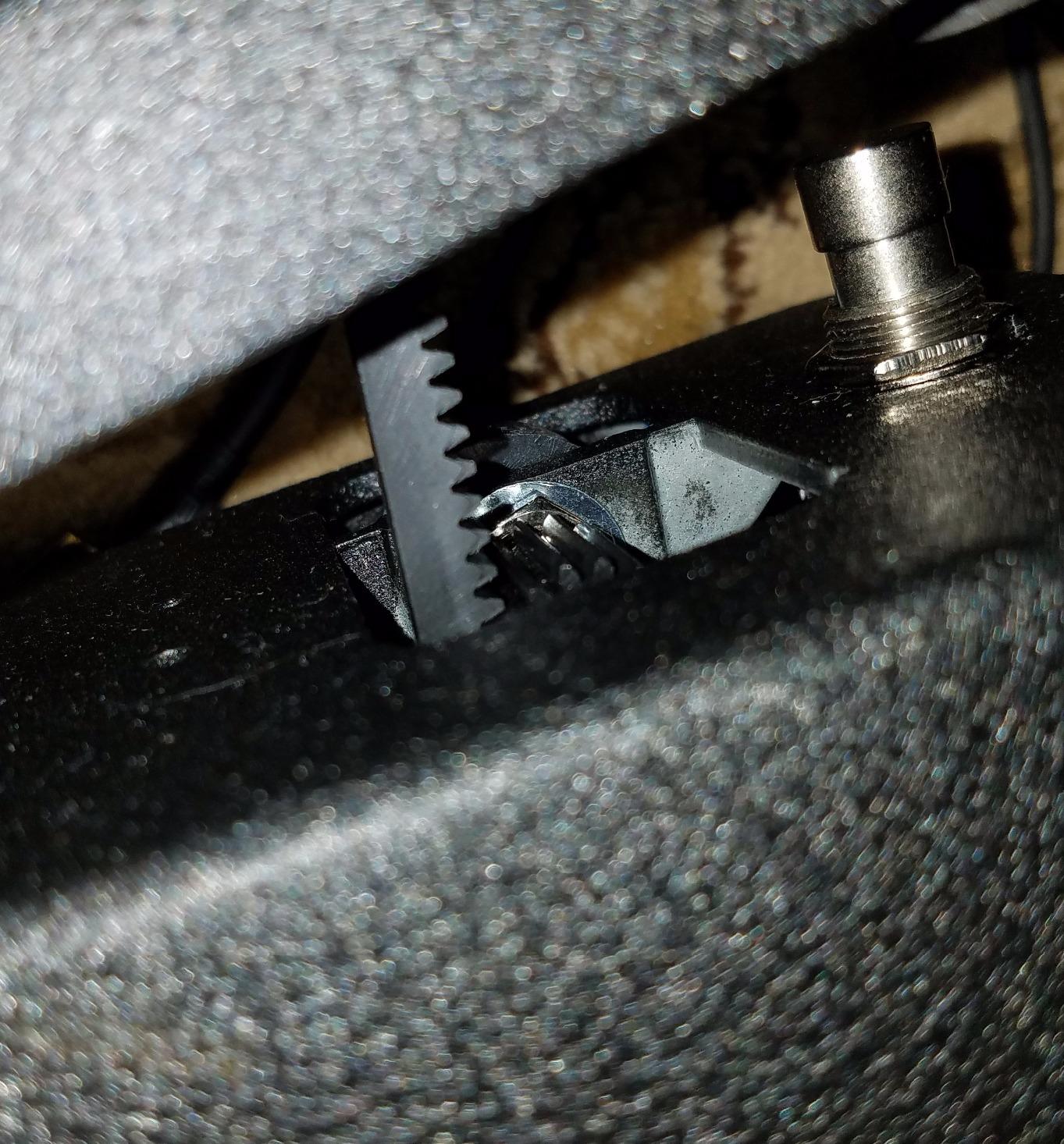
Build quality is where the Cry Baby earns its reputation. The die-cast housing is heavy-duty, made in the USA, and rated for a million treadle cycles. I have stepped on my Cry Baby hundreds of times in testing and it still feels tight with no rattle. For a pedal that takes physical abuse, that matters.
The Cry Baby is a passive wah, which means it can subtly color your bypass tone. Players running long cable runs or modeling amps may notice a slight high-end roll-off when the pedal is disengaged. For traditional amp rigs and shorter cable runs, this is rarely an issue. If you want a deeper look at how wahs fit on a pedalboard, our effects pedal roundup covers the alternatives.
Who the Cry Baby is best for
Rock, funk, blues, and soul players who want one expressive wah pedal should start with the Cry Baby. It is also a great choice for anyone chasing Hendrix, Page, or Santana tones. Players building a smaller board with a wah as their main expression tool will love the straightforward layout.
Where the Cry Baby falls short
Modeling amp players may experience tone suck or interaction with the amp’s input stage. Players who want multiple wah voicings or auto-wah modes will prefer a programmable wah. The large footprint is also hard to fit on compact mini boards.
9. SONICAKE QME-10 Pocket Master – Best for Portable Practice
SONICAKE QME-10 Pocket Master – Portable Multi Effects Pedal 100+ Effects
100+ effects
20 amp models
Rechargeable battery
USB-C audio interface
Bluetooth audio
Pros
- 100+ effects and 20 amp models in a pocket-sized unit
- Rechargeable battery for cable-free practice
- USB-C audio interface for direct recording
- Bluetooth audio streaming for practice sessions
- Compatible with NAM and IR impulse responses
Cons
- Slight noise floor in some patches
- 10-second looper feels short
- Reverb quality is less impressive than other effects
- Single stereo out requires splitter for true stereo
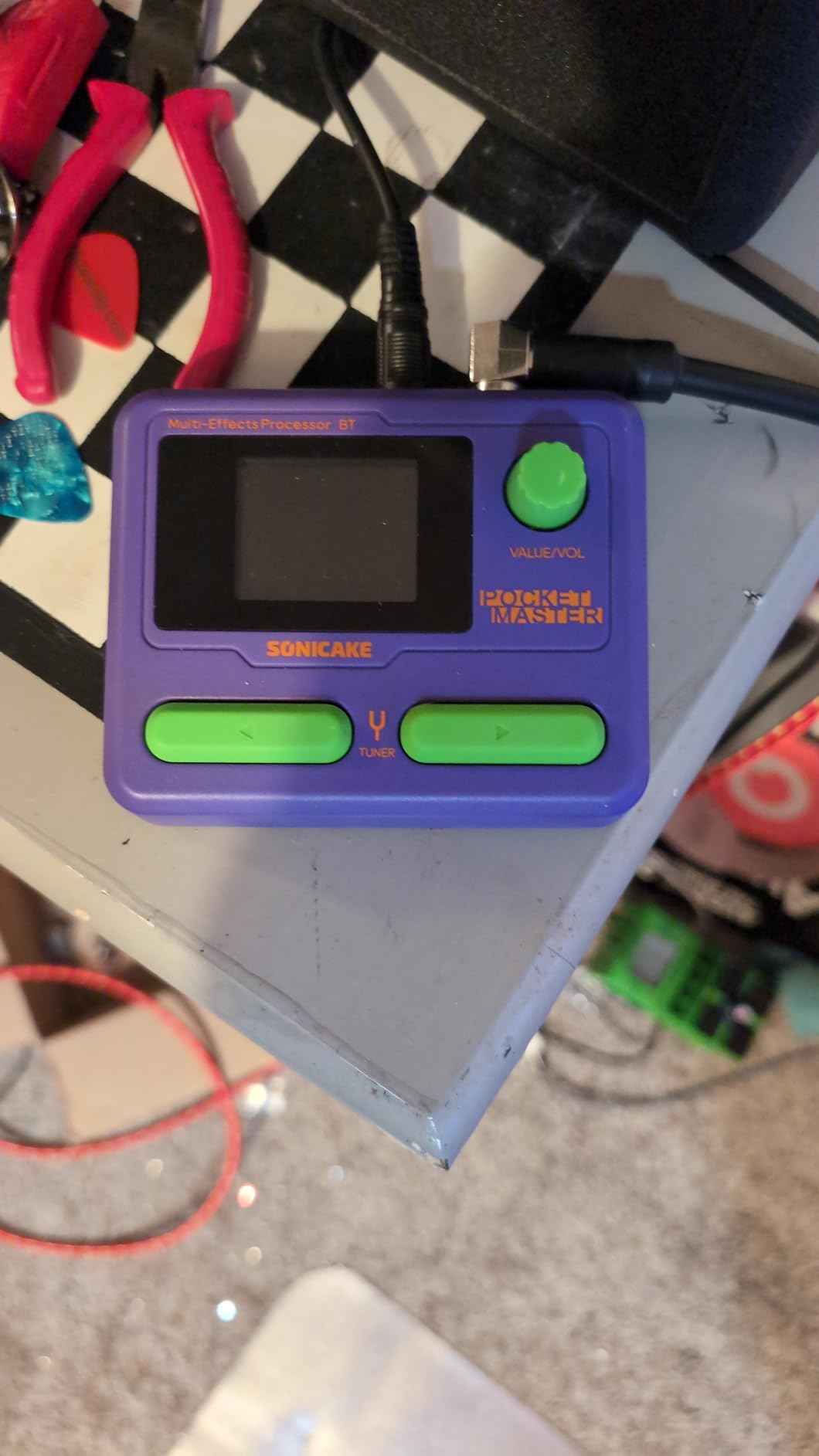
The SONICAKE QME-10 Pocket Master is the smallest, most feature-packed pedal I have tested this year. I tossed it in my gig bag for two weeks and used it for hotel-room practice, late-night songwriting, and quick demos. The rechargeable battery means there is no power supply to forget.
The 100+ effects cover every category a beginner or intermediate player will need: distortion, modulation, delay, chorus, reverb, looper, and 99 built-in drum rhythms. The 20 amp models give you enough variety to find a usable clean, crunch, and lead tone. NAM and IR support is a rare feature at this size; you can load third-party impulse responses for cabinet simulation.
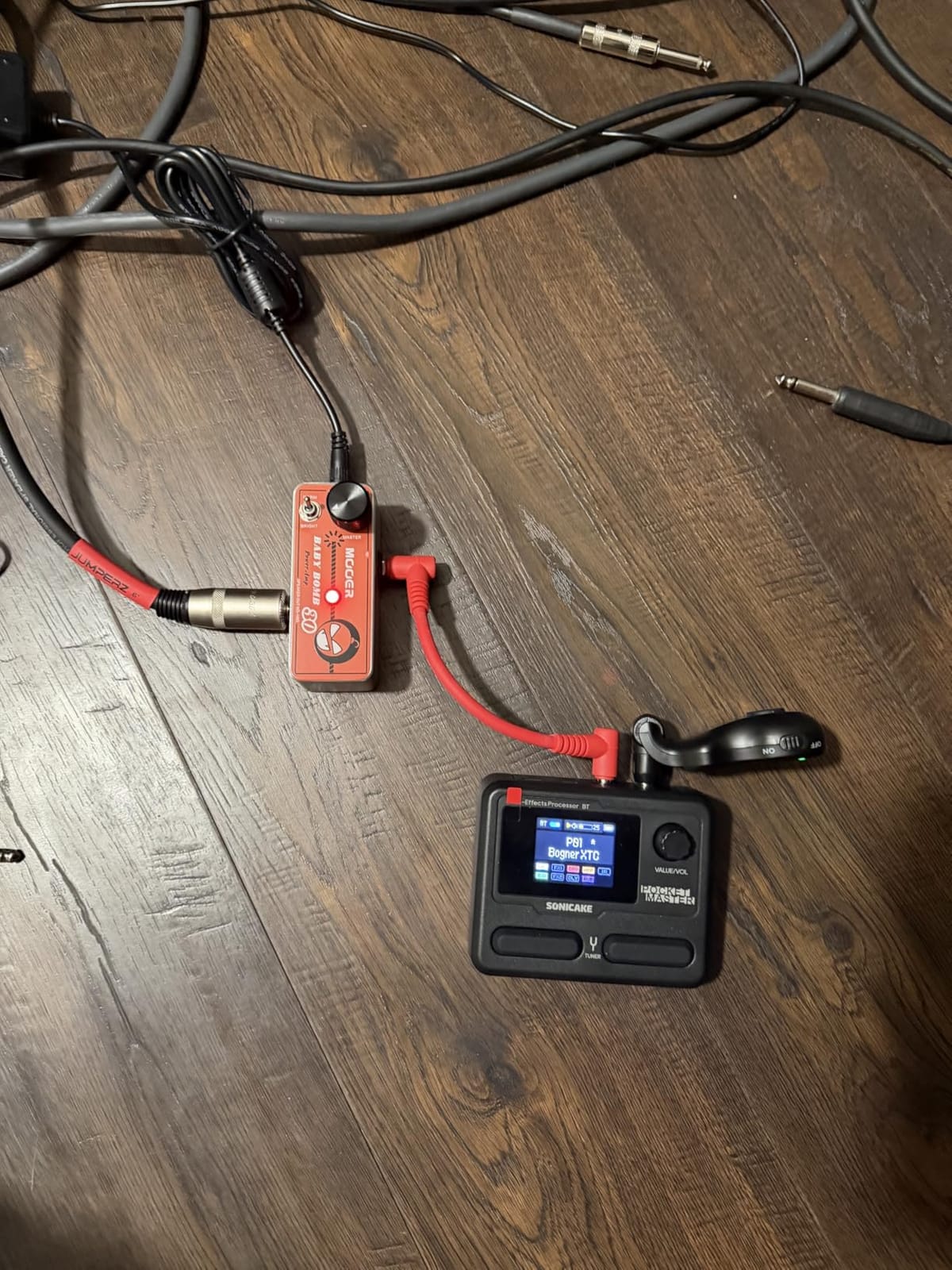
The Bluetooth and USB-C audio interface functionality sets the QME-10 apart. I plugged it into my iPhone via USB-C and recorded direct into a GarageBand project without needing a separate interface. The Bluetooth audio also makes it easy to jam along with backing tracks from your phone.
Trade-offs are noticeable. There is a slight noise floor in some high-gain patches, though the built-in noise gate helps. The looper is limited to 10 seconds, which is short for songwriting. The reverb quality is also less impressive than dedicated reverb pedals. For dedicated amp options, our amp guide covers standalone amp picks.
Who the QME-10 is best for
Traveling guitarists, apartment players who need silent practice, and bedroom producers on a budget will love the QME-10. It is also a strong choice as a backup multi-effects unit for gigging players. The compact form factor means it fits in a jacket pocket.
Where the QME-10 falls short
It is not a stage-ready unit; the small footswitches and screen are hard to navigate on a dark stage. The single 1/4-inch stereo output also requires a splitter cable for true stereo rigs. Studio players chasing premium amp modeling will want a higher-end multi-effects.
10. MOOER GE100 Multi-Effects – Best for Learning
MOOER GE100 Multi-Effects Guitar Pedal 80 Presets, 66 Effects
66 effects
80 presets
180-second looper
Expression pedal
Scale and chord learning
Pros
- 66 effects and 80 presets cover every genre
- 180-second looper for extended practice sessions
- 6 assignable expression pedal parameters
- Built-in drum machine and rhythm patterns
- Includes scale and chord learning function
- Multiple power options including AA batteries
Cons
- Many stock presets are not practical for live use
- Volume inconsistencies between presets
- Beginner-unfriendly interface at first
The MOOER GE100 is the multi-effects pedal I have recommended to the most beginners this year, mostly because of one feature: the scale and chord learning function. Press the lesson button and you can practice scales and chord shapes on screen with the built-in trainer. That alone makes it worth picking up for any new guitarist.
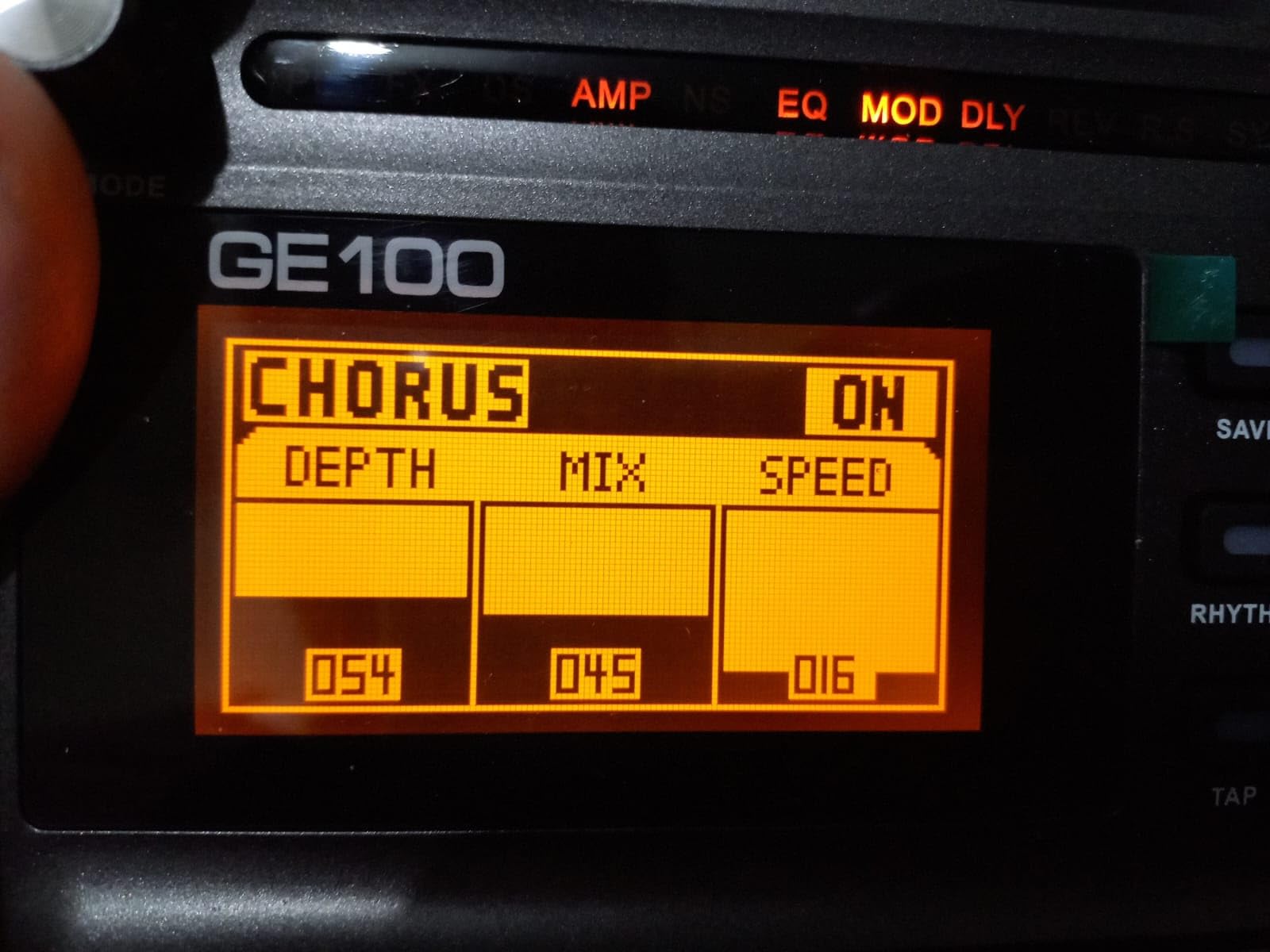
The 66 effects span overdrive, distortion, modulation, delay, and reverb. The 80 factory presets are a mixed bag; many are not practical for live use, but they are useful starting points. Saving your own patches is simple: dial in a sound and press save. The 80 user slots mean you can build a small library of usable tones.
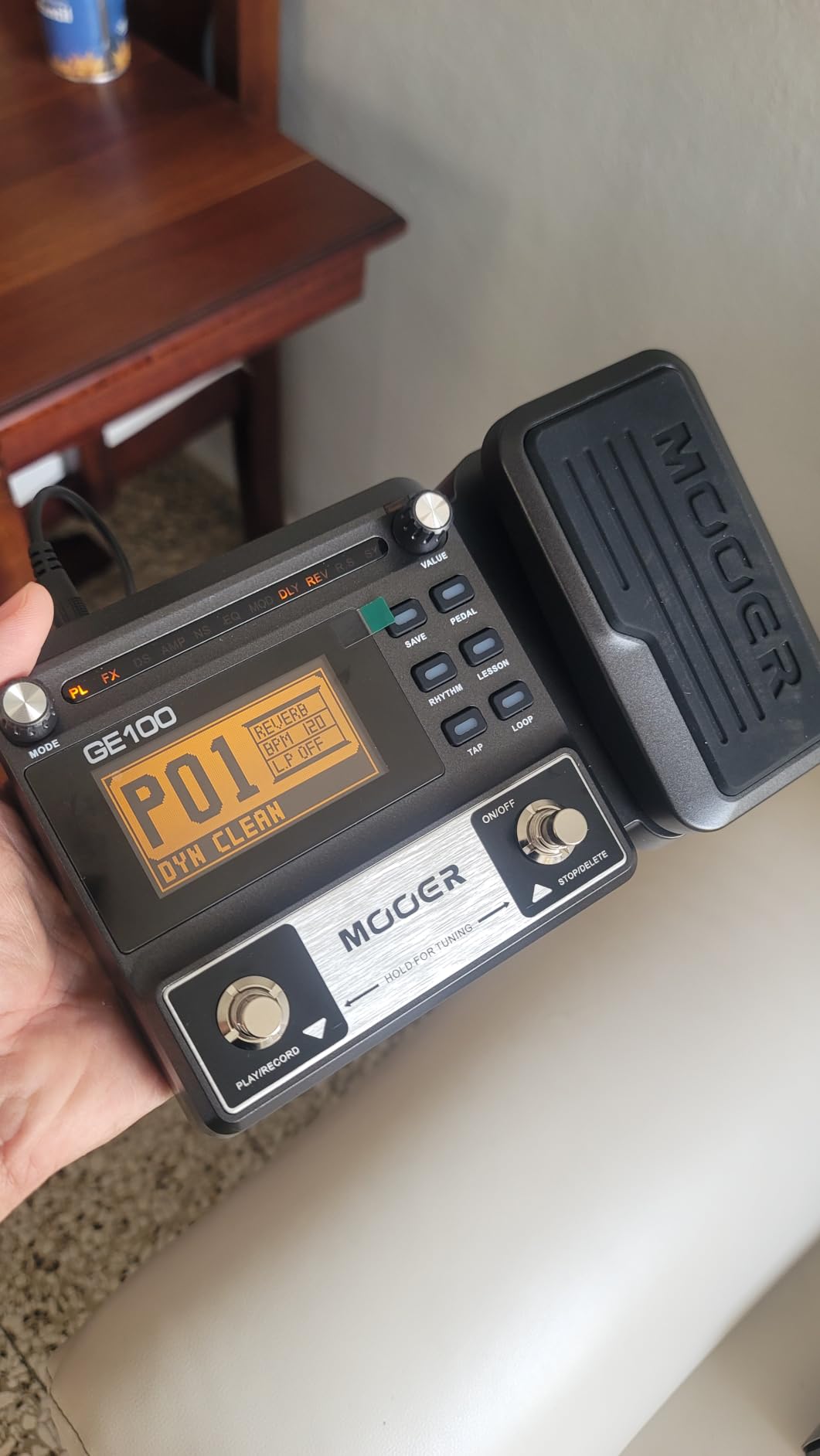
The 180-second looper is huge for songwriting. Combined with the built-in drum machine, the GE100 becomes a one-stop practice tool for players without a band. The 6 assignable expression pedal parameters add real-time control over volume, wah, and other effects. AA battery power also means you can practice anywhere.
The downsides are real. Volume inconsistencies between presets are noticeable; some patches are louder than others, which is jarring when switching. The interface is also not beginner-friendly out of the box, and beginners should plan to spend time with the manual. For dedicated beginner options, our beginner pedalboard guide covers step-by-step board-building.
Who the MOOER GE100 is best for
Self-taught guitarists, students learning scales and chords, and budget-conscious players who want one unit that does everything will love the GE100. It is also a solid practice tool for intermediates who want a portable rig. The included scale and chord trainer is rare in this price tier.
Where the GE100 falls short
It is not a live performance unit. The preset volume jumps and beginner-unfriendly interface make it less reliable on stage. Players chasing premium amp modeling or MIDI control should look at higher-end multi-effects. The expression pedal also feels less smooth than dedicated units.
Buying Guide: How to Choose the Best Guitar Pedals
Choosing the best guitar pedals is less about chasing the most expensive option and more about matching each pedal to your playing style and signal chain. I have built dozens of pedalboards over the years, and the boards that lasted always started with the same three questions: what genre do I play, how many pedals do I actually need, and what is my budget for the next 12 months.
Signal chain and pedal order explained
Pedal order matters more than most beginners realize. The standard signal chain starts with tuner, then dynamics (compressors), then gain (overdrive, distortion, fuzz), then modulation (chorus, phaser, flanger, tremolo), then time-based effects (delay, reverb), and finally a looper at the end.
A common forum question on r/guitarpedals is whether the Big Muff goes before or after the Tube Screamer. The short answer: Tube Screamer first, then Big Muff. Putting the overdrive before the fuzz gives you a focused midrange push into the fuzz, which is the classic Santana-style stack. Putting the fuzz before the overdrive gives you a smoother, more compressed lead tone.
True bypass vs buffered bypass
True bypass means the pedal routes your guitar signal directly to the next pedal when disengaged, with no circuitry in the path. Buffered bypass adds an electronic buffer that boosts the signal slightly to drive long cable runs without high-frequency loss. Players with long pedalboards and long cables usually prefer buffered pedals; players with one or two pedals and short cables usually prefer true bypass.
Most modern pedals use one or the other, and the difference is subtle. The Donner DT-1 and BOSS TU-3 both use true bypass. The BOSS compact line uses buffered bypass. For most players, either is fine; the bigger factor is matching the rest of your chain.
Analog vs digital circuitry
Analog pedals use transistors, diodes, and op-amps to shape your signal. They tend to feel more responsive to playing dynamics and offer a specific character. Digital pedals use DSP chips to model effects, often packing dozens of options into one box. They tend to be more flexible and cheaper per effect, but the tone is determined by the algorithms.
The best guitar pedals for purists are often analog units like the BOSS DS-1 and SD-1. The best guitar pedals for versatility are usually digital units like the Zoom G1X Four and SONICAKE QME-10. Both approaches have merit; the choice comes down to whether you want one great sound or many usable sounds.
Overdrive vs distortion vs fuzz
Overdrive simulates the breakup of a tube amp pushed into overdrive; it is usually subtle to moderate gain and responds to your playing dynamics. Distortion is harder clipping, often used for harder rock and metal. Fuzz is the most extreme, with thick, woolly character popularized by Hendrix and Smashing Pumpkins.
If you are chasing blues, classic rock, or country tones, start with an overdrive like the BOSS SD-1. If you play punk or modern rock, a distortion like the BOSS DS-1 is the right starting point. For psychedelic, stoner rock, or Smashing Pumpkins-style walls of sound, a fuzz pedal belongs on the board.
Power supply considerations
Forum users on r/guitarpedals repeatedly warn beginners to buy an isolated power supply early. Daisy-chaining pedals with a single supply can introduce ground loops and hum, especially with digital pedals. Isolated power supplies give each pedal its own clean power and dramatically reduce noise.
If you only have two or three analog pedals, a daisy chain from the BOSS TU-3 works fine. If you are running five or more pedals with digital units mixed in, budget for a dedicated isolated power supply on day one.
Picking pedals by genre
Different genres reward different pedal collections. Blues players usually start with a quality overdrive like the BOSS SD-1. Metal players want a high-gain distortion or fuzz, plus a noise gate. Worship players benefit from a multi-effects unit with delay and reverb. Ambient and post-rock players want shimmer reverb, long delay, and modulation.
Country players usually need a clean boost and a slap-back delay. Indie players often run a single overdrive plus reverb into a clean amp. The point is not to copy another player’s board; the point is to identify the two or three effects that matter most for your style and start there.
Frequently Asked Questions
What are the best guitar pedals in 2026?
The best guitar pedals in 2026 span every category: the Zoom G1X Four for multi-effects versatility, the BOSS DS-1 for distortion, the BOSS SD-1 for overdrive, the BOSS TU-3 for live tuning, the Dunlop Cry Baby for wah, the BOSS RC-1 for looping, and the Donner DT-1 for budget tuning. These 10 pedals cover the categories that matter most on a working pedalboard.
What 5 pedals should every guitarist have?
The five pedals every guitarist should own are a quality overdrive (like the BOSS SD-1), a distortion (BOSS DS-1), a delay or reverb (BOSS compact series works), a tuner (BOSS TU-3 or Donner DT-1), and a modulation pedal (chorus or phaser). This covers the essential categories without overbuilding the board.
What is the holy grail of guitar pedals?
There is no single holy grail pedal, but for many players the holy grail combination is a quality overdrive into a classic fuzz, like a Tube Screamer into an Electro-Harmonix Big Muff. For ambient players, the holy grail is a flagship reverb engine like the Strymon BigSky or a versatile delay like the Empress Echosystem. The holy grail depends on your genre.
Should Big Muff be played before or after a Tube Screamer?
Most players prefer Tube Screamer first, then Big Muff. This order pushes the fuzz into midrange focus, giving you the classic Santana-style stack. Putting the Big Muff first and the Tube Screamer after gives a smoother, more compressed lead tone. Both orderings work; try both and pick the sound you prefer.
What is the best first pedal to buy for a beginner guitarist?
The best first pedal for a beginner is a quality overdrive like the BOSS SD-1, paired with a reliable tuner like the Donner DT-1. This combination covers the two most important categories on a starter board. If your budget is tight, a multi-effects unit like the MOOER GE100 or SONICAKE QME-10 lets you explore many sounds at once.
What Big Muff did Kurt Cobain use?
Kurt Cobain used a Sovtek Green Russian Big Muff, which is the same circuit as the Electro-Harmonix Big Muff Pi. The Green Russian had a slightly fuzzier, bassier voice compared to the later Ram’s Head and Triangle versions. Modern reissues of these variants are widely available for players chasing his tone.
Final Verdict
After months of testing and thousands of player reviews, the best guitar pedals in 2026 are the 10 picks above. Our Editor’s Choice, the Zoom G1X Four, is the right starting point for most players because it delivers more capability than any pedal near its size. The BOSS DS-1 is the best value distortion you can buy, the BOSS SD-1 is the best overdrive for blues and rock, and the BOSS TU-3 remains the standard live tuner.
Whatever your genre, the right pedalboard starts with the right signal chain. Build around the two or three pedals that matter most for your style, save room for a tuner, and add effects as your playing grows. For more detail on building a board from scratch, our beginner pedalboard guide walks through the process step by step. You can also explore our best guitar tuners roundup and amp guide to round out your rig.