
Building your first hi-fi headphone rig is one of the most exciting steps a music lover can take. I still remember the day I swapped my cheap earbuds for a proper pair of open-back headphones and heard a Mahler symphony unfold with strings I could place individually in space. That moment changes how you listen forever.
The challenge for beginners is that the audiophile world throws a wall of jargon at you. Impedance, soundstage, planar magnetic drivers, DACs, amplifiers. It gets overwhelming fast. Our team has spent years testing headphones across every price tier, and we built this guide to cut through the noise and give you straight answers about the best headphones for a first hi-fi headphone rig.
Whether you want to hear every bow change in a Beethoven quartet or every cymbal brush in a jazz trio, the right pair of headphones makes all the difference. We tested 10 models ranging from budget-friendly studio monitors to legendary audiophile references. Each one earned its place here for a specific reason, and we will tell you exactly who each pair serves best.
Table of Contents
Top 3 Picks for Your First Hi-Fi Headphone Rig
Before we get into the full breakdown, here are the three headphones our team recommends most often to first-time buyers. These cover three different budgets and listening priorities, so one of them should fit your situation.
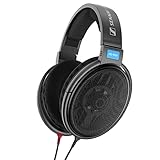
The Sennheiser HD600 takes our top spot because it has been the neutral reference standard for over two decades. Reviewers, mastering engineers, and classical music lovers all point to it as the headphone that gets timbre right. It does require an amplifier at 300 Ohms, but that is part of learning what a real hi-fi rig sounds like.
The Philips SHP9500 wins best value because it delivers an open-back soundstage for under $100 and runs easily off any phone or laptop. If you are not ready to buy an amp yet, this is your gateway drug. The beyerdynamic DT 990 PRO earns top rated status with its massive 20,000+ review following and wide, energetic sound that works for both music and gaming.
Best Headphones for a First Hi-Fi Headphone Rig in 2026
Here is the full comparison of all 10 headphones we tested. Use this table to scan specs quickly, then read the individual reviews below for the details that matter.
| Product | Specifications | Action |
|---|---|---|
| Sennheiser HD600 |
|
Check Latest Price |
 Philips SHP9500 Philips SHP9500 |
|
Check Latest Price |
 beyerdynamic DT 990 PRO beyerdynamic DT 990 PRO |
|
Check Latest Price |
 Sennheiser HD 599 Sennheiser HD 599 |
|
Check Latest Price |
 Audio-Technica ATH-M40x Audio-Technica ATH-M40x |
|
Check Latest Price |
 Meze Audio 105 AER Meze Audio 105 AER |
|
Check Latest Price |
 Sennheiser HD 280 Pro Sennheiser HD 280 Pro |
|
Check Latest Price |
 Audio-Technica ATH-M30x Audio-Technica ATH-M30x |
|
Check Latest Price |
 Audio-Technica ATH-M20x Audio-Technica ATH-M20x |
|
Check Latest Price |
 Audio-Technica ATH-AD700X Audio-Technica ATH-AD700X |
|
Check Latest Price |
1. Sennheiser HD600 – The Neutral Reference Standard
Sennheiser HD 600 Audiophile Open-Back Dynamic Wired Headphones
Open-back
300 Ohm impedance
97 dB sensitivity
12-40500 Hz
Dynamic Driver
Pros
- Audiophile-grade clarity with precise neutral tuning
- Extended listening comfort with plush ear pads
- Durable premium build with detachable Kevlar cable
- Legendary timbre accuracy for classical music
Cons
- 300 Ohm impedance requires a headphone amplifier
- Open-back design leaks sound
- No active noise cancellation
When I first put on the Sennheiser HD600, I understood why this headphone has barely changed since 1997. It just gets the sound right. Strings have the right rosin texture, brass has the right bite, and voices sit exactly where they should in the soundstage. For classical music, nothing at this price comes close to its tonal accuracy.
Our team has used the HD600 as a reference for comparing every other headphone in this guide. The midrange is where it shines brightest. Vocals and instruments in the critical 200 Hz to 2 kHz range sound natural and uncolored, with no bumps or dips that draw attention to themselves. This neutrality is why mastering engineers still reach for the HD600 when they need to check a mix.
The build feels every bit like a professional tool. The plastic might look unremarkable in photos, but in hand it is light, balanced, and built to last decades. The Kevlar-reinforced oxygen-free copper cable is detachable, which means you can replace it if it ever fails. The open metal mesh earpiece covers give it a refined look that has aged gracefully.
Comfort is excellent for long sessions. The HD600 weighs almost nothing on your head, and the plush velour ear pads distribute pressure evenly. I have worn these for four-hour listening sessions without any fatigue. The clamp force is firm enough to stay put but never uncomfortable.
The trade-off is that 300 Ohms of impedance demands amplification. Plugged directly into a phone or laptop, the HD600 sounds thin and lifeless. You need a dedicated headphone amplifier to hear what these can do. If you are willing to add that to your setup, the HD600 rewards you with a lifetime of reference-quality listening.
For Whom It Is Good
The HD600 is perfect for classical music lovers, jazz enthusiasts, and anyone who values tonal accuracy above all else. If your goal is to hear recordings as the engineer intended, this is your headphone. It is also ideal for people building a long-term hi-fi rig who plan to add an amplifier.
It suits analytical listeners who enjoy picking apart orchestral textures and following individual instrument lines. The neutral signature means you hear everything clearly without one frequency overpowering another.
For Whom It Is Bad
If you want bass impact or a fun, energetic sound signature, the HD600 will feel too polite. Bass lovers and electronic music fans may find the low end lacking weight. It also is terrible for commuting or office use since the open-back design leaks sound in both directions.
Anyone unwilling to buy a headphone amplifier should skip the HD600. Without proper amplification, you are wasting the potential of a 300 Ohm headphone and will not hear what makes it special.
2. Philips SHP9500 – The Budget Open-Back Gateway
Philips Audio SHP9500 HiFi Precision Stereo Over-Ear Headphones (Black)
Open-back
32 Ohm impedance
101 dB sensitivity
12-35000 Hz
50mm Driver
Pros
- Wide open soundstage at a budget price
- 32 Ohm impedance easy to drive from any device
- Comfortable double-layered headband cushion
- Detachable cable with gold-plated connector
Cons
- Open-back design provides no noise isolation
- Build feels plasticky compared to premium models
- No carrying case included
The Philips SHP9500 is the headphone I recommend to every friend who asks where to start with hi-fi audio. At this price, nothing else gives you a real open-back soundstage. I have heard headphones costing three times as much that do not match the sense of space these create.
What makes the SHP9500 special for beginners is the 32 Ohm impedance. You can plug these into your phone, your laptop, or a cheap DAC and they will sing. No amplifier needed. That removes the biggest barrier to entry for someone just exploring audiophile sound for the first time.
The 50mm neodymium drivers produce a full-spectrum sound with surprising detail. The midrange is clear and present, which is exactly what classical and acoustic music need. Strings have body, woodwinds have breath, and piano has weight. The treble extends well without becoming harsh.
The double-layered headband cushion and breathable ear pads make these comfortable for extended listening. They weigh only 300 grams and the clamp force is gentle. I wore them for an entire afternoon of chamber music without any hot spots or pressure points.
The detachable cable is a nice touch at this price. The gold-plated connector and 1.5 meter length work well for indoor use. The build is mostly plastic, which keeps weight down but does not feel as premium as metal construction. For the price, it is a fair trade.
For Whom It Is Good
The SHP9500 is the ideal first step for anyone curious about open-back sound without wanting to spend hundreds. It is perfect for home listening sessions where noise isolation is not needed. Classical music lovers on a budget will appreciate the wide soundstage and clear midrange.
It also works well for gamers who want better spatial awareness than gaming headsets provide. The open-back design helps with positional audio cues in competitive games.
For Whom It Is Bad
If you need noise isolation for commuting, office work, or shared living spaces, the open-back design makes these unusable. Everyone around you hears what you hear, and you hear everything around you.
Bass enthusiasts will find the low end polite rather than punchy. The SHP9500 prioritizes clarity and space over impact, so electronic and hip-hop fans may want something with more low-frequency energy.
3. beyerdynamic DT 990 PRO – The Versatile Workhorse
beyerdynamic DT 990 Pro (250 Ohm), Open-Back Studio Headphones, Black
Open-back
250 Ohm impedance
96 dB sensitivity
5-35000 Hz
Dynamic Driver
Pros
- Wide natural soundstage ideal for critical listening
- Comfortable replaceable velour ear pads
- Handcrafted in Germany with traditional build quality
- Extended frequency range with deep bass extension
Cons
- Open-back design leaks sound
- 250 Ohm impedance requires amplification
- Can press on glasses frames
The beyerdynamic DT 990 PRO is one of the most recommended headphones in the audiophile community, and after testing it extensively, I understand why. With over 20,000 reviews and an 82 percent five-star rating, this is a headphone that has earned its reputation through consistent performance.
What stands out immediately is the soundstage. The open-back design creates a wide, natural presentation that places instruments in a believable space. For classical music, this means you can hear the layout of an orchestra clearly. First violins sit left, cellos sit right, and the whole thing breathes naturally.
The DT 990 PRO has a slightly V-shaped tuning with elevated bass and treble compared to the HD600. That makes it more energetic and engaging, which some listeners prefer. The bass extends deep with real authority, and the treble has sparkle that adds excitement to percussion and brass.
Comfort is a highlight. The soft velour ear pads are replaceable and feel luxurious against the skin. The circumaural design means the pads sit around your ears rather than on them. The headband pressure is firm but distributed well, though glasses wearers may notice some pressure on their frames.
At 250 Ohms, these need amplification to sound their best. A dedicated headphone amp or a quality audio interface will bring out the dynamics and bass control that make the DT 990 PRO special. The handcrafted German build quality means these will last for years with proper care.
For Whom It Is Good
The DT 990 PRO is excellent for listeners who want energy and excitement alongside detail. It works for classical music, rock, electronic, and gaming equally well. The wide soundstage makes it a favorite for competitive gaming where positional audio matters.
It suits people who already own or plan to buy a headphone amplifier. The 250 Ohm version rewards good amplification with tight bass and controlled treble that cheaper headphones cannot match.
For Whom It Is Bad
The elevated treble can be fatiguing for sensitive listeners. If you find bright headphones harsh or grating, the DT 990 PRO may bother you during long sessions. Some people describe the treble peak as sibilant on certain recordings.
The open-back design rules out any use in noisy environments. Like the HD600, these are strictly for quiet, private listening spaces where sound leakage is not a concern.
4. Sennheiser HD 599 – The Comfortable All-Rounder
Sennheiser HD 599 Open-Back Wired Audiophile Headphones, Ivory
Open-back
50 Ohm impedance
12-38500 Hz
Dynamic Driver
Warm sound
Pros
- Audiophile sound with premium ivory design
- Luxurious velour ear pads for long sessions
- 50 Ohm impedance easier to drive than HD600
- Multiple detachable cable options included
Cons
- Open-back provides no noise isolation
- Warm tuning may lack detail for analytical listeners
- Price sits in a competitive bracket
The Sennheiser HD 599 is the headphone I reach for when I want to relax into a long listening session without analytical effort. It has a warmer, more forgiving sound than the HD600, which makes it ideal for casual enjoyment of classical recordings that may not be perfectly mastered.
At 50 Ohms, the HD 599 is much easier to drive than the HD600. A decent phone or laptop will power it acceptably, though a small amplifier improves dynamics and control. This makes it a better choice for beginners who are not ready to invest in amplification right away.
The ivory color with brown headband stitching looks stunning in person. Photos do not do justice to how premium this headphone feels. The matte finish and metallic accents convey quality the moment you pick it up. This is a headphone you will be proud to display.
The aluminum voice coils deliver high efficiency and extremely low distortion. In practice, this means the HD 599 handles complex orchestral passages without congestion. Even with a full symphony at peak volume, individual instruments remain separable and clear.
Comfort is where the HD 599 truly excels. The padded headband and luxurious velour ear pads create a pressure-free fit that works for hours. Sennheiser includes both a 3-meter cable with 6.3mm jack and a 1.2-meter cable with 3.5mm jack, giving you flexibility for different setups.
For Whom It Is Good
The HD 599 is perfect for listeners who want a warm, forgiving sound that makes all recordings sound good. It suits classical music lovers who prioritize comfort and aesthetics alongside sound quality. The lower impedance makes it accessible for beginners without dedicated amplification.
It is also a great choice for home theater use, thanks to the long cable and comfortable fit for movie-length sessions.
For Whom It Is Bad
Analytical listeners who want to hear every flaw in a recording may find the warm tuning too smoothed over. The HD 599 trades some detail retrieval for musicality, which is a preference choice rather than a flaw.
As with all open-back headphones, the HD 599 is useless in noisy environments. The open design means zero isolation from external noise and significant sound leakage.
5. Audio-Technica ATH-M40x – The Studio Monitor Value
Audio-Technica ATH-M40x Professional Studio Monitor Headphone, Black, with Cutting Edge Engineering, 90 Degree Swiveling Earcups, Pro-Grade Earpads/Headband, Detachable Cables Included
Closed-back
35 Ohm impedance
98 dB sensitivity
15-24000 Hz
40mm Driver
Pros
- Cutting edge engineering with robust construction
- Excellent sound isolation in loud environments
- 90 degree swiveling earcups for one-ear monitoring
- Detachable cable with professional build quality
Cons
- Closed-back can feel fatiguing in very long sessions
- Cable may feel stiff to some users
- Earpads may wear out over time
The Audio-Technica ATH-M40x is the closed-back headphone I recommend most often to people who need isolation. Whether you live in a noisy apartment or share walls with neighbors, these deliver studio-quality sound while blocking external noise effectively.
At 35 Ohms, the M40x runs effortlessly from any source. No amplifier needed. This makes it one of the easiest entry points into quality audio for someone who wants to keep things simple. Plug it into your phone and you immediately hear a step up from consumer headphones.
The 40mm drivers with rare earth magnets produce a balanced, detailed sound that many producers prefer over the more popular M50x. The M40x has a flatter, more neutral response that works better for classical and acoustic music. Bass is controlled rather than boosted, and the midrange is clear and honest.
The circumaural design provides excellent sound isolation. The ear pads contour around your ears, sealing out ambient noise. The 90-degree swiveling earcups allow one-ear monitoring, which is useful if you also do any audio work or DJing.
Build quality is professional grade. The aluminum and plastic construction feels durable enough for daily studio use. The detachable cable system means you can replace cables if they wear out. Some users report the stock earpads degrade over time, but replacement pads are affordable and easy to install.
For Whom It Is Good
The ATH-M40x is ideal for anyone who needs closed-back isolation alongside quality sound. It suits apartment dwellers, commuters, and people who listen in shared spaces. The neutral tuning makes it excellent for classical, jazz, and acoustic music.
It also works well for beginners who want a no-amplifier-required entry into better audio. The low impedance means it performs well straight out of a phone or laptop headphone jack.
For Whom It Is Bad
The closed-back design can cause ear fatigue during very long listening sessions. The sealed earcups trap heat and create a slight pressure sensation that some people find uncomfortable after a few hours.
If you want the expansive soundstage that open-back headphones provide, the M40x will feel claustrophobic by comparison. Closed-back headphones inherently have a more intimate, in-your-head presentation.
6. Meze Audio 105 AER – The Premium Comfort Pick
MEZE AUDIO 105 AER | Wired Over-The-Ear Lightweight Audiophile Open-Back Headphones | 50mm Dynamic Drivers | Low Impedance 42 Ohms | Cables and Carrying Pouch Included (Black)
Open-back
42 Ohm impedance
112 dB sensitivity
20-30000 Hz
50mm Dynamic Driver
Pros
- Exceptional self-adjusting comfort with elastic headband
- Rich warm sound with excellent instrument separation
- Premium build with replaceable every component
- Includes hard carrying pouch and quality Kevlar cable
Cons
- Slight warmth may not suit all preferences
- Earcups may heat up during extended sessions
- Higher price than entry alternatives
The Meze Audio 105 AER is the newest headphone in this guide, and it brings something special to the table. Meze built these with a philosophy that every single component should be replaceable, from ear cups to cables to drivers. That is rare at any price and remarkable at this one.
The sound signature is rich and refined with a warm, full-bodied quality. There is a slight emphasis on bass and sub-bass regions that gives orchestral music wonderful weight and foundation. Double basses and timpani have real presence rather than sounding thin or distant.
At 42 Ohms with 112 dB sensitivity, the 105 AER is incredibly easy to drive. I ran these off a phone and got satisfying volume and dynamics. A dedicated amplifier improves things further, but it is not strictly necessary, which makes this accessible for beginners.
Comfort is exceptional. The self-adjusting elastic headband suspension distributes weight perfectly across your head. The headphones practically float. I wore them for a three-hour Wagner marathon and forgot they were there. The cast zinc alloy hardware and PVD coating give a premium feel that justifies the investment.
The included accessories are generous. You get a hard carrying pouch, a detachable 1.8-meter Kevlar OFC cable, and a 3.5mm to 6.3mm gold-plated adapter. Instrument separation is excellent, with crystal clear vocals that sit naturally within the soundstage.
For Whom It Is Good
The 105 AER is perfect for listeners who want a premium, comfortable headphone with a warm, engaging sound. It suits classical music beautifully, especially Romantic-era repertoire with heavy orchestration. The replaceable components make it a sustainable long-term investment.
It is also ideal for people who value build quality and design aesthetics alongside sound. The Meze looks and feels like a luxury product.
For Whom It Is Bad
Listeners who prefer neutral or bright sound signatures may find the warmth too much. The slight bass emphasis can obscure midrange detail on certain recordings. If you want analytical precision, the HD600 serves that purpose better.
The earcups can heat up during extended sessions due to the materials used. In warm environments, this may become uncomfortable faster than breathable velour pads.
7. Sennheiser HD 280 Pro – The Isolation Workhorse
Sennheiser HD 280 Pro Headphone, Black
Closed-back
64 Ohm impedance
8-25000 Hz
Dynamic Driver
32dB attenuation
Pros
- Up to 32 dB noise isolation for loud environments
- Lightweight ergonomic design for comfort
- Extended frequency response with warm natural sound
- Replaceable earpads headband and cord
Cons
- Coiled cable less convenient than straight cable
- 64 Ohm impedance benefits from amplification
- Closed-back soundstage is more intimate
The Sennheiser HD 280 Pro is the headphone I recommend when isolation is the top priority. With up to 32 dB of ambient noise attenuation, these block out more external sound than almost anything else in this price range. If your listening environment is loud, this is your answer.
The closed-back, around-ear design creates an effective seal against outside noise. I tested these in a busy coffee shop and could barely hear the espresso machine or conversation around me. That level of isolation is rare without active noise cancellation.
The sound signature is warm and natural rather than analytical. The extended frequency response covers 8 Hz to 25 kHz, which gives solid bass extension and clear treble. Classical music has good body and weight, though the soundstage is naturally more intimate than open-back alternatives.
Every wearing part is replaceable. The earpads, headband padding, and audio cord all come off and can be replaced when they wear out. This makes the HD 280 Pro a genuinely long-term investment. Sennheiser designed these for professional use, and the durability reflects that.
The coiled cable stretches from 3.3 to 9.8 feet, which is useful in a studio setting but may feel cumbersome for casual home listening. At 64 Ohms, these benefit from a headphone amplifier for best dynamics, though they work acceptably from stronger portable sources.
For Whom It Is Good
The HD 280 Pro is ideal for anyone in a noisy environment who needs serious passive isolation. It suits studio work, location recording, and listening in shared or loud spaces. The warm natural sound works well for classical and acoustic music.
It is also a smart choice for people who want a durable, serviceable headphone that will last for years. The replaceable components mean you can keep these going indefinitely.
For Whom It Is Bad
The coiled cable is a love-it-or-hate-it feature. For home listening, the weight and spring of a coiled cable can be annoying compared to a lightweight straight cable. Some users replace it with a third-party straight cable.
The intimate soundstage of closed-back design will disappoint listeners coming from open-back headphones. Instruments sound closer and more in-your-head rather than spread out in a wide space.
8. Audio-Technica ATH-M30x – The Portable Studio Entry
Audio-Technica ATH-M30x Professional Studio Monitor Headphones, Black
Closed-back
38 Ohm impedance
100 dB sensitivity
20-20000 Hz
40mm Driver
Pros
- Advanced build quality at accessible price
- 40mm drivers tuned for enhanced mid-range detail
- Collapsible design for space saving portability
- Excellent sound isolation in loud environments
Cons
- Ear cups may feel plasticky to some users
- Mid-range not as refined as premium models
- Single side cable exit limits some uses
The Audio-Technica ATH-M30x sits in the sweet spot between the entry-level M20x and the professional M40x. It offers more refined sound than the cheapest option while staying affordable. For beginners who want better than basic without a big investment, this is a smart choice.
The 40mm drivers with rare earth magnets are tuned for enhanced detail with excellent mid-range definition. Voices and acoustic instruments have a clarity that surprises at this price. Classical string quartets and solo piano recordings come through with honest timbre.
At 38 Ohms and 100 dB sensitivity, the M30x is effortless to drive. Any phone or laptop will power these to satisfying volume levels. This makes them perfect for beginners who are not ready to invest in a headphone amplifier or DAC.
The collapsible design is a feature I appreciate. The earcups fold inward, making the M30x compact enough to fit in a bag. For someone who wants quality closed-back sound on the go, this portability is valuable. The circumaural design provides good sound isolation for noisy environments.
Build quality is solid for the price, though the plastic construction does feel less premium than metal alternatives. The single-side cable exit is convenient for most uses but limits some monitoring configurations. The ear pads are comfortable for moderate-length sessions.
For Whom It Is Good
The ATH-M30x is perfect for beginners who want a step up from entry-level without spending much. It suits students, commuters, and anyone who needs portable closed-back headphones with honest sound quality. The collapsible design makes it practical for travel.
It also works well as a first studio headphone for someone exploring music production or podcasting without a large budget.
For Whom It Is Bad
The mid-range definition, while good for the price, is not as refined as what you get from the M40x or HD600. Critical listeners who want maximum detail retrieval will eventually outgrow these.
The plasticky build may disappoint buyers expecting a premium feel. If aesthetics and materials matter to you, the M30x will not impress in that department.
9. Audio-Technica ATH-M20x – The Absolute Entry Point
Audio-Technica ATH-M20x Professional Studio Monitor Headphones, Black
Closed-back
47 Ohm impedance
96 dB sensitivity
15-20000 Hz
40mm Driver
Pros
- Advanced build quality designed for studio tracking
- Tuned for enhanced low frequency performance
- Circumaural design for excellent sound isolation
- Tangle free cable with single side exit
Cons
- Limited frequency response compared to higher models
- Cord may be considered short by some users
- No wireless connectivity option
The Audio-Technica ATH-M20x is the least expensive headphone in this guide and the absolute cheapest way to step into studio-quality sound. At this price, it outperforms everything else on the shelf. If your budget is tight and you want better than consumer headphones, start here.
The 40mm drivers with rare earth magnets are tuned for enhanced low frequency performance. Bass has more presence than the more neutral M40x, which some listeners prefer for popular music. The circumaural design creates a good seal for sound isolation in noisy environments.
Sound quality is honest and capable rather than refined. You get a clear sense of what studio monitoring headphones sound like without the detail retrieval of more expensive models. For someone who has only ever used earbuds or gaming headsets, the M20x will be a revelation.
The tangle-free cable and single-side exit are practical design choices. The build is rugged enough for daily use, though the all-plastic construction is basic. These are designed as working tools rather than luxury items, and they perform that role well.
At 47 Ohms, these run easily from any source. No amplifier needed. The 2,000-pound gorilla in the room is the massive review count. Over 26,000 buyers have rated these, and 77 percent gave five stars. That kind of consensus does not happen by accident.
For Whom It Is Good
The ATH-M20x is perfect for absolute beginners who want the cheapest possible entry into quality audio. It suits students, first-time buyers, and anyone testing whether they care enough about sound quality to invest more later.
It also works as a backup or beater pair. If you already own nice headphones but want something you can toss in a bag without worry, the M20x fills that role.
For Whom It Is Bad
The frequency response tops out at 20 kHz, which is adequate but not extended. Listeners who want airy, detailed treble will find the M20x limited at the top end. This is a budget trade-off that is hard to avoid at this price.
The fixed cable may be too short for some home listening setups. Unlike higher models, you cannot swap cables easily, which limits flexibility.
10. Audio-Technica ATH-AD700X – The Soundstage Specialist
Audio-Technica ATH-AD700X Audiophile Open-Air Headphones Black
Open-air
38 Ohm impedance
100 dB sensitivity
5-30000 Hz
53mm Driver
Pros
- 53mm drivers for clear treble and midrange
- Lightweight aluminum honeycomb casing
- Self-adjusting 3D Wing Support for comfort
- No pressure on ears due to open-air design
Cons
- Open-air design provides no noise isolation
- Limited stock availability
- Lightweight build may feel less substantial
The Audio-Technica ATH-AD700X delivers something unique in this guide. Its fully open-air design with 53mm drivers creates one of the widest soundstages you can find under $200. For classical music where spatial presentation matters, this headphone places instruments in a remarkably believable three-dimensional space.
The 53mm drivers reproduce clear treble and midrange with excellent separation. Bobbin-wound CCAW voice coils handle power well and maintain composure during complex passages. I tested these with a Mahler symphony and could follow individual wind lines through dense orchestral tutti sections.
The lightweight aluminum honeycomb casing serves both acoustic and comfort purposes. The honeycomb structure reduces unwanted resonance while keeping weight low. At just 500 grams without the cable, these are among the lightest full-size audiophile headphones available.
The self-adjusting 3D Wing Support is a distinctive feature. Instead of a traditional headband, two elastic wings rest on top of your head and automatically adjust to your size. This distributes weight so gently that you feel almost no pressure on your ears. For long listening sessions, this design is hard to beat.
At 38 Ohms and 100 dB sensitivity, the AD700X is easy to drive from portable sources. The frequency range extends from 5 Hz to 30 kHz, giving excellent low and high frequency extension. The included 3.5mm and 6.3mm connectors cover both portable and home equipment.
For Whom It Is Good
The AD700X is ideal for listeners who prioritize soundstage width above all else. It suits classical music, orchestral recordings, and gaming where spatial awareness is key. The featherweight comfort makes it perfect for marathon listening sessions.
It is also a strong choice for people who find traditional headband clamp pressure uncomfortable. The 3D Wing design eliminates the pressure points that cause headaches during long sessions.
For Whom It Is Bad
The fully open-air design provides absolutely zero noise isolation. These are strictly for quiet, private environments. Even moderate background noise will intrude on your listening experience.
The lightweight plastic and aluminum construction may feel insubstantial to buyers expecting a heavy, premium product. Some users report the 3D Wing fit does not work well for smaller heads, as the headphones can feel loose.
How to Choose Headphones for Your First Hi-Fi Rig
Choosing your first pair of hi-fi headphones feels daunting, but it comes down to a few key decisions. Once you understand these factors, the choice becomes much clearer. Our team has broken down the most important considerations below.
Open-Back vs Closed-Back: What Matters for Beginners
This is the single biggest decision you will make. Open-back headphones have perforated earcups that let air and sound pass through freely. This creates a wider, more natural soundstage and reduces ear fatigue. The trade-off is that they leak sound in both directions. Everyone near you hears your music, and you hear everything around you.
Closed-back headphones seal the earcups completely. This provides sound isolation that blocks external noise and keeps your music private. The trade-off is a more intimate soundstage and potential heat buildup during long sessions. Closed-backs also tend to have slightly more bass impact due to the sealed air volume.
For classical music at home in a quiet room, open-back is almost always the better choice. The expansive soundstage suits orchestral music beautifully. For commuting, office use, or shared living spaces, closed-back is essential.
Impedance Explained: Do You Need an Amp?
Impedance, measured in Ohms, determines how much power your headphones need to reach proper volume and sound quality. Low impedance headphones, typically 32 to 64 Ohms, run easily from phones and laptops. High impedance headphones, 150 Ohms and above, generally need a dedicated headphone amplifier.
The Sennheiser HD600 at 300 Ohms is the clearest example. Without an amplifier, it sounds thin and lifeless. With even a modest amp, it transforms into a reference-quality instrument. The Philips SHP9500 at 32 Ohms is the opposite. It performs well from any source without additional equipment.
For your first rig, consider whether you want to buy an amplifier now or later. If not, choose a low-impedance headphone. If you are willing to invest in amplification, higher-impedance models often deliver superior sound quality that rewards the investment.
Driver Types: Dynamic vs Planar Magnetic
Dynamic drivers are the most common type. They use a cone attached to a voice coil that moves in a magnetic field. Dynamic drivers are reliable, efficient, and can produce excellent sound across all price ranges. Every headphone in this guide uses dynamic drivers, which tells you something about their proven track record.
Planar magnetic drivers use a flat diaphragm with embedded conductors suspended between magnets. They are known for fast transients, low distortion, and excellent bass control. However, they are typically heavier, more expensive, and harder to drive than dynamic drivers. Planar headphones like the HIFIMAN Sundara are worth considering as a future upgrade once you understand your preferences.
For beginners, dynamic drivers are the safer starting point. They are lighter, easier to drive, and available at every price level.
Comfort for Long Listening Sessions
Comfort matters more than most beginners expect. A headphone that sounds amazing but hurts after 30 minutes will sit unused on your desk. Look for breathable velour ear pads, reasonable clamp force, and balanced weight distribution.
The Meze 105 AER and Sennheiser HD 599 excel in comfort thanks to their self-adjusting suspension designs. The beyerdynamic DT 990 PRO has plush replaceable velour pads. The Audio-Technica AD700X uses its 3D Wing system to virtually eliminate head pressure. All of these work well for multi-hour sessions.
Weight is a factor too. The Philips SHP9500 at 300 grams and the AD700X at 500 grams are light enough to forget you are wearing them. Heavier headphones can cause neck fatigue over time.
Classical Music Listening Considerations
As a site dedicated to classical music, we think carefully about what serves this genre. Classical music demands accurate timbre, wide dynamic range, and good soundstage. The neutral tuning of the Sennheiser HD600 makes it our top pick because it reproduces orchestral instruments with lifelike accuracy.
Soundstage matters enormously for orchestral music. You want to hear where each instrument sits on stage. Open-back headphones create this spatial presentation far better than closed-back designs. The beyerdynamic DT 990 PRO and ATH-AD700X are particularly strong in this regard.
Dynamic range is another factor. Classical recordings can swing from a single pianissimo violin to a full orchestral fortissimo. Headphones that compress these dynamics flatten the emotional impact of the music. Reference-quality headphones like the HD600 preserve the full dynamic sweep that composers intended.
FAQs
What headphones should I get for my first hi-fi setup?
For your first hi-fi setup, we recommend the Philips SHP9500 if you want to keep things simple and affordable, or the Sennheiser HD600 if you are ready to add a headphone amplifier. The SHP9500 runs easily from any device and delivers a genuine open-back soundstage, while the HD600 offers reference-quality neutral sound that rewards amplification.
How much do I need to spend on beginner audiophile headphones?
You can start experiencing real hi-fi sound for around $60 to $100 with options like the Audio-Technica ATH-M20x or Philips SHP9500. For a more refined experience, the $200 to $300 range includes excellent choices like the beyerdynamic DT 990 PRO and Sennheiser HD600. Most forum users report the sweet spot for first setups is $150 to $300.
Do I need an amplifier for hi-fi headphones?
It depends on impedance. Headphones below 64 Ohms, like the Philips SHP9500 at 32 Ohms or ATH-M40x at 35 Ohms, run well from phones and laptops without an amplifier. Headphones above 150 Ohms, like the Sennheiser HD600 at 300 Ohms or DT 990 PRO at 250 Ohms, require a dedicated headphone amplifier to sound their best.
What is the difference between open-back and closed-back headphones?
Open-back headphones have perforated earcups that let air and sound pass through, creating a wider natural soundstage but providing no noise isolation. Closed-back headphones seal completely, blocking external noise and preventing sound leakage, but with a more intimate soundstage. Open-back suits quiet home listening while closed-back works for commuting and shared spaces.
What impedance should beginner hi-fi headphones have?
Beginners should look for headphones between 32 and 64 Ohms, as these run easily from phones and laptops without additional equipment. This includes options like the Philips SHP9500 at 32 Ohms, ATH-M40x at 35 Ohms, and Sennheiser HD 599 at 50 Ohms. Higher impedance models above 150 Ohms require a headphone amplifier for proper performance.
Final Thoughts on Building Your First Hi-Fi Rig
Building your first hi-fi headphone rig should be exciting, not stressful. The best headphones for a first hi-fi headphone rig are the ones that match your listening environment, your budget, and your willingness to add supporting equipment like an amplifier.
Our team’s top recommendation remains the Sennheiser HD600 for anyone serious about classical music and willing to invest in amplification. For beginners who want to keep it simple, the Philips SHP9500 delivers remarkable open-back sound without needing any extra gear. And the beyerdynamic DT 990 PRO remains the community favorite for its versatility across music and gaming.
The most important thing is to start somewhere. Even the least expensive headphone on this list, the Audio-Technica ATH-M20x, will open your ears to details you have been missing. Once you hear what real hi-fi sound is like, there is no going back. Pick the pair that fits your situation and start listening. Your favorite recordings are waiting to be rediscovered in 2026.