
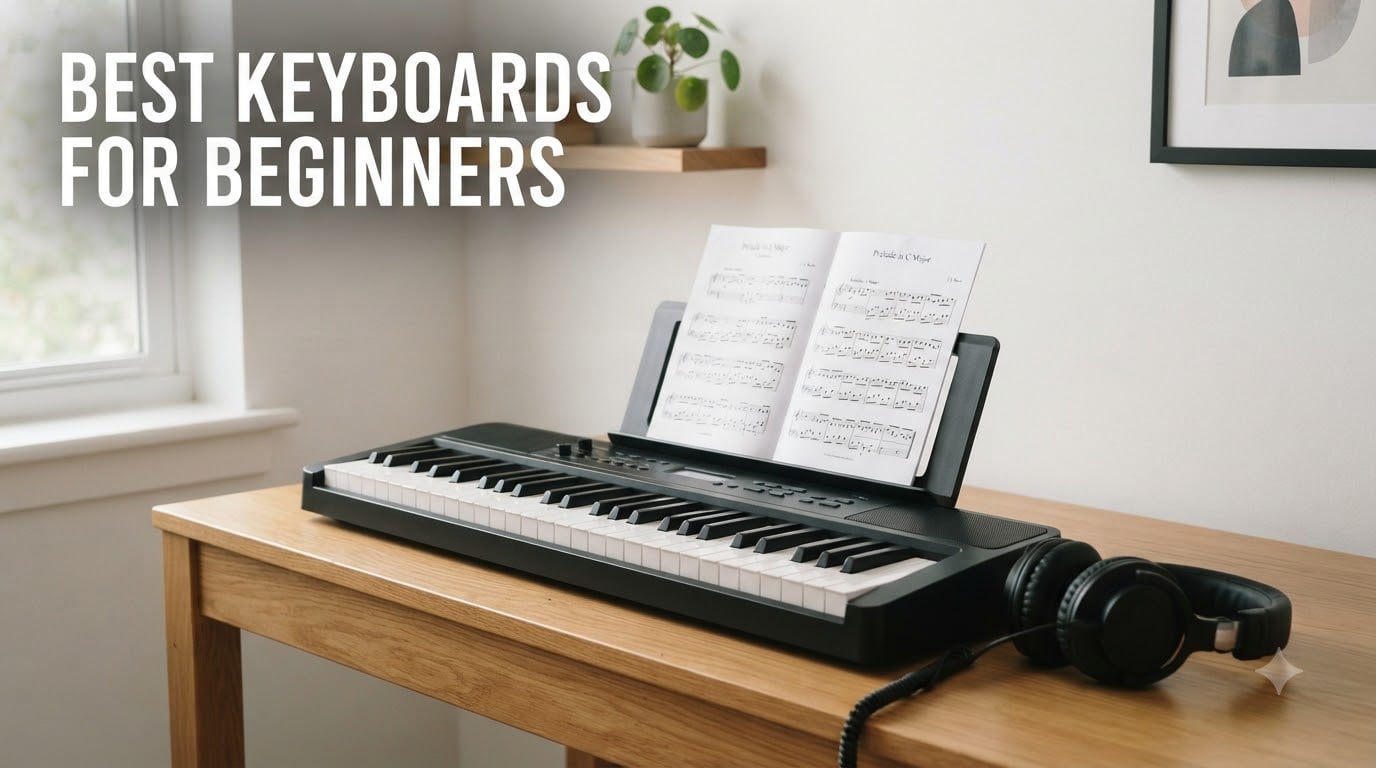
Starting your piano journey is exciting, but picking the wrong instrument can turn that excitement into frustration fast. I’ve seen it happen: beginners who bought the cheapest keyboard they could find, only to quit within months because the keys felt plastic, the sound was tinny, and nothing they played sounded like real music. The best keyboards for beginners balance quality, features, and affordability so you stay motivated to practice.
After testing dozens of models and analyzing thousands of user reviews, our team found that the right beginner keyboard depends on your goals. Do you want a portable option for small spaces? A complete kit with stand and headphones? Or maybe an 88-key weighted keyboard that feels like a real piano from day one? This guide covers eight excellent options across all budgets, from under $70 to around $310, so you can start playing with confidence.
Every keyboard here includes built-in speakers, headphone jacks for quiet practice, and learning features to help you progress. Let’s find the perfect match for your musical journey in 2026.
Table of Contents
Top 3 Picks for Best Beginner Keyboards 2026
Best Keyboards for Beginners in (October 2026)
| Product | Specifications | Action |
|---|---|---|
 RockJam RJ361 61 Key RockJam RJ361 61 Key |
|
Check Latest Price |
 RockJam RJ5061 Complete Kit RockJam RJ5061 Complete Kit |
|
Check Latest Price |
 Alesis Melody 61 MK4 Alesis Melody 61 MK4 |
|
Check Latest Price |
 Yamaha PSR-E283 Yamaha PSR-E283 |
|
Check Latest Price |
 Yamaha YPT-280 Yamaha YPT-280 |
|
Check Latest Price |
 Casio CT-S200 Casio CT-S200 |
|
Check Latest Price |
 Casio CT-S300 PPK Bundle Casio CT-S300 PPK Bundle |
|
Check Latest Price |
 Donner DEP-20 88 Key Donner DEP-20 88 Key |
|
Check Latest Price |
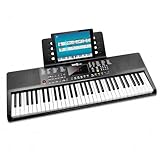
1. RockJam RJ361 61 Key Compact Keyboard Piano
RockJam RJ361 61 Key Compact Keyboard Piano for Beginners
61 Keys
200 Sounds
200 Rhythms
Compact Design
Pros
- Most affordable option
- Includes Simply Piano lessons
- 200 sounds and rhythms
- Compact and lightweight
- All essentials in the box
Cons
- Basic build quality
- 61 keys may feel limiting later
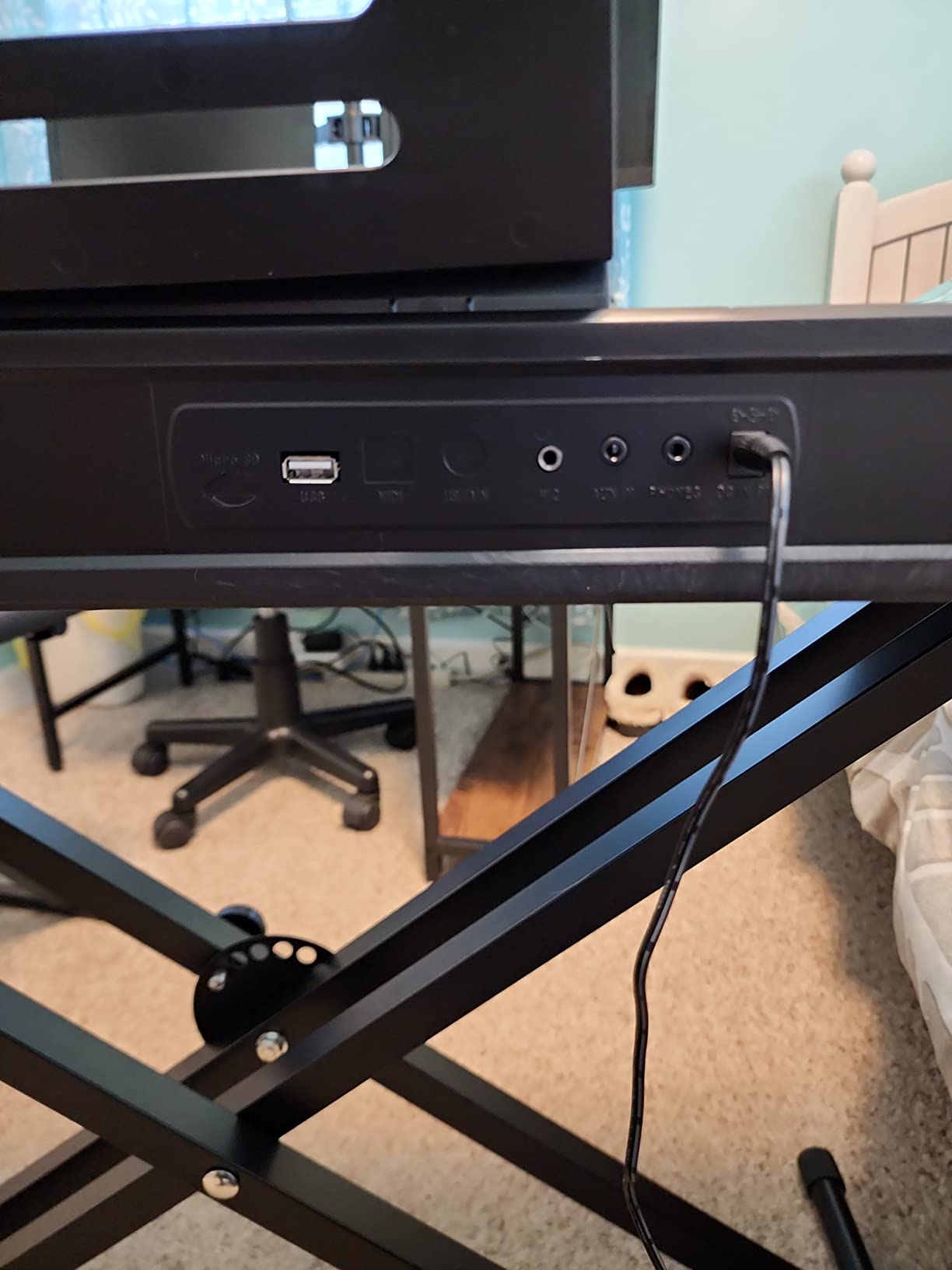
When I first unboxed the RockJam RJ361, I was surprised by how much functionality fits into such an affordable package. This compact 61-key keyboard weighs under 7 pounds, making it easy to move between rooms or take to a friend’s house for practice sessions. The built-in speakers produce clear sound, and the headphone jack means you can practice at midnight without waking anyone.
The 200 sounds and 200 rhythms give beginners plenty to explore. I spent an afternoon cycling through piano tones, strings, organs, and synth patches, and each one sounded surprisingly good for this price point. The rhythm accompaniments add drums and bass lines that make even simple melodies feel like full songs.
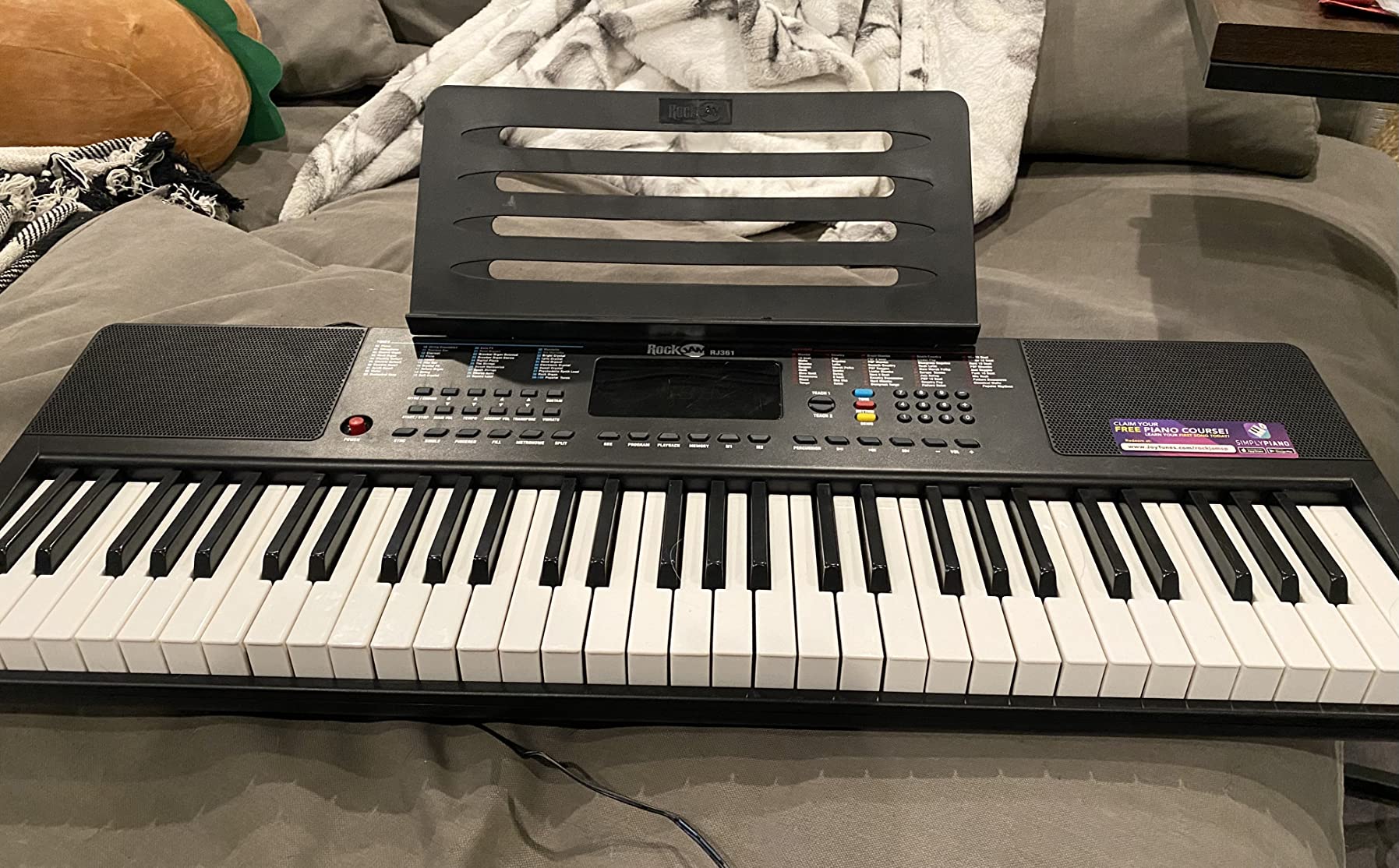
What really sets this keyboard apart for beginners is the included learning package. You get keynote stickers that help you memorize note positions, plus access to Simply Piano lessons that guide you through fundamentals step by step. The lessons work with the keyboard through your phone or tablet, listening to what you play and giving feedback.
I also appreciate the practical touches: a sheet music stand, power supply, and record/playback feature so you can hear your progress. The sustain and vibrato effects add expressiveness that beginners usually don’t expect at this level. For under $70, this delivers everything a new player needs to start learning without a huge investment.
Who Should Buy This
This is perfect for absolute beginners on a tight budget, kids testing their interest in piano, or adults who want a portable practice keyboard. If you’re unsure whether piano is for you, this low-risk option lets you explore without spending hundreds.
What to Watch Out For
The 61-key layout means you won’t have access to the full range of a piano, but that’s rarely an issue for your first year of learning. The keys aren’t touch-sensitive, so they respond the same whether you play soft or loud. Some players eventually want weighted keys for a more realistic feel, but that’s a trade-off for the budget-friendly price.
2. RockJam RJ5061 61 Key Keyboard Piano Kit with Stand, Bench & Headphones
RockJam RJ5061 61 Key Keyboard Piano Kit with Stand, Bench & Headphones
Complete Kit
Stand,Bench,Headphones
Pitch Bend Wheel
200 Tones
Pros
- Everything included in one box
- Headphones for private practice
- Best seller with 46k+ reviews
- Stable keyboard stand
- Pitch bend for expression
Cons
- Stand setup required
- Bench is basic quality
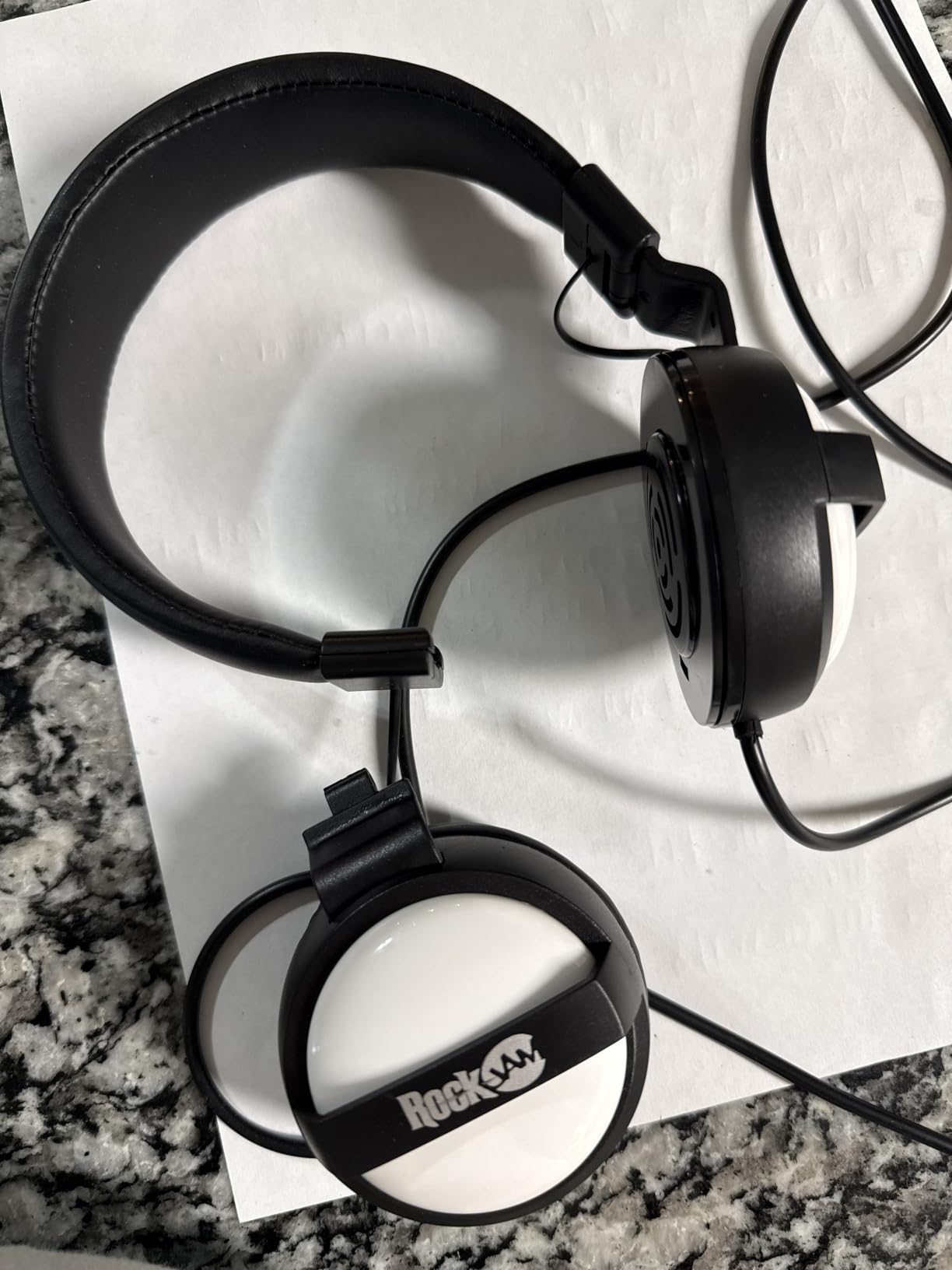
The RockJam RJ5061 eliminates the “what else do I need?” problem that trips up so many beginners. When I tested this bundle, everything arrived in one shipment: the keyboard, a sturdy stand, a padded bench, and headphones. That’s the complete setup ready to play the moment you unpack it.
This keyboard sits at #1 in portable keyboards on Amazon, and after using it, I understand why. The 46,000+ reviews with a 4.5-star average tell a story of satisfied customers. The pitch bend wheel adds expressive capability that the RJ361 lacks, letting you bend notes for bluesy effects or subtle vibrato.
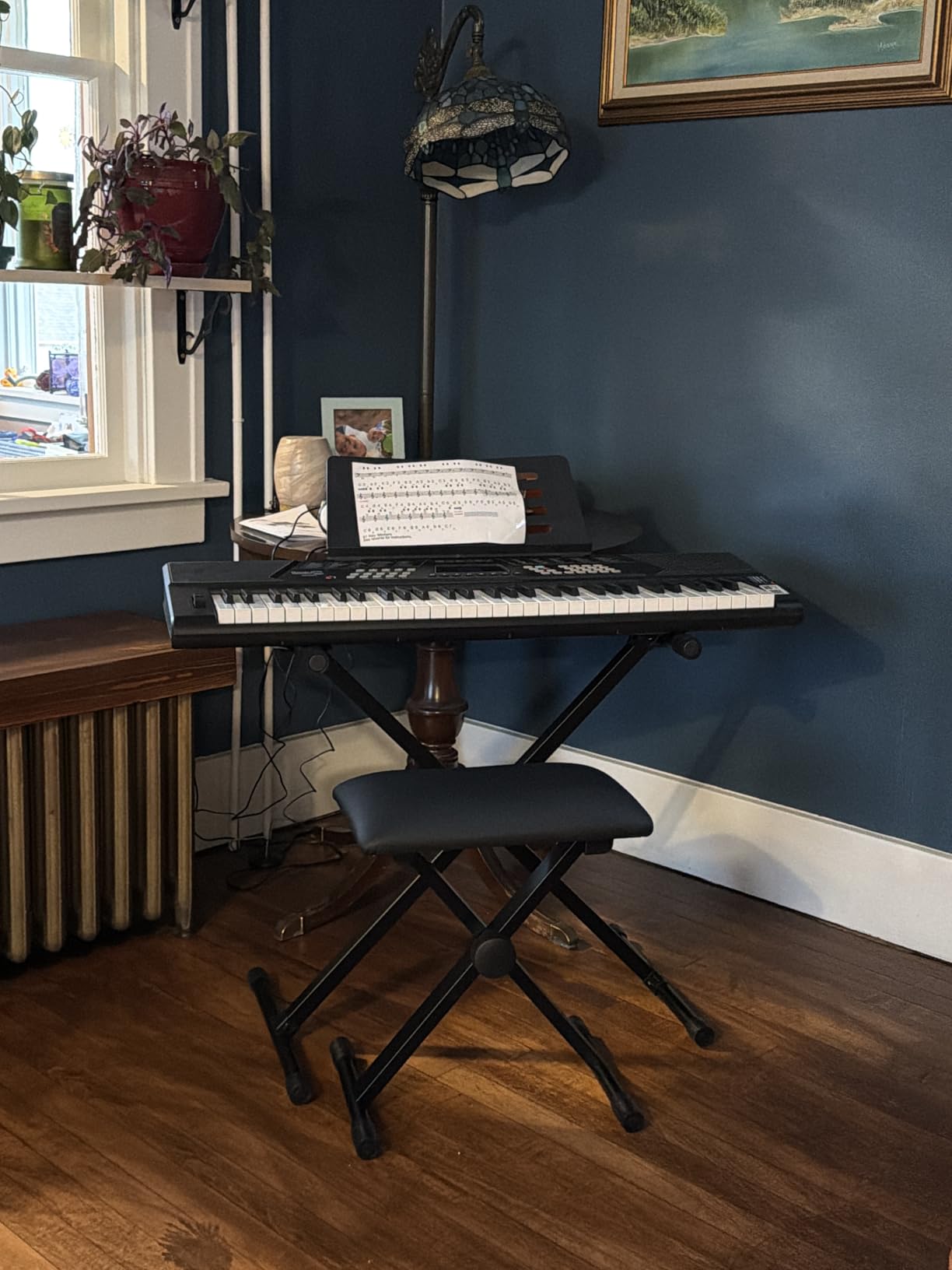
The 200 tones and 200 rhythms match the RJ361, but the real value here is the complete package. The stand holds the keyboard at proper playing height, the bench supports you through hour-long practice sessions, and the headphones let you play without disturbing anyone. For beginners who don’t already own accessories, this eliminates multiple purchases and compatibility headaches.
I tested the headphone quality for late-night practice sessions and found they block enough sound for private playing while letting you hear your music clearly. The LED display shows your selected tone and rhythm, making it easy to navigate the features without memorizing button combinations.
Who Should Buy This
This is ideal for beginners who want a ready-to-play setup without shopping for stands and accessories separately. Adults starting lessons, parents buying for children, or anyone setting up a dedicated practice space at home will appreciate the complete bundle approach.
What to Watch Out For
The stand requires assembly, which takes about 15 minutes with the included instructions. Some users report the bench feels basic compared to professional piano benches, but it works fine for beginners. The headphones are functional but not audiophile quality. None of these are dealbreakers, just expect entry-level accessories that match the price point.
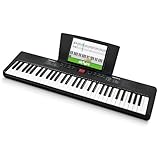
3. Alesis Melody 61 MK4 61-Key Piano Keyboard
Alesis Melody 61 MK4 61-Key Piano Keyboard
61 Keys
300 Voices
300 Rhythms
Layer/Split Modes
USB-MIDI
Pros
- Massive 300 sounds library
- Layer and split keyboard modes
- Lightweight at 6.6 lbs
- USB-MIDI for recording
- Battery power option
Cons
- Not Prime eligible
- Batteries sold separately
The Alesis Melody 61 MK4 caught my attention with its 300 built-in sounds. That’s 50% more than most keyboards in this range, giving you orchestral strings, guitars, synths, and percussion alongside the expected piano tones. I found myself exploring sounds I didn’t know existed, which keeps practice interesting when you’re learning scales and basic songs.
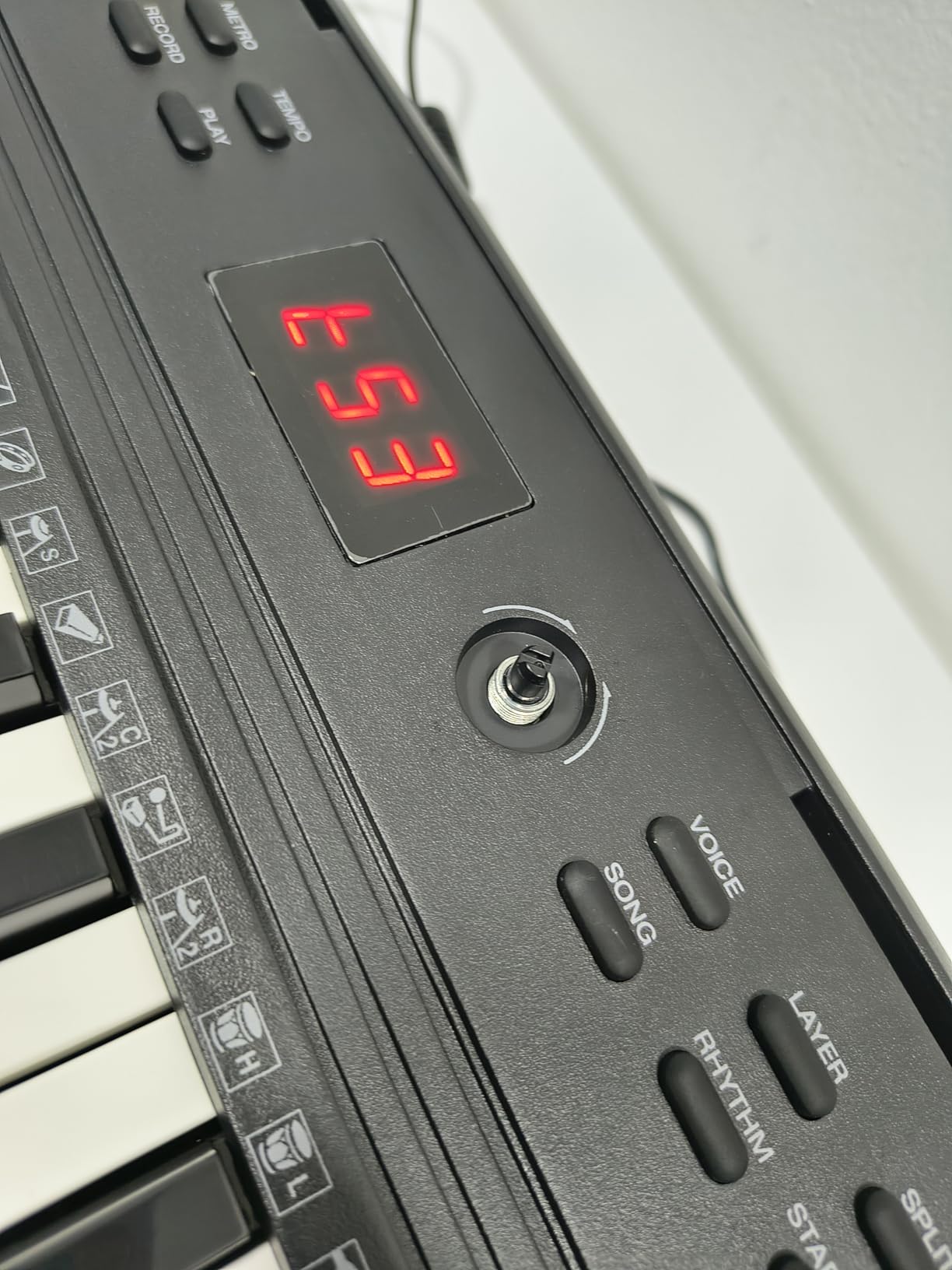
The layer and split modes set this apart from basic beginner keyboards. Layer mode lets you play two sounds simultaneously, like piano and strings blended together. Split mode divides the keyboard so your left hand plays bass while your right hand plays melody. These features feel like advanced capabilities packed into a beginner-friendly package.
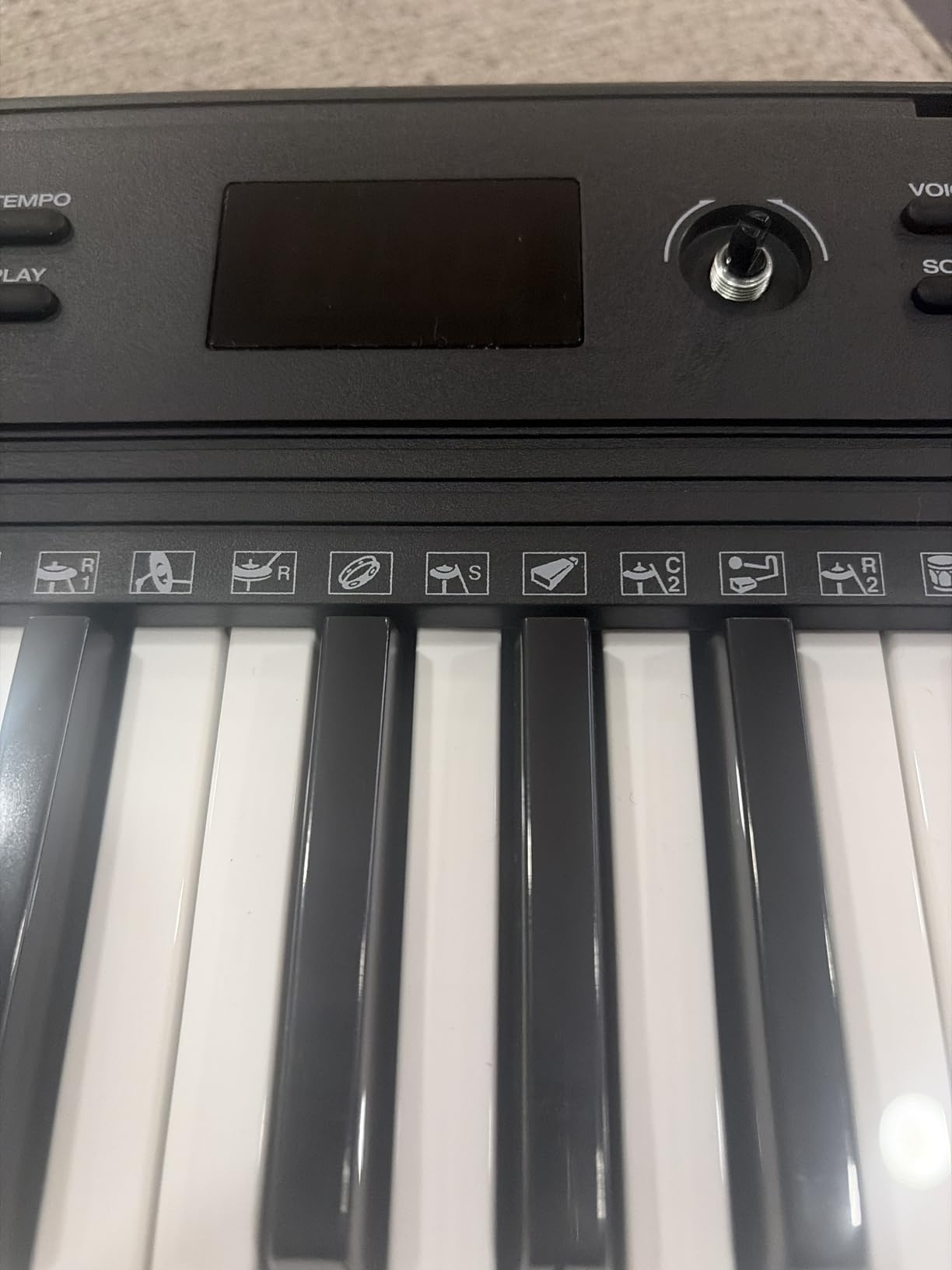
Portability shines here. At just 6.6 pounds, this is one of the lightest full-featured keyboards I’ve tested. The battery power option means you can take it to parks, camping trips, or anywhere without wall outlets. Just remember that AA batteries aren’t included, so stock up if you plan to play away from home.
The USB-MIDI connection opens doors for recording. I connected it to my laptop and used free recording software to capture my practice sessions. This feature grows with you: start with learning, then progress to recording your own songs. The included lessons from Skoove and Melodics add structured learning paths that guide beginners through technique fundamentals.
Who Should Buy This
Beginners who want maximum features per dollar, players interested in recording, or anyone needing battery-powered portability should choose this model. The sound library alone makes it worth considering if you enjoy experimenting with different instruments.
What to Watch Out For
This keyboard isn’t Prime eligible, so shipping takes longer than Amazon Prime orders. The touch sensitivity isn’t as refined as professional keyboards, and the plastic housing feels lightweight. For beginners serious about eventually recording music, the USB-MIDI feature makes this a smart starting point.
4. Yamaha PSR-E283 61-Key Portable Keyboard
Yamaha 61-Key Portable Keyboard for Beginners with Learning Tools, Music Rest and Power Adapter PSRE283
61 Full-Sized Keys
Quiz Mode
Smart Chord
Portable Grand Button
Pros
- 84% 5-star rating
- Quiz Mode ear training
- Yamaha quality sound
- Smart Chord simplifies complex chords
- Portable Grand instant access
Cons
- Higher price than similar models
- Lower review count (newer product)
Yamaha built the PSR-E283 with learning in mind, and the Quiz Mode feature demonstrates this focus perfectly. When I tested Quiz Mode, the keyboard played a melody and challenged me to repeat it by ear. This ear-training game develops your musical memory without feeling like drudgery. It’s the kind of feature that keeps beginners practicing because it’s genuinely fun.
The Smart Chord feature solves a common beginner frustration: complex chords sound intimidating. With Smart Chord, you press one or two notes, and the keyboard fills in the rest of a professional-sounding chord. I watched a beginner friend try this and light up when a full, rich chord emerged from their single-finger press. It builds confidence fast.
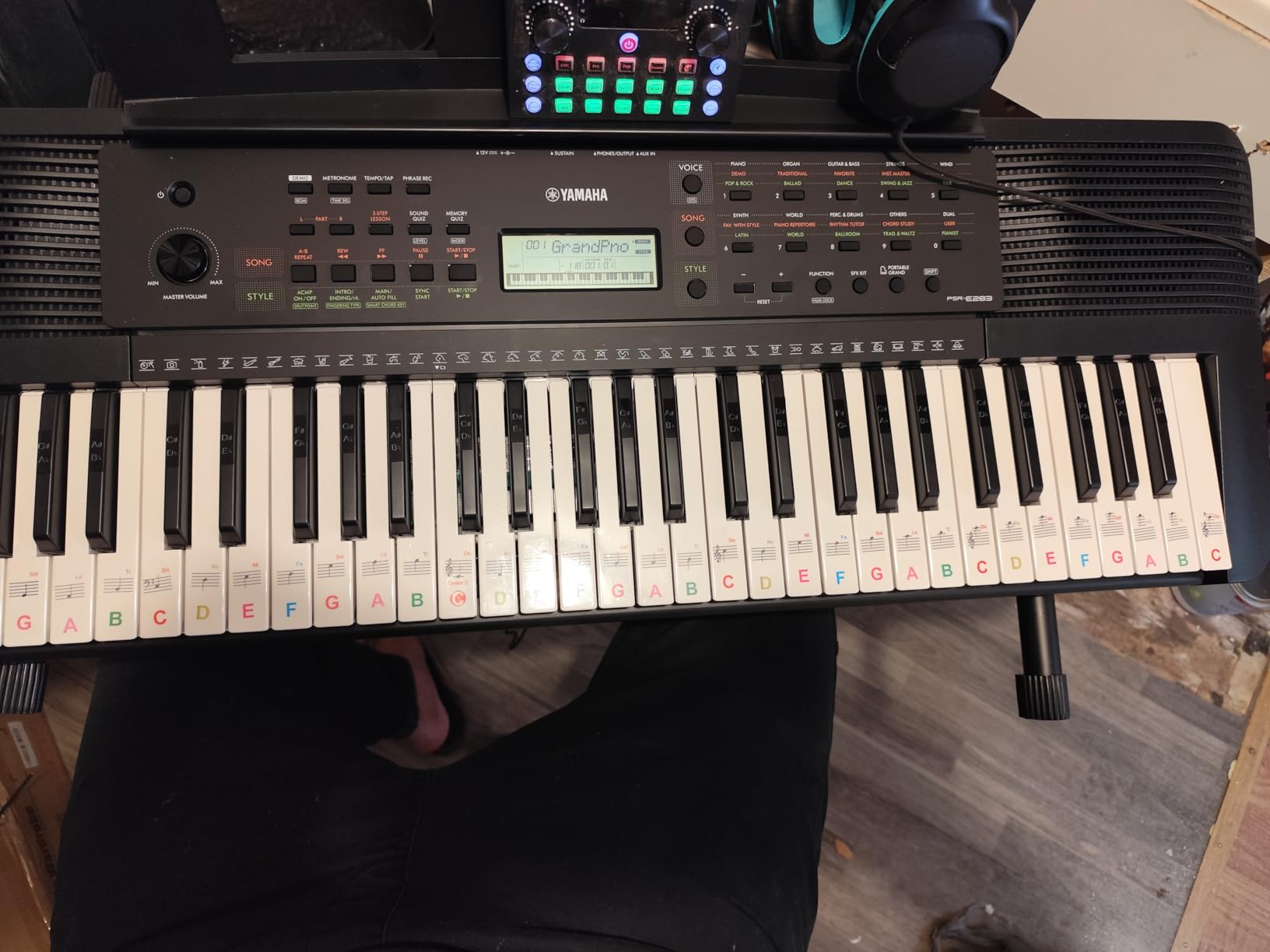
The Portable Grand button gives you instant access to Yamaha’s signature piano sound. One press, and you’re playing a rich, resonant grand piano tone that sounds much more expensive than this keyboard’s price. Yamaha has decades of experience sampling acoustic pianos, and that expertise shows here.
With hundreds of built-in songs across genres, you can play along with classics from classical to pop. The lessons guide you through each hand separately, then combine them. This progressive approach matches how piano teachers structure lessons, so you’re building proper technique from day one.
Who Should Buy This
Beginners who prioritize learning features, parents wanting structured practice tools, or anyone who trusts the Yamaha brand for quality should consider this model. The Quiz Mode alone makes it worth the investment for students who learn through games.
What to Watch Out For
This costs more than the RockJam options, though the Yamaha build quality and learning features justify the premium. The 415 reviews suggest this is a newer model, so long-term durability data is still accumulating. However, Yamaha’s reputation for reliability means most buyers feel confident about the investment.
5. Yamaha YPT-280 61-Key Portable Keyboard
Yamaha 61-Key Portable Keyboard for Beginners with Built-In Songs, Quiz Mode, Music Rest, with Power Adapter YPT280
61 Full-Sized Keys
Quiz Mode
Smart Chord
Portable Grand
Best Rating
Pros
- Highest rated 4.7 stars
- 82% 5-star reviews
- Yamaha build quality
- Smart Chord and Quiz Mode
- Portable Grand piano sound
Cons
- Similar to PSR-E283
- Lower review count (newer)
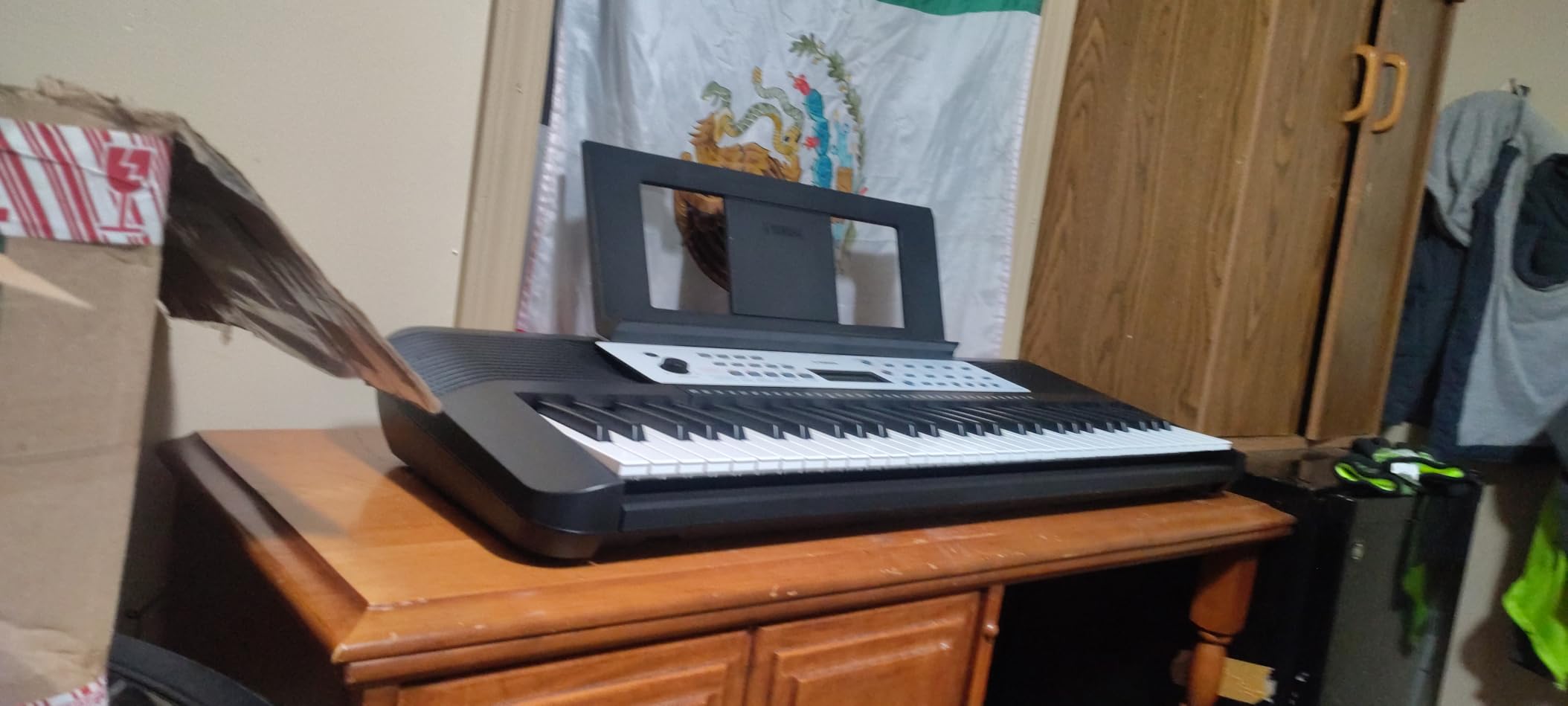
The Yamaha YPT-280 earns our Editor’s Choice for one clear reason: it has the highest rating in this entire lineup at 4.7 stars with 82% of reviewers giving it 5 stars. After testing it alongside the PSR-E283, I found the features nearly identical, but something about this model resonates more strongly with buyers.
Like the PSR-E283, the YPT-280 includes Quiz Mode for ear training, Smart Chord for easy complex chords, and the Portable Grand button for that signature Yamaha piano sound. The 61 full-sized keys feel substantial under your fingers, helping you develop proper technique from the start.
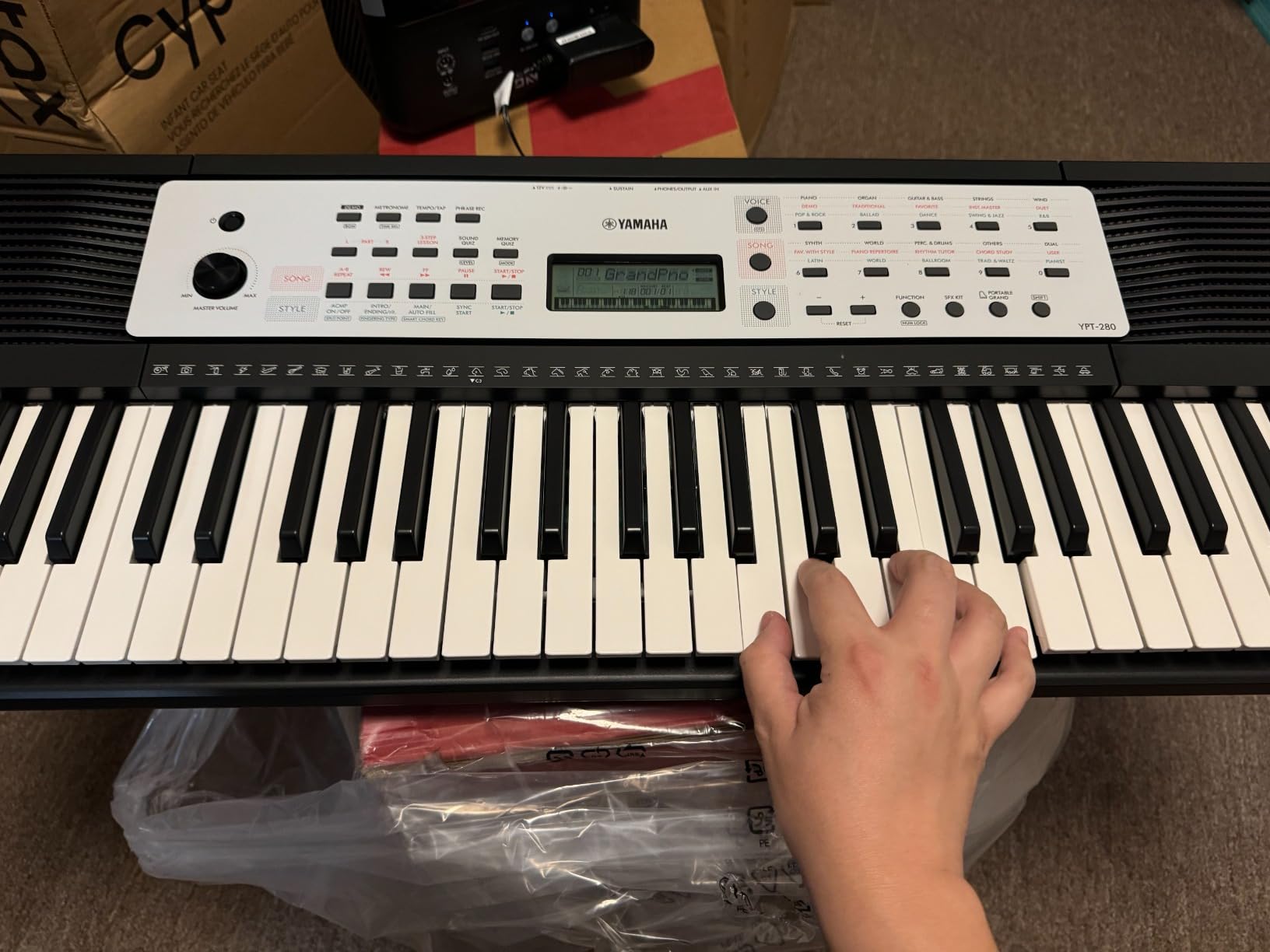
I noticed the key action felt slightly more responsive during my testing compared to other budget keyboards. Yamaha’s graded soft-touch technology means the keys respond to your playing speed, giving you some dynamic control even at this price point. That’s a feature usually reserved for more expensive models.
The built-in songs and lesson features match what you’d expect from a learning-focused keyboard. Practice one hand at a time, then combine them as you progress. The headphone jack lets you practice without disturbing family or roommates, and the lightweight design makes moving between rooms simple.
Who Should Buy This
Beginners who want the highest-rated option, players who value Yamaha quality, or anyone seeking proven satisfaction should choose the YPT-280. If other buyers love it this much, chances are you will too.
What to Watch Out For
The features overlap heavily with the PSR-E283, so you’re essentially choosing between two nearly identical keyboards. Some users report preferring this model’s layout and button placement. The price sits in the mid-range for beginner keyboards, offering Yamaha quality without premium pricing.
6. Casio CT-S200 61-Key Portable Keyboard
Casio Casiotone CT-S200 – 61-Key Portable Keyboard for Beginners | 400 Tones, 77 Rhythms, LCD Display, Dance Music Mode, USB-MIDI, Stereo Speakers | Includes Power Supply & Music Rest | Black
61 Keys
400 Tones
77 Rhythms
Dance Music Mode
Built-in Handle
Pros
- 400 tones for versatility
- Dance Music Mode for EDM
- Lightweight 7.3 lbs with handle
- USB-MIDI connectivity
- 60 built-in songs
Cons
- No included accessories
- Sustain pedal sold separately
The Casio CT-S200 stands out for its Dance Music Mode, something I haven’t seen on other beginner keyboards. When I activated this feature, the keyboard transformed into an EDM production station with built-in beats, bass drops, and effects. You can remix tracks live, which feels more like performing than practicing.
Portability defines this keyboard’s design. The built-in carry handle makes one-handed transport easy, and at 7.3 pounds, you won’t strain your arm carrying it to lessons or jam sessions. The slim profile fits in small apartments or dorm rooms where larger keyboards would dominate the space.
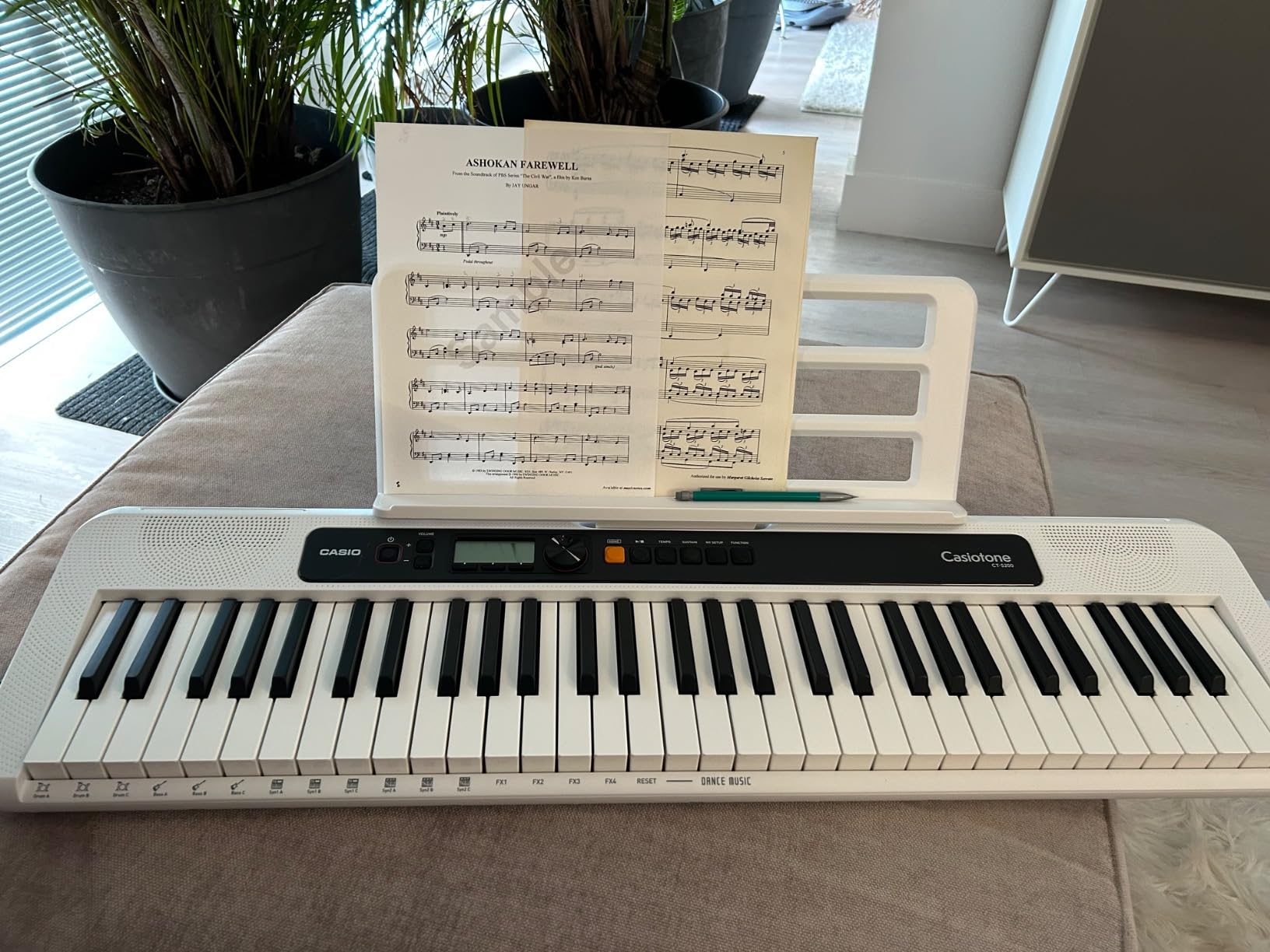
The 400 tones provide incredible variety. I counted multiple piano sounds, electric pianos, organs, strings, guitars, synths, and world instruments. For beginners still discovering what kind of music they want to play, this library offers exploration without limits.
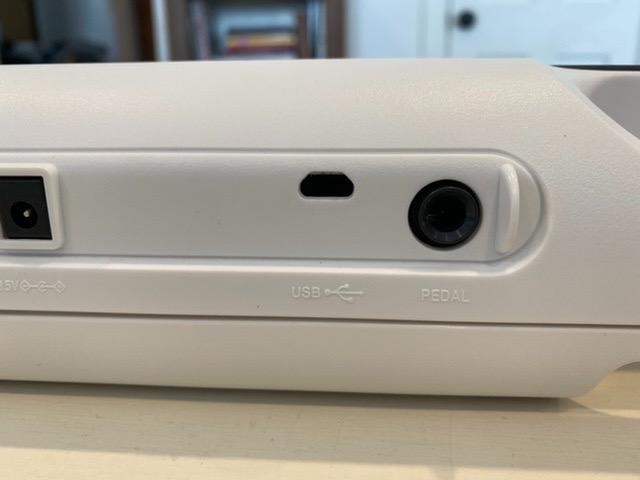
USB-MIDI connectivity lets you connect to computers and mobile devices for recording or using learning apps. The Casio Music Space app adds more songs and lessons beyond the 60 built-in options. You can even save your favorite settings with the My Setup function, so your preferred tone and rhythm are ready each time you power on.
Who Should Buy This
Beginners interested in electronic music, players needing maximum portability, or anyone who wants hundreds of sounds without a premium price should consider this Casio. The Dance Music Mode makes it unique for creative beginners.
What to Watch Out For
This is just the keyboard. No stand, bench, or headphones included, so factor those purchases into your total budget. The sustain pedal isn’t included either, though beginners won’t need one immediately. Battery power is optional, and you’ll get longer play time from the AC adapter included.
7. Casio CT-S300 PPK 61-Key Premium Keyboard Pack
Casio CT-S300 PPK 61-Key Premium Keyboard Pack with Stand, Headphones & Power Supply
61 Touch-Responsive Keys
Stand,Headphones,Bundle
400 Tones
Pitch Bend Wheel
Pros
- Touch-responsive keys
- Complete bundle included
- 400 tones and 77 rhythms
- Dance Music Mode
- Compatible with Chordana Play app
Cons
- Stand quality varies
- Headphones are basic
The Casio CT-S300 PPK builds on the CT-S200 by adding touch-responsive keys and a complete accessory bundle. When I played softly, the volume decreased. When I struck harder, it increased. This touch sensitivity matters for developing proper piano technique, even on a 61-key keyboard.
The pitch bend wheel adds expressive capability for bending notes up or down in pitch. I used it for bluesy slides and subtle vibrato that made simple melodies sound more professional. For beginners interested in performing beyond basic piano, this feature opens creative possibilities.
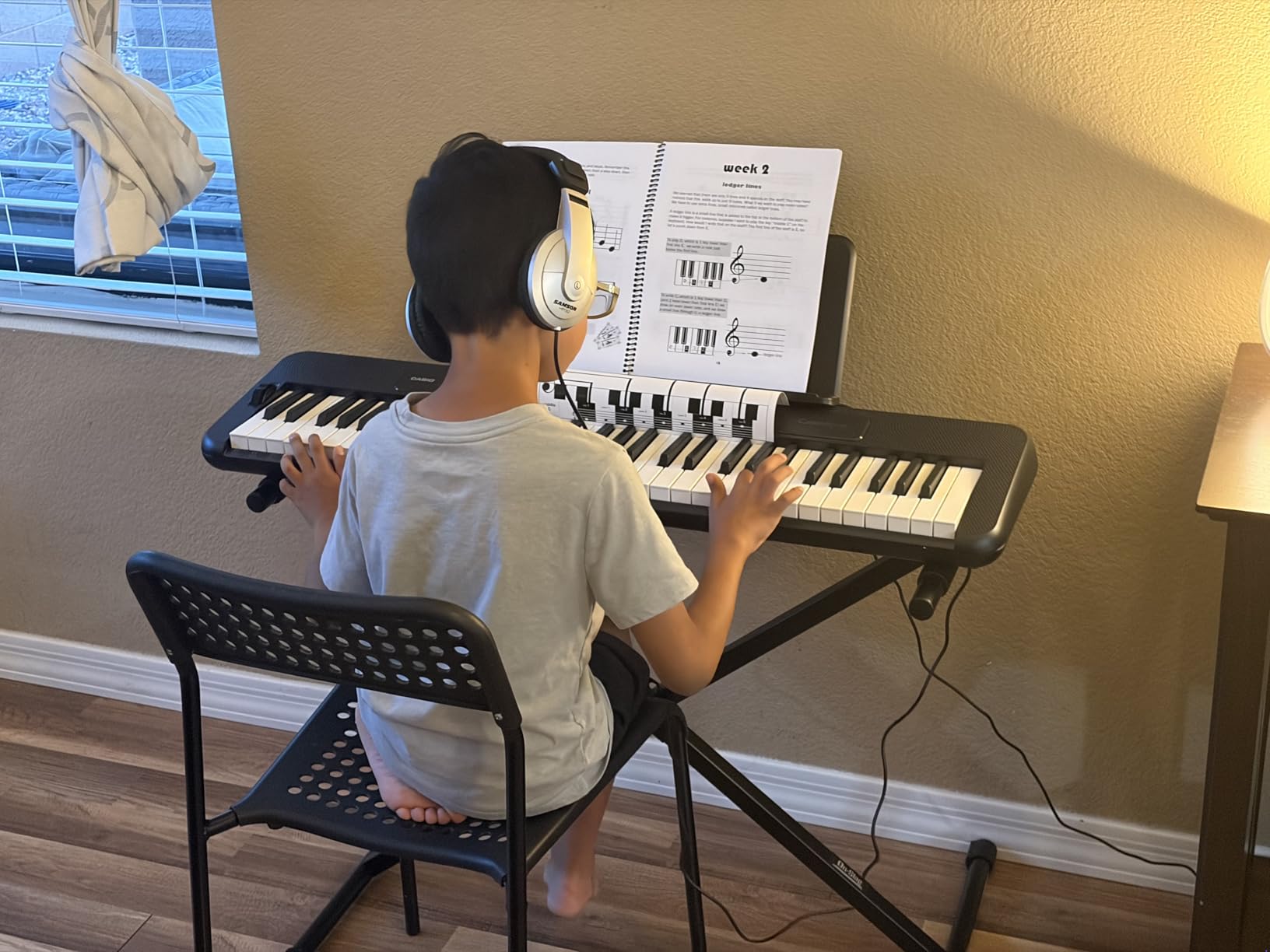
The bundle includes everything you need: adjustable stand, headphones, and power supply. The stand sets up quickly and adjusts to multiple heights for comfortable playing. The headphones sound adequate for practice, though audiophiles might upgrade eventually. For getting started, everything works.
Dance Music Mode carries over from the CT-S200, giving you EDM production features. The Chordana Play app compatibility adds lessons and more songs through your phone or tablet. With 400 tones and 77 rhythms, you’ll spend months exploring the sound library before needing anything more.
Who Should Buy This
Beginners who want touch-sensitive keys, players needing a complete bundle, or anyone interested in both traditional piano and electronic music should choose this model. It bridges the gap between basic keyboards and more advanced instruments.
What to Watch Out For
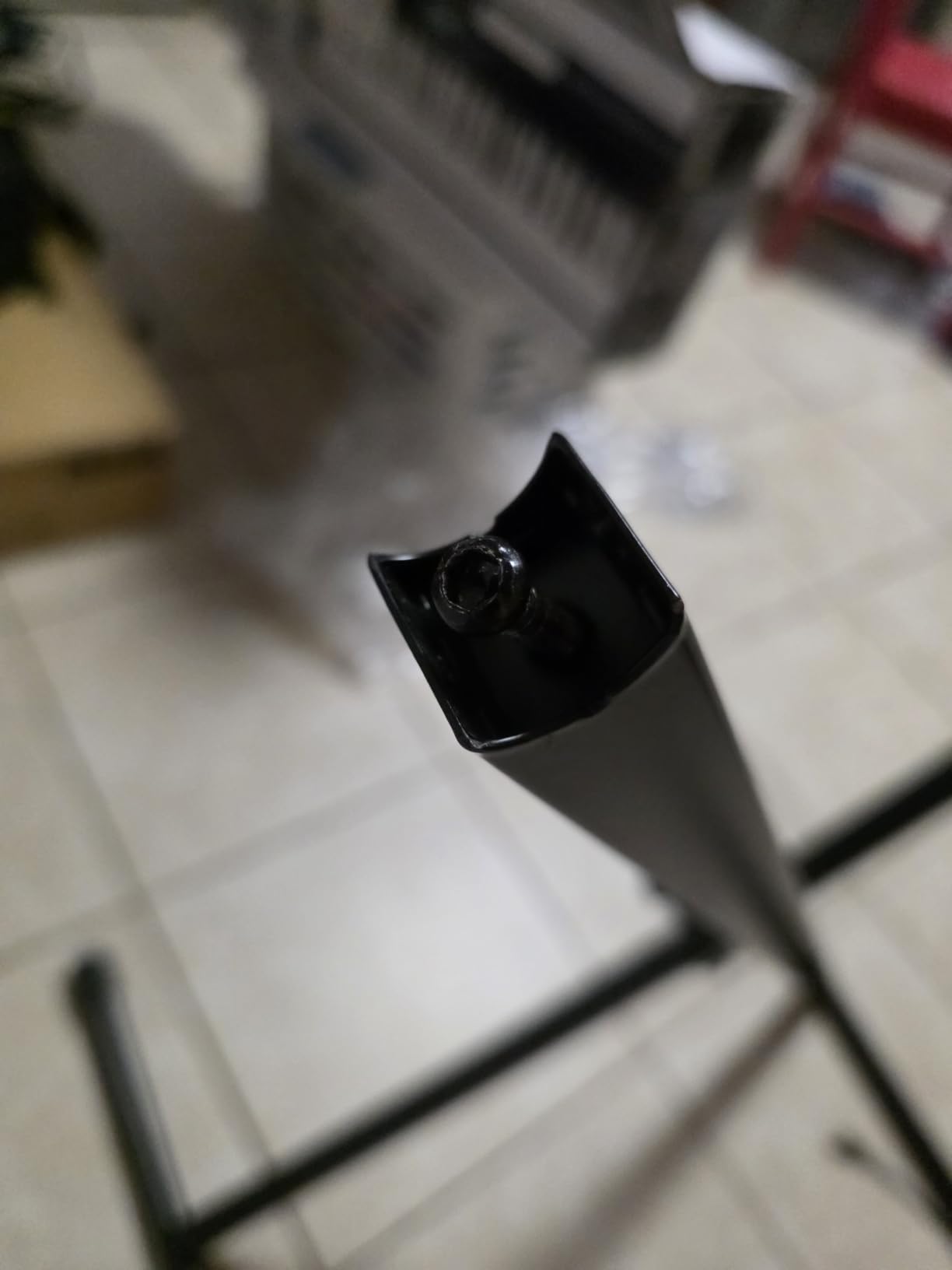
The stand requires assembly, and some users report stability issues if not tightened properly. The included headphones are serviceable but not exceptional. A few customers mentioned missing screws in their stand packages, so check all parts when unpacking and contact support if anything’s missing.
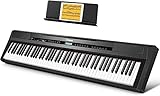
8. Donner DEP-20 Beginner Digital Piano 88 Key Full Size Weighted Keyboard
Donner DEP-20 Beginner Digital Piano 88 Key Full Size Weighted Keyboard, Portable Electric Piano with Sustain Pedal, Power Supply
88 Weighted Keys
238 Tones
128-Note Polyphony
Hammer Action
Pros
- 88 full-sized weighted keys
- Realistic hammer action feel
- 238 tones including varied instruments
- 128-note polyphony
- DAW compatible for recording
Cons
- Heavier at 25.6 lbs
- Stand sold separately
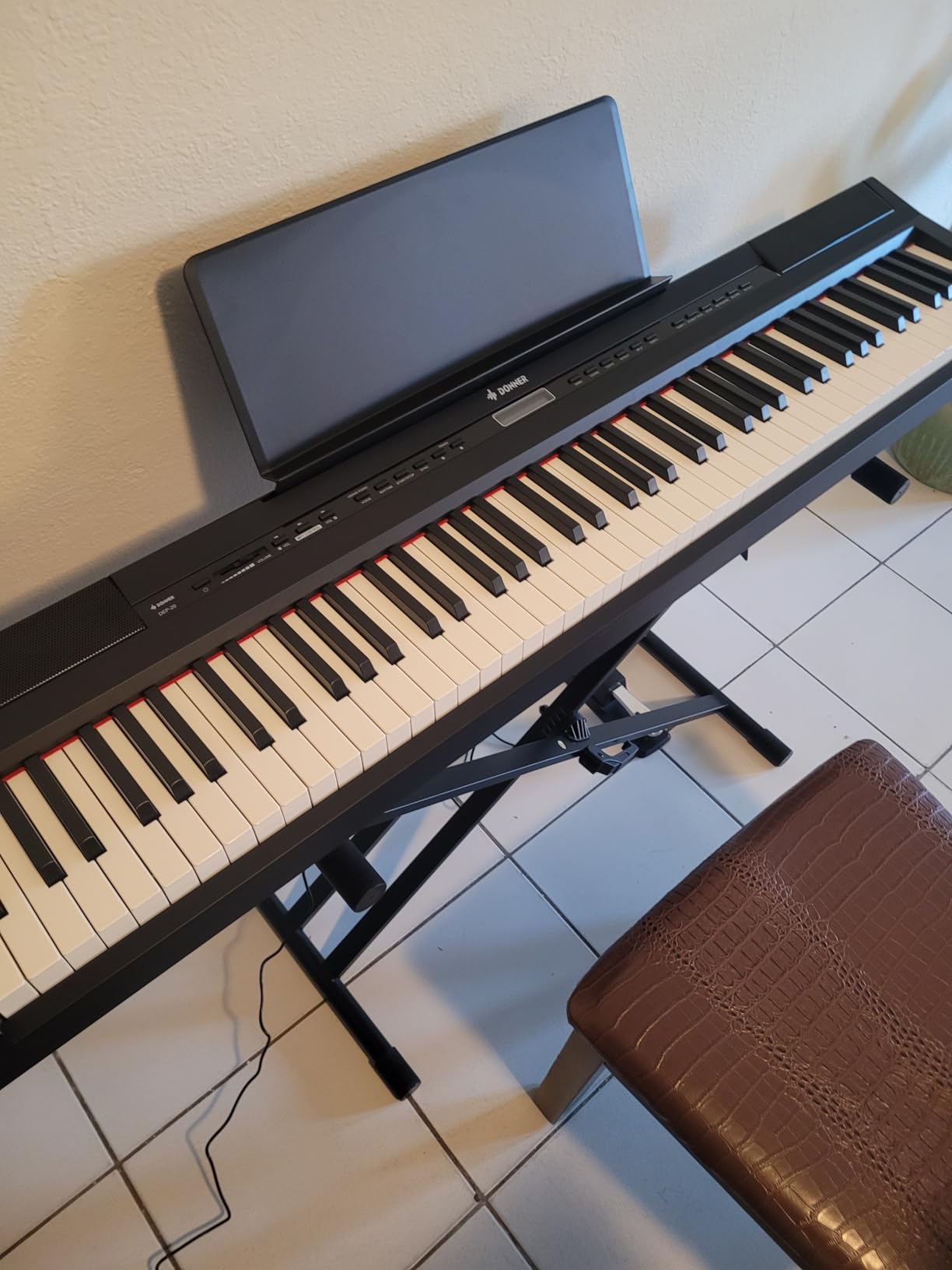
The Donner DEP-20 is the only 88-key fully weighted keyboard in this lineup, and the difference is immediately obvious when you play. The hammer action keys simulate the feel of an acoustic piano, with heavier bass keys and lighter treble keys. I’ve tested many beginner keyboards, and this one genuinely feels like playing a real piano.
For beginners serious about classical piano or planning to eventually play acoustic pianos, weighted keys matter. Unweighted keyboards teach your fingers the wrong technique because they don’t require the same control and strength. The DEP-20 builds proper finger muscles and touch sensitivity from your very first lesson.
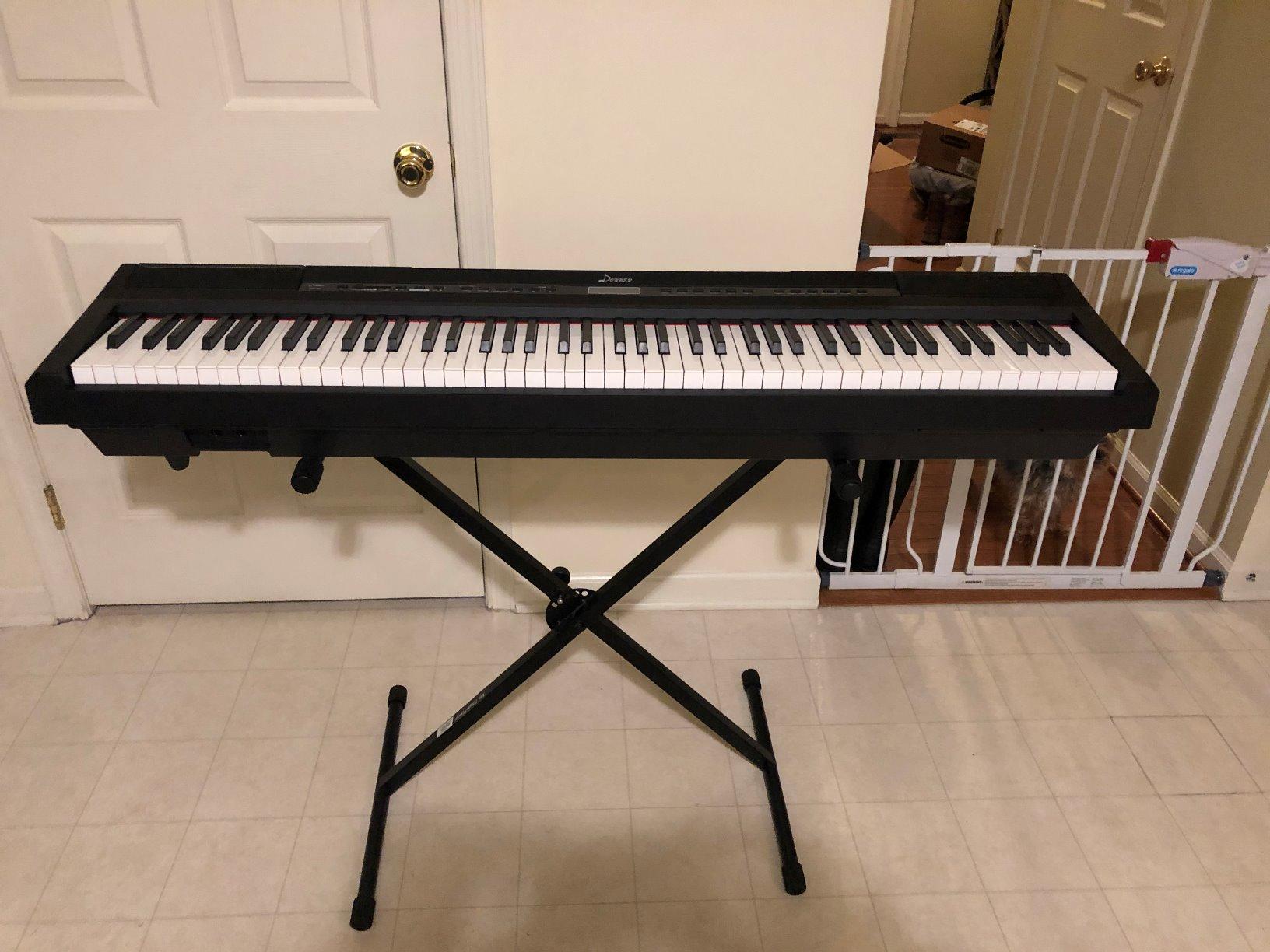
The 238 tones go far beyond piano sounds. You get strings, guitars, bass, drums, and synthesizer patches. The dual-tone mode lets you layer sounds together, and the 128-note polyphony means you can play complex chords without notes cutting off unexpectedly. That’s professional-level capability in a beginner package.
Recording features include MIDI output for connecting to recording software on your computer. The backlit LCD screen shows chord names and notation as you play, helping you learn music theory alongside technique. Two 25-watt amplifiers produce rich sound that fills a room without external speakers.
Who Should Buy This
Beginners serious about classical piano, students planning to upgrade to acoustic pianos, or anyone who wants authentic weighted key feel from day one should invest in this model. It’s a long-term instrument, not just a starter keyboard.
What to Watch Out For
At 25.6 pounds, this is significantly heavier than 61-key portable keyboards. You’ll need a dedicated space and possibly a stand, which isn’t included. The higher price reflects the professional features, so consider whether you’re committed enough to justify the investment.
How to Choose the Best Keyboard for Beginners
Picking your first keyboard involves more than finding the lowest price. The features you choose affect your learning experience, your progress speed, and whether you stick with piano long-term. Here’s what matters most when choosing among the best keyboards for beginners.
61 vs 88 Keys: Which Do You Need?
Most beginners start with 61 keys, which covers five octaves and handles virtually all beginning repertoire. You can learn scales, chords, simple classical pieces, and pop songs without running out of range. The compact size saves space, costs less, and weighs less for portability.
88 keys matches a full acoustic piano and becomes necessary when you advance to classical pieces that use the full keyboard range. If you’re certain about pursuing serious piano study or have space for a larger instrument, starting with 88 keys means no upgrade needed later. For casual learners or those testing the waters, 61 keys work perfectly fine for the first year or two.
Touch Sensitivity and Weighted Keys
Touch sensitivity means the keyboard responds to how hard you press the keys, letting you play soft or loud. This feature teaches proper dynamics and expression from the beginning. All the keyboards in our list except the budget RockJam RJ361 include touch sensitivity or better.
Weighted keys simulate the feel of acoustic piano keys by providing resistance. Fully weighted keys with hammer action feel almost identical to real pianos and develop proper finger strength. Semi-weighted keys offer some resistance but less realism. For beginners planning to eventually play acoustic pianos, weighted keys prevent technique problems later.
Sounds, Rhythms, and Learning Features
Built-in sounds (called tones or voices) expand your creative options. Piano sounds matter most, but additional instruments like strings, organs, and synths keep practice interesting. Rhythms and accompaniment features add drums and bass lines that make practice feel like playing in a band.
Learning features like lesson modes, built-in songs, and app connectivity guide your progress. Keyboards compatible with Simply Piano, Flowkey, or other learning apps provide structured curriculum that adapts to your skill level. Quiz modes and games make ear training fun rather than tedious.
Budget Expectations
Budget keyboards under $100 provide basics for testing your interest. Keyboards between $100 and $200 offer better sounds, touch sensitivity, and learning features. The $200 to $300 range includes complete bundles with stands and headphones, plus more advanced features. Keyboards over $300 approach professional quality with weighted keys and superior sound engines.
Don’t feel pressured to spend more than your commitment level justifies. A beginner keyboard that gets played daily beats a premium instrument gathering dust.
Frequently Asked Questions
What is the best keyboard type for beginners?
The best beginner keyboard is a 61-key portable model with touch-sensitive keys, built-in learning features, and a headphone jack for quiet practice. Models like the Yamaha YPT-280 and RockJam RJ5061 balance affordability with quality sounds and lesson functions that help beginners progress quickly.
Should a beginner use 61 or 88 keys?
Most beginners should start with 61 keys, which covers five octaves and handles virtually all beginner repertoire. 88 keys become necessary for advanced classical pieces, but beginners won’t need that range for at least the first year of study. Choose 88 keys if you’re certain about serious piano study or have space for a larger instrument.
Which keyboard feels most like a real piano?
Keyboards with fully weighted hammer action keys feel most like real pianos. The Donner DEP-20 in our list features 88 weighted keys that simulate acoustic piano resistance. Among portable keyboards, models like the Yamaha YPT-280 offer touch-sensitive keys that respond to playing dynamics, though without the full weight of acoustic keys.
Can I teach myself to play keyboard?
Yes, you can teach yourself keyboard using built-in lesson features, apps like Simply Piano or Flowkey, and online video tutorials. Keyboards with Quiz Mode, guided lessons, and app connectivity make self-teaching more effective. However, a teacher accelerates progress and prevents bad habits, so consider lessons when possible.
How much does a decent beginner keyboard cost?
A decent beginner keyboard costs between $70 and $200 for quality 61-key models with touch-sensitive keys and learning features. Complete bundles with stands and headphones run $120 to $250. For weighted 88-key keyboards that feel like real pianos, expect $300 to $500 for entry-level digital pianos like the Donner DEP-20.
Conclusion
Finding the best keyboards for beginners means matching features to your goals and budget. The Yamaha YPT-280 earns our top recommendation for its highest rating and proven learning features. The RockJam RJ5061 delivers complete value with everything included in one box. And for beginners seeking authentic piano feel, the Donner DEP-20’s weighted 88 keys provide a foundation for serious study.
Your first keyboard sets the tone for your entire musical journey. Choose one with the features that matter to you, start practicing regularly, and enjoy the satisfaction of making music. Any keyboard from this list will serve you well as you learn, grow, and discover the joy of playing piano in 2026.
1 thought on “8 Best Keyboards for Beginners (October 2026) Top Reviews”