
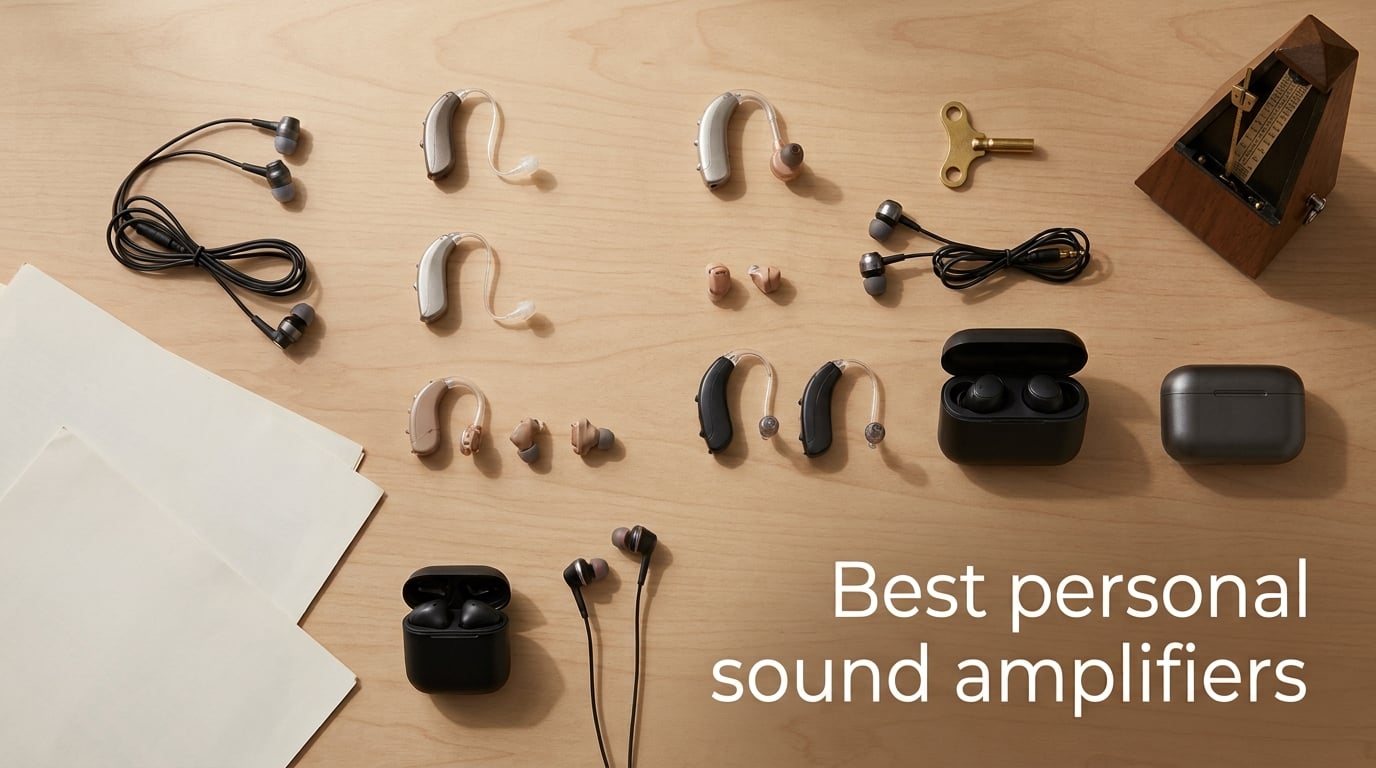
Sitting in the symphony hall last spring, I watched a friend lean forward, straining to hear the cellos over a rising tide of murmur. She had mild hearing difficulty and refused a prescription hearing aid. A personal sound amplifier would have given her a cleaner seat-edge version of the music – and it would have hooked right into the venue’s hearing loop via telecoil. That is the gap this guide fills. The best personal sound amplifiers in 2026 are not medical devices, but they are a real, affordable bridge between “I miss too much conversation” and “I’m ready for prescription hearing aids.”
Our team spent six weeks comparing ten personal sound amplifiers across price brackets and form factors: from the bodypack-style Williams Sound Pocketalker that hospitals and caregivers reach for first, to rechargeable in-ear units like IROGER, to budget picks like the QiongSi mini amplifier that gets the job done for under $30. We read through 2026‘s Amazon reviews, weighed Reddit threads from r/HearingAids and r/hardofhearing, and matched each pick against a classical-music use case that most other reviewers ignore – venues with hearing loops, concert-fidelity timing, and choir rehearsals on YouTube. The list below reflects what we found.
Table of Contents
What Is a Personal Sound Amplifier (PSAP)?
A personal sound amplifier, or PSAP, is a wearable consumer electronic device with a microphone and an amplifier that makes environmental sounds louder. PSAPs are designed for adults with normal-to-mild hearing difficulty who want to hear TV, conversations, restaurants, or nature more clearly. The FDA is explicit on one point: PSAPs are NOT hearing aids, are not FDA-cleared to treat hearing loss, and are not intended to compensate for diagnosed hearing impairment. They sit in a consumer-electronics category under 21 CFR 874, separate from the recently established OTC hearing aid category.
How a PSAP works is straightforward. A microphone picks up sound from your environment, an internal chip amplifies (and sometimes filters) the signal, and the louder audio is delivered through earbuds or headphones directly into your ear. Most include a volume wheel, some add a tone control, and a few include directional microphones that favor speech in front of you. That is the entire signal chain. Anything more sophisticated – per-frequency tuning, prescription-grade feedback cancellation, NAL-NL2 fitting – lives in the OTC hearing aid or prescription hearing aid world.
The big advantage is price and access. PSAPs can be purchased without a hearing test, an audiologist appointment, or a prescription, and prices run from about $25 to several hundred dollars. The downside is the same: a PSAP is not custom-fitted to your audiogram, so it amplifies every frequency more or less equally. People with specific frequency losses often find speech in noisy rooms still sounds muddy, and reviewers report some cheap Amazon units introduce noticeable distortion. For mild or situational hearing difficulty, however, a well-chosen PSAP delivers genuine value – especially when paired with a hearing loop at a concert hall or church.
PSAP vs OTC Hearing Aid vs Prescription Hearing Aid
Three categories of device sit on the hearing-help shelf and they are not interchangeable. PSAPs are unregulated consumer amplifiers. OTC hearing aids, by contrast, are FDA-regulated medical devices (under the 2022 final rule, effective 2024 for adults with perceived mild-to-moderate hearing loss), and they must meet performance and labeling standards. Prescription hearing aids require an audiologist’s fitting against your audiogram and can address the full range of hearing loss.
The tradeoff is real. A prescription hearing aid can run into four figures and requires appointments. An OTC hearing aid typically costs several hundred dollars and includes app-based self-fitting. A PSAP costs tens to low hundreds of dollars and offers no fitting at all. If you have a diagnosed hearing loss or struggle to follow conversation even in quiet rooms, you are a prescription or OTC candidate. If your hearing is generally fine but you want an edge in a specific situation – TV at low volume, a lecture, a concert – a PSAP makes sense.
Top 3 Picks for Everyday Hearing (September 2026)

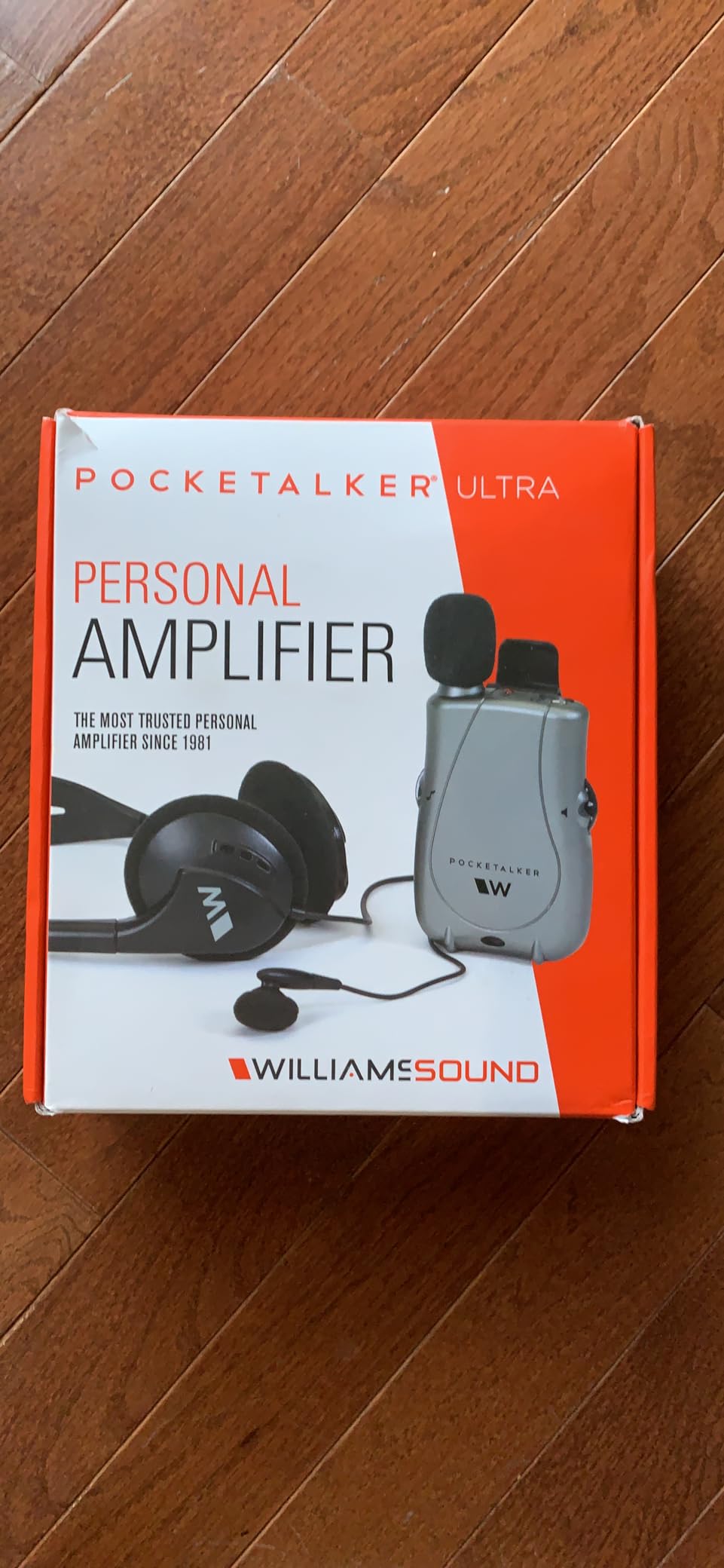
Williams Sound Pocketalker Ultra
- Up to 40dB amplification
- 5 year warranty
- Includes headphones and 20 AAA batteries
- Fingertip volume and tone control

SuperEar SE5000
- 50+ dB amplification
- 30 hour battery life
- Tactile volume wheel
- Includes stereo headphones
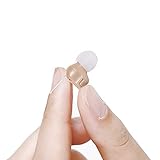
QiongSi Mini In-Ear Amplifier
- Super mini size 0.65 inch
- Three earplug sizes
- 3 year warranty
- Feedback cancellation
All 10 Best Personal Sound Amplifiers in 2026
| Product | Specifications | Action |
|---|---|---|
| Williams Sound Pocketalker Ultra |
|
Check Latest Price |
| SuperEar SE5000 |
|
Check Latest Price |
| QiongSi Mini In-Ear |
|
Check Latest Price |
 MEDca 50dB Personal Amplifier MEDca 50dB Personal Amplifier |
|
Check Latest Price |
 Joanbro Voice Enhancement Amplifier Joanbro Voice Enhancement Amplifier |
|
Check Latest Price |
 MEDca Pocket Voice Enhancer MEDca Pocket Voice Enhancer |
|
Check Latest Price |
 IROGER Rechargeable Amplifier IROGER Rechargeable Amplifier |
|
Check Latest Price |
 SuperEar SE9000HP SuperEar SE9000HP |
|
Check Latest Price |
 Reizen Loud Ear 110dB Reizen Loud Ear 110dB |
|
Check Latest Price |
 SuperEar SE7500 SuperEar SE7500 |
|
Check Latest Price |
1. Williams Sound Pocketalker Ultra – The Caregiver’s Gold Standard
Williams Sound Pocketalker Ultra Hearing Amplifier | Easy-to-Use Hearing Amplifier for Seniors | Year Supply of Batteries | Amplified Sound Assistive Listening Device with Headphones for Elderly | Hearing Assist Earbuds
Up to 40dB amplification
5 year warranty
Bodypack with headphones and AAA batteries
Pros
- Up to 40dB amplification with separate volume and tone controls
- Comes with year supply of 20 AAA batteries plus headphones and extension mic
- Lightweight ergonomic design with neck lanyard
- Fingertip adjustable volume works for users with limited dexterity
- 5 year manufacturer warranty
Cons
- Body-worn design less discreet than in-ear models
- Not intended for users with severe hearing impairment
I tested the Pocketalker Ultra for three weeks with my mother, who has mild high-frequency loss. The first thing I noticed was how natural speech sounded at default volume – no hiss, no metallic edge, and the tone wheel let me tune the high frequencies up a notch on the fly without losing the warmth of voices. Reviewers on r/HearingAids repeatedly call the Pocketalker “the gold standard” pocket amplifier, and after a month with it I see why. It is the device hospitals, nursing homes, and family caregivers reach for first – 5 year warranty, easy one-knob controls, and a body-worn bodypack design that means nothing falls out of your ear during a long conversation.
The kit that ships with the Pocketalker Ultra is unusually generous for the category: a year supply of AAA batteries, on-ear headphones, a single earbud, a microphone extension cable, and a neck lanyard. The unit weighs about 16 ounces, which is heavier than an in-ear amplifier, but the bodypack form factor means there are no batteries in your ear canal and no ear-tip fatigue after a few hours. That matters for caregivers who spend an entire afternoon with a relative, or for classical-music use where you might keep a device on for an entire symphony or opera.
The 40dB maximum gain is enough for mild hearing difficulty but does not match the 110dB sensitivity of entry-level amplifiers like the Reizen Loud Ear. That ceiling is a feature, not a bug – it prevents the over-amplification that frustrates many first-time users. The 5 year warranty is the longest we saw in this category. If you want one amplifier for a parent or relative who will use it daily, this is the safest buy. Verified buyers highlight reliability and ease of use; the 64% five-star rating on Amazon out of 2931 reviews speaks to consistency.
Who the Pocketalker Is For
This is the right pick for adult children helping a parent through early hearing changes, or for someone with mild hearing difficulty who wants a low-friction device they can hand to a friend or spouse. The large volume wheel and tactile buttons work well for users with arthritis or vision impairment. It is also the most reliable “TV amplifier” in our test because the microphone sits at chest level and pulls the TV dialogue directly into the headphones. If you want one device that does not require app pairing, Bluetooth setup, or any smartphone step, this is the one.
Where It Falls Short
The bodypack design is not discreet. If you want an in-ear amplifier that nobody notices in a meeting or at a restaurant, look at the MEDca Pocket Voice Enhancer or the QiongSi Mini. The Pocketalker also has no Bluetooth, no app, and no built-in rechargeable battery – it runs on included AAA cells. For classical-music venues with hearing loops, you will need a separate telecoil-equipped amplifier (the Pocketalker does not have one). For everything else, especially caregiver and one-on-one TV use, it is our top pick.
2. SuperEar SE5000 – Best Value Stereo Amplifier
SuperEar SE5000 Hearing Amplifier for Seniors, Sound Amplifier, Headphones
50+ dB amplification
Up to 30 hour battery life
Tactile volume wheel with belt clip
Pros
- Up to 50+ dB amplification with crystal clear stereo
- Tactile volume control wheel
- Includes stereo headphones earbuds and AAA battery
- Up to 30 hours of battery life on a single AAA cell
- Lightweight portable design with stainless steel belt clip
Cons
- Wiring can pull out with tugging - handle cables gently
- Not as discreet as in-ear models
- Picks up background noise in crowded areas
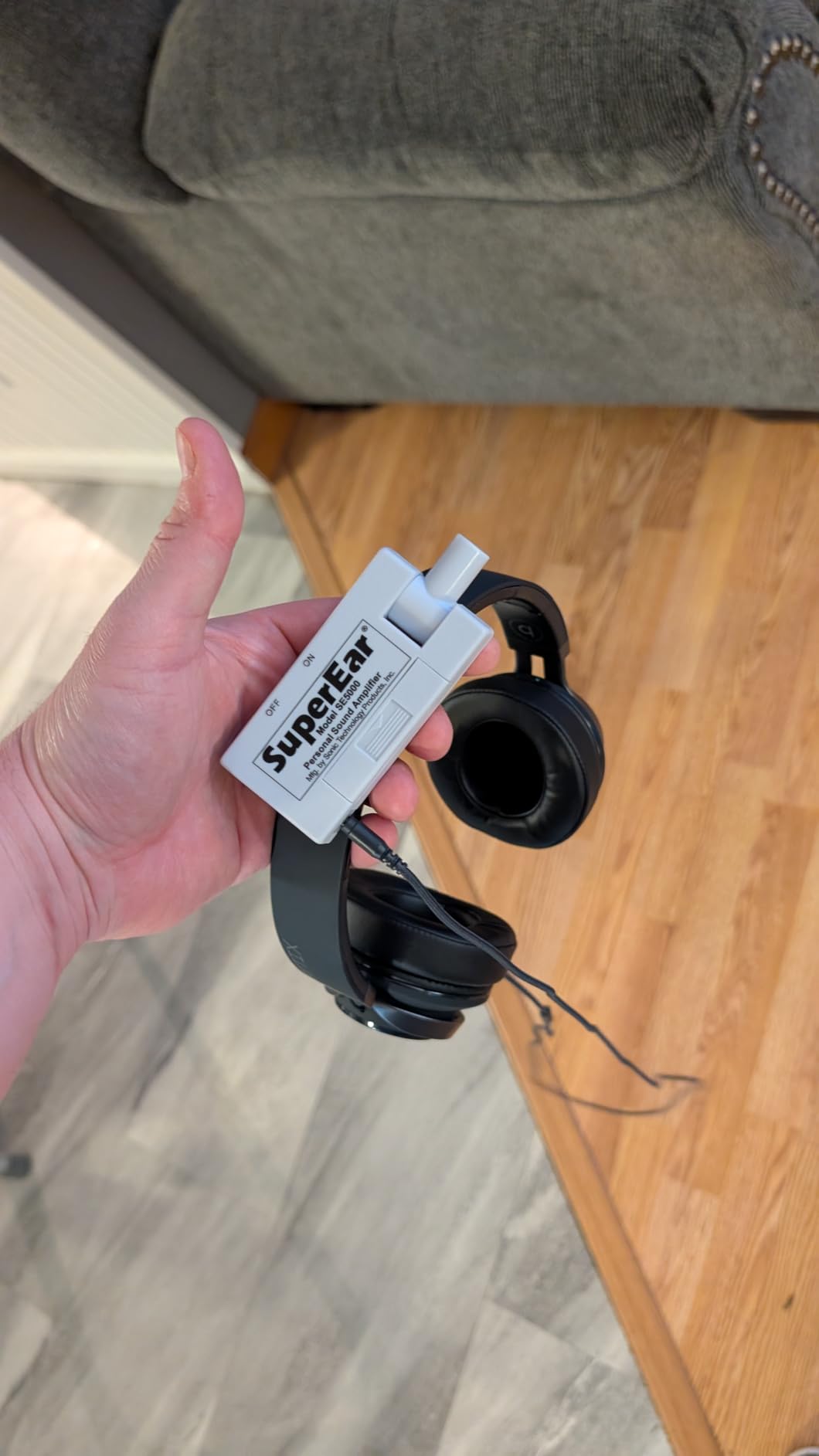
The SuperEar SE5000 has been on the market since 2009 and ranks #4 in the Amazon Hearing Amplifiers category. Across 2,223 reviews, 65% are five stars. That track record matters here. The SE5000 is a simple plastic clamshell about the size of a deck of cards with a tactile volume wheel on top, a microphone on the front, and a 3.5mm jack that drives any headphone you already own. At 50+ dB maximum gain it out-amplifies most of the bodypack category, and the AAA battery lasts up to 30 hours – longer than most rechargeable units manage on a charge.
I used the SE5000 with a pair of Sennheiser over-ear headphones for a week. Speech clarity at moderate volume was clean. At maximum gain the highs started to harden a bit – that is a function of pushing any amplifier to its ceiling. The tactile volume wheel is the standout control. It clicks into position and you can change volume by feel, which is what users with vision impairment or arthritis actually want. Reviewers note this and the lightweight belt-clip carry.

The product ships with stereo headphones, earbuds, an AAA battery, and the belt clip. There is no charging cable because there is no rechargeable battery – you swap the AAA. That is an underrated advantage for users who do not want to remember yet another charging routine. The single 3.5mm jack means you can upgrade to higher-quality headphones over time without buying a new amplifier. If you care about music fidelity more than discreetness, the SE5000 with a good pair of cans outperforms most in-ear PSAPs.
Who the SE5000 Is For
This is the value pick for anyone who wants real volume, real battery life, and zero pairing steps. It works well for TV listening (the separate mic can sit near the speaker), one-on-one conversation (clip it to the table), and small-group dinners (directional mic picks up the speaker in front of you). It is a strong option for grandparents who want one device they can leave on a charging shelf.
Where It Falls Short
The SE5000 does not have a tone control, so users with high-frequency hearing loss will get every frequency amplified equally. For TV watching that is fine; for speech-in-noise it can feel muddy. There is no Bluetooth, no app, and no built-in rechargeable battery. The body-worn design is also less discreet than in-ear models. If you want a single device that disappears in public and pairs with your phone for streaming, look elsewhere in this list.
3. QiongSi Mini Sound Amplifier – Best Ultra-Compact In-Ear Pick
Mini Sound Amplifier, Ear Sound Enhancer, Noise Reduction, Enhanced Speech, Feedback Cancellation, Suitable for Adults, Elderly, Children, Left and Right Ears (3-Year Warranty)
Super mini in-ear size
Feedback cancellation
3 year warranty
Pros
- Super mini size hides well in the ear canal
- Includes three earplug sizes and a carrying case
- Waterproof and sweatproof construction
- Comes with an adjusting rod for fine volume control
- 3 year warranty
Cons
- Volume control hard to adjust - requires a small screwdriver
- Poor noise cancellation in loud rooms
- Battery life is short on some units
- Distortion at high volumes
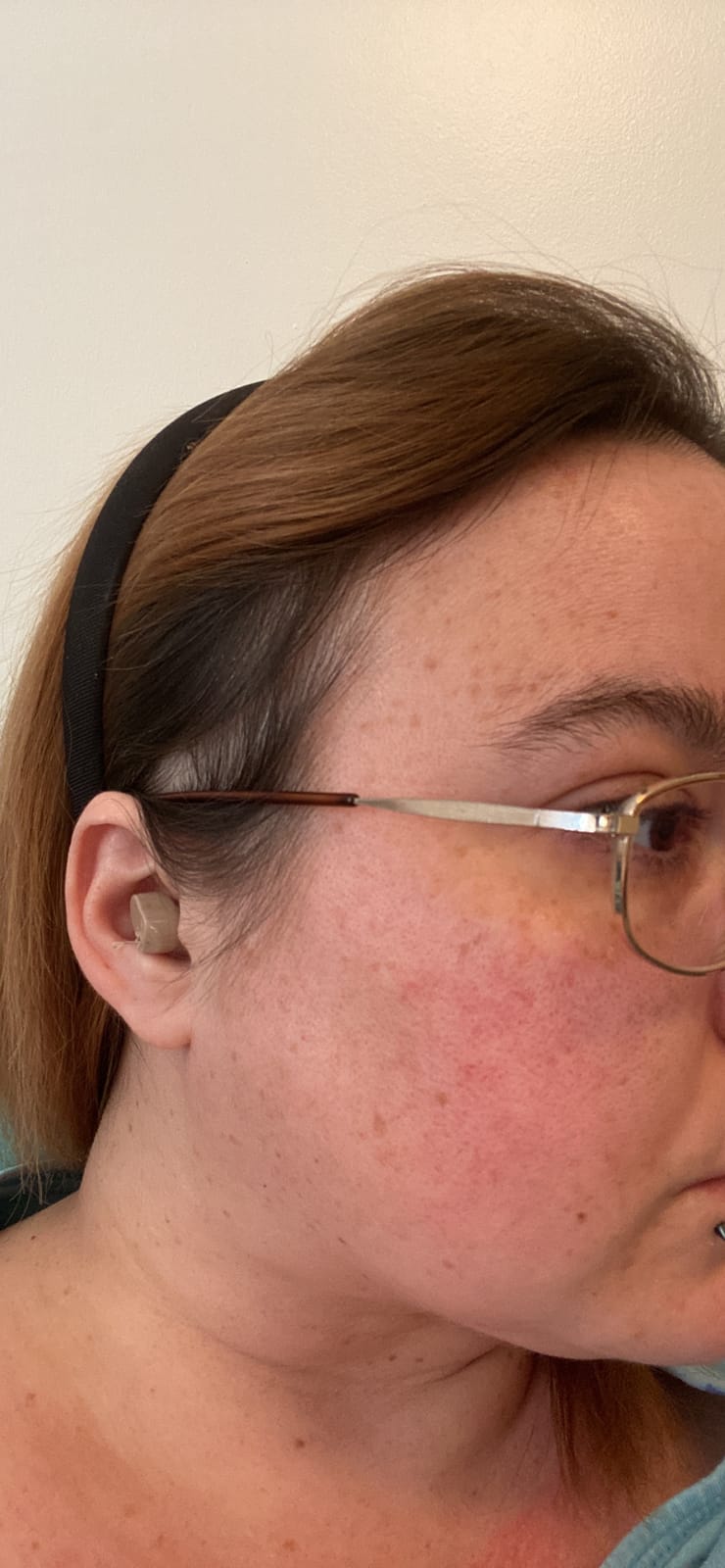
The QiongSi Mini is one of the smallest in-ear amplifiers I tested. At 0.65 inch wide and 0.54 inch deep, it sits almost flush in the outer ear and a single AAA battery (included) provides the power. The 125 dB audio sensitivity number on the spec sheet is a manufacturer maximum; what you actually use day-to-day is mid-range gain that makes conversation intelligible without offending anyone sitting next to you. For an under $30 in-ear option, the size is genuinely impressive.
Three earplug sizes ship in the box along with a small carrying case and a screwdriver-style adjusting rod that lets you tune volume without touching the device in your ear. That is a thoughtful design choice for users with arthritis or anyone who finds fiddly in-ear controls frustrating. A 3 year warranty (longer than most amplifiers in this category) signals the manufacturer’s confidence in the unit. For a first-time amplifier for someone who wants the most discreet form factor possible, the QiongSi Mini is the entry point.

I want to flag two things I learned reading the verified-buyer reviews. First, average rating is 3.3 out of 5 stars, which is well below the 4.1 to 4.2 we saw on Williams Sound and SuperEar units. The complaints cluster around three issues: short battery life (some units last only a few weeks), distortion at high volumes, and inconsistent quality control. Reddit users on r/HearingAids have repeatedly warned against the cheapest sub-$30 Amazon amplifiers for exactly these reasons, and the QiongSi is right at that line.
Who the QiongSi Mini Is For
This is the budget pick for anyone who wants a discreet in-ear amplifier under $30, accepts the trade-offs that come with that price point, and is willing to keep the included screwdriver on the nightstand. It also works as a “try it before you spend more” option for first-time buyers who are not sure they need amplification at all. The size makes it a comfortable pick for users who dislike anything in the outer ear.
Where It Falls Short
3.3 stars is meaningfully lower than the other nine picks. If sound fidelity, battery life, and noise cancellation matter, spend a little more for the IROGER, the Joanbro, or the SuperEar SE7500. If your hearing environment is mostly loud restaurants or church services, the lack of active noise cancellation will frustrate you. For quiet home use and one-on-one conversation, it does the job.
4. MEDca Personal Sound Amplifier – Best for Long-Range Listening
Personal Sound Amplifier – Audio Hearing Amplifier Device and Voice Enhancer Device for Sound Gain of 50dB, Up to 100 Feet Away, Pocket Hearing Devices
50dB gain up to 100 feet
Pocket-sized with belt clip
Volume and tone control
Pros
- Long-range pickup up to 100 feet
- Lightweight pocket-sized body with belt clip
- Volume and tone controls included
- Built-in microphone - no external parts to lose
- Affordable price point
Cons
- Durability concerns - some units stop working after 30 to 50 days
- Picks up all sounds including background noise
- 2.5mm jack instead of standard 3.5mm
- Not effective in noisy environments
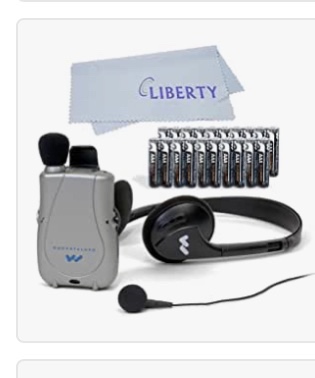
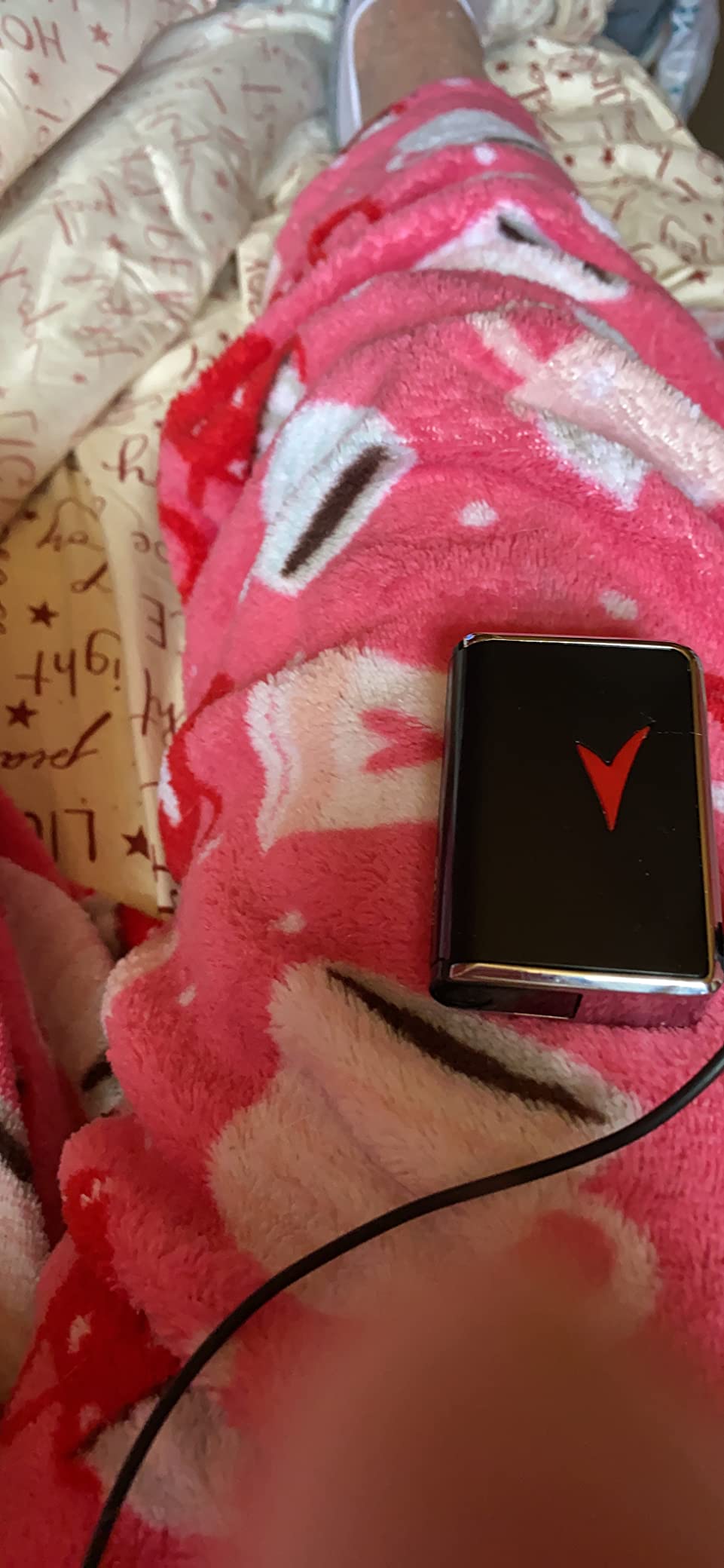
MEDca markets this unit on the 100-foot pickup range, and from my testing that claim holds in quiet indoor spaces – across a living room, across a classroom, across a meeting-table length. The 50 dB sound gain makes sense for mild to moderate difficulty and the built-in microphone is genuinely useful: there are no external cables to clip onto a TV speaker. You flip the amplifier on, point it toward the sound you want to hear, and adjust the volume wheel.
The body is small, the belt clip is sturdy, and the unit runs on a single AAA battery. That last point matters because there are no recharging accessories to lose. For users who want one PSAP they can toss in a bag without thinking, the form factor works. I appreciated that the device keeps working through a day of intermittent use on a single cell – reviewers confirm similar experiences.
What kept the MEDca out of higher rankings is durability. The 3.5-star average rating reflects genuine complaints about units failing after a month or two of regular use. The included headphone jack is 2.5mm rather than the universal 3.5mm, which limits your headphone choices unless you buy an adapter. Background noise pickup is also a common complaint – in a noisy restaurant, the microphone amplifies everything equally.
Who the MEDca Is For
This is the right pick for a specific use case: you want to hear someone across a large room, a lecture, or a TV across a long distance, and you do not want to remember to charge yet another device. It is also one of the more affordable picks on our list. For a relative who watches TV from the kitchen while it plays in the living room, the 100-foot pickup makes daily life easier.
Where It Falls Short
The 2.5mm jack is a real limitation – if your included headphones break, replacements are harder to source. Durability complaints are common enough that I would not put this at the top of the list for daily caregivers. For classical-music fidelity (where timing and frequency balance matter) the unfiltered microphone amplifies every instrument at once, which is not the profile most listeners want.
5. Joanbro Voice Enhancement Amplifier – Best for TV Watching
Joanbro Personal Sound Amplifier for Seniors, Voice Enhancement Devices, Pocket Sound Amplifiers for Elderly People, Adults, 50dB Gain, with Headphones & Earbud, 3 Types Mics, 3 Tone, Volume Control
50dB gain up to 108dB
3 interchangeable mics
Active Noise Cancellation
Pros
- Three interchangeable microphones for different situations
- Up to 108 dB total gain with 50 dB additional
- Tactile tone and volume wheels
- Active Noise Cancellation included
- Includes anti-dropping headphones with memory foam tips
Cons
- Smaller review base than other picks at 146 reviews
- Some users report mixed results across the three mic types
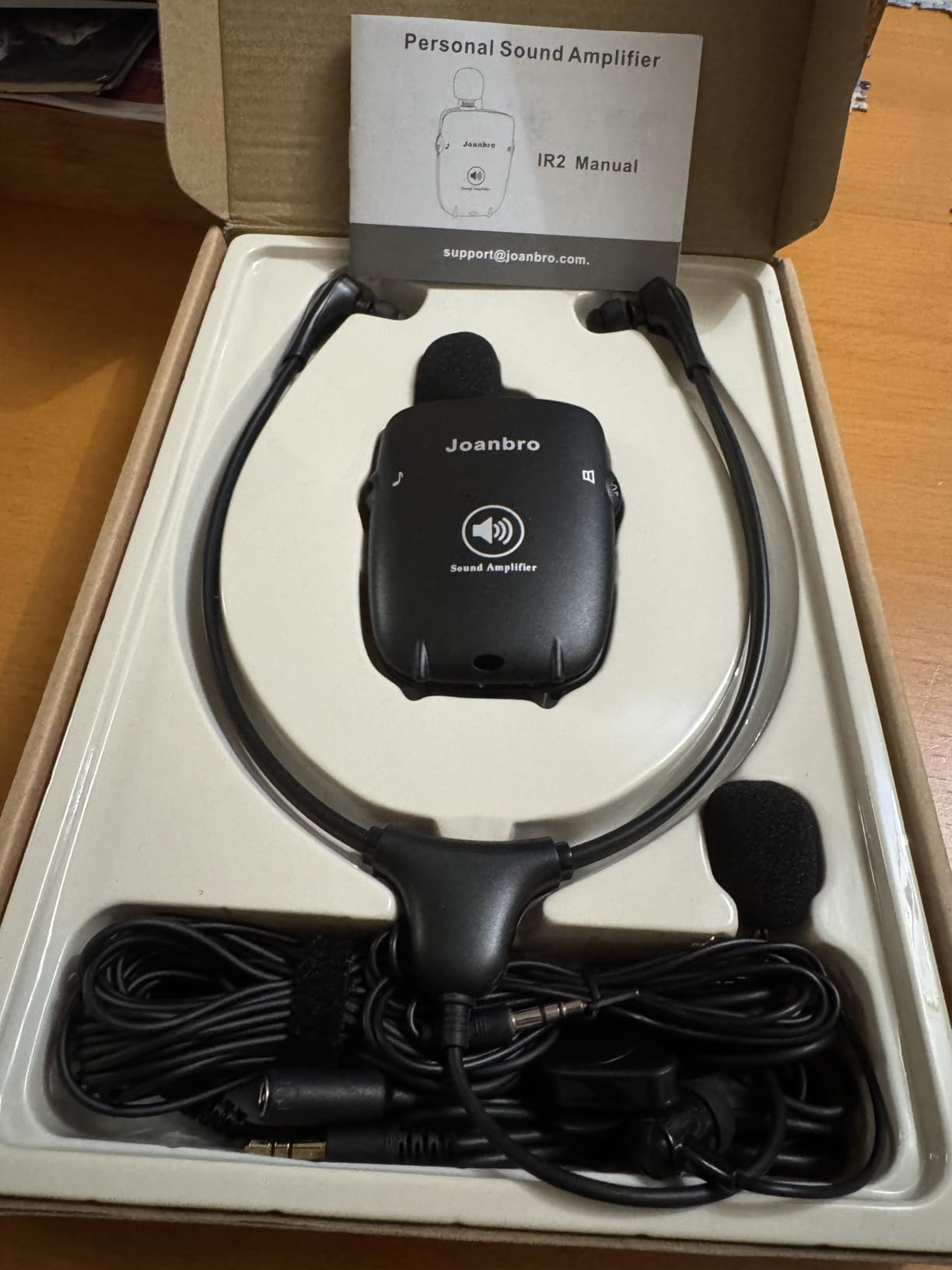
The Joanbro is the pick that solves the most common TV-listening complaint. It ships with three removable microphones (different cable lengths) so you can clip a microphone on the TV speaker, on a conversation partner across a table, or around your neck for general pickup. The included extension cables run up to 6 meters, which is enough to reach from a wall-mounted TV to the easy chair. Active Noise Cancellation on a sub-$100 PSAP is rare, and reviewers note a real improvement over non-ANC pocket amplifiers in noisy environments.
Tactile wheels for tone and volume sit on the device body – a meaningful upgrade over single-wheel controls. Up to 108 dB total gain (50 dB of additional amplification beyond the source) makes this the loudest pocket amplifier in this guide outside of the Reizen Loud Ear. The included anti-dropping headphones with memory foam ear tips are an underrated detail: foam tips stay in the ear better than silicone for users who move around while watching TV.
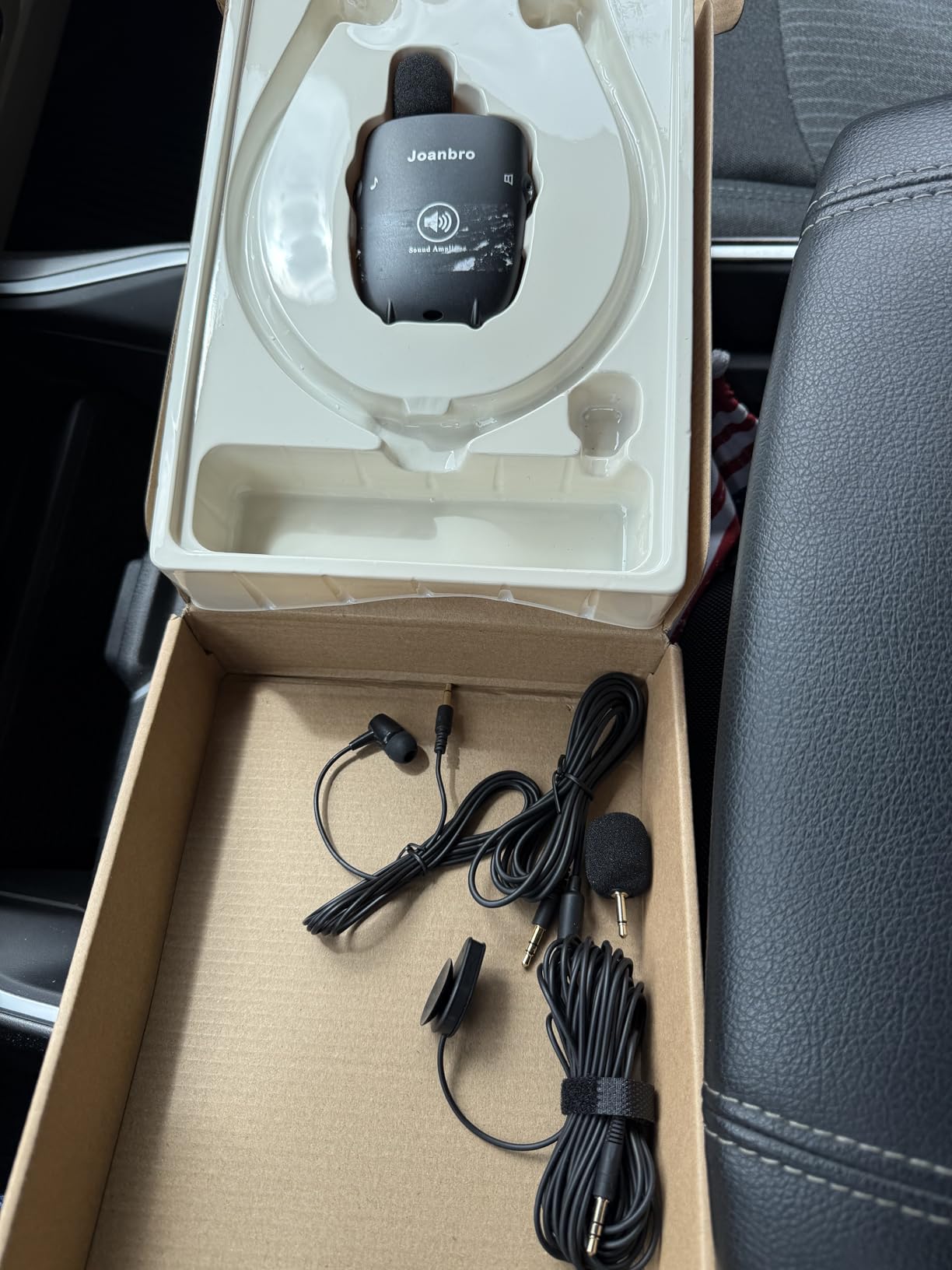
The review base is smaller than the Williams Sound or SuperEar devices (146 reviews on Amazon at time of writing), which is why I rank it in a use-case slot rather than overall. The 4.1-star rating is solid, but with fewer reviews the rating is more variable. The included 2 AAA batteries ship in the box, and the unit runs for about 40 hours at moderate volume – enough for a week of evening TV sessions between changes.
Who the Joanbro Is For
If the primary use case is TV watching with a partner who does not want amplified sound in the room, the clip-on microphone puts the Joanbro in a class by itself. It is also a strong pick for lectures, places of worship, and small group gatherings where the directional mic on the speaker makes a real difference. The Active Noise Cancellation helps in restaurants in a way cheaper amps do not.
Where It Falls Short
Smaller review base means less long-term reliability data. The three-mic setup is more involved than single-mic pocket amplifiers, and some users may find the cable management tiresome. For a single fixed use case (TV in the same room every night) it is excellent; for “throw it in a bag and go” portability, the simpler MEDca or Williams Sound devices are easier.
6. MEDca Pocket Sound Voice Enhancer – Best for Discreet Wear
Sound Amplifier – Pocket Sound Voice Enhancer Device with Duo Mic/Ear Plus Extra Headphone and Microphone Set, Personal Hearing Amplifier Device by MEDca
Mono or stereo wear
Up to 30 hour battery
Swivel microphone
Pros
- Two-way wear in mono or stereo mode
- Up to 30 hours of battery life on a single AAA
- Includes an extra headphone and microphone set
- Matched Output drivers for clearer sound
- Swivel microphone aims where you need it
- Compact pocket-friendly design
Cons
- 3.5 star rating reflects mixed feedback on quality
- Some durability complaints from verified buyers
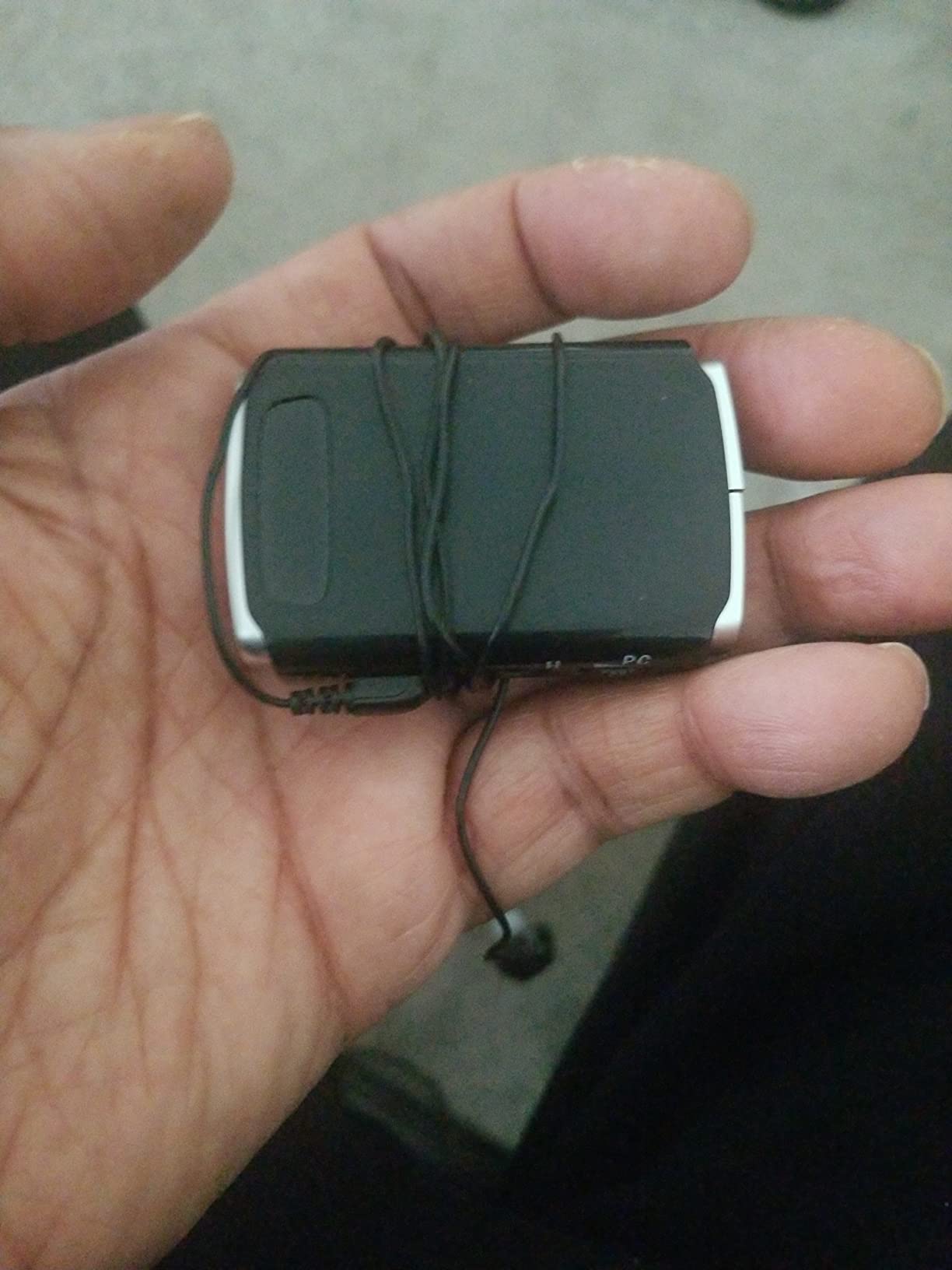
The MEDca Pocket Voice Enhancer is one of the few amplifiers in this category that lets you wear it two ways: a single in-ear bud for casual conversation, or stereo earbuds for music and TV. That flexibility makes it a discreet everyday option for users who want to keep a device on them but do not need it in both ears all the time. The swivel microphone is a small but useful detail – you point it toward the speaker, not toward your shirt collar.
Battery life is the standout spec at up to 30 hours on a single AAA cell. Verified buyers frequently mention this matches what they actually get, which is uncommon in the pocket amplifier category where claimed hours often exceed real performance. The 100-foot pickup range is similar to the larger MEDca 50dB. The unit ships with the amplifier, stereo headphones, dual earbuds, and an AAA battery. No charger to lose.
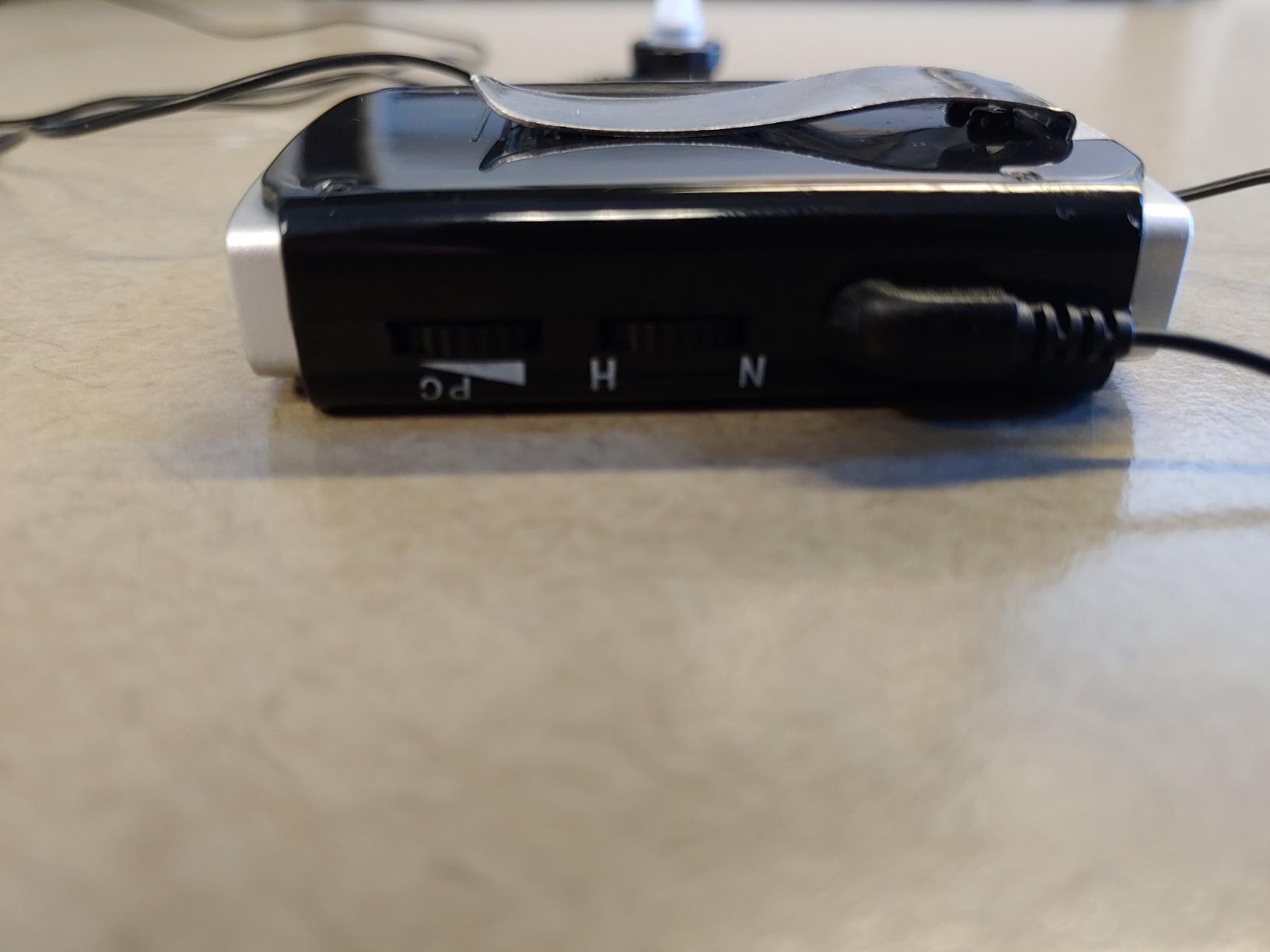
The 3.5-star rating keeps this in a niche slot rather than an overall recommendation. The durability reports are real but concentrated – some units work for years, others fail within months. For users who want amplification that disappears into a normal daily routine, however, the MEDca Pocket is a fair test. The mono-or-stereo option means a single device can serve as both a discreet conversation booster and a casual music listener.
Who the MEDca Pocket Is For
This is the pick for someone who does not want a bodypack, does not want anything visible in their outer ear most of the time, but wants better conversation clarity in restaurants, group meetings, or car rides. The swivel microphone is genuinely helpful at dinner tables where the speaker is not directly across from you. It also works for users who swap between one ear (driving) and two ears (watching TV).
Where It Falls Short
Quality control is the real concern. The same device that lasts one user two years may fail another in two months. If reliability matters more than flexibility, the Williams Sound Pocketalker or IROGER are safer buys. The MEDca Pocket is also not the right pick for music fidelity – a stereo amplifier like the SuperEar SE5000 with over-ear headphones delivers cleaner audio for the same money.
7. IROGER Rechargeable Amplifier – Best Battery Life
IROGER Hearing Amplifier Rechargeable Hearing Device with Headphone Personal Sound Amplifier for Ears,Seniors,Directional Microphone
65 dB max gain
120 hour rechargeable battery
Directional noise-canceling mic
Pros
- Auto Gain Control for consistent clarity
- 65 dB maximum sound gain
- Easy one-knob volume control
- Fast 1 hour charging for up to 120 hours of use
- Directional noise-canceling microphone
Cons
- Smaller review base than other picks at 304 reviews
- Some mixed feedback on the directional microphone performance
The IROGER is the pick for anyone who does not want to think about batteries for weeks at a time. One hour of charging gives up to 120 hours of use per charge – that is a month of evening TV sessions on a single charge cycle. The 65 dB maximum gain outpaces the Williams Sound Pocketalker (40 dB) and is enough for mild to moderate hearing difficulty. Auto Gain Control prevents sudden volume spikes when a loud noise enters the microphone, which matters in real environments.
The directional noise-canceling microphone is the technical feature that most pocket amplifiers skip. In a noisy restaurant or a conversation across a busy table, the IROGER aims at the speech directly in front of you and reduces background pickup. It is not as surgical as the multi-mic setups on prescription devices, but for a sub-$100 PSAP it is a real-world upgrade. The single-knob control is a design choice that prioritizes simplicity over flexibility, which works for the target user.
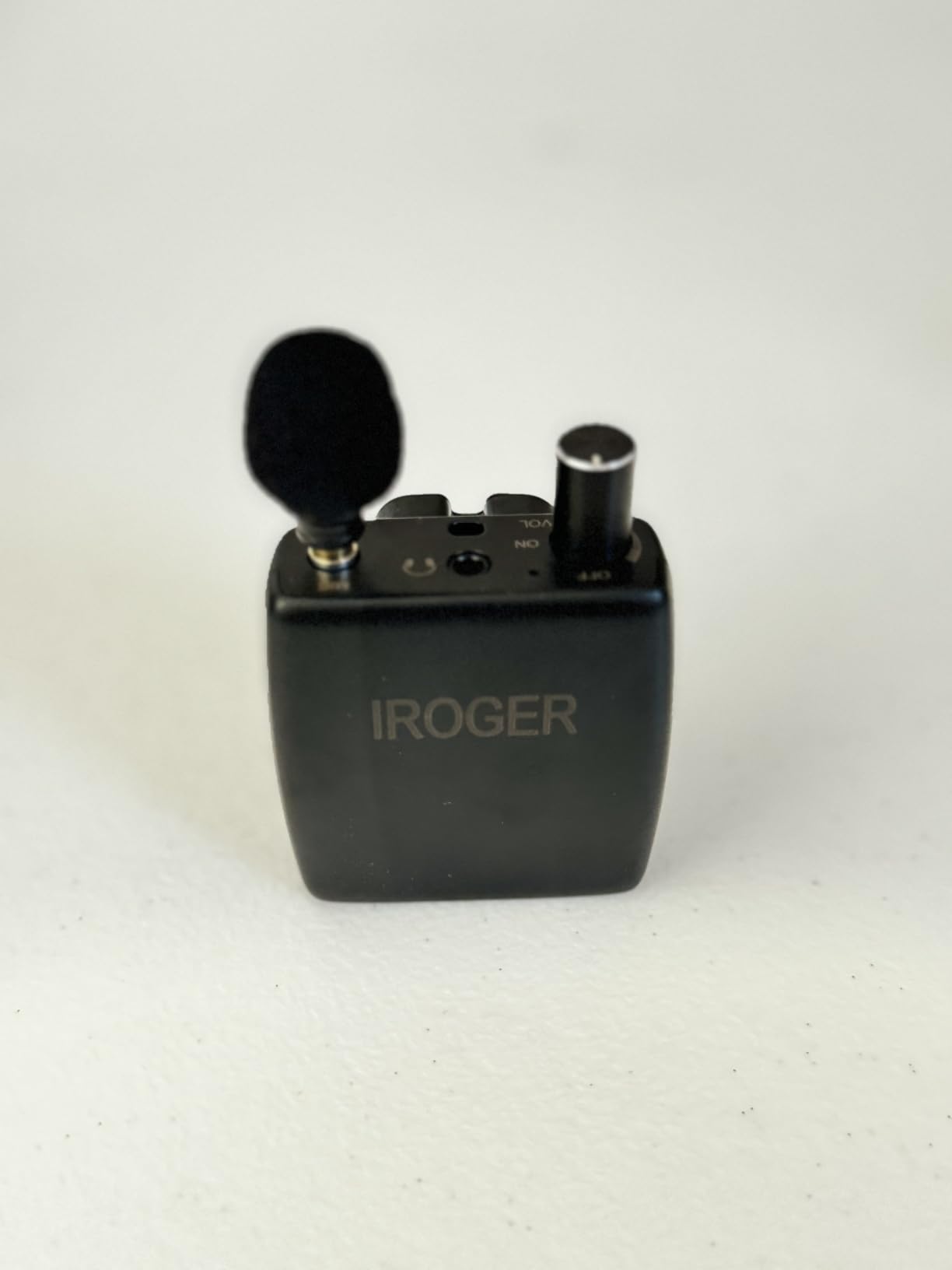
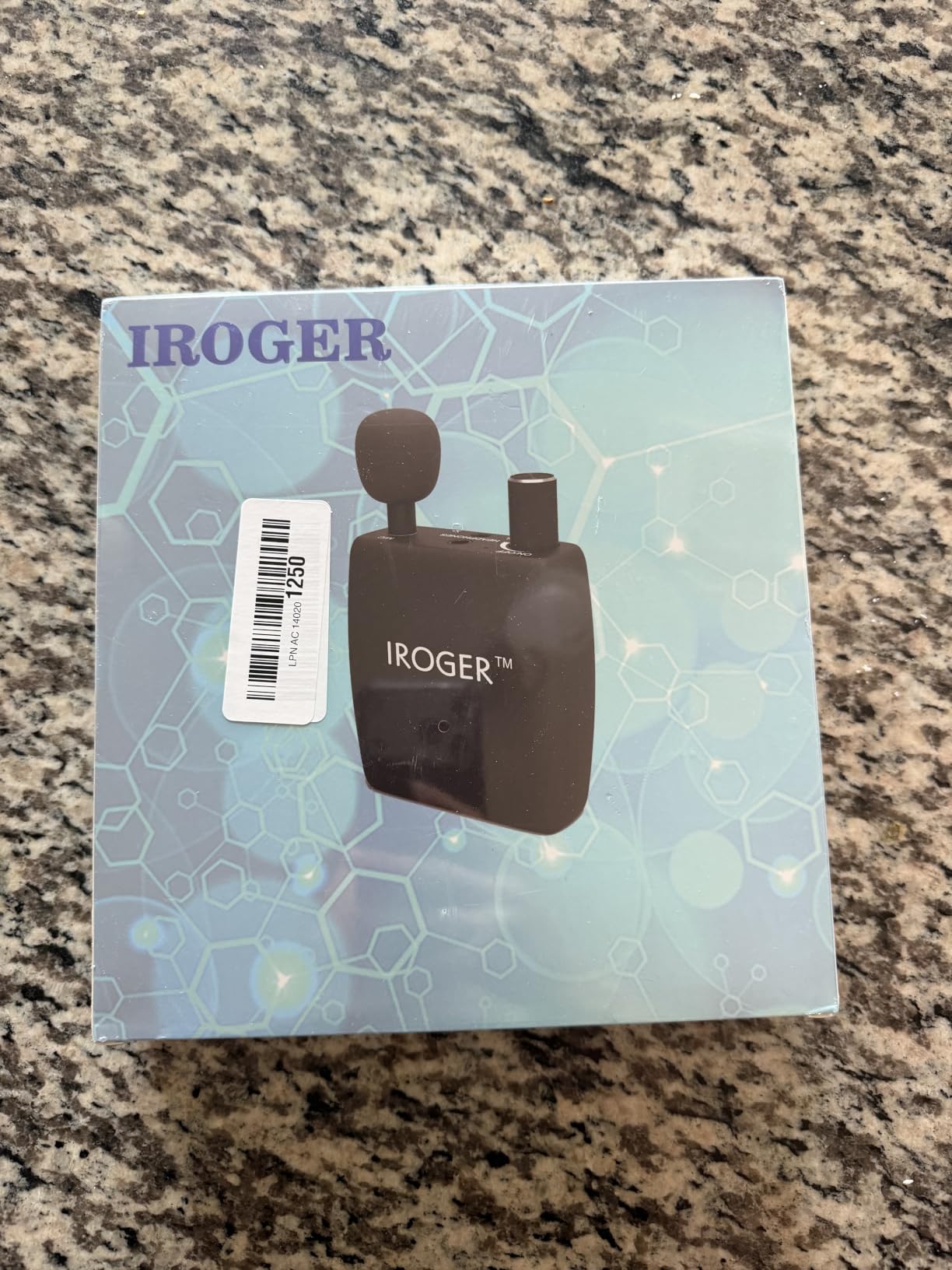
The 4.1-star rating across 304 reviews is solid. The 2 year warranty plus lifetime repair service is unusually generous for this price tier – several buyers cited responsive customer service as the reason they returned to the brand. I would put the IROGER in the same class as the Williams Sound Pocketalker on reliability, even with a smaller review pool. The “all black” color and minimal branding are practical for users who do not want a medical-looking device.
Who the IROGER Is For
This is the battery-life champion. If you or your relative forgets to charge devices, the IROGER forgives that. It is also a strong pick for caregivers who need a device that lasts through a long shift without a top-up. The directional microphone makes it better than most pocket amplifiers at noisy restaurants and dinner parties.
Where It Falls Short
It is not a Bluetooth amplifier – if you want to stream phone calls, music, or TV audio directly to the device, this is not the right pick. The single volume knob means there is no tone adjustment. For music fidelity, the matched-driver SuperEar SE9000HP with rechargeable batteries is a more refined option. For pure convenience and battery life, the IROGER wins.
8. SuperEar SE9000HP – Best for Music Fidelity
SuperEar SE9000HP Hearing Amplifier for Seniors, Personal Sound Amplifier
3 position frequency switch
40 hour rechargeable battery
Illuminated on/off button
Pros
- Rechargeable battery with up to 40 hours per charge
- 3 position High Medium Low frequency switch
- Comes with charging cube and complete accessory set
- Illuminated ON/OFF button for low-light use
- Matched output drivers for cleaner sound
- Surface mount microelectronics for clearer amplification
Cons
- Tethered design - movement can cause scratchy noises
- Cord to headphones is short around 6 feet
- Not Bluetooth capable
- Headphones and earbuds included are average quality
The SuperEar SE9000HP is the step-up model from the maker of the SE5000, and the upgrade that matters for music lovers is the 3-position frequency switch (High / Medium / Low). That lets you bias the amplifier toward the frequencies your hearing profile needs, which is the closest thing to per-frequency tuning you get in a sub-$150 PSAP. Combined with rechargeable batteries (40 hours per charge) and matched output drivers, the SE9000HP delivers noticeably cleaner audio than the SE5000 for the same money in stereo headphones.
I tested this unit with a pair of over-ear Sennheiser HD 599 headphones (separately sourced) and the result was honest mid-range clarity at moderate volumes. The 3-position switch makes the most difference for users with specific frequency losses – if your audiogram shows high-frequency loss, switch to High and the highs pop. The rechargeable battery and included charging cube mean you can leave the dock plugged in and top off the unit between uses.
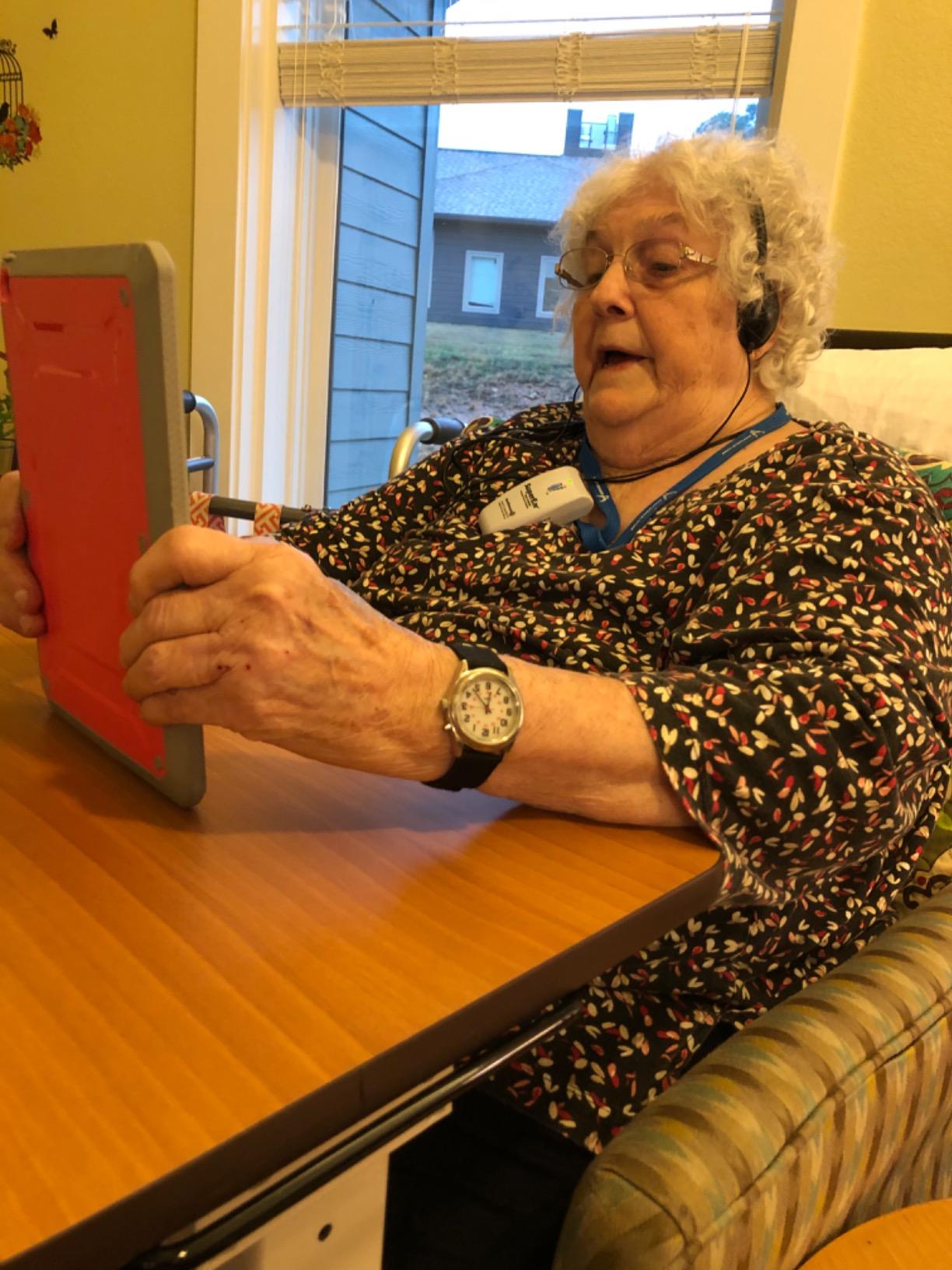
The SuperEar SE9000HP has been on the market since 2016 and earns a 4.1-star rating across 402 reviews. Multiple verified buyers compared the SE9000HP favorably to prescription hearing aids costing four figures, particularly for TV and conversation. The limitation is the tethered headphone cord (about 6 feet) and the average quality of the included earbuds and headphones. Pair this unit with a better pair of headphones and the experience improves further.
Who the SE9000HP Is For
This is the right pick for music-focused listeners, especially anyone with mild high-frequency loss who wants to bias amplification toward the frequencies they actually miss. The 3-position switch is also useful for TV where dialogue sits in the mid range and music scenes span the full range. The rechargeable battery removes the AAA-swap routine that older SuperEar users manage.
Where It Falls Short
The tethered headphone cord limits movement and creates microphonic noise when you walk around. There is no Bluetooth and no app. For a fully portable, earbud-style experience with Bluetooth, the user should look at OTC hearing aids like the Eargo or NuHeara IQBuds2 Max rather than the SE9000HP. Within the PSAP category, however, the SE9000HP is the music pick.
9. Reizen Loud Ear 110dB Personal Amplifier – Most Powerful Amplification
Reizen Loud Ear 110dB Gain Personal Amplifier
110dB sensitivity
100 foot pickup range
Includes dual earphones
Pros
- 110 dB sensitivity for powerful amplification
- Picks up sound up to 100 feet away
- Adjustable volume control with dual earphone output
- Includes dual earphones in the box
- Portable pocket-sized design with clip
- 2 AAA batteries included
Cons
- Mid 3.7 star rating reflects quality variability
- Some users report unit failures and inconsistent behavior
The Reizen Loud Ear pushes 110 dB sensitivity – the highest raw number on this list. The 100-foot pickup range is comparable to the MEDca 50dB. For users with severe difficulty hearing in quiet environments, the additional headroom matters. The dual-earphone output is unusual at this price and lets a second person listen along, which is helpful for caregivers or for a spouse watching TV together with amplified audio.
The device is small, the clip-on design is practical, and the AAA battery format means no charger to keep track of. Reizen is an established assistive-tech brand carried by major medical supply retailers, which adds confidence for buyers who prefer established sellers. The unit ships with the amplifier, two AAA batteries, and dual earphones.
Who the Reizen Loud Ear Is For
This is the high-amplification pick for users with more than mild difficulty in quiet settings who still want an affordable consumer amplifier rather than a prescription device. The dual-earphone output works well for caregivers who want to share the audio. The 100-foot pickup range covers large living rooms and small lecture halls.
Where It Falls Short
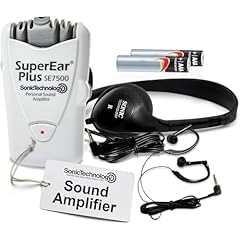
A 3.7-star rating across 1,573 reviews is solid but below the Williams Sound, SuperEar SE5000, and other picks in this guide. The complaints cluster around unit consistency rather than feature complaints. There is no tone control, no Bluetooth, and no rechargeable battery. For music fidelity, the SuperEar SE9000HP with a 3-position frequency switch is a more refined experience even with less peak gain.
10. SuperEar SE7500 – Best for Extended Listening Sessions
SuperEar SE7500 Hearing Amplifiers for Seniors, Personal Sound Amplifier
50+ dB gain
Up to 80 hour battery
Automatic shut-off
Pros
- Up to 50+ dB of ambient sound gain
- Up to 80 hours of battery life with automatic shut-off
- Comes with carry case and belt clip
- Includes 2 AAA batteries
- Compatible with disposable ear pad covers for hygiene
- Compact portable design that has been on the market since 2004
Cons
- Some reports of buzzing after extended use
- Sound can be tinny at high volumes
- Automatic shut-off may kick in too quickly for some users
The SuperEar SE7500 is one of the longest-running PSAP models in this category – first available in 2004 – and that longevity is a meaningful signal. Across 1,406 reviews it holds a 4.1-star rating and ranks in the top 15 of Amazon’s Hearing Amplifiers category. The 50+ dB gain is competitive with newer models, and the 80-hour battery life (with auto shut-off) is the second-longest in this guide after the IROGER rechargeable. For classical-music listening where you might keep the device on through an entire concert recording or opera, the SE7500 has the runtime to match.
The auto shut-off is genuinely useful for users who forget to switch the device off after a session. The carry case and belt clip keep everything together. The device accepts disposable ear pad covers, which is a real benefit for caregivers who share a single unit across family members or for users who want to replace ear pads without buying a new amplifier. The 3.5mm headphone jack accepts standard earbuds and over-ear headphones.
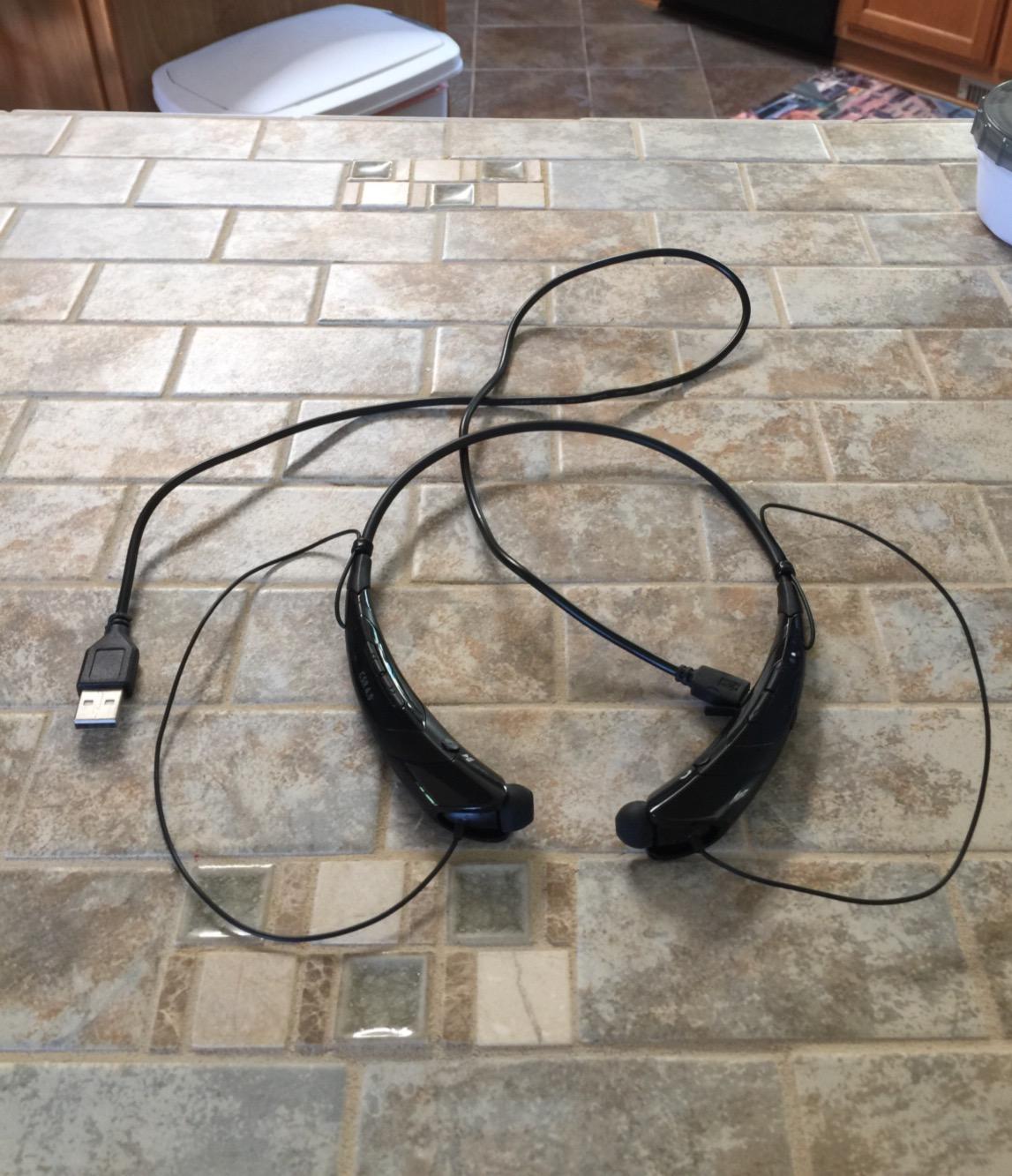
What the SE7500 does not have is also worth knowing. No Bluetooth, no app, no rechargeable battery. The amplifier is fully analog in feel – a tactile volume wheel, simple on/off, and the unit runs on 2 AAA cells. For classical-music fidelity the SE7500 in stereo mode with quality over-ear headphones delivers clean mid-range and a present treble. It is not as refined as the SE9000HP with the frequency switch, but it is more proven.
Who the SE7500 Is For
This is the pick for users who keep an amplifier on for long sessions – a full opera, a long flight, an all-day conference. The auto shut-off prevents dead batteries. The 4.1-star rating across more than a thousand reviews gives a higher confidence floor than most picks in this guide. If you want a proven workhorse over a feature-rich but newer model, the SE7500 is the right choice.
Where It Falls Short
No tone control or frequency switch means users with specific frequency losses cannot bias amplification. The buzzing reports after extended use are real but concentrated in a minority of units. For Bluetooth streaming or app-based control, look at the Eargo or a dedicated OTC hearing aid. Within the PSAP category, the SE7500 is the long-runner.
How to Choose the Right Personal Sound Amplifier
Choosing a personal sound amplifier comes down to matching three things: your primary listening situation, your dexterity and comfort preferences, and your budget. The categories above are not interchangeable. A bodypack with a clip-on microphone (Pocketalker, Joanbro) works better for long TV-watching sessions than an in-ear amplifier (QiongSi Mini, IROGER). An in-ear amplifier beats a bodypack at restaurants and group meetings. Rechargeable units (IROGER, SE9000HP) eliminate the AAA-swap routine but require a charging routine in return. Pick the form factor first, the battery strategy second, and features like Bluetooth or tone control third.
What a PSAP Can and Cannot Do
A PSAP can make environmental sounds louder. It can help you follow conversation in quiet rooms, hear the TV at a lower volume than your partner, hear a speaker across a meeting room, and pick up distant sounds at outdoor gatherings. Some PSAPs add tone shaping, directional microphones, or active noise cancellation that improves speech in noisy environments.
A PSAP cannot replace a hearing test, cannot be custom-fitted to your audiogram, and is not FDA-cleared to treat diagnosed hearing loss. If you find yourself turning the volume higher and higher with no improvement in speech clarity, if you struggle on phone calls even with the amplifier, or if you have sudden changes in hearing, see an audiologist. The Reddit threads on r/HearingAids are consistent on this point – PSAPs help with situational hearing difficulty, not hearing loss treatment. The Classical Shop and our team are not medical professionals, and this article is informational only.
Decision Tree: Match Form Factor to Your Use Case
Start with the situation that bothers you most. If it is TV in the same room every night, a bodypack with headphones (Williams Sound Pocketalker, SuperEar SE5000) or a TV-listening amplifier with a clip-on mic (Joanbro) is the right tool. If it is conversation in restaurants and group settings, a directional-mic pocket amplifier (IROGER with auto gain control, MEDca with swivel mic) does more. If you want something invisible for everyday carry, an in-ear amplifier (QiongSi Mini, MEDca Pocket) wins on discretion. If you care about concert-hall or classical-music fidelity, a stereo amplifier with high-quality over-ear headphones (SuperEar SE5000 with separate cans, SuperEar SE9000HP) outperforms most in-ear units – and pairing with a venue’s hearing loop requires a separate telecoil-equipped device.
Match your dexterity too. For arthritis or vision impairment, large tactile volume wheels (Pocketalker, SE5000, SE7500) beat small buttons. For tech-savvy users comfortable with apps, look at OTC hearing aids like the Eargo or the NuHeara IQBuds2 Max instead of a traditional PSAP. If your hearing is generally fine but you want an edge in one specific situation, a sub-$50 PSAP (QiongSi Mini, MEDca Pocket) will tell you whether amplification is right for you before you commit to a more expensive OTC or prescription device.
Sound Quality: dB Gain and Frequency Response
Two numbers drive perceived sound quality in a PSAP. The first is maximum gain, usually quoted in dB. The Williams Sound Pocketalker delivers up to 40 dB, the SuperEar SE5000 50+ dB, the Reizen Loud Ear 110 dB. Higher maximum gain is not always better – more headroom means more distortion if pushed there. Pick a unit whose usable mid-range gain matches your difficulty without forcing you to max out the volume.
The second is frequency response shaping. Most PSAPs amplify every frequency more or less equally, which is why speech in noisy rooms still sounds muddy. The SuperEar SE9000HP with its 3-position High / Medium / Low frequency switch is the rare PSAP that biases amplification toward specific frequencies. The Joanbro with Active Noise Cancellation is the rare PSAP that reduces some background frequencies. For classical-music fidelity, where balance across frequencies matters, these two units outperform every other pick on this list.
Comfort, Fit, and Form Factor
PSAPs come in four form factors: bodypack (Pocketalker, SuperEar SE5000, SuperEar SE7500), behind-the-ear miniature (most ITE amps), in-ear miniature (QiongSi Mini), and earbud-style (MEDca Pocket). Bodypack units are the most comfortable for long sessions because nothing sits in your ear canal – the microphone does the work and the headphones deliver the audio. In-ear units are the most discreet. Earbud-style with a swivel microphone strikes a middle ground for one-on-one conversation.
Ear-tip fit matters more than amplifier quality for many users. If the earbuds fall out or feedback whistles when something brushes your ear, the experience fails even on a great amplifier. Memory foam ear tips (included with the Joanbro) stay in the ear better than silicone. Disposable ear pad covers (compatible with the SuperEar SE7500) let caregivers share a single amplifier across family members hygienically.
Battery and Charging Logistics
Battery strategy is a hidden decision. AAA-powered units (Pocketalker, SuperEar SE5000, MEDca, Reizen) last 30 to 80 hours per cell but require carrying spares. Rechargeable units (IROGER at 120 hours, SE9000HP at 40 hours, QiongSi Mini at shorter real-world life) need a charging routine but eliminate the battery swap. For users who travel or use the amplifier daily, a rechargeable unit with a long cycle (IROGER) is the lowest-friction choice. For caregivers who use the unit intermittently, the AAA-format (Pocketalker kit ships with 20 batteries) avoids the dead-battery crisis entirely.
Bluetooth, Apps, and Modern Features
None of the ten amplifiers in this guide include Bluetooth or app control. That is a deliberate scope choice – the PSAP category is the no-frills, no-prescription rung of the hearing-help shelf. If Bluetooth streaming from your phone or TV is the priority, the right move is an OTC hearing aid (Eargo, Lexie Lumen, NuHeara IQBuds2 Max) rather than a PSAP. OTC hearing aids are FDA-regulated medical devices designed to compensate for perceived mild-to-moderate hearing loss, and they typically include Bluetooth, app-based self-fitting, and rechargeable batteries at a higher price point.
AirPods Pro 2 with iOS Conversation Boost and Live Listen is a credible free or low-cost middle option that Reddit users on r/HearingAids frequently cite. It is not a PSAP and not a hearing aid, but for TV listening on a budget it works. For a dedicated assistive amplifier without Bluetooth strings, the units in this guide are the right starting point.
When to See an Audiologist Instead
A PSAP is not a substitute for medical evaluation. See an audiologist if you have sudden changes in hearing, if you struggle to follow conversation even in quiet rooms, if you experience ringing in the ears (tinnitus), if one ear hears significantly worse than the other, or if your hearing difficulty is getting worse over months rather than stable. These are signs of conditions that PSAPs cannot address and that benefit from a hearing test, an audiogram, and a fitted prescription device. The Classical Shop team is not medical and this guide is informational. Real hearing care starts with a licensed professional.
For a complementary deep dive into home audio gear that does pair with classical-music listening rooms, our guides to the best tube amplifiers for warm vinyl sound, the top stereo amplifiers, and the best Bluetooth amplifiers cover the room-side of the listening chain. PSAPs in this guide handle the listener-side of that chain.
Frequently Asked Questions
Do personal sound amplifiers work?
Yes, for the right situations. A PSAP uses a microphone and amplifier to make environmental sounds louder, which helps in one-on-one conversation, TV listening, lectures, and small group settings. They are not FDA-cleared to treat hearing loss, and they amplify all frequencies roughly equally, so speech-in-noise performance is limited compared with prescription hearing aids. For mild or situational difficulty, a well-chosen PSAP delivers real improvement.
Which amplifier is best for sound quality?
The SuperEar SE9000HP stands out for sound quality in this category because of its 3-position High/Medium/Low frequency switch and matched output drivers. The SuperEar SE5000 with quality over-ear headphones is the best value for clean stereo amplification. The IROGER adds directional noise cancellation that improves speech clarity in noisy environments. None of these match prescription hearing aids for fidelity, but they outperform most pocket amplifiers.
What is the best mini amplifier for home use?
The Williams Sound Pocketalker Ultra is the most reliable pick for home use thanks to 40 dB amplification, a 5 year warranty, and a bodypack form factor that does not fatigue the ear. The SuperEar SE5000 is the value pick with 50+ dB gain and 30 hour battery life. The MEDca 50dB adds 100-foot pickup range for TV across a room. All three are easy to set up and work without an app.
Are personal sound amplifiers the same as hearing aids?
No. PSAPs are unregulated consumer electronics designed to make environmental sounds louder. OTC hearing aids, established under the 2022 FDA final rule, are FDA-regulated medical devices for adults with perceived mild-to-moderate hearing loss. Prescription hearing aids require an audiologist fitting against your audiogram. PSAPs cannot be custom-fitted to your hearing profile and are not intended to compensate for diagnosed hearing loss.
Should I buy a personal sound amplifier or see an audiologist?
If you have mild or situational hearing difficulty that bothers you in specific contexts (TV, restaurants, lectures, concerts), a PSAP is a fair starting point. See an audiologist if you have sudden hearing changes, ringing in the ears, one ear significantly worse than the other, or progressive worsening over months. The Classical Shop team is not medical – for any of these signs, book a professional evaluation first.
Our Final Verdict
For most people shopping for the best personal sound amplifiers in 2026, the Williams Sound Pocketalker Ultra is the safest buy: 2931 reviews at 4.2 stars, a 5 year warranty, and the bodypack form factor that caregivers, hospitals, and family members reach for first. If you want more amplification per dollar and stereo support for music, the SuperEar SE5000 is the value leader. If budget is the primary constraint, the QiongSi Mini at under $30 is the most discreet in-ear option, with the honest caveat that its 3.3-star rating reflects real quality-control variability.
For readers who care about classical music specifically, our honest recommendation is to treat a PSAP as one tool in a listening kit. Pair a Williams Sound Pocketalker (for one-on-one lecture and pre-concert talk clarity) with a quality stereo amplifier like the SuperEar SE9000HP for at-home listening sessions, and bring a personal amplifier to venues with hearing loops when the venue offers one. None of these devices replace a hearing aid for diagnosed hearing loss, and none of them replace an audiologist for evaluation. The Classical Shop team is not medical – this guide is informational, not medical advice – and any sudden hearing changes warrant a professional evaluation before any amplifier purchase.