
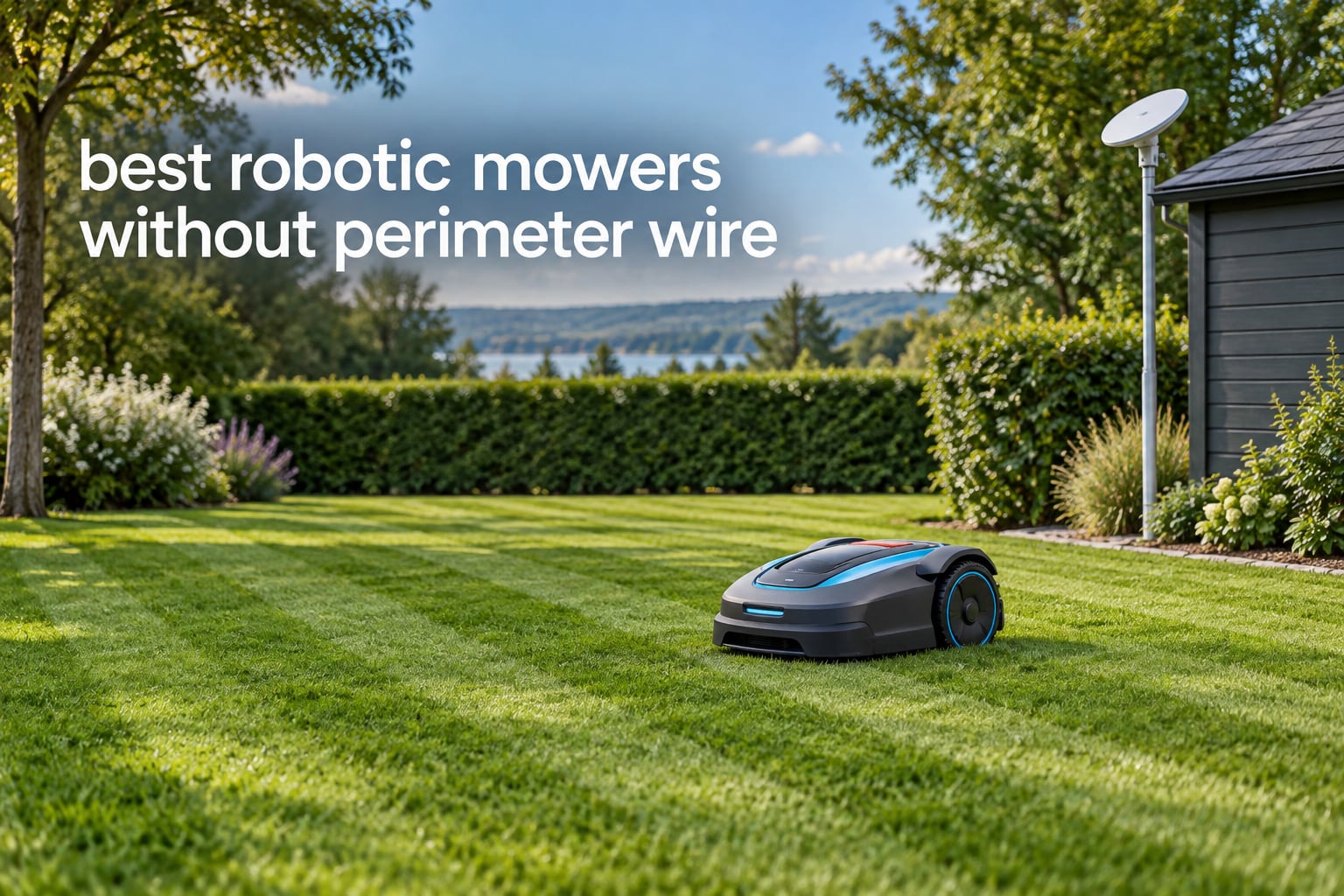
The best robotic mowers without perimeter wire rely on three navigation stacks rather than a buried cable: RTK GPS with a reference antenna, 360-degree LiDAR, or onboard stereo cameras running visual SLAM. You draw the mowing area, no-go zones and pass-through paths in the manufacturer’s app instead of trenching a cable around your lawn. Our top pick for 2026 is the Mammotion LUBA mini 2 AWD 1500H, which combines LiDAR and dual-camera vision so it needs no GPS tower at all.
Removing the wire is the single most useful upgrade in this category. A buried boundary cable is slow to install, easy to cut with an aerator, and impossible for a renter to permit. Wire-free mowers map your yard once, then re-cut the same clean stripes season after season without any of that. The catch, and the thing most sales pages bury, is that “wire-free” does not always mean “installation-free.” Several machines in this list still want a base station with a clear view of the southern sky.
We compared 12 wire-free robot mowers across navigation type, slope rating, cut width, mowable area, zone handling, anti-theft features and the pain points owners actually report, then narrowed them to a ranked list. Data and pricing details were checked on September 28, 2026. We do not sell any of these units, and every rating quoted here comes from the published customer review record for that exact model.
Table of Contents
Top 3 Best Robotic Mowers Without Perimeter Wire (October 2026)

Mammotion LUBA mini 2 AWD 1500H
- LiDAR plus dual-camera vision
- no GPS tower
- 80% slope climbing
- Main plus edge cutting disc

ANTHBOT M5
- Full-band RTK plus HDR dual vision
- Compact 19.6 inch body
- 45% slope
- 1.2 inch obstacle clearance

Segway Navimow i105N
- RTK plus vision EFLS 2.0
- Up to 12 scheduled zones
- 58 dB(A) quiet
- 1/8 acre mapped area
All 12 Wire-Free Robot Mowers Compared in 2026
| Product | Specifications | Action |
|---|---|---|
| Mammotion LUBA mini 2 AWD 1500H |
|
Check Latest Price |
| ANTHBOT M5 |
|
Check Latest Price |
| Segway Navimow i105N |
|
Check Latest Price |
 Mammotion LUBA 3 AWD 3000 Mammotion LUBA 3 AWD 3000 |
|
Check Latest Price |
 ECOVACS GOAT O1000 RTK ECOVACS GOAT O1000 RTK |
|
Check Latest Price |
 ANTHBOT Genie 0.9 Acre ANTHBOT Genie 0.9 Acre |
|
Check Latest Price |
 eufy E15 eufy E15 |
|
Check Latest Price |
 YARBO M1 YARBO M1 |
|
Check Latest Price |
 Husqvarna 410iQ Husqvarna 410iQ |
|
Check Latest Price |
 Roborock RockNeo Q110H Roborock RockNeo Q110H |
|
Check Latest Price |
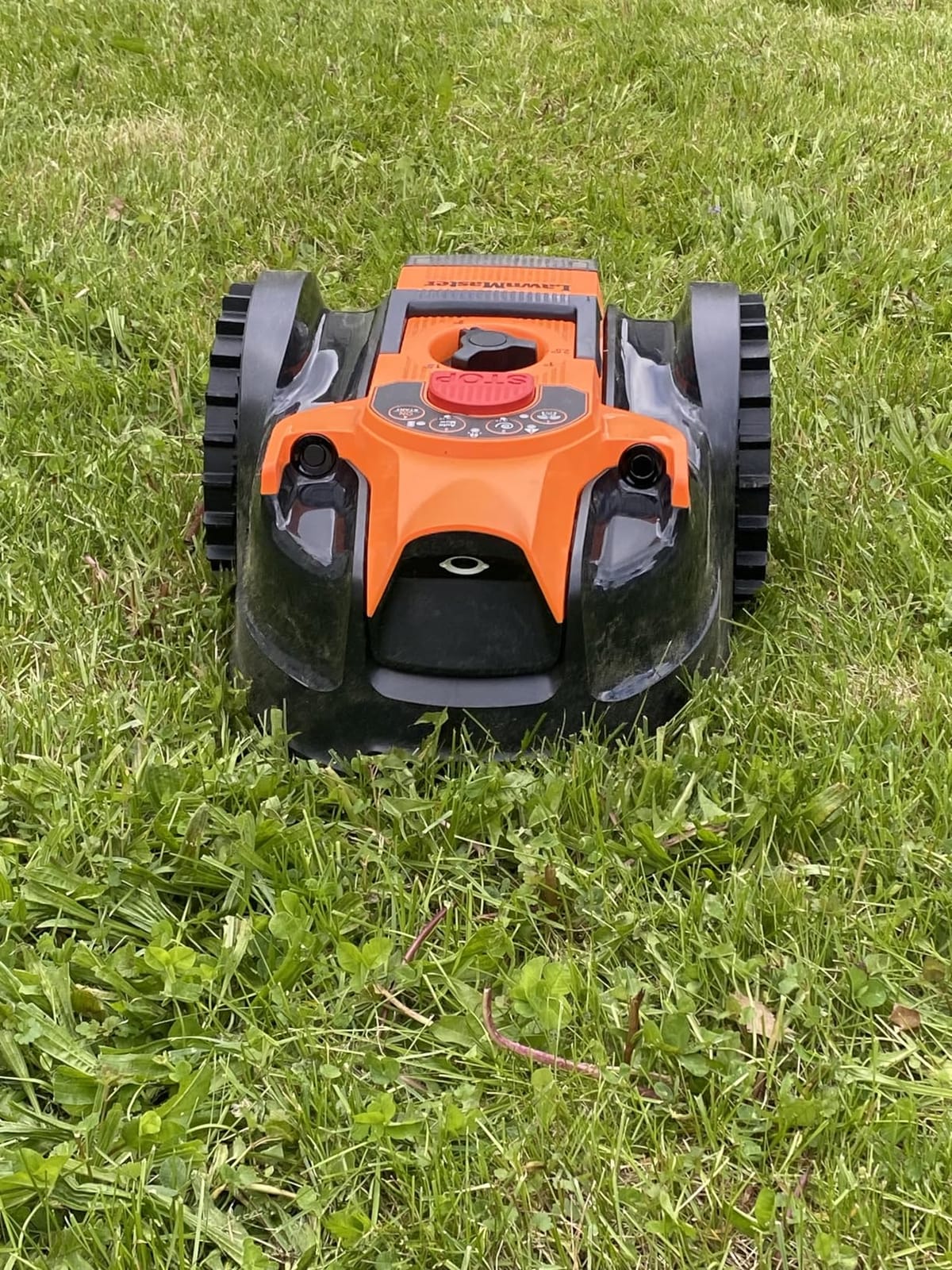
 LawnMaster OcuMow LawnMaster OcuMow |
|
Check Latest Price |
 Mammotion LUBA 2 AWD 3000HX Mammotion LUBA 2 AWD 3000HX |
|
Check Latest Price |
How Wire-Free Navigation Actually Works
No, not all robot mowers need a boundary wire, and the majority of new models in this list ship without one. A wire-free mower builds a digital map of your lawn instead of sensing a current along a cable, and you set the limits by drawing on that map in the app. The buried cable that older units needed is gone entirely.
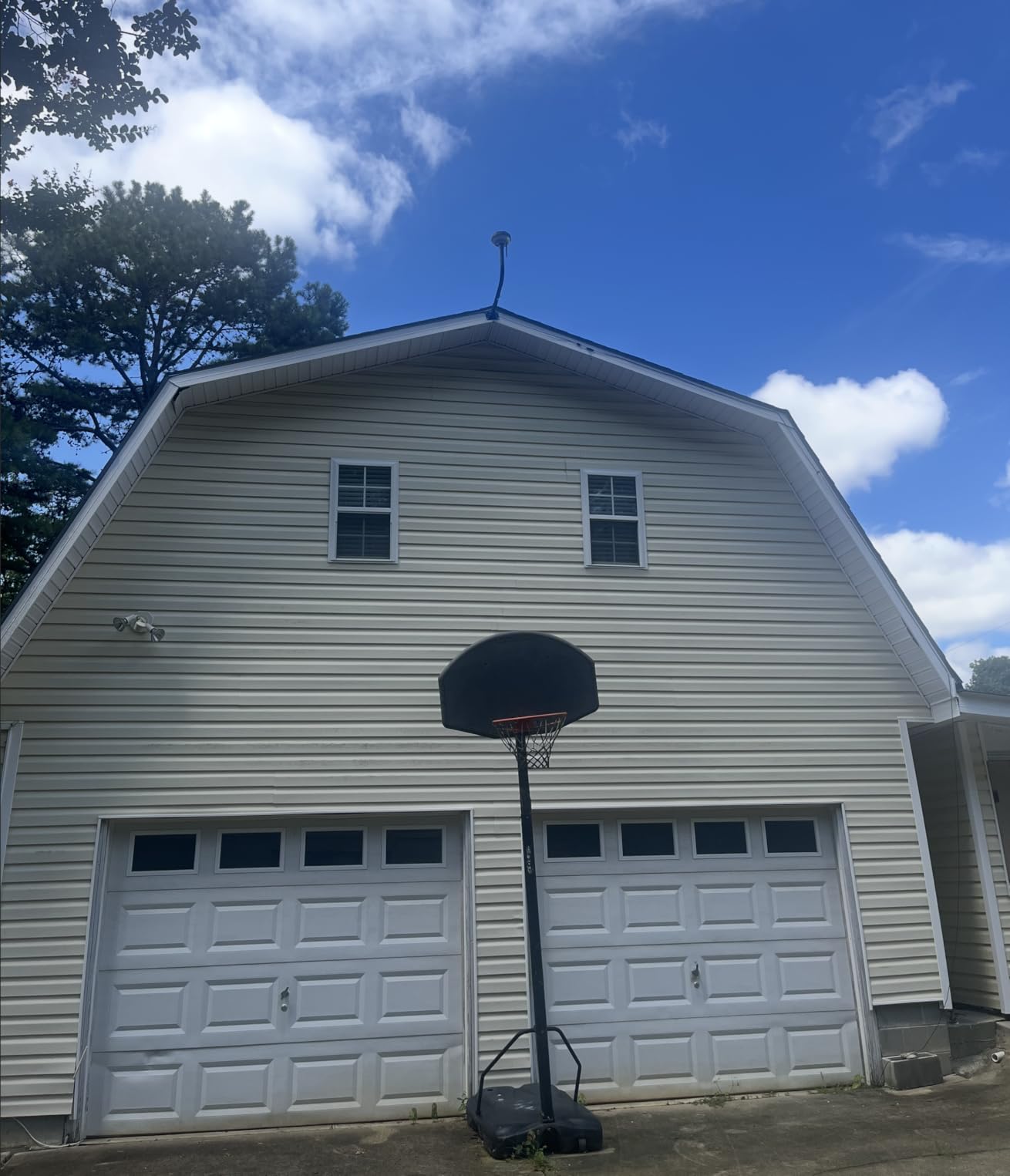
RTK GPS is the most common method. The mower’s receiver corrects the ordinary satellite signal against a reference station, which tightens normal GPS accuracy from several metres down to centimetre-level positioning. That accuracy is what lets the machine hug a property line without drifting into a neighbour’s garden. RTK almost always means a base station or antenna to mount somewhere with a clear view of the sky.
LiDAR sweeps a spinning or solid-state sensor to build a geometric map of walls, fences and obstacles. Because LiDAR measures actual distance rather than reading printed markers, it works in shade and under tree cover where satellites are blocked. Mammotion’s LUBA mini 2 and LUBA 3 use this approach alongside cameras, and the LUBA mini 2 can also run without any GPS hardware at all.
Camera navigation uses stereo vision and visual SLAM. The mower photographs its surroundings, matches features across frames and computes its own position. The eufy E15 is the purest example in this list: no wire, no antenna, no reference station. That simplicity costs you on lawns that are patchy, sandy or full of bare spots, because the camera needs texture to lock onto.
Most machines here combine two of the three, which is the sensible route. Fusion means satellite positioning for open ground and camera or LiDAR reading where trees, walls and fences interfere. If you are running cable to an outdoor access point rather than burying mower wire, our guide to speaker wire for long runs covers the gauge and distance questions that come up in those installs.
Wire-Free Is Not the Same as Antenna-Free
Most wire-free robot mowers still need something physically installed. RTK models want a base station or antenna mounted on a wall, a post or the roof, positioned with a clear view of the southern sky. Owners in lawn mower forums describe this as the single most common surprise, and the Navimow i105N’s review record repeats it clearly: the base station and antenna both need an unobstructed view of the southern sky.
The requirement varies in severity. Segway Navimow’s i105N, the ECOVACS GOAT O1000, the two ANTHBOT models and YARBO all depend on satellite positioning, so their antenna placement decides whether mapping works. The Husqvarna 410iQ uses EPOS satellite positioning for the same reason. Mammotion’s LUBA 3 combines NetRTK with LiDAR and vision, which gives it more tolerance for a badly placed antenna than a pure RTK machine.
Three entries here need no pole at all. The eufy E15 runs pure vision navigation with no boundary wire and no RTK station. The Mammotion LUBA mini 2 relies on 360-degree LiDAR and dual cameras rather than a GPS tower for its mapped mode. The LawnMaster OcuMow is camera-only, needs no app or outlet, and uses a magnetic strip laid on the surface for no-go areas instead of anything mounted.
There is one hardware exception in this list that is not a pole but functions the same way. The OcuMow ships 33 feet of magnetic strip with pegs. That is a physical boundary you install on the ground, which undercuts the whole point for a larger property.
1. Mammotion LUBA mini 2 AWD 1500H: Best Overall Wire-Free Mower for Most Lawns
(2026 NEW) Mammotion LUBA mini 2 AWD 1500H Robot Lawn Mower with Garage, for 0.37 Acres, 360° LiDAR+Dual-Camera AI Vision, 80% Slope, DropMow, 20 Multi-Zone Management
360 degree LiDAR plus dual cameras
80 percent slope
0.37 acre, 20 zones
2.2 to 4.0 inch cut
Pros
- No GPS tower required
- LiDAR plus vision handles tricky terrain
- Tackles very steep slopes and rough root-filled lawns
- Dedicated edge blade gives a clean finish at borders
- Very simple setup with a capable app
Cons
- 0.37 acre mapping cap is firm in current software
- Narrow blade means quarter-acre lawns can take half a day
- Long charge time of two to three hours
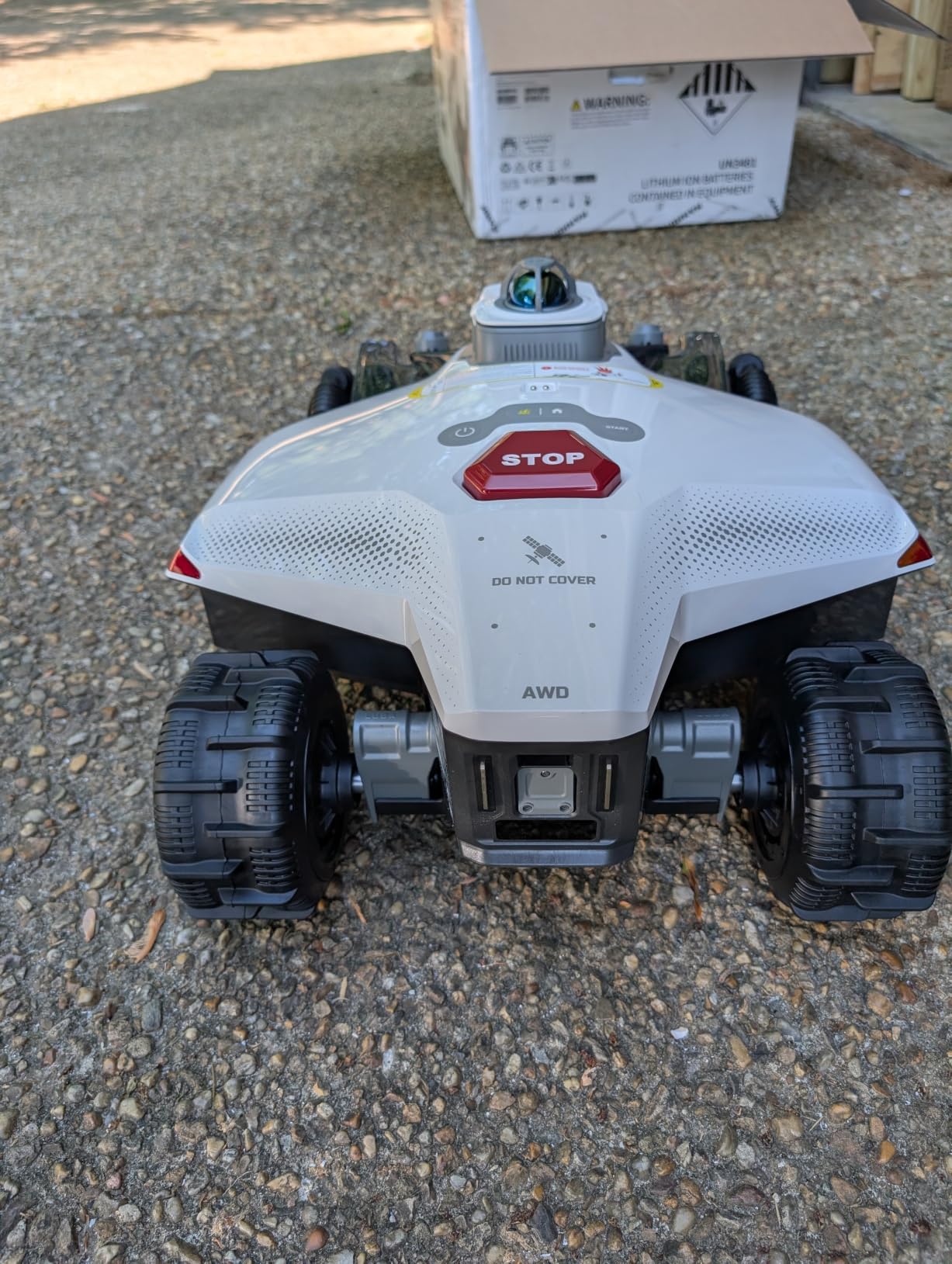
This is the machine I would put on most people’s lawns, and the reason is the navigation stack rather than the spec sheet. A 360-degree LiDAR with a 45-degree field of view works alongside dual cameras, so the mower is never fully dependent on satellite lock. DropMow mode goes further and lets it mow an unmapped area with no boundary drawing at all.
Drive is the other half of the case. Two independently driven 88W motors and adaptive suspension that steps over curbs up to 45mm mean it climbs slopes rated at 80 percent without stalling. Owners consistently report it working through steep, uneven ground where lighter machines give up.
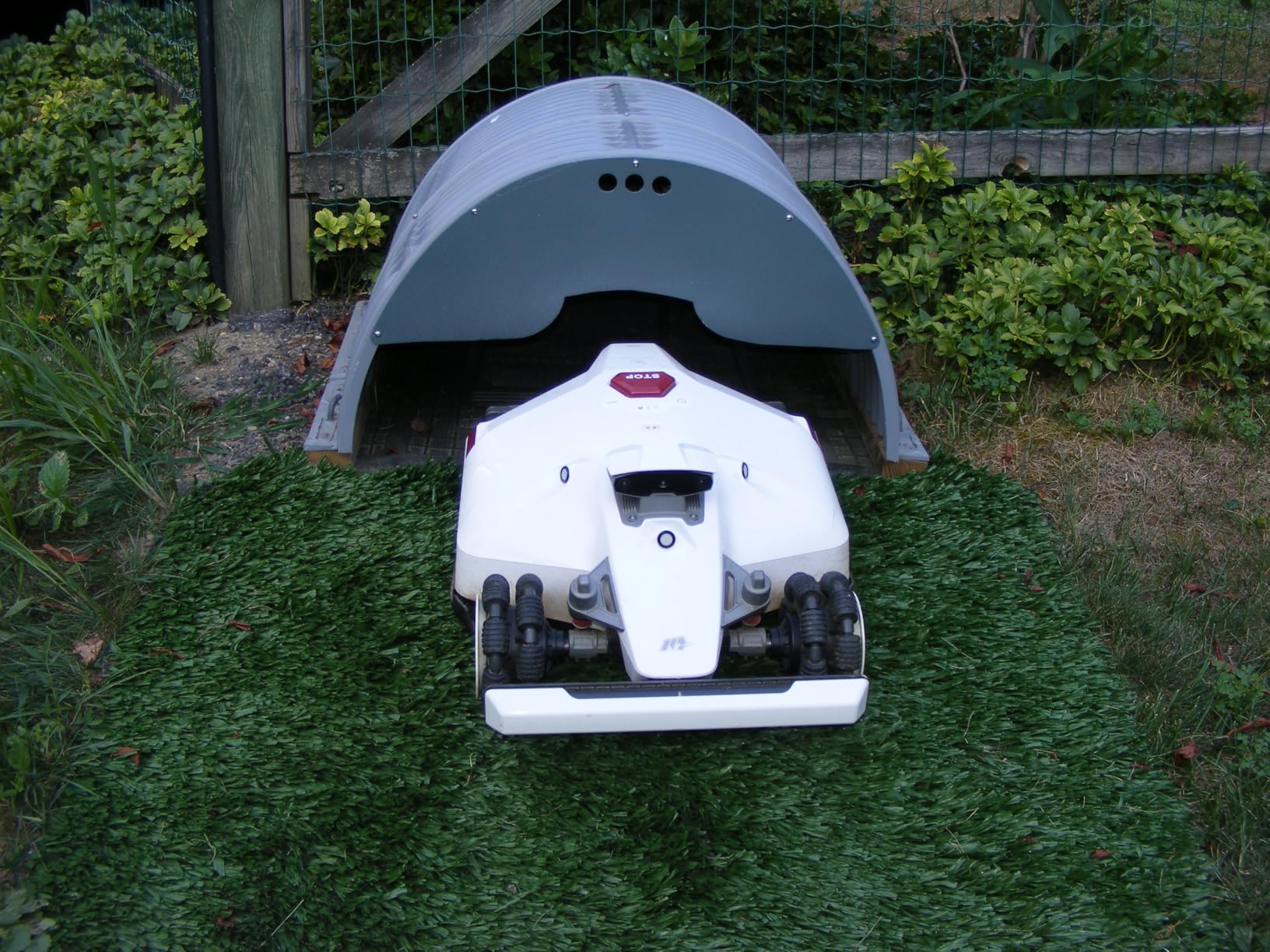
Cut quality comes from two discs: a main cutting plate and a dedicated edge plate. The edge disc is what produces a finished look at borders rather than the ribbon of tall grass most bots leave behind. Adjustable height runs 2.2 to 4.0 inches across seven positions, which is taller than several competitors manage.
The honest limitations are about pace, not capability. The 0.37 acre mapping cap is firm in current software, so a bigger property needs a different machine. The 5.5 to 7.9 inch blade is narrow, which on a quarter-acre lawn can push a full cycle into half a day. Charging from low to full takes two to three hours, and a few owners report firmware updates that briefly caused signal loss and erratic behaviour until resolved.
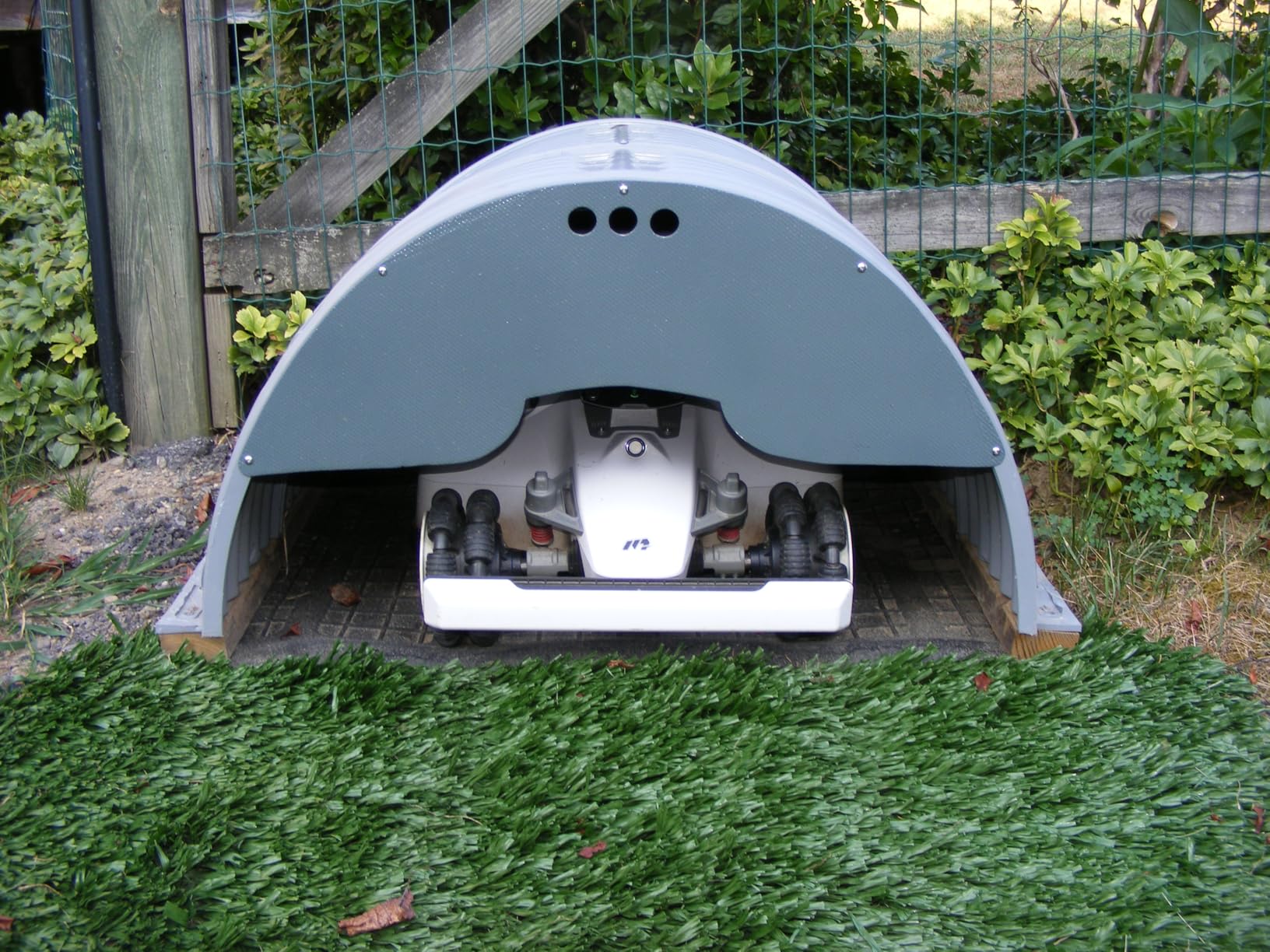
How It Handles a Yawd With a Real Slope in It
Because the drivetrain is all-wheel with adaptive suspension rather than rear-wheel drive on fixed wheels, the LUBA mini 2 keeps traction on the section of lawn where cheaper bots stall. That is the difference between a machine that finishes the job and one that needs babysitting. For a yard with a meaningful incline, this is the model I would put at the top of the shortlist.
Who Should Look Elsewhere
If your lawn is a half acre or larger, the mapping cap ends the conversation. If you want a wide swath so the machine finishes before dinner rather than after dark, the blade is the limiting factor, not the battery. Buyers on very small flat lawns can get the same navigation approach for a good deal less in the ANTHBOT M5.
2. ANTHBOT M5: Best Value Wire-Free Mower with a Compact Body
ANTHBOT M5 Robotic Lawn Mower, 1/8 Acre Wire-Free NRTK & Vision
Full-band RTK plus HDR dual vision
45 percent slope
1.2 inch clearance
20 zones
Pros
- Compact body reaches narrow corners larger mowers cannot enter
- Strong 45 percent slope performance with dual-vision fallback
- Fast ACC auto-mapping cuts manual boundary work
- Quiet at 58 dB with automatic recharge
Cons
- Small 7.9 inch cutting width means long mow times
- Edge trimming still required around borders
- Map adjustments require physically driving the mower
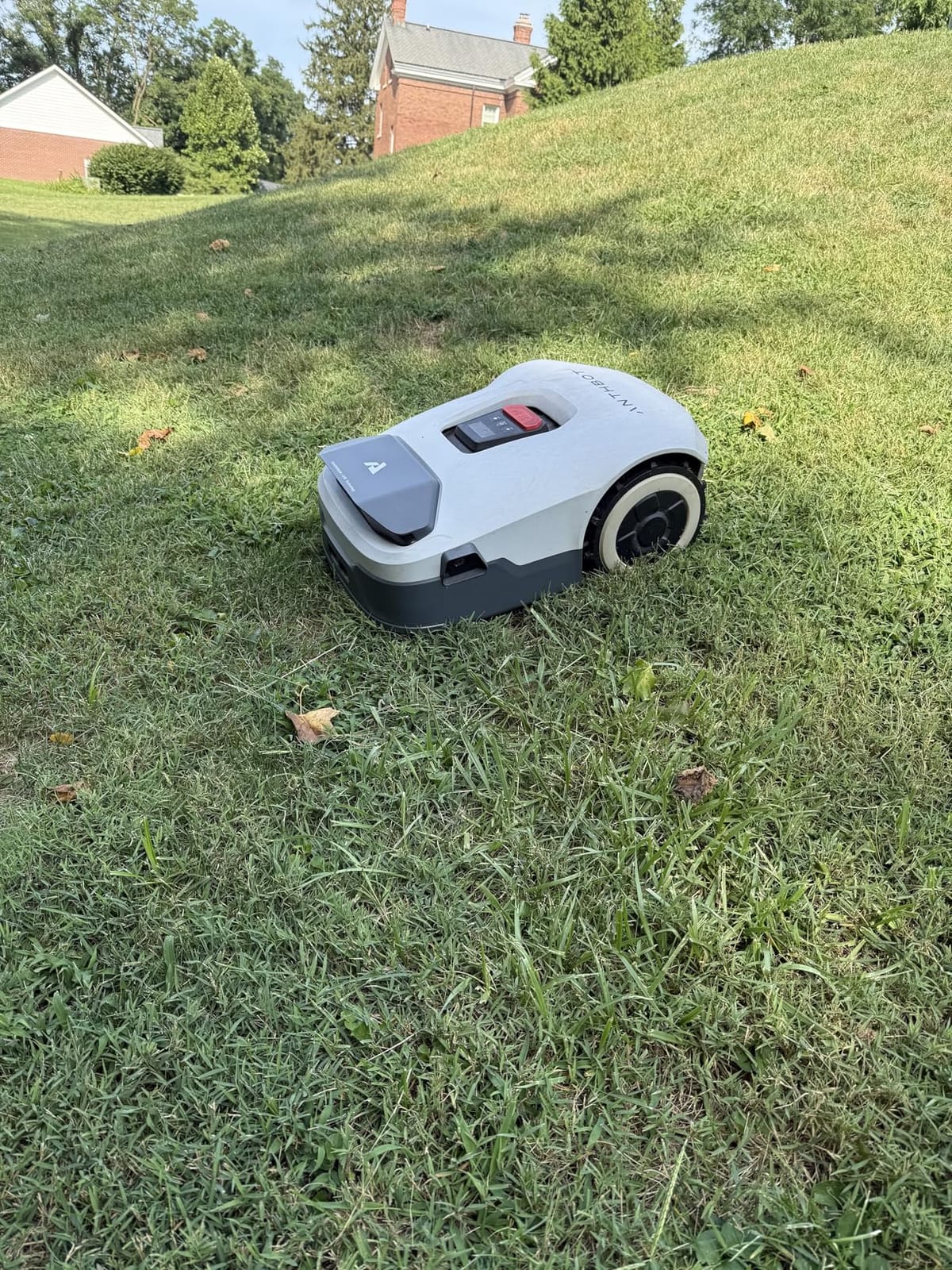
The M5 is the pick if your lawn has awkward geometry. At 19.6 by 15.4 inches it fits through 27.6-inch gaps, which on our comparison is the tightest clearance of any wire-free model here. That single spec decides whether a mower can service a courtyard between two buildings or a strip between a fence and a raised bed.
Navigation is unusually well hedged. Full-band RTK tracks 155 satellites and pairs with an HDR dual vision system that takes over where the signal is weak, and it can be upgraded to NetRTK or dual RTK mode later. ACC adaptive cruise control maps the lawn hands-free in one pass, which is the part owners say saves the most time.
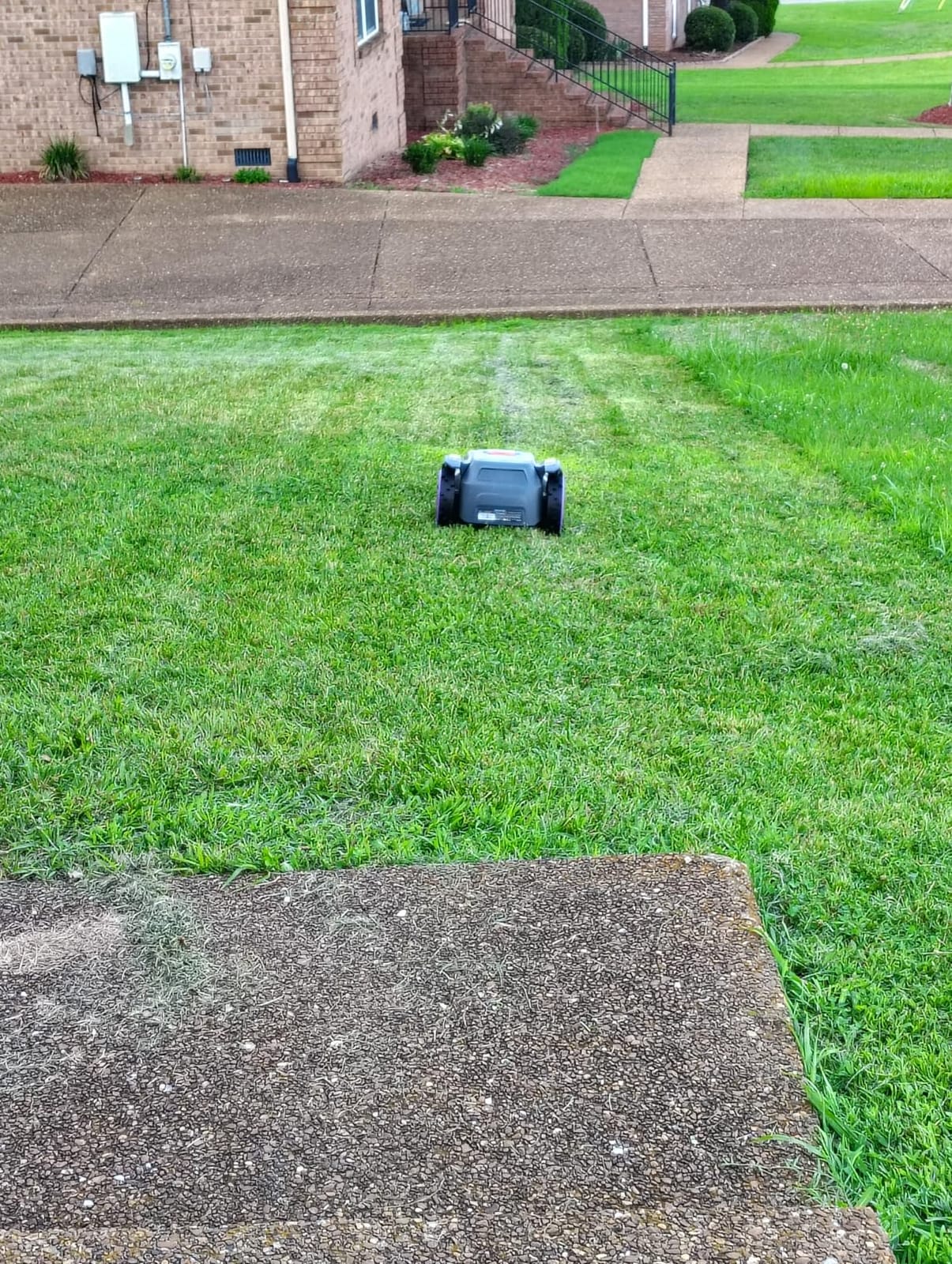
Physically it is an aluminium-bodied machine rated IPX6 for waterproofing, rated to 45 percent slope and able to clear vertical obstacles up to 1.2 inches. The operating noise figure is 58 dB, quiet enough to schedule overnight without complaints from neighbours.
The trade-off is width. A 7.9-inch cutting width sounds generous until you compare it with the 15.8-inch plate on the Mammotion LUBA models, and on open lawn the M2 finishes in roughly half the time. Borders still need a trimmer, and editing maps means rolling the machine along the boundary in app control rather than tapping on a satellite image.
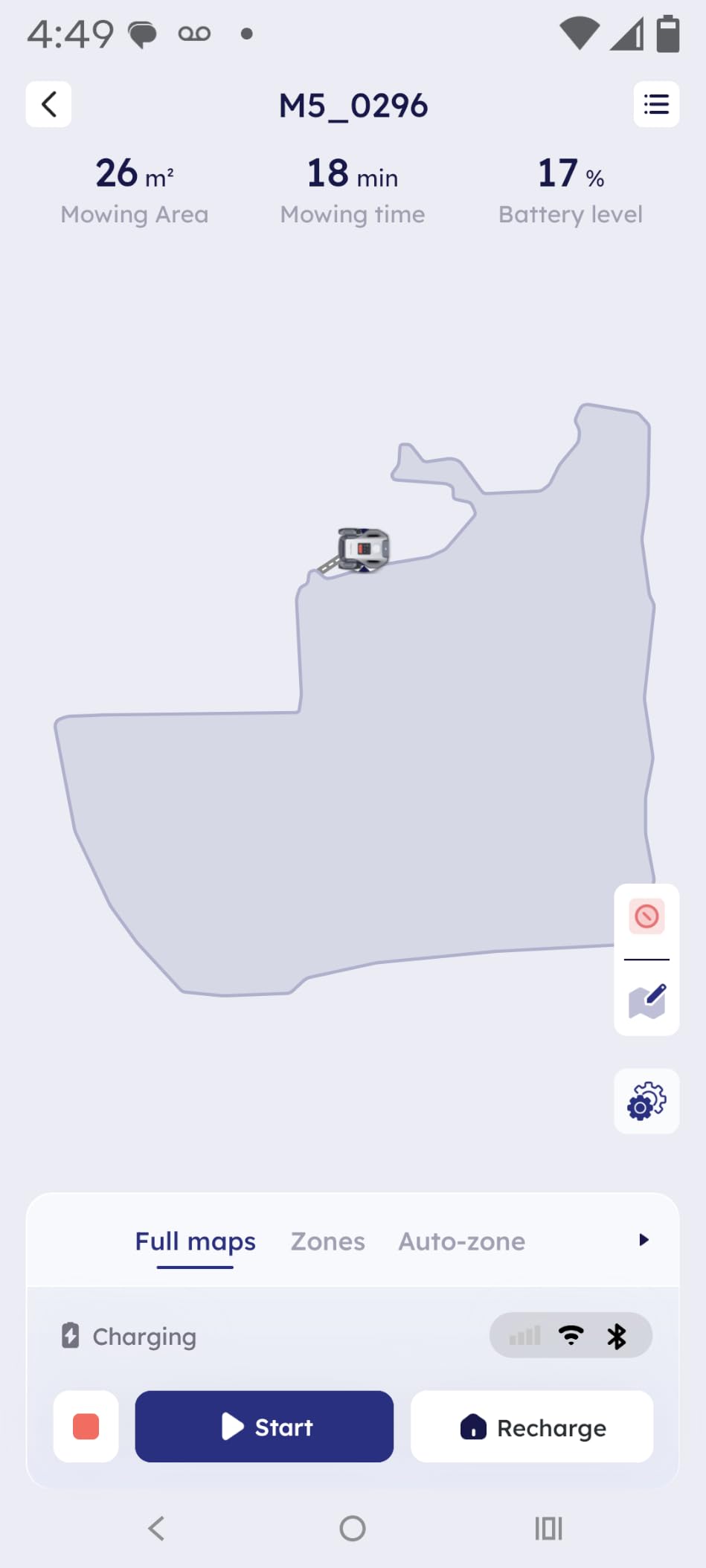
Why the Dual Vision Fallback Matters on Real Yards
Most RTK machines degrade under heavy tree cover, which is exactly where a satellite-based boundary is hardest to hold. The M5’s HDR cameras carry it through those zones instead of losing lock and wandering. On a tree-lined suburban lot that difference shows up as a boundary that holds all season rather than one that needs re-drawing after storms.
How the 20 Zones Change Daily Use
Twenty zones with paths and no-go zones means a front lawn can be cut high while a roadside strip is cut short, and a flower bed can be excluded by drawing rather than by moving a physical wire. For anyone with a complex shape, that configurability is worth more than a wider deck. The ACC auto-mapping also cuts setup to a single guided run for most lawns.
3. Segway Navimow i105N: Best Wire-Free Mower for Small Yards Under Tree Cover
Segway Navimow i105N Robot Lawn Mower Perimeter Wire Free 1/8 Acre RTK+Vision Robotic Lawnmower, AI-Assisted Mapping, Virtual Boundary, APP Control, 58dB(A) Quiet, Multi-Zone Management
EFLS 2.0 RTK plus vision
1/8 acre mapped area
12 scheduled zones
58 dB(A)
Pros
- Centimetre-accurate boundary keeping under heavy tree cover
- Very quiet for overnight mowing
- Excellent app with scheduling and zone control
- Good value versus other GPS-based mowers
Cons
- Base station and antenna need a clear view of the southern sky
- Stock wheels have limited traction on slopes
- Vision Fence misses small obstacles like hoses and gates
The i105N has the largest body of owner feedback of anything on this list, and that feedback is unusually consistent. Owners with tree-heavy backyards report that boundary accuracy holds where competitors wander, because EFLS 2.0 pairs RTK with a 140-degree camera and uses the vision data to correct the satellite fix in shade.
On the lawnmowers subreddit, one long-term owner describes the switch to wire-free as the right call on not dealing with wires, and separate i206 owners in the same community report the family handles bumpy terrain well. That is a reasonable read of this model too: it is a small-yard machine that keeps its cool when the ground gets uneven.
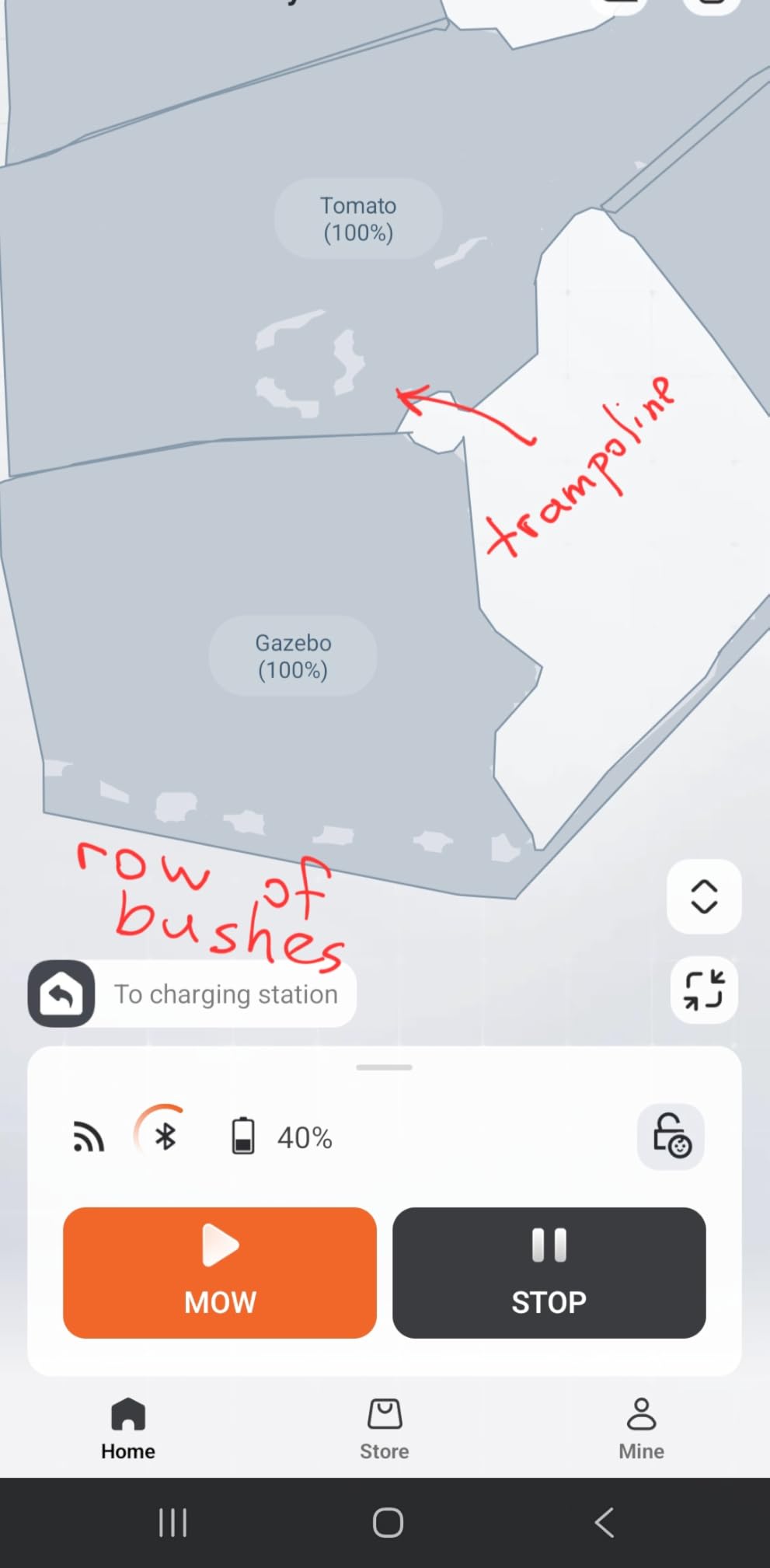
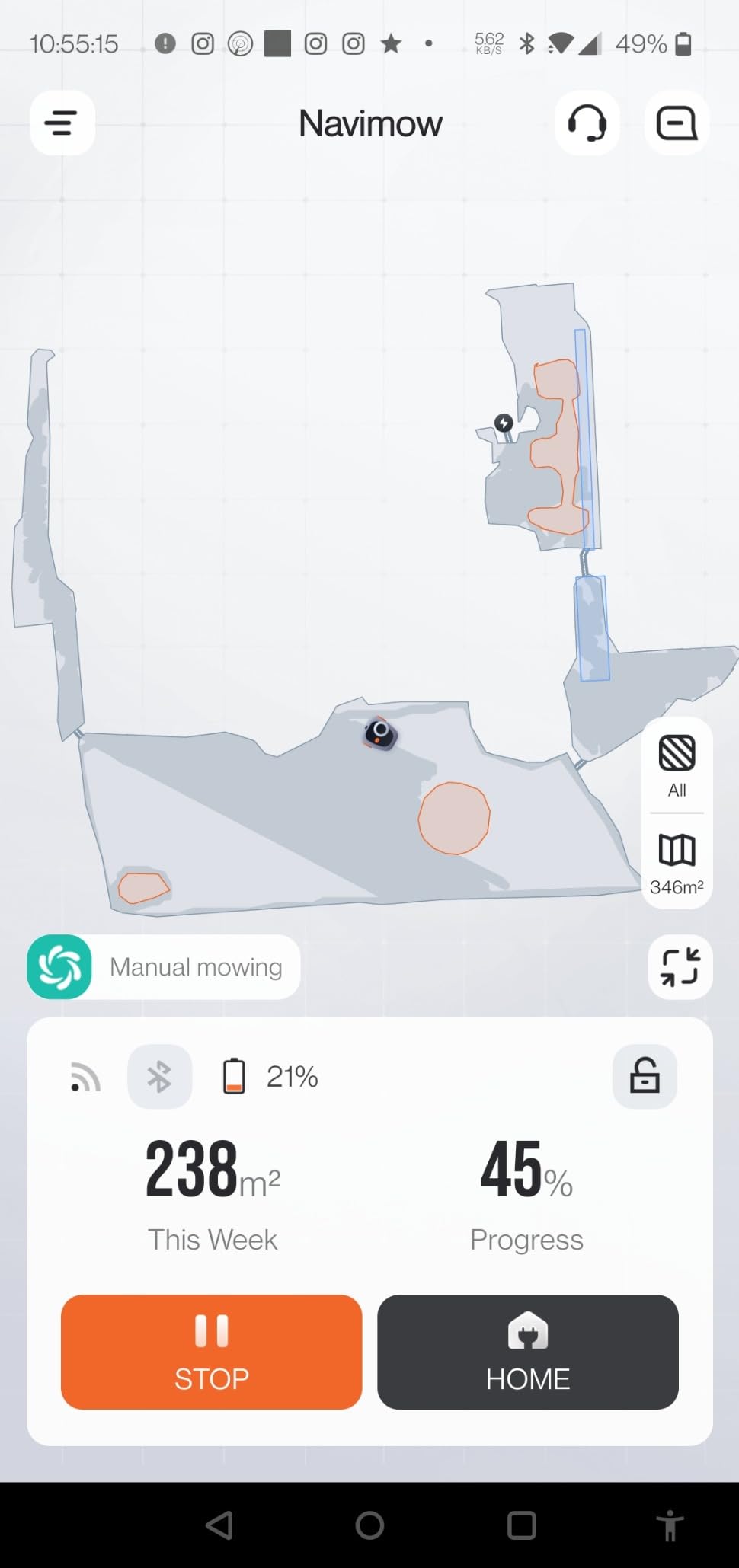
App control is a genuine strength. Up to 12 independently scheduled mowing zones, plus AI-assisted Assist Mapping that builds the virtual boundary automatically, means most owners get through setup in an afternoon. The 58 dB(A) figure is quiet enough to run at night, and the 3-year warranty is solid for the category.
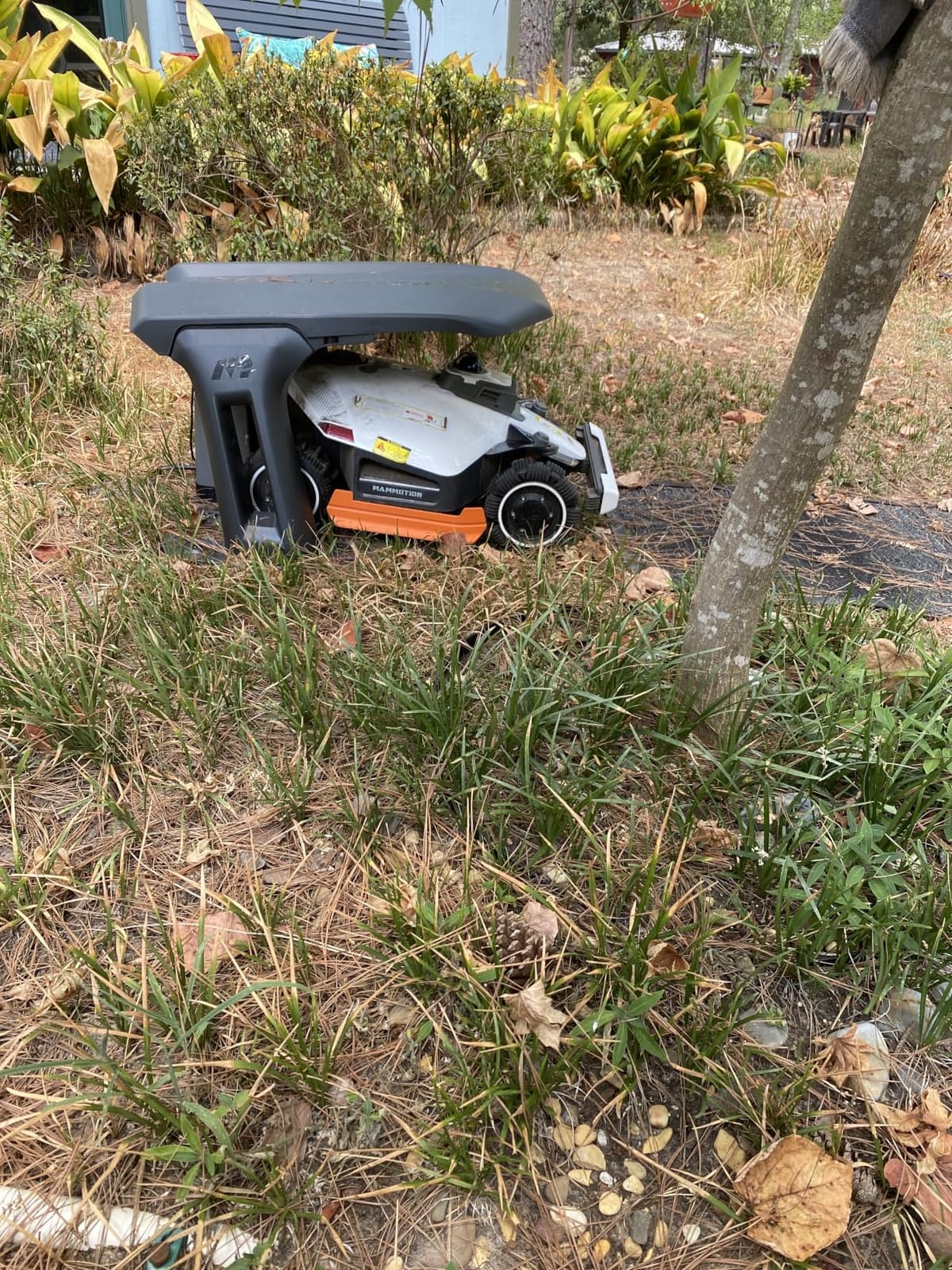
Two caveats come up repeatedly. The base station and antenna both need an unobstructed view of the southern sky, and if a mature tree or the house blocks that view you will be re-drawing maps. The stock wheels have limited traction, and support has shipped free off-road or spiked wheel sets to owners who ask, which is worth doing on any slope.
Where the Vision Fence Falls Short
The obstacle camera detects 150-plus object types, which sounds comprehensive until you read what owners say it misses. Hoses, sprinklers, gates and mailboxes fall below the detection threshold, and a mower that clips a sprinkler head mid-session is the kind of failure that ends neighbourly goodwill. Clear the small clutter before each long run.
Do You Need to Map at All?
You do, though the assist mapping makes it fast. The mapped area is 1/8 acre, with the limit raised to 1200 square metres in current software, so this is a mower for a properly sized city yard rather than a property lawn. If your space is larger, step up to the ANTHBOT Genie or one of the LUBA models.
4. Mammotion LUBA 3 AWD 3000: Best Wire-Free Mower for Steep Hills and Rough Ground
Mammotion LUBA 3 AWD 3000 Robot Lawn Mower, Perimeter Wire Free for 0.75 Acre, 360° LiDAR+NetRTK+AI Vision, All-Wheel-Drive for 80% Slopes, 30 Multi-Zone Management, Cutting Height 1.0″-2.7″
360 degree LiDAR, NetRTK and vision
80 percent slope
500 square metres per hour
Pros
- Tri-Fusion navigation holds position in shaded complex yards
- Excellent slope and off-road performance with turf-friendly turning
- 300 plus obstacle categories recognised
- Long runtime and high coverage on one charge
Cons
- Premium price point for a 0.75 acre machine
- Cutting height tops out at 2.7 inches
- Requires careful RTK antenna placement
This is the most capable all-terrain machine in the group, and the numbers back that up. Four independent motors climb 80 percent slopes, adaptive suspension steps over obstacles up to 50mm, and dual 165W cutting motors with six-blade discs cover up to 500 square metres per hour. On a large sloped property that coverage rate is the difference between a chore and a background process.
Tri-Fusion navigation is the technical headline: 360-degree LiDAR with a range up to 230 feet, NetRTK satellite correction and dual-camera AI vision. In practice that redundancy is what lets it keep working under tree cover where a single-sensor machine would lose its boundary. LiDAR range alone covers most suburban yards end to end.
Obstacle recognition spans 300-plus categories, and with 30 mowing zones and no-go areas the scheduling granularity is the best in this roundup. Pattern selection lets you mow in whatever order suits the lawn rather than a fixed loop.
Two things temper the recommendation. The cut height ceiling is 2.7 inches, so you cannot run the deck as high as the LUBA mini 2 or the Husqvarna, which matters if you let grass grow long between sessions. And because it leans on NetRTK, antenna placement still matters more here than on a LiDAR-dominant machine.
When the 500 Square Metre Figure Actually Applies
That coverage rate assumes open, level ground and a deck set low. Rough terrain, frequent obstacle stops and a taller cut setting all reduce it, and steep sections get covered more slowly as the machine works its way across at reduced speed. Treat the number as a best-case figure rather than a promise for hilly ground.
Who This Machine Is Not For
Buyers on a small flat lawn will not get value from a machine this size, and anyone who needs a 3.5-inch or 4-inch cut height has better options. The size and weight also mean storage and repositioning take planning. For a big sloped property it is the strongest pick here by a wide margin.
5. ECOVACS GOAT O1000 RTK: Best Wire-Free Mower for Clean Parallel Striping
ECOVACS Goat O1000 RTK Care Robot Lawn Mower, RTK Navigation, 1/4 Acre
RTK centimetre positioning
1/4 acre
Side trimmer for edging
62 dB
Pros
- Quick setup often reported at 20-30 minutes including mapping
- Solid build with a clean even cut and visible striping
- Runtime long enough to cover a whole lawn on one charge
- Side trimmer handles edges other mowers leave
Cons
- Weak app with frequent time-out and stuck-status errors
- No-go zones must be drawn by remote control
- AI mapping can join separated lawn areas
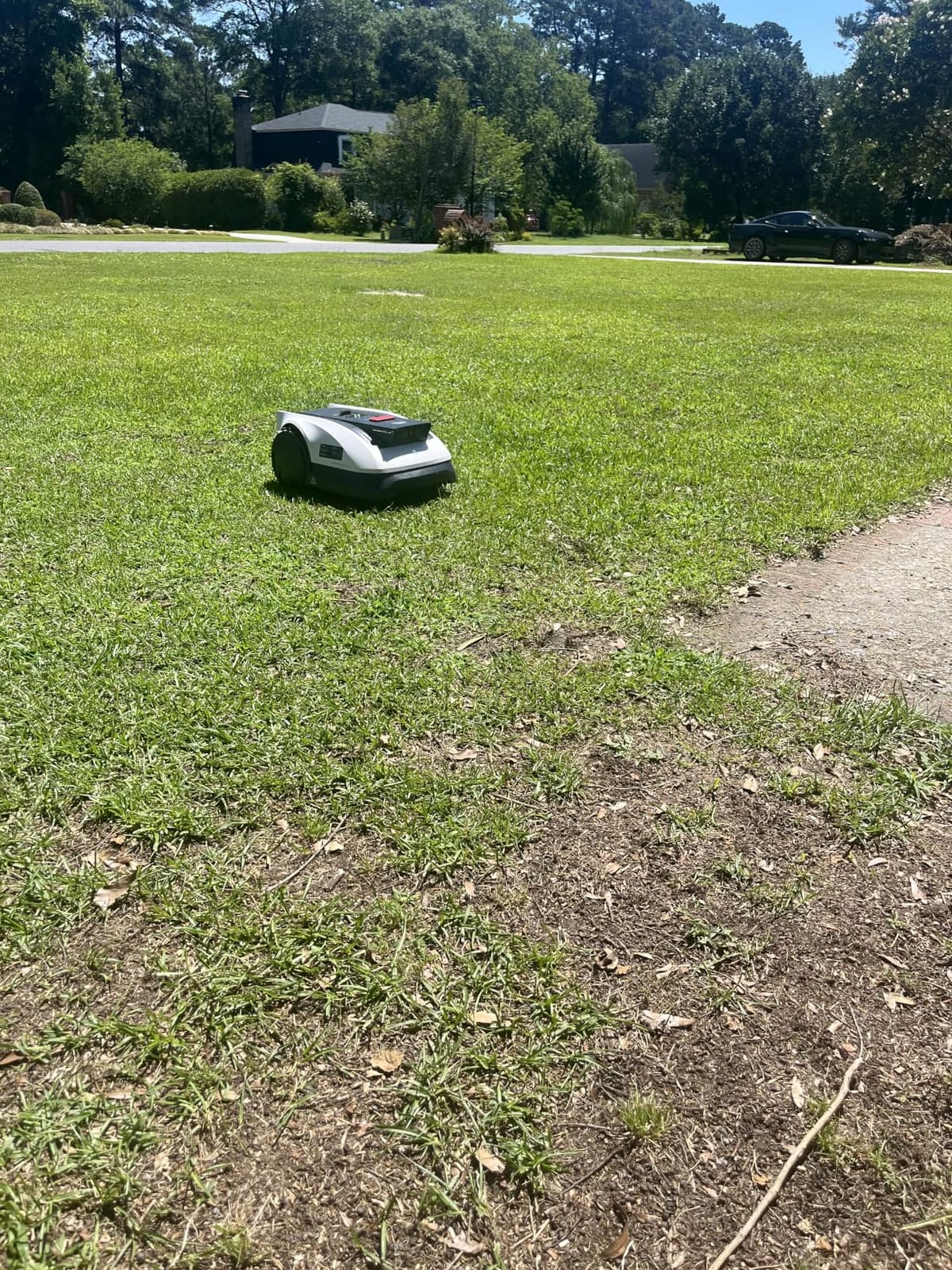
The GOAT O1000 mows in systematic paths rather than wandering, and that single design choice is why the cut comes out visibly striped. The RTK positioning holds the line, and the side trimmer mounted along the body catches the border grass that the main deck passes over.
Setup speed is a real advantage. Owners commonly report 20 to 30 minutes from unboxing to first mow, including automatic yard scanning. Automatic mapping handles the boundary, and multi-zone scheduling is handled in the ECOVACS app.
The CARE bundle is worth noting for running costs. It includes 36 additional replacement blades and an RTK extension cable, which removes the two most annoying consumable purchases in the first couple of seasons. Operating noise is 62 dB, and at 44.5 pounds it is a substantial machine rather than a light one.
The recurring complaint is the app. Owners report frequent time-out and stuck-status errors, and units that declare themselves out of range and lock up until physically reset. The workflow for zones is the specific frustration: no-go zones have to be drawn by driving the mower with the on-screen joystick rather than edited on the map, and moving it between areas requires manual driving.
The Mapping Bug Worth Knowing Before You Buy
AI mapping can join lawn areas that are physically separate, bridging across a fence or a driveway and then mowing a strip of nothing in between. If your property has two disconnected grass areas, test the map carefully during setup and draw the exclusion rather than trusting the automatic result.
Who Is This Machine For
Buy it if you want the cleanest stripe on a small-to-medium flat lawn and you are willing to live with the app. It is a strong choice for buyers who already run the wider ECOVACS ecosystem and have the tolerance to draw zones by hand. Anyone who wants pinch-to-edit boundaries should look at the Mammotion or ANTHBOT options instead.
6. ANTHBOT Genie: Best Wire-Free Mower for Large Yards on a Budget
Robot Lawn Mower NO Wire – 0.9 Acre, Full Band RTK+4-Eye Vision Robotic Lawnmower, Automatic Mapping, 30 Multi-Zone Management, Accurate Obstacle Avoidance, Intelligent Anti-Theft, APP Control
Full-band RTK plus four-eye vision
0.9 acre
1000 plus object types
30 plus zones
Pros
- Easy unbox-and-map setup with no boundary wire at all
- Cuts clean straight lines and handles mixed grass and ditches
- Strong value for the acreage covered
- Useful app for zones edge mowing and scheduling
Cons
- Battery runtime and cut quality reportedly degrade after a year
- Can stop mid-lawn and spin in circles with no obstacle present
- Map viewing and editing in the app are difficult
The Genie covers 0.9 acre, the largest capacity of any walk-behind wire-free machine here, and it does so with full-band RTK paired with a four-eye 3D vision system. The 300-degree camera field of view detects more than 1000 object categories, which is the widest detection library in the roundup.
Owners like the value and the cut. Straight lines, mixed grass types and ditches all get handled, and ACC hands-free auto mapping with adaptive edge-following makes the initial setup straightforward. Thirty-plus zones with configurable no-go areas is generous for the money.
What splits the review record is long-term behaviour. Several owners describe battery runtime and cut quality degrading noticeably after about a year, and units that stop mid-lawn and spin in circles with nothing present. Map viewing and editing in the app are also described as difficult, with unhelpful support responses when things go wrong.
One further limitation is worth planning around. The mower refuses to pass through an open gate between zones without manual driving, so disconnected lawn areas need a human to ferry it across. There is also a report of a total failure after about a month of use, which tells you the early reliability picture is uneven.
How to Think About the 0.9 Acre Figure
That is mowable area, not property acreage. Driveways, beds, paths and unusable corners come out of it, so a lot with a full acre of grass still needs a plan. Mapped zones are what let you prioritise the visible front lawn each session and leave the back for a longer cycle.
Who Should Skip This Machine
If you are planning to keep a mower for a decade, the reports of first-year degradation argue against it. Buyers who want hands-off map editing, or who need automatic passage between gates, should look at the Mammotion LUBA line. For a first wire-free experience on a large flat yard, the acreage and price combination is hard to argue with.
7. eufy E15: Best Wire-Free Mower When You Want Nothing Installed at All
eufy Robot Lawn Mower E15, Auto Mapping, Pure Vision Navigation
V-FSD 1.0 pure vision
No wire and no RTK station
0.2 acre
1 to 3 inch cut height
Pros
- Simplest install of any mower here with no wire antenna or base station
- Very quiet under 54 dB and mulches light clippings
- Clean parallel striping with automatic re-mow of missed areas
- App joystick with live camera view makes recovery easy
Cons
- Mows in daylight only
- cannot run late at night
- Mapping is difficult on patchy or sandy lawns
- Not suitable for St. Augustine or dense Zoysia grass
The E15 solves the problem nobody else here fully solves. There is no boundary wire, no RTK base station and no antenna to mount, so nothing about the install involves tools or a trip to the roof. It is the answer to the recurring forum question about a wire-free mower that also needs no poles. Owners consistently call it the simplest setup of any mower they have owned.
Navigation is V-FSD 1.0 pure vision with stereo cameras and Vision SLAM, giving 3D perception for both low and tall obstacles. Dual-camera positioning supports virtual walls and exclusion zones at 0.2 metre precision, and Ride-on Edge technology cuts right to the lawn boundary rather than leaving the usual uncut ribbon.
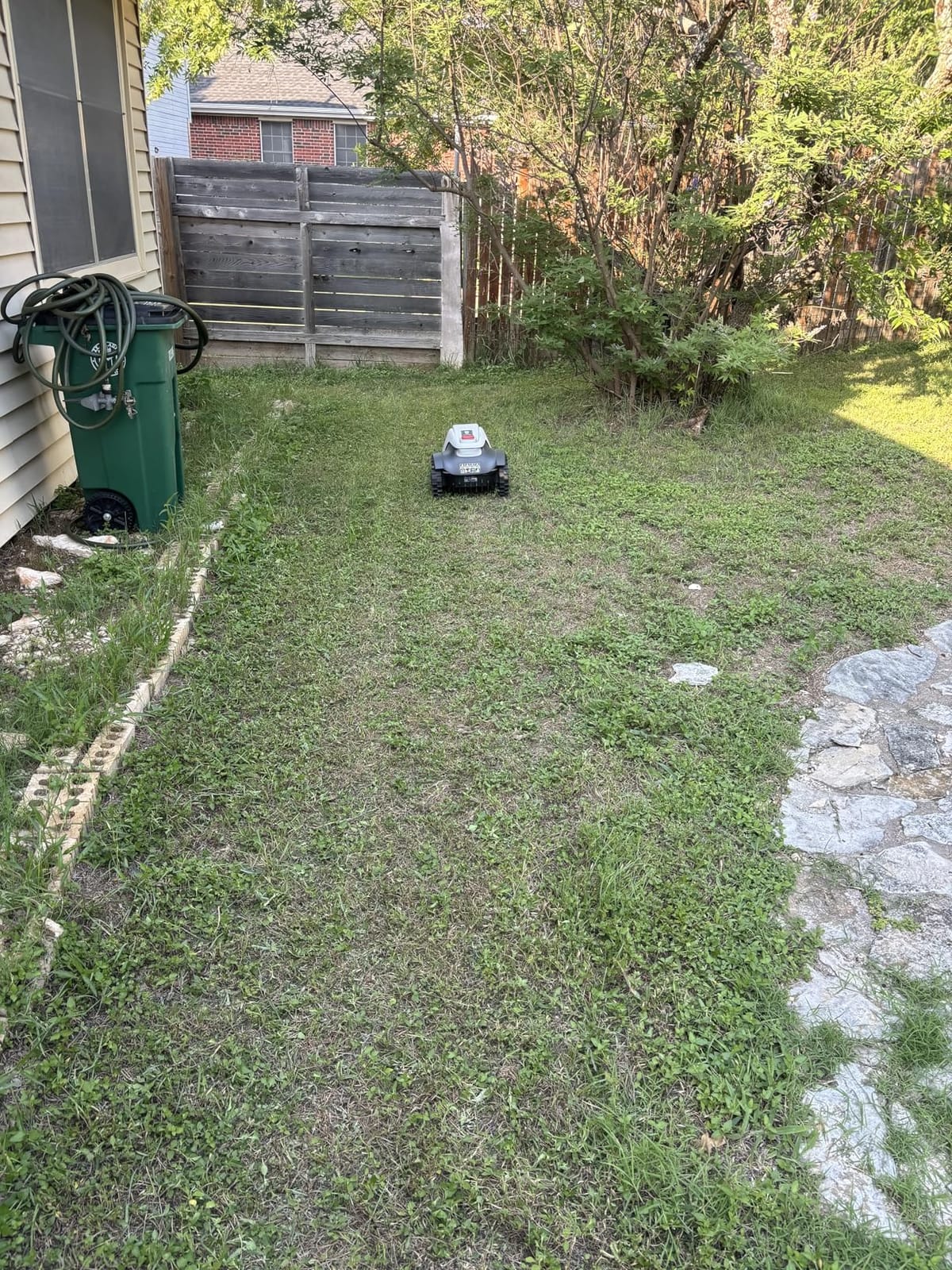
It is also the quietest machine here at under 54 dB, and it mulches light clippings rather than leaving them on the lawn. Built-in GPS anti-theft tracking, automatic recall to base in rain or low light, and an app joystick with live camera view make manual recovery far easier than on most competitors.
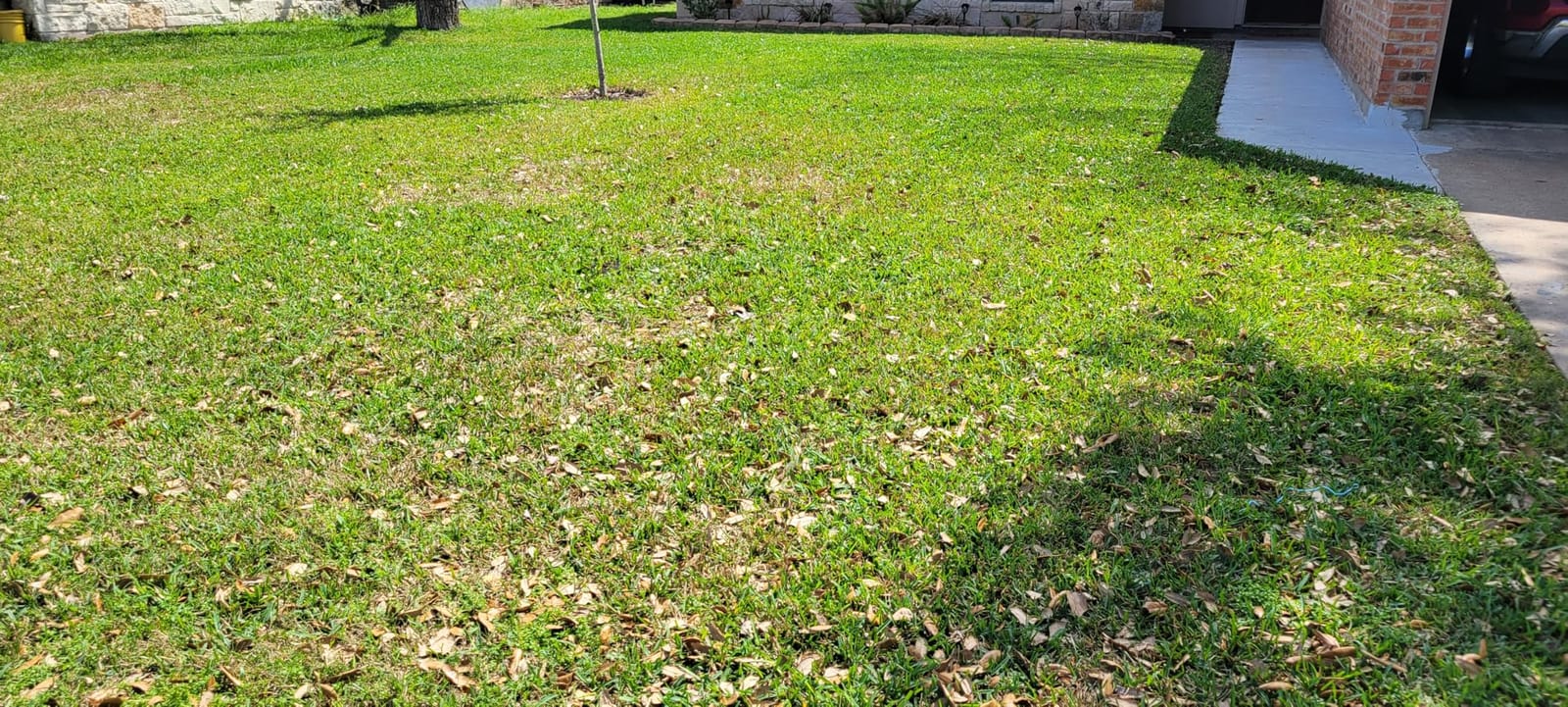
The constraints are real. It mows in daylight only, so there is no late-night or pre-dawn scheduling. Mapping struggles on patchy or sandy lawns with bare spots because the camera needs texture, and owners with soft sandy ground report it bogging down and skipping patches. It is not suited to St. Augustine or dense Zoysia turf.
Why Daylight-Only Mowing Matters for Some Homes
Quiet operation is the main reason to own a robot mower at all, and if neighbours or a household quiet-hours rule means you cannot run one at night, the E15’s under-54 dB advantage is largely wasted. In that situation an RTK model with night mowing is a better fit even though it needs an antenna mounted.
Who This Suits Best
Thick, green, well-defined lawns are the sweet spot, and apartment or townhouse yards where drilling a post for an antenna is not an option. The 0.2 acre limit and 18-degree slope ceiling keep it firmly in the small-yard category. If your lawn is sandy, thin or full of tree roots, expect friction with the mapping and go RTK instead.
8. YARBO M1: Best Wire-Free Mower for Multi-Acre Estates
YARBO Robot Lawn Mower, Wire-Free with Modular Design, for Large Yard
Wire-free AI vision plus RTK navigation
Covers up to 6.2 acres or 25,000 square metres
20 inch cut with tracked chassis
Slopes up to 70 percent
Pros
- Only option here capable of servicing multi-acre estates
- Ride-on format handles large lawns far faster than walk-behind bots
- Tracked chassis manages extreme slopes and uneven ground
- Modular design extends the machine past mowing season
Cons
- Very high purchase price for a homeowner mower
- Heavy and bulky with assembly needing two adults
- Requires a 120 degree unobstructed view of the sky
- Small review base for its premium positioning
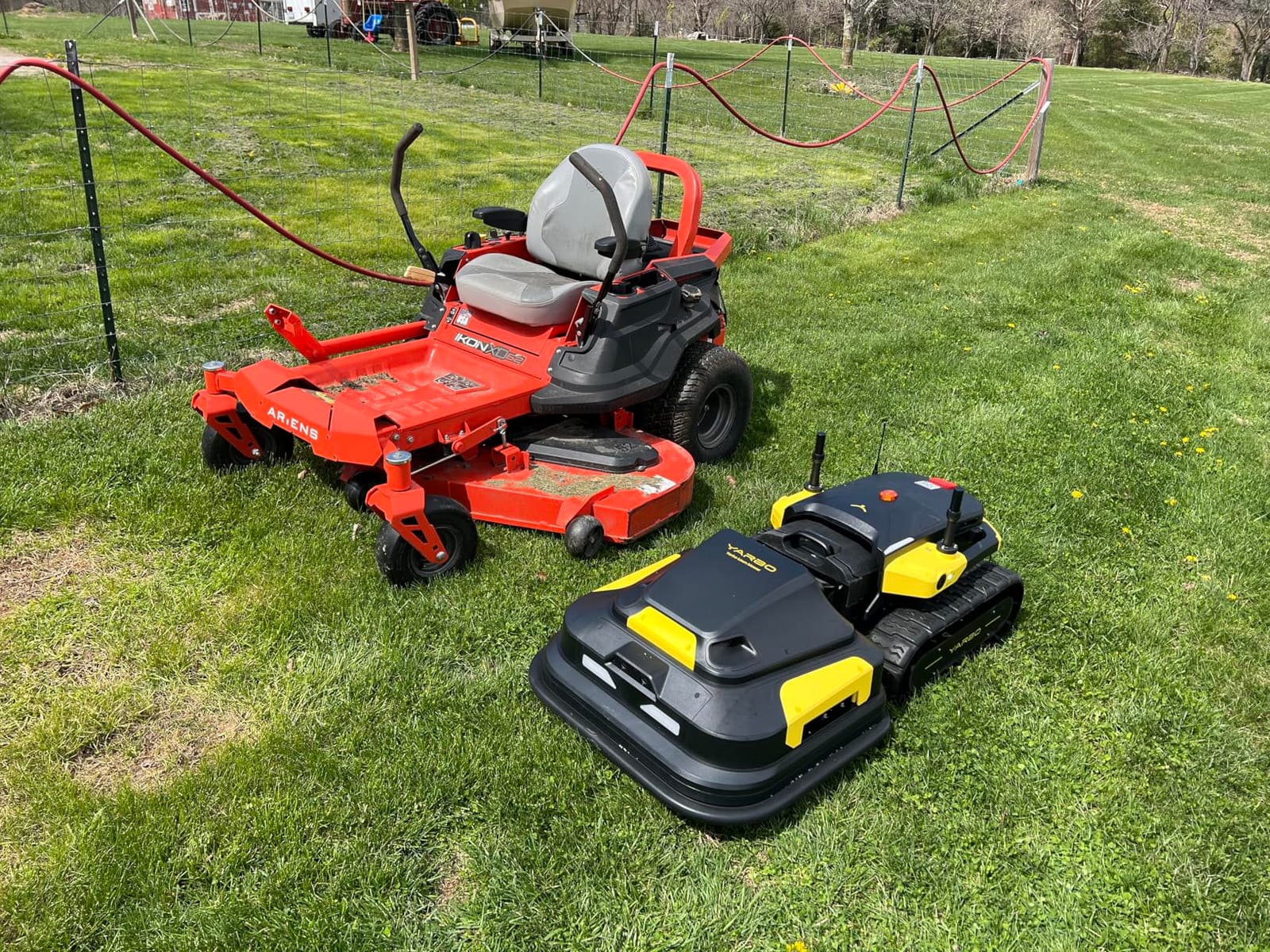
YARBO operates in a different class from everything else here. It is a ride-on machine weighing 237 pounds with a 20-inch cutting width, covering up to 6.2 acres, and nothing else on this list comes close. If your property is genuinely multi-acre, this is the shortlist and the other eleven are not.
The drive system is patented all-terrain tracks rather than wheels, rated for slopes up to 70 percent. That is a different mechanical approach to slope handling and it is why the machine copes with extreme ground that would bog down a wheeled bot. Cutting height adjusts across 64 positions from 1.2 to 4.0 inches.
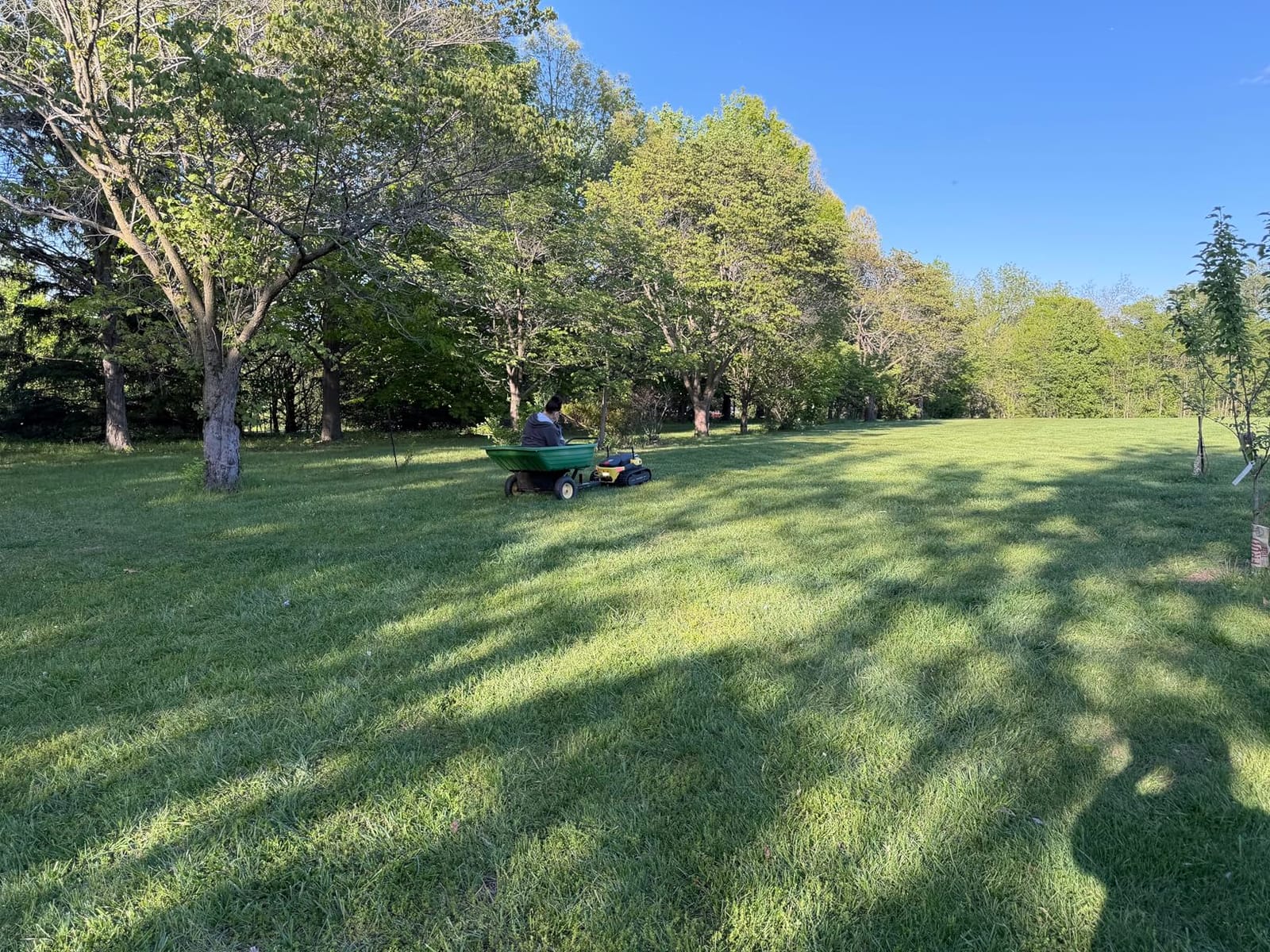
Navigation is AI vision plus RTK in a wire-free setup, and the platform is modular. Leaf blower and snow blower modules attach to the same chassis, which extends the machine well past the mowing season for anyone who wants year-round yard work from one investment.
Set against that, the practical barriers are large. It arrives in four boxes with roughly 200 pounds of hardware and needs two adults for assembly. The Data Center Set requires a 120-degree unobstructed view of the sky, which on a tree-filled property may not exist. The optional modules cost extra again, and with 81 reviews the long-term record is thinner than the specification sheet suggests.
When a Ride-On Platform Pays for Itself
The math changes once the lawn is large. A walk-behind bot covering 6 acres would need most of a week and would not have the deck width to keep up. A 20-inch ride-on platform finishing a large property in a fraction of that time is the entire argument, and it is a real advantage rather than a spec-sheet flourish.
What to Weigh Before Ordering
Storage space is the constraint most buyers underestimate at 42 by 41 by 38 inches, and you need somewhere to put it through winter. The 120-degree sky view requirement is a genuine site-planning question. And with 81 reviews against several hundred for the mid-size machines, you are buying into a much thinner long-term reliability picture.
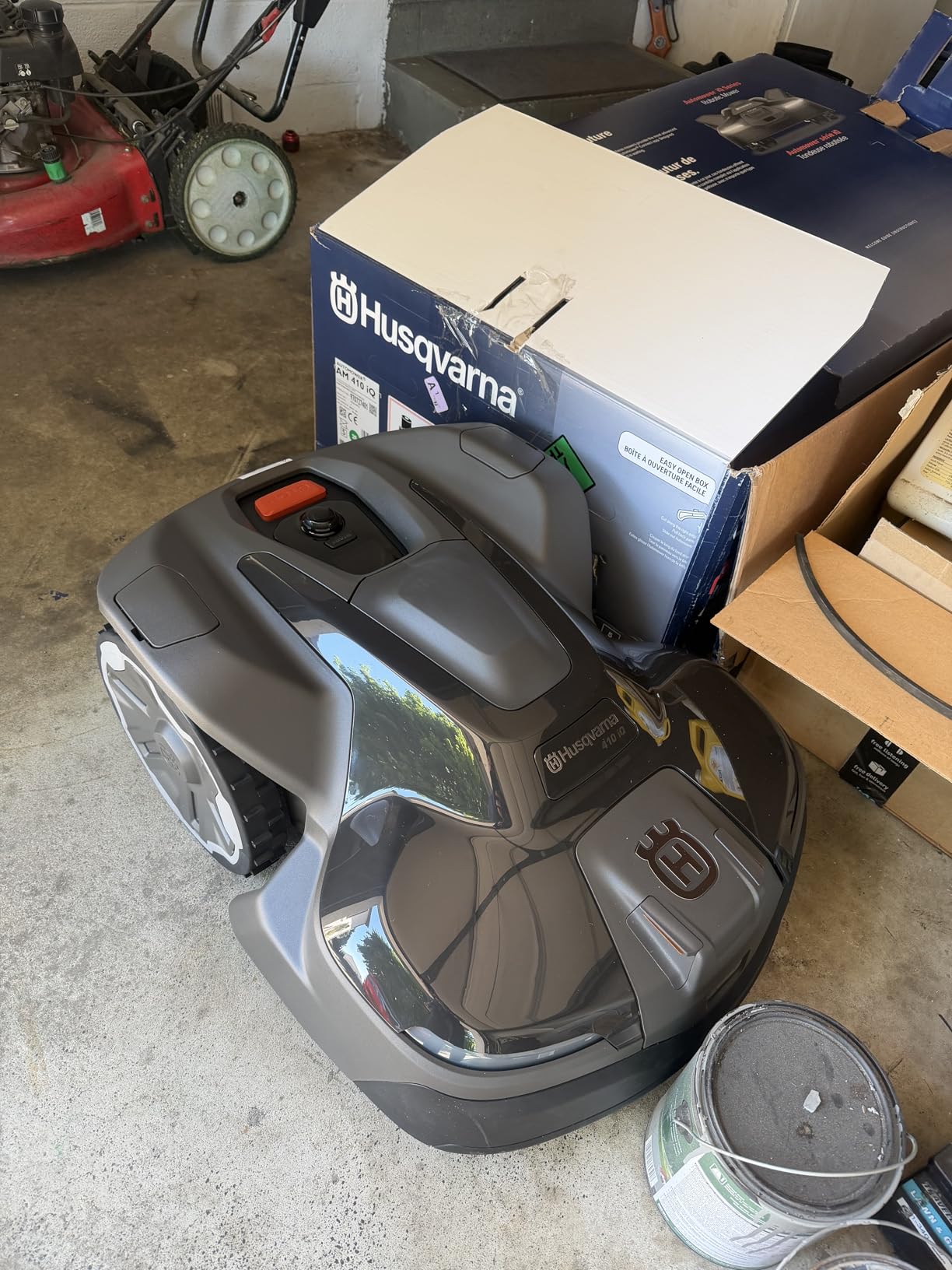
9. Husqvarna 410iQ: Best Wire-Free Mower for the Widest Cut Height Range
Husqvarna 410iQ ½ Acre Wire-Free, 45% Slope, app Based, Robot Lawn Mower
EPOS exact positioning system
Onboard radar obstacle detection
1 inch to 4 inch cut height,4 positions
1/2 acre with 45 percent slope
Pros
- Husqvarna build quality with EPOS precision and a 4-year warranty
- Widest cutting height range available at 1 inch to 4 inch
- Larger wheels and durable bumper cross paths and driveways
- Random striped and checkerboard mowing patterns
Cons
- Average rating of 3.6 with 24 percent one-star reviews
- Several owners report failures or repeated service
- Weighs 59 lbs making it one of the heaviest units here
- App and connectivity feedback mixed across owners
On paper the 410iQ is the best-engineered machine in the group, and on the specifications it still shows. EPOS exact positioning gives centimetre-accurate location, onboard radar handles obstacle detection without needing line of sight to the sky, and the 1 to 4 inch cut height range is the widest in this roundup. Capacity is half an acre with a 45 percent slope rating.
The ownership details are unusually good. A 4-year warranty, an anti-theft alarm with GPS tracking through the Connect app, one year of free replacement blades and a hose-washable body. Larger wheels and a durable bumper are the parts that decide whether a machine handles kerbs and driveways without a service visit.
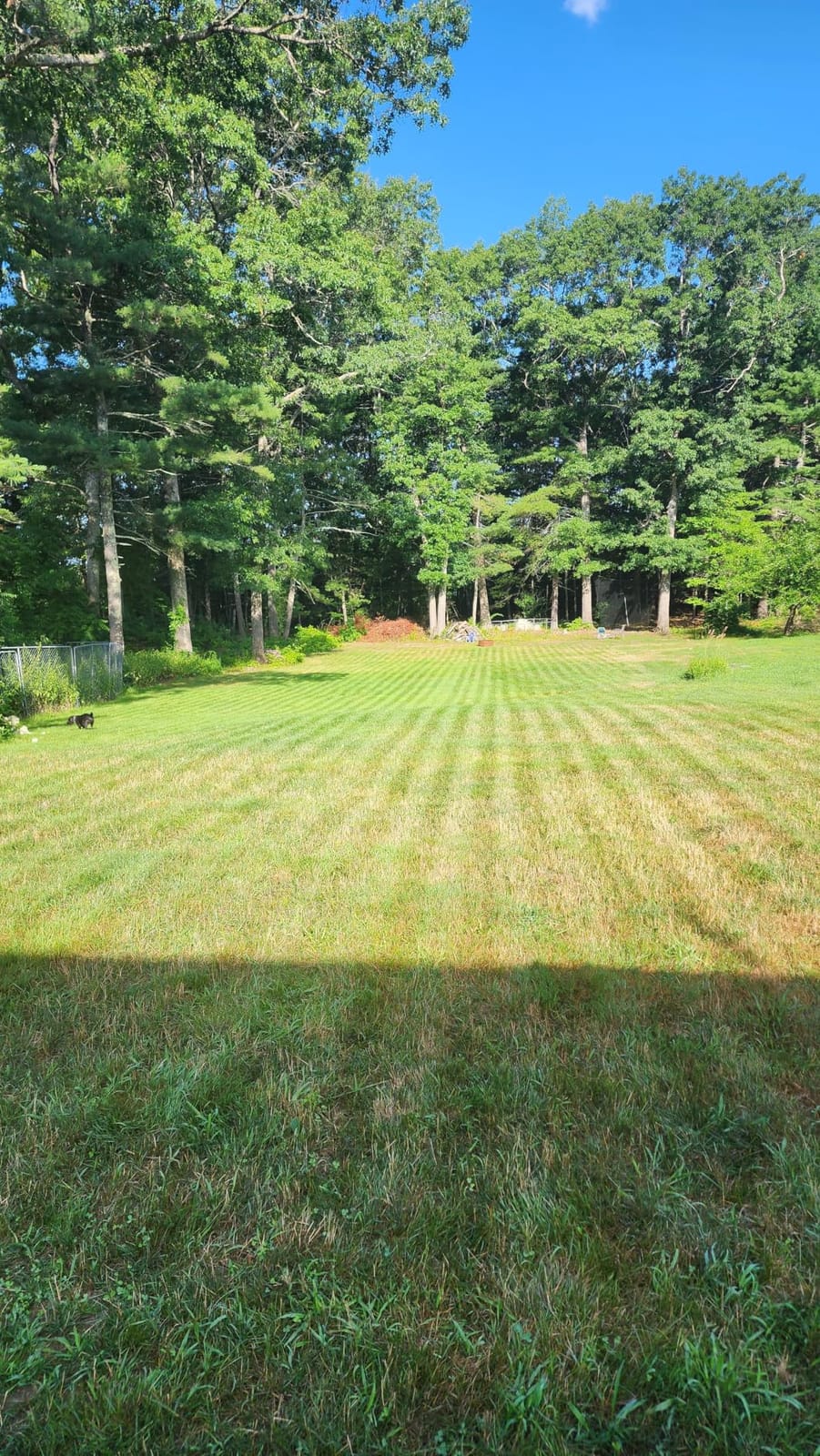
App-driven installation draws virtual mowing areas and stay-out zones rather than any cable, and mowing patterns include random, striped and checkerboard, which is more choice than most competitors offer. At 9.4 inches the cut width sits in the middle of the pack, and at 59 pounds it is one of the heaviest units in its class.
The problem is the review record. This is a 3.6 average with 24 percent one-star reviews, and several owners describe failures or repeated service visits. Connectivity feedback is mixed, and the conventional bladed cut design produces a different finish from razor-blade robots.
The Warranty Is the Real Argument Here
A 4-year warranty and a free year of blades are worth real money against the running costs owners report elsewhere, and that support structure is the reason to consider this machine despite the ratings. The radar-based obstacle detection is also a genuine advantage in a yard with a lot of metal and reflective clutter that confuses cameras.
What to Watch During the First Season
On a 3.6 average with a fifth of reviews at one star, the failure pattern is the thing to monitor, not the feature set. Keep firmware current, note any error states early, and lean on the warranty rather than troubleshooting. Buyers who want proven uptime today should look at the Mammotion models, where the owner feedback is steadier.
10. Roborock RockNeo Q110H: Best Wire-Free Mower for Quiet Night Mowing
Roborock RockNeo Q110H Robot Lawn Mower, Wire-Free Robotic Lawn Mower with Full-Band RTK + VSLAM Navigation, Auto Mapping, AI Vision Obstacle Avoidance, App Control, 45% Slope, Covers Up to 1/4 Acre
Full-band RTK plus VSLAM dual navigation
1/4 acre with 130 minute runtime
Floating deck adapts to ground contours
45 percent slope, 1.57 inch clearance
Pros
- Very quiet with headlights that allow night mowing
- Cuts in straight lines with good navigation for its class
- Three-screw assembly and long 130 minute runtime
- Roborock app is familiar to existing vacuum owners
Cons
- Auto-mapping not yet enabled
- boundary must be driven manually
- Leaves 1 to 1.5 ft of grass unmowed along edges
- Weak traction in dense St. Augustine grass
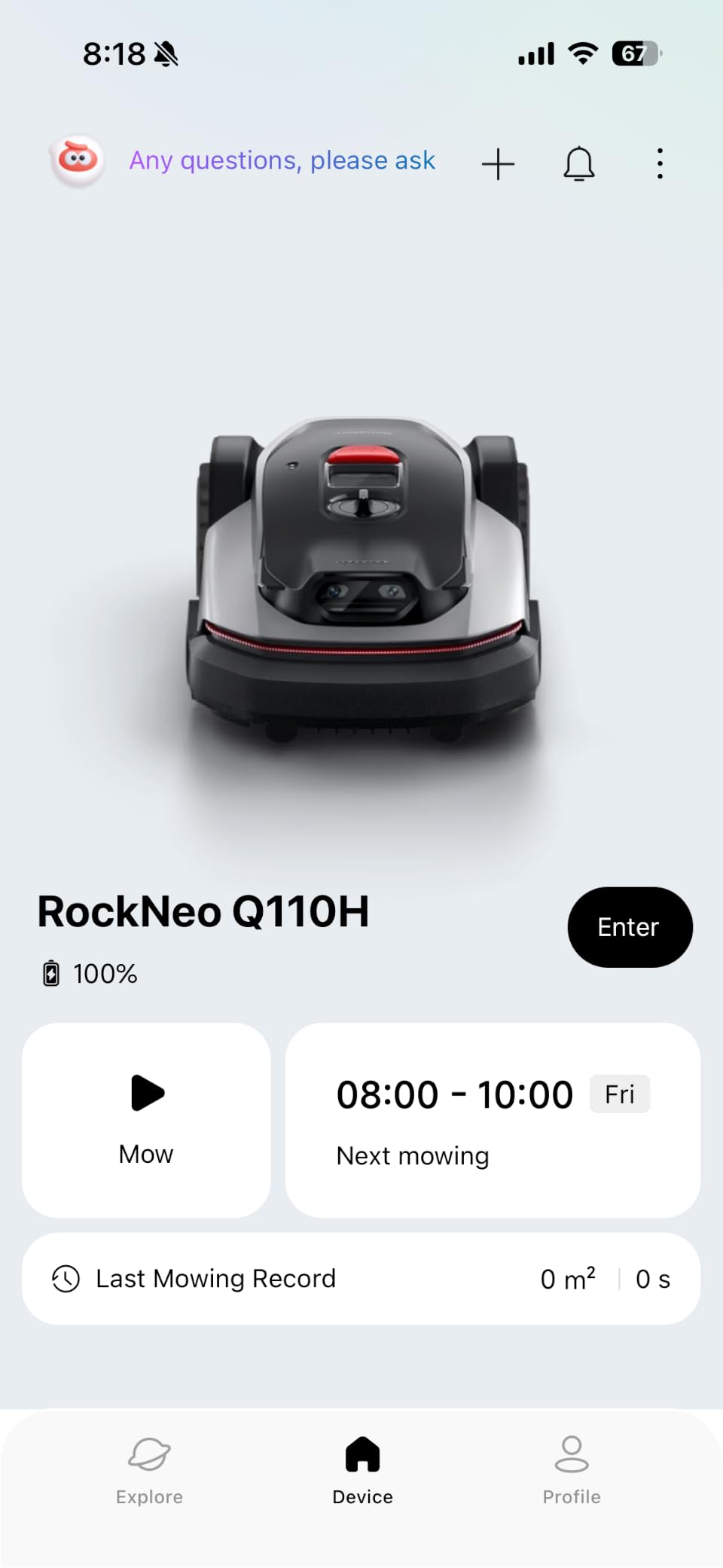
The RockNeo Q110H comes from a brand most buyers already own, and that shows in the app. If you have a Roborock vacuum, the mowing app is already familiar, which removes the single biggest source of frustration with robot mowers. Assembly is three screws.
Navigation is full-band RTK paired with VSLAM, a dual system chosen specifically for signal stability under tree cover. The Sentisphere AI auto-mapping and app-controlled manual mapping modes are both listed, though in practice the auto option has not been enabled for owners. Stereo AI vision handles obstacle recognition, and a floating cutting deck adapts to ground contours.
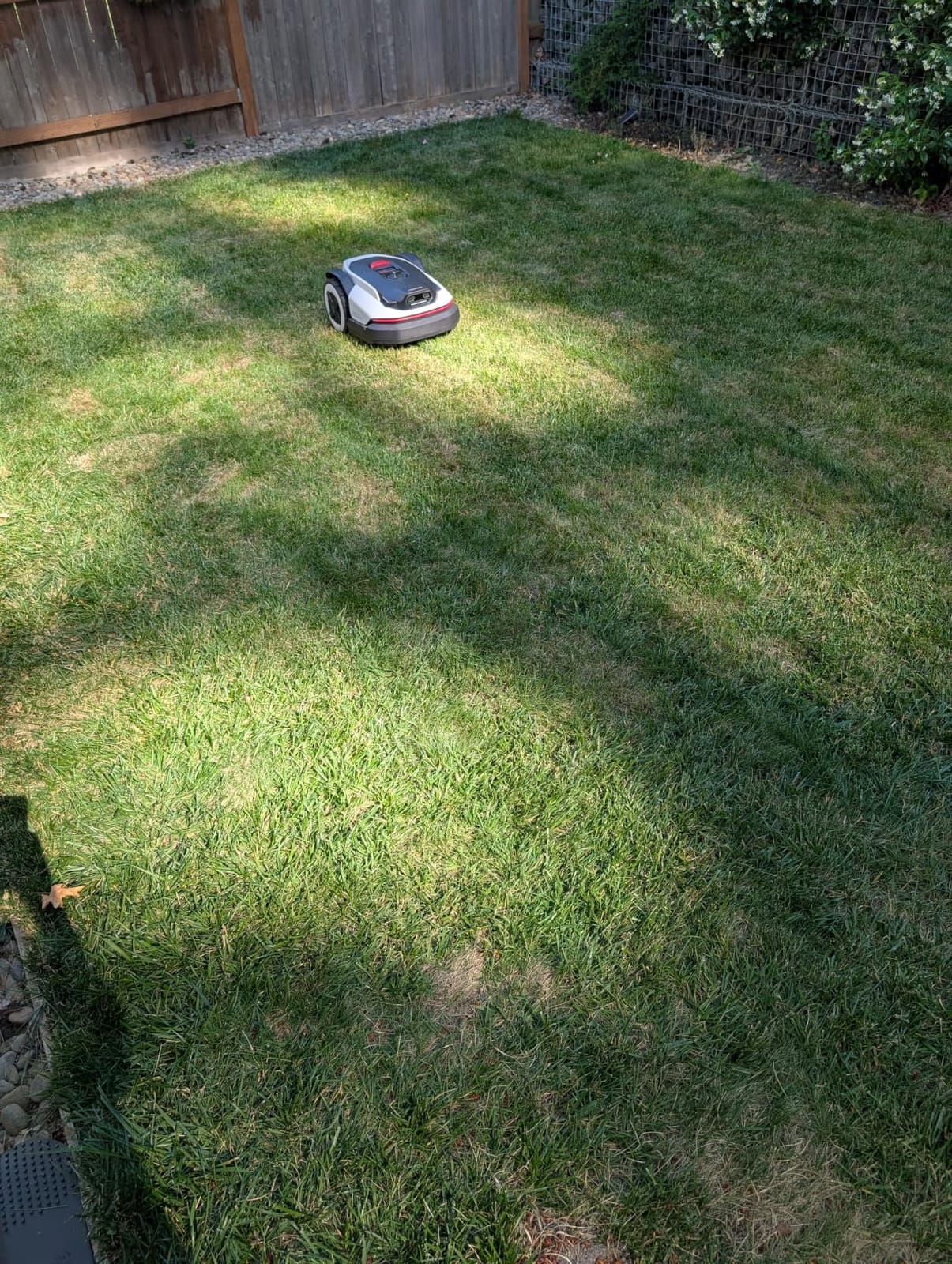
Runtime is 130 minutes, the longest in this group after YARBO, and the machine has headlights for night mowing while staying very quiet. Coverage is a quarter acre with a 45 percent slope rating, and it fits through passages as narrow as 2.3 feet despite the 8.7-inch cut width.
Anti-theft is better specified than most. A PIN lockout and a high-decibel alarm come as standard rather than as an optional module, which is the combination owners repeatedly call a deal-breaker. The gaps are the boundary margins, which leave 1 to 1.5 feet of unmown grass along edges and fences, and traction in dense St. Augustine grass. It also declines to pass through gates even where clearance allows.
The Boundary Margin Issue in Practice
Over-cautious margins look sensible on paper and produce a visible stripe of tall grass around the perimeter of your lawn every single cut. For a tidy front lawn that stripe is the difference between a machine you enjoy and one you follow with a trimmer, so budget for edge work regardless of what the app claims.
Who Should Look at This Model
Buyers already inside the Roborock app ecosystem, those who want night mowing, and anyone who rates PIN lock and an alarm above a wider deck. With 35 reviews the sample is the thinnest of the mid-size group here, so treat the ownership record as provisional rather than settled.
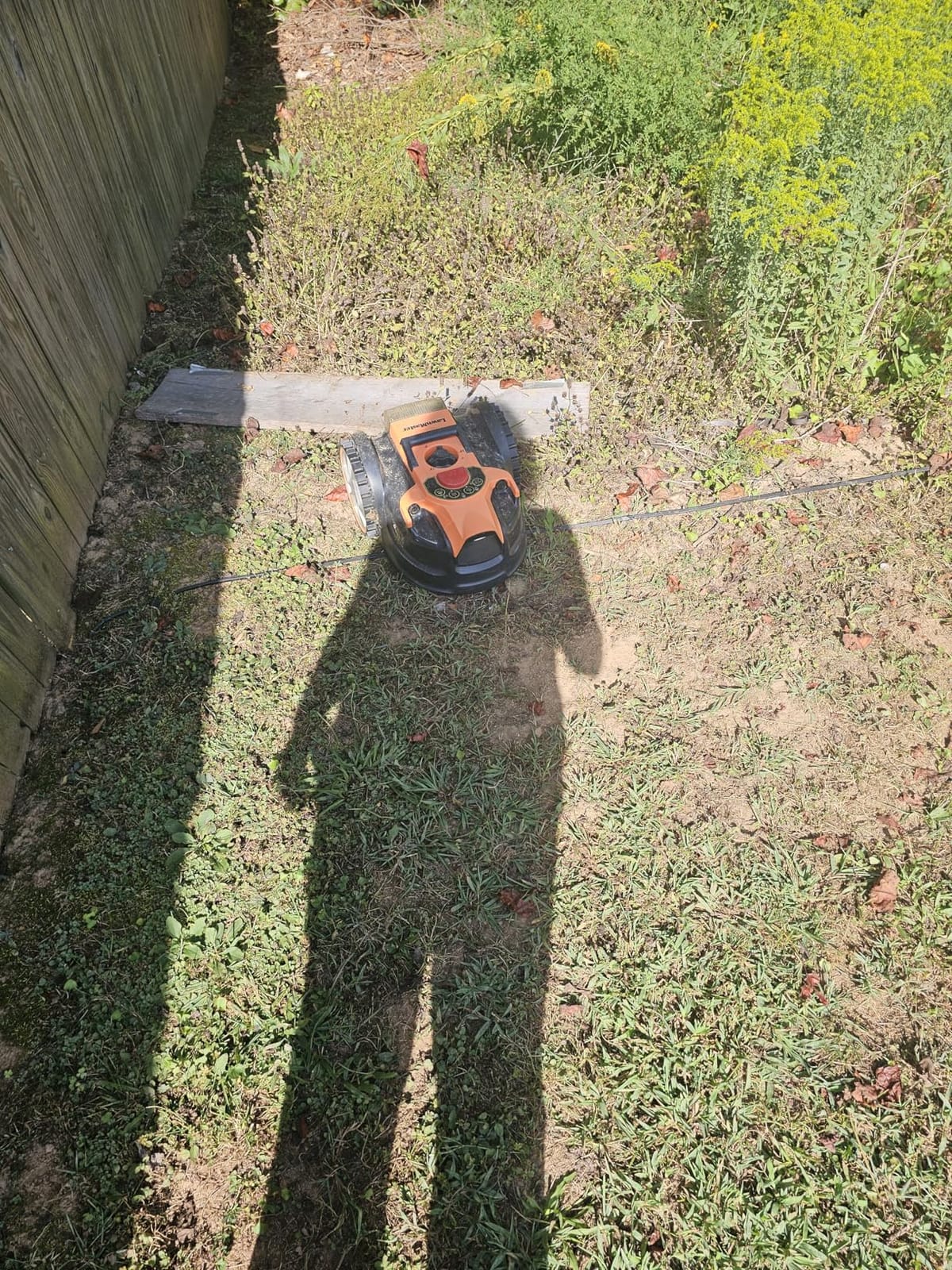
11. LawnMaster OcuMow: Best Budget Wire-Free Mower for Small Flat Lawns
LawnMaster OcuMow Perimeter Wire Free Robot Lawn Mower Cuts Small Lawns 1000-2000 Square Feet with Optical Navigation, Obstacle Avoidance, Low Noise and No Go Functiont
Camera-only optical navigation with grass detection
1000 to 2000 square foot lawns
Two ultrasonic sensors at 6 inch range
35 percent slope, magnetic no-go strip
Pros
- No base station
- no app and no boundary wire
- just place and start
- Very quiet and slow enough for an even cut
- Good entry point for proving out robotic mowing
- Recognises lawns and terrain changes reliably when flat
Cons
- Needs a defined lawn edge and wanders on irregular ground
- 33 ft of magnetic strip is far too short for most properties
- Leaves roughly a foot of uncut grass along borders
- Struggles when grass is allowed to grow tall
The OcuMow is the cheapest way to find out whether a robot mower suits your household at all. Drop-and-mow operation means you carry it out, press start and walk away. No app, no account, no base station, no outlet, no antenna and no boundary wire. For a 1000 to 2000 square foot flat lawn, nothing else gets you to a maintained yard with less involvement.
Navigation is a wide-angle HDR optical camera using grass detection, backed by two ultrasonic sensors that detect objects as small as 6 inches. At 13.4 pounds and under 22 inches long it is also the lightest and most portable machine in the roundup, which matters if it lives in a shed rather than a garage.
It is slow, and that is the feature. The low mowing speed produces a consistently even cut, and the noise level is low enough for early morning use. Climbing is rated to 35 percent, or 19 degrees, and a 24V battery with quick charger and three spare blades are included.
The boundary story is the weak point. Instead of a wire, it uses 33 feet of magnetic strip with pegs for no-go fencing, and reviewers report that is far too short for most properties and has to be re-laid for each mow. The mower needs a defined lawn edge and can wander on irregular or sloped yards, and the front wheel is too light to hold an incline once grass gets tall. Replacement parts are also hard to source.
Set Expectations Before the First Mow
Cut the grass to a normal height with a regular mower before the first robotic session. This is recommended generally across the category, and here it is closer to mandatory, because a light front wheel and 35 percent slope limit both struggle with tall grass and leave roughly a foot of uncut border grass. Expect a trimmer round afterward regardless of how clean the middle looks.
Who This Is For and Who It Is Not
It suits a small, flat, well-bounded lawn and a buyer who refuses to install anything at all. It does not suit sloped ground, complex shapes, multiple lawn areas or anyone who wants app scheduling. The 3.4 average rating is the lowest here, and most of that reflects the boundary strip and parts availability rather than the cut itself.
12. Mammotion LUBA 2 AWD 3000HX: Best Wire-Free Mower for Cellular Connected Yards
Mammotion LUBA 2 AWD 3000HX Robot Lawn Mower with 4G, All-Wheel-Drive for 80% Slope, Perimeter Wire Free for 0.75 Acre, UltraSense AI Vision & RTK Auto-Mapping, 2.2″-4.0″ Adjustable Cutting Height
RTK plus UltraSense AI vision
165W four-wheel drive motors for 38 degree slopes
0.75 acre with 30 areas and no-go zones
4G, Bluetooth and WiFi with GPS anti-theft
Pros
- Handles steep rough uneven terrain without getting stuck
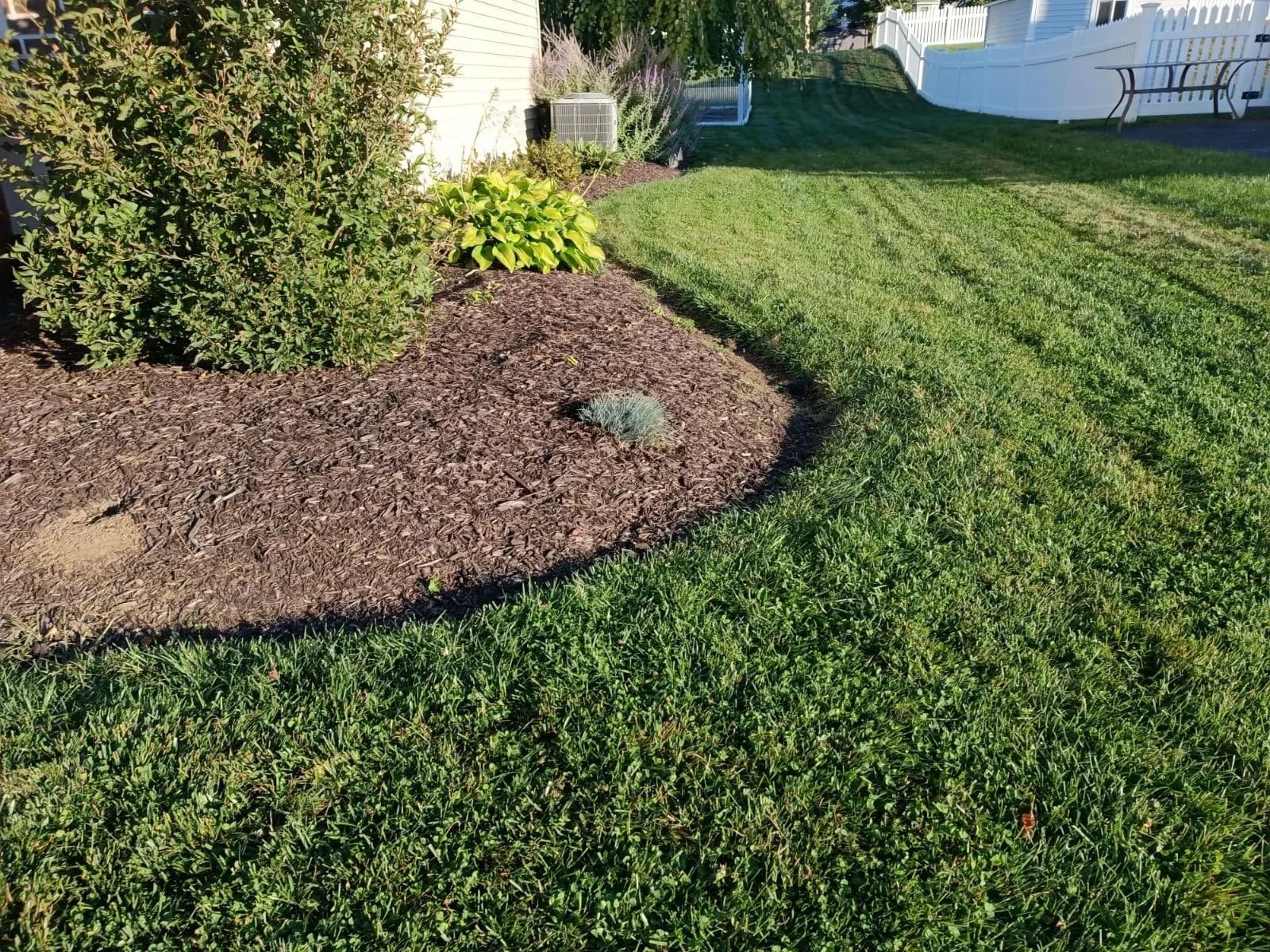
- Precise boundary tracking with clean striped cut lines
- Very quiet and can mow at night with headlights
- Highly configurable mowing patterns zones and no-go areas
Cons
- Initial setup and mapping takes patience and planning
- App interface is clunky and map editing is limited
- Does not mulch leaves so edge trimming is still needed
The LUBA 2 AWD 3000HX is the version of the Mammotion platform for people who want connectivity independent of their home WiFi. 4G, Bluetooth and WiFi are all supported with GPS anti-theft, and it is the only machine in this roundup with cellular built in rather than as an add-on module.
Mechanically it is a serious off-roader. Four-wheel drive from 165W motors handles 80 percent slopes, or 38 degrees, and the dual-blade disc cuts a 15.8 inch swath, among the widest available. UltraSense AI vision combines with RTK navigation, and obstacle avoidance recognises more than 200 object types. Up to 30 mowing areas and no-go zones are supported.
Owners of the 3000X series report strong performance on hilly, complex acreage and satisfying cut lines with visible striping. Night mowing with headlights is supported and the machine is quiet enough to run at night, which is a genuine advantage over daylight-only models.
The costs are real. Setup and mapping take patience and careful planning, the app interface is described as clunky with limited map editing, and it does not mulch leaves so periodic weed-whipping of edges remains necessary. There is also a 2.2 to 4.0 inch cutting height across five positions, and a minority of owners describe reliability or support problems after extended use, including one report of a unit failing and returning unrepaired from warranty service.
When 4G Connectivity Is the Deciding Feature
Built-in cellular matters if your WiFi does not reach the lawn, if you want the mower working while you are away from home, or if you simply do not want another device on the network. For a detached property or a yard behind a metal building, that removes a real failure mode rather than adding a novelty.
How It Compares With the Newer LUBA 3
The LUBA 3 AWD 3000 adds 360-degree LiDAR with a 230 foot range and 300-plus obstacle categories, and is rated slightly higher on slope at 38.6 degrees. The LUBA 2 3000HX counters with the wider 15.8 inch deck and built-in 4G. If you are choosing today on navigation robustness alone, the LUBA 3 is the stronger machine.
What Owners Say: Lessons from Real Users
Across owner communities the same themes repeat, and they are worth more than any spec comparison. On the robotic lawn mowers subreddit, a long-term owner of a Segway Navimow h800 describes upgrading from a WORX Landroid and calls not dealing with wires a good call. That sentiment shows up in nearly every thread: wire-free is treated as a clear quality-of-life upgrade.
Mapping and antenna placement remain the number one source of buyer disappointment. The pattern in threads is consistent with what the review data shows here: people assumed wire-free meant nothing to install, then discovered an RTK antenna or reference station was required. The Navimow i206 owner in the same community reports the machine does well on bumpy terrain but that deep little holes are a problem for basically any robot mower.
Obstacle avoidance produces the most common day-to-day complaint. Mowers treat tall unmown grass as an obstacle and stall in patches, and some models need you to physically clear the lawn before each long run. Owners also describe mowers stranding themselves in the same hazard repeatedly because the software does not learn from the mistake.
App quality divides opinion more than navigation does. Buggy interfaces, features shipped before they work and firmware regressions are all reported, and the specific gripe that recurs is having to drive the mower physically to adjust a map. Theft is the other deal-breaker: front-yard installations are exposed even with fencing, and owners care most about PIN lock, app locking and geofencing rather than headline navigation specs.
Lifecycle anxiety is the quiet reason many buyers hesitate. Owners treat older invisible-fence models as increasingly legacy and heavily discounted, which is a useful comparison point if you are deciding whether the wire-free premium is worth paying. Battery degradation after a year and an uncertain four-to-five year service life come up in the same breath.
How to Choose a Wire-Free Robot Mower
Start with mowable area, not property acreage. Mapped capacity is grass the machine can actually reach, and driveways, beds, paths and unusable corners come out of that number. Size the mower to the lawn you want cut, then check that the slope rating covers your steepest section, since underpowered drivetrains simply cannot climb.
Lawn size is quoted in three different units depending on where you buy, and the SERP for this topic draws heavily from international buyers. For reference, 1000 square metres is roughly 10,800 square feet, 600 square metres is about 6500 square feet, and one acre is 43,560 square feet or 4047 square metres. Owners in European and Australian forums routinely cite 600 to 1000 square metre gardens, which puts them squarely in the half-acre class.
Next, decide how much hardware you will accept. If nothing may be installed, your options narrow to the eufy E15, the Mammotion LUBA mini 2 and the LawnMaster OcuMow. If you can mount an antenna with a clear southern sky view, every RTK machine opens up and you gain better boundary accuracy under tree cover.
Think about drive type next. All-wheel drive with adaptive suspension, as on the Mammotion models, handles slopes and roots far better than rear-wheel drive on a small yard. Tracked platforms such as YARBO take that further but cost far more. Small cut widths mean longer mow times, so a wide 15.8-inch deck is worth a lot of time saved on an open lawn.
Connectivity and theft protection deserve real weight, more than most guides give them. If the mower sits beyond WiFi range, built-in 4G is the difference between a machine that runs and one that does not. PIN lock, an alarm and app locking are the features owners treat as deal-breakers, and only some models include them as standard rather than as an accessory.
Finally, plan for the running costs. Blades need replacing, batteries eventually need replacing, and winter storage matters in cold climates. The ECOVACS CARE bundle ships 36 spare blades and an RTK extension cable, and the Husqvarna includes a free year of blades, which tells you how much this running cost varies between brands. If you are still deciding, our earlier guide to cable risers covers the general problem of protecting long outdoor cable runs, though a wire-free mower avoids that job entirely.
Frequently Asked Questions
What is the best robot lawn mower without perimeter wire?
The best robotic mowers without perimeter wire use RTK GPS, 360-degree LiDAR or onboard cameras instead of a buried cable. Our top pick for this year is the Mammotion LUBA mini 2 AWD 1500H, which combines LiDAR and dual cameras so it needs no GPS tower. The ANTHBOT M5 is the strongest value option and the eufy E15 is the simplest to install.
Is there a robotic mower that doesn’t require perimeter wire?
Yes. Every machine in this roundup operates without a buried boundary cable, and you draw the mowing area, no-go zones and pass-through paths in the manufacturer app instead. The catch is that most still need something installed, typically an RTK antenna or base station with a clear view of the southern sky.
Do all robot mowers need a boundary wire?
No. Newer wire-free models map your lawn on first run and store the boundary digitally. The lawn is then cut to those virtual limits, and no cable is buried. Machines using RTK GPS, LiDAR or camera vision with visual SLAM all work this way, which is why most current robot mowers no longer include wire.
What are the downsides of using a robotic lawn mower?
The recurring complaints are edge grass left tall along borders and fences, obstacle avoidance stalling on tall unmown grass, mowers stranding themselves in the same hazard repeatedly, buggy apps that force you to drive the mower to edit a map, theft exposure on front-yard installs, and battery degradation over the first couple of years. Complex lawn shapes with a steep slope or narrow passage can leave part of a yard unreachable.
Which robotic lawn mower does not require a boundary wire?
All 12 models in this guide are wire-free, including the Mammotion LUBA mini 2, ANTHBOT M5, Segway Navimow i105N, Mammotion LUBA 3, ECOVACS GOAT O1000, ANTHBOT Genie, eufy E15, YARBO, Husqvarna 410iQ, Roborock RockNeo Q110H, LawnMaster OcuMow and Mammotion LUBA 2 AWD 3000HX. The eufy E15 and the LUBA mini 2 also require no antenna or base station.
Do wire-free robot mowers need an antenna?
Most do, but not all. RTK-based models such as the Navimow i105N, ECOVACS GOAT, ANTHBOT Genie and Roborock RockNeo need a base station or antenna mounted with a clear view of the southern sky. The eufy E15 uses pure stereo camera vision with no antenna, and the Mammotion LUBA mini 2 relies on LiDAR and dual cameras rather than a GPS tower.
Our Final Verdict on Wire-Free Robot Mowers
After comparing 12 machines across navigation, terrain, cut quality and owner feedback, the Mammotion LUBA mini 2 AWD 1500H is our choice as the best robotic mower without perimeter wire for most people in 2026. It needs no GPS tower, climbs 80 percent slopes, has a dedicated edge blade, and holds a 4.4 average across 263 reviews. The ANTHBOT M5 is the value pick, the Segway Navimow i105N is proven under tree cover, and the eufy E15 wins if nothing may be installed at all.
Two honest caveats before you buy. Wire-free usually still means an antenna goes up somewhere with a clear sky view, and every robot mower leaves some border grass that needs a trimmer. Cut the lawn down to a normal height first, mount the antenna carefully, and set your edge expectations accordingly. If you are still weighing the tech itself, our wired headphone latency guide covers a different kind of signal delay entirely.