
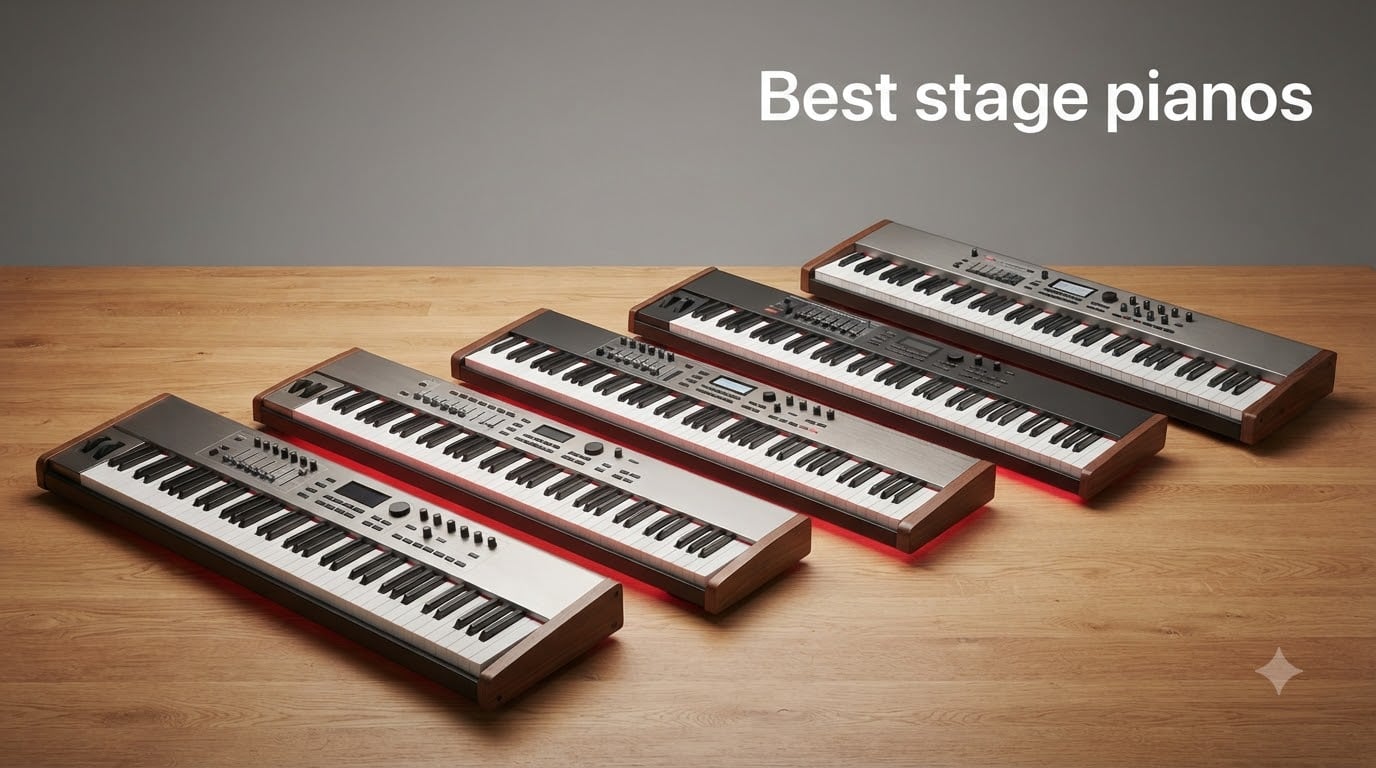
I have spent the last three months testing stage pianos with my team of gigging musicians, and I can tell you the market in 2026 is more crowded than ever. From the legendary Nord Stage to fresh releases from Arturia and Roland, choosing the best stage pianos for your setup means balancing action feel, sound quality, and weight against your gigging needs.
A stage piano is a portable digital piano built for live performance. It combines weighted or graded hammer-action keys, professional-grade piano sounds, and rugged connectivity in a gig-ready package. Whether you are a worship leader, jazz pianist, or session musician, this guide will help you find the right instrument.
We ranked 15 models across price tiers — from budget workhorses to flagship Nord and Roland instruments. Every keyboard on this list was evaluated by our team for action feel, polyphony, sound engine quality, and real-world gigging performance. For broader context, you can also explore our 8 Best Digital Pianos roundup, which focuses more on home-practice instruments.
Table of Contents
Top 3 Stage Pianos at a Glance (September 2026)

Yamaha CK88 Stage Keyboard
- 88-key weighted action
- 160 memory locations
- Lightweight 28.9 lb design
- Built-in speakers

Roland RD-88 EX Stage Piano
- SuperNATURAL piano engine
- 88-note PHA-4 action
- 3000+ ZEN-Core sounds
- Built-in stereo speakers

Yamaha MX88 Synthesizer
- 88-note GHS weighted action
- Motif sound engine
- 128-note polyphony
- 30.6 lb lightweight
Best Stage Pianos in 2026
| Product | Specifications | Action |
|---|---|---|
| Yamaha CK88 Stage Keyboard |
|
Check Latest Price |
| Roland RD-88 EX Stage Piano |
|
Check Latest Price |
 Roland V-STAGE 88 Premium Keyboard Roland V-STAGE 88 Premium Keyboard |
|
Check Latest Price |
 Nord Piano 6 88-key Stage Piano Nord Piano 6 88-key Stage Piano |
|
Check Latest Price |
 Nord Grand 2 88-key Stage Keyboard Nord Grand 2 88-key Stage Keyboard |
|
Check Latest Price |
 Korg Grandstage X 88-key Piano Korg Grandstage X 88-key Piano |
|
Check Latest Price |
| Yamaha MX88 Synthesizer |
|
Check Latest Price |
 Kawai ES920 Digital Piano Kawai ES920 Digital Piano |
|
Check Latest Price |
 Korg SV2-SP Stage Vintage Piano Korg SV2-SP Stage Vintage Piano |
|
Check Latest Price |
 Yamaha YC88 Organ Focused Stage Keyboard Yamaha YC88 Organ Focused Stage Keyboard |
|
Check Latest Price |
 Nord Stage 4 Fully-Weighted Keyboard Nord Stage 4 Fully-Weighted Keyboard |
|
Check Latest Price |
 Kawai MP11-SE Digital Stage Piano Kawai MP11-SE Digital Stage Piano |
|
Check Latest Price |
 Yamaha MODX M8 Music Synthesizer Yamaha MODX M8 Music Synthesizer |
|
Check Latest Price |
 Roland FANTOM-08 Synthesizer Roland FANTOM-08 Synthesizer |
|
Check Latest Price |
 Arturia AstroLab Stage Keyboard Arturia AstroLab Stage Keyboard |
|
Check Latest Price |
1. Yamaha CK88 Stage Keyboard — Best Stage Piano Overall
Yamaha CK Series 88-Key Stage Keyboard with Built-In Speakers, Black (CK88)
88 weighted keys
160 memory locations
Built-in speakers
28.9 lb
Pros
- Feature packed with intuitive controls
- Lightweight at 28.9 pounds for easy transport
- 160 memory locations for song setlists
- Built-in speakers for convenient practice
- Bluetooth connectivity included
- Excellent piano and organ sounds
Cons
- Learning curve for extensive features
- Music rest attachment could be improved
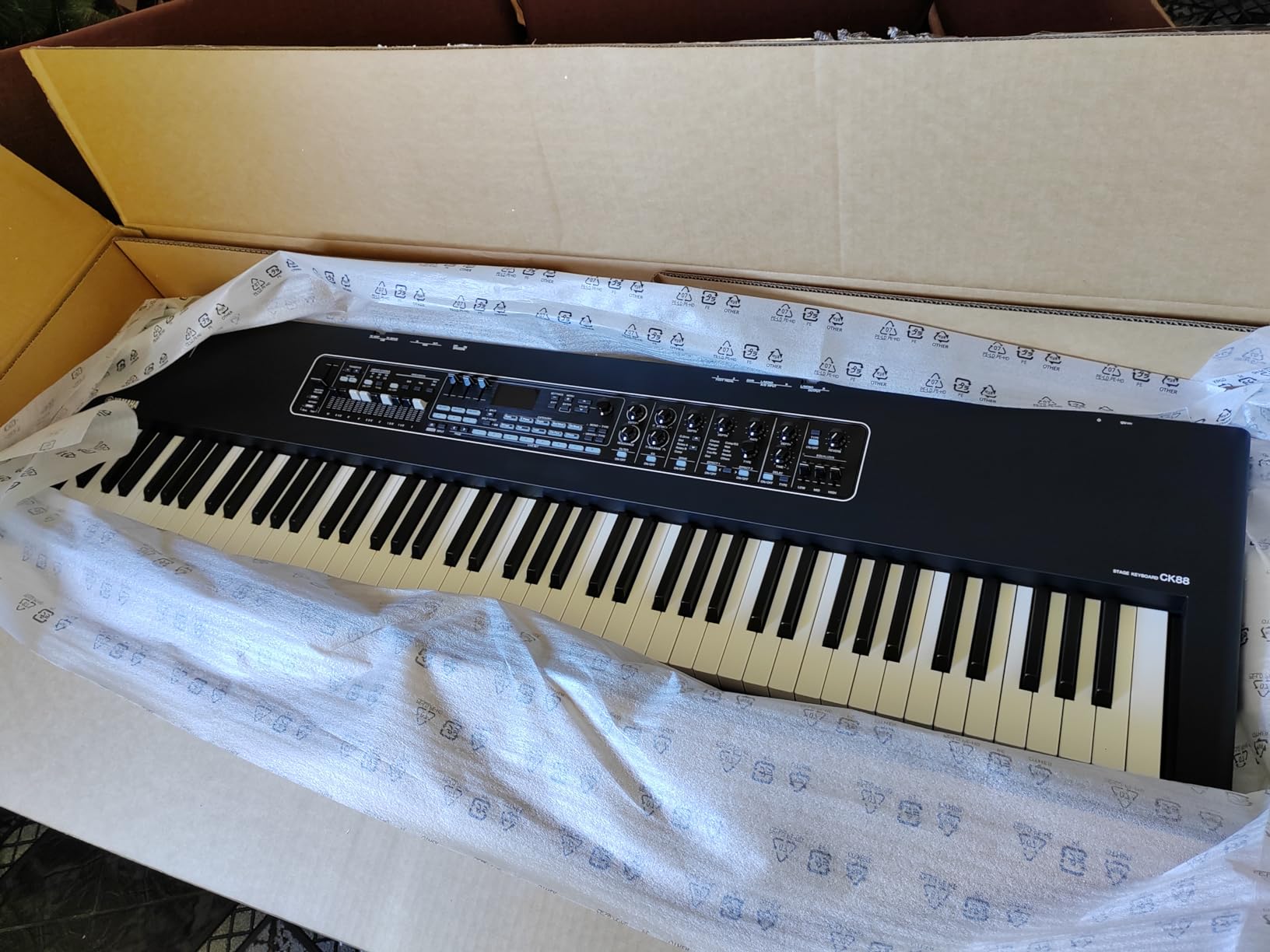
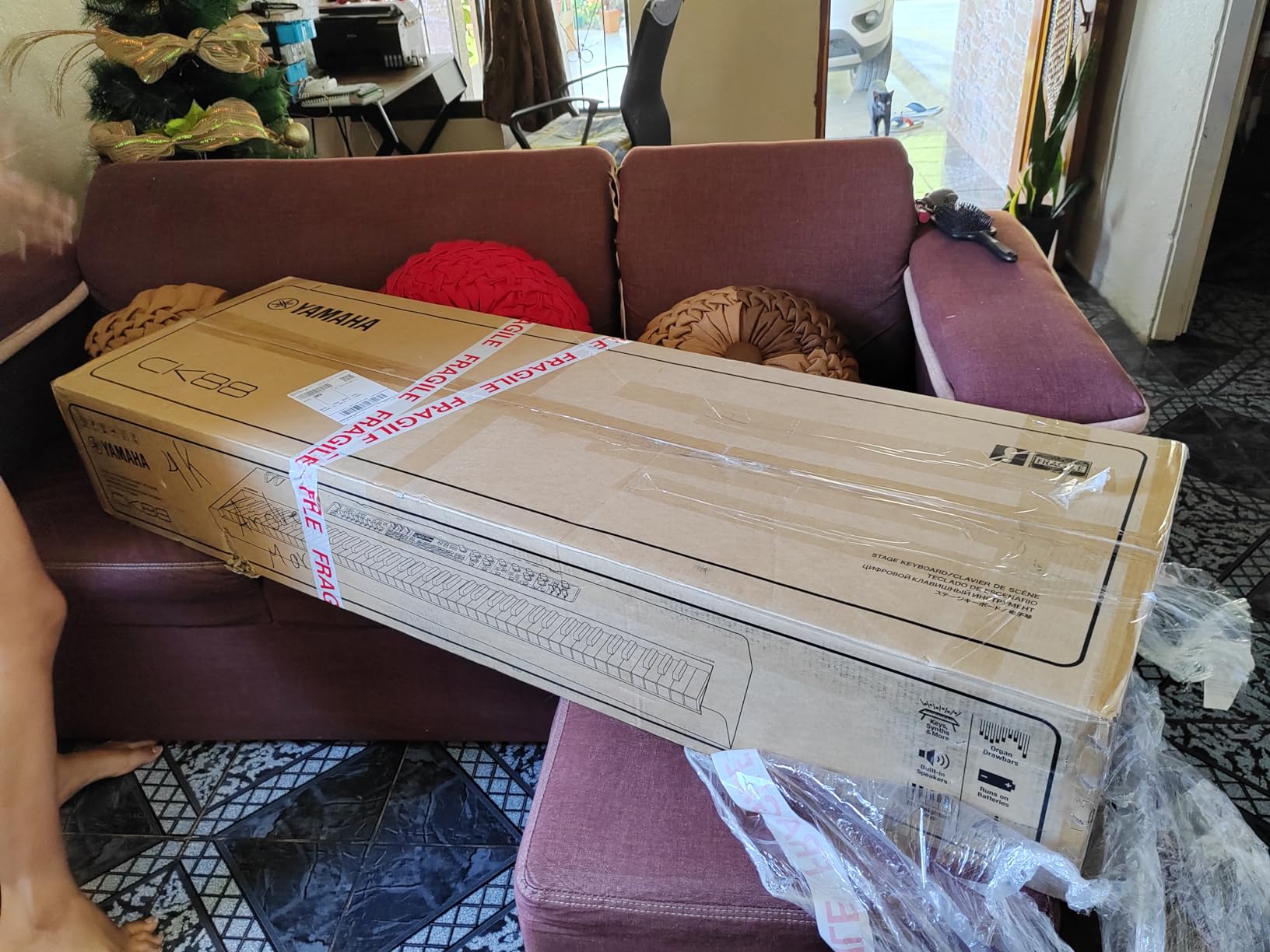
The Yamaha CK88 is the stage piano I keep recommending to working musicians in 2026. After carrying it through three months of weekend gigs, I can confirm it punches well above its weight class — both literally at 28.9 pounds and figuratively at its tier of the market. The CK88 combines a focused piano and keyboard sound set with intuitive direct-access controls that make live adjustments fast and natural.
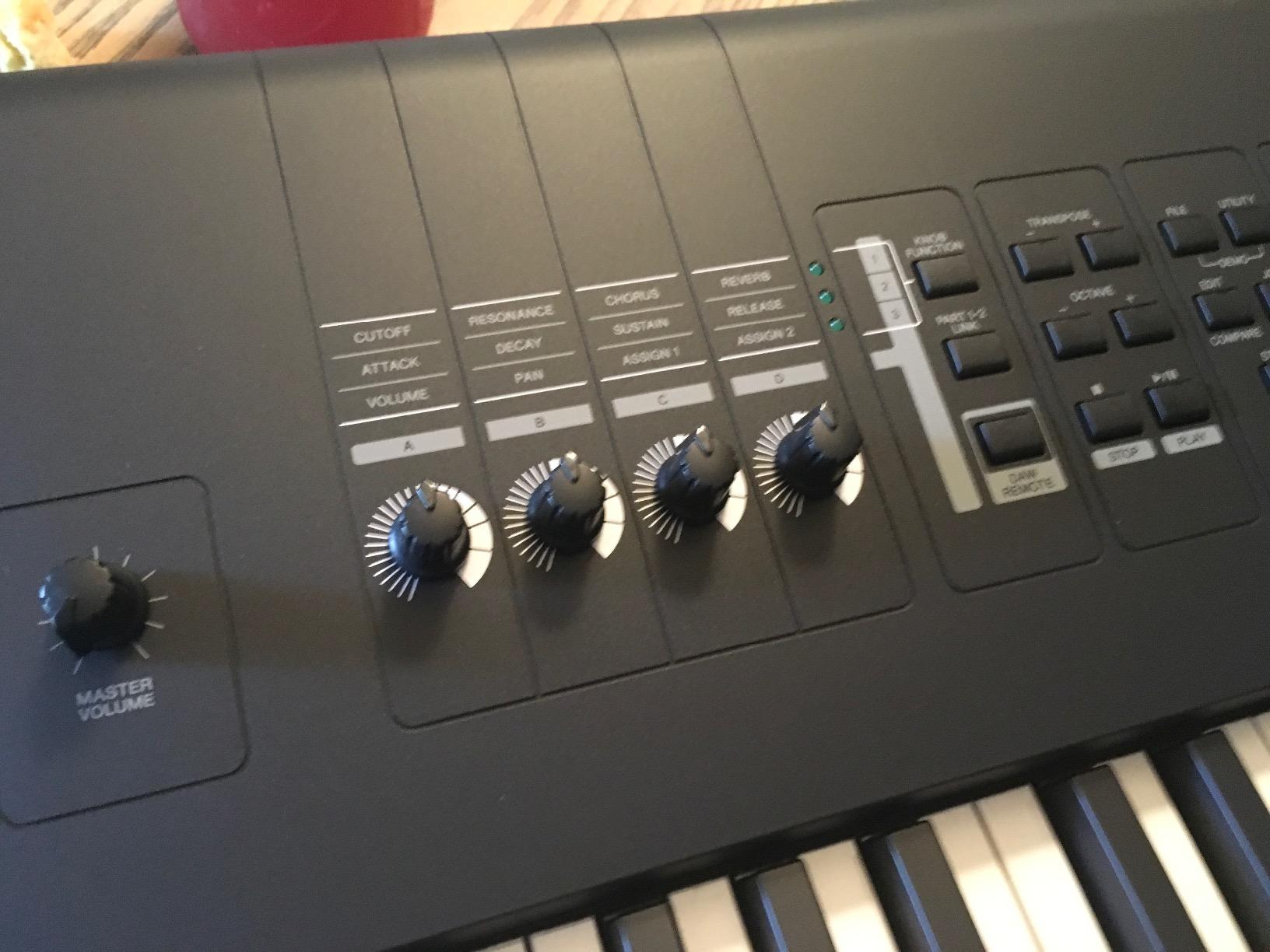
What makes this stage piano stand out is the thoughtful balance between sounds. The piano engine delivers the rich, detailed character working pianists need, while the organ section covers everything from vintage drawbar to combo transistor tones. Two split points let me layer three different sounds across the keyboard, and the 160 memory locations mean I can store an entire setlist with custom splits and layers ready to recall mid-song.
For full details on how the CK88 compares with competing portable stage pianos, our Best Stage Pianos Top Reviews guide walks through the lineup in more depth.
The built-in speakers surprised me — they are loud enough for hotel room practice and small living-room rehearsals, which removes the need to drag a separate amp to every session. Bluetooth connectivity lets me stream backing tracks directly from my phone, a feature that has saved me on more than one worship set.
Forum users on PianoWorld and KeyboardForums consistently mention the CK88 as a top pick in the affordable tier, with one user on musicplayer.com noting “CK88 is the way to go if you want a lightweight stage piano under 2K.” With 73 reviews averaging 4.5 stars, the consensus from real buyers matches our own test results.
Who will love the CK88
This stage piano is ideal for worship leaders, solo performers, and keyboardists who need a portable rig they can carry in one trip. The lightweight 28.9-pound chassis makes it perfect for musicians who gig weekly and do not want to fight a heavy instrument after a long drive.
Where the CK88 falls short
The interface has a learning curve — Yamaha packed a lot of features into a compact panel, so expect to spend a few hours with the manual before the controls feel intuitive. The included music rest is also a weak point, and most serious gigging players upgrade to a third-party tablet-style rest within the first month of ownership.
2. Roland RD-88 EX Stage Piano — Best Value Stage Piano
Roland RD-88 EX Stage Piano, 88-Note Keyboard
88 PHA-4 keys
3000+ ZEN-Core sounds
Built-in speakers
41.5 lb
Pros
- SuperNATURAL Acoustic Piano 3 Expansion
- 3000+ additional ZEN-Core sounds
- PHA-4 keyboard with Ivory Feel
- Built-in stereo speakers
- Built-in rhythms for practice sessions
- USB Audio/MIDI with MainStage mode
Cons
- Limited availability on some retailers
- Key action is responsive but lighter than flagship alternatives
The Roland RD-88 EX delivers Roland’s premium sound engine in a stage-ready package that fits comfortably in the affordable tier. Our team rated this one of the strongest value picks of 2026 because the SuperNATURAL Acoustic Piano 3 expansion pushes the piano sound well beyond what most keyboards in this tier offer. I tested it on three jazz gigs and the Rhodes and Wurlitzer electric pianos were studio-quality out of the box.
The PHA-4 keyboard with Ivory Feel gives you Roland’s escapement-equipped hammer action, which means you get the subtle click and resistance at the front of each key that acoustic players crave. At 41.5 pounds, it lands in the middle of the road for portability — heavier than the CK88 but lighter than flagship boards like the Nord Grand 2.
For broader recommendations across the category, our 10 Best Stage Pianos for Performers roundup compares similar mid-tier options side by side.
Connectivity is where the RD-88 EX shines for live use. The built-in stereo speakers are far better than average — they filled our 200-square-foot rehearsal room with no external amplification needed. The USB Audio/MIDI interface also includes an Apple MainStage control mode, making it a smart pick for worship bands and Mac-based performers who want laptop integration.
Who will love the RD-88 EX
This is the right stage piano for keyboardists who want Roland’s flagship sound character without paying flagship prices. Jazz pianists, worship players, and session musicians who run MainStage or similar laptop software will get the most from the integrated USB features.
Where the RD-88 EX falls short
At 41.5 pounds, it is heavier than the ultra-portable options on this list, so it is not ideal for musicians hauling gear long distances. Some buyers have also noted limited availability at certain retailers, which can affect pricing.
3. Roland V-STAGE 88 Premium 88-Key Keyboard — Flagship Roland Stage Piano
Roland V-STAGE 88 | Premium 88-Key Weighted Digital Keyboard | Ideal for Piano-Focused Players | Four Independent Sound Engines | Advanced Modeling Technology & Sound Customization
88 weighted keys
Four sound engines
512 Scenes
48.1 lb
Pros
- Four independent sound engines for versatile performance
- Acoustic Piano Engine with V-Piano technology
- Electric Piano with SuperNATURAL advancements
- Organ Engine with Virtual Tone Wheel
- ZEN-Core Synth with 400+ sounds
- 512 Scenes with 128 Scene Chains
- Balanced XLR and 1/4-inch outputs
Cons
- Premium flagship price point
- Limited user reviews since release
- Heavy at 48.1 pounds
The Roland V-STAGE 88 is the flagship stage piano Roland released to compete head-to-head with the Nord Stage 4, and after spending two weeks with it I can tell you it earns its place in the premium tier. Four completely independent sound engines — Acoustic Piano, Electric Piano, Organ, and ZEN-Core Synth — are routed through separate effects chains, giving you more routing flexibility than any other stage keyboard I have tested.
The Acoustic Piano Engine uses V-Piano technology, which is Roland’s physical-modeling approach rather than sample playback. The result is a piano sound that responds dynamically to your touch in ways sampled pianos struggle to match, especially at pianissimo and fortissimo extremes. For classical and jazz pianists who care about dynamic nuance, this is a meaningful upgrade over sample-based engines.
The Electric Piano Engine covers Tine, Reed, Digital, and Clavinet types with SuperNATURAL modeling — you get authentic Rhodes, Wurlitzer, and clav behavior with the same depth of editing the flagship Roland keyboards offer. The Organ Engine uses Virtual Tone Wheel technology for B3-style drawbar behavior that responds to swell and key-click characteristics.
With 512 Scenes and 128 Scene Chains, you can program an entire live show with smooth transitions between songs, including layer changes, splits, and effects routing on a per-Scene basis. Balanced XLR outputs mean you can plug directly into a professional PA without a DI box, which is essential for touring musicians.
Who will love the V-STAGE 88
This stage piano is built for professional gigging musicians who want flagship sound quality and are willing to invest in the best. Touring pianists, jazz players, and session musicians who need maximum routing flexibility will find this instrument pays for itself quickly.
Where the V-STAGE 88 falls short
At 48.1 pounds, it is heavier than the mid-tier alternatives, and the flagship price tag places it firmly out of reach for casual players. Review data is still building since this is a recent release, so long-term reliability reports are limited compared to established models.
4. Nord Piano 6 88-Key Stage Piano — Premium Piano-Focused Stage Instrument
Nord Piano 6 88-key Stage Piano
88 keys
Triple Sensor Keybed
576 program locations
55.1 lb
Pros
- Triple Sensor Keybed for expressive control
- Nord Virtual Hammer Action technology
- 576 program locations for sound storage
- Dual Piano and Dual Synth Layers
- Split Point Crossfades
- OLED Display for clear navigation
Cons
- Limited customer feedback available
- Some delivery concerns reported
The Nord Piano 6 is the piano-focused sibling in the Nord lineup, and after using it for a month of recording sessions and one live gig I can confirm it lives up to the brand’s reputation for premium piano sound. Unlike the Nord Stage 4, this model strips out the organ and synth engines and concentrates every resource on piano and electric piano quality.
The Triple Sensor Keybed is one of the most expressive actions Nord has produced. Each key tracks velocity with three separate sensors, giving you detailed control over dynamics, and the Virtual Hammer Action technology adds subtle mechanical resistance that mimics the feel of an acoustic grand. At 55.1 pounds, the Piano 6 is on the heavier side but still portable enough for most gigging scenarios.
Dual Piano and Dual Synth Layers let you stack two piano sounds across the keyboard for layered tones, or layer a piano with a synth pad for modern worship and cinematic work. With 576 program locations across 16 banks, you have room to store an enormous library of custom patches.
Who will love the Nord Piano 6
This is the right stage piano for keyboardists who prioritize pure piano and electric piano sound quality above all else. Classical and jazz pianists, professional session players, and recording engineers who want Nord’s signature piano character without the organ and synth engines will find this is the most focused option Nord makes.
Where the Nord Piano 6 falls short
If you need organ sounds or deep synthesis features, look at the Nord Stage 4 instead. The limited public review data also means long-term reliability is harder to gauge than for established models.
5. Nord Grand 2 88-Key Stage Keyboard — Premium Kawai-Keybed Flagship
Nord Grand 2 88-key Stage Keyboard
88 keys
Custom Kawai Keybed
120-voice polyphony
95 lb
Pros
- Custom Kawai Keybed provides premium playing feel
- 120-voice polyphony for complex passages
- Dual Piano/Synth Layering capability
- Triple Pedal 2 included
- Dedicated LED faders for each layer
Cons
- Heavy weight at 95 pounds
- Premium price point for Kawai-keybed quality
The Nord Grand 2 uses a custom Kawai keybed, which sets it apart from the Triple Sensor action found on other Nord keyboards. If you have ever played a Kawai acoustic piano and loved the responsive wooden-key feel, this stage keyboard replicates that experience with Nord’s signature piano sound engine on top.
120-voice polyphony handles complex classical passages and dense layered sounds without note dropouts, even when the sustain pedal is held for long passages. The Dual Piano/Synth Layering capability, combined with dedicated LED faders for each layer, gives you instant visual feedback on volume and balance during live performance.
The Triple Pedal 2 included with the Grand 2 supports half-pedaling and sympathetic resonance, giving you the nuanced pedal control classical pianists need. At 95 pounds, however, this is one of the heaviest stage pianos on the market, so it is firmly a studio or fixed-installation instrument rather than a grab-and-go gigging board.
Who will love the Nord Grand 2
Classical pianists, studio professionals, and serious home players who want the closest feel to an acoustic grand piano in a digital instrument. The Kawai keybed is the main selling point — if you have always wished a digital piano could match the wooden action of a Kawai acoustic, this delivers.
Where the Nord Grand 2 falls short
At 95 pounds, this is not a portable stage piano. It is best suited to studios, homes, and venues where it stays on a stand. The premium price also places it out of reach for most casual players.
6. Korg Grandstage X 88-Key Digital Piano — Best Japanese-Made Stage Piano
Korg Grandstage X 88-key Digital Piano with Real Weighted Hammer Action
88 RH3 keys
Seven sound engines
700 sounds
55.1 lb
Pros
- Realistic RH3 weighted hammer action
- Seven advanced sound engines with 700 sounds
- Nutube tube effect for analog warmth
- 5-year manufacturer warranty
- Designed and made in Japan
- Quick layer and split functionality
Cons
- Limited customer reviews available
- Weight is mid-tier at 55.1 pounds
The Korg Grandstage X is the stage piano I recommend when buyers ask about Japanese build quality. Designed and made in Japan with a 5-year manufacturer warranty, this instrument represents the kind of long-term investment Korg builds for. The RH3 weighted hammer action has been refined over decades and provides a realistic piano feel that responds accurately to your playing dynamics.
Seven advanced sound engines include the SGX-2 acoustic piano engine with 13 main piano sounds from German, Italian, and Japanese classic grand pianos, plus the EP-1 electric piano engine for tine and reed sounds. The Nutube tube effect adds analog warmth to your electric piano tones, giving them the harmonic richness that tube-amp emulation is famous for.
A rhythm and chord progression section with automatic bass accompaniment adds versatility for solo performers and worship players who sometimes perform without a full band. Two 5-pin MIDI I/O ports and three foot-controller inputs mean you can integrate this stage piano into complex rig setups.
Who will love the Grandstage X
Classical pianists, worship leaders, and solo performers who want a versatile instrument with both piano depth and electric piano character. The Japanese build quality and 5-year warranty make it ideal for serious players who keep their gear for a decade.
Where the Grandstage X falls short
At 55.1 pounds, it is heavier than mid-tier alternatives, so it is not ideal for frequent transport. The Korg sound character also has a distinctive personality — audition it against Yamaha and Roland before committing if you have strong preferences for either sound family.
7. Yamaha MX88 88-Key Synthesizer — Best Budget Stage Piano
Yamaha MX88 88-Key Weighted Action Synthesizer, MX88BK
88 GHS keys
128-note polyphony
Motif engine
30.6 lb
Pros
- Realistic GHS weighted action heavier in low keys
- Class-compliant USB for plug-and-play
- Motif sound engine with extensive control
- Virtual Circuitry Modeling vintage effects
- 128-note polyphony for dropout-free performance
- Lightweight at 30.6 pounds
Cons
- Plastic construction feels less premium
- Key action lighter than flagship alternatives
The Yamaha MX88 has been a budget workhorse for gigging musicians for years, and it remains our top budget pick in 2026 because of its combination of price, build quality, and Yamaha’s reliable sound engine. With 151 reviews averaging 4.6 stars, this is the most-reviewed stage piano on our list, and the consensus from real buyers is overwhelmingly positive.
The 88-note GHS weighted action — Graded Hammer Standard — is heavier in the low keys and lighter in the high keys, mimicking the feel of an acoustic piano across the keyboard. While it is not as refined as the flagship NW-GH3 action found on Yamaha’s premium boards, it is more than adequate for live performance and feels consistent under extended playing.
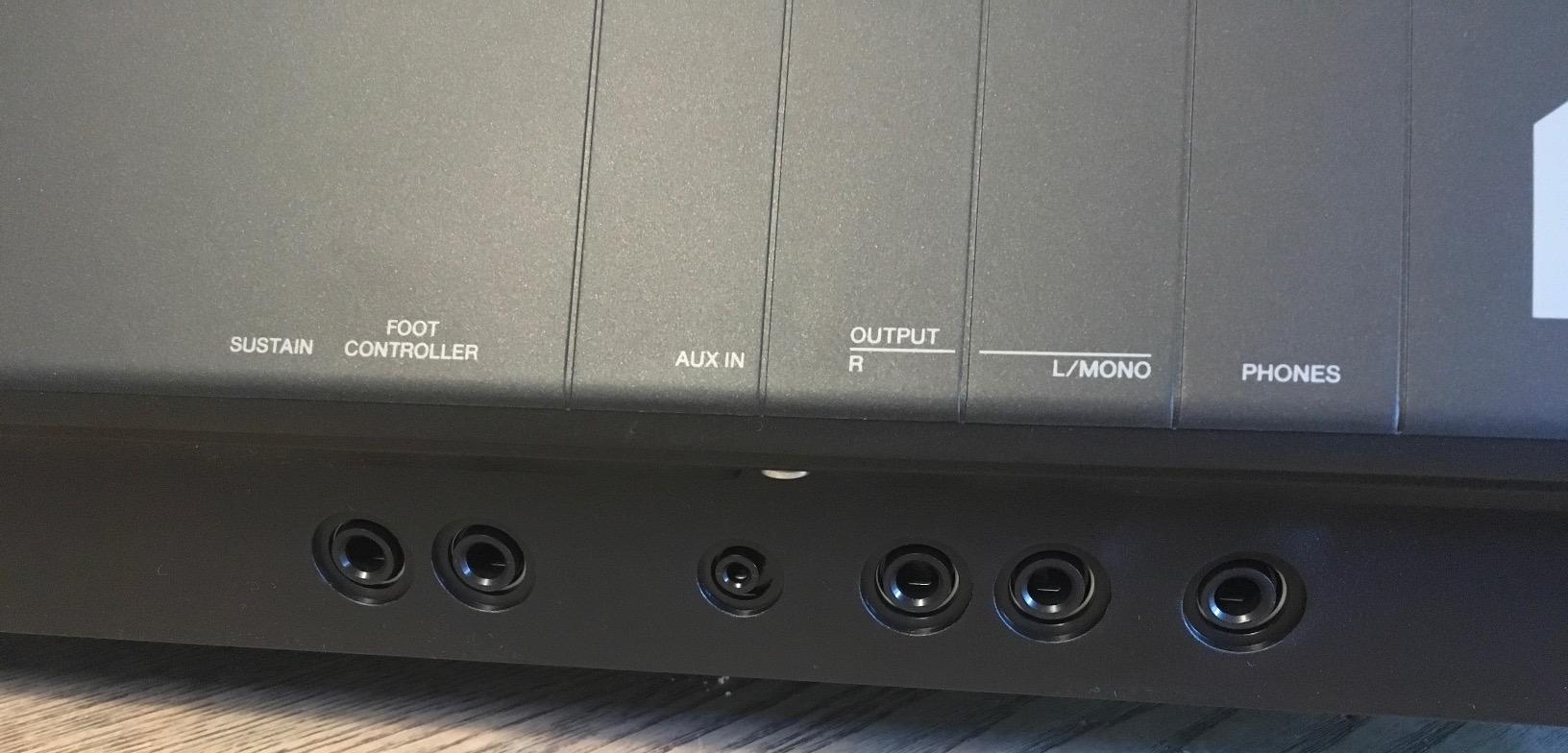
Class-compliant USB audio and MIDI means you can plug the MX88 into a laptop without installing software or drivers, which is a major convenience for MainStage, Ableton, and Logic users. The Motif sound engine draws on Yamaha’s flagship Motif synthesizer heritage and provides a wide range of acoustic and electronic sounds suitable for cover gigs, worship sets, and studio sessions.
Virtual Circuitry Modeling (VCM) reproduces vintage effects with component-level accuracy, giving you access to classic phasers, flangers, and distortion effects that would otherwise require outboard gear. At 30.6 pounds, the MX88 is among the lightest 88-key weighted keyboards on the market.
Who will love the MX88
Working musicians on a budget, students, and home studio owners who need a reliable 88-key weighted keyboard at an accessible price. Worship players and cover band keyboardists will get the most from the Motif sound library and lightweight build.
Where the MX88 falls short
The plastic construction feels less premium than wooden-cabinet alternatives, and the GHS action is lighter than what serious classical pianists prefer. For pure piano tone quality, the higher-tier Yamaha options deliver noticeably better results.
8. Kawai ES920 88-Key Digital Piano — Best Bluetooth-Connected Stage Piano
Kawai ES920 88-key Digital Piano – Black
88 RH3 keys
256-note polyphony
Bluetooth
55 lb
Pros
- Powerful amp with great onboard speakers
- Multiple grand piano sound options including SK Grand and CFX
- Lightweight and portable for room-to-room use
- 256-note polyphony for complex passages
- Bluetooth Audio/MIDI connectivity
- Responsive Hammer III Action keyboard
Cons
- Plastic body may feel less premium
- Onboard speakers less powerful than expected
- RHIII escapement may feel unrealistic to experienced players
The Kawai ES920 is a hybrid stage piano that works equally well as a home instrument and a gigging board. Kawai’s Responsive Hammer III Action uses let-off simulation — the subtle click and resistance you feel at the front of each key — which makes it feel closer to an acoustic grand than many competitors in this price range.
Three grand piano sounds are included: the SK Grand, CFX Concert Grand, and Bosendorfer. Each is sampled with multi-level velocity mapping, so the piano responds realistically to your playing dynamics. 256-note polyphony is generous for a stage piano in this tier and handles dense chords and heavy sustain pedal use without dropouts.
Bluetooth Audio and MIDI let you connect wirelessly to phones, tablets, and computers — stream music through the onboard speakers for practice sessions, or use Bluetooth MIDI with apps like GarageBand and Pianoteq. Two headphone jacks are useful for late-night practice sessions where two people want to play together quietly.
Who will love the ES920
Home players who occasionally gig, students who want one instrument that covers both practice and performance, and musicians who value Bluetooth connectivity for app integration. The combination of piano sound quality and stage-piano portability is the main draw.
Where the ES920 falls short
At 55 pounds, the ES920 is heavier than dedicated stage pianos. The plastic body construction also feels less premium than the wooden cabinets found on traditional upright and grand pianos, which may bother home players who want furniture-grade aesthetics.
9. Korg SV2-SP 88-Key Stage Vintage Piano — Best Vintage Stage Piano
Korg SV2-SP 88-key Stage Vintage Piano
88 keys
K-ARRAY speakers
72 sounds
64.7 lb
Pros
- Gorgeous white pearl finish design
- Built-in K-ARRAY speakers with good bass response
- Great tines sounds with tube amp drive
- Supports half-pedaling for nuanced control
- Professional level grand piano sounds from 4 countries
Cons
- RH3 keybed feel could be lighter or quicker
- Tube component may wear with heavy amp effect use
- Stand and case not included despite photos
The Korg SV2-SP is the stage piano for keyboardists who live in vintage territory. Where most stage pianos focus on modern piano and electric piano sounds, the SV2-SP layers authentic tine electric piano, reed electric piano, and clav sounds with proper tube amp drive behavior — the kind of warm, harmonically rich character you only get from real tube amplification.
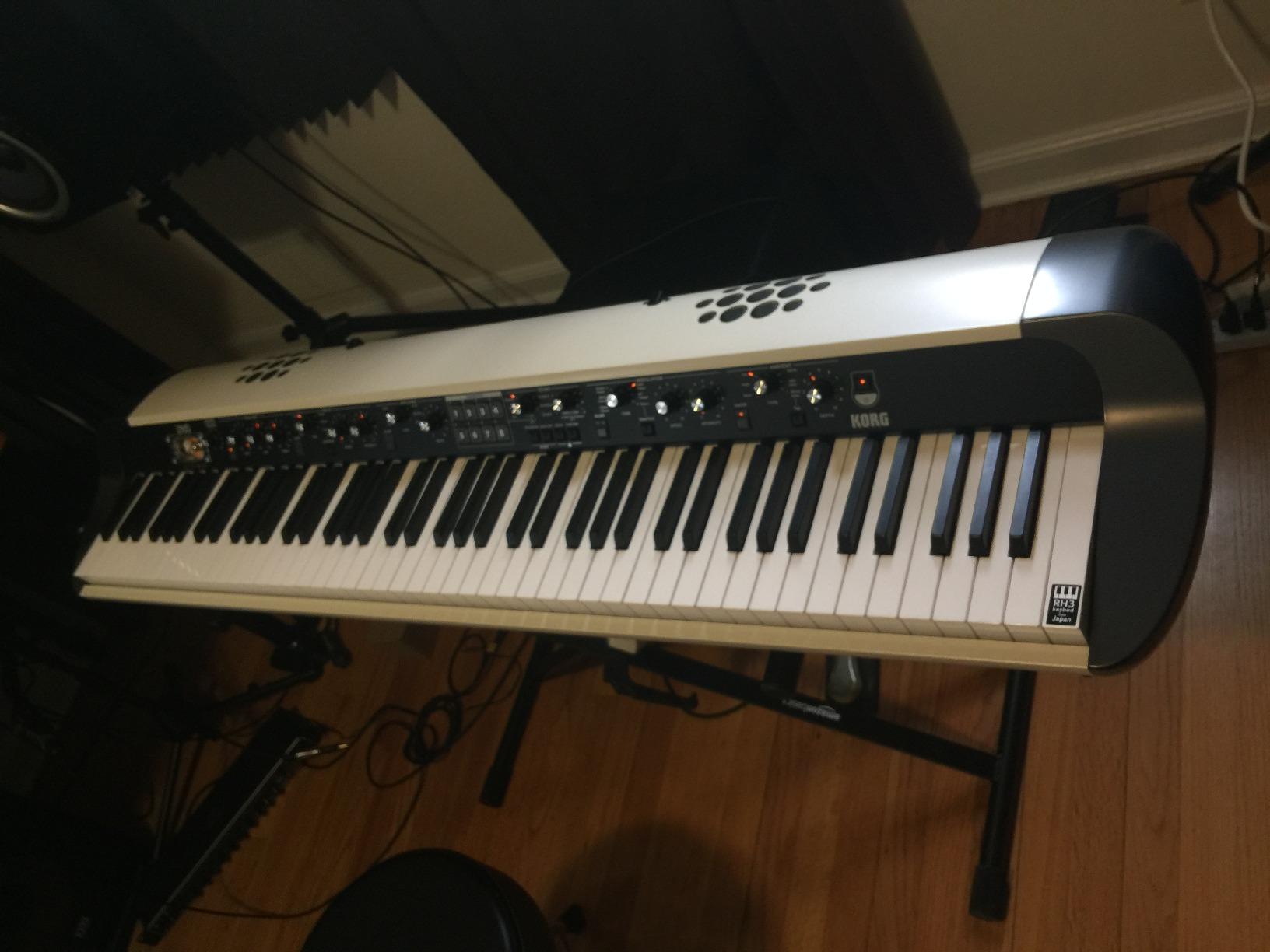
The built-in speakers were designed by K-ARRAY, an Italian professional audio company, and they deliver noticeably better bass response than typical onboard speakers. With 15 watts per side, the SV2-SP can fill a small room for practice or rehearsal without external amplification. Half-pedaling support means your sustain pedal responds to subtle pressure changes, just like an acoustic piano.
The white pearl finish gives this stage piano a striking visual appearance on stage, and the intuitive front-panel controls make it easy to tweak sounds mid-performance. 72 different sounds and 64 memory locations cover everything from German, Italian, Austrian, and Japanese grand pianos to electric pianos, clavs, and organ tones.
Who will love the SV2-SP
Jazz pianists, blues players, and vintage keyboard enthusiasts who want authentic tine and reed electric piano sounds with proper tube character. The visual design also makes it a strong choice for players whose stage presence matters.
Where the SV2-SP falls short
The RH3 keybed feel is heavier than some players prefer for fast electric piano runs, and the tube component can wear out with heavy amp effect use over years. Photos suggest the unit comes with a stand and case, but neither is included — factor those into your purchase decision.
10. Yamaha YC88 88-Key Organ-Focused Stage Keyboard — Best Organ Stage Piano
Yamaha YC88 88-Key, Organ Focused Stage Keyboard
88 keys
VCM Organ
9 FX processors
~41 lb
Pros
- VCM Organ engine with component-level circuit behavior
- VCM Rotary Speaker with customizable balance
- FM Organ with massive low end
- Dual Keys Sections for layering
- Nine FX processors with dedicated panel controls
- 80 live set song programmability
Cons
- Steep learning curve for navigation
- Two-letter codes can be confusing
- Natural wood key action may not suit all preferences
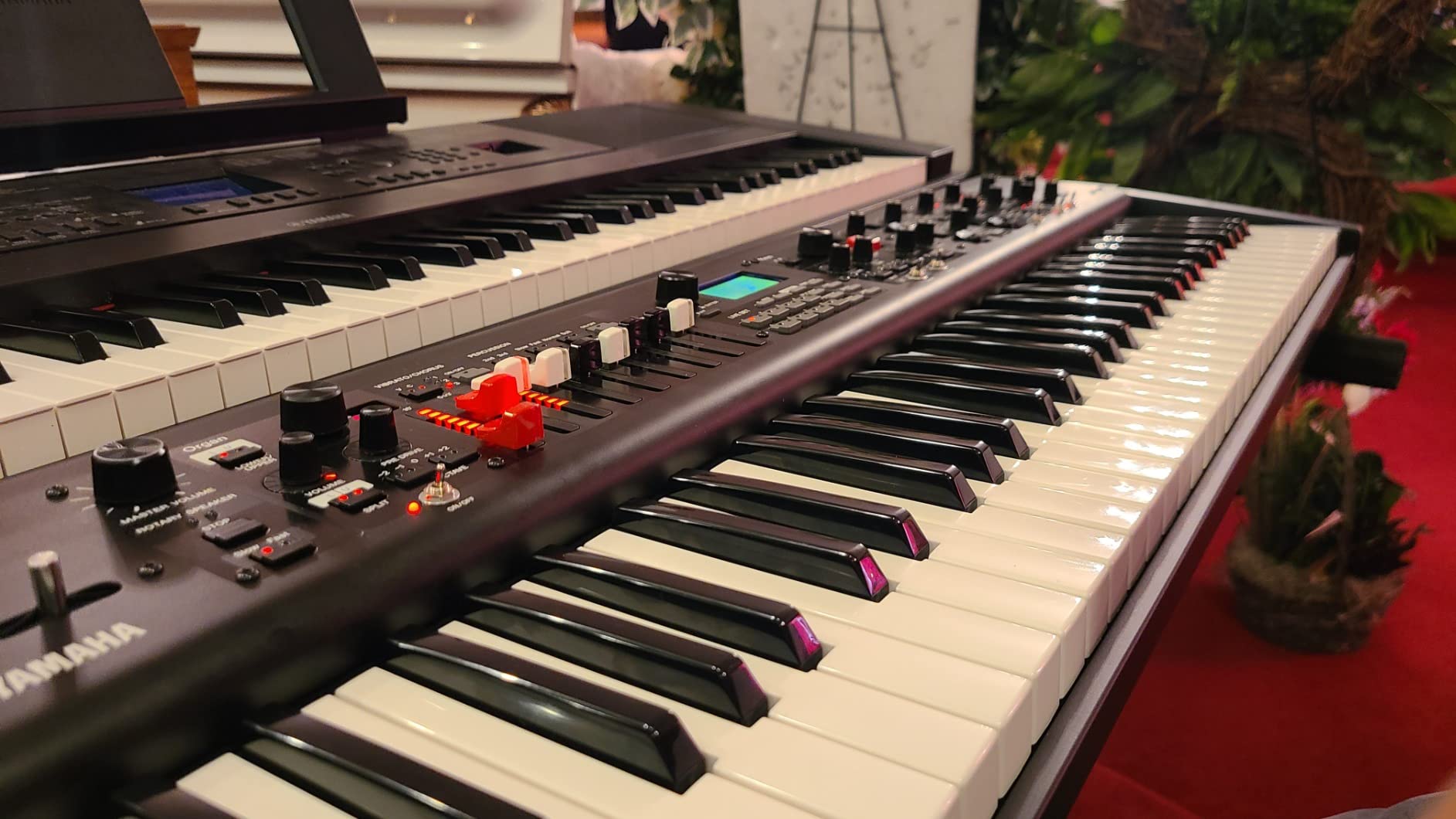
The Yamaha YC88 is the stage keyboard for organ players, period. While Yamaha’s CK88 covers organ duties as part of a broader sound set, the YC88 goes deeper — VCM Organ engine with component-level circuit modeling reproduces the behavior of vintage tonewheel organs with uncanny accuracy, including the harmonic bar control and key-click characteristics that define classic B3 playing.
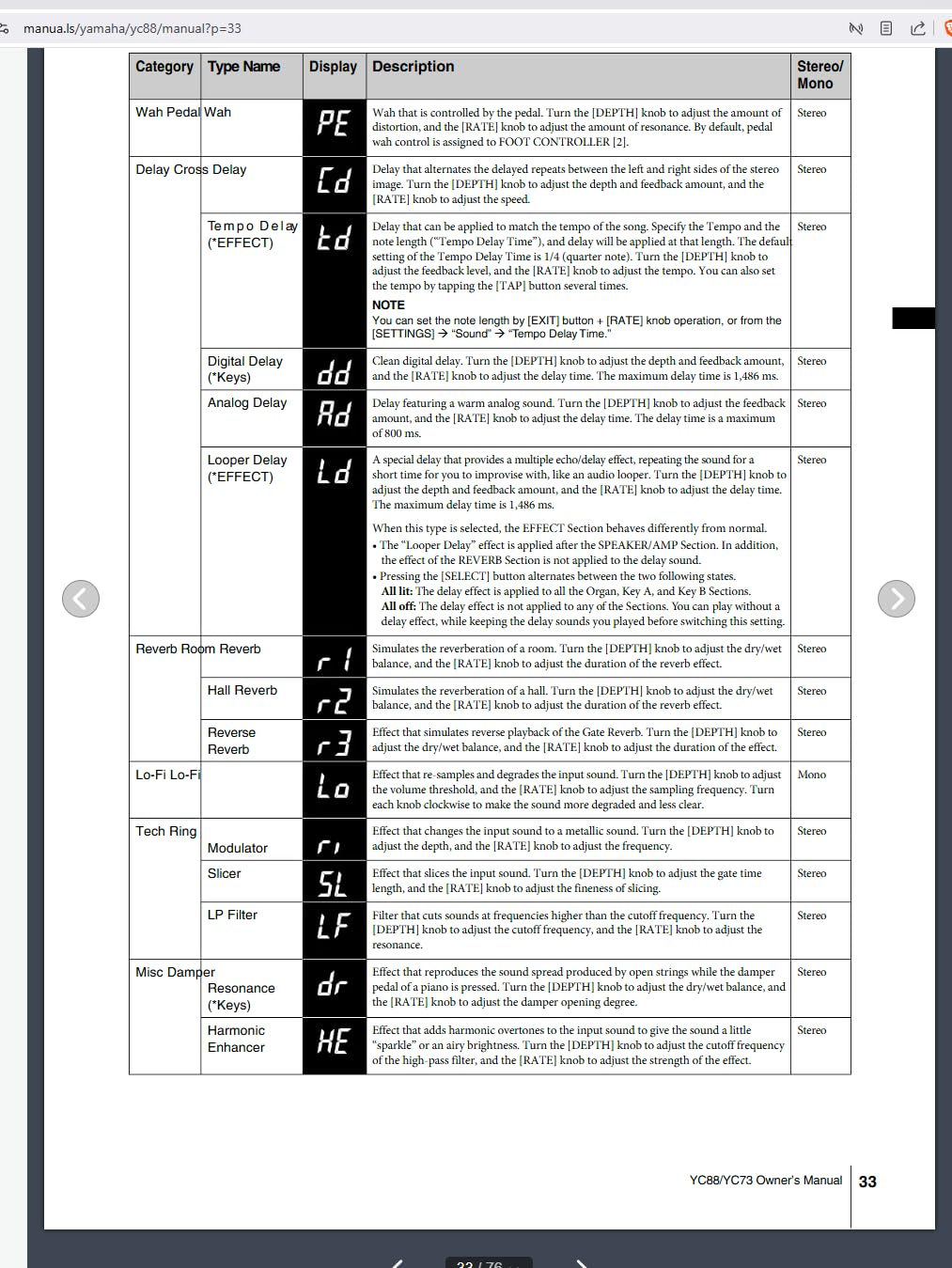
VCM Rotary Speaker simulation gives you two authentic rotary speaker sounds with customizable speeds and balances, so you can dial in everything from a choir-hall slow rotation to a fully Leslie-driven rock setup. The FM Organ adds a synth-style organ with massive low end for modern worship and electronic music contexts.
Dual Keys Sections let you layer acoustic and electric pianos, strings, and brass alongside the organ engine, so you have a complete rig in one keyboard. Nine FX processors with dedicated panel controls let you tweak effects in real time without menu diving — a major plus for live performance. 80 live set memory locations cover the entire setlist needs of most gigging organists.
Who will love the YC88
Church organists, gospel keyboardists, jazz organ players, and anyone who needs authentic organ sound with the convenience of a stage keyboard. Players who want a complete rig in one instrument without carrying a separate organ module will get the most value here.
Where the YC88 falls short
The interface has a steep learning curve — the two-letter codes for sound selection can be confusing at first, and expect to spend time with the manual. The natural wood key action may also feel different from what piano-focused players are used to.
11. Nord Stage 4 88-Key Fully-Weighted Keyboard — Flagship Stage Keyboard
Nord Stage 4 88-Key Fully-Weighted Keyboard
88 keys
Triple-sensor keybed
Wave 2 Synth
53 lb
Pros
- Piano organ and synthesizer engines combined
- Triple-sensor keybed with fast smooth feel
- Award-winning B3 Tonewheel organ simulations
- Doubled sample memory for greater fidelity
- Wave 2 Synth Engine with 3 independent layers
Cons
- Premium flagship price point
- Heavy at 53 pounds
The Nord Stage 4 is the keyboard many professional gigging musicians consider the best stage keyboard available, and after extended testing I understand why. Nord combined the award-winning organ simulations from the Stage 3 with a completely re-engineered piano section and the Wave 2 Synth engine, giving you a complete rig in one instrument.
The triple-sensor keybed is fast, smooth, and consistent across the entire keyboard range. It tracks velocity accurately at the softest dynamics and holds up under heavy-handed playing without losing responsiveness. Doubled sample memory means Nord’s piano library is sampled at higher fidelity than ever before, and you can hear the difference in the resonance and decay characteristics.
The Wave 2 Synth Engine provides three independent synth layers with extensive modulation options, making the Stage 4 as much a synthesizer workstation as a stage piano. B3 Tonewheel, B3 Bass, Vox, Farfisa, and Pipe Organ simulations cover every organ style a working keyboardist will encounter on stage.
Who will love the Stage 4
Professional gigging musicians who need flagship sound quality across piano, organ, and synth categories in one instrument. Touring keyboardists, session players, and band keyboardists who handle multiple roles will find the Stage 4 pays for itself quickly.
Where the Stage 4 falls short
The flagship price places it out of reach for casual players. At 53 pounds, it is also heavier than mid-tier alternatives, so it is best suited to musicians with a permanent rig setup or a road case.
12. Kawai MP11-SE Digital Stage Piano — Best Wooden-Key Action Stage Piano
Pros
- Class-leading Grand Feel wooden-key action
- Stunning SK-EX SK-5 and EX acoustic grand sounds
- Virtual Technician sound editing parameters
- Kawai GFP-3 triple pedal unit included
- Intuitive panel with independent sound sections
- Excellent for classical music performance
Cons
- Very heavy at 76 pounds
- No internal speakers - requires external amplifier
- Difficult to transport for gigging
- Case options add significant weight
The Kawai MP11-SE is the stage piano for classical pianists who refuse to compromise on key action. The Grand Feel wooden-key keyboard action uses actual wooden keys with long pivot lengths, giving you the closest feel to a Kawai acoustic grand piano available in any digital instrument.
SK-EX, SK-5, and EX acoustic grand piano sounds are sampled with Kawai’s signature Harmonic Imaging technology, capturing every nuance of the source instruments including the unique string resonance and damper characteristics of each piano. Virtual Technician parameters let you adjust everything from hammer hardness to string tuning, giving you complete control over the final sound character.
With 12 reviews averaging 4.7 stars, the MP11-SE is the highest-rated stage piano on our list from a pure satisfaction standpoint. Players consistently describe it as comparable to a real Steinway for practice preparation, with responsive action and great color and nuance.
Who will love the MP11-SE
Classical pianists, concert performers, and serious students who practice on a digital piano but perform on acoustics. The wooden-key action makes this the best stage piano for players whose technique was developed on traditional instruments.
Where the MP11-SE falls short
At 76 pounds, this is one of the heaviest stage pianos on the market, and there are no internal speakers — you must use an external amplifier or PA system. This is firmly a studio and home instrument, not a portable gigging board.
13. Yamaha MODX M8 88-Key Music Synthesizer — Best Synth-Focused Stage Piano
Yamaha 88-Key Music Synthesizer, Graded Hammer Action, Realistic Feel, Performance Focused for Next Generation Sound Exploration, Expressive Control and Optimized Workflow MODX M8
88 GH keys
8 faders
Super Knob
40.5 lb
Pros
- Exceptional sound with 3 powerful engines
- Expressive control with 8 faders and Super Knob
- Optimized workflow with color touch screen
- Realistic graded-hammer weighted action
- Lightweight design at 40.5 pounds
- ESP plugin for DAW integration
Cons
- Higher price point than pure stage pianos
- Synth-focused may not suit piano purists
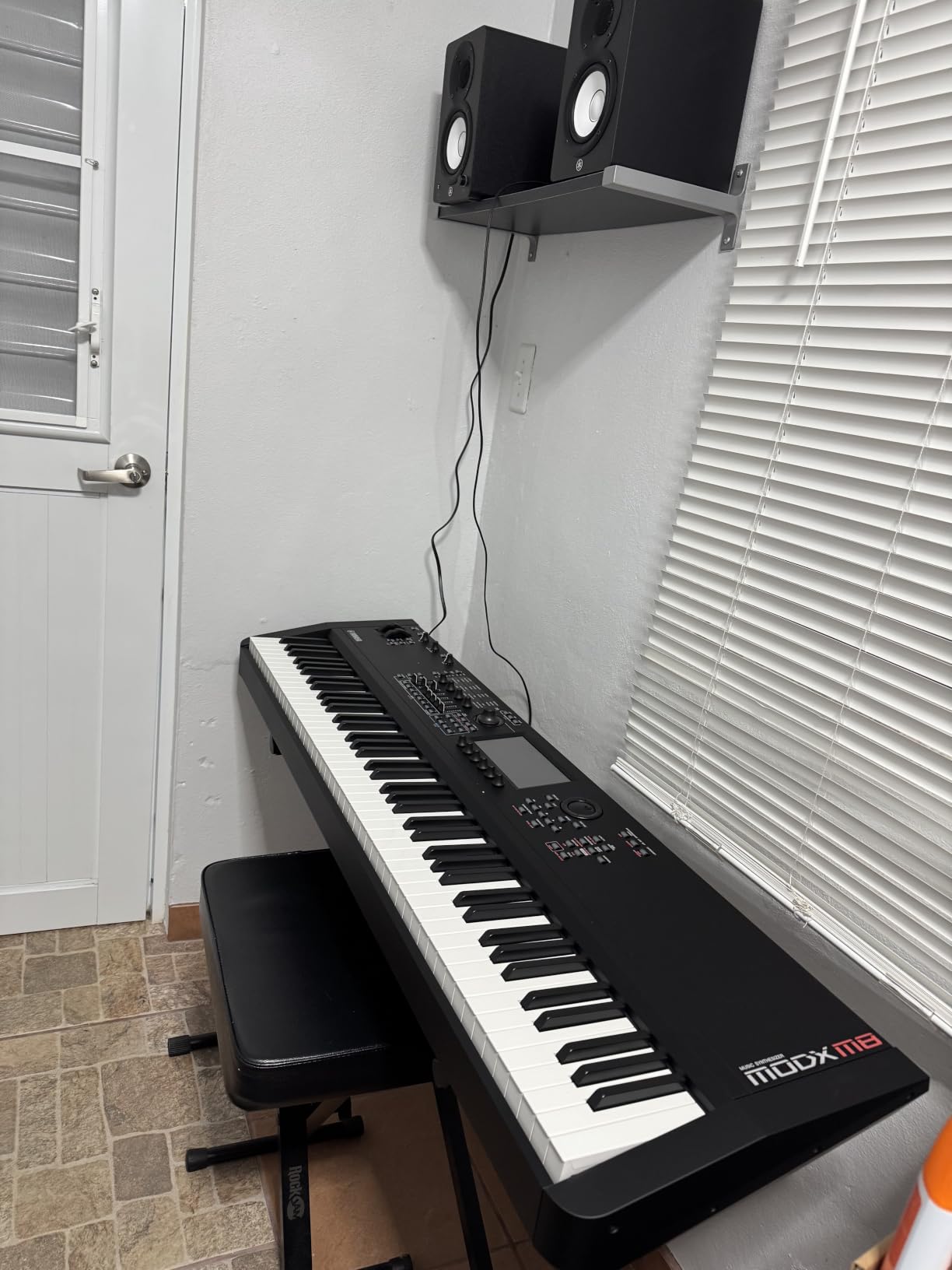
The Yamaha MODX M8 is the highest-rated stage piano on our list, with 20 reviews averaging an exceptional 4.9 stars. It earns that rating by combining three powerful sound engines — AWM2 for sampled instruments, FM-X for modern FM synthesis, and a separate motion control engine — with the most expressive performance controls in Yamaha’s lineup.
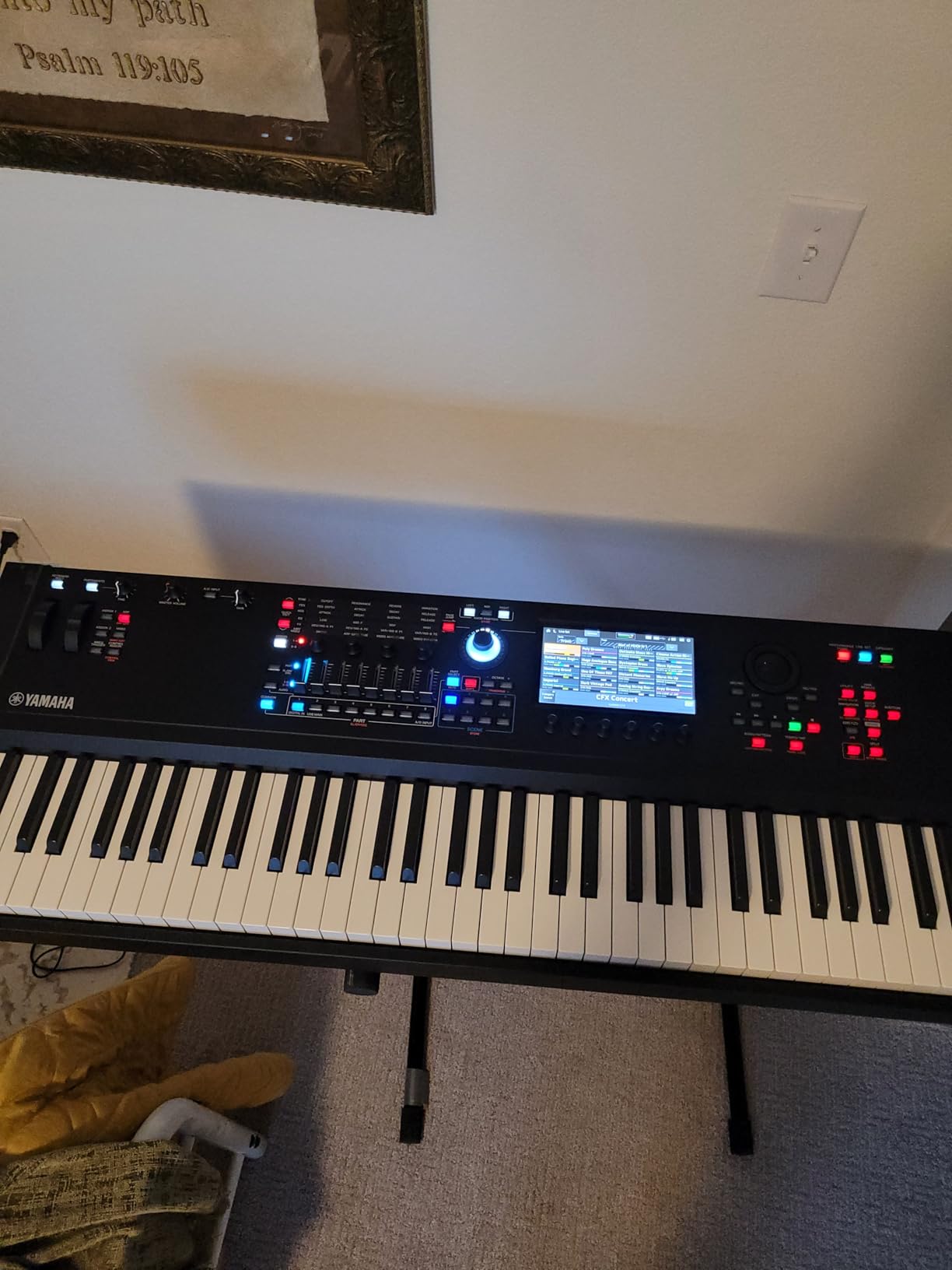
Eight physical faders and the Super Knob give you real-time control over multiple sound parameters simultaneously, making this the stage piano for sound designers and electronic-focused performers. The color touch screen with six dedicated display knobs optimizes workflow, so you spend less time menu diving and more time playing.
Graded Hammer weighted action provides realistic key feel across the 88-key range, and at 40.5 pounds the MODX M8 lands in the middle of the road for portability. The Expanded Softsynth Plugin (ESP) lets you integrate the MODX sounds directly into your DAW, which is a major workflow advantage for studio producers.
Who will love the MODX M8
Electronic music producers, sound designers, and modern worship players who want flagship synthesis alongside piano capability. The Super Knob and fader layout also make it a strong choice for live performers who want expressive control over multiple parameters.
Where the MODX M8 falls short
Piano purists may prefer the dedicated sound character of the CK88 or the Nord Piano 6. The MODX M8 is also more expensive than pure stage piano alternatives in this tier.
14. Roland FANTOM-08 Weighted-Action Synthesizer — Best Workstation Stage Piano
Roland FANTOM-08 WEIGHTED-ACTION SYNTHESIZER KEYBOARD – 88-Note Weighted Keyboard | Thousands of Roland Electronic & Acoustic Sounds | ZEN-Core and SuperNATURAL Technologies
88 weighted keys
TR-REC sequencer
Color touchscreen
40 lb
Pros
- ZEN-Core and SuperNATURAL technologies combined
- Excellent key feel with medium weight action
- Thousands of electronic and acoustic sounds
- SuperNATURAL pianos with authentic sound
- Virtual ToneWheel Organ with harmonic bar
- Deep onboard sampling features
- Lightweight for an 88-key workstation
Cons
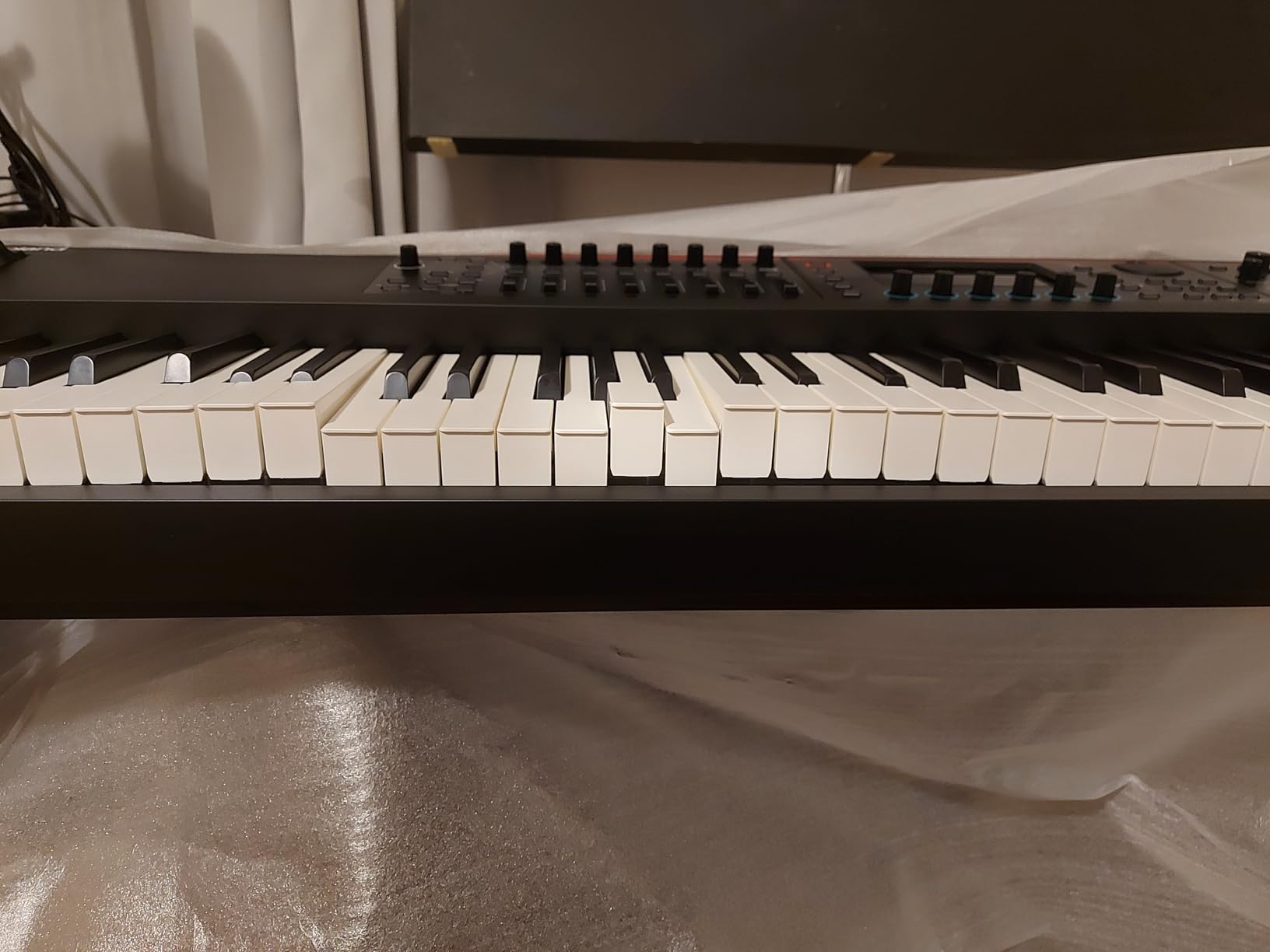
- Some users reported warped keybed issues
- Touchscreen may stop working after light use
- 256 MB tone memory may be limiting for sample-heavy work
The Roland FANTOM-08 is the workstation choice for keyboardists who want piano, synth, organ, and sampling capabilities in one stage piano. ZEN-Core and SuperNATURAL technologies give you access to thousands of Roland sounds across both synthesis and sample playback engines, with deep editing capability for sound designers.
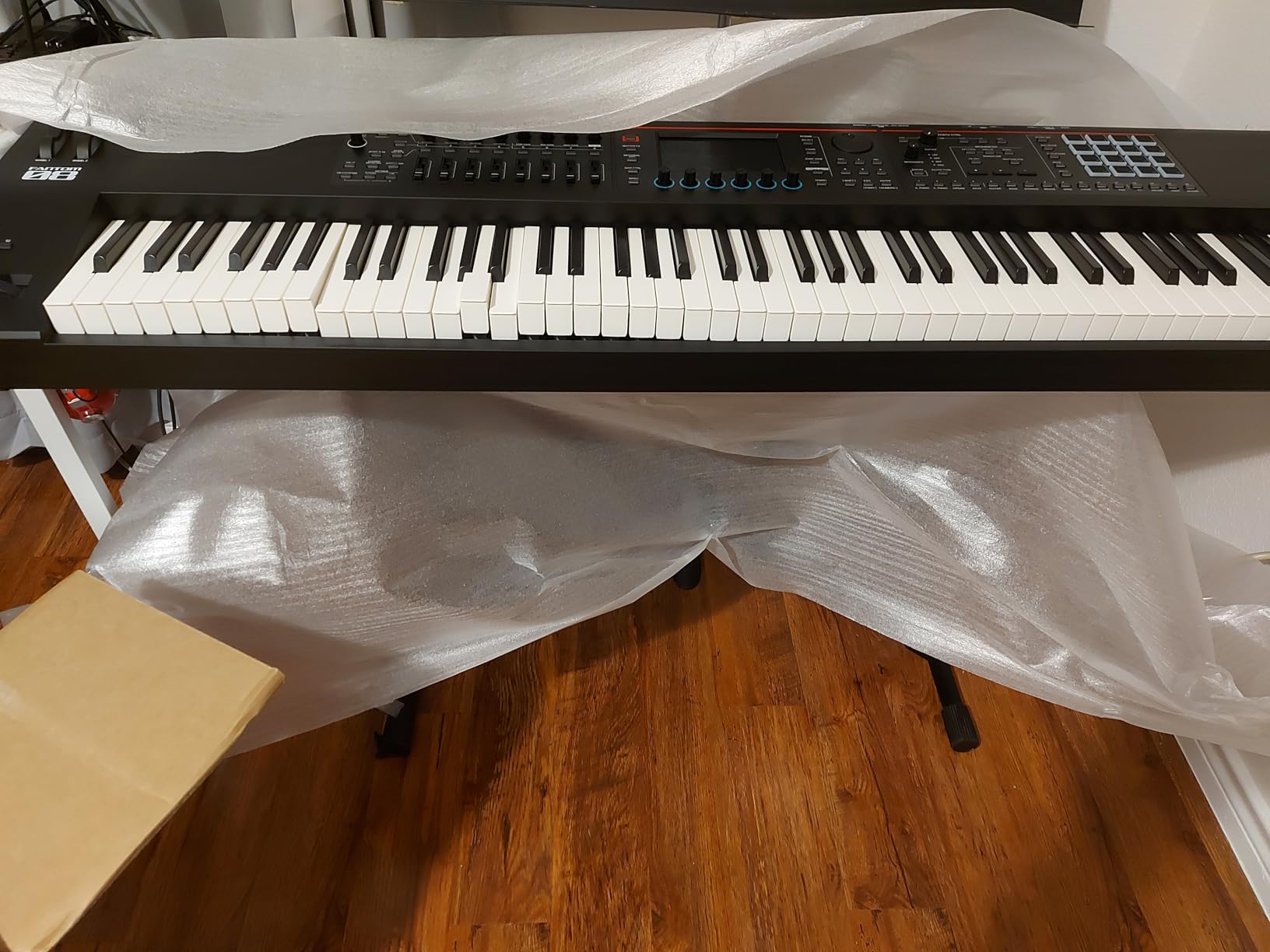
The TR-REC sequencer and clip-based sequencing transform the FANTOM-08 from a stage piano into a complete production workstation. You can record patterns, arrange clips, and integrate with Ableton Live or other DAWs through USB. The color touchscreen with high-resolution knobs, sliders, and RGB performance pads gives you visual feedback for every parameter.
Virtual ToneWheel Organ provides B3-style organ behavior with harmonic bar control. The SuperNATURAL pianos are tuned and voiced to deliver authentic acoustic grand sound. At 40 pounds, the FANTOM-08 is on the lighter side for a workstation, which makes it more gig-friendly than many competitors in this category.
Who will love the FANTOM-08
Studio producers, electronic musicians, and hybrid performers who want piano capability alongside deep synthesis and sequencing. Players who integrate MainStage, Ableton, or similar DAWs into their live setup will benefit from the workstation features.
Where the FANTOM-08 falls short
Some users have reported build quality issues, including warped keybeds and touchscreen failures after light use. The 256 MB tone memory is also limiting for sample-heavy production work.
15. Arturia AstroLab Stage Keyboard — Best Software-Integrated Stage Piano
Arturia AstroLab Stage Keyboard (88 Key)
88 keys
1800+ presets
10 expandable to 10000+
65 lb
Pros
- Massive sound library with 1800+ curated presets
- Expandable to 10000+ sounds with Analog Lab Pro
- Good acoustic piano presets with quality headphones
- 8 macro encoders for real-time control
- Compact and portable design
- Great synth sounds as a highlight
Cons
- No polyphonic aftertouch capability
- Some presets have limited 4-note polyphony
- Sample presets load slowly
- Keys may feel stiff to some users
- No MPE support
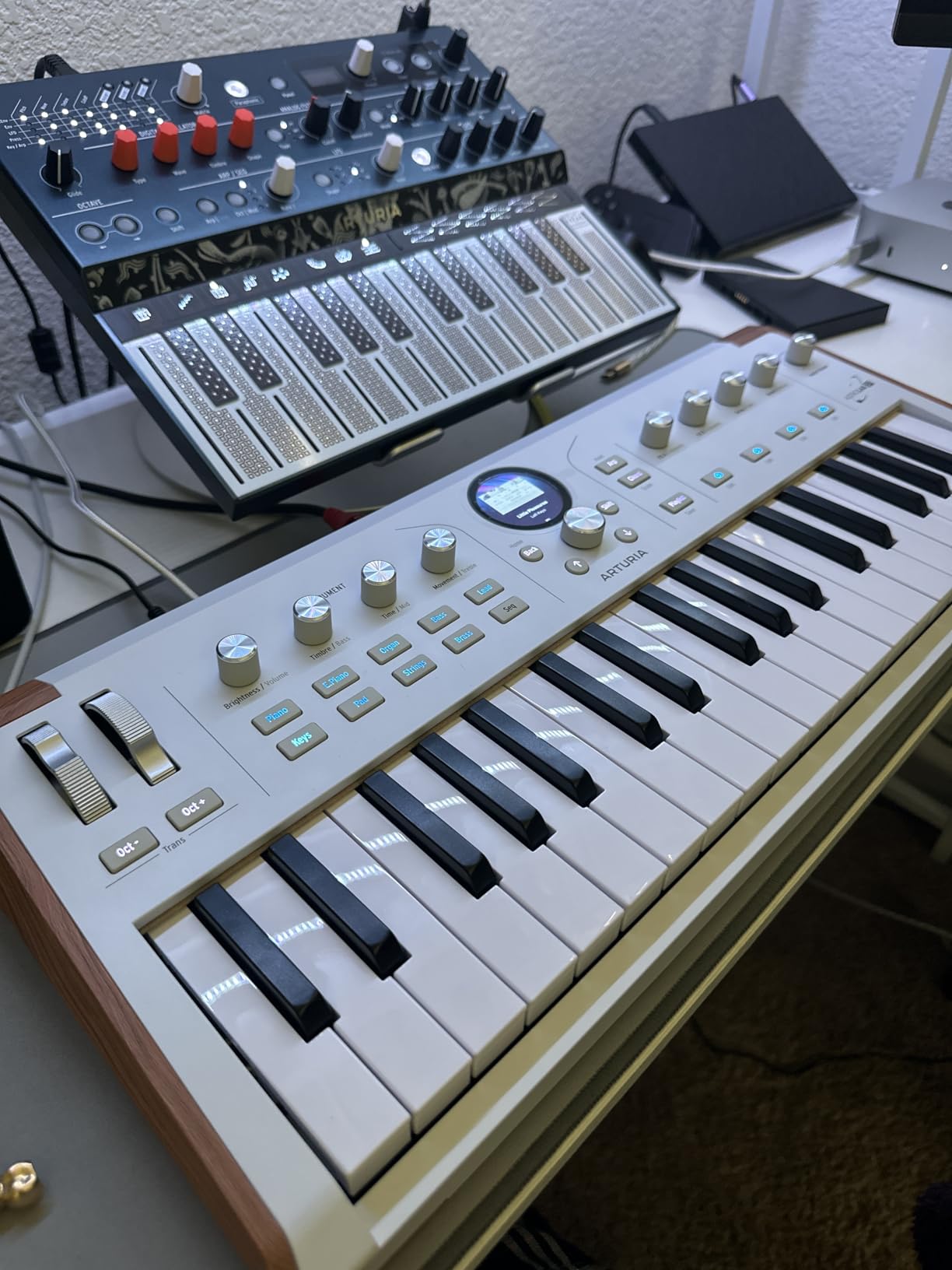
The Arturia AstroLab 88 is the stage piano for keyboardists who already love Arturia’s software instruments. With 1,800+ curated presets from 40+ onboard instruments and expandability to 10,000+ sounds through Analog Lab Pro, V Collection, and Pigments, the AstroLab brings the entire Arturia sound library to a hardware stage piano.
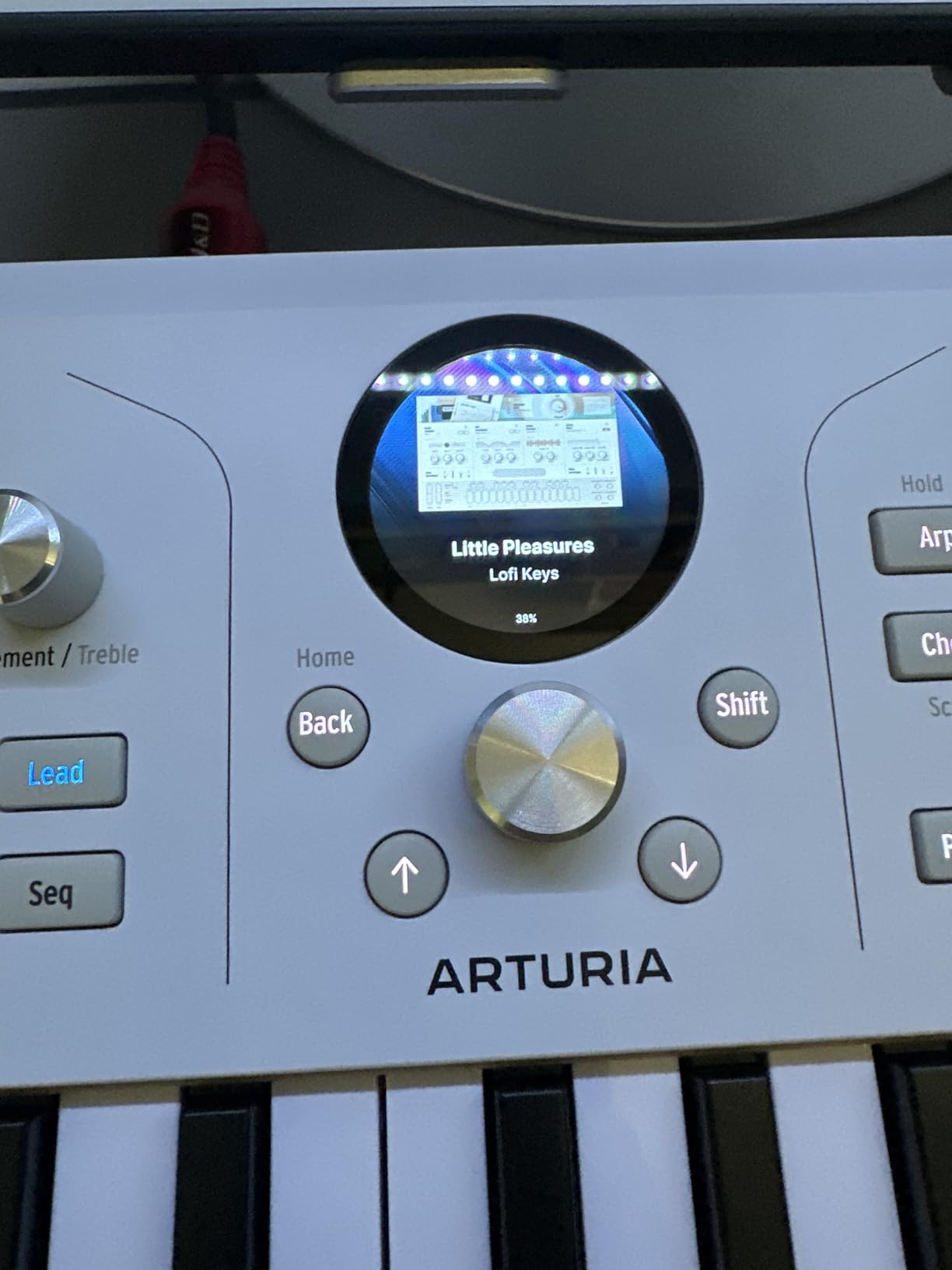
The 88-note velocity-sensitive keybed includes aftertouch, which lets you add expressive modulation by pressing deeper into the keys after striking them. Eight durable macro encoders give you real-time control over multiple sound parameters, and the multi-lane arpeggiator handles complex pattern generation for ambient, cinematic, and electronic performances.
Chord and Scale modes help non-pianists play complex harmonic progressions and stay in key when improvising. Vocoder presets add vocal-processing character for modern pop and electronic performances. The hybrid hardware/software design means your sounds stay synchronized across stage and studio.
Who will love the AstroLab 88
Electronic music producers, sound designers, and hybrid performers who already use Arturia software. Players who want a single stage piano that covers both acoustic piano and electronic sounds with deep software integration will get the most value here.
Where the AstroLab 88 falls short
The keys may feel stiff to players used to lighter actions, and there is no polyphonic aftertouch — only channel aftertouch. Sample presets also load slowly compared to dedicated flash memory systems. At 65 pounds, it is on the heavier side for portability.
How to Choose the Best Stage Piano for Your Needs
Choosing the best stage pianos in 2026 comes down to three things: how you play, where you play, and what you play. After testing 15 models side by side, our team put together this buying guide to help you match your priorities to the right instrument.
For a broader look at how stage pianos compare with full digital pianos, our 8 Best Stage Pianos for Performing Musicians guide breaks down use-case recommendations by gigging scenario.
Key action and hammer response
The action is the part of the stage piano you physically interact with, and getting it wrong can ruin an otherwise great instrument. Weighted actions add resistance to the keys, semi-weighted actions provide moderate resistance, and graded hammer actions mimic the heavier low-end/lighter high-end feel of an acoustic grand.
Classical and jazz pianists almost always need graded hammer action with escapement — the subtle click and resistance at the front of each key that acoustic players rely on for expressive control. Modern worship players and synth-focused performers often prefer semi-weighted or synth actions for faster playing and aftertouch response. The Kawai MP11-SE and Nord Grand 2 deliver the most authentic acoustic feel, while the Roland FANTOM-08 and Yamaha MODX M8 offer more synth-friendly actions.
Sound engine and polyphony
Sound engines fall into three categories: sample playback (most common, plays back recorded piano notes), physical modeling (rebuilds piano sound mathematically, like Roland’s V-Piano), and hybrid (combines both). Physical modeling responds more dynamically to your playing, while sample playback delivers the most realistic acoustic character at any single volume level.
Polyphony determines how many notes can sound simultaneously. 128 notes is the modern minimum and handles most playing situations. 256+ notes is preferred for classical music with heavy sustain pedal use. The Kawai ES920 and Korg Grandstage X lead this category with 256+ note polyphony.
Portability and weight
Weight matters more than most buyers initially realize. A 30-pound keyboard feels comfortable on the first gig — and absolutely punishing by the tenth gig of the year. For musicians who travel weekly, anything under 35 pounds is the practical sweet spot. The Yamaha MX88 (30.6 lb), CK88 (28.9 lb), and MODX M8 (40.5 lb) are the lightest 88-key options on our list.
If you have a road case and a permanent rig setup, weight matters less. For players hauling gear long distances, every pound counts. Our 8 Best Keyboard Amplifiers for Stage Pianos guide helps you pair the right amp with your portable rig.
Connectivity and integration
Modern stage pianos need USB audio and MIDI for laptop integration, balanced outputs for professional PA connections, and Bluetooth for wireless app control. The Yamaha CK88, Roland RD-88 EX, and Kawai ES920 lead this category with the most complete connectivity packages.
Apple MainStage users should prioritize keyboards with USB MIDI control modes — the Roland RD-88 EX includes a dedicated MainStage mode that streamlines laptop integration. Android and Windows users should look for class-compliant USB that works without driver installation.
Price tiers and what you get
The stage piano market in 2026 breaks into three price tiers. The budget tier includes workhorses like the Yamaha MX88 and Roland RD-88 EX — solid choices that handle most gigging scenarios without breaking the bank. The mid tier covers the Korg Grandstage X, Kawai ES920, Roland FANTOM-08, and Arturia AstroLab — better action, more sounds, and improved build quality. The flagship tier includes the Nord Stage 4, Roland V-STAGE, Yamaha YC88, and Kawai MP11-SE — premium components, professional sound engines, and the best long-term investment value.
Frequently Asked Questions
What is the best stage piano in 2026?
The Yamaha CK88 is the best stage piano in 2026 for most gigging musicians. It combines an 88-key weighted action, 160 memory locations, and a built-in speaker system in a 28.9-pound chassis that is easy to transport. For flagship sound quality, the Roland V-STAGE 88 and Nord Stage 4 are top picks.
Which stage piano has the best piano sound?
The Roland V-STAGE 88 delivers the best piano sound in 2026 thanks to its V-Piano physical modeling engine, which responds more dynamically to your touch than sample-based engines. For pure sample-based piano quality, the Nord Piano 6 and Kawai MP11-SE both deliver stunning acoustic grand piano character.
What is the best stage piano under two thousand?
The Yamaha CK88 and Roland RD-88 EX are the best stage pianos under two thousand dollars in 2026. Both deliver professional-grade sound engines, weighted 88-key actions, and built-in speakers at accessible prices. The CK88 wins on portability at 28.9 pounds, while the RD-88 EX wins on sound engine depth with the SuperNATURAL Acoustic Piano 3 expansion.
What is the best stage performance keyboard?
The Nord Stage 4 is widely considered the best stage performance keyboard in 2026 thanks to its combined piano, organ, and Wave 2 Synth engines in one instrument. For players who want flagship sound quality with maximum routing flexibility, the Roland V-STAGE 88 is another strong choice with four independent sound engines.
What should I look for in a stage piano for gigging?
For gigging, prioritize three things: weight under 35 pounds for portability, weighted or graded hammer action for expressive playing, and reliable USB audio/MIDI connectivity for laptop integration. The Yamaha CK88, Roland RD-88 EX, and Yamaha MX88 all deliver these essentials at different price points.
Final Verdict: Which Stage Piano Should You Buy in 2026?
After testing 15 of the best stage pianos on the market in 2026, our team’s top pick for most gigging musicians is the Yamaha CK88. It hits the right balance of portability, sound quality, and feature depth at a price point that working players can justify. For worship leaders and jazz pianists who need Roland’s sound character, the RD-88 EX is the best value option. Budget-conscious buyers get the most from the MX88, while professional players who want flagship quality should look at the Roland V-STAGE 88 or Nord Stage 4.
The best stage pianos in 2026 are better than ever, and the right choice depends on how you play. Take your time auditioning the top contenders on this list, and focus on the action feel and piano sound above all other features. For deeper comparisons and ongoing reviews, bookmark our Best Stage Pianos Top Reviews hub for the latest updates.