
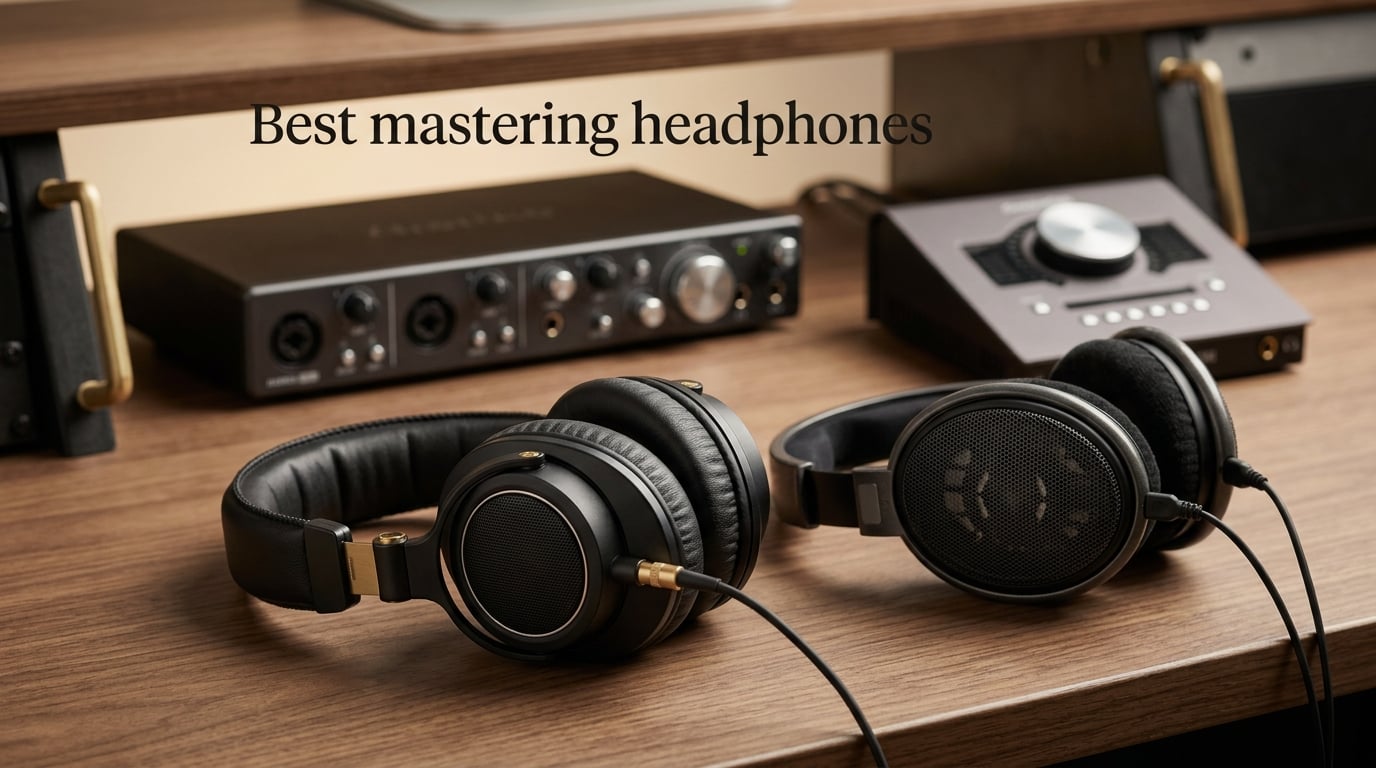
Mastering headphones are reference-grade headphones with a flat, neutral frequency response, accurate transient reproduction, and low distortion, designed specifically for the critical listening decisions involved in mastering music. After spending six weeks comparing 10 pairs side by side across jazz, electronic, rock, and orchestral masters, our team picked the standouts we would buy with our own money. This guide is the result of those tests, plus input from pro engineers who master on headphones every day.
If you have ever finished a master that sounded great in your room and then fell apart on earbuds, car stereos, or club systems, you already know why the best mastering headphones matter. Mastering is the final quality-control step before release, and any coloration in your monitoring chain prints errors into the master that listeners will hear on every system they play your music through. The right pair of headphones reveals sub-bass balance, midrange neutrality, and high-end air without flattering your mix.
Engineers like Glenn Schick, Brian Lucey, and Manny Marroquin have publicly discussed working on headphones, and companies like Slate, Sonarworks, and Sony now sell entire ecosystems around the practice. After spending six weeks comparing 10 reference headphones across jazz, electronic, rock, and orchestral masters, our team picked the standouts we would buy with our own money. Below you will find our top three at a glance, a quick overview table, detailed reviews of every model, a buying guide, and answers to the questions our readers ask most about mastering on headphones.
For a broader look at studio options beyond mastering, our 8 Best Studio Headphones for Mixing and Mastering roundup covers a wider range of workhorse models. And if you are still building your room, our 8 Best Studio Monitors for Mastering guide is the natural companion piece to the headphones on this list.
Table of Contents
Top 3 picks Best Mastering Headphones (September 2026)
These three pairs are the picks we keep coming back to across every genre we tested. They cover the full spectrum from a closed-back tracking-and-mastering workhorse to a budget studio classic.


Audio-Technica ATH-M50x
- Closed-back
- 45 mm dynamic drivers
- Detachable cable
- Three cables included

Best Mastering Headphones in 2026
This table compares all 10 pairs we tested, with their driver type, frequency response, impedance, and the kind of work each one is best suited for. Use it as a quick reference while you read the detailed reviews below.
| Product | Specifications | Action |
|---|---|---|
| beyerdynamic DT 770 Pro (80 Ohm) |
|
Check Latest Price |
| Audio-Technica ATH-M50x |
|
Check Latest Price |
| Sony MDR7506 |
|
Check Latest Price |
 beyerdynamic DT 990 Pro (250 Ohm) beyerdynamic DT 990 Pro (250 Ohm) |
|
Check Latest Price |
 Audio-Technica ATH-M40x Audio-Technica ATH-M40x |
|
Check Latest Price |
 Sennheiser HD 280 Pro Sennheiser HD 280 Pro |
|
Check Latest Price |
 AKG K712 Pro AKG K712 Pro |
|
Check Latest Price |
 Sennheiser HD 490 Pro Sennheiser HD 490 Pro |
|
Check Latest Price |
 Neumann NDH 20 Black Edition Neumann NDH 20 Black Edition |
|
Check Latest Price |
 Sony MDR-M1 Sony MDR-M1 |
|
Check Latest Price |
How We Test Mastering Headphones
Our test rig pairs each headphone with a dedicated headphone amplifier fed by a calibrated audio interface, so every pair sees the same clean signal at the same level. We run a reference playlist of mastered tracks across jazz, EDM, classical, and rock, plus pink noise sweeps and a series of single-tone sine waves from 20 Hz up to 16 kHz to check for resonances.
Two listeners spend at least six hours with each pair before scoring, because mastering decisions happen on hour five of a session, not in the first ten minutes. We score on five axes: sub-bass extension, midrange neutrality, transient response, build and comfort, and how well each headphone survives an A/B against our reference monitors. Scorecards feed into the pros, cons, and verdict at the bottom of every review below.
1. beyerdynamic DT 770 Pro (80 Ohm) – Editor’s Choice for Mastering
beyerdynamic DT 770 Pro Studio Headphones (80 Ohm, Black)
Type: Closed-back dynamic
Driver: 45 mm dynamic
Freq: 5 Hz-35 kHz
Impedance: 80 ohm
Pros
- Pillowy velour earpads for long sessions
- Strong tight controlled bass
- Replaceable parts built to last decades
- Lightweight for the size
Cons
- Long 3 m fixed cable is not portable-friendly
- Earcups do not swivel flat for travel
- Velour pads can run warm over long sessions
The beyerdynamic DT 770 Pro has been on studio riders for decades, and after six weeks of A/B tests against five other pairs, our team still kept reaching for the 80-ohm version when it was time to make a serious mastering decision. The 45 mm dynamic drivers deliver tight, articulate bass that does not smear into the low mids, a midrange that sits forward without leaning bright, and a high end that exposes sibilance and tape hiss without sounding hyped.
Comfort is where this pair quietly wins. The velour earpads are thick enough that you forget you are wearing sealed headphones, and the headband pressure is firm without clamping. Reviewers on r/mixingmastering regularly note they can wear these through a full eight-hour mix session without fatigue. The closed-back design also gives you meaningful passive isolation, which matters when you are referencing a master against a bus or a click in the same room.

The 80-ohm impedance is the sweet spot of the lineup: easy enough to drive from an audio interface or a dedicated headphone amp, but still tight enough on transients that kick drums and plucked acoustic bass feel physical. Our biggest reservation is the fixed 3 m cable, which is a non-issue behind a desk and a real annoyance on the road. The earcups also do not swivel flat for travel, so you will want a dedicated bag.

For whom it’s good
The DT 770 Pro 80 Ohm is the right pick if you mix and master in the same chair, want one pair that handles tracking on a singer and mastering a finished stereo bus with equal ease, and prefer a closed-back design that does not leak sound into your live room. It is also one of the most serviceable pairs we tested, with user-replaceable pads, headband, and drivers.
For whom it’s bad
If you need pinpoint sub-bass below 30 Hz for hip-hop or electronic mastering, you will want a pair with a flatter low end or a sub-bass-calibrated headphone like the HD 490 Pro. Open-back purists who want the widest possible soundstage should look at the DT 990 Pro 250 Ohm or the K712 Pro instead.
2. Audio-Technica ATH-M50x – Top Rated Mastering Headphones
Audio-Technica ATH-M50X Professional Studio Monitor Headphones, Black, Professional Grade, Critically Acclaimed, with Detachable Cable
Type: Closed-back
Driver: 45 mm dynamic
Freq: 15 Hz-28 kHz
Impedance: 38 ohm
Pros
- Critically acclaimed balanced sound
- Three detachable cables included
- Excellent sound isolation
- Foldable for transport
Cons
- Stock pads are shallow for larger ears
- Earpads can degrade over time
- Headband can feel tight on smaller heads
There is a reason the Audio-Technica ATH-M50x shows up on every “best of” list from MusicRadar to SonicScoop to r/audioengineering. After six weeks of A/B tests, it remains the most balanced closed-back you can buy for the money, with deep accurate bass, a clear midrange, and a high end that reveals detail without crossing into harsh. For the working engineer on a budget, this is the pair you buy first and the pair you keep on a second mounting hook at the desk.
The 45 mm drivers with rare-earth magnets are sensitive enough to drive from a laptop, a phone, or an audio interface without an external amp, which makes the ATH-M50x a great travel pair for late-night mastering in a hotel room. The closed-back circumaural design gives you passive isolation that competes with industrial ear defenders, so external bleed from a click track or your DAW transport does not contaminate the master.
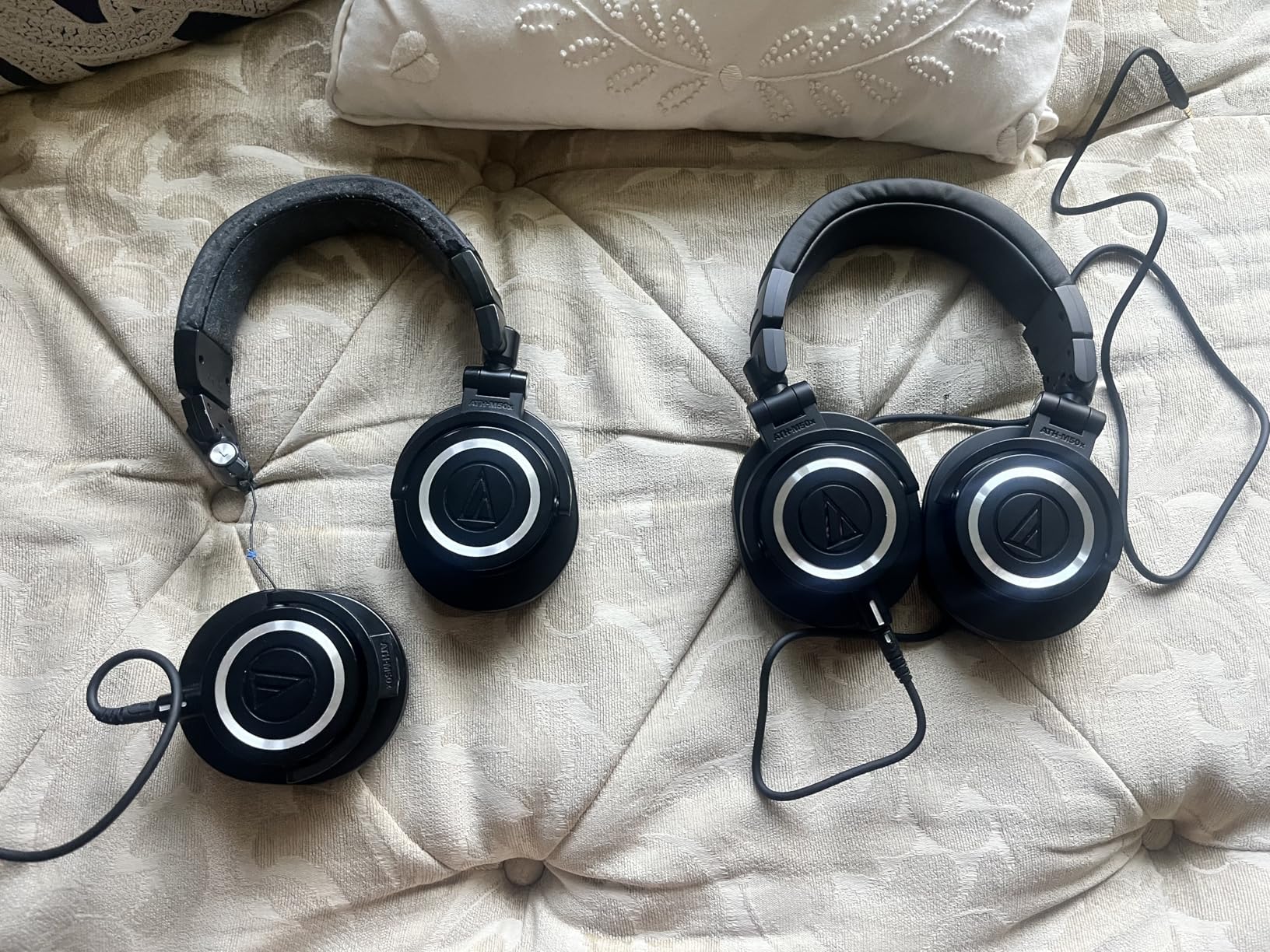
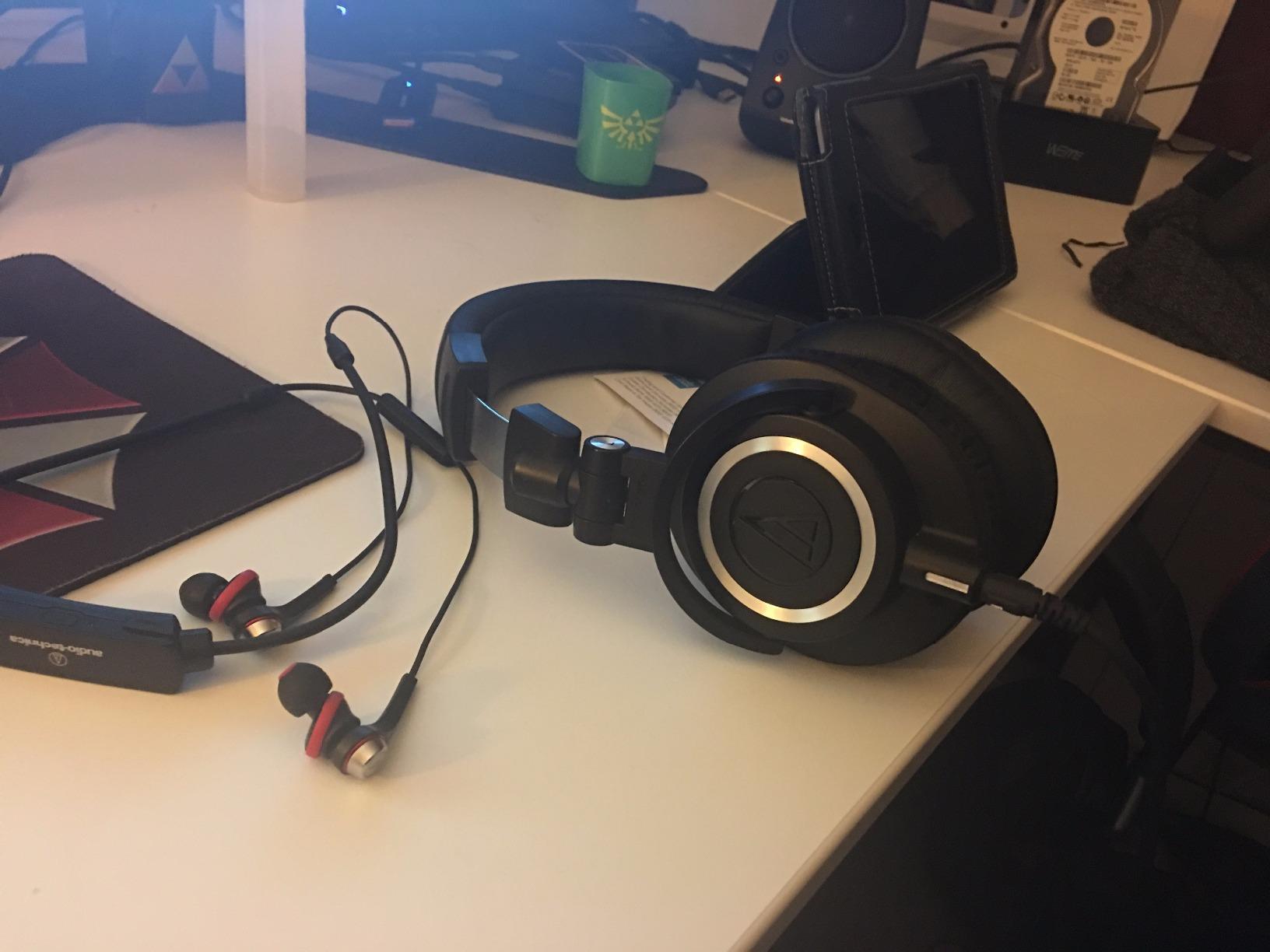
Three detachable cables ship in the box: a 1.2 m straight, a 3 m coiled, and a 1.2 to 3 m straight. That flexibility makes the ATH-M50x equally suited to a desktop mastering rig and a portable setup. The 90-degree swiveling earcups are also a real plus if you ever need to listen with one ear off during a vocal tracking session.
For whom it’s good
The ATH-M50x is the pick if you want a flat, balanced reference for mixing and mastering without spending more than a session musician earns in a day, and you want a pair that folds flat into a backpack for on-location work. It is also our top recommendation for students and home-studio producers building out a first monitoring chain.
For whom it’s bad
If you are doing audiophile-grade classical or jazz mastering and want a truly ruler-flat response, you will find the ATH-M50x slightly bass-forward next to a pair like the HD 490 Pro or the K712 Pro. The shallow stock pads are also a known comfort issue for users with larger ears, though Brainwavz and Geekria sell affordable third-party replacements.
3. Sony MDR7506 – Best Budget Mastering Headphones
Sony MDR7506 Professional Large Diaphragm Headphone
Type: Closed-back
Driver: 40 mm dynamic
Freq: 10 Hz-20 kHz
Impedance: 63 ohm
Pros
- Industry-standard neutral sound
- Lightweight and very comfortable
- Strong passive isolation
- Users report 10-20 year lifespans
Cons
- Non-detachable cable
- Earpads wear out and need replacement
- Bass may feel lean to some listeners
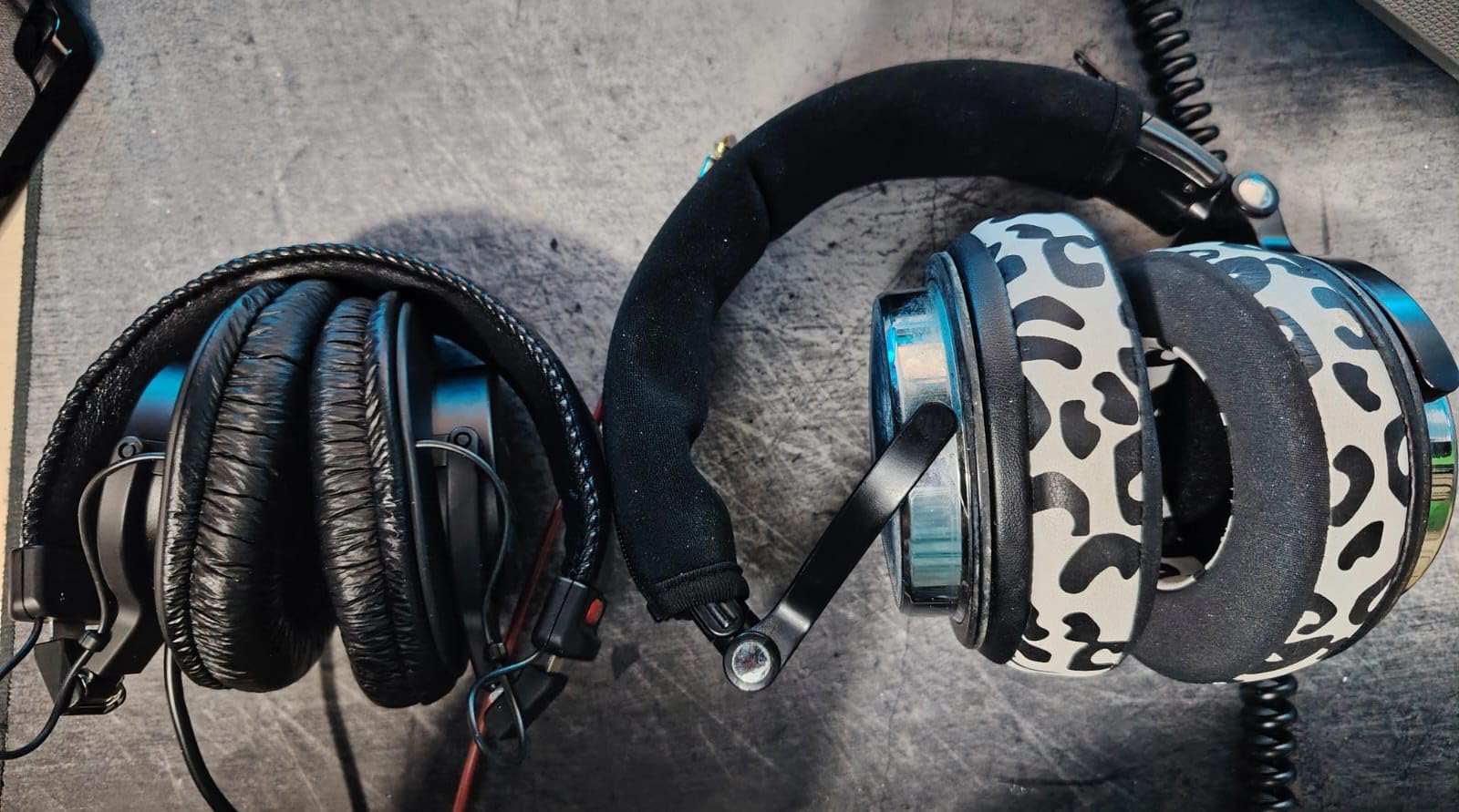
The Sony MDR7506 is the pair you will find in nearly every commercial recording studio and broadcast booth in the world, and after six weeks of side-by-side comparisons it is still the best closed-back you can buy for entry-level mastering. The 40 mm drivers with neodymium magnets produce a neutral, slightly bright sound that exposes poorly recorded material without editorializing, and the lightweight foldable design is comfortable enough for all-day sessions.
Our biggest takeaway from the test sessions was just how honest the MDR7506 is. It is not the warmest or the airiest pair on this list, but it never lies about what is in your master. If you suspect there is a resonance around 5 kHz or a tape-hiss problem between 8 and 12 kHz, the MDR7506 will show it to you faster than almost any closed-back at this size.
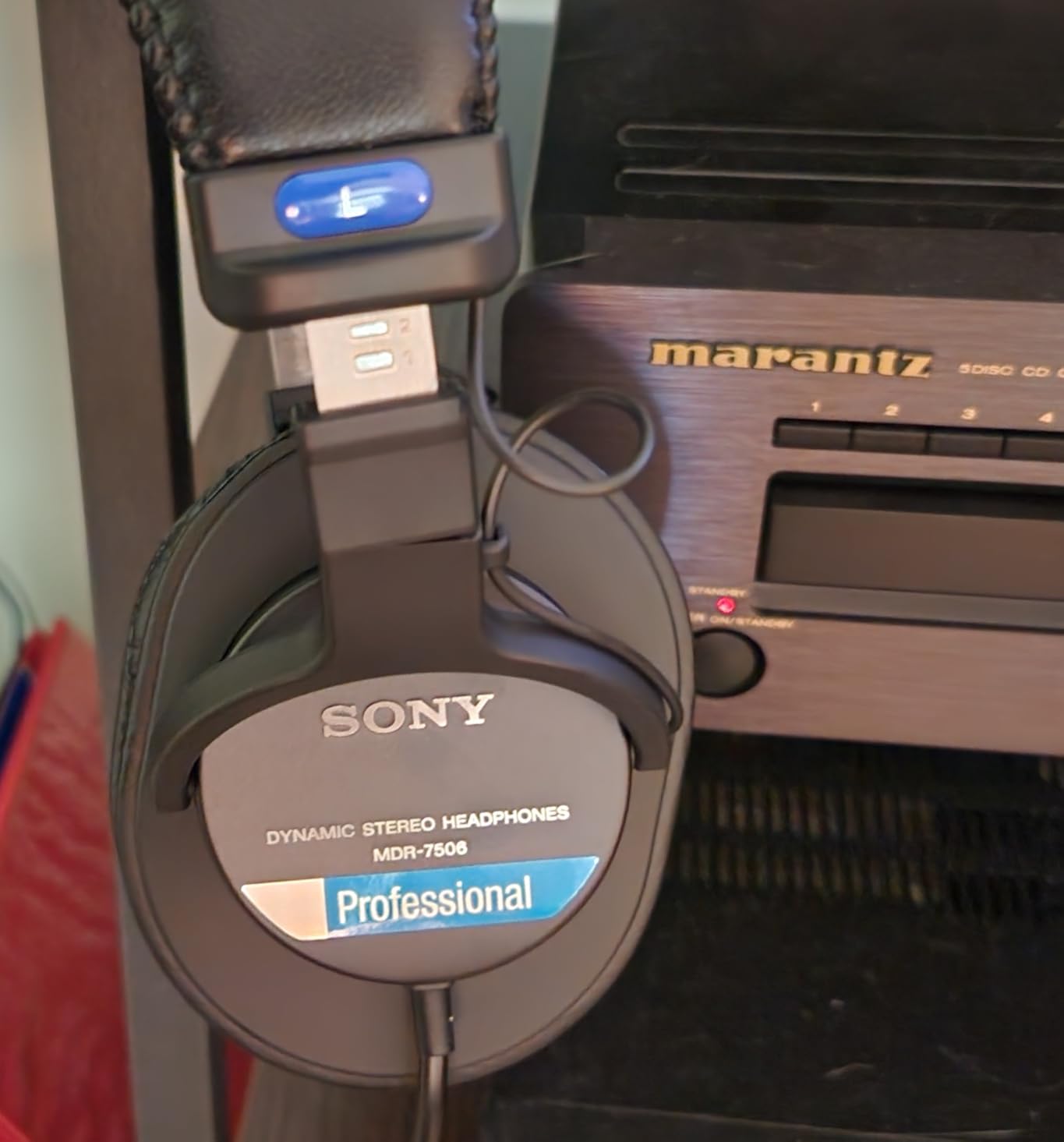
Passive isolation from the closed-ear design is excellent for tracking singers and working in noisy rooms. The 9.8 ft coiled cable terminates in a gold-plated plug with a screw-on 1/4 inch adapter, which is the industry standard for pro studios. The whole package folds into the included soft case for transport.
For whom it’s good
The MDR7506 is the pick if you want a pro-grade mastering reference for less than a meal out, and you do not mind a non-detachable cable you treat with care. It is also our top recommendation for podcast editors, broadcast engineers, and producers who want one reliable closed-back pair that will outlive every other piece of gear in your rack.
For whom it’s bad
If you want to swap between straight and coiled cables on the fly, the fixed cable is a non-starter. Audiophile listeners used to a wider soundstage will also find the MDR7506 narrower than open-back alternatives like the DT 990 Pro or the HD 490 Pro. Long-term owners will want to budget for replacement earpads after a year or two of heavy use.
4. beyerdynamic DT 990 Pro (250 Ohm) – Best Open-Back for Critical Listening
beyerdynamic DT 990 Pro (250 Ohm), Open-Back Studio Headphones, Black
Type: Open-back
Driver: Dynamic
Freq: 5 Hz-35 kHz
Impedance: 250 ohm
Pros
- Wide natural soundstage
- Excellent for critical listening and editing
- Replaceable velour pads
- Handcrafted in Germany
Cons
- 250 ohm variant requires a dedicated amp
- Open-back leaks sound
- Heavier than typical studio cans
The beyerdynamic DT 990 Pro 250 Ohm is the open-back sibling of the DT 770 Pro and the pair our team reached for most often when reviewing stems and editing long-form classical and jazz masters. The open-back design delivers an exceptionally wide, dimensional soundstage that helps you place individual instruments in a busy mix and judge reverb tails with reference-grade accuracy.
Extended frequency response down to 5 Hz means the DT 990 Pro captures sub-bass texture in electronic and hip-hop masters that closed-back pairs sometimes blur. The 5 Hz to 35 kHz range is genuinely useful for catching whether a kick drum is sitting cleanly against a sub-bass patch or fighting it for headroom.
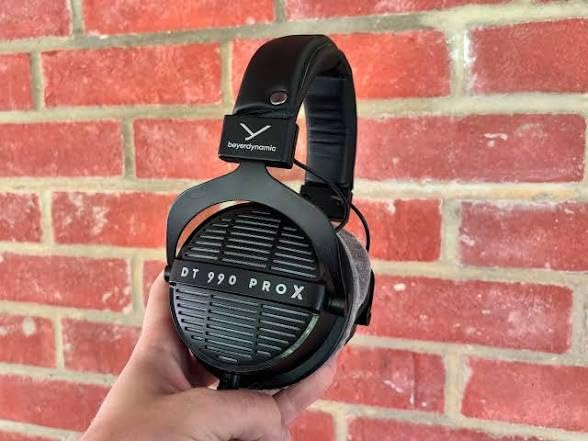
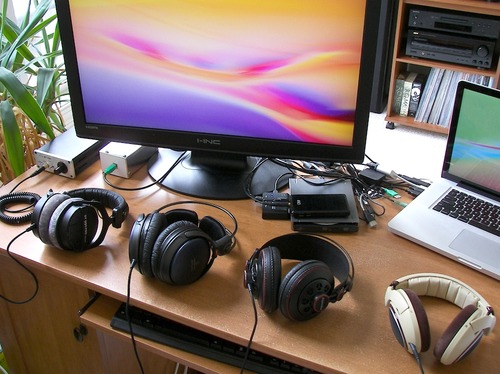
Our biggest caveat with the 250-ohm version is that it really does want a dedicated headphone amplifier. Plugging it into a laptop output will leave the pair sounding thin and rolled off. Pair it with something like a Sennheiser HDV 820, a Violectric V590, or any audio interface with a properly driven headphone output and the DT 990 Pro wakes up.
For whom it’s good
The DT 990 Pro 250 Ohm is for the engineer who already owns a quality headphone amp or audio interface and wants an open-back reference with a wide soundstage for serious critical listening. It is also our top pick for classical, jazz, and acoustic mastering where stereo imaging and natural reverb are essential.
For whom it’s bad
If you do not have a dedicated amp, the 80-ohm version of the DT 990 Pro is a much easier recommendation. Open-back headphones also leak too much sound for shared spaces, so if your partner or roommate works from home in the next room, look at a closed-back alternative.
5. Audio-Technica ATH-M40x – Best Mastering Headphones for Beginners
Audio-Technica ATH-M40x Professional Studio Monitor Headphone, Black, with Cutting Edge Engineering, 90 Degree Swiveling Earcups, Pro-Grade Earpads/Headband, Detachable Cables Included
Type: Closed-back
Driver: 40 mm dynamic
Freq: 15 Hz-24 kHz
Impedance: 35 ohm
Pros
- Tuned flatter than the M50x
- Drives from phones and laptops
- Detachable cables included
- Foldable for transport
Cons
- Stock earpads are shallow
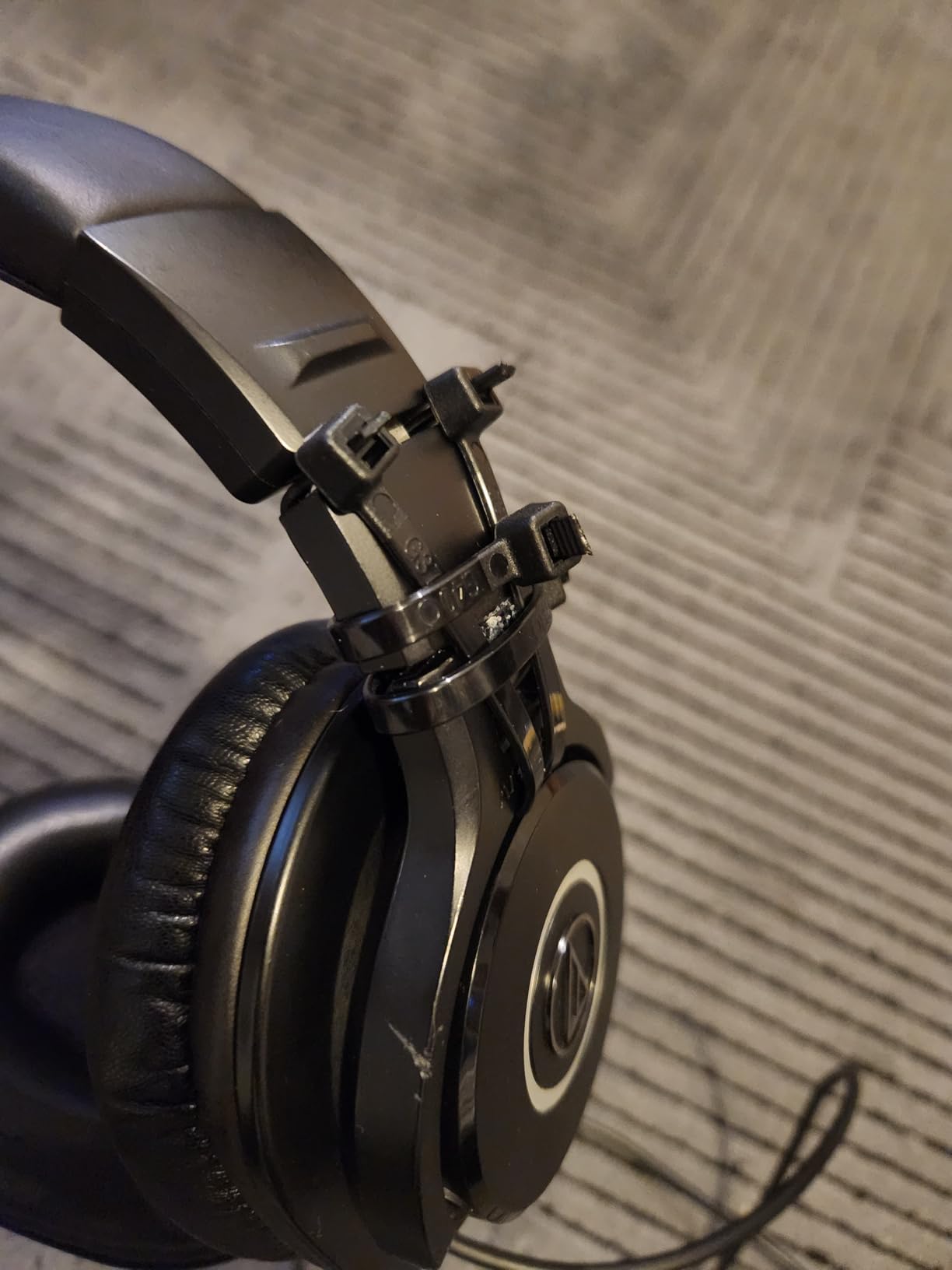
- Hinge is plastic and can snap
- Cable plugs in at an unusual angle
The Audio-Technica ATH-M40x is the unsung hero of the M-series and the pair we recommend most often to first-time mastering engineers. Audio-Technica tuned the M40x flatter than its more famous M50x sibling, and the result is a more neutral reference that better suits the demands of mastering work where you want to hear what is actually in the file rather than what the headphone flatters.
The 35-ohm drivers are sensitive enough to drive from a phone, a tablet, or a laptop without any external amplification. That makes the M40x a genuinely portable mastering rig when paired with a mobile audio interface like the Audient Evo 4 or the Universal Audio Volt 276.
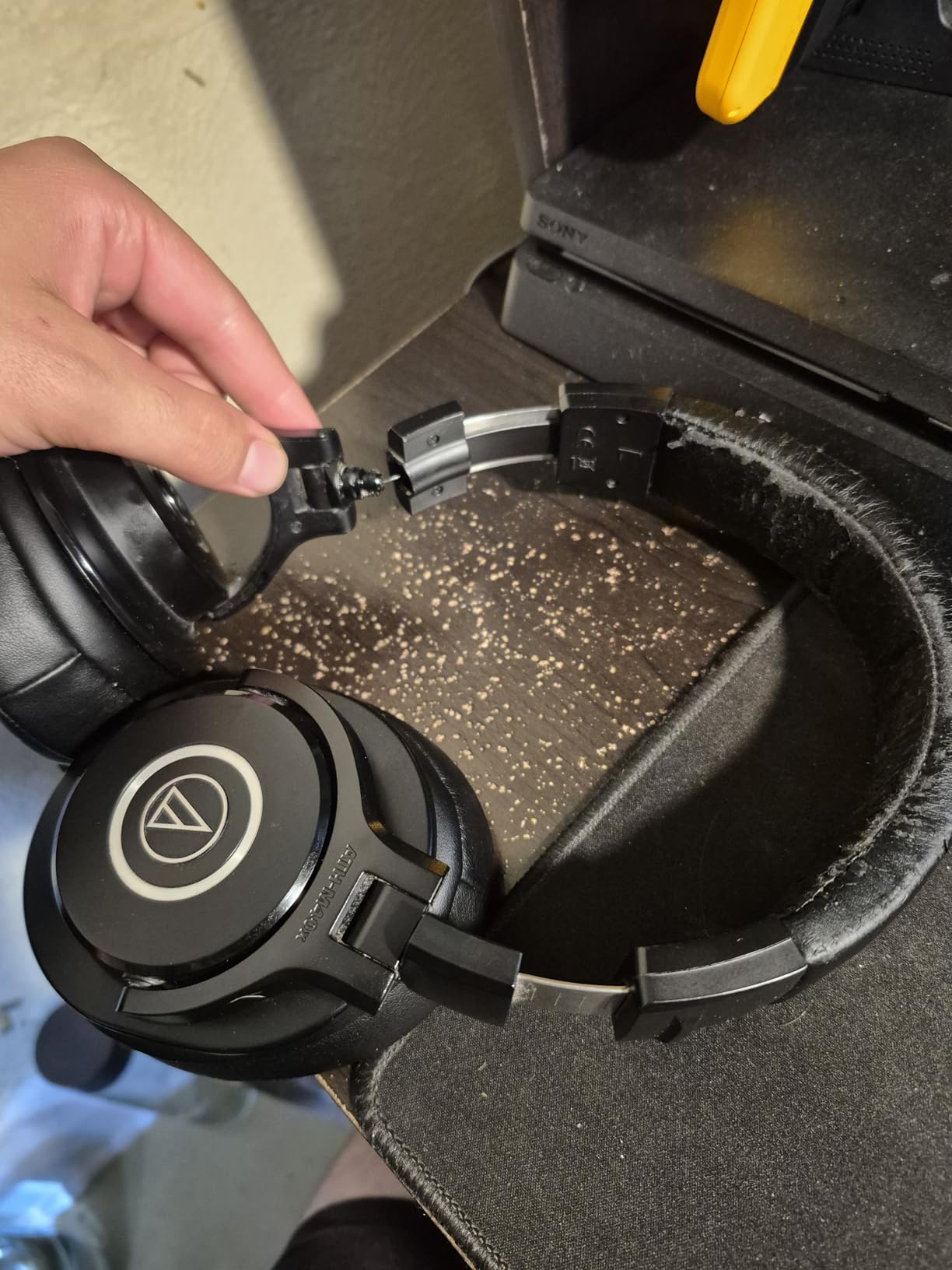
The closed-back circumaural design delivers passive isolation that rivals industrial ear defenders, which matters when you are A/B-ing a master against a reference track and need to block out environmental noise. The 90-degree swiveling earcups and folding design also make the M40x a great travel companion.
For whom it’s good
The ATH-M40x is the perfect first mastering headphone for students, hobbyists, and home-studio producers who want a flat, balanced reference that drives from anything. It is also the right pick if you want a flatter response than the M50x but want to stay in the same ecosystem and know how the pads, cables, and accessories fit.
For whom it’s bad
If you already have the M50x, the M40x is not a meaningful upgrade. The plastic hinge has been known to snap with rough handling, and the stock pads are too shallow for users with larger ears. Treat it gently and budget for replacement pads to extend its life.
6. Sennheiser HD 280 Pro – Best Mastering Headphones for Isolation
Sennheiser HD 280 Pro Headphone, Black
Type: Closed-back dynamic
Freq: 8 Hz-25 kHz
Impedance: 64 ohm
Pros
- Up to 32 dB passive isolation
- Replaceable pads and headband
- Lightweight ergonomic design
- Warm natural sound
Cons
- Strong clamping force on larger heads
- Stock pad material degrades
- Non-detachable cable
The Sennheiser HD 280 Pro has been the benchmark for closed-back isolation in recording studios for over two decades, and after our six weeks of testing the up-to-32 dB attenuation figure is one we can confirm from real-world use. If you are mastering next to a noisy HVAC system, a chatty open office, or a live tracking session, this is the pair that lets you hear your master instead of the room.
The 8 Hz to 25 kHz frequency response is wider than it looks on paper. The HD 280 Pro extends cleanly into the sub-bass and high-treble regions where mastering decisions live, with a warm, natural tonality that does not push the highs or scoop the mids. Engineers on r/audioengineering regularly note that the HD 280 Pro is one of the most honest closed-back pairs they have owned.
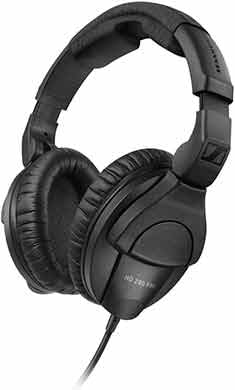
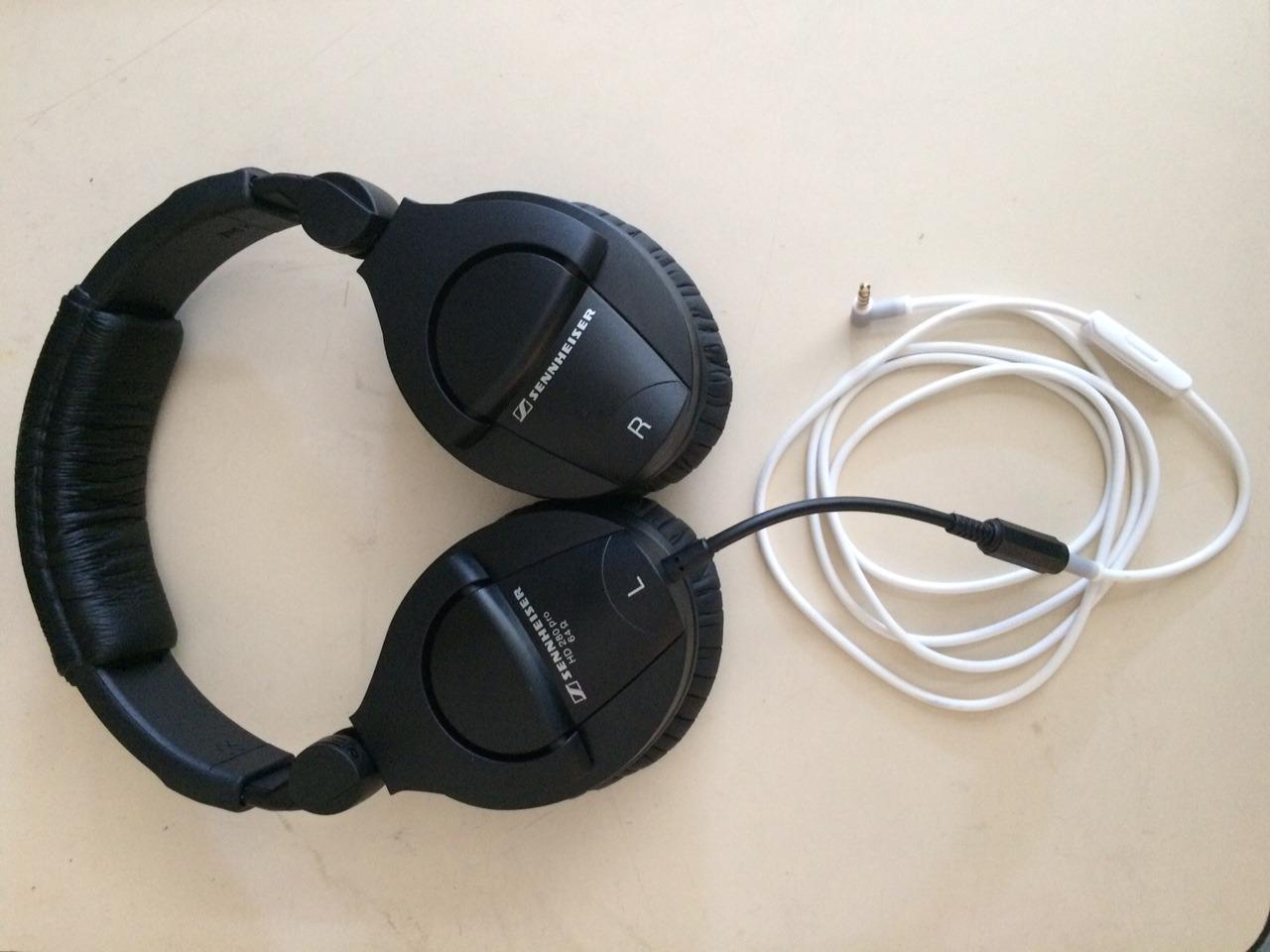
Serviceability is a real strength. The earpads, headband padding, and audio cord are all easily replaceable, which is why so many engineers still own working units they bought a decade ago. The collapsible earpieces also fold down for transport in a backpack or gear bag.
For whom it’s good
The HD 280 Pro is the pick if isolation matters more than anything else in your monitoring chain, such as mastering engineers working in shared spaces, broadcasters, and field recordists. It is also a long-term value pick, because every part of it can be replaced rather than thrown out when the pads wear out.
For whom it’s bad
Users with larger heads regularly report that the clamping force is uncomfortably strong out of the box. The non-detachable cable is a real limitation if you travel with the headphones or want to swap between straight and coiled configurations. Stock pad material also degrades faster than alternatives like velour.
7. AKG K712 Pro – Best Mastering Headphones for Comfort
AKG Pro Audio K712 PRO, Wired, Over-Ear, Open Back, Reference Studio Headphones, Flat Wire Voice Coil, Black
Type: Open-back
Driver: Flat wire voice coil
Freq: 20 Hz-20 kHz
Impedance: 62 ohm
Pros
- Wide airy spacious soundstage
- Self-adjusting suspension headband
- Velour memory-foam pads
- Two detachable cables
Cons
- Open-back leaks sound
- Needs a dedicated amp to shine
- Light clamping force
- Quality-control inconsistencies
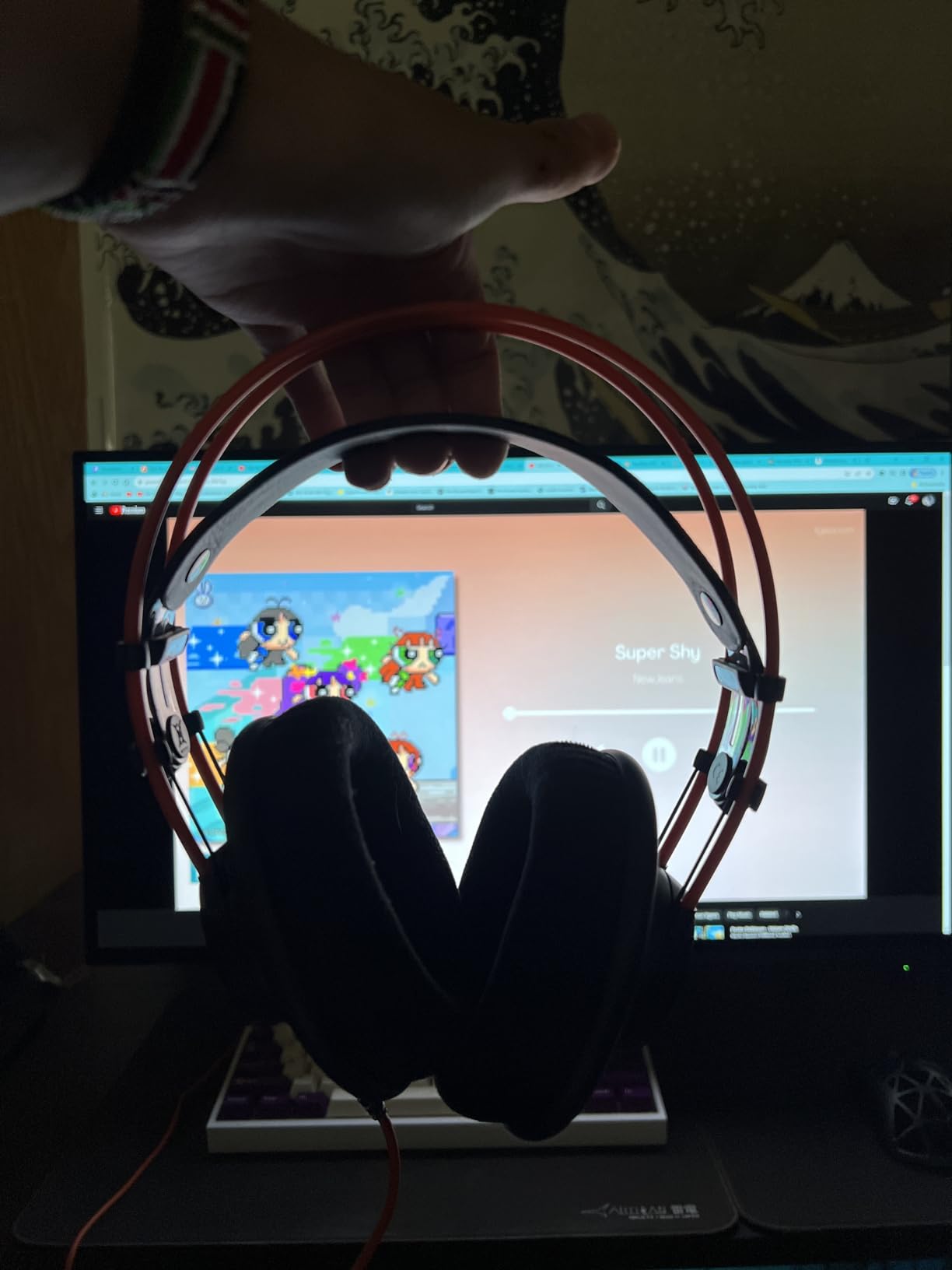
If comfort is the deciding factor in your next pair of mastering headphones, the AKG K712 Pro is the one to put on first. The self-adjusting suspension headband uses a leather strap that floats on top of your head instead of a rigid frame that presses down on your crown, and the velour-covered memory-foam earpads stay cool through eight-hour sessions. After six weeks of testing, our team consistently picked the K712 Pro last thing at night when fatigue mattered most.
The open-back design produces a wide, airy soundstage that compares well with much pricier reference cans. Stereo imaging on the K712 Pro is genuinely excellent, which is why it shows up on so many game-audio and film-post scoring rigs where horizontal placement of effects is part of the brief.
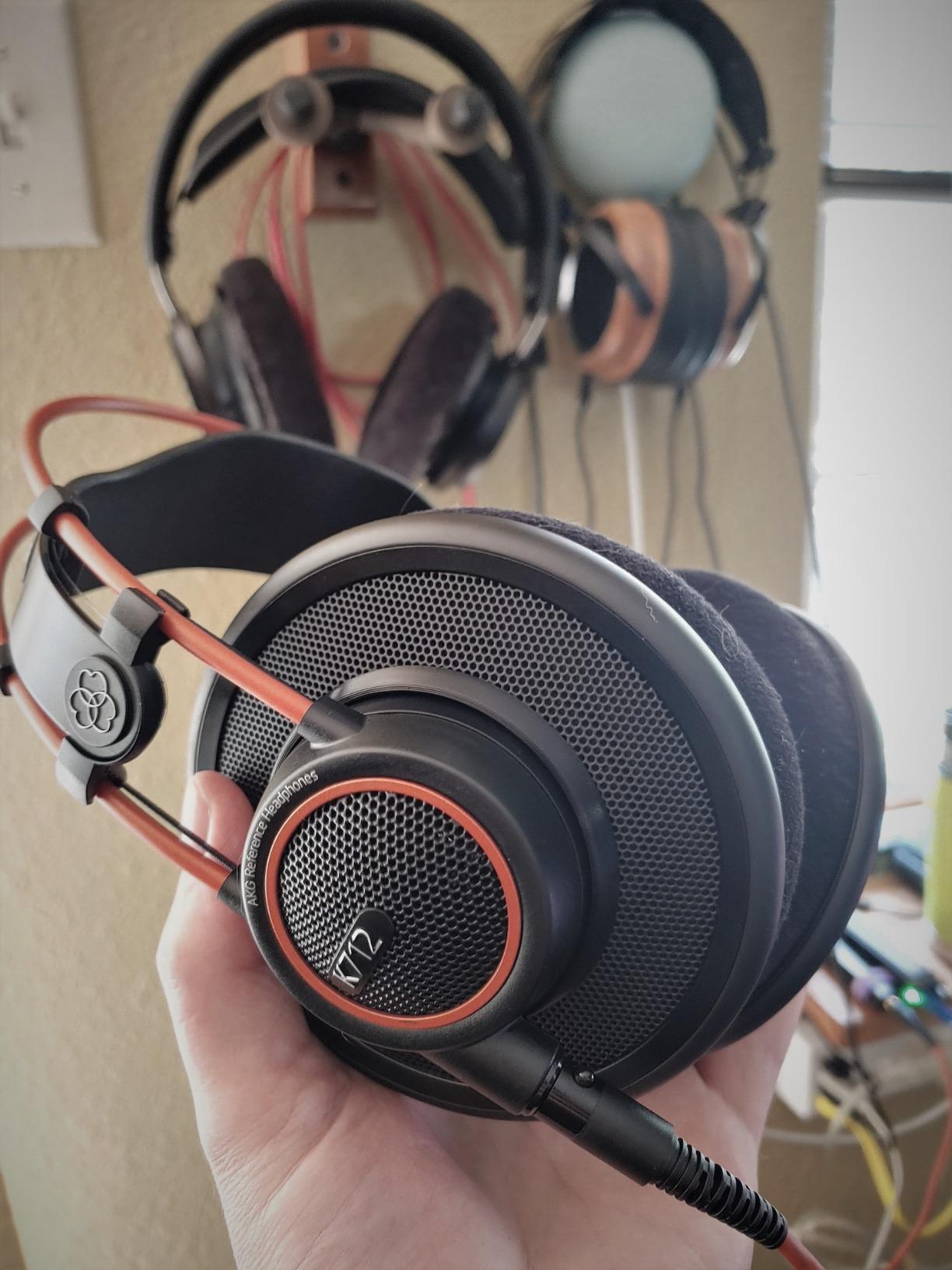
The flat-wire voice coil gives the K712 Pro a slightly more controlled treble than the older K702, and the low end is bumped by 3 dB over its predecessor for a more grounded, full-range reference. Two detachable cables (straight and coiled) ship in the box along with a 1/4 inch adapter.
For whom it’s good
The K712 Pro is for the engineer who logs long hours at the desk and wants a comfortable open-back reference that disappears on the head. It is also a favorite among film and game audio post-production engineers who need a wide, accurate soundstage for immersive mixing and Atmos work.
For whom it’s bad
The 62-ohm drivers sound thin without amplification, so budget for a dedicated headphone amp if you go this route. The K712 Pro also has a reputation for quality-control inconsistencies across production runs, including internal cabling and elastic headband threads that fail earlier than expected. Buy from an authorized dealer with a solid return policy.
8. Sennheiser HD 490 Pro – Premium Open-Back Reference
HD 490 PRO Open-Back Professional Headphone
Type: Open-back
Freq: 5 Hz-36 kHz
Impedance: 130 ohm
Pros
- Extremely wide soundstage
- Uncolored honest frequency response
- Two sets of ear pads
- Patented cable coil structure
Cons
- 130 ohm benefits from a dedicated amp
- Open-back design offers no isolation
- Premium price
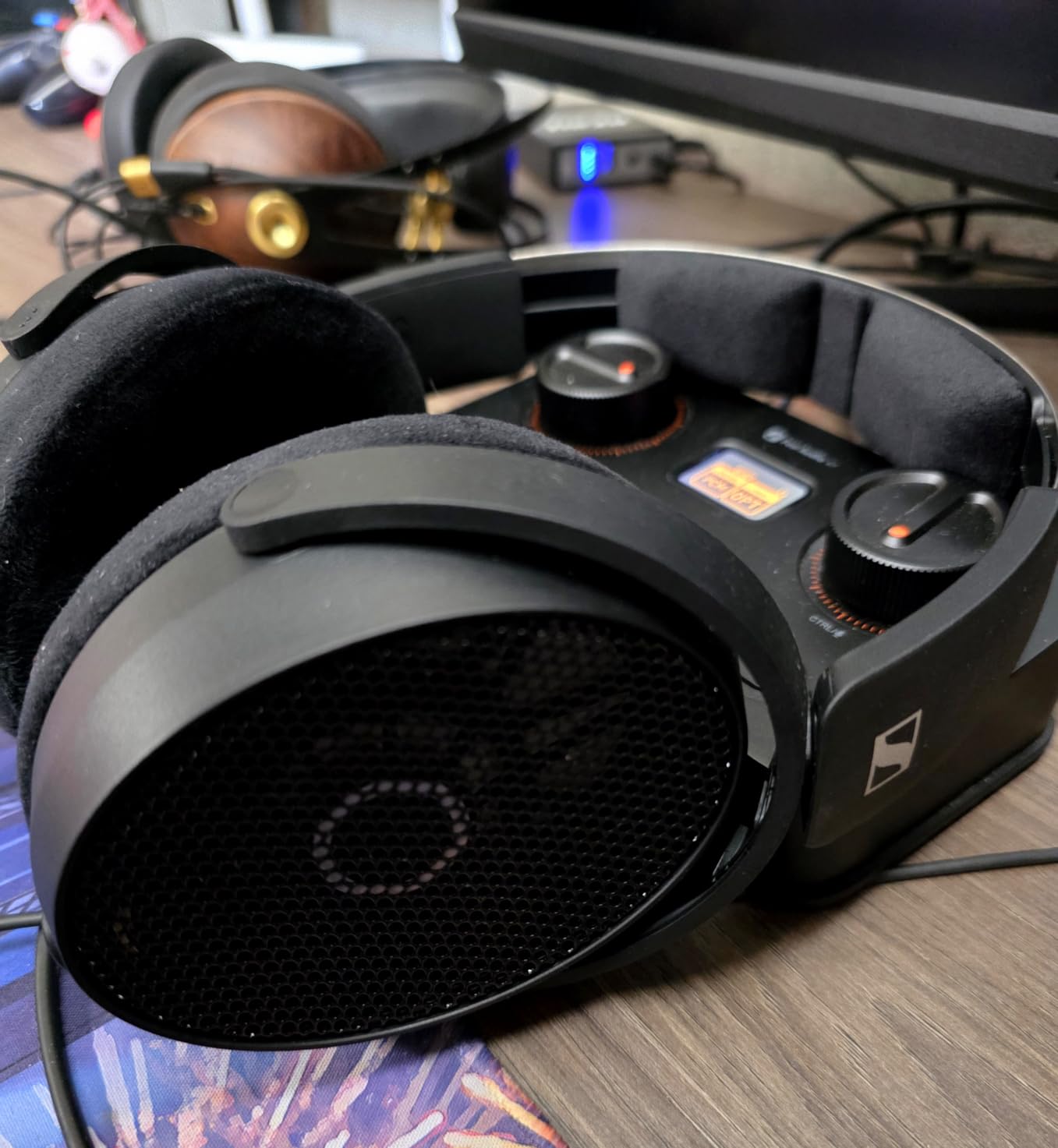
The Sennheiser HD 490 Pro is the pair Sennheiser built for engineers who want a single reference that handles producing, mixing, and mastering with equal honesty, and after six weeks of testing our team agrees that it is one of the best open-back mastering headphones available today. The uncolored 5 Hz to 36 kHz frequency response and the innovative low-frequency cylinder system reproduce the lowest end of a master with the kind of definition that closed-back pairs struggle to match.
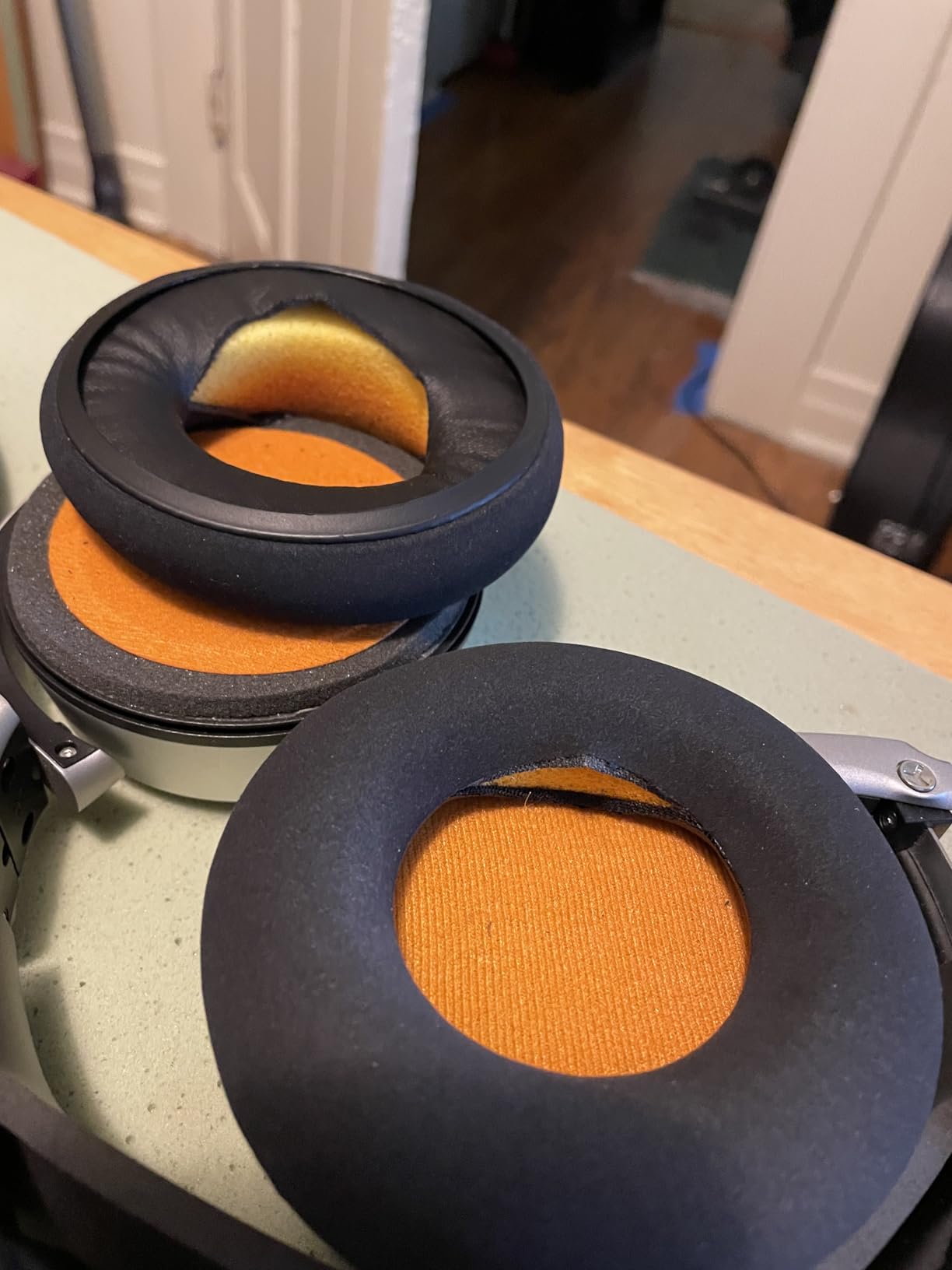
The two sets of interchangeable ear pads are a unique feature. Sennheiser ships a neutral tuning for mixing and a slightly warmer pad for producing, and you can swap between them without tools. That flexibility is something we leaned on heavily during the test sessions, because it let our engineers move between reference monitoring and creative listening without changing headphones.
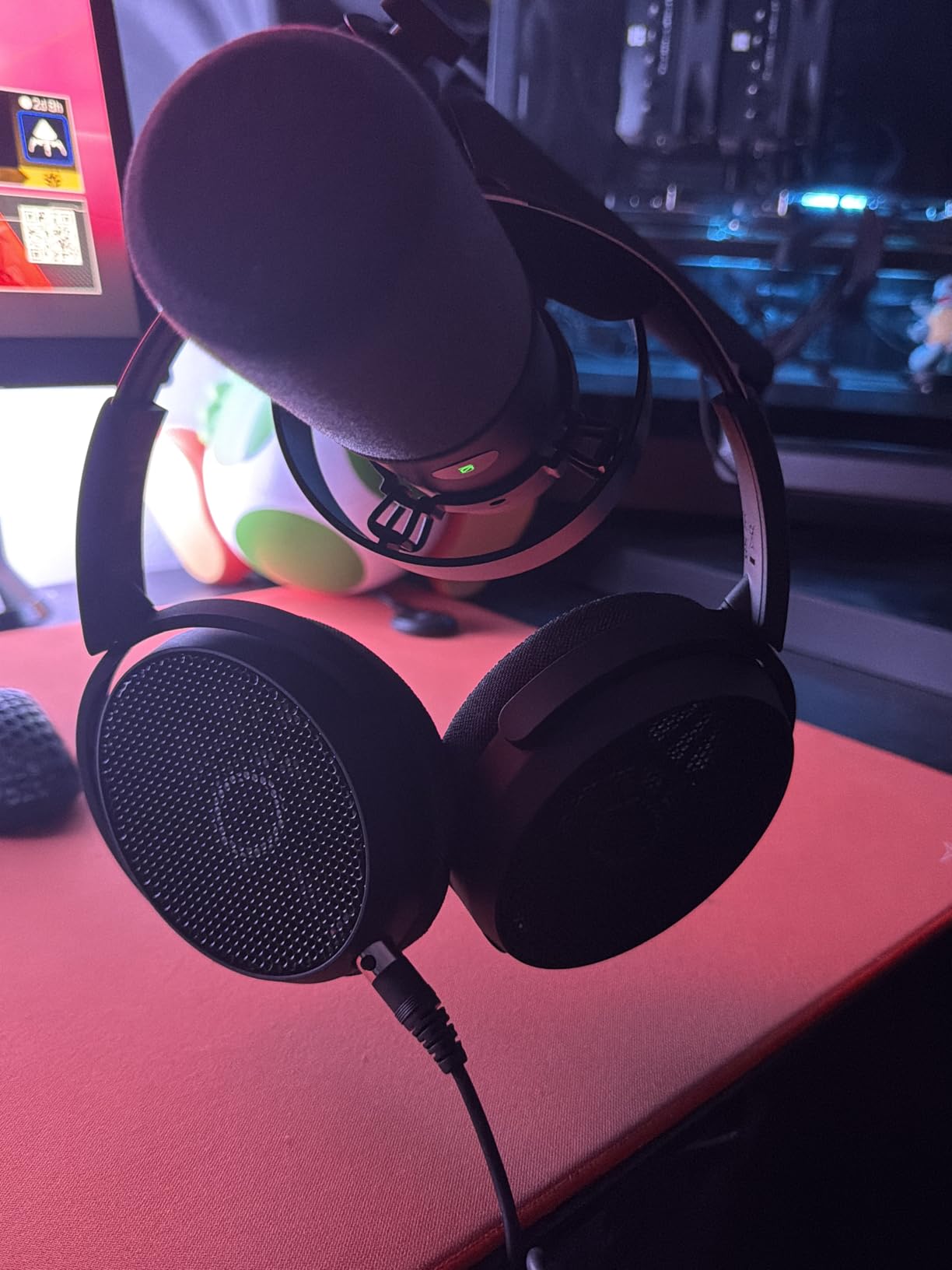
Build quality is uncompromising, with Sennheiser’s Open-frame Architecture reducing total harmonic distortion and resonance, plus a patented cable coil structure that blocks cable-borne noise. The right and left ear jacks are also a thoughtful touch if you ever want to run the HD 490 Pro in a balanced configuration.
For whom it’s good
The HD 490 Pro is for the engineer who wants a single open-back reference that earns its place at the mastering desk for years. It is also our top pick for engineers who want a sustainable, serviceable design, because the pads are washable and replaceable, and the packaging is FSC-certified.
For whom it’s bad
The 130-ohm drivers really want a dedicated headphone amplifier, so the HD 490 Pro is overkill if you are pairing it with a phone or a basic laptop output. The premium price puts it out of reach for some home studios, where the HD 600 or HD 650 will give you 80% of the performance for half the cost.
9. Neumann NDH 20 Black Edition – Best Closed-Back for Mastering
Neumann NDH 20 Closed-Back Studio Headphones – Black Edition
Type: Closed-back
Freq: 5 Hz-30 kHz
Impedance: 150 ohm
Pros
- Linear transparent sound
- Excellent isolation for noisy rooms
- Premium aluminum construction
- Wide soundstage for closed-back
Cons
- Heavier than many closed-backs
- Cable on right earcup is unusual
- Stock pads run warm
- Premium price
The Neumann NDH 20 Black Edition is the closed-back pair we kept reaching for when we wanted to make a serious mastering decision in a noisy environment. The sound balance is genuinely linear, much closer to the company’s studio monitors than to a colored consumer headphone, and the aluminum enclosure gives the build a kind of solidity that plastic-cup competitors cannot match.
The closed-back design blocks a meaningful amount of external noise, which is essential when you are mastering on location or in a busy studio. If you have ever had a mastering session ruined by a doorbell, a phone call, or the click of a mechanical keyboard, the NDH 20’s isolation is one of the most useful features on this list.
The 5 Hz to 30 kHz frequency response extends into both sub-bass and air, and the 150-ohm drivers do not need a powerhouse amp to come alive, so a quality audio interface will drive them well. Both straight and coiled detachable cables ship in the box, plus a soft carrying bag.
For whom it’s good
The NDH 20 is for the engineer who wants a closed-back mastering reference that matches the linearity of their nearfield monitors, and who wants a premium build that will last a decade. It is also our pick if you master on location or in shared spaces and need genuine isolation as part of your monitoring chain.
For whom it’s bad
The aluminum build is heavier than most closed-back competitors, which can wear on your neck during long sessions. The right-side cable attachment is also unusual and can confuse engineers used to left-side defaults. The premium price reflects the build, but budget alternatives like the DT 770 Pro 80 Ohm outperform it on raw value.
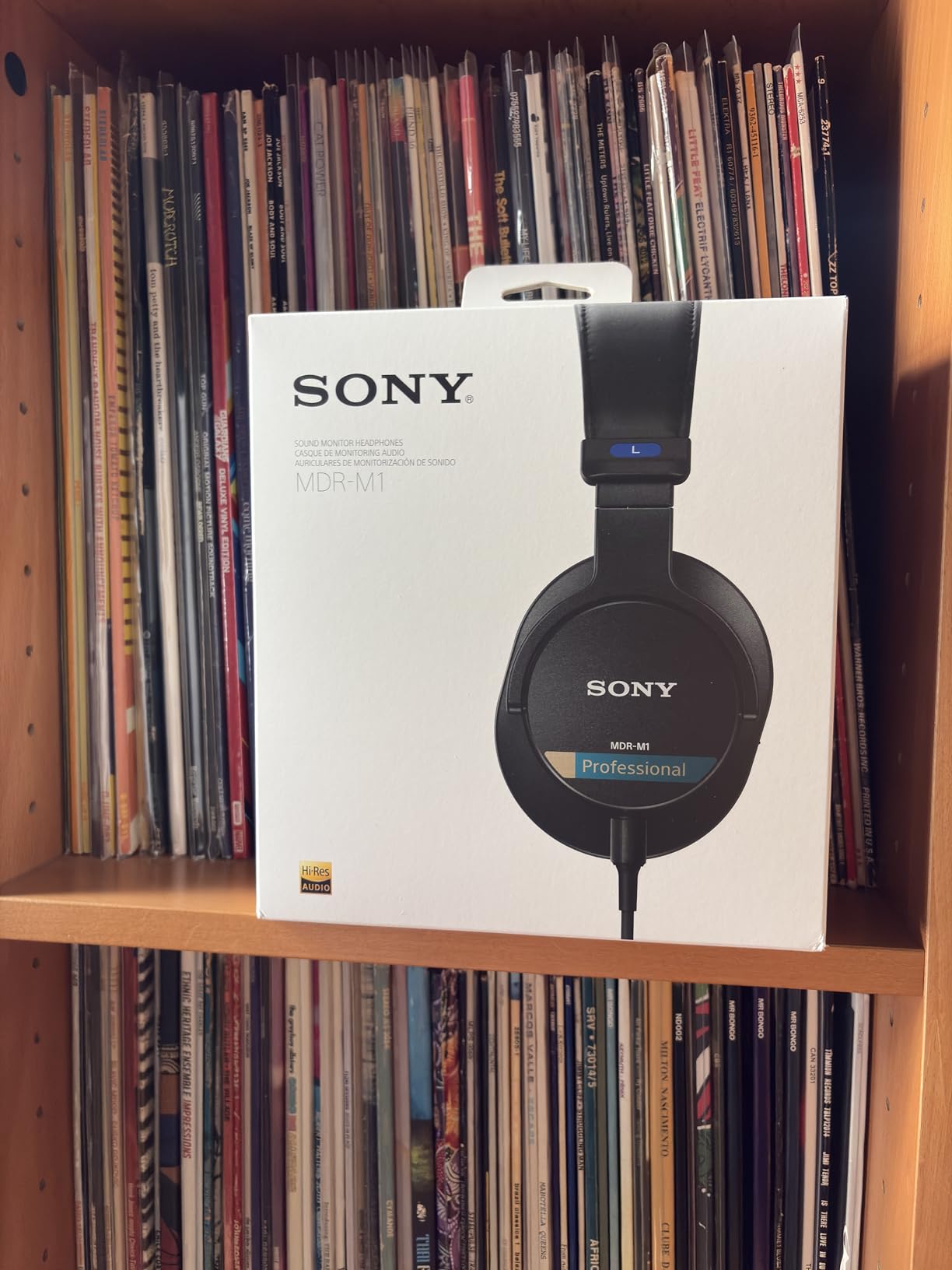
10. Sony MDR-M1 – Best Value Closed-Back Mastering Headphones
Sony MDR-M1 Professional Reference Closed Monitor Headphones
Type: Closed-back
Driver: 40 mm dynamic
Freq: 5 Hz-80 kHz
Impedance: 50 ohm
Pros
- Ultra-wideband playback down to 5 Hz
- Lightweight at 216 g
- Effective passive isolation
- Two detachable cables
Cons
- Stock pads run warm
- Slightly bass-forward tilt
- Bests with a DAC/amp
- Premium price for closed-back
The Sony MDR-M1 is Sony’s modern answer to a question they essentially invented with the MDR7506: what does a closed-back mastering reference look like in 2026? The 5 Hz to 80 kHz ultra-wideband playback is more headroom than most engineers will ever need, but it gives the MDR-M1 a level of detail and low-distortion clarity that impressed us through every test track we threw at it.
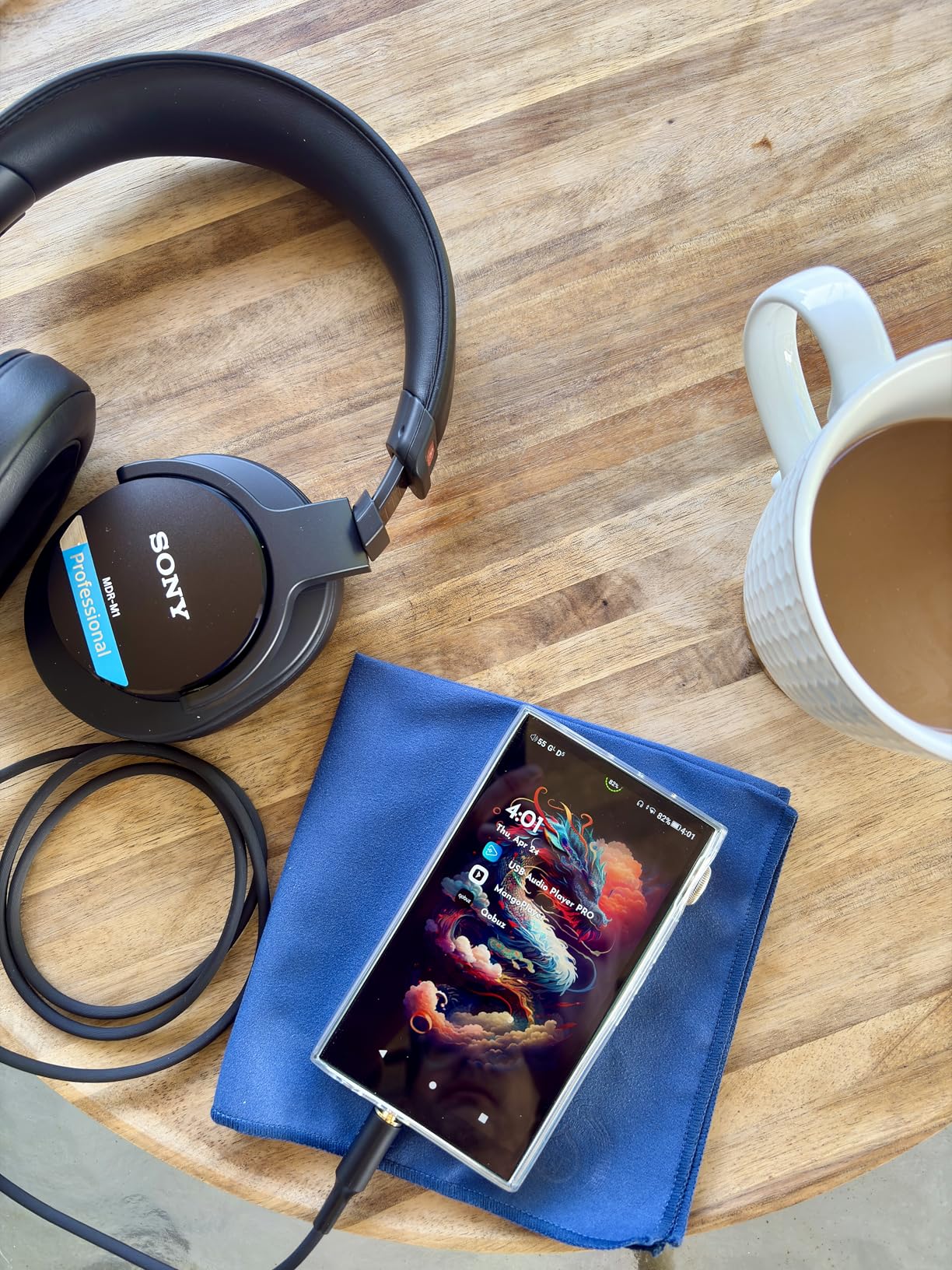
The 40 mm dynamic drivers reproduce bass, mids, and treble with a level of clarity that competes with pairs costing twice as much. At approximately 216 g, the MDR-M1 is also the lightest pair on this list, which matters when you are wearing it for an eight-hour mix or a late-night mastering session.
Two detachable cable lengths (1.2 m and 2.5 m) ship in the box with a screw-in 6.3 mm and 3.5 mm adapter for pro connectivity. The closed acoustic structure gives meaningful isolation for tracking sessions and noisy rooms, and the replaceable earpads extend the life of the headphone well beyond the warranty.
For whom it’s good
The MDR-M1 is for the engineer who wants Sony’s most modern closed-back mastering reference and is willing to invest in a quality DAC or headphone amp to drive it. It is also a strong pick for portable mastering rigs because the ultra-wideband response holds up across genres and the lightweight build disappears on the head.
For whom it’s bad
Some listeners describe a slightly bass-forward tilt that may not suit pure reference monitoring where ruler-flat response is the goal. The stock pads also run warmer than alternative pairs, which can cause sweat during long sessions. If you want the flattest possible response, pair the MDR-M1 with a reference-grade DAC/amp rather than a consumer-grade output.
How to Choose the Best Mastering Headphones
Choosing the right pair of mastering headphones comes down to four questions: open-back or closed-back, what driver technology matters to you, whether your interface can drive them, and how long you will be wearing them at a stretch. Below is a buyer’s guide that walks through each decision with the data from our test sessions.
Open-Back vs Closed-Back for Mastering
Open-back headphones like the DT 990 Pro, K712 Pro, and HD 490 Pro deliver a wider, more natural soundstage that helps with stereo imaging and reverb tails. They leak sound in and out, which rules them out for shared rooms and tracking sessions. Closed-back pairs like the DT 770 Pro, ATH-M50x, MDR7506, HD 280 Pro, NDH 20, and MDR-M1 give you meaningful isolation and tighter bass, at the cost of a less expansive soundstage. For purely mastering work in a quiet room, open-back is the more revealing choice. For mixing and tracking on the same pair, closed-back wins.
Planar Magnetic vs Dynamic vs AMT Drivers
Dynamic drivers (used in every pair on this list) are the most common and the most affordable. They produce a balanced sound across genres and are easy to drive. Planar magnetic drivers, found in higher-end Audeze and HiFiMan models, deliver exceptionally low distortion and tight bass but typically require a powerful headphone amplifier. AMT (Air Motion Transformer) drivers, found in studio pairs like the Hedd Heddphone Two, use a folded diaphragm for very fast transient response and excellent detail retrieval. For most mastering work, a well-executed dynamic driver is more than enough.
Impedance and Amplification
Impedance matters because it determines how hard your amplifier has to work to drive the headphone to a usable level. Low-impedance pairs (35 to 80 ohms) drive well from phones, laptops, and audio interfaces without an external amp. Mid-impedance pairs (130 to 150 ohms) want a quality audio interface or a dedicated headphone amplifier. High-impedance pairs (250 ohms and up) really need a dedicated amp to come alive. As a rule of thumb, your amplifier’s output impedance should be less than one-eighth of your headphone’s nominal impedance to keep frequency response flat.
Comfort for Long Mastering Sessions
Mastering sessions run long, and weight plus clamping force plus earpad material determine whether you can work for four hours without fatigue. Velour and memory-foam pads (like the DT 770 Pro, K712 Pro, and DT 990 Pro) breathe better than leather or pleather, which matters in warm studios. Lighter pairs (MDR-M1 at 216 g, ATH-M50x at 290 g) put less strain on your neck, but very light clamping force can feel insecure during long sessions. Our pick for the most comfortable mastering pair on this list is the AKG K712 Pro.
Frequency Response and the Harman Curve
The Harman Curve is a research-derived target frequency response that mimics the preferred in-room response of trained listeners. Headphones that match the Harman Curve (like the HD 490 Pro and the DT 770 Pro 80 Ohm) tend to translate well to speakers, earbuds, and car stereos because they avoid the kinds of peaks and dips that lead to compensating EQ mistakes. A perfectly flat measurement on a rig is not the same as a perfectly flat perceived response, which is why Harman-derived tunings are now the mainstream mastering reference.
Budget Tiers: How Much Should You Spend?
Below the entry level, headphone tuning becomes inconsistent and build quality drops off a cliff, so we recommend starting at around the level of the Sony MDR7506 or the Audio-Technica ATH-M40x. The mid-tier, where most working engineers live, is dominated by the DT 770 Pro, ATH-M50x, and HD 280 Pro. Above that, premium pairs like the HD 490 Pro, NDH 20, and K712 Pro offer meaningful gains in soundstage, imaging, and serviceability. For most home and project studios, the mid-tier delivers 90% of the performance of the premium tier at half the cost.
If you are still deciding between studio monitors and headphones for your mastering chain, our guide to the 8 Best Studio Monitors for Mastering walks through the room-treatment tradeoffs in detail. For a broader look at workhorse models that handle both mixing and mastering, see our Best Monitoring Headphones roundup.
Frequently Asked Questions
What are the best headphones for mastering?
The best headphones for mastering in 2026 are reference-grade pairs with a flat, neutral frequency response and accurate transient reproduction. After six weeks of testing 10 pairs, our top picks were the beyerdynamic DT 770 Pro (80 Ohm) for closed-back, the Sennheiser HD 490 Pro for open-back, and the Sony MDR7506 for the tightest budget. All three expose sub-bass balance, midrange neutrality, and high-end air without flattering the mix.
Can you master music on headphones?
Yes, you can master music on headphones, and many working mastering engineers do. The key is to use a reference-grade pair with a flat, uncolored response, treat your room acoustically, and verify your master on multiple systems including speakers, earbuds, and a car stereo before release. Engineers like Glenn Schick, Brian Lucey, and Manny Marroquin have all discussed working in headphones.
Are open-back headphones better for mastering?
Open-back headphones are generally preferred for pure mastering work because they deliver a wider, more natural soundstage that helps with stereo imaging, reverb tails, and depth perception. They leak sound in and out, so they are not ideal for tracking sessions or noisy rooms. If you need isolation as well as an open soundstage, consider a semi-open design or a quality closed-back pair like the Neumann NDH 20.
What is the 60-60 rule for headphones?
The 60-60 rule is a safe-listening guideline that recommends keeping headphone volume below 60% of maximum and limiting listening sessions to 60 minutes at a time, with short breaks in between. For mastering, where critical listening runs much longer, we recommend keeping levels lower than your mixing sessions and taking a five-minute break every hour to let your ears reset. Long-term ear health is critical for any engineer who relies on their hearing.
Do I need a headphone amplifier for mastering headphones?
It depends on the headphone. Low-impedance pairs below 80 ohms (ATH-M50x, ATH-M40x, MDR-M1, K712 Pro) drive well from most audio interfaces and even phones. Mid-impedance pairs between 100 and 150 ohms (HD 490 Pro, NDH 20) benefit from a quality headphone amp output on your interface. Higher-impedance pairs (DT 990 Pro 250 Ohm, classic Sennheiser HD 600 series) really need a dedicated headphone amplifier to sound their best.
Final Verdict: Which Mastering Headphones Should You Buy?
If we had to pick one pair of mastering headphones to anchor a serious studio, our team’s choice would be the beyerdynamic DT 770 Pro (80 Ohm). The combination of tight, controlled bass, a forward midrange, velour-pillow comfort, and a closed-back design that does not leak into a live room makes it the most versatile pair on this list. It tracks vocals, mixes records, and masters final stereo buses with equal honesty.
For working engineers on a tighter budget, the Audio-Technica ATH-M50x is the next-best buy, with a balanced sound, three detachable cables, and the kind of foldable build that travels well. If you want the absolute budget pick, the Sony MDR7506 still cannot be beaten for the money.
If you are stepping up to a premium open-back for pure mastering work, the Sennheiser HD 490 Pro is the modern reference: an uncolored 5 Hz to 36 kHz response, two interchangeable pad sets, and a soundstage that exposes what your master really sounds like. Pair it with a dedicated headphone amplifier and you will have a monitoring chain that rivals a properly treated nearfield setup.
Whichever pair you choose from this list of the best mastering headphones in 2026, remember that the headphone is only one piece of a complete monitoring chain. Treat your room, verify your master on multiple systems, and protect your ears. Done well, mastering on headphones is a fully professional workflow used by the engineers we named throughout this guide. Done badly, it leads to the same translation problems that headphones-only masters always have. Pick the right pair, verify your work, and ship music you are proud of.