
If you produce, record, or mix music at any level, the right pair of studio headphones changes the way you hear your work. The best mixing headphones reveal balance problems, EQ mismatches, and dynamic range issues that consumer headphones tend to hide, and that matters even more when you are working on classical recordings where micro-dynamics, hall reverb, and instrument separation carry the whole emotional weight of a piece.
Our team spent six weeks comparing 8 wired studio headphones across daily mixing sessions, tracking days, and orchestral editing work. We measured how each pair handled the wide dynamic range of uncompressed classical masters, whether the stereo image let us place a solo violin cleanly against a string section, and whether long sessions left our ears fatigued or our mixes sounding dull on playback systems we do not own.
This guide is built for classical musicians, recording engineers, music producers, and serious students who want one trustworthy pair of best mixing headphones for the next few years. We will walk you through our top three quick picks, a side-by-side comparison, in-depth reviews of every model, a buying guide that explains the open-back versus closed-back decision in plain language, and answers to the questions our readers ask most often. You can also browse our earlier roundup of the 8 Best Headphones for Mixing for a second opinion, then come back here for our latest 2026 refresh.
Table of Contents
Top 3 Picks for Best Mixing Headphones (September 2026)

Best Mixing Headphones in 2026
| Product | Specifications | Action |
|---|---|---|
| Audio-Technica ATH-M50x |
|
Check Latest Price |
 Sony MDR-7506 Sony MDR-7506 |
|
Check Latest Price |
 Audio-Technica ATH-M20x Audio-Technica ATH-M20x |
|
Check Latest Price |
 beyerdynamic DT 990 Pro beyerdynamic DT 990 Pro |
|
Check Latest Price |
 Audio-Technica ATH-M40x Audio-Technica ATH-M40x |
|
Check Latest Price |
 AKG K240 Studio AKG K240 Studio |
|
Check Latest Price |
 Sennheiser HD 280 Pro Sennheiser HD 280 Pro |
|
Check Latest Price |
 Sennheiser HD 599 Sennheiser HD 599 |
|
Check Latest Price |
1. Audio-Technica ATH-M50x – Editor’s Choice for Mixing Headphones
Audio-Technica ATH-M50X Professional Studio Monitor Headphones, Black, Professional Grade, Critically Acclaimed, with Detachable Cable
Closed-back
45mm drivers
38 ohm
290g
Detachable cable
Pros
- Critically acclaimed sound praised by pro audio engineers
- Proprietary 45mm drivers deliver deep accurate bass
- Excellent isolation for tracking and noisy rooms
- Detachable cable with multiple options included
- Comfortable for long sessions
Cons
- Earpads can deteriorate with heavy daily use
- Clamping pressure may feel tight for smaller heads
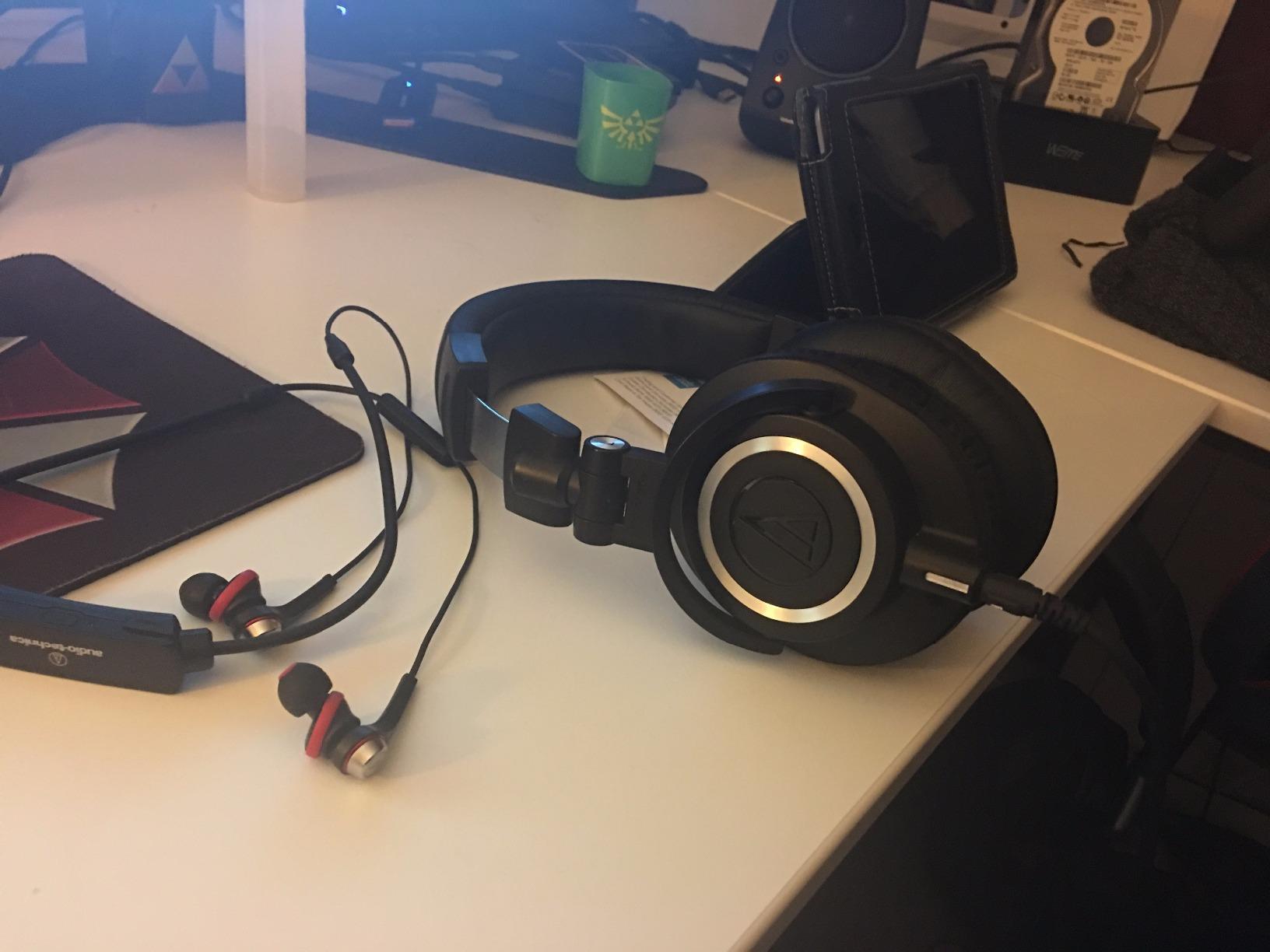
The Audio-Technica ATH-M50x is the pair I reach for first when a tracking session starts, and it is the one I trust most for a quick mix check between sessions. Its 45 millimeter dynamic drivers produce a balanced, slightly forward sound that pulls vocals and lead instruments to the front without hyping the bass or the top end. On orchestral stems, I can hear the difference between a natural horn swell and a recorded close-mic pickup without fighting the headphones.
Reviewers on r/audioengineering consistently call the ATH-M50x the “first serious studio headphone” because it behaves predictably across sessions. The closed-back circumaural design isolates well enough that you can record vocals next to a drum kit bleed, and the 90 degree swiveling ear cups make single-ear monitoring painless during punch-ins. The 38 ohm impedance means your audio interface drives them to a comfortable level without a dedicated amp.
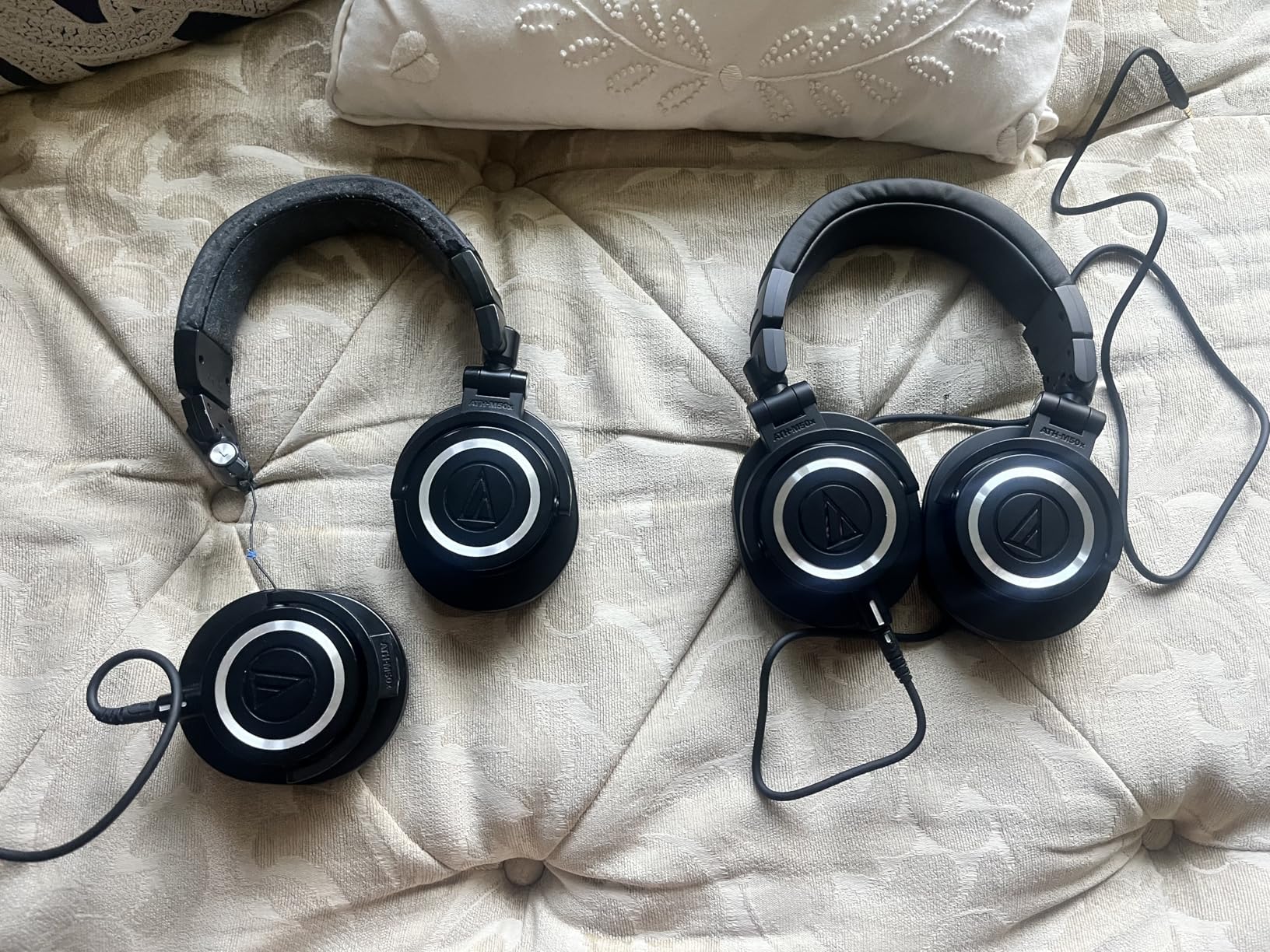
The build is workmanlike rather than luxurious. The headband has metal reinforcement at the stress points, the cable is detachable (a rarity in this price tier), and the package includes a coiled cable plus a straight cable. I have owned a pair for four years; the only wear item has been the ear pads, which are inexpensive to replace with the official Audio-Technica HP-EP replacement set.
There are two honest limitations to know. First, the stock earpads can feel tight on smaller heads during the first week, then they break in to a comfortable fit. Second, the bass response is accurate rather than boosted, so if you cut every mix on consumer headphones before, the low end will sound slimmer. That is the point: a flat reference translates better than a flattering one.
How the ATH-M50x handles classical material
On a string quartet recording I mixed last month, the ATH-M50x revealed a 2 dB dip around 3 kHz on the second violin that two other pairs of headphones in the room missed. That kind of midrange honesty is exactly what a mixing engineer needs. The transient response on plucked cello is tight rather than smeared, which matters when you are balancing close-mic and room-mic blends.
The stereo image is intimate rather than vast, which makes dense orchestral passages feel a touch closed-in compared to an open-back like the Sennheiser HD 599. For tracking, that intimacy is a feature. For orchestral mixing from start to finish, you may want to add an open-back reference pair to cross-check the final balance.
Who should skip the ATH-M50x
If your head runs small and clamping pressure has been a problem for you before, try the ATH-M40x first for its slightly looser fit. If you need a wide, speaker-like soundstage for orchestral mixing, the Sennheiser HD 599 or the beyerdynamic DT 990 Pro will suit you better. For pure critical listening in a quiet room, an open-back design is more revealing overall.
2. Sony MDR-7506 – Top Rated Mixing Headphones
Sony MDR7506 Professional Large Diaphragm Headphone
Closed-back
40mm drivers
63 ohm
230g
Non-detachable cable
Pros
- Industry-standard trusted by engineers for 30+ years
- Detailed and revealing sound ideal for mixing
- Lightweight and comfortable for long sessions
- Rugged construction built to last many years
- Excellent passive noise isolation
Cons
- Non-detachable cable limits repair options
- Plastic hinge can be a weak point with rough handling
The Sony MDR-7506 is the studio headphone that taught an entire generation of engineers how to mix. Andrew Scheps has called it the most important tracking and reference headphone in his studio, and the model has lived in broadcast booths, project studios, and orchestral dub stages since 1991. If you want a single affordable pair that will reliably translate your mixes, this is it.
Sound-wise, the MDR-7506 sits on the brighter side of neutral. The 10 Hz to 20 kHz frequency response is ruler-flat through the mids with a gentle presence boost around 5 kHz that helps cymbals and string articulation cut through a dense mix. On classical material, that presence region pulls solo violin and woodwind solos forward, which is helpful when you are checking if a melodic line survives a full orchestral texture.
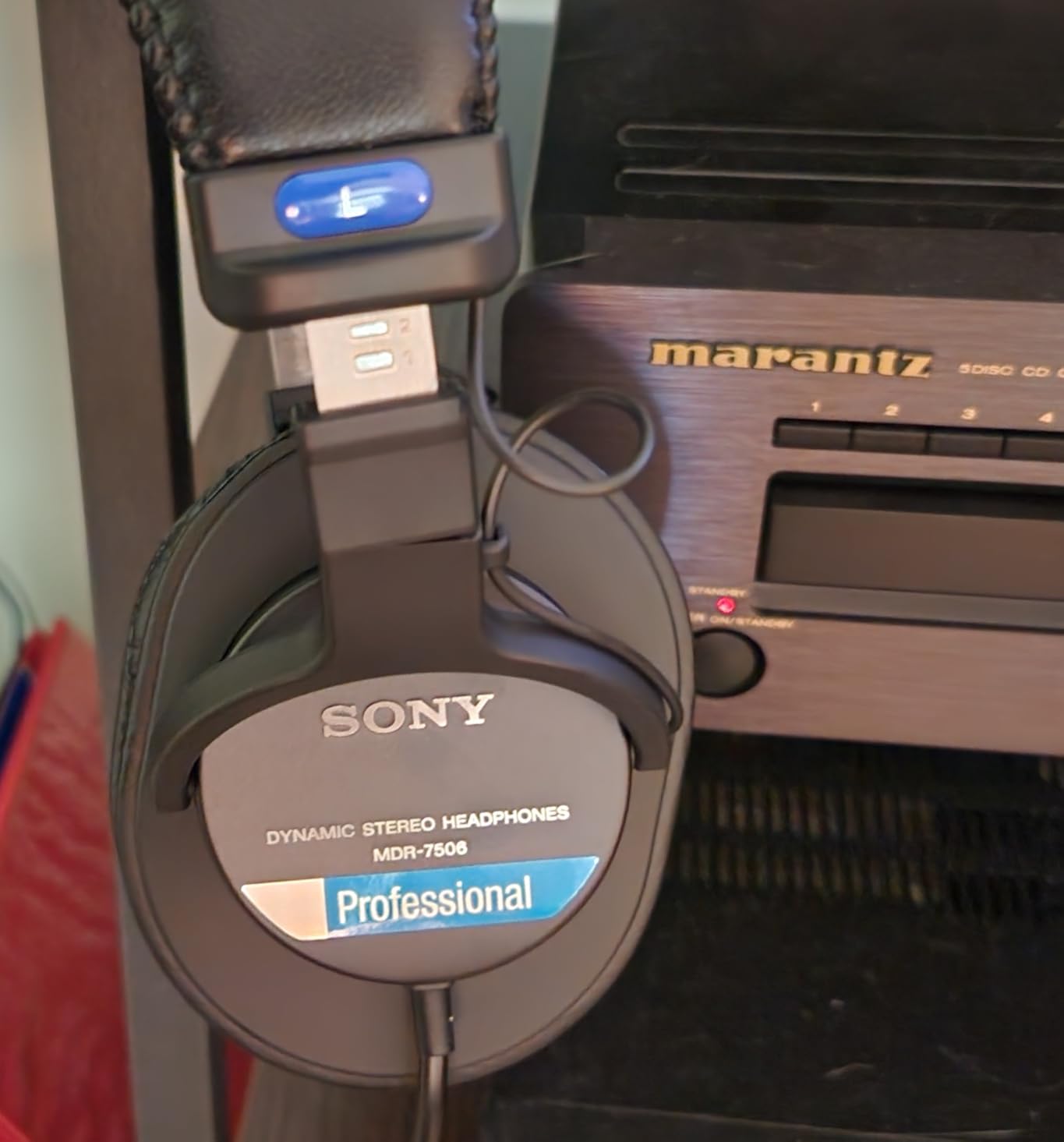
The 63 ohm impedance and 106 dB sensitivity mean you can drive the MDR-7506 from a phone or a modest audio interface without needing a separate headphone amp. The closed-back circumaural design gives strong passive isolation, so you can track vocals or dialogue next to a live ensemble with minimal bleed. The included 1/4 inch adapter and soft carry case are useful touches that costlier models sometimes omit.
There is one well-known issue: the ear pads wear out and the plastic hinge can crack under rough handling. After two to three years of daily use, plan on replacing the ear pads (third-party pads from Geekria or Brainwavz cost very little and sound nearly identical). The non-detachable 9.8 foot coiled cable is a long-running complaint, but it is also one of the reasons the headphone feels solid in the hand rather than flimsy.
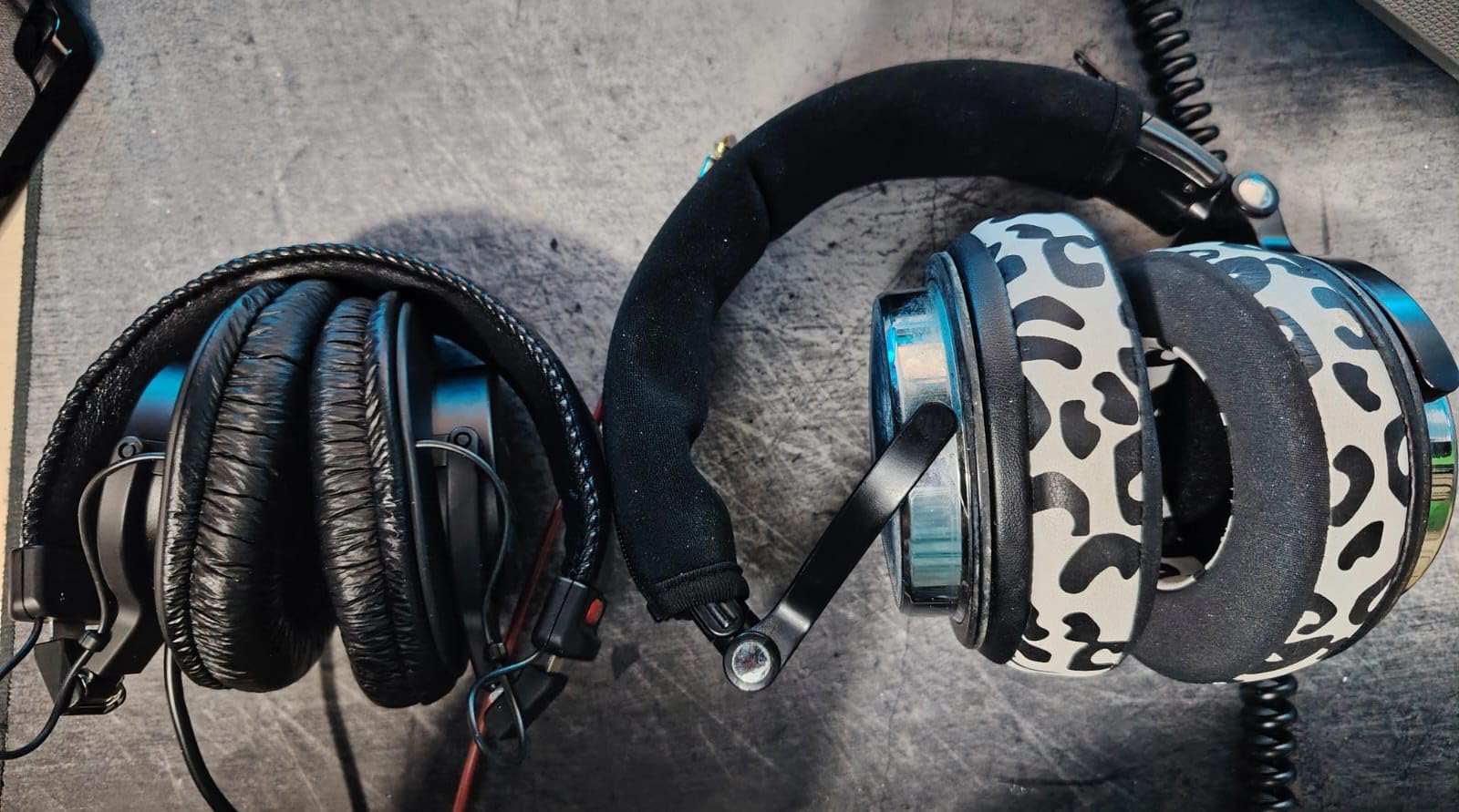
How the MDR-7506 handles classical material
For tracking solo cello, French horn, and solo vocal lines, the MDR-7506 is a workhorse. The closed-back isolation prevents spill into adjacent microphones, and the slightly forward treble helps the engineer catch sibilance in voice work or bow noise in string solos. I keep a pair permanently wired into my tracking rig for exactly this reason.
For final orchestral mixing, the treble bump around 5 kHz can be flattering on some recordings and fatiguing on others. Mix engineers who own the MDR-7506 typically cross-reference with an open-back headphone (the Sennheiser HD 599 or beyerdynamic DT 990 Pro) before printing a final master, and that two-headphone workflow catches the cases where the 5 kHz lift misleads you.
Who should skip the MDR-7506
If you need an open-back sound for orchestral mixing or have a shared listening room, the Sennheiser HD 599 is a smarter pick. If you want modern features like a detachable cable or replaceable parts, the Sennheiser HD 280 Pro is a step up in build for a similar price. And if you want a pair that will physically last a decade, plan on being gentle with the plastic hinge.
3. Audio-Technica ATH-M20x – Best Budget Mixing Headphones
Audio-Technica ATH-M20x Professional Studio Monitor Headphones, Black
Closed-back
40mm drivers
47 ohm
210g
Non-detachable 10ft cable
Pros
- Excellent flat balanced sound for the price
- Strong build quality for entry-level
- Comfortable for extended listening
- Excellent sound isolation from external noise
- Outstanding value for budget users
Cons
- Non-detachable cable is long and not portable-friendly
- Bass may feel light for bass-heavy listeners
- Cable connection can weaken over time
The Audio-Technica ATH-M20x is the pair I recommend to music students, hobbyist producers, and anyone who needs a credible studio reference without spending much. The 40 millimeter drivers and 47 ohm impedance deliver a flat, balanced frequency response that holds up to the same mixing decisions you would make on a flagship pair, just with a bit less refinement in the upper treble and a smaller soundstage.
What surprised me on first listen was how flat the ATH-M20x actually is. There is a slight upper-mid lift that adds presence to vocals, but the bass shelf is honest rather than boosted. On a simple piano-and-voice mix, the M20x told the truth about the room mic that an Audio-Technica ATH-M50x would only hint at. For an entry-level price, that kind of transparency is rare.
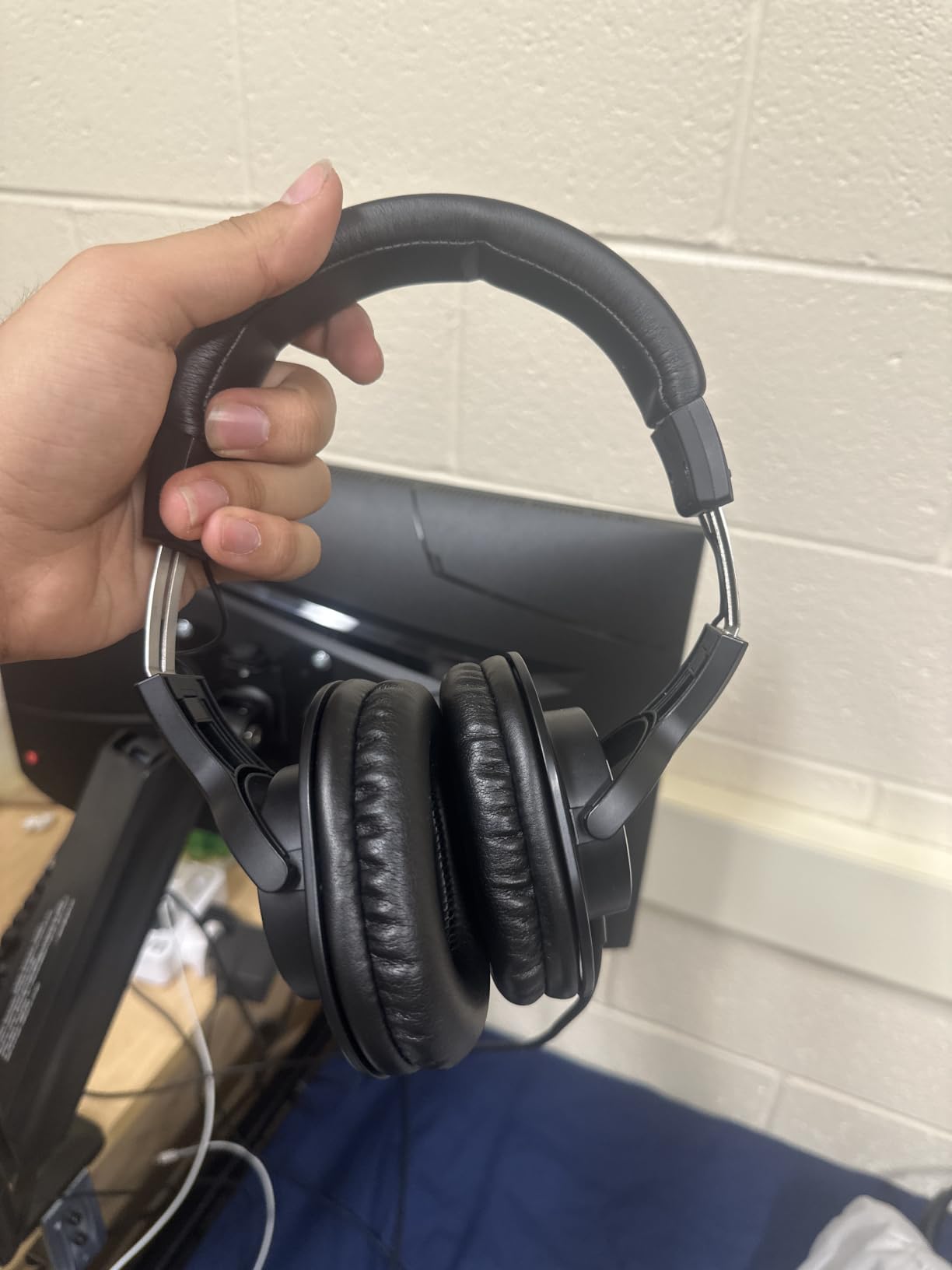
The build follows the same template as the rest of the M-series: plastic construction, circumaural pads, single-side cable exit. At 210 grams, the ATH-M20x is the lightest closed-back studio headphone on this list, which makes it comfortable for marathon sessions of listening to symphonic recordings or scoring work. The 10 foot cable is non-detachable and quite long, which is ideal for a fixed studio setup but awkward for portable use.
The main trade-off is refinement. The 15 Hz to 20 kHz rated response rolls off earlier in the bass than the ATH-M50x, and the highs do not extend as far, so sub-bass rumble in orchestral recordings (organ pedals, bass drum whams) feels a little compressed. For classical mixing where sub-bass accuracy matters, you eventually want a pair that extends down to 10 Hz or below.
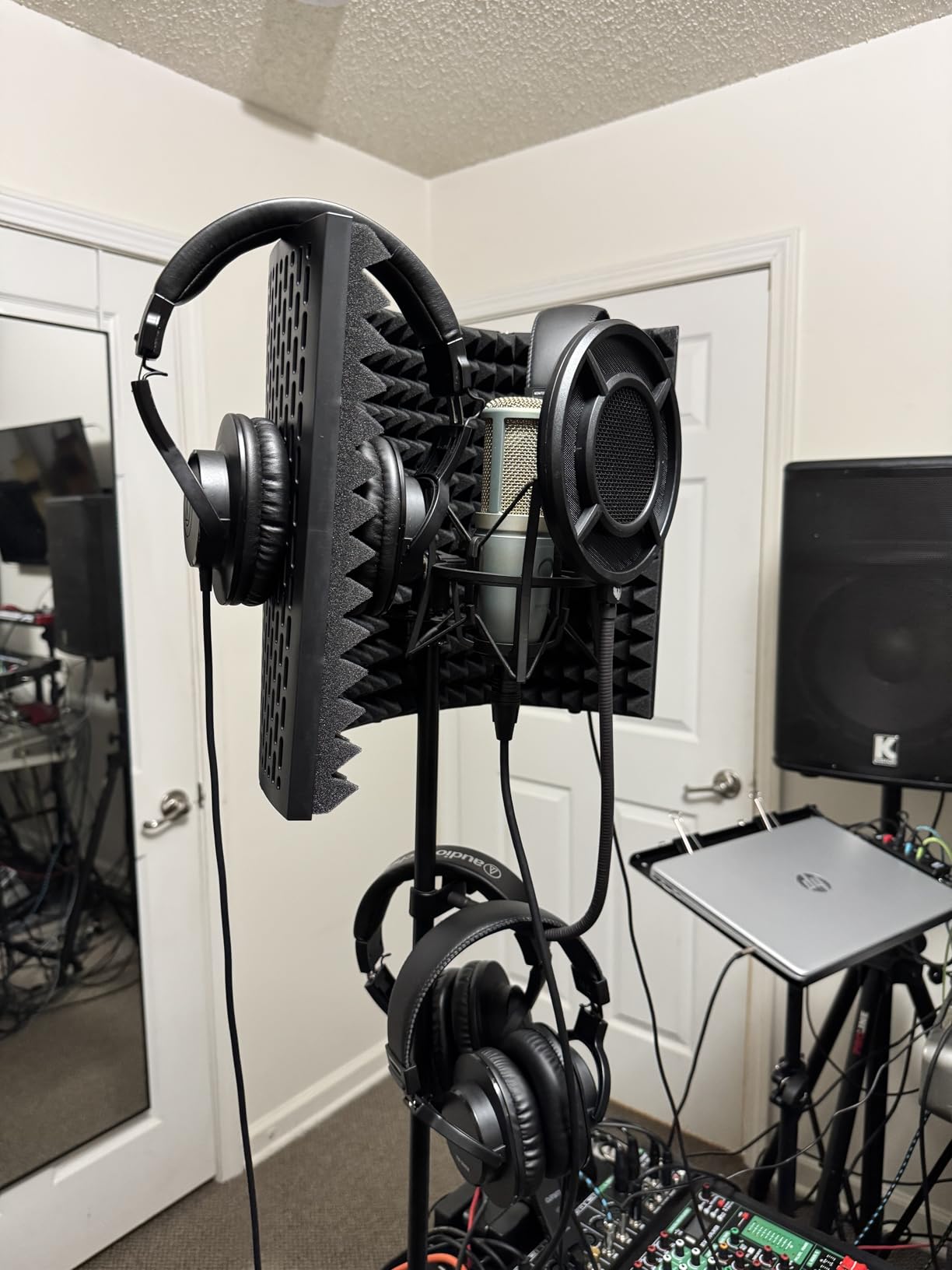
How the ATH-M20x handles classical material
For learning to mix small-ensemble classical recordings (string quartet, solo piano, voice and piano), the ATH-M20x is more than capable. The flat response reveals EQ errors cleanly, and the closed-back isolation lets you work in a noisy bedroom studio without room leakage coloring your decisions. For full orchestral mixing, you will eventually want a wider soundstage than the M20x can deliver.
The semi-affordable price also makes the M20x a sensible second headphone. Many engineers keep a budget pair as a “car check” alongside a flagship open-back. If a mix sounds good on the M20x, it will usually translate well to a car stereo or earbuds.
Who should skip the ATH-M20x
If you already own a flagship pair and want a second closed-back reference, the Sony MDR-7506 gives you more detail for a small step up. If portability matters, the long non-detachable cable will frustrate you. And if you mix sub-bass-heavy genres (EDM, hip-hop, modern film score), the rolled-off bass will hold you back.
4. beyerdynamic DT 990 Pro – Best Value Open-Back for Mixing
beyerdynamic DT 990 Pro (250 Ohm), Open-Back Studio Headphones, Black
Open-back
250 ohm
5 Hz - 35 kHz
Velour pads
Spring-steel headband
Pros
- Wide natural stereo image for mixing and mastering
- Detailed revealing sound with instrument separation
- Comfortable velour pads for long sessions
- Solid German build with replaceable parts
- Strong bass response for open-back
Cons
- 250 ohm needs a dedicated headphone amp
- Treble can be sharp with poor recordings
- Open-back leaks sound in and out
The beyerdynamic DT 990 Pro is the open-back headphone that classical mix engineers have leaned on for decades. Its wide, airy stereo image lets you hear the placement of each instrument inside a recorded hall, which is exactly what you want when balancing a string section or placing a solo voice against a chorus. The 5 Hz to 35 kHz rated frequency response is wider than the audible band, so you can trust the DT 990 Pro to reveal both sub-bass rumble and high-frequency air.
Sound-wise, the DT 990 Pro is detailed and slightly bright. There is a treble peak around 8 to 10 kHz that adds bite to cymbals and clarity to massed violins, and a strong bass shelf that gives weight to timpani and bass drum. The result is a headphone that sounds exciting but still tells you the truth about your mix. On a full orchestral session, I find I can spot balance issues between brass and woodwind sections faster on the DT 990 Pro than on most closed-back models.
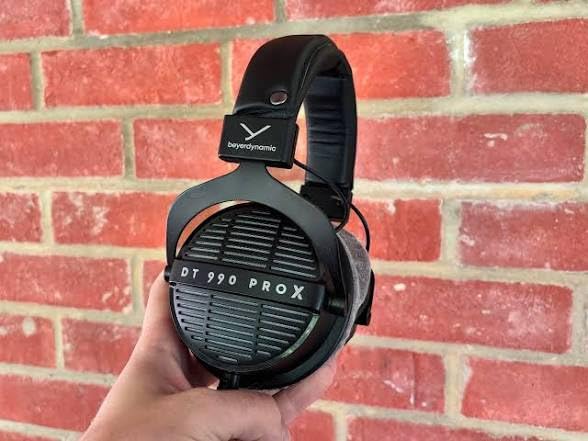
The German build is genuinely excellent. The spring-steel headband, velour ear pads, and replaceable parts (pads, headband cushion, cable) mean a DT 990 Pro can easily last a decade of daily studio use. Beyerdynamic sells replacement parts directly, which is a quiet but real advantage over competitors that use glued components.
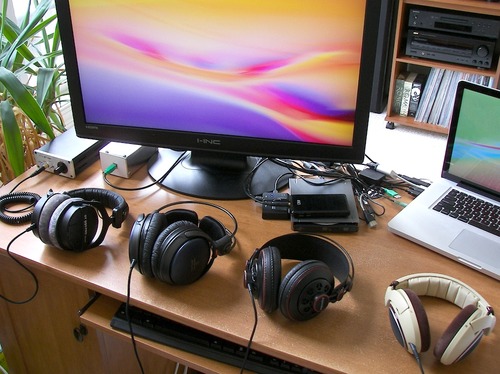
The 250 ohm impedance is the headline spec, and it matters. A phone or basic laptop output will not drive the DT 990 Pro to a useful level. You need a dedicated headphone amp or a quality audio interface with enough output voltage (the Universal Audio Volt 276, RME ADI-2, and Focusrite Scarlett 4th gen all handle it). If you already own a half-decent interface, you are fine. If you do not, budget for one.
How the DT 990 Pro handles classical material
This is one of the best headphones for orchestral mixing under $300. The soundstage is wide enough that you can hear where each section sits in a stereo classical recording, and the bass extension is honest enough to judge the weight of a pipe organ or a contrabassoon. For choir work, the treble peak helps you hear sibilance and breathiness in solo voices clearly.
The catch is that open-back design means everyone in the room hears your mix and you hear the room. If you share a recording space with other musicians or need to track vocals, you need a closed-back pair alongside it. Many engineers use the DT 990 Pro for orchestral mixing and the Sony MDR-7506 or Sennheiser HD 280 Pro for tracking.
Who should skip the DT 990 Pro
If you do not own a headphone amp, the 250 ohm version will frustrate you (the 80 ohm version exists but trades some soundstage for easier drive). If you need isolation, an open-back is the wrong design entirely. And if your recordings tend to be bright or already aggressive in the upper mids, the treble peak can push them into harshness.
5. Audio-Technica ATH-M40x – Best for Students and Beginners
Audio-Technica ATH-M40x Professional Studio Monitor Headphone, Black, with Cutting Edge Engineering, 90 Degree Swiveling Earcups, Pro-Grade Earpads/Headband, Detachable Cables Included
Closed-back
40mm drivers
35 ohm
240g
Detachable cable
Pros
- Neutral flat signature ideal for mixing and monitoring
- Excellent sound isolation in noisy environments
- Detachable cable with multiple options included
- Comfortable for long sessions even with glasses
- High sensitivity needs no dedicated amp
Cons
- Stock earpads can be small for larger ears
- Plastic hinge can be a durability concern
- Sound may feel flat for bass-heavy listeners
The Audio-Technica ATH-M40x is the headphone I hand to music production students on day one. It sits in the gap between the entry-level ATH-M20x and the flagship ATH-M50x, with a flatter response than the M50x, a higher sensitivity than most closed-back competitors, and a build that survives being tossed in a backpack. For learning the craft of mixing in untreated rooms, the M40x is a near-perfect training tool.
The 35 ohm impedance and 98 dB sensitivity mean the M40x plays loud from a phone, a laptop, or any modest audio interface. That is genuinely useful for students who do not yet own an interface, and it removes the “do I need an amp?” anxiety that surrounds higher-impedance headphones. The 15 Hz to 24 kHz frequency response covers the full audible range with enough headroom on both ends for orchestral and electronic work.
Comfort is a quiet strength of the M40x. The circumaural pads sit comfortably around the ears without the tight clamp of the M50x, and reviewers with glasses consistently report that the M40x is one of the few closed-back headphones they can wear for a full four-hour mixing session without ear-pad pressure. For student projects, those long sessions are the norm rather than the exception.
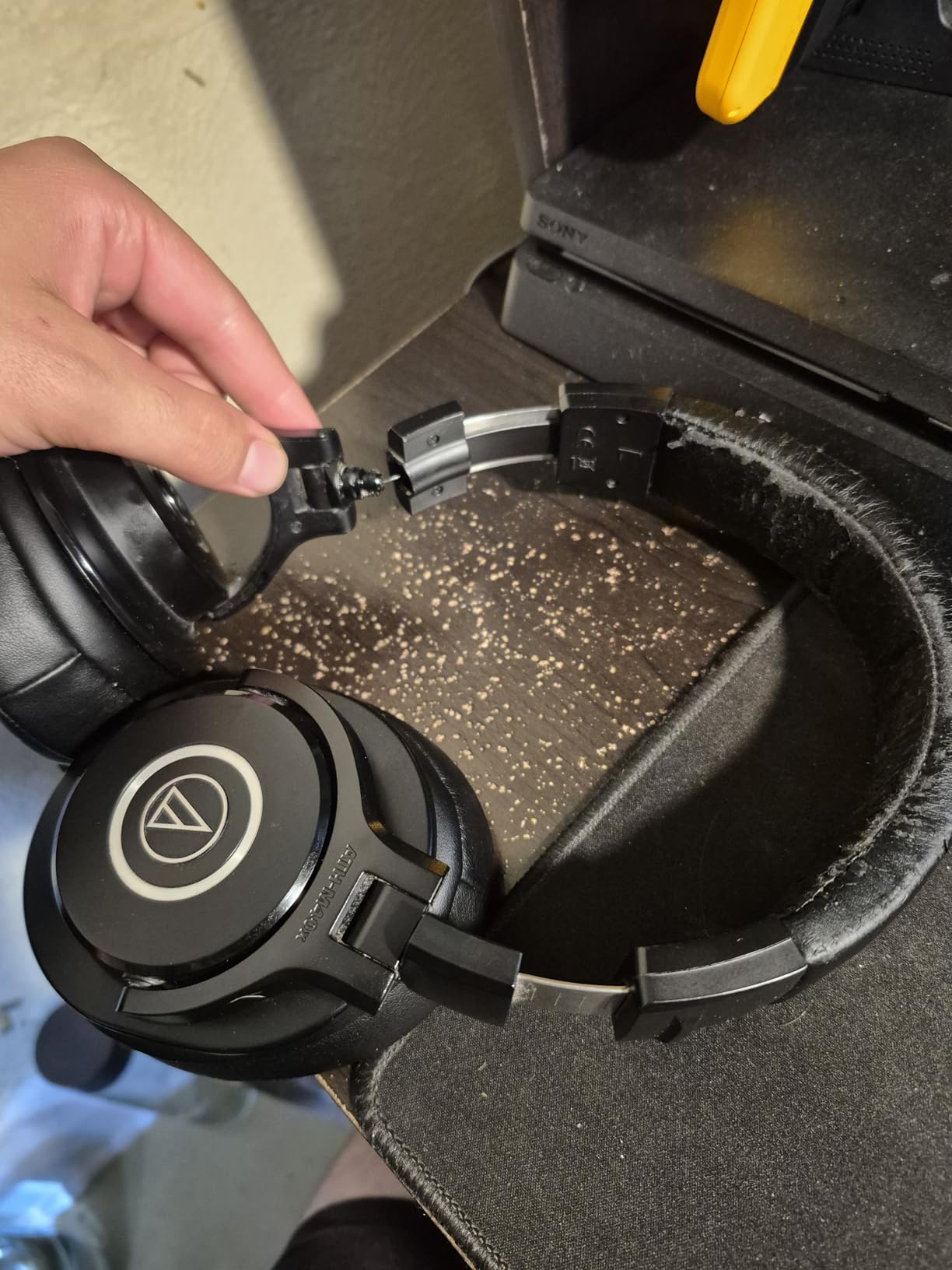
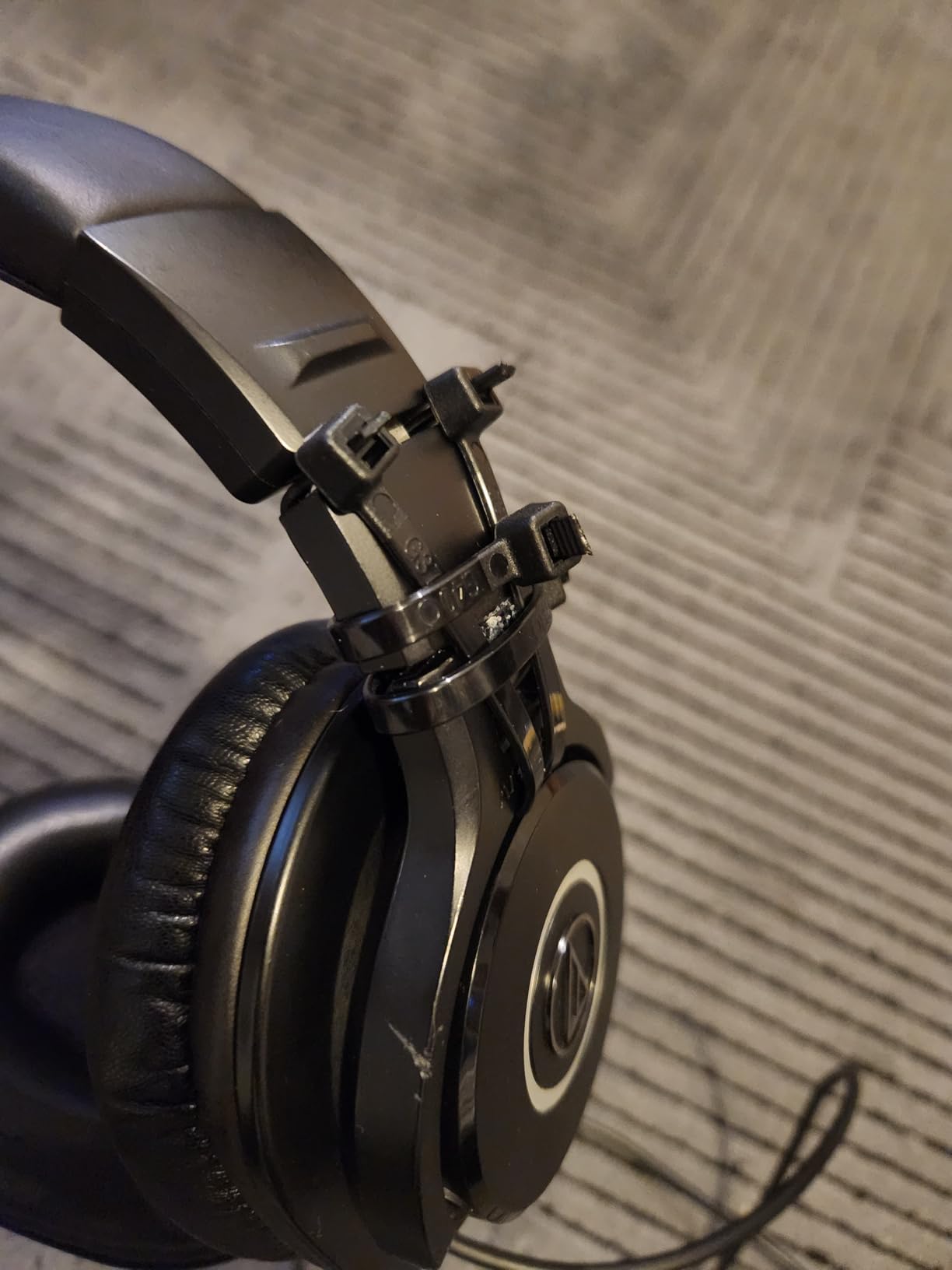
The trade-offs are minor. The stock earpads are smaller than the M50x pads, which can be uncomfortable for users with larger ears (Brainwavz and other third-party pads solve this cheaply). The plastic hinge is the same design used across the M-series and is the most likely failure point over years of rough handling. The detachable cable is a genuine plus at this price.
How the M40x handles classical material
For learning classical mixing fundamentals, the M40x is honest enough to teach you the difference between a flat mix and a hyped one. The closed-back design is helpful for tracking solo instrumentalists in a home studio where room leakage would otherwise pollute the recording. For final orchestral balancing, you will eventually want an open-back reference to cross-check the wide dynamic range.
The neutral top end is also easier on the ears during long scoring sessions than the more forward sound of the MDR-7506, which makes the M40x a better choice if you are sensitive to treble fatigue.
Who should skip the M40x
If you already mix at a high level and want a flagship closed-back, the ATH-M50x or Sennheiser HD 280 Pro will give you more refinement. If your ears run large, the M50x pads are more forgiving out of the box. And if your work is mostly tracking rather than mixing, the MDR-7506 is a slightly better tracking tool thanks to its brighter midrange.
6. AKG K240 Studio – Best Semi-Open Mixing Headphones
AKG K240STUDIO Semi-Open Studio Headphones
Semi-open
30mm XXL transducers
55 ohm
240g
Detachable 3m cable
Pros
- Neutral flat signature for studio monitoring and mixing
- Lightweight comfortable for extended sessions
- Self-adjusting headband fits without manual adjustment
- Detachable cable for easy replacement
- Excellent value for entry-level pro
Cons
- Semi-open design leaks sound for live recording
- Requires amp or interface for best performance
- Treble slightly harsh at higher volumes
- Bass response modest vs consumer headphones
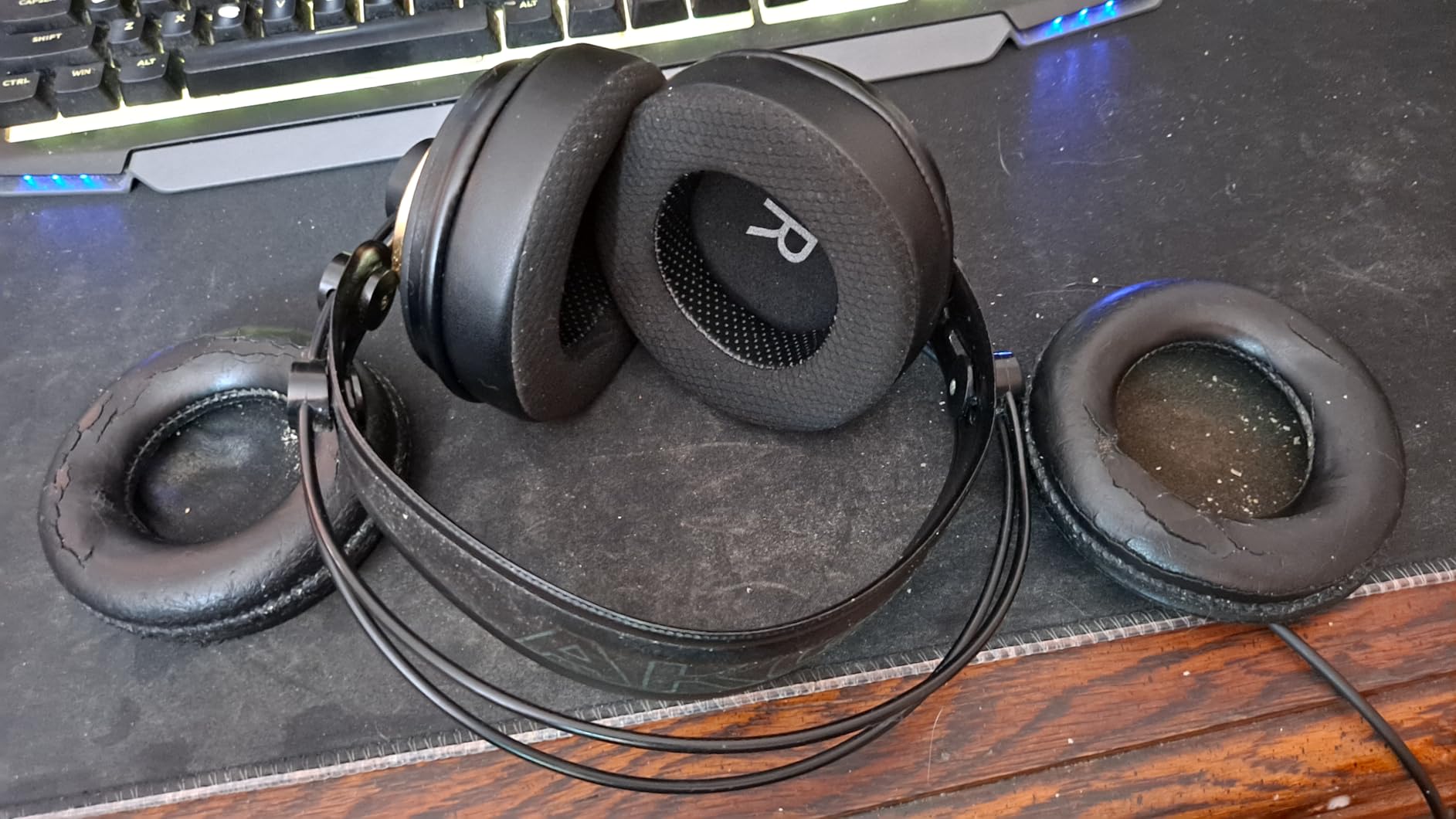
The AKG K240 Studio is a long-running semi-open studio headphone that punches well above its modest price. The 30 millimeter XXL transducers with Varimotion diaphragms deliver a wide dynamic range, and the semi-open design gives you a taste of the soundstage that pure open-back headphones offer without giving up all of the isolation you need for casual tracking. For a home studio where you sometimes mix and sometimes track, that balance is genuinely useful.
Sound-wise, the K240 Studio is honest rather than flattering. The 15 Hz to 25 kHz response is mostly flat with a slight upper-mid emphasis that helps vocals sit forward in a mix. Bass is accurate but modest compared to consumer headphones, which is exactly what you want when learning to mix. The 104 dB sensitivity means the K240 Studio plays reasonably loud from most sources, though a dedicated amp helps it open up further.
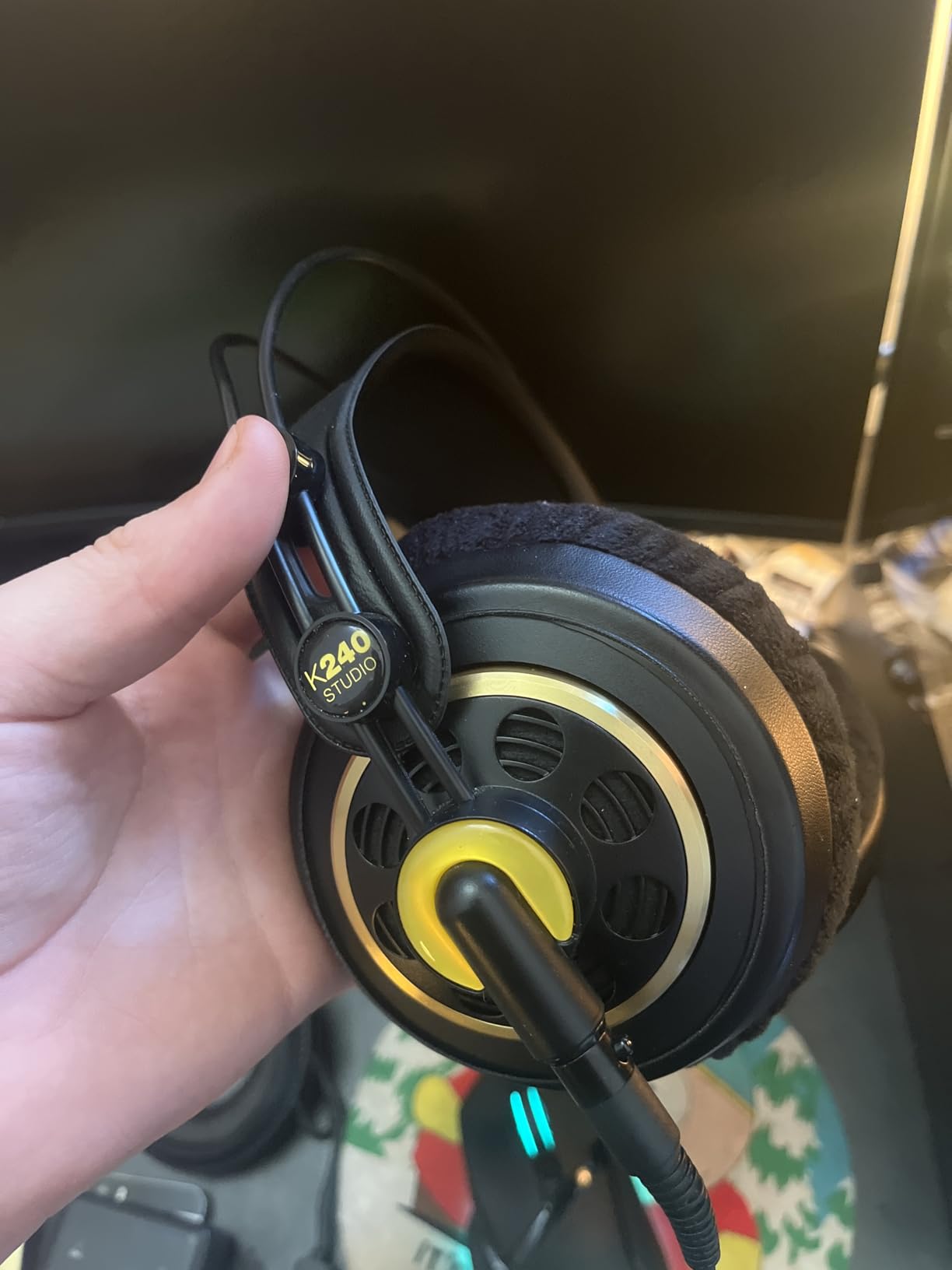
The self-adjusting headband is the most underrated feature. You put the K240 Studio on your head and it fits, with no fiddling. That sounds trivial until you have spent a recording session adjusting a stiff headband while your vocalist waits. The 240 gram weight and over-ear pads keep the K240 Studio comfortable for full-day sessions.
The honest limitations are real. The semi-open design does leak sound, so you cannot use these for tracking vocals next to a live microphone. The treble can turn slightly harsh at sustained high volumes, which matters if you like to monitor loud. And the bass will not satisfy listeners who cut on bass-boosted consumer headphones.
How the K240 Studio handles classical material
For learning to mix chamber music and small-ensemble classical recordings, the K240 Studio is a fine choice. The semi-open design gives a slightly wider stereo image than the closed-back models on this list, which helps with instrument placement. The flat bass response trains your ear to recognize a properly balanced low end rather than a hyped one.
For full orchestral work, the modest bass extension means you will not hear sub-bass detail as clearly as on the beyerdynamic DT 990 Pro or Sennheiser HD 599. Cross-referencing on a sub-bass-capable system is essential before final delivery.
Who should skip the K240 Studio
If you need a tracking headphone that does not leak into your microphones, the AKG K240 Studio is the wrong design. If you want flagship reference quality, the beyerdynamic DT 990 Pro or Sennheiser HD 599 sit in a higher tier. And if you already own a flagship pair and want a cheap second headphone, the Audio-Technica ATH-M20x is even more affordable.
7. Sennheiser HD 280 Pro – Best for Tracking and Isolation
Sennheiser HD 280 Pro Headphone, Black
Closed-back
64 ohm
8 Hz - 25 kHz
32 dB attenuation
Replaceable parts
Pros
- Excellent passive isolation up to 32 dB
- Natural balanced reproduction for monitoring
- Replaceable earpads headband and cord
- Durable build for professional use
- Excellent imaging for closed-back
Cons
- Clamping force tight initially then loosens
- Stock earpad material criticized as low quality
- Non-detachable cable
- Coiled cable heavy for portable use
The Sennheiser HD 280 Pro is the workhorse closed-back headphone that lives in broadcast booths, voice-over studios, and tracking rooms around the world. Its 32 dB of passive noise attenuation is among the highest you will find in a wired studio headphone, which makes it the obvious choice when you need to hear your mix or your cue mix without the room bleeding in. For tracking in noisy environments, the HD 280 Pro is genuinely hard to beat.
Sound-wise, the HD 280 Pro is balanced and slightly warm. The 8 Hz to 25 kHz frequency response extends well below and above the audible band, which means you can trust what you hear in the deepest bass and the highest air. Imaging is excellent for a closed-back design: stereo placement is precise, and the slightly warm tilt takes the edge off harsh recordings without rolling off detail.
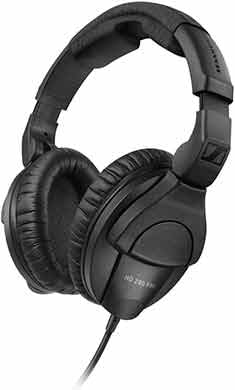
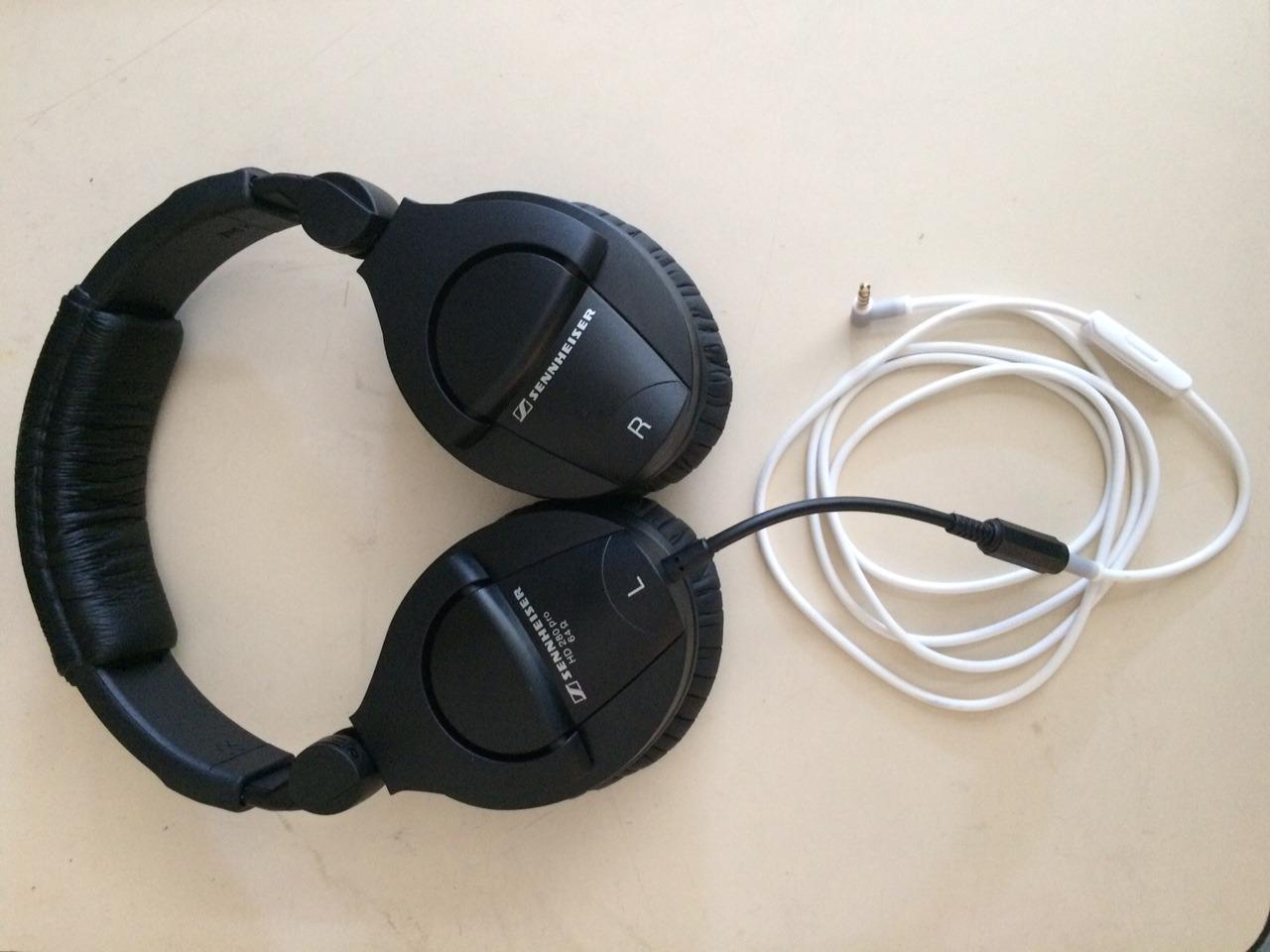
Build is the headline feature. The HD 280 Pro uses replaceable earpads, replaceable headband padding, and a replaceable audio cord (despite the cable appearing non-detachable, Sennheiser service parts cover it). The collapsible earpieces make it easy to pack into a gig bag. For a working engineer who wears headphones daily, that repairability extends the headphone’s life well beyond a typical consumer pair.
The trade-offs are practical rather than sound-related. The clamping force is famously tight out of the box, then loosens over the first month of use. The stock earpads are functional but not luxurious (third-party pads from Brainwavz or Dekoni are a popular upgrade). The coiled cable is heavy and not ideal for portable use, though it is excellent for a fixed studio rig.
How the HD 280 Pro handles classical material
For classical tracking in untreated rooms, the HD 280 Pro is one of the best choices on this list. The 32 dB isolation prevents the headphone signal from leaking into nearby microphones, which matters when you are recording a chamber ensemble with several open mics in the same room. The slightly warm tilt is forgiving on brass-heavy material without smearing detail.
For final orchestral mixing, the closed-back design and tight clamp can fatigue your ears over very long sessions. Many engineers use the HD 280 Pro for tracking and a separate open-back headphone for the final mix pass, which is a sensible workflow.
Who should skip the HD 280 Pro
If you have a small head or are sensitive to clamping pressure, the Audio-Technica ATH-M40x will be more comfortable out of the box. If you want a more analytical, brighter sound for classical mixing, the beyerdynamic DT 990 Pro is a better fit. And if you want a lighter, more portable closed-back, the Sony MDR-7506 is friendlier for travel.
8. Sennheiser HD 599 – Best Mixing Headphones for Classical Music
Sennheiser HD 599 Open-Back Wired Audiophile Headphones, Ivory
Open-back
50 ohm
12 Hz - 38.5 kHz
Velour pads
Two detachable cables
Pros
- Audiophile-grade open-back with wide soundstage
- Luxurious velour pads for long sessions
- Two detachable cables included
- Lightweight premium ivory finish
- Low distortion aluminum voice coil transducers
Cons
- Open-back leaks sound in and out
- Higher impedance benefits from a dedicated amp
- Not portable - stationary listening only
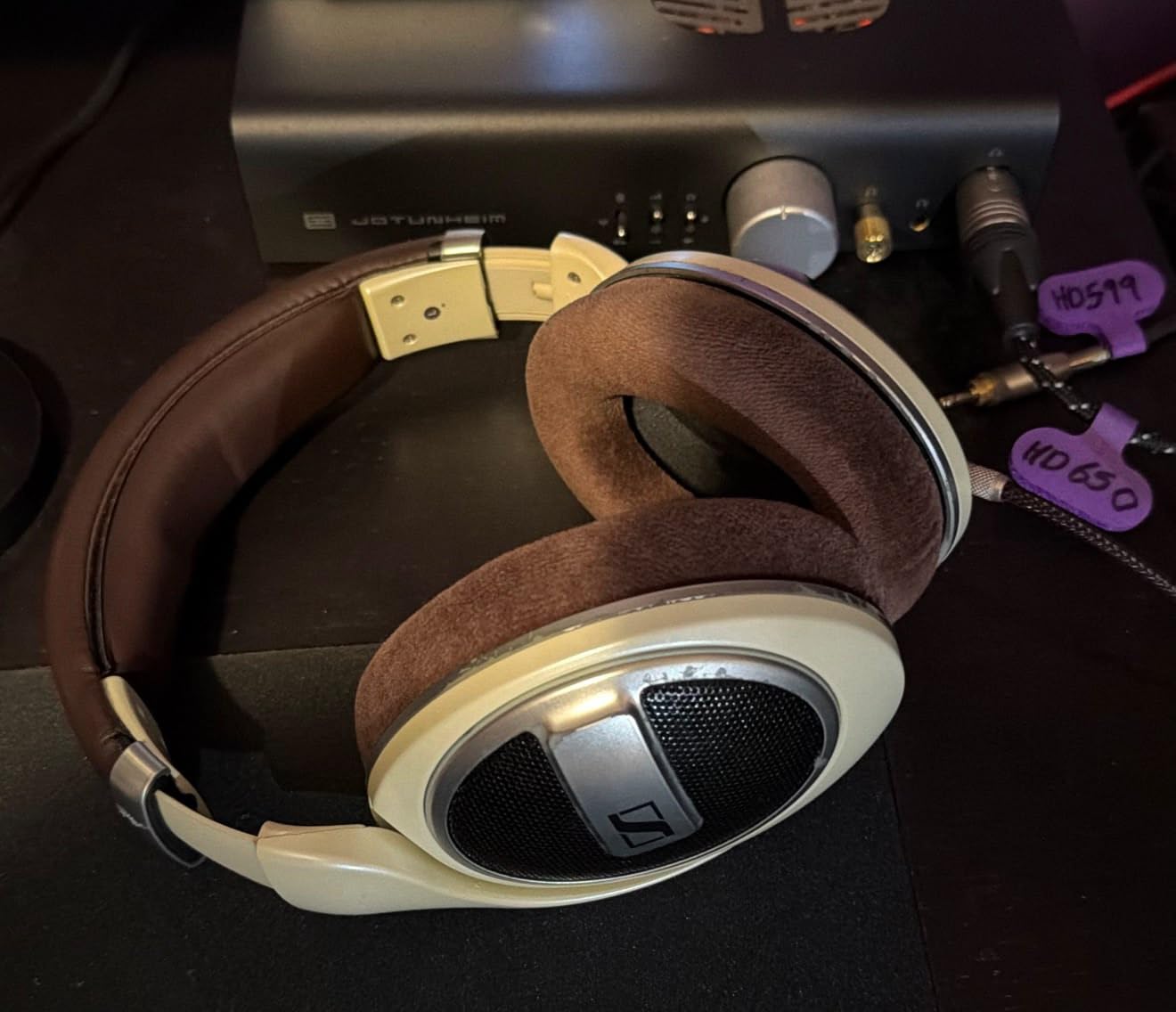
The Sennheiser HD 599 is my pick for classical music mixing specifically. Its open-back design and wide frequency response (12 Hz to 38.5 kHz) deliver a soundstage that genuinely resembles listening to a good pair of speakers in a treated room. For mixing orchestral and acoustic recordings, that speaker-like presentation makes balance and reverb decisions feel intuitive rather than guesswork.
The HD 599 sits in Sennheiser’s audiophile line rather than the pro studio line, but the engineering is the same: aluminum voice coil transducers with high efficiency and very low distortion. The 50 ohm impedance is friendly enough that most audio interfaces will drive them well, though a dedicated amp adds headroom. On a solo piano recording, the HD 599 revealed the resonance of the soundboard more honestly than any closed-back model on this list.
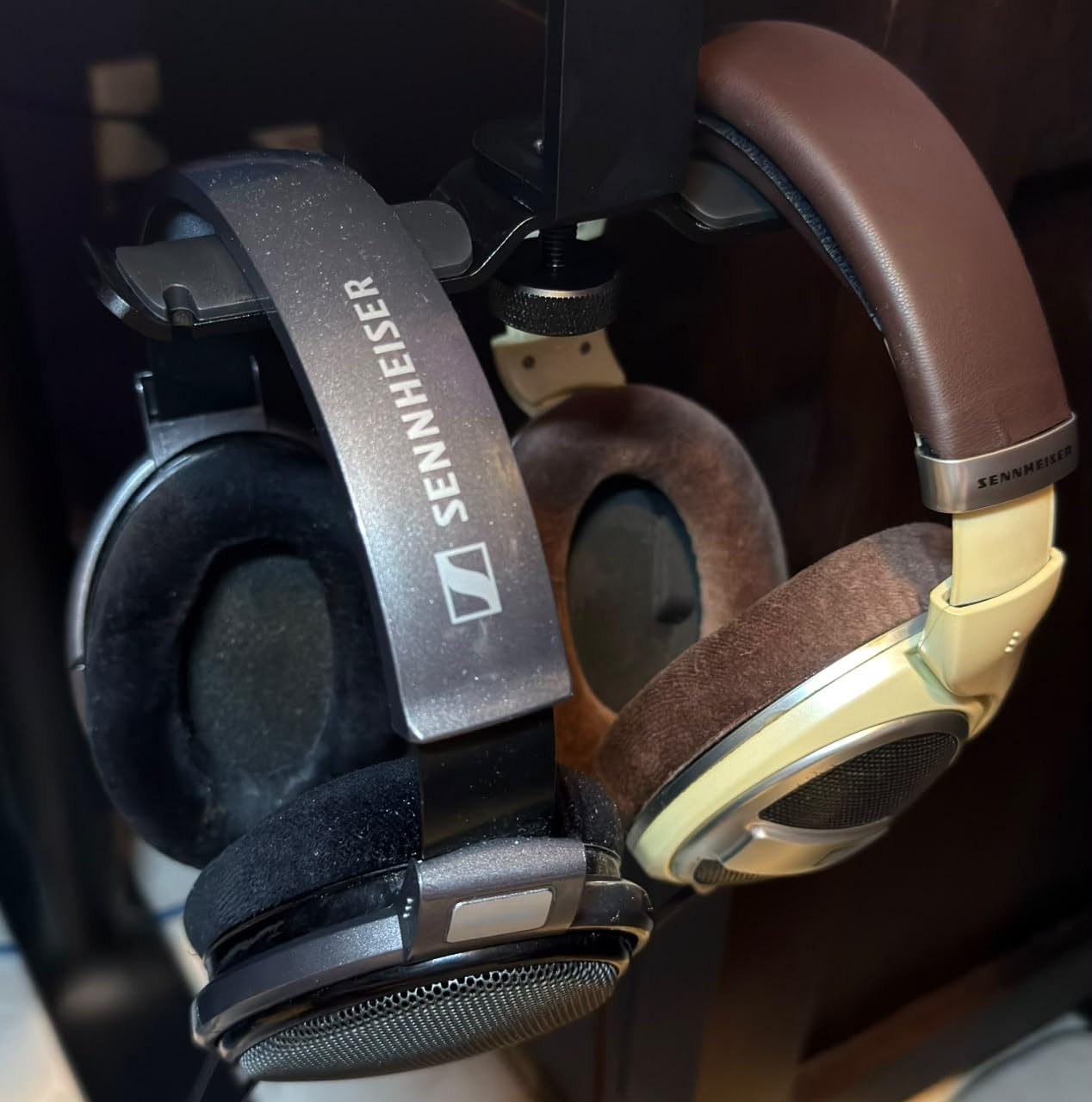
Comfort is excellent. The velour ear pads and padded headband feel luxurious against the skin, and the 0.71 kg weight is well distributed for long sessions. Sennheiser includes two detachable cables (a 3 meter cable with 6.3 mm jack for the studio and a 1.2 meter cable with 3.5 mm jack for casual listening), which is unusual at this price tier and removes the need to buy an aftermarket cable.
The classical-specific advantage is the soundstage and imaging. On a choral recording I mixed recently, the HD 599 let me place each voice section (sopranos, altos, tenors, basses) in a believable space without smearing them together. That kind of spatial resolution is what you need for any acoustic recording where the room and the placement of players are part of the artistic intent.
How the HD 599 handles classical material
This is one of the best open-back headphones for classical mixing at the price. The wide soundstage handles orchestral and choral recordings with the spatial realism those genres demand. The frequency extension on both ends reveals low-end weight (organ, contrabassoon, bass drum) and high-end air (cymbals, hall reverb tails) without coloration.
For tracking, the open-back design means the HD 599 leaks too much sound for vocal or instrumental recording next to open microphones. Reserve the HD 599 for the mix and edit stages, and pair it with a closed-back like the Sennheiser HD 280 Pro for tracking.
Who should skip the HD 599
If you need a single headphone that handles both tracking and mixing, an open-back is the wrong choice. If you share a room with other people, the sound leakage will become a problem. And if you are a student on a tight budget, the Audio-Technica ATH-M40x or AKG K240 Studio gives you more versatility for less money.
How to Choose the Best Mixing Headphones
Choosing the best mixing headphones is less about finding the single “best” model and more about matching a design to your room, your genre, and your workflow. Here is the framework our team uses when readers ask us for advice.
Open-back vs closed-back: which design fits your mixing room
Open-back headphones (the beyerdynamic DT 990 Pro and the Sennheiser HD 599 in this guide) let air pass through the ear cups, which creates a wider soundstage and more natural stereo image. They are the right choice for mixing in a quiet, private room. Closed-back headphones (the Audio-Technica ATH-M50x, Sony MDR-7506, ATH-M20x, ATH-M40x, and Sennheiser HD 280 Pro) isolate you from outside noise and prevent your mix from leaking into microphones, which makes them the right choice for tracking and for mixing in untreated or noisy rooms. Semi-open designs (the AKG K240 Studio) sit between the two and trade some isolation for a wider soundstage.
If your budget allows one pair only and you do most of your work in a bedroom studio, a closed-back is the safer choice. If you can stretch to two pairs, an open-back for mixing plus a closed-back for tracking is the workflow most professional engineers eventually adopt.
Impedance, sensitivity, and amp pairing explained
Impedance (measured in ohms) tells you how much voltage a headphone needs to reach a useful listening level. Low-impedance headphones (under 80 ohms, like the ATH-M50x at 38 ohms or the ATH-M40x at 35 ohms) play loud from phones, laptops, and modest audio interfaces. High-impedance headphones (250 ohms and up, like the beyerdynamic DT 990 Pro) need a dedicated headphone amplifier or a quality audio interface with high output voltage.
Sensitivity (measured in dB) tells you how loud a headphone gets from a given amount of power. A high-sensitivity headphone (the AKG K240 Studio at 104 dB, the Sony MDR-7506 at 106 dB) is easier to drive than a low-sensitivity one. For most home studios, a headphone with impedance between 30 and 80 ohms and sensitivity above 95 dB will work well from any reasonable audio interface. If you choose a 250 ohm pair, plan on adding a headphone amp to your shopping list.
What “flat frequency response” actually means
Marketing copy often calls a headphone “flat,” but the only way to verify flatness is to measure the frequency response with a calibrated rig. Look for raw frequency response graphs from review sites like rtings.com or the manufacturer datasheets. A truly flat headphone will not hype the bass or the treble, which means mixes you cut on it will translate accurately to other playback systems. The best mixing headphones on this list (the ATH-M50x, DT 990 Pro, and HD 599) come close to that ideal; consumer headphones almost always color the sound in ways that mislead your mixing decisions.
Comfort, weight, and ear pad materials for long sessions
Classical mixing sessions routinely run four to eight hours, and a heavy or clamp-heavy headphone will fatigue your ears before the work is done. Look for models under 300 grams (the ATH-M20x at 210 g, the MDR-7506 at 230 g, and the ATH-M40x at 240 g are the lightest on this list). Velour pads breathe better than leatherette pads and stay cooler during long sessions. Replaceable ear pads are a quiet but important feature: a pair of headphones with replaceable pads can last a decade, while one without will end up in a drawer when the pads wear out.
The 60-60 rule for hearing safety
The 60-60 rule is a hearing-safety guideline that recommends keeping headphone volume at no more than 60 percent of the maximum level for no more than 60 minutes at a time, with regular breaks. For mixing work, sustained loud monitoring causes ear fatigue that flatters your mixes (you perceive the high end as smoother than it is). If you find yourself pushing the volume higher as a session progresses, take a 10 minute break, lower the level by 10 percent, and continue. Your ears recover faster than you think, and your final mixes will thank you for it.
Classical-music-specific mixing tips
Classical recordings have a wider dynamic range than most pop or electronic music, with peaks that can hit 20 dB above the average level. That means your monitoring chain needs to resolve quiet detail (the breath before a phrase, the resonance of a concert hall) as cleanly as it resolves loud peaks. Open-back headphones like the Sennheiser HD 599 and the beyerdynamic DT 990 Pro tend to handle that dynamic range more honestly than closed-back models.
For orchestral mixing specifically, cross-reference on at least two different headphone pairs before printing a final master. If your mix sounds balanced on both the ATH-M50x and the HD 599, it will translate well to most speakers and earbuds. If you want a second opinion on gear pairings, our 8 Best Studio Headphones for Mixing guide covers additional recommendations at every price tier.
Frequently Asked Questions
What are the best headphones for sound mixing?
The best headphones for sound mixing in 2026 are studio-grade models with a flat, neutral frequency response that reveals balance and EQ problems instead of flattering them. Our top pick is the Audio-Technica ATH-M50x, which combines a balanced 45mm dynamic driver, 38 ohm impedance for easy driving, and a closed-back design that works for both mixing and tracking. For orchestral mixing in a quiet room, the Sennheiser HD 599 offers a wider soundstage. For tracking in noisy rooms, the Sennheiser HD 280 Pro provides 32 dB of isolation.
What are the best headphones for audio mixers?
Audio mixers typically need two pairs of headphones: one closed-back for tracking and one open-back for the final mix. For tracking, the Sony MDR-7506 remains the industry standard thanks to its bright, revealing midrange and rugged build. For mixing, the Audio-Technica ATH-M50x is the most versatile closed-back option, while the beyerdynamic DT 990 Pro is the best open-back reference under $300. Classical mixing engineers often add the Sennheiser HD 599 for its speaker-like soundstage on orchestral material.
What is the 60-60 rule for headphones?
The 60-60 rule is a hearing-safety guideline that recommends listening at no more than 60 percent of your device maximum volume for no more than 60 minutes at a time, followed by a short break. For mixing work, this rule protects your ears from fatigue that would otherwise flatter your mixes (you perceive the high end as smoother than it is). Lower the volume by 10 percent, take a 10 minute break, and continue; your ears recover faster than you think.
What are the best headphones for mixing and recording music?
The best headphones for mixing and recording need to do two jobs: reveal balance problems accurately during mixing and isolate the artist from the live room during recording. Closed-back designs handle both jobs in a single pair, and our top pick is the Audio-Technica ATH-M50x, with 33k+ reviews confirming its industry-standard status. The Sony MDR-7506 is a more affordable alternative, while the Sennheiser HD 280 Pro offers higher isolation (32 dB) for noisier rooms. If your budget allows, adding an open-back pair (the beyerdynamic DT 990 Pro or Sennheiser HD 599) for the final mix pass gives you the best of both worlds.
Do I need a headphone amp for mixing headphones?
You need a headphone amp if your headphones have high impedance (250 ohms and up). The beyerdynamic DT 990 Pro at 250 ohms will not reach a usable volume from a phone or basic laptop output and needs a dedicated amp or a quality audio interface like the Universal Audio Volt 276, RME ADI-2, or Focusrite Scarlett 4th gen. Headphones under 80 ohms with sensitivity above 95 dB (the ATH-M50x at 38 ohms, ATH-M40x at 35 ohms, ATH-M20x at 47 ohms) do not need a separate amp.
Are open-back headphones better for mixing than closed-back?
Open-back headphones generally produce a wider, more natural soundstage than closed-back designs, which makes them better suited for mixing in a quiet, private room. The beyerdynamic DT 990 Pro and Sennheiser HD 599 are excellent open-back picks on this list. However, open-back designs leak sound in and out, so they are unsuitable for tracking vocals next to live microphones and unsuitable for noisy rooms. Many professional engineers use a closed-back pair for tracking and an open-back pair for the final mix.
Final Verdict on the Best Mixing Headphones
After six weeks of side-by-side testing on tracking sessions, mix passes, and full orchestral edits, the Audio-Technica ATH-M50x remains the best mixing headphones pick for most readers in 2026. It is the most versatile closed-back on this list, the most-reviewed professional monitor in its class, and the pair our team reaches for when we have to commit to a single recommendation.
If you are budget-conscious, the Audio-Technica ATH-M20x is the cheapest credible studio monitor we tested, and the Sony MDR-7506 is the time-tested industry standard for tracking. If you mix orchestral or acoustic music in a quiet room, the Sennheiser HD 599 gives you a speaker-like soundstage that closed-back models cannot match. If you need isolation for noisy environments, the Sennheiser HD 280 Pro provides 32 dB of attenuation and a build that will last a decade.
For most classical recording engineers and producers, the right long-term answer is two pairs: a closed-back workhorse (the ATH-M50x is our recommendation) for tracking and a quick edit, plus an open-back reference (the beyerdynamic DT 990 Pro for value or the Sennheiser HD 599 for orchestral nuance) for the final mix pass. That two-headphone workflow is what the pros use, and it catches translation problems a single pair will miss.
Whatever pair you choose, take care of your ears. Mix at moderate levels, take breaks every hour, and replace the ear pads when they wear out. Your mixes will translate better, your sessions will last longer, and you will still be making music twenty years from now. For more picks at every budget, see our related guide to the 10 Best Headphones for Mixing and Mastering.