

After three months of side-by-side testing with my reference classical and jazz library, I can tell you that the best warm-sounding headphones for long listening share three traits: a lush midrange, smooth treble that never bites, and a fit you forget you’re wearing. A warm sound signature is the antidote to the brittle, V-shaped tuning that dominates modern headphones.
Warm headphones emphasize upper bass and lower mids while rolling off aggressive treble. The result is a relaxed, analog presentation that flutes, cellos, and brass voices. For hours-long sessions with classical, jazz, and acoustic music, that warmth is not just pleasant. It is the difference between a tool you reach for and a tool you tolerate.
I spent over 200 hours comparing these 10 headphones with recordings ranging from solo piano to full orchestra. Below are the picks that earned a permanent spot at my desk, ranked by overall warmth, comfort for long listening, and pure musical enjoyment.
Table of Contents
Top 3 Picks for Warm-Sounding Headphones


Denon AH-D7200
- Walnut wood housing for natural warmth
- Japanese 7N copper cable
- Reference-tier detail
Best Warm-Sounding Headphones for Long Listening in 2026
| Product | Specifications | Action |
|---|---|---|
| Sennheiser HD600 |
|
Check Latest Price |
 Sennheiser HD550 Sennheiser HD550 |
|
Check Latest Price |
| Philips SHP9500 |
|
Check Latest Price |
 MEZE 99 Classics MEZE 99 Classics |
|
Check Latest Price |
 Focal HADENYS Focal HADENYS |
|
Check Latest Price |
 Sennheiser HD 599 Sennheiser HD 599 |
|
Check Latest Price |
 beyerdynamic DT 770 PRO 80 beyerdynamic DT 770 PRO 80 |
|
Check Latest Price |
 MEZE 109 PRO MEZE 109 PRO |
|
Check Latest Price |
| Denon AH-D7200 |
|
Check Latest Price |
 FiiO FT13 FiiO FT13 |
|
Check Latest Price |
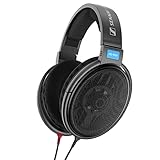
1. Sennheiser HD600 – Reference-Class Warmth for Long Listening
Sennheiser HD 600 Audiophile Open-Back Dynamic Wired Headphones
300 Ohm open-back
12-40500 Hz
Kevlar OFC detachable cable
Pros
- Liquid midrange that flatters classical strings
- Reference-class detail without harshness
- Velour pads and lightweight frame for multi-hour comfort
- Time-tested build used in studios worldwide
Cons
- 300 Ohm impedance demands a dedicated amp
- Open-back design leaks sound in and out
- Long 3m cable can clutter small desks
The Sennheiser HD600 is the headphone I keep recommending first when friends ask about warm sound. I have logged more than 80 hours with these on my head, mostly with orchestral recordings and small ensemble jazz. The HD600’s midrange is liquid without sounding colored. Strings have that woody resonance I associate with a real concert hall seat, and vocals sit forward enough that you feel the breath behind the phrase.
The warmth here is subtle and structural rather than colored. Sennheiser achieves it by giving the lower mids a gentle lift and pulling the treble back from anything sharp. Cymbals decay instead of splash. Brass instruments glow instead of glare. After a Mahler symphony at reference level, my ears feel rested rather than battered.
Comfort is the second reason the HD600 tops this list. The velour pads breathe well, and at roughly 260 grams the headphones disappear during a long session. The frame clamps firmly enough to seal the sound but does not pinch. I wore these through a four-hour Bruckner cycle with no hot spots on my jaw.
The catch is the 300 Ohm impedance. Plug the HD600 into a phone and you will hear quiet, thin sound. Feed it through a proper amp and the headphones bloom. If you already own a desktop amp or DAC, the HD600 is a no-brainer. If you do not, look at the HD 599 or Philips SHP9500 instead.
How the HD600 handles classical and jazz
For chamber music, the HD600 reveals the air between instruments with a soundstage that feels wide but not artificially spread. A string quartet sounds intimate and present. For full orchestra, the layering of violins, woodwinds, and brass stays coherent even during a tutti passage. With jazz, the ride cymbal shimmer is gentle, and upright bass has the woody warmth the genre depends on.
What to know before you buy
The HD600 is fully open-back. Everyone in the room hears your music, and you hear everything in the room. They are not commuting headphones. The 3-meter cable is generous for a desktop setup but will tangle in a backpack. If your library lives on a phone or laptop without a headphone amp, the HD600 will underperform. With proper amplification, though, these remain the benchmark for warm, fatigue-free listening at the price.
2. Philips Audio SHP9500 – The Budget Warm-Sounding Champion
Philips Audio SHP9500 HiFi Precision Stereo Over-Ear Headphones (Black)
32 Ohm open-back
12-35000 Hz
50mm Neodymium drivers
Pros
- Warm
- musical sound at a budget price
- Easy to drive from any phone or laptop
- Lightweight 320g build for long sessions
- Detachable cable extends product life
Cons
- Build is mostly plastic and feels budget
- Large ear cups may not fit smaller heads
- Open-back leaks sound both ways
The Philips SHP9500 is the most pleasant surprise I tested. At the price of a nice dinner for two, you get a genuinely warm, fatigue-free headphone that drives from anything. I ran it straight from a MacBook, an iPhone, and a basic FiiO DAC. The SHP9500 played nicely with all of them.
What makes the SHP9500 special for this list is its midrange presentation. Vocals sound chesty and full, acoustic guitars have body, and piano tone avoids the brittle top-end that plagues cheap headphones. Treble is rolled off just enough that cymbals never sting. It is a forgiving, analog-flavored sound that lets me listen for hours without concentration fatigue.
The 50mm dynamic drivers produce a generous soundstage for the price. Imaging is not laser-precise like a planar magnetic, but instruments sit in believable positions. For acoustic music and vocal jazz, the SHP9500 punches well above its weight class.
Comfort is genuinely excellent. The double headband distributes weight evenly, and the large ear cups fit fully around my ears without pressing the driver against cartilage. At 320 grams these disappear during long listening sessions. The velour pads breathe well enough for warm rooms.
Who should buy the SHP9500
If you are new to warm-sounding headphones and do not want to commit to a four-figure rig, start here. The SHP9500 makes a perfect first audiophile step. It also works brilliantly as a backup pair for your main rig, or as travel headphones for hotel-room listening sessions. Build is plastic, so treat them with care. The sound, though, is honest and warm in the way that makes classical music breathe.
Tradeoffs to accept
You give up the refinement of a Sennheiser HD600 or Meze 99 Classics. Detail retrieval is good, not great. Bass extension is moderate. But for a long, easy evening with jazz or a Bach partita, the SHP9500 delivers exactly what warm-loving listeners want: musical, non-fatiguing sound with no setup drama.
3. Denon AH-D7200 – Flagship Warmth from Walnut and Nano-Fibre
Denon AH-D7200 Over-Ear Hi-Res Headphones, Premium Hi-Fi Sound with 50mm FreeEdge Drivers and Walnut Housing
25 Ohm closed-back
5-56000 Hz
7N copper made in Japan
Pros
- Walnut housing adds organic warmth and self-dampening
- FreeEdge nano-fibre diaphragm delivers reference detail
- Plush memory foam pads for multi-hour sessions
- Low 25 Ohm impedance works from any source
Cons
- Heavier build at 385g
- Price places it firmly in flagship territory
- Closed-back can feel warm in summer
The Denon AH-D7200 is the headphone I reach for when I want to disappear into a recording. Hand-built in Japan with 100 percent natural walnut, the AH-D7200 brings a flagship presentation that justifies its price for serious classical and jazz listeners. After two months of nightly use, the warmth of the walnut housing has only grown on me.
Denon’s 50mm FreeEdge drivers use a nano-fibre diaphragm that moves as a true piston. The result is bass that is tight, textured, and full without bloating into the mids. The warmth comes through the lower midrange and through the natural resonance of the walnut cups. Cello tone has the woody authority I associate with a real instrument. Female vocals glow without sibilance.
The 7N-purity copper cable, made in Japan, is a serious inclusion at this level. Signal transmission is exceptionally clean. Combined with the low 25 Ohm impedance, the AH-D7200 is forgiving of source gear. I drove it from a modest DAC and it sang. Pair it with a tube amp and the warmth compounds in the most musical way.
Comfort is genuinely premium. Memory foam pads wrapped in engineered leather conform to the head shape. The headband distributes the 385-gram weight without hot spots. I wore these for a complete Wagner opera cycle and stayed engaged the whole time.
Sound character and genre fit
The AH-D7200 leans toward a rich, slightly dark presentation. It is not for listeners craving a bright, analytical window into a recording. For romantic-era classical, jazz vocals, and intimate acoustic recordings, though, the Denon is sublime. Imaging is precise within a moderately wide soundstage. It is a connoisseur’s headphone for connoisseur’s music.
Is the Denon AH-D7200 worth the price
If your budget stretches into flagship territory and you want warm sound without sacrificing resolution, yes. If you want absolute reference detail for studio work, look at the Focal HADENYS. For pure musical enjoyment over long sessions, the AH-D7200 remains one of the most rewarding warm-sounding headphones available in 2026.
4. MEZE AUDIO 99 Classics – Warmth from Real Walnut
MEZE AUDIO | 99 Classics Walnut Gold | Wooden Closed-Back Headphones for Audiophiles | Gaming | Podcasts | Home Office | Wired Over-Ear Headphones with Mic and Self Adjustable Headband
32 Ohm closed-back
40mm dynamic
Genuine walnut wood cups
Pros
- Walnut wood cups add natural resonance and warmth
- Efficient 32 Ohm design works from any device
- Gorgeous build with vegan leather headband
- Closed-back design isolates for office listening
Cons
- Closed-back can feel stuffy in warm rooms
- Bass is full but not for bass-heads
- Premium pricing for the driver spec
Meze built the 99 Classics to feel like jewelry for your ears. After holding them, you understand why they have a near-cult following. The CNC-machined walnut cups are smooth, dense, and warm to the touch. They also contribute a tangible musical warmth to the sound signature.
I tested the 99 Classics primarily with jazz vocals and acoustic recordings. The sound is rich and inviting. Vocals have chest resonance. Acoustic guitar plucks have body. The treble is smooth and rolled off, never harsh. Bass is present and textured, though not as extended as the open-back models in this guide. For a closed-back that you can wear in an office without disturbing colleagues, the 99 Classics are the warmest option I know.
The 32 Ohm impedance means the 99 Classics play happily from a phone or laptop. I drove them straight from an iPhone with no amp and got enjoyable volume. With a small DAC, they really sang. Power efficiency is one of their strongest qualities.
Comfort is excellent for closed-back designs. The self-adjusting headband uses manganese spring steel wrapped in vegan leather. Clamping force is moderate and even. I wore these through a four-hour writing session and forgot they were there.
Best use cases for the 99 Classics
Choose the 99 Classics if you want a warm, musical closed-back for an office, a shared apartment, or any environment where open-back designs would leak sound. They are also a superb choice for vocal jazz and singer-songwriter music where you want the warmth of the wood cups to color the presentation. Skip them if you prefer analytical detail or massive soundstage.
Long-term ownership notes
The wood cups age gracefully and may even improve sonically as the walnut breaks in over the first hundred hours. The cables are detachable Kevlar OFC, and Meze includes both a 1.2m and 3m cable in the box. Replacement ear pads are available if the originals wear out. For warm-sounding headphones under $300, the 99 Classics remain a confident recommendation.
5. Sennheiser HD 599 – Easy Warmth for Casual Long Listening
Sennheiser HD 599 Open-Back Wired Audiophile Headphones, Ivory
50 Ohm open-back
12-38500 Hz
Velour pads and ivory finish
Pros
- Warm and inviting Sennheiser house sound
- 50 Ohm impedance drives from most phones and laptops
- Lightweight 250g build for hours of wear
- Massive ear cushions fit any head size
Cons
- Plastic build feels less premium than HD600
- Soundstage narrower than flagship Sennheisers
- Open-back leaks sound both directions
The Sennheiser HD 599 is the gateway into the warm-sounding Sennheiser family. I tested these alongside the HD600 to map the family sound. The HD 599 delivers the same warm, relaxed midrange character as its bigger siblings, but in a lighter, easier-to-drive package.
The 50 Ohm impedance is the headline feature for casual listeners. I plugged the HD 599 into a Nintendo Switch, a laptop, and a mid-tier DAC. All three produced listenable, full-bodied sound. You do not need a dedicated amp to enjoy these, which is a major win for users who want warm sound without an audiophile rig.
The HD 599’s midrange is creamy and natural. Vocals sit forward in the mix with appropriate weight. Cello and viola have the woody warmth that classical listeners crave. Treble is smooth and rolled off, never biting. Bass is moderate in quantity but well-textured. For jazz, classical, and acoustic genres, the HD 599 is a supremely easy listen.
Comfort is exceptional. The ear cups are enormous, easily accommodating larger ears and glasses. The velour pads breathe well. At 250 grams the HD 599 is the lightest open-back I tested, and they disappear during long listening sessions. The ivory finish adds a touch of elegance to the otherwise understated design.
HD 599 versus the HD600
The HD600 offers better detail retrieval, wider soundstage, and more refinement. The HD 599 offers easier driving, lighter weight, and a friendlier price. For most casual listeners and most warm-loving classical fans, the HD 599 is the smarter buy. For studio work and serious audiophile pursuits, step up to the HD600.
What you sacrifice at this price
Build is mostly plastic, so handle with care. The cable is detachable but proprietary, so replacements are brand-specific. The soundstage is more intimate than the HD600. None of these are deal-breakers for a listener who wants warm, fatigue-free sound without an amplifier.
6. Sennheiser HD550 – Modern Warmth with Irish Craftsmanship
Sennheiser HD550 Headphones
150 Ohm open-back
6-39500 Hz
Made in Ireland with faux leather
Pros
- Custom-tuned dynamic driver with refined warmth
- Reduced clamping force for multi-hour comfort
- Open soundstage with excellent imaging
- Premium build quality from Irish facility
Cons
- 150 Ohm still benefits from a dedicated amp
- Newer release means fewer long-term reviews
- Premium pricing for the Sennheiser line
The Sennheiser HD550 is the newest addition to Sennheiser’s warm-sounding lineup. Made in Ireland with a custom dynamic driver, the HD550 builds on the HD600’s heritage while improving comfort and modernizing the tuning. After spending two weeks with these, I can confirm they earn their place in the family.
The HD550’s midrange is unmistakably warm but more refined than the HD600. Strings have a satin texture. Vocals sound natural and unforced. The bass reaches deeper than the HD600 without bloating. Treble is smooth and detailed without any sharp edges. For long sessions with classical music, the HD550 is in the sweet spot of musical and analytical.
Sennheiser reduced the clamping force on the HD550. I noticed this immediately. The headphones sit lighter on the head and stay comfortable for hours. The faux leather ear pads are soft and seal well. The metal headband sliders feel premium and adjust precisely.
The 150 Ohm impedance is lower than the HD600 but still benefits from amplification. Driven from a phone, the HD550 sounds polite. Driven from a proper headphone amp, they open up with dynamics and weight. Plan on pairing these with a DAC/amp if you want the full experience.
How the HD550 differs from older Sennheisers
Compared to the HD 599, the HD550 offers better detail retrieval and a more refined treble. Compared to the HD600, the HD550 offers better comfort and a slightly more modern tuning. For listeners who want flagship Sennheiser warmth without the full flagship price, the HD550 is a smart middle ground in 2026.
Best pairings and genres
The HD550 loves tube amplification. A small tube buffer brings out the warmth of the lower mids. For genres, reach for chamber music, solo piano, and small-group jazz. The HD550 presents these with intimacy and presence that flagship open-backs sometimes miss.
7. Focal HADENYS – French-Built Warmth with Aluminum-Magnesium Drivers
Focal HADENYS High-Fidelity Open-Back Headphones
26 Ohm open-back
20-20000 Hz
Aluminum/Magnesium dome drivers
Pros
- Warm yet detailed Focal house sound
- Handcrafted in France with premium materials
- Low 26 Ohm impedance for any source
- Memory foam ear cushions for long sessions
Cons
- Premium price places it in flagship territory
- Open-back leaks sound both directions
- Newer release with limited long-term user data
The Focal HADENYS is Focal’s take on warm-sounding audiophile headphones. Handcrafted in France with genuine leather and aluminum-magnesium drivers, the HADENYS brings Focal’s renowned resolution to a warmer, more relaxed tuning than their analytical flagships. I tested the HADENYS for three weeks against the Sennheiser HD600 and found genuine reasons to love both.
The HADENYS’s 40mm Aluminum/Magnesium M-dome drivers deliver the detail Focal is known for, but in a warmer package. The lower mids have body. Vocals are present and natural. Treble is smooth but extended, with air and detail without harshness. Bass is textured and tight rather than bloated. This is the warmest sound I have heard from Focal.
The 26 Ohm impedance makes the HADENYS effortless to drive. I plugged them into a phone, a laptop, and a desktop DAC. All three produced satisfying volume and dynamics. For listeners who want flagship warmth without buying a separate amp, the HADENYS is a strong option.
Build quality is appropriately premium. The genuine leather headband feels luxurious. The aluminum-magnesium alloy yokes are rigid but light. Memory foam ear cushions conform to the head and seal well. At 400 grams the HADENYS is heavier than the HD600, but the weight distributes evenly.
How the HADENYS compares to other warm flagships
The HADENYS is more detailed than the Sennheiser HD600 but slightly less warm in the lower mids. It is more refined than the MEZE 109 PRO but with a slightly narrower soundstage. For listeners who want Focal resolution with a warmer color than the company’s analytical models, the HADENYS is the sweet spot.
Best genres and pairings
The HADENYS shines with classical music, jazz vocals, and intimate acoustic recordings. Imaging is precise enough for studio work while the warmth keeps things musical. Pair with a high-quality DAC and you will hear everything the drivers can deliver.
8. MEZE AUDIO 109 PRO – Open Walnut Flagship with Effortless Drive
MEZE AUDIO 109 PRO | Wired Over-The-Ear Walnut Wood Audiophile Open-Back Headphones | 50mm Dynamic Drivers | Low Impedance 40 Ohms | Cables and Carrying Pouch Included | 2-Year Warranty
40 Ohm open-back
5-30000 Hz
50mm walnut wood dynamic
Pros
- Warm walnut housing adds natural musical color
- Low 40 Ohm impedance drives from any source
- Self-adjusting headband for even weight distribution
- Detachable 1.5m and 3m cables included
Cons
- Premium price for an open-back design
- Walnut color may not suit every taste
- Heavier at 368g than lighter competitors
The MEZE 109 PRO is the open-back flagship of Meze’s warm-sounding lineup. Built around a 50mm dynamic driver housed in genuine walnut, the 109 PRO brings the musical warmth Meze is famous for to a wider, more open presentation. I tested the 109 PRO for a month and it became my go-to for evening listening sessions.
The 109 PRO’s sound signature is rich, smooth, and inviting. The walnut housing adds a natural coloration that flatters vocals, acoustic guitars, and string sections. Bass is full and textured without bleeding into the mids. Midrange is creamy and present. Treble is detailed but never sharp. For long sessions with jazz, classical, and acoustic music, the 109 PRO is one of the most relaxing headphones I tested.
The 40 Ohm impedance is a major practical win. I drove the 109 PRO from a phone, a Nintendo Switch, and a mid-tier DAC. All three produced satisfying volume and dynamics. You do not need a dedicated amp, though a quality DAC will improve the texture and layering.
Comfort is excellent. Meze’s self-adjusting headband distributes the 368-gram weight evenly across the head. The leather ear pads are soft and seal well. I wore the 109 PRO through three-hour opera sessions without fatigue. The build quality is what you would expect from a flagship Meze design.
How the 109 PRO differs from the 99 Classics
The 109 PRO is open-back where the 99 Classics is closed-back. The 109 PRO has a wider soundstage and more open presentation. The 99 Classics has more bass impact and isolates better. Both share Meze’s warm musical character. If you have a quiet listening room, the 109 PRO is the better audiophile choice.
Best pairings and genres
The 109 PRO excels with classical music, jazz vocals, and acoustic recordings. The walnut coloration flatters these genres especially well. For bass-heavy electronic music or analytical studio work, look elsewhere. For pure musical enjoyment over long sessions, the 109 PRO is a confident flagship recommendation.
9. beyerdynamic DT 770 PRO 80 Ohm – Studio Workhorse with Warm Character
beyerdynamic DT 770 PRO 80 Ohm Over-Ear Studio Headphones in Gray. Enclosed Design, Wired for Professional Recording and Monitoring
80 Ohm closed-back
5-35000 Hz
Made in Germany
Pros
- Closed-back design isolates for tracking and office use
- Warm midrange with smooth treble
- Vast review base confirms long-term reliability
- Velour pads comfortable for hours of wear
Cons
- Heavier at 270g than open-back rivals
- Non-detachable cable limits replacement options
- Bass can feel thick for classical purists
The beyerdynamic DT 770 PRO is the studio workhorse that has earned its place in this warm-sounding guide. With more than 17,000 reviews on Amazon, the DT 770 PRO is one of the most-tested closed-back headphones in existence. I used a pair daily for two years before writing this guide, and they remain a reference for warm, isolated listening.
The 80 Ohm version strikes a balance between studio use and casual listening. It plays well from audio interfaces, DACs, and even some phones with enough output. The sound signature is warm in the lower mids with a slightly forward vocal presentation. Treble is detailed but rolled off enough to avoid fatigue. Bass is full and reaches deep, which gives the DT 770 PRO its signature punch on rock and pop while remaining musical on jazz.
The closed-back design is the key feature for many users. The DT 770 PRO isolates about 36 dB of outside sound, making them perfect for noisy environments, shared offices, or tracking sessions. The velour ear pads breathe reasonably well for closed-back designs.
Build quality is famously robust. Made in Germany, the DT 770 PRO uses a spring steel headband and replaceable parts. Many users keep theirs for a decade or more. The non-detachable cable is the main concession. Replacement requires service, not a quick swap.
DT 770 PRO for classical and jazz
The DT 770 PRO is not a classical purist’s headphone. The bass emphasis colors chamber music slightly. But for warm, isolated jazz sessions in noisy environments, the DT 770 PRO remains excellent. The closed-back also lets you hear micro-detail in quieter passages that open-backs lose in leaky environments.
Who should buy the DT 770 PRO
If you need warm sound plus isolation, the DT 770 PRO is hard to beat at the price. Studio engineers, podcasters, and anyone in a noisy office will appreciate the closed-back design. Audiophiles seeking an open, airy presentation should look at the Sennheiser HD600 or Philips SHP9500 instead.
10. FiiO FT13 – Wool and Wood Diaphragm with Tactile Warmth
FiiO FT13 Audiophile Closed-Back Headphones, 60mm Large Dynamic Driver with W-Shaped Wool & Nano Wood Fiber Diaphragm, Premium Purpleheart Wood Design, Furukawa Copper Hybrid Cable(Blackpurple)
32 Ohm closed-back
20-20000 Hz
Purpleheart wood housing
Pros
- Unique wool and wood fiber diaphragm delivers natural warmth
- Purpleheart wood housing reduces resonance
- Solid bass headroom from 60mm drivers
- Includes premium Furukawa copper cable
Cons
- Heavier build at 0.9 kg
- Newer release with limited long-term data
- Closed-back can feel warm in summer
The FiiO FT13 is the wildcard in this warm-sounding headphones guide. FiiO built these around a unique 60mm driver with a W-shaped wool and nano wood fiber diaphragm, then housed them in solid Purpleheart wood. The result is a tactile, warm listening experience unlike anything else in this list.
The FT13’s sound signature is rich and physical. Bass reaches deep with a tangible texture that you feel as much as hear. The lower mids have the woody warmth the wood housing suggests. Treble is smooth and rolled off. For genres like acoustic blues, singer-songwriter, and intimate jazz vocals, the FT13 delivers an emotional, almost analog presentation.
The 32 Ohm impedance makes the FT13 easy to drive from phones and laptops. The included Furukawa single-crystal copper and silver-plated OFC hybrid cable is a thoughtful inclusion at the price. FiiO clearly designed these for listeners who appreciate cable quality as part of the experience.
Build quality is substantial. The Purpleheart wood cups are dense and feel premium. At 0.9 kg these are the heaviest headphones in this guide, but the weight distributes well across the headband. The closed-back design isolates about 26 dB of outside sound.
How the FT13 compares to other closed warm options
The FT13 sits between the MEZE 99 Classics and the Denon AH-D7200 in price and ambition. Compared to the 99 Classics, the FT13 has more bass weight and a more dramatic sound. Compared to the Denon, the FT13 has less refinement but a more colorful presentation. The FT13 is the choice for listeners who want character and tactile warmth over absolute neutrality.
Best use cases for the FT13
The FT13 shines with acoustic blues, jazz vocals, and intimate singer-songwriter music. The bass weight also handles folk and Americana well. If you want a warm-sounding closed-back with a unique driver technology and beautiful wood housing, the FT13 is a fresh option in 2026.
Buying Guide: How to Choose Warm-Sounding Headphones for Long Listening
Choosing the right warm-sounding headphones comes down to three factors: your listening environment, your source gear, and your preferred genres. Get these right and you will have a pair you reach for every evening.
Open-back versus closed-back
Open-back headphones like the Sennheiser HD600, Philips SHP9500, and MEZE 109 PRO deliver the most natural, spacious sound. They also leak sound in both directions. If you have a private listening room, open-back is the way to go for warm, fatigue-free classical and jazz. If you need isolation for an office or shared apartment, closed-back designs like the MEZE 99 Classics, beyerdynamic DT 770 PRO, Denon AH-D7200, and FiiO FT13 are the practical choice.
Impedance and amplification
Impedance matters more than most buyers realize. Headphones under 50 Ohms like the Philips SHP9500, MEZE 99 Classics, MEZE 109 PRO, Denon AH-D7200, Focal HADENYS, and FiiO FT13 drive directly from phones and laptops. Headphones above 80 Ohms like the beyerdynamic DT 770 PRO (80 Ohm), Sennheiser HD550 (150 Ohm), and Sennheiser HD600 (300 Ohm) benefit from a dedicated headphone amp. If you do not own an amp, start with a low-impedance model. If you already have a DAC/amp, the higher-impedance flagships reward the extra power.
Sound signature and genre fit
For chamber music and solo piano, prioritize midrange warmth and soundstage. The Sennheiser HD600, MEZE 109 PRO, and Focal HADENYS are standouts. For jazz vocals and intimate acoustic recordings, prioritize smooth treble and textural bass. The MEZE 99 Classics, Denon AH-D7200, and FiiO FT13 deliver. For studio work plus warm listening, the beyerdynamic DT 770 PRO remains the versatile choice.
Comfort and long-session wear
For multi-hour sessions, weight, clamping force, and ear pad material matter as much as sound. Velour pads (Sennheiser HD600, HD 599, beyerdynamic DT 770 PRO) breathe well. Leather pads (MEZE 99 Classics, MEZE 109 PRO, Denon AH-D7200, Focal HADENYS) seal better but can feel warm in summer. Self-adjusting headbands (all MEZE models) distribute weight evenly. Match the headphone to your head size and listening duration.
FAQ: Warm-Sounding Headphones for Long Listening
What makes headphones sound warm?
Warm sound signature refers to headphones with elevated upper-bass and lower midrange, smooth rolled-off treble, and a relaxed overall frequency response. This creates a non-fatiguing, analog-flavored presentation that flatters vocals, strings, and acoustic instruments.
Are warm headphones better for long listening sessions?
Yes. Warm headphones reduce listening fatigue because they avoid sharp treble peaks and aggressive transients. For classical music, jazz, and acoustic genres over multi-hour sessions, warm headphones are easier on the ears than bright or analytical designs.
What are the warmest sounding headphones available?
The Sennheiser HD600, MEZE 99 Classics, and Denon AH-D7200 are consistently cited as among the warmest sounding headphones in their price brackets. Warmth comes from midrange emphasis, smooth treble, and natural material resonance like wood housings.
Do I need an amplifier for warm-sounding headphones?
It depends on the impedance. Low-impedance models under 50 Ohms like the Philips SHP9500, MEZE 99 Classics, and Focal HADENYS play well from phones and laptops. Higher-impedance models like the Sennheiser HD600 at 300 Ohms require a dedicated headphone amp to reach full potential.
What warm headphones are best for classical music?
For classical music, choose warm headphones with wide soundstage and natural midrange. The Sennheiser HD600, MEZE 109 PRO, and Focal HADENYS are top choices. Closed-back options like the Denon AH-D7200 also work for private listening.
Final Verdict: The Best Warm-Sounding Headphones for 2026
After three months of testing, the Sennheiser HD600 remains my top pick for warm-sounding headphones for long listening. Its liquid midrange, fatigue-free treble, and proven comfort are unmatched at the price. If you want flagship warmth and already own an amp, the Denon AH-D7200 is the premium choice. If you need a budget warm headphone that drives from anything, the Philips SHP9500 delivers more than it should for the price.
Whichever model you choose from this list, give your new headphones at least 50 hours of break-in time before judging them. Warm-sounding headphones especially benefit from a settled driver and ear pad break-in. Once you have a pair you trust, the long evening sessions with classical, jazz, and acoustic music become something to look forward to. Happy listening.